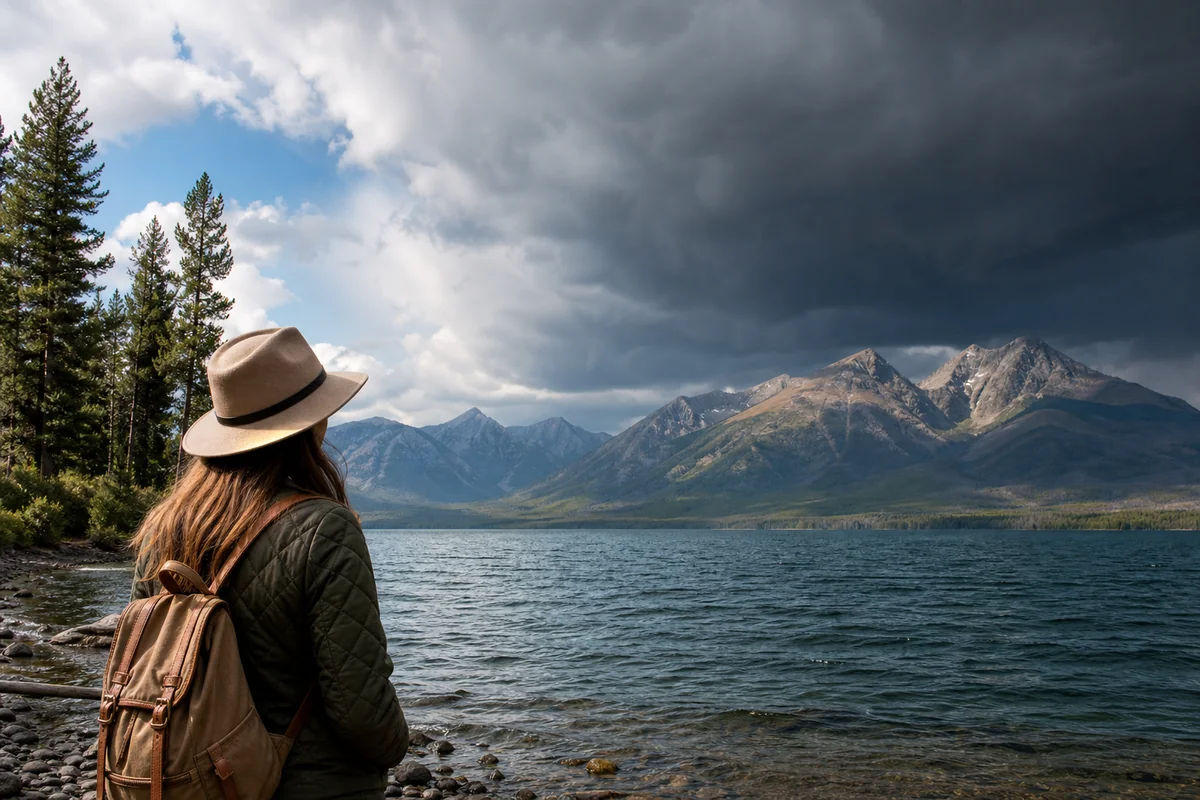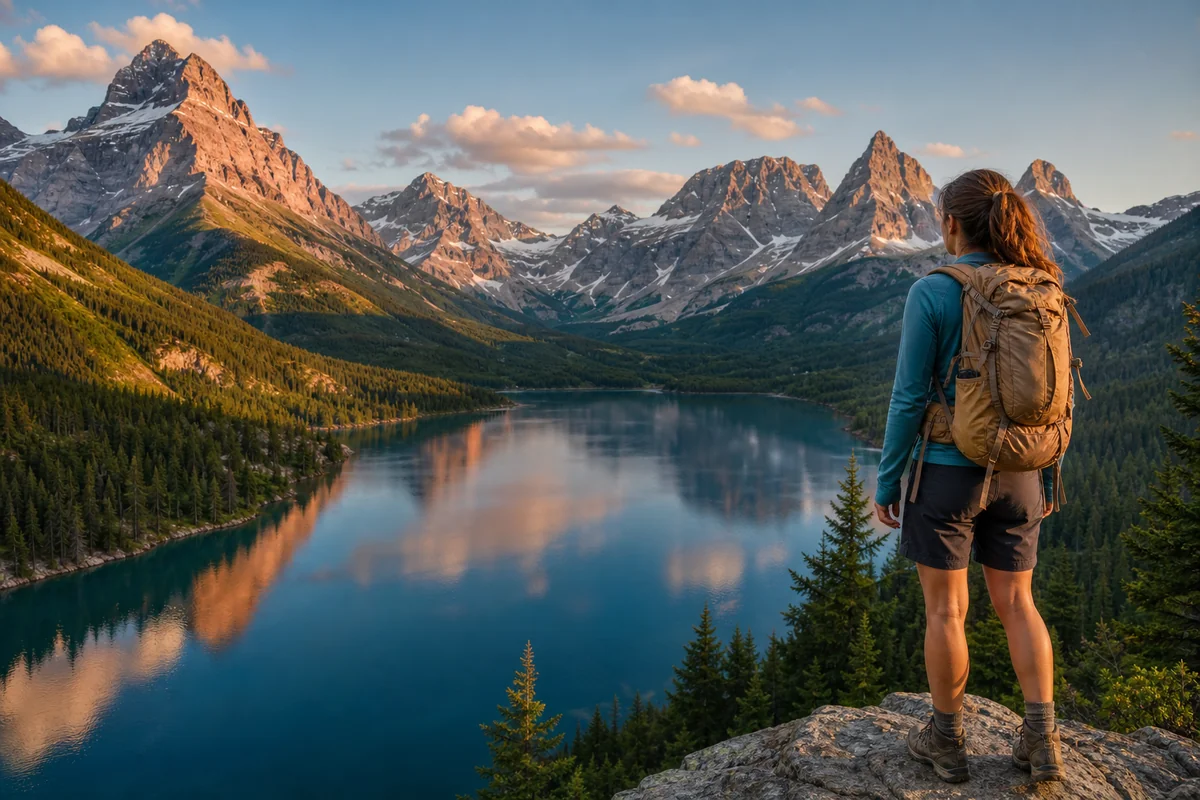
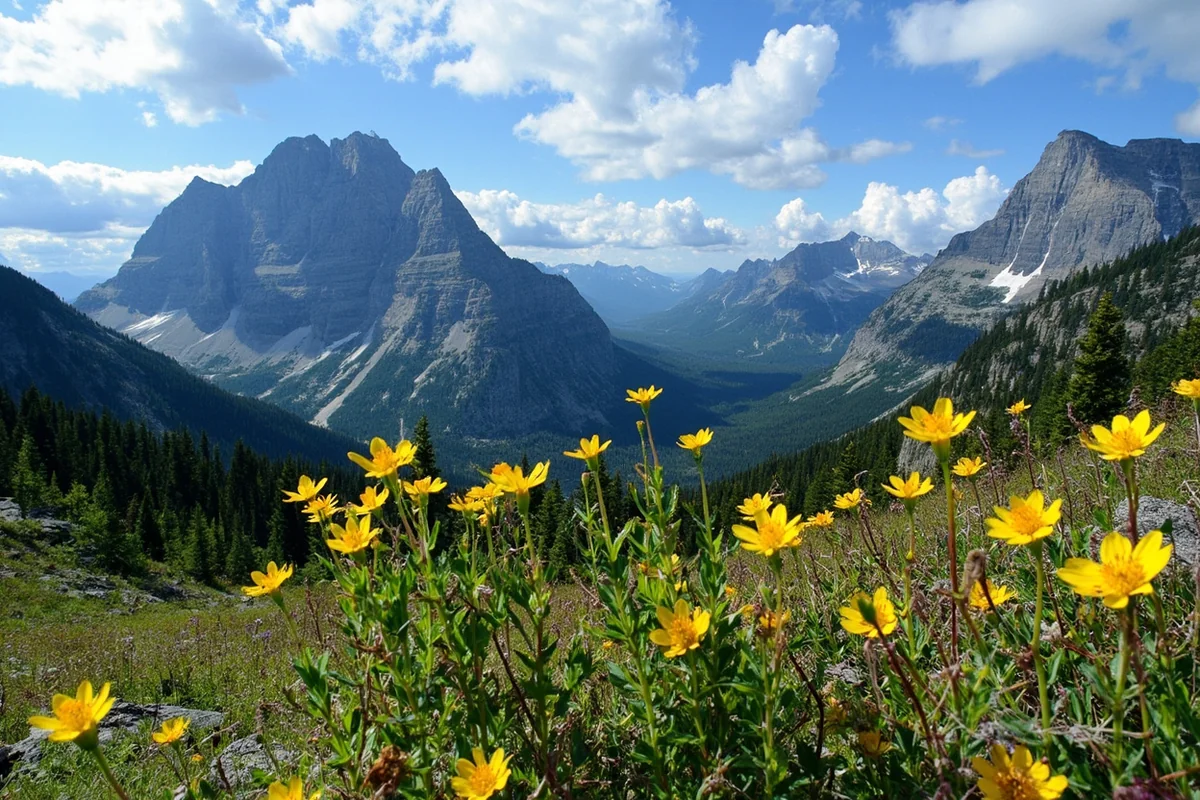
Last July, I stood at the edge of Avalanche Lake in Glacier National Park at 6 AM, watching the sun paint the surrounding peaks in shades of pink and gold while the temperature hovered around 45°F.
By 3 PM that same day, I was sweating through my shirt on a dusty trail near Billings in 95-degree heat. That’s Montana summer in a nutshell—wildly variable, endlessly surprising, and absolutely worth every moment if you come prepared.
Understanding Montana’s summer weather is crucial for any successful trip to Big Sky Country, and our comprehensive Montana Weather Guide covers the year-round picture.
But summer demands its own deep dive because the conditions you’ll encounter differ dramatically from what most travelers expect.
- Montana summer runs late June through August, with temperatures ranging from 40°F at night to 95°F+ during the day depending on location and elevation
- Pack layers—seriously, even in July you’ll need a fleece for mountain mornings
- Afternoon thunderstorms are common June-August; plan outdoor activities for morning hours
- Wildfire smoke can significantly impact air quality and visibility, especially late July through September
- Western Montana (Glacier region) stays cooler; Eastern Montana sees hotter, drier conditions
- The best months for predictable weather are mid-June and September
Liked this article?
Add Roaming Montana as a preferred source so you see more of our articles and guides on Google.
What Montana Summer Actually Feels Like
When I tell people I’m heading to Montana for summer, they often picture endless sunny days with mild temperatures. The reality is more nuanced and honestly more interesting.
Temperature Swings That Catch Everyone Off Guard
During my visits, I’ve experienced 50-degree temperature swings within a single 24-hour period. This isn’t unusual—it’s just Montana.
In the mountainous western regions around Glacier and Flathead Lake, daytime highs typically reach the mid-70s to low 80s from late June through August. But those same areas routinely drop into the 40s at night, and I’ve seen frost in the higher elevations even in July.
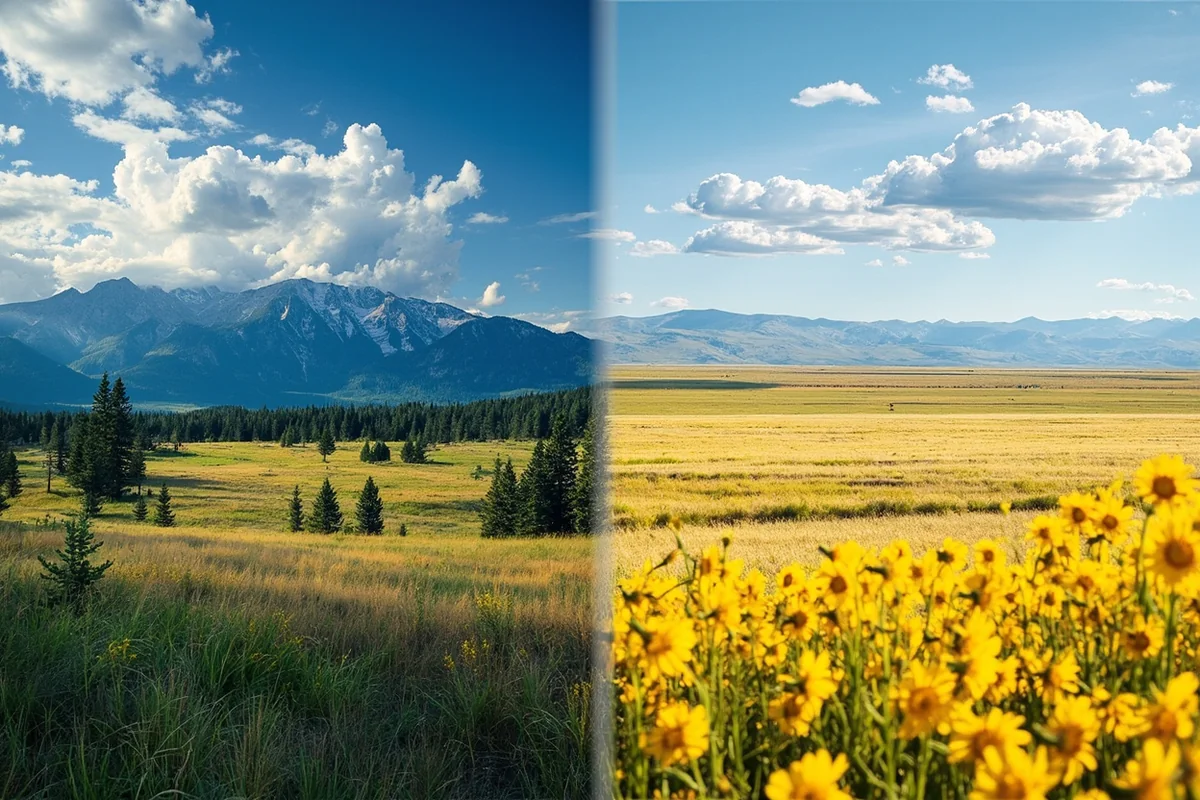
Eastern Montana operates on a completely different system. Cities like Billings, Miles City, and Glendive regularly hit the 90s, with occasional spikes above 100°F. If you’re curious about Montana’s warmest places, the eastern plains consistently top that list during summer months.
The prairies also experience more dramatic heat because there’s nothing to break up the sun’s intensity. I remember driving from Bozeman to Terry last August and feeling like I’d crossed into a different climate zone entirely.
Humidity (Or the Wonderful Lack of It)
One of my favorite things about Montana summer is the low humidity. Coming from the Midwest where July feels like breathing through a wet blanket, Montana’s dry heat is genuinely refreshing.
Average humidity levels hover between 25-45% depending on where you are. This means 85°F in Montana feels dramatically different than 85°F in Chicago or Atlanta. You can actually enjoy being outside.
That said, if you’re wondering is Montana humid, the answer is complicated. The western valleys can hold more moisture, especially near lakes and rivers. I’ve had muggy mornings in the Flathead Valley that surprised me.
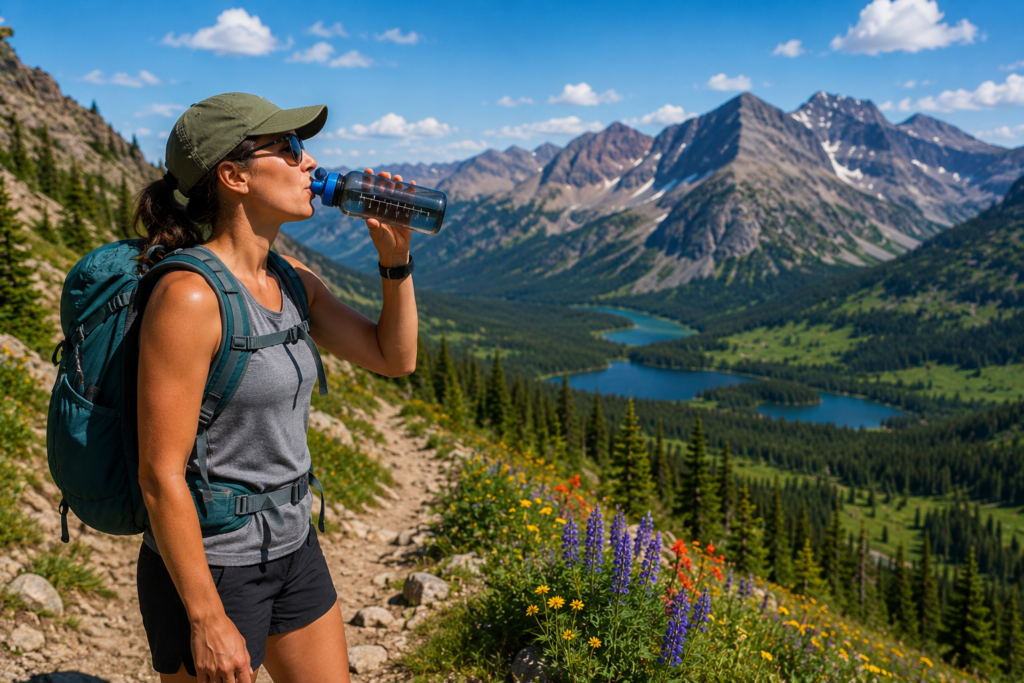
The dry air also means you’ll dehydrate faster than you realize. I can’t stress this enough—drink twice as much water as you think you need. During a hike to Grinnell Glacier, I went through three liters before noon and still felt parched.
Regional Weather Breakdown: Where You Go Matters
Montana is enormous—fourth largest state in the US—and the weather varies dramatically by region. Here’s what I’ve learned from traveling across different parts during summer.
Western Montana (Glacier, Missoula, Flathead)
This is the region most visitors picture when they think of Montana, and it delivers on the mountain scenery promises.
Summer temperatures in Glacier National Park typically range from 45-75°F, though I’ve seen it hit 85°F in the lower elevations during heat waves. The Going-to-the-Sun Road usually opens fully by late June or early July, depending on snowpack from the previous winter.
Missoula, nestled in a valley at about 3,200 feet elevation, runs warmer—expect highs in the 80s and occasional low 90s. The city’s location between mountain ranges creates interesting weather patterns, and afternoon storms roll through regularly.
Flathead Lake, one of the largest natural freshwater lakes west of the Mississippi, has its own microclimate. The water moderates temperatures, making the surrounding area slightly cooler in summer. I spent a week in Bigfork last July and never needed more than a light jacket at night.
Central Montana (Great Falls, Helena, Butte)
The central corridor sits at higher elevations with more exposure to weather systems moving across the plains.
Great Falls averages highs around 85°F in July but is known for significant wind. The city isn’t called “Wind City” for nothing—gusts can make even warm days feel cooler.
Helena, the state capital, experiences fairly typical continental summer weather. Expect comfortable days in the 80s with genuinely cool evenings perfect for dining outside.
Butte sits at nearly 6,000 feet elevation, making it noticeably cooler than surrounding areas. Even in August, I’ve needed a jacket there when other Montana cities were sweltering.
Eastern Montana (Billings, Miles City, Glendive)
The eastern plains operate on prairie rules—hotter days, bigger skies, and weather that can change in minutes.
Billings, Montana’s largest city, regularly sees temperatures in the 90s during summer. During my last visit in mid-July, the thermometer hit 97°F, and the locals acted like it was perfectly normal (because it is).
Miles City and Glendive push even hotter. These communities in the far eastern reaches regularly compete for Montana’s highest temperature records. If you’re visiting during a heat wave, plan indoor activities for midday.
The upside of eastern Montana summer? Consistently clear skies and spectacular thunderstorms. I’ve photographed some of the most dramatic storm cells I’ve ever seen rolling across the prairie near Jordan.
| Region | Avg High (July) | Avg Low (July) | Key Consideration |
|---|---|---|---|
| Glacier/Flathead | 70-80°F | 45-52°F | Afternoon storms, cool nights |
| Missoula Valley | 82-88°F | 50-55°F | Smoke season impacts |
| Great Falls | 83-87°F | 52-57°F | Persistent wind |
| Helena/Butte | 78-84°F | 48-54°F | Higher elevation = cooler |
| Billings | 87-92°F | 55-60°F | Hot afternoons |
| Eastern Plains | 88-95°F | 55-62°F | Extreme heat possible |
Afternoon Thunderstorms: Plan Around Them
If there’s one weather pattern you need to understand for Montana summer, it’s the afternoon thunderstorm cycle.
Why They Happen
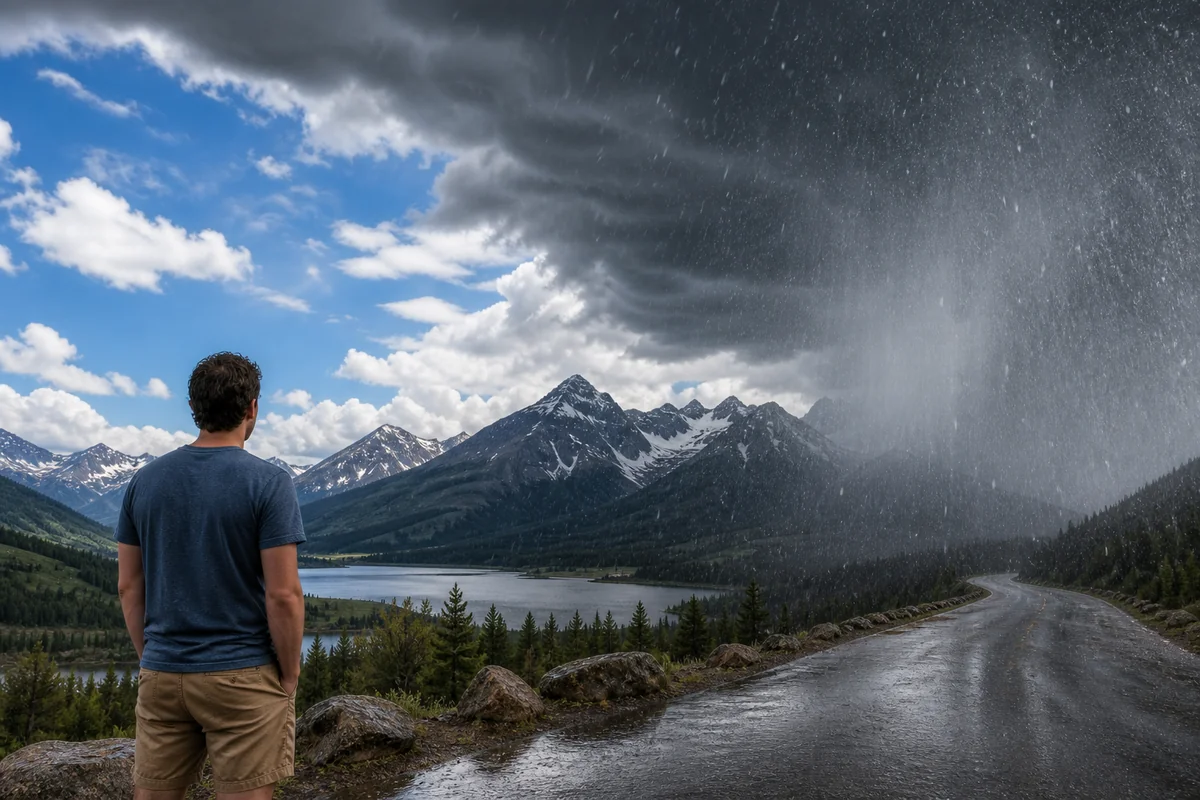
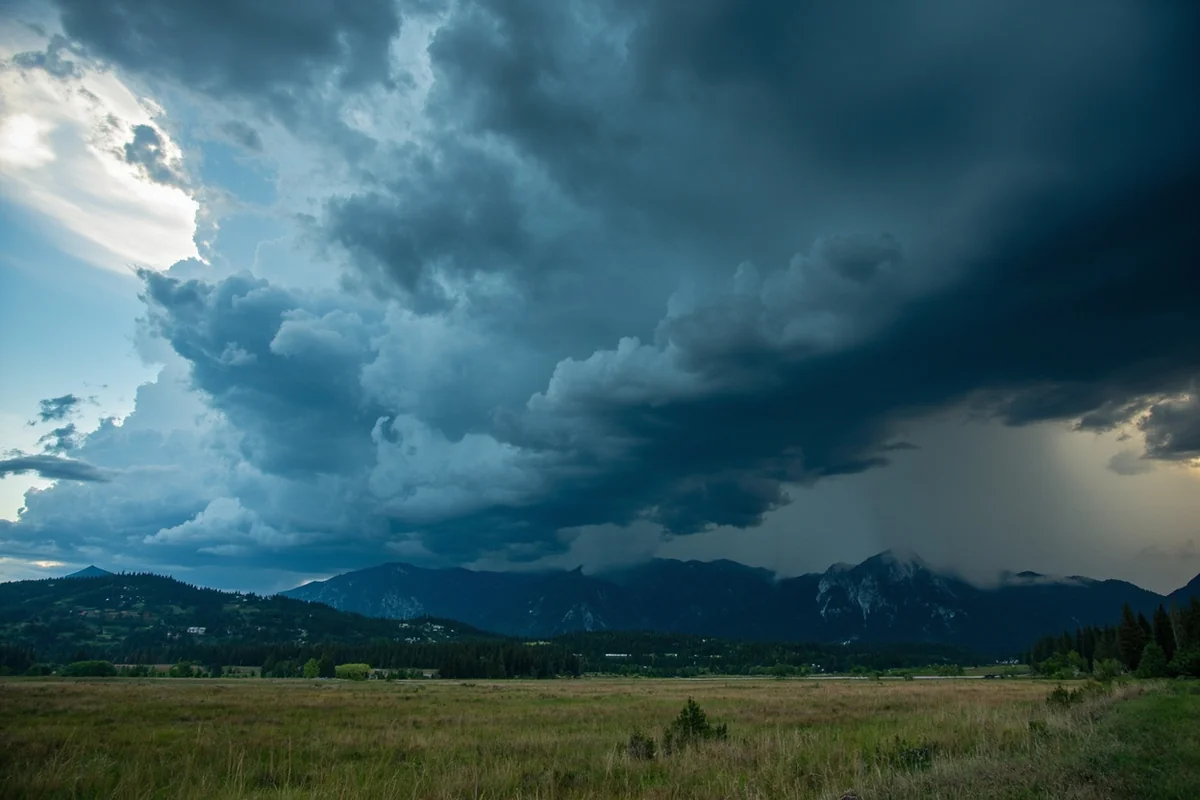
Montana’s mountainous terrain creates ideal conditions for convective storms. Morning sun heats the valleys, air rises along the mountain slopes, and by mid-afternoon, moisture condenses into thunderheads.
I’ve watched this process unfold dozens of times from various vantage points across the state. Clear blue morning skies gradually develop puffy cumulus clouds by noon, which then build into towering cumulonimbus by 2-3 PM.
What to Expect
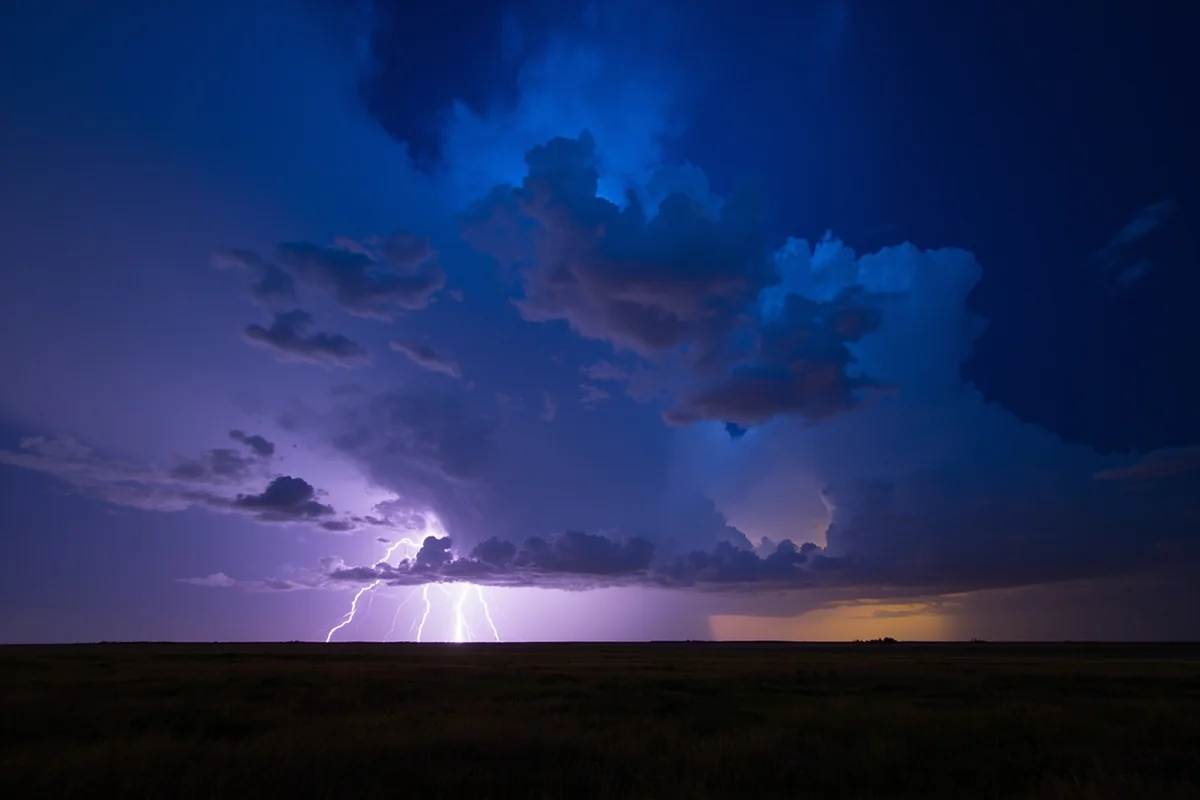
Typical summer thunderstorms bring heavy rain, lightning, possible hail, and occasionally strong winds. Most pass through within 30-60 minutes, leaving cooler temperatures and spectacular rainbows in their wake.
The lightning can be intense and dangerous, especially at higher elevations. During a hike to Iceberg Lake in Glacier, I heard thunder rumbling by 1 PM and made the decision to turn back. Thirty minutes later, the trail was experiencing a full-blown electrical storm.
How to Plan Around Them
Start outdoor activities early. I typically aim to begin hikes by 6-7 AM, which gives me time to reach summits or viewpoints before storms develop and return to lower elevations by early afternoon.
Keep an eye on weather forecasts, but also learn to read the sky. When those innocent-looking cumulus clouds start building vertically with dark bases, it’s time to consider your options.
Have a backup plan for every day. Some of my best Montana experiences have come from ducking into local breweries, museums, or bookshops while storms passed overhead.
Wildfire Smoke: The Unpredictable Factor
I need to be honest about this because it significantly impacts summer travel in Montana: wildfire smoke is increasingly common from late July through September.
My Smoke Experiences
During a trip to Glacier in August 2021, smoke was so thick I couldn’t see the mountains across the lake. It was disappointing after driving 1,500 miles specifically for those views.
Conversely, I’ve also had crystal-clear August visits where smoke was never an issue. The variability makes planning difficult, and that unpredictability is part of modern Montana summer.
Where Smoke Comes From
Smoke affecting Montana doesn’t always originate in Montana. Fires in Oregon, Washington, Idaho, California, and even Canada can push smoke into Big Sky Country depending on wind patterns.
The mountainous terrain can trap smoke in valleys, making places like Missoula particularly vulnerable. Eastern Montana sometimes escapes the worst because wind disperses smoke more easily across the open plains.
Monitoring and Adapting
I check airnow.gov religiously during summer Montana trips. The site provides real-time air quality data and forecasts that help with day-to-day planning.
When smoke is bad, focus on indoor activities or drive to areas with better air quality. Sometimes moving 50 miles makes a dramatic difference.
Consider flexible bookings if traveling late summer. The ability to shift your itinerary can save a trip during heavy smoke events.
Month-by-Month Summer Breakdown
June: The Transitional Month
Early June still carries spring characteristics in Montana. Snow lingers at high elevations, rivers run high with snowmelt, and some mountain passes remain closed.
I love mid-to-late June for the combination of emerging wildflowers and fewer crowds. Glacier National Park is busy but not yet at peak madness. Temperatures are pleasant—70s during the day with cool nights.
The downside? You might encounter lingering snow on some trails, and Going-to-the-Sun Road may not be fully open until late June or early July.
June also brings longer days. Sunset doesn’t happen until nearly 10 PM in northern Montana, giving you abundant time for photography and evening activities.
July: Peak Season
July is Montana summer at its fullest—warmest temperatures, highest visitation, and all attractions open.
Expect crowds at popular destinations, especially Glacier National Park. Campgrounds fill early, and popular trailheads require arriving before 7 AM to secure parking.
Temperatures peak during July, with the hottest days of the year typically occurring mid-to-late month. Eastern Montana can experience heat waves that push past 100°F.
Wildflowers hit their peak at higher elevations. The alpine meadows around Logan Pass in Glacier become carpets of color that have literally stopped me in my tracks.
August: The Smoke Lottery
August remains warm and popular, but wildfire smoke becomes an increasingly significant factor.
Temperatures begin a slow decline as the month progresses, with noticeably cooler nights by month’s end. I’ve experienced frost at high elevations in late August.
Crowds thin slightly after mid-August as kids return to school, making this a good time for visitors without school-age children.
Water levels in rivers and lakes have typically dropped, improving visibility for activities like paddleboarding on Flathead Lake or floating the Madison River.
September: The Shoulder Season Sweet Spot
September technically crosses into fall, but early September functions as extended summer in Montana—and it’s my favorite time to visit.
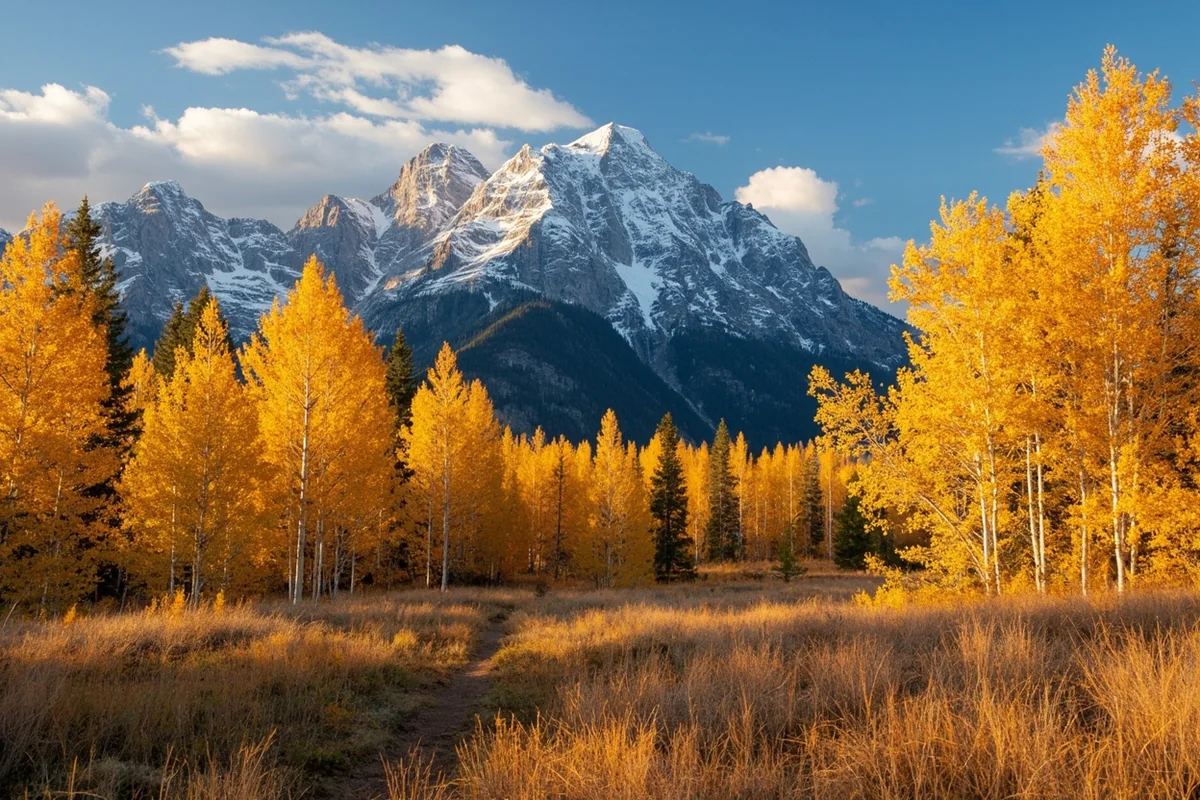
Temperatures remain pleasant (60s-70s during the day), crowds diminish substantially, and the landscape begins transitioning toward autumn colors.
Smoke typically clears by mid-September as fire season winds down and atmospheric patterns shift.
The catch? Mountain weather becomes less predictable. I’ve encountered early snowstorms in Glacier during September that caught me off guard. Always check forecasts and pack for winter conditions if visiting high elevations.
What to Pack for Montana Summer
After countless trips, I’ve refined my Montana summer packing list to handle the state’s variable conditions.
Layering System
The 50-degree daily temperature swings mean layering isn’t optional—it’s essential.
Base layer: Moisture-wicking t-shirts or tank tops for warm afternoons. I bring more of these than any other item.
Mid layer: A fleece jacket or light down puffy for mornings, evenings, and higher elevations. I carry mine on every hike regardless of forecast.
Outer layer: A lightweight, packable rain jacket handles afternoon thunderstorms. Look for something with pit zips for ventilation during humid conditions.
Sun Protection
Montana’s elevation means stronger UV exposure than you might expect. I’ve gotten sunburned faster here than in seemingly “sunnier” destinations.
Wide-brimmed hat, quality sunglasses, and SPF 50 sunscreen are non-negotiable. Reapply sunscreen every two hours when active, more frequently if swimming.
Sun-protective clothing like UPF-rated shirts has become my preference for long hiking days. Less sunscreen mess and better coverage.
Footwear
Bring hiking boots with ankle support for mountain trails. Glacier’s rocky terrain has twisted more than a few ankles, and the trails can be slippery after rain.
I also pack trail runners or approach shoes for lighter hikes and casual exploring. They handle most situations and dry quickly if they get wet.
Sandals or water shoes are essential if you plan to swim, paddle, or visit hot springs.
While we’re talking footwear—Montana summer couldn’t be more different from winter when you need proper Montana winter boots. The contrast in conditions between seasons is dramatic.
Extras Worth Packing
Bug spray with DEET—mosquitoes can be vicious near water sources, especially in June and early July.
A small daypack for carrying layers, water, and snacks on hikes.
Binoculars for wildlife viewing—summer is prime time for spotting bears, moose, mountain goats, and bighorn sheep.
A headlamp for early morning starts or unexpected late returns.
Severe Weather Awareness
Montana summer is generally benign, but the state does experience occasional severe weather events worth understanding.
Thunderstorm Hazards
Lightning is the primary danger from summer storms. Montana averages several lightning-related deaths and injuries annually, usually involving hikers or outdoor workers.
The 30/30 rule works: if time between lightning flash and thunder is 30 seconds or less, seek shelter immediately. Wait 30 minutes after the last thunder before resuming outdoor activities.
Avoid ridgelines, isolated trees, and open water during storms. I always identify potential shelter options before beginning any hike.
Flash Flooding
Narrow canyons and creek crossings can experience rapid water rise during heavy rain. Understanding Montana flooding patterns helps, though summer flooding differs from snowmelt events.
Never camp in dry washes, and be cautious crossing streams after rain. Water that looks manageable can become dangerous within minutes.
Tornado Risk
While Montana isn’t Kansas, tornadoes do occur in Montana, primarily in the eastern plains during summer. The risk is relatively low compared to Tornado Alley states, but it exists.
If traveling eastern Montana and severe thunderstorms are forecast, stay aware of weather alerts. Tornadoes here tend to be less intense than those further south and east, but any tornado deserves respect.
Other Natural Events
Visitors sometimes wonder about other weather phenomena. Montana doesn’t get hurricanes—we’re about as far from ocean influence as you can get in the continental US.
Montana does experience occasional seismic activity, though significant earthquakes are rare. The Yellowstone region generates minor quakes frequently, but most go unnoticed.
Summer Activities Matched to Weather
Planning activities around Montana’s weather patterns maximizes your experience.
Best Weather for Hiking
Start early, finish early. Morning hours before 2 PM offer the best combination of temperatures and storm avoidance.
Higher elevation hikes benefit from cooler temperatures but face greater storm exposure. Mid-elevation trails often hit the sweet spot.
Hot days call for trails near water—swimming holes, waterfalls, and lakeside destinations offer relief from afternoon heat.
Water Activities
Rivers and lakes reach swimable temperatures by mid-July in most areas. Earlier in summer, expect cold water that limits time in without wetsuits.
Flathead Lake, despite being large, warms nicely by August and offers excellent paddleboarding conditions during calm morning hours.
River floating peaks when water levels drop from early summer highs but remain sufficient for recreational use—typically late July through August.
Wildlife Viewing
Animals follow weather patterns too. Dawn and dusk provide best viewing opportunities as wildlife avoids midday heat.
Rainy days can actually improve wildlife sightings—animals move more freely when temperatures cool.
Bring binoculars and patience. I’ve had my best sightings during weather that might otherwise seem suboptimal.
Photography
Summer’s long days mean excellent golden hour opportunities—but you’ll need stamina. Catching both sunrise and sunset means very early mornings and late nights.
Afternoon storms create dramatic photography conditions if you can safely capture them. Some of my favorite Montana images feature storm light and double rainbows.
Smoke, while frustrating for views, can create surreal sunset conditions with intensely orange and red skies.
How Montana Summer Compares to Other Seasons
Summer offers the most accessible Montana experience, but understanding how it differs from other seasons provides context.
Temperature Contrast
While summer brings 90-degree days to eastern Montana, winter temperatures can plunge to -40°F in the same locations. The state experiences some of the most extreme temperature ranges in the country.
Understanding why Montana gets so cold in winter helps appreciate summer’s relative mildness. The same geographic features that create brutal winters contribute to summer’s temperature variations.
Accessibility
Summer opens roads and trails closed by snow the rest of the year. Going-to-the-Sun Road, Beartooth Highway, and countless backcountry routes only function during summer months.
This accessibility comes with crowds. If you’re considering off-season travel, know that Montana winter weather creates both challenges and opportunities for those prepared to handle it.
Winter visitors need different gear entirely—proper Montana winter clothing and potentially winter driving skills for challenging road conditions.
Snowfall Patterns
Summer travelers sometimes encounter snow at high elevations, especially early or late in the season. Snow in Montana is possible any month of the year above certain elevations.
I carry microspikes in my pack for early June and late September trips. They’ve saved me from sketchy situations on snow-covered trail sections more than once.
For context on just how dramatic Montana winters can be, check out Montana’s record-breaking winters. It explains why so much snow lingers into summer at higher elevations.
Winter Context
Understanding Montana’s extreme cold helps explain why summer feels so precious here. People ask if Montana is the coldest state—while it’s not technically the coldest on average, it experiences some of the most dramatic winter conditions in the lower 48.
That context makes summer’s warmth and accessibility feel even more valuable. Locals genuinely celebrate the season.
Final Advice for Your Montana Summer Trip
After years of exploring this state during summer, here’s what I want every visitor to understand:
Flexibility is your best tool. Weather will surprise you—sometimes delightfully, sometimes frustratingly. Build buffer days into your itinerary and stay adaptable.
Start early, every single day. The difference between a 6 AM and 9 AM start is often the difference between perfect conditions and dodging storms.
Respect the environment. Montana’s summer beauty is fragile, and increasingly impacted by climate change. Leave no trace, follow fire restrictions absolutely, and consider how your visit impacts the landscapes you came to experience.
Talk to locals. Rangers, outfitters, and long-time residents have current knowledge that no blog post can match. Ask about conditions, recommendations, and local secrets.
Most importantly, don’t try to see everything. Montana rewards depth over breadth. Picking one region and exploring it thoroughly beats rushing across the state checking boxes.
Summer in Montana has become one of my favorite travel experiences precisely because it demands attention and rewards preparation. The landscapes are spectacular, the weather is dynamic, and the memories last far beyond the season.
Pack your layers, check the forecast, and embrace whatever Big Sky Country throws your way. That’s the Montana summer experience at its finest.
Frequently Asked Questions
What is the best month to visit Montana in summer for ideal weather?
July and August offer the best summer weather in Montana, with average daytime temperatures between 75-85°F in most areas. I recommend mid-July through mid-August if you want the warmest conditions for hiking and lake activities, though this is also peak tourist season with higher prices and crowds.
How hot does Montana get in summer and do I need to pack layers?
Montana summer days can reach 90°F+ in valleys and lower elevations, but mountain areas and evenings cool dramatically to the 40s-50s°F. I always pack layers including a light jacket and long pants even in July because temperatures can swing 30-40 degrees between afternoon and night.
Does it rain a lot in Montana during summer months?
Montana summers are relatively dry with most areas receiving only 2-3 inches of rain per month, typically as brief afternoon thunderstorms. I’ve learned to plan outdoor activities for mornings since storms usually roll in between 2-5 PM, especially in mountainous regions near Glacier National Park.
When does wildfire smoke season affect Montana summer travel?
Wildfire smoke can impact Montana air quality from mid-July through September, with August historically being the smokiest month. I check AirNow.gov and Montana DEQ websites before and during my trips since smoke conditions change daily and can significantly affect visibility at scenic destinations like Glacier and Yellowstone.
What should I pack for unpredictable Montana summer weather?
Essential items include sunscreen, sunglasses, a packable rain jacket, moisture-wicking layers, and sturdy hiking shoes that can handle wet trails. I never skip bringing a warm fleece or hoodie because high-elevation spots like Going-to-the-Sun Road can feel like fall even on hot summer days in the valleys below.
How long are daylight hours in Montana during summer?
Montana enjoys incredibly long summer days with up to 16 hours of daylight in June and July, with sunrise around 5:30 AM and sunset near 9:30 PM. This extended daylight is perfect for maximizing sightseeing, and I’ve caught some of my best wildlife sightings during the golden hours that seem to last forever.
Is June too early for summer activities in Montana due to snow?
Early June can still have snow at higher elevations, and Going-to-the-Sun Road in Glacier typically doesn’t fully open until mid-to-late June. I suggest checking road status updates on the NPS website before planning mountain hikes, though valley activities, fishing, and lower-elevation trails are usually accessible by early June.
Sources