You are currently viewing Why Is Montana So Cold? 10 Chilling Factors Behind Big Sky Country’s Frigid Climate

Why Is Montana So Cold? 10 Chilling Factors Behind Big Sky Country’s Frigid Climate

  • Post author:
  • Post category:Montana
  • Reading time:36 mins read

Have you ever wondered why Montana earned the nickname “The Icebox of the Nation”? Brace yourself for a chilling revelation: Montana’s bone-numbing cold isn’t just about its northern location. From record-breaking -70°F temperatures to blizzards that can strand entire communities, Montana’s winter weather is shaped by a perfect storm of geographical and meteorological factors. But there’s more to this frosty tale than just numbers on a thermometer. In this deep dive into Montana’s frigid climate, we’ll uncover the secrets behind its extreme cold, explore how residents have adapted to life in one of America’s coldest states, and even discover some surprisingly mild micro-climates hidden within its vast landscape. Whether you’re a weather enthusiast, a potential visitor, or simply curious about life in the frozen north, prepare to gain a new appreciation for the complex and captivating world of Montana’s winter wonderland.

Why Is Montana So Cold: Climate Secrets Revealed

Montana’s reputation for bone-chilling temperatures isn’t just hearsay—it’s rooted in several geographical and meteorological factors that combine to create one of America’s coldest states. When winter descends upon the Treasure State, residents brace themselves for temperatures that can plummet well below zero, often accompanied by biting winds and impressive snowfall.

The secret behind Montana’s frigid climate begins with its geographic location. Situated in the northern United States along the Canadian border, Montana sits at a relatively high latitude between 44° and 49° North. This northerly position means the state receives less direct sunlight throughout the year, particularly during winter months when the sun’s rays hit at a more oblique angle, delivering less warming energy to the surface.

Montana also experiences what meteorologists call a “continental climate pattern.” Being landlocked and positioned far from any ocean, the state lacks the moderating influence that large bodies of water provide. Oceans tend to warm slowly and cool slowly, which helps coastal areas maintain more moderate temperatures year-round. Without this buffering effect, Montana’s temperatures can swing dramatically between seasons and even between day and night.

The Rocky Mountains play a crucial role in Montana’s climate as well. This massive mountain range dominates the western portion of the state, creating significant elevation changes that affect temperature patterns. As elevation increases, air temperature typically decreases—approximately 3.5°F for every 1,000 feet of elevation gain. With average elevations above 3,000 feet and peaks reaching well over 12,000 feet, Montana’s higher-altitude regions experience substantially colder temperatures than those at lower elevations.

Perhaps the most significant factor in Montana’s winter cold is its exposure to Arctic air masses. The state’s northern location leaves it vulnerable to powerful cold fronts that originate in the Arctic. When the jet stream dips southward, it creates a pathway for these frigid air masses to flow unimpeded into Montana, bringing with them temperatures that can drop to -30°F or lower, especially in the northeastern plains.

The distance from moderating ocean influences cannot be overstated. While states along the Pacific coast benefit from relatively mild maritime air, Montana sits approximately 500 miles from the Pacific Ocean, with mountain ranges blocking much of the remaining moderating influence. This isolation from oceanic effects means that once cold air settles over Montana, there’s little to displace it or warm it up, often resulting in extended cold periods that can last for weeks.

These combined factors—northern latitude, continental climate, mountainous topography, Arctic air exposure, and distance from oceanic influences—create the perfect recipe for Montana’s legendary cold. Understanding these climate secrets helps explain why Montanans experience such challenging winter conditions and why the state has earned its reputation as one of America’s coldest regions.

Montana’s Chilling Temperatures: Severity of Cold Weather

Montana’s reputation for bone-chilling temperatures is well-earned. The state experiences some of the most severe winter conditions in the continental United States, with temperatures that can make even the heartiest residents bundle up and stay indoors.

Average Winter Temperatures Across Regions

Montana’s vast landscape creates diverse temperature zones across the state. In the eastern plains, winter temperatures typically range from 10°F to 25°F during the day, plummeting to -5°F to 10°F at night. The western mountainous regions often see daytime temperatures between 20°F and 35°F, with nighttime lows dropping to 0°F to 15°F.

The coldest region is typically northeastern Montana, where the average January temperature hovers around 10°F. Meanwhile, southwestern valleys like Missoula might enjoy relatively “milder” winter averages closer to 20°F. These averages, however, mask the extreme cold snaps that regularly visit the state.

Temperature Fluctuations

One of Montana’s most challenging winter characteristics is its dramatic temperature fluctuations. The state is known for temperature swings of 30-40 degrees within 24 hours. These rapid changes occur when Arctic air masses clash with warmer Pacific air, creating weather whiplash for residents.

During winter, Chinook winds—warm, dry downslope winds—can temporarily raise temperatures by as much as 50 degrees in a matter of hours. While these provide brief respites from the cold, they’re often followed by returning Arctic air masses that send temperatures plunging again.

Wind Chill Factor Impact

Montana’s winter severity is amplified by its persistent winds. The state’s open plains and mountain corridors channel cold air, creating significant wind chill effects. When temperatures drop to 0°F—a common winter occurrence—winds of just 15 mph can create a wind chill of -19°F, where frostbite can occur on exposed skin in just 30 minutes.

In the eastern plains, wind chills below -40°F aren’t uncommon during cold snaps. These dangerous conditions transform merely cold days into potentially life-threatening situations, particularly for those working outdoors or traveling.

Comparison with Other Cold U.S. States

While Alaska claims the title of America’s coldest state, Montana consistently ranks among the top five coldest states in the lower 48. It competes with North Dakota, Minnesota, Wyoming, and Maine for this chilly distinction.

What sets Montana apart is its combination of extreme cold and variable conditions. North Dakota might have similar average temperatures, but Montana’s mountainous western regions create more diverse and unpredictable weather patterns. Minnesota may experience comparable cold snaps, but Montana’s higher elevation intensifies the cold’s impact.

Duration of Cold Season

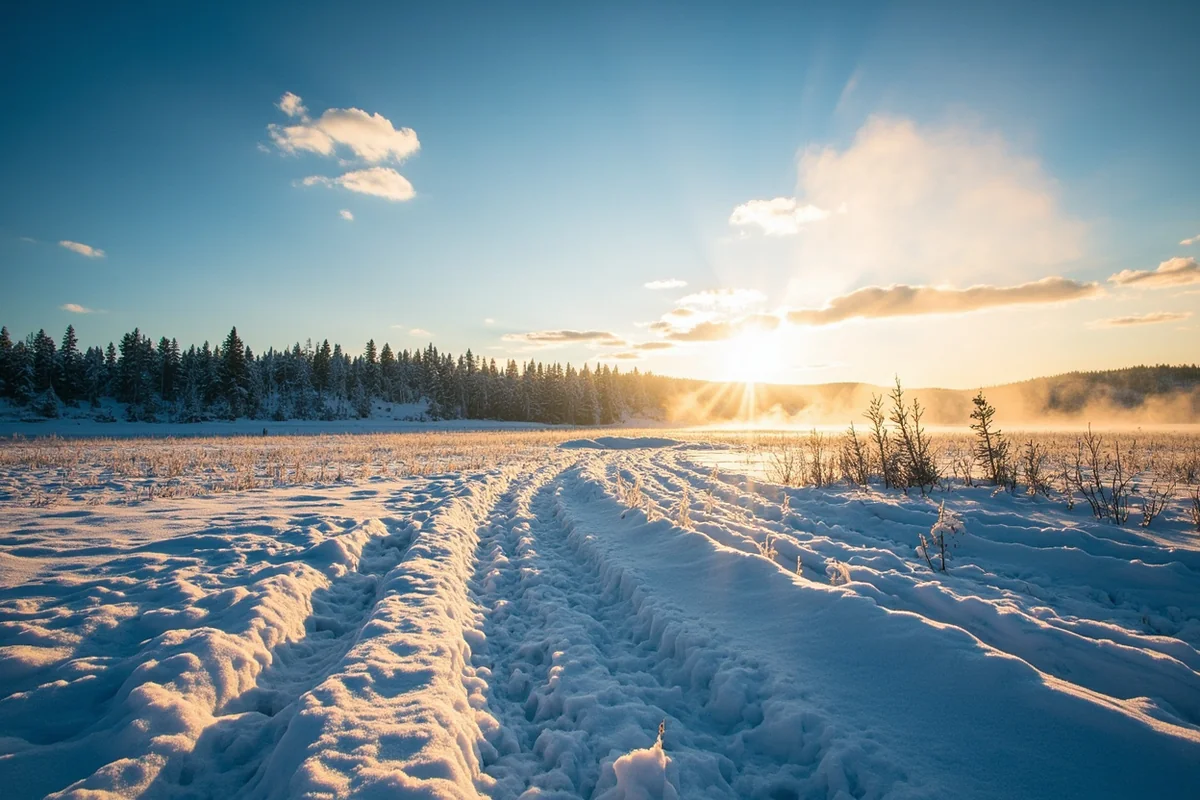
Montana’s cold season stretches longer than in most states. Winter conditions typically begin in October and can last well into April or even May in the mountains. This creates a cold season lasting six to seven months—more than half the year.

By late December, most of Montana is firmly in winter’s grip, with January and February being the coldest months. Even when spring arrives elsewhere in the country, Montana often remains locked in winter conditions. It’s not unusual for snowstorms to hit in May, and some mountain passes retain snow until June.

This extended cold season shapes Montana’s culture, economy, and lifestyle, requiring residents to develop resilience and adaptability to thrive in these challenging conditions.

Montana’s Most Frigid Winters

Montana’s history is marked by winters that have tested the resilience of its people and infrastructure. While cold is expected in the Treasure State, certain winters stand out for their exceptional severity.

Historical Record-Breaking Winters

The winter of 1936-1937 remains legendary in Montana’s weather lore. During this period, the state experienced what meteorologists call a “polar vortex collapse,” sending Arctic air plunging southward. Helena recorded 69 consecutive days below freezing, while many eastern Montana communities endured weeks with temperatures rarely climbing above zero degrees Fahrenheit.

Another notorious period was the winter of 1948-1949, when blizzards repeatedly hammered the state. Snowdrifts reached second-story windows in some communities, and ranchers reported devastating livestock losses as animals became trapped in snowdrifts or died from exposure.

Winter of 1978-1979

The winter of 1978-1979 holds a special place in Montana’s cold-weather chronicles. This winter brought what locals still call the “Arctic Express,” a sustained cold snap that paralyzed much of the state. Great Falls experienced 33 consecutive days with temperatures below zero, while Havre recorded an astonishing 57 days below zero.

January 1979 was particularly brutal, with temperatures in northeastern Montana hovering around -30°F for nearly two weeks straight. The combination of extreme cold and high winds created dangerous wind chills approaching -80°F in some areas. Schools closed for weeks, pipes froze and burst across the state, and emergency services were stretched to their limits.

Recent Extreme Winters

While climate change has affected winter patterns, Montana still experiences periods of extreme cold. The winter of 2018-2019 brought a modern polar vortex event that sent temperatures plummeting. In February 2019, the town of Elk Park near Butte recorded -46°F, while many communities experienced multiple days below -30°F.

The winter of 2013-2014 also stands out for its severity, particularly in western Montana. Missoula endured its coldest December in over 30 years, while Kalispell broke several daily low-temperature records.

Impact on Communities

These extreme winters have profound effects on Montana communities. During the worst cold snaps, daily life essentially grinds to a halt. Schools and businesses close, travel becomes dangerous or impossible, and energy consumption skyrockets as heating systems struggle to keep pace with the cold.

Rural communities often bear the brunt of these conditions. Farm and ranch operations face significant challenges, with livestock requiring extra feed and protection. Water systems freeze, equipment fails, and isolation becomes a serious concern for remote households.

Stories of Survival

Montana’s frigid winters have produced remarkable stories of human endurance. During the 1978-1979 winter, a family near Choteau survived for nine days in their car after becoming stranded in a sudden blizzard. They rationed food and ran the engine periodically for warmth until rescuers could reach them.

In the eastern part of the state, ranchers tell stories of spending days on horseback searching for cattle buried in snowdrifts, sometimes digging them out alive days after storms. These experiences have shaped Montana’s culture, fostering a spirit of self-reliance and community support.

Weather Patterns During Exceptionally Cold Years

Montana’s worst winters typically share common meteorological features. They often involve disruptions to the polar jet stream, allowing Arctic air masses to descend and become “locked” over the region. These patterns can persist for weeks or even months.

The coldest winters frequently coincide with La Niña conditions in the Pacific Ocean, which tend to direct storm tracks and cold air into the northern Rockies. When combined with high-pressure systems that bring clear skies, temperatures can plummet as radiational cooling intensifies the already frigid conditions.

What makes Montana’s extreme winters particularly challenging is their duration. While many places experience brief cold snaps, Montana’s geography can trap cold air for extended periods, creating the sustained, bone-chilling conditions that have made the state’s winters legendary.

Snow in Montana: More Than Just Powder

Montana’s reputation for snow is well-earned, with the state receiving substantial snowfall that transforms its landscapes into winter wonderlands each year. The powder that blankets Montana’s mountains and plains is more than just a playground for winter sports enthusiasts—it’s a vital resource that shapes the state’s ecology, economy, and way of life.

Annual snowfall varies dramatically across Montana, reflecting the state’s diverse topography. The mountainous western regions typically receive the heaviest accumulations, with some areas in the Rockies recording an impressive 300+ inches annually. By contrast, the eastern plains might see a more modest 30-50 inches per year. Whitefish Mountain Resort boasts an average of 300 inches annually, while Bozeman averages around 86 inches, and Billings in the eastern part of the state receives approximately 55 inches.

The regional distribution of snow follows Montana’s geographical divisions. Western mountain ranges like the Bitterroots and the areas around Glacier National Park capture massive snowfalls, creating deep snowpacks that persist well into spring. Central Montana experiences moderate snowfall, while the eastern plains see lighter but still significant accumulations, often accompanied by wind that creates substantial drifts.

This snowpack serves as Montana’s natural water tower. As temperatures warm in spring and summer, the gradual melting of mountain snow feeds the state’s rivers and streams, providing essential water for agriculture, wildlife, and human consumption. The snowmelt timing is crucial for the state’s water management system, with approximately 80% of Montana’s water supply originating from snowpack. In years with below-average snowfall, drought conditions can develop, affecting everything from crop yields to wildfire risk.

Montana’s history is marked by legendary blizzards that have tested the resilience of its residents. The winter of 1886-1887, known as the “Big Die Up,” devastated cattle herds with its extreme cold and deep snow. More recently, the October 1984 blizzard dropped over 4 feet of snow in some areas, while the infamous “Arctic Express” of 1989 brought temperatures plummeting to -50°F alongside heavy snow. These historic storms have shaped Montana’s culture and preparedness strategies.

The snow season in Montana typically stretches from October through April, though mountain areas may see snow as early as September and as late as June. This extended season means that some high-elevation areas maintain snowpack for 8-9 months of the year, creating both challenges and opportunities for residents and visitors alike.

Beyond its importance for water resources, Montana’s snow plays a crucial role in local ecosystems. The insulating layer of snow protects soil and smaller plants from extreme cold, while providing habitat for species adapted to winter conditions. Wildlife like elk and deer have evolved migration patterns based on snowfall, moving to lower elevations as snow deepens. The seasonal rhythm of snowfall and melt also influences plant growth cycles, forest health, and the overall biodiversity of Montana’s varied landscapes.

For Montanans, snow isn’t just a weather phenomenon—it’s an integral part of the state’s identity, shaping everything from recreation to agriculture in this northern Rocky Mountain state.

Coldest Recorded Temperature in Montana’s History

Montana holds a bone-chilling distinction in American weather history. On January 20, 1954, the temperature at Rogers Pass plummeted to an almost unimaginable -70°F (-56.7°C), setting not only the state record but also the coldest temperature ever recorded in the continental United States.

Rogers Pass, situated at an elevation of 5,610 feet in Lewis and Clark County, became the epicenter of this historic cold snap. This remote mountain pass, located about 40 miles northwest of Helena, experienced the perfect storm of meteorological conditions that created this record-breaking temperature.

The extreme cold resulted from a unique combination of weather phenomena. A massive Arctic air mass had pushed southward from Canada, bringing with it some of the coldest air in North America. This already frigid air settled into the mountainous terrain around Rogers Pass, where cold air drainage allowed temperatures to plummet further. The clear night skies permitted maximum radiational cooling, and light winds prevented any mixing of warmer air from aloft.

To put this temperature in global context, while Montana’s -70°F is extreme, it falls short of the world record of -128.6°F (-89.2°C) recorded at Vostok Station, Antarctica in 1983. However, Montana’s record is remarkable for occurring in an inhabited region rather than the polar extremes. In the Northern Hemisphere outside of Greenland, only a few locations in Russia and northern Canada have recorded lower temperatures.

When compared to other U.S. state records, Montana’s -70°F stands in a league of its own for the continental United States. Alaska holds the overall U.S. record with -80°F (-62.2°C) recorded at Prospect Creek in 1971. Wyoming follows Montana with a record of -66°F (-54.4°C), while North Dakota has experienced -60°F (-51.1°C). These comparisons highlight just how exceptional Montana’s cold extreme truly is, especially considering more populated states like Minnesota and Michigan have records in the -50s°F range.

The Rogers Pass record has stood for nearly seven decades, a testament to the unique combination of geographical and meteorological factors that make Montana susceptible to such extreme cold.

How Montana’s Topography Influences Its Climate

Montana’s reputation for bone-chilling temperatures isn’t just a matter of its northern latitude—the state’s diverse topography plays a crucial role in shaping its frigid climate. The landscape features that make Montana so visually stunning are the same ones that contribute to its extreme cold.

Rocky Mountains as Weather Barriers

The Rocky Mountains form an imposing wall along Montana’s western border, creating a significant barrier to weather systems. This mountain range effectively blocks warm, moist Pacific air masses from reaching much of the state. As these air masses are forced upward over the mountains, they drop their moisture on the western slopes, creating a rain shadow effect that leaves eastern Montana considerably drier and more exposed to Arctic air masses.

Elevation Effects on Temperature

Montana’s average elevation exceeds 3,400 feet above sea level, with mountains soaring well above 12,000 feet. This high elevation fundamentally affects temperature—for every 1,000 feet of elevation gain, temperatures typically drop by 3.5°F to 5°F. The state’s elevated plateau means that even before considering other factors, Montana starts with a temperature disadvantage compared to states at lower elevations.

Valley Temperature Inversions

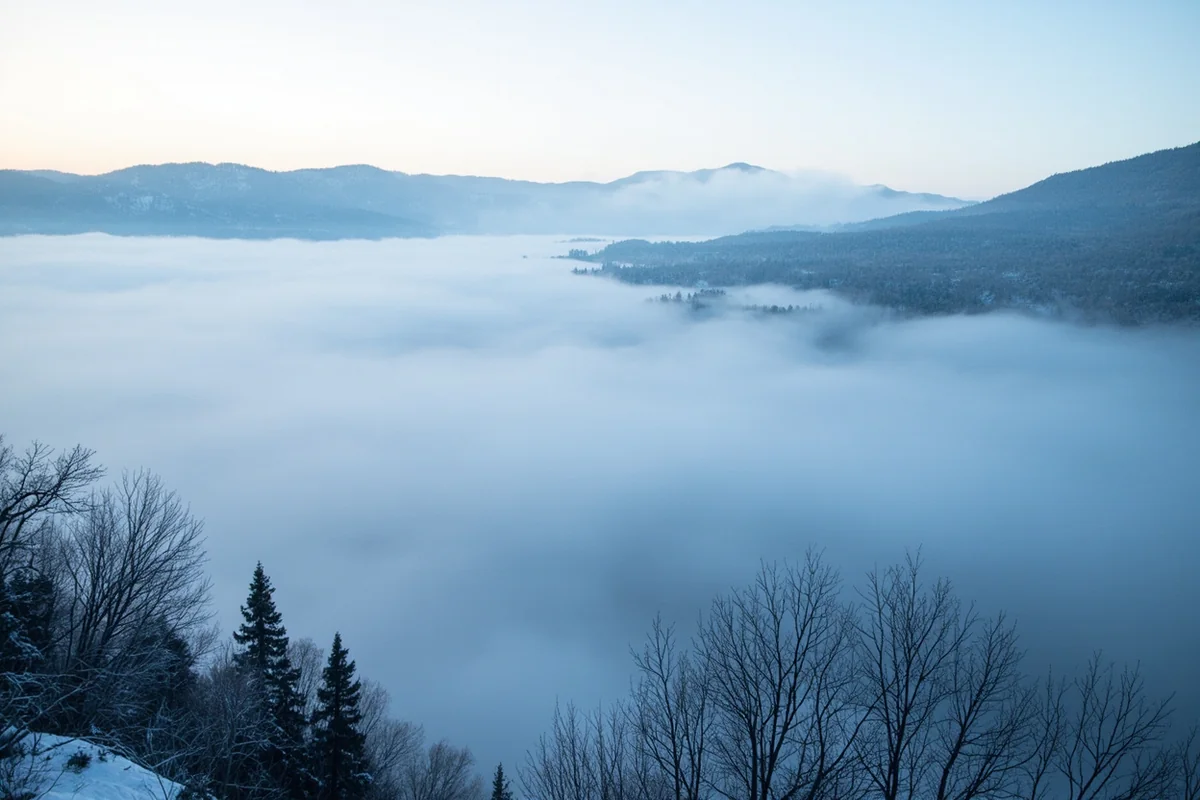
Montana’s topography creates perfect conditions for temperature inversions, particularly in winter. Cold air, being denser than warm air, sinks into valleys and gets trapped. During winter months, these inversions can persist for days or even weeks, keeping valleys colder than surrounding higher terrain. Cities like Missoula and Kalispell, nestled in mountain valleys, frequently experience this phenomenon, with temperatures sometimes 20-30 degrees colder in the valley than on nearby mountainsides.

Mountain Shadow Effects

The east-west orientation of many of Montana’s mountain ranges creates significant “shadow zones” where direct sunlight is blocked for portions of the day, especially during winter when the sun’s angle is lower. These shadow effects can keep certain areas in perpetual shade during the shortest days of winter, preventing any meaningful solar warming and maintaining frigid temperatures.

Chinook Winds Phenomena

While Montana’s topography generally contributes to colder temperatures, it also creates one notable warming effect: Chinook winds. These dramatic warming winds occur when moist air from the Pacific is forced over the Rocky Mountains, creating a warm, dry wind on the eastern slopes. Chinooks can cause temperature increases of 40-50 degrees in just hours, offering brief but dramatic respites from winter’s grip. However, these warm spells are temporary interruptions in Montana’s otherwise cold winter climate pattern.

The complex interplay between Montana’s mountains, valleys, and plains creates a climate mosaic across the state, but the overall influence of its topography is clear—it amplifies cold conditions through most of the winter months, contributing significantly to Montana’s reputation as one of America’s coldest states.

Climate Change and Montana’s Winters

Montana’s legendary cold winters are undergoing significant transformations due to climate change. The Big Sky Country, known for its harsh winter conditions, is experiencing shifts that are becoming increasingly apparent to both residents and scientists alike.

Temperature trend analysis over the past century reveals a troubling pattern: Montana’s average winter temperatures have increased by approximately 4-5°F since the early 1900s. This warming trend is not uniform throughout the state, with western regions experiencing more dramatic increases than eastern parts. Winter months that once consistently maintained below-freezing temperatures now frequently see fluctuations above the freezing point, creating cycles of melting and refreezing that weren’t common historically.

The changing winter patterns are perhaps most visible in Montana’s snowpack. Mountain snowpack has decreased by 15-30% across the state’s major mountain ranges since the 1950s. This reduction isn’t just about quantity—it’s also about timing. Snow is arriving later in the season and melting earlier in spring, shortening the overall snow season by nearly two weeks compared to records from the mid-20th century. These changes are particularly pronounced in lower and mid-elevation areas, where some locations that once reliably maintained winter snowpack now experience predominantly rain.

Scientific predictions for Montana’s future winters paint a complex picture. Models suggest continued warming, with average winter temperatures potentially rising another 3-7°F by mid-century. This doesn’t necessarily mean the end of extreme cold—paradoxically, some research indicates that warming in the Arctic can disrupt the polar vortex, occasionally sending unusually frigid air masses southward into Montana. The result may be fewer but more intense cold snaps interspersed with longer mild periods.

The impact on local ecosystems and agriculture has been profound. Native plant and animal species adapted to predictable cold and snow cycles are struggling to adjust. For example, elk and deer face challenges finding food when snowfall patterns change abruptly. Montana’s iconic whitebark pine, already battling beetle infestations, faces additional stress from changing winter conditions that affect its natural cycles.

For agriculture, the changes create both opportunities and challenges. Longer growing seasons benefit some crops, but unreliable winter precipitation threatens water security. Winter wheat, a staple Montana crop, depends on consistent snow cover for insulation; without it, frost damage increases. Meanwhile, fruit growers face the peril of early spring warmth triggering blossoms that can be killed by subsequent freezes.

These shifting winter patterns represent one of the most visible manifestations of climate change in Montana, transforming a defining aspect of the state’s identity and challenging both natural systems and human activities to adapt to new realities in this traditionally cold corner of America.

How Montana Residents Adapt to Extreme Cold

Montanans don’t just survive the brutal winter cold—they’ve developed sophisticated adaptation strategies that have become part of the state’s cultural identity. Living in a place where temperatures can plummet to -30°F or lower requires more than just thick coats; it demands a comprehensive approach to cold-weather living.

Home Insulation and Heating Systems

Montana homes are built differently than those in milder climates. Many residences feature extra-thick insulation with R-values exceeding standard requirements, double or triple-pane windows that trap heat, and carefully sealed doorways to prevent drafts. Wood stoves remain popular throughout the state, not just for their rustic charm but as reliable backup heating when power outages occur during blizzards. Many rural Montanans maintain generous woodpiles that are meticulously seasoned and stored. Modern homes often incorporate radiant floor heating, which provides consistent warmth from the ground up—especially welcome on those -20°F mornings.

Vehicle Winterization

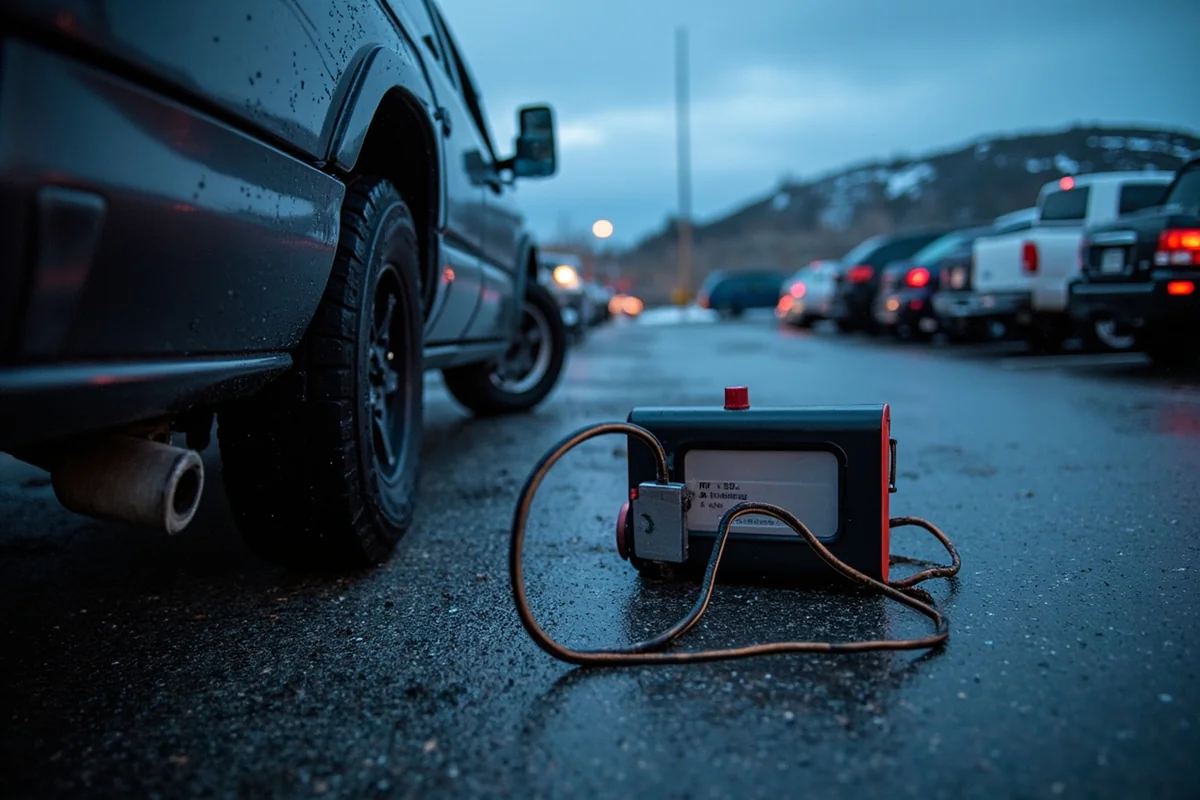
The “winter vehicle kit” is practically mandatory for Montana drivers. This typically includes jumper cables, emergency blankets, extra clothing, food supplies, and often a shovel. Engine block heaters are standard equipment, plugged in overnight to ensure vehicles will start in sub-zero temperatures. Many residents switch to specialized winter tires with aggressive tread patterns, and keeping vehicles topped with winter-grade fluids is routine maintenance. It’s not uncommon to see vehicles idling in parking lots during winter errands—a practice that, while controversial for environmental reasons, prevents engines from freezing up during brief stops.

Cold-Weather Clothing Essentials

Montanans have elevated layering to an art form. The base layer typically consists of moisture-wicking materials that keep sweat away from the body. Mid-layers provide insulation, while outer shells block wind and precipitation. Extremities receive special attention: insulated boots rated for sub-zero temperatures, mittens (which keep fingers warmer than gloves by allowing them to share heat), and balaclavas or face masks to protect exposed skin. Many residents keep “emergency clothes” in their vehicles year-round—a practice that has saved countless stranded motorists from frostbite or worse.

Community Support Systems

Montana’s rural communities have developed strong support networks that become especially vital during winter emergencies. Neighbors check on each other during severe weather events, particularly the elderly or those living alone. Many communities maintain volunteer snow removal teams to help those unable to clear their own driveways. Social media groups dedicated to road conditions have become invaluable resources, with real-time updates often arriving faster than official reports. During prolonged cold snaps, communities frequently establish warming centers where residents without adequate heating can find refuge.

Traditional Cold-Weather Knowledge

Perhaps most importantly, Montanans pass down generations of cold-weather wisdom. Children learn early about the dangers of frostbite and hypothermia, how to recognize the symptoms, and emergency treatment procedures. Practical skills like safely starting fires, emergency shelter construction, and navigation during whiteout conditions are commonly taught. Indigenous knowledge from tribes like the Blackfeet and Crow, who thrived in these regions long before European settlement, continues to influence cold-weather practices. This traditional knowledge—combined with modern technology—creates a resilient population uniquely adapted to some of America’s most extreme winter conditions.

Top Activities You Can Do During Winter in Montana

Montana’s frigid temperatures might seem intimidating, but locals and visitors alike have learned to embrace the cold through an array of exhilarating winter activities. The state’s pristine snow-covered landscapes transform into a playground for winter enthusiasts, offering experiences that can only be enjoyed during these chilly months.

Skiing Opportunities

Montana boasts some of the best skiing in North America, with powder that rivals the famous slopes of Colorado and Utah—but with significantly smaller crowds. Big Sky Resort, spanning over 5,800 acres, offers the biggest skiing in America with the iconic Lone Peak towering at 11,166 feet. Whitefish Mountain Resort delivers 3,000 acres of skiable terrain with breathtaking views of Glacier National Park on clear days. For those seeking a more intimate experience, Bridger Bowl near Bozeman provides challenging terrain beloved by locals, while Red Lodge Mountain offers family-friendly slopes in the shadow of the Beartooth Mountains.

Snowmobiling Trails

Montana’s vast wilderness becomes accessible to snowmobilers through over 4,000 miles of groomed trails. The West Yellowstone area serves as the “Snowmobile Capital of the World,” offering access to pristine backcountry and spectacular views of Yellowstone National Park under its winter blanket. Cooke City, nestled against the northeast entrance of Yellowstone, provides extreme snowmobiling with deep powder and challenging terrain. The Seeley Lake and Lolo Pass regions offer extensive trail systems winding through the spectacular Bitterroot Mountains, while the Lincoln area features the 250-mile Continental Divide Snowmobile Trail—a bucket-list adventure for serious enthusiasts.

Ice Fishing Locations

When temperatures plummet, Montana’s lakes and reservoirs freeze solid, creating perfect conditions for ice fishing. Fort Peck Reservoir, Montana’s largest body of water, is renowned for trophy-sized walleye and northern pike caught through the ice. Canyon Ferry Lake near Helena offers excellent perch fishing, while Georgetown Lake provides some of the best rainbow trout ice fishing in the state. Flathead Lake, the largest natural freshwater lake west of the Mississippi, delivers exciting lake trout opportunities, and Holter Lake is a winter favorite for catching kokanee salmon and perch.

Winter Festivals

Montanans know how to celebrate winter with unique festivals that embrace the cold. The Whitefish Winter Carnival features a penguin plunge, ski parade, and the legendary appearance of the snow god Ullr. Red Lodge’s Winter Carnival includes a wild cardboard classic race where participants create sleds from cardboard and race down the mountain. Butte’s SnoFlinga celebrates all things winter with ice skating, curling, and fat bike races, while West Yellowstone’s Snowmobile Expo brings together enthusiasts for races, stunts, and the latest gear displays. The quirky Cabin Fever Days in Martin City features the infamous barstool races—exactly what they sound like—where participants race modified barstools down a snow-covered hill.

Hot Springs Experiences

Perhaps the most perfect winter activity in Montana is soaking in one of the state’s numerous natural hot springs while snow falls around you. Chico Hot Springs in Paradise Valley offers a historic experience with two open-air pools fed by natural mineral hot springs. Quinn’s Hot Springs Resort in Paradise features multiple pools of varying temperatures nestled along the Clark Fork River. Fairmont Hot Springs near Anaconda boasts both indoor and outdoor pools, while Bozeman Hot Springs offers a modern experience with 12 different pools. For the adventurous, Boiling River in Yellowstone National Park (when open) allows visitors to soak where a hot spring meets the Gardner River, creating the perfect temperature for a winter dip.

Wildlife Viewing in Winter

Winter offers unique opportunities to spot Montana’s iconic wildlife against snow-covered backgrounds. The National Bison Range near Moiese provides winter access to view bison, elk, and deer in their natural habitat. Lamar Valley in Yellowstone National Park, often called “America’s Serengeti,” becomes a prime location for spotting wolves, which are more visible against the snow. Red Rock Lakes National Wildlife Refuge offers opportunities to see trumpeter swans and moose, while the Lee Metcalf National Wildlife Refuge near Stevensville hosts bald eagles and various waterfowl throughout winter. For a truly magical experience, the Montana Grizzly Encounter near Bozeman allows visitors to observe rescued grizzlies that remain active during winter months, offering a rare glimpse of these magnificent creatures during a season when wild grizzlies are hibernating.

Montana’s winter transforms the landscape into a wonderland of opportunity for those willing to embrace the cold—proving that the state’s frigid temperatures create the perfect conditions for unforgettable winter adventures.

Weather Hazards in Montana During Winter

Montana’s winter beauty comes with serious hazards that residents and visitors must respect. The state’s extreme cold temperatures combine with its rugged terrain to create potentially life-threatening conditions for the unprepared.

Blizzard Dangers

Blizzards in Montana are not ordinary snowstorms. They combine heavy snowfall with winds exceeding 35 mph and visibility reduced to less than a quarter mile—often for three hours or more. These conditions create whiteouts where the horizon disappears, making navigation impossible even on familiar roads. During the winter of 2018-2019, parts of Montana experienced blizzard conditions that stranded motorists for hours, with emergency services unable to reach them. Smart Montanans keep emergency kits in their vehicles with food, water, blankets, and communication devices.

Black Ice on Roadways

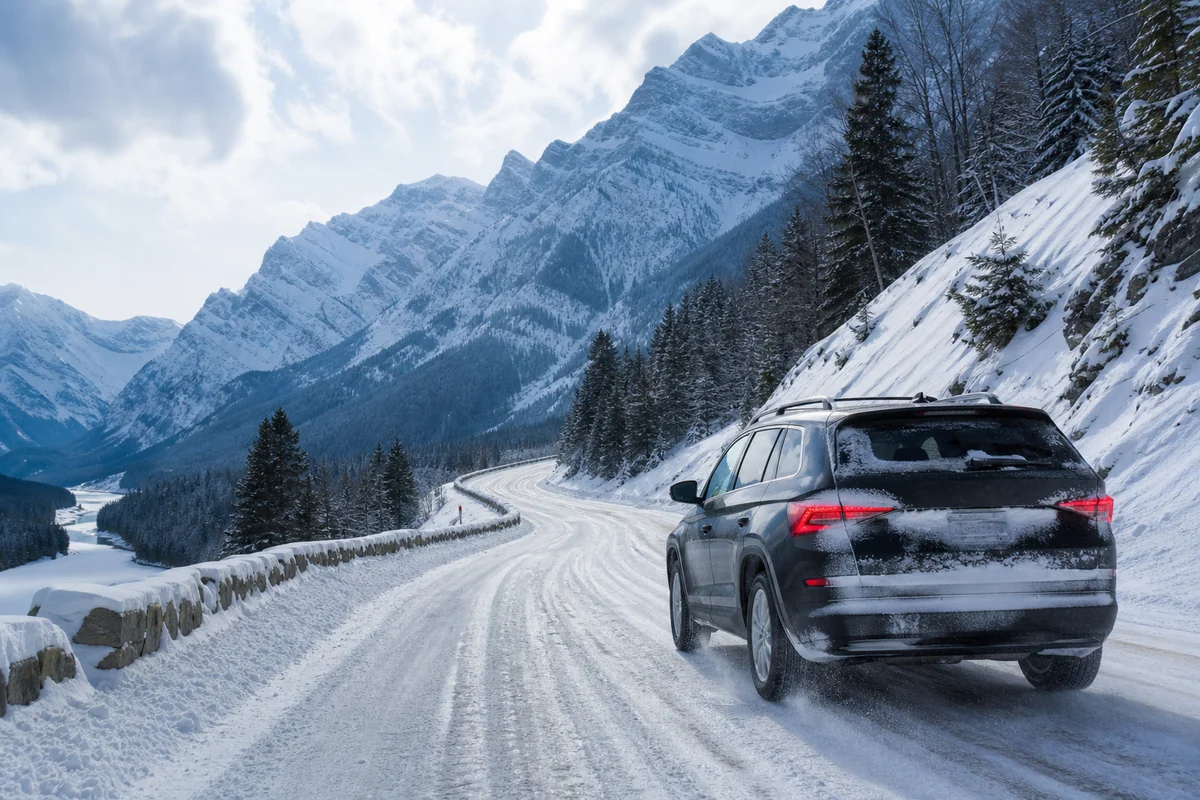
Perhaps the most insidious winter hazard in Montana is black ice—that nearly invisible glaze of ice on roadways that appears merely wet to drivers. Montana’s dramatic temperature fluctuations create perfect conditions for black ice formation, especially on bridges, overpasses, and shaded areas. The state’s many mountain passes become particularly treacherous, with hairpin turns already challenging in good conditions becoming deadly when coated with ice. Local wisdom dictates reducing speed by at least 30% when temperatures hover near freezing, regardless of how clear roads appear.

Avalanche Risks in Mountain Areas

Montana’s mountainous terrain creates some of North America’s most dangerous avalanche conditions. The combination of steep slopes, heavy snowfall, and temperature fluctuations creates unstable snowpacks that can release without warning. Popular recreation areas like Bridger Bowl, Big Sky, and Glacier National Park all have avalanche-prone zones. The Montana Avalanche Center reports dozens of avalanche incidents annually, with fatalities occurring almost every winter. Backcountry enthusiasts must carry proper safety equipment (beacon, probe, shovel) and check avalanche forecasts before venturing out.

Frostbite and Hypothermia Concerns

With temperatures regularly plunging below zero Fahrenheit, exposed skin can develop frostbite in minutes rather than hours. Montana’s dry air compounds this risk, as it wicks away body moisture and accelerates heat loss. Hypothermia—when body temperature drops below 95°F—becomes a real threat even to those who consider themselves properly dressed. The state’s outdoor recreation culture sometimes leads to a dangerous casualness about these risks. Medical experts recommend the “COLD” approach: Cover exposed skin, Overexertion avoidance, Layering clothes, and Dry clothing maintenance.

Wildlife Encounters in Winter

Winter doesn’t send Montana’s impressive wildlife into hibernation—it changes their behavior in ways that can increase human-animal conflicts. Hungry predators like mountain lions and wolves range farther in search of food. Moose, which can be aggressive when stressed, often move to lower elevations where they encounter humans more frequently. Perhaps most dangerous are winter encounters with grizzly bears that haven’t fully hibernated or emerge early during warm spells. These encounters are particularly hazardous because deep snow can limit human mobility while wildlife can often move more efficiently. Wildlife officials recommend making noise while traveling in the backcountry and carrying bear spray even in winter.

Montana’s winter hazards demand respect rather than fear. With proper preparation, awareness, and decision-making, residents and visitors can safely navigate the season’s challenges while appreciating the state’s unique winter beauty.

Montana vs. Other Cold States: A Comparison

Montana certainly has a reputation for its frigid temperatures, but how does it actually stack up against America’s other notoriously cold states? Let’s break down this chilly competition across several factors.

Temperature Comparison

Montana vs. Alaska
While Montana experiences brutal cold, Alaska remains the undisputed champion of cold in the United States. Alaska’s average winter temperatures can plunge to -20°F to -30°F in interior regions like Fairbanks, whereas Montana typically sees average winter temperatures ranging from 0°F to 20°F. However, during cold snaps, parts of Montana can match Alaska’s extreme lows, occasionally dropping below -40°F.

Montana vs. North Dakota
These neighboring states often battle for the coldest temperatures in the continental U.S. North Dakota experiences slightly colder average winter temperatures, particularly in its northeastern regions, but Montana’s mountainous areas can produce more extreme localized cold. Both states regularly see temperatures below zero for weeks at a time.

Montana vs. Minnesota
Minnesota’s position in the Upper Midwest exposes it to powerful Arctic air masses. While Minnesota’s average winter temperatures (5°F to 15°F) are comparable to Montana’s, its cold tends to be more humid, creating that bone-chilling effect that can feel worse than Montana’s drier cold. However, Montana’s mountain valleys can trap cold air, creating temperature inversions that rival Minnesota’s coldest days.

Montana vs. Maine
Maine’s cold is moderated somewhat by the Atlantic Ocean, making it less extreme than Montana’s. Maine’s average winter temperatures hover between 10°F and 25°F, warmer than Montana’s averages. However, Maine’s coastal storms bring more freezing rain and wet snow compared to Montana’s lighter, drier powder.

Montana vs. Wyoming
These Rocky Mountain neighbors share similar winter patterns, with Wyoming possibly edging out Montana in terms of wind chill. Wyoming’s high plains experience relentless winds that can make temperatures feel significantly colder than they actually are. Both states see similar temperature ranges, but Montana’s northwestern regions typically receive more snowfall.

Duration of Winter Seasons

Montana’s winter season typically stretches from November through March, with some mountain areas experiencing winter conditions from October through May. This is comparable to North Dakota and Minnesota but shorter than Alaska’s winter, which can last from September through May in interior regions. Maine’s winter season tends to be slightly shorter but more intense during its peak.

Extremity of Cold Snaps

When it comes to sudden, extreme cold snaps, Montana ranks among the most severe. The state’s position makes it vulnerable to dramatic temperature drops when Arctic air masses push south. It’s not uncommon for temperatures to plummet 40-50 degrees in a 24-hour period. While Alaska experiences colder absolute temperatures, Montana’s rapid temperature fluctuations can be more dramatic than those in Minnesota or Maine.

Snowfall Comparisons

Montana’s snowfall varies dramatically by region, with mountain areas receiving 300+ inches annually while eastern plains might see just 30-40 inches. This mountain snowfall exceeds what’s typical in North Dakota, Minnesota, and Maine, though Alaska’s coastal mountains and Wyoming’s western ranges can match or exceed Montana’s totals. What sets Montana apart is the persistence of its snowpack, which can remain in mountain areas well into summer, longer than in most other cold states except Alaska.

While Montana may not claim the title of absolute coldest state (Alaska wins that distinction), its combination of extreme cold, dramatic temperature swings, persistent winter seasons, and variable snowfall places it firmly among America’s coldest regions, with a winter climate that can challenge even the most cold-adapted residents.

Montana’s Micro-Climates: Not Cold Everywhere

Despite Montana’s reputation for bone-chilling temperatures, the state actually hosts a surprising variety of micro-climates that create pockets of milder weather throughout its vast landscape. This diversity means that not all of Montana experiences the same severe cold that has shaped its frosty reputation.

Western Montana’s valleys, particularly those near Missoula and the Bitterroot Valley, enjoy significantly warmer temperatures than the eastern plains or mountain peaks. These valleys are sheltered by surrounding mountains, which block Arctic air masses and create more moderate conditions. While eastern Montana might be suffering through sub-zero temperatures, residents in these western valleys might experience temperatures 10-20 degrees warmer.

One of Montana’s most fascinating weather phenomena is the Chinook wind—often called “snow eaters.” These warm, dry winds descend from the Rocky Mountains and can dramatically raise temperatures by 40-50 degrees in just hours. Communities along the Rocky Mountain Front, such as Great Falls and Helena, frequently benefit from these warming winds during winter months. It’s not uncommon for residents to experience a 0°F morning that transforms into a balmy 45°F afternoon when Chinook winds arrive.

Urban areas like Billings, Missoula, and Bozeman create their own micro-climates through the urban heat island effect. The concentration of buildings, pavement, and human activity in these cities can keep temperatures 5-10 degrees warmer than surrounding rural areas. For residents seeking relief from Montana’s cold, city living offers a slight but noticeable buffer against extreme temperatures.

The temperature variations across Montana can be dramatic. While northeastern Montana near Glasgow might register -30°F during a cold snap, southwestern areas near Dillon might be experiencing a relatively comfortable 25°F at the same time. These variations reflect Montana’s complex topography, with elevation changes playing a major role—temperatures typically drop 3-5 degrees for every 1,000 feet of elevation gain.

Localized weather phenomena further diversify Montana’s climate landscape. Mountain valleys can experience temperature inversions where cold air sinks and becomes trapped, creating pockets of extreme cold. Meanwhile, just a few miles away and a thousand feet higher, mountain slopes might be bathed in sunshine and relatively warm temperatures. Lakes and rivers also moderate nearby temperatures, creating milder conditions in places like Flathead Lake and along the Missouri River corridor.

For visitors and newcomers to Montana, understanding these micro-climates is essential for planning activities and travel. The state’s weather can vary dramatically within short distances, making it possible to experience multiple seasons in a single day’s journey across its diverse landscape.

Why Is Montana So Cold: Final Thoughts

Montana’s reputation as one of America’s coldest states is well-earned and shaped by a fascinating combination of geographical and meteorological factors. The state’s position in the northern United States, combined with its significant elevation and mountainous terrain, creates the perfect conditions for frigid temperatures. Continental air masses sweeping down from Canada without any geographical barriers further contribute to Montana’s distinctive cold climate.

What makes Montana truly unique is not just the severity of its cold but the dramatic temperature swings it experiences. A place where temperatures can plummet 50 degrees in a matter of hours demonstrates nature’s raw power in a way few other American landscapes can match. The cold in Montana isn’t just about numbers on a thermometer—it’s about the crystalline quality of winter light reflecting off snow-covered peaks, the absolute silence of a forest after fresh snowfall, and the brilliant clarity of star-filled skies on frigid nights.

Montana’s communities have developed remarkable resilience in the face of these challenging conditions. Generations of Montanans have adapted their lifestyles, architecture, and cultural practices to not just survive but thrive in this demanding environment. From the ranchers who care for livestock in sub-zero temperatures to the snowplow operators who keep remote communities connected, the human story of Montana is one of impressive adaptation.

For all its challenges, Montana’s cold brings undeniable benefits. The heavy snowpack feeds watersheds that nourish vast regions beyond the state’s borders. Winter tourism draws visitors seeking pristine skiing conditions and untouched wilderness experiences. The seasonal extremes have shaped a distinctive state character marked by self-reliance, community cooperation, and appreciation for nature’s power.

In understanding why Montana is so cold, we gain insight into the complex interplay between geography, atmospheric science, and human experience. The state’s winter extremes aren’t simply a meteorological footnote—they’re an essential part of what makes Montana one of America’s most distinctive and captivating landscapes.

Why Is Montana So Cold: FAQs

Is Montana the coldest state?

Montana is often among the coldest states in the United States, but it’s not consistently the coldest. Alaska typically claims the title of coldest state with its arctic climate. North Dakota and Minnesota frequently record lower average winter temperatures than Montana. However, Montana does experience extreme cold snaps that can rival or exceed temperatures in these states during specific weather events. What makes Montana unique is the dramatic temperature swings and the persistence of cold weather across large portions of the state.

What causes Montana’s extreme cold?

Montana’s extreme cold results from several geographic and atmospheric factors working together. Its northern latitude positions it in the path of arctic air masses that sweep down from Canada with little geographic barrier to stop them. The Continental Divide creates conditions where cold air becomes trapped in valleys. Additionally, Montana’s high elevation amplifies the cold—much of the state sits at elevations above 3,000 feet, with some areas exceeding 12,000 feet. This combination of latitude, elevation, and topography creates the perfect conditions for extreme cold to develop and persist.

How long does winter last in Montana?

Winter in Montana typically lasts from November through March, though this varies significantly across the state’s diverse regions. In the mountain regions and northern parts of Montana, winter-like conditions can begin as early as September and extend into May. Eastern Montana may experience a slightly shorter winter season. The shoulder seasons of late fall and early spring often feature winter-like conditions interspersed with milder days. Many Montanans consider winter to be the dominant season, with some areas experiencing over 200 days of freezing temperatures annually.

How do people survive Montana winters?

Montanans have developed numerous strategies to thrive during the harsh winters. Homes are built with superior insulation, efficient heating systems, and often include wood-burning stoves as backup heat sources. Vehicles are equipped with engine block heaters, winter tires, and emergency kits. Residents typically keep emergency supplies on hand, including alternative heating options, shelf-stable food, and water. Culturally, Montanans embrace winter through outdoor recreation like skiing, snowshoeing, and ice fishing. The state’s communities are resilient, with neighbors helping neighbors during extreme weather events. This combination of preparation, appropriate infrastructure, and community support enables Montanans to not just survive but enjoy their winters.

Is climate change affecting Montana’s winters?

Climate change is noticeably impacting Montana’s winters, creating a complex pattern of effects. While average winter temperatures have increased by several degrees over the past century, making some winter days milder, the state is also experiencing more extreme weather fluctuations. Winter precipitation patterns are shifting, with more precipitation falling as rain instead of snow in some areas, particularly at lower elevations. Mountain snowpack is forming later and melting earlier, affecting spring runoff and water availability. Paradoxically, some areas are experiencing more intense cold snaps due to disruptions in the polar vortex. These changes are affecting everything from agriculture and wildlife to winter tourism and forest health across the state.

Sources

Sarah Bennett

My writing is rooted in long-term experience living in Montana, covering its cities through the lens of everyday life and local highlights. I aim to provide a balanced perspective that is supported by research and facts, helping readers understand the true character of these communities without hype or exaggeration

Leave a Reply