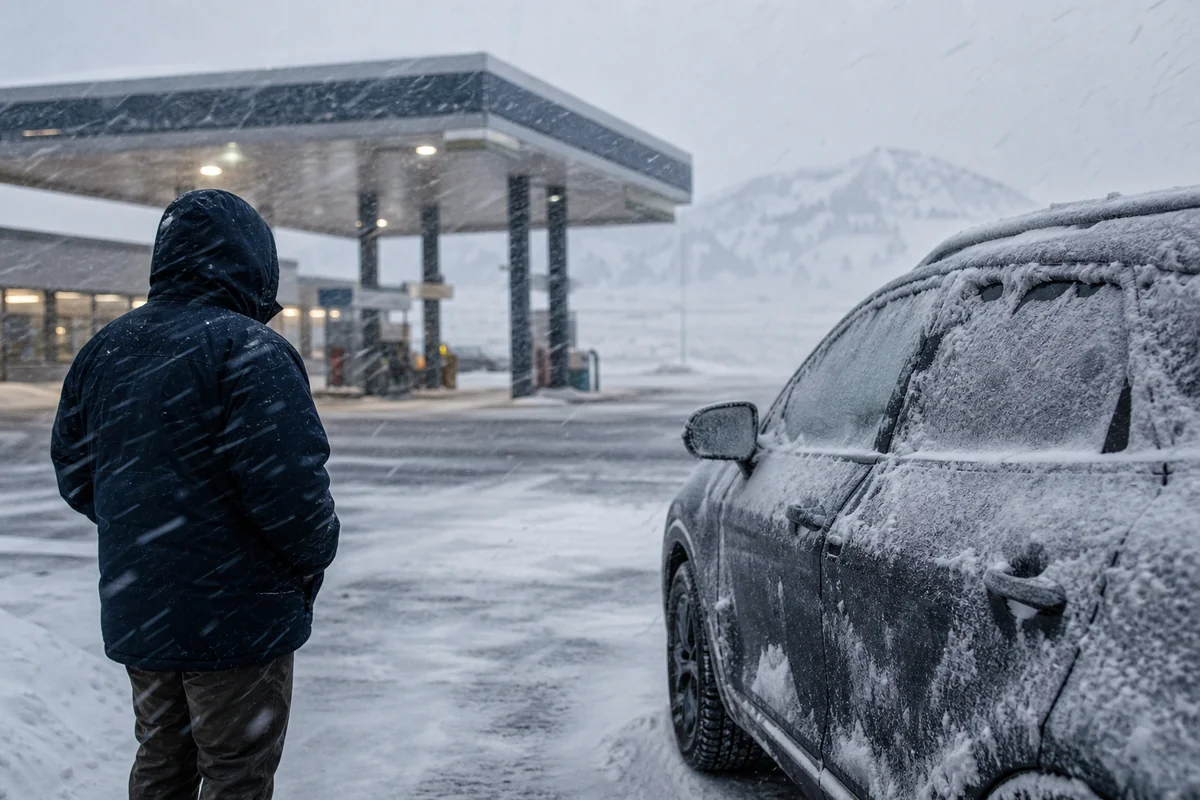
I’ll never forget standing outside a gas station in Cut Bank during a February blizzard, watching my rental car’s temperature gauge read -31°F while the wind made it feel closer to -50°F.
That moment taught me more about Montana winter weather than any forecast ever could—mainly that I was drastically underprepared, and that this state doesn’t mess around when temperatures plunge.
If you’re planning a winter trip to Big Sky Country, understanding the full scope of Montana’s weather patterns isn’t just helpful—it’s essential for your safety and enjoyment.
Montana’s winters are legendary for good reason, and after spending multiple seasons exploring this state in its coldest months, I’ve learned exactly what visitors need to know before they arrive.
- Montana winters run from November through March, with January being the coldest month (average lows of -10°F to 10°F depending on location)
- Western Montana gets more snow (100+ inches annually in mountains), while eastern Montana is drier but colder and windier
- Chinook winds can raise temperatures 40-50°F in hours—pack layers for dramatic swings
- Road closures are common; always check road conditions before driving and carry emergency supplies
- The best winter experiences require proper preparation but reward you with uncrowded trails, world-class skiing, and stunning frozen landscapes
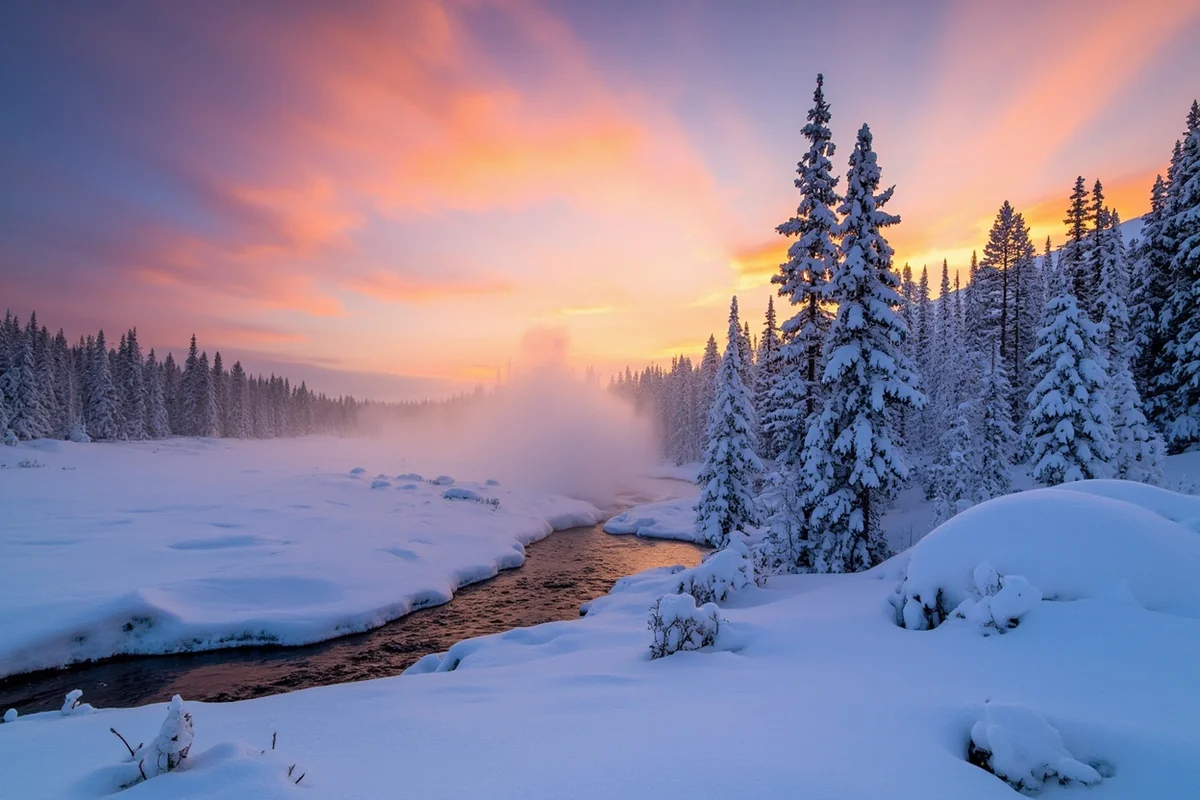
Liked this article?
Add Roaming Montana as a preferred source so you see more of our articles and guides on Google.
Understanding Montana’s Winter Climate Zones
One of the biggest mistakes I made on my first Montana winter trip was assuming the whole state experiences the same weather. It doesn’t—not even close.
Montana essentially has two distinct winter personalities split roughly along the Continental Divide. The western side, where places like Missoula, Kalispell, and Whitefish sit, tends to be milder but snowier. The eastern side, home to Great Falls, Billings, and the Hi-Line communities, gets less snow but experiences more extreme cold and relentless wind.
During my visit to Missoula last January, daytime temperatures hovered around 28°F—cold but manageable. A week later in Glasgow on the eastern plains, I experienced -25°F with a wind chill that made exposed skin hurt within seconds.
Western Montana: The Snowy Side
Western Montana’s proximity to Pacific weather systems means it catches moisture-laden clouds before they cross the Continental Divide. This translates to impressive snowfall totals, especially in the mountains surrounding Glacier National Park and the ski resorts near Whitefish.
I spent three days in the Flathead Valley during a December storm that dropped nearly two feet of snow. The mountains received even more—Whitefish Mountain Resort reported over 30 inches in 48 hours.
Towns like Missoula sit in valleys that can trap cold air, creating temperature inversions where it’s actually warmer at higher elevations. On a recent trip, downtown Missoula was foggy and 15°F while Snowbowl ski area, just 20 minutes up the mountain, was sunny and 32°F.
Eastern Montana: The Cold and Windy Reality
If you’re wondering why Montana gets so cold, the eastern plains provide the clearest answer. There’s nothing between the Arctic and these flat grasslands to stop cold air masses from sweeping south.
The Hi-Line—that string of small towns along Highway 2 near the Canadian border—regularly records some of the coldest temperatures in the Lower 48. Cut Bank, Havre, and Glasgow all experience extended periods below zero each winter.
What makes eastern Montana particularly challenging is the wind. Unlike the mountains that shelter western valleys, the plains offer no protection. I’ve experienced days in Lewistown where the actual temperature was -10°F but the wind chill pushed it below -40°F.
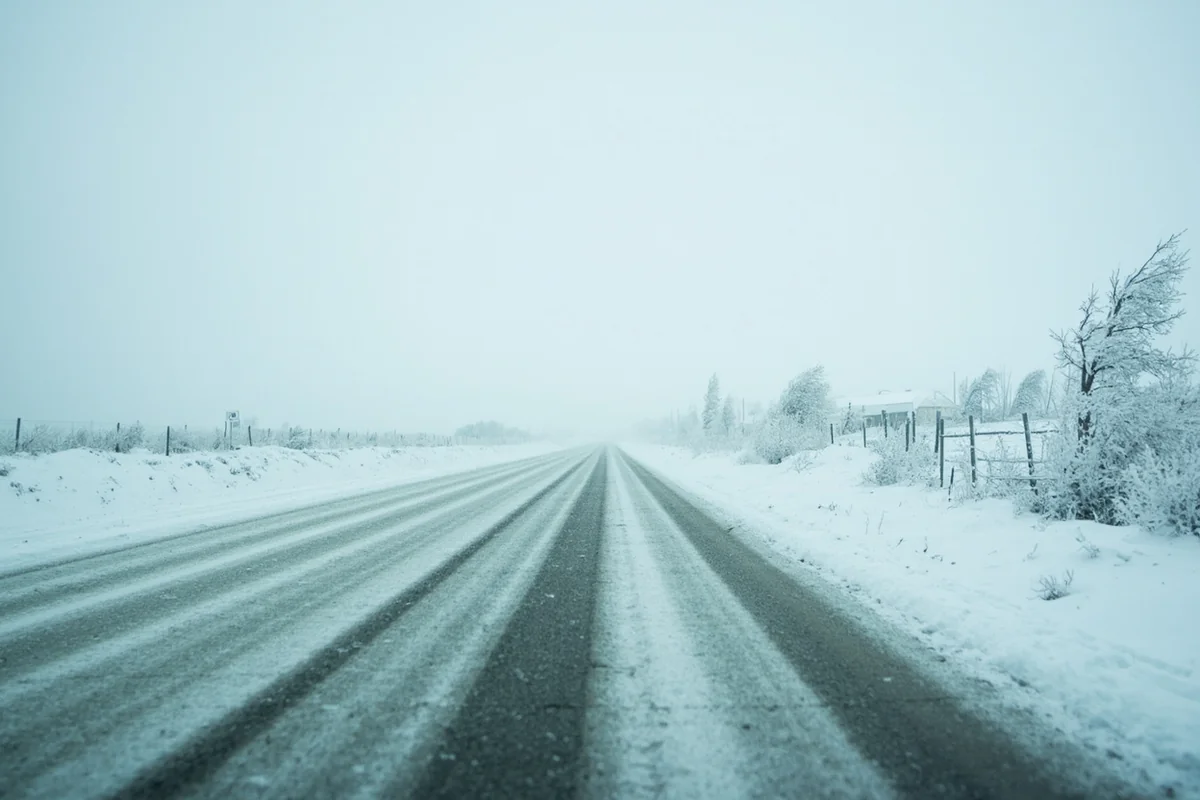
Month-by-Month Winter Weather Breakdown
Planning your Montana winter trip requires understanding what each month brings. Here’s what I’ve experienced firsthand:
November: The Transition
November in Montana feels like the state can’t decide what season it wants to be. On a trip to Bozeman during the first week of November, I enjoyed 50°F afternoons perfect for hiking. By Thanksgiving week, that same town was buried under a foot of snow with temperatures in the teens.
Early November can still offer pleasant fall conditions, especially in lower elevations. By mid-month, winter has typically established itself in the mountains, and ski resorts begin opening.
I recommend November for visitors who want to catch shoulder-season deals and don’t mind some weather uncertainty. Just be prepared for anything.
December: Full Winter Mode
December is when Montana fully commits to winter. Snow cover becomes consistent statewide (though eastern areas may still have patchy coverage), and temperatures drop significantly.
During my December trip to Glacier’s west entrance near Columbia Falls, average highs were around 30°F with lows dipping to 10°F. The park’s Going-to-the-Sun Road was long closed for the season, but cross-country skiing and snowshoeing opportunities were excellent.
Holiday crowds hit ski resorts and towns like Whitefish and Big Sky, so book accommodations early if you’re planning a late December visit.
January: The Coldest Month
January is Montana’s coldest month, and I’ve learned to take that seriously. My January visit to Helena saw temperatures that didn’t climb above 0°F for five consecutive days.
This is when many visitors ask how cold Montana actually gets, and the answer can be shocking. Record lows in many Montana towns exceed -40°F, and while those extremes don’t happen every year, extended subzero stretches are normal.
Despite the cold, January offers incredible winter experiences. The snow is typically pristine, crowds thin out after the holidays, and clear nights provide some of the best stargazing I’ve ever seen.
February: Arctic Blasts and Chinook Hopes
February is unpredictable in Montana. Some years bring the worst cold snaps of the season. Other years, early Chinook winds hint at spring.
I experienced both extremes during a two-week February trip. The first week in Great Falls saw temperatures plunge to -35°F. Then a Chinook wind arrived, and within 12 hours, temperatures shot up to 45°F—an 80-degree swing that felt surreal.
For some historical perspective, check out Montana’s record-breaking winters. Some of the state’s most extreme temperature swings and cold snaps have occurred in February.
March: The Sneaky Month
Don’t let March fool you. Many visitors assume it’s basically spring, but some of Montana’s worst winter storms hit in March.
During a March trip to Red Lodge, I encountered a blizzard that dropped two feet of snow and closed I-90 for over 24 hours. Meanwhile, the following week brought 55°F temperatures and rapid snowmelt.
March is excellent for skiing (spring conditions, fewer crowds) but requires flexibility in your plans.
Snowfall: What to Actually Expect
Understanding Montana’s snowfall patterns helps set realistic expectations for your trip.
| Location | Average Annual Snowfall | Typical Snow Season |
|---|---|---|
| Whitefish Mountain | 300+ inches | November – April |
| Big Sky | 300+ inches | November – April |
| Glacier Park (West) | 150-200 inches | October – May |
| Missoula | 40-50 inches | November – March |
| Bozeman | 80-100 inches | October – April |
| Helena | 45-55 inches | November – March |
| Billings | 55-60 inches | October – April |
| Great Falls | 45-55 inches | October – April |
| Eastern Plains (Glasgow, Sidney) | 25-35 inches | October – April |
The mountain resorts receive staggering amounts of snow—some years exceeding 400 inches. When I was at Big Sky during a La Niña winter, they received over 50 inches in a single week.
Valley towns see more modest accumulation but still enough to require proper winter driving skills. What surprised me was how quickly snow can pile up. A system that moves in overnight can drop 6-12 inches before you wake up.
Eastern Montana receives less total snow, but strong winds create dangerous ground blizzards where existing snow gets whipped into whiteout conditions. I’ve driven Highway 200 near Jordan when visibility dropped to near zero from blowing snow, despite blue skies overhead.
Wind: Montana’s Underrated Winter Hazard
If you want to know how windy Montana really gets, spend a winter day on the eastern plains or near the Rocky Mountain Front.
Wind transforms manageable cold into dangerous cold. A temperature of -5°F with 30 mph winds—common along the Hi-Line—creates a wind chill around -35°F. That’s cold enough for frostbite in under 10 minutes on exposed skin.
During my time in Browning near Glacier’s east side, I experienced sustained winds over 60 mph. Locals barely blinked. They warned me about “east winds” that can blow for days without stopping.
The wind also affects travel. I’ve seen semis blown over on I-15 near Shelby, and rental car doors can be ripped from your hands (ask me how I know).
However, wind isn’t all bad. Those famous Chinook winds that flow down from the mountains can bring dramatic warming. Havre once recorded a 103°F temperature rise in less than 24 hours thanks to a Chinook—among the most extreme temperature swings ever recorded anywhere.
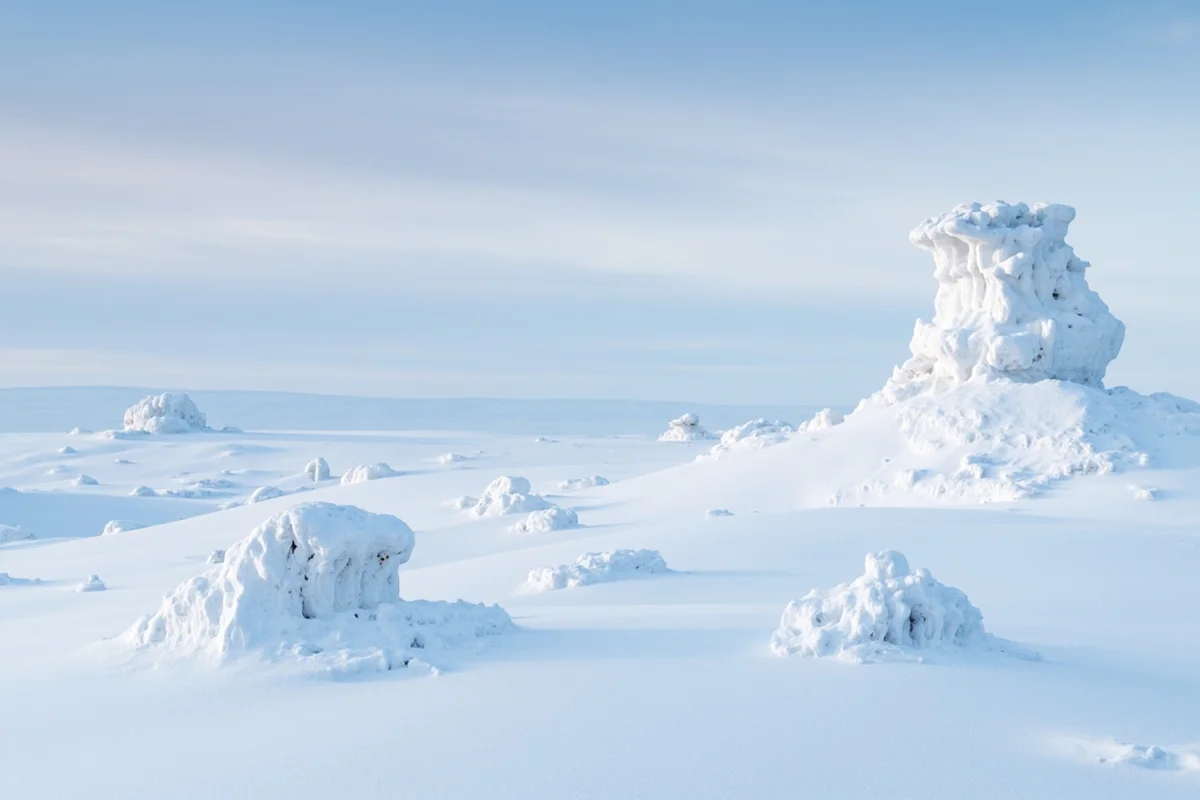
Driving in Montana’s Winter Weather
Winter driving deserves special attention because it’s when most visitors encounter trouble. The complete Montana winter driving guide covers this extensively, but here are the key points from my experience.
Road Conditions and Closures
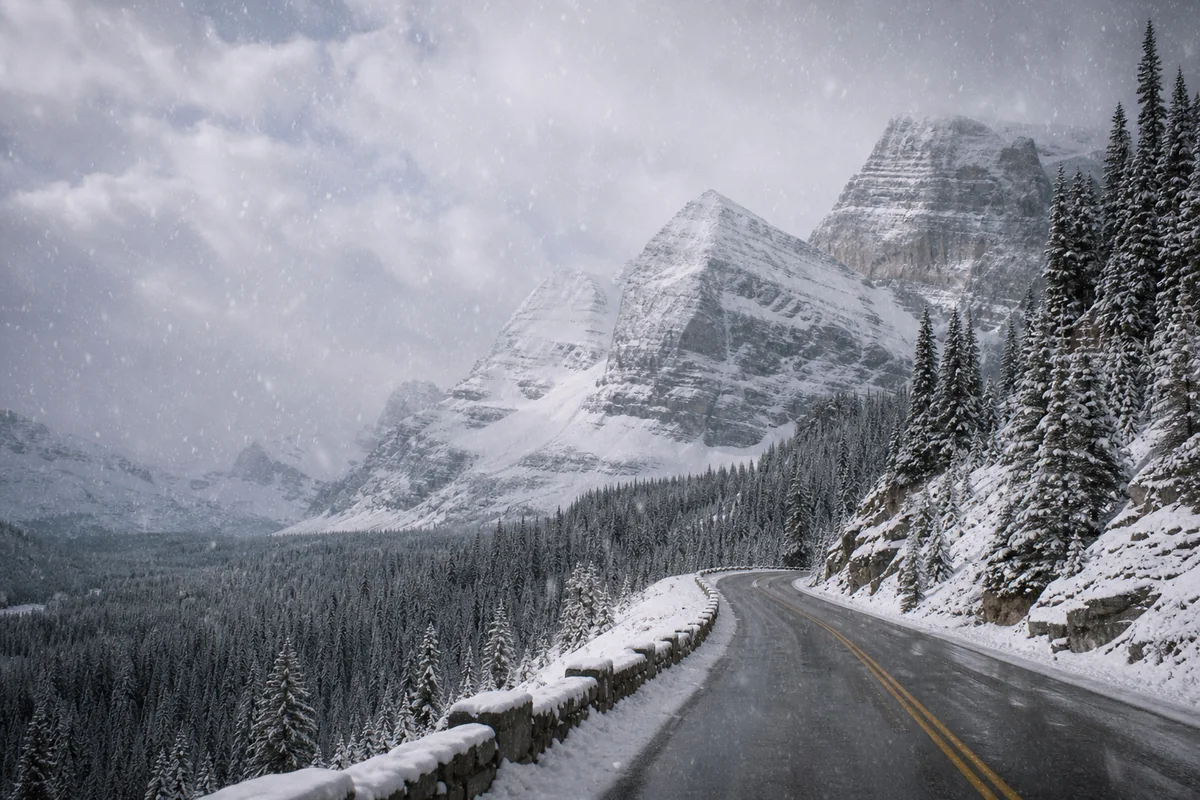
Montana’s major highways can close during severe winter storms. I-90 through Bozeman Pass, I-15 north of Helena, and Highway 2 along the Hi-Line all have sections that close periodically each winter.
Always check MDT (Montana Department of Transportation) road conditions before departing. Their website and 511 phone service provide real-time updates. I’ve avoided several bad situations simply by checking conditions before leaving my hotel.
The state does an admirable job maintaining major routes, but secondary roads in rural areas may not be plowed for 24 hours or more after a storm.
Vehicle Preparation
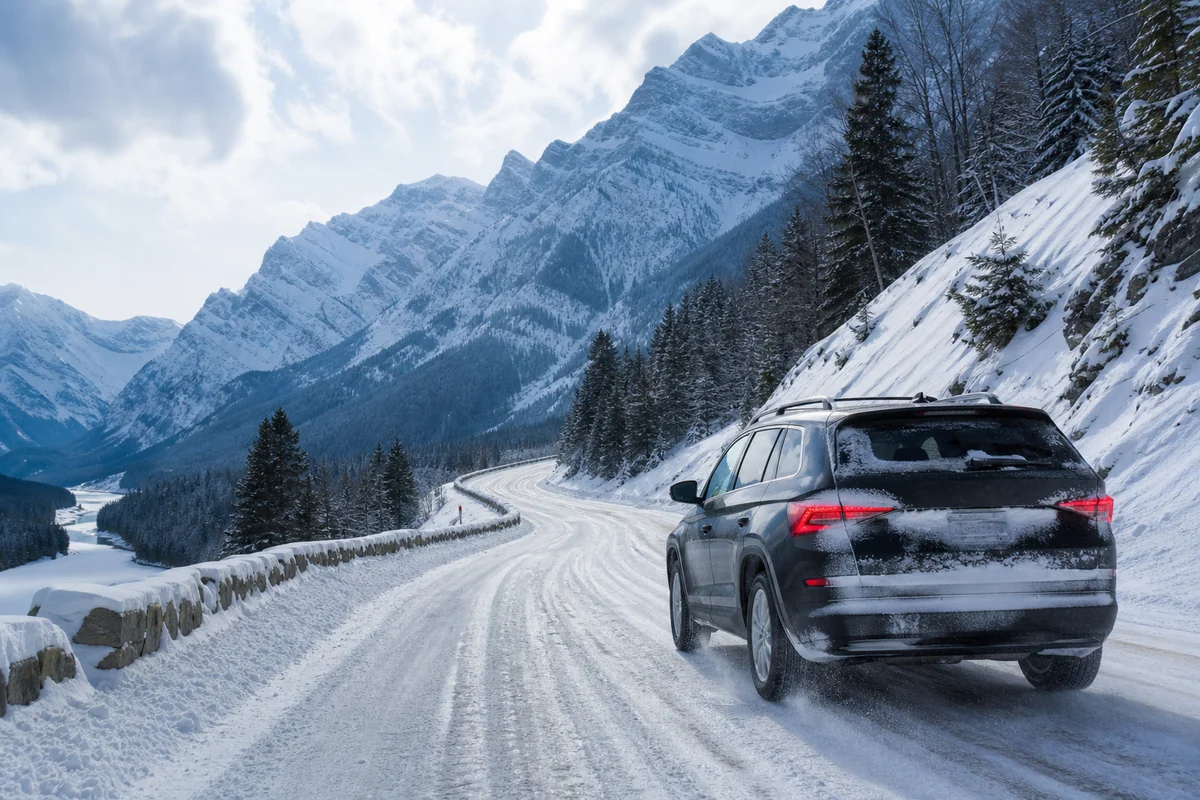
If you’re renting a car, request AWD or 4WD if available—it’s worth the extra cost. I made the mistake of renting a rear-wheel-drive sedan once and spent two days unable to leave my hotel parking lot.
Carry winter emergency supplies: blankets, water, snacks, a flashlight, and a fully charged phone. Cell service is spotty in rural Montana, so a satellite communicator isn’t overkill for extended backcountry drives.
I now keep a small shovel and traction aids (kitty litter or sand) in every Montana winter rental. They’ve saved me twice.
Timing Your Drives
Start early when roads have been recently plowed and before afternoon traffic. Avoid driving during active snowstorms if possible—Montana’s low humidity means snow stays powdery and blows easily, reducing visibility rapidly.
Night driving in winter adds risk from black ice and wildlife. I’ve had more close calls with deer and elk at dusk during winter than any other time.
Dressing for Montana Winters
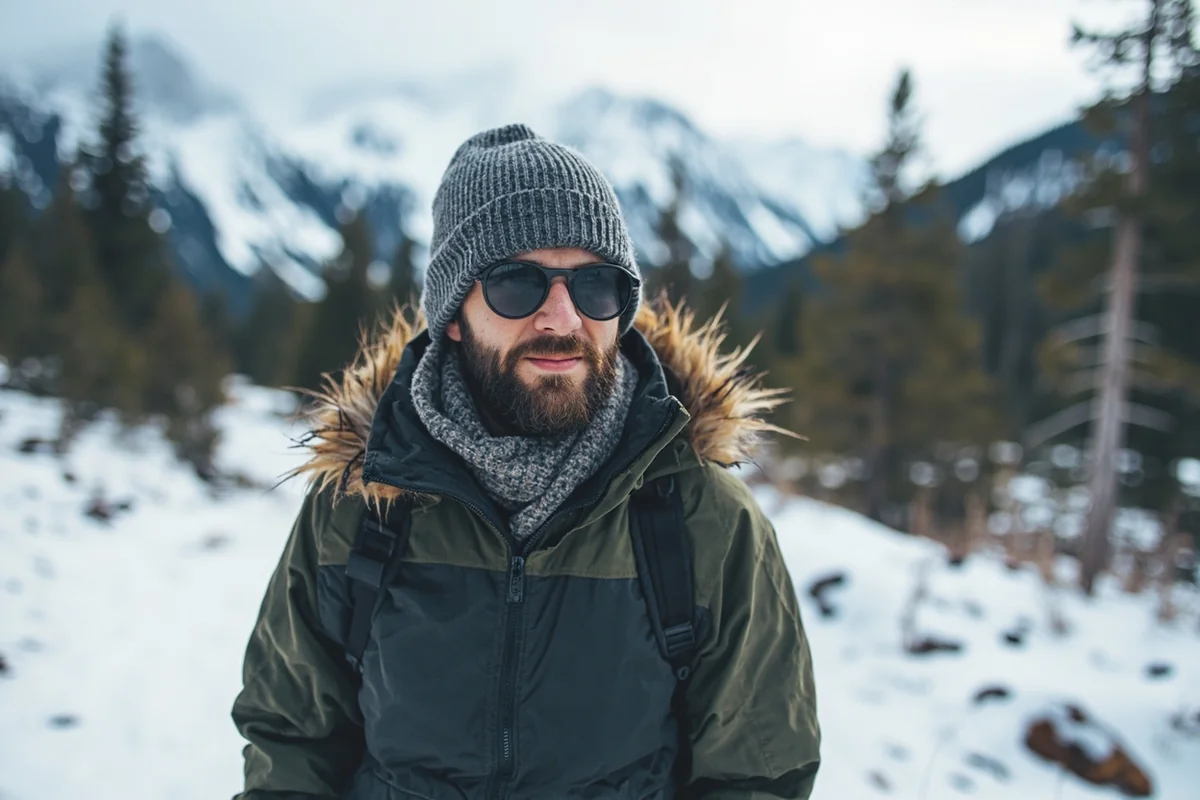
Proper clothing makes the difference between enjoying Montana winters and being miserable. The complete Montana winter clothing guide goes into extensive detail, but I’ll share what I’ve learned matters most.
The Layering System That Works
Montana’s temperature swings—sometimes 40 degrees in a single day—demand versatile layering.
Base layers should be wool or synthetic, never cotton. I’ve had cotton underlayers get sweat-damp during a hike, then turn ice-cold when I stopped moving. Merino wool has become my go-to.
Mid-layers provide insulation. Fleece or down work well, and I typically bring both. Fleece performs better when wet, while down is lighter for the same warmth.
Outer layers need to block wind above all else. A windproof shell has saved me more often than extra insulation. Montana’s wind can cut through puffy jackets that aren’t wind-resistant.
Footwear Is Critical
Your feet are your most vulnerable extremity in Montana cold. Inadequate footwear ruins winter trips faster than anything else.
I recommend reading the Montana winter boots guide before purchasing, but the essentials are: insulated to at least -25°F, waterproof, and with good traction. I’ve watched tourists slip on icy sidewalks in fashionable but impractical boots—save those for the lodge.
Pack extra wool socks. Keeping feet dry prevents cold. I change socks midday during active winter days.
Protecting Extremities
Hands, face, and head lose heat rapidly. I carry two pairs of gloves: lighter ones for driving and activities, and heavy mittens for standing around in extreme cold.
A balaclava or neck gaiter protects your face when wind chills drop below -20°F. Sunglasses are essential—snow glare causes eye strain and temporary snow blindness.
Weather Phenomena Unique to Montana Winters
Montana experiences some fascinating weather phenomena that surprised me as a visitor.
Chinook Winds
I mentioned Chinooks earlier, but they deserve more attention. These warm, dry winds occur when air flows down the eastern slopes of the Rockies, compressing and warming as it descends.
Chinooks can raise temperatures 40-50°F in hours. I’ve seen snow vanish seemingly before my eyes during a strong Chinook event near Great Falls. Locals call them “snow eaters” for good reason.
They’re most common from November through March along the Rocky Mountain Front from Cut Bank south to Helena.
Temperature Inversions
Valley inversions trap cold air beneath warmer air aloft. Missoula and Helena valleys are notorious for these, creating foggy, cold conditions in town while mountains are sunny and warmer.
I’ve learned to escape inversions by driving up canyon roads. During one Helena inversion with fog and -10°F temperatures, I drove 20 minutes toward MacDonald Pass and found clear skies and 25°F—a 35-degree difference in elevation change.
Ice Fog
When temperatures drop below -20°F, exhaust from vehicles and buildings creates ice fog—tiny ice crystals suspended in air that drastically reduce visibility.
My first ice fog experience in Billings was disorienting. The city seemed to disappear into a sparkling haze. It’s beautiful but dangerous for driving.
Safety Considerations
Montana winter weather demands respect. Here’s what I’ve learned about staying safe.
Hypothermia and Frostbite
Both are real risks, not hypothetical concerns. Frostbite can begin in as little as 10 minutes on exposed skin when wind chills drop below -30°F.
I carry chemical hand warmers even on short outings. They’ve provided emergency warmth when temperatures dropped faster than expected.
Know the signs: shivering that stops (severe hypothermia), white or gray patches on skin (frostbite), and confusion. Don’t hesitate to cut outdoor activities short if anyone shows these symptoms.
Winter Flooding
Surprisingly, winter flooding in Montana does occur. Ice jams on rivers, rapid Chinook snowmelt, and rain-on-snow events can all cause localized flooding.
I witnessed the Yellowstone River ice jam near Miles City that backed up water into low-lying areas. It’s not common, but it’s worth awareness if you’re staying near rivers.
Other Weather Hazards
While winter focuses our attention on cold and snow, Montana does experience other weather phenomena worth knowing about. Though they’re not winter concerns, some visitors wonder about tornadoes in Montana, earthquake activity, or even hurricane potential. The short answers: tornadoes are rare but possible in eastern Montana during summer, earthquakes occur occasionally (Montana is seismically active), and hurricanes don’t reach this far inland.
Best Winter Experiences Despite the Weather
After detailing all the challenges, I want to emphasize that Montana winters offer incredible experiences. The weather makes them possible, not impossible.
Skiing and Snowboarding
Montana’s ski resorts—Big Sky, Whitefish, Bridger Bowl, Red Lodge—offer world-class skiing without Colorado lift lines. Cold temperatures keep snow conditions excellent, and the powder is legendary.
My favorite Montana ski days have been cold (-10°F at the summit) but crystal clear. The runs were empty, the snow was perfect, and the views of Glacier’s peaks from Whitefish stretched forever.
Yellowstone in Winter
Yellowstone’s winter season (mid-December through early March) provides a completely different experience than summer’s chaos. Geothermal features steam dramatically against snowy landscapes, and wildlife viewing is often better than summer.
Access is limited to snowcoach and snowmobile from West Yellowstone or guided tours from Mammoth. I took a snowcoach to Old Faithful during my February visit—watching the geyser erupt with only a dozen other visitors, steam billowing into -20°F air, remains a highlight of my Montana travels.
Cross-Country Skiing and Snowshoeing
Western Montana’s valleys offer extensive Nordic skiing opportunities. The Rendezvous Trails near West Yellowstone are world-class, and I’ve spent quiet mornings on groomed trails near Seeley Lake with no other skiers in sight.
Snowshoeing in Glacier National Park provides access to areas impossible to reach by other means in winter. The road from Apgar to Lake McDonald Lodge is open to skiers and snowshoers, and I’ve made that trek on bright January days when the lake was frozen and the silence was profound.
Hot Springs
Montana’s numerous hot springs feel especially magical in winter. Soaking in naturally heated water while snow falls around you is an experience I recommend highly.
Chico Hot Springs near Yellowstone, Quinn’s in Paradise, and Norris Hot Springs near Bozeman all remain open in winter. I’ve sat in outdoor pools during snowstorms, watching flakes melt on the water’s surface—it’s remarkably relaxing.
Wildlife Watching
Winter concentrates wildlife at lower elevations where food is accessible. Elk herds gather near towns like Gardiner and in the National Bison Range. Wolves are more visible against snow, and bald eagles congregate along open water.
My most memorable Montana wildlife sighting was a pack of wolves hunting elk near Lamar Valley in Yellowstone during a February morning. The cold was brutal, but I stood on that roadside pullout for two hours watching predator and prey interact.
Comparing Regions: Where Should You Go?
Your ideal Montana winter destination depends on what you’re seeking.
For skiing and mountain snow: Head to Whitefish, Big Sky, or the Bozeman area. These regions offer the best snow conditions, most amenities, and easiest access.
For authentic small-town Montana: Consider Livingston, Red Lodge, or Hamilton. Smaller crowds, genuine local character, and good access to winter activities.
For Yellowstone access: West Yellowstone or Gardiner provide winter park entry. West Yellowstone is colder but offers snowmobile rentals and Nordic skiing. Gardiner is slightly warmer and allows car access to Mammoth.
For the coldest, most extreme experience: The Hi-Line towns offer authentic northern plains winter. Havre, Malta, and Glasgow aren’t tourist destinations, but if you want to know whether Montana is the coldest state, this is where to feel it.
For those seeking milder conditions, the warmest places in Montana tend to be lower elevation valleys in the southwest, though “warm” is relative—you’re still likely to see snow.
Practical Planning Tips
After multiple Montana winters, here’s my practical advice:
- Book accommodations early for holiday periods and ski weekends. Montana’s winter tourism has grown significantly, and popular areas fill up.
- Build flexibility into your itinerary. Weather can change plans quickly. I always have backup indoor activities identified.
- Rent the right vehicle. AWD/4WD, good tires, and don’t rely solely on GPS for directions in rural areas.
- Bring more layers than you think you need. It’s easier to remove layers than to wish you had them.
- Keep your gas tank at least half full. Gas stations are sparse in rural areas, and you may need to run your engine for warmth if stranded.
- Download offline maps. Cell service is unreliable in many areas, including parts of Glacier and Yellowstone.
- Tell someone your plans. If you’re venturing into remote areas, let someone know your itinerary and expected return.
When to Visit for Your Goals
- Best powder skiing: January through early February typically offers the most consistent snow conditions.
- Fewest crowds: January (excluding MLK weekend) and non-holiday periods in February.
- Mildest winter weather: Late November or March, accepting that conditions are less predictable.
- Yellowstone winter: Late January through February balances access, wildlife viewing, and cold temperatures.
- Northern lights potential: December through February offers the longest nights. Clear cold nights on the Hi-Line provide the best opportunities.
The Bottom Line on Montana Winter Weather
Montana winters are genuinely challenging. The cold is serious, the snow is substantial, and unprepared visitors can find themselves in difficult situations.
But for those who plan appropriately, dress properly, and respect the conditions, Montana winters offer experiences unavailable anywhere else in the Lower 48.
Empty ski runs, steaming geysers against frozen landscapes, wolves hunting in Yellowstone, crystalline stars over snow-covered valleys—these moments are worth the extra preparation.
I return to Montana every winter despite—or perhaps because of—the demanding weather. The state reveals a different character when snow covers the mountains and cold grips the plains. It’s quieter, more authentic, and deeply beautiful.
If you’re considering a winter visit, don’t let the cold scare you away. Prepare thoroughly, stay flexible, and embrace the experience. Montana in winter has challenged me, surprised me, and rewarded me in equal measure.
For different perspectives on Montana weather, consider that humidity levels are quite low, making cold temperatures feel different than in humid climates. And if winter seems too daunting, the Montana summer guide covers the opposite season—though summer comes with its own weather challenges.
Montana winter weather demands respect but repays it with unforgettable experiences. I’ve never regretted a Montana winter trip—even that -31°F morning in Cut Bank taught me something valuable about this remarkable state.
Frequently Asked Questions
How cold does Montana get in winter and what temperatures should I expect?
Montana winter temperatures typically range from 0°F to 30°F, though I’ve experienced nights dropping to -20°F or colder in places like West Yellowstone and the Hi-Line region. Mountain areas and valleys can see dramatic temperature swings, so I always check forecasts for my specific destination rather than relying on statewide averages.
What should I pack for a Montana winter trip?
I recommend packing insulated waterproof boots, thermal base layers, a heavy down jacket, and layering pieces you can add or remove throughout the day. Don’t forget wool socks, insulated gloves, a warm hat, and sunglasses since the snow glare can be intense. Hand warmers and a good lip balm are small essentials that make a huge difference during outdoor activities.
Is it safe to drive in Montana during winter months?
Driving Montana’s winter roads requires preparation but is manageable with the right precautions. I always rent an AWD or 4WD vehicle, carry emergency supplies like blankets and snacks, and check the Montana Department of Transportation road conditions before heading out. Mountain passes like Lookout Pass and Marias Pass can close during heavy storms, so I build flexibility into my itinerary.
When does ski season start and end in Montana?
Most Montana ski resorts like Big Sky, Whitefish Mountain, and Bridger Bowl open in late November or early December and run through mid-April. I’ve found the best snow conditions are typically January through March, with February offering deep powder and fewer crowds than holiday weeks. Some resorts extend into April if snowpack allows, which is great for spring skiing deals.
How much snow does Montana get in winter?
Annual snowfall varies dramatically across Montana, from around 30 inches in eastern plains towns to over 300 inches in mountain areas near Glacier National Park and ski resorts. When I visited Whitefish in February, fresh snow fell almost daily, while Bozeman had lighter but consistent coverage. The mountains catch most of the moisture, so plan accordingly based on your destination.
What is the best month to visit Montana for winter activities?
For skiing and snowmobiling, I recommend February when snow conditions peak and crowds thin out after the holiday rush. January offers the coldest temperatures but also stunning frozen landscapes perfect for photography around places like Yellowstone’s North Entrance. If you prefer milder weather with good snow, late March combines spring sunshine with plenty of base for winter sports.
How much does a Montana winter vacation cost for a week?
A week-long Montana winter trip typically runs $1,500 to $3,500 per person depending on accommodations and activities. Budget travelers can find ski town lodging starting around $100-150 per night, while lift tickets average $100-180 daily at major resorts. I save money by booking midweek stays, purchasing multi-day lift passes, and eating breakfast at my rental rather than restaurants every morning.
Sources