I’ll never forget standing outside a gas station in Browning, Montana, watching the digital thermometer flash -42°F while my rental car refused to start—and learning from a local that this was “just a normal cold snap” compared to what the town had seen decades earlier.
That moment crystallized something every Montana visitor needs to understand: this state doesn’t just experience winter, it rewrites the record books.
If you’re planning a trip to Big Sky Country during the colder months, understanding the historical extremes detailed in our comprehensive Montana Weather Guide could mean the difference between an epic adventure and a dangerous situation.
- Montana holds the record for the coldest temperature ever recorded in the contiguous US: -70°F at Rogers Pass in 1954
- The state has experienced temperature drops of 100°F in just 24 hours
- Some winters brought 77+ inches of snow in single storms
- Record-breaking chinook winds have caused 84°F temperature swings in 12 hours
- These extremes still influence winter travel planning today
- Preparation is essential—pack for temperatures far colder than forecast
Liked this article?
Add Roaming Montana as a preferred source so you see more of our articles and guides on Google.
Why Montana’s Winters Are Unlike Anywhere Else in America
Before I dive into the specific record-breaking winters, I need to explain why Montana consistently produces such extreme conditions. During my years of traveling through the state, I’ve come to understand that Montana sits at a unique meteorological crossroads.
The state straddles the Continental Divide, creating two distinct climate zones. West of the divide, Pacific moisture systems bring heavy, wet snow. East of the divide, Arctic air masses sweep down from Canada with virtually nothing to stop them.
This geography creates what meteorologists call “temperature volatility”—the ability for conditions to change rapidly and dramatically. I’ve experienced sunny, 40°F mornings that plummeted to -20°F by sunset.
If you’ve ever wondered why Montana is so cold, the answer lies in this perfect storm of latitude, elevation, and continental exposure. Understanding this helps explain how the following record-breaking winters became possible.
1. The Great Cold Snap of January 1954: America’s Coldest Temperature
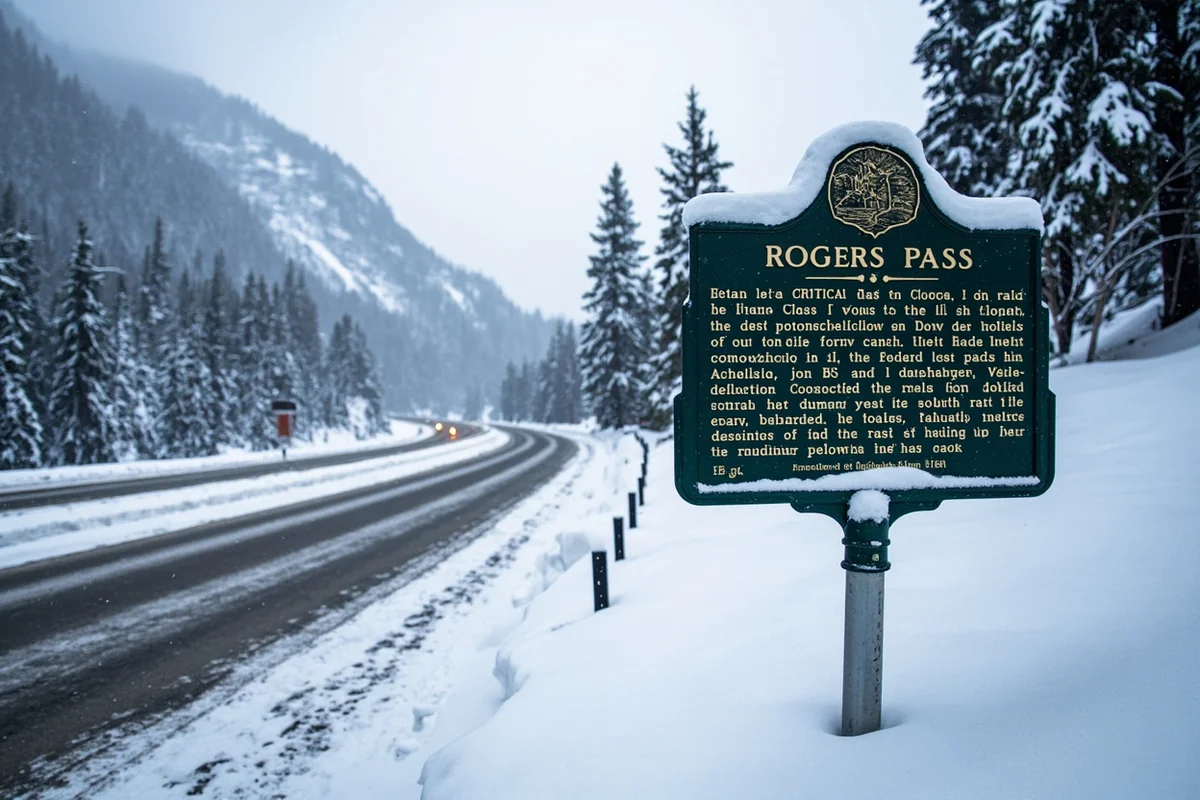
On January 20, 1954, a mining camp near Rogers Pass recorded -70°F—the coldest temperature ever documented in the contiguous United States. I visited Rogers Pass on Highway 200 last winter, and even on a “mild” -15°F day, I gained profound respect for what those miners endured.
The reading came from a government weather station operated by a mining engineer named H.M. Kleinschmidt. The circumstances were almost impossibly perfect for extreme cold: clear skies, no wind, fresh snow cover, and a temperature inversion that trapped frigid air in the mountain valley.
What struck me during my visit was how accessible Rogers Pass is—it’s just 60 miles northwest of Helena, on a well-maintained highway. Yet in 1954, this remote location became ground zero for American cold weather history.
What Travelers Should Know About Rogers Pass Today
I drove through Rogers Pass during a December trip, and even with modern vehicles and road maintenance, the area demands respect. The pass sits at 5,610 feet elevation, and temperatures regularly drop 20-30 degrees below Helena’s readings.
Cell service is unreliable through much of the corridor. I recommend filling up your gas tank in Lincoln or Helena before crossing, and consulting our Montana Winter Driving Guide for essential preparation tips.
The historical marker commemorating the cold record is worth a stop, though I’ll admit I didn’t linger long during my frigid visit.
2. The Loma Temperature Swing of 1972: 103°F Change in 24 Hours
On January 14-15, 1972, the tiny town of Loma, Montana, experienced something meteorologists still study with amazement. Temperatures rose from -54°F to 49°F in just 24 hours—a 103°F swing that remains the greatest temperature change ever recorded in the United States over that timeframe.
I stopped in Loma during a summer road trip along the Missouri River, and chatted with locals at the small gas station. The 1972 event remains local legend, though the town itself—population roughly 100—shows little evidence of its meteorological fame.
The cause was a powerful chinook wind, a phenomenon I’ll discuss more in a later section. These warm, dry winds flowing down the eastern slopes of the Rockies can transform arctic conditions into spring-like weather within hours.
Understanding Chinook Winds as a Traveler
During my winter travels in Montana, I’ve experienced chinook winds firsthand, and they’re both a blessing and a hazard. On one trip to Great Falls, I watched temperatures climb from 5°F to 45°F in just four hours.
The rapid warming sounds pleasant, but it creates dangerous conditions. Snow melts quickly, refreezes at night, and creates treacherous black ice. Visibility drops as fog forms. Wind gusts can exceed 70 mph.
If you’re wondering about wind conditions in Montana, our guide on how windy Montana really is covers what to expect throughout the year.
3. The Winter of 1886-1887: The Great Die-Up
No discussion of Montana’s extreme winters is complete without addressing the catastrophic winter of 1886-1887, known as “The Great Die-Up.” While I obviously didn’t experience this personally, I’ve spent considerable time at the Montana Historical Society in Helena researching this pivotal event.
Following an unusually dry summer, a series of blizzards struck Montana beginning in November 1886. Temperatures plummeted to -50°F across the territory. Snow depths reached unprecedented levels, with some areas reporting 16-foot drifts.
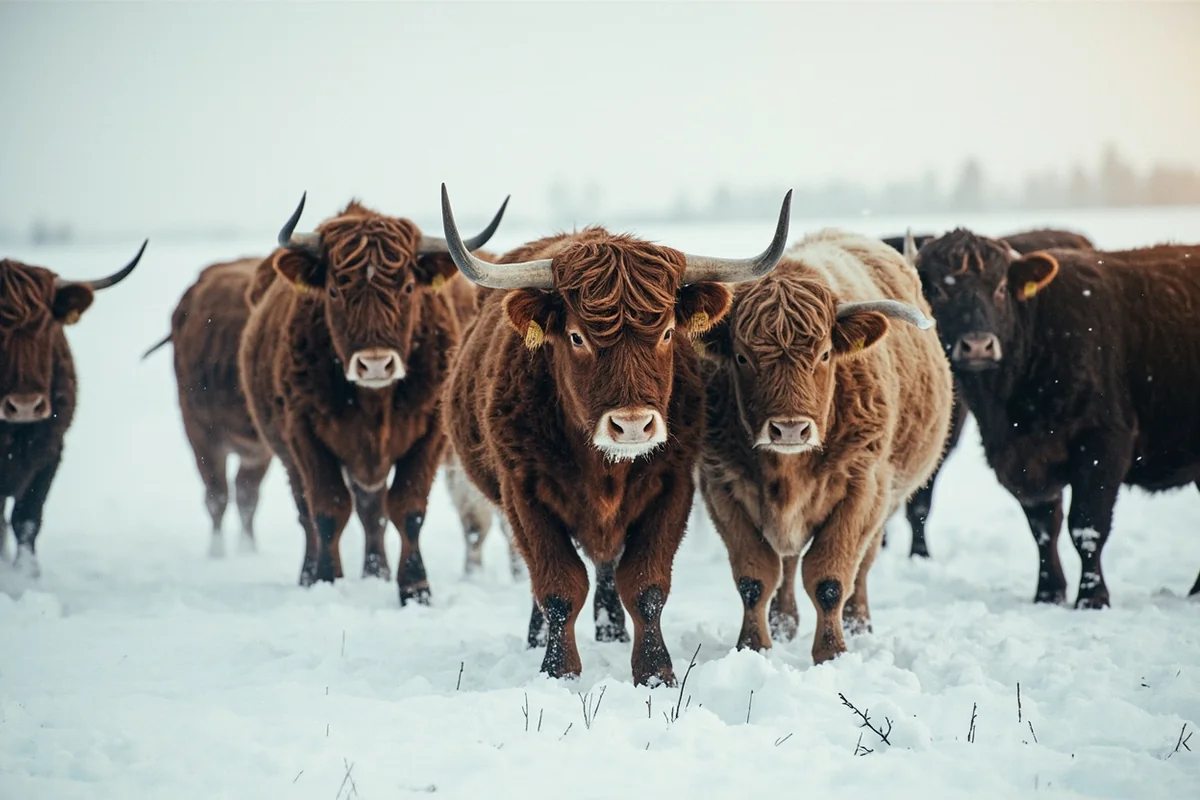
The human cost was significant, but the economic devastation transformed Montana forever. Cattle ranchers lost an estimated 60-90% of their herds. Some operations lost every single animal.
How This Historical Winter Shapes Modern Montana
I find it fascinating how the 1886-1887 winter still influences Montana culture today. During conversations with ranchers near Miles City, I learned that the “Great Die-Up” led directly to modern ranching practices—hay storage, winter shelters, and smaller herd sizes.
The famous painting “Waiting for a Chinook” by Charlie Russell, which depicts a starving cow surrounded by wolves, was painted in response to this winter. You can see it at the Montana Historical Society Museum in Helena, and I highly recommend the visit.
For travelers, this history adds depth to winter visits. When you see those iconic red barns and hay bales dotting the landscape, you’re witnessing a direct response to the deadliest winter in Montana ranching history.
4. The February 1936 Cold Wave: Sustained Misery
While the 1954 Rogers Pass reading holds the single-temperature record, February 1936 delivered something arguably worse: sustained, brutal cold across the entire state for weeks.
Multiple stations recorded temperatures below -50°F during this period. Helena dropped to -42°F. Miles City hit -45°F. The cold wasn’t a brief dip—it persisted day after day, pushing infrastructure and human endurance to the breaking point.
I’ve read firsthand accounts at the Montana Memory Project archives describing frozen water pipes, schools closed for weeks, and families burning furniture for heat. One account from Havre described icicles forming inside a general store despite a roaring wood stove.
The 1936 Context for Modern Travelers
What strikes me about 1936 is how Montana’s infrastructure has evolved. During my recent February visit to Helena, I experienced -25°F temperatures, and while certainly cold, the city functioned normally. Hotels were warm, restaurants stayed open, and roads remained passable.
Still, the 1936 cold wave reminds us that Montana can produce extended cold snaps beyond what modern forecasts might predict. I always pack for temperatures 20-30 degrees colder than expected, and I recommend reading our Montana Winter Clothing Guide for detailed packing recommendations.
For a deeper dive into typical winter cold, check out our article on how cold it gets in Montana.
5. The Browning Temperature Drop of 1916: 100°F in 24 Hours
On January 23-24, 1916, the town of Browning experienced a temperature plunge from 44°F to -56°F in just 24 hours—a 100-degree drop that remains one of the most dramatic temperature changes ever recorded anywhere on Earth.
I’ve visited Browning multiple times as the gateway to Glacier National Park’s east side, and the Blackfeet Reservation community carries this history in its collective memory. Elders I spoke with during a summer visit shared stories passed down from grandparents who survived that night.
The cause was a classic Montana phenomenon: a chinook wind that had warmed the region abruptly ended, and Arctic air rushed in to replace it. The transition was violent and deadly.
Browning’s Location Amplifies Extremes
During my winter visits to the Browning area, I’ve noticed how the town’s geography makes it uniquely vulnerable to temperature extremes. Situated on the plains just east of Glacier National Park, Browning has no mountains to the north blocking Arctic air.
When I checked into a motel in Browning last January, the desk clerk asked if I had emergency supplies in my car—blankets, food, water. This wasn’t paranoia; it was practical wisdom born from generations of extreme weather experience.
If you’re wondering whether Montana qualifies as the coldest state, our analysis at Is Montana the Coldest State provides surprising context.
6. The Blizzard of November 1959: Buried Alive
From November 21-22, 1959, a massive blizzard paralyzed central Montana with sustained winds over 70 mph and snow accumulations exceeding three feet in many areas. Wind drifts reached 20 feet in some locations.
I researched this storm extensively at the Cascade County Historical Society in Great Falls, and the accounts are harrowing. Motorists became stranded on highways. Ranchers couldn’t reach livestock. The National Guard deployed to rescue travelers trapped in their cars.
What makes this storm notable beyond snow totals was its timing—right before Thanksgiving. Families traveling for the holiday found themselves trapped, some for days.
Modern Storm Preparation Lessons
During my winter travels, I’ve encountered several storms that reminded me of historical accounts like 1959. Last December, I was snowed in at a motel in Lewistown for two days during a blizzard that dropped 18 inches with 50 mph winds.
The experience reinforced lessons I share with all Montana winter travelers: always have food and water, always tell someone your route, and never assume you’ll reach your destination on schedule.
Our comprehensive guide on Montana snow helps travelers understand what to expect from November through April.
7. The January 1969 Arctic Outbreak: Statewide Paralysis
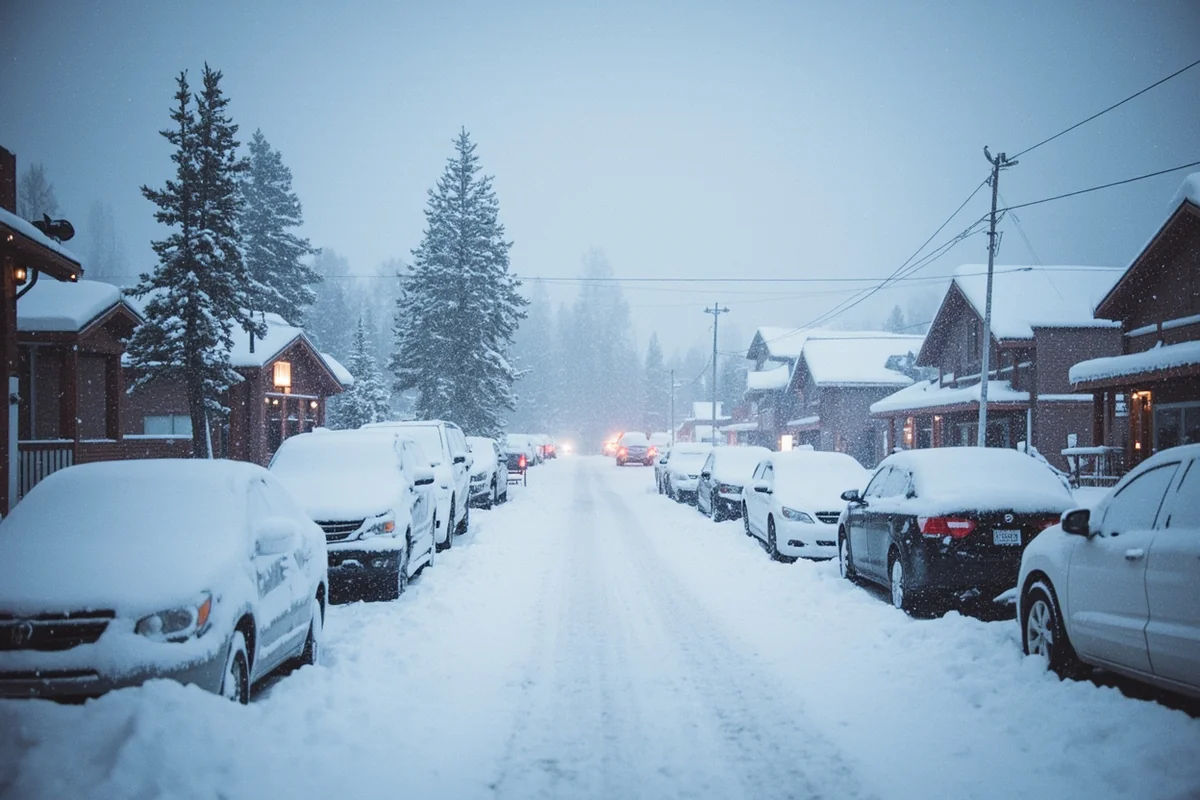
The winter of 1968-1969 delivered sustained cold across Montana that tested every aspect of infrastructure. January 1969 was particularly brutal, with Havre recording -57°F and Glasgow hitting -53°F.
What made this outbreak significant wasn’t just the temperatures—it was the duration. Sub-zero temperatures persisted for over two weeks across much of the state. Schools closed. Businesses shut down. Even mail delivery was suspended in some areas.
I spoke with a retired teacher in Glasgow who remembered walking to school in January 1969 when conditions briefly moderated to -25°F. “We thought it felt warm,” she told me with a laugh that carried decades of cold weather wisdom.
How Long Cold Snaps Affect Travel
Modern travelers benefit from better forecasting, but extended cold snaps still impact Montana winters. During a January trip to the Hi-Line region (Highway 2), I watched as one cold snap stretched from three predicted days to nearly a week.
My advice: build flexibility into winter itineraries. Don’t book tight connections. Keep hotel reservations flexible. And always check road conditions before departing—Montana’s 511 system provides real-time updates.
8. The Christmas 2003 Storm: 77 Inches in Four Days
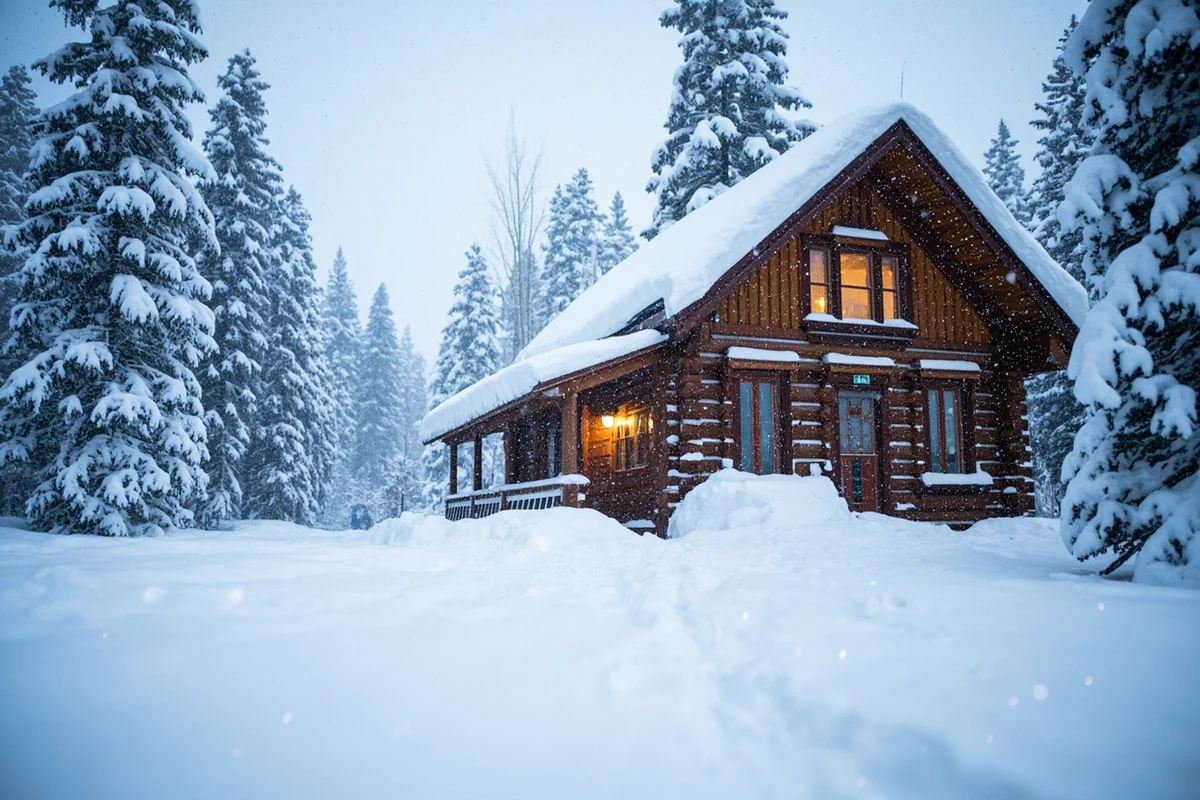
For sheer snow volume, few storms match the December 2003 event that buried portions of western Montana. The town of Seeley Lake recorded 77 inches of snow between December 27 and December 31.
I’ve spent considerable time in the Seeley-Swan Valley, and locals still reference “the Christmas storm” as a benchmark. During a summer fishing trip, my guide pointed out buildings with extra-reinforced roofs—modifications made after 2003.
The storm caused widespread roof collapses, road closures lasting over a week, and power outages affecting thousands. Glacier National Park received over 80 inches of snow at some stations.
Western Montana’s Snow Belt Realities
If you’re planning winter travel to western Montana—Missoula, Kalispell, Whitefish, the Seeley-Swan Valley—understanding the region’s snow potential is essential. During ski season visits to Whitefish Mountain Resort, I’ve experienced snowfall rates exceeding two inches per hour.
This is fantastic for skiing but challenging for travel. Highway 93 through the Flathead can become impassable during major storms. Always check conditions and carry chains.
For planning purposes, our overview of Montana winter weather provides month-by-month expectations across regions.
Practical Table: Montana’s Record-Breaking Winter Statistics
| Record | Location | Date | Measurement |
|---|---|---|---|
| Coldest US Temperature (Lower 48) | Rogers Pass | January 20, 1954 | -70°F |
| Greatest 24-Hour Temperature Rise | Loma | January 14-15, 1972 | 103°F (from -54°F to 49°F) |
| Greatest 24-Hour Temperature Drop | Browning | January 23-24, 1916 | 100°F (from 44°F to -56°F) |
| Single Storm Snow Record | Seeley Lake Area | December 27-31, 2003 | 77+ inches |
| Longest Sustained Cold Wave | Statewide | February 1936 | Multiple weeks below -30°F |
How These Records Should Shape Your Winter Travel Plans
After years of Montana winter travel, I’ve developed a planning philosophy informed by these historical extremes: expect the unexpected, and prepare for worse than forecast.
The Essential Winter Gear Mindset
I never travel Montana in winter without a full emergency kit. This isn’t paranoia—it’s respect for history. When temperatures can drop 100 degrees in 24 hours, when storms can dump 77 inches of snow, you need redundancy.
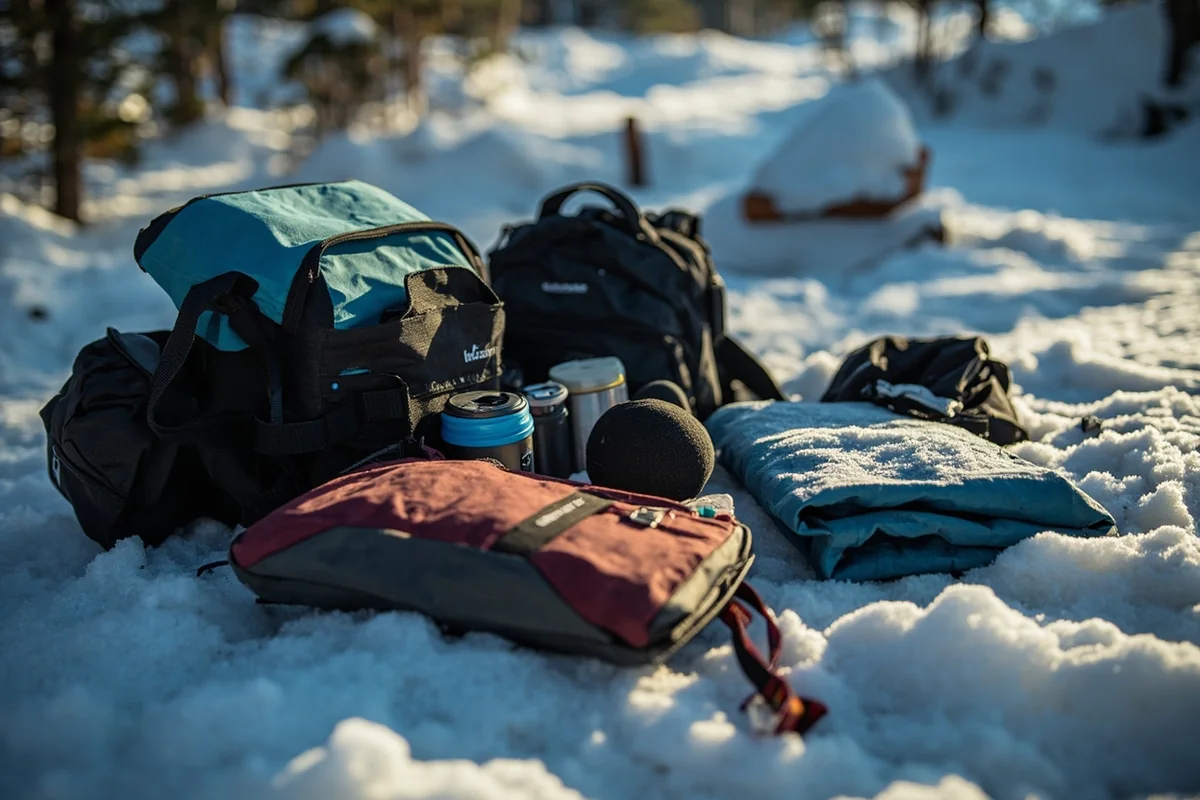
My winter vehicle kit includes: sleeping bag rated to -40°F, three days of non-perishable food, gallons of water, a camp stove with fuel, extra batteries, a hand-crank radio, and a full change of thermal clothing.
For footwear specifically, our Montana Winter Boots Guide details what actually works in extreme cold.
Timing Your Winter Visit
The records reveal patterns that smart travelers can use. The most extreme cold typically occurs in January and early February. The heaviest snowfall often hits in December and late March.
During my preferred winter travel window—mid-February to mid-March—temperatures moderate slightly while snow conditions remain excellent for skiing. But even this “milder” period can produce dangerous conditions.
Regional Considerations
Montana’s record-breaking winters didn’t affect all areas equally. Eastern Montana (Great Falls, Miles City, Glasgow) experiences the most extreme cold. Western Montana (Missoula, Kalispell) receives the heaviest snow but enjoys more moderate temperatures.
If you prefer warmer winter conditions, our guide to Montana’s warmest places might help with planning.
When Extreme Weather Isn’t Winter: Montana’s Other Hazards
While researching Montana’s weather extremes, I’ve learned that winter isn’t the only concern. The state experiences a surprising variety of weather phenomena that travelers should understand.
Many visitors wonder about other natural hazards. While Montana doesn’t face hurricane threats—learn more in our article about whether Montana gets hurricanes—the state does experience occasional tornadoes during summer months.
Montana also sits in an active seismic zone, something most visitors don’t expect. Our piece on Montana earthquakes covers what travelers should know.
Additionally, those planning summer visits should consider Montana’s humidity levels and consult our Montana summer guide for warm-weather planning.
Winter Flooding: An Overlooked Hazard
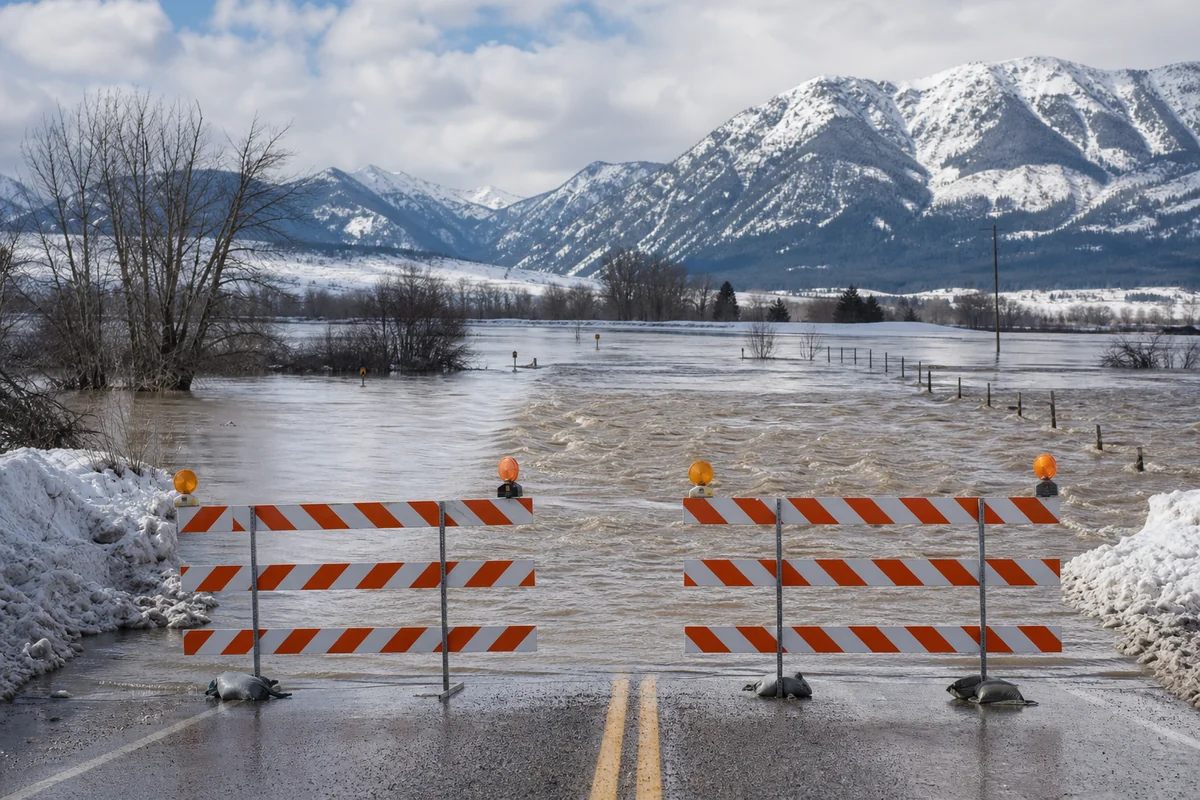
One aspect of Montana winters that surprised me was flooding risk. Rapid snowmelt during chinook winds, combined with ice jams on rivers, can cause serious flooding even in January and February.
During a March trip along the Yellowstone River, I witnessed ice jam flooding firsthand. Roads were closed, and some residents evacuated. It was a powerful reminder that Montana’s winter hazards extend beyond cold and snow.
Our detailed article on Montana winter flooding explains when and where this risk is highest.
The Takeaway: Respect Montana’s Winter History
After documenting these eight record-breaking Montana winters, my respect for the state’s climate has only deepened. These aren’t just historical curiosities—they’re warnings and teachers.
Every time I layer up for a Montana winter trip, I think about the -70°F at Rogers Pass. Every time I check the forecast, I remember that temperatures can change 100 degrees in a day. Every time I pack my emergency kit, I honor the lessons of 1886-1887.
Montana winters offer incredible experiences: world-class skiing, pristine snow-covered landscapes, hot springs steaming in frigid air, and the profound beauty of a state quieted by cold. But these experiences come with responsibility.
Travel prepared. Build flexibility into your schedule. Respect local knowledge. And remember that the records detailed in this article aren’t ancient history—they’re reminders of what this magnificent, extreme state can do.
I’ll keep returning to Montana in winter despite—or perhaps because of—these extremes. There’s something deeply compelling about a landscape that demands your attention, that doesn’t tolerate carelessness, that rewards preparation with experiences you’ll never forget.
Just make sure your rental car has a block heater. Trust me on that one.
Frequently Asked Questions
What was the coldest temperature ever recorded in Montana?
Montana holds the record for the coldest temperature ever recorded in the contiguous United States at -70°F, set at Rogers Pass on January 20, 1954. If you’re planning a winter trip, I’d recommend checking historical weather patterns for your specific destination, as temperatures vary dramatically across the state.
Is it safe to drive in Montana during record-breaking winter storms?
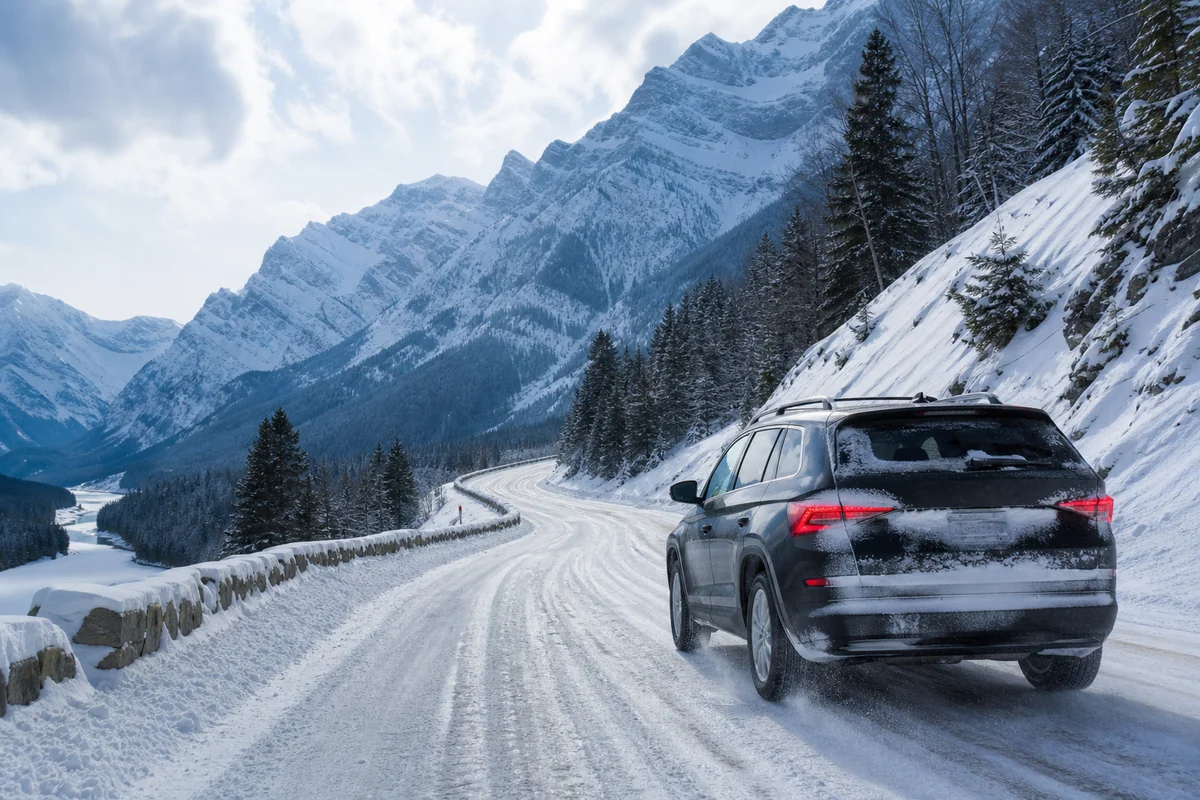
Driving during extreme Montana winters can be dangerous, with whiteout conditions and roads that may close without warning. I always recommend checking the Montana Department of Transportation road conditions website before heading out and carrying an emergency kit with blankets, food, water, and a flashlight. Many locals won’t travel without chains or studded tires during severe winter weather.
What should I pack for a Montana winter trip during extreme cold?
Pack layered clothing including moisture-wicking base layers, insulated mid-layers, and a windproof outer shell rated for sub-zero temperatures. Don’t forget insulated waterproof boots, hand and toe warmers, a balaclava or face covering, and quality ski goggles. I’ve learned that exposed skin can get frostbite in minutes when temperatures drop below -20°F with wind chill.
When is the worst time to visit Montana if I want to avoid harsh winter weather?
The most extreme winter conditions typically occur from late December through February, when Montana has experienced its most record-breaking cold snaps and blizzards. If you want to avoid the harshest weather but still enjoy winter activities, early December or late March often offers milder conditions while still providing good snow coverage for skiing.
How much snow does Montana get during record-breaking winters?
During exceptional winters, mountain areas in Montana can receive over 300 inches of snow, while valleys typically see 30-50 inches. The winter of 1996-97 brought massive accumulations across the state, with some ski resorts recording their highest seasonal totals ever. I’ve seen storms dump 3-4 feet in a single 24-hour period in the mountainous regions.
What are the costs for winter emergency supplies and gear in Montana?
Budget around $150-300 for quality cold-weather gear if you’re not already equipped, including thermal layers and accessories. An emergency car kit runs about $50-100, and tire chains cost $75-150 depending on your vehicle. I’d also factor in potential costs for snow tires or a 4WD rental vehicle, which typically adds $30-50 per day to standard rental rates.
Which Montana towns have experienced the most extreme winter weather events?
West Yellowstone, Wisdom, and areas near Rogers Pass consistently record some of Montana’s most brutal winter conditions, with temperatures regularly dropping below -30°F. Great Falls and the Hi-Line region are notorious for intense blizzards driven by Arctic fronts sweeping down from Canada. If you’re visiting these areas between December and February, I strongly suggest having flexible travel plans and booking refundable accommodations.
Sources