I’ll never forget stepping off a plane in Billings last July after flying in from Houston—the air felt like a completely different substance.
My lungs, accustomed to breathing what felt like warm soup, suddenly filled with crisp, light Montana air that made me want to take the deepest breath of my life. That moment perfectly captures what most visitors experience when they arrive in Big Sky Country.
If you’re researching the Montana Weather Guide to plan your trip, understanding humidity is crucial for packing, comfort, and enjoying outdoor activities.
The short answer? Montana is predominantly a low-humidity state, but like everything in this geographically diverse place, the full story is more nuanced and fascinating.
- Montana averages 30-50% relative humidity—significantly drier than most US states
- Eastern Montana (Great Plains) is drier; western Montana (mountains) sees slightly higher humidity
- Summer afternoons often drop below 25% humidity, rivaling desert conditions
- Morning humidity can spike to 70-80% year-round due to temperature drops
- Pack lip balm, lotion, and drink extra water—dry air affects visitors more than expected
- The low humidity makes hot days feel cooler and cold days feel less bitter
Liked this article?
Add Roaming Montana as a preferred source so you see more of our articles and guides on Google.
The Straight Answer: Montana’s Humidity Levels Explained
Let me give you the numbers first, then I’ll share what those numbers actually feel like when you’re hiking through Glacier National Park or exploring the streets of Missoula.
Montana’s average annual relative humidity hovers between 35-55%, depending on location and time of year. Compare that to Florida’s 75-90% or even the Midwest’s 60-70%, and you’ll understand why Montana feels refreshingly different.
During my summer road trips across the state, I’ve consistently noticed my weather app showing afternoon humidity readings between 20-35%. On one particularly memorable July afternoon in Helena, the humidity dropped to 18%—drier than Phoenix that same day.
Understanding Relative Humidity in Montana’s Context
Here’s something I wish someone had explained to me before my first Montana trip: relative humidity is temperature-dependent. This matters enormously here.
When temperatures drop overnight (and they drop significantly in Montana, often 30-40 degrees from afternoon highs), the relative humidity naturally rises. So while you might see 75% humidity at 6 AM, it doesn’t mean the air is muggy—the temperature might only be 45°F.
By 3 PM, that same air mass might show 25% humidity because the temperature climbed to 85°F. The actual moisture content barely changed; the air’s capacity to hold moisture increased with temperature.
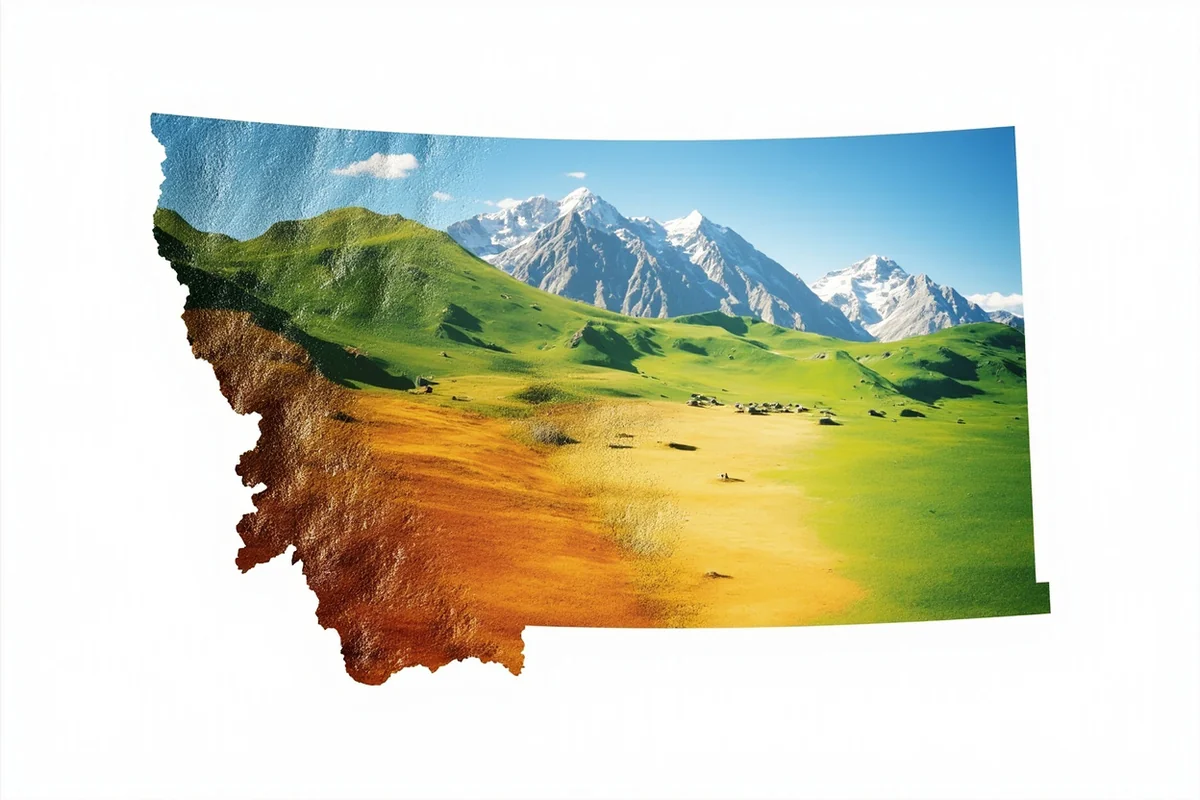
Regional Humidity Differences Across Montana
After spending years exploring Montana from corner to corner, I’ve learned that lumping the whole state together climatically is like saying California has one weather pattern. Montana’s humidity varies dramatically by region.
Western Montana: The Mountain Influence
Western Montana—think Missoula, Kalispell, and the Glacier National Park region—experiences the highest humidity in the state, though “high” is relative.
During my visits to Flathead Lake, I’ve noticed the humidity typically runs 5-15% higher than eastern Montana due to the lake effect and proximity to Pacific weather systems. Summer humidity here averages 40-55% most days.
The mountain valleys trap moisture more effectively than open plains. Last August in Whitefish, I experienced what locals call “sticky” days—humidity around 55% with temperatures in the low 80s. For Montana, that’s notably humid. For someone from the Southeast, it’s laughably dry.
Eastern Montana: True High Plains Aridity
Eastern Montana is where you’ll find genuine semi-arid conditions. Cities like Billings, Miles City, and Glendive regularly see afternoon humidity plunge below 25%.
On a recent summer trip through the eastern plains, I stopped in Jordan—one of the most isolated towns in the lower 48—and recorded 19% humidity at 2 PM. My lips cracked within hours despite constant lip balm application.
This region connects climatically to the northern Great Plains, sharing characteristics with the Dakotas. If you’re wondering about other weather extremes in this region, you might be surprised to learn about whether tornadoes occur in Montana—the eastern plains see occasional severe weather.
Central Montana: The Transition Zone
Central Montana—Great Falls, Lewistown, the Missouri Breaks area—sits in a fascinating transition zone between the humid mountains and arid plains.
Great Falls averages 45-50% relative humidity annually, with summer afternoons dropping to 30-40%. The constant wind here (and yes, Montana gets remarkably windy) makes even moderate humidity feel drier due to rapid evaporation.
Seasonal Humidity Patterns: What to Expect Each Season
Planning your trip timing? Here’s what I’ve experienced across different seasons.
| Season | Average Humidity Range | What It Feels Like |
|---|---|---|
| Summer (June-August) | 20-45% | Comfortably dry, occasionally desert-like afternoons |
| Fall (September-November) | 35-55% | Crisp and refreshing, occasional moisture from early storms |
| Winter (December-February) | 50-70% | Higher percentages but cold air holds less total moisture |
| Spring (March-May) | 40-60% | Variable with wet storms and dry spells alternating |
Summer: The Driest Season
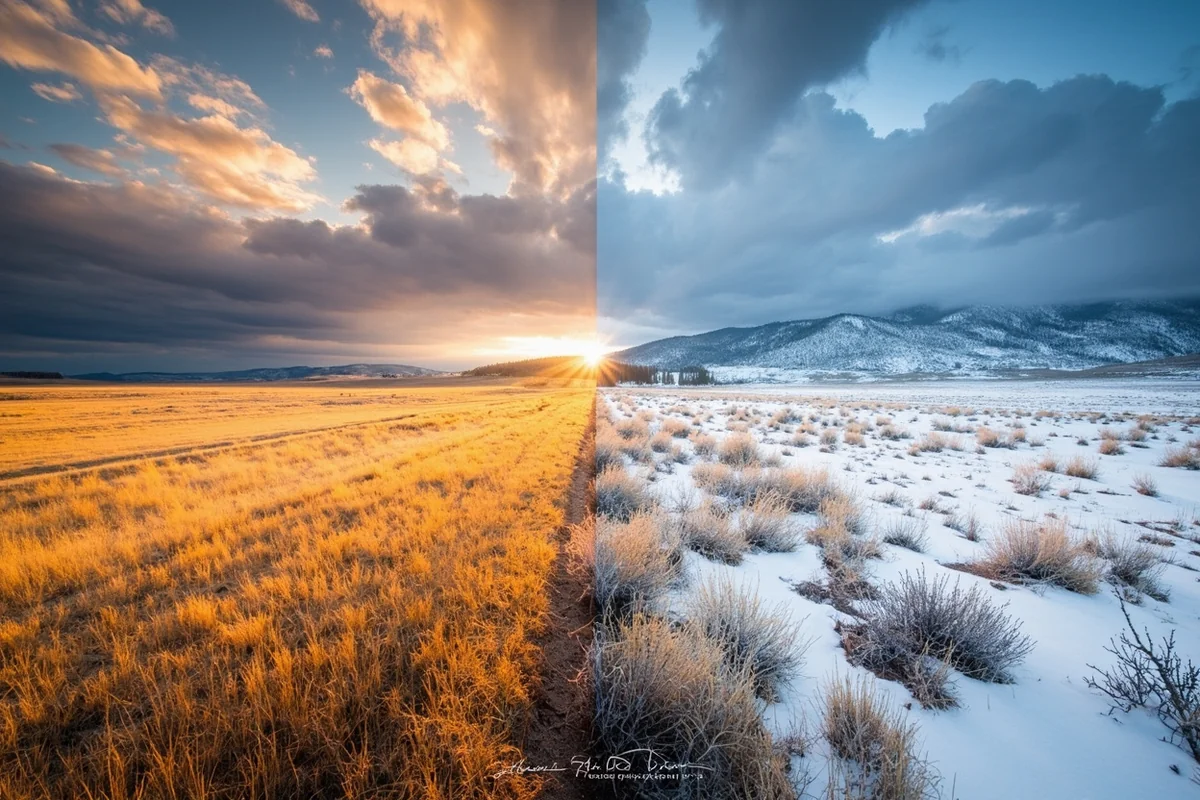
Summer is when Montana’s low humidity becomes most apparent and most appreciated. During my summer explorations throughout Montana, I’ve consistently marveled at how comfortable 90°F feels compared to the same temperature back East.
July and August bring the lowest humidity readings of the year. Afternoon levels of 20-30% are standard, with occasional dips into the teens during heat waves.
Here’s a practical observation: during a 95°F day in Bozeman last summer, I was hiking Drinking Horse Mountain without the overwhelming sweat I’d experience in similar temperatures elsewhere. The sweat evaporates almost immediately, which cools you down but also means dehydration sneaks up faster.
Winter: The Humidity Paradox
Winter humidity percentages look higher on paper—often 55-70%—but this is misleading for practical comfort.
Cold air physically cannot hold much moisture. At 20°F, even 70% relative humidity translates to very little actual water vapor. This is why Montana winters feel bone-dry despite the statistics.
Montana’s significant snowfall doesn’t contradict this—snow can fall in extremely dry air. The snow itself is often powder-light precisely because of low moisture content.
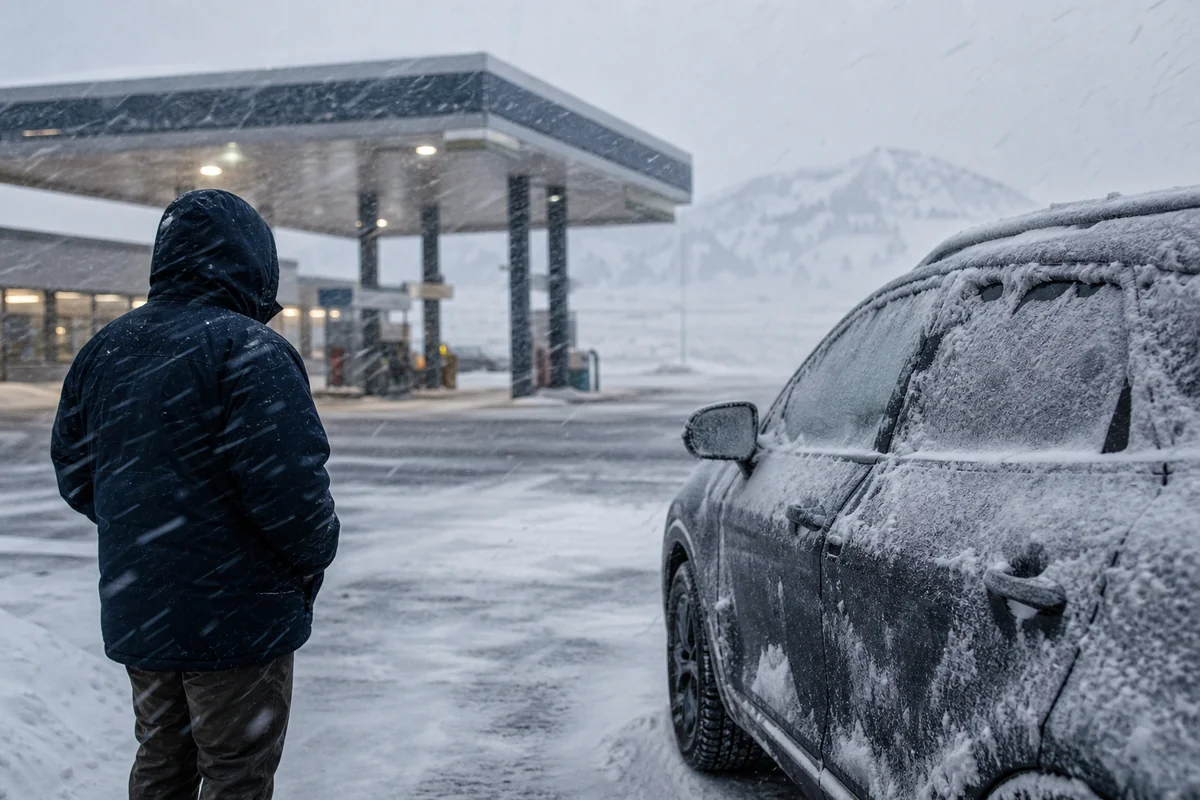
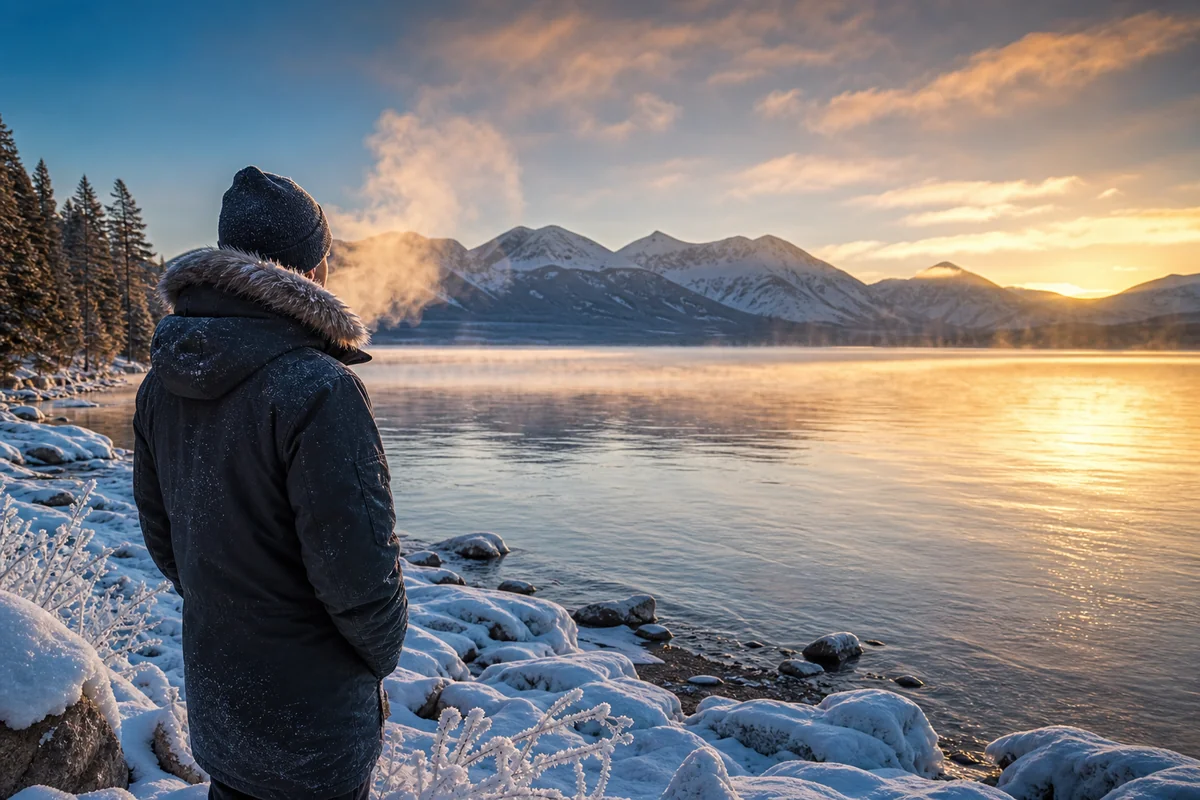
If you’re planning a winter visit, understanding how cold Montana actually gets matters more for comfort than humidity levels. The dry cold penetrates differently than humid cold—some find it easier to tolerate, others find it more harsh on their skin and respiratory system.
Spring and Fall: Transitional Variability
These shoulder seasons bring the most humidity variability. A spring storm system can push humidity to 70% for days, then a high-pressure system drops it back to 35%.
Fall in Montana is particularly magical for low-humidity lovers. September and October offer warm afternoons with humidity in the 30-40% range and cool, comfortable evenings. This is personally my favorite time to visit.
How Low Humidity Affects Your Montana Experience
This is where my years of Montana travel become most useful—I’ve learned these lessons through experience, some of them the hard way.
Physical Effects You’ll Notice
Within 24-48 hours of arriving in Montana, most visitors from humid climates notice:
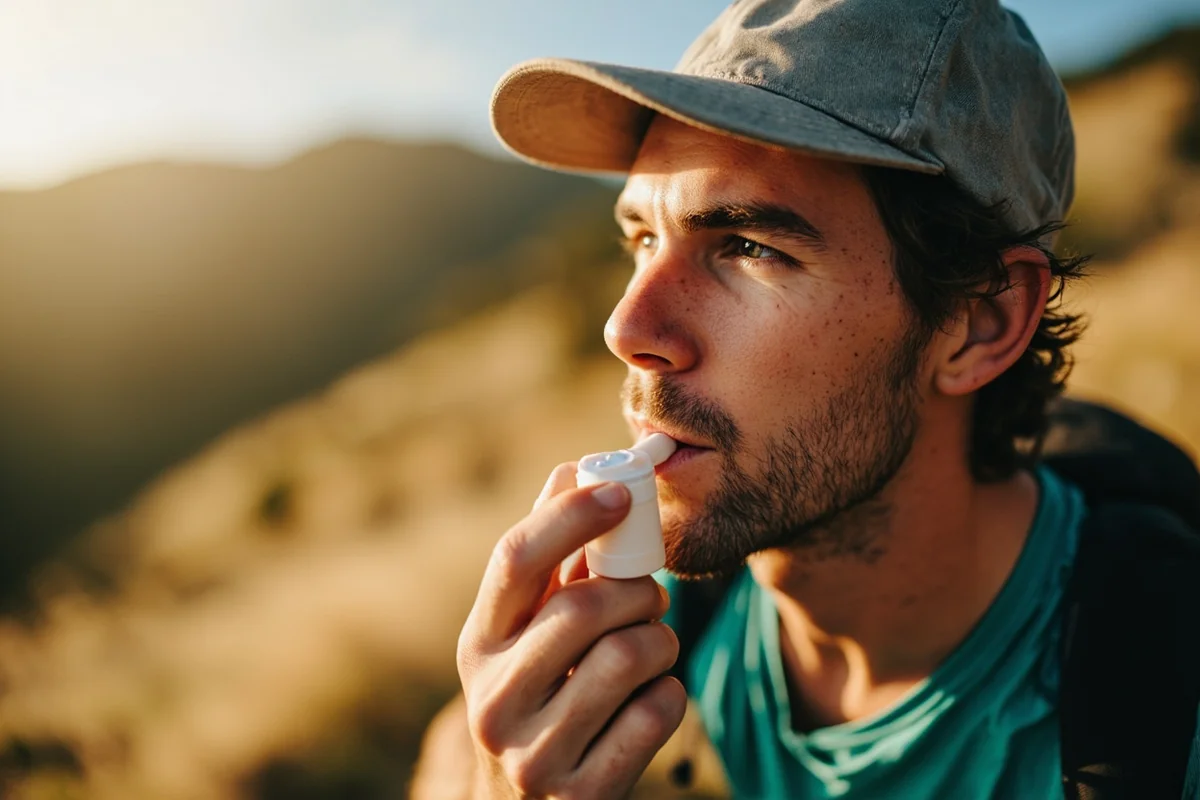
Dry skin and lips: This happens faster than you’d expect. By my second day on most Montana trips, my hands feel papery and my lips start cracking despite constant hydration. Pack quality lotion and lip balm with SPF.
Increased thirst: You’re losing more moisture through breathing and skin evaporation. I drink roughly 50% more water in Montana than at home, and I still sometimes end up mildly dehydrated.
Nosebleeds: If you’re prone to them, Montana’s dry air can trigger nosebleeds, especially in winter. A portable humidifier for your hotel room helps significantly.
Static electricity: Low humidity means more static. Touching door handles becomes a minor adventure, and your hair may develop a mind of its own.
Faster-drying laundry: On the positive side, if you’re washing clothes during your trip, they dry remarkably quickly. I’ve hung damp hiking shirts in Montana hotel rooms and found them bone-dry within hours.
How Low Humidity Improves Outdoor Comfort
The benefits of Montana’s dry air are substantial for outdoor enthusiasts.
Heat tolerance: An 85°F day in Montana feels equivalent to roughly 75°F in a humid climate. The lack of moisture allows sweat to evaporate efficiently, which is your body’s natural cooling system working as intended.
Cold tolerance: Similarly, dry cold is often described as more bearable than damp cold. Though I’d note that Montana gets genuinely frigid regardless of humidity—preparation is essential.
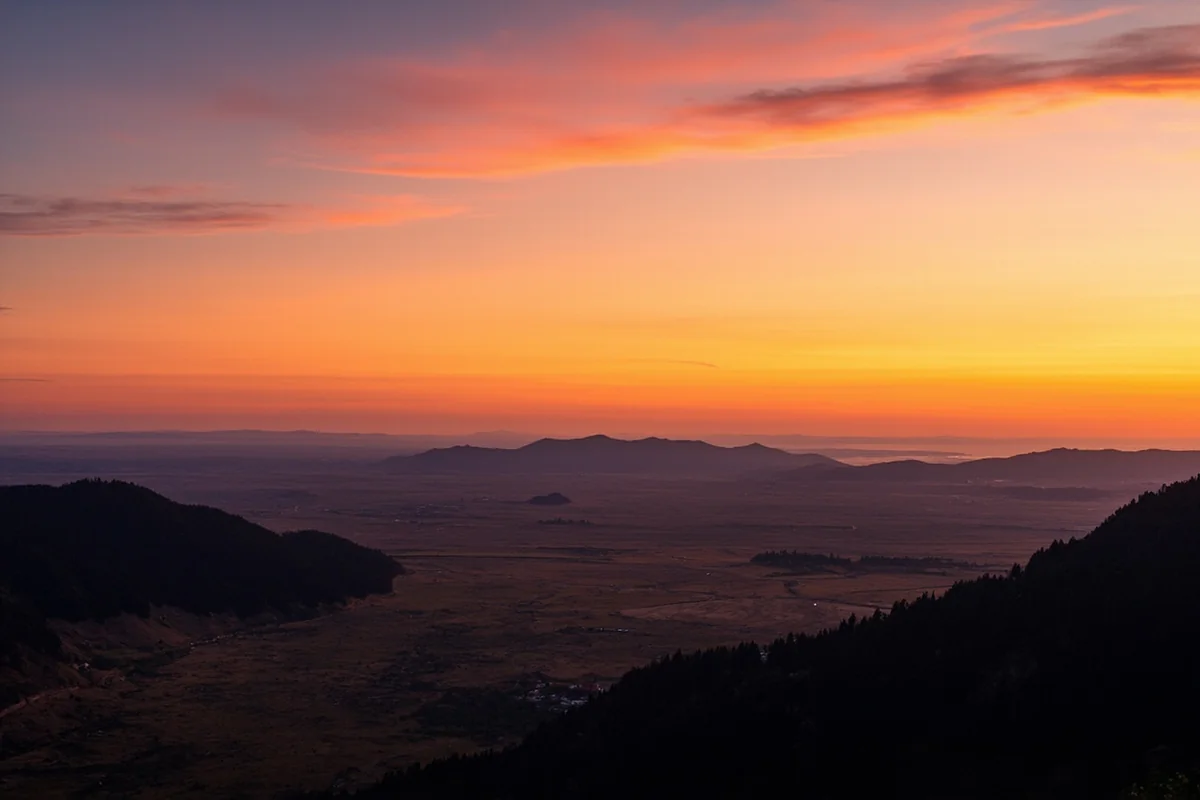
Clearer views: Low humidity means less atmospheric haze. Those impossibly sharp mountain vistas you see in Montana photos? They’re real, and they’re partly thanks to dry air allowing light to travel with minimal interference.
More comfortable sleeping: There’s no sticky tossing and turning in Montana hotels. The naturally dry air makes for crisp, comfortable sleep, assuming you compensate for potential respiratory dryness.
Microclimates and Humidity Surprises
Montana has taught me to expect microclimates. Certain spots break the low-humidity pattern in interesting ways.
River Valleys and Lake Areas
Flathead Lake, Fort Peck Lake, and river corridors like the Yellowstone River Valley create localized humidity increases. On early morning visits to the Missouri River near Fort Benton, I’ve encountered thick fog and near-100% humidity that burns off by 10 AM.
These microclimates are usually short-lived—the surrounding dry air quickly reasserts itself. But if you’re camping near water, expect damp tent conditions in the morning.
Mountain Weather Patterns
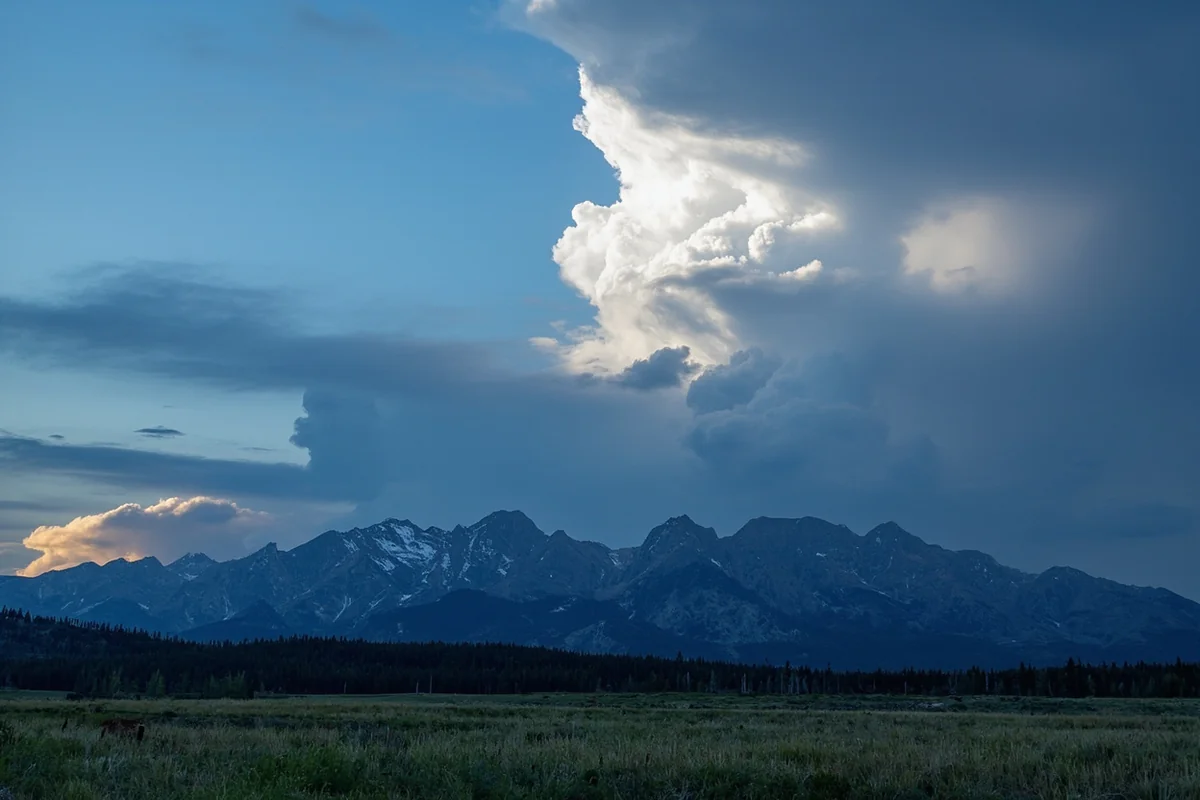
Mountain environments create their own humidity rules. Higher elevations in the Rockies can experience rapid humidity swings during afternoon thunderstorm development.
During a hike in the Beartooth Mountains last summer, I watched humidity climb from 25% to 65% in under two hours as clouds built. After the storm passed, it dropped back to 30% within an hour.
Irrigated Agricultural Areas
This surprised me on my first drive through the Gallatin Valley: irrigated farmland noticeably increases local humidity. Passing through agricultural zones around Bozeman or near irrigated land in the Yellowstone Valley, you can feel the air change momentarily.
It’s not dramatic—maybe 5-10% humidity increase—but it’s perceptible when you’re attuned to Montana’s typical dryness.
Humidity Compared: Montana vs. Other US Destinations
Context helps. Here’s how Montana stacks up against places you might be familiar with.
Montana vs. Florida: Florida averages 75-90% humidity year-round. Montana averages 35-55%. The difference is immediately noticeable and dramatic.
Montana vs. Pacific Northwest: Seattle and Portland hover around 70-80% humidity. Even western Montana’s “higher” humidity (45-55%) feels notably drier than the PNW.
Montana vs. Southwest: Arizona and Nevada often beat Montana for dryness in summer, but not by much. Phoenix summer humidity (15-25%) is only marginally lower than eastern Montana’s (20-35%).
Montana vs. Midwest: Chicago, Minneapolis, and similar cities average 65-75% humidity. Montana feels distinctly more comfortable in summer.
Montana vs. Colorado: Similar elevation profiles create similar humidity patterns. Denver and Montana cities have comparable humidity, though Montana’s northern latitude creates some differences in seasonal patterns.
Practical Packing Tips for Montana’s Dry Climate
After multiple trips, here’s my refined packing list for Montana’s humidity levels.
Skincare Essentials
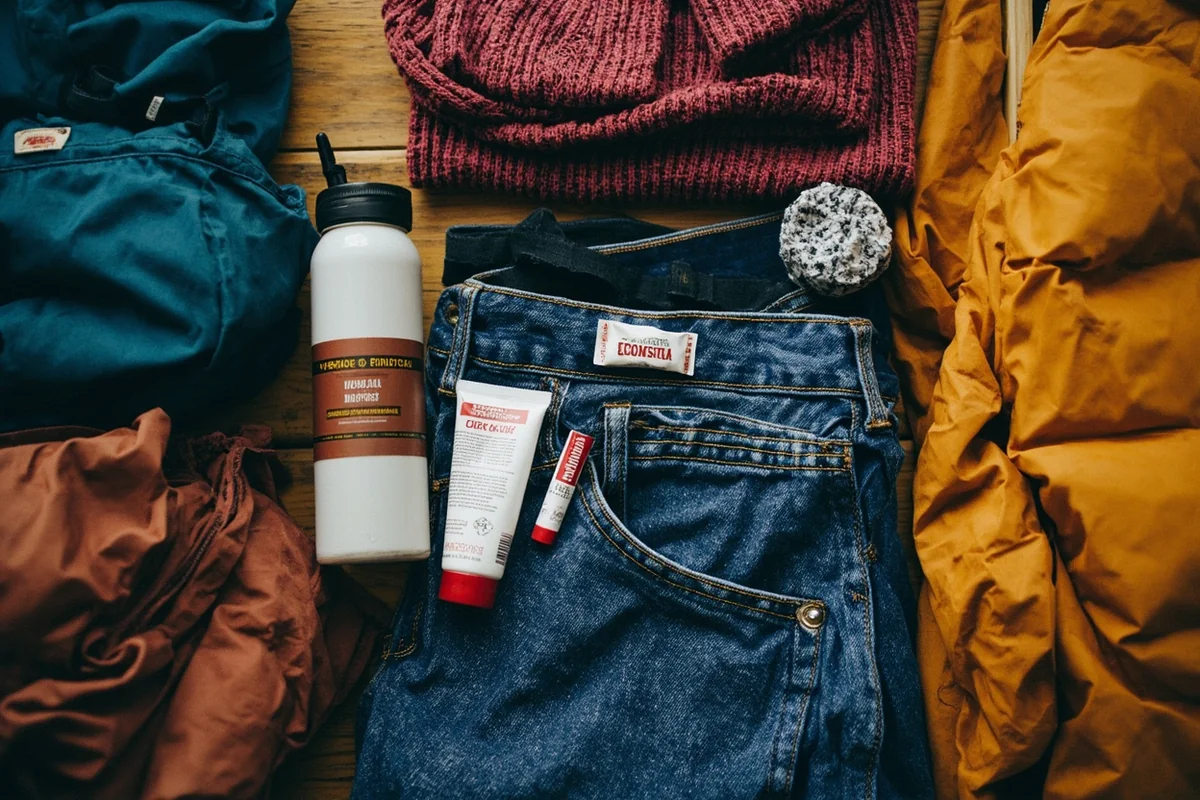
- Heavy-duty moisturizing lotion (not the light stuff—bring real moisture)
- Lip balm with SPF (the sun plus dry air is brutal on lips)
- Nasal saline spray for overnight comfort
- Eye drops if you wear contacts (dry air plus altitude affects eyes)
- Unscented, thick hand cream for nighttime
Hydration Strategy
- Reusable water bottle you’ll actually use (minimum 32 oz)
- Electrolyte tablets or powder—you’re losing more than water
- Avoid excessive alcohol and caffeine initially—they’re dehydrating
- Eat water-rich foods when possible (fruits, vegetables)
Clothing Considerations
Natural fibers like cotton and linen breathe better in dry climates. Synthetic moisture-wicking fabrics work differently when there’s minimal moisture to wick—they can feel uncomfortable against skin.
For winter visits, check out resources on proper Montana winter clothing and winter boot selection—the dry cold requires specific gear approaches.
Humidity’s Role in Montana’s Fire Season
Low humidity has serious implications beyond personal comfort. Montana’s summer fire season is directly connected to moisture levels.
When humidity drops below 25% and combines with wind (which happens regularly), fire danger escalates dramatically. During my August trips, I’ve experienced multiple days with air quality advisories from distant wildfires.
Checking fire conditions and air quality forecasts is essential for summer Montana travel. The same dry air that makes hiking comfortable creates conditions for large wildfires that can affect visibility and respiratory comfort hundreds of miles away.
I recommend the AirNow.gov website for real-time air quality data if smoke is a concern during your visit.
Health Considerations in Montana’s Dry Climate
Beyond inconvenience, Montana’s low humidity has genuine health implications worth knowing.
Respiratory Impacts
If you have asthma or respiratory conditions, dry air can be either helpful or harmful depending on your specific situation. Some people breathe easier in low humidity; others experience increased symptoms.
The combination of altitude and dry air in Montana’s mountain towns (Bozeman sits at 4,800 feet, for example) intensifies these effects. Give yourself time to acclimate before intense physical activity.
Altitude Interaction
Most visitors don’t realize Montana’s elevation compounds humidity effects. Higher altitude means lower air pressure, which accelerates moisture loss from your body.
At 6,500 feet in the Glacier Park area, you’re losing moisture faster than at sea level even at the same humidity percentage. Hydration becomes doubly important.
Skin Conditions
Those with eczema, psoriasis, or sensitive skin should prepare extra carefully. The dry air can trigger flare-ups. Bring your prescribed treatments and consider a portable humidifier for your accommodation.
When Does Montana Actually Feel Humid?
Despite everything I’ve written, Montana does occasionally feel humid. Here are the scenarios.
Early mornings: The hour after sunrise, especially near water, can feel damp. This evaporates quickly but is noticeable.
During and after rain: Summer thunderstorms temporarily spike humidity. Post-rain afternoons might reach 60-70% humidity before drying out.
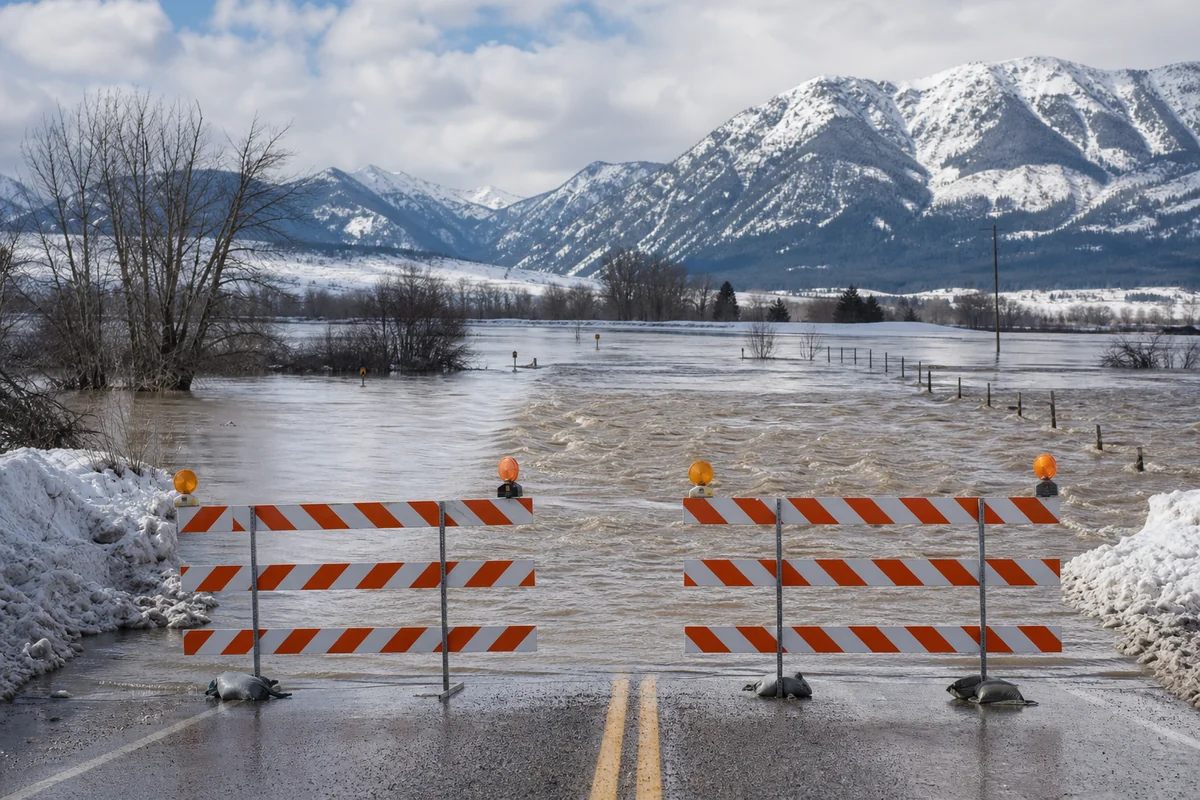
Spring snowmelt: During peak runoff season (typically May-early June), western Montana valleys experience elevated humidity from melting snow and full rivers. This relates to Montana’s occasional flooding concerns.
Rare persistent weather patterns: Occasionally, a stuck weather pattern can bring days of above-average humidity. I experienced this once near Kalispell—four days of 65% humidity that locals treated as unusual and uncomfortable.
Even in these scenarios, Montana humidity rarely approaches what Gulf Coast or Eastern Seaboard residents consider “humid.” The baseline is simply different here.
Climate Change and Montana’s Humidity Future
Climate researchers are studying how Montana’s humidity patterns may shift. Current trends suggest:
Summers may become slightly drier overall, extending drought conditions. Conversely, winter precipitation patterns are shifting in ways that could affect spring moisture levels.
During my conversations with locals over the years, long-time Montana residents consistently mention that summers seem drier than they remember from decades ago. Whether this is memory bias or genuine climate shift is debated, but it’s a common observation.
Final Thoughts: What Montana’s Low Humidity Means for Your Trip
After all these years of traveling through Montana, I’ve come to appreciate the dry climate as one of the state’s underrated features. It makes summer heat bearable, keeps bugs lower (mosquitoes need moisture to breed), creates those spectacular clear-sky views, and generally makes outdoor activities more comfortable.
The adjustments are minor—extra water, better skincare, awareness of fire conditions. The benefits are substantial—comfortable days, beautiful visibility, and that indescribable feeling of crisp, clean Montana air filling your lungs.
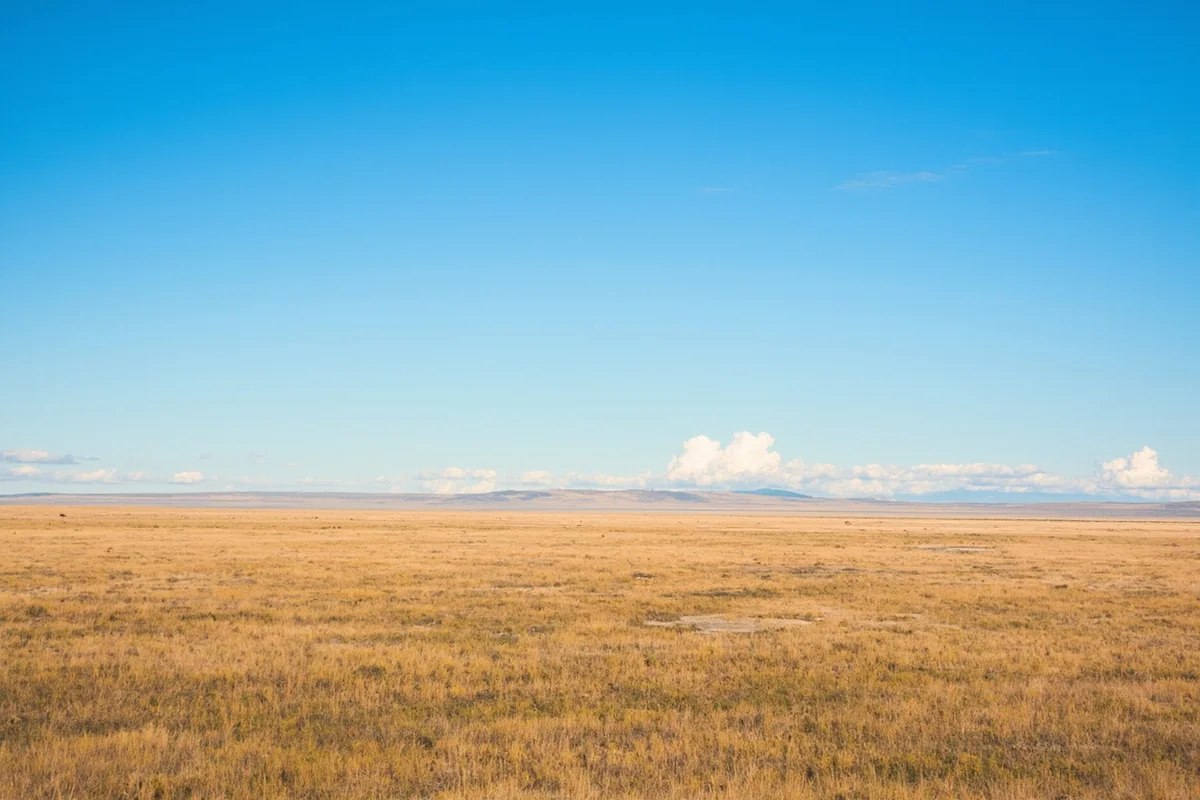
Whether you’re planning summer adventures or curious about Montana’s winter weather patterns, understanding humidity helps you prepare properly. Montana’s climate is part of its character—the dryness contributes to the golden summer grasses, the powder snow, and the endless blue skies.
Don’t let concerns about dry air prevent you from visiting. Just pack your lip balm, drink your water, and enjoy one of the most refreshingly comfortable climates in the American West.
And while Montana’s humidity is predictably low, the state does experience other weather phenomena worth understanding. Though you won’t need to worry about hurricanes reaching Montana, and while earthquakes are rare but possible, the varied climate across this enormous state keeps things interesting.
For those seeking warmer spots within the state, research the warmest places in Montana—though be aware these areas often have the lowest humidity and most intense sun exposure.
If winter travel interests you, know that Montana competes for coldest state status and has seen some record-breaking winter conditions. Check winter driving guides before planning cold-season road trips.
Montana’s dry climate is just one piece of what makes this state remarkable. Prepare accordingly, and you’ll find the low humidity enhances rather than detracts from your Big Sky Country experience.
Frequently Asked Questions
Is Montana humid in the summer months?
No, Montana is not humid in summer—it’s one of the driest states in the US with a semi-arid climate. Average summer humidity levels hover around 30-40%, which feels incredibly comfortable compared to the muggy East Coast or Midwest. I’ve visited in July and found the dry heat much more bearable, even when temperatures hit the 80s and 90s.
What is the average humidity level in Montana throughout the year?
Montana’s average relative humidity ranges from 25-45% depending on the season and location. Winter months tend to be slightly more humid (around 50-60% in the mornings), while summer afternoons often drop to a crisp 20-30%. The western mountain regions near Glacier National Park see slightly higher moisture levels than the eastern plains.
What should I pack for Montana’s dry climate?
Pack moisturizing lotion, lip balm with SPF, and a refillable water bottle since the low humidity can dehydrate you quickly. I always bring sunglasses and sunscreen because the dry air means less atmospheric moisture blocking UV rays. Layer clothing for temperature swings—Montana’s dry climate means 30-degree differences between morning and afternoon are common.
Is Montana more humid than Colorado or Arizona?
Montana’s humidity levels are comparable to Colorado and slightly higher than Arizona’s desert climate. You’ll experience similar dry conditions in all three states, though Montana’s northern latitude means cooler overall temperatures. If you’ve traveled comfortably in Denver or the Colorado Rockies, Montana will feel very familiar.
When is the best time to visit Montana for comfortable weather and low humidity?
The best time to visit Montana for ideal weather is late June through early September when humidity stays low and temperatures range from 70-85°F. I personally recommend July and August for outdoor activities like hiking Glacier National Park, as you’ll enjoy long sunny days without any sticky humidity. September offers fewer crowds with similarly pleasant, dry conditions.
Does Montana’s low humidity affect wildfire conditions for travelers?
Yes, Montana’s dry climate contributes to wildfire season typically running from July through September, which can impact air quality and visibility at popular destinations. Before your trip, check Montana’s fire information at inciweb.nwcg.gov and pack N95 masks just in case. I’ve had trips where smoke rolled in for a few days, so building flexibility into your itinerary is smart during peak summer months.
How does humidity differ between eastern and western Montana?
Western Montana near Missoula and Glacier National Park receives more precipitation and has slightly higher humidity due to Pacific weather patterns, though it still feels dry by national standards. Eastern Montana’s plains are noticeably more arid, resembling the high desert climate of Wyoming. If you’re driving the 550+ miles across the state, you’ll feel the difference—bring extra water for the eastern stretch.
Sources