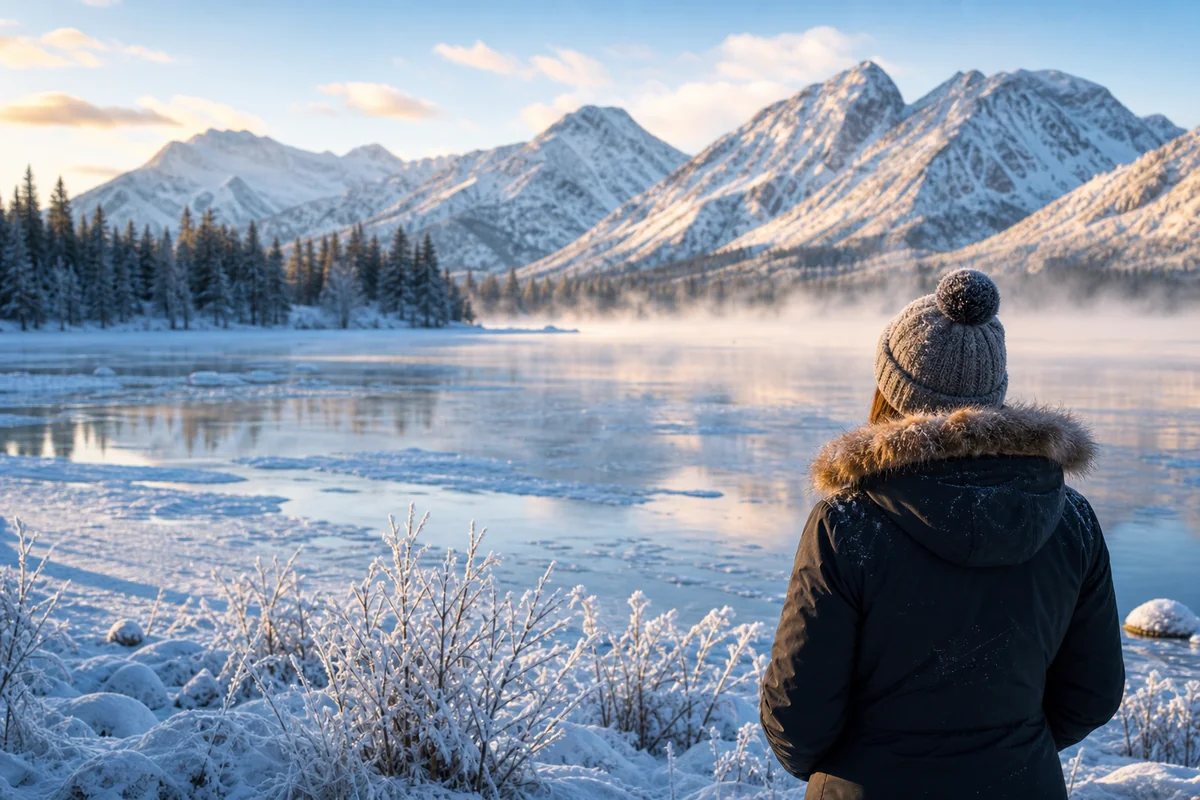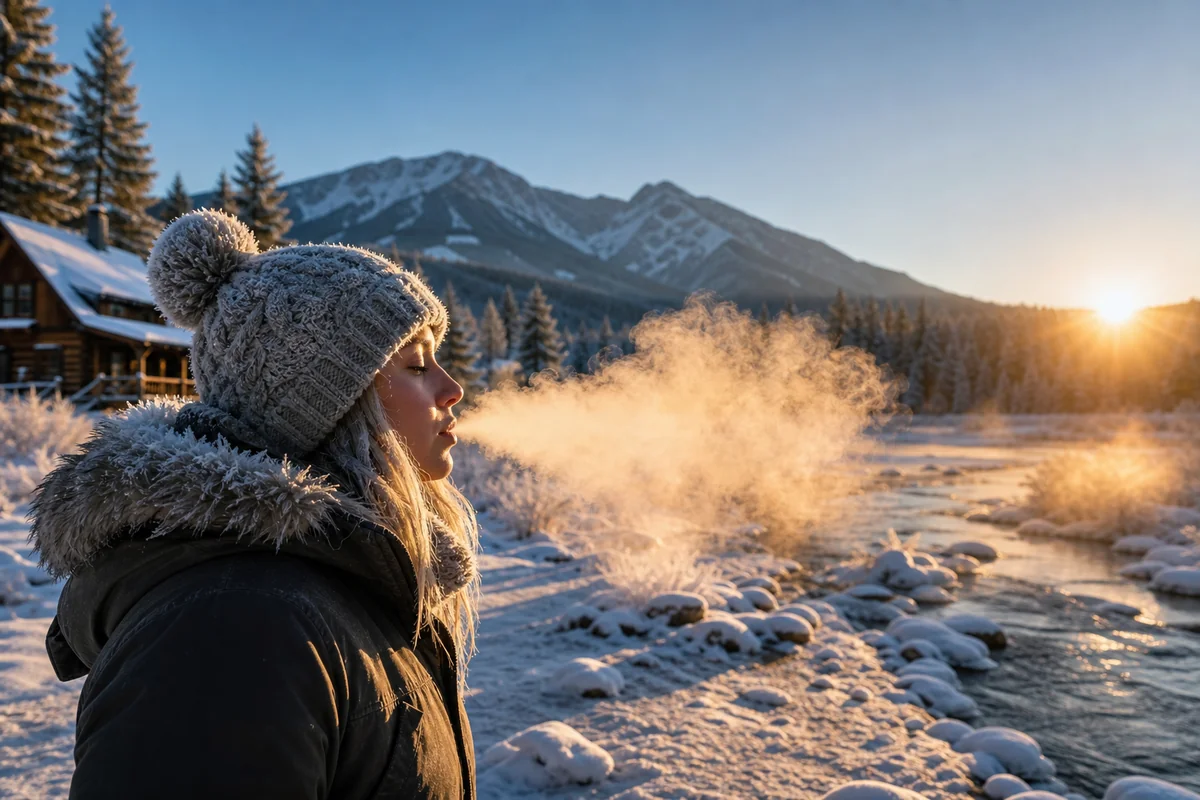
I’ll never forget standing outside my cabin near West Yellowstone at 5 a.m. last January, watching my breath freeze into tiny ice crystals that sparkled in my headlamp’s beam.
The thermometer read -31°F, and I remember thinking my nostril hairs had turned into icicles. That morning taught me something every Montana visitor needs to understand: this state doesn’t just get cold—it gets cold in ways that can genuinely shock you if you’re not prepared.
If you’re planning a trip to Big Sky Country and wondering what temperatures you’ll actually encounter, you’ve come to the right place.
Understanding Montana’s weather patterns is essential before booking your adventure, and I’ve spent enough winters here to give you the unfiltered truth about just how frigid things can get.
- Montana winters regularly see temperatures from 0°F to -40°F, with the coldest areas in the northwest and mountain valleys
- The state holds the record for the coldest temperature ever recorded in the Lower 48: -70°F at Rogers Pass in 1954
- January and February are the coldest months, but severe cold can strike from November through March
- Western Montana mountains are colder than eastern plains on average, but the plains experience more extreme wind chill
- With proper gear and planning, Montana’s cold is manageable—and the winter landscapes are absolutely worth it
Liked this article?
Add Roaming Montana as a preferred source so you see more of our articles and guides on Google.
The Numbers Don’t Lie: Montana’s Temperature Extremes
Let me give you the straight facts before we dive deeper. Montana isn’t just cold—it’s historically, record-breakingly cold.
On January 20, 1954, at Rogers Pass in the Continental Divide, the temperature plunged to -70°F. That’s not a typo. Negative seventy degrees Fahrenheit—the coldest temperature ever recorded in the contiguous United States.
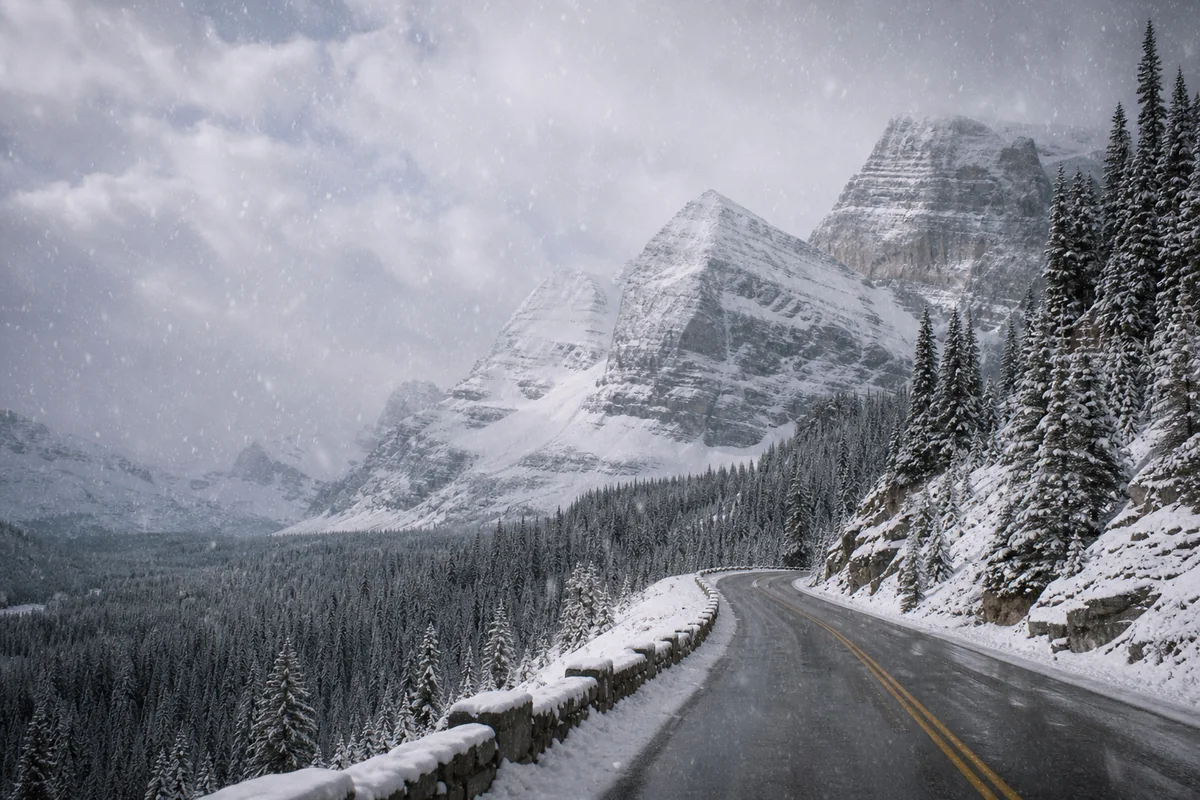
I drove through Rogers Pass last winter on Highway 200, and even on that relatively mild day (-8°F), I stopped at the historical marker commemorating the record. Standing there, imagining what -70°F felt like, gave me chills beyond what the actual temperature was causing. For context on why Montana gets so cold, the state’s geography creates a perfect storm of frigid conditions.
Average Winter Temperatures by Region
Here’s what you can realistically expect during a Montana winter visit:
| Region | Average January High | Average January Low | Coldest on Record |
|---|---|---|---|
| Missoula | 32°F | 18°F | -33°F |
| Bozeman | 33°F | 12°F | -43°F |
| Great Falls | 34°F | 14°F | -49°F |
| Billings | 36°F | 17°F | -45°F |
| West Yellowstone | 25°F | -4°F | -66°F |
| Helena | 32°F | 13°F | -42°F |
Notice that West Yellowstone stands out as particularly brutal. During my visits there, locals casually mention that they expect to see -30°F or colder multiple times each winter. It’s not a question of if, but when.
What Cold Actually Feels Like in Montana
I need to be honest with you about something: the numbers on a thermometer only tell part of the story.
During my first Montana winter, I made the rookie mistake of checking the temperature and thinking, “Oh, it’s only 5°F—I can handle that.” What I didn’t account for was the wind howling across the prairie near Havre at 25 mph, creating a wind chill of -25°F.
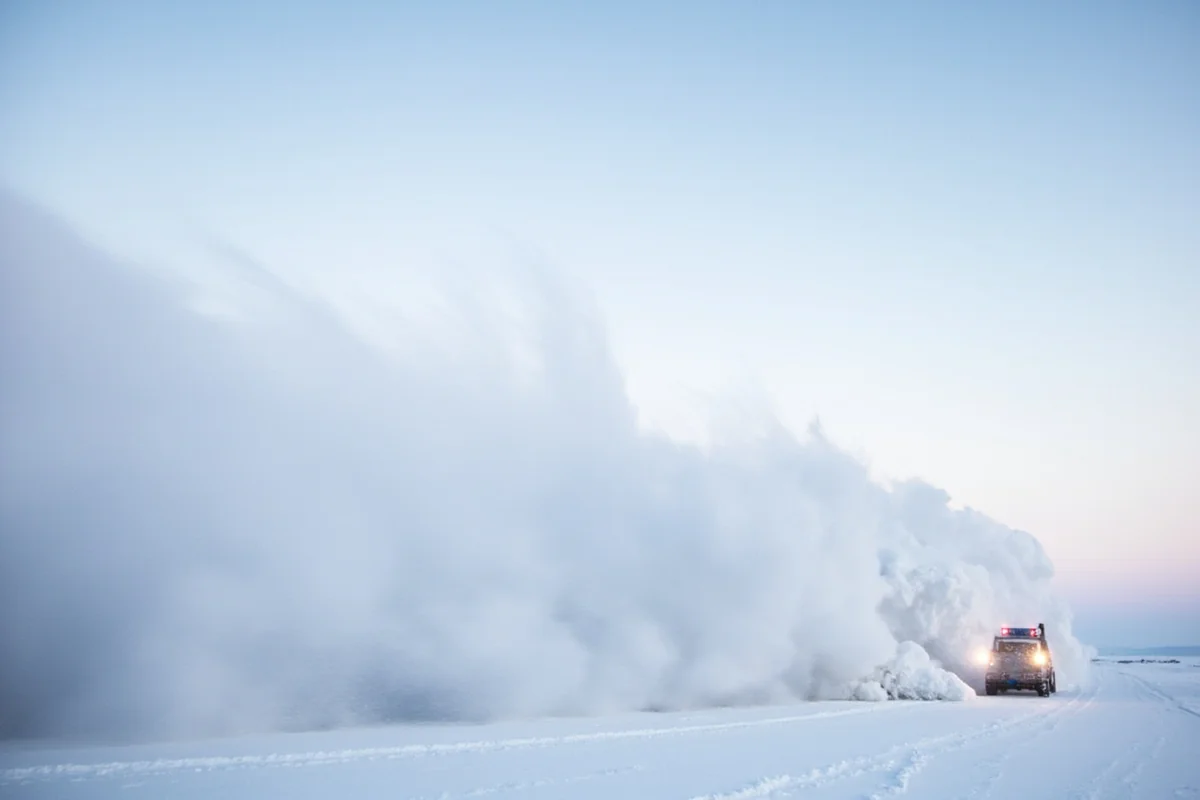
The eastern Montana plains, particularly along the Hi-Line (Highway 2), experience some of the most brutal wind chill factors in the state. I remember stopping for gas in Chester during a trip two winters ago, and the wind was so fierce that I could barely get the gas cap off. If you’re wondering how windy Montana really gets, the answer is “enough to make cold temperatures feel unbearable.”
The Mountain Valley Effect
Here’s something that surprised me when I first started exploring Montana: mountain valleys can be significantly colder than you’d expect.
Cold air is dense, and it sinks. At night, frigid air drains down from the surrounding peaks and pools in valley bottoms. This phenomenon, called cold air pooling or temperature inversion, means that places like the Big Hole Valley near Wisdom regularly experience temperatures 20-30 degrees colder than nearby ridge tops.
I’ve driven through the Big Hole in December and watched my truck’s thermometer drop from -10°F on the valley rim to -35°F on the valley floor. It happened within about 15 minutes of driving. The valley looked peaceful—snow-covered hay meadows stretching toward distant mountains—but the cold was absolutely punishing.
Month-by-Month: When Does Montana Get Coldest?
Planning your trip around Montana’s cold requires understanding the seasonal progression. Here’s what I’ve experienced across different months:
November: Winter’s Opening Act
November is transitional but don’t let that fool you. Last November, I was hiking in Glacier National Park during the first week of the month when temperatures dropped from a pleasant 45°F to 12°F overnight.
By mid-November, most of Montana has settled into winter mode. Expect daytime highs in the 30s and lows ranging from the teens to single digits, depending on location. This is also when significant snowfall typically begins in earnest.
December: The Deep Freeze Begins
December brings consistently cold temperatures, though it’s often not the coldest month. During my travels, I’ve found December temperatures typically range from highs in the upper 20s to low 30s and lows from 0°F to 15°F in most populated areas.
What catches visitors off guard is the short daylight. In northern Montana, you’ll get less than 9 hours of daylight around the winter solstice. I remember leaving a restaurant in Kalispell at 5 p.m. in December and being shocked that it was already pitch black.
January: Montana’s Coldest Month
January is the main event. This is when Montana earns its reputation.
During my most recent January trip to the Flathead Valley, I experienced a stretch of seven consecutive days where the high temperature never broke 10°F. Nighttime lows hovered between -15°F and -25°F. Locals barely batted an eye—this was just January being January.
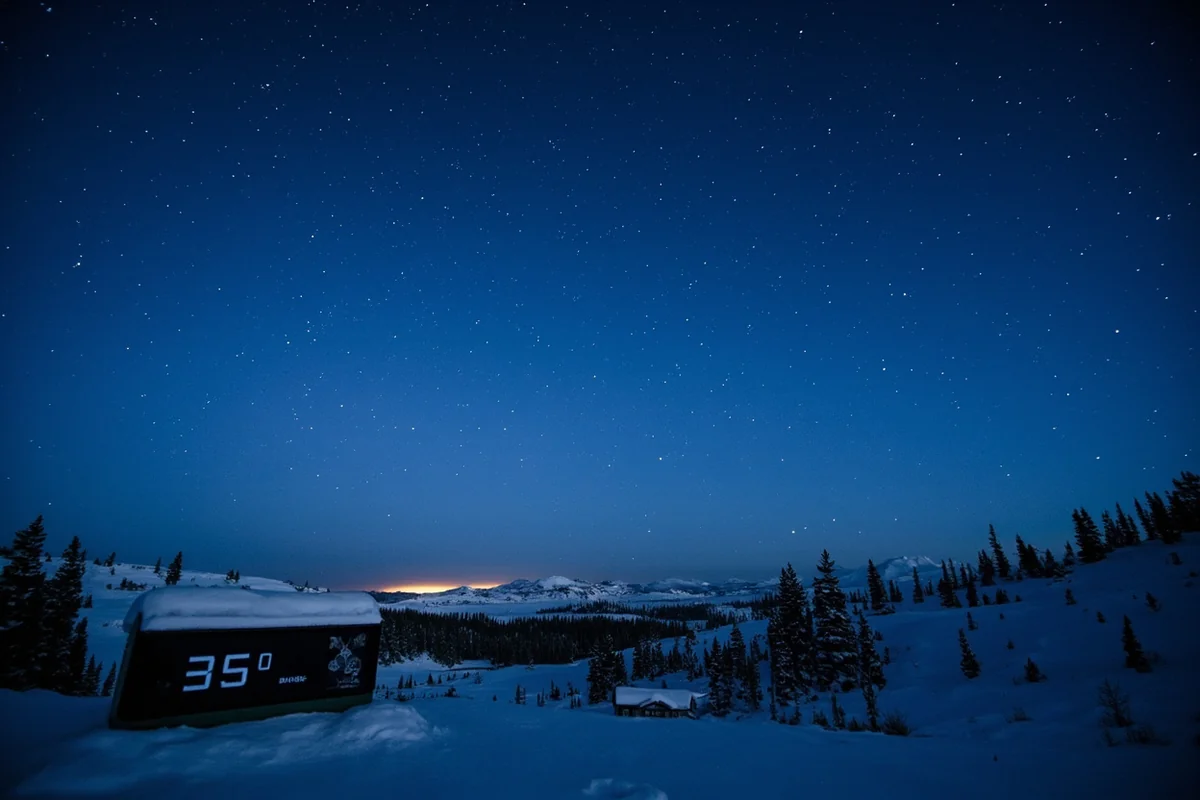
The coldest temperatures typically occur during periods of high pressure when skies clear at night and there’s no cloud cover to trap heat. I’ve learned to watch for these conditions: if I see clear skies at sunset in January, I know the overnight temperatures will plummet. For a deeper look at Montana’s winter weather patterns, understanding these conditions is crucial.
February: Still Brutally Cold
Don’t assume February brings relief. I’ve experienced some of my coldest Montana moments in February.
The state’s famous cold snaps often strike in early to mid-February. These Arctic outbreaks can send temperatures plunging to -30°F or colder across wide swaths of the state. The record-breaking winters in Montana history include several February events that paralyzed communities for days.
Late February can tease with warmer spells, but I’ve learned not to trust them. I once packed lighter clothing for a late February trip to Helena, only to arrive during a cold snap that saw -20°F overnight lows.
March: The Wildcard Month
March in Montana is like a box of chocolates—you genuinely never know what you’re going to get.
I’ve experienced 55°F days in early March that had me thinking spring had arrived, followed by brutal -15°F nights a week later. This temperature whiplash is exhausting but also quintessentially Montana.
The snow doesn’t stop in March either. Some of Montana’s heaviest snowstorms occur in March when moisture-laden systems collide with lingering cold air.
Regional Differences: Where It Gets Coldest
Montana is massive—the fourth-largest state by area—and temperature variations across the state can be dramatic.
Northwest Montana: Cold and Snowy
The northwest corner, including Glacier National Park and the Flathead Valley, experiences consistent cold with heavy snowfall. Whitefish, Kalispell, and Columbia Falls all see January averages around 30°F high and 15°F low.
What distinguishes this region is the moisture. Pacific weather systems dump significant snow here, and the combination of cold and snow creates a winter wonderland—albeit a frigid one. During my ski trips to Whitefish Mountain Resort, I’ve learned to check both temperature and wind chill before hitting the slopes.
Southwest Montana: Valley Cold Traps
If you’re asking where Montana gets coldest, southwest Montana deserves special attention.
The Beaverhead, Big Hole, and Madison valleys are notorious cold pockets. Wisdom, in the Big Hole Valley, frequently records Montana’s coldest temperatures outside of high mountain weather stations. I spoke with a rancher in Wisdom who told me that -40°F happens “most every winter” in their valley.
West Yellowstone, gateway to Yellowstone National Park, sits at 6,666 feet elevation in a broad basin that traps cold air with ruthless efficiency. Planning a winter trip to Yellowstone? Read up on what to expect because West Yellowstone is one of the coldest towns in the Lower 48.
Eastern Montana: Wind Chill Country
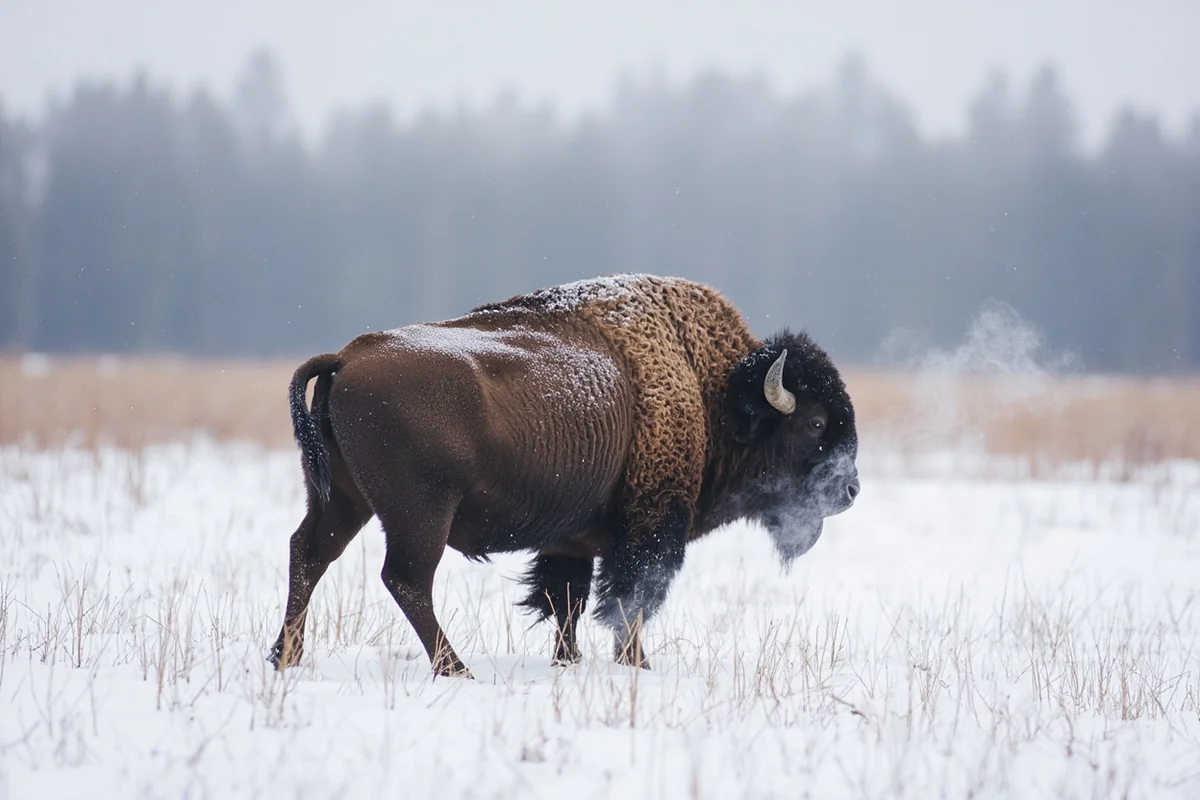
The eastern plains might not see the lowest actual temperatures, but wind chill tells a different story.
There’s nothing between the Canadian border and the Hi-Line to block Arctic air masses. When these fronts barrel south across the plains, they bring wind chills that can reach -50°F or colder.
I drove from Glasgow to Malta during a January cold snap and saw almost no other vehicles on Highway 2. The reason became clear when I stepped outside for gas: the wind cut through every layer I had. The actual temperature was -15°F, but the wind chill was -45°F.
South-Central Montana: Relatively Mild?
Billings and the Yellowstone River valley enjoy slightly milder conditions than much of the state. Chinook winds—warm, dry air masses that descend the eastern slopes of the Rockies—can bring dramatic temperature spikes.
I witnessed a chinook in Billings that raised temperatures from -5°F to 45°F in less than 24 hours. Locals call it the “snow eater” because the warm wind can obliterate snowpack quickly.
If you’re looking for the warmest places in Montana during winter, the Billings area and the lower Yellowstone Valley are your best bets—though “warmest” is definitely relative.
How to Prepare for Montana’s Cold
After years of traveling through Montana in winter, I’ve developed a system that keeps me comfortable even in extreme cold. Here’s what actually works:
Layering Is Everything
Forget cotton entirely. I made that mistake once in Butte and nearly froze during what should have been a simple walk through the historic district.
My go-to system:
- Base layer: Merino wool or synthetic long underwear (top and bottom)
- Mid layer: Fleece or down insulation jacket
- Outer layer: Wind-resistant and waterproof shell
For comprehensive advice on what to wear, I highly recommend checking out our Montana winter clothing guide. Getting your clothing right can make the difference between an enjoyable trip and a miserable one.
Footwear Cannot Be Compromised
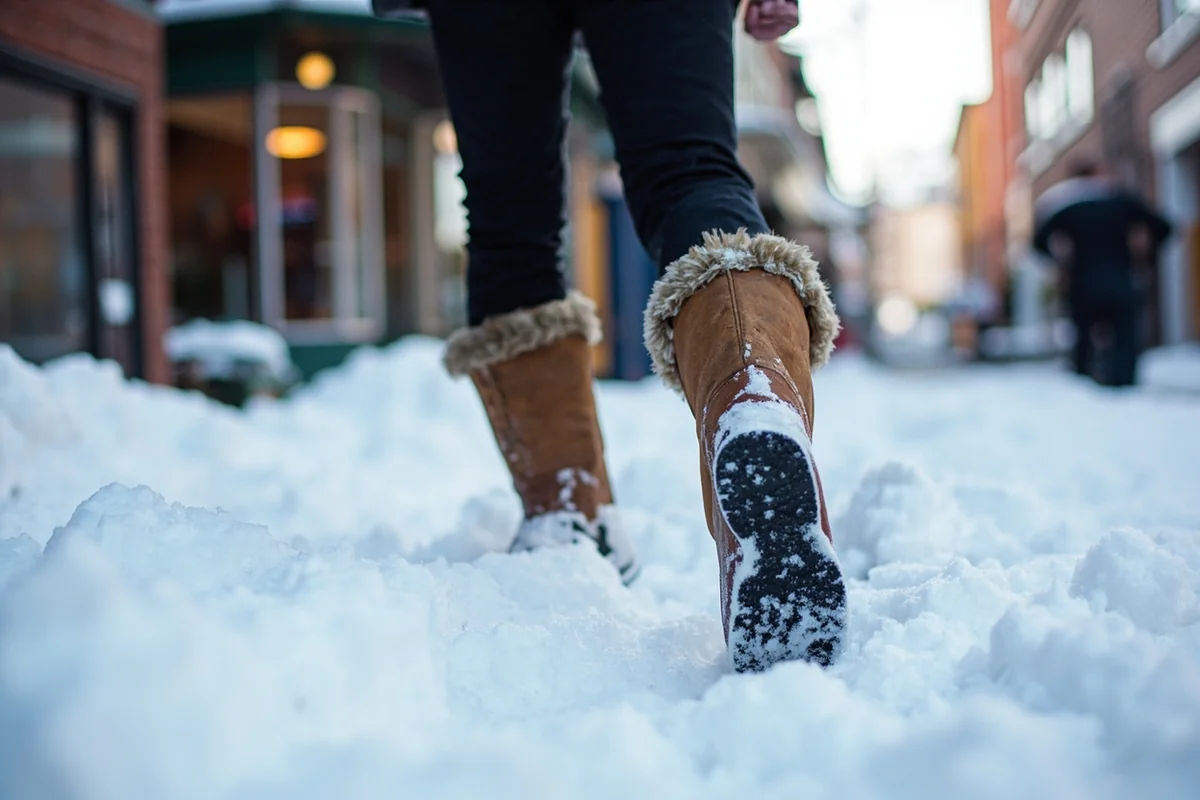
I’ve seen too many visitors walking around Bozeman’s Main Street in fashionable but inadequate boots, clearly suffering.
In Montana winter, you need insulated, waterproof boots rated for at least -25°F. My personal favorites are rated to -40°F, and I don’t regret the investment. Our Montana winter boots guide breaks down exactly what features to look for.
Protect Your Extremities
Fingers, toes, ears, and nose get cold first. Here’s what I never travel without:
- Insulated gloves plus a pair of liner gloves (I use both for extreme cold)
- A warm hat that covers my ears completely
- A balaclava or neck gaiter for face protection
- Hand and toe warmers—I keep a box in my vehicle at all times
Driving in Montana’s Cold
Your vehicle needs as much preparation as you do.
I’ve seen numerous travelers stranded on Montana highways because they didn’t anticipate how cold affects vehicles. During my last trip through the Centennial Valley in January, I passed three vehicles that had failed to start at the Red Rock Lakes National Wildlife Refuge parking area.
Key considerations:
- Ensure your antifreeze is rated for -40°F or colder
- Check battery condition—cold weather dramatically reduces battery capacity
- Keep at least half a tank of gas to prevent fuel line freezing
- Carry emergency supplies: blankets, extra warm clothing, food, water, flashlight
For complete guidance, our Montana winter driving guide covers everything from tire requirements to what to do if you get stuck.
One thing I always do: I tell someone my route and expected arrival time. Cell service is spotty in rural Montana, and in extreme cold, getting stranded is a genuine emergency.
How Cold Affects Winter Activities
Montana’s cold doesn’t stop the fun—it just requires adaptation.
Skiing and Snowboarding
I’ve skied Big Sky Resort on days when the summit temperature was -15°F with wind chill pushing -40°F. Was it cold? Absolutely. Was it worth it? Also absolutely—the powder was incredible and the crowds were thin.
Most Montana ski resorts publish real-feel temperatures on their websites. I’ve learned to check these before driving up, and I always bring my warmest gear even if forecasts look mild.
Snowmobiling
Speed creates additional wind chill, so snowmobiling in Montana cold requires serious preparation. On a trip in the Seeley Lake area, I learned that a heated shield and handlebars aren’t luxuries—they’re necessities when temperatures drop below zero.
Wildlife Watching
Yellowstone in winter is magical for wildlife viewing—and brutally cold.
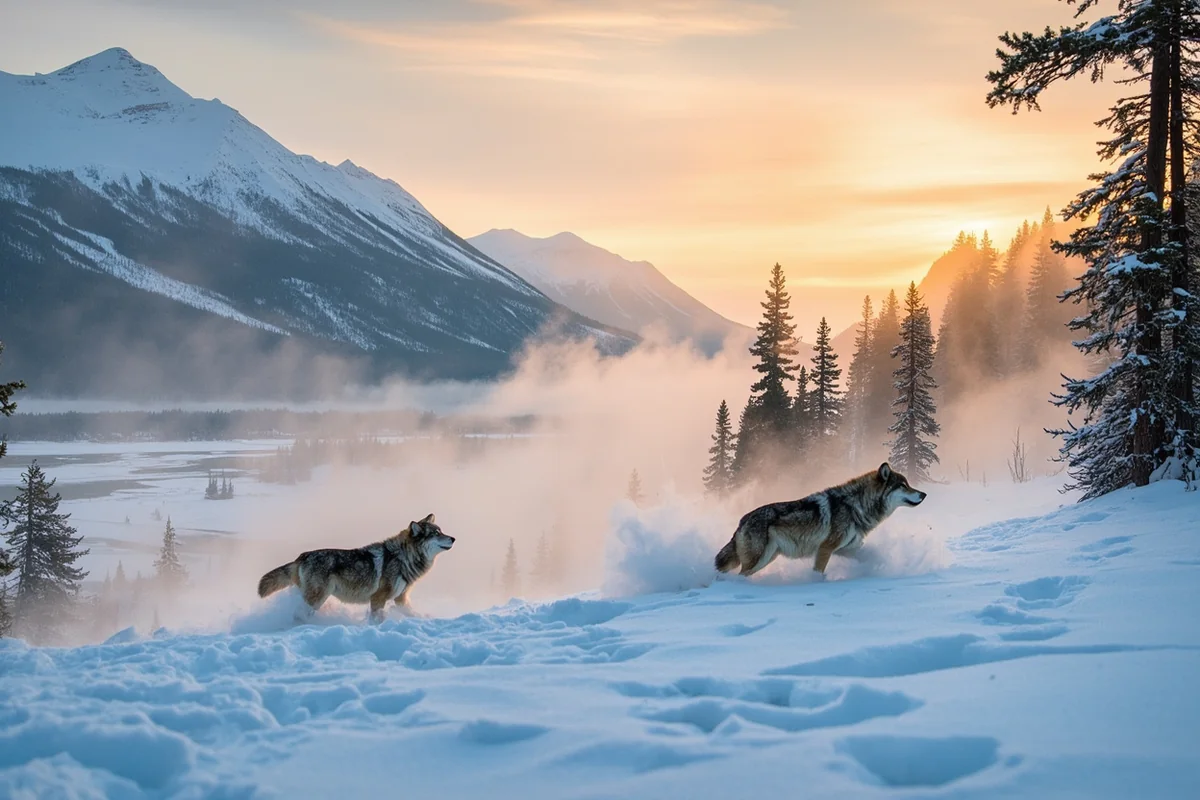
I’ve spent mornings in Lamar Valley watching wolves hunt while standing in -25°F cold. The key is having proper gear and knowing when to retreat to a warm vehicle. I recommend thermal imaging spotting scopes if you’re serious about winter wildlife photography, as they allow observation from inside your warm car.
The Surprising Upsides of Montana’s Cold
After painting this admittedly intense picture, let me share why I actually love Montana winters.
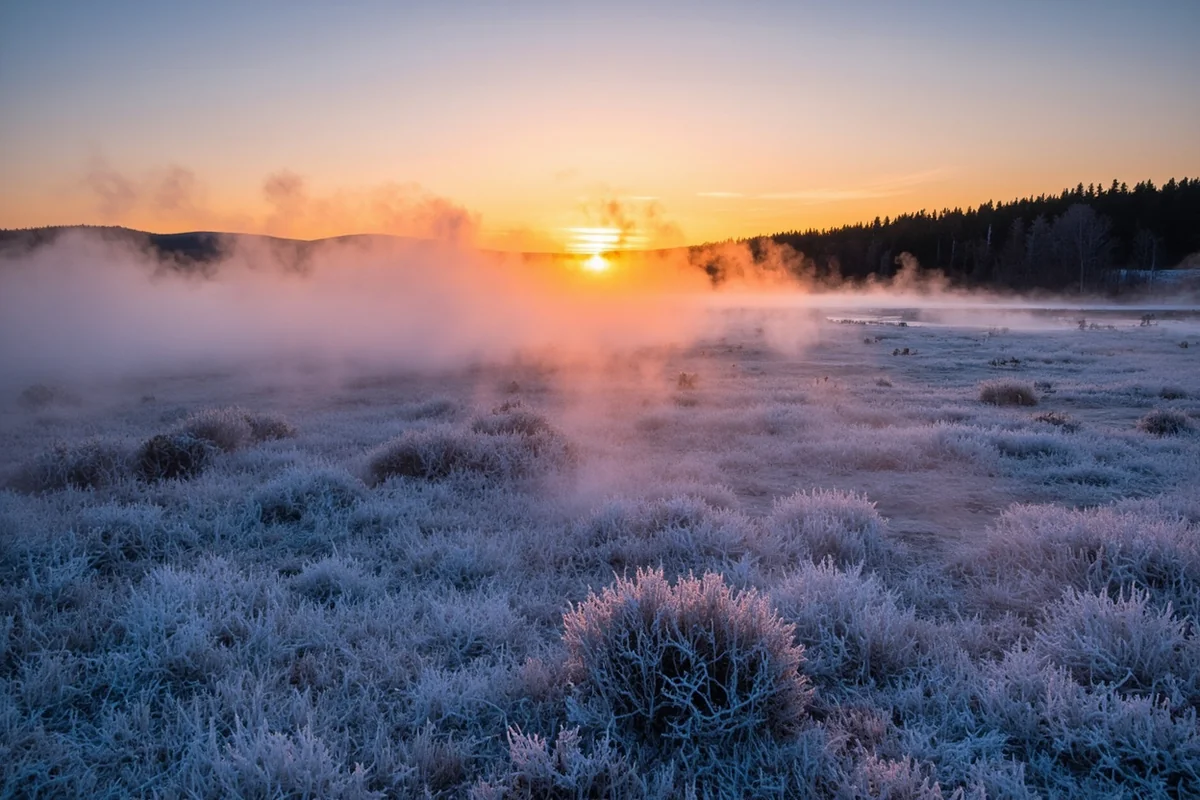
The cold creates unique experiences you simply cannot have elsewhere. When I stood at the Mammoth Hot Springs boardwalks in Yellowstone at -20°F, watching steam billow dramatically off the terraces against a pink sunrise sky, I understood why people brave these temperatures.
Montana’s low humidity means the cold often feels more manageable than equivalent temperatures in humid climates. A calm -10°F day with sunshine in Montana can actually feel pleasant with proper layers—something that seems impossible until you experience it.
The winter landscapes are extraordinary. Frozen waterfalls, snow-covered peaks, and rime ice coating every tree branch create scenes that belong on postcards. During my winter visit to the Kootenai Falls near Libby, the ice formations along the swinging bridge were some of the most beautiful things I’ve ever photographed.
And here’s a practical upside: tourist crowds disappear. Popular destinations that would be packed in summer become peaceful winter retreats. I had sections of Glacier National Park essentially to myself on a December visit.
Is Montana the Coldest State?
This question comes up frequently, and the answer is nuanced.
Montana holds the Lower 48 cold temperature record, which gives it legitimate bragging rights. However, when comparing average temperatures, Alaska is obviously colder overall, and states like Minnesota and North Dakota experience comparable winter cold.
What makes Montana unique is the combination of extreme cold potential with dramatic temperature swings. The chinook wind phenomenon means Montana can go from -30°F to 40°F within days—a temperature swing few places on Earth experience.
For a detailed analysis, check out our article on whether Montana is actually the coldest state. The answer might surprise you.
What About Other Weather Hazards?
While planning for cold, many visitors wonder about other weather risks in Montana.
The good news: hurricanes don’t affect Montana—we’re about as far from hurricane country as you can get in the continental U.S. Tornadoes are possible but relatively rare compared to the central plains, and they occur primarily in summer.
Earthquakes do occur due to the state’s position along various fault lines, but major damaging quakes are infrequent. Winter flooding can happen during rapid snowmelt or when chinook winds combine with rain, but this typically affects travel more than safety.
The cold is genuinely your primary winter weather concern, and it deserves respect.
Summer Visitors: Don’t Get Complacent
Even if you’re planning a summer trip to Montana, cold can catch you off guard.
I’ve experienced freezing temperatures in Glacier National Park in July. Mountain elevations can see frost any month of the year, and unexpected snowstorms have stranded unprepared hikers as late as early June and as early as mid-September.
Always pack layers regardless of when you visit, especially if your itinerary includes mountain areas.
My Honest Assessment
After dozens of trips across Montana in various seasons, here’s my unvarnished take on the cold:
Yes, Montana gets genuinely, seriously cold. The temperatures can be dangerous if you’re unprepared or careless. I’ve had moments where I questioned my sanity for being outside in -30°F conditions.
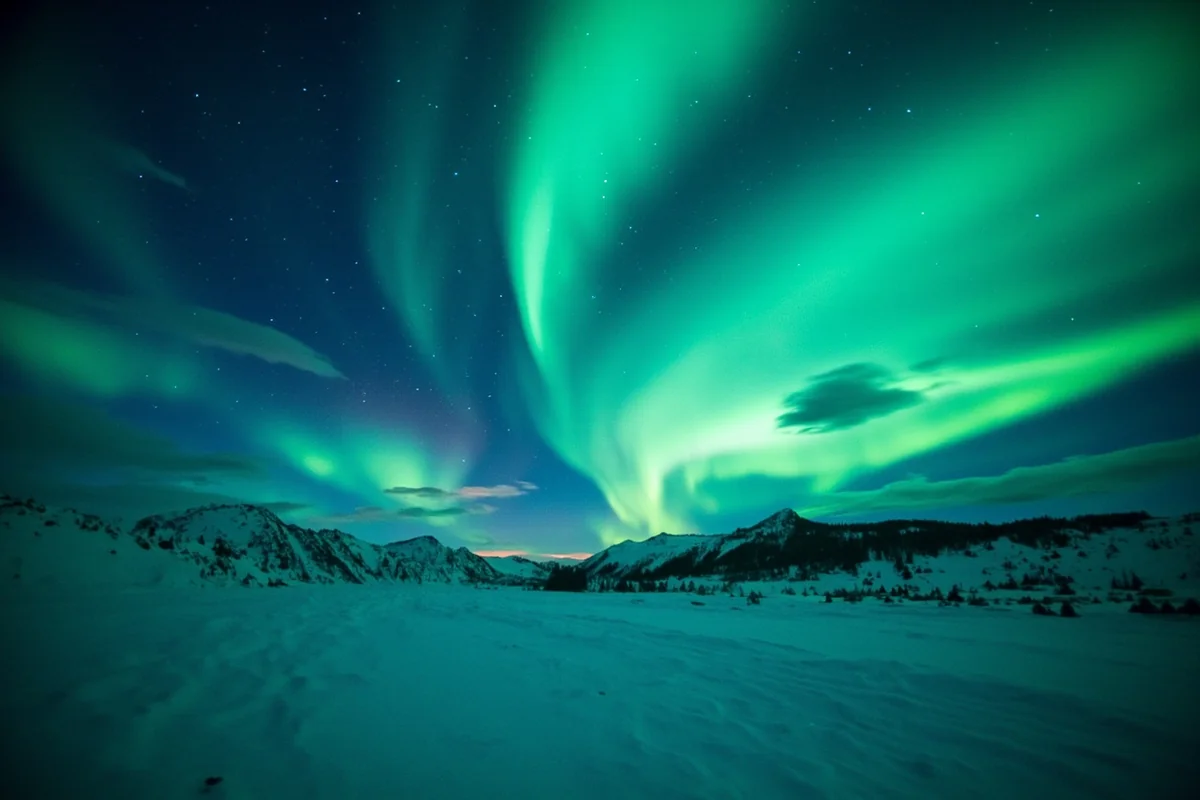
But the rewards are immense. The winter silence, the pristine landscapes, the northern lights visible from the northern tier, the uncrowded trails and attractions—these experiences are available specifically because most people are scared off by the cold.
If you prepare properly, respect the conditions, and maintain situational awareness, Montana’s winter is not just survivable but magical. I’ve come to cherish my cold-weather Montana experiences as some of my most memorable travel moments.
Just don’t forget those hand warmers.
Final Practical Tips
Before you book that Montana winter trip, here’s my checklist of essentials:
- Check extended forecasts obsessively—Montana weather can change rapidly
- Book accommodations with indoor parking when possible
- Download offline maps—cell service is unreliable in rural areas
- Carry emergency supplies in your vehicle always
- Don’t underestimate travel times—winter roads are slower
- Keep camera batteries warm—cold drains them quickly
- Stay hydrated—cold air is dry and dehydration sneaks up on you
- Tell someone your plans before venturing into remote areas
Montana’s cold is legendary for good reason, but it shouldn’t scare you away. With proper preparation, knowledge, and respect for the conditions, you can experience one of America’s most stunning landscapes in its most dramatic season.
I’ll be back again this January, probably standing in some ridiculously cold location, watching my breath freeze while marveling at the beauty around me. Maybe I’ll see you out there—you’ll be the one properly dressed and grinning despite the cold.
Frequently Asked Questions
How cold does it get in Montana during winter?
Montana winters are brutally cold, with temperatures regularly dropping to -20°F to -30°F in valleys and mountain regions. I’ve experienced wind chills below -40°F in places like West Yellowstone and Great Falls. January and February are typically the coldest months, so pack serious cold-weather gear if you’re visiting during this time.
What is the coldest month to visit Montana?
January is consistently Montana’s coldest month, with average lows ranging from -5°F to 15°F depending on your location. Mountain towns like Bozeman and Missoula tend to be slightly milder than eastern Montana cities like Billings or Miles City. If you’re planning a winter trip, expect snow-packed roads and sub-zero temperatures throughout January and early February.
What should I pack for a cold weather trip to Montana?
I always recommend layering with moisture-wicking base layers, insulated mid-layers, and a windproof outer shell rated for at least -20°F. Don’t forget insulated waterproof boots, thick wool socks, hand warmers, and a balaclava for face protection. Budget around $150-$300 for quality cold-weather gear if you don’t already own it.
Is Montana too cold to visit in winter?
Montana’s winter cold is manageable with proper preparation, and honestly, it’s one of the best times to visit for skiing, snowmobiling, and seeing Yellowstone without crowds. Resorts like Big Sky and Whitefish Mountain offer world-class powder, and many towns have cozy lodges and hot springs to warm up. Just plan driving time carefully since mountain passes can close during storms.
How cold is Glacier National Park in winter?
Glacier National Park regularly sees temperatures between -10°F and 20°F from December through February, with heavy snowfall averaging 150+ inches at higher elevations. Going-to-the-Sun Road closes from mid-October through late June, so winter access is limited to the west entrance near Apgar. I recommend visiting in late September or early June if you want cooler temps without full winter closures.
What is the best time to visit Montana to avoid extreme cold?
The sweet spot for avoiding Montana’s extreme cold is late May through mid-October, when daytime temperatures range from 60°F to 85°F. July and August offer the warmest weather but also the largest crowds and highest hotel prices. I personally love September when fall colors emerge, crowds thin out, and temperatures hover in the comfortable 50s and 60s.
Does Montana get warmer temperatures anywhere in winter?
The Chinook wind phenomenon can bring sudden warm spells to central and eastern Montana, raising temperatures 30-50 degrees in just hours. Cities like Great Falls and Helena occasionally experience mid-winter days in the 40s or 50s°F due to these warm Pacific winds. However, these warm spells are unpredictable, so I wouldn’t plan a winter trip around them.
Sources