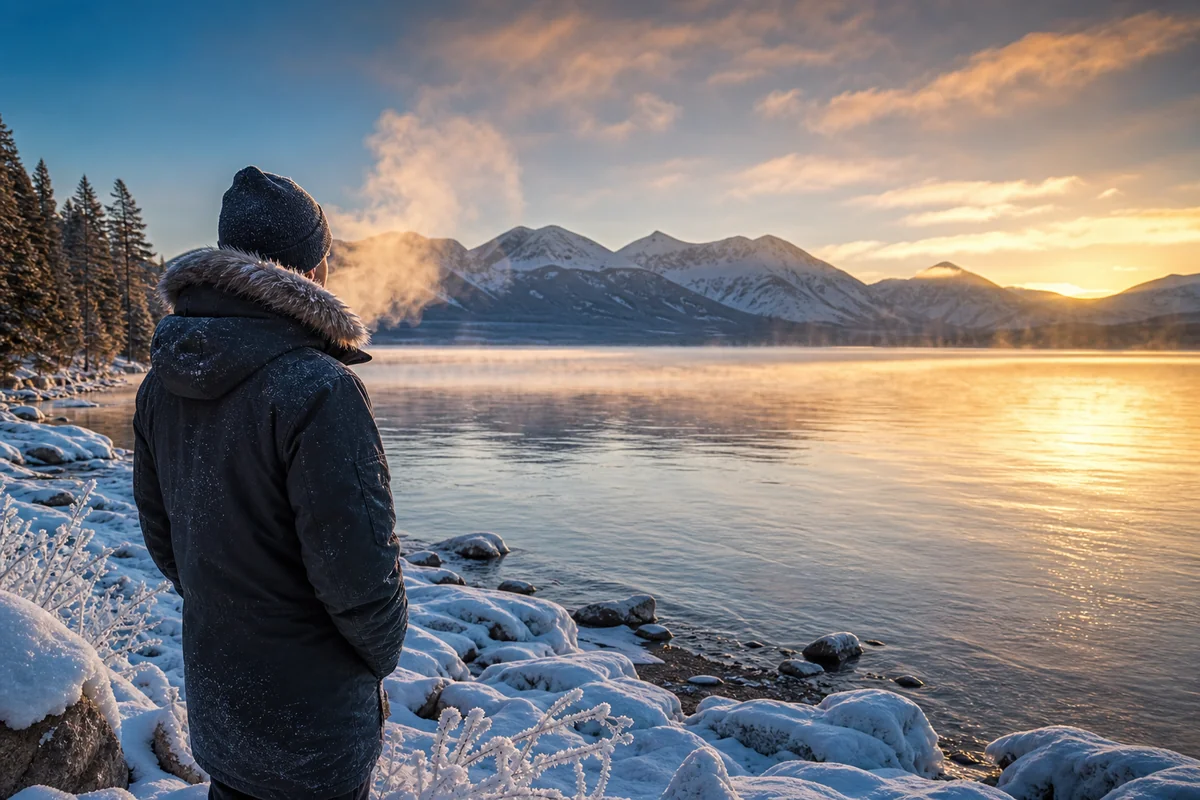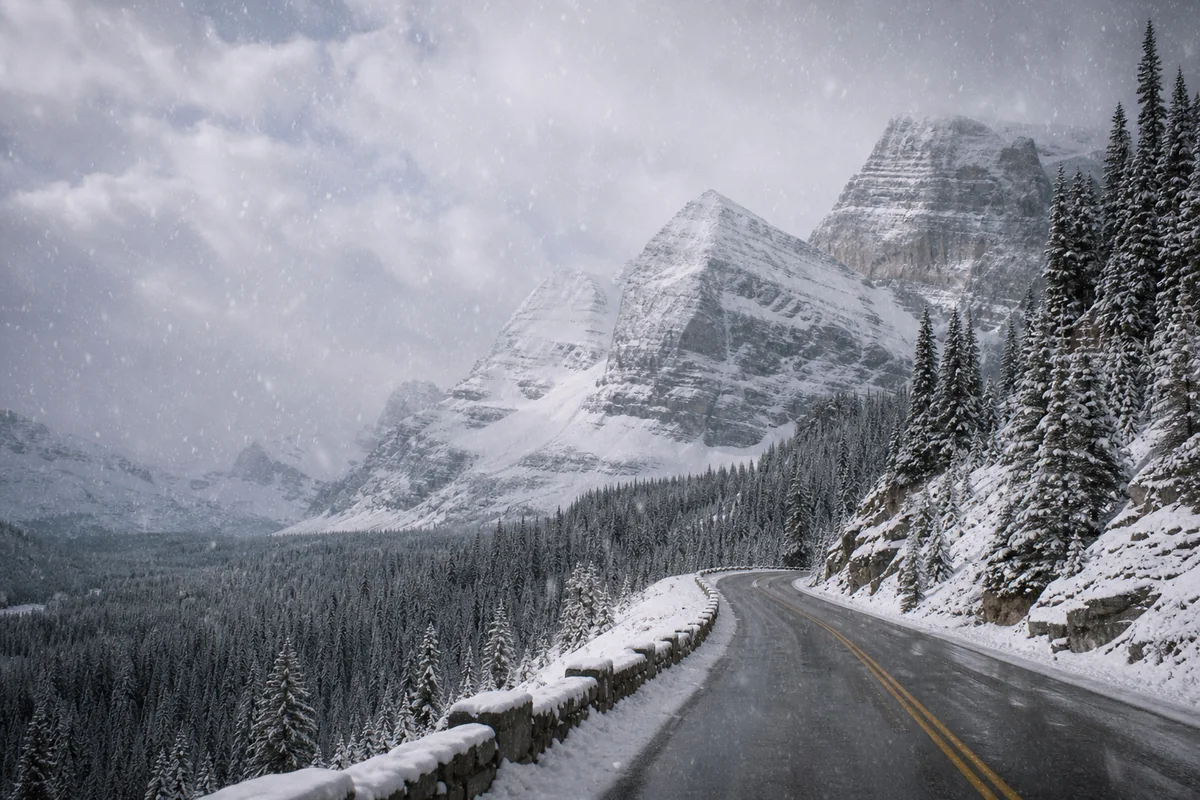
I’ll never forget standing at the Logan Pass parking lot in Glacier National Park last October, watching the first heavy snowfall of the season sweep across the Continental Divide like a white curtain being drawn across the mountains.
Within two hours, the Going-to-the-Sun Road was closed for the winter, and I found myself among the last visitors to make it down before the gates shut.
That moment crystallized something I’ve come to understand deeply after years of exploring this state: Montana and snow aren’t just acquainted—they’re inseparable.
If you’re planning a trip here, understanding the snow situation isn’t optional; it’s essential. Our comprehensive Montana Weather Guide covers all the seasonal patterns, but snow deserves its own deep dive because it affects virtually every aspect of travel planning in Big Sky Country.
- Yes, Montana receives significant snowfall—mountain areas average 300+ inches annually while valleys see 30-60 inches
- Snow season typically runs from October through May, with some high elevations seeing snow year-round
- Western Montana (Glacier, Missoula) gets more snow than eastern Montana (Billings, Miles City)
- Road closures are common and can dramatically impact travel plans—always check conditions
- The best time for snow activities is January through March; shoulder seasons are unpredictable
- Summer visitors should still pack layers—I’ve seen snow in July at higher elevations
Liked this article?
Add Roaming Montana as a preferred source so you see more of our articles and guides on Google.
The Short Answer: Yes, Montana Gets Serious Snow
Let me be direct with you because I know you’re probably trying to figure out whether to pack snow boots or sandals. Montana absolutely gets snow, and depending on where and when you visit, you could experience anything from a light dusting to a full-blown blizzard that shuts down entire highways.
During my first winter in Montana, I naively thought my experience with snow in the Midwest had prepared me. I was wrong. The scale and persistence of Montana snow is different—it starts earlier, stays longer, and piles higher than most visitors expect.
The state’s geography creates wildly different snow experiences depending on your location. Western Montana, particularly around Glacier National Park and the mountain ranges, receives heavy snowfall that would make ski resort operators elsewhere jealous. Meanwhile, eastern Montana’s prairie regions see less accumulation but can experience brutal ground blizzards that make the roads impassable.
Understanding Montana’s Snow Patterns by Region
Western Montana: The Snow Capital
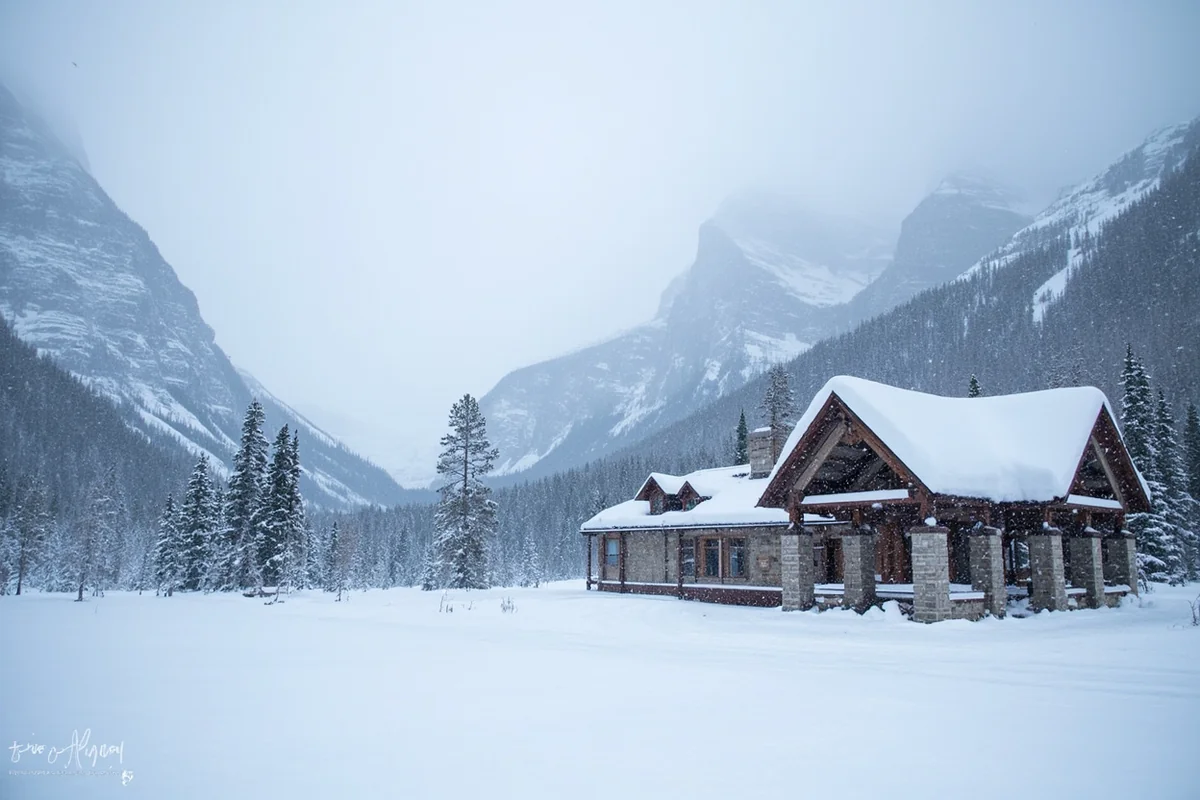
If you’re heading to Glacier National Park, Whitefish, or Missoula, prepare for real winter conditions. The mountains here act like a wall, catching moisture-laden Pacific air and wringing it out as snow.
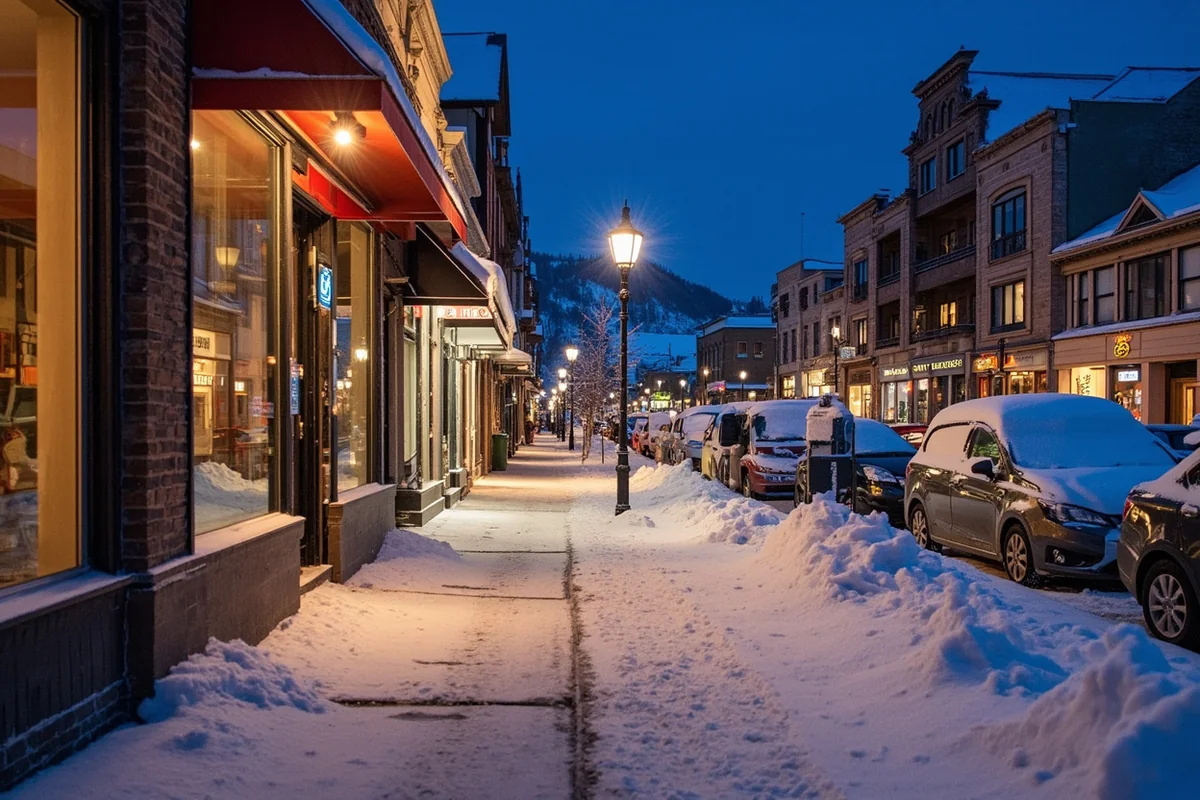
Last February, I spent a week in Whitefish, and it snowed every single day. Not dramatic storms each time—sometimes just a gentle, persistent snowfall that added a few inches overnight. By the end of my trip, the town had received about 18 inches of fresh powder, and the locals barely seemed to notice.
The ski resorts in this region—Whitefish Mountain, Big Sky, and Bridger Bowl—regularly report annual snowfalls exceeding 300 inches. When I’ve asked lift operators about their favorite snow days, they’ll casually mention mornings when they woke up to find their cars completely buried.
Central Montana: The Transitional Zone
Cities like Great Falls and Helena occupy a middle ground. They receive meaningful snowfall—typically 40 to 60 inches annually—but without the extreme accumulations of the mountain west.
I’ve driven through Helena during March snowstorms that dropped six inches in an afternoon, only to return two days later and find bare pavement. The chinook winds that sweep down from the Rockies can raise temperatures 30 or 40 degrees in hours, turning snow cover into memory.
This variability makes central Montana tricky for trip planning. During one visit to Great Falls last November, I experienced temperatures ranging from 55°F to 12°F within a 72-hour period, with snow appearing and disappearing twice.
Eastern Montana: Prairie Snow Surprises
Eastern Montana receives less total snowfall than the western mountains—usually 25 to 40 inches annually in places like Billings, Miles City, and Glendive. But don’t let those numbers fool you into complacency.
The flat, open landscape means that wind becomes a major factor. I’ve experienced ground blizzards on Interstate 94 east of Billings where visibility dropped to near zero, not because snow was falling from the sky, but because existing snow was being blown horizontally across the road.
These conditions can be genuinely dangerous. If you’re curious about how cold it gets in Montana, the eastern prairies often see the most extreme temperature drops, especially when Arctic air masses sweep down from Canada.
When Does Snow Season Actually Start and End?
This is where things get interesting, and I’ll share what I’ve actually observed rather than just quoting statistics.
The First Snows: September Through October
During a September backpacking trip in the Beartooth Mountains, I woke up in my tent to find three inches of fresh snow on the ground. This wasn’t unusual—high elevations in Montana can see snow any month of the year.
For most of the state at normal elevations, the first measurable snow typically arrives in October, though I’ve seen it come as early as late September in places like Bozeman and as late as early November in the lower elevations around Billings.
Last October, I was photographing fall colors in Glacier when the season’s first major storm moved through. Within 48 hours, the park went from golden larch trees to a winter wonderland. The transformation was stunning but caught several unprepared visitors off guard.
Peak Snow Season: December Through February
This is when Montana earns its reputation. If you’re planning a winter trip, expect snow on the ground throughout this period in virtually every part of the state.
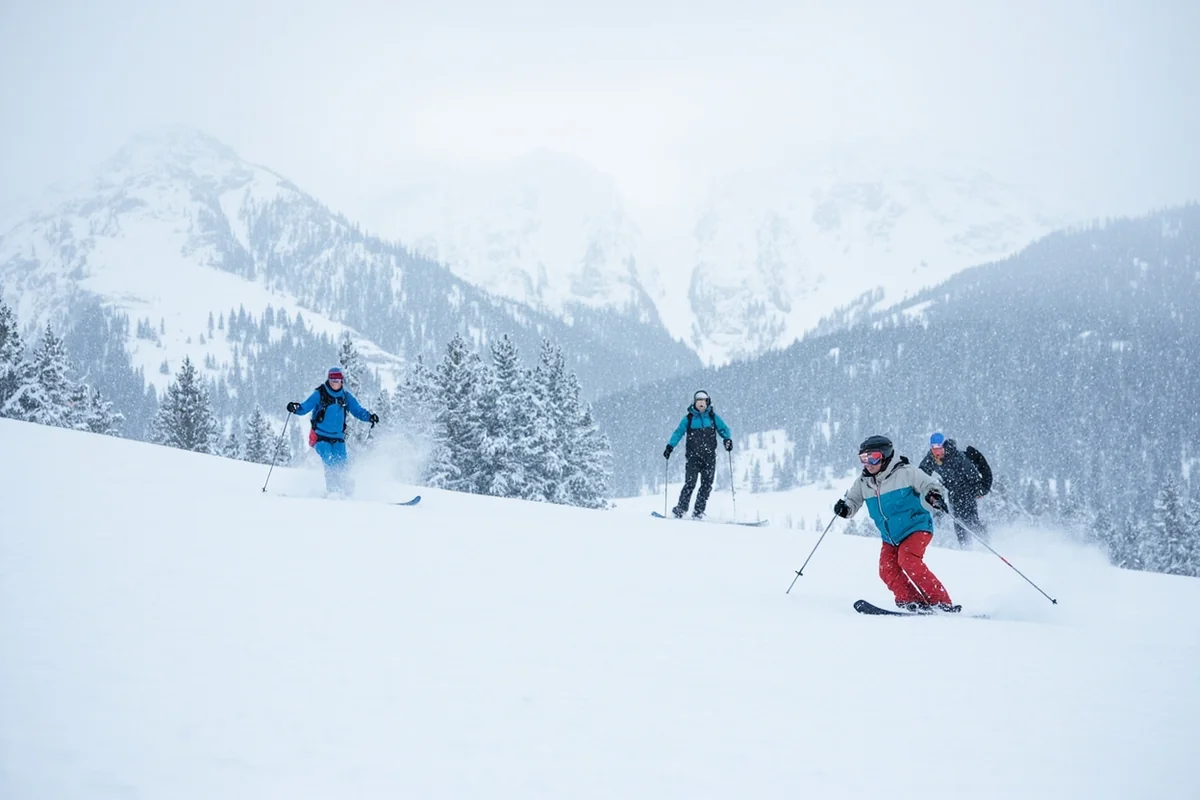
January is typically the snowiest month in the mountains. During a ski trip to Big Sky last January, the resort received 47 inches in a single week. The powder was so deep that I found myself chest-deep in snow when I ventured off the groomed runs.
The state has seen some record-breaking winters that have reshaped local infrastructure and travel norms. Understanding this history helps put current conditions in perspective.
Spring Snow: March Through May
Here’s something that surprises many visitors: some of Montana’s heaviest snowstorms occur in spring. March and April can bring massive, wet snowfalls that break tree limbs and cause power outages.
I remember a late April trip to Bozeman when a spring storm dropped 14 inches of heavy, wet snow overnight. The trees, already budding with spring growth, couldn’t handle the weight. Throughout town, I saw branches down everywhere, and several roads were blocked by fallen limbs.
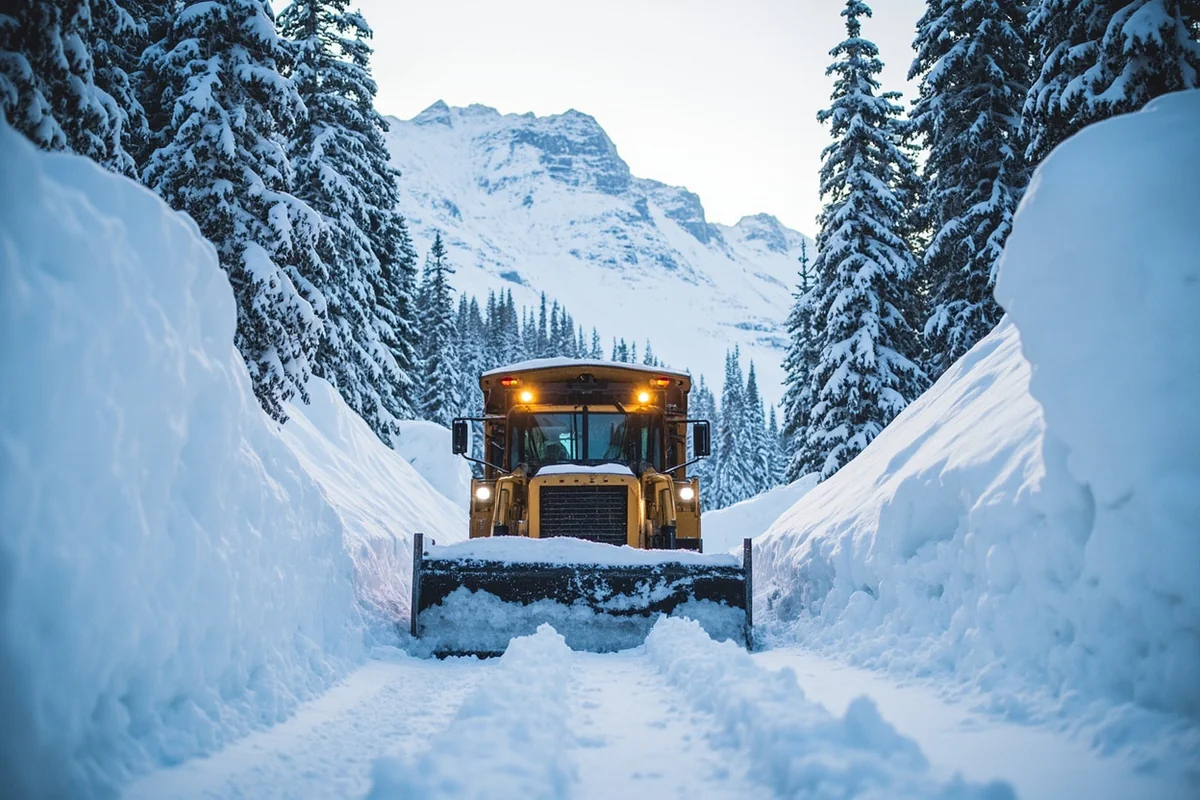
The Going-to-the-Sun Road in Glacier typically doesn’t open until late June or early July—not because of ongoing snowfall, but because the accumulated snowpack can exceed 80 feet in depth at some points along the route. Road crews literally have to carve through walls of snow to reopen the highway.
Summer Snow: Yes, It Happens
At high elevations, snow can fall any day of the year. I’ve personally encountered snow in July while hiking at Granite Park Chalet and in August while climbing in the Absaroka Range.
Even if you’re visiting during Montana’s summer months, bringing warm layers is essential if you plan to spend time in the mountains. Afternoon thunderstorms can drop temperatures dramatically and occasionally produce graupel or even accumulating snow above 9,000 feet.
Snowfall Amounts: What to Actually Expect
Let me give you real numbers based on both official data and my personal observations:
| Location | Average Annual Snowfall | Typical Snow Season | My Observations |
|---|---|---|---|
| Glacier National Park (valleys) | 100-150 inches | October-May | Deep, persistent snowpack; roads close early |
| Glacier National Park (peaks) | 300-400+ inches | Year-round possible | Some areas retain snow all summer |
| Whitefish | 70-90 inches | November-April | Consistent snow; excellent ski town |
| Missoula | 40-50 inches | November-March | Urban area with moderate snow; melts faster |
| Bozeman | 75-90 inches | October-April | Cold and snowy; excellent mountain access |
| Helena | 45-55 inches | November-March | Variable; chinook winds cause rapid melting |
| Great Falls | 40-50 inches | November-March | Windy; drifting is common |
| Billings | 55-65 inches | November-March | Lower elevations; milder than expected |
| Miles City | 25-35 inches | November-March | Low snowfall but extreme cold possible |
How Snow Affects Your Montana Travel Plans
This is the practical information that can make or break your trip.
Road Closures You Need to Know About
Montana has several major roads that close seasonally due to snow. The most famous is the Going-to-the-Sun Road in Glacier National Park, which typically closes in October and doesn’t fully reopen until late June or early July.
But there are many others. Beartooth Highway (US 212) closes around mid-October and reopens in late May. Chief Joseph Scenic Byway follows a similar schedule. Many forest service roads in the mountains become impassable by November and stay that way until May or June.
During my travels, I’ve learned to always check road conditions before setting out. Montana’s 511 system provides real-time updates, and I recommend saving it to your phone before arriving.
If you’re planning to drive during winter months, our Montana winter driving guide covers essential preparation tips and safety strategies.
National Park Access in Winter
Glacier and Yellowstone both remain partially accessible during winter, but your experience will be dramatically different from summer visits.
In Glacier, the only road that stays open is the section from West Glacier to Lake McDonald Lodge (about 10 miles). The rest of the park becomes the domain of cross-country skiers and snowshoers. I’ve done winter hikes to Avalanche Lake on snowshoes, and the solitude is incredible—I’ve gone entire days without seeing another person.
Yellowstone’s north entrance remains open year-round, providing access to the Mammoth Hot Springs area and the road between Mammoth and Cooke City via Lamar Valley. This is actually one of my favorite times to visit—the combination of steaming geothermal features and snow creates otherworldly scenes.
The rest of Yellowstone’s interior roads close to regular vehicles but open to oversnow vehicles (snowmobiles and snowcoaches). If you want to see Old Faithful in winter, you’ll need to arrange a guided snowcoach tour or join a snowmobile expedition.
Flight Disruptions and Delays
Montana’s airports can experience weather-related delays and cancellations during winter storms. I’ve been stranded overnight in Bozeman twice due to blizzard conditions, and I’ve had flights into Kalispell delayed by hours while crews worked to clear runways.
My advice: if you’re flying into Montana between November and March, build buffer days into your itinerary. Don’t book a flight that lands on the same day as an important reservation or event. Give yourself at least one extra day on either end of your trip.
Why Does Montana Get So Much Snow?
Understanding the “why” has helped me predict conditions better during my travels.
Montana sits in a geographic sweet spot for snowfall. The Rocky Mountains create orographic lift—moist air from the Pacific is forced upward as it encounters the peaks, cooling and releasing its moisture as snow. This is why Montana is so cold and snowy compared to states at similar latitudes.
The Continental Divide runs through western Montana, creating different weather patterns on each side. West of the divide, Pacific weather systems dominate. East of the divide, Arctic air masses sweep down from Canada with less obstruction, bringing the bitter cold that characterizes Montana winters.
This isn’t an isolated phenomenon—Montana’s weather patterns connect to broader conditions. While the state doesn’t experience tropical weather systems (if you’re wondering about whether Montana gets hurricanes, the answer is definitively no), it does see unique high-latitude weather patterns. Similarly, tornadoes in Montana follow different patterns than in traditional Tornado Alley states.
Dressing for Montana Snow: What I’ve Learned
After too many trips where I was either freezing or overdressed, I’ve developed a system that works.
The Layering System
Forget single heavy jackets—layering is essential in Montana because conditions change rapidly. I typically wear:
A moisture-wicking base layer that moves sweat away from my skin. This is crucial because getting wet from sweat can make you dangerously cold.
An insulating mid-layer, usually fleece or down, that traps warmth. I carry a lightweight packable down jacket on every winter trip.
A waterproof, windproof outer shell that protects against snow and wind. This layer doesn’t need to be insulated—it just needs to block the elements.
Our Montana winter clothing guide goes into much more detail about specific brands and materials that perform well in Montana’s conditions.
Footwear Makes or Breaks Your Trip
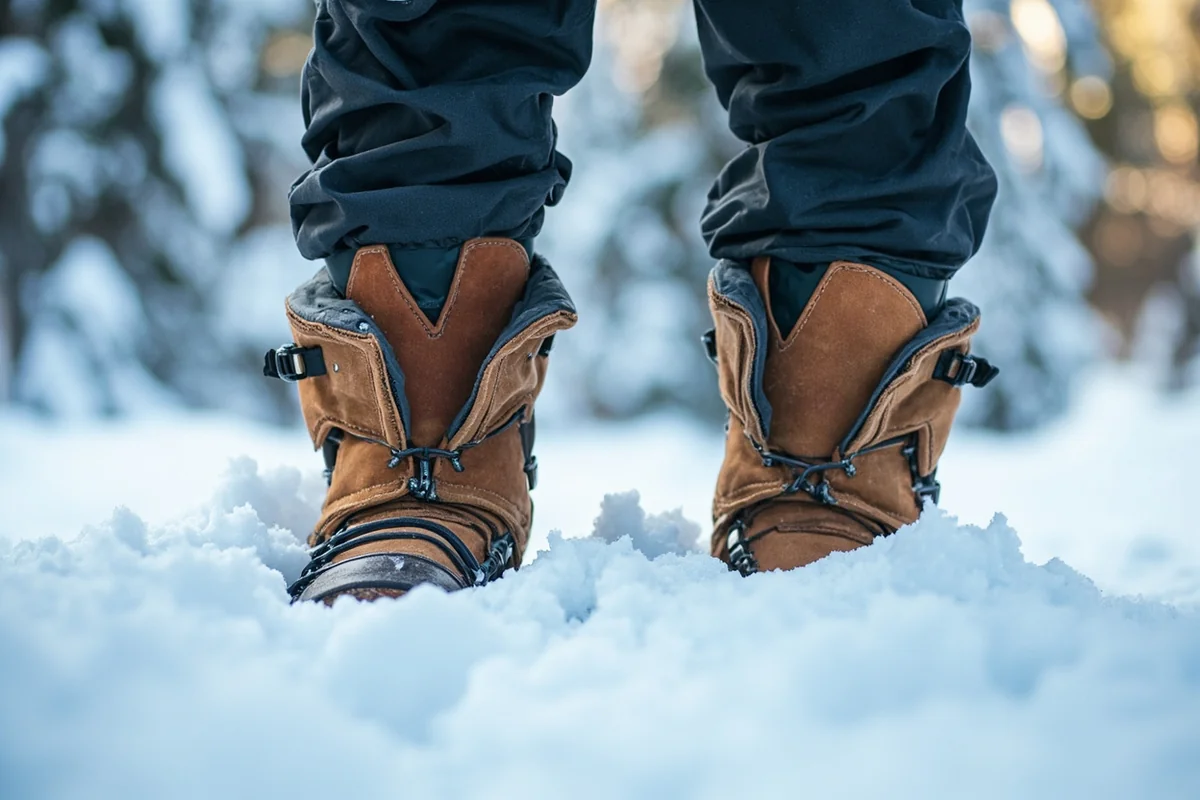
I cannot overstate how important proper footwear is for Montana winter travel. Regular hiking boots won’t cut it—you need insulated, waterproof boots with aggressive tread for icy conditions.
I’ve watched visitors slip on icy sidewalks in regular shoes while locals stride confidently past in proper winter boots. The difference isn’t just comfort; it’s safety. Our Montana winter boots guide covers the options I’ve personally tested.
Don’t Forget These Items
Beyond basic layers, I always bring:
- Hand warmers (chemical or rechargeable)
- A neck gaiter or balaclava for extreme cold
- Insulated gloves AND liner gloves for adjustable warmth
- Sunglasses or goggles—snow blindness is real
- High-SPF sunscreen (the reflection off snow intensifies UV exposure)
Best Winter Activities and When to Do Them
Downhill Skiing and Snowboarding
Montana’s ski resorts typically open in late November or early December and stay open into April. Big Sky and Whitefish Mountain are the largest resorts, but smaller mountains like Bridger Bowl, Showdown, and Discovery offer excellent skiing with fewer crowds.
My favorite time for skiing is late January through early March. The snowpack is deep and established, temperatures are consistently cold (so the snow stays good), and spring crowds haven’t arrived yet.
Cross-Country Skiing and Snowshoeing
Every major mountain town has extensive trail networks for Nordic activities. The Rendezvous ski trails near West Yellowstone are world-class—I’ve skied there multiple times and the grooming quality rivals anything I’ve experienced.
For snowshoeing, Glacier National Park is unbeatable. The combination of pristine snow, mountain scenery, and solitude creates an experience that’s honestly more memorable than summer hiking. The Apgar area and the trail to Avalanche Lake are accessible and spectacular.
Snowmobiling
Montana has thousands of miles of groomed snowmobile trails. West Yellowstone bills itself as the “Snowmobile Capital of the World,” and during my visit there last winter, I saw more snowmobiles than cars on the streets.
The Cooke City area, just outside Yellowstone’s northeast entrance, offers incredible backcountry snowmobiling with deep powder and minimal crowds. Local outfitters can set you up with rentals and guide services if you’re new to the sport.
Wildlife Watching
Winter is actually prime time for wildlife viewing. Animals are concentrated at lower elevations where food is more accessible, and the snow makes them easier to spot against the landscape.
Yellowstone’s Lamar Valley in winter is legendary among wildlife photographers. I’ve seen wolves, bison, and elk there during every winter visit. The animals are often more visible than in summer, and the backdrop of snow-covered peaks makes for incredible photographs.
Finding Montana’s Warmer Spots During Winter
If you want to experience Montana but prefer milder winter conditions, some areas are notably warmer than others.
The Bitterroot Valley near Missoula tends to be slightly warmer than other parts of western Montana. Billings, at lower elevation, typically sees less extreme cold than cities further north.
For more detailed information on escaping Montana’s coldest temperatures, check our guide to Montana’s warmest places. And if you’re curious about whether Montana is the coldest state, the answer involves more nuance than you might expect.
Dangers and Concerns: What Travelers Should Know
Avalanche Risk
Montana’s mountains experience significant avalanche activity. If you’re planning backcountry skiing, snowboarding, or snowmobiling, avalanche education is essential.
I’ve taken avalanche safety courses and carry rescue equipment whenever I venture into the backcountry. But I’ve also chosen to turn back from many objectives when conditions seemed questionable. The Gallatin National Forest Avalanche Center provides daily forecasts that I check religiously during winter visits.
Hypothermia and Frostbite
These aren’t abstract risks—they’re real dangers that affect unprepared visitors every year. During extreme cold snaps, exposed skin can develop frostbite in minutes.
I always tell people: if it’s dangerously cold, there’s no shame in cutting an outdoor activity short. I’ve ended hikes early and driven to a warm café instead of pushing through dangerous conditions. No photograph or bragging right is worth permanent injury.
Vehicle Preparedness
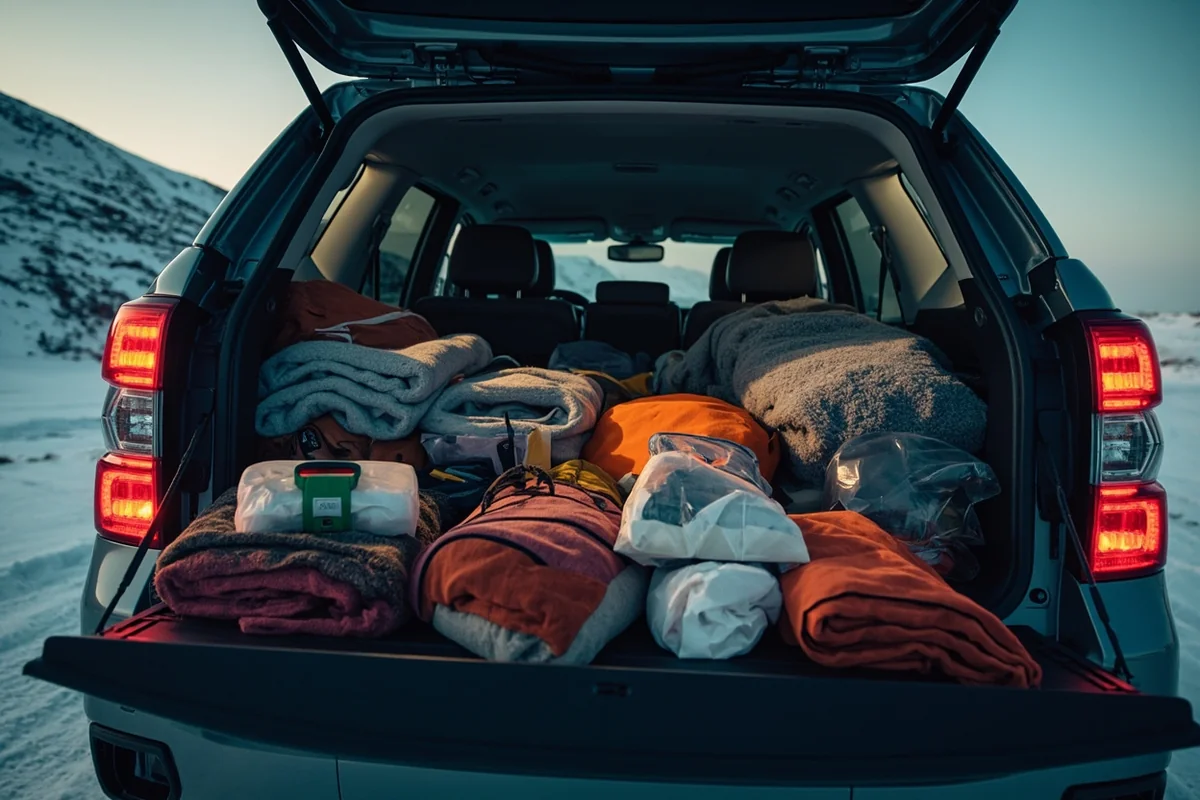
If you’re driving in Montana during winter, your car needs to be ready. I keep an emergency kit in my vehicle that includes blankets, food, water, a flashlight, and jumper cables.
I’ve seen people stranded on Montana highways in winter conditions—it happens more often than you’d think. Cell service is spotty in many areas, and help can be a long time coming in remote locations.
Flooding Risk from Snowmelt
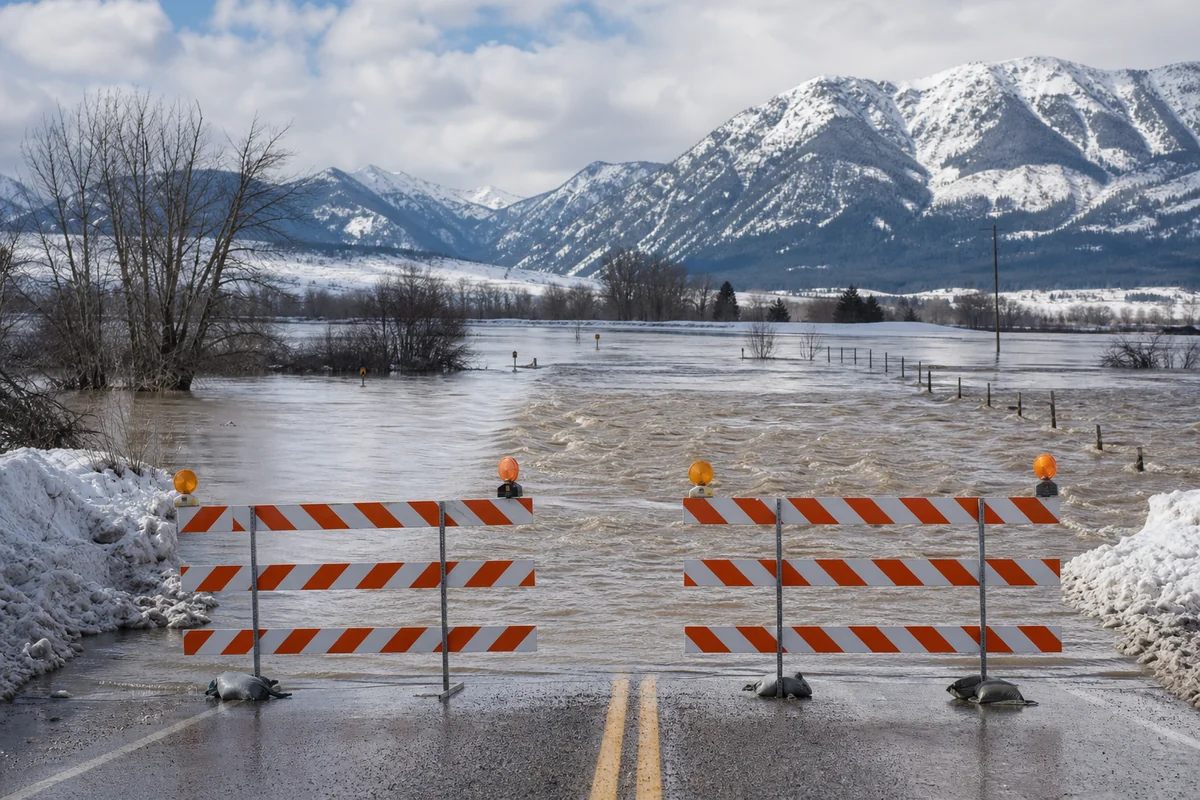
While not a winter danger, heavy snowpack creates flooding risk during spring melt. The historic Yellowstone River flooding in 2022 resulted from a combination of heavy snowpack and a late spring warm spell with rain.
If you’re planning a late spring or early summer visit, be aware that Montana winter flooding from snowmelt can close roads and affect river activities.
Special Considerations for Different Traveler Types
Families with Children
Kids generally love Montana snow, but you need to plan for shorter outdoor periods and more frequent warming breaks. I’ve seen families struggle when they try to push children through extended cold exposure.
The ski resorts have excellent kids’ programs, and many towns have indoor activities for when conditions are too harsh. The Museum of the Rockies in Bozeman, for instance, is a perfect snow-day backup.
Photographers
Winter photography in Montana is spectacular but demanding. Camera batteries die quickly in cold weather—I carry multiple spare batteries in inside pockets to keep them warm.
Moisture is another concern. Moving cameras from cold exterior conditions to warm interior spaces creates condensation that can damage equipment. I seal my camera in a plastic bag before bringing it indoors and let it warm up slowly.
Older Travelers
Montana’s winter conditions demand good mobility and balance. Icy surfaces are everywhere, and falls can be serious.
If mobility is a concern, I’d recommend focusing on activities that don’t require extensive outdoor walking. Wildlife viewing from vehicles, scenic drives on plowed roads, and hot springs visits are excellent options that don’t require navigating icy terrain.
Comparing Montana Snow to Other States
Visitors often ask me how Montana compares to other snowy destinations. Here’s my perspective based on personal experience.
Compared to Colorado, Montana’s snow tends to be drier and lighter—the legendary “cold smoke” powder that skiers love. Montana also gets snow earlier in the season and retains it longer due to colder temperatures.
Compared to the Pacific Northwest, Montana’s snow is less wet and heavy. The precipitation in Washington and Oregon often falls as a dense, soggy snow, while Montana’s tends to be fluffier and more skiable.
Montana is also drier overall than many people expect. As detailed in our article about whether Montana is humid, the state has relatively low humidity even during winter, which actually makes the cold more tolerable than comparable temperatures in humid climates.
Montana’s Other Weather Considerations
While we’re talking about snow, I should mention that Montana winter weather involves more than just frozen precipitation. Wind can be a major factor, especially in central and eastern Montana.
If you’re wondering how windy Montana really is, the answer varies dramatically by location—but wind chill can make already cold temperatures feel dramatically worse.
Montana also experiences occasional earthquakes, though these are generally minor and unrelated to winter weather. It’s just something to be aware of as part of understanding the state’s overall environment.
My Final Thoughts on Montana Snow
After countless trips to Montana across all seasons, I’ve come to genuinely love the snow. Yes, it complicates travel planning. Yes, it requires preparation and the right gear. Yes, it can occasionally be genuinely dangerous.
But the snow is also what makes Montana special. It keeps the crowds away during much of the year, creating opportunities for solitude that simply don’t exist in summer. It transforms already stunning landscapes into crystalline wonderlands. It enables world-class winter recreation.
If you’re planning a Montana trip, don’t let the snow scare you away—but do take it seriously. Pack appropriately, build flexibility into your plans, and be ready to adjust if conditions demand it.
The reward for that preparation? Experiences that you simply cannot have anywhere else. Standing in the Lamar Valley watching wolves hunt across a frozen landscape. Skiing neck-deep powder on an uncrowded mountain. Soaking in a hot spring while snowflakes fall around you.
That’s the Montana snow experience—challenging, beautiful, and absolutely worth the effort.
Frequently Asked Questions
How much snow does Montana get in winter?
Montana receives significant snowfall, with mountain areas like Glacier National Park averaging 150+ inches annually while cities like Billings see around 55 inches per year. The western mountainous regions typically get far more snow than the eastern plains, so your experience will vary dramatically depending on where you visit.
What is the snowiest month in Montana for skiing?
January and February are typically Montana’s snowiest months, making them ideal for skiing at resorts like Big Sky, Whitefish Mountain, and Bridger Bowl. I’d recommend planning your ski trip between mid-December and early March for the most reliable powder conditions and fully operational lifts.
Can you drive through Montana in winter safely?
Yes, but winter driving in Montana requires preparation since mountain passes can be treacherous with heavy snow and black ice. I always recommend carrying chains, keeping your gas tank at least half full, and checking the Montana DOT road conditions website before any trip. Many scenic routes like Going-to-the-Sun Road in Glacier close entirely from October through June.
What should I pack for a winter trip to Montana?
Pack insulated waterproof boots, layered clothing including thermal base layers, a heavy down jacket, and quality gloves rated for sub-zero temperatures. Don’t forget sunglasses for snow glare, hand warmers, and traction devices for walking on ice. Montana winter temperatures regularly drop below 0°F, so overpacking warm gear is better than being caught unprepared.
Does it snow in Montana during spring and fall?
Absolutely—Montana can see snow as early as September and as late as June, especially in mountainous areas. I’ve experienced surprise snowstorms in May while hiking near Bozeman, so always check forecasts regardless of season. Spring visitors to Yellowstone’s Montana entrances should prepare for unpredictable weather swings between 70°F and sudden snow squalls.
What’s the best time to visit Montana to avoid heavy snow?
Late June through early September offers the most snow-free travel conditions, with July and August being peak summer months with average highs in the 80s°F. This is when Going-to-the-Sun Road is fully open and hiking trails are accessible, though expect higher lodging costs ($150-300+ per night) and more crowds at popular spots like Glacier and Yellowstone.
How much does a Montana ski trip cost compared to Colorado?
Montana ski resorts are generally 20-30% cheaper than Colorado, with lift tickets at Big Sky running $150-200 versus $200-250+ at Vail or Aspen. Lodging in Whitefish or Bozeman averages $150-250 per night compared to $300+ in Colorado resort towns. You’ll also find shorter lift lines and less crowded slopes, making Montana an excellent value for budget-conscious skiers.
Sources