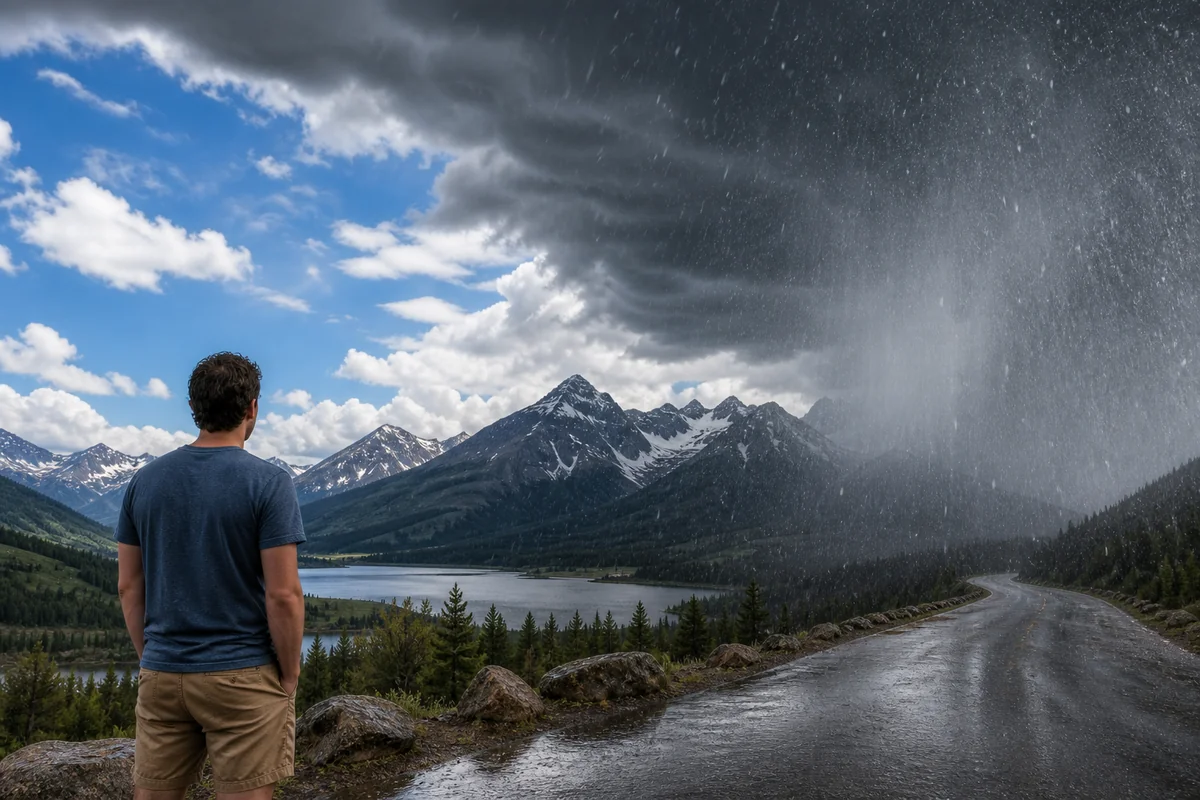
I was standing at the North Entrance of Yellowstone last June, wearing shorts and a t-shirt, when a sudden hailstorm dropped the temperature 30 degrees in fifteen minutes. Welcome to Montana—where checking the forecast is essential, but trusting it completely is foolish.
After five years of living and traveling across Big Sky Country, I’ve learned that Montana’s weather isn’t just unpredictable; it’s genuinely extreme in ways that catch first-time visitors completely off guard. This guide shares everything I wish someone had told me before my first trip.
- Montana has two distinct climate zones—mountain west and prairie east—each with dramatically different weather patterns
- Summer highs reach 90°F+ but temperatures can drop 40 degrees overnight, especially at elevation
- Winter brings extreme cold (-20°F to -40°F is common) with heavy snowfall in mountainous regions
- The best weather window for most visitors is late June through early September
- Pack layers regardless of season—I’ve worn four different outfits in a single day here
- Shoulder seasons (May and October) offer fewer crowds but require flexibility and backup plans
Liked this article?
Add Roaming Montana as a preferred source so you see more of our articles and guides on Google.
Understanding Montana’s Two Climate Personalities
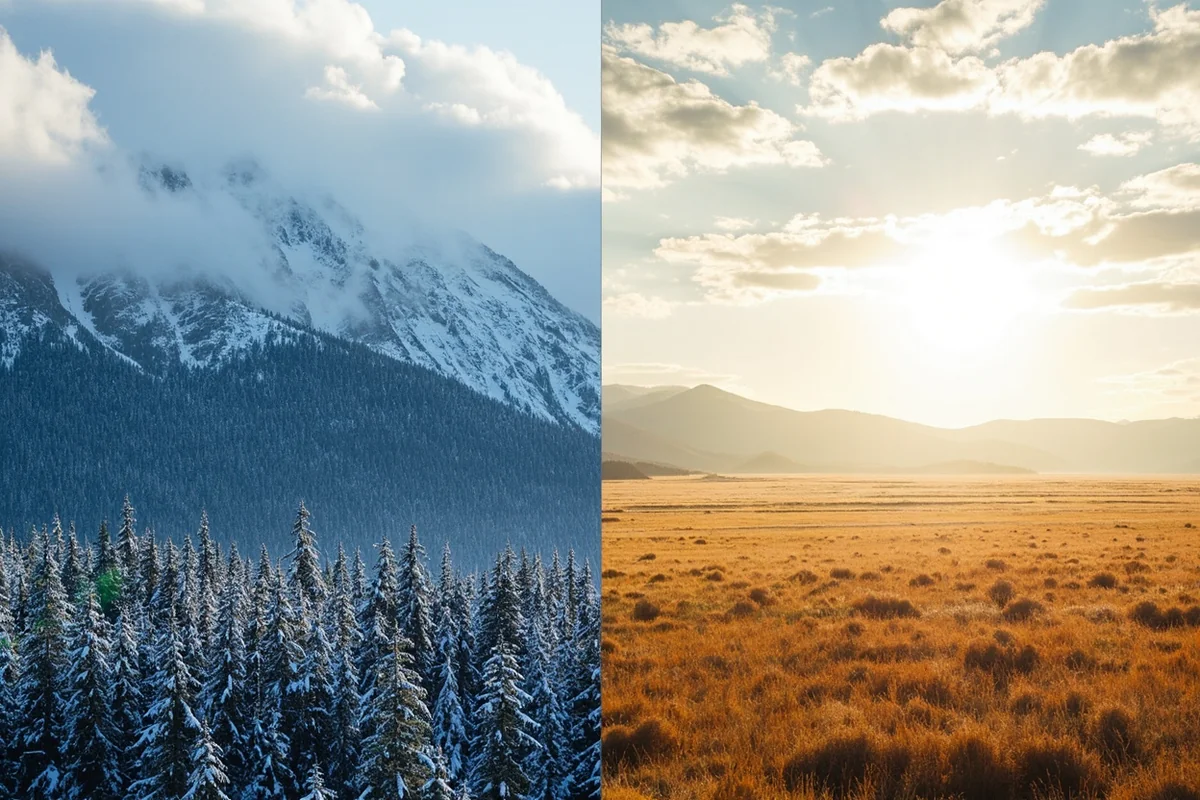
Here’s something that took me embarrassingly long to figure out: Montana is essentially two completely different states when it comes to weather. The Continental Divide doesn’t just split geography—it creates two distinct climate zones that behave almost nothing alike.
Western Montana: The Mountain Climate
Western Montana, where I spend most of my time around Missoula and Kalispell, receives significant Pacific moisture influence. The mountains wring precipitation from incoming systems, creating heavier snowfall and more moderate temperatures than you’d expect this far north.
During my winters in Missoula, I rarely experienced the brutal cold snaps that hammer the eastern plains. Temperatures hover in the 20s and 30s most days, though January can certainly dip into single digits.
The tradeoff? Western Montana is cloudier. Last November, I counted seventeen consecutive overcast days in the Flathead Valley. If sunshine matters to your trip, keep this in mind.
Eastern Montana: The Prairie Climate
Eastern Montana is a completely different animal. The first time I drove from Billings to Miles City in February, I encountered a temperature of -22°F with a wind chill approaching -45°F. Nothing between you and Canada breaks the wind out there.
This region experiences true continental climate—scorching summers that regularly exceed 100°F and winters that’ll make you question your life choices. I’ve interviewed ranchers near Glasgow who’ve recorded temperatures of -50°F during Montana’s record-breaking winter events.
But here’s what I appreciate about eastern Montana: the weather is more predictable in some ways. Clear skies dominate, and when a system moves through, it does so quickly. The west can stay socked in for weeks.
Montana Weather by Season: My Real-World Experience
Let me walk you through each season based on what I’ve actually experienced, not what some generic weather chart will tell you.
Spring (March through May): Beautiful Chaos
Spring in Montana doesn’t really exist in the traditional sense. What you get instead is an unpredictable transition period that I’ve learned to approach with extreme flexibility.
March is essentially still winter. During a trip to Glacier last March, the park road to Logan Pass was buried under 15 feet of snow. Many mountain passes remain closed, and conditions can be genuinely dangerous.
April brings the first real thaw, but here’s what catches visitors off guard: mud season is real. Backcountry roads become impassable, rivers run dangerously high with snowmelt, and flooding can close highways. Winter and spring flooding events have disrupted several of my trips over the years.
May is when things get interesting. I’ve experienced 80°F days and late-season blizzards within the same week. On a recent trip to Red Lodge, I golfed on Saturday and helped push cars out of snowdrifts on Monday.
| Month | Western Montana Avg High/Low | Eastern Montana Avg High/Low | What to Expect |
|---|---|---|---|
| March | 45°F / 25°F | 43°F / 21°F | Winter conditions, road closures common |
| April | 54°F / 32°F | 56°F / 31°F | Mud season, river flooding, unpredictable storms |
| May | 64°F / 39°F | 67°F / 42°F | Wildly variable—could be summer or winter |
Summer (June through August): The Prime Season
Summer is when Montana earns its reputation as one of America’s most spectacular destinations. It’s also when I’ve learned that “summer” doesn’t mean what it means elsewhere.
June remains unpredictable until mid-month. The Going-to-the-Sun Road in Glacier typically opens in late June or early July—I’ve seen it delayed until mid-July after heavy snow years. Water is still frigid, wildflowers are just starting, and some high-elevation trails remain snowbound.
My honest recommendation: if your Montana trip depends on specific activities, aim for July or early August. During my summer adventures across Montana, I’ve found mid-July to be the sweet spot—warm enough for comfortable camping, trails fully open, and rivers at swimmable temperatures.
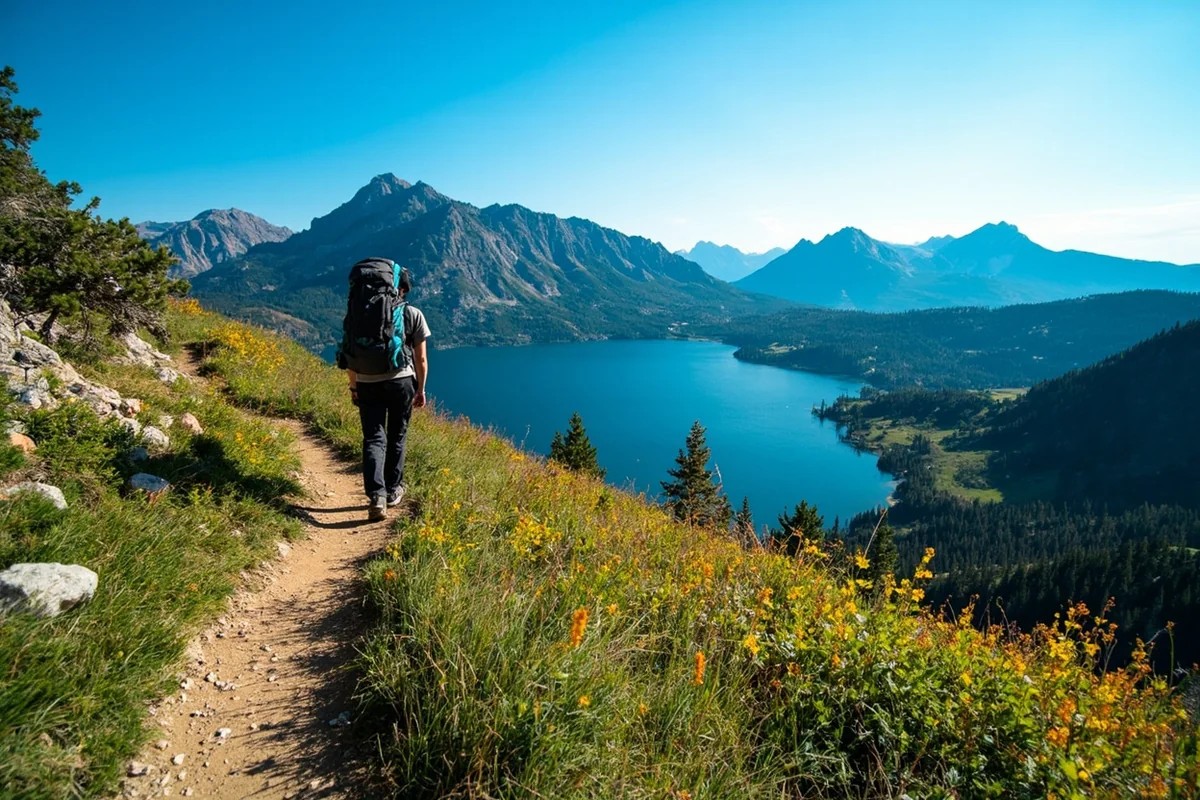
Daytime temperatures across Montana typically reach the 80s, with eastern Montana and lower elevations pushing into the 90s regularly. Last August, I recorded 97°F in Billings while Missoula sat at a pleasant 82°F on the same day.
Here’s the crucial detail many visitors miss: summer nights are cold. When I first camped in Yellowstone during July, I brought a 40-degree sleeping bag thinking I’d be fine. I barely slept as temperatures dropped to 35°F. At elevation, frost is possible any month of the year.
Afternoon thunderstorms are common, especially in mountain areas. These aren’t gentle rain showers—they’re dramatic displays of lightning, hail, and intense downpours that typically last 30-60 minutes before clearing. I always plan my mountain hikes to summit by early afternoon.
| Month | Western Montana Avg High/Low | Eastern Montana Avg High/Low | What to Expect |
|---|---|---|---|
| June | 72°F / 45°F | 76°F / 50°F | Variable early month, stabilizes mid-June |
| July | 82°F / 50°F | 87°F / 56°F | Best weather, afternoon storms possible |
| August | 81°F / 49°F | 86°F / 55°F | Wildfire smoke possible, still great overall |
Fall (September through November): The Underrated Season
Fall might be my favorite time in Montana, though it comes with significant caveats. September, specifically, offers what I consider the best combination of good weather, fewer crowds, and stunning scenery.
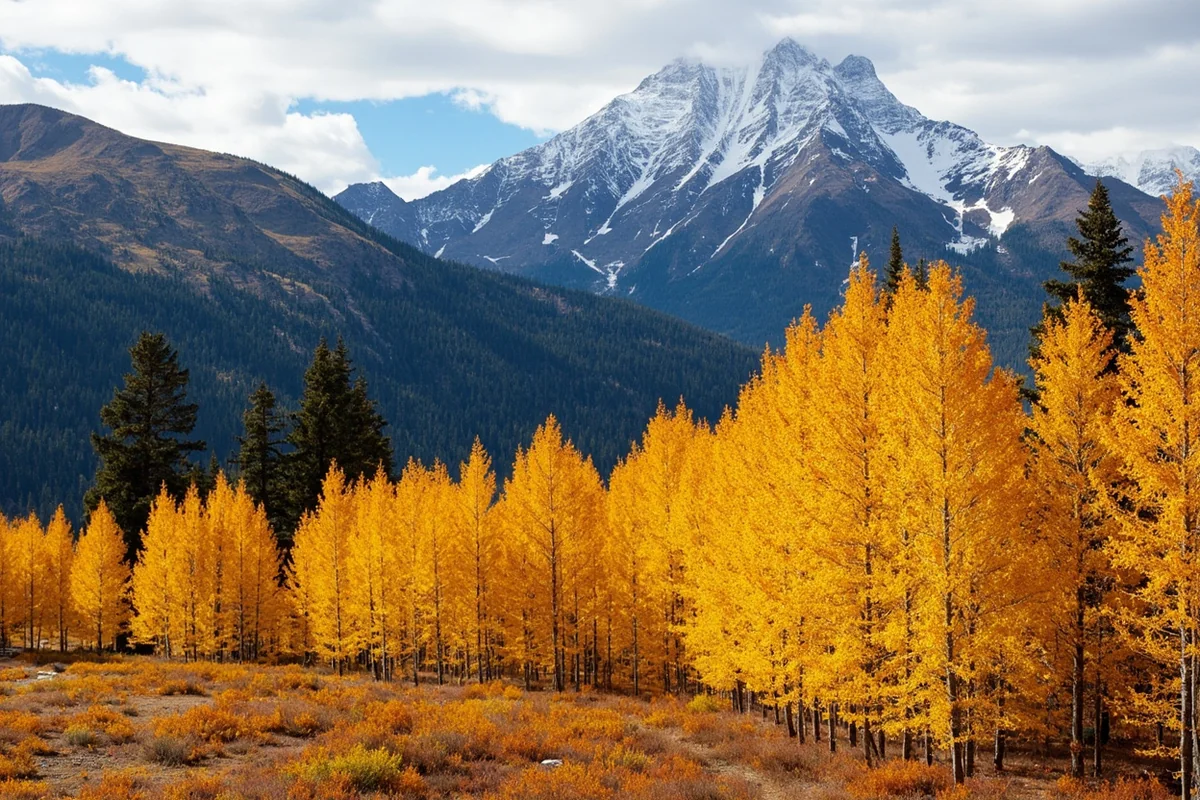
During a September road trip last year, I had entire trails to myself in Glacier, watched elk bugling in Yellowstone at dawn, and experienced perfect 70-degree days with golden larch forests as my backdrop. It was magical.
But here’s the reality check: the weather window closes fast. By late September, the first mountain snowstorms typically arrive. I’ve been caught in whiteout conditions on Beartooth Pass in late September—it went from 50°F and clear to 20°F with six inches of snow in four hours.
October is genuinely risky for mountain travel. Many seasonal roads and services close. On a recent trip, I found Yellowstone’s northeast entrance closed unexpectedly due to early snow, forcing a significant detour.
November is winter. Plan accordingly.
Winter (December through February): Not for the Unprepared
Montana winter demands respect. I’ve written extensively about Montana’s winter weather conditions because this is where visitors most often get into trouble.
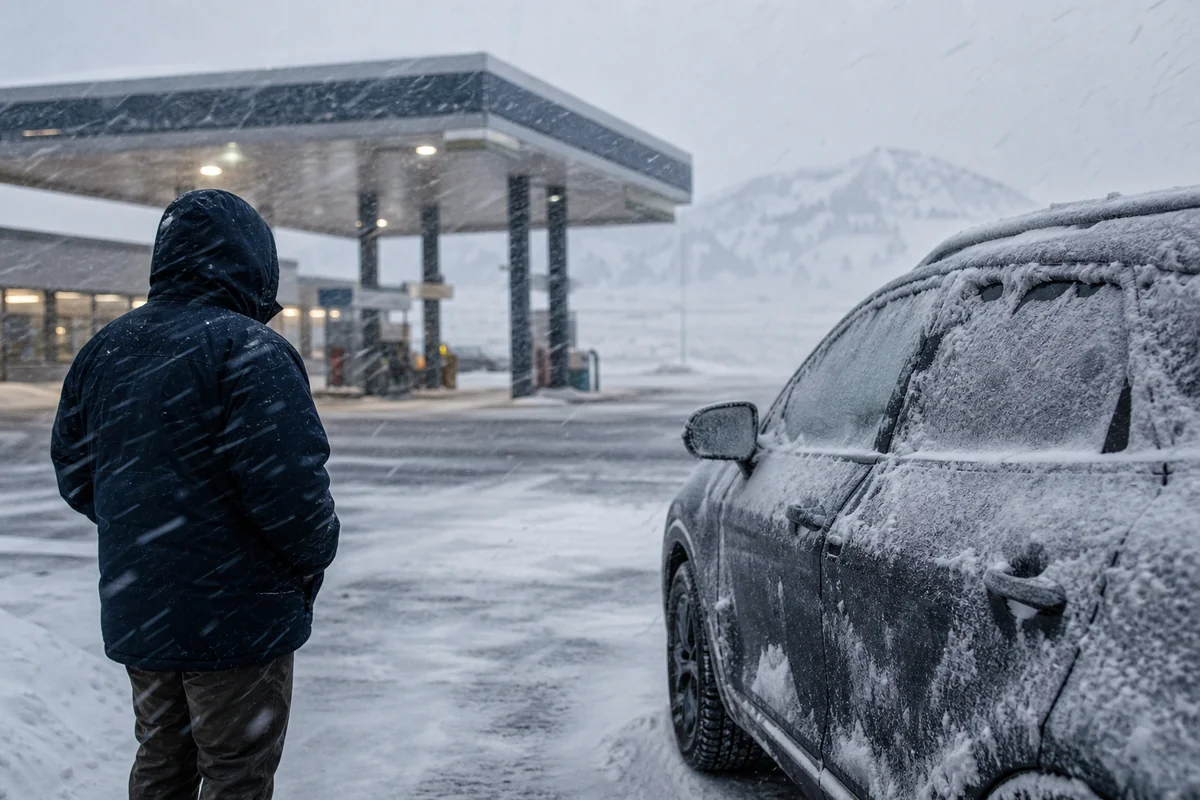
How cold does it actually get? Colder than most travelers can imagine. My coldest experience was -37°F in Butte—cold enough that my car wouldn’t start and exposed skin hurt within seconds. Eastern Montana regularly sees -40°F during cold snaps.
People often ask if Montana is the coldest state, and while Alaska technically holds that title, Montana’s extreme temperature swings and wind chill factors make it feel brutal. The question of why Montana gets so cold comes down to geography—nothing blocks Arctic air masses from pouring straight down from Canada.
Montana’s snowfall varies dramatically by location. Mountain resorts like Whitefish and Big Sky receive 300+ inches annually, while Billings might see 60 inches total. I’ve experienced powder days that rival anywhere in North America and also days of bitter cold with barely any snow on the ground.
| Month | Western Montana Avg High/Low | Eastern Montana Avg High/Low | What to Expect |
|---|---|---|---|
| December | 32°F / 18°F | 30°F / 12°F | Full winter, roads can close with little notice |
| January | 31°F / 16°F | 27°F / 5°F | Coldest month, extreme cold snaps common |
| February | 36°F / 19°F | 34°F / 12°F | Still full winter, occasional Chinook warm spells |
Montana’s Weather Phenomena You Should Know About
Beyond standard seasons, Montana has several weather patterns I’ve learned to watch for—some helpful, some dangerous.
Chinook Winds: Temperature Whiplash
The first time I experienced a Chinook wind, I thought my thermometer was broken. In Great Falls, temperatures jumped from 0°F to 50°F in about six hours as warm, dry air cascaded down from the mountains.
These winter warming events can raise temperatures 40-50 degrees almost overnight. For travelers, this is mostly positive—icy roads clear, outdoor activities become pleasant—but the rapid melt can cause flash flooding and then refreeze into dangerous ice.
Wind: The Underestimated Factor
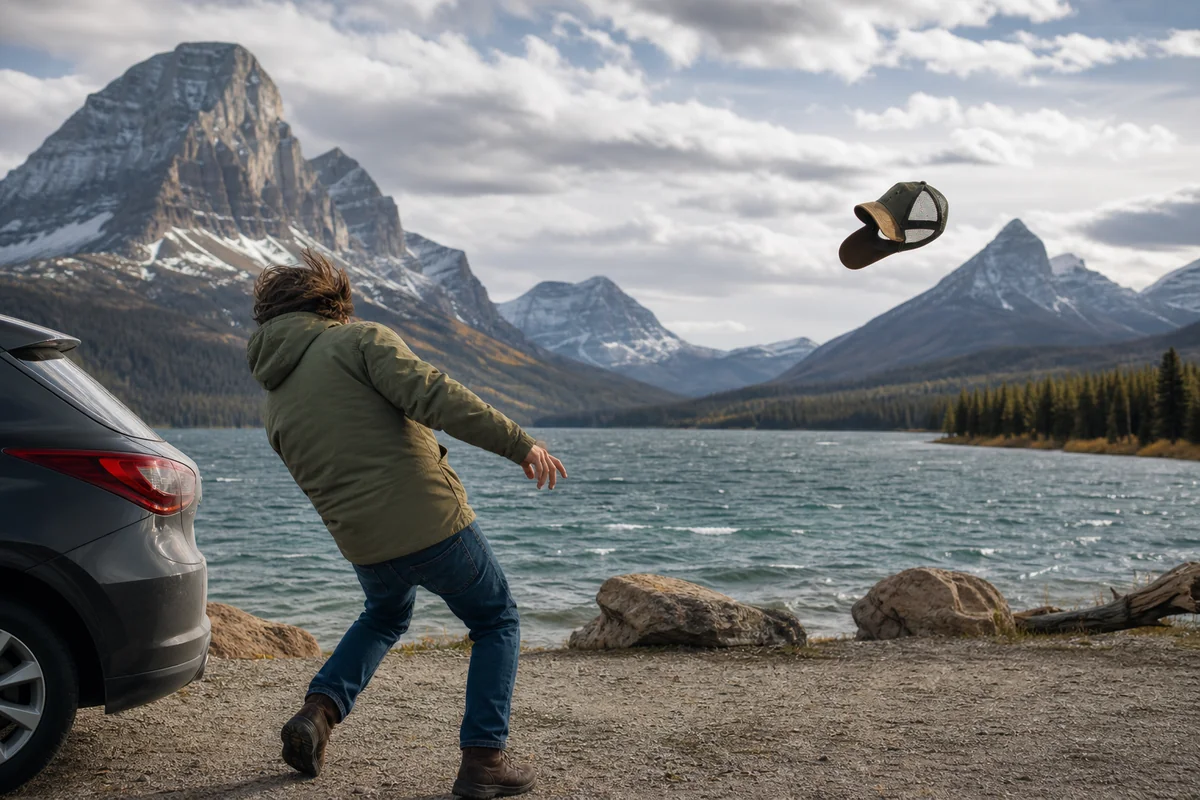
I didn’t fully appreciate how windy Montana really is until I tried to set up a tent near Browning. The wind literally bent my poles and eventually shredded my rain fly.
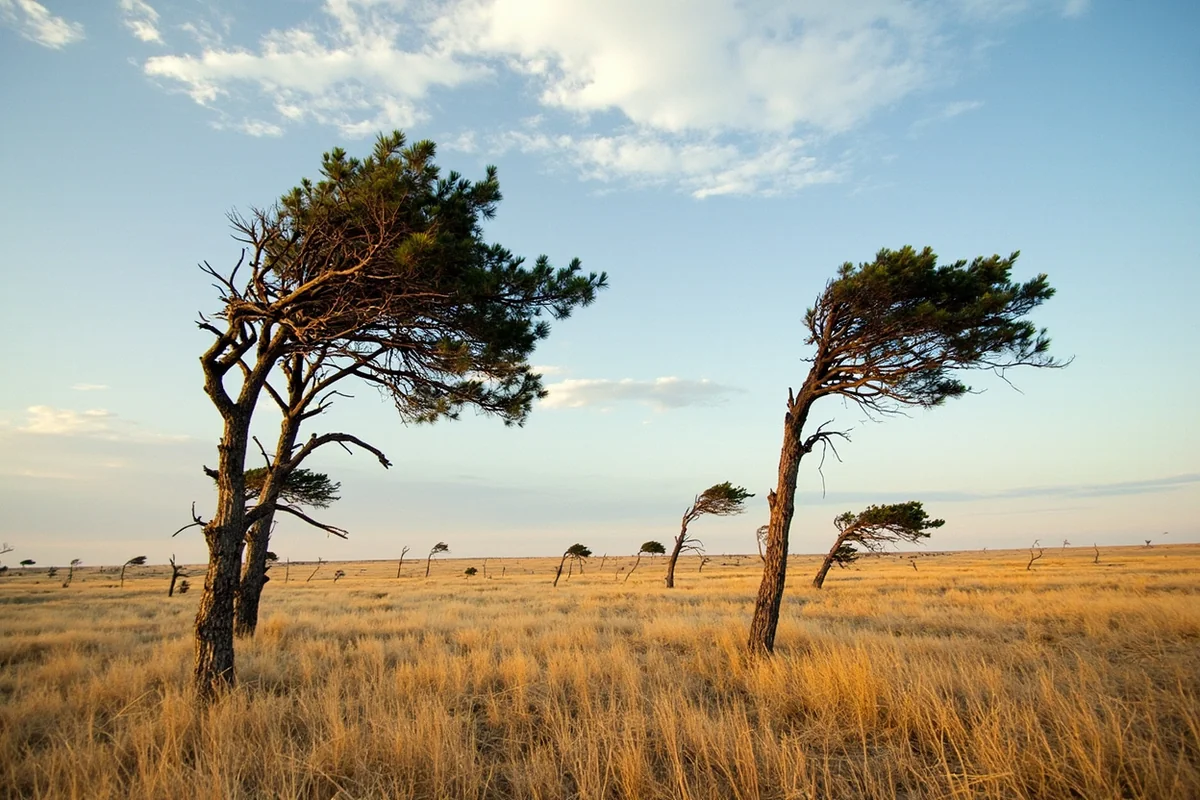
Eastern Montana and areas near the mountains experience fierce winds, particularly in spring. Gusts exceeding 70 mph aren’t unusual. I’ve seen semis blown off I-90, and high-profile vehicle restrictions are common.
Wildfire Smoke: The Summer Wildcard
This is increasingly important for trip planning. During late July and August, wildfire smoke can significantly impact air quality and visibility throughout Montana.
Last August, smoke from regional fires was so thick in Missoula that I couldn’t see the mountains that are usually right there. Air quality reached “unhealthy” levels, and anyone with respiratory sensitivities struggled.
Some summers are perfectly clear; others are hazy for weeks. I recommend monitoring air quality forecasts if you’re traveling in late summer and having indoor backup activities planned.
Severe Weather: What’s Actually a Risk?
Visitors often worry about dramatic weather events, so let me provide some context based on actual risk.
Tornadoes do occur in Montana, primarily on the eastern plains during late spring and summer. They’re less common and typically less intense than Great Plains tornadoes, but the risk isn’t zero. I’ve taken shelter once during a tornado warning near Havre.
Hurricanes are not a concern—we’re about as far from hurricane territory as possible in the continental US.
Earthquakes do happen in Montana—more than most visitors expect. The Yellowstone region is seismically active, and I’ve felt several small tremors over the years. They’re rarely dangerous but can be startling.
Practical Packing Guidance for Montana Weather
Over dozens of trips and years of living here, I’ve refined my packing approach. Here’s what actually works.
The Essential Layer System
Regardless of season, I never travel in Montana without a complete layering system:
- Base layer: Moisture-wicking material, not cotton (cotton kills is a real saying here)
- Middle layer: Fleece or down for insulation
- Outer layer: Waterproof and windproof shell
Even in July, I carry all three layers in my daypack. I’ve used every one of them on “summer” days that turned cold and wet.
Summer Packing Essentials
- Sunscreen and sunglasses—high elevation means intense UV
- Wide-brimmed hat for sun protection
- Light rain jacket (afternoon storms are guaranteed at some point)
- Warm sleeping bag rated to at least 30°F for camping
- Bug spray—mosquitoes near water can be vicious in June and early July
- Multiple pairs of socks—wet feet ruin hikes quickly
Winter Packing Essentials
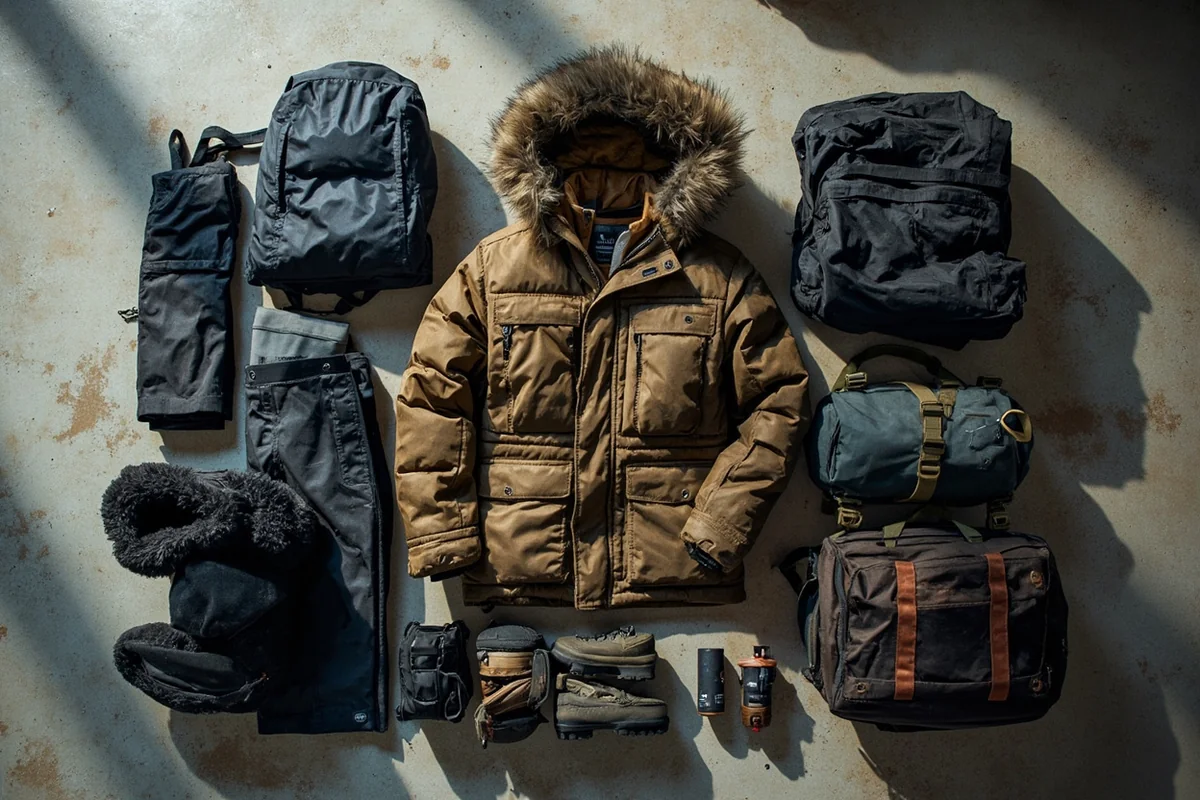
Winter travel requires serious gear. I’ve covered this extensively in my Montana winter clothing guide, but the essentials include:
- Insulated, waterproof boots—proper Montana winter boots are non-negotiable
- Multiple warm layers capable of handling -20°F or colder
- Face covering for wind and cold (balaclava or neck gaiter)
- Insulated, waterproof gloves plus a thinner liner pair
- Hand and toe warmers—I always carry extras
- Good quality thermal underwear
Driving in Montana’s Weather: Hard-Won Lessons
I’ve driven tens of thousands of miles across Montana in all conditions, and weather-related driving challenges are real. My Montana winter driving guide covers the cold-weather specifics, but here’s the broader picture.
Winter Driving Reality
All-wheel drive or four-wheel drive is highly recommended for winter travel, but tires matter more than drivetrain. I run dedicated winter tires from November through April and carry chains as backup.
Here are conditions I’ve personally encountered:
- Black ice that looked like wet pavement until I started sliding
- Ground blizzards that reduced visibility to zero on I-15 near Great Falls
- Drifting snow that buried a rural highway in 20 minutes
- Freezing rain that coated my windshield faster than defrost could clear it
Montana DOT’s road condition website (511mt.net) is my constant companion during winter travel. Road closures happen regularly, and checking conditions before departing is essential.
Summer Driving Considerations
Summer driving is far easier but not without challenges:
- Wildlife crossings peak at dawn and dusk—I’ve had close calls with deer, elk, and once a moose
- Sudden thunderstorms can create flash flooding on mountain roads
- Construction season often means significant delays
- Mountain pass conditions can deteriorate quickly even in summer
Elevation: The Factor Most Visitors Underestimate
Here’s something that took me time to fully appreciate: Montana’s elevation dramatically affects weather perception.
Many Montana communities sit above 4,000 feet, and popular destinations reach much higher. At these elevations, the sun feels more intense, temperatures drop faster at night, and storms can be more severe.
When I hike above 9,000 feet in the Beartooths, I regularly experience temperatures 20 degrees cooler than valley floor readings. I’ve seen snow in July above treeline and experienced lightning storms that seemed to come from everywhere at once.
If you’re not accustomed to elevation, factor this into your planning. What reads as 75°F in Bozeman (4,800 feet) feels much cooler than 75°F at sea level, especially in shade or wind.
Finding Warmer Weather in Montana
If cold is a concern but you still want to visit Montana, location matters. Montana’s warmest places tend to be in the lower valleys of the west and the southeastern region.
Billings, at lower elevation on the Yellowstone River, experiences milder winters than most Montana cities. The Bitterroot Valley near Hamilton often records the state’s warmest temperatures and benefits from some weather protection.
That said, “warmer” is relative. Even Montana’s mildest winter days rarely feel warm by southern standards.
Humidity: What You Won’t Find Here
One thing visitors from the east coast and south consistently notice: Montana isn’t humid. The air is remarkably dry year-round.
This has practical implications I’ve learned to manage:
- Drink more water than you think you need—dehydration happens quickly
- Bring good lip balm and moisturizer
- Nosebleeds are common for visitors not used to dry air
- The dryness makes heat more bearable but can intensify sun exposure
Planning Your Trip Around Montana Weather
Based on everything I’ve experienced, here’s my honest guidance for trip timing:
If You Want Guaranteed Good Weather
Book for mid-July through late August. You’ll face peak crowds and prices, but weather odds are in your favor. Even then, pack layers and have indoor backup plans.
If You Want Balance
Early to mid-September offers excellent weather with significantly fewer visitors. Prepare for possible early snow and some seasonal closures beginning around mid-month.
Late June works well if you’re flexible—some services may not have opened, and road conditions can vary, but crowds haven’t fully arrived.
If You’re Coming for Winter Activities
January and February offer the most consistent snow for skiing and snowmobiling, but also the coldest temperatures. December is slightly milder with good snow conditions at higher elevations.
Be prepared for extreme cold and have backup plans for days when conditions are too harsh for outdoor activities.
Weather Resources I Actually Use
Here are the specific tools I rely on for Montana weather planning:
- National Weather Service (weather.gov): Most accurate forecasts, especially for severe weather
- Montana DOT Road Conditions (511mt.net): Essential for winter travel
- AirNow.gov: Real-time air quality for wildfire smoke monitoring
- Mountain Weather Forecasts: Mountain-forecast.com provides elevation-specific predictions
- Webcams: I check webcams at destinations before departing—worth a thousand forecasts
My Final Thoughts on Montana Weather
After all these years, Montana weather still surprises me regularly. That’s part of what makes this place feel wild and real in ways that more temperate destinations simply don’t.
My best advice: respect the weather without fearing it. Prepare thoroughly, build flexibility into your plans, and embrace the possibility that conditions might not be what you expected. Some of my most memorable Montana experiences happened when weather forced a change of plans—an unexpected snowy day that made a hot springs soak perfect, a summer storm that cleared to reveal an incredible rainbow over the Bob Marshall Wilderness.
Come prepared, stay adaptable, and Montana’s weather will be part of your adventure rather than an obstacle to it.
Frequently Asked Questions
What is the best time of year to visit Montana for good weather?
I recommend visiting Montana between late June and early September for the most reliable weather, with daytime temperatures ranging from 70-85°F in most areas. July and August offer the warmest conditions for hiking and outdoor activities, though you’ll encounter more crowds at Glacier and Yellowstone National Parks. If you prefer fewer tourists and don’t mind cooler temps, September brings stunning fall colors and daytime highs around 60-70°F.
How cold does Montana get in winter and can I still travel there?
Montana winters are serious, with temperatures regularly dropping to 0°F to -20°F in January and February, especially in mountain valleys and eastern plains. Winter travel is absolutely possible if you’re prepared for icy roads, potential whiteout conditions, and early darkness by 4:30 PM. I always recommend carrying emergency supplies, checking road conditions on the Montana DOT website, and considering destinations like Big Sky or Whitefish that cater specifically to winter visitors.
What should I pack for unpredictable Montana weather?
Pack layers regardless of season because Montana weather can shift 30-40 degrees in a single day, especially in mountain areas. I always bring a waterproof jacket, base layers, sturdy hiking boots, sunscreen, and sunglasses even in cooler months since the high elevation intensifies UV exposure. In summer, add a fleece or light down jacket for chilly evenings, and in spring or fall, prepare for anything from snow to 70°F sunshine.
Does Montana have a monsoon or rainy season I should avoid?
Montana doesn’t have a true monsoon, but late spring through early summer (May-June) brings the most rainfall, with afternoon thunderstorms common in mountain regions. These storms typically roll in between 2-5 PM, so I plan my hikes for early morning to avoid getting caught on exposed trails. Eastern Montana stays drier overall, while the western mountains near Glacier see more precipitation year-round.
How does Montana’s elevation affect weather and travel conditions?
Much of Montana sits between 3,000-7,000 feet elevation, which means thinner air, stronger sun exposure, and temperatures 10-20 degrees cooler than lower elevations. Mountain passes like Going-to-the-Sun Road in Glacier often remain snow-covered until late June or early July, affecting your itinerary if you’re planning a summer road trip. I recommend staying hydrated, taking it easy the first day to acclimate, and checking current pass conditions before driving scenic mountain routes.
What is wildfire smoke season in Montana and how does it impact travel?
Wildfire smoke season typically runs from mid-July through September, with August being the worst month for hazy skies and poor air quality in recent years. Smoke can obscure mountain views, trigger respiratory issues, and occasionally close trails or campgrounds, so I always check AirNow.gov before finalizing summer travel plans. Having flexible dates or backup destinations in eastern Montana, which often stays clearer, can save your trip if smoke rolls in.
Are Montana roads safe to drive in winter weather conditions?
Winter driving in Montana requires caution but is manageable with proper preparation and a reliable vehicle, ideally with all-wheel drive or snow tires. Interstate 90 and major highways are generally well-maintained, though secondary roads and mountain passes like Beartooth Highway close entirely from October through May. I check the 511mt.net road conditions website daily during winter trips and always carry chains, a shovel, blankets, and extra food when driving between towns that can be 60-100 miles apart.
Sources