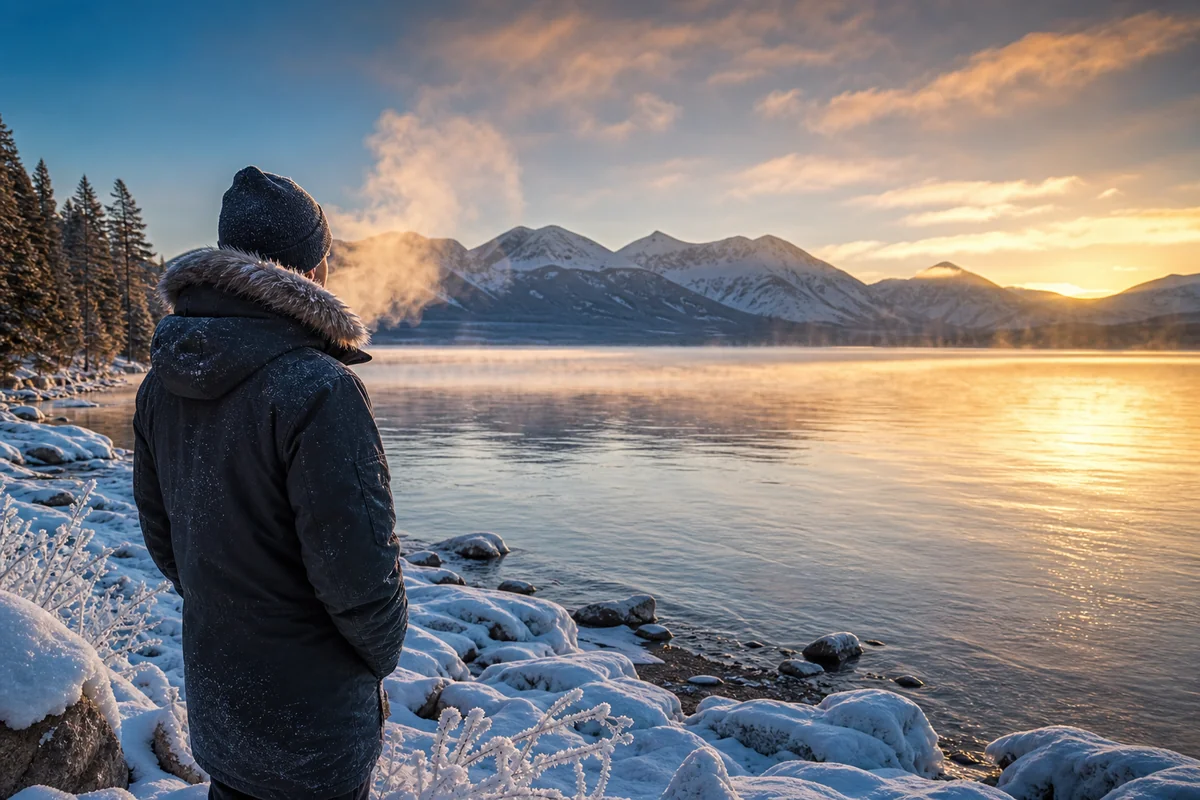
I’ll never forget standing at the Gardiner entrance to Yellowstone during a January morning when my truck’s thermometer read -31°F—and the ranger casually mentioned it was “warming up from earlier.”
That bone-chilling moment made me question everything I thought I knew about cold, and it sparked a years-long obsession with understanding Montana’s relationship with extreme temperatures.
If you’re researching Montana’s climate as part of your trip planning, our comprehensive Montana Weather Guide breaks down everything you need to know about what to expect throughout the year.
- Montana is NOT the coldest state overall—Alaska holds that title by a significant margin
- Montana ranks approximately 3rd-5th coldest among the lower 48 states depending on measurement criteria
- The coldest temperature ever recorded in the lower 48 (-70°F) happened in Rogers Pass, Montana
- Winter temperatures regularly drop to -20°F to -40°F in northern and mountain regions
- Montana’s cold is “dry cold”—which many find more tolerable than humid cold in other states
- Summer temperatures can reach 100°F+, making Montana’s temperature range among the most extreme in the nation
- Proper preparation makes winter travel absolutely doable and incredibly rewarding
Liked this article?
Add Roaming Montana as a preferred source so you see more of our articles and guides on Google.
The Short Answer: Montana Isn’t the Coldest, But It’s Close
Let me settle this right away: Montana is not America’s coldest state. That distinction belongs to Alaska, which isn’t even close to a fair competition.
Alaska’s average annual temperature hovers around 26.6°F, while Montana’s sits closer to 42°F. When you factor in Alaska’s Arctic regions, the comparison becomes almost laughable.
But here’s where it gets interesting for travelers: among the contiguous 48 states, Montana consistently ranks as one of the coldest. Depending on which data set you examine and how you define “cold,” Montana typically falls between 3rd and 5th place.
States That Often Rank Colder Than Montana
North Dakota frequently claims the “coldest lower 48” title, with its flat terrain allowing Arctic air to sweep down unimpeded from Canada. Minnesota runs a close second, with its northern latitude and proximity to the Canadian border creating consistently frigid conditions.
Wisconsin and Maine also compete for these dubious honors, though their rankings fluctuate year to year.
During my research travels across all these states, I’ve found that Montana’s cold feels distinctly different. The dry air here means that -10°F in Montana often feels more bearable than 20°F in Minnesota’s humidity.
The Record That Puts Montana on the Map
Now, here’s where Montana earns serious bragging rights—or perhaps sympathy.
On January 20, 1954, the temperature at Rogers Pass plunged to -70°F. This remains the coldest temperature ever recorded in the contiguous United States, and it’s a record that’s stood for seven decades.
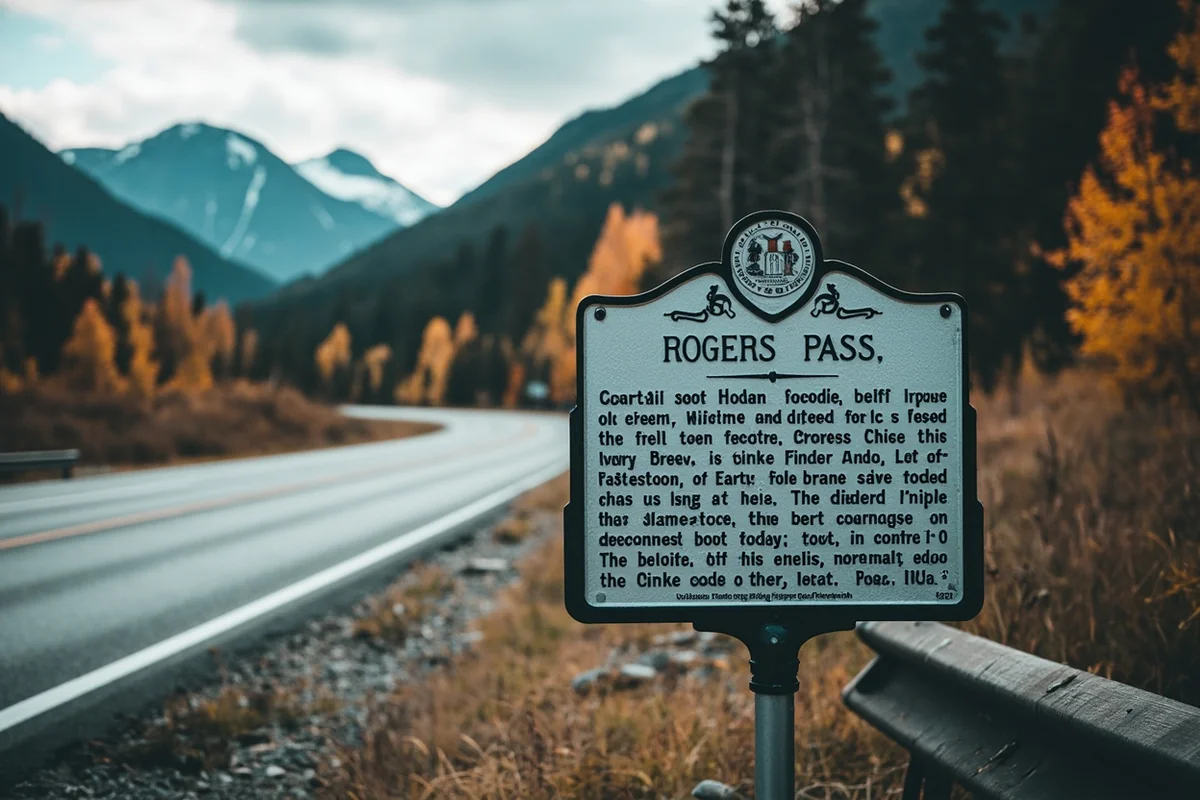
I drove through Rogers Pass last February specifically to experience this notorious stretch of Highway 200. Even on that “mild” day at -15°F, I understood immediately why this geographic corridor acts as a funnel for Arctic air masses.
The pass sits at about 5,600 feet elevation, creating the perfect conditions for temperature inversions. Cold air pools in the valleys while the surrounding mountains trap it in place. For a deeper dive into why Montana is so cold, I’ve written extensively about the geographic and atmospheric factors at play.
Other Notable Montana Cold Records
Rogers Pass isn’t Montana’s only claim to extreme cold fame. Here are some other jaw-dropping records I’ve compiled over the years:
Elk Park recorded -69°F on the same January 1954 cold wave. Lincoln dropped to -56°F. Even “warmer” locations like Helena have seen temperatures below -40°F.
What strikes me most about these records is how they occurred in places that aren’t particularly remote. Rogers Pass sits on a major highway. These weren’t measurements from some isolated mountain peak—they happened where regular people live and travel.
Understanding Montana’s Regional Temperature Variations
One mistake I see travelers make constantly is treating Montana as a single climate zone. This state is massive—fourth largest in the nation—and temperature variations across its geography are dramatic.
The Northern Plains: Montana’s Coldest Region
The Hi-Line region, stretching along Highway 2 from the North Dakota border to Glacier National Park, experiences Montana’s most consistent extreme cold. Towns like Glasgow, Malta, and Havre regularly see winter lows of -30°F to -40°F.
During a reporting trip to Glasgow two winters ago, I spent three days experiencing what locals call “normal January weather.” The highs never exceeded -5°F. My rental car’s engine block heater became my best friend.
This region’s flat terrain offers no protection from Arctic air masses that barrel down from Canada. There are no mountains to slow the wind, no valleys to trap slightly warmer air.
Western Montana: Mountains Create Microclimates
The mountainous western third of Montana tells a completely different story. Cities like Missoula and Kalispell sit in valleys that experience significant temperature inversions.
During inversions, cold air sinks and gets trapped below warmer air aloft. I’ve experienced mornings in Missoula where the valley floor sat at -15°F while the ski slopes above were a balmy 25°F.
These inversions can persist for days or even weeks, creating a strange phenomenon where going uphill means warming up. It’s counterintuitive but absolutely real—I’ve driven from downtown Missoula to Snowbowl ski area and gained 40 degrees in temperature.
Central Montana: The Temperature Roller Coaster
Central Montana, including Great Falls and the Rocky Mountain Front, experiences perhaps the state’s most volatile temperature patterns. This is Chinook territory.
Chinook winds are warm, dry winds that descend from the Rocky Mountains and can raise temperatures 40-50°F in a matter of hours. Great Falls once experienced a temperature rise from -32°F to 15°F in just seven hours.
I was in Great Falls during a Chinook event in 2021, and watching the thermometer climb from -10°F to 38°F between breakfast and lunch felt surreal. Snow that had seemed permanent began melting within hours.
Month-by-Month Cold Reality Check
For trip planning purposes, here’s what I’ve learned about when Montana actually feels cold versus when it’s reasonable for unprepared visitors.
| Month | Typical Temperature Range | What to Expect |
|---|---|---|
| January | -20°F to 30°F | Peak cold; extreme weather possible |
| February | -15°F to 35°F | Still severe; Chinooks more common |
| March | 10°F to 45°F | Highly variable; spring storms |
| April | 25°F to 55°F | Snow still possible; warming trend |
| November | 15°F to 40°F | Winter begins; first major cold snaps |
| December | 0°F to 30°F | Full winter conditions; prepare accordingly |
For detailed information about how cold it gets in Montana by specific region and season, I’ve compiled years of temperature data into a comprehensive resource.
Why Montana’s Cold Feels Different
Here’s something I wish someone had told me before my first Montana winter: the numbers on the thermometer don’t tell the whole story.
The Dry Cold Advantage
Montana’s humidity levels during winter typically hover between 30-50%, which is remarkably low compared to the Great Lakes region or the Northeast. This dry cold penetrates differently than humid cold.
I’ve stood outside at -20°F in Bozeman feeling more comfortable than I did at 15°F in Chicago. The moisture in humid air conducts heat away from your body more efficiently, making the same temperature feel drastically colder.
This doesn’t mean Montana’s cold isn’t dangerous—it absolutely is. But it does mean that proper layering works exceptionally well here. Unlike humid environments where moisture permeates everything, Montana’s dry cold can be effectively managed with the right gear.
Speaking of which, if you’re planning a winter visit, check out our Montana Winter Clothing Guide for specific recommendations on layering strategies that actually work.

Sunny Cold: Montana’s Secret Weapon
Montana ranks among the sunniest states in America, even during winter. Helena averages 188 sunny days per year, and many of those occur during the coldest months.
I’ve experienced countless January days where the temperature read -10°F, but the brilliant sunshine made being outside genuinely pleasant. The sun’s radiant heat, combined with the dry air, creates conditions that feel almost comfortable if you’re properly dressed.
This isn’t something you’ll experience in overcast cold regions like the Pacific Northwest or much of the Midwest. Montana’s cold comes with compensation.
Comparing Montana to Other “Cold” States
Since many travelers are trying to gauge how Montana stacks up against states they’ve already experienced, here’s my honest assessment based on spending time in all of these places.
Montana vs. Minnesota
Minnesota’s cold is wetter, cloudier, and more persistently gray. The Twin Cities area experiences frequent temperature swings due to weather systems rolling through.
Montana’s cold tends to be more stable—when it’s cold here, it stays cold, but the sun shines. I personally find Montana’s brand of cold more tolerable, but Minnesotans might disagree.
Average winter temperatures are actually quite similar, but Montana’s extreme lows tend to be colder while its extreme highs during warm spells are warmer. Montana wins on volatility.
Montana vs. North Dakota
North Dakota is colder on average, full stop. The flat terrain means nothing breaks the Arctic wind, and the windchill factor becomes a major issue.
I spent a week in Fargo during a January cold snap, and the wind made everything exponentially worse. Montana’s mountain valleys at least offer some wind protection, and how windy Montana really is depends heavily on where you are.
That said, Montana’s mountains create their own cold-trapping phenomena that North Dakota doesn’t experience. It’s a trade-off.
Montana vs. Wyoming
Wyoming and Montana share similar geography and climate patterns. The key difference is wind—Wyoming’s cold is almost always accompanied by significant wind.
Montana has windy areas (the Rocky Mountain Front near Great Falls comes to mind), but Wyoming’s wind is more universal and persistent. Equivalent temperatures feel colder in Wyoming due to windchill.
What This Means for Your Montana Trip
Now let’s get practical. You’re planning a trip, and you want to know: should Montana’s cold worry you?
Summer Visitors: You’re Fine
If you’re visiting between June and September, Montana’s reputation for cold is largely irrelevant to your experience. Summer temperatures regularly reach the 80s and 90s, with some areas hitting 100°F or higher.
In fact, I’d argue that understanding Montana summer weather is more important than worrying about cold for warm-season travelers. The bigger concerns are afternoon thunderstorms, wildfire smoke in late summer, and dramatic temperature drops at high elevations.
That said, even summer visitors to Glacier National Park should pack layers. I’ve experienced frost on Logan Pass in July. The high country plays by different rules.
Shoulder Season Visitors: Prepare for Anything
April-May and September-October trips require genuine flexibility. I’ve experienced 70°F days and blizzards in both of these shoulder seasons.
Pack as if winter could arrive at any moment, because in Montana, it can. I always travel with a winter emergency kit in my vehicle during these months, even if the forecast looks mild.
Winter Visitors: Embrace It
If you’re specifically seeking Montana’s winter—for skiing, snowmobiling, or experiencing the stark beauty of the frozen landscape—you’ll need proper preparation but shouldn’t be deterred.
The Montana winter weather patterns are manageable with the right gear and mindset. Some of my most memorable Montana experiences have occurred during the coldest months.
I strongly recommend reviewing our Montana Winter Boots Guide and Montana Winter Driving Guide before any cold-season visit. Proper footwear and vehicle preparation are non-negotiable.
Montana’s Cold Weather Records in Context
Beyond that famous -70°F at Rogers Pass, Montana has accumulated an impressive collection of cold weather records worth understanding.
The state has experienced record-breaking winters that tested even longtime residents. The winter of 1978-79 stands out in local memory as particularly brutal, with sustained cold that lasted months.
More recently, February 2019 brought an Arctic outbreak that pushed temperatures below -30°F across much of the state. Schools closed statewide—not for snow, but for cold. I was in Helena during that event, and watching locals continue their routines while national news covered the “unprecedented cold” was illuminating.
Montanans have a different relationship with extreme cold than most Americans. What constitutes an emergency elsewhere is often just an inconvenience here.
The Surprising Reality: Montana Also Gets Hot
Here’s something that might surprise you if you’re focused on Montana’s cold reputation: the state also reaches extreme heat.
Medicine Lake recorded 117°F in 1937, which remains Montana’s all-time high. Temperatures above 100°F aren’t uncommon in eastern Montana during summer.
This gives Montana one of the largest temperature ranges of any state—a swing of 187°F between its coldest and hottest recorded temperatures. That’s extraordinary volatility.
For travelers, this means the same location can be 40°F below zero in January and 105°F above zero in July. Planning a trip requires understanding which Montana you’ll be experiencing.
If you’re curious about escaping the cold during winter visits, our guide to Montana’s warmest places highlights areas with more moderate temperatures.
Weather Phenomena Beyond Cold
While we’re discussing Montana’s climate extremes, it’s worth addressing other weather questions travelers commonly ask.
Montana does experience significant snowfall—understanding how much it snows in Montana is essential for winter planning. The mountains can accumulate hundreds of inches annually, while the eastern plains see considerably less.
You might also wonder about other extreme weather. Interestingly, Montana doesn’t experience hurricanes—we’re simply too far from warm ocean water. However, tornadoes do occur in Montana, primarily on the eastern plains during spring and summer.
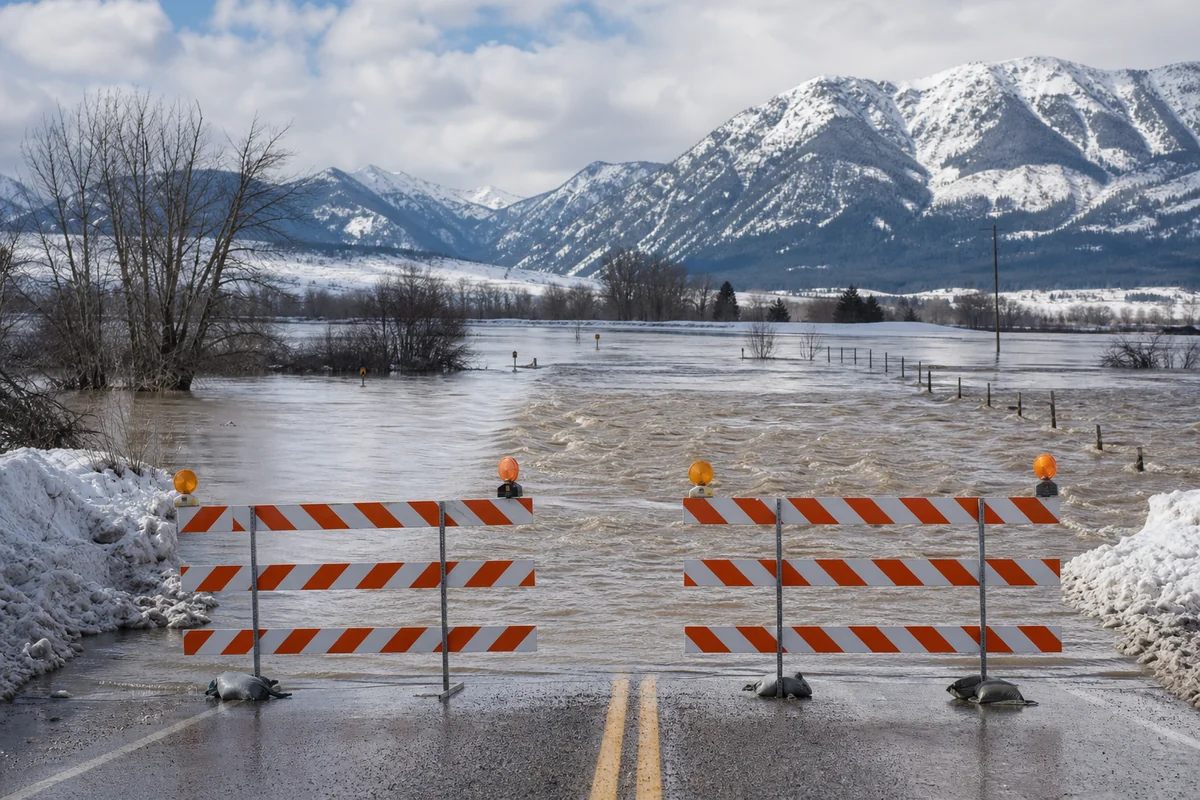
Earthquakes happen in Montana too, particularly near the Yellowstone region. And during winter and spring, flooding becomes a concern as snow melts rapidly during Chinook events.
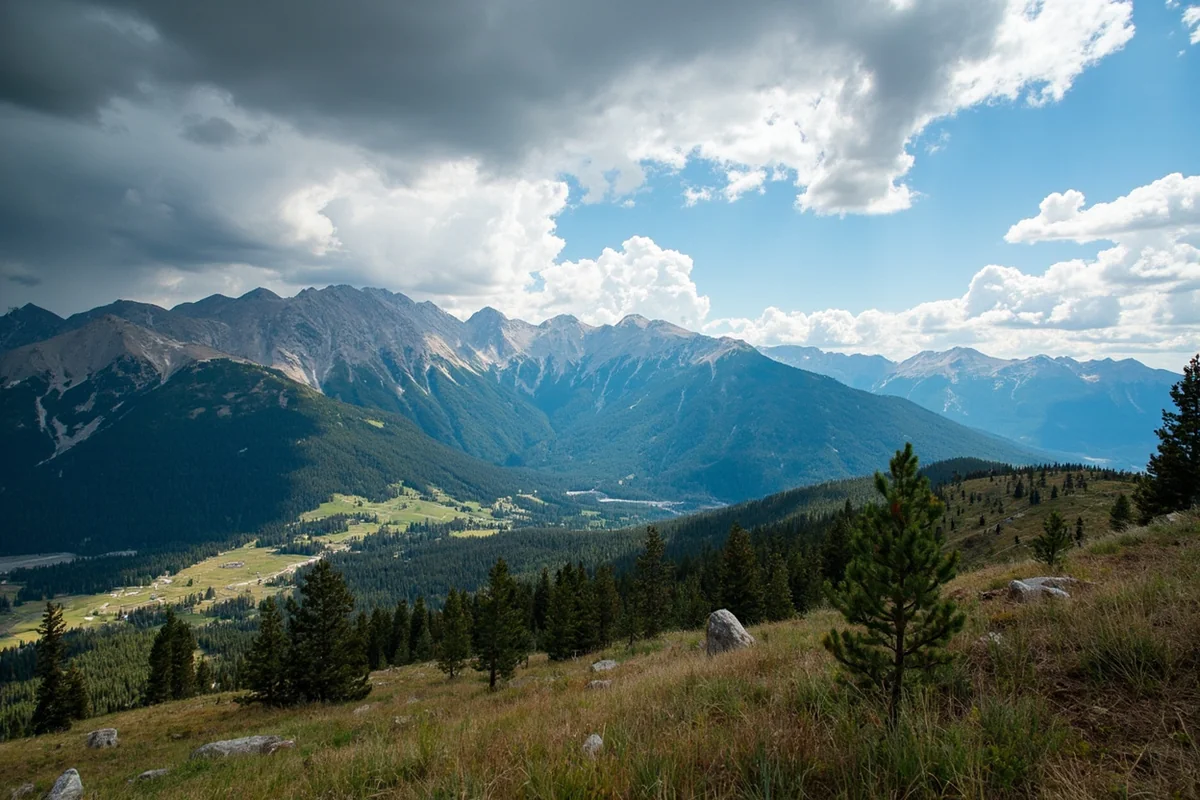
As for humidity, that’s one area where Montana excels for comfort—Montana is generally not humid, which affects how both cold and heat feel.
Practical Cold Weather Survival Tips
Based on years of traveling Montana in all seasons, here are my essential cold weather tips that go beyond the obvious.
Vehicle Preparation Is Non-Negotiable
Your vehicle becomes your survival shelter if something goes wrong on Montana’s rural highways. I carry emergency supplies even on short trips during winter: blankets, water, snacks, a phone charger, and a flashlight at minimum.
Many Montana towns have engine block heater outlets in parking lots for good reason. If you’re driving a rental car in extreme cold, ask about cold weather preparation.
Fuel up frequently. I never let my tank drop below half during winter—fuel line freezing is real, and gas stations can be 50+ miles apart in rural areas.
Layer Smarter, Not Just More
The key to Montana cold is moisture management. Cotton kills—this saying exists because cotton holds moisture against your skin, creating a rapid heat loss scenario.
Synthetic or wool base layers, insulating mid-layers, and a windproof outer shell work exponentially better than a single heavy coat. I’ve been comfortable at -25°F using this system, while I’ve seen tourists shivering at 20°F in their inadequate jackets.
Protect Your Extremities
Frostbite happens fastest on exposed skin and extremities. Quality insulated boots, warm gloves, and a hat that covers your ears are essential—not optional accessories.
I’ve witnessed frostbite begin in under 10 minutes at -30°F with wind. This isn’t something to treat casually.
Know the Signs of Hypothermia
Confusion, slurred speech, and loss of coordination signal dangerous core temperature drops. In Montana’s cold, this can happen faster than you expect, especially if clothing becomes wet.
I once helped a stranded motorist near Browning who was showing early hypothermia signs after only 45 minutes of exposure. The situation could have become life-threatening quickly without intervention.
Why Visit Montana Despite the Cold?
After all this discussion of extreme temperatures, you might wonder why anyone would choose Montana for winter travel. Here’s why I keep returning during the coldest months.
The Landscape Transforms
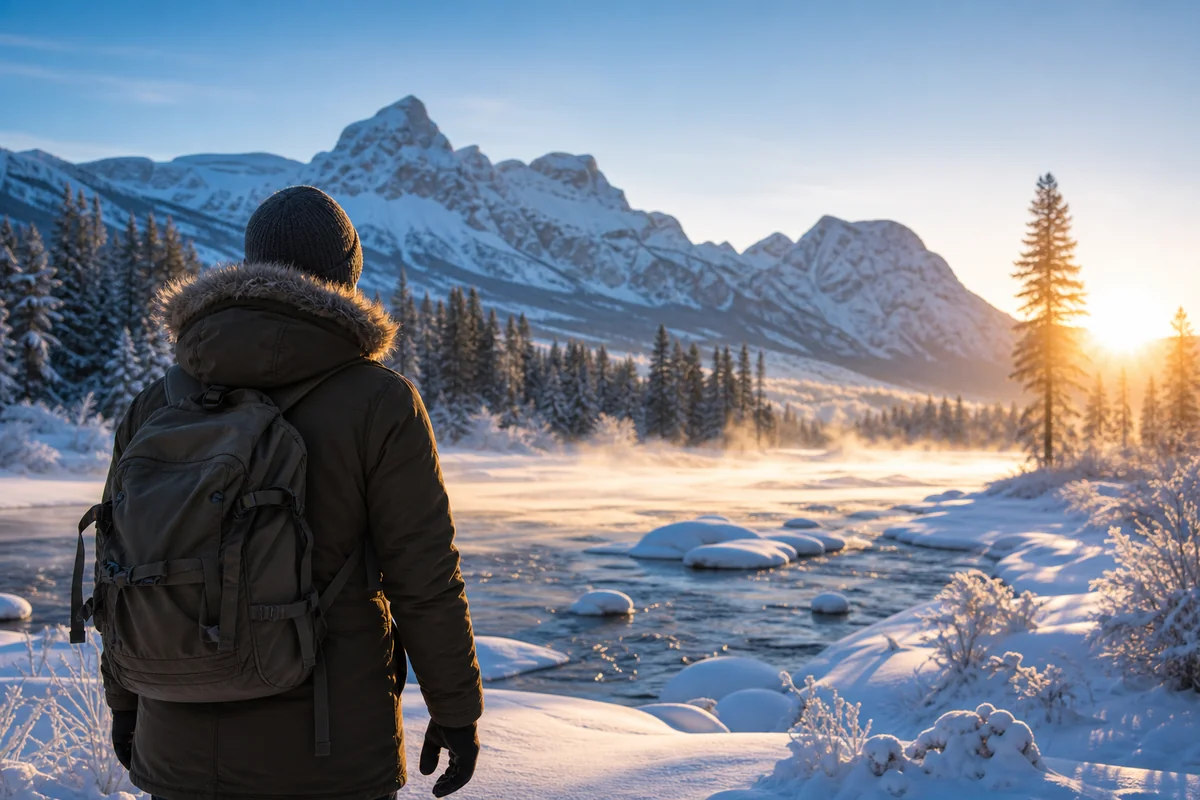
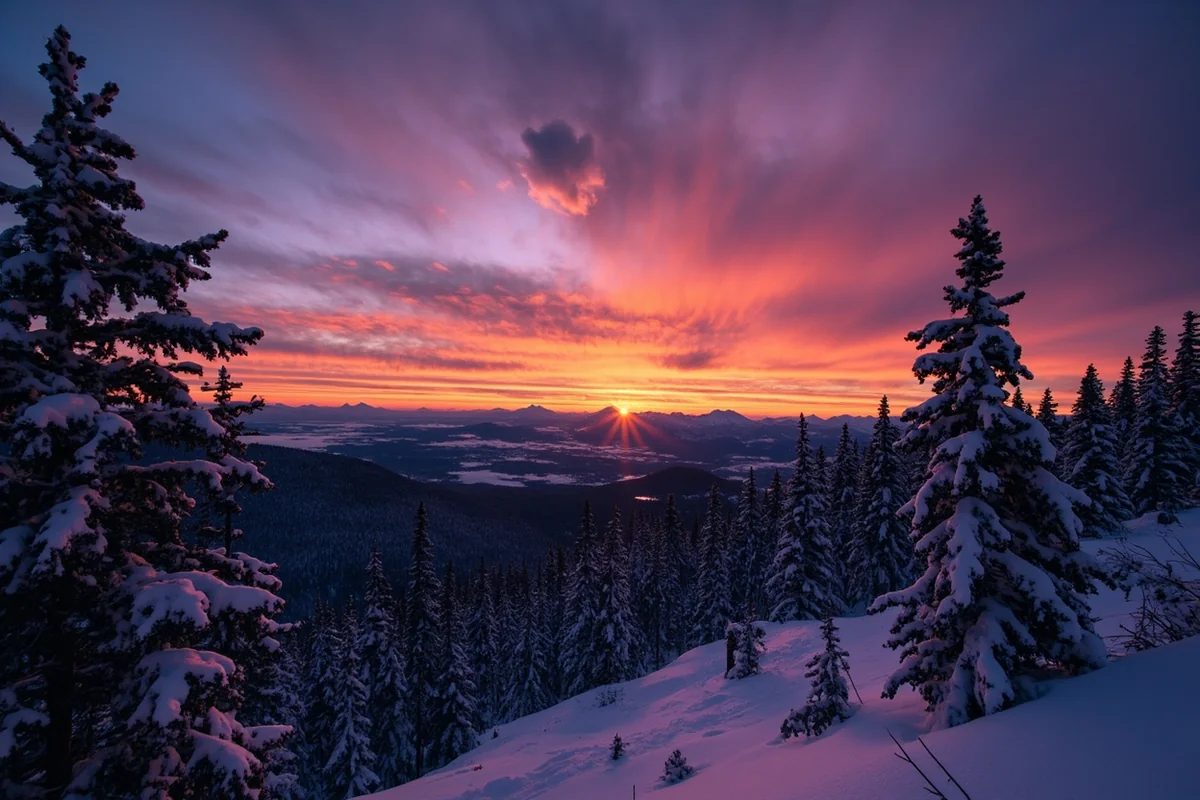
Montana’s winter beauty is staggering. Snow-covered peaks, frozen rivers, and wildlife struggling through deep powder create scenes you simply can’t experience in summer.
Yellowstone in winter, accessible via snowcoach, offers a completely different character than the crowded summer park. Geysers steam dramatically against frozen backdrops, and bison herds congregate around thermal areas in memorable concentrations.
The Crowds Disappear
Montana’s most popular destinations become peacefully empty in winter. Places that see thousands of daily visitors in summer become private experiences.
I’ve had entire viewpoints in Glacier National Park to myself on winter visits. The only footprints in the snow were mine and the wildlife’s.
The Activities Are Unique
World-class skiing at Big Sky, Whitefish, and smaller resorts. Snowmobiling across thousands of miles of groomed trails. Ice fishing on frozen lakes. Dog sledding through wilderness areas.
These experiences don’t exist in summer, and many of them require Montana’s cold to function properly.
Final Verdict: Should Cold Stop You?
Montana ranks among the coldest states in America but isn’t the coldest. More importantly for travelers, Montana’s cold is manageable, predictable in its patterns, and accompanied by rewards that make enduring it worthwhile.
I’ve traveled extensively across every cold state in America, and Montana remains my favorite for winter experiences. The combination of stunning landscape, sunny skies, dry air, and genuine frontier character creates something special.
Don’t let reputation alone drive your planning decisions. Respect Montana’s cold, prepare appropriately for it, and you’ll discover why many of us consider the frozen months our favorite time to explore Big Sky Country.
The cold doesn’t define Montana—how Montanans and visitors choose to experience it does. Come prepared, stay flexible, and embrace what one of America’s most extreme climates has to offer.
Frequently Asked Questions
Is Montana the coldest state in the US?
No, Montana isn’t the coldest state overall—Alaska holds that title with average temperatures around 28°F. However, Montana does experience extreme cold snaps and holds the record for the coldest temperature ever recorded in the lower 48 states at -70°F in Rogers Pass in 1954. During winter months, Montana regularly sees temperatures drop well below zero, especially in the northern and mountainous regions.
What is the best time to visit Montana to avoid extreme cold weather?
I recommend visiting Montana between June and September when daytime temperatures range from 60°F to 85°F and conditions are ideal for hiking, wildlife viewing, and exploring Glacier National Park. Late spring (May) can still bring snow at higher elevations, and early fall (October) offers beautiful foliage but cooler nights dropping into the 30s.
How cold does Montana get in winter and what should I pack?
Montana winters are no joke—temperatures frequently drop to -20°F or colder in areas like West Yellowstone and the Hi-Line region. Pack insulated waterproof boots, a heavy down jacket, thermal base layers, wool socks, and hand warmers. I always bring more layers than I think I’ll need because wind chill can make it feel 20-30 degrees colder.
Which Montana cities have the coldest winter temperatures for travelers?
West Yellowstone, Cut Bank, and Great Falls consistently rank among Montana’s coldest cities, with winter lows regularly hitting -30°F or below. If you’re planning a winter trip, Missoula and Bozeman tend to be slightly milder due to their valley locations, though you’ll still experience plenty of snow and sub-zero nights.
Can I visit Glacier National Park in winter or is it too cold?
You can visit Glacier National Park in winter, but access is extremely limited—Going-to-the-Sun Road closes from mid-October through June, and temperatures can plunge to -40°F with heavy snowfall. Winter visitors enjoy cross-country skiing and snowshoeing near Apgar Village, but I’d budget extra for proper cold-weather gear rentals, which run $30-$50 per day.
How does Montana’s cold weather compare to other northern states like Minnesota or North Dakota?
Montana’s cold is comparable to Minnesota and North Dakota, though it varies dramatically by region—eastern Montana near the Dakotas sees similar brutal winters, while western Montana’s valleys are moderated by Pacific weather patterns. The key difference is Montana’s mountain elevations, where wind chill and sudden temperature drops can catch travelers off guard even in shoulder seasons.
What are the costs of heating accommodations during a Montana winter trip?
Most Montana hotels and vacation rentals include heating in winter rates, which typically run $120-$250 per night in popular ski towns like Whitefish or Big Sky. If you’re renting a cabin with a wood stove, expect to pay $20-$40 extra for firewood delivery. I suggest booking accommodations with heated garages if you’re driving, as frozen engines are a real concern when temps drop below -10°F.
Sources