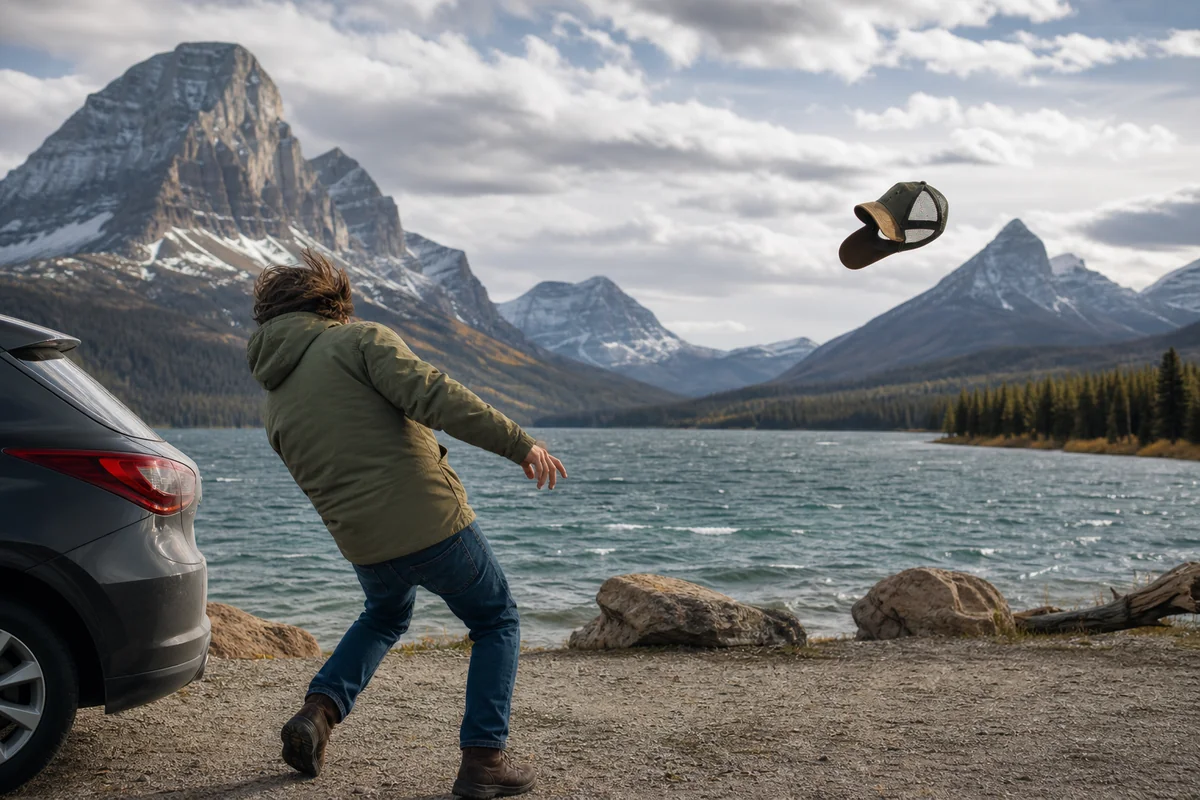
I was standing at the Two Medicine Lake trailhead in Glacier National Park last October when a gust hit me so hard I actually stumbled backward into my rental car.
My hat—a $40 Patagonia trucker cap I’d owned for three years—disappeared into the wilderness forever, sailing toward Canada like it had somewhere important to be.
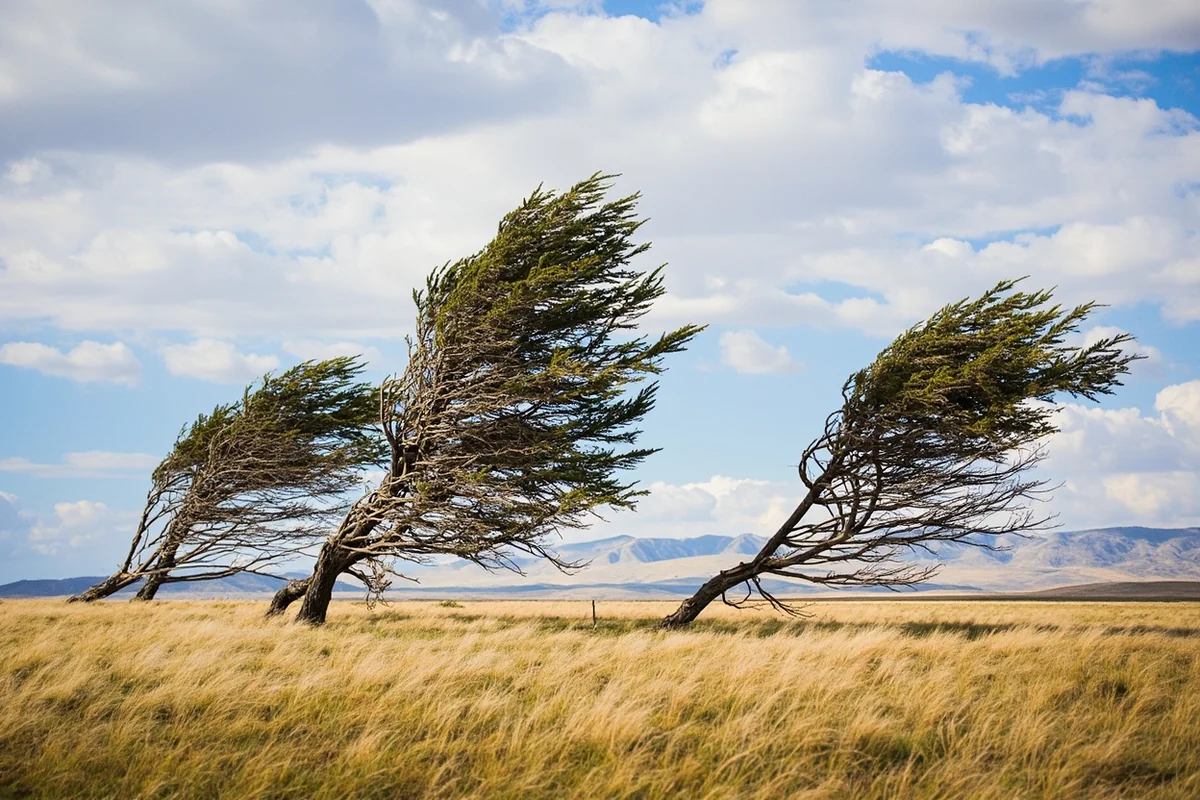
That moment taught me something every Montana visitor needs to understand: this state doesn’t just have wind, it has *wind events* that will humble you, rearrange your plans, and occasionally steal your belongings.
If you’re planning a trip to Big Sky Country, understanding the wind patterns here is just as important as checking for Montana’s unpredictable weather in general.
The wind shapes everything from which trails you can safely hike to whether your camping trip will be memorable for the right reasons.
- Montana averages 10-15 mph winds, but the Rocky Mountain Front regularly sees 60-100+ mph gusts
- The windiest months are March through May, with a secondary peak in November-December
- Eastern Montana prairies and mountain passes are the windiest regions; western valleys offer more shelter
- Morning hours (before 10 AM) are typically calmest for outdoor activities
- Great Falls holds the record for highest sustained wind speed in Montana at 72 mph
- Wind chill can make 30°F feel like -10°F, so layering is essential year-round
Liked this article?
Add Roaming Montana as a preferred source so you see more of our articles and guides on Google.
The Real Numbers: How Windy Montana Actually Gets
Let me give you the honest truth about Montana wind, based on both meteorological data and my own years of exploring this state. The average wind speed across Montana hovers between 10-15 mph—which sounds pretty manageable, right?
But here’s what those averages don’t tell you: Montana experiences some of the most dramatic wind events in the continental United States. The Rocky Mountain Front, that dramatic wall of peaks running from Glacier down to Helena, creates a natural wind tunnel that regularly produces hurricane-force gusts.
During my visit to Browning last spring, locals told me stories about semi-trucks getting blown off Highway 2. I thought they were exaggerating until I watched a tumbleweed the size of a Volkswagen roll past my motel window at 3 AM.
Wind Speed Averages by Major Montana Cities
| City | Average Wind Speed | Peak Gust Records | Windiest Months |
|---|---|---|---|
| Great Falls | 12.8 mph | 97 mph | March-April |
| Cut Bank | 14.2 mph | 112 mph | November-March |
| Livingston | 11.6 mph | 93 mph | March-May |
| Missoula | 6.2 mph | 68 mph | April-May |
| Billings | 10.8 mph | 85 mph | March-April |
| Helena | 8.4 mph | 78 mph | March-April |
| Bozeman | 7.8 mph | 74 mph | April-May |
Why Is Montana So Windy? The Science Behind the Gusts
Understanding *why* Montana gets so windy helped me plan better trips. It’s not random—there’s actual geography and meteorology at work here that creates predictable patterns you can use to your advantage.
The primary culprit is the Rocky Mountain Front. When weather systems from the Pacific Ocean hit the mountains, the air gets squeezed and accelerated through passes and canyons. It’s like putting your thumb over a garden hose—same amount of air, smaller space, faster movement.

The Chinook Wind Phenomenon
The Chinook winds are Montana’s most famous—and most dramatic—weather feature. These warm, dry winds descend from the mountains and can raise temperatures 40-50°F in just a few hours.
I experienced my first Chinook in January outside of Havre. The morning started at -10°F with fresh snow on the ground. By 2 PM, it was 45°F and muddy. The wind was steady at 35 mph with gusts to 50, and it felt like standing in front of a giant hair dryer.
While Chinooks sound pleasant (who doesn’t want a warm-up in January?), they’re actually challenging for travelers. The rapid temperature swings can cause ice to melt and refreeze, creating dangerous driving conditions. If you’re planning winter driving in Montana, understanding Chinook patterns is essential.
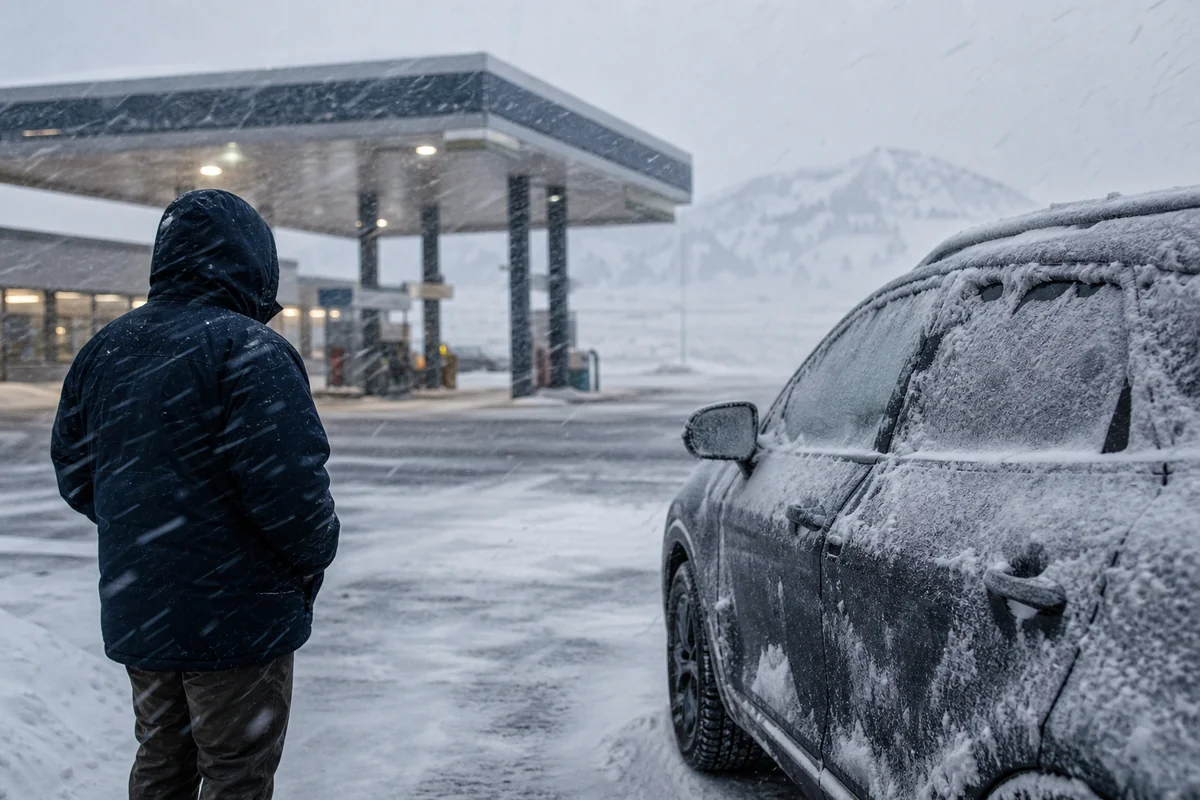
The wind chill factor during Montana winters is something that catches many visitors off guard. A 30°F day with 25 mph winds feels like 13°F on your exposed skin. When you read about how cold Montana gets, remember that wind often makes the actual experience significantly colder than the thermometer suggests.
The Continental Divide Effect
Montana straddles the Continental Divide, and this geographic feature creates two distinct wind patterns. West of the divide, in places like Missoula and the Flathead Valley, you get more moderate winds influenced by Pacific weather systems.
East of the divide, there’s nothing to stop the wind between the Arctic Circle and the Mexican border. The Great Plains act as a superhighway for wind, and Montana sits right in the path.
This is why Livingston—sitting at the mouth of the Paradise Valley where the Yellowstone River cuts through the Absaroka Range—is one of the windiest small towns in America. I spent a night there last summer and watched a fully loaded pickup truck’s doors swing open against the driver’s will every time someone tried to exit.
The Windiest Places in Montana (And How to Avoid Them)
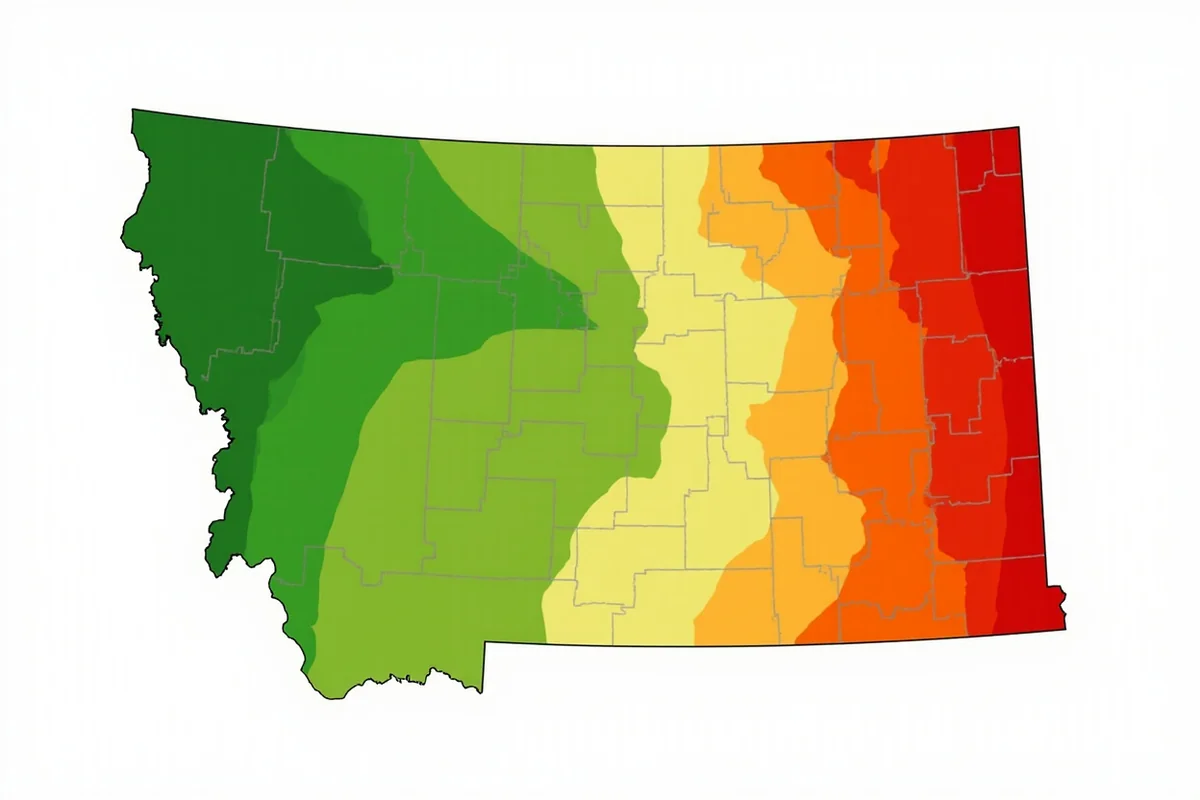
Not all of Montana is equally windy. After dozens of trips across the state, I’ve mapped out the windiest and calmest regions, which has been a game-changer for planning.
The Windiest Regions
The Rocky Mountain Front: The stretch from Browning to Augusta experiences the most consistent high winds. Cut Bank, in particular, regularly sees sustained winds of 30+ mph and has recorded gusts over 100 mph. I do not recommend tent camping in this region unless you’re experienced with extreme weather.
Livingston and Paradise Valley: The funnel effect created by the Absaroka and Gallatin ranges makes this area notoriously windy. Livingston averages over 70 days per year with winds exceeding 40 mph. Last fall, I watched a kayak blow off a roof rack in a grocery store parking lot.
The Hi-Line (Highway 2 corridor): The northern tier of Montana from Shelby to Glasgow is exposed prairie with nothing to break the wind. This region also experiences some of the coldest temperatures—if you’re wondering whether Montana is the coldest state, this corridor makes a compelling argument.
Mountain Passes: Rogers Pass, Marias Pass, and MacDonald Pass all experience accelerated winds due to the venturi effect. I’ve been turned around at Rogers Pass twice when winds made it impossible to safely open my car door.
The Calmest Regions
The Bitterroot Valley: Sheltered by the Bitterroot and Sapphire ranges, this valley around Hamilton and Darby is remarkably calm. During my last visit in August, the wind never exceeded a gentle breeze.
Flathead Valley: While not immune to wind, the Kalispell/Whitefish area benefits from protection by the Whitefish Range. The lake moderates temperatures and wind, making it pleasant most of the year.
Helena Valley: The state capital sits in a bowl surrounded by mountains, which blocks much of the prairie wind. Helena is noticeably calmer than Great Falls just 90 miles north.
Western Montana Valleys: Generally, the valleys west of the Continental Divide—Missoula, the Deer Lodge Valley, and the Big Hole—offer more shelter from extreme winds.
Seasonal Wind Patterns: When to Plan Your Trip
Timing your Montana trip around wind patterns can dramatically improve your experience. Here’s what I’ve learned from visiting during every season.
Spring (March-May): The Windiest Season
Spring is hands-down the windiest time in Montana. The jet stream dips south, and clashing air masses create powerful wind events almost weekly.
March is particularly brutal. During a trip to Great Falls last March, I experienced three consecutive days of 50+ mph gusts. Hiking was out of the question, and even walking downtown required leaning into the wind.
However, spring also brings incredible wildlife viewing opportunities. If you can tolerate the wind, this is the best time to see migrating birds at Freezout Lake and newborn animals in Yellowstone.
April conditions improve slightly, but wind remains a daily feature. May is transitional—early May can still be quite windy, but by late May, conditions typically stabilize.
While tornadoes in Montana are rare compared to the Great Plains states, spring is when they’re most likely. The same weather patterns that bring strong winds can occasionally spawn funnel clouds in eastern Montana.
Summer (June-August): Your Best Bet
Summer offers the calmest conditions overall. June through August, winds are typically light and manageable, especially in the mornings.
The pattern I’ve noticed is: calm mornings, building afternoon breezes, and occasionally gusty evenings around storms. This is completely workable for hiking, camping, and outdoor activities.
Last July in the Beartooth Mountains, I experienced day after day of nearly still conditions. It was glorious for photography and hiking, though the lack of breeze made the mosquitoes more aggressive.
Afternoon thunderstorms do bring localized strong winds. I always plan to be off exposed ridges by 2 PM during summer months. The Montana summer guide has more detailed information about planning around afternoon weather.
Fall (September-November): Increasingly Windy
September is often spectacular—the last gasp of summer calm with the bonus of fall colors and fewer crowds. I consider early September the sweet spot for Montana travel.
October brings increasing wind as winter approaches. The Chinook season begins, and you’ll start seeing more dramatic weather swings. It’s still manageable, but pack layers and be flexible with plans.
November is essentially winter in terms of wind patterns. The Rocky Mountain Front starts experiencing its peak wind events, and Montana winter weather takes hold across the state.
Winter (December-February): Wind Plus Cold Equals Brutal
Winter wind in Montana isn’t just uncomfortable—it’s dangerous. Wind chill can drop temperatures to -40°F or colder, causing frostbite in minutes on exposed skin.
If you’re visiting Montana in winter, the Montana winter clothing guide is essential reading. You need wind-blocking layers, not just insulation. The Montana winter boots guide also emphasizes wind protection for your feet.
That said, winter offers incredible beauty. When the wind drops and the sun comes out on fresh snow, Montana transforms into a magical landscape. I’ve had some of my best experiences during calm winter days.
Just know that Montana’s record-breaking winters have included some truly extreme wind events. Planning flexibility is even more important during this season.
Wind and Your Outdoor Activities: Practical Advice
Every outdoor activity in Montana requires wind consideration. Here’s what I’ve learned the hard way.
Hiking and Backpacking
Trail Selection: Avoid exposed ridgelines when wind is forecast. The Highline Trail in Glacier, one of Montana’s most popular hikes, can become genuinely dangerous in high winds. I’ve seen hikers crawling on hands and knees near the Grinnell Glacier Overlook during a sudden wind event.
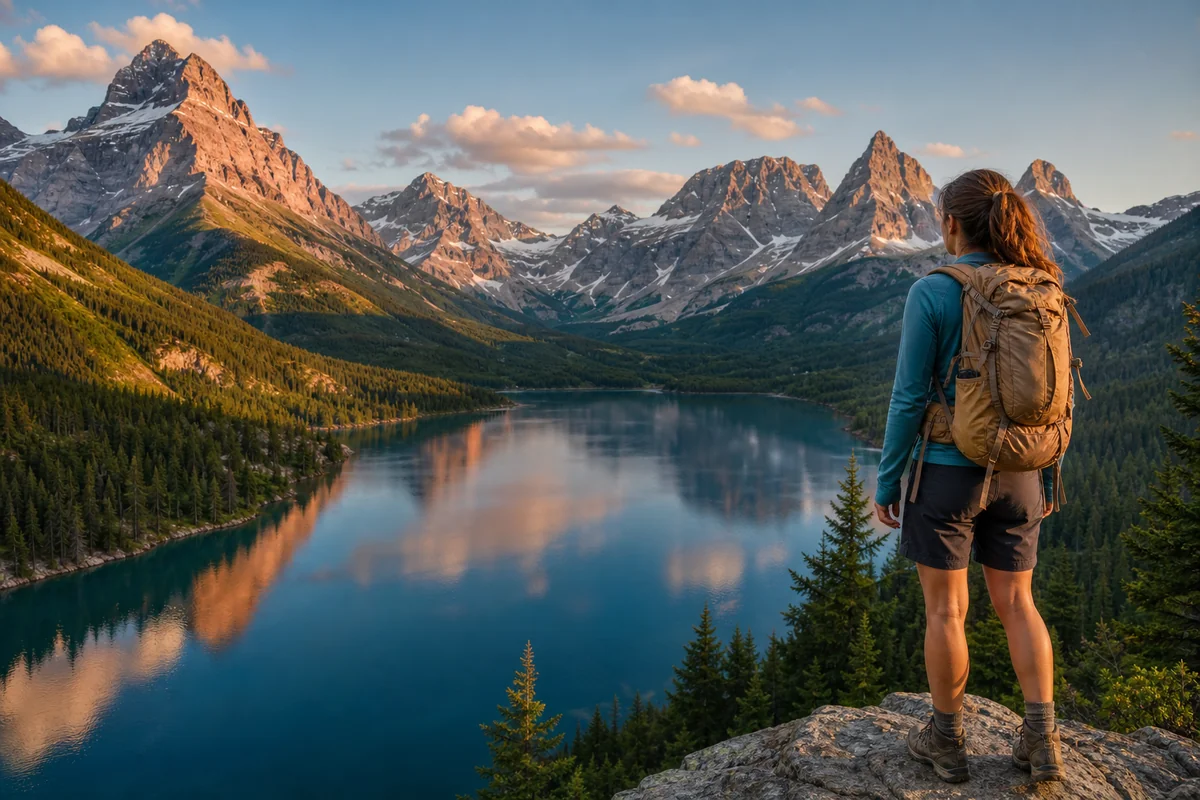
Timing: Start early. Most trails are calmest before 10 AM. When I hiked Avalanche Lake last August, the 7 AM start was mirror-calm. By noon, the lake had whitecaps.
Gear: Bring a wind shell even in summer. My Patagonia Houdini jacket weighs 4 ounces and has saved multiple hikes from being miserable. Sunglasses or goggles also help when wind kicks up trail dust.
Camping
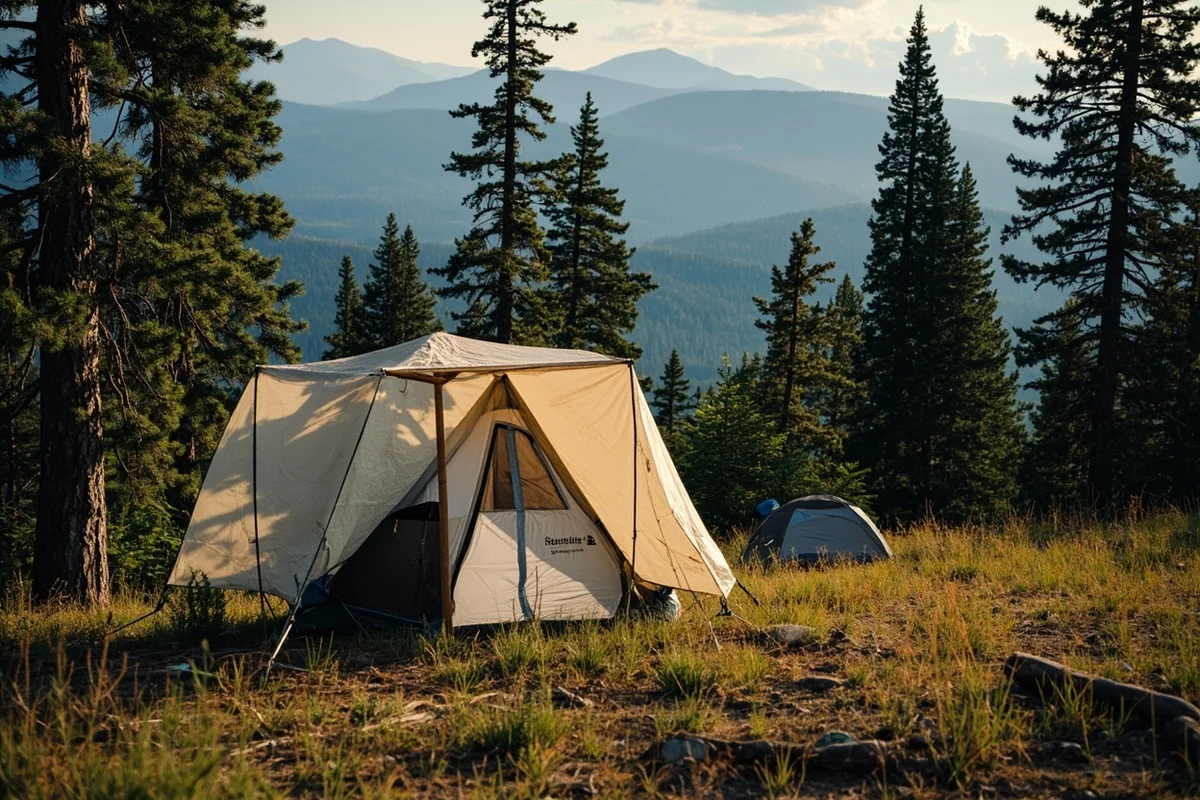
Site Selection: Choose campsites with natural windbreaks—trees, rock formations, or terrain features. I once chose an exposed site at Crystal Lake in the Beartooths for the view. At 2 AM, my tent collapsed on me when a gust snapped the poles.
Tent Setup: Stake down everything, including guy lines you might skip in calm conditions. Point your tent door away from prevailing winds (usually west or southwest in Montana). Use rocks to reinforce stakes in sandy or loose soil.
Cooking: Wind makes camp stoves inefficient and potentially dangerous. Bring a wind screen for your stove, and consider cold meals as a backup plan. I now always pack food that doesn’t require cooking when camping in exposed areas.
Fishing
Wind is the fly fisher’s nemesis. Montana’s famous trout streams are best fished during calm mornings and evenings.
The Missouri River tailwater below Holter Dam is fishable in more conditions than most waters because the canyon provides some protection. During windy spring trips, I focus on this stretch rather than exposed rivers like the Bighorn.
Float trips are particularly wind-sensitive. Last May, my guide on the Madison River called off our float by 11 AM when upstream winds made it impossible to row effectively. We waded instead, which was still productive but not what I’d planned.
Wildlife Viewing and Photography
Wind affects wildlife behavior significantly. Animals tend to bed down during high winds, making spotting more difficult. However, wind can also mask your sound and scent, allowing closer approaches.
For photography, wind creates motion blur in vegetation and makes long telephoto shots challenging. I use a heavy tripod and increase shutter speed on windy days. Some of my best atmospheric shots—grasses bending, clouds racing—have come from embracing the wind rather than fighting it.
Driving
High-profile vehicles—RVs, trucks with camper shells, vehicles towing trailers—are particularly vulnerable to Montana wind. I’ve seen semi-trucks blown off I-15 between Great Falls and Shelby.
High wind warnings should be taken seriously. If the forecast calls for 60+ mph gusts and you’re driving a rental RV, consider delaying. This applies especially to the Hi-Line (Highway 2) and the Rocky Mountain Front.
Keep both hands on the wheel, reduce speed, and watch for sudden gusts when exiting mountain passes or overtaking large vehicles. The Montana winter driving guide covers this in more detail for icy conditions when wind makes vehicles even harder to control.
Wind and Montana’s Other Weather Phenomena
Wind doesn’t exist in isolation. It interacts with Montana’s other weather patterns in important ways.
Snow and Blizzards
When Montana’s significant snowfall combines with high winds, you get blizzard conditions. Ground blizzards—where wind blows existing snow into whiteout conditions even under clear skies—are a Montana specialty.
I drove through a ground blizzard on Highway 200 east of Lewistown that reduced visibility to near zero while the sun was shining overhead. It was surreal and terrifying.
Temperature Effects
Wind dramatically affects how temperatures feel. Montana’s already challenging cold becomes severe with wind chill. Understanding why Montana is so cold helps explain why wind makes it even more so—the lack of humidity means wind strips heat from your body more efficiently.
Conversely, Chinook winds can make winter days remarkably pleasant. I’ve hiked in a t-shirt in February during Chinook events, though I always carry layers for when conditions change.
Humidity and Comfort
Montana’s generally low humidity combines with wind to create very dry conditions. Your skin, lips, and eyes will thank you for bringing moisturizer, lip balm, and eye drops. I go through more ChapStick in a week in Montana than a month anywhere else.
Other Weather Events
While researching Montana weather hazards, you might wonder about other extreme events. Interestingly, Montana doesn’t get hurricanes—we’re too far inland and too far north. However, the remnants of Pacific storms can bring significant wind events to western Montana.
Montana earthquakes are a separate concern from wind, though both require awareness for travelers. And winter flooding can occur when Chinook winds rapidly melt snowpack, combining wind effects with water hazards.
Dressing for Montana Wind: Beyond Basic Layering
Standard “dress in layers” advice doesn’t fully address Montana wind. Here’s what actually works.
Wind-blocking outer layer: Your outermost layer needs to stop wind, not just provide insulation. Fleece alone won’t cut it. I wear a hardshell or wind jacket over insulating layers.
Seal the gaps: Wind finds every opening. Gaiters, neck gaiters, tight cuffs, and hoods that cinch make a huge difference. Last winter, I learned that wind blowing up my jacket hem was costing me more heat than I realized.
Protect your head: You lose significant heat through your head, and wind accelerates this. A tight-fitting beanie that covers your ears is essential. Hoods provide backup wind protection.
Eye protection: Wind carries dust, snow, and debris. Wrap-around sunglasses or goggles protect your eyes and reduce tearing in high winds.
Warm layers for your extremities: Wind chill affects fingers and toes first. Insulated, wind-blocking gloves and good boots are non-negotiable. The Montana winter boots guide addresses wind protection specifically.
If you’re seeking relief from the cold and wind, knowing Montana’s warmest places can help you plan a more comfortable itinerary.
Wind Forecasting Resources for Montana Travelers
Staying ahead of wind events has saved many of my Montana trips. Here are the resources I actually use.
National Weather Service: The NWS offices in Great Falls, Missoula, Billings, and Glasgow provide detailed wind forecasts specific to their regions. High wind watches and warnings are reliable and should be taken seriously.
Mountain Forecast: For hiking and climbing, mountain-forecast.com provides elevation-specific wind predictions that account for how wind accelerates at higher altitudes.
Windy.com: This app shows animated wind patterns that help visualize where and when gusts will be strongest. I check it every morning during Montana trips.
Road Condition Hotline: Montana’s 511 system (call 511 or visit 511mt.net) includes wind-related road restrictions. High-profile vehicle restrictions are common on exposed routes.
Local Knowledge: Hotel staff, outfitters, and locals know their area’s wind patterns intimately. When a fishing guide in Ennis told me “it’ll blow this afternoon,” he was exactly right—I’ve learned to trust local experience.
My Most Memorable Montana Wind Experiences
The wind has given me stories, some funny and some sobering.
During my first Glacier visit, I set up my tent at Many Glacier Campground on what seemed like a calm evening. At 3 AM, a katabatic wind—cold air draining down from the glaciers—hit the campground so hard that I heard tent poles snapping around me. My tent held, but I lay awake until dawn, convinced each gust would be the one to send me tumbling into Swiftcurrent Lake.
On a road trip along the Hi-Line last November, I stopped at a rest area near Malta and couldn’t open my car door against the wind. I had to climb out the passenger side. The experience gave me new respect for the ranchers and farmers who live in this wind year-round.
But I’ve also had magical calm days that the wind made possible. After a frontal passage cleared the smoke from last August’s wildfires, I had a crystalline day at Logan Pass with visibility that seemed to stretch to Canada. The same weather systems that bring wind also bring Montana’s famous “big sky” clarity.
Final Thoughts: Embracing Montana’s Wind
Is Montana windy? Yes, absolutely. Is the wind a reason to avoid Montana? Absolutely not.
The wind is part of what makes Montana wild and authentic. It shapes the landscape, the culture, and the experience. Fighting the wind leads to frustration; working with it leads to better trips.
After years of visiting Montana, I’ve learned to check the wind forecast as carefully as the temperature, to plan activities around calm windows, and to always carry wind protection regardless of the season.
The wind also keeps the crowds away. Some of my most peaceful Montana experiences have been during shoulder seasons when wind scares off less-prepared travelers. I’ve had entire trailheads to myself in April when a 25 mph breeze made conditions “unfavorable.”
Montana rewards those who come prepared and stay flexible. The wind is just another variable to manage—and honestly, watching clouds race across the big sky at 60 mph is pretty spectacular.
Pack your wind layers, download a weather app, and come experience Big Sky Country in all its blustery glory. You might lose a hat or two, but the memories will be worth it.
Frequently Asked Questions
How windy is Montana compared to other US states?
Montana ranks among the top 10 windiest states in the US, with average wind speeds of 12-15 mph across much of the state. The eastern plains and mountain passes experience the strongest gusts, sometimes reaching 60-80 mph during winter storms. I’ve personally seen winds strong enough to rock my car on Highway 2 near Browning.
What is the windiest month to visit Montana?
March through May is typically Montana’s windiest season, with sustained winds averaging 15-20 mph and frequent gusts exceeding 40 mph. If you’re planning outdoor activities like hiking or fishing, late summer (August-September) offers calmer conditions with average winds dropping to 8-12 mph.
Which Montana cities are the windiest for travelers to know about?
Great Falls, Livingston, and Cut Bank consistently rank as Montana’s windiest cities, with Livingston averaging 14+ mph year-round due to its position near the Bridger Mountain gap. I always pack an extra layer when visiting these areas, even in summer. Missoula and Helena tend to be more sheltered and calmer for visitors sensitive to wind.
What should I pack for windy weather when visiting Montana?
I recommend packing a windproof outer layer, secure hats with chin straps, and quality sunglasses or goggles for dust protection. Bring lip balm and moisturizer since Montana’s wind causes serious chapping. If you’re camping, invest in quality tent stakes rated for high winds—standard plastic stakes won’t cut it here.
Does Montana wind affect road conditions and driving safety?
Yes, high winds significantly impact Montana driving, especially for RVs, trailers, and high-profile vehicles on I-90 and Highway 2. Wind advisories are common and can close certain stretches to large vehicles. Check the Montana DOT road conditions at 511mt.net before driving, and budget extra time during spring months when crosswinds are strongest.
Is Glacier National Park windy and how does it affect hiking?
Glacier National Park’s higher elevations, especially Logan Pass and the Highline Trail, can experience brutal winds exceeding 50 mph even on clear days. I’ve had to turn back from exposed ridgelines when gusts made hiking unsafe. Check the park’s morning weather forecasts and plan alpine hikes for early morning when winds are typically calmest.
Are Montana’s winds worse in the mountains or on the plains?
Montana’s eastern plains actually experience more consistent strong winds than most mountain valleys, averaging 13-16 mph year-round. However, mountain passes like Marias Pass and specific corridors near Livingston create wind tunnels with intense gusts. The western valleys around Missoula and the Bitterroot offer the most wind-protected travel experiences.
Sources
- https://www.umt.edu/this-is-montana/columns/stories/montana-weather-13.php
- https://www.ncei.noaa.gov/pub/data/ccd-data/wndspd20.dat
- https://www.census.gov/data/tables/time-series/demo/popest/2020s-total-cities-and-towns.html
- https://deq.mt.gov/files/Energy/EnergizeMT/EnergySites/WindAtlas/Chapter3.PDF
- https://www.weather.gov/safety/cold-wind-chill-warning