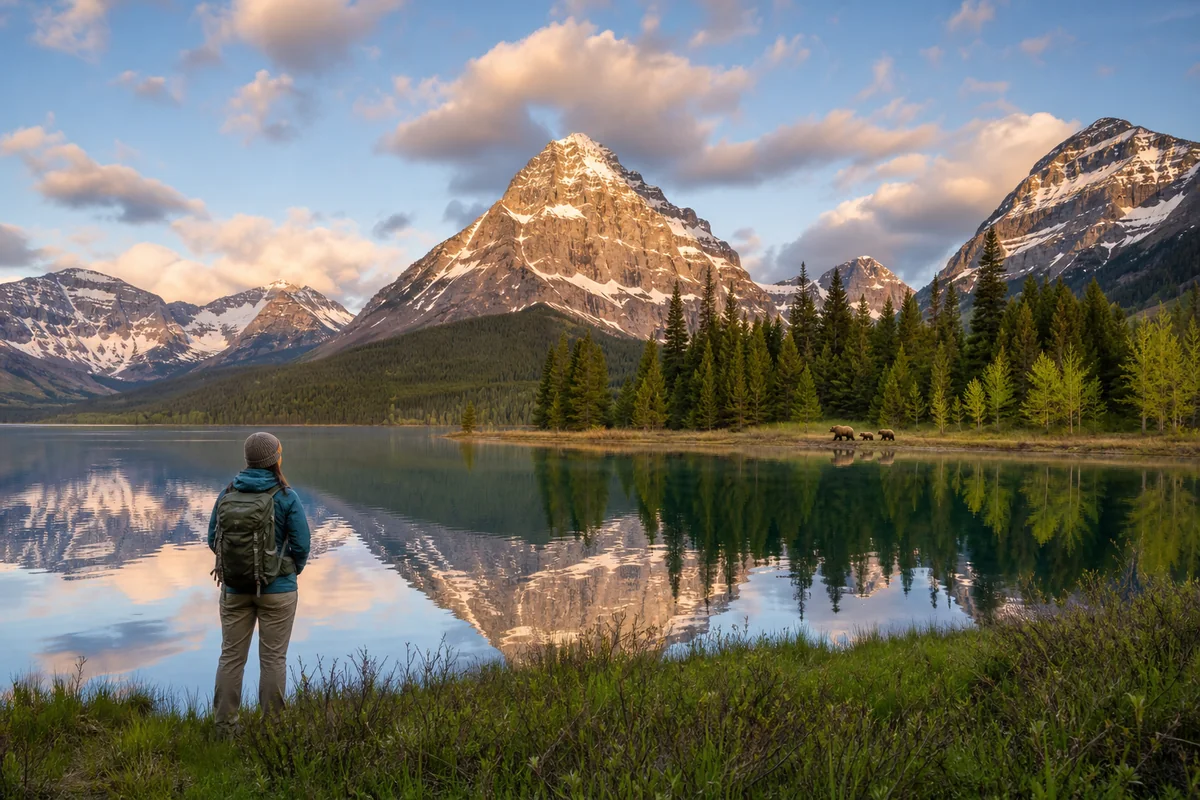
I was standing on the shores of Lake McDonald last October when the morning mist lifted to reveal something I’ll never forget—the surrounding peaks blazed with gold and crimson while a bull elk bugled somewhere in the distance, his call echoing across the glass-still water.
That single moment convinced me that fall might just be the best time to visit Montana, and I’ve been returning every autumn since.
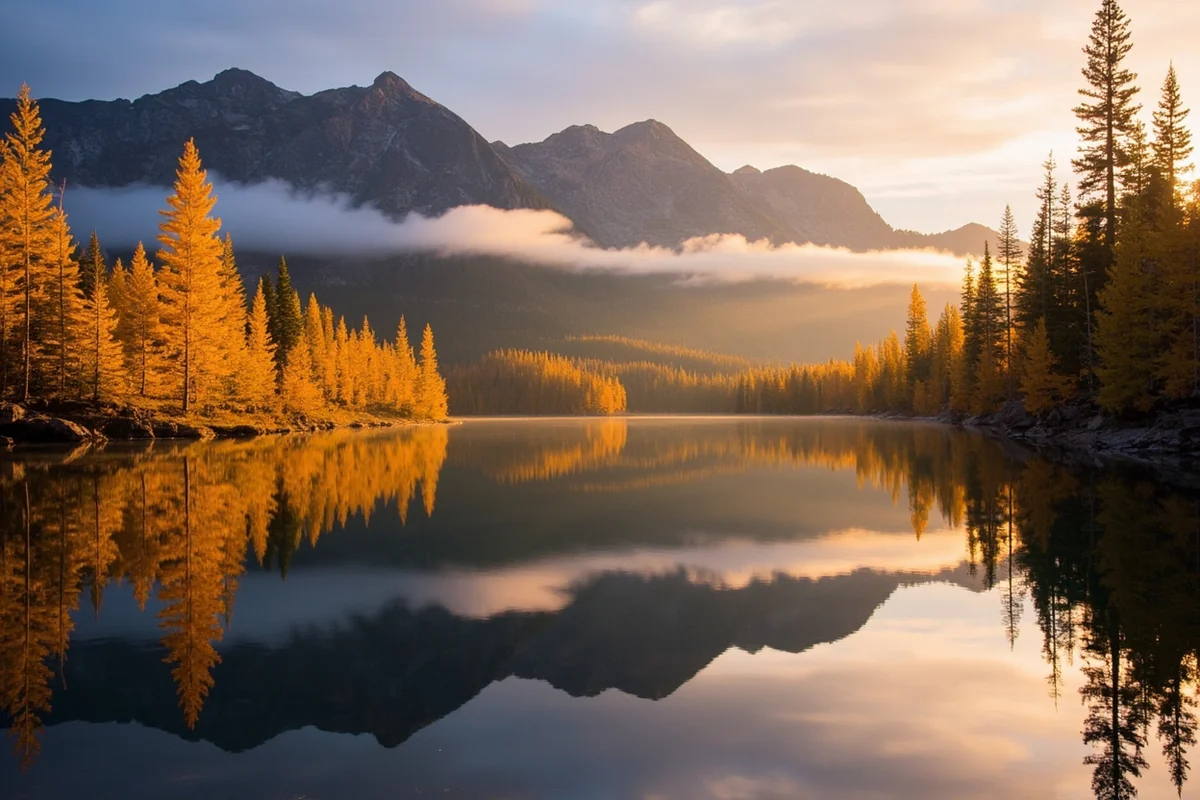
- Montana’s fall season runs mid-September through late October, with peak foliage typically the last week of September through mid-October
- Expect significantly fewer crowds than summer—I’ve had entire trails to myself in Glacier National Park
- Wildlife viewing is exceptional during elk rut season (September-October) and pre-hibernation bear activity
- Temperatures range from 30°F to 65°F depending on elevation—layering is essential
- Many lodges and roads close by mid-October, so timing matters for trip planning
- Fall offers the best combination of accessibility, beauty, and solitude Montana has to offer
Liked this article?
Add Roaming Montana as a preferred source so you see more of our articles and guides on Google.
Why Fall Is Montana’s Best-Kept Secret
After visiting Montana across every season—from the bustling trails of July to the snowy silence of December—I can say with confidence that autumn delivers something special.
The summer crowds vanish almost overnight once Labor Day passes, yet the weather remains remarkably pleasant for outdoor adventures.
During my most recent fall trip, I counted fewer than a dozen cars at Logan Pass in Glacier National Park—a parking lot that overflows by 6 AM in July. This dramatic shift transforms the entire experience of being in Montana.
The light changes too. There’s a golden quality to autumn sunshine that photographers call “magic hour,” but in Montana during fall, it seems to last all day. My photos from fall visits have a warmth and depth that summer shots just can’t match.
Understanding Montana’s Fall Timeline
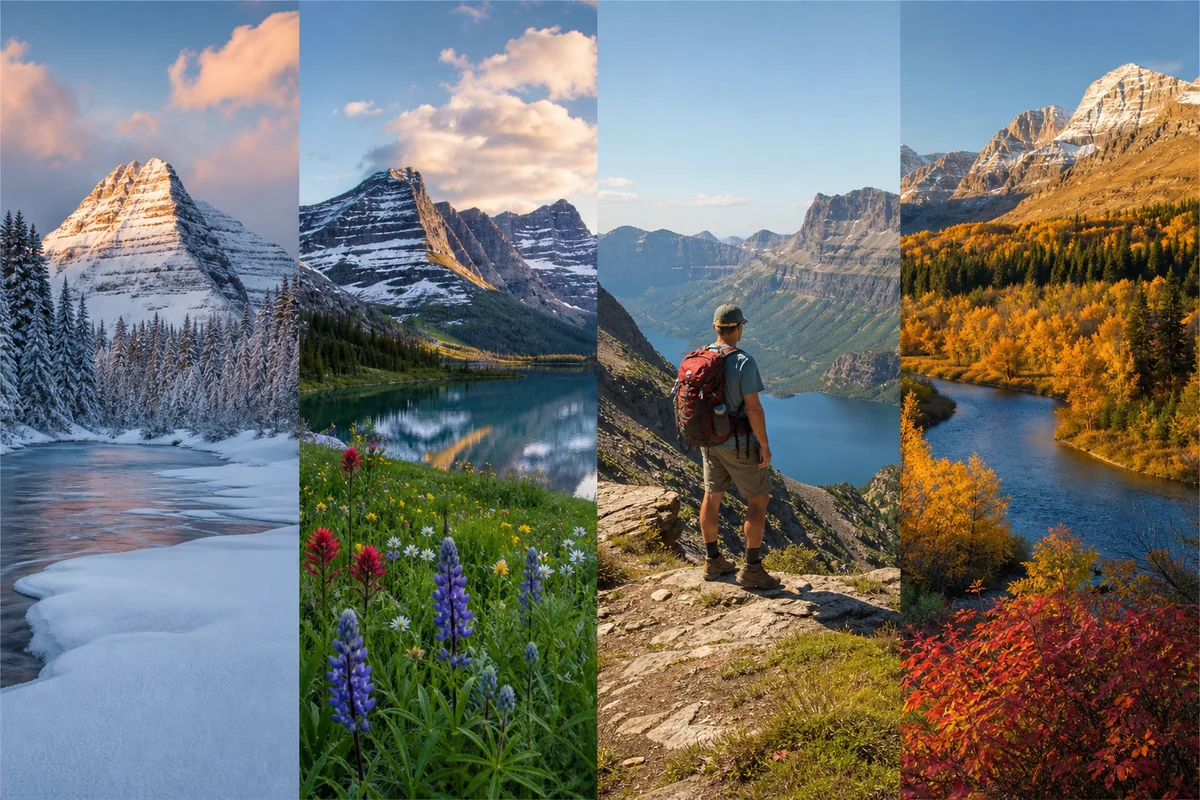
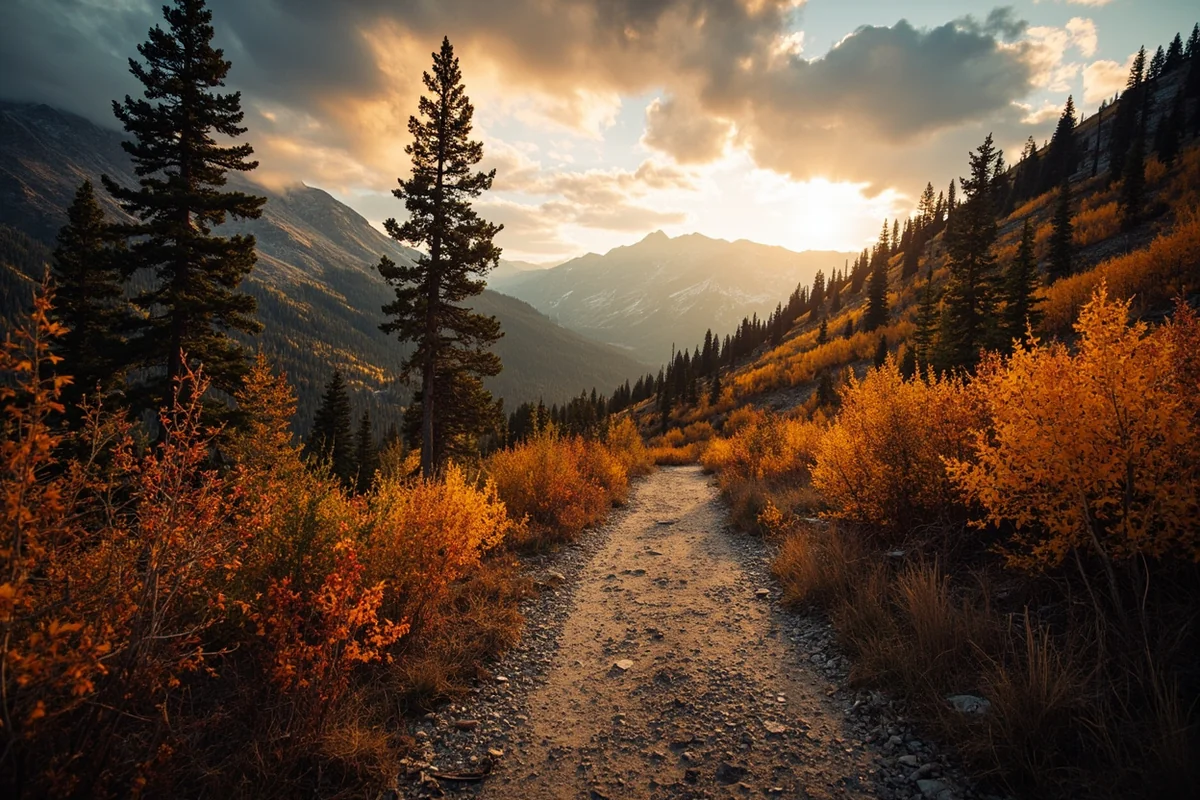
Montana’s autumn unfolds in waves, and knowing this rhythm helped me plan my best trips. The season doesn’t happen all at once—it cascades down from the high peaks to the valley floors over roughly six weeks.
Early Fall: September 1-20
Early September still feels like late summer in many ways. When I visited Montana in September a few years ago, I was surprised by temperatures pushing into the 70s during midday.
The high alpine areas show first signs of change during this window. Huckleberry bushes turn deep red, and the first hints of gold appear in aspen groves above 6,000 feet.
This is also when summer operations remain fully functional. Going-to-the-Sun Road stays open, most campgrounds operate normally, and you’ll find all visitor services available.
Peak Fall: September 21 – October 15
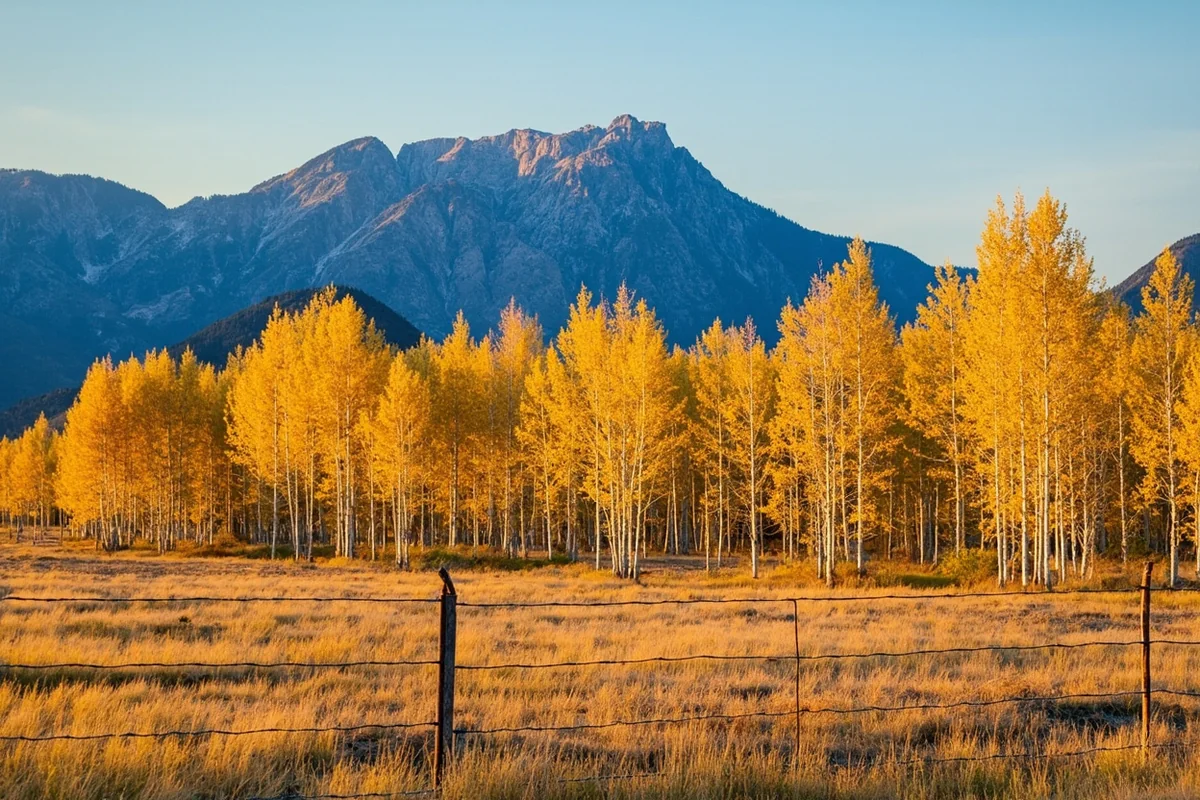
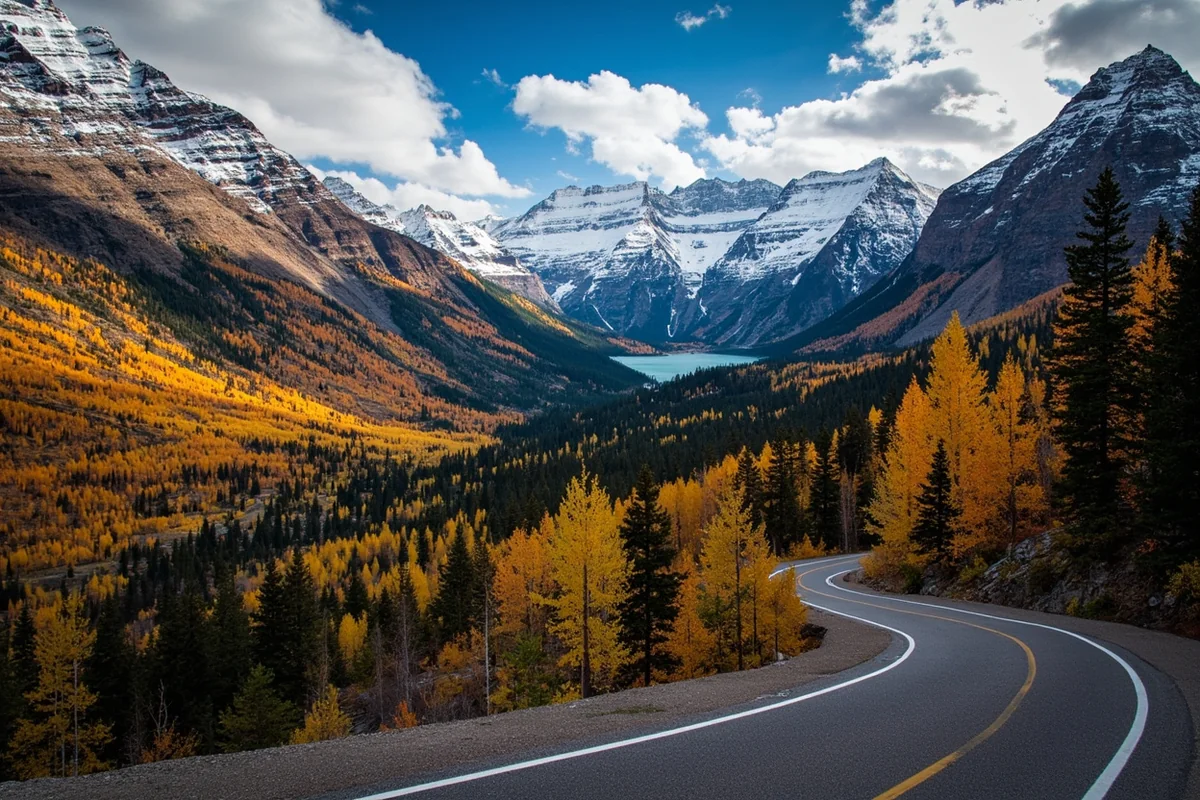
This is the sweet spot I aim for every year. The larch trees—those magnificent golden conifers that drop their needles—hit their peak color, and the contrast against evergreen forests creates scenes that look almost artificial in their beauty.
I’ve timed three trips specifically to catch larch season, and the last week of September through the first week of October has been most reliable. That said, weather varies year to year, so I always check with local ranger stations before finalizing dates.
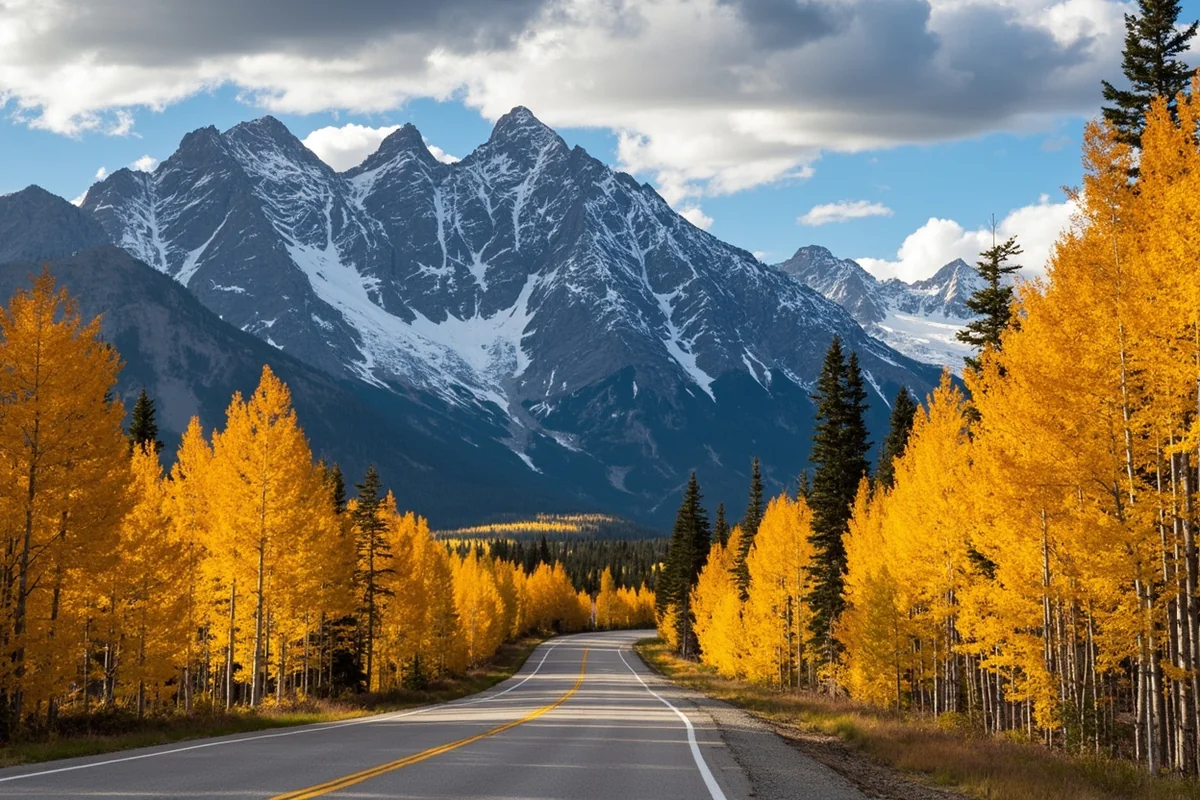
The aspen groves in the Flathead Valley and around Bozeman typically peak during this same window. Driving Highway 2 along the southern border of Glacier National Park last October, I pulled over at least a dozen times just to photograph the golden hillsides.
Late Fall: October 16 – November 15
By mid-October in Montana, things get quieter still—and colder. Going-to-the-Sun Road typically closes by the third week of October (sometimes earlier if snow arrives), and many lodges and services shut down for the season.
When I visited during this period, I found a Montana that felt almost abandoned. Entire towns seemed to be taking a collective breath between summer tourism and ski season. It’s melancholy but beautiful.
November pushes firmly into early winter territory, with snow becoming common at all elevations. If you’re comfortable with unpredictable weather and limited services, late fall offers unmatched solitude.
Where to Experience Fall Foliage
Not all of Montana delivers the same fall color experience. After exploring extensively, I’ve identified the regions that consistently impress.
Glacier National Park: The Crown Jewel
Glacier National Park transforms in autumn in ways that summer visitors never witness. The larch forests on the east side of the park—particularly around Two Medicine and Many Glacier—create some of the most spectacular fall color in North America.
I spent four days based out of the Many Glacier Hotel during the last week of September, and every morning I woke to new colors emerging. The Grinnell Glacier Trail, which I’d hiked in August years earlier amid crowds, felt like a private journey with golden larches framing every turn.
The St. Mary Valley on the east side offers easy access to fall color without strenuous hiking. I drove the entire length of Going-to-the-Sun Road during peak color and stopped at nearly every pullout—the reflections of golden aspens in St. Mary Lake remain some of my favorite photographs.
One practical note: Many Glacier Road often closes before Going-to-the-Sun Road due to snow. During one visit, a surprise October storm trapped me on the wrong side of the mountains for an extra day. It was inconvenient but also incredibly beautiful—fresh snow on golden larches is unforgettable.
Flathead Valley and Whitefish
The Flathead Valley surrounding Kalispell and Whitefish offers a different fall experience—one centered on charming towns and accessible nature rather than dramatic wilderness.
I spent a long weekend in Whitefish last October, splitting my time between scenic drives and cozy coffee shops. The drive to Polebridge along the North Fork Road showcased some of the best mixed-color forests I’ve seen anywhere—aspens, cottonwoods, and larches all contributing different shades.
Whitefish itself transitions from summer buzz to autumn calm. The shops and restaurants remain open, but you can actually get a table without reservations. I had an entire dock to myself at Whitefish Lake, watching eagles fish while leaves drifted down around me.
Bozeman and the Gallatin Valley
Bozeman serves as my favorite base for fall trips focused on a mix of outdoor adventure and culture. The town itself sits in a broad valley surrounded by mountain ranges that light up with color.
Driving Bridger Canyon north of town during my last fall visit, I discovered grove after grove of brilliant yellow aspens against a backdrop of early snow on the peaks. The contrast of gold, green, and white felt almost too perfect.
Hyalite Canyon, just south of Bozeman, became my go-to fall hiking destination. The reservoir reflects autumn colors beautifully, and the trails to various waterfalls pass through excellent aspen stands.
Missoula and the Bitterroot Valley
The Bitterroot Valley south of Missoula often gets overlooked by fall visitors, but I’ve found it delivers consistent beauty without crowds. The drive south along Highway 93 passes through pastoral ranchland framed by the jagged Bitterroot Mountains.
I stopped in the small town of Hamilton during one fall trip and discovered a thriving local food scene—farm-to-table restaurants featuring the fall harvest alongside genuine Montana hospitality.
The Lolo Pass area west of Missoula offers another excellent fall drive. When I took this route to Idaho during early October, the mix of larch forests and mountain views rivaled anything in Glacier.
Fall Wildlife Viewing: A Peak Season
Wildlife viewing in Montana reaches its zenith during fall, and this alone justifies an autumn visit. Animals are more active and visible than any other time of year.
Elk Rut: Nature’s Most Dramatic Performance
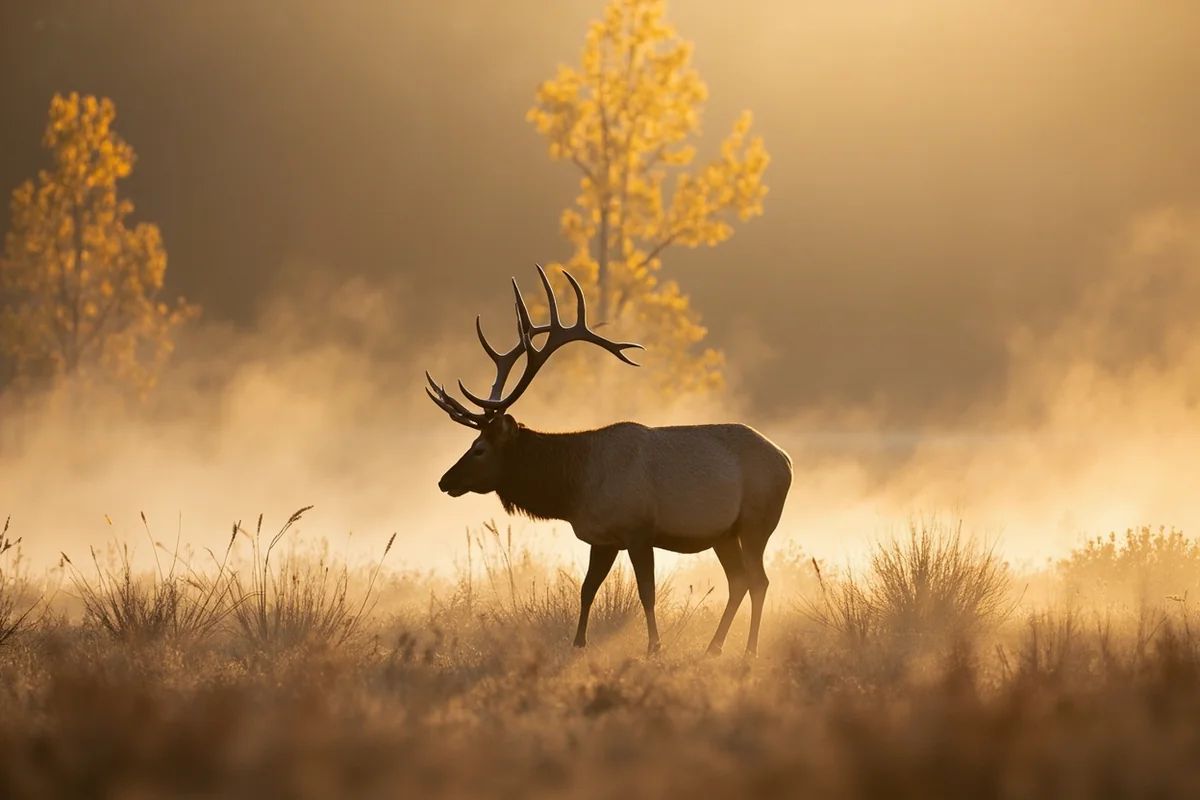
The elk rut—breeding season—occurs from mid-September through mid-October, and witnessing it changed how I think about wildlife. Bull elk that spend summer hiding in forests suddenly appear in open meadows, bugling to attract mates and challenge rivals.
I first experienced the rut in the Paradise Valley north of Yellowstone, where I watched two massive bulls spar at dawn while steam rose from the Yellowstone River behind them. The sound of their antlers clashing echoed off the mountains.
The best places I’ve found for elk viewing include the Lamar Valley in Yellowstone (technically just over the Montana border but essential for fall visitors), the National Bison Range near Missoula, and the Madison Valley near Ennis.
One morning near Ennis, I counted over 200 elk in a single meadow—cows, calves, and several bulls all gathered in the golden light. I spent three hours watching from my car, completely mesmerized.
Bear Activity: Last Chance Before Hibernation
Both grizzly and black bears enter a feeding frenzy called hyperphagia during fall, consuming up to 20,000 calories daily to prepare for hibernation. This makes them more visible—and more dangerous—than summer.
I always carry bear spray during fall hikes and make extra noise on trails. Bears in fall are focused on food, and surprising one can be more dangerous than any other season.
That said, I’ve had incredible fall bear sightings. While driving Going-to-the-Sun Road last October, I watched a grizzly sow and two cubs gorging on huckleberries just 50 yards from the road. Traffic stopped for nearly an hour—one of those magical Montana moments.
Other Fall Wildlife
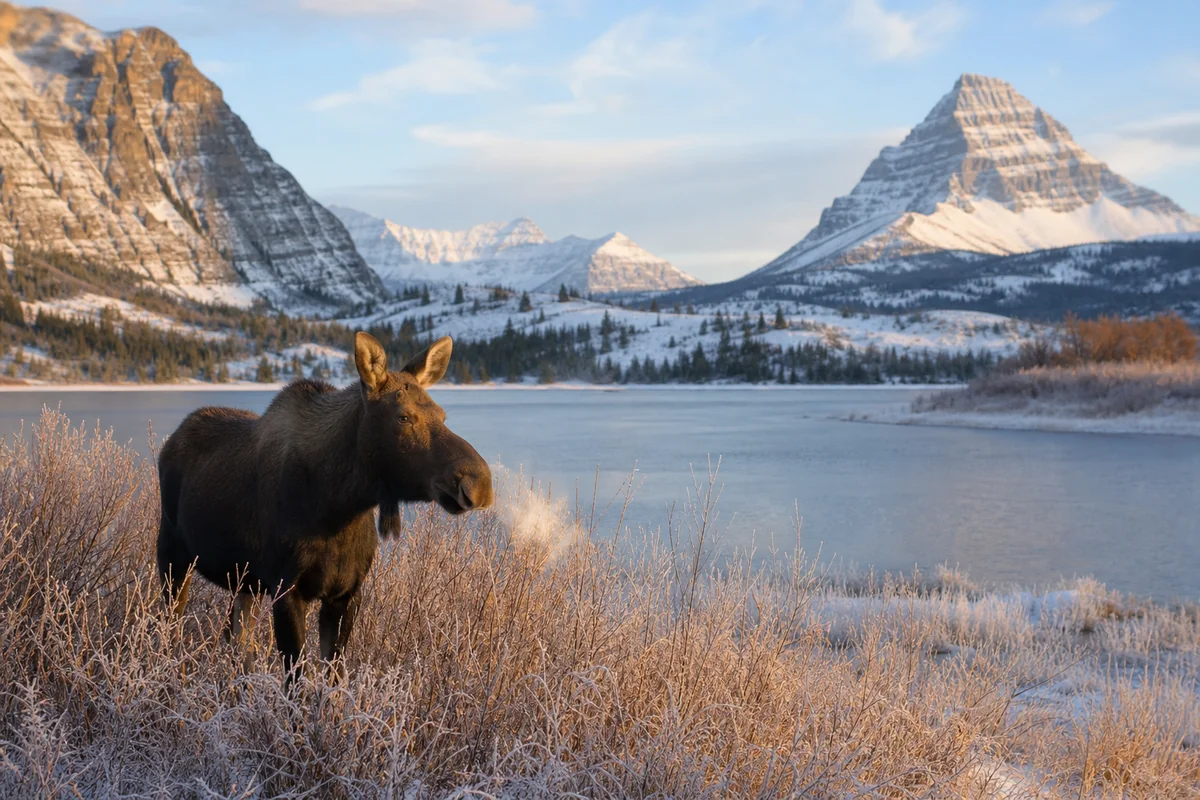
Beyond elk and bears, fall brings exceptional viewing opportunities for other species. Moose become more visible as they feed heavily before winter, and I’ve spotted them regularly in willow thickets near streams.
Bighorn sheep descend from high summer ranges, making them easier to observe. I photographed a bachelor group of rams near East Glacier last September, their massive curled horns silhouetted against changing aspens.
Bird migration adds another dimension to fall wildlife viewing. When I visited Freezeout Lake near Choteau during early October, I witnessed thousands of snow geese staging for their southward journey—the noise and spectacle were overwhelming.
Weather and What to Pack
Fall weather in Montana demands respect and preparation. I’ve experienced 70-degree afternoons and 20-degree mornings during the same trip.
Temperature Expectations
| Time Period | Valley Temps (Low/High) | Mountain Temps (Low/High) |
|---|---|---|
| Early September | 38°F / 72°F | 28°F / 55°F |
| Late September | 32°F / 65°F | 22°F / 48°F |
| Early October | 28°F / 58°F | 18°F / 42°F |
| Late October | 22°F / 50°F | 12°F / 35°F |
Snow can occur at any elevation from mid-September onward. During one trip, I left Bozeman under blue skies and encountered a whiteout blizzard at Logan Pass three hours later. The weather changed back to sunshine by evening.
Essential Packing List
Through trial and error, I’ve refined my fall Montana packing strategy:
- Base layers: Merino wool tops and bottoms for cold mornings
- Mid layers: Fleece or down jacket for insulation
- Outer layer: Waterproof, windproof shell—non-negotiable
- Pants: Convertible hiking pants plus one pair of warm fleece-lined pants
- Footwear: Waterproof hiking boots with good ankle support; pack microspikes for potential ice
- Accessories: Warm hat, gloves, buff/neck gaiter, sunglasses
- Sun protection: High-altitude sun is intense—sunscreen and lip balm essential
I always pack more warm clothing than I think I’ll need. Being cold ruins outdoor experiences, and there’s no guarantee you’ll find the right gear in small Montana towns.
Seasonal Road and Facility Closures
Understanding what closes and when saved me from disappointing discoveries during early trips.
Glacier National Park
Going-to-the-Sun Road typically closes in mid-to-late October, though this varies by snowfall. The eastern sections from St. Mary often close before the western sections from West Glacier.
Many Glacier Road usually closes earlier—sometimes by early October. I always call the park or check their website within a week of my trip to confirm current conditions.
Most visitor centers close by Columbus Day weekend. The Apgar Visitor Center sometimes remains open into November, but hours become limited.
Campgrounds close on a rolling schedule from mid-September through early October. If you’re planning to camp, reserve early and confirm opening dates.
Yellowstone (Montana Portions)
The North Entrance through Gardiner remains open year-round—one reason I often base fall trips in Paradise Valley.
The Northeast Entrance near Cooke City stays open to Cooke City through fall but closes beyond for the season. When I visited in late October, I could still access the Lamar Valley but couldn’t continue over the Beartooth Highway.
Lodging Availability
Many seasonal lodges close by mid-October. I learned this the hard way when I tried to book the Many Glacier Hotel for late October and discovered it had already shuttered for winter.
Towns like West Glacier and East Glacier become much quieter, with limited restaurant and shopping options. I now pack more food when visiting in late fall and confirm restaurant hours before arriving.
Whitefish, Bozeman, and Missoula maintain full services year-round—another advantage of basing fall trips from these larger towns.
Fall Activities Beyond Hiking
While hiking dominates my fall itineraries, Montana offers plenty of alternatives for those seeking variety.
Scenic Drives
When trails became snowy or muddy, I’ve spent happy days exploring Montana’s scenic highways. Beyond Going-to-the-Sun Road, some favorites include:
The Beartooth Highway (if still open) between Red Lodge and Cooke City delivers dramatic alpine scenery. I drove this during late September and encountered fresh snow at the summit—stunning but requiring cautious driving.
Highway 200 through the Blackfoot Valley east of Missoula passes through rolling grasslands and river corridors that glow gold in fall light.
The Pioneer Mountains Scenic Byway near Dillon winds through remote ranch country and mountain passes. I discovered this route by accident and found some of Montana’s best hidden fall color.
Fishing
Fall fishing in Montana can be exceptional, especially as rivers cool and trout become more active. I’m not an expert angler, but even my modest skills produced results during a fall float trip on the Missouri River.
September and October bring the brown trout spawn, and serious anglers target trophy fish during this window. Several outfitters I spoke with described fall as their favorite season for dry-fly fishing.
The Yellowstone, Gallatin, and Madison rivers all fish well into October. I’ve seen anglers in waders well into November, though the commitment to stand in 40-degree water escapes me.
Hot Springs
Montana’s hot springs become especially appealing as temperatures drop. I’ve made hot springs soaks a fall trip tradition—nothing beats warming up after a chilly day of exploring.
Chico Hot Springs south of Livingston offers a full resort experience with pools, lodging, and an excellent restaurant. I spent a night there during my last fall trip and soaked under stars while snow flurries fell around me.
Bozeman Hot Springs provides a more local, casual option with multiple pools at different temperatures. I’ve used it to warm up after cold morning wildlife-watching sessions.
Quinn’s Hot Springs near Superior and Sleeping Buffalo Hot Springs near Malta offer more remote experiences for those seeking solitude.
Fall Festivals and Events
Montana’s fall calendar includes harvest festivals and cultural events worth planning around.
The Bozeman Art Museum Gallery Walk happens every other Thursday and continues through fall—a nice evening activity after a day outdoors.
Harvest dinners featuring local produce and Montana-raised beef pop up throughout September and October. I attended one at a farm outside Missoula that showcased everything from local lamb to foraged mushrooms.
Farmers markets continue into October in larger towns. The Missoula Farmers Market on Saturday mornings introduced me to local honeys, cheeses, and preserves that I now order shipped to my home.
Practical Planning Tips
After numerous fall trips, I’ve developed strategies that consistently improve my experiences.
When to Book
I book accommodations at least 3-4 weeks ahead for peak fall dates. While Montana is quieter than summer, the limited lodging options in gateway communities can fill up—especially on weekends when the weather forecast looks promising.
For popular lodges like Many Glacier Hotel or Lake McDonald Lodge (if they’re still open when you visit), book months in advance. These properties close early and have limited fall inventory.
Flexibility Matters
Weather dictates everything in fall Montana. I build flexibility into my itineraries, planning multiple options for each day based on conditions.
If weather turns bad in Glacier, I might pivot to a museum day in Whitefish or Kalispell. If snow closes a hiking trail, scenic drives often remain possible.
I avoid booking non-refundable activities too far in advance. Conditions change rapidly, and that kayak tour booked for October 10th might coincide with a surprise blizzard.
Vehicle Considerations
I always rent a vehicle with all-wheel drive or four-wheel drive for fall trips. Even if roads seem clear, conditions change quickly in the mountains.
Carrying emergency supplies—blankets, water, snacks, a flashlight—provides peace of mind when driving remote roads. Cell service is spotty throughout much of Montana, and waiting for help could take hours.
I check tire pressure and ensure I understand how to activate winter driving modes before leaving the rental lot. The rental agents are usually happy to explain.
Daylight Considerations
Fall days grow notably shorter. By late September, Montana loses about three minutes of daylight per day. By late October, you’re looking at roughly 10.5 hours between sunrise and sunset.
I plan around this by starting hikes at first light to maximize trail time. Arriving at wildlife viewing areas before sunrise consistently produces my best sightings.
Headlamps become essential—I carry one in my pack even for day hikes. Getting caught on a trail after dark is both dangerous and surprisingly easy when days are short.
Comparing Fall to Other Seasons
Each Montana season offers distinct advantages, and fall’s benefits become clearer in comparison.
Summer delivers the most reliable weather and longest days, but crowds can feel overwhelming in popular areas. If you’ve visited Montana in June or May, you’ve experienced the beginning of this transition.
Spring offers good wildlife viewing and emerging wildflowers, but many roads and trails remain closed due to snowmelt. If you’ve tried visiting in March or April, you know the frustration of closed gates and muddy conditions.
Winter provides unmatched solitude and snow sports opportunities. January and February can be brutally cold, but the landscape transforms into something magical. If Christmas in Montana appeals to you, consider that fall offers similar beauty with more accessibility.
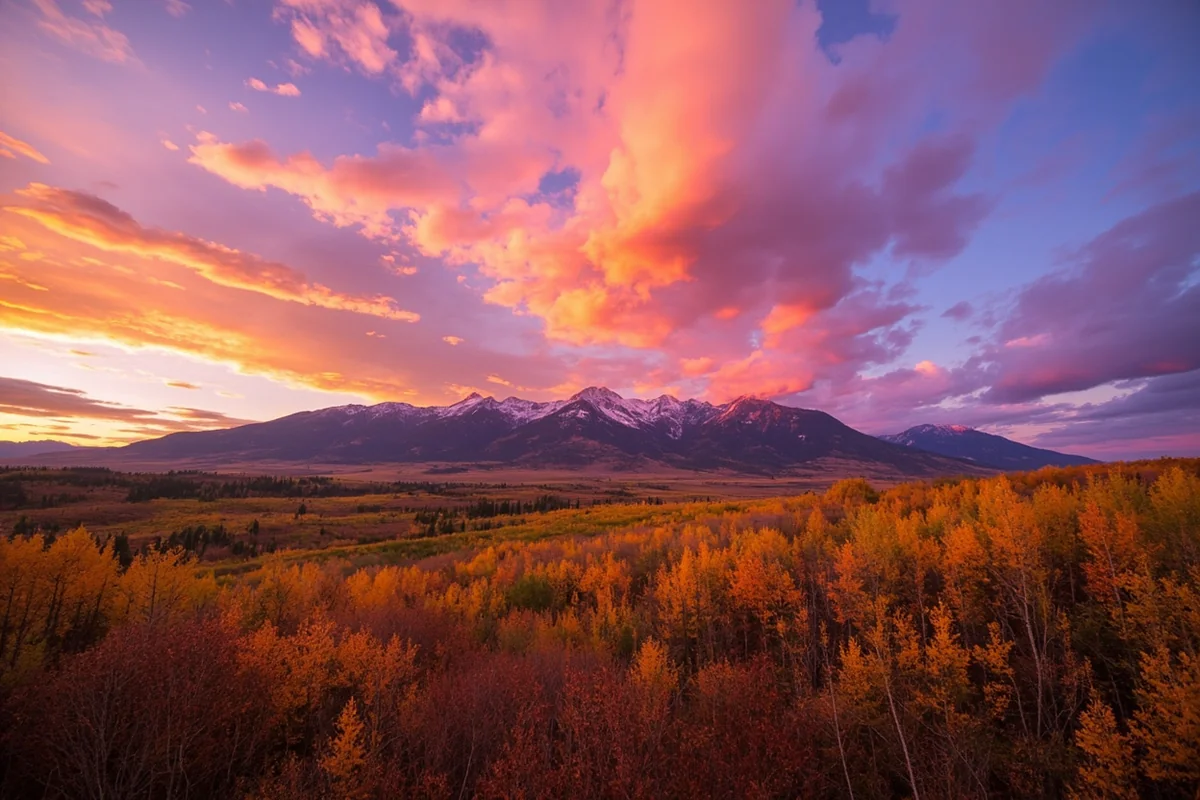
Fall threads the needle between these extremes. You get wildlife, color, solitude, and generally pleasant weather—a combination no other season quite matches.
A Sample 7-Day Fall Itinerary
Based on my experiences, here’s an itinerary that captures Montana fall’s best offerings:
Day 1: Fly into Bozeman, pick up your rental vehicle, and drive to the Paradise Valley. Spend the late afternoon and evening watching for elk and other wildlife along the Yellowstone River. Stay in Livingston or Gardiner.
Day 2: Enter Yellowstone through the North Entrance. Focus on the Lamar Valley for wildlife—arrive at dawn for best chances at wolves, bears, and elk. Return to Montana in the late afternoon.
Day 3: Drive north through the Gallatin Valley toward Bozeman, then continue to Glacier National Park via Highway 200 and Highway 2. Stop often for fall color photos. Stay in West Glacier or Whitefish.
Day 4: Drive Going-to-the-Sun Road early (if still open). Hike one of the classic trails—Avalanche Lake for easier terrain or Highline Trail for more challenge. Watch for bears feeding on huckleberries.
Day 5: Explore the Many Glacier area if roads are open. This is prime larch territory—Grinnell Lake Trail showcases the best golden color. Alternatively, explore the Two Medicine area for similar scenery with fewer visitors.
Day 6: Slow day in Whitefish or Kalispell. Browse local shops, visit the Museum at Central School, and take an easy walk along Whitefish Lake. Drive to Polebridge in the afternoon if time and weather permit.
Day 7: Drive south toward Missoula through the Flathead Valley. Stop in the Bitterroot Valley for a final taste of fall color. Fly out of Missoula or continue to Bozeman for departure.
This itinerary works best in late September through early October. Adjust based on current road closures and conditions.
Final Thoughts on Fall in Montana
Every Montana fall trip reminds me why I keep returning. The combination of spectacular natural beauty, abundant wildlife, and blessed solitude creates experiences that feel increasingly rare in our crowded world.
Yes, you’ll need to dress warmly. Yes, some roads and services might be closed. Yes, weather can change without warning.
But you’ll also witness elk bugling in morning mist, golden larches glowing against blue sky, and grizzly bears fattening up for winter’s sleep. You’ll have trails largely to yourself and enjoy restaurants without summer’s long waits.
That October morning at Lake McDonald—watching mist rise off the water while fall color blazed on the surrounding slopes—remains one of my most treasured travel memories. Montana’s autumn offers those moments repeatedly, for those willing to embrace the season’s quirks.
Start planning your fall Montana trip now, and prepare for landscapes that might just become your new favorite travel memory.
Frequently Asked Questions
When is the best time to visit Montana for fall foliage?
The peak fall colors in Montana typically occur from mid-September through early October, with golden larches and vibrant aspens stealing the show. I’d recommend targeting the last two weeks of September for the most reliable fall foliage, especially in Glacier National Park and the Flathead Valley. Higher elevations turn first, so plan accordingly if you’re hoping to catch specific areas at their peak.
What should I pack for a fall trip to Montana?
Pack layers because Montana fall weather is unpredictable—mornings can dip into the 30s°F while afternoons reach the 60s or 70s°F. I always bring a waterproof jacket, warm fleece, sturdy hiking boots, and a beanie since mountain weather changes fast. Don’t forget sunglasses and sunscreen because the high-altitude sun is intense even in cooler temperatures.
Is fall a good time to visit Glacier National Park?
Fall is actually one of my favorite times to visit Glacier National Park because the summer crowds thin out dramatically and wildlife is more active before winter. Just note that Going-to-the-Sun Road typically closes to vehicles by mid-October due to snow, so plan your trip for September if you want to drive the full route. The park stays open year-round, but many facilities and services shut down after mid-September.
How much does a Montana fall vacation cost for a week?
A week-long fall trip to Montana typically runs $1,500-$3,000 per person depending on your travel style and accommodation choices. Hotels and vacation rentals in towns like Whitefish or Bozeman average $150-$300 per night, while camping costs around $20-$50 per night. I’ve found that visiting in fall often means lower lodging rates compared to peak summer season, making it a budget-friendlier option.
What are the best fall activities in Montana besides hiking?
Fall in Montana offers incredible fly fishing on the Yellowstone and Missouri Rivers when trout are actively feeding before winter. I also love visiting local harvest festivals, scenic drives along the Beartooth Highway before it closes, and wildlife watching for elk during the rut in September and October. Photography enthusiasts should check out the golden larch trees in the Seeley-Swan Valley—it’s absolutely stunning and less crowded than national parks.
Are Montana roads safe to drive in fall and do I need a 4WD vehicle?
Most major Montana highways remain clear and safe through October, but I strongly recommend a vehicle with all-wheel or four-wheel drive if you’re visiting after mid-September. Early snowstorms can hit mountain passes without warning, and many scenic backroads become treacherous. Always check road conditions on the Montana Department of Transportation website before heading out, and carry emergency supplies like blankets and snacks just in case.
How far is it to drive between major Montana fall destinations?
Montana is massive, so distances add up quickly—it’s about 340 miles (5.5 hours) from Glacier National Park to Yellowstone’s north entrance near Gardiner. Bozeman to Missoula is roughly 200 miles (3 hours), while Whitefish to Glacier’s west entrance is only 35 miles. I recommend picking one region to explore thoroughly rather than rushing across the state, since the scenic drives themselves are half the experience.