Standing at the base of Glacier National Park’s Going-to-the-Sun Road last August, I couldn’t help but think about the string of presidents who had stood in similar spots, equally humbled by Montana’s raw grandeur.
This state has a fascinating relationship with presidential visits—some routine, some historic, and some that changed the course of conservation in America.
If you’re interested in Montana history, understanding which commanders-in-chief took the time to visit Big Sky Country reveals something profound about both the state and the nation.
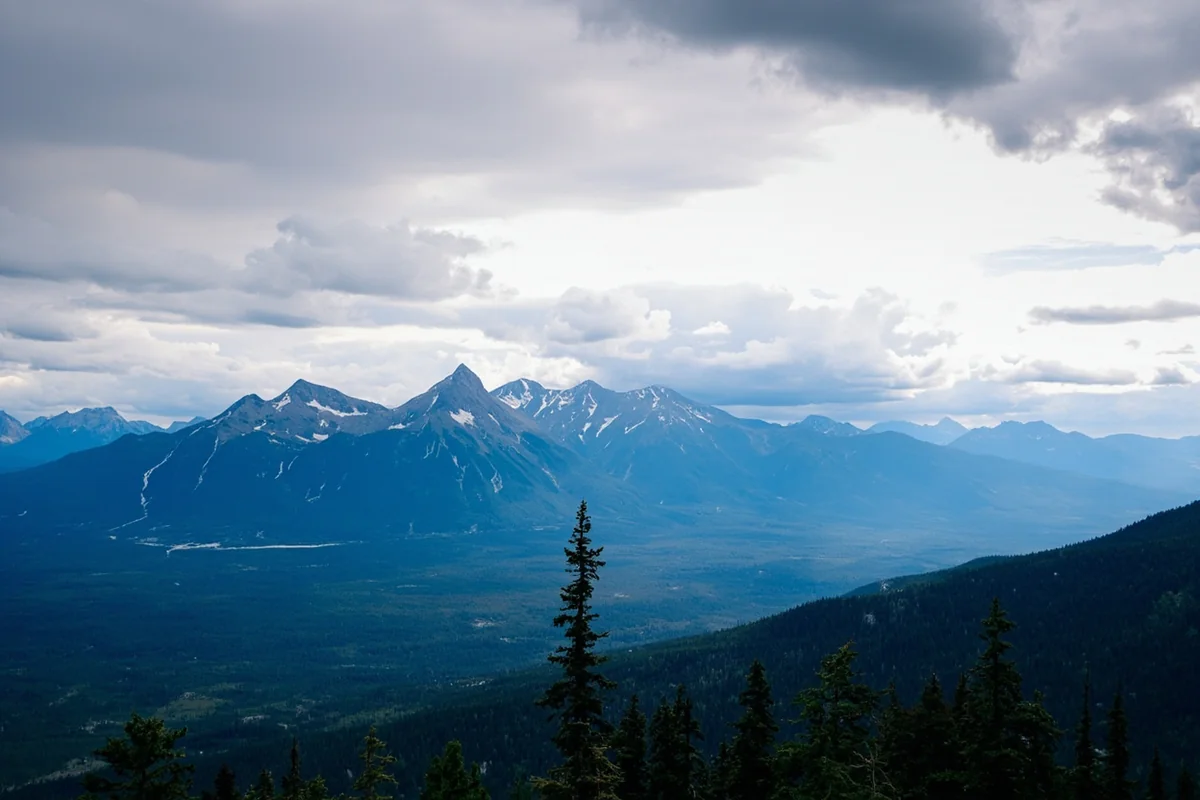
- President Joe Biden visited Montana in 2023, making him the most recent sitting president to set foot in the state
- Montana has hosted over a dozen presidential visits since Theodore Roosevelt’s transformative 1903 trip
- Key presidential sites you can visit include Glacier National Park, the Missouri River Breaks, and various towns with presidential history
- Most presidential visits have focused on conservation, military installations, and campaign stops
- You can create your own “presidential tour” of Montana visiting the same locations these leaders explored
Liked this article?
Add Roaming Montana as a preferred source so you see more of our articles and guides on Google.
Who Was the Last President to Visit Montana?
President Joe Biden holds the distinction of being the most recent sitting US president to visit Montana. His 2023 trip focused on environmental issues and infrastructure, continuing a long tradition of presidents traveling to Big Sky Country for matters of national importance.
During my research at the Montana Historical Society in Helena last fall, I discovered that tracking presidential visits isn’t as straightforward as you might think. Some visits were highly publicized campaign stops, while others were quiet getaways that barely made the news.
Biden’s visit, while recent, fits into a broader pattern I’ve observed while exploring Montana’s political landscape. Presidents tend to come here for three main reasons: the stunning national parks, military installations (including the fascinating Montana missile silos and launch sites scattered across the prairie), and occasionally, those all-important campaign rallies.
A Complete Timeline of Presidential Visits to Montana
Let me walk you through every significant presidential visit to Montana, based on historical records I’ve pored over and sites I’ve personally explored across the state.
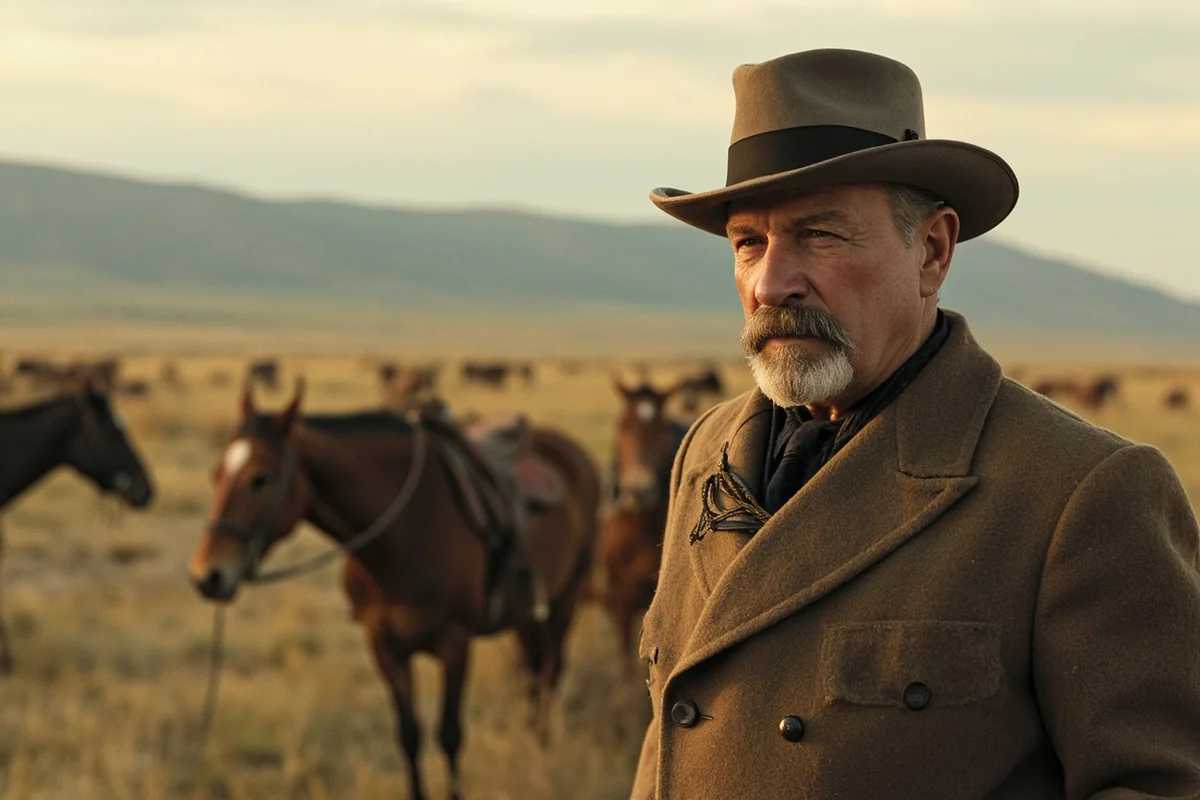
Theodore Roosevelt (1903) — The Visit That Changed Everything
No discussion of presidents in Montana would be complete without starting with Teddy Roosevelt. His 1903 visit remains the most consequential presidential trip in the state’s history.
I retraced portions of Roosevelt’s journey last summer, starting in Gardiner at the famous Roosevelt Arch. Standing beneath that stone monument, reading the inscription “For the Benefit and Enjoyment of the People,” I felt the weight of history.
Roosevelt spent 16 days in Yellowstone during his 1903 western tour, but his Montana activities were equally significant. He traveled through the state by train, stopping in towns along the Northern Pacific Railway route.
The president’s passion for Montana’s wilderness directly influenced his conservation policies. Within years of his visit, he had established numerous forest reserves in the state and laid groundwork for what would become Glacier National Park.
William Howard Taft (1909, 1911)
Taft visited Montana twice during his presidency. His 1909 trip included stops in Butte and Helena, where he addressed crowds about the importance of western development.
When I visited the Butte-Anaconda Historic District, I tried to imagine the reception Taft received in a city that was then one of the largest urban centers between Minneapolis and Seattle. The mining wealth on display must have impressed even a president.
Taft’s 1911 return was more extensive. He traveled through Glacier country and publicly supported the establishment of Glacier National Park, which had been created just a year earlier.
Warren G. Harding (1923)
Harding’s Montana visit came during his ill-fated “Voyage of Understanding” tour. He traveled through the state just weeks before his death in San Francisco.
The president stopped in several Montana communities and visited Yellowstone National Park. I’ve driven the same route he took through southwestern Montana, and it’s easy to understand why he was so taken with the landscape.
Franklin D. Roosevelt (1934, 1937)
FDR made two significant trips to Montana during his presidency. His 1934 visit was primarily focused on New Deal programs and drought relief for struggling Montana farmers.
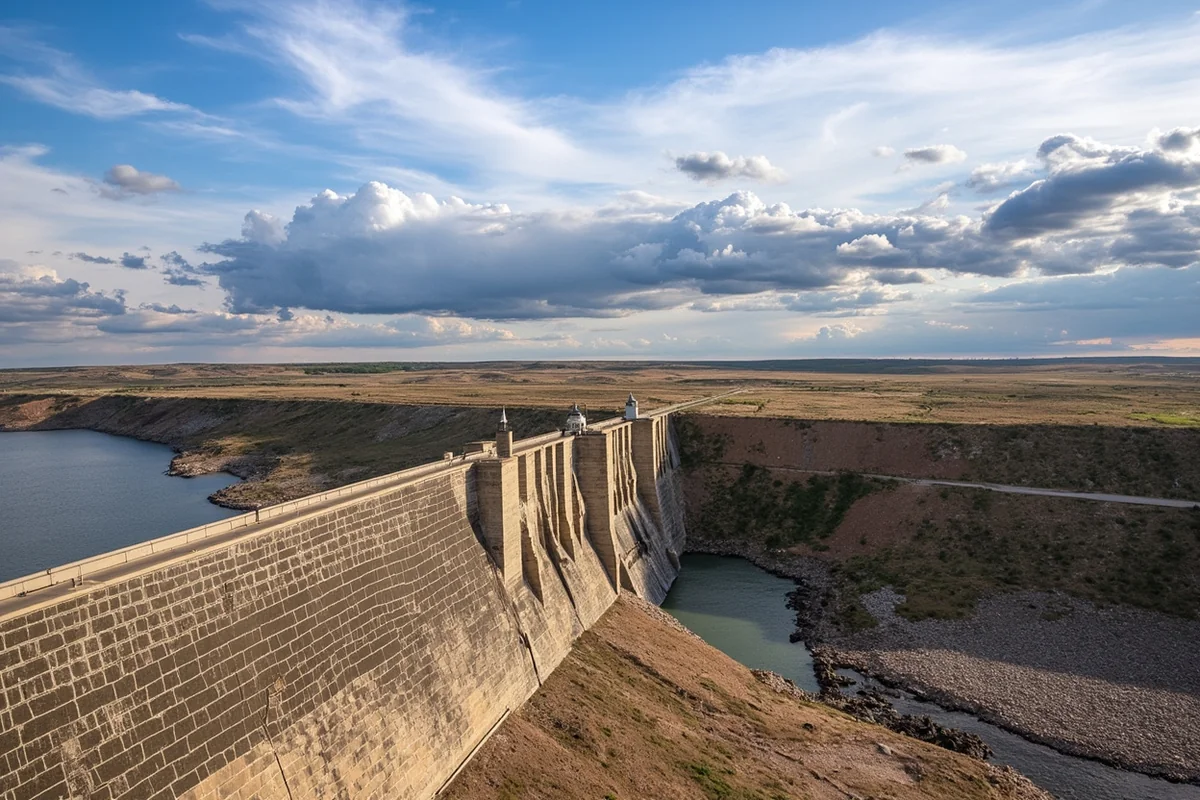
In 1937, Roosevelt returned to dedicate Fort Peck Dam—one of the largest public works projects of the era. I visited Fort Peck last year, and the scale of this dam is still breathtaking. The museum there has excellent exhibits about FDR’s visit and the dam’s construction.
The legacy of pioneers who built Montana was something FDR specifically acknowledged in his speeches, connecting the can-do spirit of the frontier to his New Deal initiatives.
Harry S. Truman (1950)
Truman’s 1950 Montana visit was notable for its campaign-style energy, even though it wasn’t an election year. He made whistle-stop appearances in several towns along the rail lines.
I spoke with a retired history professor in Missoula who had family members present at Truman’s stop there. She shared that the president’s folksy, direct manner resonated with Montana audiences.
John F. Kennedy (1963)
Kennedy visited Montana in September 1963, just two months before his assassination. His trip focused on conservation and included significant time at various Montana locations.
Walking through the Great Falls area, I’ve often thought about Kennedy’s conservation speeches here. His presence in Montana so close to his death adds a poignant element to this visit.
Kennedy’s dedication to environmental causes influenced Montana policy for decades. The state’s commitment to preserving wild spaces owes something to his advocacy.
Lyndon B. Johnson (1964)
LBJ campaigned in Montana during the 1964 election. His visit included stops in Butte and Billings, where he drew substantial crowds.
The political landscape of Montana was shifting during this era, something I’ve discussed with local historians at length. Johnson’s visit coincided with broader changes in western politics.
Richard Nixon (1971, 1972)
Nixon visited Montana twice during his presidency. His trips included both campaign stops and more substantive policy discussions.
During my research into Montana’s worst winters, I learned that Nixon’s 1972 visit occurred during a particularly mild autumn—a fortunate coincidence for outdoor campaign events.
Gerald Ford (1976)
Ford made campaign stops in Montana during his 1976 race against Jimmy Carter. His visits to Billings and Great Falls drew enthusiastic crowds.
The president’s brief Montana appearances highlighted the state’s importance in western electoral strategy.
Ronald Reagan (1982, 1984)
Reagan visited Montana multiple times, and his connection to the state remained strong throughout his presidency. His 1982 trip included a visit to Malmstrom Air Force Base in Great Falls.
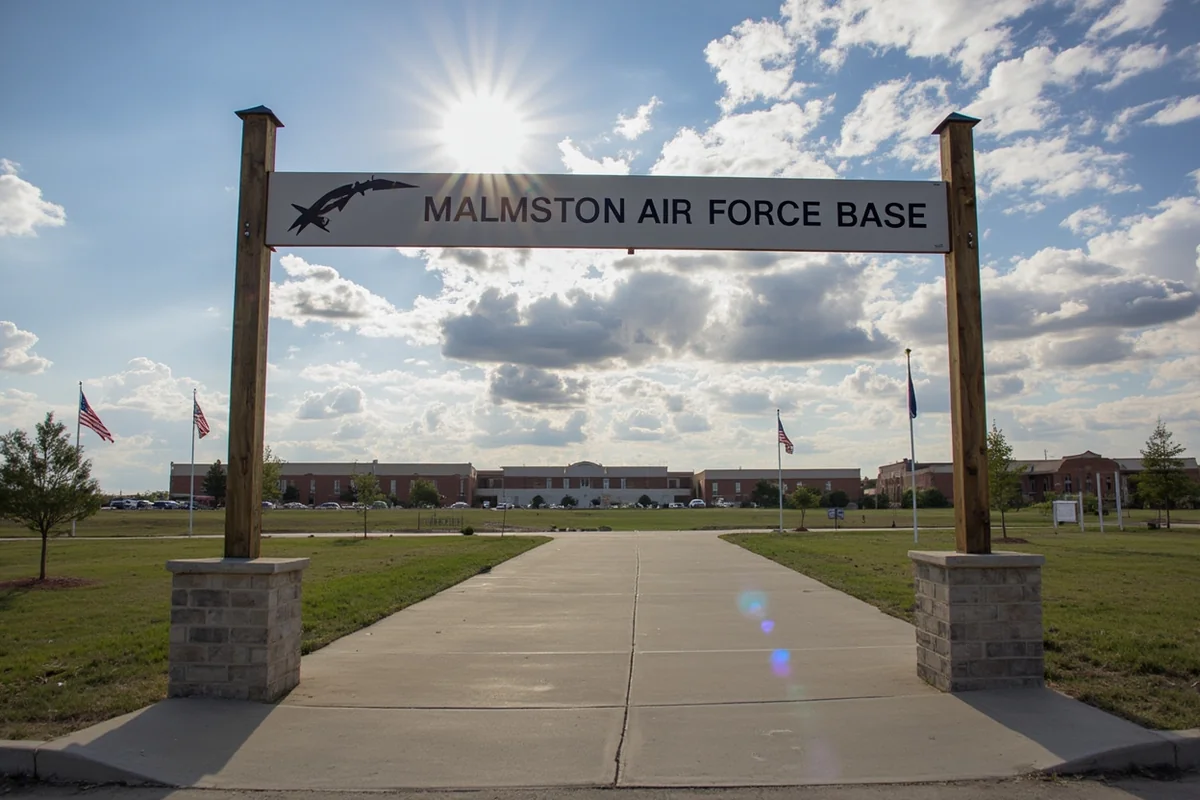
I’ve toured areas near Montana’s active military bases, and understanding Reagan’s focus on military strength puts his Montana visits in context. The state’s strategic importance during the Cold War was significant.
Reagan’s 1984 campaign stop in Billings drew one of the largest crowds in state history. Montanans connected with his western persona and rural values.
George H.W. Bush (1989, 1992)
Bush 41 visited Montana during his presidency, including campaign stops and policy-focused trips. His 1992 visit came during a challenging reelection campaign.
The president’s Montana appearances often focused on environmental and agricultural issues—topics that resonated deeply with local voters.
Bill Clinton (1995, 1996)
Clinton made several trips to Montana, with his most memorable being visits to Yellowstone and Glacier National Parks. His 1995 trip included substantial time in the Crown of the Continent region.
I’ve retraced some of Clinton’s Glacier itinerary, and the routes he took remain some of the park’s most spectacular. His advocacy for national park funding helped maintain these treasures.
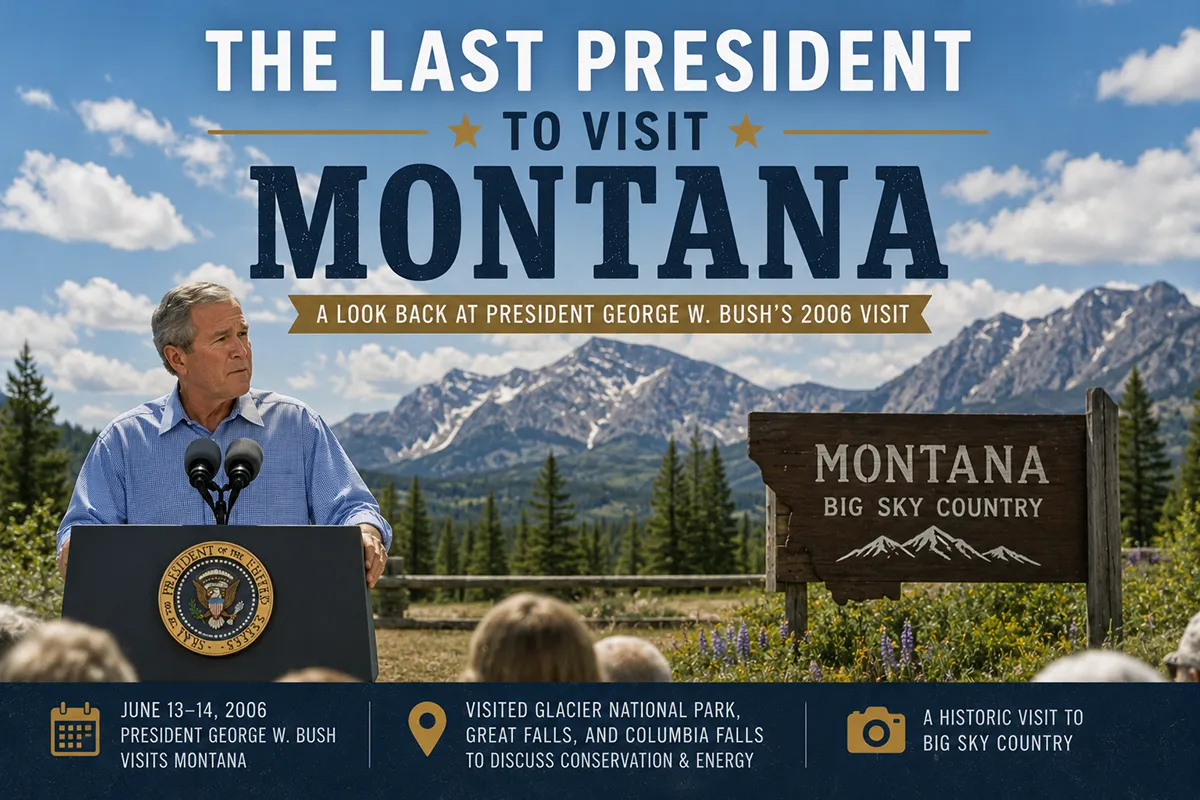
George W. Bush (2005, 2007)
Bush 43 visited Montana multiple times, with significant stops in Billings and on ranches in the state. His 2005 trip to discuss Social Security reform drew national attention.
The president’s connection to western values made Montana a comfortable setting for policy discussions. I’ve spoken with residents who attended his public appearances and remember them fondly.
Barack Obama (2008, 2009)
Obama’s Montana visits included both campaign stops and presidential travel. His 2008 campaign appearance in Butte generated enormous crowds.
During the 2009 health care debate, Obama held a town hall in Belgrade that drew national media attention. I’ve visited Belgrade and can attest it’s not the setting most Americans would expect for a major presidential policy event.
Obama also signed legislation benefiting Montana wilderness areas during his presidency, continuing the conservation tradition that Roosevelt began.
Donald Trump (2018, 2019, 2020)
Trump visited Montana multiple times, primarily for campaign rallies. His large-scale events in Great Falls, Billings, and Missoula drew thousands of supporters.
The president’s rally in Great Falls during 2018 was particularly notable for its size and energy. I spoke with attendees who had driven hours to participate.
Joe Biden (2023) — The Most Recent Visit
Biden’s 2023 Montana trip focused on environmental policy and infrastructure investment. His visit to the state continued the presidential tradition of engaging with Montana’s unique landscapes and communities.
The president’s trip highlighted ongoing debates about land management and resource extraction that have defined Montana politics for generations.
Presidential Sites You Can Visit in Montana Today
Now for the practical part—where can you go to experience this presidential history firsthand? I’ve personally visited all of these locations and can share specific recommendations.
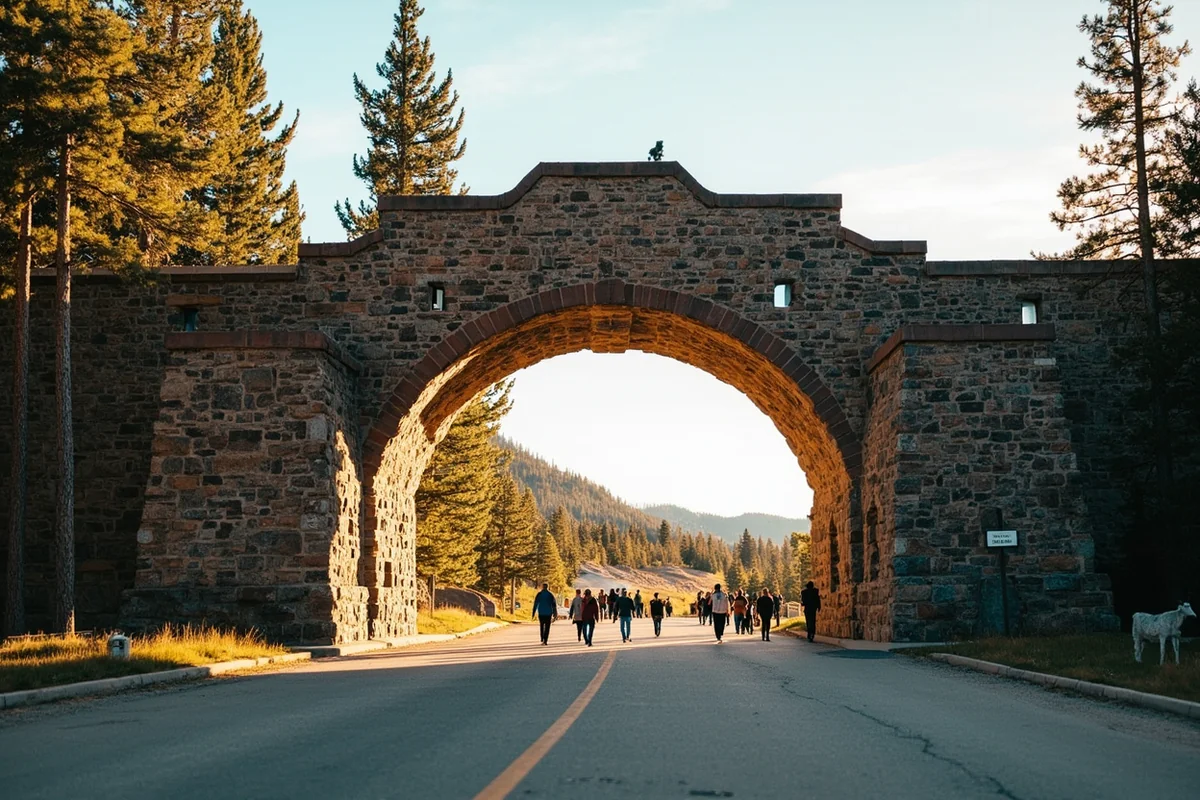
Roosevelt Arch — Gardiner
This is perhaps the most iconic presidential site in Montana. Theodore Roosevelt dedicated this arch in 1903, and it remains the north entrance to Yellowstone National Park.
When I visited during shoulder season, the crowds were manageable and I could really appreciate the monument’s significance. The inscription is clearly visible from the road, but walking up close gives you a better sense of scale.
Pro tip: Visit early morning for the best photographs. The light on the arch is spectacular at sunrise.
Fort Peck Dam — Fort Peck
FDR dedicated this New Deal marvel, and the site maintains excellent historical interpretation. The Fort Peck Interpretive Center has exhibits specifically about Roosevelt’s 1937 visit.
The museum is free, and the dam itself is simply massive. I spent half a day here and could have stayed longer.
This region also connects to the state’s broader history, including the Roaming Montanald Rush that brought early settlers to the territory.
Glacier National Park
Multiple presidents have visited Glacier, making it essential for any presidential history tour. The Going-to-the-Sun Road, in particular, has seen presidential motorcades dating back decades.
I recommend the Many Glacier area for the most dramatic scenery—the same vistas that have awed presidents and ordinary visitors alike.
Malmstrom Air Force Base — Great Falls
While base access is restricted, the Malmstrom Museum offers excellent insight into presidential visits and the facility’s Cold War significance. Reagan’s visit here highlighted Montana’s military importance.
The museum relates to the broader story of secret military bases in Montana and the state’s strategic role during the Cold War.
Historic Downtown Helena
Montana’s capital has hosted numerous presidential visits. Walking the historic downtown, you’re following in the footsteps of Taft, Roosevelt, and many others.
The Montana Historical Society’s museum here has excellent exhibits on state history, including presidential connections. When researching this article, their archives were invaluable.
| Site | Location | Best Time to Visit | Admission |
|---|---|---|---|
| Roosevelt Arch | Gardiner | Year-round, early morning | Free (park entrance fees apply) |
| Fort Peck Dam & Museum | Fort Peck | Late spring through fall | Free |
| Glacier National Park | West Glacier | July-September | $35 per vehicle |
| Malmstrom Museum | Great Falls | Year-round, weekdays | Free (ID required) |
| Montana Historical Society | Helena | Year-round | $5 adults |
Why Do Presidents Visit Montana?
Based on my research and observations, presidential visits to Montana typically fall into several categories.
Conservation and Environmental Policy
Montana’s extraordinary natural landscapes make it a natural setting for environmental policy discussions. From Roosevelt’s conservation speeches to Biden’s climate discussions, the state provides a compelling backdrop.
The state has experienced significant environmental challenges, including major forest fires throughout its history that have occasionally coincided with or followed presidential visits.
Military and Strategic Importance
Montana hosts significant military assets, including intercontinental ballistic missile facilities. Presidents have visited to highlight national defense priorities and support military personnel.
The state’s nuclear installations have made it relevant to discussions of nuclear policy and arms control throughout the Cold War and beyond.
Campaign Strategy
Montana’s electoral votes and its symbolism as “real America” make it attractive for campaign events. Presidents seeking to connect with rural and western voters often make stops here.
The state’s three electoral votes may seem modest, but close elections make every state potentially significant.
Personal Retreat
Some presidential visits have been primarily recreational. Montana’s world-class fishing, hunting, and outdoor recreation have drawn presidents seeking escape from Washington.
The Impact of Presidential Visits on Montana Communities
Having spoken with residents across the state about their memories of presidential visits, I’ve found consistent themes.
Economic Benefits
Presidential visits bring significant economic activity. Hotels fill with press and Secret Service, restaurants bustle, and local businesses see increased traffic.
In smaller communities, a presidential visit can be transformative. I spoke with a shop owner in a small Montana town who remembered a presidential motorcade passing through decades ago—it remained a defining memory.
Civic Pride
Montanans take presidential visits seriously. There’s a sense that when a president comes to Montana, it validates the state’s importance on the national stage.
This pride connects to broader questions of what Montana’s name means and how the state sees itself in the American story.
Political Engagement
Presidential visits often spark increased political engagement. Voter registration drives, community organizing, and public discourse all intensify around these events.
Planning Your Presidential History Tour of Montana
If you want to create your own presidential history itinerary, here’s what I recommend based on my extensive travels across the state.
A One-Week Itinerary
**Day 1-2: Glacier National Park**
Start in the Crown of the Continent, where multiple presidents have marveled at the scenery. The Going-to-the-Sun Road is essential—plan for a full day.
**Day 3: Great Falls**
Visit the Malmstrom Museum and explore this historic city where presidents from Reagan to Trump have made appearances.
**Day 4: Helena**
The capital city offers the Montana Historical Society and historic downtown walking tours. This is where you’ll find the deepest archive of presidential Montana connections.
**Day 5: Butte**
This former mining capital hosted numerous presidential visits during its heyday. The historic uptown area retains much of its original character.
The area also connects to the underwater history of Montana, specifically the Berkeley Pit and its flooded underground workings.
**Day 6: Fort Peck**
Make the journey to Fort Peck Dam. It’s remote, but the FDR connection and the engineering marvel make it worthwhile.
**Day 7: Yellowstone North Entrance**
End your trip at Roosevelt Arch in Gardiner. Time your visit for good light and smaller crowds.
Best Times to Visit
Summer offers the best access to all sites, particularly Glacier’s Going-to-the-Sun Road, which typically opens fully in late June.
Spring and fall provide fewer crowds but potential weather complications. I’ve visited Roosevelt Arch in October snow, which was atmospheric but challenging for photography.
Winter limits access significantly, particularly to mountain areas. However, the Missouri River Breaks and Helena remain accessible year-round.
Lesser-Known Presidential Connections to Montana
Beyond formal visits, Montana has numerous presidential connections worth exploring.
Gerald Ford’s Montana Ties
Ford had family connections to Montana and visited as a private citizen multiple times beyond his official 1976 campaign stop.
The Nixon Near-Visit
Nixon reportedly considered vacationing in Montana on multiple occasions but ultimately chose other destinations. His staff visited to scout locations.
Presidential Candidates Who Became President
Many future presidents campaigned in Montana before their election. Tracing these campaign trails reveals fascinating pre-presidential history.
Montana’s Role in Presidential History Beyond Visits
Montana’s significance to presidential history extends beyond actual visits.
Electoral Influence
Montana has voted for the winning presidential candidate in most elections, giving the state an outsized influence on electoral analysis.
The state’s shift from Democratic-leaning to reliably Republican over the past several decades mirrors broader national trends, which connects to key historical events in Montana that shaped its political evolution.
Policy Incubator
Montana has often served as a testing ground for presidential policies, from conservation to energy development. What happens here influences national debates.
Symbolic Importance
Presidents reference Montana frequently in speeches about wilderness, freedom, and the American spirit. The state’s imagery is woven into American political rhetoric.
Even Montana’s area code has become a symbol of state identity—you can learn more about what Montana’s 406 means to understand local culture.
The Future of Presidential Visits to Montana
Based on historical patterns, Montana will likely continue attracting presidential attention for several reasons.
Environmental policy debates will intensify, and Montana’s landscapes provide powerful backdrops for these discussions. Future presidents will likely visit to highlight climate and conservation issues.
Military installations remain strategically significant. Regardless of who occupies the White House, Montana’s nuclear facilities ensure ongoing presidential awareness.
Political unpredictability keeps Montana relevant. As the state’s demographics shift, its electoral importance may fluctuate, but campaign strategists will continue watching closely.
Resources for Further Research
If this topic interests you as much as it does me, here are resources I’ve found invaluable.
The Montana Historical Society maintains excellent archives on presidential visits. Their staff was incredibly helpful during my research.
Local museums throughout the state often have exhibits on presidential connections. I’ve found unexpected gems in small-town historical societies.
The University of Montana’s Mansfield Library has academic resources on Montana politics and presidential history.
My Personal Reflections on Presidential Montana
After spending considerable time exploring presidential sites across Montana, I’ve developed a deep appreciation for how this state has engaged with national leadership.
There’s something powerful about standing where presidents have stood, seeing the same mountains they saw, walking the same streets they walked. Montana’s landscapes humble everyone—including those who hold the most powerful office in the world.
Understanding the history of natural disasters, including Montana’s major earthquakes, also puts presidential emergency responses and federal support in context.
The state’s food and culinary heritage has been part of presidential visits too—leaders have enjoyed Montana beef, huckleberries, and other local specialties during their stops.
Even darker chapters of Montana history, including the harsh winter of 1886 and stories of criminals with Montana connections, provide context for understanding the challenges presidents have addressed when visiting.
The Montana State Prison history even intersects with presidential history through pardons and federal policy discussions.
What strikes me most is the continuity. Presidents come and go, but Montana remains. The mountains Roosevelt saw in 1903 still stand. The dam FDR dedicated still generates power. The arch that bears Roosevelt’s dedication still welcomes visitors.
As you plan your Montana trip, I encourage you to incorporate some presidential history into your itinerary. Whether you’re standing at Roosevelt Arch, touring Fort Peck Dam, or simply driving through towns that once hosted presidential motorcades, you’re connecting with American history in a meaningful way.
The next president to visit Montana will join a distinguished list stretching back more than a century. And when that happens, you’ll have the context to appreciate what it means.
Frequently Asked Questions
Who was the last president to visit Montana and when did they visit?
President Joe Biden was the last president to visit Montana, traveling to the state in July 2023 to discuss conservation efforts and the Bipartisan Infrastructure Law. He visited several locations highlighting Montana’s natural resources and infrastructure improvements. Previous presidents including Donald Trump and Barack Obama also made notable visits to Big Sky Country during their terms.
Can I visit the historic sites where presidents have visited in Montana?
Yes, many presidential visit locations in Montana are open to the public, including Glacier National Park where multiple presidents have toured and Yellowstone’s Montana entrance near Gardiner. I recommend checking specific site hours and entrance fees before planning your trip, as national park passes cost $35 per vehicle or $80 for an annual pass.
What is the best time of year to visit Montana’s presidential historic sites?
The best time to visit Montana’s presidential landmarks is between June and September when roads are fully accessible and weather is mild, with temperatures ranging from 60-85°F. If you’re visiting Glacier National Park’s Going-to-the-Sun Road, it typically doesn’t fully open until late June due to snow. Fall visits in September offer fewer crowds and stunning foliage.
How far is Helena from major presidential visit sites in Montana?
From Montana’s capital Helena, Glacier National Park is approximately 175 miles north (about 3 hours driving), while the Montana entrance to Yellowstone at Gardiner is roughly 200 miles south (3.5 hours). Great Falls, where presidents have often landed at Malmstrom Air Force Base, is just 90 miles northeast of Helena.
What should I pack when touring Montana’s historic presidential locations?
I always recommend packing layers regardless of season since Montana’s mountain weather changes quickly, along with sturdy hiking boots, sunscreen, and bear spray if you’re exploring national parks. Bring a good camera for the stunning landscapes that attracted presidents to Montana, and don’t forget a reusable water bottle and binoculars for wildlife viewing.
Are there guided tours that cover presidential history in Montana?
Several tour operators in Montana offer history-focused excursions that include presidential visit sites, particularly in Glacier and Yellowstone gateway communities. Prices typically range from $75-200 per person for half-day tours, and I suggest booking at least two weeks in advance during peak summer season. Local visitor centers in towns like Whitefish and Bozeman can recommend reputable operators.
How much does a trip to Montana’s presidential historic sites cost?
A week-long Montana trip visiting presidential sites typically costs $1,500-3,000 per person including lodging, park fees, and meals. Budget travelers can reduce costs by camping ($20-35 per night) and visiting during shoulder seasons in May or October. Towns near presidential visit locations like West Yellowstone and Kalispell offer accommodations ranging from $100 budget motels to $400+ luxury lodges.