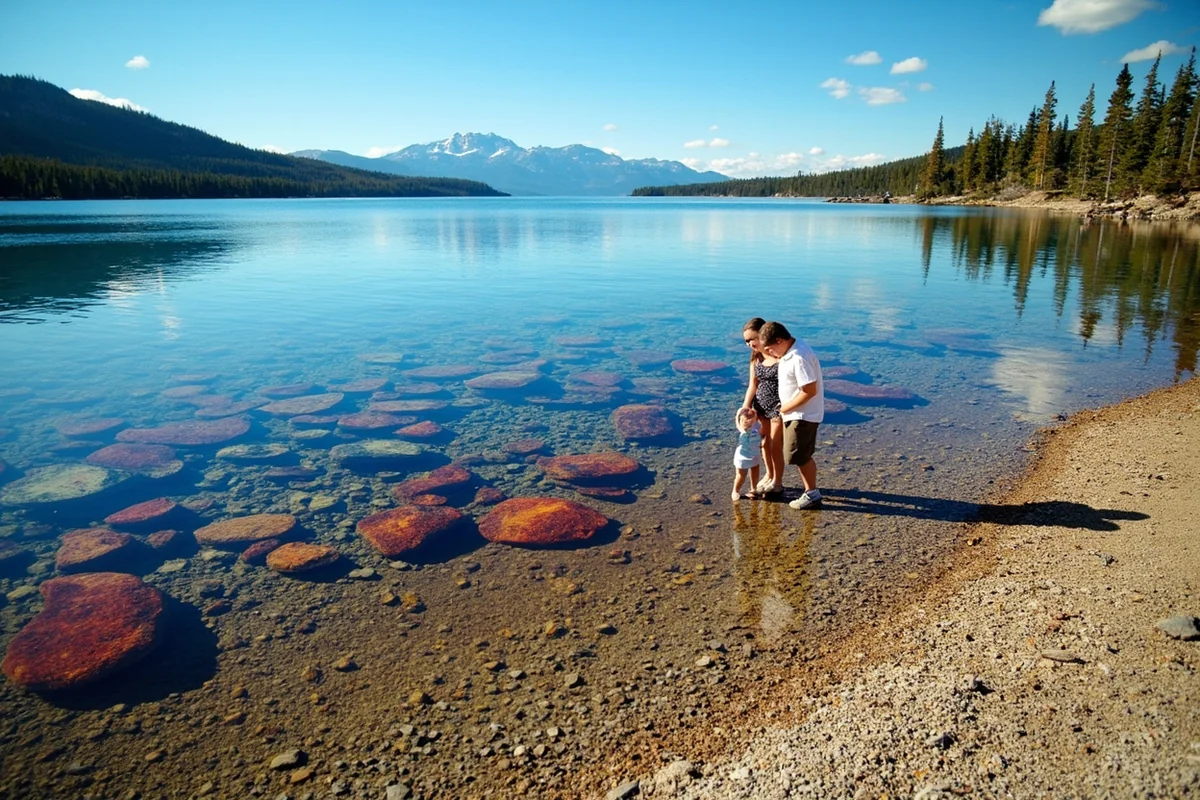
When my seven-year-old daughter stood at the edge of Glacier National Park’s Lake McDonald last summer, she turned to me and whispered, “Dad, is this what heaven looks like?”
That single moment—her tiny hand in mine, the polished rocks glowing beneath crystal water—reminded me why Montana isn’t just a destination. It’s where families come to feel small in the best possible way.
- Glacier National Park tops the list, but visit early morning or late September to avoid crushing crowds
- Yellowstone’s Montana entrance (West Yellowstone) offers easier access and shorter wait times than Wyoming entrances
- Budget around $200-300/day for a family of four including attractions, meals, and gas
- The Museum of the Rockies in Bozeman is genuinely world-class—not just “good for Montana”
- Lesser-known spots like Lewis and Clark Caverns and Giant Springs deliver big experiences without big crowds
- Summer requires advance reservations; shoulder seasons (May, September) offer flexibility and better pricing
I’ve spent the better part of fifteen years exploring Montana with my family, first as a curious outsider from Oregon, now as someone who calls this big sky country home. What follows isn’t a generic listicle scraped from tourism websites.
These are places I’ve personally taken my kids—places where they’ve laughed, learned, and occasionally complained about the walking.
Let me share what actually works for families, what’s overhyped, and what hidden gems deserve a spot on your itinerary.
Liked this article?
Add Roaming Montana as a preferred source so you see more of our articles and guides on Google.
1. Glacier National Park — The Crown Jewel That Lives Up to Its Reputation
I’ll be honest: I was skeptical before my first visit. Could any place really match the photographs? Glacier National Park doesn’t just match them—it makes the photos look underwhelming.
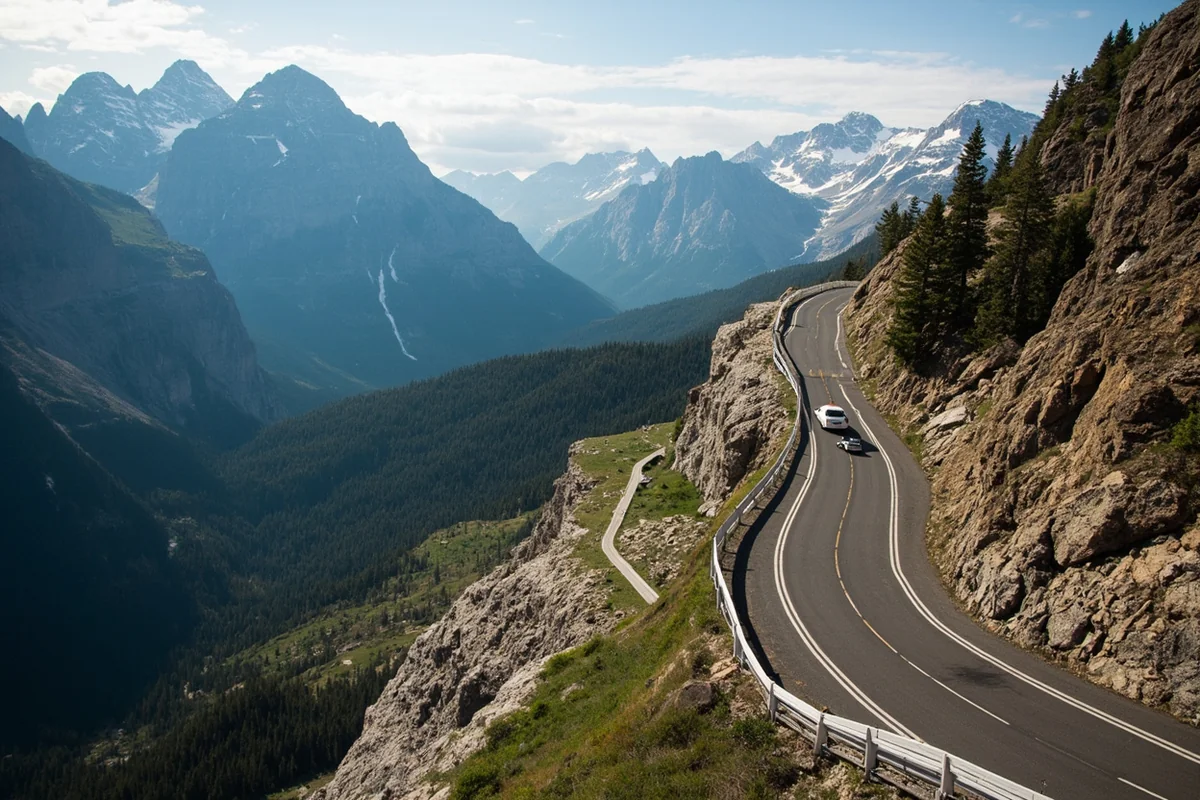
During my most recent trip last August, I drove the Going-to-the-Sun Road with my kids in the backseat, and the collective gasp when we rounded the bend at Logan Pass was genuine. This isn’t manufactured wonder.
The glacially carved valleys, the waterfalls cascading hundreds of feet down moss-covered cliffs, the mountain goats casually blocking traffic—it’s legitimately spectacular.
Practical Tips From Multiple Visits
Here’s what tourism brochures won’t tell you: Going-to-the-Sun Road requires vehicle reservations from late May through early September for the most popular section between 6 AM and 4 PM.
Book these the moment they become available (they release in batches—check the NPS website for exact dates).
We’ve learned to enter the park before 6 AM during peak season. Yes, it means waking the kids at 4:30 AM, but by 9 AM when crowds pour in, you’ve already hiked to Hidden Lake Overlook and back.
The Apgar Village area on the park’s west side offers the most family-friendly access. Lake McDonald has a gentle shoreline perfect for young kids, and the boat rental concession operates vintage wooden boats that my children still talk about two years later.
Best Family Hikes
Skip Highline Trail with young kids—the exposure (sheer drop-offs) caused my usually fearless eight-year-old to freeze mid-trail. Instead, try Trail of the Cedars (fully accessible, boardwalk loop through ancient forest) and Avalanche Lake (4.5 miles round trip, manageable for kids 6+, stunning payoff at a glacial lake).
One more tip: Many visitors miss Polebridge, the tiny community on the park’s remote northwest side. The Polebridge Mercantile sells legendary huckleberry bear claws, and the unpaved road getting there makes kids feel like genuine adventurers.
| Glacier NP Key Info | Details |
|---|---|
| Entrance Fee | $35/vehicle (7 days) or use America the Beautiful Pass |
| Best Family Season | Late June-early July (wildflowers) or September (fewer crowds, golden larches) |
| Vehicle Reservation | Required May 24-Sept 8, 2024 for Going-to-the-Sun Road corridor |
| Closest Town | Whitefish (25 miles) or Kalispell (32 miles) |
2. Museum of the Rockies (Bozeman) — Dinosaurs That Rival Any Major City Museum
When I tell out-of-state friends that one of the world’s most important dinosaur fossil collections sits in Bozeman, Montana, they assume I’m exaggerating. I’m not.
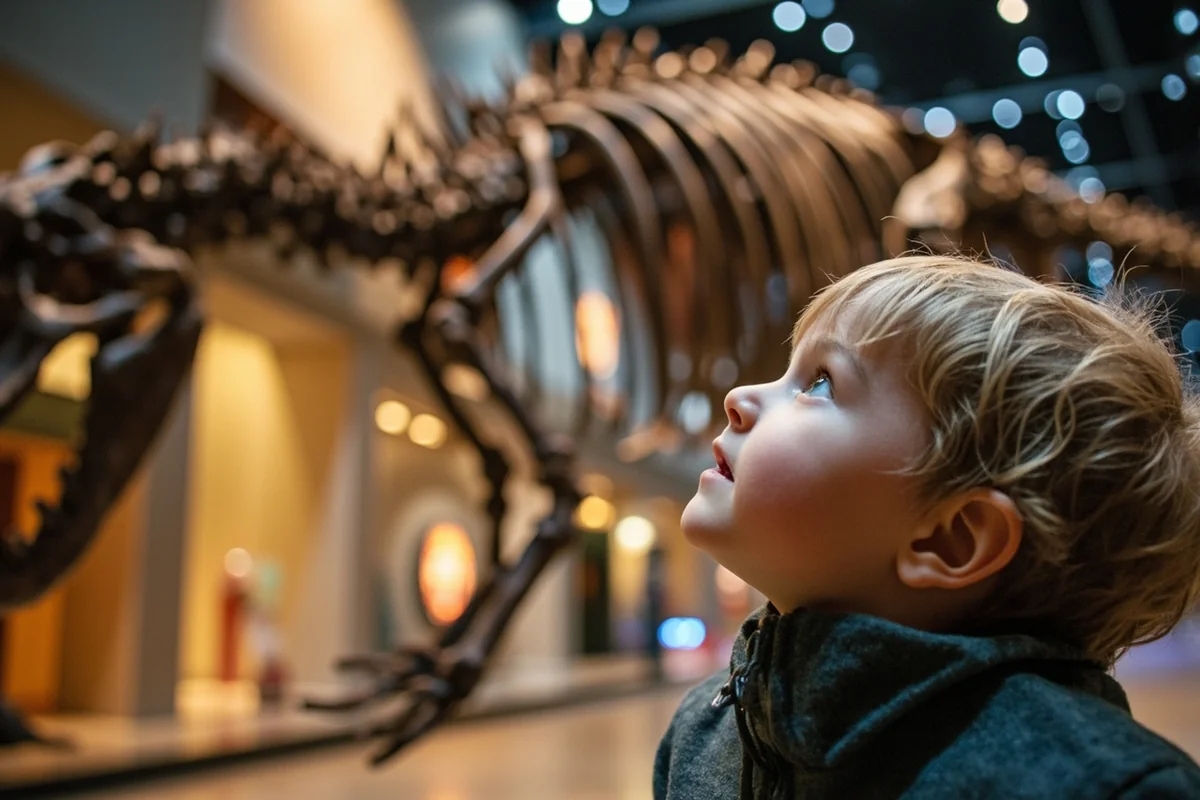
The Museum of the Rockies houses the largest collection of dinosaur fossils in the United States, including specimens discovered by legendary paleontologist Jack Horner (the scientific advisor for Jurassic Park). During my winter visit last December, my dinosaur-obsessed son spent three hours in the Siebel Dinosaur Complex alone.
What Makes It Special
Unlike natural history museums where fossils hide behind glass in dimly lit halls, MOR displays specimens at eye level with exceptional lighting. The growth series showing Tyrannosaurus Rex from juvenile to adult is something you simply won’t see elsewhere.
The planetarium shows are excellent for kids 5+, and the living history farm (open summer months) lets children experience 1890s Montana homestead life—complete with chickens, heritage gardens, and costumed interpreters who stay in character.
I recommend budgeting 3-4 hours minimum. The museum café is mediocre; instead, walk five minutes to downtown Bozeman’s Main Street for lunch at Storm Castle Café (their kids’ grilled cheese is legitimately good).
3. West Yellowstone — Montana’s Gateway to America’s First National Park
Yes, Yellowstone National Park technically spans three states, but the Montana entrance through West Yellowstone offers families distinct advantages I didn’t appreciate until my third visit.
The Madison and Gibbon Rivers—accessible immediately upon entering from West Yellowstone—provide exceptional wildlife viewing without the chaos of Old Faithful. During a September trip, we watched a grizzly bear fishing in the Madison River for twenty minutes from a safe pullout. We were the only car there.
Why Enter Through Montana
The Yellowstone entrance from West Yellowstone experiences significantly shorter wait times than the Wyoming entrances at Cody or Jackson. During peak summer, I’ve waited 90+ minutes at the south entrance; the west entrance rarely exceeds 30 minutes.
West Yellowstone itself deserves a half-day. The Grizzly & Wolf Discovery Center provides ethical wildlife viewing (these are non-releasable animals) and guarantees kids will see grizzlies up close when the park’s wild bears prove elusive. The attached museum offers age-appropriate education about wildlife management.
Family Strategy for Yellowstone
Don’t try to see everything. Seriously. The park spans 2.2 million acres, and families who attempt comprehensive coverage leave exhausted and frustrated.
My recommendation: Pick one “big” attraction per day (Old Faithful, Grand Prismatic, Mammoth Hot Springs) and one wildlife-watching drive. The Lamar Valley at dawn offers the park’s best chance for wolf sightings—pack breakfast, bring binoculars, and explain to your kids that wildlife watching requires patience.
The Junior Ranger program here is exceptionally well-designed. My kids worked through the booklets over three days and still display their badges proudly.
4. Big Sky Resort — Not Just for Skiers
Big Sky Resort’s summer operations surprised me. I’d dismissed it as a ski destination until a local friend insisted I visit in July.
The scenic tram to Lone Peak (11,166 feet) delivers genuinely dramatic views accessible to anyone who can stand. My five-year-old handled it fine, though the summit’s thin air required frequent rest stops.
Summer Activities Worth Your Time
The mountain bike park offers progression from gentle green trails to expert-only terrain. Rentals are available, and the lift-served access means kids can ride more and pedal uphill less.
Zipline tours operate multiple difficulty levels—the kids’ course provides thrills without terror for ages 5+, while the adult course includes spans over 400 feet long.
The ropes course challenged my eleven-year-old in ways she didn’t expect. She completed it triumphantly, but I watched several confident-looking adults tap out mid-course. Don’t underestimate it.
What I appreciate about Big Sky: it feels less artificial than many resort towns. The Mountain Village has good restaurants (I recommend Andiamo Italian Grille for family dinners) without the manufactured quaintness that makes some ski towns feel like theme parks.
5. Lewis and Clark Caverns State Park — Montana’s Underground Masterpiece
This attraction genuinely surprised me. State park caves often disappoint after you’ve visited Carlsbad or Mammoth Cave, but Lewis and Clark Caverns holds its own against any show cave in America.
The two-hour Classic Tour descends through three distinct levels of limestone formations. The caverns maintain a constant 50°F, which provides welcome relief during August heat but requires jackets for kids accustomed to summer warmth.
Honest Assessment
The hike to the cave entrance involves significant uphill walking—about 300 feet of elevation gain over a half-mile. This isn’t accessible for mobility-impaired visitors or very young children. The tour itself requires ducking through low passages and climbing steep staircases.
That said, my six-year-old completed it without complaints. The guides are excellent—ours was a geology student who answered my daughter’s increasingly bizarre questions (“Can bats swim through rock?”) with patience and creativity.
The Paradise Tour offers a less strenuous option, covering only the upper cave level. It’s suitable for ages 6+ and those who want cavern exposure without the full workout.
Campground reservations here fill quickly. If you’re staying overnight, book weeks in advance for summer dates.
6. Flathead Lake — The Caribbean of Montana (Sort Of)
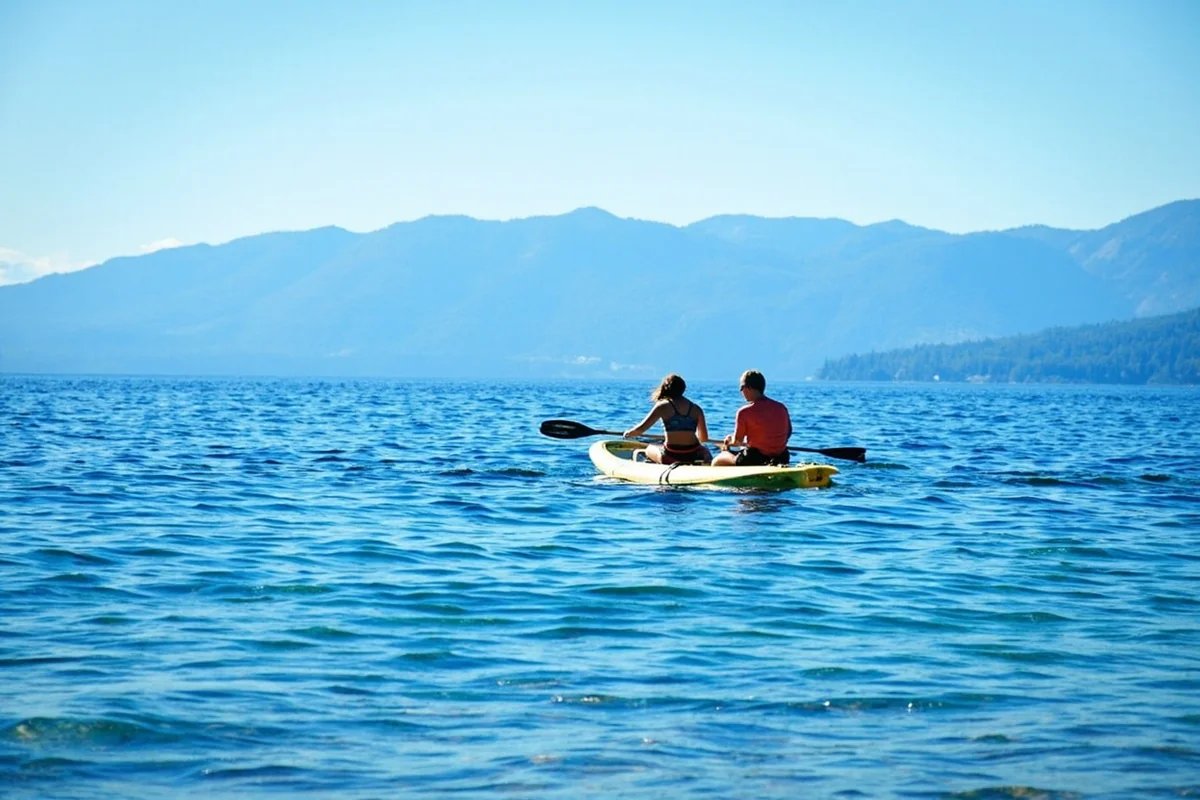
I know “Caribbean” sounds like travel-writer hyperbole, but Flathead Lake’s water clarity genuinely shocked me. You can see 30+ feet to the bottom in many areas, and the lake’s size (largest natural freshwater lake west of the Mississippi) creates a sense of space that smaller Montana lakes can’t match.
Best Family Beaches
Wayfarers State Park on the lake’s east shore offers the most family-friendly beach access. The swimming area is protected, the water warms to tolerable temperatures by July, and the adjacent campground provides immediate lake access.
Wild Horse Island State Park—accessible only by boat—provides a genuine adventure. We rented a pontoon boat from Bigfork and motored across to the island, where wild horses, bighorn sheep, and deer roam freely. Pack a picnic; there are no services on the island.
Polson, at the lake’s southern tip, offers the most amenities for families. The town has good restaurants, a small water park (the Polson Flathead Lake Golf Resort), and easy access to the Miracle of America Museum—a quirky collection of Americana that kids find fascinating despite (or because of) its lack of curation.
Cherry Season Tip
Visit in July during cherry season. Flathead Valley produces exceptional cherries, and roadside stands sell fresh fruit at prices that seem impossible to anyone from larger markets. My kids ate so many cherries during one visit that they complained about stomachaches—worth it.
7. Giant Springs State Park (Great Falls) — Unexpected Urban Wonder
I’d driven through Great Falls a dozen times before a flat tire forced an overnight stop. That accident introduced my family to Giant Springs, and I’m genuinely grateful for the detour.
The spring produces 156 million gallons of water daily—enough to fill a large swimming pool every second. The water emerges at a constant 54°F after filtering through limestone aquifers for an estimated 3,000 years. Standing at the spring’s edge, watching that volume of crystal-clear water bubble up from underground, humbled all of us.
The Fish Hatchery
The adjacent Giant Springs Fish Hatchery raises trout for stocking Montana’s rivers. Kids can feed the fish (food dispensers cost quarters—bring change), and the viewing areas let you watch thousands of rainbow trout in various growth stages.
The River’s Edge Trail connects the park to Great Falls’ downtown, offering excellent walking and biking. We rented bikes from a shop downtown and rode the entire 8-mile paved path along the Missouri River.
Great Falls itself deserves more attention than it gets. The C.M. Russell Museum houses the world’s largest collection of Charles Russell’s Western art, and the Lewis and Clark Interpretive Center provides excellent context for understanding the region’s exploration history.
8. Nevada City and Virginia City — Living Ghost Towns
These sister towns in southwestern Montana offer something increasingly rare: history that doesn’t feel sanitized or Disney-fied.
Virginia City served as Montana’s territorial capital during the 1860s gold rush. Today, roughly 100 residents maintain the original buildings, and walking down the main street genuinely transports you. This isn’t a recreation—these are actual structures from 160 years ago, still standing on their original foundations.
What Kids Actually Enjoy
The train connecting Virginia City to Nevada City delights kids regardless of age. The narrow-gauge railroad operates vintage equipment, and the five-minute ride provides just enough novelty without overstaying its welcome.
Nevada City’s outdoor museum displays hundreds of historic buildings relocated from around Montana. Kids can explore a Victorian schoolhouse, a 1860s barbershop, and various miners’ cabins. The lack of ropes and barriers means children can actually touch history—something most museums prohibit.
The candy store in Virginia City sells old-fashioned sweets from glass jars. My children spent their own money there and discussed the purchases for days afterward.
Visit on a weekday if possible. Weekend crowds can make the narrow wooden sidewalks feel cramped.
9. Whitefish Mountain Resort — Summer Adventures Above the Clouds
Whitefish Mountain’s summer operations have expanded dramatically in recent years. What was once a ski hill with a lonely chairlift now offers a full mountain adventure park.
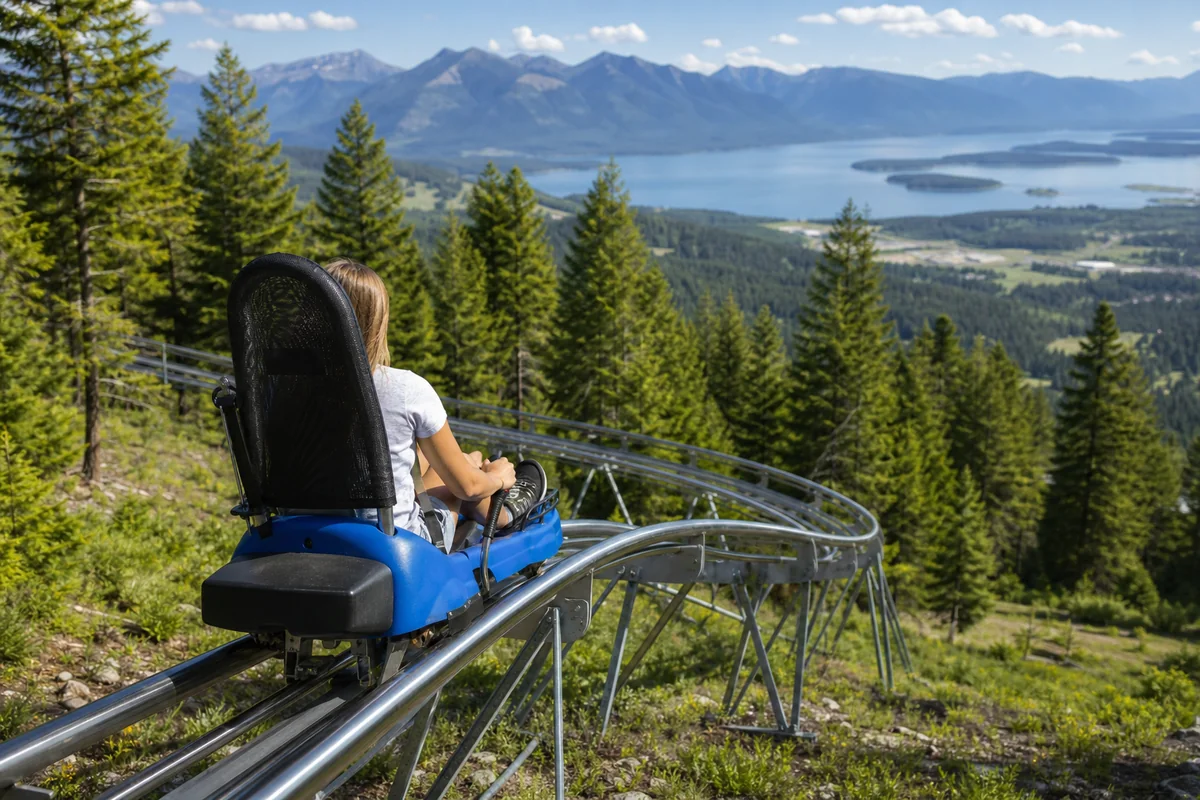
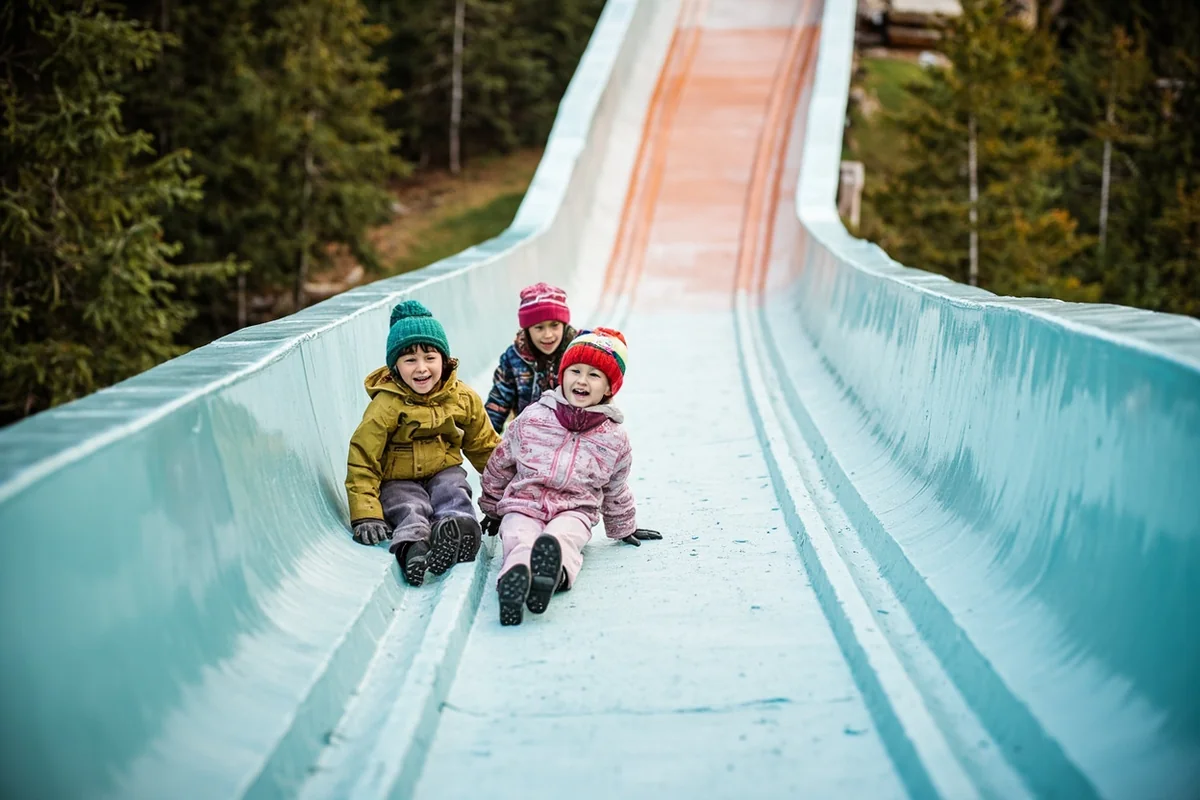
The alpine slide alone justifies the visit. Riders control their speed on a half-mile concrete track winding through forest—my kids rode it seven times during our visit. The views from the summit include Glacier National Park’s peaks on clear days.
Walk in the Treetops
The aerial adventure park includes zip lines and challenge courses, but the Walk in the Treetops nature trail provides free access to an elevated boardwalk through old-growth forest. It’s peaceful, beautiful, and doesn’t require adrenaline or athletic ability.
The town of Whitefish ranks among Montana’s most charming. Central Avenue’s shops and restaurants cater to visitors without feeling touristy, and the nearby Whitefish Lake offers beach access and swimming. We always allocate at least two nights here when traveling to Glacier.
10. Beartooth Highway — America’s Most Scenic Drive
Charles Kuralt called Beartooth Highway “the most beautiful drive in America.” Having driven it four times with my family, I can’t argue.
The 68-mile route connects Red Lodge, Montana, to Yellowstone’s northeast entrance, climbing to nearly 11,000 feet through alpine tundra that resembles another planet. In late June, snow walls still line portions of the road while wildflowers bloom at lower elevations.
Managing the Drive With Kids
The switchbacks and altitude affect some children. We’ve learned to stop frequently at the many pullouts—partly for photos, partly for fresh air. Pack snacks and water; there are no services between Red Lodge and Cooke City.
The Top of the World Store near the summit sells basic supplies and surprisingly good chili. The views from the parking lot are worth the stop regardless.
Red Lodge itself merits exploration. The small downtown features excellent restaurants (I recommend Carbon County Steakhouse for dinner) and the Yellowstone Wildlife Sanctuary provides ethical viewing of animals that cannot return to the wild.
Note: Beartooth Highway typically closes October through late May due to snow. Check current conditions before planning your route.
11. Makoshika State Park (Glendive) — Badlands Without the Crowds
If you’re driving I-94 across eastern Montana with kids who’ve grown restless, Makoshika State Park provides an unexpected rescue.
Montana’s largest state park contains badlands formations rivaling North Dakota’s Theodore Roosevelt National Park—without the crowds or entrance fees. During our summer visit, we hiked the Cap Rock Trail entirely alone, passing hoodoos and fossils exposed by erosion.
Dinosaur Fossils in the Wild
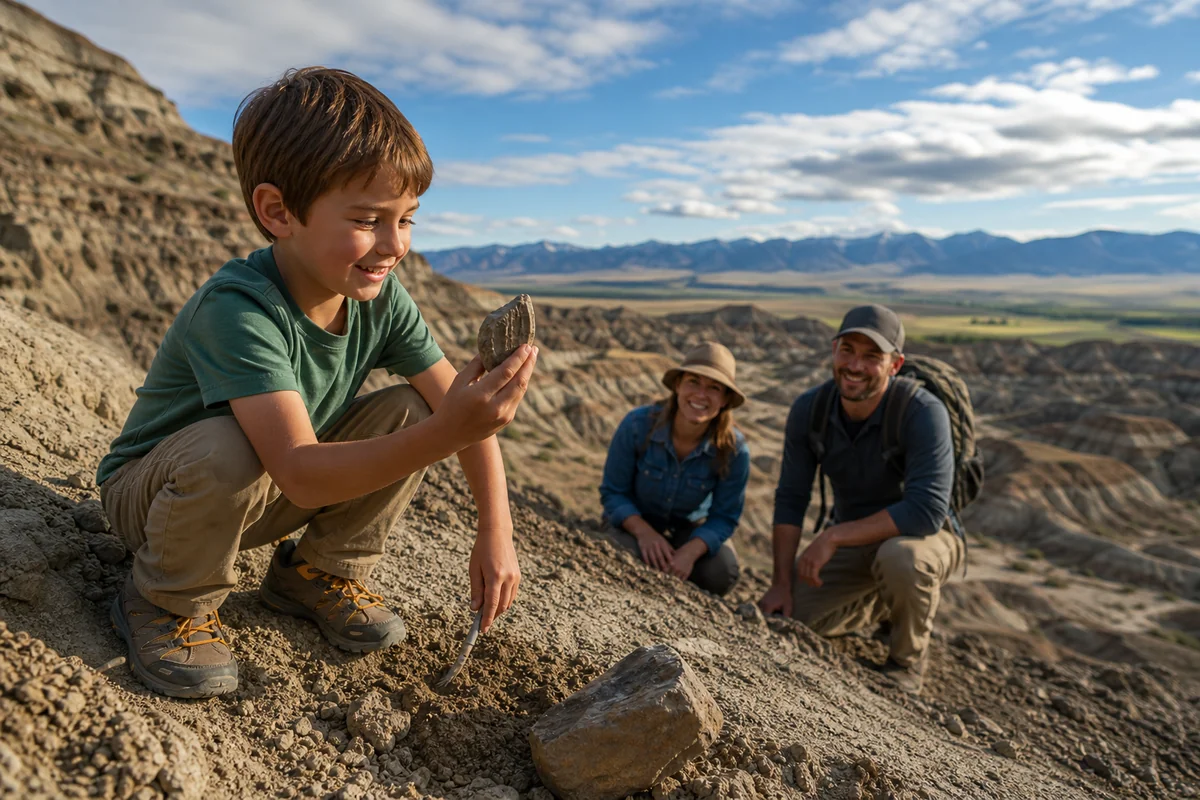
The park contains extensive fossil beds, and rangers can direct you to areas where triceratops and tyrannosaurus bones remain visible in the hillsides. You can’t collect anything, but seeing fossils in their natural context—rather than behind museum glass—creates different appreciation.
The visitor center displays dinosaur specimens found within the park. It’s small but well-designed, and the air conditioning provides relief during scorching eastern Montana summers.
Camp here if possible. The campground sits amid the formations, and watching sunset paint the badlands orange and pink remains one of my favorite Montana memories.
12. Brennan’s Wave (Missoula) — Urban Surfing in Montana
Yes, there’s surfing in Montana. Sort of.
Brennan’s Wave is a man-made whitewater feature in the Clark Fork River running through downtown Missoula. During summer months, kayakers and surfers ride the standing wave while spectators watch from Caras Park.
Why Kids Love It
My kids spent two hours watching river surfers wipe out spectacularly. It’s free entertainment, and the surrounding park offers playgrounds, walking paths, and easy access to downtown Missoula’s restaurants.
The Carousel for Missoula, hand-carved by volunteers over several years, operates nearby. At just $2 per ride, it’s one of the best values in Montana entertainment.
Missoula offers excellent family dining—I recommend Biga Pizza for dinner or the Good Food Store for picnic supplies. The university town atmosphere means bookstores, coffee shops, and cultural activities beyond what most Montana communities provide.
Planning Your Montana Family Trip
After years of exploring Montana with my kids, I’ve learned that less is more. Don’t try to hit every attraction in a single trip. The state spans 147,000 square miles—larger than Germany—and distances between destinations are significant.
Sample Itinerary Suggestions
For first-time visitors with 7-10 days, I recommend focusing on the western corridor: Glacier National Park (3 days), Flathead Lake (1-2 days), and Missoula (1 day), with either Big Sky/Bozeman or West Yellowstone filling remaining time.
Eastern Montana requires deliberate planning—attractions are spread farther apart—but rewards visitors with genuine solitude and dramatically different landscapes.
Budget Expectations
Montana has grown more expensive. During peak summer, expect $200-350/night for decent family accommodations near popular attractions. Camping reduces costs significantly—state park sites run $20-35/night, and National Forest campgrounds offer even lower rates.
Restaurant prices vary wildly. A family dinner in Whitefish or Big Sky might cost $150+; similar meals in smaller towns like Hamilton or Lewistown run half that amount.
What to Pack
Montana weather changes rapidly regardless of season. I’ve experienced snow in July at high elevations and 90°F heat in September. Pack layers, rain gear, and sun protection for every outing.
Binoculars transform wildlife watching from frustrating to magical. Even inexpensive pairs dramatically improve the experience.
Bear spray is essential in Glacier and Yellowstone. Rent or buy it locally—you cannot fly with it—and ensure every family member knows how to use it.
Final Thoughts From the Road
Montana has transformed how my family travels. We’ve learned to slow down, to value space over spectacle, to find wonder in meadows as much as museums.
The attractions I’ve listed here represent starting points, not comprehensive coverage. Montana’s true magic often appears unexpectedly—a moose crossing the highway at dusk, a conversation with a rancher at a small-town café, a meteor shower viewed from a campsite with no light pollution for fifty miles.
Bring your kids to Montana. Let them get bored on the long drives between attractions. Let them complain about hiking before they discover what waits at the trail’s end.
These are the memories that stick.
Frequently Asked Questions
What are the best family-friendly attractions in Montana for kids under 10?
I’d recommend Glacier National Park’s easy trails like Trail of the Cedars, the Museum of the Rockies in Bozeman with its incredible dinosaur exhibits, and ZooMontana in Billings. The Lewis and Clark Caverns State Park is also a huge hit with younger kids who love exploring underground caves. Most of these attractions cost between $8-15 per child and offer interactive experiences perfect for shorter attention spans.
When is the best time to visit Montana family attractions?
Late June through August offers the best weather for outdoor attractions, with temperatures ranging from 70-85°F and all facilities fully operational. I’ve found that visiting in early September works great too since crowds thin out after Labor Day but most attractions remain open. Winter visits work well if your family wants to explore ski resorts like Big Sky or experience Yellowstone’s snowy landscape.
How much should I budget for a week-long Montana family vacation?
For a family of four, I’d budget roughly $2,500-4,000 for a week, including lodging, food, gas, and attraction entry fees. National park passes run $35-80 per vehicle, while most museums and attractions charge $10-20 per adult and $5-12 per child. Accommodations range from $100/night for budget hotels to $300+ for cabin rentals near popular destinations like Whitefish or Big Sky.
What should I pack for visiting Montana attractions with kids?
Layers are essential since Montana temperatures can swing 30+ degrees in a single day, even during summer. I always pack sturdy hiking shoes, sunscreen, bear spray for backcountry trails, refillable water bottles, and rain jackets regardless of the forecast. Don’t forget binoculars for wildlife spotting and a small first-aid kit since many attractions are remote, sometimes 50+ miles from the nearest town.
Are Montana’s top family attractions close together or spread out?
Montana is massive, so attractions are quite spread out, and you’ll need to plan driving time carefully. Glacier National Park to Yellowstone is roughly 340 miles and takes about 6 hours without stops. I suggest picking one region per trip, either northwestern Montana near Glacier and Flathead Lake or the southwestern area covering Yellowstone, Bozeman, and Butte.
Do I need reservations for popular Montana family attractions?
Yes, Glacier National Park now requires timed-entry reservations during peak summer months for the Going-to-the-Sun Road corridor, and they sell out weeks in advance. Popular tours like Lewis and Clark Caverns and river rafting excursions also book up quickly during July and August. I recommend booking accommodations and major activities at least 2-3 months ahead for summer travel.
Which Montana attractions offer free or low-cost family activities?
Many Montana state parks charge just $8 per vehicle for day use, and kids under 5 typically enter free at most museums. I’ve found great free options including hiking trails throughout national forests, wildlife watching at the National Bison Range, and exploring historic downtown areas in towns like Virginia City. The first Saturday of each month, several Montana museums offer free admission for families.