I was standing at the headwaters of the Missouri River in Three Forks last summer when a fellow hiker casually mentioned that Montana has more elk than people in some counties—and honestly, after spending years exploring this state, facts like that still catch me off guard.
If you’re planning a trip to About Montana country, understanding these fascinating details transforms a good vacation into an unforgettable adventure.
From mind-bending geography to quirky laws that’ll make you chuckle, I’ve compiled the most interesting Montana facts I’ve discovered through countless road trips, conversations with locals, and my own genuine curiosity about Big Sky Country.
- Montana is the 4th largest US state but ranks 44th in population—more land than people
- The state has more cattle (2.6 million) than humans (1.1 million)
- Glacier National Park loses about 2 glaciers per decade—visit soon
- Montana contains parts of both Yellowstone and Glacier National Parks
- The state has no sales tax, making it a shopper’s paradise
- Wildlife outnumbers humans dramatically—600,000+ deer, 150,000+ elk
- Montana’s Tongue River flows backward compared to most US rivers
Liked this article?
Add Roaming Montana as a preferred source so you see more of our articles and guides on Google.
Mind-Blowing Geography Facts That Define Montana
When I first drove across Montana on Interstate 90, I genuinely thought my GPS was broken. The state stretches 559 miles from east to west—that’s farther than the distance from Chicago to Washington DC.
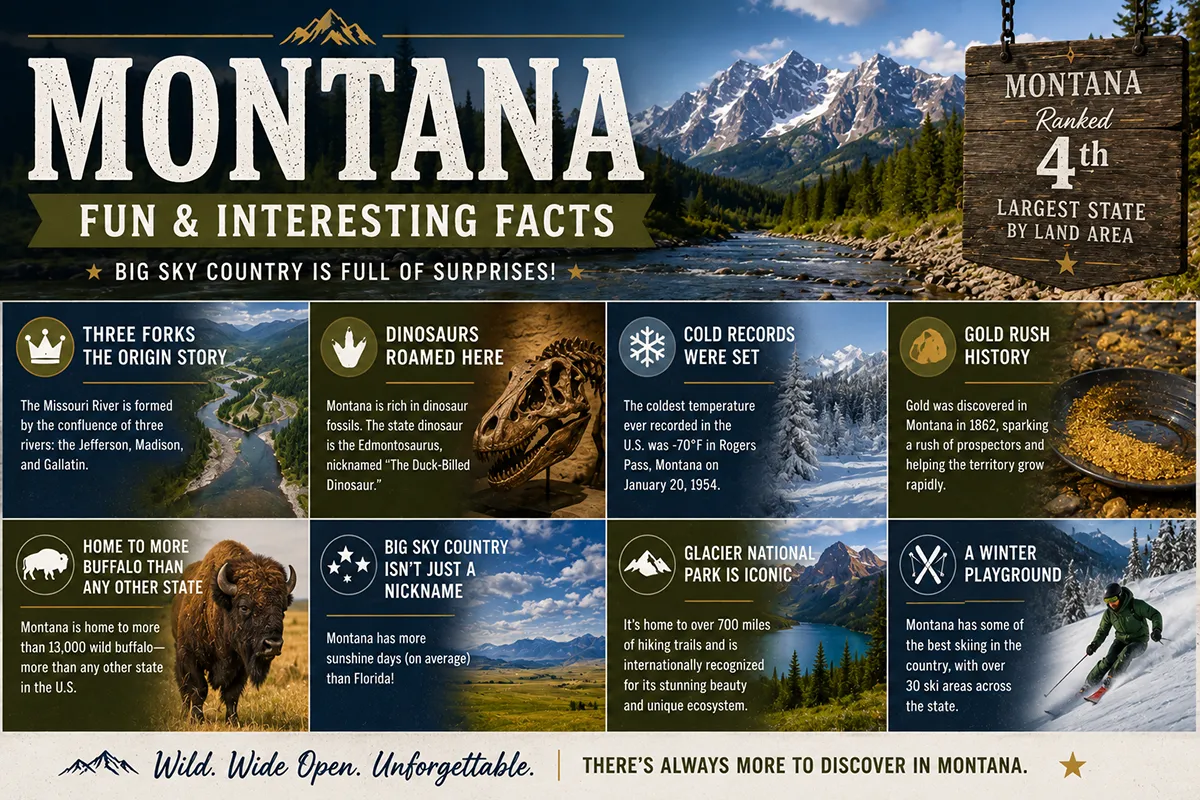
Montana encompasses 147,040 square miles, making it the fourth-largest state in the nation. Only Alaska, Texas, and California cover more ground.
Here’s what really blew my mind during my research for this piece: Montana is larger than Japan. Let that sink in—an entire industrialized island nation with 125 million people fits inside a state with barely a million residents.
The Continental Divide’s Quirky Behavior
The Continental Divide runs through Montana for about 800 miles, but it does something truly bizarre near Glacier National Park. At Triple Divide Peak, water flows to three different oceans—the Pacific, Atlantic, and Arctic.
I hiked to Triple Divide Peak during my visit in 2022, and standing at that exact spot knowing rain could theoretically reach three separate oceans from that single point felt almost spiritual.
This geographic phenomenon exists nowhere else in the lower 48 states. It’s one of the unique ways Montana stands out from every other state I’ve explored.
Montana’s Surprising Low Point
Most visitors assume Montana is all mountains, but the state’s lowest elevation sits at just 1,804 feet along the Kootenai River. That’s still higher than Denver’s elevation by a few feet.
Meanwhile, Granite Peak reaches 12,799 feet—the highest point in the state and a serious mountaineering challenge. I’ve met experienced climbers who’ve attempted it multiple times before succeeding.
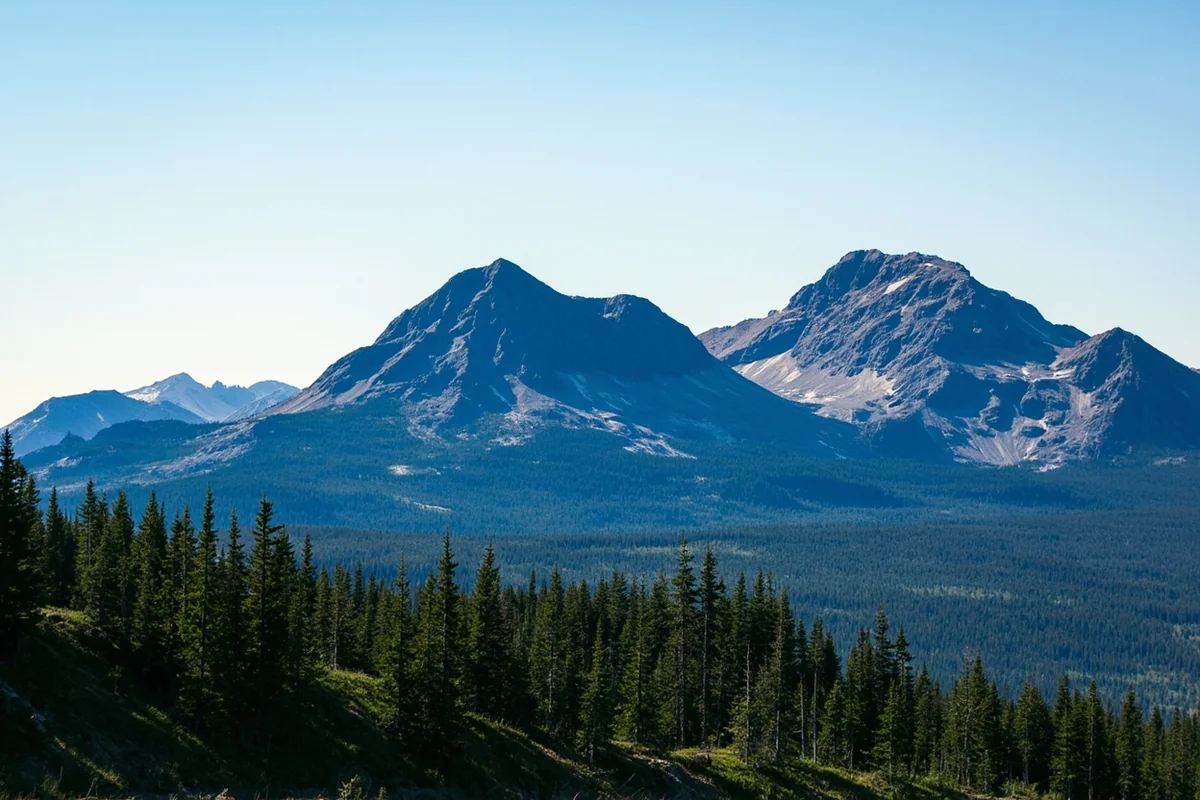
The elevation difference of nearly 11,000 feet within a single state creates incredibly diverse ecosystems. You can drive from prairie grasslands to alpine tundra in a single afternoon.
Population and People Facts That Surprise Everyone
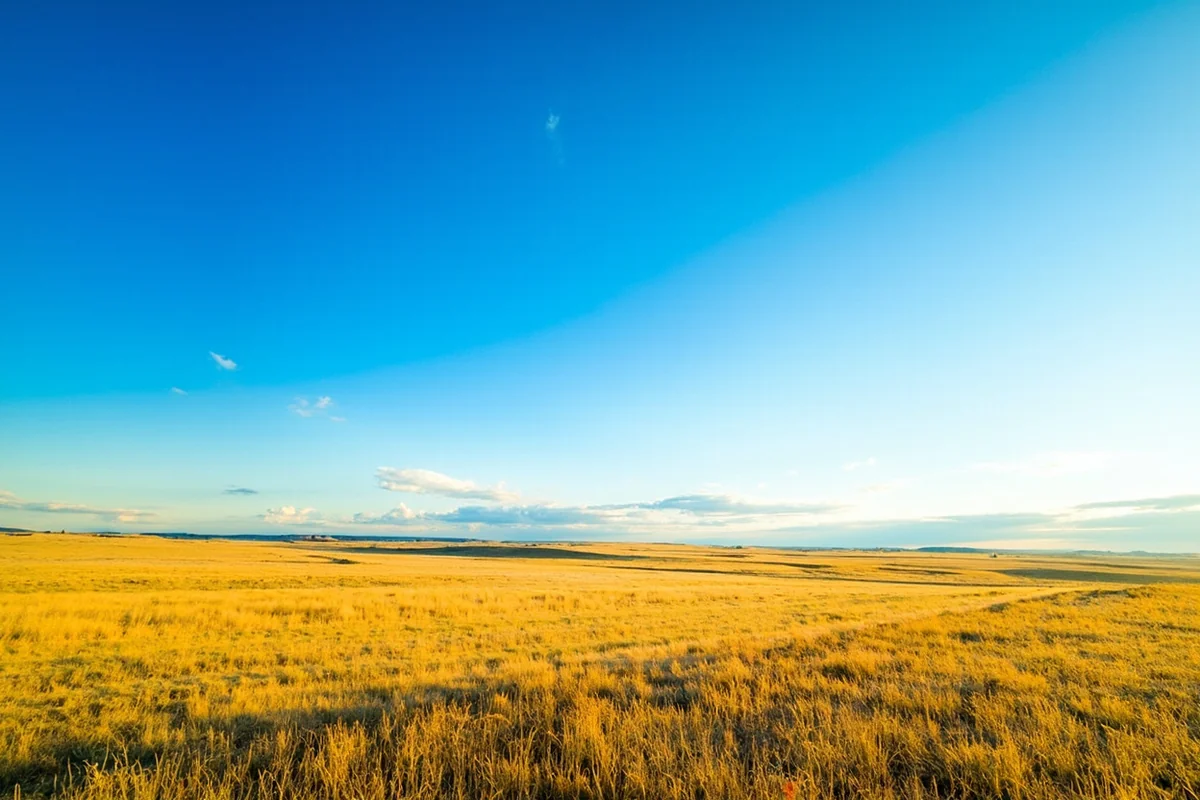
Montana averages just 7.5 people per square mile. During my drives through eastern Montana, I’ve gone hours without seeing another vehicle—something visitors from urban areas find both unsettling and liberating.
The entire state population hovers around 1.1 million people. That’s fewer residents than San Jose, California, spread across an area larger than Germany.
Yellowstone County (Billings area) contains nearly 15% of the state’s entire population. Once you leave the few population centers, vast emptiness takes over.
The Cattle-to-Human Ratio
Montana maintains roughly 2.6 million cattle compared to 1.1 million humans. I’ve driven through Madison County where cattle outnumber people nearly 10 to 1.
This isn’t just a fun statistic—it shapes the entire culture. Ranching traditions permeate everything from local festivals to restaurant menus to the cowboy hats you’ll see in every small-town diner.
When people ask me about things Montana is known for, the ranching heritage always tops my list. It’s not a tourist gimmick; it’s genuinely how much of the state operates.
Famous Montanans You Didn’t Know About
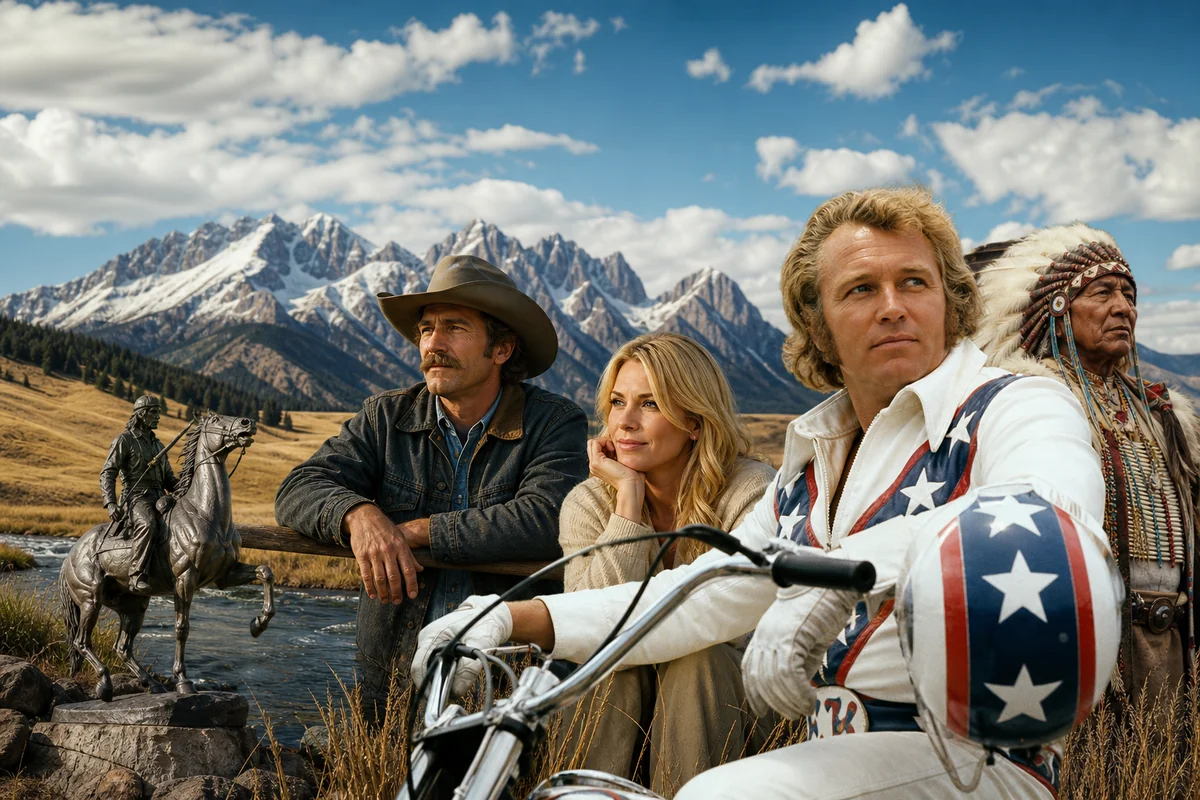
Montana has produced an impressive roster of notable figures relative to its small population. Evel Knievel grew up in Butte, and his daredevil spirit perfectly captures the Montana attitude I’ve encountered.
Gary Cooper, the iconic Western film actor, was born in Helena. His reserved, strong-but-silent demeanor mirrors many Montanans I’ve met over the years.
For a deeper dive into the state’s notable natives, check out our guide to famous people from Montana. The list includes everyone from actors to artists to adventurers.
Wildlife Facts That Seem Made Up (But Aren’t)
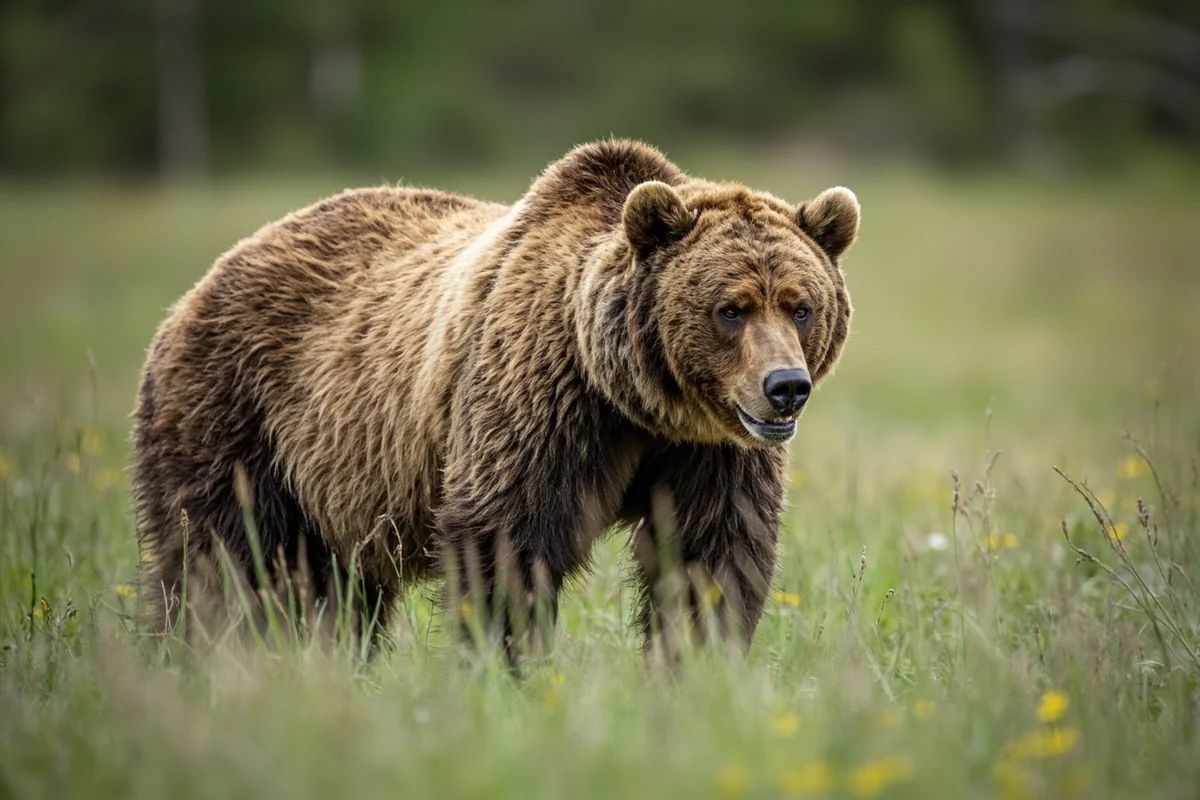
Montana contains the largest population of grizzly bears in the lower 48 states—approximately 1,800 individuals. I’ve encountered grizzlies twice during my hiking trips, and both times the experience was simultaneously terrifying and awe-inspiring.
The elk population exceeds 150,000 animals. During autumn rut season in areas like the Madison Valley, I’ve watched bulls bugle at dawn—a sound that haunts you in the best possible way.
White-tailed and mule deer combined number over 600,000. On my last trip through the Missouri Breaks, I counted 47 deer in a single 30-minute drive.
The Bison Comeback Story
Yellowstone’s bison herd—which spills into Montana—represents the only continuously wild bison population in America. These aren’t reintroduced animals; they’ve lived here since prehistoric times.
The herd fluctuates between 4,000 and 5,500 animals depending on management practices and natural conditions. I recommend visiting during late spring when newborn calves (nicknamed “red dogs” for their coloring) dot the landscape.
This wildlife abundance is among the many reasons Montana ranks as one of the best states for nature enthusiasts. No zoo or safari park compares to wild encounters here.
Unusual Animal Facts
Montana is home to mountain lions, wolves, wolverines, and lynx—all animals most Americans never see in the wild. The wolf population has recovered to roughly 1,100 individuals since reintroduction.
Paddlefish—prehistoric creatures that have remained virtually unchanged for 300 million years—still swim in Montana’s Missouri River. I’ve watched anglers snag these bizarre, shark-like fish during spring spawning runs.
The state bird is the Western Meadowlark, but personally, I think the Clark’s Nutcracker deserves more attention. These intelligent birds cache tens of thousands of seeds each year and remember most of the locations.
Historical Facts That Shaped Big Sky Country
Montana became the 41st state on November 8, 1889—the same day as Washington State. I find it amusing that two states share an exact “birthday.”
Before statehood, Montana Territory served as a mining boomtown region. Butte alone produced over $22 billion worth of metals (in today’s dollars) during its heyday.
The famous Lewis and Clark expedition spent more time in present-day Montana than any other state or territory. Many of their most significant discoveries and challenges occurred here.
The Battle of Little Bighorn
The Battle of Little Bighorn—Custer’s Last Stand—occurred in Montana in 1876. I visited the battlefield near Crow Agency, and walking those grounds creates a profound connection to American history.
This wasn’t just a military engagement; it represented the last major Native American victory against US forces. The battlefield today feels appropriately solemn and respectful.
The Crow and Northern Cheyenne reservations remain significant parts of Montana’s cultural landscape. Visiting these communities offers perspectives most tourists never experience.
Copper Kings and Mining Legacy
Montana’s “Copper Kings”—Marcus Daly, William Clark, and F. Augustus Heinze—fought literal wars over Butte’s mineral wealth. Their rivalry shaped state politics, newspaper coverage, and urban development.
The Berkeley Pit in Butte, an open-pit copper mine turned toxic lake, stands as a stark reminder of this industrial past. It’s simultaneously fascinating and disturbing—I recommend the viewing platform for an educational visit.
These Montana natural resources built fortunes and cities but left environmental scars the state still addresses today.

Climate and Weather Facts You Need to Know
Montana holds the record for the coldest temperature ever recorded in the lower 48 states: -70°F at Rogers Pass on January 20, 1954. I’ve driven through Rogers Pass in January, and even at “only” -20°F, my car’s heating barely kept up.
Summer temperatures can reach 117°F in the eastern plains. This 187-degree temperature range exceeds almost any other state.
The dramatic temperature swings occur because Montana lacks moderating ocean influences. When Arctic air descends, nothing stops it; when summer heat builds, nothing cools it.
Chinook Winds: Nature’s Temperature Miracle
Chinook winds can raise temperatures 50°F or more within hours. The most dramatic recorded case: Loma, Montana, experienced a 103°F temperature change in 24 hours (from -54°F to 49°F) on January 15, 1972.
Locals call chinooks “snow eaters” because they can melt significant snowpack seemingly overnight. I’ve experienced this phenomenon near Great Falls, where a January afternoon suddenly felt like March.
Understanding chinook patterns helps visitors pack appropriately. Layers remain essential regardless of season.
The Meaning Behind “Big Sky Country”
Montana’s official nickname—Big Sky Country—emerged from a 1962 promotional campaign, but the concept resonates deeply with everyone who visits. The combination of low humidity, minimal light pollution, and vast open spaces creates genuinely enormous-feeling skies.
I’ve photographed sunsets across dozens of states, and Montana’s consistently deliver more color saturation and drama. The science involves particulate matter and atmospheric conditions, but the experience feels almost supernatural.
The nickname perfectly captures why the best of Big Sky Country continues attracting visitors and new residents alike.
National Park and Protected Land Facts
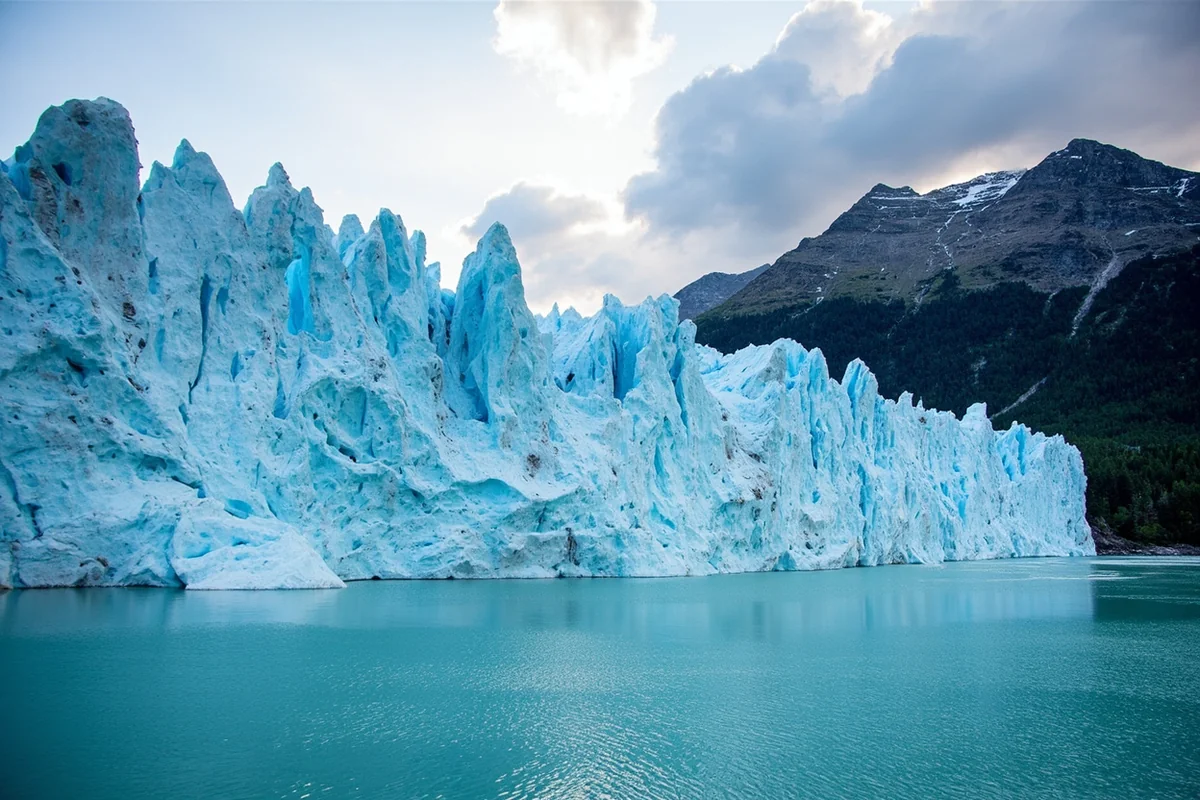
Glacier National Park contained approximately 150 glaciers when established in 1910. Today, only 26 named glaciers remain, and scientists predict most will disappear by 2030.
I’ve hiked to Grinnell Glacier twice—once in 2018 and again in 2023. The visible recession shocked me. If visiting glaciers matters to you, go soon.
Yellowstone National Park—though mostly in Wyoming—extends into Montana and created the world’s first national park concept in 1872.
The Bob Marshall Wilderness Complex
The Bob Marshall Wilderness Complex spans over 1.5 million acres—larger than Delaware. This roadless area represents the largest wilderness in the lower 48 states.
Getting deep into “the Bob” requires horseback or multi-day backpacking. I’ve only scratched the edges during day hikes, but the remoteness feels tangible even at trailheads.
Grizzly bears, wolves, and mountain lions maintain natural population densities here. Wilderness regulations require bear spray and proper food storage—non-negotiable safety requirements.
Unique Geological Features
The Missouri River headwaters form at Three Forks, where the Jefferson, Madison, and Gallatin rivers merge. Lewis and Clark named these tributaries for Thomas Jefferson, James Madison, and Albert Gallatin (Treasury Secretary).
Montana contains extensive dinosaur fossil beds. The Museum of the Rockies in Bozeman displays one of the largest Tyrannosaurus rex skulls ever discovered.
The state’s geology tells billions of years of Earth history. From Precambrian rocks in Glacier to volcanic features near Yellowstone, rock nerds (myself included) find endless fascination here.
Quirky Laws and Legal Oddities
Montana has no general sales tax—one of only five US states without one. This fact delights every visitor I’ve mentioned it to, especially those from high-tax states.
However, Montana does collect “resort taxes” in certain communities. Whitefish, Big Sky, Red Lodge, and several other tourism-dependent towns levy local taxes on accommodations and certain purchases.
The state constitution contains strong privacy protections—among the most robust in the nation. Montanans historically value being left alone, and their laws reflect this attitude.
Weird Laws Still on the Books
A Helena law technically makes it illegal to throw items from buildings during parades. I imagine this has a historical explanation involving rowdy mining-era celebrations.
In Whitehall, it’s supposedly illegal to operate a vehicle with ice picks attached to the wheels. This probably made sense when somebody actually tried it.
Montana drivers aren’t required to carry insurance if they can prove financial responsibility—unusual among US states. I don’t recommend testing this approach, but it reflects the state’s libertarian streak.
Literary and Cultural Facts
Montana has produced remarkable literary talent relative to its population. Norman Maclean, author of “A River Runs Through It,” created arguably the definitive Montana literature.
I’ve fished the Blackfoot River where Maclean’s story unfolds. The experience bridges literature and landscape in ways that still move me.
For readers interested in Big Sky literature, our guide to the best books on Montana covers both fiction and non-fiction essentials. Additionally, learning about Montana authors reveals the state’s surprising literary depth.
Hollywood and Montana
Numerous films have been shot in Montana, from “A River Runs Through It” to “The Horse Whisperer” to modern productions like “Yellowstone” (the TV series). The landscape practically demands cinematography.
Robert Redford directed multiple Montana-set films. The state’s combination of accessibility and visual drama makes it eternally appealing to filmmakers.
Our comprehensive guide to movies filmed in Montana details specific locations you can visit. Many scenes were shot in areas accessible to casual tourists.
Quotes That Capture Montana’s Essence
John Steinbeck wrote, “I’m in love with Montana. For other states I have admiration, respect, recognition, even some affection. But with Montana it is love.” This perfectly articulates what many visitors feel.
Montana inspires writers, artists, and everyday visitors to attempt capturing its essence in words. Our collection of quotes about Montana showcases this phenomenon beautifully.
The state’s influence on American literature and film exceeds what its small population might suggest. Something about the landscape unlocks creativity.
How Montana Compares to Similar States
Visitors often wonder how Montana stacks up against other Western states. Having explored most of them extensively, I can offer genuine comparisons.
Montana offers similar wilderness to Alaska but with dramatically easier access. Our Montana vs Alaska comparison breaks down the key differences for trip planning.
Colorado attracts more tourists but feels significantly more crowded. The Montana vs Colorado comparison helps outdoors enthusiasts choose their ideal destination.
Neighboring State Comparisons
Idaho shares Montana’s rural character but differs in significant ways. Our Montana vs Idaho guide clarifies which state suits different travel styles.
Wyoming offers Yellowstone access but less variety overall. The Montana vs Wyoming breakdown helps visitors understand each state’s strengths.
The Dakotas share Montana’s Great Plains heritage but feel distinctly different. Check our comparisons of Montana vs North Dakota and Montana vs South Dakota for detailed analysis.
For Pacific Northwest comparisons, our Montana vs Oregon guide addresses common questions from West Coast travelers considering Big Sky Country.
Practical Facts for Trip Planning
Montana operates in two time zones. The western part (including Glacier) uses Mountain Time, while the extreme east occasionally creates confusion near the North Dakota border.
Cell service remains unreliable throughout much of the state. I always download offline maps and notify family of my itinerary before venturing into remote areas.
Gas stations can be 75+ miles apart on some routes. I learned this the hard way during my first eastern Montana road trip when my fuel light came on with 50 miles to the next town.
Economic and Cost Facts
Montana’s cost of living runs about 3% above the national average, primarily driven by housing costs in destination communities like Bozeman and Whitefish.
The no-sales-tax policy means significant savings on major purchases. Visitors buying outdoor gear often save hundreds of dollars compared to their home states.
Tourism represents a $5+ billion annual industry in Montana. The state genuinely welcomes visitors, and local businesses depend on tourism dollars.
Government and Political Facts
Montana’s state governor oversees a government that has historically balanced resource extraction with environmental protection—sometimes successfully, sometimes controversially.
The state legislature meets only every other year—a fact that surprises visitors from states with year-round legislatures. This reflects Montana’s limited government traditions.
For those considering permanent relocation, our guide covering things to know before moving to Montana addresses practical realities beyond vacation experiences.
Fun Random Facts Worth Knowing
Montana’s Roe River near Great Falls holds the Guinness World Record as the world’s shortest river at just 201 feet. I’ve visited it, and honestly, calling it a “river” seems generous—but records are records.
The state contains more than 3,000 named lakes plus thousands more unnamed bodies of water. Flathead Lake ranks as the largest natural freshwater lake west of the Mississippi.
Grasshopper Glacier in the Beartooth Mountains contains millions of frozen grasshoppers—trapped during long-ago migrations. Scientists study these preserved specimens for climate research.
Sports and Recreation Facts
Montana has no major professional sports teams but maintains fierce college rivalries. The Montana Grizzlies vs. Montana State Bobcats football game (the “Brawl of the Wild”) draws passionate crowds annually.
Blue-ribbon trout streams attract anglers worldwide. The Madison, Yellowstone, Missouri, and Bighorn rivers rank among North America’s premier fishing destinations.
Ski areas like Big Sky, Whitefish Mountain, and Bridger Bowl offer world-class terrain without the crowds plaguing Colorado resorts. Locals guard their uncrowded lift lines jealously.
Food and Agriculture Facts
Montana ranks first nationally in organic wheat production and lentil production. The state’s agricultural output punches well above its population weight.
Bison meat production has grown significantly as demand for lean protein increases. Several Montana ranches specialize in humanely raised bison.
Huckleberries—Montana’s unofficial state fruit—grow wild throughout the western mountains. Commercial cultivation remains impossible, making wild-harvested huckleberries genuinely special. I recommend huckleberry pie at any opportunity.
Visiting the Weird and Unusual
Montana contains plenty of oddities beyond conventional tourist attractions. The weird and unusual things in Montana deserve attention from adventurous travelers.
The World Museum of Mining in Butte offers underground mine tours. Descending into the earth where thousands of miners worked—and many died—creates profound perspective.
Roadside attractions dot Montana’s highways. From dinosaur statues to quirky museums to genuinely inexplicable landmarks, the state rewards curious explorers.
Scenic Drives and Hidden Gems
Going-to-the-Sun Road in Glacier ranks among America’s most spectacular drives. However, it’s only fully open from late June through mid-October in typical years.
The Beartooth Highway (US 212) rivals Going-to-the-Sun for drama. Charles Kuralt called it “the most beautiful drive in America,” and I don’t disagree.
Our guide to beautiful places in Montana reveals both famous destinations and lesser-known spots that locals cherish.
Final Thoughts on Montana’s Fascinating Facts
After years of exploring Montana, I keep discovering new facts that surprise me. The state rewards curiosity in ways few other places manage.
Whether you’re drawn by wildlife, history, landscapes, or simply the desire for open space, Montana delivers on every promise. The facts I’ve shared here barely scratch the surface of what this remarkable state offers.
Planning your visit with these facts in mind transforms sightseeing into genuine understanding. You’ll appreciate why locals love their home and why visitors keep returning season after season.
Montana isn’t just a destination—it’s a different way of experiencing America. The facts prove it, and the experience confirms it beyond any doubt.
| Montana Fact Category | Key Statistic | Visitor Relevance |
|---|---|---|
| State Size | 147,040 square miles (4th largest) | Plan for long driving distances |
| Population Density | 7.5 people per square mile | Expect solitude and limited services |
| Cattle Population | 2.6 million (vs. 1.1M humans) | Ranching culture dominates |
| Glacier Count | 26 named glaciers remaining | Visit Glacier NP soon |
| Temperature Range | -70°F to 117°F recorded | Pack layers year-round |
| Sales Tax | 0% statewide | Great for shopping |
| Grizzly Bears | ~1,800 in state | Carry bear spray |
| Named Lakes | 3,000+ bodies of water | Endless fishing opportunities |
Frequently Asked Questions
What are the most surprising facts about Montana that travelers should know?
Montana is the 4th largest US state but ranks 44th in population, meaning you’ll find vast stretches of wilderness with virtually no one around. I was amazed to learn there are more elk, deer, and antelope in Montana than people, and the state has more miles of rivers and streams than any other state in the lower 48.
Why is Montana called Big Sky Country and what does that mean for visitors?
Montana earned its nickname because the combination of wide-open prairies and minimal light pollution creates unobstructed horizon-to-horizon views that make the sky appear endless. For travelers, this means incredible stargazing opportunities and sunsets that seem to stretch forever, especially in eastern Montana where some areas have fewer than 1 person per square mile.
How far apart are major attractions in Montana and how should I plan driving distances?
Montana’s sheer size catches many first-time visitors off guard since driving across the state takes about 9 hours covering 550+ miles on I-90. Glacier National Park to Yellowstone is roughly 340 miles and takes 5-6 hours, so I recommend planning no more than 3-4 hours of driving per day to enjoy the scenery and avoid fatigue.
What unique wildlife can I see in Montana that I won’t find in other states?
Montana is one of the only places in the lower 48 where grizzly bears still roam wild, with populations thriving around Glacier and Yellowstone. You’ll also find the largest migratory elk herd in the nation, free-roaming bison, mountain goats, and over 400 bird species including golden eagles and trumpeter swans.
What is the best time of year to visit Montana for outdoor activities?
Summer from June through August offers the best weather for hiking and wildlife viewing, with temperatures ranging from 70-85°F in most areas. I personally love September for fewer crowds and stunning fall colors, while winter travelers should know Montana regularly sees temperatures drop below 0°F, making it ideal for skiing at resorts like Big Sky or Whitefish.
How much does a week-long trip to Montana typically cost for travelers?
A moderate Montana road trip runs about $150-250 per day including lodging, food, and activities, so budget roughly $1,000-1,750 per person for a week. National park entrance fees are $35 per vehicle for a 7-day pass, and gas costs add up quickly since you’ll likely drive 200-300 miles daily between attractions.
What should I pack for a Montana trip that most travelers forget?
Layers are essential since Montana temperatures can swing 40°F in a single day, even during summer. I always bring bear spray ($40-50 at local outfitters) for any backcountry hiking, binoculars for wildlife spotting, and a portable phone charger since cell service is nonexistent across much of rural Montana.