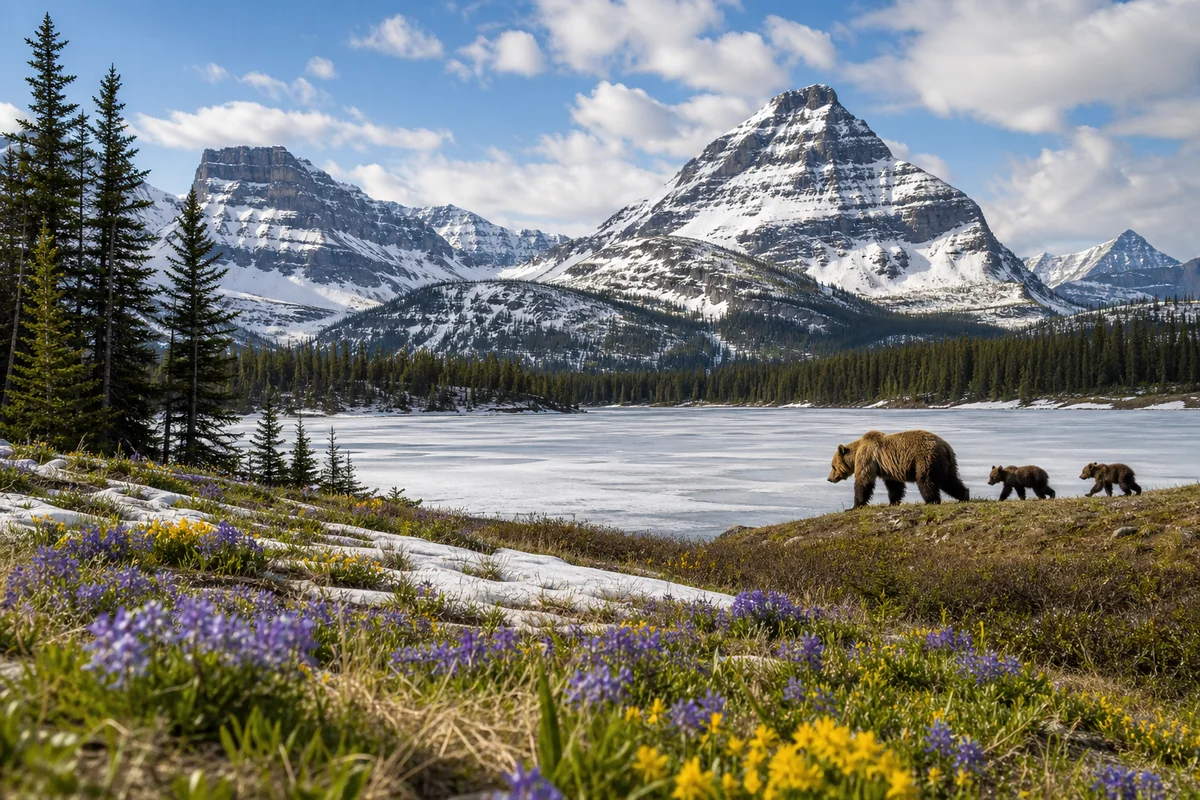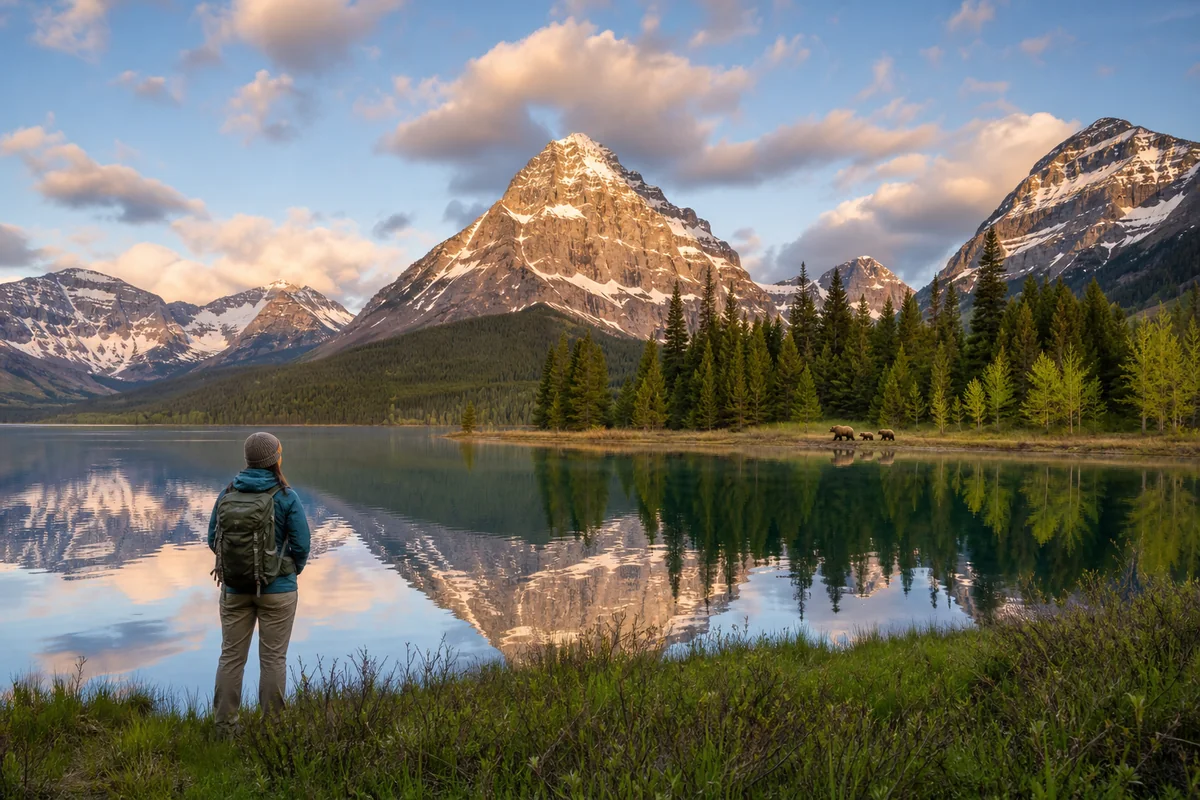
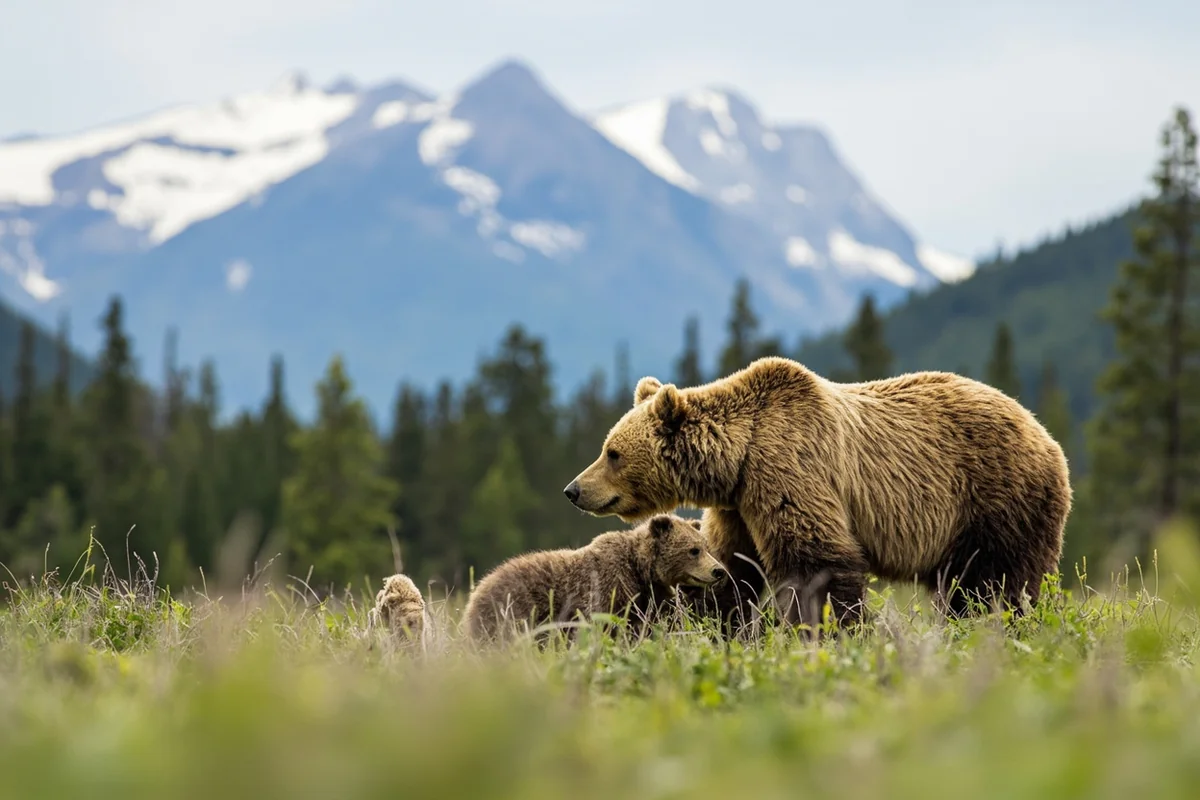
I stood alone at the edge of Swiftcurrent Lake last April, watching a grizzly bear and her two cubs emerge from the treeline across the water, their fur backlit by golden morning light.
Not another soul was there to witness it—just me, the bears, and the snow-capped peaks reflected in glass-still water. That moment crystallized why spring has become my favorite season to explore Big Sky Country, and why I keep returning year after year when the snow starts melting.
If you’re researching the best time to visit Montana, spring deserves serious consideration. While summer crowds pack the national parks and winter visitors chase powder, spring offers something increasingly rare in American travel: genuine solitude paired with extraordinary natural phenomena.
- Spring in Montana runs late March through early June, with conditions varying dramatically by elevation and region
- Wildlife viewing peaks in spring—newborn animals, bears emerging from hibernation, and bird migrations create unforgettable encounters
- Waterfalls reach maximum flow as snowmelt accelerates, making May and early June ideal for waterfall chasers
- Expect shoulder-season pricing: 30-50% savings on lodging compared to summer rates
- High-elevation roads and trails remain snow-covered into June—flexibility is essential
- Pack layers for 30°F mornings and 70°F afternoons, plus rain gear and mud boots
Liked this article?
Add Roaming Montana as a preferred source so you see more of our articles and guides on Google.
What Spring Actually Looks Like in Montana
Let me be honest about something most travel articles gloss over: spring in Montana is messy, unpredictable, and not for everyone. I’ve experienced 75°F sunshine in Missoula while Glacier National Park sat under two feet of fresh snow—on the same April day.
Spring here isn’t the tulips-and-mild-breezes season you might know from other states. It’s a dramatic, sometimes violent transition where winter refuses to release its grip without a fight.
March: Winter’s Last Stand
Montana in March feels more like late winter than spring. During my March visit to Bozeman, I woke to frozen windshields every morning and needed my puffy jacket well into the afternoons.
The valleys start showing patches of brown grass, but mountains remain solidly white. Ski resorts are still operating at full capacity, and Going-to-the-Sun Road in Glacier won’t even begin plowing operations for another month.
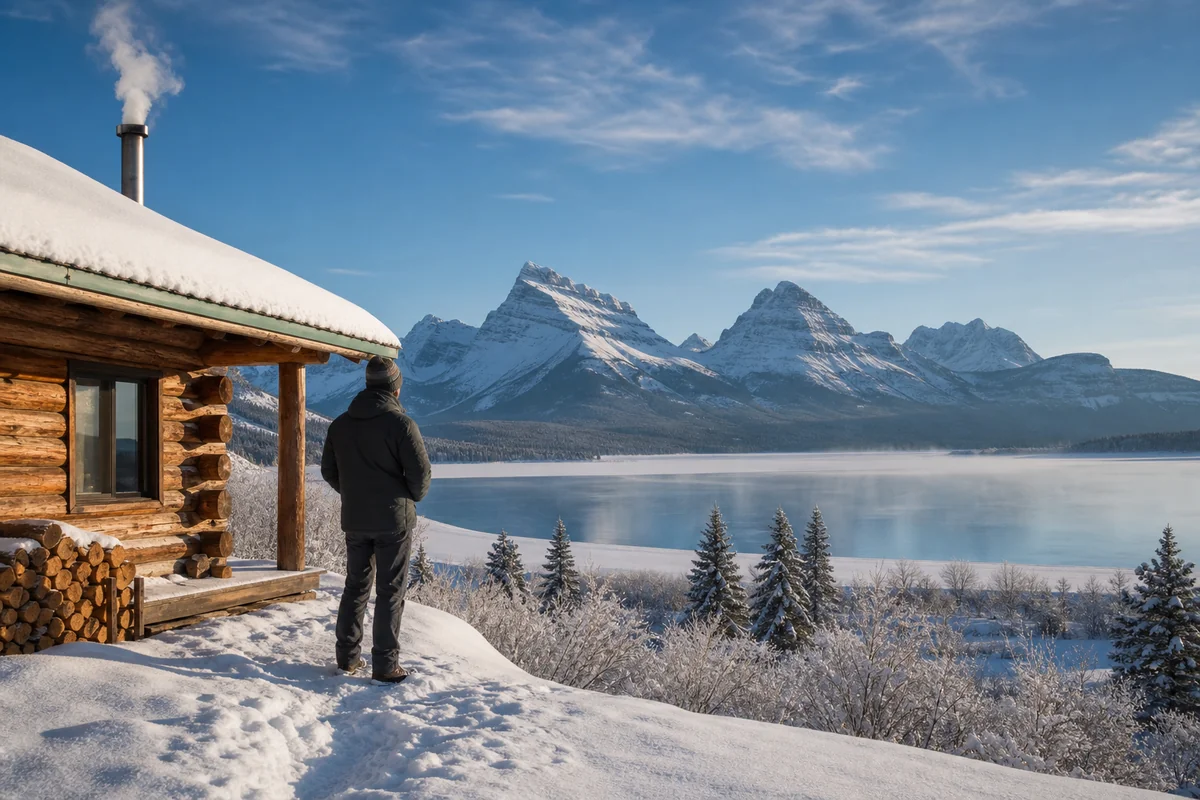
What March offers is hope—longer days, slightly warmer temperatures, and the first hints that change is coming. I found March ideal for mixing late-season skiing with visits to lower-elevation hot springs, where soaking in steaming pools while snow falls around you creates a uniquely Montana experience.
April: The Awakening Begins
April in Montana is when things get interesting. Valley floors turn green practically overnight, and wildlife emerges from winter survival mode.
I remember driving Highway 89 near Choteau during my last April visit and counting seventeen deer in a single mile. Bald eagles were everywhere, picking off weakened prey that didn’t survive the winter.
The weather becomes genuinely unpredictable. One memorable April week near Red Lodge, I experienced sunny hiking weather, a spring snowstorm that dumped eight inches, and then a 60°F day that melted most of it—all within five days.
May: Prime Spring Conditions
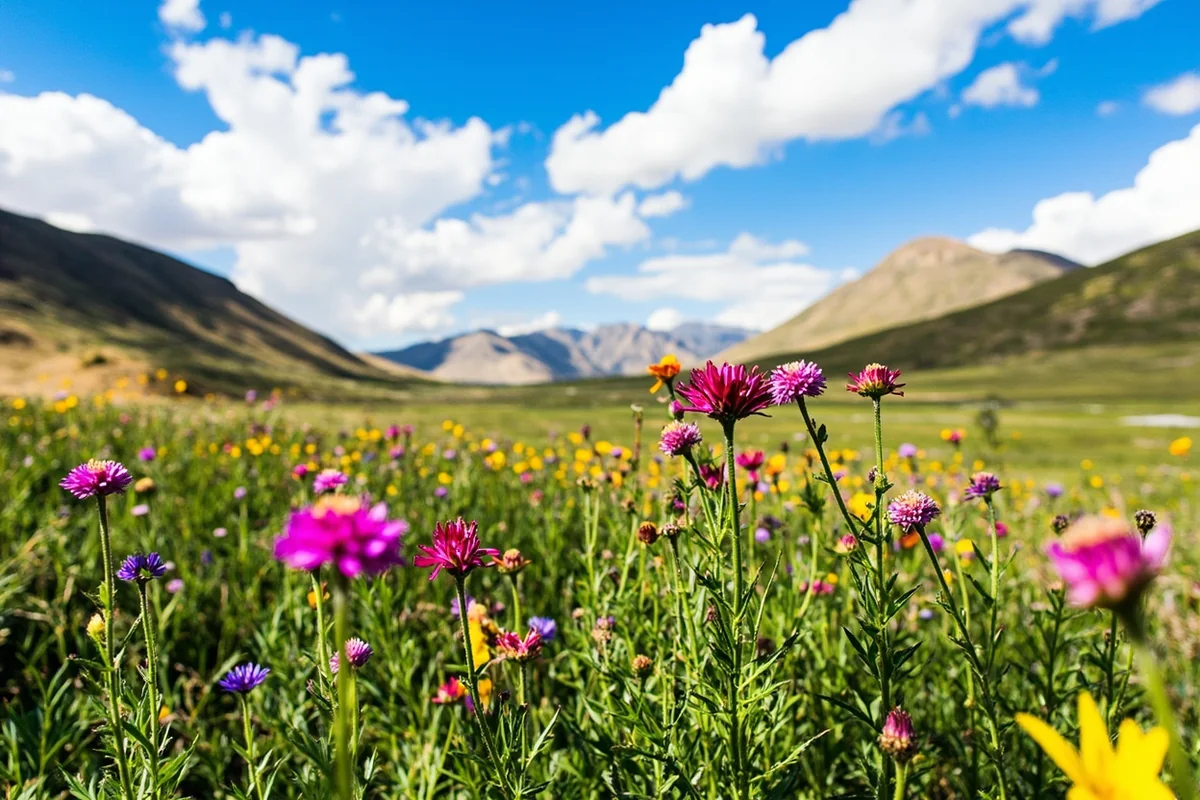
May represents Montana spring at its finest. Wildflowers blanket the lower meadows, rivers swell with snowmelt, and wildlife activity reaches fever pitch.
During my most recent May trip, I spent a week in the Paradise Valley south of Livingston. The Yellowstone River was running high and muddy—not ideal for fishing—but the landscape was explosively green in a way that summer’s brown dryness never matches.
May also brings reliable access to mid-elevation destinations. Trails in the Rattlesnake Wilderness near Missoula were clear and hikeable, even as higher routes remained buried under snow.
Glacier National Park in Spring: The Real Story
I need to set realistic expectations about Glacier, because it’s probably why you’re considering a spring Montana trip. The park is spectacular year-round, but spring access is genuinely limited.
What’s Open (And What Isn’t)
Going-to-the-Sun Road typically opens fully by late June or early July—yes, that’s technically summer. Spring visitors must accept that the park’s most famous drive will be closed.
However, this limitation becomes an advantage for those who embrace it.
On my April visits, I’ve had the Lake McDonald area practically to myself. The McDonald Creek trail, which becomes a congested madhouse in summer, offered peaceful walking through old-growth cedar forests with no one else in sight.
The Many Glacier entrance usually opens in late May, weather permitting. I’ve found late May mornings there to be the best wildlife viewing I’ve experienced anywhere in the lower 48.
Spring Wildlife in Glacier
Bears emerge from hibernation between late March and early May, depending on elevation and weather. During my spring visits, I’ve had more bear sightings in single days than during entire summer weeks.
The reason is simple: bears are hungry and actively foraging in open areas near roads and trails. In summer, they disperse into the backcountry where thick vegetation provides food and cover.
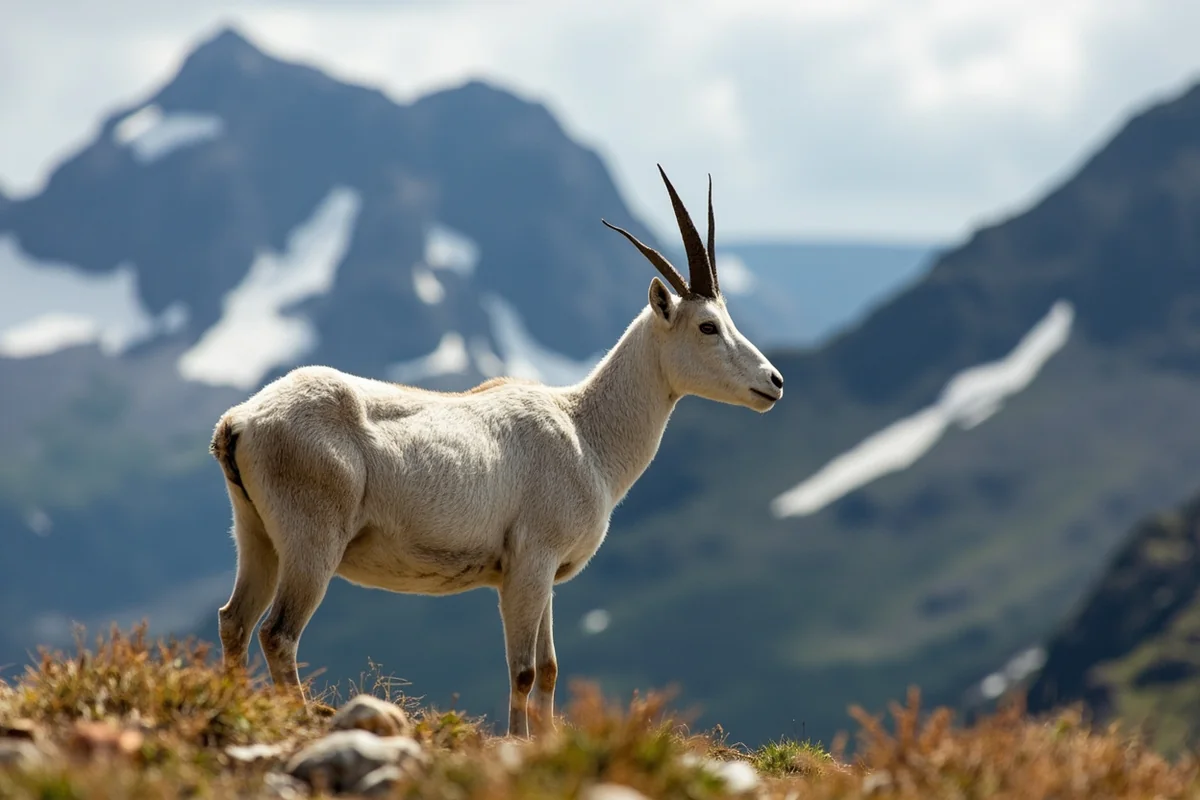
Mountain goats descend to mineral licks along roadsides in spring. I photographed a herd of eleven near Logan Pass one late May, casually licking salt deposits while completely unbothered by my presence.
Bighorn sheep congregate in the Many Glacier valley during lambing season. Watching newborn lambs take their first wobbly steps on cliff ledges remains one of my most treasured Montana memories.
Yellowstone’s Spring Shoulder Season
Yellowstone National Park offers more spring accessibility than Glacier, though challenges remain.
Road Openings and Closures
The park follows a staged opening schedule each spring. The road from Mammoth to Old Faithful via Madison typically opens to wheeled vehicles in late April, with other routes following through May.
I’ve timed visits for the first week after spring opening, and the experience is remarkable. Geyser basins that become human zoos in summer felt intimate and almost private.
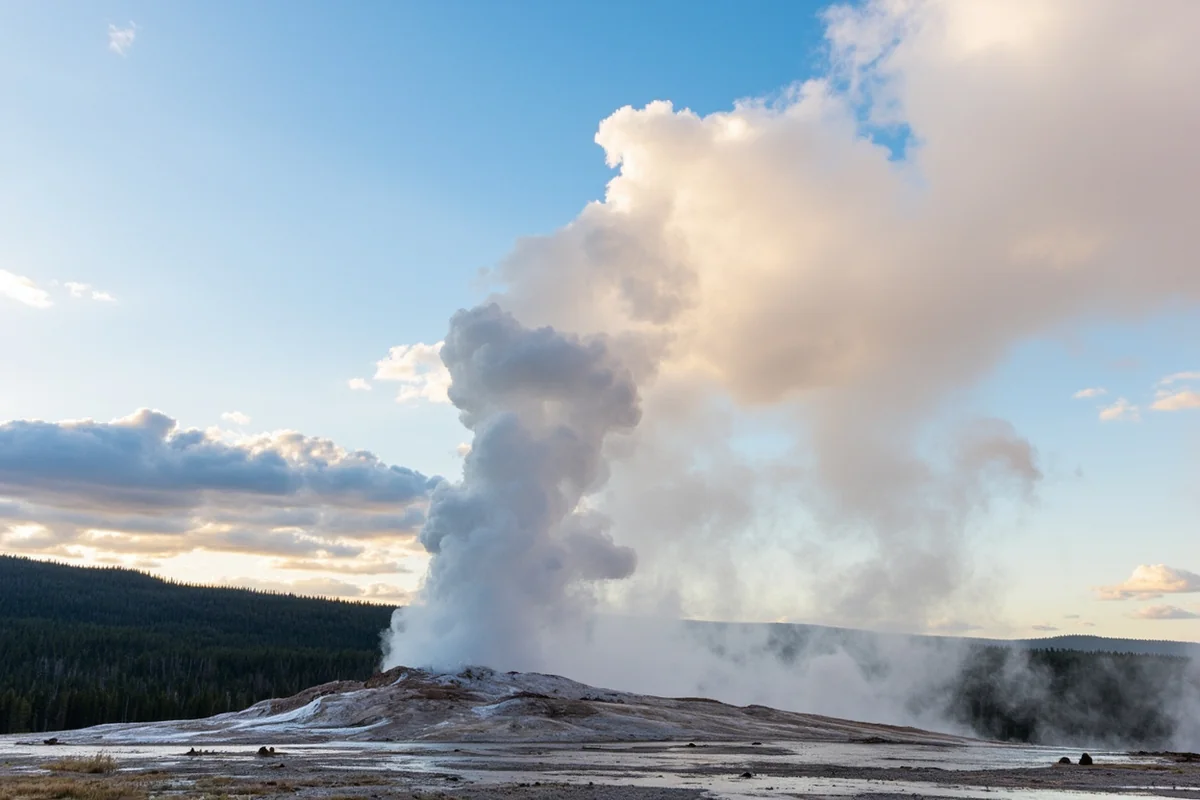
Last spring, I watched Old Faithful erupt with maybe thirty other people present. Compare that to the 2,000+ who witness each eruption on summer afternoons.
The Lamar Valley Effect
Spring mornings in Lamar Valley have ruined every other wildlife watching experience for me.
I’ve spent dawn hours parked at pullouts watching wolf packs hunt, grizzlies dig for rodents, and bison calves—those adorable “red dogs”—stumble around on oversized legs.
The valley’s relatively low elevation means it clears of snow earlier than surrounding areas, concentrating wildlife into accessible viewing zones.
Bring a spotting scope or binoculars with serious magnification. The animals keep their distance, but patient observation reveals behaviors you’ll never see in summer when crowds and heat push wildlife into hiding.
Geothermal Features in Cold Weather
Here’s something most people don’t consider: Yellowstone’s geothermal features are more visually dramatic when air temperatures are cool.
Steam plumes tower higher, creating ethereal scenes that don’t exist in warm weather. I captured some of my favorite photographs at Mammoth Hot Springs on a 40°F April morning when steam billowed hundreds of feet into still air.
The boardwalks are also infinitely more pleasant without summer heat radiating off thermal ground.
Montana’s Rivers in Spring: A Fishing Reality Check
If fly fishing drives your Montana dreams, I need to temper expectations while also highlighting opportunities.
Runoff Season Challenges
Peak snowmelt typically hits Montana rivers from mid-May through mid-June, depending on snowpack and temperatures. During this period, rivers run high, fast, and muddy.
I learned this lesson the hard way on my first spring Missouri River trip. The water looked like chocolate milk, and my guide gently suggested we reschedule for July.
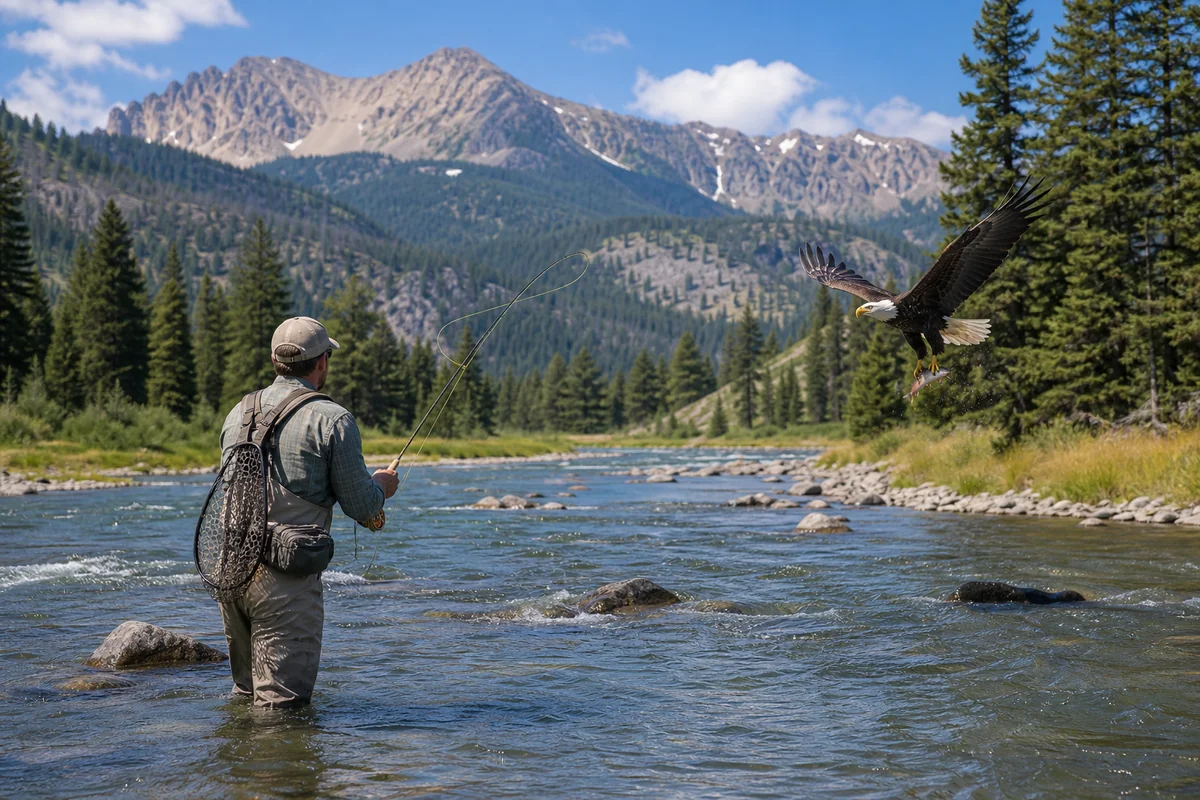
That said, experienced anglers find productive windows. Early spring before runoff kicks in (late March through April) can offer excellent fishing on tailwater sections below dams, where water clarity remains consistent.
The Spring Creek Alternative
Montana’s spring creeks—DePuy’s, Armstrong’s, and Nelson’s near Livingston—fish well throughout spring because their water sources maintain consistent temperature and clarity.
These are private waters requiring access fees, but the fishing quality justifies the cost. On my April visit to Armstrong’s, I landed a 20-inch brown trout while the nearby Yellowstone River ran unfishably dirty.
When Runoff Benefits You
If you’re not a fly fisher, spring’s high water creates exceptional whitewater rafting and kayaking.
The Gallatin River’s Mad Mile section reaches optimal levels in May and June. I took a guided raft trip through there last spring, and the rapids delivered genuine thrills without summer’s crowded put-ins.
Similarly, the Alberton Gorge on the Clark Fork offers world-class whitewater during spring flows.
Practical Spring Weather Realities
Montana weather in spring demands preparation and flexibility. I’ve learned to pack for four seasons on every spring trip.
Temperature Expectations by Region
| Region | March Temps | April Temps | May Temps |
|---|---|---|---|
| Western Valleys (Missoula) | 25-48°F | 32-58°F | 40-68°F |
| Southwest (Bozeman) | 20-45°F | 28-55°F | 35-65°F |
| Eastern Plains (Billings) | 25-50°F | 35-60°F | 45-72°F |
| Mountain Elevations (6,000ft+) | 15-35°F | 20-45°F | 30-55°F |
The Mud Factor
Nobody talks about mud, but it dominates spring travel.
Trails turn into boot-sucking quagmires. Gravel roads become impassable soup. Even paved parking lots can hide surprisingly deep puddles.
I now travel with dedicated mud boots for spring Montana trips. Waterproof hiking boots work, but knee-high rubber boots are better for trailhead conditions and wildlife viewing from roadside pullouts.
Wind: The Underrated Challenge
Spring winds in Montana can be genuinely impressive—and by impressive, I mean face-stinging brutal.
I’ve experienced sustained 40 mph winds with higher gusts on the eastern plains that made opening car doors dangerous. These conditions aren’t unusual; they’re expected.
Plan indoor alternatives for wind days, and secure anything loose in your vehicle. I lost a camp chair to a sudden gust that launched it into the next county.
Spring Waterfall Chasing
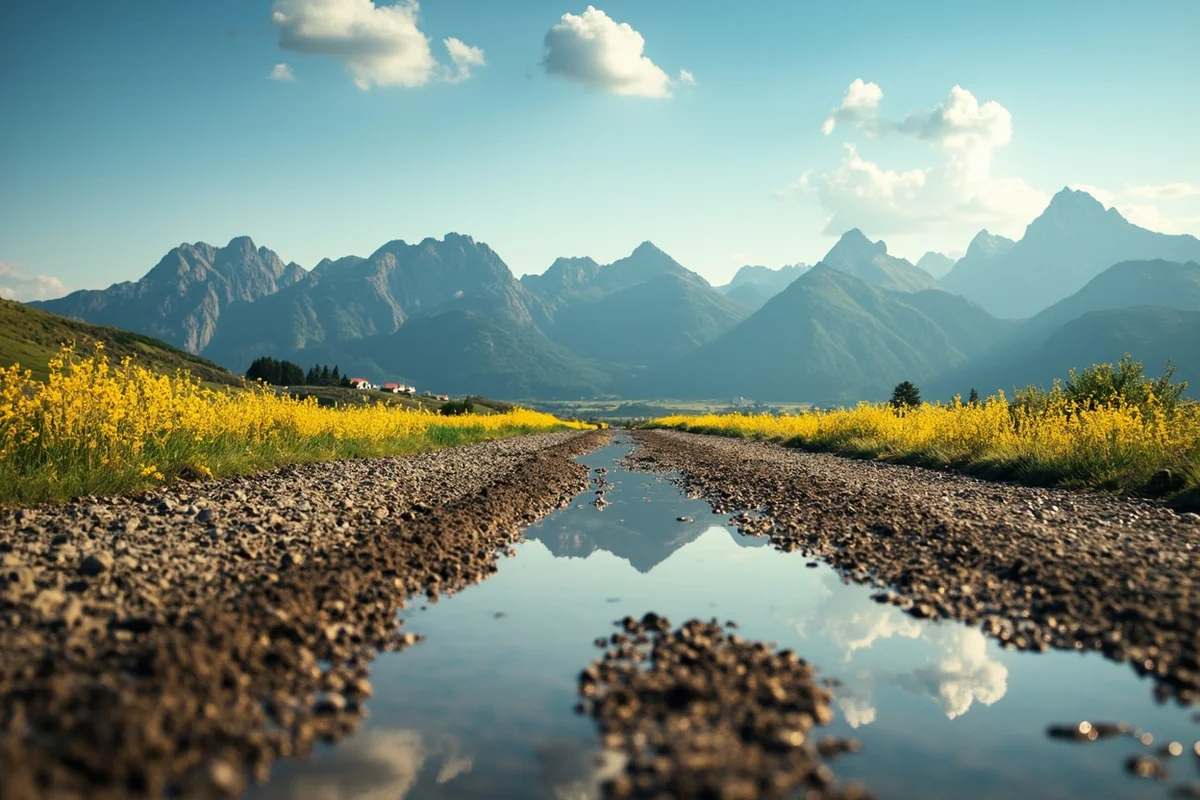
Montana’s waterfalls reach peak drama during spring snowmelt, and this might be the single best reason for a spring visit.
Top Spring Waterfall Destinations
Kootenai Falls near Libby runs highest and most spectacular from late April through May. During my May visit, the thundering cascade was so powerful that mist soaked me from 100 feet away.
Ousel Falls near Big Sky offers easy access and significant spring flow increases. The trailhead parking that overflows in summer had plenty of space during my April visit.
Natural Bridge Falls State Park near Big Timber showcases water plunging through a limestone arch. Spring flow rates transform this from pretty to absolutely stunning.
In Glacier, McDonald Falls and several roadside cascades along Going-to-the-Sun Road (the open portion) put on their best shows during May and June.
Photographing Spring Waterfalls
The combination of high water flow and diffused cloudy light creates ideal waterfall photography conditions. I’ve captured silky long-exposure shots during spring that summer’s harsh sun would make impossible.
Bring a polarizing filter to cut glare from wet rocks, and pack your tripod in a waterproof bag—you’ll be hiking through spray zones.
Where to Stay: Spring Lodging Strategy
Spring’s shoulder season status creates genuine accommodation advantages.
Pricing Benefits
I’ve consistently found spring rates 30-50% lower than summer peaks. A cabin in West Yellowstone that costs $350/night in July might run $180 in May.
More importantly, availability exists. Summer visitors must book Glacier-area lodging six months or more in advance. For spring visits, I’ve successfully booked quality accommodations just weeks ahead.
What’s Open (And What Isn’t)
Some seasonal businesses close entirely from November through May, particularly near park entrances. Verify operating dates before booking.
In West Yellowstone and Gardiner, most businesses open year-round due to winter snowmobile tourism. Near Glacier, the town of Whitefish maintains year-round services, while East Glacier essentially shuts down until late May.
My Favorite Spring Bases
For Yellowstone access, I prefer Livingston over more obvious gateway towns. It’s 55 miles from the park’s north entrance, but offers real Montana town character, excellent restaurants, and significantly lower prices than Gardiner or West Yellowstone.
For Glacier, Whitefish provides year-round amenities and a vibrant downtown scene. The ski resort operates into April, and the town never feels closed or sleepy.
Missoula makes an excellent base for exploring western Montana’s lower-elevation trails and rivers that clear of snow earliest. The university town vibe means good food, breweries, and entertainment when weather keeps you indoors.
Spring Activities Beyond the Parks
While the national parks anchor most Montana trips, spring offers compelling reasons to explore beyond their boundaries.
Hot Springs Soaking
Nothing complements a cold spring day like soaking in natural hot springs. Montana has dozens of developed and primitive options.
Chico Hot Springs near Pray offers a historic resort experience with a wonderfully hot pool and excellent on-site restaurant. I’ve soaked there on snowy April evenings, watching steam rise against darkening mountains.
Bozeman Hot Springs provides a more casual, locals-focused experience with multiple pools at different temperatures.
For adventure, seek out primitive springs like Boiling River in Yellowstone (check current regulations—it’s been closed periodically) or Jerry Johnson Hot Springs in Idaho, just over the Montana border.
Bird Migration Watching
Spring migration brings incredible birding opportunities. Freezout Lake Wildlife Management Area near Choteau hosts hundreds of thousands of snow geese and tundra swans during their March-April migration.
I visited Freezout during peak migration and witnessed what looked like actual snow squalls—except they were birds. The noise was overwhelming, and the visual spectacle unlike anything I’ve seen elsewhere.
The Benton Lake National Wildlife Refuge near Great Falls offers excellent waterfowl viewing throughout spring, with less crowding than Freezout.
Small Town Exploration
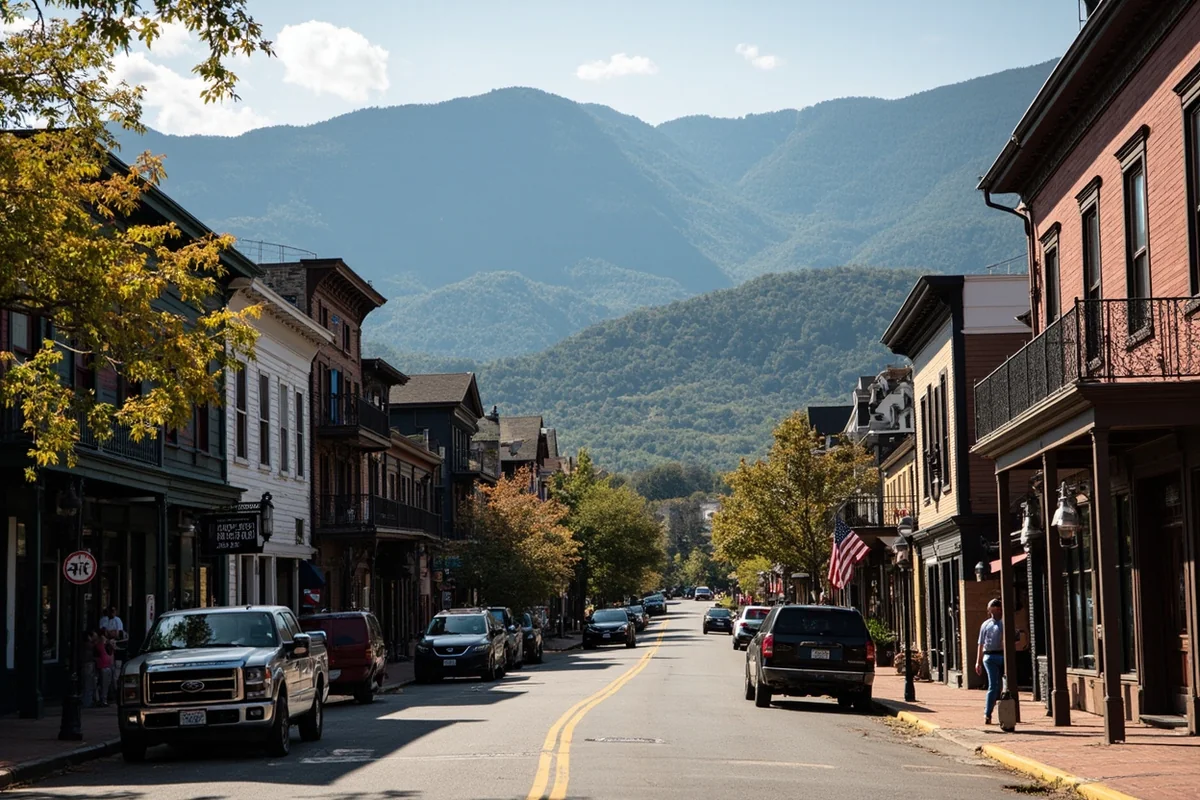
Spring is ideal for exploring Montana’s charming small towns without summer tourist congestion.
Virginia City and Nevada City, preserved mining towns south of Bozeman, feel genuinely historic without July’s crowds. I wandered the wooden sidewalks and browsed antique shops in near-solitude during my April visit.
Phillipsburg, west of Butte, offers excellent gem shopping and a functioning old-fashioned candy store. Spring visitors can actually find parking and take their time exploring.
Comparing Spring to Other Seasons
Understanding how spring stacks up against Montana’s other seasons helps with decision-making.
Spring vs. Summer
Summer wins for: complete park access, reliable weather, peak hiking trail availability, optimal fishing conditions.
Spring wins for: wildlife viewing, waterfall photography, solitude, lower prices, cooler temperatures for active pursuits.
If June, July, or August work for your schedule and you prioritize maximum access, summer remains the conventional choice. But if crowds diminish your experience, spring offers a compelling alternative.
Spring vs. Fall
Montana in fall shares spring’s shoulder-season advantages: smaller crowds, lower prices, excellent wildlife viewing. September and October bring stunning fall colors and elk rut.
Spring offers newborn wildlife and waterfall peak flow. Fall offers autumn foliage and bugling elk.
I honestly love both seasons and struggle to pick a favorite. Fall edges slightly ahead for photography, while spring wins for raw wildlife drama.
Spring vs. Winter
Montana in winter, including January and February, is a dedicated snow sports season. If skiing or snowmobiling drives your trip, don’t try to substitute spring. Even Christmas in Montana and November visits offer early-season snow opportunities.
Late spring (May-June) does offer late-season skiing at higher-elevation resorts like Big Sky, combined with valley-floor hiking—a unique dual-season experience.
Essential Spring Packing List
Based on hard-won experience, here’s what I never travel without on spring Montana trips:
- Layering system: Merino base layers, fleece mid-layer, packable down jacket, waterproof shell
- Waterproof hiking boots: Non-negotiable for muddy trail conditions
- Knee-high rubber boots: For roadside wildlife viewing and flooded trailheads
- Gaiters: Keep mud and snow out of your boots on higher trails
- Binoculars: 10×42 or similar for wildlife spotting
- Rain jacket AND rain pants: Spring showers are frequent and sometimes cold
- Warm hat and gloves: Mountain mornings stay cold into June
- Sunglasses and sunscreen: Spring sun at elevation burns fast
- Bear spray: Active bears demand preparation—learn proper use before you need it
- Tire chains or traction devices: Required for some roads, smart insurance for all
Planning Your Spring Montana Itinerary
My recommended approach: build flexibility into every day.
Sample 7-Day Spring Itinerary
Days 1-2: Fly into Bozeman. Explore town, drive Paradise Valley to Yellowstone’s north entrance. Evening wildlife watching in Lamar Valley.
Days 3-4: Yellowstone loop focusing on open roads. Geyser basins, Grand Canyon of the Yellowstone, wildlife spotting. Stay in Gardiner or Mammoth area.
Day 5: Drive to Missoula via scenic Highway 12. Stop at hot springs along the way. Evening exploring Missoula’s downtown.
Day 6: Explore Rattlesnake Wilderness trails or visit National Bison Range. Drive north toward Whitefish.
Day 7: Glacier National Park’s west side. Lake McDonald area, Trail of the Cedars, wildlife watching. Fly home from Glacier Park International (Kalispell).
This itinerary works for late April through May. Adjust expectations for March (more winter conditions) or June (more access but growing crowds).
Building in Weather Flexibility
I always identify backup plans for every day. Weather-dependent primary activities need indoor or lower-elevation alternatives ready to deploy.
Examples: If Glacier is snowed in, visit the Museum of the Plains Indian in Browning. If rain cancels hiking, explore Missoula’s excellent used bookstores and breweries. If wind makes wildlife watching miserable, find a cafe with good windows and practice patience.
Final Thoughts on Spring Montana Travel
Spring in Montana isn’t the obvious choice, and that’s precisely its appeal.
You’ll encounter frustrations—closed roads, unpredictable weather, muddy trails, and plans that require last-minute changes. These challenges filter out most visitors, leaving remarkable experiences for those willing to adapt.
That morning at Swiftcurrent Lake with the grizzly family? It happened because I showed up in April when nobody else bothered. The wolf pack I watched hunt through Lamar Valley for two hours? May morning, five other people present.
Montana’s spring rewards aren’t guaranteed the way summer’s postcard-perfect access is guaranteed. They’re earned through flexibility, preparation, and willingness to embrace imperfection.
But when everything aligns—when you’re standing alone in an awakening wilderness watching life return after winter’s dormancy—spring in Montana delivers experiences that no amount of summer planning can replicate.
Pack your layers, check the forecasts obsessively, build flexibility into every day, and come discover why Big Sky Country’s shoulder season might become your new favorite time to visit.
Frequently Asked Questions
What is the best month to visit Montana in spring?
I recommend visiting Montana in late May for the ideal spring experience, as temperatures range from 50-70°F and most roads, including Going-to-the-Sun Road’s lower sections, begin opening. April can still be snowy at higher elevations, while early June offers warmer weather but technically edges into summer. Late May hits the sweet spot with wildflower blooms, fewer crowds than summer, and accessible hiking trails.
Is Montana crowded during spring vacation?
Spring is actually one of the least crowded times to visit Montana, making it perfect for travelers who want to avoid summer tourist rushes. You’ll find hotel rates 20-40% lower than peak season, easier restaurant reservations in towns like Whitefish and Bozeman, and popular trailheads nearly empty. I’ve visited Glacier National Park in May and had entire viewpoints to myself.
What should I pack for a spring trip to Montana?
Pack versatile layers since Montana spring weather can swing from 30°F mornings to 65°F afternoons in a single day. I always bring a waterproof jacket, insulated mid-layer, hiking boots with good ankle support, and sunglasses for snow glare. Don’t forget sunscreen—the high elevation means stronger UV exposure even on cloudy days.
Are Glacier and Yellowstone National Parks open in spring?
Both parks are open in spring, but with significant road closures and limited services. Yellowstone’s main loop typically opens in late April, while Glacier’s famous Going-to-the-Sun Road often doesn’t fully open until late June due to snow. I suggest checking the NPS websites one week before your trip, as opening dates vary yearly based on snowpack conditions.
How much does a spring vacation to Montana cost?
A week-long Montana spring trip typically costs $1,500-$2,500 per person including flights, lodging, and activities. You’ll save roughly $50-100 per night on hotels compared to summer rates, with mid-range options in Bozeman or Missoula running $120-180 nightly. Budget travelers can find campsites for $20-35 per night once campgrounds open in May.
Can you see wildlife in Montana during spring?
Spring is actually the best season for Montana wildlife viewing because animals emerge from winter and newborn calves and cubs appear. I’ve spotted grizzly bears, elk, moose, and wolves in Yellowstone’s Lamar Valley during early morning May drives. The lack of summer foliage makes animals easier to spot, and many congregate in lower valleys where snow has melted.
What spring activities are available in Montana besides hiking?
Montana offers incredible spring fly fishing as rivers like the Madison and Yellowstone see early hatches, plus whitewater rafting picks up in May with snowmelt-fed rapids. I recommend booking a guided fishing trip ($450-600 full day) if you’re new to the region’s rivers. You can also enjoy horseback riding near Bozeman, soaking in natural hot springs like Chico or Norris, and scenic drives through valleys carpeted with spring wildflowers.
Sources