I never expected that a routine tire change would lead me down a rabbit hole of Montana state symbols, but here I am.
While preparing for a road trip across Big Sky Country, I found myself researching everything from the best routes to take to the wildlife I might encounter—and that’s when I stumbled upon Montana’s fascinating collection of official state symbols.
Understanding Montana’s symbols gives you a richer appreciation of this incredible state and helps you plan a more meaningful driving adventure.
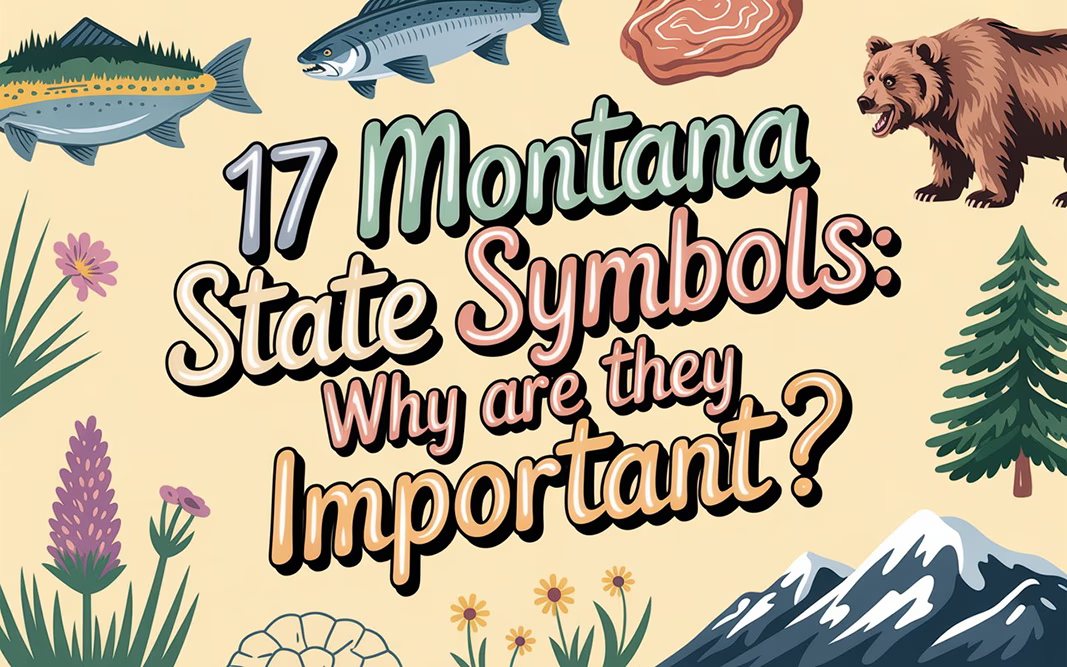
- Montana has over 20 official state symbols, each representing the state’s unique natural and cultural heritage
- The Bitterroot flower, Grizzly Bear, and Westslope Cutthroat Trout are among the most iconic symbols
- Understanding these symbols enhances your road trip experience and helps you appreciate Montana’s diverse ecosystems
- Many state symbols can be observed while driving through Montana’s scenic highways and byways
- Montana’s state motto “Oro y Plata” (Gold and Silver) reflects its rich mining history that built many of today’s roads
Why Montana State Symbols Matter to Road Trippers
In my experience driving across dozens of states for tire testing and road trip content, I’ve found that understanding a state’s official symbols transforms an ordinary drive into an educational journey. Montana, known as “The Treasure State,” has one of the most comprehensive collections of state symbols in the nation.
These symbols aren’t just arbitrary designations—they represent the very landscapes you’ll be driving through, the wildlife you might spot from your car window, and the history that shaped the roads beneath your tires. When I planned my Montana driving routes, knowing about these symbols helped me identify the best places to stop and what to look for along the way.
1. Montana’s State Flower: The Bitterroot

The Bitterroot (Lewisia rediviva) became Montana’s state flower in 1895, making it one of the earliest state symbols established. I first encountered this delicate pink flower while driving through the Bitterroot Valley in western Montana during late spring.
What struck me about this flower is its resilience—much like a quality all-season tire that performs in various conditions. The Bitterroot can survive harsh Montana winters and bloom beautifully when spring arrives. Its roots were historically used by Native American tribes as a food source, which is how the flower got its somewhat misleading name.
Where to See the Bitterroot While Driving
During my drives through Montana, I found the best viewing opportunities along Highway 93 through the Bitterroot Valley. The flower typically blooms from April through July, depending on elevation. If you’re planning a road trip during this time, I recommend pulling over at designated scenic overlooks to appreciate these beautiful wildflowers.
The Bitterroot Mountains themselves, which form part of the border between Montana and Idaho, provide a stunning backdrop for any driving adventure. Just make sure your tires are ready for the varied terrain—I’ve encountered everything from smooth highway to rough mountain passes in this region.
2. The Grizzly Bear: Montana’s State Animal

Montana designated the Grizzly Bear (Ursus arctos horribilis) as its official state animal in 1983. Having driven extensively through grizzly country, I can tell you that this symbol represents both the majesty and the wildness of Montana’s landscape.
In my experience, the possibility of seeing a grizzly bear (from the safety of your vehicle, of course) adds an element of excitement to any Montana road trip. These magnificent creatures can weigh up to 800 pounds and are most commonly spotted in and around Glacier National Park, the Bob Marshall Wilderness area, and Yellowstone National Park’s Montana portions.
Safe Wildlife Viewing from Your Vehicle
I always recommend staying in your car when observing grizzly bears. During one memorable drive through Glacier National Park, I spotted a grizzly from about 100 yards away while safely inside my vehicle. The key is to never approach wildlife, keep your windows mostly up, and be prepared to move slowly if the animal approaches.
Montana law requires maintaining a safe distance from wildlife, and I’ve found that a good pair of binoculars is essential for any wildlife-watching road trip. Your tires’ ability to move quietly and smoothly on park roads can actually help you spot more wildlife, as sudden movements and noise tend to scare animals away.
3. Montana’s State Tree: The Ponderosa Pine
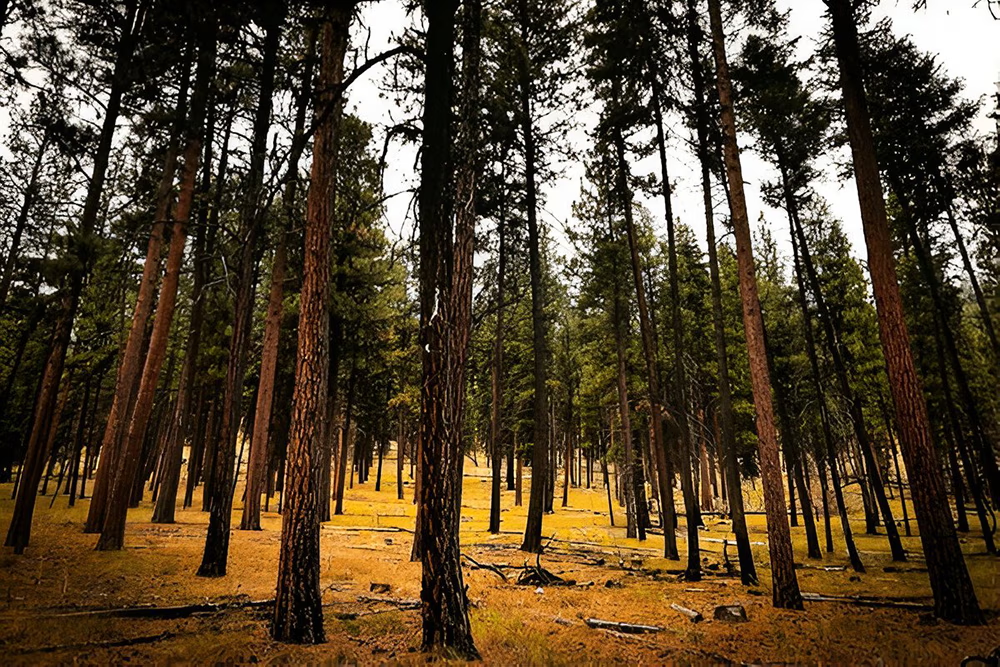
The Ponderosa Pine (Pinus ponderosa) became Montana’s state tree in 1949. Driving through Montana’s forests, I’ve been struck by how these towering trees frame so many of the state’s scenic highways.
What I find fascinating about the Ponderosa Pine is its distinctive vanilla-like scent, which you can often smell when you pull over at rest stops or scenic overlooks on warm days. These trees can live for 300-600 years and grow up to 200 feet tall, creating cathedral-like canopies over many Montana roadways.
Driving Through Ponderosa Pine Forests
In my experience, some of the most beautiful drives in Montana pass through Ponderosa Pine forests. Highway 200, which runs east-west across the state, offers particularly stunning views of these majestic trees. The combination of tall pines, clear mountain streams, and open meadows makes for an unforgettable driving experience.
During my test drives through these areas, I noticed that pine needle debris can accumulate on shoulders and turnouts. This isn’t usually a problem for quality tires, but it’s worth being aware of when pulling off the road to take photos or stretch your legs.
4. The Westslope Cutthroat Trout: State Fish of Montana
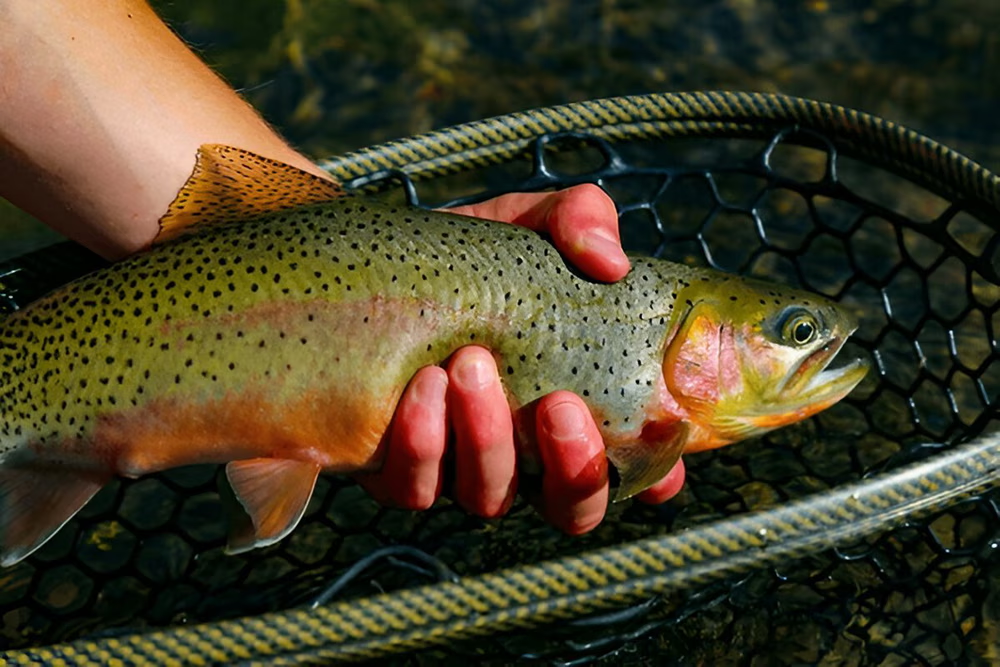
Montana adopted the Westslope Cutthroat Trout (Oncorhynchus clarkii lewisi) as its state fish in 1977. While you won’t see these fish from your car, understanding their significance helps you appreciate Montana’s pristine waterways that you’ll cross repeatedly during any road trip.
I’ve crossed countless rivers and streams while driving through Montana, and many of them are home to this native species. The Westslope Cutthroat gets its name from the distinctive red-orange slash marks under its jaw, and it represents Montana’s commitment to preserving its natural heritage.
Rivers and Fishing Access Sites Along Montana Highways
Montana’s highway system provides access to world-class fishing waters. During my drives, I’ve noticed numerous fishing access sites along major rivers like the Blackfoot, Clark Fork, and Missouri. These pull-offs are great places to stop, stretch your legs, and appreciate the waterways that define Montana’s landscape.
5. Montana’s State Bird: The Western Meadowlark
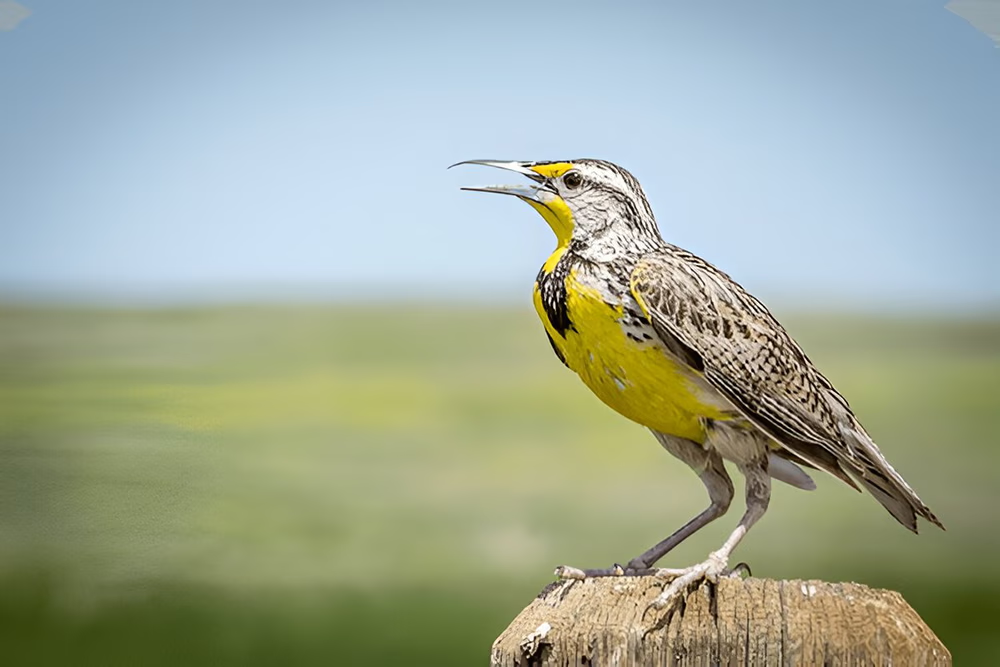
The Western Meadowlark (Sturnella neglecta) became Montana’s state bird in 1931. I’ve heard this bird’s distinctive flute-like song countless times while driving through Montana’s prairies and grasslands with my windows down.
What makes the Western Meadowlark special is its association with Montana’s vast open spaces. When driving through the eastern part of the state, you’ll often see these bright yellow-breasted birds perched on fence posts along the highway. Their song is one of the most recognizable sounds of the American West.
Best Places to Spot Western Meadowlarks
In my experience, the eastern plains of Montana offer the best opportunities to see and hear Western Meadowlarks. Highway 2, which crosses the northern part of the state, passes through prime meadowlark habitat. I recommend driving with your windows cracked open on warm days—you’ll often hear these birds before you see them.
The prairie regions also offer their own driving challenges, including straight roads that can lead to driver fatigue and occasional strong crosswinds. During my time on these roads, I’ve appreciated having tires with good stability characteristics.
6. State Motto: “Oro y Plata” (Gold and Silver)

Montana’s state motto, “Oro y Plata,” is Spanish for “Gold and Silver.” This motto was adopted in 1865, just a year after Montana became a territory, reflecting the mining boom that shaped the state’s early development.
Driving through Montana today, I’m constantly reminded of this mining heritage. Many of the roads I’ve traveled were originally built to connect mining towns, and historic mining communities dot the landscape throughout the state.
Historic Mining Towns Worth Driving To
Some of my favorite Montana drives include visits to historic mining communities. Butte, once called “the richest hill on Earth,” offers a fascinating glimpse into Montana’s mining past. Virginia City and Nevada City are preserved ghost towns that transport you back to the gold rush era.
The roads to these historic sites vary in condition. Some are well-maintained highways, while others are more rustic mountain roads. During my visits, I found that having reliable, versatile tires made these explorations much more enjoyable.
7. The State Gemstones: Montana Sapphire and Montana Agate
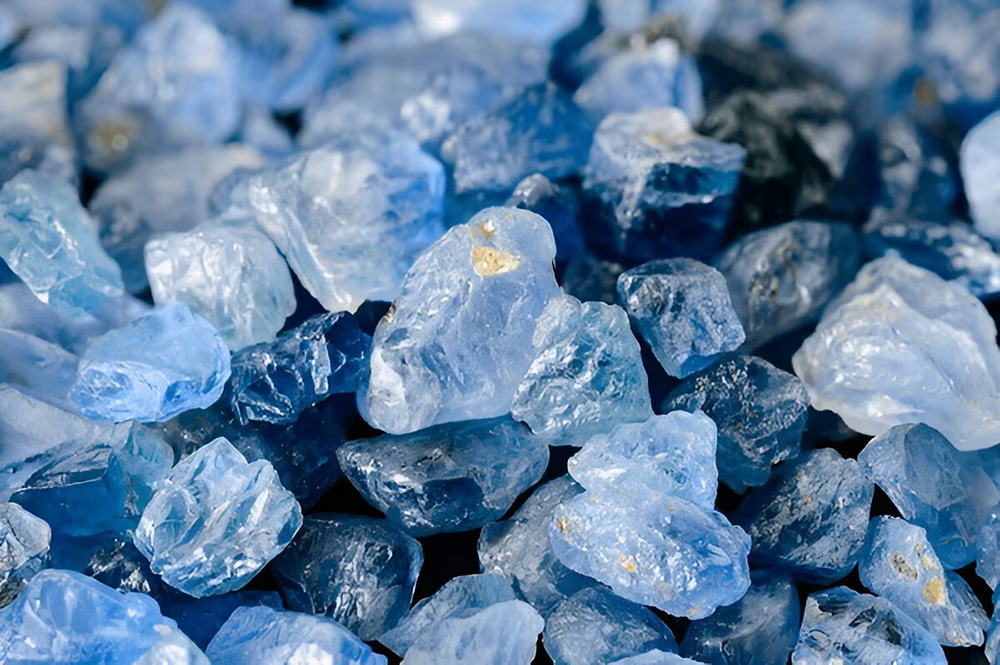
Montana is one of the few states with two official state gemstones. The Montana Sapphire was designated in 1969, and the Montana Agate was added in 1969 as well. Both represent the mineral wealth that gave Montana its “Treasure State” nickname.
I’ve driven through several of Montana’s gemstone-producing regions, and the landscapes are as beautiful as the stones themselves. The Yogo Sapphire deposit near Lewistown is the only sapphire mine in North America producing gem-quality stones consistently.
Driving to Gemstone Country
The roads through Montana’s gemstone regions offer some unique driving experiences. The route to Philipsburg, a popular sapphire-hunting destination, takes you through beautiful mountain scenery. Near the Missouri River, you can find Montana Agates along the riverbanks—though you’ll need to park and walk to find the best specimens.
These areas often feature a mix of paved and gravel roads. During my excursions, I encountered everything from smooth blacktop to dusty forest service roads. Having tires that perform well in various conditions made these adventures much more accessible.
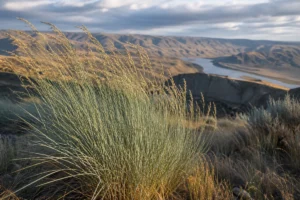
8. Montana’s State Grass: Bluebunch Wheatgrass
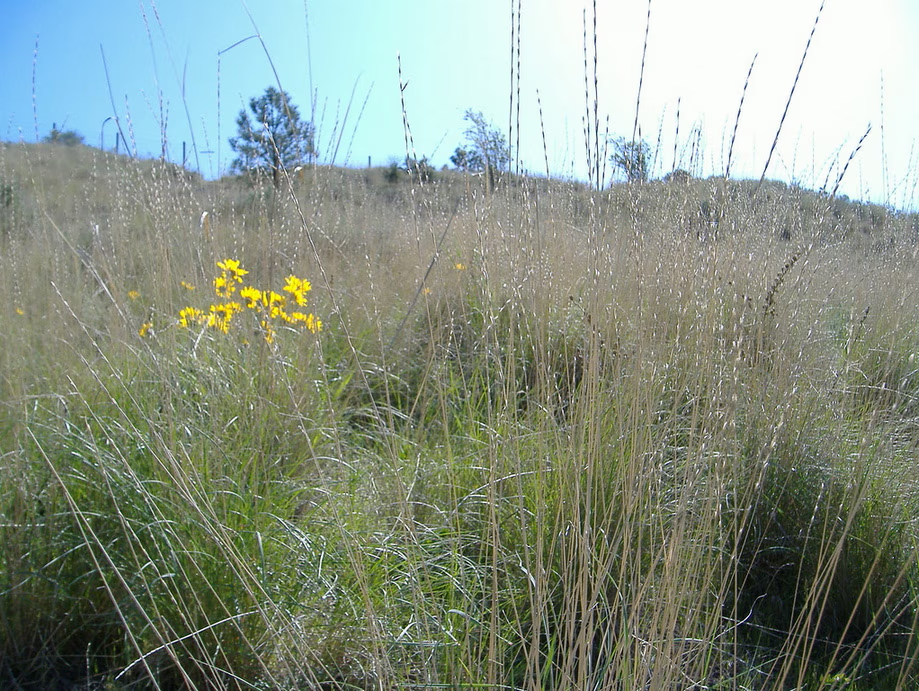
Bluebunch Wheatgrass (Pseudoroegneria spicata) became Montana’s official state grass in 1973. While grass might seem like an unusual state symbol, understanding its significance reveals a lot about Montana’s ecosystem.
Driving through Montana’s rangelands, I’ve come to appreciate how this native grass shapes the landscape. It’s the grass that feeds the cattle and wildlife you’ll see from your car, and it helps prevent erosion on the hillsides along Montana highways.
9. The State Butterfly: Mourning Cloak
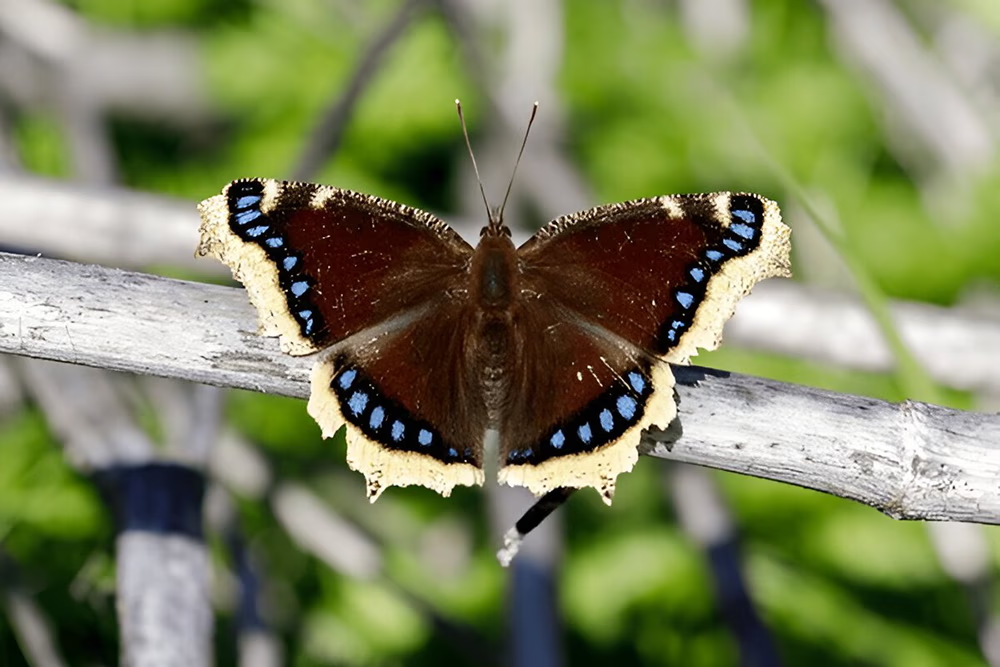
The Mourning Cloak butterfly (Nymphalis antiopa) was designated Montana’s state butterfly in 2001. I’ve encountered these distinctive butterflies at rest stops and scenic overlooks throughout the state.
What makes the Mourning Cloak special is its longevity—it’s one of the longest-lived butterflies in North America. With its dark wings bordered by pale yellow and blue spots, it’s easy to identify when you spot one during a roadside break.
Additional Montana State Symbols
Montana has numerous other state symbols that round out its official collection. Here’s a comprehensive table of Montana’s state symbols that I’ve compiled based on my research and travels:
| Symbol Type | Official Designation | Year Adopted |
|---|---|---|
| State Flower | Bitterroot | 1895 |
| State Tree | Ponderosa Pine | 1949 |
| State Bird | Western Meadowlark | 1931 |
| State Animal | Grizzly Bear | 1983 |
| State Fish | Westslope Cutthroat Trout | 1977 |
| State Gemstones | Sapphire & Agate | 1969 |
| State Grass | Bluebunch Wheatgrass | 1973 |
| State Butterfly | Mourning Cloak | 2001 |
| State Fossil | Duck-billed Dinosaur (Maiasaura) | 1985 |
| State Motto | Oro y Plata (Gold and Silver) | 1865 |
| State Nickname | Big Sky Country/Treasure State | Various |
| State Song | “Montana” | 1945 |
10. Montana’s State Fossil: The Maiasaura
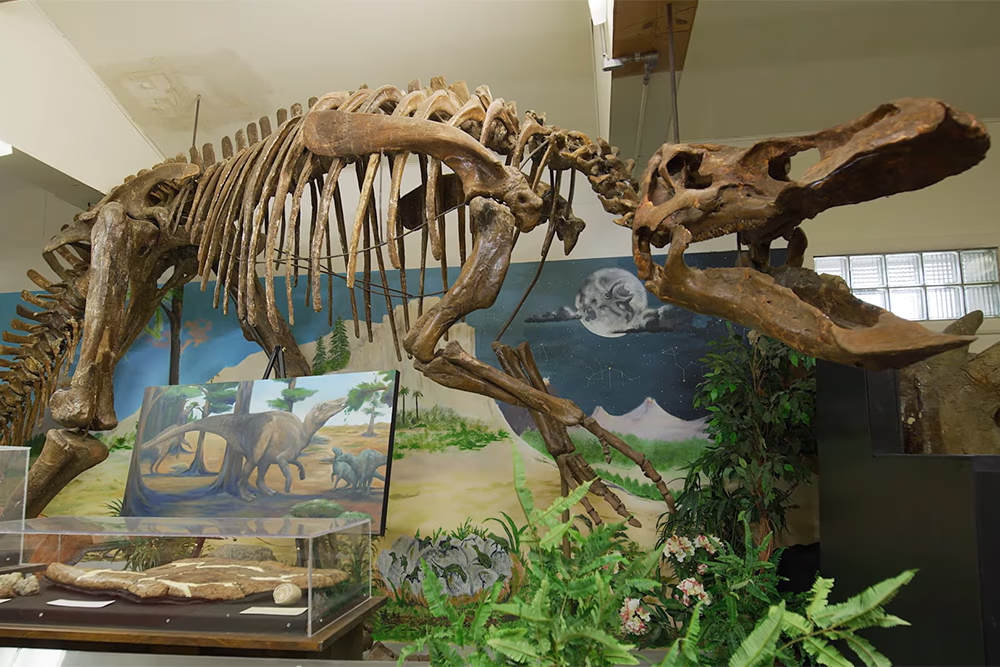
The Maiasaura, a duck-billed dinosaur, became Montana’s state fossil in 1985. This designation came after significant dinosaur discoveries in Montana, including the first dinosaur eggs found in North America.
Driving through Montana’s badlands in the eastern part of the state, I’ve been amazed at how the landscape looks almost prehistoric. The Museum of the Rockies in Bozeman houses one of the world’s largest dinosaur collections, making it a worthwhile destination for any Montana road trip.
Dinosaur Trail Road Trip
Montana has an official Dinosaur Trail that connects 14 different museums and attractions across the state. In my experience, following this trail makes for an excellent multi-day road trip that showcases Montana’s paleontological heritage.
The routes between these attractions vary significantly. Some are smooth interstate highways, while others are rural two-lane roads. During my journey along parts of this trail, I encountered everything from perfect asphalt to frost-heaved surfaces typical of Montana’s harsh winters.
The Big Sky: Montana’s Defining Feature
While not an official state symbol, “Big Sky Country” is Montana’s most recognizable nickname. During my extensive drives through the state, I’ve come to understand why this name fits so perfectly.
The combination of Montana’s relatively low population density, flat eastern prairies, and dramatic mountain vistas creates an overwhelming sense of open space. Driving across Montana, particularly on the eastern plains, you can see for miles in every direction.
How Big Sky Affects Your Driving Experience
Montana’s big sky comes with some unique driving considerations. The vast open spaces can lead to higher speed driving (Montana is known for its historically relaxed speed limits), which puts more demand on your tires. Weather can change quickly, and you can often see storms approaching from far away.
In my experience, the open terrain also means more exposure to wind. Strong crosswinds are common, particularly in spring and fall. Good tire grip and vehicle stability become especially important under these conditions.
Planning Your Montana State Symbols Road Trip
Based on my travels through Montana, I’ve developed some recommendations for anyone planning a road trip focused on experiencing the state’s symbols in person.
Best Times to Visit
Summer (June through August) offers the best weather for exploring Montana’s state symbols. The Bitterroot flowers bloom in late spring, wildlife is active, and road conditions are generally optimal. However, this is also peak tourist season, especially in Glacier and Yellowstone National Parks.
Fall (September and October) provides beautiful foliage, fewer crowds, and excellent wildlife viewing opportunities. Early snow is possible at higher elevations, so I recommend checking conditions before heading into mountain areas.
Essential Driving Routes
Based on my experience, here are the routes that offer the best opportunities to experience Montana’s state symbols:
- Going-to-the-Sun Road (Glacier National Park): Best for wildlife viewing, including possible grizzly bear sightings
- Highway 93 (Bitterroot Valley): Perfect for seeing the state flower and Ponderosa Pine forests
- Highway 2 (Hi-Line Route): Excellent for prairie landscapes and Western Meadowlark sightings
- Interstate 90 (Southern Corridor): Connects to historic mining towns and dinosaur museums
- Missouri River Breaks Backcountry Drive: Great for Montana Agate country and rugged landscapes
Tire Considerations for Montana Driving
In my experience as a tire reviewer, Montana presents some unique challenges that should influence your tire choice. The state’s diverse terrain—from high mountain passes to open prairies—requires versatility.
Summer visitors can generally get by with quality all-season tires. However, if you’re planning to explore mountain roads or visit during shoulder seasons, I recommend tires with good traction ratings. Montana’s weather can change rapidly, and mountain roads can have unexpected snow or ice even in summer.
For winter travel, dedicated winter tires or high-quality all-weather tires are essential. Montana’s mountain passes can be treacherous, and the state experiences significant snowfall throughout the winter months.
Respecting Montana’s Natural Heritage
As someone who has spent considerable time driving through Montana, I want to emphasize the importance of respecting the state’s natural heritage that these symbols represent.
Always stay on designated roads and pull-offs. Montana’s ecosystems are fragile, and off-road driving can damage the very landscapes that make the state special. When viewing wildlife, maintain safe distances and never feed animals.
Pack out all trash and follow Leave No Trace principles. The pristine condition of Montana’s natural areas depends on visitors treating them with respect.
Final Thoughts on Montana State Symbols
After spending considerable time driving through Montana and learning about its state symbols, I’ve gained a much deeper appreciation for Big Sky Country. These symbols aren’t just arbitrary designations—they represent the heart and soul of one of America’s most magnificent states.
Whether you’re interested in the Bitterroot’s delicate beauty, the grizzly bear’s raw power, or the Western Meadowlark’s cheerful song, Montana’s state symbols provide a framework for understanding and experiencing this incredible place.
I recommend using these symbols as a guide for planning your Montana adventures. Each one points to a different aspect of Montana’s natural and cultural heritage, and together they create a comprehensive picture of what makes this state so special.
Safe travels, and I hope you find as much joy in exploring Montana as I have.
Frequently Asked Questions
What is Montana’s state animal and how does wildlife affect tire safety?
Montana’s state animal is the grizzly bear, but it’s the deer and elk populations that pose the biggest threat to drivers. I recommend all-season or all-terrain tires with strong sidewalls when driving Montana’s rural highways, as wildlife collisions can cause serious tire and wheel damage. Investing $150-$300 per tire in quality rubber gives you better stopping power to avoid animals.
Does Montana’s state flower the Bitterroot grow in areas that require special tires?
The Bitterroot grows in Montana’s mountainous western regions where rugged terrain and harsh winters demand capable tires. If you’re driving to see wildflowers in places like the Bitterroot Mountains, I’d suggest all-terrain tires from US brands like Goodyear Wrangler or BFGoodrich that handle gravel roads and sudden weather changes well.
What tire type do I need for driving Montana’s state parks and scenic byways?
Montana’s state parks and scenic routes like Going-to-the-Sun Road require tires rated for both paved highways and occasional gravel. I recommend all-season tires with the M+S rating for most drivers, though dedicated winter tires are essential October through April. Budget around $120-$200 per tire for reliable options from Cooper or Firestone.
How does Montana’s ‘Big Sky Country’ nickname relate to driving conditions and tire wear?
Montana’s vast open landscapes mean long highway stretches with extreme temperature swings that accelerate tire wear. The intense UV exposure under those big skies can degrade rubber faster, so I check my tires every 5,000 miles and rotate them regularly. Choosing tires with UV-resistant compounds helps extend their lifespan in Montana’s high-altitude conditions.
What is Montana’s state gemstone and are there tire recommendations for rockhounding areas?
Montana’s state gemstones are the sapphire and Montana agate, found in remote areas requiring capable tires. When I go rockhounding near Philipsburg or along the Yellowstone River, I rely on all-terrain tires that handle sharp rocks and unpaved BLM roads. Expect to pay $140-$250 per tire for puncture-resistant options from brands like Falken or Toyo.
Do Montana’s state symbols reflect the winter driving conditions that require snow tires?
Montana’s state tree, the Ponderosa Pine, and its mountainous terrain symbolize the snowy conditions that make winter tires essential. State law requires adequate traction devices on certain passes, and I always switch to dedicated snow tires by November. Studded tires are legal October 1 through May 31, giving you extra grip on Montana’s icy mountain roads.
What’s the connection between Montana’s state motto ‘Oro y Plata’ and mining roads that need tough tires?
Montana’s motto meaning ‘Gold and Silver’ reflects its mining heritage, and many historic mining areas have rough, unmaintained roads. If you’re exploring ghost towns like Bannack or Garnet, you’ll need tires with reinforced sidewalls rated for off-road use. I suggest checking your tire’s load rating and carrying a full-size spare, as these remote areas often lack cell service and tire shops.