You are currently viewing Ultimate Montana Trip Planning Guide: Bucket List Adventures in Big Sky Country

Ultimate Montana Trip Planning Guide: Bucket List Adventures in Big Sky Country

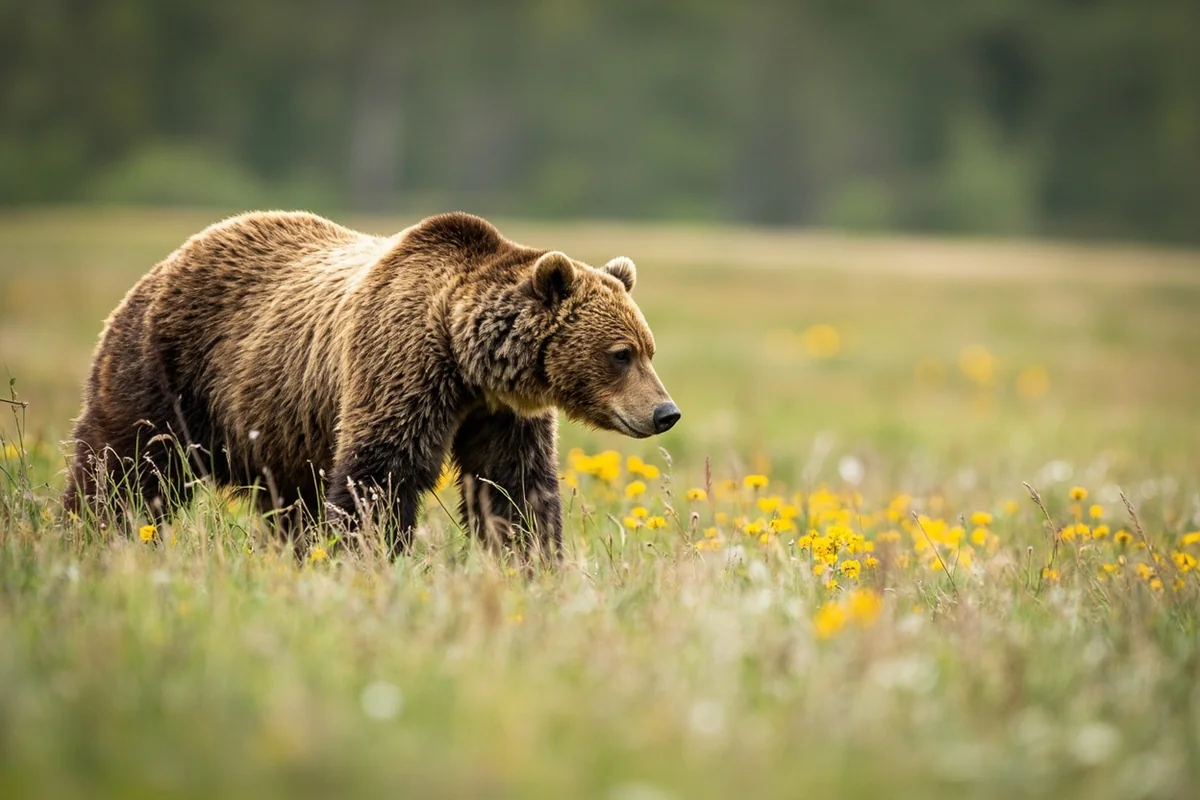
Did you know that Montana is home to more grizzly bears than any other state in the lower 48? This stunning fact is just one of many reasons why the Treasure State has become a bucket list destination for adventure seekers and nature lovers alike. From the towering peaks of Glacier National Park to the vast prairies of the eastern plains, Montana offers an unparalleled tapestry of natural wonders and authentic Western experiences.

But planning a trip to Big Sky Country can be as daunting as it is exciting. How do you choose between world-class fishing streams and legendary hiking trails? What’s the best way to experience Montana’s rich Native American heritage? And how can you navigate this vast state while being a responsible, culturally-sensitive visitor?

This comprehensive guide to Montana trip planning will answer all these questions and more. We’ll take you through must-see destinations, hidden gems, local delicacies, and insider tips that will help you craft an unforgettable Montana adventure. Whether you’re dreaming of summiting glacial peaks, soaking in natural hot springs, or savoring huckleberry pie under the stars, our expert advice will ensure your Montana bucket list becomes a reality. So saddle up and get ready to explore the Last Best Place – your ultimate Montana journey starts here.

Montana Bucket List: Must-Have Experiences

Montana, aptly nicknamed “The Treasure State,” offers travelers an authentic American West experience that’s increasingly rare in our modern world. This vast, rugged landscape stretches from the northern Rocky Mountains to the Great Plains, creating a diverse playground for adventurers, nature enthusiasts, and cultural explorers alike.

What makes Montana truly special is its remarkable balance of untamed wilderness and welcoming small towns. Here, you’ll find some of America’s most pristine natural environments alongside genuine frontier hospitality. With Glacier and Yellowstone National Parks anchoring the state’s tourism appeal, Montana delivers outdoor experiences on a grand scale that few destinations can match.

Beyond its famous parks, Montana’s appeal lies in its authenticity. This is a place where working ranches still dot the countryside, where Native American traditions remain vibrant parts of the cultural fabric, and where historic mining towns tell stories of the frontier past. The state’s low population density means that even during peak tourist seasons, you can find solitude among spectacular scenery that seems to stretch forever under the legendary “Big Sky.”

Our comprehensive bucket list approach to Montana aims to guide you through experiences that capture the essence of this remarkable state. From iconic destinations that shouldn’t be missed to hidden gems known primarily to locals, we’ve curated experiences that showcase Montana’s diverse landscapes, rich history, outdoor adventures, and culinary delights. Whether you’re planning your first visit or your fifth, this guide will help you craft a Montana journey that balances must-see attractions with authentic experiences that reveal the state’s true character.

As you plan your Montana adventure, remember that this is a place best experienced without rushing. The state rewards those who take time to venture beyond the obvious attractions, who engage with local communities, and who embrace the slower, more deliberate pace that defines life under the Big Sky.

Montana’s Top Destinations

Montana’s vast landscape is home to some of the most breathtaking destinations in North America. From towering mountain ranges to pristine lakes, the Treasure State offers visitors an abundance of natural wonders and charming towns to explore.

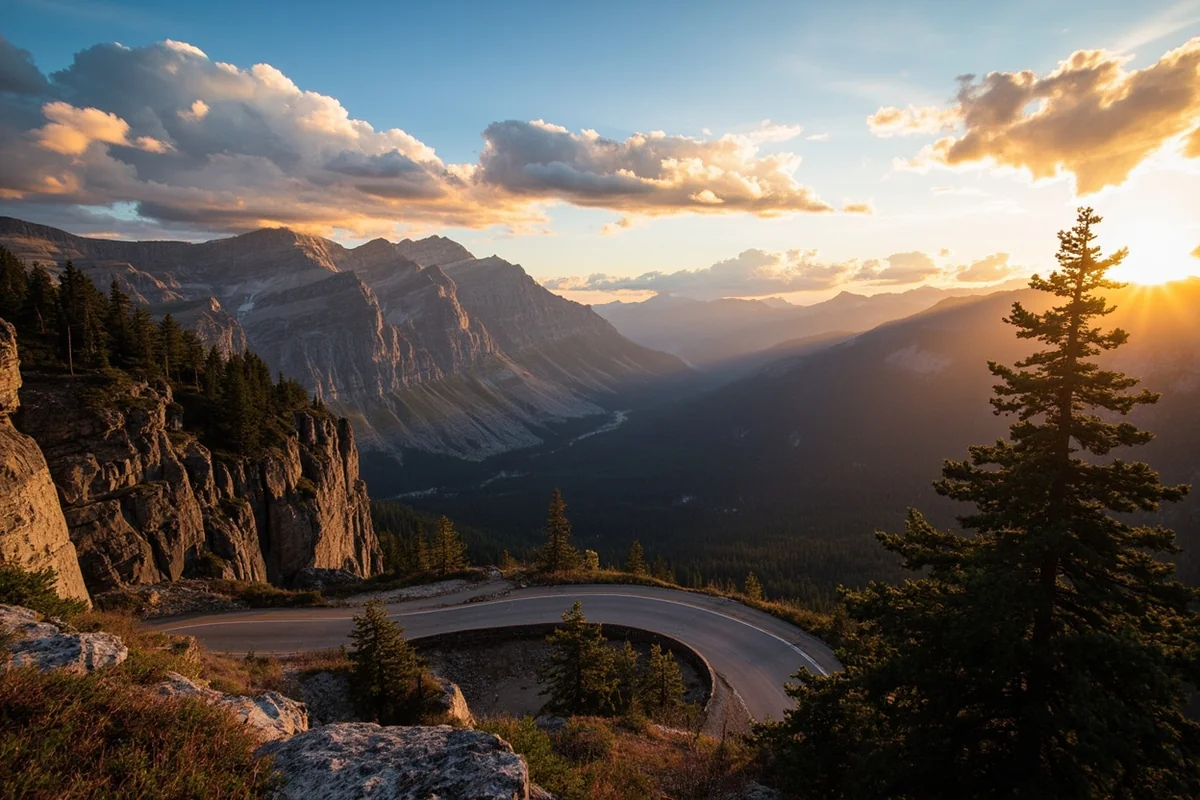
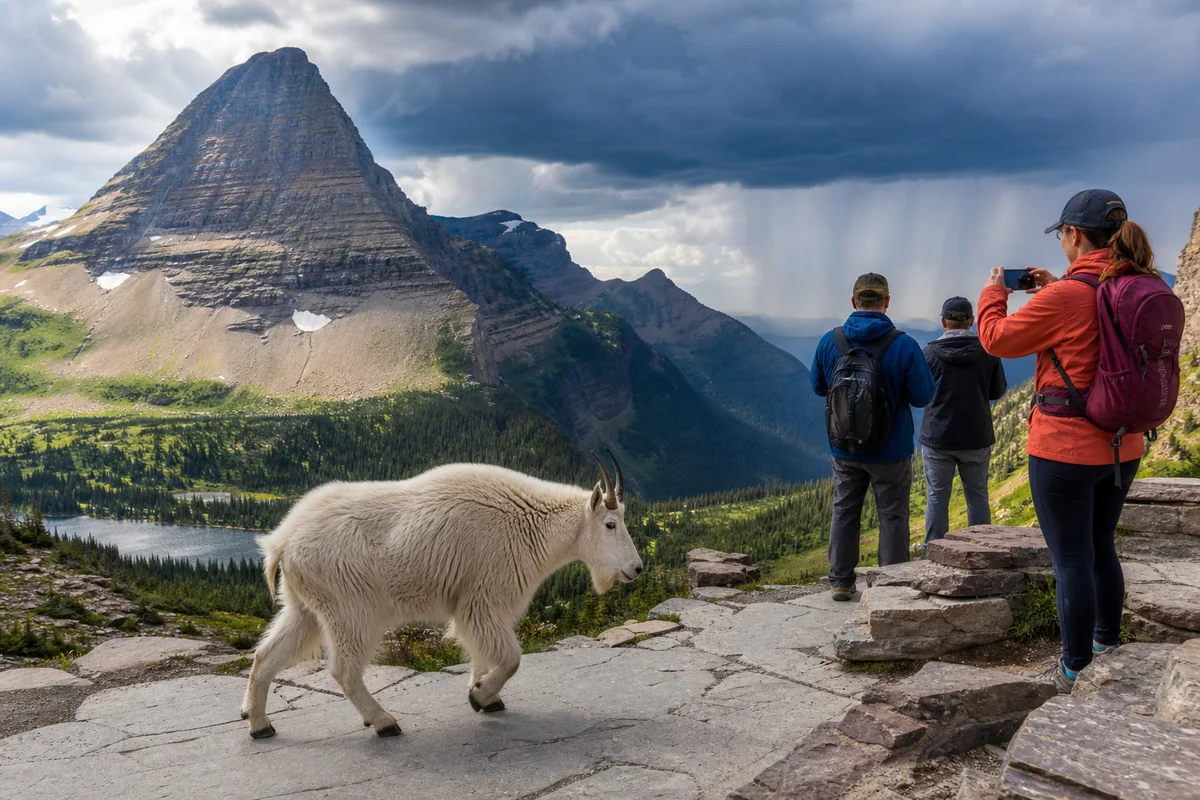
Glacier National Park stands as Montana’s crown jewel, earning its nickname “Crown of the Continent” for good reason. This spectacular wilderness area features over 700 miles of hiking trails winding through alpine meadows, dense forests, and rugged mountains. The iconic Going-to-the-Sun Road offers one of America’s most scenic drives, with jaw-dropping vistas around every curve. Don’t miss Hidden Lake Trail or Grinnell Glacier for unforgettable views of crystal-clear lakes and receding glaciers.

Yellowstone National Park may be primarily associated with Wyoming, but Montana claims the northern entrance through the historic Roosevelt Arch in Gardiner. This section of the park features the Mammoth Hot Springs terraces, where mineral-rich water creates otherworldly limestone formations that constantly evolve. Wildlife enthusiasts will find the Lamar Valley, often called “America’s Serengeti,” perfect for spotting wolves, bison, and grizzly bears in their natural habitat.

Missoula captures Montana’s adventurous spirit while offering sophisticated urban amenities. This vibrant college town sits at the confluence of three rivers, providing endless recreational opportunities from kayaking to fly fishing. The downtown area buzzes with energy thanks to its thriving arts scene, farm-to-table restaurants, and craft breweries. Hike up to the iconic “M” on Mount Sentinel for panoramic views of this mountain-ringed city.

Bozeman blends outdoor adventure with cultural sophistication. This rapidly growing city serves as the gateway to Yellowstone while maintaining its authentic Montana charm. The Museum of the Rockies houses one of the world’s largest dinosaur fossil collections, while the surrounding Gallatin Range offers world-class skiing, mountain biking, and fly fishing. The walkable downtown features historic architecture alongside modern farm-to-table restaurants and boutique shops.

Helena, Montana’s capital city, showcases the state’s rich history through its well-preserved Victorian architecture and gold rush heritage. The Cathedral of Saint Helena dominates the skyline with its neo-Gothic spires, while the nearby Montana State Capitol building offers fascinating historical tours. Outdoor enthusiasts appreciate the city’s 75 miles of hiking and mountain biking trails accessible right from downtown.

Big Sky delivers on its name with expansive mountain vistas and abundant outdoor activities. This resort community offers Montana’s largest skiing destination, with over 5,800 acres of skiable terrain. During summer months, visitors enjoy world-class fly fishing on the Gallatin River, whitewater rafting, and hiking to spectacular alpine lakes. The mountain village provides luxury accommodations alongside authentic Montana experiences like horseback riding and wildlife tours.

The Flathead Lake region centers around the largest natural freshwater lake west of the Mississippi. This stunning 200-square-mile lake features crystal-clear waters perfect for sailing, fishing, and swimming during summer months. The charming lakeside communities of Bigfork, Polson, and Whitefish offer distinct personalities, from artistic enclaves to resort towns. Wild Horse Island, the lake’s largest island, provides sanctuary to wild horses, bighorn sheep, and other wildlife in a pristine natural setting.

Each of these Montana destinations offers its own unique blend of natural beauty, outdoor recreation, and authentic Western hospitality. Whether you’re seeking wilderness adventures or cultural experiences, Montana’s top destinations promise memories that will last a lifetime.

Montana’s Top Things to Do

Montana’s vast landscapes and rich cultural heritage offer endless opportunities for adventure and exploration. From wildlife encounters to historical discoveries, the Treasure State delivers experiences you simply can’t find elsewhere.

Wildlife Watching

Montana’s diverse ecosystems support an incredible array of wildlife. Yellowstone and Glacier National Parks are premier destinations for spotting grizzly bears, wolves, and moose in their natural habitats. The National Bison Range near Missoula offers nearly guaranteed sightings of American bison, while the Red Rock Lakes National Wildlife Refuge provides sanctuary for trumpeter swans and other rare birds. For the best wildlife viewing, head out at dawn or dusk with binoculars and patience.

Scenic Drives

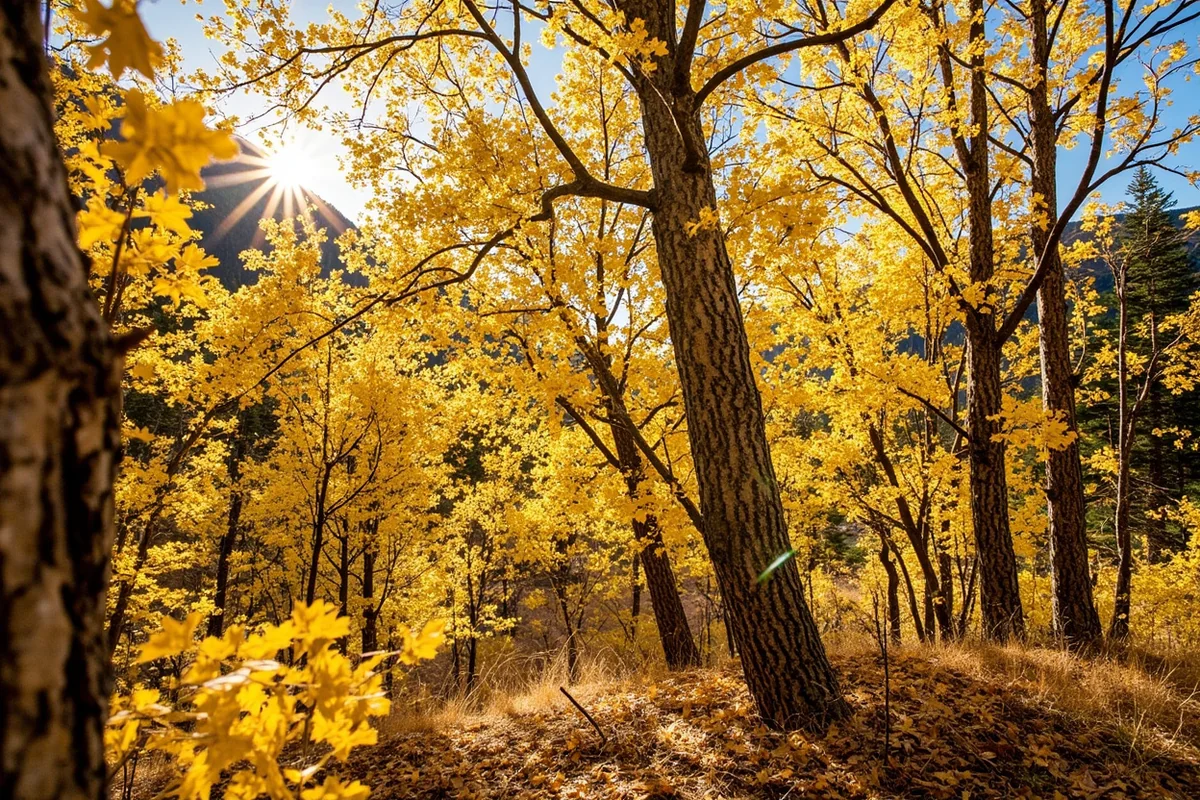
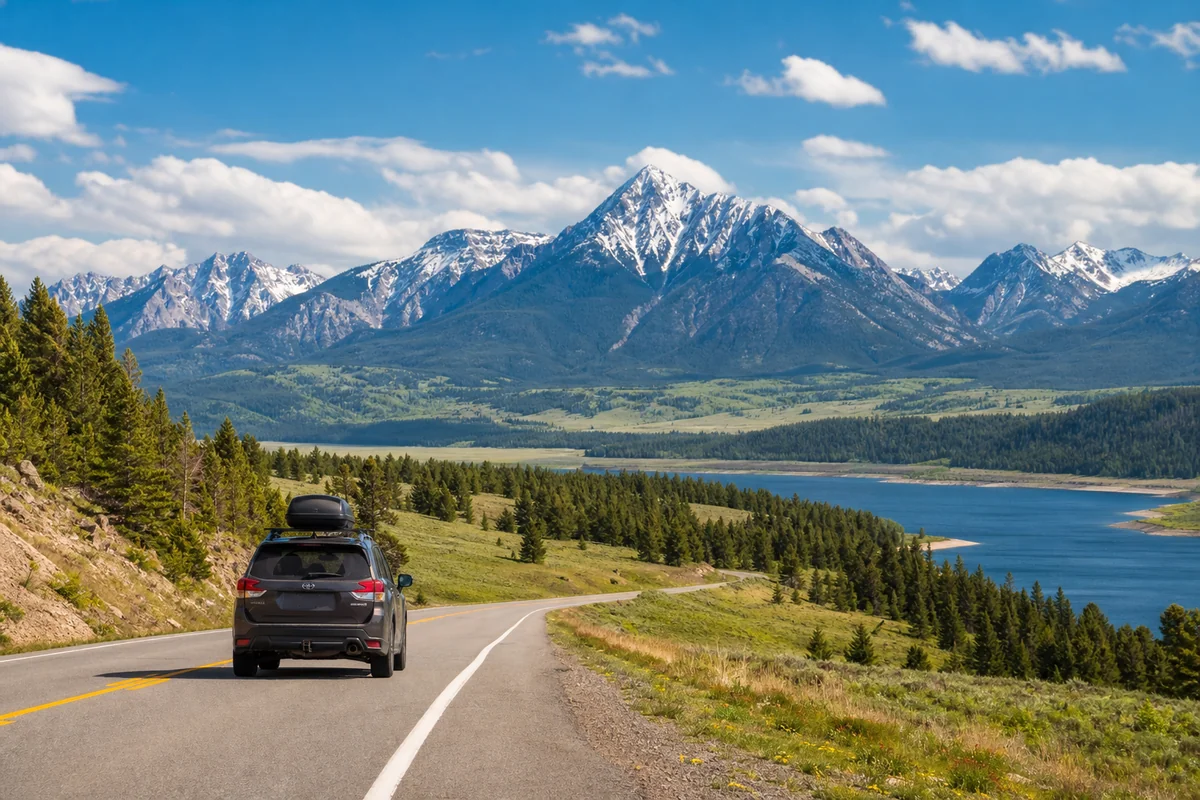
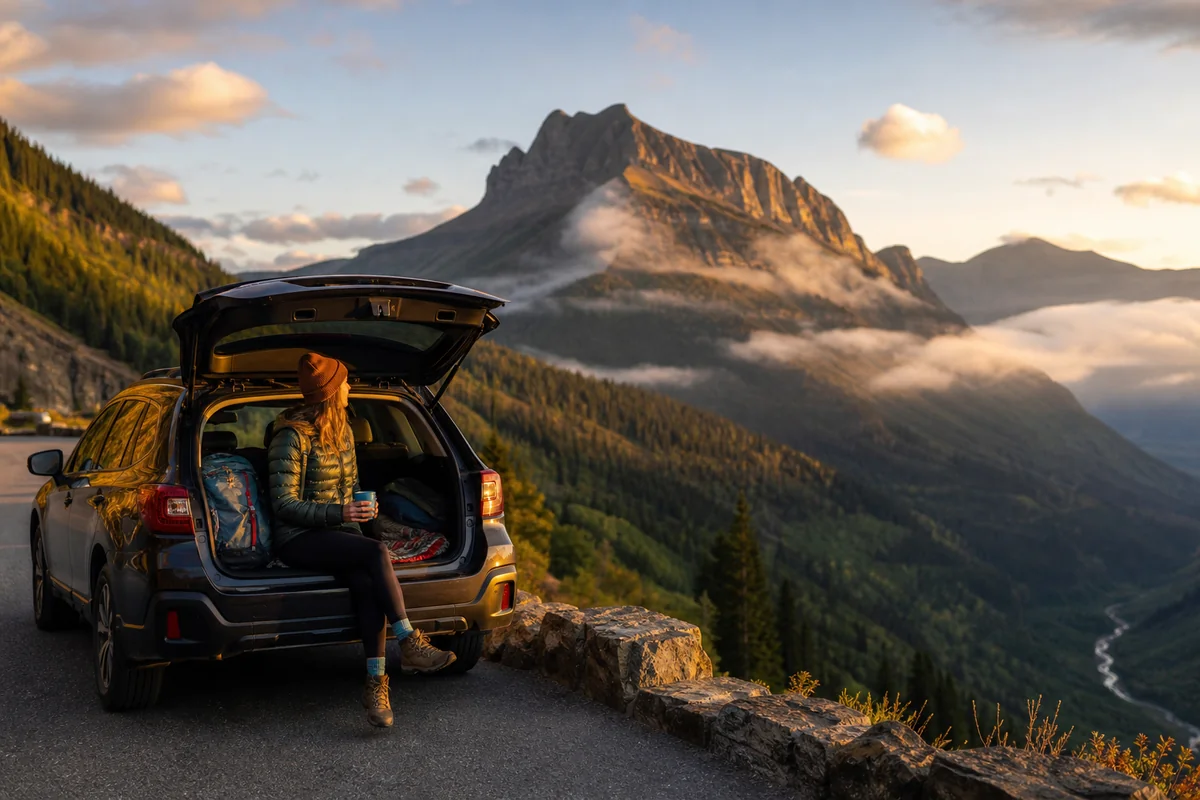
The state’s highways and byways reveal breathtaking vistas around every curve. Going-to-the-Sun Road in Glacier National Park stands as America’s most spectacular alpine highway, while Beartooth Highway near Red Lodge climbs to nearly 11,000 feet with panoramic views. The Paradise Valley drive between Livingston and Gardiner offers stunning Yellowstone River scenes backed by mountain ranges. For fall colors, the Seeley-Swan Valley corridor transforms into a canvas of gold and crimson each September.

Ghost Town Exploration

Montana’s mining boom left behind fascinating ghost towns that tell stories of prosperity and abandonment. Virginia City and Nevada City preserve authentic 1860s gold rush architecture and offer living history experiences. Bannack State Park, Montana’s first territorial capital, allows visitors to wander through over 60 historic structures. The remote Garnet Ghost Town, nestled in the mountains east of Missoula, provides a glimpse into turn-of-the-century mining life without the crowds.

Hot Springs Visits

Natural thermal springs dot Montana’s landscape, offering soothing relaxation after outdoor adventures. Chico Hot Springs in Paradise Valley combines historic charm with mineral pools and fine dining. The more rustic Boiling River in Yellowstone allows bathers to soak where hot springs meet the Gardner River. For luxury experiences, Fairmont Hot Springs Resort offers both indoor and outdoor pools, while Quinn’s Hot Springs Resort provides a more intimate setting along the Clark Fork River.

Winter Sports

When snow blankets Montana’s mountains, world-class winter recreation takes center stage. Big Sky Resort boasts the “Biggest Skiing in America” with 5,800 acres of terrain. Whitefish Mountain Resort combines outstanding skiing with spectacular Glacier National Park views. Beyond downhill, opportunities for cross-country skiing, snowshoeing, and snowmobiling abound in national forests and dedicated winter recreation areas. For a unique experience, try dog sledding through the serene winter landscape near Bigfork or West Yellowstone.

Fly Fishing

Montana’s blue-ribbon trout streams have achieved legendary status among anglers worldwide. The Madison, Yellowstone, Bighorn, and Missouri Rivers offer premier fishing experiences with healthy populations of rainbow, brown, and cutthroat trout. Smaller streams like Rock Creek and the Blackfoot River (made famous by “A River Runs Through It”) provide intimate fishing in stunning settings. Numerous outfitters offer guided trips for all skill levels, ensuring even beginners can experience the thrill of landing a Montana trout.

Horseback Riding

Experience Montana’s landscapes the way early explorers did – from horseback. Guest ranches throughout the state offer rides ranging from hour-long trail excursions to multi-day pack trips into wilderness areas. The Bob Marshall Wilderness provides the ultimate backcountry horseback adventure, while ranches near Yellowstone offer rides through landscapes teeming with wildlife. Many working cattle ranches also invite guests to participate in authentic cattle drives, rounding up livestock alongside real cowboys.

Rodeos and Western Experiences

Montana’s cowboy culture comes alive at rodeos held throughout the summer months. The Augusta American Legion Rodeo, held since 1936, delivers authentic small-town charm, while larger events like the Livingston Roundup and Miles City Bucking Horse Sale attract top competitors. For immersion in western heritage, attend powwows hosted by Montana’s Native American tribes, where traditional dancing, drumming, and crafts celebrate indigenous cultures. The Montana Folk Festival in Butte and the Red Ants Pants Music Festival in White Sulphur Springs showcase western music traditions in unforgettable settings.

Montana’s Best Lakes

Montana’s pristine lakes offer some of the most breathtaking landscapes in North America. From crystal-clear alpine waters to expansive reservoirs, these natural wonders provide endless opportunities for recreation and relaxation.

Flathead Lake

As the largest natural freshwater lake west of the Mississippi, Flathead Lake spans an impressive 197 square miles with 185 miles of shoreline. Its remarkably clear waters reach depths of nearly 400 feet and reflect the surrounding Mission Mountains in stunning fashion.

The lake is famous for its cherry orchards that line the eastern shore, creating a spectacular display of blossoms in spring and offering sweet treats in summer. Water activities abound here, including sailing, kayaking, paddleboarding, and fishing for lake trout and whitefish. Don’t miss Wild Horse Island, the lake’s largest island, home to wild horses, bighorn sheep, and mule deer.

Lake McDonald

Located in Glacier National Park, Lake McDonald is a glacier-carved masterpiece stretching 10 miles long and nearly 500 feet deep. The lake’s most distinctive feature is its colorful pebbles—in shades of red, green, and blue—visible through its crystal-clear waters.

The iconic view of Lake McDonald from Apgar Village, with mountains reflected in its still waters, is one of Montana’s most photographed scenes. Visitors can enjoy boat tours, fishing for cutthroat trout, or simply relaxing on its shores. The historic Lake McDonald Lodge offers rustic accommodations in a Swiss chalet-style building dating back to 1913.

Whitefish Lake

Just outside the charming resort town of Whitefish, this 7-mile-long glacial lake offers spectacular views of Big Mountain and the surrounding forests. The lake’s accessibility and amenities make it perfect for families and water sports enthusiasts.

Whitefish City Beach provides a sandy swimming area with lifeguards in summer, while Whitefish Lake State Park offers camping facilities and boat launches. Winter transforms the lake into an ice fishing destination. The lake’s proximity to Whitefish Mountain Resort makes it possible to ski and swim on the same day during late spring.

Hebgen Lake

Often called the “Earthquake Lake,” Hebgen Lake’s history was dramatically altered in 1959 when a 7.5 magnitude earthquake created a massive landslide that formed nearby Quake Lake. Today, Hebgen is known as one of Montana’s premier fishing destinations, particularly for rainbow and brown trout.

The 15-mile-long reservoir features numerous coves and inlets perfect for exploration by kayak or canoe. Its location near Yellowstone National Park makes it an ideal base for park visitors. The lake offers nine campgrounds along its shores and stunning views of the Madison Range.

Fort Peck Lake

This massive reservoir in northeastern Montana is the state’s largest body of water by volume, created by the Fort Peck Dam on the Missouri River. With over 1,500 miles of shoreline—more than the California coast—Fort Peck offers unparalleled solitude and wilderness.

The lake is renowned for its trophy-sized walleye, northern pike, and paddlefish. Its unique badlands shoreline creates countless bays and inlets to explore. The Fort Peck Interpretive Center features exhibits on the dam’s construction during the Great Depression and houses a full-size cast of Peck’s Rex, one of the most complete Tyrannosaurus rex fossils ever found, discovered near the lake.

Each of Montana’s lakes has its own character and charm, offering visitors a chance to experience the state’s natural beauty from the peaceful vantage point of clear, cool waters. Whether you’re seeking adventure or tranquility, Montana’s lakes deliver unforgettable experiences in settings of unparalleled beauty.

Montana’s Hiking Trails

Montana’s vast wilderness offers some of the most breathtaking hiking experiences in North America. From alpine meadows bursting with wildflowers to dramatic mountain vistas, the state’s trail systems provide adventures for every skill level.

Highline Trail

The iconic Highline Trail in Glacier National Park stretches 11.8 miles along the Continental Divide, offering unparalleled views of the park’s rugged interior. This moderate difficulty trail begins at Logan Pass and follows the Garden Wall, with heart-stopping drop-offs protected by cable handrails in certain sections. The trail’s relatively gradual elevation change makes it accessible for reasonably fit hikers, though its exposure demands caution in windy or wet conditions. Summer and early fall provide the best hiking window, when alpine wildflowers paint the slopes in vibrant colors and mountain goats can often be spotted traversing the cliffs above.

Grinnell Glacier Trail

For those seeking to witness climate change in action, the 10.6-mile round-trip Grinnell Glacier Trail offers a front-row seat to one of the park’s rapidly receding glaciers. This strenuous hike gains approximately 1,600 feet of elevation as it winds past sparkling lakes whose turquoise waters derive their color from glacial silt. The final approach reveals the dramatic cirque containing Upper Grinnell Lake and the remnants of the once-massive glacier. July through September provides the safest hiking window, as snow can linger on the upper portions well into summer.

Iceberg Lake Trail

True to its name, Iceberg Lake often contains floating ice chunks well into August. This 9.7-mile round-trip hike in the Many Glacier area offers a moderate challenge with approximately 1,200 feet of elevation gain. The trail passes through prime grizzly habitat, so hikers should carry bear spray and travel in groups. The payoff is spectacular—a sapphire-blue alpine lake nestled in a natural amphitheater of towering cliffs. Wildflowers reach their peak in July, creating stunning foreground elements for photographers.

Avalanche Lake

Perfect for families and less experienced hikers, the 4.5-mile round-trip trail to Avalanche Lake provides big rewards for modest effort. Beginning along the Trail of the Cedars boardwalk, the path follows Avalanche Creek through an ancient forest of western red cedar and hemlock before climbing gradually to the lake. The scene at trail’s end is postcard-perfect: a crystal-clear lake surrounded by mountains with multiple waterfalls cascading down the headwall. This trail’s accessibility makes it extremely popular, so early morning starts are recommended during peak season (July-August).

Beehive Basin Trail

Located near Big Sky, the 6.6-mile round-trip Beehive Basin Trail showcases the best of Montana’s Madison Range. This moderate hike climbs steadily through lodgepole pine forests before opening into expansive alpine meadows that explode with wildflowers in July. The trail culminates at a pristine alpine lake surrounded by craggy peaks. Unlike Glacier National Park trails, Beehive Basin sees fewer crowds while still delivering spectacular scenery. Fall visits offer the bonus of golden aspen groves and cooler temperatures.

Planning Your Montana Hiking Adventure

When tackling Montana’s trails, preparation is essential. Weather conditions can change rapidly in mountain environments, so layered clothing, rain gear, and sun protection should accompany every hiker. Trail difficulty in Montana often relates more to exposure, weather variables, and wildlife encounters than to technical challenges.

The hiking season generally runs from late June through September, with July and August offering the most reliable conditions. Early season hikers should be prepared for snow at higher elevations, while September brings cooler temperatures and the first dusting of snow on peaks. Many trails cross streams that can become dangerous during spring runoff or after heavy rains.

Whether you’re seeking heart-pounding adventure or gentle nature immersion, Montana’s hiking trails deliver experiences that will remain etched in memory long after your boots have dried and your muscles have recovered.

Montana’s State Parks

Montana’s state parks offer some of the most diverse and breathtaking natural landscapes in America. From underground limestone caverns to prehistoric badlands, these protected areas showcase the state’s rich geological and cultural heritage.

Lewis and Clark Caverns

As Montana’s first state park, Lewis and Clark Caverns features one of the largest limestone caverns in the Northwest. Located near Three Forks, this underground wonderland boasts spectacular stalactites, stalagmites, columns, and helictites that have formed over millions of years.

Visitors can take guided tours through electrically lit passages, descending 600 feet into the earth to witness these natural sculptures. The caverns maintain a constant 50°F temperature year-round, making them a perfect escape during hot summer days. Beyond the caves, the park offers camping, hiking trails, and wildlife viewing opportunities in the surrounding 3,000 acres.

Giant Springs State Park

Situated along the Missouri River in Great Falls, Giant Springs State Park centers around one of the largest freshwater springs in the country. The spring pumps 156 million gallons of crystal-clear water daily from the Madison Aquifer, maintaining a constant temperature of 54°F.

The park features the Roe River, once listed in the Guinness Book of World Records as the world’s shortest river at 201 feet. Visitors can enjoy the Giant Springs Fish Hatchery, feed rainbow trout, explore riverside trails, or picnic while watching the powerful springs bubble up from underground. The park’s paved trails make it accessible for all ages and abilities.

Makoshika State Park

Montana’s largest state park, Makoshika (pronounced ma-KO-shi-ka) derives its name from the Lakota phrase meaning “bad land” or “bad earth.” This 11,538-acre park near Glendive showcases dramatic badland formations, dinosaur fossils, and captivating paleontological history.

Visitors can explore prehistoric terrain where Tyrannosaurus rex and Triceratops once roamed, with fossils still being discovered today. The park’s visitor center displays dinosaur remains and educational exhibits. Activities include hiking through pine-studded badlands, mountain biking, disc golf on a unique badlands course, and stargazing in some of Montana’s darkest skies.

Wild Horse Island

Located in Flathead Lake, Wild Horse Island State Park is the largest island in the largest natural freshwater lake west of the Mississippi. This 2,160-acre sanctuary is accessible only by boat and was named for the wild horses that Native Americans once kept there to prevent theft.

Today, the island maintains a small population of wild horses, along with bighorn sheep, mule deer, and abundant bird species. Visitors can enjoy day trips with activities including hiking, wildlife photography, swimming in crystal-clear waters, and beachcombing along 14 miles of shoreline. The island’s old-growth ponderosa pine forests and panoramic lake views make it a photographer’s paradise.

Bannack State Park

Step back in time at Bannack State Park, a perfectly preserved ghost town that was Montana’s first territorial capital after gold was discovered there in 1862. Located near Dillon, this National Historic Landmark features over 60 original structures that visitors can explore.

The park’s buildings tell the story of Montana’s gold rush era, with highlights including the Hotel Meade, Masonic Lodge, schoolhouse, and jail. Visitors can wander freely through most buildings, creating an immersive historical experience. The park hosts Bannack Days in July, featuring period reenactments and demonstrations. Winter visitors might enjoy ghost tours or ice skating on the frozen dredge pond.

Each of these state parks offers unique natural features and recreational opportunities that showcase Montana’s diverse landscapes and rich heritage, making them essential additions to any Montana bucket list.

Montana’s Local Delicacies

Montana’s culinary landscape is as vast and diverse as its terrain, offering visitors a chance to savor flavors unique to the Treasure State. From wild-harvested berries to farm-raised meats, Montana’s local delicacies provide an authentic taste of the region’s natural bounty.

Huckleberry Heaven

No Montana food experience is complete without sampling huckleberry products. These small purple berries, similar to blueberries but with a more complex flavor profile, grow wild in Montana’s mountains and cannot be commercially cultivated. During summer months, locals and visitors alike venture into the wilderness to harvest these treasured fruits.

Look for huckleberry jam, syrup, honey, and even huckleberry-infused spirits throughout the state. A slice of huckleberry pie or a scoop of huckleberry ice cream makes for the perfect dessert after a day of exploring. For a truly Montana experience, try huckleberry pancakes for breakfast at a local diner.

Bison and Montana Beef

Montana’s ranching tradition is reflected in its exceptional meat offerings. Bison (buffalo) meat, leaner and more flavorful than beef, appears on menus across the state. Try a bison burger, bison steak, or even bison chili for a taste of the Old West.

Montana beef deserves its stellar reputation, with many restaurants proudly serving locally raised, grass-fed beef. The state’s vast rangeland produces some of the highest quality beef in the country, often raised on family ranches that have operated for generations.

Elk and Game Meats

For the adventurous eater, Montana offers opportunities to sample elk and other game meats. Elk has a rich, slightly sweet flavor that’s less gamey than other wild meats. You’ll find it prepared as steaks, burgers, and even jerky in restaurants and specialty shops throughout the state.

Morel Mushrooms

Each spring, following wildfire seasons, Montana’s forests yield prized morel mushrooms. These honeycomb-textured delicacies have a nutty, earthy flavor that chefs prize. If you’re visiting in late spring, look for morels featured on seasonal menus at higher-end restaurants, often sautéed simply to showcase their unique flavor or incorporated into pasta dishes and risottos.

Chokecherry Creations

The chokecherry, Montana’s state fruit, transforms from its naturally tart state into delicious jellies, syrups, and wines. Native Americans traditionally used chokecherries in pemmican (a preserved food combining dried meat, fat, and berries), while modern Montana kitchens incorporate them into desserts and preserves. Look for chokecherry jam, syrup, or wine as souvenirs to bring home.

Craft Beer Culture

Montana boasts one of the highest numbers of craft breweries per capita in the United States. The state’s pure mountain water, combined with locally grown barley, creates ideal conditions for brewing. From huckleberry wheat ales to robust porters, Montana’s beer scene offers something for every palate.

Popular breweries can be found in cities like Missoula, Bozeman, and Billings, but even small towns often have their own local brewing companies. Many offer tasting rooms where you can sample flights of their distinctive creations.

Unique Local Dishes

Look for dishes that reflect Montana’s cultural heritage and natural resources:

  • Pasties: These meat-filled pastry pockets, brought by Cornish miners, remain popular in mining towns like Butte
  • Fry bread: A Native American staple often served with honey or as the base for “Indian tacos”
  • Huckleberry hush puppies: A Montana twist on the Southern classic
  • Rocky Mountain oysters: For the truly adventurous (these are actually bull testicles)
  • Flathead cherry desserts: Celebrating the exceptional cherries grown near Flathead Lake

When traveling through Montana, seek out family-owned restaurants and farmers’ markets to experience the most authentic local flavors. Many establishments proudly source ingredients from nearby farms and ranches, offering a true farm-to-table experience that connects visitors with Montana’s agricultural heritage.

Montana’s Must-Try Restaurants

Montana may not be the first place that comes to mind when thinking about culinary destinations, but the Treasure State boasts an impressive array of dining establishments that showcase local ingredients, Western heritage, and innovative cooking techniques. From historic eateries that have served hungry patrons for generations to modern farm-to-table restaurants highlighting Montana’s agricultural bounty, here’s a guide to the must-try restaurants across different regions of the state.

Western Montana Culinary Gems

In Missoula, The Pearl Cafe offers French-inspired Montana cuisine in an intimate setting. Chef Pearl Cash creates seasonal menus featuring local ingredients like huckleberries, trout, and regional game. For a more casual experience, Biga Pizza crafts artisanal wood-fired pizzas with locally-sourced toppings that change with the seasons.

Whitefish boasts Cafe Kandahar, where James Beard-nominated Chef Andy Blanton creates sophisticated Rocky Mountain cuisine. The tasting menu showcases Montana’s finest ingredients through meticulous preparation and artistic presentation.

Historic Eateries with Stories to Tell

No Montana dining guide would be complete without mentioning The Mint Bar and Cafe in Belgrade. Operating since 1904, this historic establishment was one of many “Mint” bars that dotted Montana during the early 20th century. Their massive steaks and classic Western atmosphere provide an authentic Montana dining experience.

In Virginia City, the Wells Fargo Coffee House occupies a building dating back to the 1860s gold rush. Enjoy hearty frontier-style meals surrounded by original artifacts and architecture from Montana’s territorial days.

Farm-to-Table Excellence

Helena’s Benny’s Bistro exemplifies Montana’s farm-to-table movement with a constantly changing menu based on what’s fresh from local farms and ranches. Their commitment to sustainability extends to their wine list, which features many organic and biodynamic options.

In Billings, The Fieldhouse creates sophisticated dishes using ingredients sourced from over 50 Montana producers. Their seasonal menus highlight the agricultural diversity of the state’s eastern regions.

Unique Dining Experiences

For a truly memorable meal, visit Chico Hot Springs Resort’s Dining Room in Paradise Valley. After enjoying their famous duck flambé prepared tableside, you can soak in the natural hot springs under Montana’s star-filled sky.

The Jersey Lilly in Ingomar offers a one-of-a-kind experience in a remote eastern Montana town. This historic saloon serves “sheepherder hors d’oeuvres” (saltine crackers with sardines) and bean soup in a building that once housed the town’s bank and post office.

Local Favorites Off the Beaten Path

Locals know that some of Montana’s best food is found in unexpected places. The Gravel Bar in Phillipsburg might look like a simple tavern, but their burgers are legendary among residents and visitors alike.

In the tiny town of Power, The Power Cafe serves enormous cinnamon rolls and hearty breakfasts that fuel farmers and ranchers throughout the workday. It’s the kind of place where everyone knows everyone—except you, but they’ll make you feel welcome anyway.

Native American Cuisine

To experience Montana’s indigenous food traditions, visit Watecha Bowl in Browning on the Blackfeet Reservation. Their Indian tacos, made with fry bread instead of tortillas, showcase Native American culinary techniques with contemporary influences.

From sophisticated dining rooms to hole-in-the-wall treasures, Montana’s restaurant scene offers something for every palate while maintaining a distinctly Big Sky character. The state’s best restaurants honor Montana’s agricultural heritage while pushing culinary boundaries, creating dining experiences as memorable as the landscapes that surround them.

Montana’s vast wilderness and charming small towns offer an authentic American West experience, but navigating this expansive state requires thoughtful planning and respectful tourism practices. The treasure state welcomes visitors with open arms, yet its delicate ecosystems, local communities, and cultural heritage deserve mindful consideration.

When planning your Montana adventure, consider the practical aspects that will enhance your experience while minimizing your impact. From understanding seasonal fluctuations in tourism to respecting wildlife and local customs, your approach to visiting Montana can make all the difference. The state operates on “Montana time” – a relaxed pace that encourages visitors to slow down and savor each moment rather than rushing between attractions.

Responsible tourism in Montana means leaving no trace in natural areas, supporting local businesses rather than chains, and engaging with communities in meaningful ways. It means understanding that while Old Faithful will erupt on schedule, a bison herd might cause an unexpected but magical traffic delay. It means recognizing that Montana’s charm lies not just in its postcard-perfect vistas but in its authentic character and way of life.

As we explore specific travel hacks and cultural insights in the following sections, remember that the best Montana experience comes from approaching the state with respect, flexibility, and genuine curiosity. Whether you’re planning accommodations, budgeting for your trip, or learning about local etiquette, these insights will help you navigate Montana like a considerate guest rather than just another tourist.

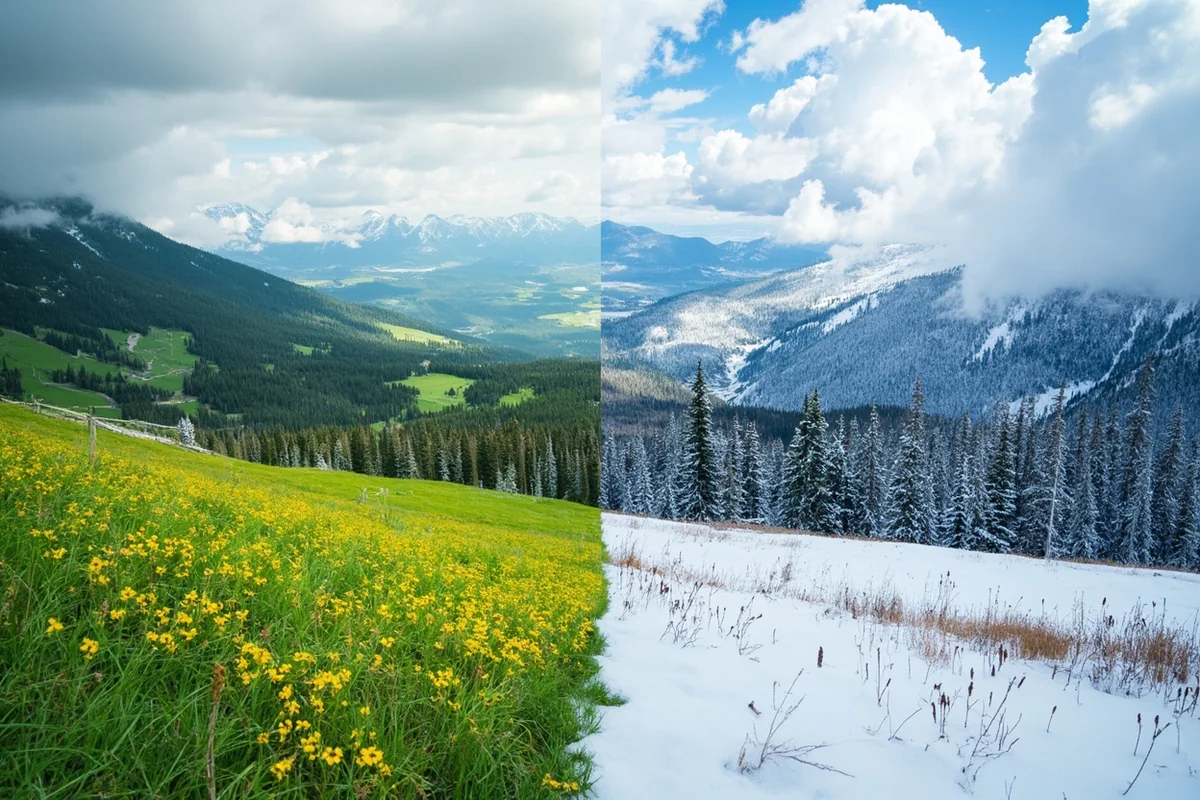
Montana’s Best Time to Travel

Montana’s vast landscapes transform dramatically with the seasons, each offering unique experiences for travelers. Understanding the state’s distinct seasonal patterns will help you plan the perfect Montana adventure tailored to your preferences.

Spring (April to June)

Spring in Montana brings renewal to the landscape but arrives later than in many other states. Early spring (April-May) often features unpredictable weather with lingering snow at higher elevations.

Weather: Temperatures range from 30°F to 60°F, with frequent rain showers and occasional snow flurries in the mountains. By late May and June, conditions improve significantly.

Benefits: Fewer tourists, lower accommodation rates, and the chance to witness wildlife with their newborns. Spring runoff creates spectacular waterfalls throughout the state.

Drawbacks: Many mountain roads and trails remain closed until late May or June. Glacier National Park’s Going-to-the-Sun Road typically doesn’t fully open until late June.

Notable Events: Montana Folk Festival (Butte), Montana Shakespeare in the Parks (various locations), and Spring Fest in Missoula.

Summer (July to September)

Summer is peak season in Montana, offering ideal conditions for outdoor adventures across the state.

Weather: Warm, dry days with temperatures between 70°F and 90°F. Mountain areas remain cooler, with occasional afternoon thunderstorms.

Benefits: All attractions and roads are open, including the entirety of Glacier and Yellowstone National Parks. Long daylight hours (up to 16 hours) maximize exploration time.

Drawbacks: Larger crowds, higher prices, and potential wildfire smoke in August and September.

Notable Events: Montana State Fair (Great Falls), Crow Fair Celebration (Crow Agency), Red Ants Pants Music Festival (White Sulphur Springs), and numerous rodeos throughout the state.

Fall (October to November)

Fall brings spectacular foliage and thinner crowds, creating a magical atmosphere across Montana.

Weather: Temperatures range from 30°F to 65°F with increasingly cold nights. Early snow is possible in the mountains by October.

Benefits: Stunning fall colors, excellent wildlife viewing (including elk rutting season), reduced crowds, and lower accommodation rates.

Drawbacks: Shorter days and unpredictable weather. Services begin closing in national parks by mid-October.

Notable Events: Montana Book Festival (Missoula), Harvest Festivals across agricultural communities, and Great Northwest Oktoberfest (Whitefish).

Winter (December to March)

Winter transforms Montana into a snow-covered wonderland, perfect for cold-weather enthusiasts.

Weather: Cold temperatures ranging from -10°F to 30°F with significant snowfall, especially in western Montana. Eastern Montana experiences harsh winds.

Benefits: World-class skiing and snowboarding at resorts like Big Sky and Whitefish, snowmobiling opportunities, hot springs experiences, and unique wildlife viewing in Yellowstone.

Drawbacks: Limited access to many areas, closed roads (including most of Going-to-the-Sun Road), and challenging driving conditions.

Notable Events: Whitefish Winter Carnival, Big Sky Big Grass (bluegrass festival), and Winter Fair in Bozeman.

Crowd Considerations

For those seeking solitude, consider visiting during “shoulder seasons” (late May-early June or September-early October) when weather remains relatively favorable but tourist numbers drop significantly. During peak summer months, make reservations well in advance, especially for accommodations near national parks.

Remember that Montana’s weather can change rapidly in any season, so packing layers and being prepared for various conditions is always advisable, regardless of when you visit.

Montana’s Ideal Accommodations

Montana offers an impressive range of accommodations that cater to every traveler’s preference, from rugged outdoor enthusiasts to luxury seekers. Your choice of where to stay can dramatically enhance your Montana experience, immersing you in the state’s natural beauty and distinctive Western culture.

Luxury Lodges

Montana’s luxury lodges represent the pinnacle of wilderness elegance. Properties like The Resort at Paws Up and Triple Creek Ranch offer sumptuous accommodations with gourmet dining, spa services, and personalized outdoor activities. These exclusive retreats typically feature stunning architecture that complements the natural surroundings, with expansive windows framing mountain views and interiors adorned with local artwork and craftmanship. While prices often exceed $500 per night, the all-inclusive nature of many luxury lodges provides exceptional value for those seeking a premium Montana experience.

Dude Ranches

For an authentic Western experience, Montana’s dude ranches offer immersive stays that combine comfortable accommodations with horseback riding, cattle drives, and ranch activities. Ranches like The Ranch at Rock Creek and Mountain Sky Guest Ranch provide varying levels of luxury, from rustic cabins to elegant lodge rooms. Most dude ranches operate on an all-inclusive model, with stays typically ranging from 3-7 nights and including meals, horseback riding, and guided activities. This accommodation style is ideal for families and those wanting to experience Montana’s cowboy heritage firsthand.

Cabin Rentals

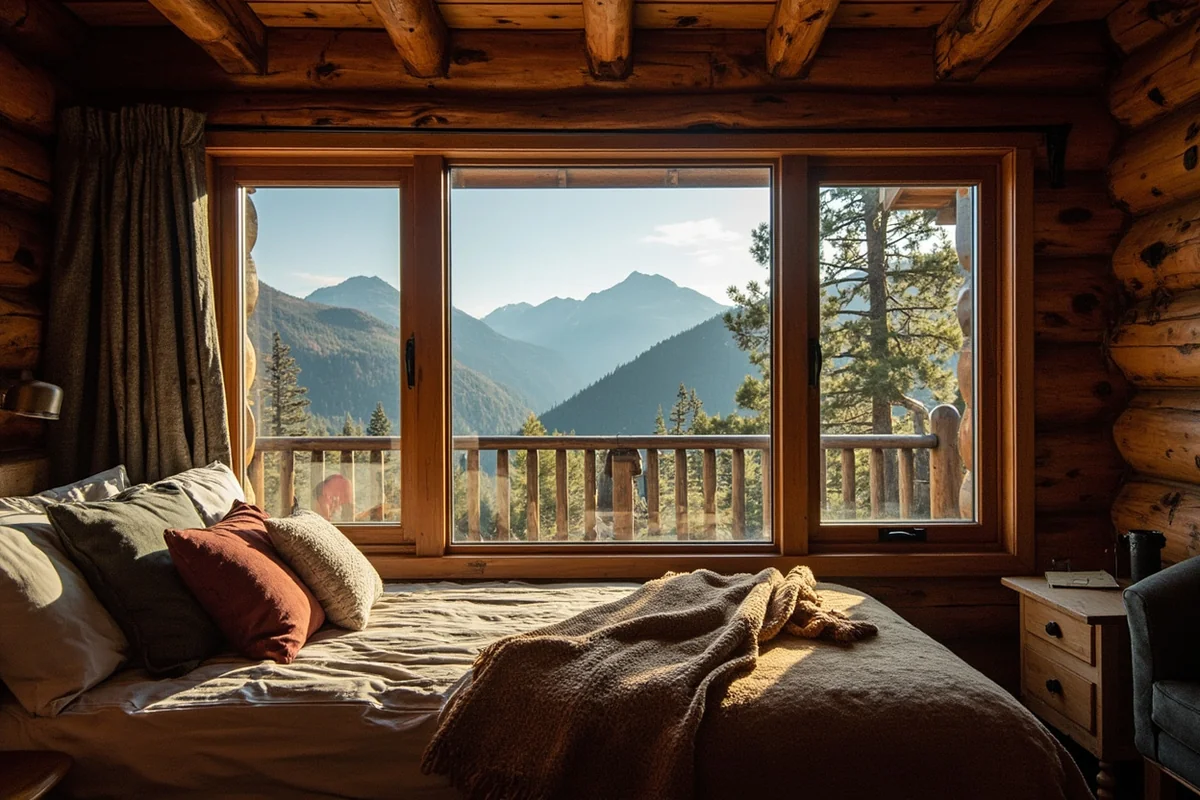
Private cabin rentals offer independence and direct access to Montana’s wilderness. Options range from basic rustic cabins to luxurious mountain retreats with hot tubs and gourmet kitchens. Platforms like Airbnb and VRBO list hundreds of options statewide, with prices varying dramatically based on location, size, and amenities. Many cabins are strategically located near national parks, rivers, or ski areas, making them perfect basecamps for outdoor adventures.

Camping Options

Montana’s public lands offer over 1,000 developed campgrounds and countless dispersed camping opportunities. State parks, national forests, and BLM lands provide sites ranging from $0-30 per night, with amenities varying from primitive (no services) to developed (with restrooms, showers, and electrical hookups). For newcomers to camping, KOA campgrounds offer a more comfortable introduction with additional amenities like camp stores, pools, and organized activities.

Glamping

The glamping trend has flourished in Montana, with safari-style tents, yurts, and treehouses offering comfortable beds, electricity, and sometimes private bathrooms while maintaining a connection to the outdoors. Notable options include Under Canvas near Glacier and Yellowstone, where canvas tents feature king beds, wood stoves, and deck seating. These accommodations typically range from $150-400 per night and provide an excellent middle ground between camping and traditional lodging.

Historic Hotels

Montana’s historic hotels tell the story of the state’s development, from mining booms to railroad expansion. The Many Glacier Hotel in Glacier National Park and the Grand Union Hotel in Fort Benton offer glimpses into Montana’s past while providing modern comforts. These properties often feature period architecture, historic photographs, and sometimes guided history tours, creating a cultural experience beyond just a place to sleep.

Unique Stays

For travelers seeking something truly memorable, Montana offers distinctive accommodations like converted grain silos, fire lookout towers, and restored cabooses. The Shire of Montana in Trout Creek recreates a hobbit house experience, while Dreamcatcher Tipi Hotel offers authentic Native American-inspired lodging. These unique options typically require booking well in advance due to limited availability and high demand.

Accommodation by Region

Your accommodation choices will vary significantly depending on which region of Montana you’re visiting:

  • Glacier Country: Near Glacier National Park, options range from historic park lodges to upscale resorts in Whitefish
  • Yellowstone Country: Features abundant cabin rentals and glamping options near the park’s northern entrance
  • Central Montana: Offers authentic working ranch stays and historic hotels in Great Falls and Lewistown
  • Southwest Montana: Home to luxury lodges near Big Sky and historic accommodations in mining towns like Virginia City
  • Southeast Montana: Provides budget-friendly options and unique stays near Little Bighorn Battlefield

Whatever your preference, booking accommodations 6-12 months in advance is essential for peak summer season (June-August), especially for specialty lodging near national parks or for unique properties with limited capacity.

Montana’s Money-Saving Tips

Montana offers breathtaking experiences without breaking the bank if you know where to look. The Treasure State can be enjoyed on a budget with these practical money-saving strategies.

Budget Travel Strategies

Planning ahead is your best financial ally in Montana. Book accommodations 3-6 months in advance, especially for summer visits to popular areas like Glacier National Park. Consider camping in national forests where dispersed camping is often free, or opt for budget-friendly hostels in cities like Missoula and Bozeman.

Travel with a group to split costs on cabin rentals, which often become more economical than hotels when shared among 4-6 people. If you’re flexible with dates, midweek visits typically offer lower rates on everything from lodging to activities.

Free Attractions

Montana’s greatest treasures come with no admission fee. Scenic drives like the Going-to-the-Sun Road in Glacier National Park (park entrance fee applies, but the drive itself is free) and the Beartooth Highway near Red Lodge offer world-class views without additional cost.

Many museums offer free admission days, including the Montana Historical Society in Helena (Thursdays after 5 PM) and the Museum of the Rockies in Bozeman (free admission for county residents on certain days). Public lands provide endless free recreation—explore the 33 million acres of public land for hiking, wildlife viewing, and photography.

Discount Passes

Invest in an America the Beautiful Pass ($80) if you plan to visit multiple national parks or federal recreation sites. This annual pass covers entrance fees for the entire vehicle at sites like Glacier National Park and the National Bison Range.

The Montana State Parks Passport ($35 for residents, $50 for non-residents) provides access to all state parks for a year—a bargain if you’ll visit more than three parks during your trip. Many local visitor centers offer coupon books for regional attractions, restaurants, and shops.

Affordable Dining Options

Embrace Montana’s food truck scene in cities like Missoula and Bozeman for delicious, affordable meals. Local farmers’ markets (seasonal) offer fresh produce and prepared foods at reasonable prices while providing an authentic Montana experience.

Stock up at grocery stores like Town & Country and local co-ops for picnic supplies. Many Montana breweries offer happy hour specials with $3-4 craft beers and discounted appetizers—a perfect way to experience local flavors without the full restaurant price.

Transportation Savings

Rent vehicles from off-airport locations to avoid airport surcharges, potentially saving 10-20% on your rental. Consider renting a fuel-efficient vehicle, as distances between Montana attractions can be substantial.

In cities like Missoula, Bozeman, and Helena, use free downtown shuttles and public transportation systems. For longer journeys, check out intercity bus services like Jefferson Lines, which connect major Montana cities at a fraction of the cost of driving or flying.

Off-Season Deals

Visit during shoulder seasons (May-early June or September-October) when accommodations can be 30-40% cheaper than peak summer rates while still offering excellent weather for most activities. Winter visits (except to ski resorts) offer the deepest discounts, with some hotels reducing rates by up to 50%.

Many Montana outfitters and tour companies offer early booking discounts of 10-15% for reservations made months in advance. Look for package deals that combine lodging with activities, especially during off-peak times when businesses are eager to attract visitors.

By implementing these money-saving tips, you can experience the majesty of Montana without depleting your savings—leaving you with both wonderful memories and a healthy bank account.

Montana’s Cultural Sensitivity and Appreciation

Montana’s rich cultural tapestry deserves both respect and understanding from visitors. The state’s heritage runs deep, with Indigenous cultures forming the foundation of Montana’s identity long before it became the 41st state.

Honoring Indigenous Cultures

Montana is home to seven federally recognized tribal nations: the Blackfeet, Crow, Flathead, Fort Belknap, Fort Peck, Northern Cheyenne, and Rocky Boy. Each nation has its own distinct language, customs, and traditions that have shaped Montana for thousands of years.

When visiting tribal lands, remember you’re entering sovereign nations with their own governments and laws. Many tribes welcome visitors to cultural centers, museums, and powwows, but always research proper etiquette beforehand:

  • Ask permission before photographing people, ceremonies, or sacred sites
  • Dress modestly and respectfully at cultural events
  • Listen more than you speak when learning about tribal histories
  • Support authentic Native American crafts and businesses

The annual Crow Fair near Billings and North American Indian Days in Browning offer immersive experiences to appreciate Indigenous cultures firsthand.

Respecting Tribal Lands

When visiting reservations or tribal lands, follow all posted guidelines and regulations. Never remove artifacts, rocks, or plants from these areas. Some ceremonies and sacred sites may be closed to non-tribal members—always honor these boundaries without question.

Embracing Montana’s Diverse History

Beyond Native American heritage, Montana’s story includes waves of immigrants, miners, homesteaders, and ranchers who contributed to its multicultural identity. Visit historical sites like Virginia City or Nevada City with an open mind about the complex history they represent, including both triumphs and injustices.

Western Heritage Etiquette

Montana’s cowboy culture remains vibrant today. When attending rodeos, county fairs, or western events:

  • Stand for the national anthem and remove hats
  • Respect working ranch operations by not trespassing
  • Learn basic western terminology to better appreciate the skills on display
  • Understand that ranching traditions represent livelihoods, not just entertainment

Wildlife Ethics

Montanans value their wildlife and natural resources. Practice ethical wildlife viewing by:

  • Maintaining safe distances (at least 100 yards from bears, 25 yards from other wildlife)
  • Never feeding wild animals, which disrupts natural behaviors
  • Learning about conservation efforts and supporting them
  • Understanding hunting and fishing as cultural traditions with strict regulations

By approaching Montana with cultural sensitivity and genuine appreciation for its diverse heritage, you’ll not only have a more meaningful experience but also contribute to preserving what makes this state special for future generations.

Montana’s Tipping Culture

Montana follows many of the same tipping practices you’ll find throughout the United States, but with some regional nuances that reflect the state’s outdoor-oriented tourism industry. Understanding these expectations will help you navigate social situations gracefully while ensuring hardworking locals receive fair compensation for their services.

Standard Tipping Practices

In Montana, as in most of the US, tipping is not merely optional but an expected part of the service economy. Service workers often earn minimum wage or below with the expectation that tips will form a significant portion of their income. The standard tipping range typically falls between 15-20% for good service, though many locals tend toward the higher end of that spectrum, especially in tourist areas.

Restaurant Tipping

When dining out in Montana’s restaurants, the standard tip is 15-20% of your pre-tax bill. For exceptional service, consider tipping above 20%. At coffee shops and quick-service establishments, tipping $1-2 per drink or 10-15% is customary. In bars, plan to leave $1-2 per drink or 15-20% of your total tab.

Remember that in more remote areas of Montana, restaurant staff often travel considerable distances to work, especially during peak tourist seasons. A generous tip acknowledges this dedication.

Accommodation Staff Tipping

When staying at Montana’s hotels and lodges, consider tipping:

  • Housekeeping: $3-5 per day, left daily (not just at the end of your stay)
  • Bellhops: $2-3 per bag
  • Concierge: $10-20 for special assistance or reservations
  • Valet parking: $3-5 each time your car is retrieved

For vacation rentals or smaller bed and breakfasts, while tipping may not be explicitly expected, leaving the place tidy and perhaps a thank you note with a small gratuity is always appreciated.

Guide and Outfitter Tipping

Montana’s outdoor economy relies heavily on guides and outfitters who provide specialized services:

  • Fishing guides: 15-20% of the trip cost ($100-$150 per day is common for full-day excursions)
  • Hunting outfitters: 10-15% of the total package price
  • Whitewater rafting guides: $10-$20 per person for a half-day trip, $20-$30 for a full day
  • Horseback riding guides: $10-$20 per person
  • Yellowstone/Glacier National Park guides: 15-20% of the tour price

For multi-day excursions, it’s appropriate to tip at the conclusion of the trip. Remember that guides often share tips with behind-the-scenes staff like cooks or assistants.

Special Considerations

Montana’s seasonal tourism means many service workers have a limited window to earn their annual income. During peak seasons (summer for most of the state, winter for ski areas), services may be stretched thin, and workers are putting in long hours. Acknowledging this with appropriate tips helps support the local economy.

Cash is still king for tipping in Montana, especially in more remote areas where digital payment systems might be less reliable. It’s always good to have small bills on hand for tipping purposes throughout your Montana adventure.

Montana Trip Planning: Final Thoughts

Montana’s vast wilderness and charming towns offer an adventure unlike any other in America. As you finalize your Montana bucket list, remember that the true magic of Big Sky Country lies in both its grand landscapes and subtle moments—a sunset over Flathead Lake, the steam rising from a hot spring, or an unexpected wildlife sighting in Glacier National Park.

Successful Montana trips balance ambition with flexibility. While it’s tempting to pack your itinerary with every glacier hike and historic site, the state rewards those who slow down and immerse themselves in its natural rhythm. Consider focusing on one or two regions rather than attempting to cover the entire state in a single visit.

Responsible travel remains essential to preserving Montana’s pristine environment. Pack out what you pack in, stay on designated trails, maintain safe distances from wildlife, and support local businesses that prioritize sustainability. Remember that many communities rely on tourism while simultaneously working to protect their way of life and natural resources.

The changing seasons dramatically transform Montana, with each offering distinct experiences—from summer’s wildflower meadows to winter’s powdery slopes. Whenever you choose to visit, prepare for Montana’s famously unpredictable weather by packing layers and researching road conditions.

Now is the time to transform this bucket list into reality. Begin researching accommodations 6-12 months in advance, especially if visiting during peak summer months. Secure permits for popular backcountry areas, make reservations for must-try restaurants, and create a flexible itinerary that allows for spontaneous discoveries.

Montana isn’t just a destination—it’s an experience that stays with you long after you’ve returned home. The mountains, prairies, rivers, and skies create memories that call visitors back year after year. Start planning your Montana adventure today, and discover why they call it the Last Best Place.

Montana Trip Planning FAQs

Is Montana safe for tourists?

Montana is generally very safe for tourists. Like any destination, basic precautions should be taken in urban areas. The greatest safety concerns are actually related to outdoor activities and wildlife encounters. Always check weather conditions before hiking, carry bear spray in bear country, and don’t approach wildlife. Cell service can be spotty in remote areas, so inform someone of your plans when venturing into the backcountry.

How should I handle wildlife encounters?

Montana is home to grizzly bears, black bears, moose, bison, and other potentially dangerous wildlife. Maintain a safe distance (at least 100 yards from bears and wolves, 25 yards from other wildlife). Carry bear spray and know how to use it when hiking. Make noise on trails to avoid surprising animals. Never feed wildlife, and properly store food and trash, especially when camping. If you encounter a bear, avoid eye contact, speak calmly, and slowly back away.

What are the driving distances between major attractions?

Montana is the fourth largest state, and distances can be deceptive. From Missoula to Glacier National Park is about 2.5 hours (140 miles). Bozeman to Yellowstone National Park is roughly 1.5 hours (80 miles). Billings to Little Bighorn Battlefield is about 1 hour (65 miles). Plan for extra driving time, especially in winter conditions or construction seasons, and be prepared for stretches with limited services.

What permits do I need for Montana activities?

For fishing, a Montana fishing license is required (available as 2-day, 10-day, or season passes). National Parks require entrance fees or passes. Backcountry camping in Glacier and Yellowstone requires permits that should be reserved well in advance. Hunting licenses have specific requirements and seasons. Some popular hiking trails, like those in Glacier, may require parking permits during peak season.

How accessible is Montana for travelers with disabilities?

Major attractions like Glacier and Yellowstone National Parks offer accessible facilities and viewpoints. Many state parks have accessible trails and facilities. Larger towns and cities generally provide good accessibility options. However, the rugged nature of many outdoor attractions means some limitations exist. Contact specific sites in advance to inquire about accessibility options and services.

How should I prepare for Montana’s weather?

Montana’s weather can change rapidly in any season. Pack layers year-round, even in summer when cool evenings are common. Winter travelers should bring serious cold-weather gear and be prepared for snow from October through April (sometimes May). Summer visitors should pack sun protection, as the high elevation means stronger UV exposure. Always check weather forecasts before outdoor activities and be prepared for sudden changes.

Is Montana a good destination for family travel?

Montana is excellent for family travel, offering educational opportunities at historical sites, museums, and visitor centers. Kids love the wildlife viewing, dinosaur museums, ghost towns, and accessible hiking trails. Many ranches offer family-friendly activities like horseback riding and fishing. The National Parks have Junior Ranger programs, and most towns have family-friendly dining options. Just be sure to plan activities appropriate for your children’s ages and abilities, especially in wilderness areas.

Sources

Emily Carter

I write Montana travel guides focused on routes, destinations, and planning basics. My content emphasizes accuracy, usefulness, and clear structure, helping readers make informed travel decisions based on reliable information and realistic expectations.

Leave a Reply