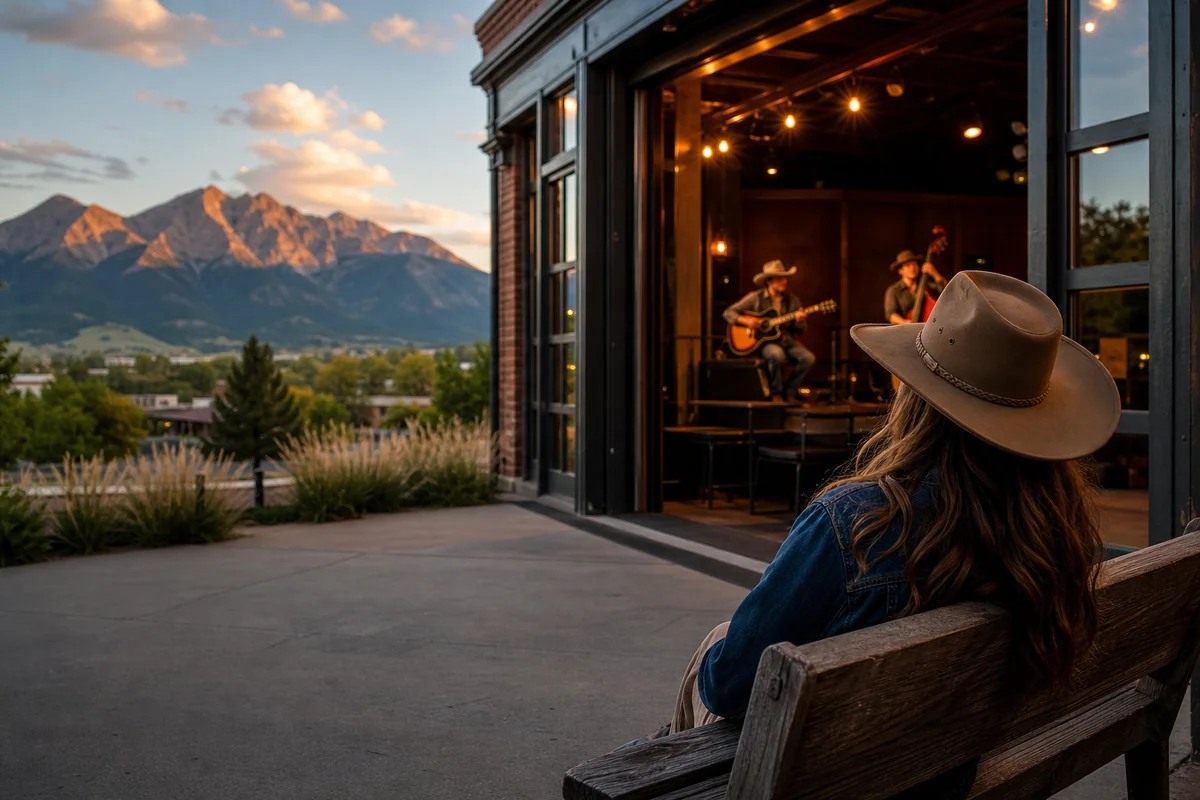
I’ll never forget the evening I first heard “Montana Lullaby” performed live—sitting on a weathered wooden bench outside the Rialto in Bozeman, the melody drifting through the open doors while the last golden light painted the Bridger Mountains.
That gentle song, with its imagery of meadowlarks and mountain streams, captured everything I’d come to love about Montana in just a few verses.
As someone who has spent years exploring the rich tapestry of Montana State Symbols, I can tell you that this official lullaby holds a special place in the hearts of Montanans—and understanding its story will deepen your appreciation of Big Sky Country in ways you might not expect.
- “Montana Lullaby” became Montana’s official state lullaby in 2007, making Montana one of only a few states with this unique designation
- The song was written by Wylie Gustafson, a Montana native and acclaimed yodeler best known for the Yahoo! yodel
- You can hear it performed live at various Montana venues, festivals, and cultural events throughout the year
- The lullaby connects to other state symbols like the Western Meadowlark and the state’s natural landscapes
- Visiting places mentioned in the song’s imagery creates a meaningful travel experience for families
What Is the Montana State Lullaby?
Montana’s official state lullaby is “Montana Lullaby,” a tender song that paints a picture of Big Sky Country through the eyes of a parent singing their child to sleep. The legislature officially designated it in 2007, making Montana one of the rare states to have an official lullaby alongside other musical symbols.
The song weaves together iconic Montana imagery—meadowlarks singing, mountain streams flowing, and endless skies stretching overhead. It’s not just a bedtime song; it’s a love letter to the state itself.
During my research trip to Conrad last spring, I spoke with locals who remembered when the lullaby first gained official status. “It just felt right,” one longtime resident told me over coffee at Mom’s Café. “That song sounds like home.”
The Songwriter: Wylie Gustafson’s Montana Roots
You might not immediately recognize the name Wylie Gustafson, but you’ve almost certainly heard his voice. He’s the musician behind the iconic Yahoo! yodel—that three-note call that defined early internet culture.
But Wylie’s story runs much deeper than a tech company jingle. Born in Conrad, Montana, he grew up on a working cattle ranch where the rhythms of rural life shaped his musical sensibilities.
I had the privilege of seeing Wylie perform with his band, Wylie & The Wild West, at a summer festival in Choteau a few years back. Watching him on stage, switching effortlessly between yodeling, crooning, and telling stories about growing up on the Hi-Line, I understood why his lullaby resonates so deeply with Montanans.
From Ranch Kid to Recording Artist
Wylie’s journey from Montana ranch hand to acclaimed musician took him through the honky-tonks of the Pacific Northwest and eventually to international recognition. But he never forgot where he came from.
His music consistently returns to Montana themes—the land, the people, the particular quality of light that makes Big Sky Country so distinctive. “Montana Lullaby” represents the most personal expression of that connection.
When I visited the Pondera County Courthouse in Conrad during my Hi-Line road trip, staff members proudly pointed out displays honoring their hometown hero. The community’s pride in Wylie’s achievement is palpable and genuine.
Why He Wrote the Lullaby
Wylie wrote “Montana Lullaby” as a gift for Montana children, but the song speaks to anyone who has felt the pull of this remarkable state. The lyrics reference specific sensory experiences—the sound of meadowlarks at dawn, the scent of pine forests, the feeling of endless space.
These aren’t generic nature references. They’re precise observations that anyone who has spent time in Montana will immediately recognize.
I remember driving through the Blackfoot Valley one morning, windows down, when a meadowlark’s distinctive song cut through the air. Instantly, the lullaby’s opening lines played in my mind. That’s the power of a well-crafted song—it becomes inseparable from the experience of place.
The Legislative Journey to Official Status
“Montana Lullaby” didn’t become a state symbol overnight. The path to official recognition tells its own story about Montana values and community spirit.
House Bill 459, introduced in the 2007 legislative session, sought to designate the song as Montana’s official lullaby. The bill received overwhelming bipartisan support—a rarity even then.
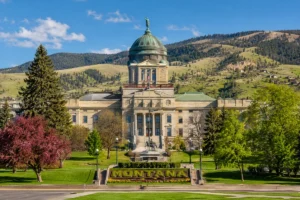
When I toured the Montana State Capitol Building in Helena, I made a point of asking docents about the lullaby’s adoption. One guide recounted how Wylie performed the song during a legislative hearing, bringing more than a few representatives to tears.
What Made This Symbol Different
Montana already had a state song—the rousing “Montana”—which celebrates the state’s grandeur in sweeping, patriotic terms. The lullaby serves a different purpose entirely.
While the state song is meant to inspire pride at public gatherings, the lullaby creates intimate connection. It’s designed for quiet moments between parents and children, for peaceful evenings when the day’s adventures have wound down.
This distinction matters. Montana legislators understood that their state needed both public anthems and private melodies—songs for the parade ground and songs for the nursery.
Understanding the Lyrics: A Traveler’s Interpretation
The lyrics of “Montana Lullaby” function almost like a travel itinerary, guiding listeners through the state’s most treasured landscapes and experiences. Let me walk you through them from a traveler’s perspective.
Meadowlarks and Morning Light
The Western Meadowlark, which happens to be the Montana state bird, features prominently in the song’s imagery. This isn’t coincidental—the meadowlark’s song is synonymous with Montana mornings.
During my camping trips in the Missouri River Breaks, I’ve woken to meadowlark calls more times than I can count. There’s something about that clear, flute-like whistle that immediately tells you where you are.
If you want to experience the sound that inspired part of this lullaby, visit eastern Montana’s prairies between late April and early July. Arrive early—meadowlarks sing most enthusiastically in the first hour after dawn.
Mountain Streams and Forest Trails
The lullaby also evokes Montana’s waterways—the crystal streams that tumble down from high country, carving through forests of the Ponderosa Pine (Montana’s state tree).
I’ve spent countless afternoons fishing these streams, and the soundscape is exactly as the song describes: water over rocks, wind through pine needles, the occasional splash of a rising trout. Speaking of which, pursuing the blackspot cutthroat trout through these waters is one of Montana’s quintessential experiences.
For the most immersive experience, try Rock Creek near Missoula or the Boulder River south of Big Timber. Both offer easy access to the kind of landscape the lullaby celebrates.
Big Sky at Dusk
Perhaps the most powerful imagery in the song relates to Montana’s famous sky—that enormous dome of blue that seems to stretch forever in every direction. The lullaby captures the particular magic of watching that sky transition through sunset colors.
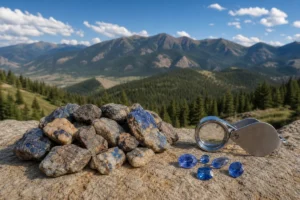
This connects beautifully to Montana’s official state colors: blue and gold. Those colors aren’t arbitrary choices; they represent the sky and the gold deposits that shaped Montana’s history.
I watched one such sunset from the Going-to-the-Sun Road in Glacier National Park last August. As the sky shifted through shades of gold, orange, and finally deep blue, I found myself humming the lullaby without even realizing it.
Where to Hear “Montana Lullaby” Performed Live
If you want to experience the Montana State Lullaby as more than words on a page, several venues and events regularly feature performances.
Wylie & The Wild West Shows
The most authentic way to hear “Montana Lullaby” is at a Wylie & The Wild West concert. Wylie tours regularly throughout Montana and the West, often including his home state in summer and fall schedules.
When I caught their show at the Sweet Palace in Philipsburg (yes, there’s live music at a candy store—welcome to Montana), the band closed their set with the lullaby. The room fell silent, and I noticed more than a few audience members wiping their eyes.
Check Wylie’s tour schedule when planning your trip. If he’s playing anywhere within driving distance, make the detour. You won’t regret it.
Montana Cowboy Poetry Gathering
The annual Montana Cowboy Poetry Gathering in Lewistown typically features performances of state-significant songs, including the lullaby. This multi-day event celebrates the literary and musical traditions of the American West.
I attended the gathering two summers ago and was struck by how seamlessly the lullaby fit among traditional cowboy poetry and frontier ballads. It belongs to that same tradition of place-based storytelling.
The event usually takes place in August. Lewistown itself, situated in Montana’s geographic center, offers a glimpse of authentic small-town Montana life that aligns perfectly with the lullaby’s themes.
State Capitol Events
The Montana State Capitol in Helena occasionally hosts cultural events where state symbols are celebrated. During Montana Statehood Day (November 8) and other commemorative occasions, you might hear the lullaby performed in the Capitol rotunda.
I attended a Montana Heritage Day event in the Capitol a few years back where a children’s choir performed the lullaby beneath the restored stained-glass ceiling. The setting was magnificent—the building’s architecture and the song’s gentle melody created a powerful combination.
Local Music Venues
Smaller venues across Montana occasionally program evenings focused on Montana music. The Rialto in Bozeman, the Wilma in Missoula, and the Myrna Loy in Helena all feature local and regional artists who sometimes include state symbols in their repertoires.
During my most recent visit to Missoula, I caught a “Montana Songwriters Showcase” at the Top Hat where three different artists referenced or performed portions of the lullaby. The song has clearly entered the state’s musical consciousness.
Experiencing Lullaby Landscapes: A Practical Itinerary
One of my favorite ways to appreciate the Montana State Lullaby is to visit the places that inspired its imagery. Here’s an itinerary I’ve developed over multiple trips that hits the major themes.
Day 1-2: The Hi-Line and Wylie’s Homeland
Start in Conrad, Wylie Gustafson’s hometown, on the Hi-Line. This agricultural community gives you a sense of the ranching life that shaped the songwriter’s perspective.
Drive east through Shelby and Cut Bank, stopping at viewpoints where the prairie stretches unbroken to the horizon. This is meadowlark territory—especially in late spring and early summer.
| Stop | Highlight | Time Needed |
|---|---|---|
| Conrad | Hometown of Wylie Gustafson, local museum | 2-3 hours |
| Shelby | Historic downtown, railroad heritage | 1-2 hours |
| Marias Pass | Mountain crossing, wildlife viewing | Half day |
| Glacier National Park | Iconic Montana landscapes | 1-2 days |
The grizzly bear, Montana’s state animal, roams these northern regions—you might spot one from a safe distance if you’re lucky.
Day 3-4: Mountain Streams and Forests
Head south to the Rocky Mountain Front, where prairie meets peaks in one of North America’s most dramatic transitions. The streams here match the lullaby’s descriptions perfectly.
The Sun River flows from the Bob Marshall Wilderness through increasingly accessible terrain. I’ve spent many summer days fishing its tributaries, always accompanied by the sound of water and wind that the song evokes.
Consider camping at one of the Forest Service campgrounds along the Rocky Mountain Front. Falling asleep to coyote calls and waking to meadowlark songs puts you directly inside the lullaby’s world.
Day 5-6: Helena and Cultural Context
In Helena, visit the State Capitol to see where the lullaby received its official designation. The building’s restoration has made it one of the most beautiful capitols in the country.
While in Helena, explore the Montana State Seal displayed throughout government buildings. The seal’s imagery of mountains, rivers, and plains aligns closely with the lullaby’s themes.
The Montana Historical Society Museum, adjacent to the Capitol, offers context for all of Montana’s state symbols. Their exhibits helped me understand how symbols like the lullaby connect to broader patterns of state identity.
Day 7: Sunset Finale
End your lullaby-inspired tour with a sunset viewing that captures the song’s closing imagery. Montana offers countless options, but I particularly recommend the National Bison Range near Missoula or the viewpoints along Highway 200 east of Great Falls.
Find a quiet spot, let the sky work through its color changes, and if you know the tune, hum a few bars of “Montana Lullaby” to yourself. You’ll understand why this simple song became a state symbol.
The Lullaby in Montana Family Culture
Beyond its official status, “Montana Lullaby” has become genuinely embedded in Montana family traditions. During my travels, I’ve heard numerous stories about how the song functions in real life.
Bedtime Rituals
At a bed-and-breakfast in Whitefish, the innkeeper mentioned that her grandchildren request the Montana Lullaby every night. “They’ve never lived here full-time,” she told me, “but they feel connected to Montana through that song.”
This intergenerational transmission is exactly what official lullabies are meant to accomplish—creating bonds between people and place that transcend geography.
Several Montana hospitals have incorporated the lullaby into their newborn programs. When babies born at Montana facilities leave the hospital, they often receive small gifts that include the song’s lyrics—welcoming new Montanans into a specific cultural tradition.
Educational Settings
Montana elementary schools frequently teach the lullaby alongside lessons about state history and symbols. Teachers report that the song makes abstract concepts tangible for young students.
During a school visit in Billings, I observed a third-grade class learning about Montana symbols. Their teacher played “Montana Lullaby” while projecting images of bitterroot flowers (Montana’s state flower) and huckleberries (the state fruit). The multisensory approach clearly resonated with the kids.
Tourism and Hospitality
Some Montana lodging establishments play the lullaby as ambient music in common areas. While this might seem kitschy, when done tastefully, it reinforces the sense of place that travelers seek.
At a guest ranch near Augusta, I noticed the song playing softly in the main lodge during evening hours. Guests gathered around the fireplace, many of them first-time Montana visitors, seemed genuinely moved by the melody even if they didn’t know its official significance.
Connecting the Lullaby to Other State Symbols
The Montana State Lullaby doesn’t exist in isolation—it connects to the broader network of symbols that define Montana’s identity. Understanding these connections enriches your appreciation of all of them.
Musical Companions
Montana has multiple official songs, each serving a different purpose. The state song “Montana” provides stirring public ceremony music, while “Montana Lullaby” handles intimate, personal moments.
The state also claims several songs associated with its culture and history, from folk ballads to modern country hits. The lullaby fits within this musical tradition while filling a unique niche.
You can explore Montana’s various slogans for similar insight into how the state presents itself—each slogan, like each song, serves a specific communication purpose.
Natural Symbol Connections
The lullaby’s lyrics reference many of Montana’s other official natural symbols. The meadowlark call, the mountain forests (home to the state tree), and the flowing streams (habitat for the state fish) all appear.
Even symbols not directly mentioned connect thematically. The state fossil (Maiasaura) speaks to Montana’s ancient history, while the lullaby celebrates its present beauty. Together, they create a complete picture of the state’s identity.
The state grass (bluebunch wheatgrass) covers the prairies where meadowlarks nest—the very landscape the lullaby evokes. These connections aren’t obvious until you start looking for them.
Visual Symbol Connections
The imagery in “Montana Lullaby” complements Montana’s visual symbols beautifully. The Montana state flag displays mountain and river scenes that could illustrate the song’s lyrics.
The Montana state quarter features a bison skull with mountain backdrop—visual shorthand for the landscape the lullaby describes aurally.
Even the state insect (mourning cloak butterfly) inhabits the mountain forests and meadows referenced in the song, though it doesn’t appear in the lyrics directly.
Practical Tips for Lullaby-Inspired Travel
If you’re planning a trip inspired by the Montana State Lullaby, here are practical considerations from my own experiences.
Best Times to Visit
Late spring through early fall (May-September) offers the best conditions for experiencing lullaby landscapes. Meadowlarks sing most actively from April through July. Mountain streams run clearest in late summer after snowmelt settles.
Sunset colors are most dramatic in the transitional seasons—late May and September particularly. The longer days of summer provide more golden hour time, but the shoulder seasons offer more intense colors.
Winter has its own magic, but the lullaby’s imagery is decidedly warm-weather. If you’re specifically chasing lullaby experiences, plan for summer.
What to Bring
Pack binoculars for bird watching—meadowlarks are easier to hear than see, but spotting one singing atop a fence post is worth the effort.
Bring recordings of the lullaby to play at relevant moments. Hearing the song while watching a Montana sunset transforms both experiences.
Layer your clothing. Montana weather changes rapidly, and the evening hours when lullaby experiences are most powerful can turn cool quickly, even in summer.
Traveling with Children
The lullaby creates wonderful opportunities for family travel. Teach your children the song before your trip, then play “spot the imagery” as you encounter meadowlarks, streams, and mountain views.
Many Montana museums and visitor centers offer children’s programs related to state symbols. Check ahead to see if educational activities might enhance your family’s understanding.
Consider keeping a “lullaby journal” where kids can draw or write about their experiences seeing the places and things mentioned in the song. This creates lasting memories and reinforces the educational value.
The Lullaby’s Legacy and Future
Nearly two decades after its official adoption, “Montana Lullaby” has become an integral part of Montana’s cultural fabric. Its legacy continues to grow.
Ongoing Cultural Presence
The song appears in Montana tourism materials, educational curricula, and community celebrations. Unlike some state symbols that exist primarily on paper, the lullaby maintains a living presence in Montana life.
Contemporary Montana musicians continue to perform and record the song, ensuring it reaches new generations. During my research, I discovered at least three different recorded versions available on streaming platforms.
The Montana state nickname—”Big Sky Country”—aligns perfectly with the lullaby’s imagery. Both emphasize the vastness and beauty that define Montana’s appeal.
Inspiration for Other States
Montana’s decision to adopt an official lullaby has inspired conversations in other states about similar designations. The success of “Montana Lullaby” demonstrates how gentle, personal songs can complement more traditional patriotic anthems.
The connection between lullabies and place-based identity offers lessons for cultural preservation more broadly. When a song teaches children to love their homeland, that love tends to last.
Finding Your Own Montana Lullaby Moments
Ultimately, the Montana State Lullaby invites you to find your own quiet moments of connection with Big Sky Country. The official song provides a template, but your experiences will write your personal verses.
Maybe it’s watching a meadowlark from your campsite at sunrise. Perhaps it’s the sound of a mountain stream while you’re hiking to a waterfall. Or it could simply be the enormous Montana sky turning gold and pink as another day ends.
When I think back on my Montana travels, the memories that resonate most deeply aren’t the dramatic moments—they’re the quiet ones. The lullaby captures that truth perfectly.
Understanding Montana’s native plants, watching for native thistles along roadsides, and learning about the state rock and state motto all contribute to deeper Montana appreciation. But the lullaby speaks to something beyond facts—it speaks to feeling.
As you plan your Montana trip, I encourage you to seek out those lullaby moments. They’re waiting for you in the meadows, along the streams, and beneath that incomparable sky.
Sleep well, little one. Montana is dreaming too.
Frequently Asked Questions
What is Montana’s official state lullaby and when was it adopted?
Montana’s official state lullaby is “Montana Lullaby,” written by Wylie Gustafson — the Conrad-born musician best known internationally for the Yahoo! yodel — and officially adopted by the legislature in 2007. Montana is one of only a handful of states in the country to designate an official lullaby, a distinction that reflects how seriously Montanans take their cultural identity. The song was championed for its specific, personal imagery of Big Sky Country rather than generic nature references, which is exactly what made it resonate with legislators and residents alike.
Who is Wylie Gustafson and what’s his connection to Montana?
Wylie Gustafson grew up on a working cattle ranch outside Conrad, Montana — a small agricultural community on the Hi-Line — and that upbringing shaped everything about his music. Most people know him from the iconic three-note Yahoo! yodel, but in Montana he’s celebrated as a genuine ambassador of the state’s ranching and Western music traditions. He performs regularly with his band, Wylie & The Wild West, and tours throughout Montana during summer and fall. If you’re planning a trip and he’s playing anywhere within driving distance, it’s worth rearranging your itinerary to catch a show — hearing him perform “Montana Lullaby” live is a genuinely moving experience. Check his current tour schedule before your trip.
Where are the best places in Montana to have a “lullaby moment” — the kind of quiet, beautiful experience the song captures?
A few spots consistently deliver that feeling for me. The Rocky Mountain Front between Choteau and Augusta at sunrise — meadowlarks singing, mountains backlit, not another car in sight — is almost surreally peaceful. Rock Creek near Missoula in the evening, with water sounds filling the canyon, is another one. If you want the big-sky sunset imagery the song closes with, pull over anywhere along Highway 200 east of Great Falls on a clear evening and just watch the sky work through its color changes. For families traveling with kids, the National Bison Range near Moiese combines open prairie, wildlife, and mountain backdrops in a way that makes the lullaby’s imagery completely tangible — even young children get it.
Why does Montana have unique state symbols like an official lullaby?
Montana has always taken its cultural identity seriously, and the lullaby designation reflects that. The legislature recognized that states need more than just flags, seals, and patriotic anthems — they need symbols that speak to private life, to family, to the experience of actually living in a place rather than just representing it officially. A lullaby is intimate by definition; it belongs in the home rather than at a ceremony. Montana’s decision to designate one signals that the state values those quiet, personal connections to place just as much as the public ones. It’s also a reflection of how deeply music is woven into Montana’s ranching and frontier heritage — song has always been how people in remote places processed their relationship to the land.
Is the Montana Cowboy Poetry Gathering worth attending for visitors who aren’t from Montana?
Absolutely, and honestly it might be more meaningful for out-of-state visitors than for locals. The gathering in Lewistown — usually held in August — showcases a living literary and musical tradition that most Americans have never encountered: working cowboys and ranchers who write and perform poetry and song about their actual lives. It’s not a tourist performance; it’s a genuine cultural event where the audience and the performers share the same world. “Montana Lullaby” and songs like it fit naturally into that tradition. Lewistown is also worth the drive on its own — it’s one of Montana’s most authentic small cities, sitting in the geographic center of the state, and the surrounding country is some of the best rolling grassland scenery in the region. Budget two to three days if you go.
How does “Montana Lullaby” differ from Montana’s official state song?
They serve completely different purposes and feel nothing alike. The state song “Montana” — adopted in 1945 — is rousing and ceremonial, the kind of song you’d sing at a public gathering or a football game, with sweeping language about mountains and glory. It’s designed for crowds. “Montana Lullaby” is the opposite: soft, personal, intimate — designed for one parent and one child at the end of a long day. The state song makes you feel proud; the lullaby makes you feel at home. Montana having both is actually unusual and worth noting — most states have only one official song, and it tends toward the patriotic and public. The lullaby fills a completely different emotional space that the state song was never meant to occupy.
Can I experience the landscapes described in “Montana Lullaby” as part of a road trip itinerary?
Yes, and it makes for a genuinely rewarding way to frame a Montana trip. The song’s core imagery — meadowlarks, mountain streams, and open sky — maps to specific places you can actually visit. For meadowlarks, drive the Hi-Line (Highway 2) or any eastern prairie highway in May or June with your windows down; you’ll hear them before you’ve gone ten miles. For mountain streams, Rock Creek near Missoula and the Boulder River south of Big Timber are both accessible, beautiful, and relatively uncrowded. For big-sky sunsets, the stretch of Highway 89 along the Rocky Mountain Front between Browning and Choteau is hard to beat — you get mountains on one side and open prairie on the other, and the light show at golden hour is something else entirely. Wylie Gustafson grew up in Conrad, right on that Hi-Line route, so starting there and working south and west essentially traces the songwriter’s own landscape.
Sources: