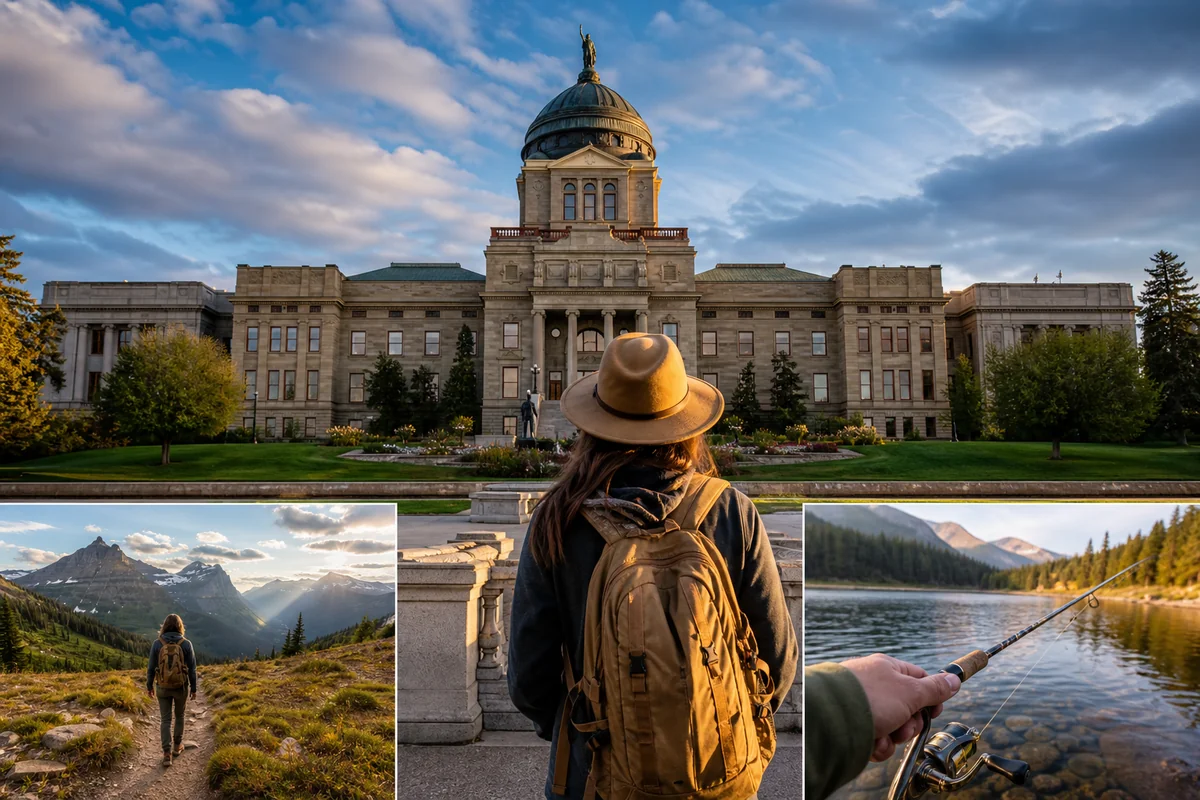
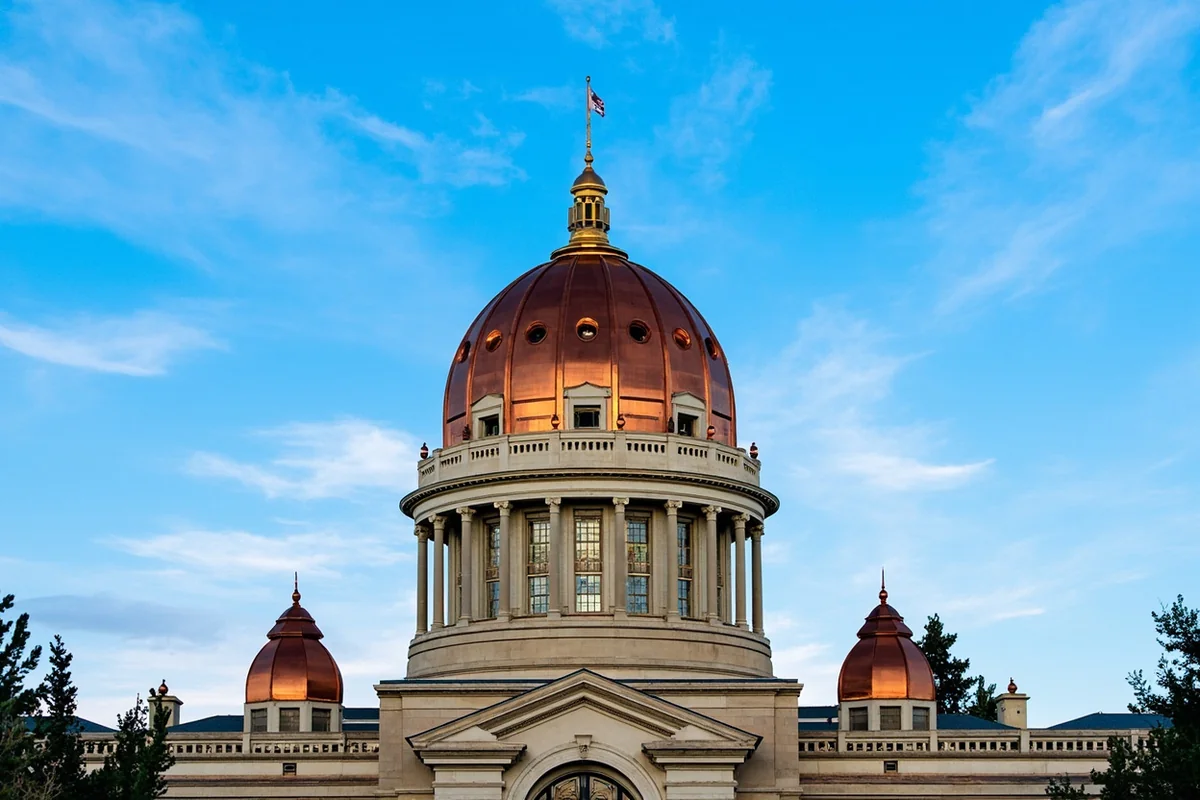
I was standing in the Montana State Capitol rotunda in Helena last October when a tour guide mentioned something that stopped me in my tracks: the decisions made in this building directly affect whether I can access certain trailheads, how crowded Glacier National Park feels, and even the price of my fishing license. That moment completely changed how I think about About Montana as a travel destination.
Most travelers never consider how state leadership shapes their vacation experience, but after spending years exploring Big Sky Country, I’ve realized the governor’s office touches nearly every aspect of what makes Montana special for visitors. Understanding this connection has made me a more informed traveler and helped me time my trips better.
- Montana’s current governor is Greg Gianforte, who took office in January 2021
- The governor’s decisions directly impact public lands access, wildlife management, and tourism funding
- State policies affect fishing/hunting licenses, park fees, and trail accessibility
- Helena’s Capitol building offers free tours year-round — highly recommended for history buffs
- Understanding Montana’s political landscape helps you appreciate local perspectives during your visit
- The governor works with agencies like Fish, Wildlife & Parks that manage many visitor experiences
Liked this article?
Add Roaming Montana as a preferred source so you see more of our articles and guides on Google.
Who Is Montana’s Current Governor?
Greg Gianforte currently serves as Montana’s 25th governor, having taken office on January 4, 2021. He’s the first Republican to hold the position since Judy Martz left office in 2005, marking a significant political shift for the state.
Before becoming governor, Gianforte founded RightNow Technologies in Bozeman, which Oracle eventually acquired for $1.8 billion. He also served in the U.S. House of Representatives, representing Montana’s at-large congressional district.
When I chatted with locals during my visit to Bozeman last summer, opinions about the governor varied widely — which honestly reflects Montana’s independent political character perfectly. What struck me most was how passionately people connected their views to outdoor access and land management issues.
Why Should Travelers Care About Montana’s Governor?
This might seem like an odd topic for a travel blog, but hear me out. During my recent trip through Montana, I encountered the governor’s influence in ways I never expected.
Public Lands Access
Montana contains approximately 30 million acres of public land, including portions of Glacier and Yellowstone National Parks, numerous national forests, and state-managed recreation areas. The governor works closely with federal agencies and state departments to determine access policies.
Last fall, I tried to reach a remote trailhead near the Bob Marshall Wilderness and found new signage about access restrictions. A local Forest Service ranger explained that state-level coordination with federal agencies had changed some seasonal access points. Whether you agree with specific decisions or not, this is the governor’s influence in action.
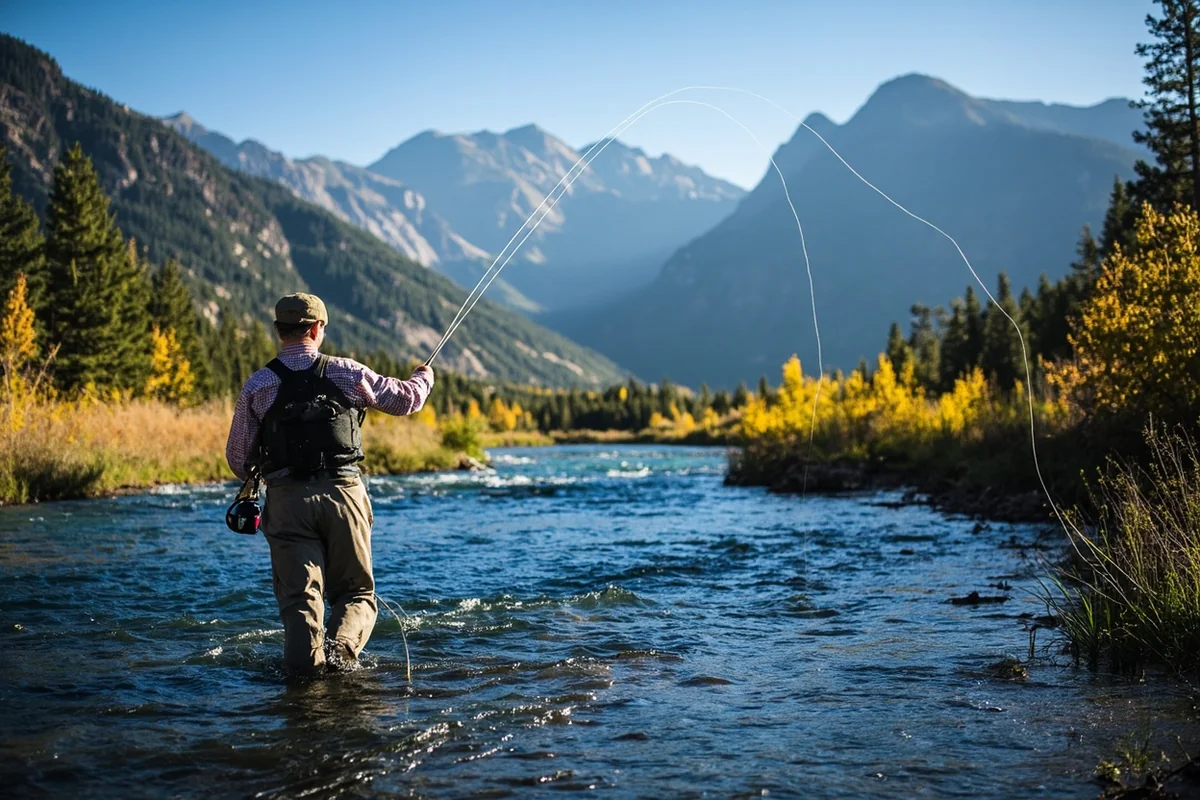
The state also manages over 80 fishing access sites and numerous wildlife management areas. When I floated the Missouri River near Craig during my visit, the access point I used existed because of state funding decisions that the governor’s budget ultimately supports.
Fish and Wildlife Management
If you’re planning to fish, hunt, or simply photograph wildlife in Montana, the governor appoints the Fish, Wildlife & Parks Commission members who set regulations and license fees. These appointments directly shape your experience.
I purchase a non-resident fishing license every time I visit Montana. The current price structure and availability of licenses for popular activities like fishing the legendary spring creeks near Livingston all trace back to commission decisions influenced by the governor’s appointees.
Tourism Funding and Promotion
Montana’s tourism industry generates over $5 billion annually. The governor’s budget proposals and policy priorities determine how much the state invests in promoting destinations, maintaining infrastructure, and managing visitor impacts.
During my visit to beautiful places in Montana like the Beartooth Highway, I noticed improved rest areas and better signage compared to my trip five years ago. These improvements don’t happen by accident — they result from budget allocations that flow through the governor’s office.
Montana’s Political Landscape for Visitors
Understanding Montana’s political character helped me connect better with locals during my travels. The state has a fascinating political history that defies easy categorization.
Montana voters have historically shown an independent streak. They’ve elected Democratic senators while voting Republican in presidential elections. They passed progressive initiatives on campaign finance while also strongly supporting Second Amendment rights.
When I visited Missoula, the progressive university town felt completely different from the ranching communities I’d explored near Miles City. Yet both communities shared deep concerns about land access, water rights, and maintaining their way of life.
This political diversity means the governor must balance competing interests — from tourism businesses wanting more visitors to ranchers concerned about crowding and environmental impacts. As a traveler, understanding this tension helped me appreciate why some areas feel developed while others remain refreshingly remote.
The Urban-Rural Divide
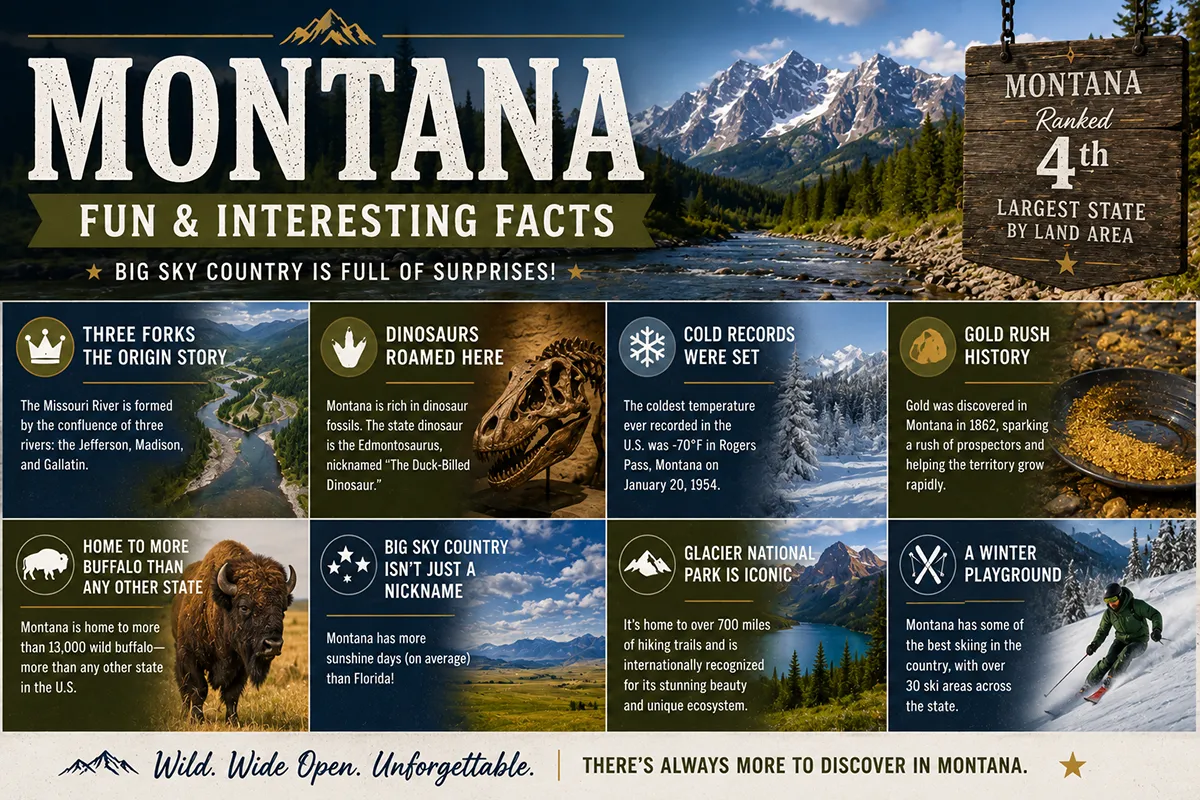
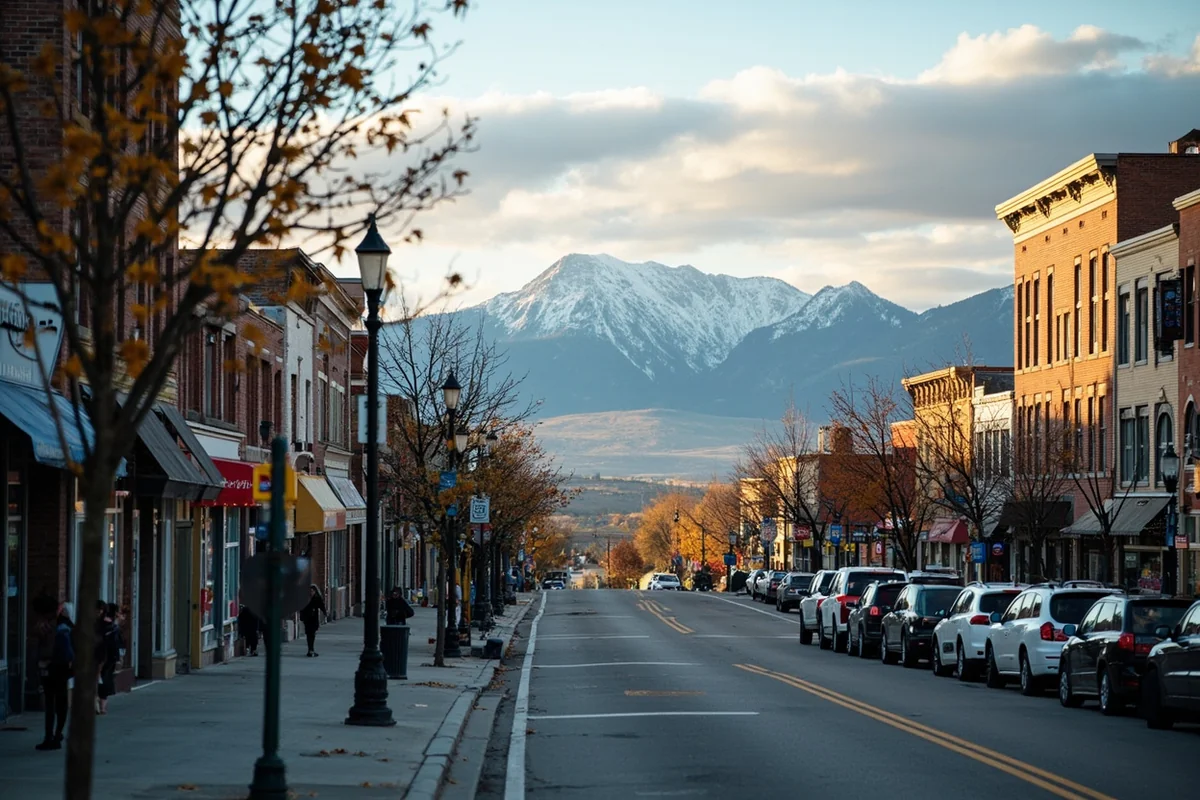
Montana’s population of roughly 1.1 million people is spread across the fourth-largest state by area. This creates a dynamic where Billings, Missoula, Great Falls, and Bozeman often have different priorities than the vast rural areas.
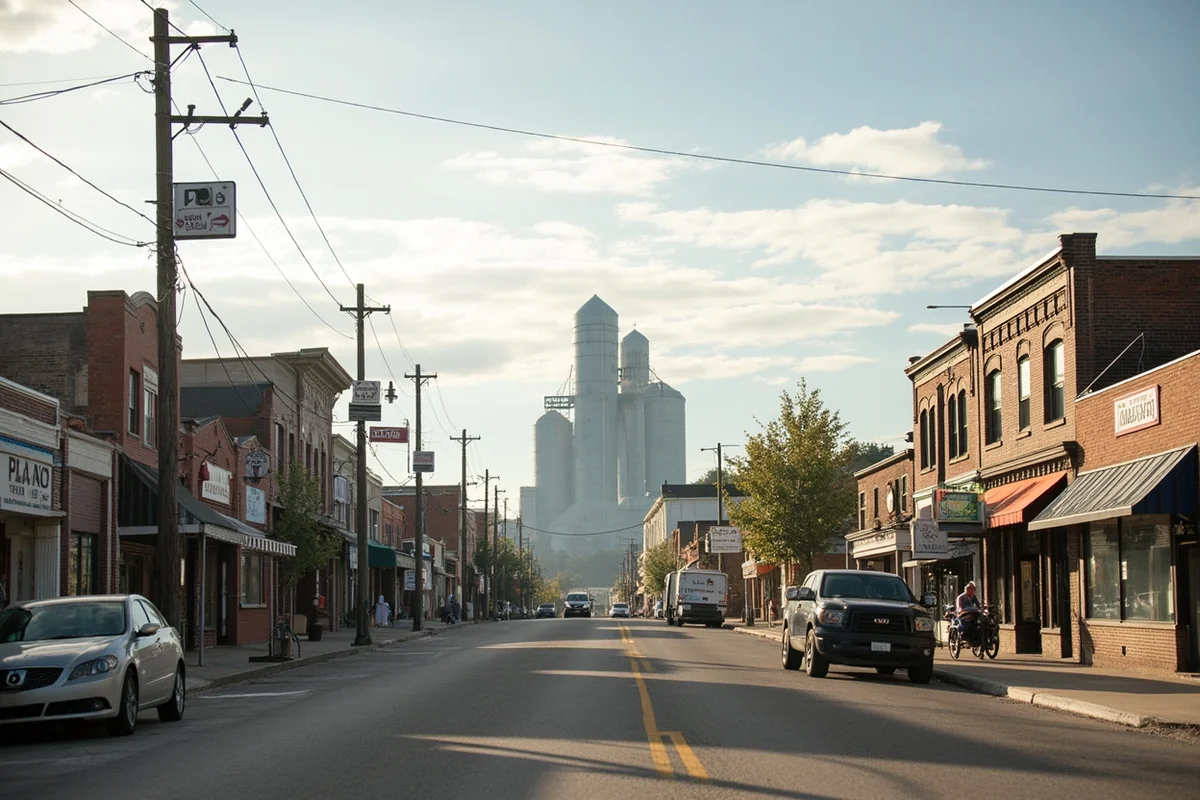
During my drive across Highway 2, I passed through small towns like Malta and Glasgow that felt worlds apart from the bustling ski resort atmosphere of Big Sky. The governor must address both realities, which affects everything from road maintenance priorities to where tourism dollars get spent.
I’ve found that acknowledging this diversity makes for better conversations with locals. Whether I’m grabbing coffee in cosmopolitan Bozeman or buying gas in rural Jordan, people appreciate visitors who recognize Montana isn’t monolithic.
Historical Governors Who Shaped Montana Tourism
Montana’s gubernatorial history includes some colorful characters who directly influenced what travelers experience today. Learning this history added depth to my visits.
Joseph Toole: The First Governor
Joseph K. Toole served as Montana’s first state governor after statehood in 1889. He championed early conservation efforts and worked to establish the framework for public lands management that benefits visitors today.
When I toured the Capitol in Helena, our guide pointed out Toole’s portrait and explained how his administration set precedents for balancing mining interests with preservation — a tension that continues influencing Montana policy.
Tim Babcock and the Highway System
Governor Tim Babcock (1962-1969) oversaw significant highway construction during the Interstate era. When I drive Interstate 90 through Montana’s stunning Bitterroot Valley or cruise I-15 past the Continental Divide, I’m traveling infrastructure his administration helped develop.
Marc Racicot’s Tourism Push
Marc Racicot served as governor from 1993 to 2001 and actively promoted Montana tourism. His administration worked to market the state nationally and internationally, contributing to the tourism boom that continues today.
Several longtime tourism operators I’ve spoken with point to this era as when Montana transformed from a hidden gem to a recognized destination. Whether that’s positive depends on who you ask — some locals miss the quieter days.
Brian Schweitzer’s Public Lands Focus
Democrat Brian Schweitzer (2005-2013) made public lands access a cornerstone of his administration. He championed stream access rights and worked to keep public lands public.
The stream access I enjoyed while fishing near Ennis directly benefits from legal frameworks strengthened during his tenure. When I walked into the river from a public access point, I was exercising rights his administration defended vigorously.
The Governor’s Mansion and Capitol: Worth Visiting
If you find yourself in Helena, I highly recommend visiting both the Governor’s Mansion and the State Capitol. These aren’t your typical tourist attractions, but they offer genuine insight into Montana’s character.
Montana State Capitol
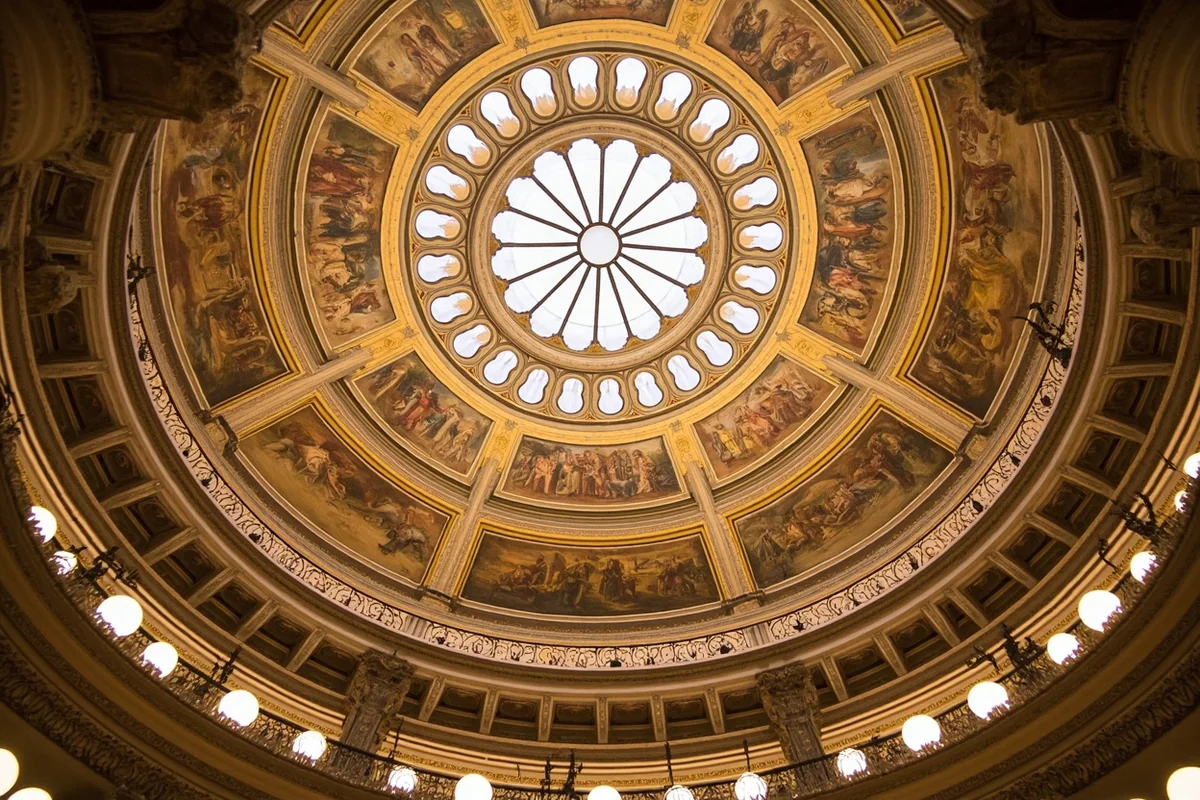
The Capitol building in Helena took my breath away during my October visit. Built between 1899 and 1902, it features a copper dome that gleams against Montana’s famous big sky.
Inside, I discovered murals by Charles M. Russell and Edgar Paxson depicting Montana history. The Legislative chambers are surprisingly accessible — I walked right in during a quiet day and sat in the visitor gallery imagining debates about the issues that affect my travels.
Free guided tours run regularly during business hours. My tour lasted about 45 minutes and included fascinating stories about Montana statehood and the personalities who shaped the state.
| Capitol Visit Details | Information |
|---|---|
| Address | 1301 E 6th Ave, Helena, MT 59601 |
| Tour Hours | Monday-Saturday, hourly tours (check for current schedule) |
| Cost | Free |
| Time Needed | 45-90 minutes |
| Parking | Free street parking and nearby lots |
| Best Season | Year-round, but legislative sessions (odd years, January-April) add energy |
Original Governor’s Mansion
The Original Governor’s Mansion at 304 N Ewing Street served Montana governors from 1913 to 1959. It’s now a museum that offers a window into Montana’s past.
When I visited, the Victorian-era furnishings and personal artifacts from various governors’ families made history feel tangible. The volunteer docent shared stories about how governors’ families actually lived — including one amusing tale about a governor’s children sliding down the banister.
The mansion tour pairs perfectly with a Capitol visit. I spent a morning exploring both, then walked to downtown Helena for lunch at Steve’s Cafe, a local institution.
How State Politics Affect Specific Travel Experiences
Let me get specific about how the governor’s office touches various Montana travel activities. This isn’t abstract — these connections became real during my visits.
Glacier National Park Coordination
While Glacier is federally managed, state-federal coordination affects everything from road maintenance on approaches to wildlife management that spills across boundaries.
The Going-to-the-Sun Road’s condition when I drove it last July resulted partly from state cooperation with federal maintenance efforts. Similarly, when I spotted a grizzly bear near East Glacier, that animal’s management involved both federal and state wildlife agencies working together under frameworks the governor influences.
Montana’s approach to grizzly bear management remains controversial. When I talked with a wildlife biologist near Choteau, she explained how state leadership affects recovery efforts and potential future delisting discussions.
Fishing and Hunting Regulations
The governor appoints Fish, Wildlife & Parks commissioners who set seasons, bag limits, and license quotas. These decisions shape whether you can get a non-resident elk tag or how many fish you can keep from the Bighorn River.
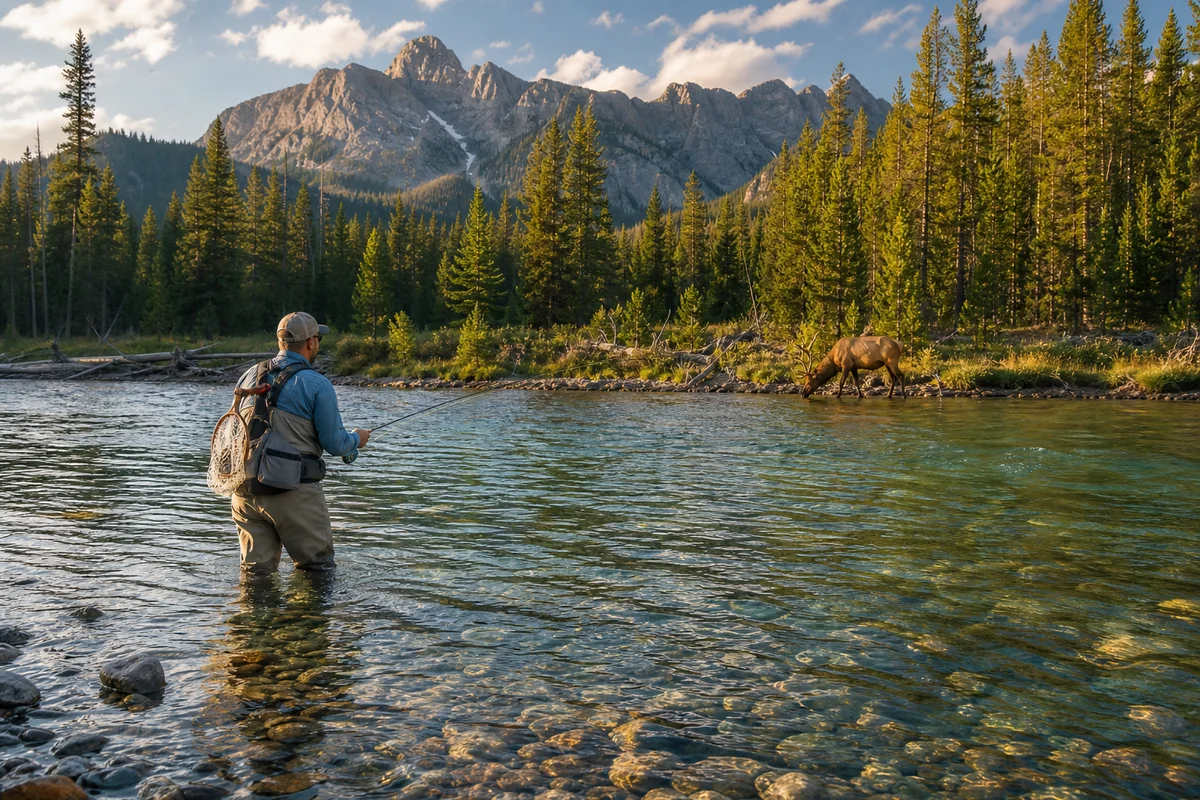
During my last visit, I fished the Madison River below Quake Lake. The regulations I followed — specific to that water body — came from FWP commissioners appointed through gubernatorial processes.
License fees fund conservation efforts you directly benefit from. When I paid my non-resident fishing license fee, that money supported habitat restoration on streams I’d fish during my trip.
State Parks and Recreation Areas
Montana Fish, Wildlife & Parks manages 55 state parks covering 50,000 acres. The governor’s budget priorities determine staffing levels, maintenance quality, and development of new facilities.
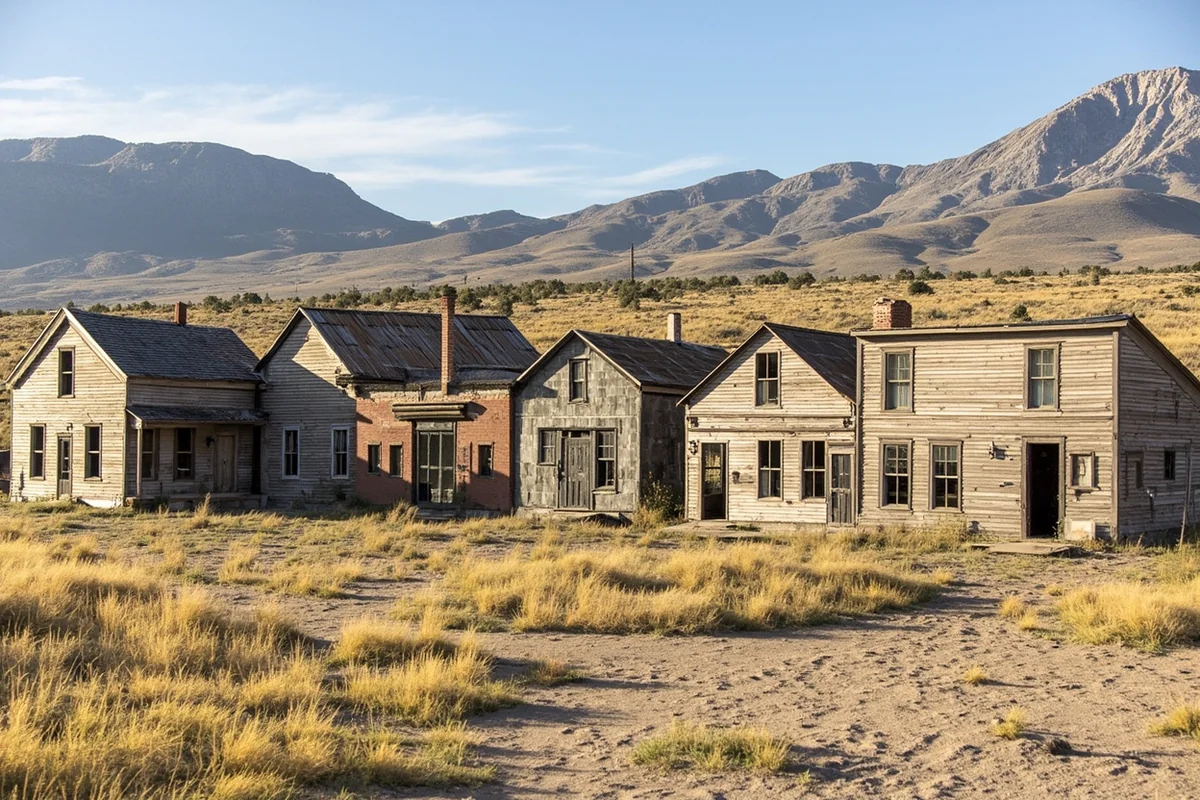
I camped at Bannack State Park last summer, exploring the remarkably preserved ghost town. The interpretive programs and maintained trails I enjoyed existed because state budgets allocated funding there.
Similarly, my day at Lewis and Clark Caverns — Montana’s first state park — benefited from decades of state investment. The cave tours, campground facilities, and hiking trails all depend on state funding decisions.
Wildlife Management Areas
Montana manages numerous Wildlife Management Areas open to public recreation. These often provide excellent wildlife viewing opportunities for travelers not interested in hunting.
I spent a morning at the Ninepipe National Wildlife Refuge and nearby state WMA near Ronan, watching hundreds of birds during spring migration. Access to these areas depends on state management priorities.
The Tourism Economy and State Leadership
Tourism represents Montana’s second-largest industry, and governors have increasingly recognized its economic importance. This recognition directly benefits travelers through improved infrastructure and services.
Tourism Infrastructure Investment
During my drives across Montana, I’ve noticed improvements in rest areas, scenic pullouts, and visitor information centers. These investments don’t happen automatically — they require prioritization in state budgets.
The impressive rest area on Interstate 90 near Butte, with its views of the Continental Divide, exists because someone decided infrastructure investments should include traveler amenities.
Bed Tax and Destination Marketing
Montana’s accommodation tax funds tourism promotion through the Montana Office of Tourism. The governor works with the legislature on how these funds get allocated between marketing, infrastructure, and local grants.
The advertising that might have inspired your Montana trip potentially traces back to these funding decisions. Similarly, grants to local tourism organizations help small communities promote their attractions.
Balancing Tourism Growth
Not everyone in Montana celebrates tourism growth. When I stayed in Gardiner last fall, locals expressed mixed feelings about crowding near Yellowstone’s north entrance.
The governor faces pressure to support tourism economic benefits while addressing concerns about housing costs, traffic, and environmental impacts. This balance affects future tourism development decisions.
One rancher near Ennis told me he appreciates tourism dollars but worries about “loving Montana to death.” His concern reflects a tension state leadership must navigate.
Understanding Montana Politics Makes Better Conversations
Here’s something I’ve learned from years of Montana travel: showing genuine interest in state issues creates meaningful connections with locals.
When I mentioned to a fishing guide on the Yellowstone River that I’d visited the Capitol, his eyes lit up. He spent the next hour sharing perspectives on stream access rights and wildlife management while we floated through Paradise Valley.
Similarly, a conversation with a bar owner in Missoula became fascinating when I asked about how tourism changes affected her business. She had strong opinions about state policies and appreciated that I cared enough to ask.
This doesn’t mean getting political with strangers. Rather, understanding the context helps you ask better questions and show respect for local perspectives.
Topics Montanans Care About
Based on my conversations, these issues consistently spark passionate discussion:
- Public lands access and federal land management
- Water rights and agricultural needs
- Wildlife management, especially predators like wolves and grizzlies
- Housing costs driven partly by tourism and remote workers
- Balancing energy development with conservation
You don’t need expertise on these topics. Simply acknowledging they exist and asking locals for their perspective generates meaningful conversations.
Governor’s Role in Emergency Management
The governor also manages emergency declarations that can affect travel plans. During my visits, I’ve navigated wildfire closures, winter road conditions, and COVID-era restrictions all influenced by gubernatorial decisions.
Wildfire Response
Montana’s wildfire seasons have intensified in recent years. The governor coordinates state response, declares emergencies, and works with federal agencies on suppression efforts.
When I planned a Glacier trip two summers ago, smoke from regional fires significantly affected visibility. The governor’s emergency declarations enabled resource deployment that protected both communities and key tourism areas.
Checking fire conditions before traveling to Montana — especially July through September — should be standard practice. State emergency management websites provide current information.
Winter Weather
Montana winters can be brutal. The governor works with the Department of Transportation on road maintenance priorities and emergency closures.
During a January visit to Bozeman, I encountered Interstate 90 closures due to blowing snow. State decisions about closure thresholds and maintenance investments affected my travel plans directly.
Connecting the Dots: Montana’s Character
Understanding the governor’s role helped me appreciate Montana’s character more deeply. The state’s independent spirit, its tension between development and preservation, and its pride in public lands all flow through political decisions.
When I read quotes about Montana from writers and historical figures, I now understand the context better. The wild character they describe exists partly because of political choices to preserve it.
Similarly, exploring what makes Montana unique — check out our piece on unique ways Montana stands out — gains depth when you understand how state leadership protects those qualities.
Practical Tips for Engaged Travelers
Based on my experiences, here are suggestions for travelers who want to understand Montana more deeply:
Visit Helena
The capital city often gets overlooked for flashier destinations like Bozeman or Whitefish. But spending a day in Helena — touring the Capitol, walking the historic downtown, and visiting the Original Governor’s Mansion — provides irreplaceable context.
I recommend staying overnight to catch dinner at Benny’s Bistro and morning coffee at the Upper Crust Bakery. Helena has a small-city charm that rewards exploration.
Read Local News
Before my trips, I spend time reading the Billings Gazette, Missoulian, and Montana Free Press online. Understanding current debates helps me appreciate what I encounter.
Several Montana authors write about state politics and culture. Reading their work before visiting deepens appreciation for the places they describe.
Talk to Locals
Montanans generally love sharing their perspectives with genuinely curious visitors. Ask open-ended questions about what’s changing in their community or how tourism affects their lives.
The best conversations I’ve had came from simply saying, “I’m curious what it’s like to live here.” That invitation opens doors.
Visit During Legislative Session
Montana’s legislature meets in odd-numbered years, typically January through April. Visiting during session lets you observe democracy in action.
I attended a committee hearing during my October visit (the interim committees still meet). Watching citizens testify about issues affecting their lives was genuinely moving.
The Bigger Picture
Montana isn’t just a backdrop for vacation photos. It’s a living community where people debate how to balance preservation with development, tradition with change, and local needs with tourist desires.
The governor sits at the center of these debates. Understanding this role transforms Montana from a destination into a place — with all the complexity that implies.
When I drive through Montana now, I notice the infrastructure decisions, the land management choices, and the conservation investments differently. Every maintained trail, every accessible fishing spot, and every protected viewshed reflects political choices.
This awareness doesn’t diminish the wonder. If anything, it increases my appreciation. The Montana we love visiting exists partly because generations of leaders — governors included — made choices to preserve it.
Exploring Montana’s Full Story
Montana’s governor represents just one thread in the state’s rich tapestry. To fully appreciate Big Sky Country, I recommend exploring other aspects of its character.
The state has produced remarkable famous people who’ve shaped American culture. Its landscapes have served as backdrop for numerous movies filmed in Montana.
Understanding Montana’s natural resources explains much of its political history. Reading the best books on Big Sky Country prepares you for deeper engagement.
For those considering extended stays, our guide on things to know before moving to Montana covers essential considerations. And if you’re comparing destinations, we’ve analyzed Montana vs Wyoming, Montana vs Colorado, Montana vs Idaho, Montana vs Alaska, Montana vs Oregon, Montana vs North Dakota, and Montana vs South Dakota to help you decide.
You might also enjoy our roundups of 27 things Montana is known for, reasons Montana is the best state, and weird and unusual things in Montana for trip planning inspiration.
Final Thoughts from the Trail
I never expected to write 2,500 words about Montana’s governor for a travel blog. But that Helena Capitol visit changed my perspective.
Montana isn’t just spectacular landscapes and outdoor adventures. It’s a community navigating complex challenges about its future. The governor — whoever holds the office — sits at the intersection of those challenges.
As travelers, we’re guests in that ongoing conversation. Understanding the political context doesn’t require taking sides. It simply means acknowledging that the Montana we love results from countless decisions by leaders and citizens who care deeply about this place.
When you visit Montana next, I hope you’ll take time to appreciate not just the scenery but the community that protects it. Maybe visit the Capitol. Definitely talk to locals. And remember that the public lands access, the wildlife you photograph, and the clean rivers you fish all exist because people fought for them.
That’s the Montana story worth understanding. And yes, the governor is part of it.
Frequently Asked Questions
Who is the current Governor of Montana and why does it matter for travelers?
Greg Gianforte has served as Montana’s Governor since January 2021. For travelers, understanding state leadership can be helpful since the Governor’s policies directly impact public lands access, state park funding, and tourism initiatives that shape your Montana experience.
Can tourists visit the Montana State Capitol building in Helena?
Yes, the Montana State Capitol in Helena offers free public tours where you might catch a glimpse of the Governor’s office. I recommend visiting Monday through Friday between 9 AM and 4 PM, and the self-guided tour takes about 45 minutes to explore the beautiful copper dome and historic artwork.
What is the best time to visit Helena and see Montana’s government buildings?
The best time to visit Helena for government building tours is late spring through early fall, specifically May through September, when weather is pleasant for walking the historic downtown. Summer months offer the most consistent tour schedules, though winter visits mean fewer crowds and a chance to see the Capitol dusted in snow.
How far is the Roaming Montanavernor’s Mansion from popular tourist destinations?
The Governor’s Mansion in Helena sits about 115 miles north of Yellowstone’s west entrance and roughly 90 miles south of Glacier National Park. Many travelers combine a Helena stopover with their national park itinerary since it’s conveniently located along Interstate 15.
Does Montana’s Governor influence public lands and national park access for visitors?
Montana’s Governor works closely with federal agencies on public lands management, which can affect hunting regulations, fishing licenses, and recreational access across the state’s 30 million acres of public land. As a traveler, staying informed about current state policies helps you plan activities like backcountry camping and wildlife viewing more effectively.
What should I know about Montana state politics before visiting as a tourist?
Montana maintains a politically independent spirit with a strong emphasis on outdoor recreation and conservation regardless of party leadership. Understanding this helps explain why you’ll find exceptional access to wilderness areas, well-maintained state parks with affordable $8 daily entrance fees, and communities that genuinely welcome outdoor enthusiasts from across the country.
Are there any Governor-related historical sites worth visiting in Montana?
Beyond the current Capitol, I recommend visiting the Original Governor’s Mansion museum in Helena, which costs just $5 for adults and showcases Montana’s territorial and early statehood history. The mansion offers guided tours that reveal fascinating stories about Montana’s political heritage dating back to 1888.
Sources
- https://leg.mt.gov/bills/mca/title_0020/chapter_0150/part_0020/section_0010/0020-0150-0020-0010.html
- https://politicalpractices.mt.gov/Education-and-Resources/2022-09-09-Election-Processes-Ed-Info-Long-Form_Final.pdf
- https://leg.mt.gov/bills/mca/Constitution/IV/8.htm
- https://news.mt.gov/Governors-Office/Governor_Gianforte_The_American_Dream_Is_Alive_and_Well_Here_in_Montana
- https://news.mt.gov/Governors-Office/Governor_Gianforte_Delivers_Montanans_Largest_Tax_Cut_in_State_History
- https://news.mt.gov/Governors-Office/Gov_Gianforte_Announces_6_Million_Investment_in_Rapid_Workforce_Training
- https://news.mt.gov/Governors-Office/Governor_Gianforte_Announces_Historic_Investment_in_Broadband_Expansion
- https://formergovernors.mt.gov/