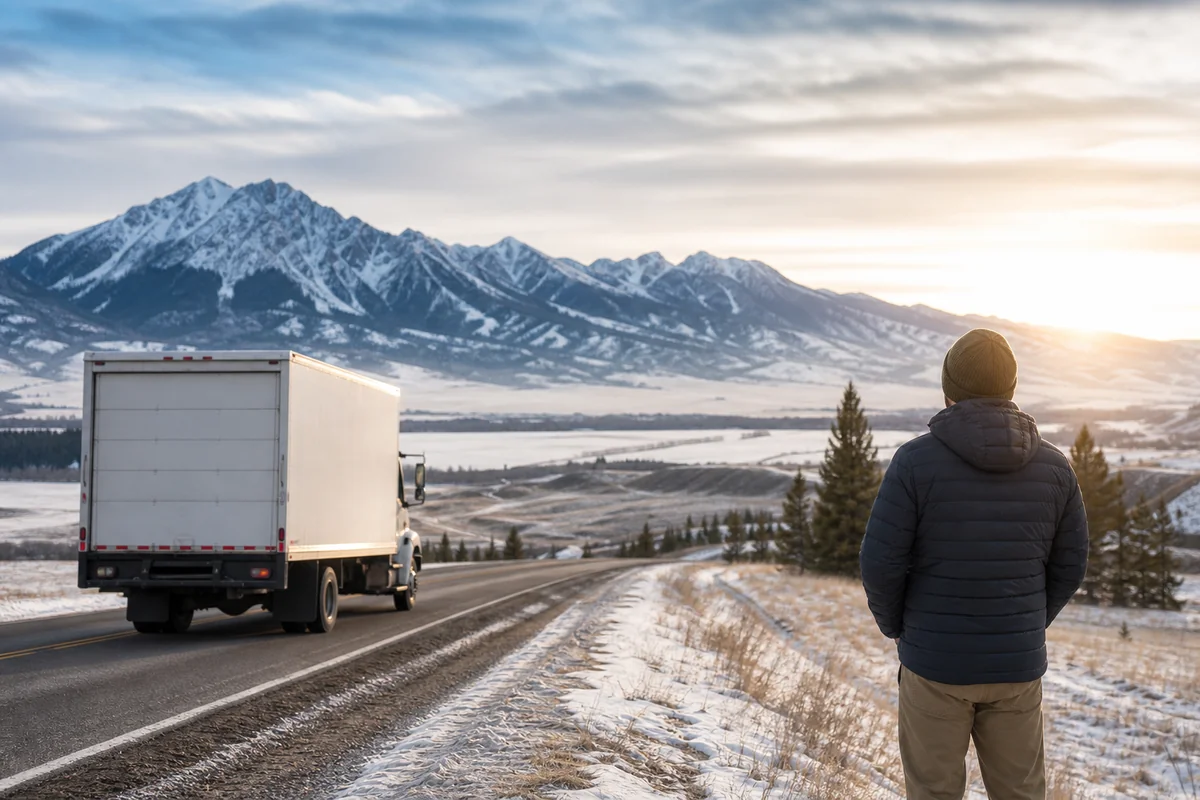
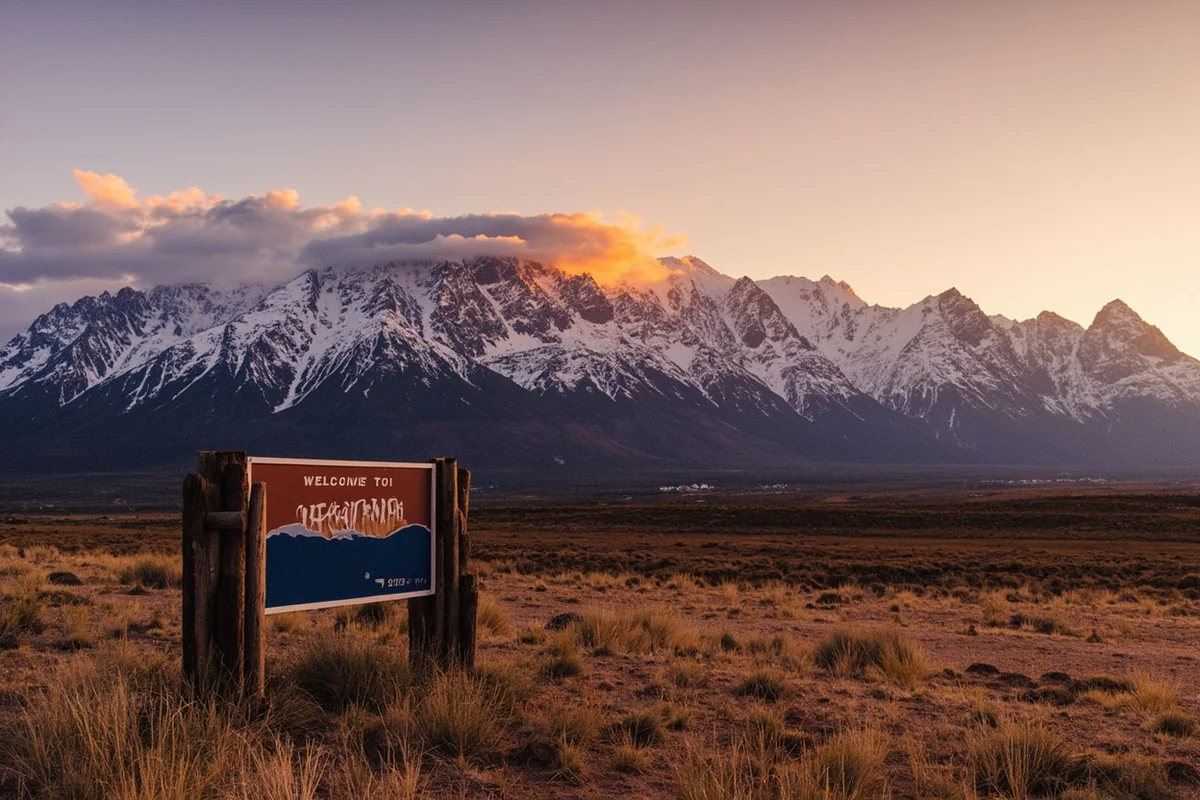
The moment I watched my U-Haul lumber past the “Welcome to Montana” sign on a frigid January afternoon, I realized everything I’d read online had only scratched the surface of what moving here actually means.
Three years, two different towns, and countless lessons later, I’ve compiled everything I wish someone had told me before making Big Sky Country my home.
If you’re researching About Montana as a potential place to put down roots, you’re already ahead of where I was.
But the gap between visiting Montana and actually living here is wider than the Missouri River, and understanding that difference could save you from some serious surprises—or confirm that this move is exactly right for you.
- Housing costs have skyrocketed—expect to pay 40-60% more than pre-2020 prices in popular areas
- Winter isn’t just cold; it fundamentally reshapes your daily life from November through April
- Job opportunities exist but salaries often lag 15-20% behind national averages
- Healthcare access varies dramatically—some areas have excellent facilities while others require 2+ hour drives
- The lifestyle payoff is real: less traffic, stunning nature access, and genuine community
- Internet connectivity and cell service can be unreliable outside major towns
- You’ll need a reliable 4WD vehicle—this isn’t optional
Liked this article?
Add Roaming Montana as a preferred source so you see more of our articles and guides on Google.
The Real Cost of Living in Montana (Beyond What the Calculators Show)
Every cost-of-living calculator I used before my move told me Montana was “affordable.” Those calculators lied—or at least, they didn’t tell the whole truth.
Housing: The Elephant in the Room
When I started my apartment hunt in Bozeman during 2021, I genuinely laughed out loud at the first rental listing I saw: $2,400 monthly for a 900-square-foot apartment. That wasn’t an outlier.
The Gallatin Valley—including Bozeman and Belgrade—now rivals some coastal markets for housing costs. During my search last summer, median home prices hovered around $750,000 in Bozeman proper, and even surrounding areas like Four Corners and Belgrade commanded $550,000-plus.
Missoula isn’t much better. A colleague who moved there recently paid $1,800 monthly for a modest two-bedroom rental that would’ve cost $1,100 five years ago.
Where You Can Still Find Reasonable Housing
I eventually landed in Helena, where housing remains comparatively sane. My current rent for a three-bedroom house with a garage runs $1,650—steep by historical Montana standards, but manageable.
Other areas worth considering for more affordable living include Great Falls, Butte, Miles City, and smaller communities along the Hi-Line like Havre and Glasgow. These towns offer dramatically lower housing costs, though you’ll trade proximity to mountain recreation for those savings.
The Hidden Costs Nobody Mentions
Beyond housing, several expenses caught me off guard:
- Heating bills: My first winter gas bill hit $380 for a moderately insulated house. Budget $200-400 monthly from November through March.
- Vehicle maintenance: Between snow tires, winter fluids, and the beating roads take on your car, I spend roughly $1,500 more annually on vehicle upkeep here than I did in Oregon.
- Groceries: Fresh produce costs significantly more, especially in smaller towns. I’ve seen $7 avocados in rural Montana—not a typo.
- Propane: If you’re outside natural gas service areas, propane tank fills during winter can run $400-800 per fill.
There’s plenty of reasons Montana is considered one of the best states, but affordable living in destination towns isn’t one of them anymore.
Winter in Montana: An Honest Assessment
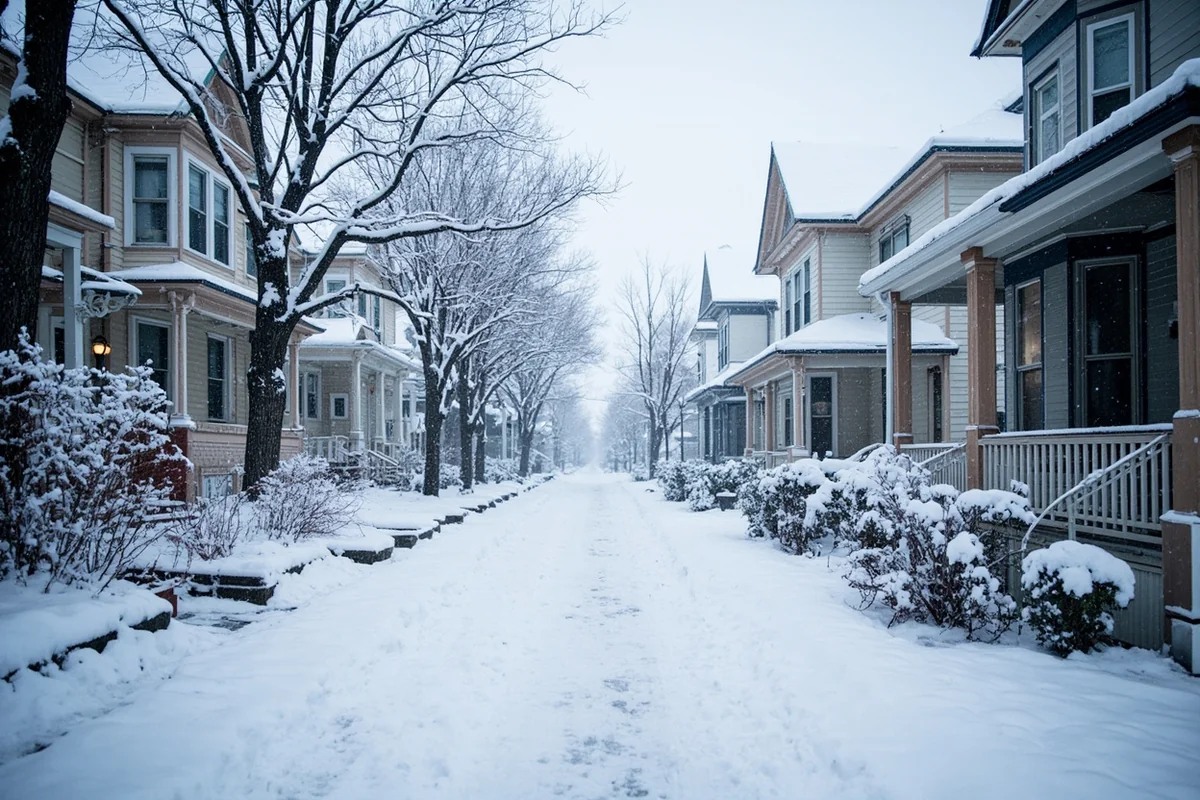
I grew up in the Pacific Northwest, so I thought I knew cold weather. Montana humbled me within weeks.
What Cold Actually Means Here
Last January, Helena hit -32°F with wind chill. My diesel truck wouldn’t start. My dog refused to go outside to pee. The inside of my nose froze when I stepped onto the porch.
This isn’t hyperbole for effect—it’s simply Tuesday in January. The 27 things Montana is known for includes this intense winter, and for good reason.
You’ll need to understand concepts like:
- Block heaters: Essential for keeping your engine warm enough to start on subzero mornings
- Plugging in: Many parking lots have electrical outlets specifically for block heaters
- Temperature inversions: Valleys can be colder than mountains during certain conditions
- The January thaw: A brief warm spell that tricks newcomers into thinking winter’s ending (it’s not)
How Winter Changes Daily Life
When I lived in milder climates, bad weather meant minor inconvenience. Here, it requires lifestyle restructuring.
I keep emergency supplies in my vehicle year-round: blankets, hand warmers, granola bars, a small shovel, sand, and jumper cables. Everyone does. This isn’t paranoia—it’s practicality.
My morning routine adds 15-20 minutes during winter: warming up the car, scraping ice, checking road conditions online before committing to travel plans. During my first winter, I worked from home unexpectedly eleven times due to road closures or dangerous conditions.
The Winter Upside
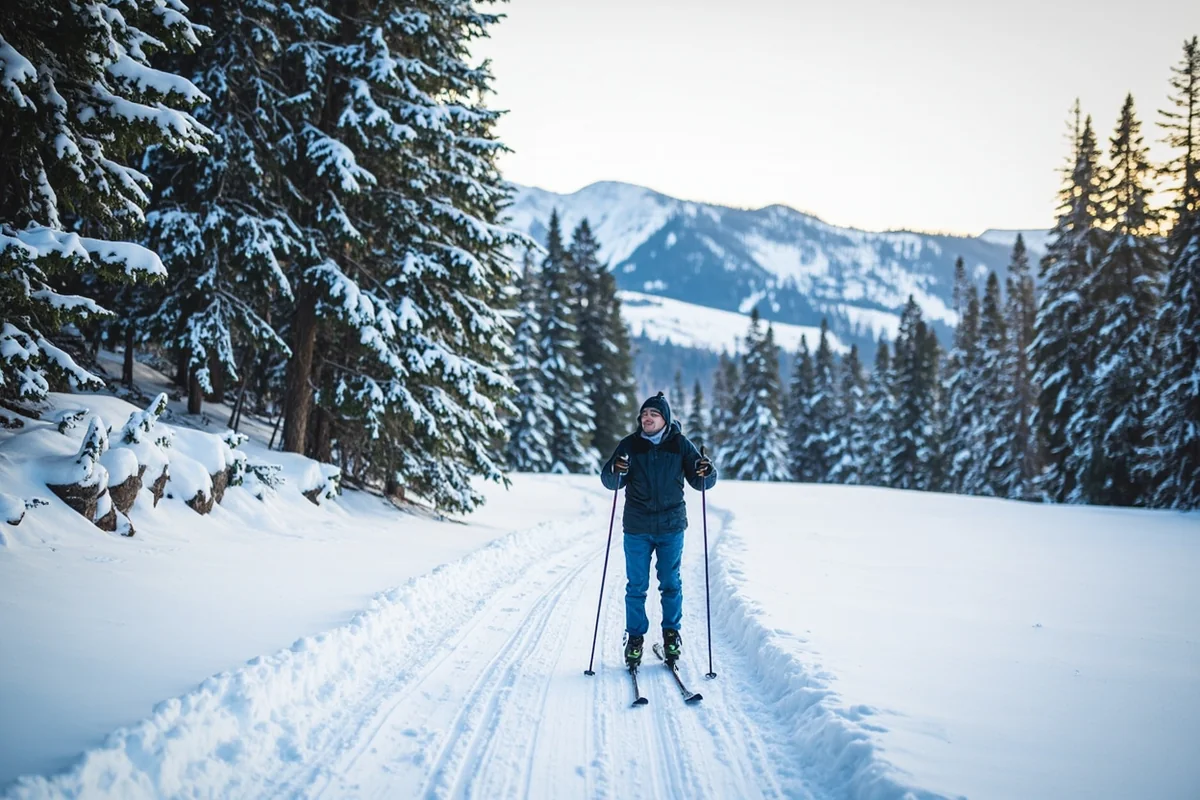
Here’s what surprised me: I’ve grown to genuinely love Montana winters. The snow here is different—dry, powdery, and impossibly beautiful. Cross-country skiing from my backyard in February? That actually happens.
The crowds disappear. Hiking trails that see hundreds of visitors daily in summer become peaceful snowshoe routes in January. I’ve had entire mountain valleys to myself during winter trips.
And the clarity of winter air creates visibility that’s almost startling. Last February, I could see individual trees on mountains 80 miles away.
Employment Reality: Finding Work in Big Sky Country
I work remotely, which significantly simplified my move. If you’re planning to find local employment, you need realistic expectations.
The Salary Gap Is Real
According to conversations with local professionals and my own research, Montana salaries typically run 15-25% below national averages for equivalent positions. A software developer earning $120,000 in Denver might find similar roles here paying $90,000-100,000.
Healthcare workers, teachers, and tradespeople face similar gaps, though demand for these professions helps somewhat.
Industries That Actually Hire
| Industry | Major Employment Areas | Notes |
|---|---|---|
| Healthcare | Billings, Missoula, Great Falls | Strong demand, competitive salaries by MT standards |
| Education | Statewide | Teacher shortages create opportunities |
| Tourism/Hospitality | Glacier area, Yellowstone gateway towns, ski resorts | Seasonal; housing is a major challenge |
| Trades | Statewide | Electricians, plumbers, HVAC in high demand |
| Tech/Remote | Bozeman, Missoula primarily | Growing but limited local options |
| Agriculture | Eastern Montana, Hi-Line | Seasonal; requires specific experience |
| Natural Resources | Various | Mining, forestry, energy extraction |
The state’s natural resources drive significant employment in certain regions, particularly in energy and extraction industries.
Remote Work Considerations
If you’re bringing remote work with you—as many newcomers are—understand the infrastructure limitations. More on that below, but plan for internet challenges that your employer may not understand.
Montana also lacks sales tax but has state income tax. Your take-home pay calculations should factor this in.

Healthcare Access: The Critical Question
This might be the most important section of this entire article, especially if you have ongoing medical needs.
The Geographic Reality
Montana spans 147,000 square miles with about 1.1 million residents. That math creates healthcare deserts.
In Billings, Great Falls, and Missoula, you’ll find adequate to good healthcare facilities. Specialty care exists, hospitals are reasonably equipped, and emergency services are reliable.
Move to smaller communities, and the picture changes dramatically. A friend in Choteau—a lovely town of 1,700—drives 80 minutes to Great Falls for anything beyond basic care. Routine specialist appointments require half-day trips.
What I’ve Experienced
Living in Helena, I have access to St. Peter’s Health, which covers most needs. But when I needed a specific procedure last spring, I had to travel to Billings—a four-hour round trip.
Dental care access varies similarly. In some smaller towns, the nearest dentist might be 45 minutes away, and new patient waitlists stretch months.
Planning Ahead
Before moving, I recommend:
- Research the nearest Level I trauma center to your prospective home
- Identify available specialists for any ongoing conditions you have
- Understand whether regional hospitals have the equipment you might need
- Consider telemedicine options for routine care
- If you take specific medications, verify local pharmacy availability
The Lifestyle Trade-offs (Honest Version)
Every article about Montana mentions the stunning scenery and outdoor access. That part’s true. But the lifestyle trade-offs deserve equal attention.
What You’re Gaining
The outdoor access genuinely transforms daily life. During a recent summer weekend, I drove 20 minutes from Helena, hiked into a mountain lake with zero other people present, caught native cutthroat trout, and made it home in time for dinner.
If you want to explore the beautiful places Montana offers, you’ll have endless opportunities as a resident.
Traffic essentially doesn’t exist by urban standards. My “bad” commute means seven extra minutes. Rush hour in Billings—Montana’s largest city—would make Seattleites laugh.
The community connections run deeper here. My neighbors actually know my name. During last winter’s blizzard, a guy I barely knew showed up with his tractor to clear my driveway without being asked. This happens regularly.
What You’re Losing
International airports with direct flights? Basically none. Flying anywhere requires connections, often through Minneapolis, Denver, or Seattle. My trip to visit family in Boston last Thanksgiving required two layovers and 11 hours of travel.
Dining and entertainment options thin dramatically compared to cities. Helena has perhaps six restaurants I’d genuinely recommend. Live music venues require trips to Missoula or Bozeman for consistent options.
Cultural institutions exist but can’t match urban offerings. The Montana Shakespeare Company in Helena does excellent work, but Broadway touring productions mean driving to Calgary or Spokane.
Shopping means either local small businesses (often limited selection), online ordering (adding shipping delays), or planning occasional trips to larger cities for significant purchases.
Connectivity Challenges: Internet and Cell Service
This topic single-handedly determines whether certain areas work for remote workers.
The Hard Truth
Fiber internet reaches major towns reasonably well now. Bozeman, Missoula, Helena, Billings, and Great Falls all have areas with reliable high-speed service.
Step outside these areas, and options narrow quickly. Last spring, I visited a property in the Blackfoot Valley—absolutely gorgeous setting—that had exactly one internet option: a satellite connection averaging 15 Mbps on good days. For someone doing video calls professionally, that’s unworkable.
Cell service follows similar patterns. I’ve driven stretches of Highway 200 east of Great Falls with zero signal for 40+ miles. Beautiful country, but don’t plan on calling AAA if you break down.
Making It Work
If rural property appeals to you, investigate connectivity before committing:
- Contact local internet providers about specific addresses
- Ask potential neighbors about their actual speeds and reliability
- Consider Starlink as a backup—many rural Montanans rely on it now
- Test cell signal personally at different times of day
- Factor in weather impacts—satellite internet degrades in heavy snow
The Vehicle Situation
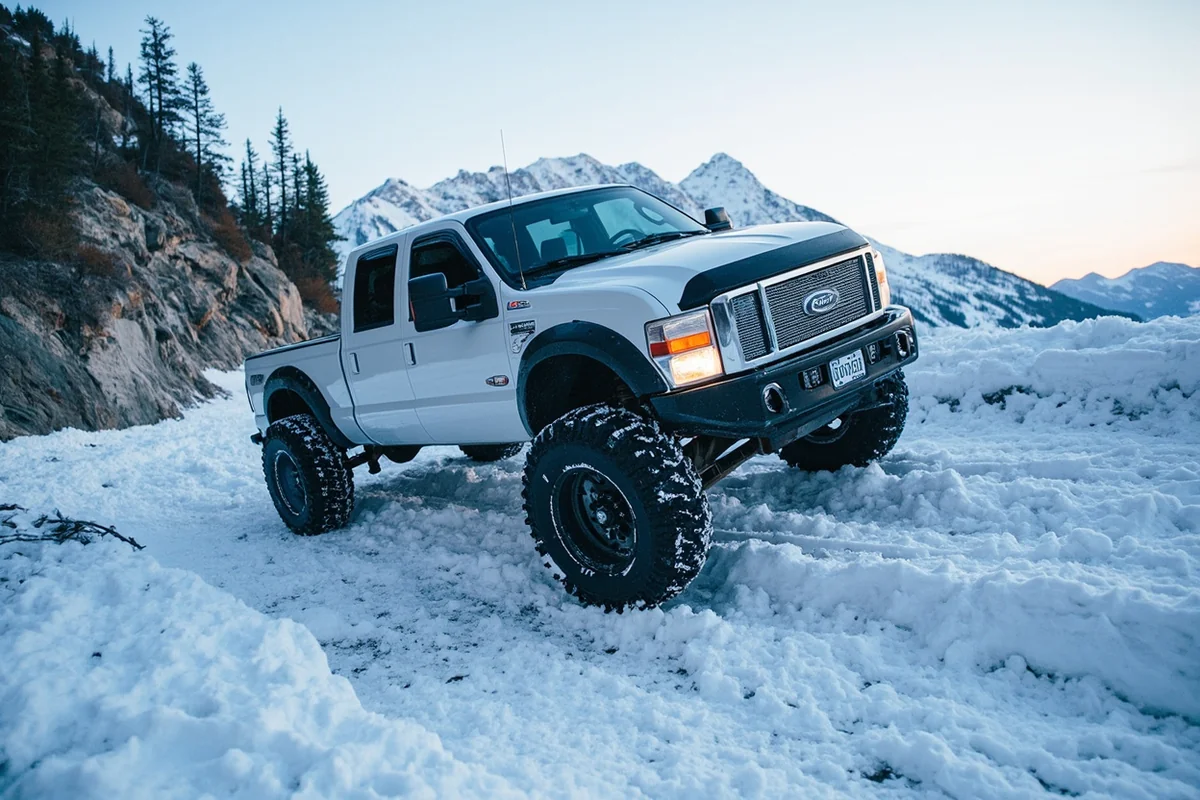
Yes, you need a four-wheel-drive or all-wheel-drive vehicle. This isn’t gatekeeping—it’s physics.
Why It Matters
My first Montana vehicle was a front-wheel-drive sedan. By December, I understood my error. Hills that seem minor become impassable with ice. Unplowed residential streets trap two-wheel-drive vehicles routinely.
Beyond winter driving, consider road conditions generally. Many Montana roads that access public lands—the same roads leading to those stunning trailheads—are unpaved, rutted, and challenging. A sedan limits your recreational options significantly.
What Works Here
Trucks, SUVs, and Subarus dominate for good reason. I currently drive a Toyota Tacoma with studded winter tires (yes, they’re legal here), and I’ve never been stranded.
Budget for quality winter tires—not all-seasons marketed as “good enough.” The difference in traction is dramatic and potentially life-saving. I switch tires seasonally, storing summers during winter and vice versa.
If you’re comparing Montana to other states for your move, you’ll find Colorado, Wyoming, and Idaho share similar vehicle requirements. Even comparing Oregon or Alaska reveals that mountain state living demands capable transportation.
Understanding Montana Culture and Community
The social culture here differs from coastal metros, and honest acknowledgment of that helps set expectations.
Political Reality
Montana trends conservative in statewide elections, though college towns like Bozeman and Missoula lean liberal. This creates a political patchwork that sometimes surprises newcomers.
I’ve found most Montanans prioritize neighborliness over political litmus tests. My direct neighbor and I vote differently on most things, but we help each other with projects regularly and share beers on summer evenings.
That said, if political homogeneity matters to your daily happiness, research specific communities. The cultural gap between Bozeman and, say, Lewistown is significant.
The “Transplant” Dynamic
Native Montanans sometimes express frustration with newcomers—particularly those perceived as driving up housing costs or bringing attitudes that clash with local culture.
I’ve navigated this by:
- Acknowledging I’m new and have things to learn
- Showing genuine interest in Montana history and culture
- Supporting local businesses rather than demanding that chains arrive
- Respecting land access traditions and being humble on public lands
- Not constantly comparing Montana to wherever I came from
Most native Montanans I’ve met are welcoming once they see you’re here for genuine reasons and not to transform the state into somewhere else.
Reading works by Montana authors and studying famous Montanans helped me understand the cultural heritage I was joining. The quotes people have written about Montana capture something essential about the state’s spirit.
Community Involvement
Small communities especially expect participation. Volunteer fire departments rely on local volunteers. School events need parent involvement. Neighbors notice when you participate versus isolate.
This might sound obligatory, but I’ve found it rewarding. My life here involves more community connection than any previous place I’ve lived. That’s a positive for me—but if you’re seeking anonymity, Montana’s smaller towns might frustrate you.
Wildlife Considerations
Yes, the wildlife situation is real and requires adjustment.
What You’ll Actually Encounter
In three years, I’ve had:
- Numerous deer in my yard (weekly during certain seasons)
- Moose blocking my driveway twice
- Black bears in my garbage (twice, before I wised up about bear-proof containers)
- Mountain lion tracks near my property once
- Countless elk sightings while driving
These encounters require behavioral changes. Garbage management becomes important. Dog walking requires awareness. Hiking means carrying bear spray and making noise.
The Driving Hazard
Wildlife vehicle collisions happen frequently. Deer especially pose dangers during dawn and dusk hours. I’ve narrowly avoided two collisions—once with a deer, once with a moose—through constant vigilance.
Your car insurance will likely increase. Many Montana drivers carry comprehensive coverage specifically for wildlife strikes.
Choosing Your Montana Location
Montana isn’t monolithic. The difference between regions deserves serious consideration.
Western Montana
The mountain region—Missoula, the Flathead Valley, Bozeman—offers the iconic Montana experience: dramatic peaks, abundant recreation, milder winters than the eastern plains.
Trade-offs include dramatically higher costs, more crowds, and the “transplant tension” that concentrates in destination communities.
Central Montana
Helena, Great Falls, and surrounding areas offer a middle ground: mountain access within reasonable drives, more affordable housing, genuine community character without overwhelming tourism.
I chose Helena partly for this balance. I can reach Glacier National Park in three hours, ski hills in 45 minutes, and world-class fishing in 30 minutes—while paying rent that doesn’t require a second job.
Eastern Montana
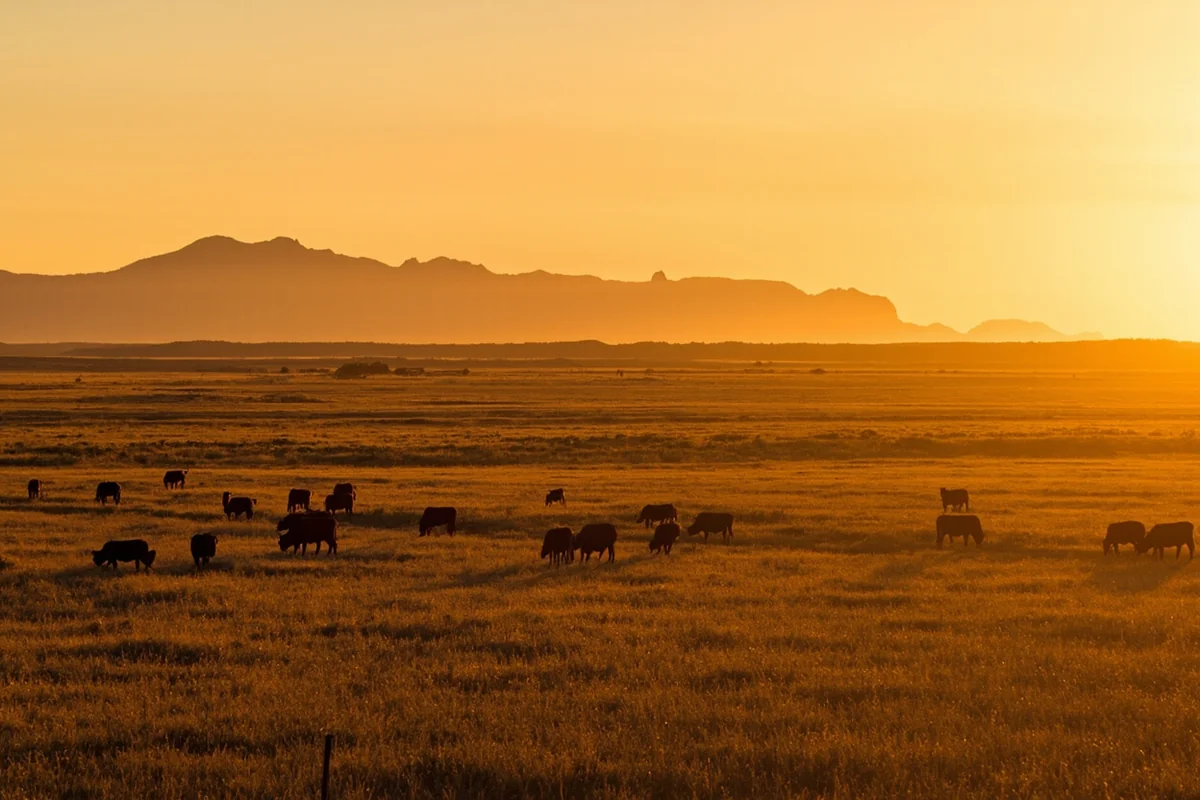
The plains and breaks region—Billings eastward—provides the most affordable living but an entirely different landscape. If you’re imagining mountains when you picture Montana, eastern Montana will surprise you with rolling grasslands, dramatic coulees, and a horizon that never ends.
Weather extremes intensify here. Wind is constant. Temperatures swing more dramatically between seasons.
Some people genuinely prefer this landscape—the unique qualities of Montana include this stunning prairie country that many overlook.
The Legal and Administrative Stuff
Bureaucratic details matter when relocating.
Vehicle Registration
Montana requires vehicle registration within 60 days of establishing residency. You’ll need Montana liability insurance before registering. The state lacks vehicle safety inspections but requires emissions testing in some counties.
License plates cost varies by vehicle value—Montana uses a sliding scale that can result in surprisingly high fees for newer vehicles.
Driver’s License
The Real ID deadline makes getting a Montana license slightly more complex. Bring your passport, birth certificate, Social Security card, and two proofs of Montana address. The MVD (Montana’s version of the DMV) appointments fill quickly in larger towns.
Residency Establishment
For hunting and fishing licenses—which most Montana residents use—you must establish residency for at least 180 days. Some benefits require longer. Plan accordingly if these activities factor into your move.
Before You Decide: My Honest Recommendation
If you’re considering moving to Montana, I strongly recommend renting before buying—ideally for at least one full winter.
So many people visit during summer, fall in love with Montana’s July perfection, then discover by February that they’re miserable. The movies filmed here rarely show January conditions.
Trial Run Suggestions
Consider a three-to-six-month rental in your target area during winter months. Work remotely if possible, or take an extended leave. Experience:
- The reality of subzero mornings
- Short daylight hours (sunset before 5 PM for weeks)
- Limited social options during cold months
- Actual driving conditions on your commute
- How your body and mind respond to the climate
Some people thrive in Montana winters—I’m one of them. Others discover they’re deeply seasonal-affective and need more sun. Better to learn this before committing to a mortgage.
The Weird and Wonderful Parts
Montana has quirks that aren’t necessarily negatives but require adjustment. The state runs on its own rhythm. Stores close early in small towns. Sunday mornings are genuinely quiet. Strangers wave on rural roads (this took me weeks to get used to—but I love it now).
Comparing Montana to North Dakota or South Dakota shows some similarities in pace and culture, but Montana maintains its distinct identity.
Understanding who the state governor is and what policies affect residents might help you gauge the current political landscape.
Final Thoughts: Is Montana Right for You?
Three years after that January U-Haul crossing, I have zero regrets. Montana fits my personality, my work situation, and my priorities perfectly.
But I’ve watched others arrive with unrealistic expectations and leave within two years, frustrated and financially strained. The difference usually comes down to honest self-assessment.
Montana works beautifully if you:
- Genuinely enjoy outdoor activities and will pursue them despite weather challenges
- Can handle isolation and limited entertainment options
- Have portable income or secured local employment before arriving
- Aren’t dependent on frequent air travel
- Tolerate cold weather without descending into depression
- Value community connection and are willing to participate
- Accept that some conveniences simply don’t exist here
Montana struggles for you if:
- You’re escaping somewhere rather than moving toward Montana specifically
- Urban amenities significantly impact your quality of life
- Your job search depends on arriving first and hoping for opportunities
- Cold weather triggers health or mental health issues
- You expect Montana to adapt to your preferences rather than the reverse
I wrote this guide hoping to provide the honest perspective I wish I’d found during my own research. The books about Montana capture the romance beautifully, but living here requires understanding the practical realities too.
If you’ve read this entire guide and still feel excited about Montana—that’s a good sign. The people who thrive here are the ones who want it despite understanding the challenges, not the ones who move sight-unseen chasing a fantasy.
Montana has given me a life I couldn’t have imagined before moving here. I hope it does the same for you, but only if it’s truly the right fit.
Frequently Asked Questions
What is the cost of living in Montana compared to other US states?
Montana’s cost of living runs about 5-10% above the national average, with housing being the biggest expense—especially in popular areas like Bozeman and Missoula where median home prices exceed $600,000. However, Montana has no sales tax, which helps offset some costs. I’d recommend budgeting at least $2,500-$3,500 monthly for a comfortable single-person lifestyle outside major tourist towns.
What should I know about Montana winters before relocating?
Montana winters are no joke—temperatures regularly drop below 0°F, and some areas receive over 300 inches of snow annually. You’ll need a reliable 4WD vehicle, quality winter tires, and an emergency kit in your car at all times from October through April. I always tell newcomers to budget for proper cold-weather gear including insulated boots rated to -40°F and layering clothing systems.
How far are Montana cities from each other and major amenities?
Distance is Montana’s defining feature—the state spans 559 miles east to west, and even ‘nearby’ towns can be 100+ miles apart. Billings to Missoula is a 340-mile drive, roughly 5 hours without stops. Big box stores, specialty medical care, and major airports often require 2-3 hour drives from rural areas, so stocking up on essentials becomes a way of life.
What is the job market like in Montana for new residents?
Montana’s job market centers around healthcare, agriculture, tourism, and increasingly remote work opportunities. Average wages run 10-15% lower than the national median, with the state’s average annual salary around $52,000. I’ve found that many successful transplants either bring remote jobs with them or have specialized skills in trades, healthcare, or tech that are in high demand.
Is Montana a good place to move if I love outdoor recreation?
Montana is an outdoor enthusiast’s paradise with access to Glacier and Yellowstone National Parks, world-class fly fishing on rivers like the Madison and Bighorn, and over 55 ski areas including Big Sky Resort. Most residents live within 30 minutes of hiking trails, and hunting and fishing licenses are significantly cheaper for residents. Just know that popular trailheads and fishing spots get crowded June through September with tourist traffic.
What are the biggest challenges of living in Montana full-time?
The isolation and limited services surprise most newcomers—you might drive 45 minutes for groceries or wait months for a specialist doctor appointment. Wildfire smoke blankets much of the state from July through September, creating air quality issues that affect daily life. I’ve also seen many people underestimate the social adjustment of small-town living where entertainment options are limited and winters can feel isolating.
When is the best time of year to move to Montana?
Late spring through early fall (May-September) offers the easiest moving conditions with passable roads and mild weather, though this is also peak season for housing competition. I’d recommend targeting May or early June to get settled before fire season and have summer to explore before your first harsh winter. Avoid moving between November and March unless absolutely necessary, as mountain passes frequently close and moving costs increase due to weather complications.
Sources
- https://wrcc.dri.edu/Climate/narrative_mt.php
- https://www.umt.edu/this-is-montana/columns/stories/montana-weather-13.php
- https://www.umt.edu/this-is-montana/columns/stories/montana-winters.php
- https://dphhs.mt.gov/detd/transportation/publictransit
- https://meric.mo.gov/data/cost-living-data-series
- https://news.mt.gov/Governors-Office/Governor_Gianforte_Joins_Students_To_Designate_Huckleberry_as_State_Fruit
- https://leg.mt.gov/content/Committees/Interim/2021-2022/Revenue/Meetings/July-2021/MBPC-Policy-Basics-Property-Tax-2020-FINAL.pdf
- https://commons.wikimedia.org/wiki/File:Looking_SW_at_Montana_Hall_-Montana_State_University