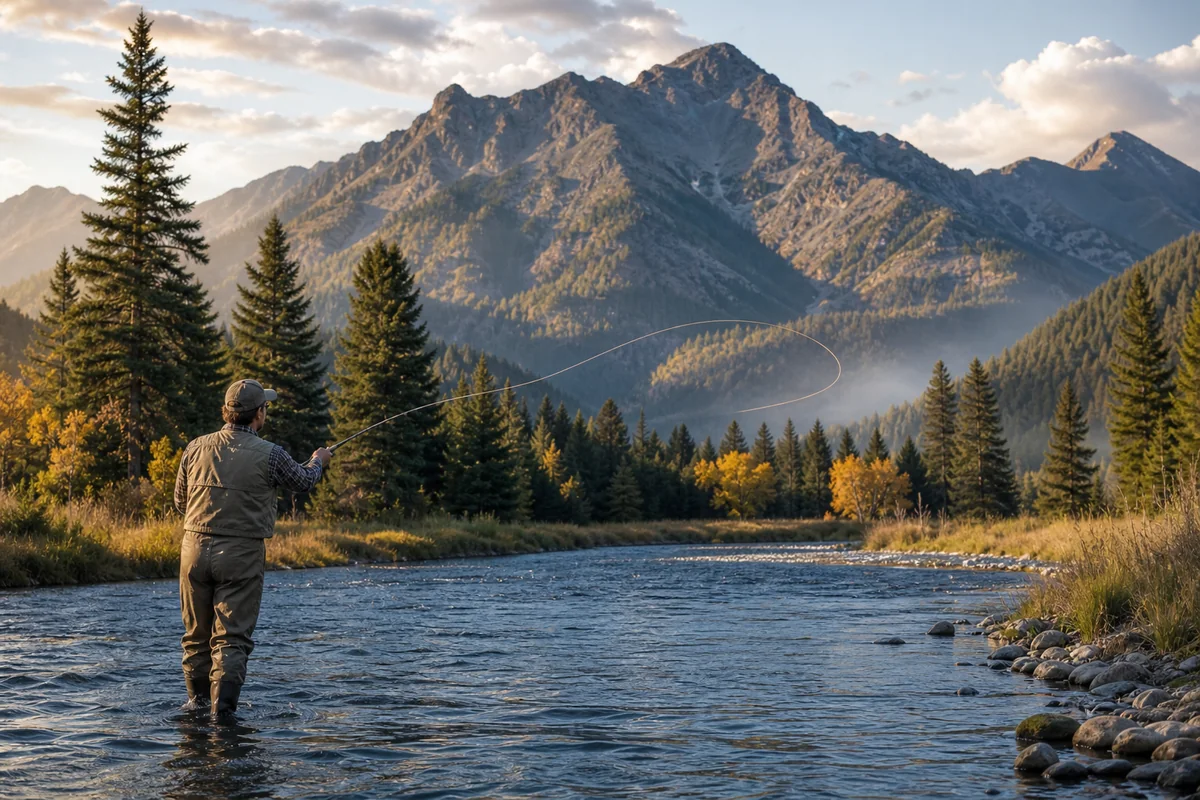
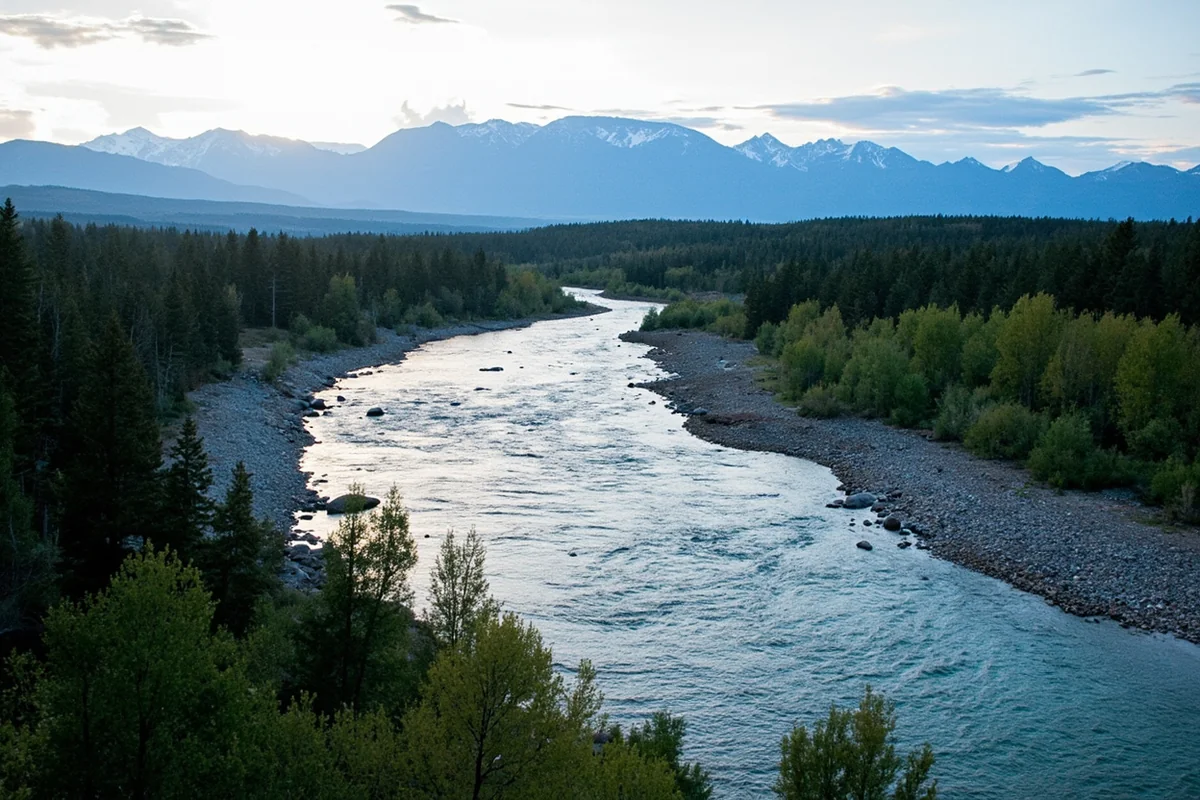
Standing on the banks of the Gallatin River last summer, I watched a fly fisherman cast his line in almost the exact spot where Brad Pitt filmed those iconic scenes in A River Runs Through It and suddenly I understood why Hollywood keeps coming back to Montana.
There’s something about the way light hits these mountains that simply can’t be replicated on a studio backlot. This state has served as a backdrop for everything from sweeping westerns to modern TV dramas, and I’ve spent the better part of three years tracking down these filming locations across Big Sky Country.
- Montana has hosted 100+ major film and TV productions since the 1970s
- Top filming locations include Livingston, Bozeman, Glacier National Park, and the Paradise Valley
- You can visit many filming sites yourself—most are on public land
- The Yellowstone TV series has dramatically increased tourism to specific Montana ranches
- Best time to visit filming locations: late May through September for accessibility
- Budget $50-150/day depending on whether you’re self-guided or joining organized tours
Liked this article?
Add Roaming Montana as a preferred source so you see more of our articles and guides on Google.
Why Hollywood Fell in Love with Montana
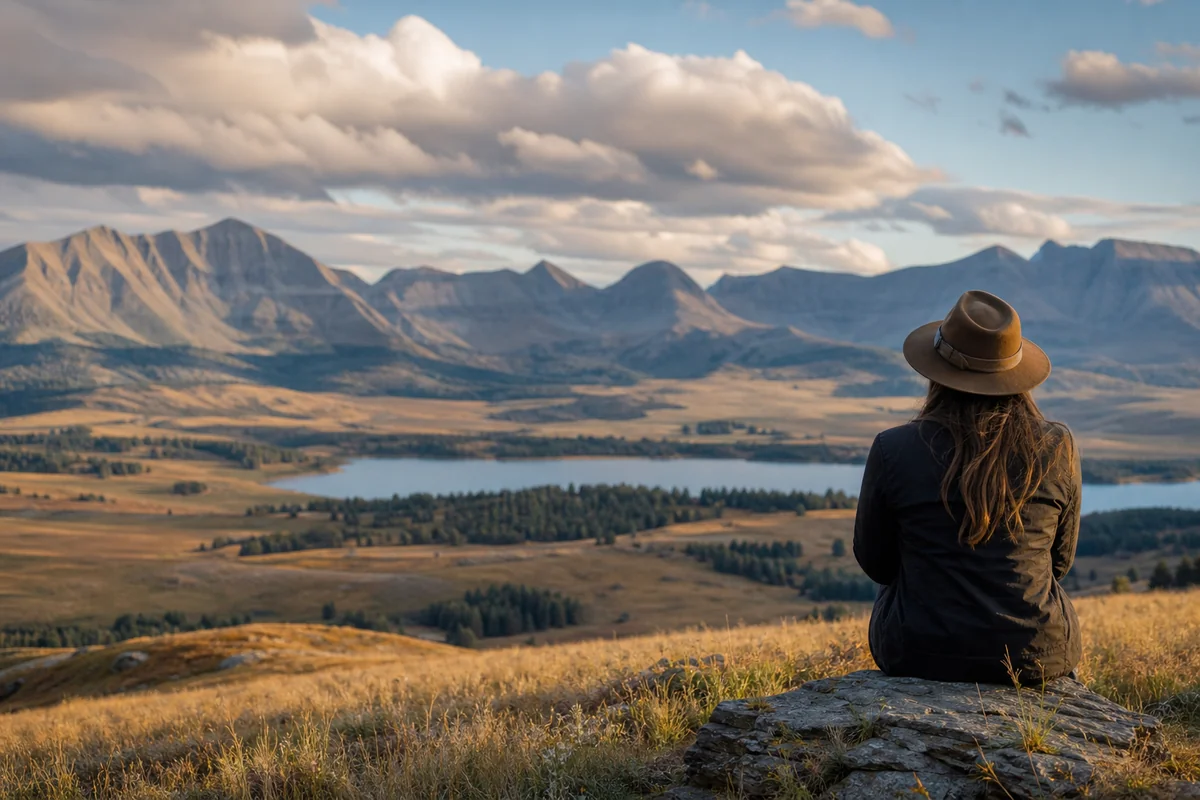
I’ve photographed landscapes in 38 states, and nothing compares to Montana’s cinematographic diversity. Within a single day’s drive, you can capture alpine peaks, rolling prairie, dense forests, and river valleys that look like they belong in different continents.
The state offers something else that matters to film crews: space. When I was researching filming locations near Ennis last fall, a local rancher told me that production companies love Montana because they can block off 50,000 acres without a single power line or cell tower in frame.
Montana’s film industry really took off in the 1990s, though westerns had been shot here sporadically since the silent film era. Today, the state offers competitive tax incentives—up to 35% for productions that meet certain thresholds—which has attracted major studios looking to stretch their budgets without sacrificing visual quality.
This is just one of the 27 things Montana is known for, but arguably it’s the one that’s put the state on the map for millions of viewers worldwide.
The Films That Put Montana on the Map
A River Runs Through It (1992)
Robert Redford’s adaptation of Norman Maclean’s novella remains the definitive Montana film. I’ve visited the primary filming locations multiple times, and they still draw visitors thirty years later.
Most of the fly-fishing scenes were filmed on the Gallatin River near Bozeman and on the Boulder River south of Big Timber. The church scenes were shot in Livingston, and you can still see that white steeple from Main Street.
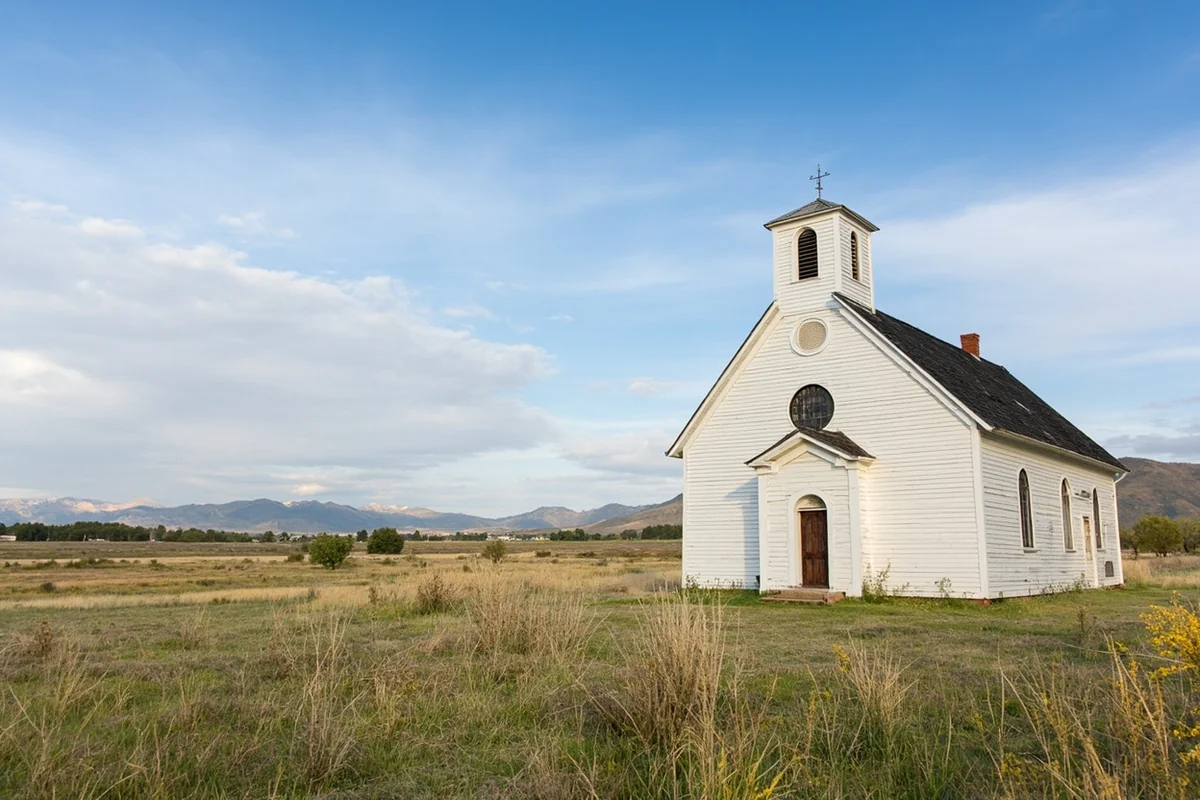
During my most recent visit, I met a fishing guide who told me business increased 400% in the years following the film’s release. Even now, visitors specifically request to fish the “River Runs Through It waters.”
The real-life Maclean family actually lived in Missoula, and if you’re interested in the literary side, consider exploring more Montana authors whose work captures the state’s essence.
Legends of the Fall (1994)
This Brad Pitt vehicle showcased Montana’s Paradise Valley in ways that made audiences gasp. The Ludlow ranch scenes feature some of the most stunning mountain backdrops in film history.
Here’s something most guides won’t tell you: while the film was set in Montana, significant portions were actually filmed in Alberta, Canada. However, many establishing shots and sequences were genuinely filmed in the Paradise Valley region south of Livingston.
I drove through this valley on Highway 89 last October, and the mountains still look exactly as they did in the film. The cottonwood trees along the Yellowstone River turn golden in autumn, creating that same melancholy beauty the cinematographer captured.
The Horse Whisperer (1998)
Robert Redford returned to Montana for this adaptation, filming extensively around the Bozeman area and on a working ranch near Melville.
The ranch used for the Booker family home was a real working cattle operation, and it still operates today. You can’t visit the private property, but driving Montana Highway 191 gives you similar vistas.
What struck me during my research was how Redford specifically chose Montana over Wyoming and Colorado for this film. The comparison between Montana and Wyoming often comes down to Montana’s more dramatic mountain profiles and its authentic ranching culture.
The Yellowstone Effect: How One TV Show Changed Montana Tourism
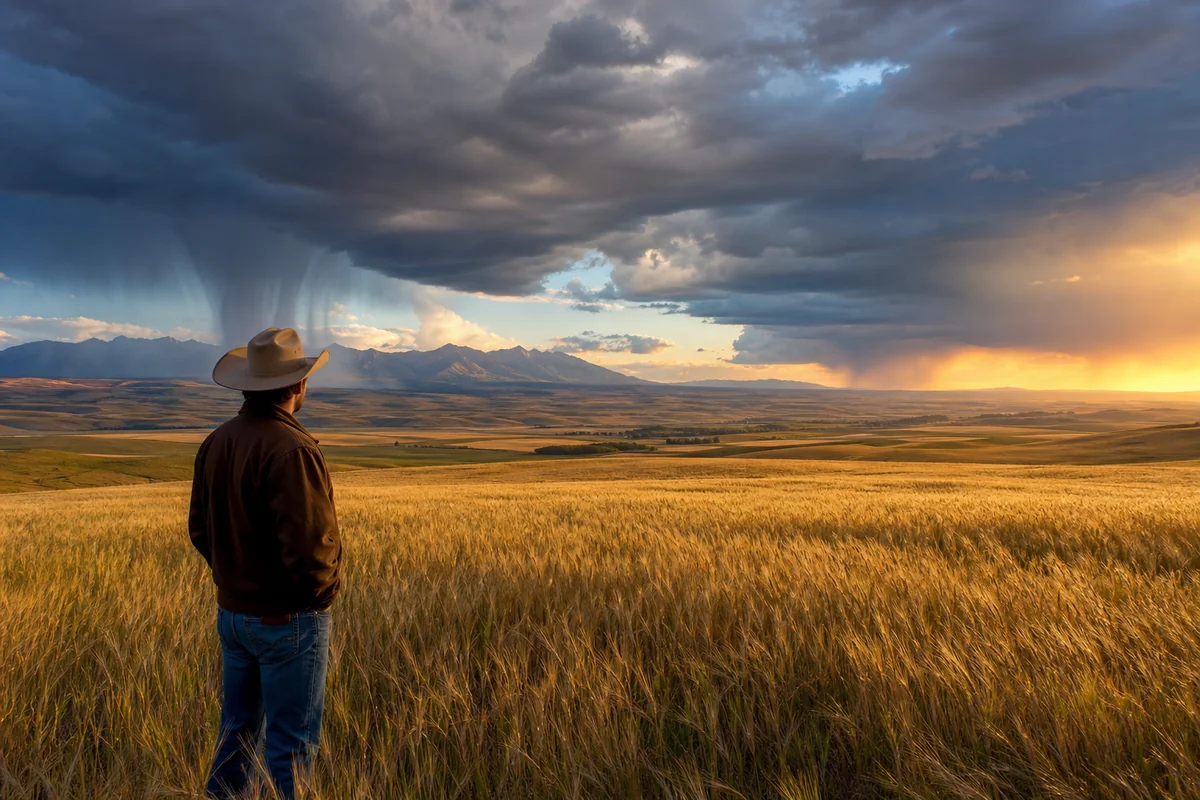
Nothing has impacted Montana’s film tourism quite like the Paramount series Yellowstone, starring Kevin Costner. Since its 2018 premiere, I’ve watched the state’s tourism landscape transform dramatically.
Where Yellowstone Actually Films
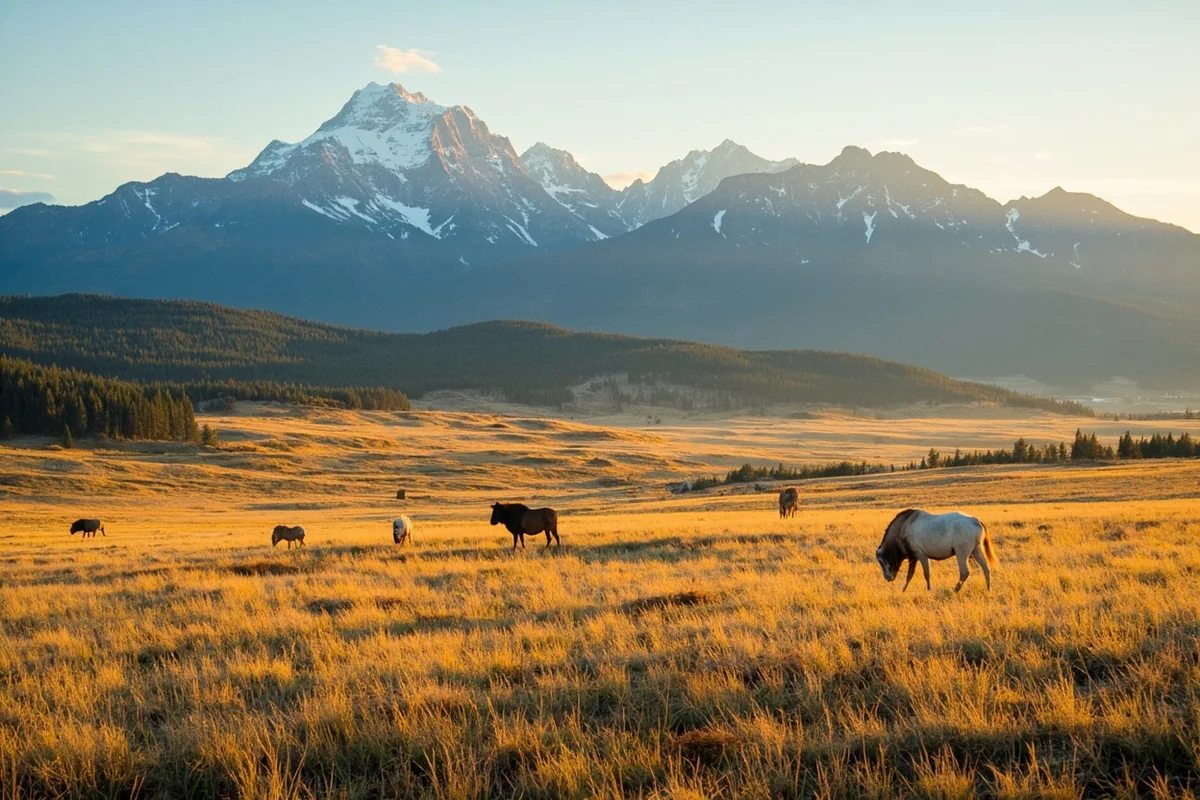
The show films in multiple Montana locations, with primary shooting taking place at the Chief Joseph Ranch near Darby. This 2,500-acre working cattle ranch serves as the Dutton family’s fictional home.
I visited the Darby area during the show’s third season production, and the town had completely transformed. Where once there was a quiet diner serving ranchers and hunters, now there was a gift shop selling “Yellowstone” merchandise.
The ranch offers limited tours when production isn’t active, though you’ll need to book months in advance. During my visit, I learned they charge around $150 per person for a guided tour—but considering you’re walking where Kevin Costner filmed his scenes, fans consider it worthwhile.
Other Yellowstone filming locations include:
- Downtown Missoula (various street scenes)
- Hamilton and the Bitterroot Valley
- Rock Creek near Clinton
- Various locations around Park County
The Economic Impact
Local business owners have told me that “Yellowstone” tourism now rivals Glacier National Park visitors in some areas. One hotel owner in Hamilton said her bookings increased 60% after the show’s second season.
This kind of attention is among the reasons Montana is considered one of the best states for entertainment industry investment.
Classic Westerns: Montana’s Original Film Genre
Long before modern dramas, Montana served as the backdrop for Hollywood westerns that defined American cinema.
Little Big Man (1970)
Dustin Hoffman’s revisionist western filmed extensively in the Crow Indian Reservation near the Little Bighorn Battlefield. The production used authentic Montana landscapes to recreate 19th-century frontier life.
I visited the Little Bighorn Battlefield last summer and found it surprisingly moving. Standing where Custer made his last stand, watching the same grasslands that appeared in the film, you understand why filmmakers keep returning to these historically significant locations.
Missouri Breaks (1976)
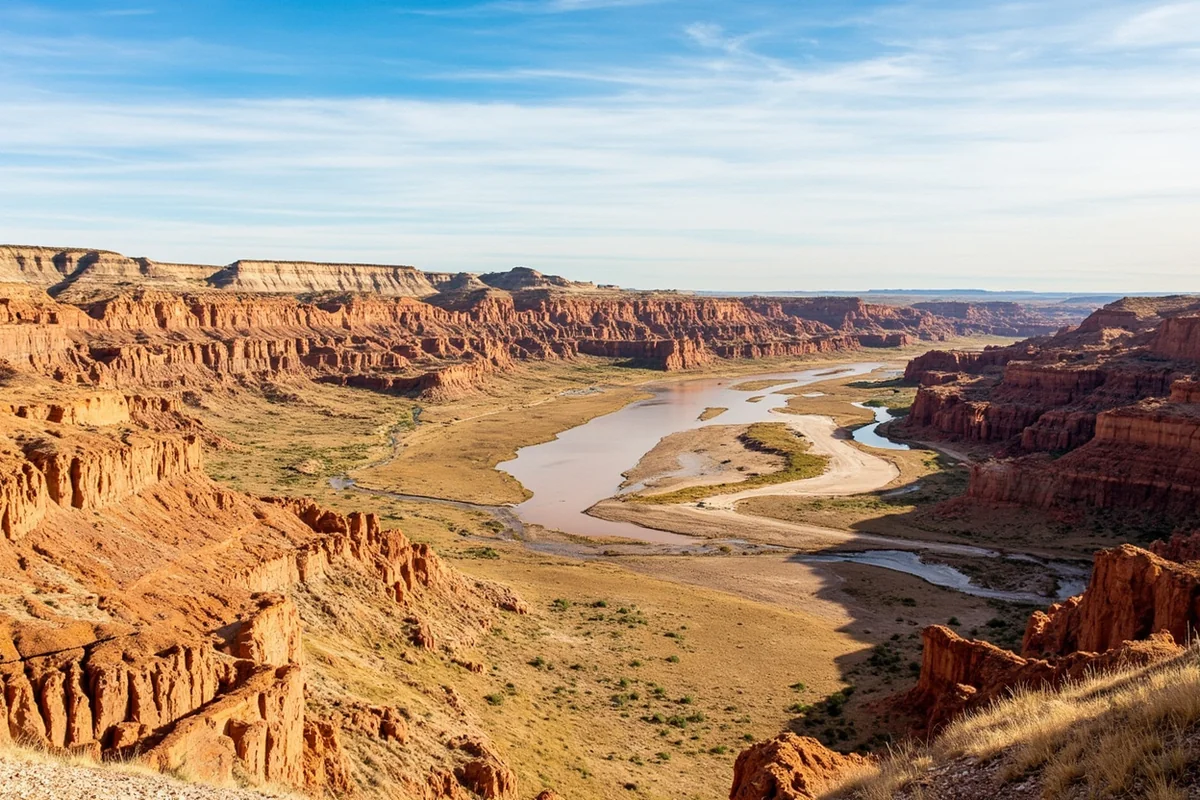
This offbeat western starring Marlon Brando and Jack Nicholson filmed in the Missouri River Breaks region of central Montana. The badlands terrain is unlike anything else in the state—or the country.
During a solo camping trip to the Upper Missouri River Breaks National Monument, I spent three days exploring the same formations that appeared in the film. The isolation is extraordinary; I didn’t see another person for 36 hours.
The Untouchables (1987)
Here’s a surprise: Brian De Palma’s Chicago gangster film shot its Canadian border scenes in Montana. The sequence where Sean Connery and Kevin Costner intercept bootleggers was filmed near the Canadian border in northern Montana.
This area remains remarkably unchanged. Driving along Highway 2 near the Hi-Line, you pass through the same small towns that doubled for 1930s border communities.
Adventure Films and Montana’s Wild Landscapes
The Revenant (2015)
Leonardo DiCaprio’s Oscar-winning survival epic used Montana’s wilderness to devastating effect. While much of the film was shot in Canada and Argentina, key sequences featuring the Missouri River were filmed in Montana.
The production team chose Montana specifically for scenes requiring authentic American frontier landscapes. I’ve canoed sections of the Missouri that appear in the film, and the primeval quality of those cottonwood bottoms is unmistakable.
Jurassic World Dominion (2022)
The most recent major production to film in Montana, this blockbuster shot several sequences in the state’s eastern prairies and mountain regions. The production spent weeks filming near some of the state’s most beautiful places in Montana.
What many viewers don’t realize is that Montana has genuine paleontological significance—the state has produced more T-Rex specimens than anywhere else on Earth. The film’s Montana scenes feel especially appropriate given this history.
Independent Films: Montana’s Hidden Cinema Treasures
Beyond blockbusters, Montana has hosted dozens of smaller productions that capture the state’s authentic character.
Winter in the Blood (2013)
Based on James Welch’s novel, this independent film was shot entirely on the Blackfeet Reservation and surrounding areas. It’s one of the most authentic portrayals of contemporary Native American life in Montana cinema.
I watched this film before driving through the Hi-Line, and it completely changed how I experienced the landscape. The stark beauty of northern Montana’s reservation lands comes through in every frame.
Certain Women (2016)
Kelly Reichardt’s quiet masterpiece filmed in and around Livingston and features some of the most honest Montana imagery I’ve seen. Unlike glossy Hollywood productions, this film shows Montana as residents actually experience it—windswept, economically challenged, and heartbreakingly beautiful.
The film features performances by several famous people from Montana and captures the rhythms of small-town life with documentary precision.
Planning Your Montana Film Location Tour
Best Time to Visit
Having visited filming locations in every season, I strongly recommend late May through September for most sites. Mountain passes may be closed until June, and many rural roads become impassable after October snows.
However, if you’re specifically interested in Yellowstone locations, early fall provides the same golden-hour lighting the show uses so effectively.
Practical Information Table
| Film/Show | Primary Location | Public Access | Best Season |
|---|---|---|---|
| A River Runs Through It | Gallatin River, Livingston | Yes – public waters | June-September |
| Yellowstone (TV) | Chief Joseph Ranch, Darby | Tours available (booking required) | May-October |
| The Horse Whisperer | Melville, Bozeman area | Public roads only | June-September |
| Little Big Man | Crow Reservation | Little Bighorn Battlefield open | May-October |
| Missouri Breaks | Upper Missouri Breaks NM | Yes – BLM land | May-September |
| Certain Women | Livingston | Yes – public town | Year-round |
Suggested Itineraries
Three-Day A River Runs Through It Tour
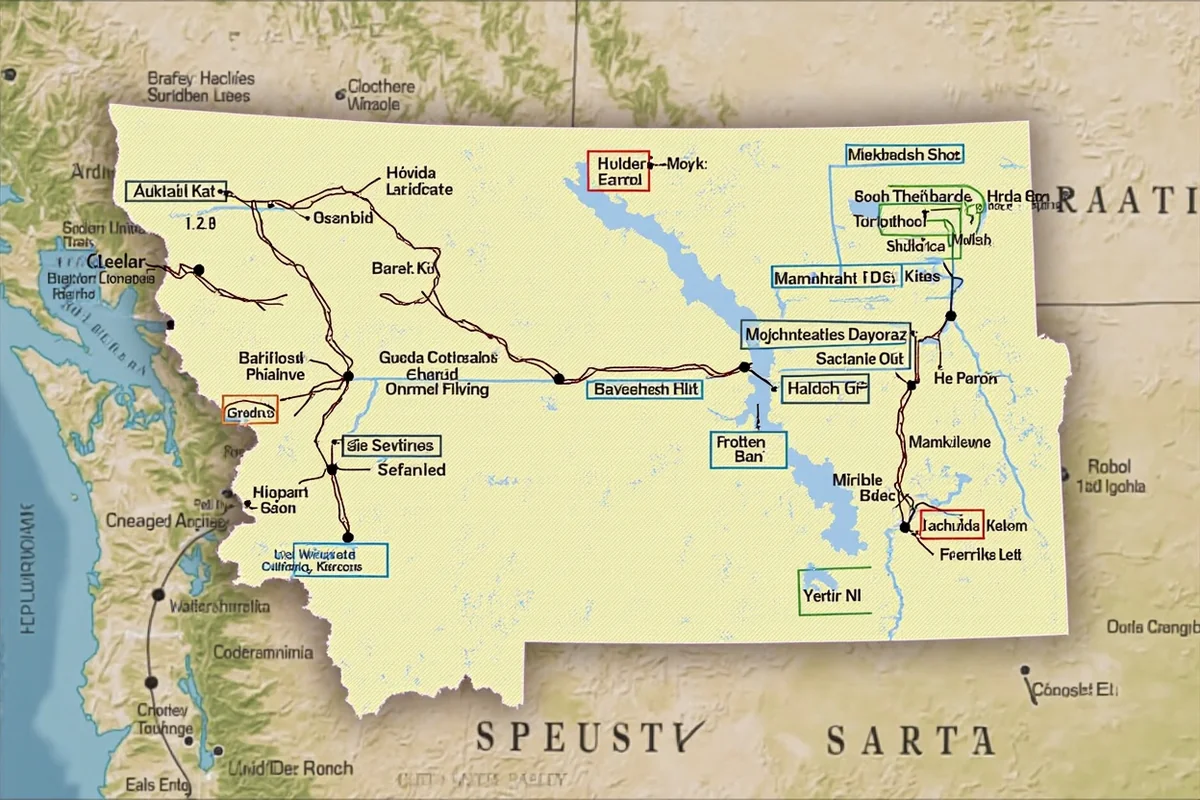
Day 1: Fly into Bozeman, drive to Livingston (25 minutes). Walk Main Street and photograph the church. Dinner at a local spot.
Day 2: Fish or observe on the Gallatin River. The access point at Williams Bridge is excellent. Evening drive through Paradise Valley.
Day 3: Visit the Boulder River south of Big Timber. This less-visited location offers the same beauty without crowds.
Five-Day Yellowstone TV Tour
Day 1: Arrive in Missoula. Explore downtown filming locations used for various scenes.
Day 2: Drive to Hamilton (45 minutes). Check into a local hotel and explore the Bitterroot Valley.
Day 3: Tour the Chief Joseph Ranch area (book ahead). Continue to Darby for lunch.
Day 4: Drive to Livingston via Highway 12. Stop at various scenic overlooks.
Day 5: Explore Park County locations before departing from Bozeman.
Where to Stay
For A River Runs Through It locations, Livingston offers the most character. The Murray Hotel downtown has hosted film crews since the 1970s and maintains an old-Hollywood atmosphere.
For Yellowstone locations, Hamilton provides the best base. I’ve stayed at several motels here and found them basic but clean—don’t expect luxury, but do expect friendly service.
If you’re comparing accommodation options across states, you might find the Montana versus Colorado comparison helpful, as both states offer significant film tourism opportunities.
What the Films Get Right (and Wrong) About Montana

The Authentic Details
Having spent considerable time with actual Montana ranchers, I can tell you that Yellowstone gets certain things remarkably right: the isolation, the land disputes, the generational attachment to property.
A River Runs Through It captures the near-religious devotion Montanans have to fly fishing. During my visits, I’ve met people who learned to cast specifically because of that film.
What Hollywood Exaggerates
Yellowstone dramatically overstates the frequency of violence in ranch country. While land disputes are real, most are settled in courtrooms, not gunfights.
The constant sunshine in most Montana films is also misleading. I’ve experienced weeks of gray skies, especially during spring and fall. The state’s natural resources include plenty of rain, snow, and wind that films often edit out.
Beyond the Screen: Experiencing Montana Like the Characters
Learn to Fly Fish
You can take lessons at several Bozeman-area shops. During my visit, a half-day introductory lesson cost around $300 including equipment. The instructors often discuss filming locations as you learn.
Work on a Cattle Ranch
Several ranches offer guest experiences ranging from day visits to week-long stays. While none of them are Yellowstone level dramatic, the daily rhythms—dawn starts, long hours on horseback, communal meals—capture what the show portrays.
Follow the Literary Trail
Many Montana films originated as books. Norman Maclean’s original novella reads differently after visiting the actual rivers. For readers, I recommend checking out the best books on Big Sky Country before your trip.
Upcoming Productions and Future Films
Montana’s film industry continues growing. The state film office regularly updates their production list, and several major productions are rumored for upcoming years.
The Yellowstone franchise has spawned spinoffs, some of which continue filming in Montana. Local sources suggest the state will remain central to Taylor Sheridan’s western universe for years to come.
There’s also growing interest in unique Montana locations that haven’t yet been captured on film—ghost towns, abandoned mines, and geological formations that could feature in future productions.
Respecting Film Locations and Local Communities
During my travels, I’ve learned that film tourism can be a double-edged sword for local communities. Some residents in Darby have expressed frustration with Yellowstone tourists who treat their town like a theme park.
A few guidelines I follow:
- Stay on public land and designated paths
- Don’t trespass on private ranches hoping for a glimpse
- Support local businesses, not just chain hotels
- Ask before photographing individuals or their property
- Remember that Montana residents have daily lives beyond your vacation
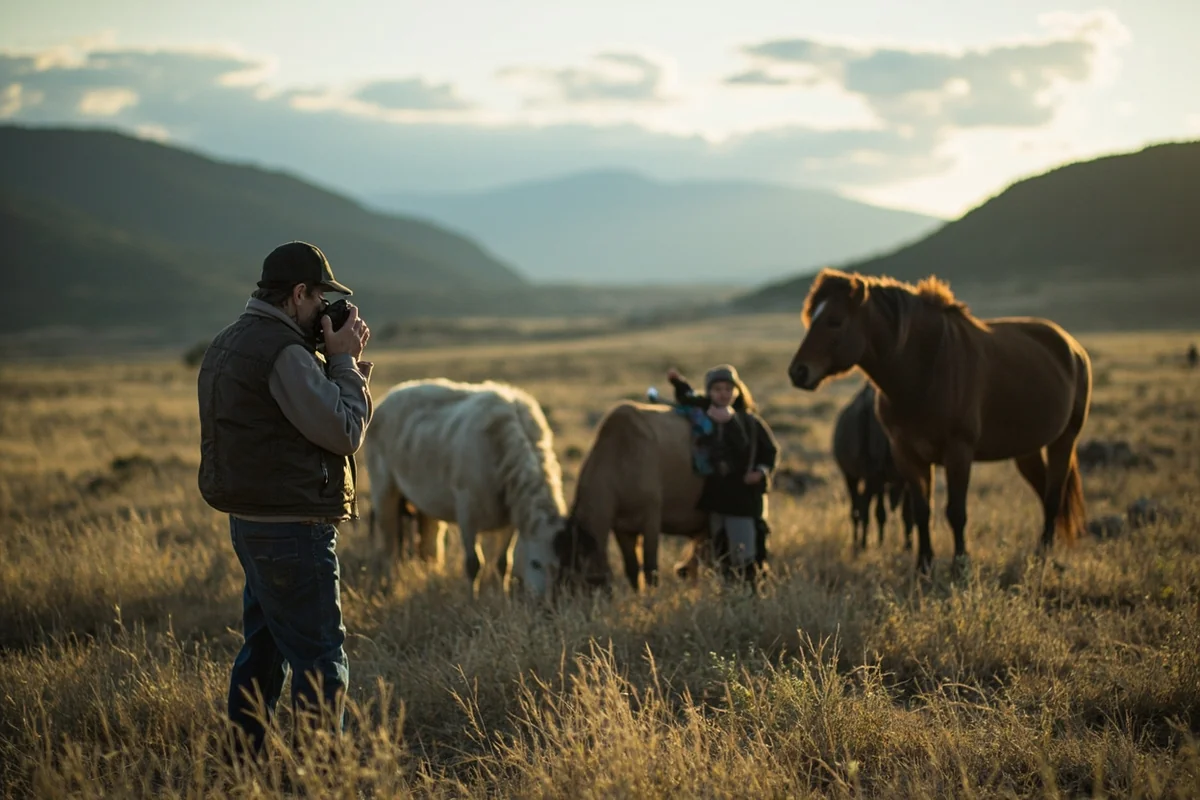
The things to know before visiting Montana include understanding that locals value their privacy and open spaces.
Comparing Montana to Other Film Destinations
Travelers often ask me how Montana’s film tourism compares to other western states. Having visited film locations in multiple states, here are my observations:
Montana offers more untouched landscapes than Utah or New Mexico, where film crews have worked so extensively that certain areas feel overfamiliar. The Montana versus Idaho comparison is interesting—Idaho has fewer major productions but similar scenery.
For pure wilderness filming locations, Montana versus Alaska becomes relevant. Alaska offers more extreme landscapes, but Montana provides accessibility that Alaska can’t match.
The Montana versus Oregon question often comes up regarding independent films. Oregon’s Portland scene produces more quirky productions, while Montana attracts bigger-budget westerns and dramas.
Quotes That Capture Montana on Film
The dialogue in Montana-set films often captures something true about the state’s character. Some of my favorite quotes about Montana come directly from these films.
Norman Maclean’s line about the Blackfoot River—”Eventually, all things merge into one, and a river runs through it”—has become almost sacred text for Montana visitors.
John Dutton’s observation in Yellowstone that “land is the only thing worth fighting for” resonates with many Montanans I’ve spoken with, even those who find the show’s violence excessive.
The Weird and Wonderful Side of Montana Film History
Not every Montana production is a prestige drama. The state has hosted its share of B-movies, oddball projects, and genuinely weird and unusual productions.
A 1950s science fiction film reportedly shot exteriors near Great Falls, using the flat prairie to simulate an alien landscape. Several low-budget horror films have used abandoned mining towns as settings.
These lesser-known productions often shot in areas that the major films ignored, making them interesting for travelers looking to escape the obvious locations.
Film Tourism’s Impact on Montana’s Future
The Montana state government has actively courted film production through tax incentives and infrastructure investment. The economic benefits are clear: productions bring jobs, spending, and ongoing tourism.
However, some Montanans worry about the “Hollywood-ization” of their communities. Real estate prices in certain areas have spiked as wealthy Yellowstone fans purchase property.
The tension between tourism revenue and community character is something I’ve observed throughout my travels here. It’s not unique to Montana—you see similar dynamics in North Dakota’s oil boom towns or South Dakota’s tourist-heavy Black Hills region.
Final Thoughts on Montana’s Cinematic Legacy
After years of exploring Montana’s film locations, I’ve concluded that the relationship between cinema and landscape here is genuinely symbiotic. The films haven’t exploited Montana—they’ve revealed it.
Standing on that Gallatin riverbank last summer, watching the fisherman cast into the same waters Brad Pitt made famous, I understood that film tourism at its best isn’t about celebrity worship. It’s about seeing familiar landscapes through new eyes.
Montana will continue attracting filmmakers because its landscapes remain unmatched. And travelers will continue following those films here because the reality genuinely exceeds what appears on screen.
That’s the rarest thing in tourism: a destination that delivers more than it promises.
Frequently Asked Questions
What famous movies were filmed in Montana’s Big Sky Country?
Montana has served as the backdrop for iconic films including A River Runs Through It, The Revenant, Legends of the Fall, and The Horse Whisperer. More recently, the hit TV series Yellowstone put Montana’s stunning landscapes back in the spotlight, filming extensively near Bozeman and throughout Paradise Valley.
Can I visit the Yellowstone TV series filming locations in Montana?
Yes, you can visit many Yellowstone filming locations on a Montana road trip. The Chief Joseph Ranch in Darby serves as the Dutton Ranch and offers limited public access, while downtown Livingston and areas around Bozeman are easily explorable. I recommend allocating 3-4 days to hit the major spots between Missoula and Bozeman.
What is the best time of year to visit Montana movie filming locations?
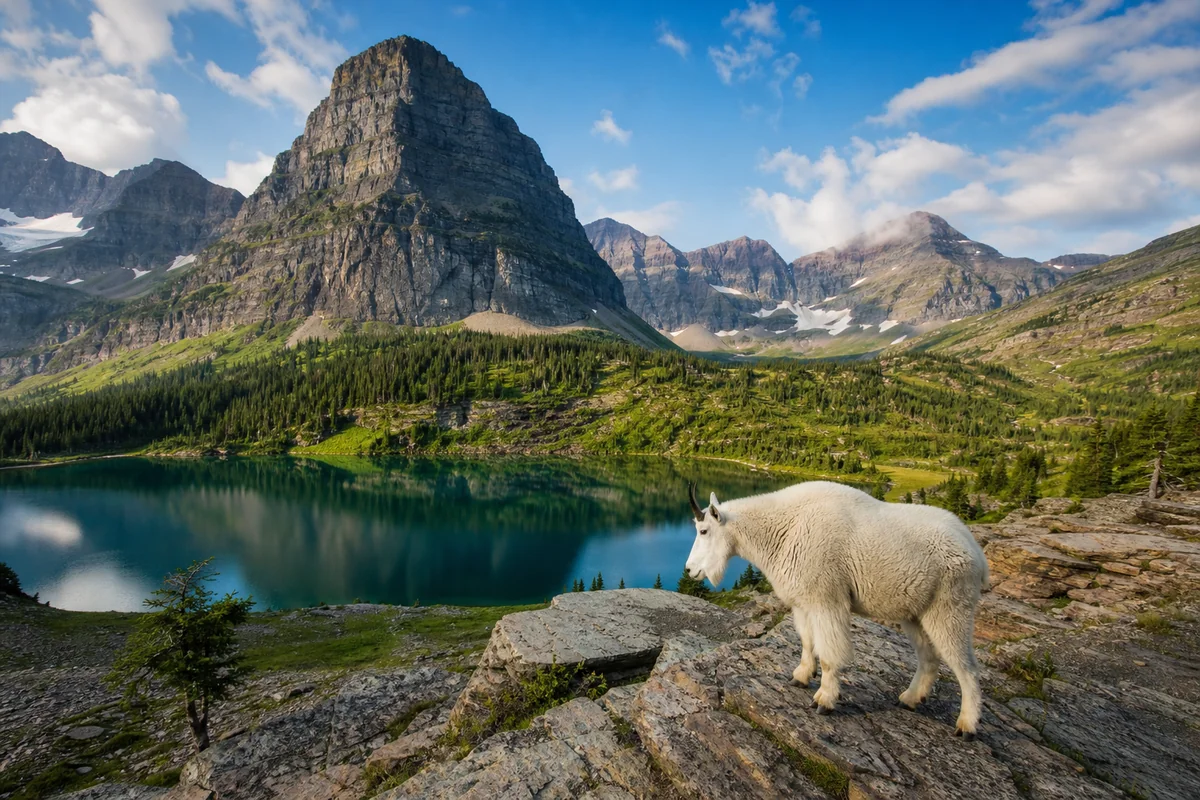
The best time to visit Montana’s iconic film sites is late May through September when roads are fully accessible and weather is mild. Summer temperatures average 70-85°F, perfect for exploring outdoor locations like Glacier National Park (featured in The Shining’s opening sequence) and the rivers from A River Runs Through It.
How much does a Montana movie location road trip cost?
Budget roughly $150-250 per day for a Montana film location road trip, covering mid-range lodging ($100-150/night), gas, meals, and activities. Towns like Livingston and Bozeman offer various accommodation options, and many filming locations like rivers and mountain vistas are free to visit. Peak summer rates run higher, so booking 2-3 months ahead saves money.
Where exactly was A River Runs Through It filmed in Montana?
A River Runs Through It was primarily filmed along the Gallatin River, Boulder River, and in Livingston, Montana—not Missoula where the story is set. You can fish these same waters with a Montana fishing license ($15 for a 2-day tourist permit) and experience the breathtaking scenery that made the 1992 film an instant classic.
What should I pack for visiting Montana’s Big Sky film locations?
Pack layers regardless of season since Montana mountain temperatures can swing 30-40 degrees in a single day. I always bring sturdy hiking boots, sunscreen, bear spray for backcountry areas, and a good camera for those dramatic landscapes. Don’t forget a Montana road map or download offline GPS maps, as cell service is spotty in remote filming locations.
How far apart are Montana’s major movie filming locations?
Montana’s film locations are spread across the state, so plan for significant driving distances. Bozeman to Livingston (Yellowstone locations) is just 25 miles, but reaching the Chief Joseph Ranch in Darby requires a scenic 170-mile drive west. Glacier National Park sits about 340 miles north of Bozeman, making a comprehensive film location tour a week-long adventure.