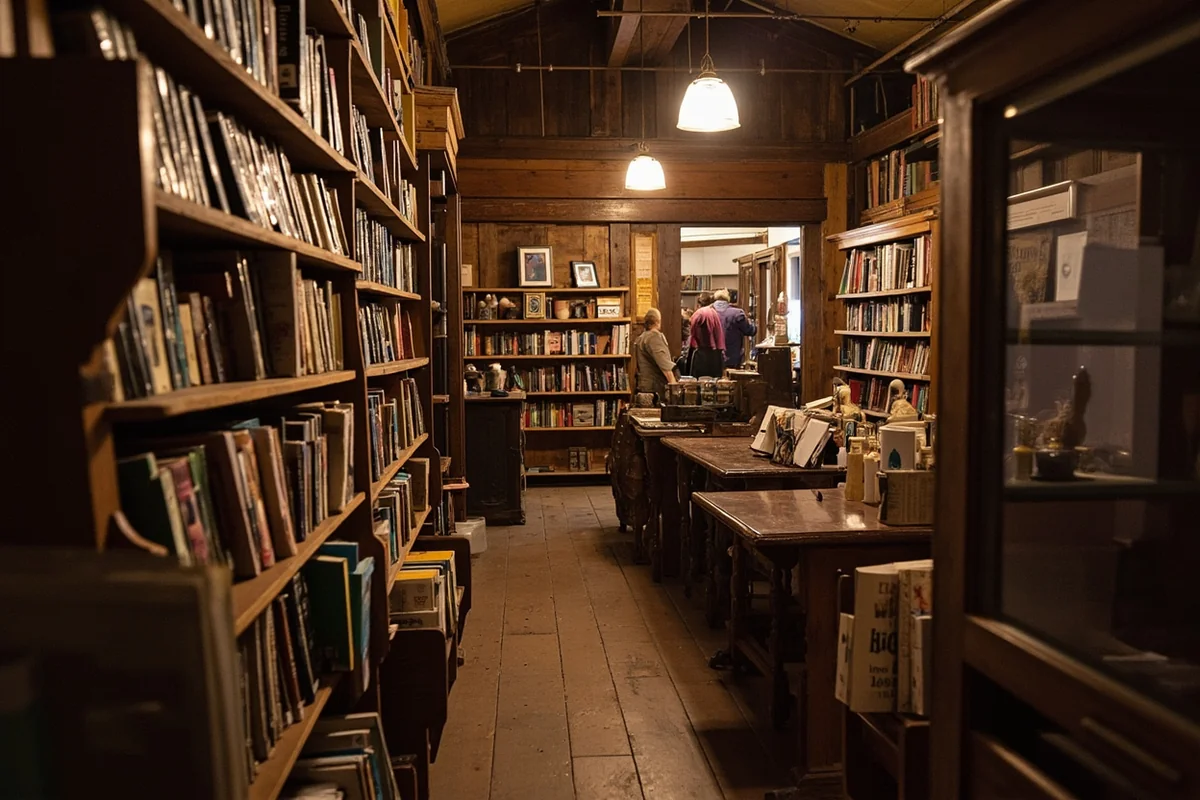
I was standing in the Elk River Books shop in Livingston last September, running my fingers across a first edition of Norman Maclean’s A River Runs Through It, when the owner told me something I’ll never forget: “More great American literature has been written within a hundred miles of this spot than almost anywhere else in the country.”
At first, I thought he was exaggerating—but after spending three years exploring About Montana through the lens of its literary heritage, I’ve come to believe he might have been understating it.
Montana has produced an astonishing concentration of literary talent—writers who’ve shaped how we understand the American West, wilderness, and the human condition.
From Nobel Prize nominees to Pulitzer winners, this rugged state has inspired prose that ranks among the finest in American letters. If you’re planning a trip to Montana, understanding its literary landscape will transform how you see every river, mountain, and small-town café.
- Montana has produced an extraordinary number of acclaimed American authors, including Norman Maclean, Ivan Doig, James Welch, and contemporary stars like Debra Magpie Earling
- Key literary destinations include Missoula (home to a legendary creative writing program), Livingston (where writers have gathered for decades), and the Blackfeet Reservation
- You can visit many locations that inspired famous novels—the Big Blackfoot River from A River Runs Through It, the Hi-Line country from Ivan Doig’s work, and the landscapes of Jim Harrison’s novellas
- Independent bookstores across Montana offer author events, signed editions, and deep local knowledge
- Many Montana authors wrote about landscapes you can still experience largely unchanged today
Liked this article?
Add Roaming Montana as a preferred source so you see more of our articles and guides on Google.
Why Montana Became a Literary Powerhouse
During my first extended trip through Montana in 2019, I kept asking writers and booksellers the same question: why here? The answers I received painted a picture of a place that attracts a certain kind of creative spirit.
The isolation matters. When I drove from Bozeman to Malta last summer—a journey of nearly 300 miles through the Hi-Line country—I passed maybe two dozen cars. That kind of solitude, that ability to hear your own thoughts without interruption, draws writers who need space to work.
But it’s more than just emptiness. Montana offers a landscape that demands engagement. When you’re writing about a place where grizzlies still roam and winter can kill you, your prose tends to cut close to the bone.
The University of Montana’s creative writing program in Missoula has also been instrumental. Founded in 1919 and transformed in the 1960s and 70s by writers like Richard Hugo, it became one of the most respected programs in the country.
I sat in on a public reading there during my visit, and the room was packed with aspiring writers, established authors, and regular townspeople who simply love good stories.
This is one of the key reasons Montana is best for travelers who love literature—the writing culture here isn’t confined to academic halls. It spills into bars, fishing lodges, and ranch houses.
Norman Maclean: The Voice of Montana Waters
No Montana author looms larger than Norman Maclean, whose A River Runs Through It has become almost synonymous with the state itself. I’ve read that slim volume at least a dozen times, and each time I return to Montana, its words seem to rise from the landscape.
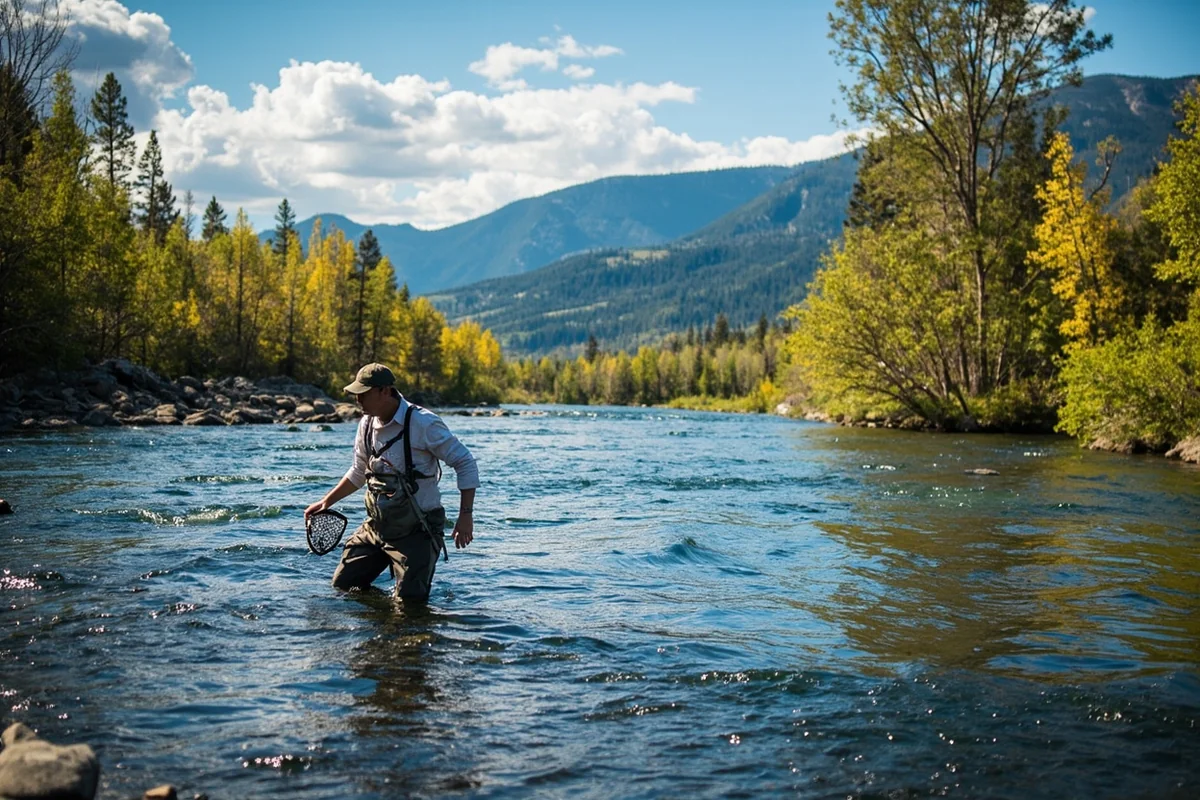
Maclean was born in Clarinda, Iowa, in 1902, but his family moved to Missoula when he was young. His father, a Presbyterian minister, taught him and his brother Paul to fly fish on the Big Blackfoot River—the same waters that would become the setting for one of the most beloved works of American literature.
When I floated a section of the Big Blackfoot last July, I understood why Maclean called it “the river we knew best.” The water runs clear over colored stones, and the canyon walls rise in layers of red and gray. It’s a river that demands you pay attention.
Here’s something many visitors don’t realize: Maclean didn’t publish A River Runs Through It until he was 73 years old. He’d spent his career as a literature professor at the University of Chicago, and only after retirement did he return to the stories of his Montana youth.
His second book, Young Men and Fire, about the 1949 Mann Gulch fire that killed thirteen smokejumpers, is in many ways the deeper work. I hiked to Mann Gulch on a hot August afternoon two years ago—it’s accessible by boat from the Missouri River—and standing where those young men died gave the book a weight that still stays with me.
Visiting Maclean Country
If you want to trace Maclean’s footsteps, start in Missoula. The Big Blackfoot River is about 20 miles east of town, and several outfitters offer float trips specifically designed around literary tourism.
The grave sites of Maclean’s family, including his father and brother Paul (whose troubled life and death form the heart of A River Runs Through It), are in the Missoula Cemetery. I found them on a quiet morning, simple markers in a city that has grown far beyond what the Maclean family knew.
| Norman Maclean Site | Location | Best Time to Visit |
|---|---|---|
| Big Blackfoot River | East of Missoula, Highway 200 | June-September for fishing/floating |
| Mann Gulch | Gates of the Mountains, Helena | July-August (boat access only) |
| Missoula Cemetery | Missoula, Montana | Year-round |
Ivan Doig: Chronicler of the Hi-Line
If Maclean gave us western Montana’s rivers, Ivan Doig gave us the vast, wind-scoured Hi-Line—the string of small towns along Highway 2 that stretches across the state’s northern tier.
I spent a week driving the Hi-Line last October, from Havre to Malta to Glasgow, and I brought Doig’s This House of Sky with me. It’s a memoir of his childhood in the 1940s and 50s, after his mother died when he was six and his father took work as a ranch hand and herder across this harsh landscape.
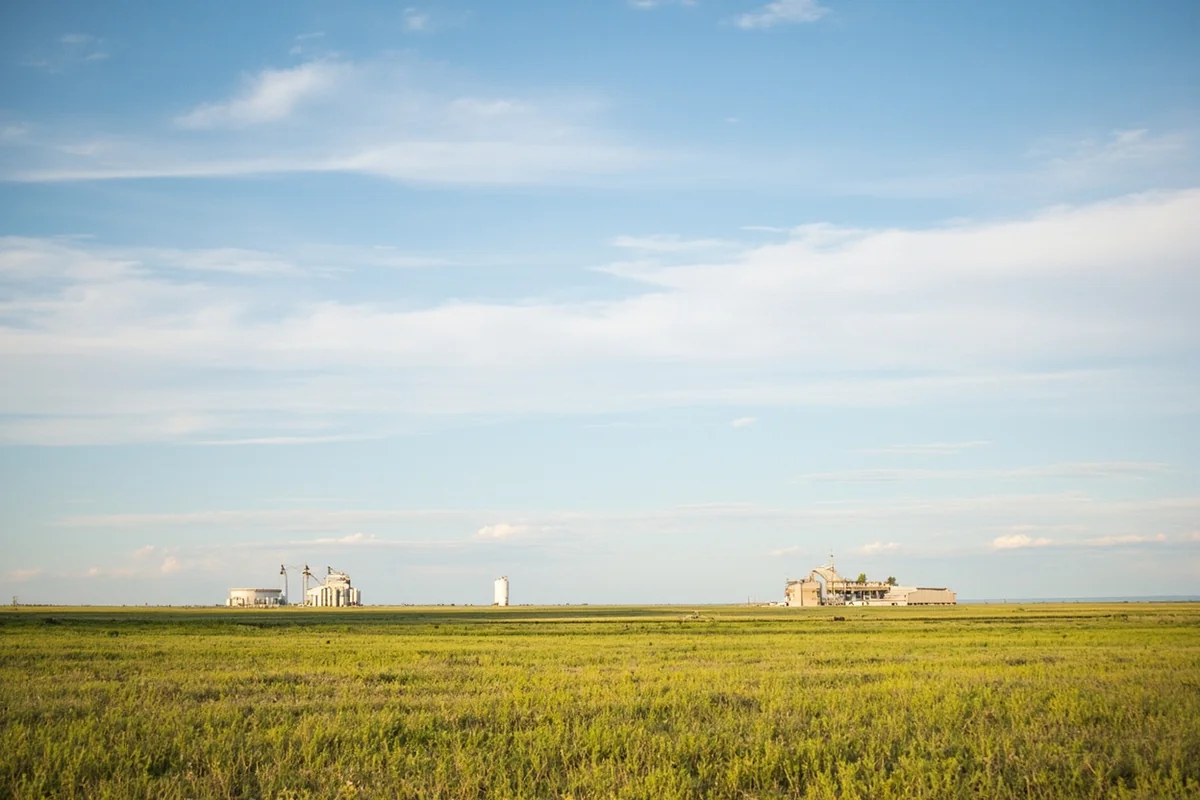
What struck me most was how little has changed. The towns Doig describes—Dupuyer, Valier, White Sulphur Springs—still have that spare, weathered quality. The bars still serve the same purpose, as gathering places against the isolation.
Doig wrote sixteen books before his death in 2015, and nearly all of them are set in Montana. His “Montana Trilogy”—English Creek, Dancing at the Rascal Fair, and Ride with Me, Mariah Montana—traces the history of two fictional families through more than a century of Montana life.
On my Hi-Line trip, I stopped at the Havre Beneath the Streets tour, which takes you through the underground businesses that served the town in the early 1900s. It’s the kind of hardscrabble history Doig understood perfectly—people finding ways to survive in a demanding place.
If you’re building a reading list before your trip, check out our guide to the best books on Big Sky Country. Doig’s work belongs on every Montana traveler’s shelf.
James Welch: Native Voice of Montana
James Welch’s work hit me like a punch when I first read Winter in the Blood during a February stay in Browning, on the Blackfeet Reservation. Welch, who was Blackfeet and Gros Ventre, wrote about Native life in Montana with an unflinching honesty that few writers before him had attempted.
Born in Browning in 1940, Welch studied at the University of Montana with Richard Hugo, who encouraged him to pursue poetry. But it was his novels particularly Winter in the Blood, The Death of Jim Loney, and Fools Crow that established him as one of the most important Native American writers of the twentieth century.
Fools Crow, which I consider his masterpiece, is set among the Blackfeet in the 1870s, during the catastrophic years when smallpox and white encroachment were destroying their way of life.
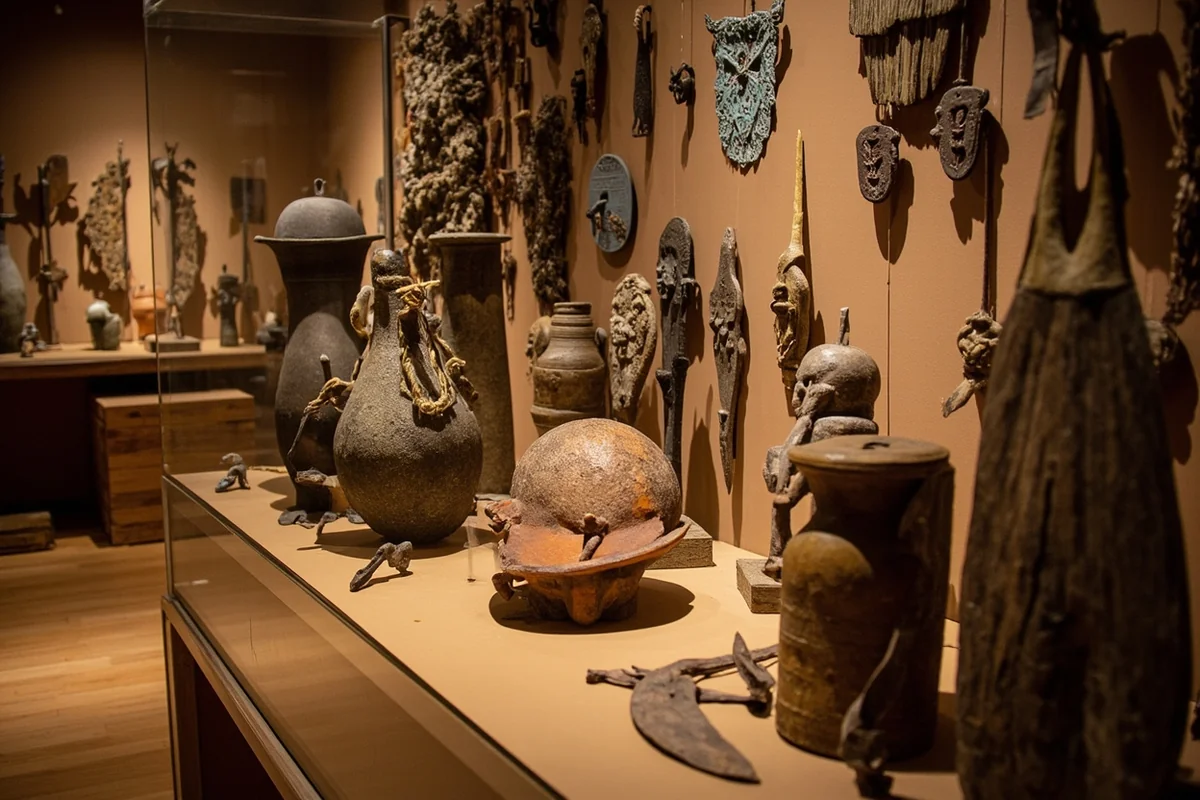
I read it during a visit to the Museum of the Plains Indian in Browning, and the landscape outside the windows—the same prairie and mountains the Blackfeet had known for centuries—made the book feel less like historical fiction and more like prophecy.
Experiencing Welch’s Montana
To understand Welch’s work, you need to spend time on the Hi-Line and the Blackfeet Reservation. The town of Havre, which appears in several of his novels, still has the railroad bars and agricultural bustle he describes.
The Blackfeet Reservation, which borders Glacier National Park on the east, is one of the beautiful places in Montana that most visitors never see. The plains roll toward the mountains in a way that feels endless, and the light at dawn and dusk has a quality I’ve never seen anywhere else.
When I visited in winter—truly Welch’s season—the reservation was blanketed in snow, and the cold was brutal. But I understood then why Welch wrote about this landscape with such intensity. It demands everything from the people who live there.
Richard Hugo: Poet of Abandoned Towns
Richard Hugo might be Montana’s greatest poet, and he was certainly its most influential writing teacher. As director of the University of Montana’s creative writing program from 1964 until his death in 1982, he trained a generation of writers who went on to shape American letters.
Hugo’s poems are love letters to dying towns—places like Philipsburg, Dixon, and Milltown that were losing population and hope even as he wrote about them. When I visited Philipsburg (which has since experienced something of a renaissance, thanks to tourism and a famous candy shop), I carried Hugo’s poem “Degrees of Gray in Philipsburg” with me.
“You might come here Sunday on a whim,” the poem begins. “Say your life broke down. The last good kiss / you had was years ago.”
That’s Hugo in a nutshell—he found beauty and meaning in places most people drove past without stopping. His influence on Montana writing is impossible to overstate.
The Livingston Literary Scene
About 25 miles east of Bozeman, the small town of Livingston has been a magnet for writers since the 1970s. During my visits over the past few years, I’ve come to think of it as Montana’s unofficial literary capital.
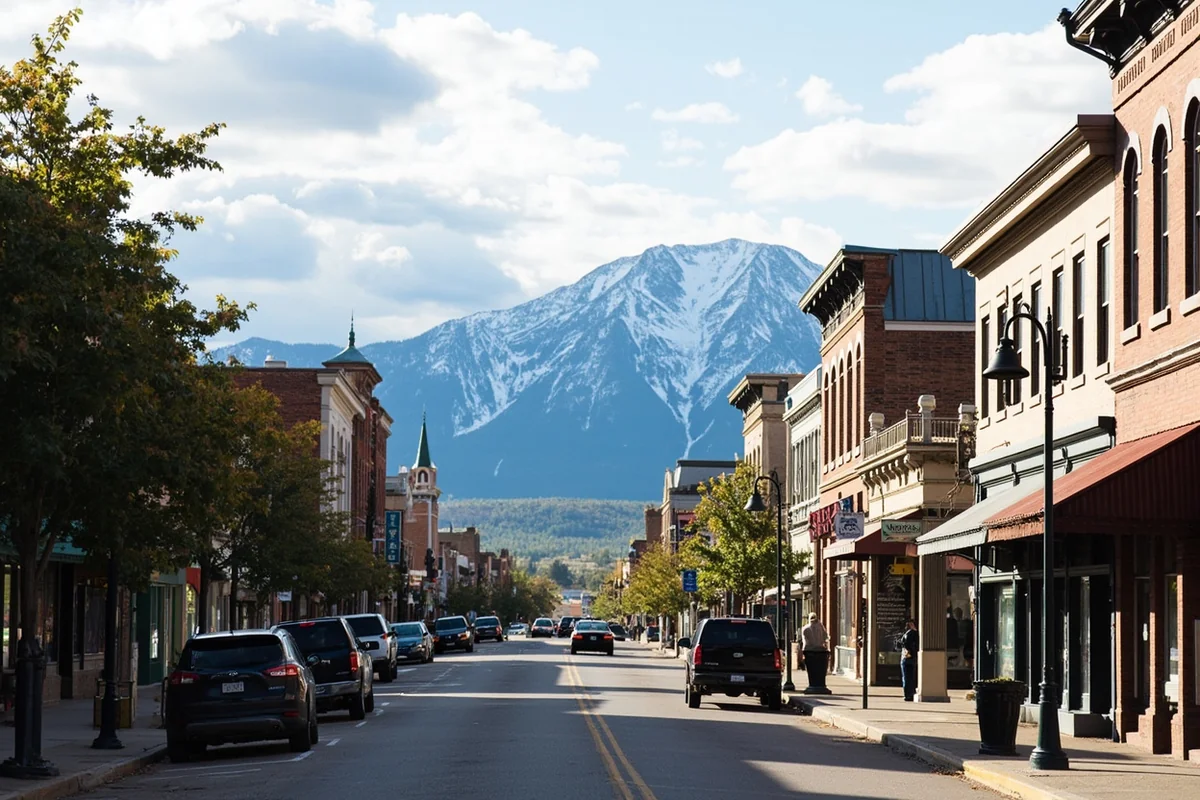
The list of writers who’ve lived here reads like a who’s who of American letters: Jim Harrison, Thomas McGuane, Tim Cahill, Doug Peacock, and many others. Harrison and McGuane arrived in the early 1970s, drawn by the trout fishing and the cheap real estate.
On a recent trip, I had dinner at the Murray Hotel—the same hotel where everyone from Buffalo Bill to Walter Hill has stayed—and the conversation at the bar inevitably turned to books. A retired schoolteacher told me she’d once served Jim Harrison coffee at a local café without realizing who he was until weeks later.
That’s the thing about Livingston: the literary heritage is woven into daily life. It’s not a museum or a theme park. It’s a living tradition.
Elk River Books
I mentioned Elk River Books at the start of this article, and I need to return to it because it’s one of the finest independent bookstores I’ve visited anywhere in the country.
Founded by poet Allen Jones and housed in a beautiful old building on Main Street, the store specializes in Montana and Western literature. I’ve spent hours there, browsing signed first editions and chatting with the staff about which writers are worth reading.
If you’re interested in Montana’s literary heritage, this is your first stop in Livingston.
Contemporary Montana Authors
Montana’s literary tradition continues with contemporary writers who are doing some of the most exciting work in American literature today.
Debra Magpie Earling
Earling, who is Salish, teaches at the University of Montana and is the author of Perma Red, a novel set on the Flathead Reservation in the 1940s. I read it during a stay near St. Ignatius last spring, and the landscape she describes—the Mission Mountains rising from the valley floor—was right outside my window.
Her work continues the tradition James Welch established, giving voice to Native experiences in Montana that mainstream literature long ignored.
Pete Fromm
Fromm’s memoir Indian Creek Chronicles, about a winter he spent alone in the Idaho wilderness watching over salmon eggs, has become a cult classic among outdoor literature fans. Though the book is set in Idaho, Fromm lives in Montana and much of his fiction explores the state.
I met him briefly at a reading in Missoula two years ago, and his warmth and humor came through even in a quick conversation.
Maile Meloy
Meloy grew up in Helena and has set much of her fiction in Montana, including the novel Liars and Saints and the story collection Both Ways Is the Only Way I Want It. Her Montana stories capture the state’s contemporary reality—not just wilderness and ranching, but also suburban development, economic anxiety, and changing demographics.
Literary Destinations Across Montana
For travelers who want to combine Montana’s stunning landscapes with its literary heritage, here are my top recommendations based on three years of exploration.
Missoula
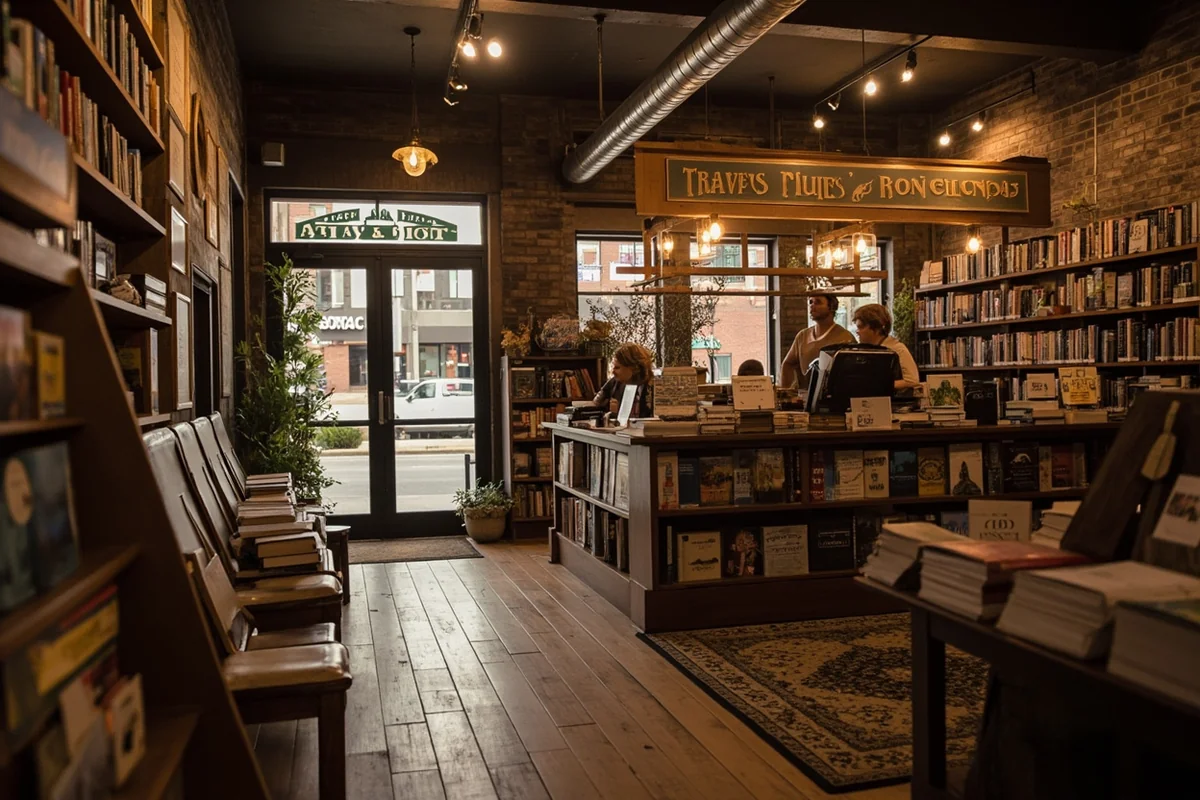
The heart of Montana’s literary scene. The University of Montana’s Mansfield Library has extensive collections related to local authors, and the campus itself is beautiful—I love walking along the Clark Fork River in early morning.
Fact & Fiction bookstore downtown is another essential stop. They host regular author events and have an excellent selection of Montana literature.
Bozeman
Though Bozeman is better known for outdoor recreation, it has a thriving literary culture. Country Bookshelf, Montana’s largest independent bookstore, hosts an impressive author series.
The town has also become a hub for creative professionals, including many writers attracted by the quality of life and access to wild country.
Helena
Montana’s capital has literary connections that many visitors miss. The Montana Historical Society maintains archives related to the state’s cultural history, including literary materials.
I also recommend the ghost town of Marysville, about 20 miles northwest of Helena. It appears in several Montana novels and poems, and walking its quiet streets feels like stepping into a Richard Hugo poem.
The Hi-Line Towns
For Ivan Doig fans, a drive along Highway 2 is essential. Stop in Havre, Malta, and Glasgow. These aren’t tourist towns—they’re working communities where the winters are long and the people are resilient.
The Havre Beneath the Streets tour I mentioned earlier is genuinely fascinating, and the Great Plains Dinosaur Museum in Malta is world-class.
Reading Your Way Into Montana
Before any Montana trip, I recommend building a reading list that includes works set in the specific regions you’ll visit. Here’s my approach, refined over multiple trips.
If you’re heading to western Montana and Glacier National Park, start with Norman Maclean and Richard Hugo. Their work captures the river valleys and small towns of that region perfectly.
For the Hi-Line and eastern Montana, Ivan Doig is essential. His memoir This House of Sky is the perfect introduction, followed by his novels.
For the Blackfeet Reservation and the country around Glacier’s east side, James Welch’s Fools Crow and Winter in the Blood will deepen your understanding immeasurably.
And for Livingston and the Paradise Valley, Jim Harrison’s novellas Legends of the Fall, The Man Who Gave Up His Name, and Revenge capture the ranching landscape and the particular light of that region.
Speaking of famous Montanans, our guide to famous people from Montana covers not just authors but also actors, artists, and political figures who’ve shaped the state’s culture.
Montana Literature and Film
Several Montana novels have been adapted for film, and visiting the locations adds another layer to the experience.
Robert Redford’s 1992 adaptation of A River Runs Through It was filmed primarily on the Gallatin River near Bozeman, though the novel is set on the Big Blackfoot. Both rivers are worth visiting.
Legends of the Fall, based on Jim Harrison’s novella, was filmed in Alberta but set in Montana’s Paradise Valley. The valley itself—running from Livingston south toward Yellowstone—is even more stunning than the movie suggests.
Our comprehensive guide to movies filmed in Big Sky Country covers both literary adaptations and original screenplays.
Practical Tips for Literary Travelers
Based on my experiences, here are some practical suggestions for travelers interested in Montana’s literary heritage.
Timing Your Visit
The Montana Festival of the Book, held annually in Missoula each September, brings together writers, readers, and publishers for a long weekend of readings, panels, and discussions. I attended two years ago and found it remarkably accessible—unlike some literary festivals, this one feels welcoming to casual readers, not just industry insiders.
Author events happen year-round at bookstores across the state, but they’re most frequent in fall and winter, when writers tend to be touring new releases.
Combining Literary and Outdoor Experiences
Montana offers the rare opportunity to read a book and then immediately experience the landscape it describes. I’ve floated the Big Blackfoot with Maclean’s words in my head. I’ve hiked to Mann Gulch thinking about those smokejumpers. I’ve driven the Hi-Line with Doig’s prose as my companion.
This combination of literature and landscape is one of the unique ways Montana stands out among American travel destinations.
Independent Bookstores
Montana’s independent bookstores are treasures. Beyond the ones I’ve mentioned, check out The Bookstore in Dillon, Wheatgrass Books in Lewistown, and Books & Books in Helena.
These stores often carry hard-to-find editions and local publications that Amazon doesn’t stock. The staff know Montana literature deeply and can make recommendations tailored to your interests.
The Landscape That Shapes the Words
After three years of exploring Montana through its literature, I’ve come to understand something important: the landscape isn’t just a backdrop for these writers. It’s a character, a force, sometimes an antagonist.
When Maclean writes about the rhythm of fly casting, he’s describing a physical relationship with the river. When Doig writes about winter on the Hi-Line, he’s documenting a struggle for survival that shaped generations. When Welch writes about the Blackfeet homeland, he’s asserting a claim that goes back millennia.
This is why reading these authors before or during your Montana trip matters. You’re not just learning about the state—you’re gaining access to a deeper way of seeing.
Compare this literary tradition to other Western states. Our comparison of Montana vs Wyoming touches on cultural differences, and while Wyoming has produced fine writers, Montana’s literary concentration is exceptional.
The same holds true when you look at Montana vs Colorado or Montana vs Oregon. Each state has its literary traditions, but Montana’s community of writers—past and present—stands apart.
Preserving Montana’s Stories
One thing I’ve noticed on my travels is how seriously Montanans take their literary heritage. The state has invested in preserving the stories and landscapes that inspired them.
The Montana Committee for the Humanities sponsors programs that bring literature to communities across the state. The Missoula Writing Collaborative works with young people to develop their voices. And individual communities have honored their literary connections in ways both formal and informal.
Understanding Montana’s relationship to storytelling helps explain many of the things Montana is known for—the fierce independence, the connection to land, the suspicion of outside interference.
It also illuminates some of the weird and unusual things in Montana. When you read these authors, the state’s quirks start to make sense as expressions of a particular worldview.
What I’ve Learned
Standing in that Livingston bookstore, holding a first edition of A River Runs Through It, I was holding more than a book. I was holding a particular way of seeing Montana—one that had shaped how I understood every river I’d floated, every town I’d visited, every conversation I’d had.
Montana’s authors haven’t just documented the state. They’ve helped create it. The way Montanans think about themselves, their land, and their place in the American story has been shaped by these writers.
For travelers, this means something practical: reading Montana literature before your trip will make the trip better. Not just richer or more informed—actually better. You’ll see things you would have missed. You’ll understand conversations you would have found puzzling. You’ll connect with a place that can seem impenetrable to outsiders.
Many people compare Big Sky Country to other wilderness destinations. If you’re weighing options, our guides comparing Montana vs Alaska, Montana vs Idaho, Montana vs North Dakota, and Montana vs South Dakota can help you decide. But if literature matters to you, Montana’s legacy is hard to match.
When travelers ask me what’s special about Montana—why they should visit here instead of somewhere else—I often point to the literature. This is a place that has inspired some of the greatest American writing of the past century. And unlike many literary pilgrimage sites, the landscape that inspired these works remains largely unchanged.
The rivers still run clear. The Hi-Line is still austere and demanding. The Blackfeet homeland still stretches toward mountains that dwarf everything human.
You can stand where Norman Maclean stood, seeing what he saw. You can drive the roads Ivan Doig drove. You can experience the country James Welch fought to preserve in words.
That’s rare. That’s precious. And that’s why Montana’s literary heritage belongs on every thoughtful traveler’s itinerary.
If you’re considering a permanent move, our guide on things to know before moving to Montana covers practical considerations, including the cultural landscape shaped by these writers.
And for more inspiration, browse our collection of quotes about Montana—many from the authors discussed here. Their words capture something essential about Big Sky Country that photographs alone cannot convey.
Start with the books. Then come see for yourself.
Montana’s natural resources have sustained its people for millennia, and the state’s government continues to grapple with balancing development and preservation. Understanding Montana through its authors gives you context for these contemporary debates—and makes you a more thoughtful visitor.
Frequently Asked Questions
Which famous authors lived in Montana and can I visit their homes?
Montana has been home to literary giants including Norman Maclean, Ivan Doig, and James Welch. You can visit the Maclean family cabin near Seeley Lake and explore Missoula, where many authors have lived and worked. I’d recommend stopping by Shakespeare & Company bookstore in Missoula to pick up local authors’ works before exploring the landscapes that inspired them.
Where was A River Runs Through It set and can I fly fish there?
Norman Maclean’s beloved novella was set along the Blackfoot River near Missoula, Montana, and yes, you can absolutely fly fish there today. The river offers excellent trout fishing from late June through September, with guided half-day trips starting around $350-450. I’d suggest booking a guide familiar with the ‘Maclean stretch’ of river for the most authentic literary experience.
What is the best time to visit Montana to experience the landscapes described by Montana authors?
Late June through early September offers the best weather for exploring the Big Sky Country that inspired writers like Ivan Doig and Norman Maclean. Summer temperatures range from 70-85°F, perfect for hiking the Rocky Mountain Front featured in Doig’s ‘This House of Sky.’ Fall visits in September-October capture the golden cottonwood scenes common in Montana literature.
Are there literary festivals or author events worth attending in Montana?
The Montana Book Festival in Missoula each September is the state’s premier literary event, featuring readings, workshops, and author meetups over three days. The Montana Festival of the Book and various library events throughout Bozeman and Helena also celebrate regional authors. Most events are free or under $25, making them budget-friendly additions to your trip.
How far is it between major Montana literary landmarks and how should I plan my route?
A Montana literary road trip covers roughly 350 miles from Missoula (Norman Maclean country) to the Hi-Line region near Havre (Ivan Doig territory). I’d recommend at least 4-5 days to properly explore, with overnight stops in Great Falls and Choteau. The Rocky Mountain Front drive along Highway 89 takes about 2 hours but deserves a full day for the scenery that shaped so many Montana stories.
What books should I read before visiting Montana to enhance my trip?
Start with Norman Maclean’s ‘A River Runs Through It’ for the western Montana experience, then read Ivan Doig’s ‘This House of Sky’ before visiting the Hi-Line region. James Welch’s ‘Fools Crow’ provides essential context for visiting Blackfeet Nation lands near Glacier National Park. I always recommend reading these books while actually in Montana—the landscapes make so much more sense when you’re surrounded by them.
Can I visit Native American heritage sites connected to Montana Indigenous authors?
Yes, the Blackfeet Reservation near Browning offers cultural experiences that connect to James Welch’s powerful novels about Indigenous life in Montana. The Museum of the Plains Indian ($7 admission) provides excellent context, and guided tours of the reservation can be arranged through local operators for $75-150. I’d recommend spending at least one full day here to respectfully learn about the stories and history that shaped Native Montana literature.
Sources:
- The lessons on storytelling that William Kittredge taught – High Country News, accessed on December 11, 2025, https://www.hcn.org/issues/53-2/ideas-essays-the-lessons-on-storytelling-that-william-kittredge-taught/
- Last Best Place Montana by Kittredge William, First Edition – AbeBooks, accessed on December 11, 2025, https://www.abebooks.com/book-search/title/last-best-place-montana/author/kittredge-william/first-edition/
- The Last Best Place – Wikipedia, accessed on December 11, 2025, https://en.wikipedia.org/wiki/The_Last_Best_Place
- Creative Writing – University of Montana, accessed on December 11, 2025, https://www.umt.edu/creative-writing/people/
- Ivan Doig – Center for the Study of the Pacific Northwest, accessed on December 11, 2025, https://www.washington.edu/uwired/outreach/cspn/Website/Classroom%20Materials/Reading%20the%20Region/Northwest%20Schools%20of%20Literature/Commentary/10.html
- Walter Kirn on How America Lost the Plot – Palladium Magazine, accessed on December 11, 2025, https://www.palladiummag.com/2023/07/25/walter-kirn-on-how-america-lost-the-plot/
- This Montana Town Is Home to More Writers Than Any Other City in America – Livability.com, accessed on December 11, 2025, https://livability.com/mt/love-where-you-live/this-montana-town-is-home-to-more-writers-than-any-other-city-in-america/
- Creative Writing at UM | University of Montana, accessed on December 11, 2025, https://www.umt.edu/creative-writing/
- Writers – Authors, Poets and Journalists – University of Montana, accessed on December 11, 2025, https://www.umt.edu/library/imx/pdf/journalists_and_writers_collection_list.pdf
- Fifty Years after The Big Sky: New Perspectives on the Fiction and Films of A.B. Guthrie Jr., accessed on December 11, 2025, https://mtprof.msun.edu/Fall2002/EdgRev.html
- Top 10 Montana Books, accessed on December 11, 2025, https://bozemanmagazine.com/articles/2025/02/01/123134-top-10-montana-books
- Under the BIg Sky: A Biography of A.B. Guthrie, Jr. – WHISTLESTOP BOOKSHOP, accessed on December 11, 2025, https://www.whistlestoppers.com/westerns/under-the-big-sky-a-biography-of-ab-guthrie-jr
- The Big Sky (novel) – Wikipedia, accessed on December 11, 2025, https://en.wikipedia.org/wiki/The_Big_Sky_(novel)
- The Big Sky by A.B. Guthrie Jr. – Goodreads, accessed on December 11, 2025, https://www.goodreads.com/book/show/7893297
- Dorothy Marie Johsnon (1905-1984): – Montana Historical Society, accessed on December 11, 2025, https://mhs.mt.gov/education/montanans/djohnson.pdf
- Dorothy M. Johnson – Wikipedia, accessed on December 11, 2025, https://en.wikipedia.org/wiki/Dorothy_M._Johnson
- Dorothy M. Johnson – Montana History Portal, accessed on December 11, 2025, https://www.mtmemory.org/nodes/view/114454
- Norman Maclean reads from and discusses his book “A River Runs Through It”, accessed on December 11, 2025, https://studsterkel.wfmt.com/programs/norman-maclean-reads-and-discusses-his-book-river-runs-through-it
- A River Runs Through It: Exploring Literary Masterpiece – Rare Biblio, accessed on December 11, 2025, https://rarebiblio.com/blog/a-river-runs-through-it-exploring-norman-macleans-literary-masterpiece
- A River Runs Through It: The Tragic Vision of Norman Maclean | Church Life Journal, accessed on December 11, 2025, https://churchlifejournal.nd.edu/articles/a-river-runs-through-it-the-tragic-vision-of-norman-maclean/
- Hole in the Sky: A Tribute to William Kittredge – Terrain.org, accessed on December 11, 2025, https://www.terrain.org/2020/currents/hole-in-the-sky/
- Richard Hugo | The Poetry Foundation, accessed on December 11, 2025, https://www.poetryfoundation.org/poets/richard-hugo
- Hugo, Richard (1923-1982) – HistoryLink.org, accessed on December 11, 2025, https://www.historylink.org/File/5082
- About Richard Hugo | Academy of American Poets, accessed on December 11, 2025, https://poets.org/poet/richard-hugo
- Online Exclusive: A Conversation with William Kittredge – Willow Springs Magazine, accessed on December 11, 2025, https://inside.ewu.edu/willowspringsmagazine/online-exclusive-a-conversation-with-william-kittredge/
- William Kittredge: Western Storyteller – Big Sky Journal, accessed on December 11, 2025, https://bigskyjournal.com/william-kittredge-western-storyteller/
- Winter in the Blood – Wikipedia, accessed on December 11, 2025, https://en.wikipedia.org/wiki/Winter_in_the_Blood
- on James Welch – ScholarWorks at University of Montana, accessed on December 11, 2025, https://scholarworks.umt.edu/cgi/viewcontent.cgi?article=1161&context=cutbank
- Winter in the Blood by James Welch – Reading Guide: 9780143105220 – PenguinRandomHouse.com: Books, accessed on December 11, 2025, https://www.penguinrandomhouse.com/books/302449/winter-in-the-blood-by-james-welch/9780143105220/readers-guide/
- Middle-Class Cosmic Mechanic: An Interview with Ivan Doig – Terrain.org, accessed on December 11, 2025, https://www.terrain.org/2015/interviews/ivan-doig/
- About Ivan Doig and his Writings, accessed on December 11, 2025, https://ivandoig.montana.edu/about/index.html
- This House of Sky: Ringling – Humanities Montana, accessed on December 11, 2025, https://www.humanitiesmontana.org/book-location/this-house-of-sky-ringling/
- This House of Sky: Landscapes of a Western Mind by Ivan Doig | Goodreads, accessed on December 11, 2025, https://www.goodreads.com/book/show/576379.This_House_of_Sky
- accessed on December 11, 2025, https://www.thriftbooks.com/w/the-montana-trilogy-boxed-set-english-creek-dancing-at-the-rascal-fair-and-ride-with-me-mariah-montana_ivan-doig/10780956/#:~:text=Book%20Overview&text=Here%20is%20the%20real%20Montana,hem%20of%20the%20northern%20Rockies.
- Quotes by Ivan Doig (Author of The Whistling Season) – Goodreads, accessed on December 11, 2025, https://www.goodreads.com/author/quotes/70540.Ivan_Doig
- All But the Waltz: A Memoir of Five Generations in the Life of a Montana Family by Mary Clearman Blew, Paperback | Barnes & Noble®, accessed on December 11, 2025, https://www.barnesandnoble.com/w/all-but-the-waltz-mary-clearman-blew/1103816859
- All But the Waltz: Essays on a Montana Family by Mary Clearman Blew (review) – Project MUSE, accessed on December 11, 2025, https://muse.jhu.edu/article/532486/summary
- From the Bookshelf: UM Author Mary Clearman Blew | University of Montana, accessed on December 11, 2025, https://www.grizalum.org/communications/news-and-stories/bookshelfblew.php
- Breaking Clean by Judy Blunt – Reading Guide: 9780375701306 – PenguinRandomHouse.com: Books, accessed on December 11, 2025, https://www.penguinrandomhouse.com/books/15208/breaking-clean-by-judy-blunt/readers-guide/
- Breaking Clean by Judy Blunt | Excerpt | ReadingGroupGuides.com, accessed on December 11, 2025, https://www.readinggroupguides.com/reviews/breaking-clean/excerpt
- Judy Blunt makes clean break from isolated Montana ranch – Chron, accessed on December 11, 2025, https://www.chron.com/life/article/judy-blunt-makes-clean-break-from-isolated-2092967.php
- Breaking Clean: Original Blunt Homestead | Humanities Montana, accessed on December 11, 2025, https://www.humanitiesmontana.org/book-location/breaking-clean-original-blunt-homestead/
- Indian Creek Chronicles: A Winter in the Bitterroot Wilderness by Pete Fromm | eBook, accessed on December 11, 2025, https://www.barnesandnoble.com/w/indian-creek-chronicles-pete-fromm/1111639241
- Indian Creek Chronicles A Winter Alone in the Wilderness | Powell’s Books, accessed on December 11, 2025, https://www.powells.com/book/indian-creek-chronicles-a-winter-alone-in-the-wilderness-9780312422721
- Indian Creek Chronicles: A Winter in the Bitterroot Wilderness – Publishers Weekly, accessed on December 11, 2025, https://www.publishersweekly.com/9781558212053
- BHA Podcast & Blast, Ep. 39: Tom McGuane, Legendary Writer and Outdoorsman – Backcountry Hunters & Anglers, accessed on December 11, 2025, https://www.backcountryhunters.org/news/details/bha-podcast-amp-blast-ep-39-tom-mcguane-legendary-writer-and-outdoorsman
- Walking the Walk | Outside Bozeman, accessed on December 11, 2025, https://outsidebozeman.com/culture/people/walking-the-walk
- Connoisseur of Foolishness – DRB – Dublin Review of Books, accessed on December 11, 2025, https://drb.ie/articles/connoisseur-of-foolishness/
- Thomas McGuane’s Cloudbursts and The Longest Silence – Terrain.org, accessed on December 11, 2025, https://www.terrain.org/2020/reviews-reads/cloudbursts-the-longest-silence/
- Tom McGuane on the Meaning of Fly Fishing – Tight Lines and Tidal Waters, accessed on December 11, 2025, https://tightlinesandtidalwaters.com/wp/tom-mcguane-on-the-meaning-of-fly-fishing/
- Jim Harrison – Wikipedia, accessed on December 11, 2025, https://en.wikipedia.org/wiki/Jim_Harrison
- Jim Harrison’s Earthy Prose – Distinctly Montana, accessed on December 11, 2025, https://www.distinctlymontana.com/jim-harrisons-earthy-prose
- Culture: Jamie’s Turn – Mountain Outlaw, accessed on December 11, 2025, https://www.mtoutlaw.com/culture-jamies-turn/
- Walter Kirn – Wikipedia, accessed on December 11, 2025, https://en.wikipedia.org/wiki/Walter_Kirn
- BOTH WAYS IS THE ONLY WAY I WANT IT Stories – maile meloy, accessed on December 11, 2025, https://www.mailemeloy.com/both-ways-is-the-only-way-i-want-it
- An E Interview With Maile Meloy – The Write Question, accessed on December 11, 2025, http://thewritequestion.blogspot.com/2008/06/e-interview-with-maile-meloy.html
- Maile Meloy: Both Ways Is the Only Way I Want It – The Mookse and the Gripes, accessed on December 11, 2025, https://mookseandgripes.com/reviews/2010/07/20/maile-meloy-both-ways-is-the-only-way-i-want-it/
- The Last Good Detective Writer – The Texas Observer, accessed on December 11, 2025, https://www.texasobserver.org/2898-the-last-good-detective-writer-remembering-jim-crumley/
- James Crumley | Research Starters – EBSCO, accessed on December 11, 2025, https://www.ebsco.com/research-starters/literature-and-writing/james-crumley
- Goodbye to Jim Crumley | Crime fiction – The Guardian, accessed on December 11, 2025, https://www.theguardian.com/books/booksblog/2008/sep/23/jim.crumley.crime
- LESLIE BUDEWITZ – Living a Life of Crime in Montana – Author George Cramer, accessed on December 11, 2025, https://gdcramer.com/2023/07/10/leslie-budewitz-living-a-life-of-crime-in-montana/
- Author Interview: Leslie Budewitz – Aunt Agatha’s, accessed on December 11, 2025, https://auntagathas.com/aa/author-interview-leslie-budewitz/
- Leslie Budewitz, Author at BlackPast.org, accessed on December 11, 2025, https://blackpast.org/author/lesliebudewitz/
- Deirdre McNamer – Bennington College, accessed on December 11, 2025, https://www.bennington.edu/academics/faculty/deirdre-mcnamer
- Deirdre McNamer – Wikipedia, accessed on December 11, 2025, https://en.wikipedia.org/wiki/Deirdre_McNamer
- Deirdre McNamer – Milkweed Editions, accessed on December 11, 2025, https://milkweed.org/author/deirdre-mcnamer
- Rick Bass and the Yaak Valley Forest Council – Marsh – Billings – National Park Service, accessed on December 11, 2025, https://www.nps.gov/mabi/learn/historyculture/rick-bass.htm
- Rick Bass, Activist and Storyteller – Big Sky Journal, accessed on December 11, 2025, https://bigskyjournal.com/rick-bass-activist-and-storyteller/
- Rick Bass – The Wittliff Collections, accessed on December 11, 2025, https://www.thewittliffcollections.txst.edu/research/a-z/bass.html
- Featured Outlaw: Rick Bass, accessed on December 11, 2025, https://www.mtoutlaw.com/rick-bass/
- How David Quammen’s Writing Career Was Influenced by his Time Fishing in Montana, accessed on December 11, 2025, https://www.outsideonline.com/culture/books-media/david-quammen-interview-2024/
- Bio – David Quammen, accessed on December 11, 2025, https://davidquammen.com/bio/
- Author David Quammen on why science writing matters – ThinkLandscape, accessed on December 11, 2025, https://thinklandscape.globallandscapesforum.org/45906/i-tell-the-story-of-the-heroic-and-suspenseful-work-that-goes-into-the-doing-of-science/