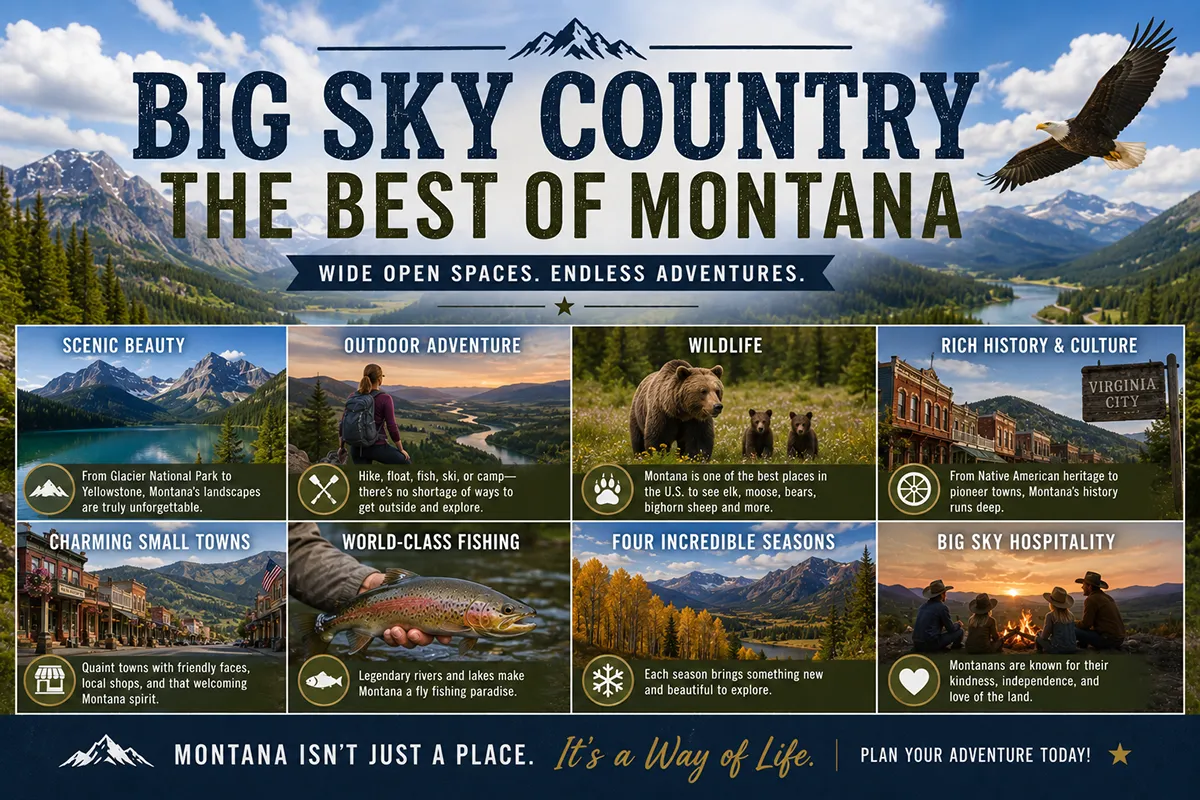
The first time I watched a grizzly bear fish for cutthroat trout in Yellowstone’s Lamar Valley, I understood why Montana draws over 12 million visitors annually.
This wasn’t a nature documentary—it was a random Tuesday morning during my road trip through Big Sky Country, and that wild, untamed energy defines everything about Montana.
After spending years exploring this state—from the alpine meadows of Glacier to the quirky bars of Butte—I’ve compiled everything Montana is genuinely famous for.
Whether you’re comparing Montana vs Wyoming for your next adventure or wondering if the hype around huckleberries is real (spoiler: it absolutely is), this guide covers the authentic Montana experience.
- Montana is famous for Glacier and Yellowstone National Parks, vast wilderness, and genuine cowboy culture
- Big Sky Country earned its nickname—the horizons here are unlike anywhere else in America
- Huckleberries, bison, and craft beer define Montana’s food scene
- The state offers world-class fly fishing, skiing, and wildlife viewing
- Small-town hospitality and a slower pace of life attract visitors seeking authenticity
Liked this article?
Add Roaming Montana as a preferred source so you see more of our articles and guides on Google.
1. Glacier National Park: The Crown of the Continent
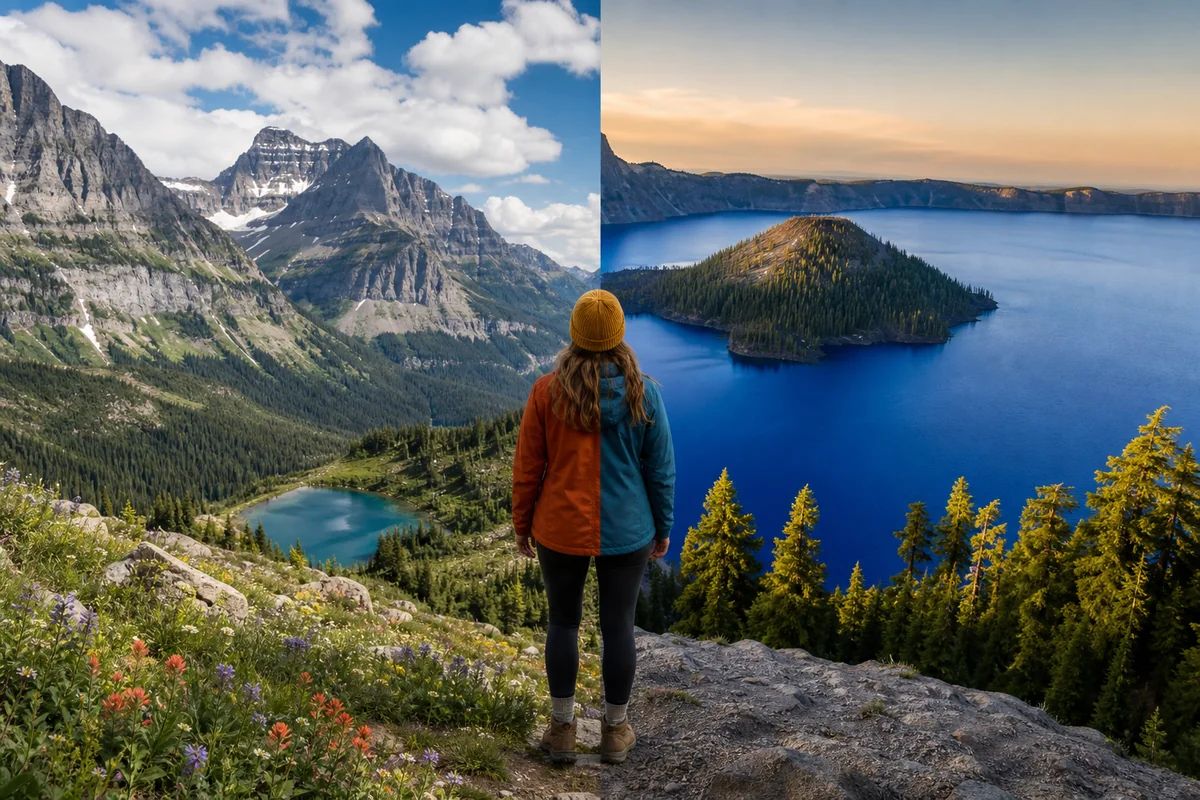
I’ve visited Glacier National Park six times, and each trip reveals something new. Last summer, I hiked the Highline Trail at 5 AM to beat the crowds, and the alpenglow hitting the Garden Wall at sunrise was worth every early alarm.
The park’s 700+ miles of hiking trails range from easy lakeside strolls to technical scrambles. Going-to-the-Sun Road—the 50-mile engineering marvel that crosses the Continental Divide—typically opens fully by late June, weather permitting.
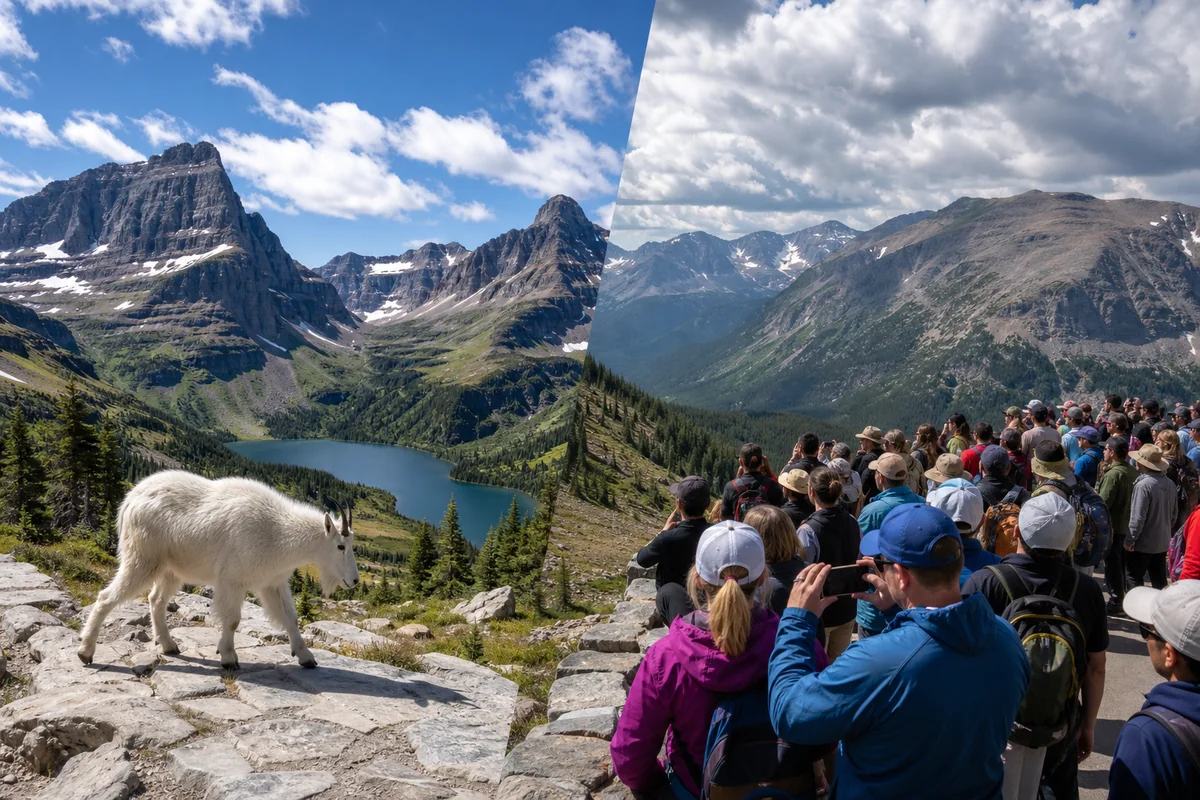
Here’s what most guides won’t tell you: the west side of the park (accessed from West Glacier) is significantly more crowded than the east side. During my recent trip, I found solitude at Two Medicine Lake while Logan Pass was packed shoulder-to-shoulder.
2. Yellowstone National Park’s Montana Entrance
While Yellowstone technically spans three states, Montana claims the park’s most spectacular wildlife corridor. The Lamar Valley, which I access through the northeast entrance near Cooke City, is nicknamed “America’s Serengeti” for good reason.
On a chilly October morning during my last visit, I counted 47 bison, 12 elk, 3 grizzlies, and a wolf pack—all before 9 AM. The Montana side of Yellowstone feels wilder and less developed than the Wyoming sections around Old Faithful.
Pro tip: Stay in Gardiner, Montana, at the north entrance for year-round access. The north entrance never closes, unlike other gates that shut down in winter.
3. Big Sky: The Nickname That Actually Fits
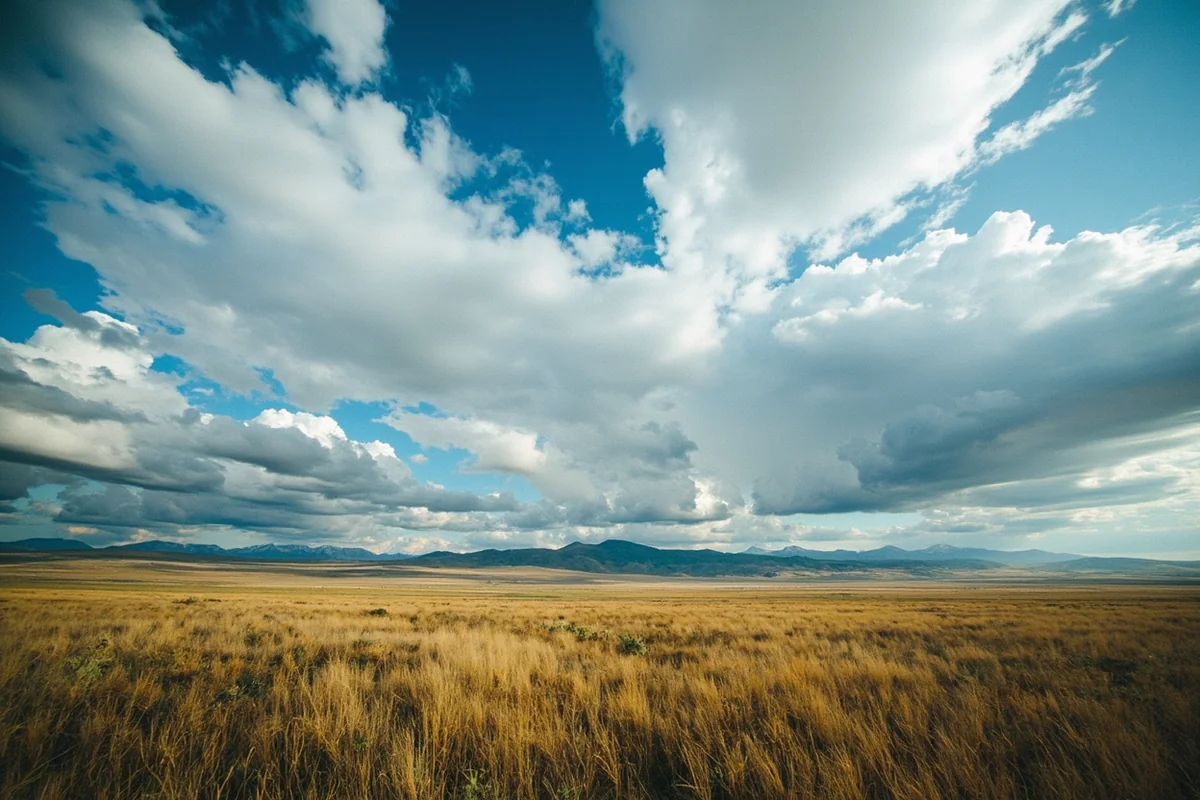
I’ve driven through Kansas and Texas, states that also claim expansive skies. But Montana’s nickname isn’t just marketing—the combination of low population density, minimal light pollution, and dramatic mountain-meets-prairie landscapes creates something genuinely unique.
Standing in the middle of the Hi-Line (Highway 2 across northern Montana), I once watched a thunderstorm approach for 45 minutes before a single raindrop fell. The sense of scale is almost unsettling at first.
This is one of the reasons Montana is considered one of the best states for stargazing and photography.
4. World-Class Fly Fishing
Montana’s rivers read like a fly fishing hall of fame: the Madison, Gallatin, Yellowstone, Blackfoot, Missouri, and Big Hole. During my three-day float trip on the Missouri River near Craig last summer, our guide estimated we saw fewer than 20 other boats.
The Blackfoot River—made famous by Norman Maclean’s “A River Runs Through It”—remains surprisingly accessible. I recommend the stretch between the Clearwater Junction and Johnsrud Park for beginners.
Blue-ribbon trout streams aren’t just for experts. Several outfitters in Missoula and Bozeman offer half-day trips perfect for first-timers, typically running $400-550 for two anglers including gear.
5. Authentic Cowboy Culture
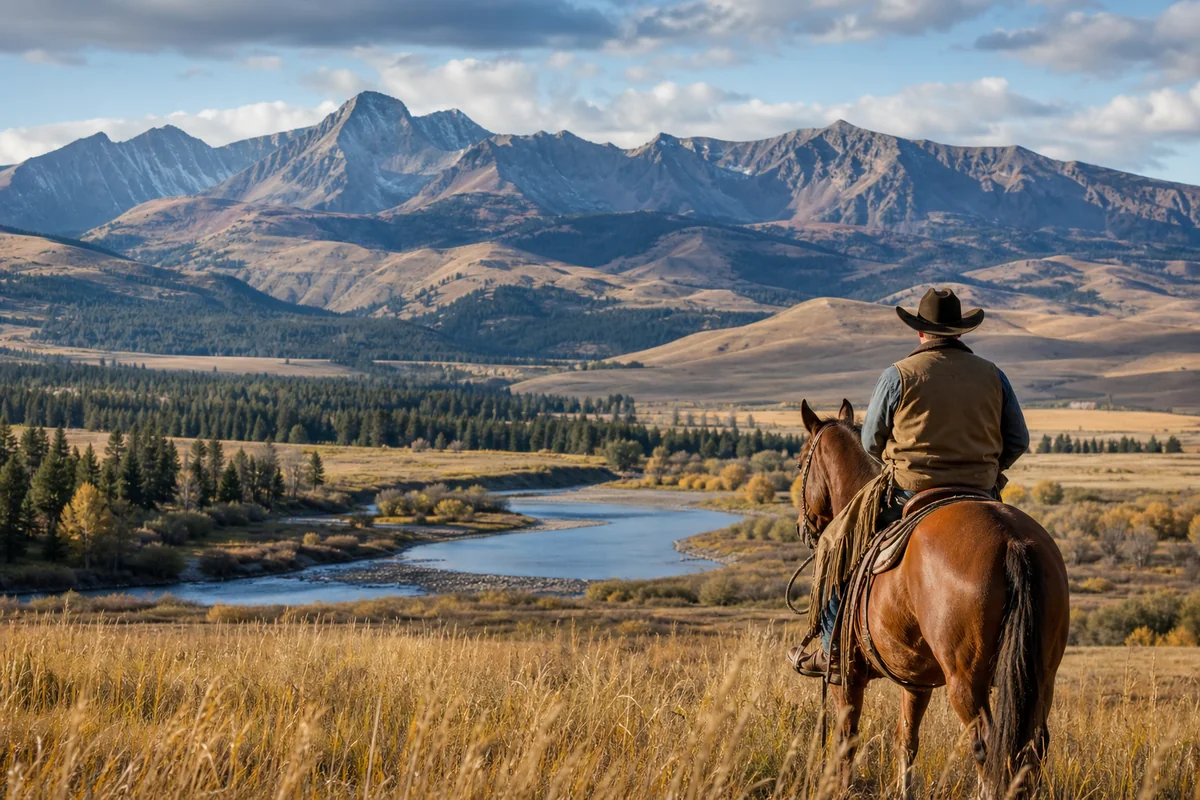
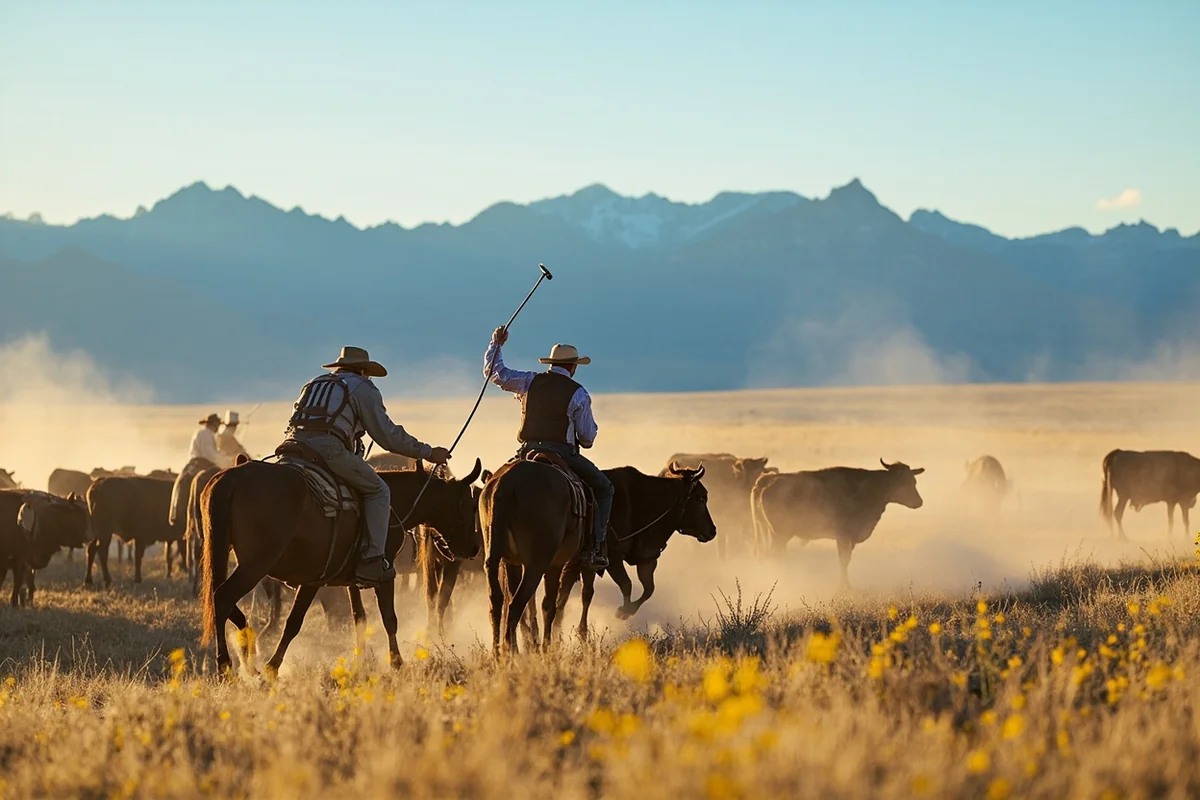
This isn’t cosplay. Working ranches still dominate Montana’s economy, and rodeo season (June through August) transforms small towns into genuine Western celebrations.
I attended the Augusta American Legion Rodeo last June, and the crowd of 300 in a town of 284 residents captured Montana’s community spirit perfectly. Cowboys competed alongside their day jobs as ranchers and mechanics.
Visit the Grant-Kohrs Ranch National Historic Site in Deer Lodge for a working cattle ranch preserved since the 1860s. The rangers there gave me the most thorough explanation of open-range cattle operations I’ve ever received.
6. The Rocky Mountains’ Northern Terminus
The Rockies stretch from New Mexico to Canada, but Montana captures their wildest, most rugged section. Unlike Colorado’s heavily trafficked peaks, Montana’s mountains remain relatively uncrowded.
When comparing Montana vs Colorado, the biggest difference I notice is solitude. I’ve summited both states’ peaks, and Montana trails consistently offer more wilderness and fewer crowds.
The Beartooth Highway (US-212), which I drove during a September trip, features 20 switchbacks climbing to nearly 11,000 feet. It’s frequently called America’s most beautiful drive, and I won’t argue.
7. Huckleberries: Montana’s Culinary Obsession
I was skeptical about huckleberries before my first Montana trip. Then I tried huckleberry pie at Polebridge Mercantile near Glacier, and everything changed.
These wild berries can’t be commercially cultivated—every huckleberry you eat was hand-picked from Montana’s mountains. The season runs roughly mid-July through September, depending on elevation and snowpack.
Huckleberry products appear everywhere: ice cream, jam, chocolate, barbecue sauce, even beer. The Huckleberry Patch in Hungry Horse has the widest selection I’ve found, though locals guard their picking spots like family secrets.
8. Grizzly Bears and Wildlife Encounters
Montana hosts roughly 1,800 grizzly bears, the largest population in the lower 48 states. I carry bear spray on every hike and have thankfully never needed it—but the encounters I’ve witnessed have been humbling.
Beyond grizzlies, Montana’s wildlife includes mountain lions, wolves, moose, elk, bighorn sheep, and mountain goats. The natural resources of Montana support this biodiversity remarkably well.
Best viewing tip: Drive the Rocky Mountain Front (Highway 89 between Browning and Choteau) at dawn. During my last fall trip, I spotted more wildlife in three hours than I’d seen all week elsewhere.
9. Ghost Towns and Mining History
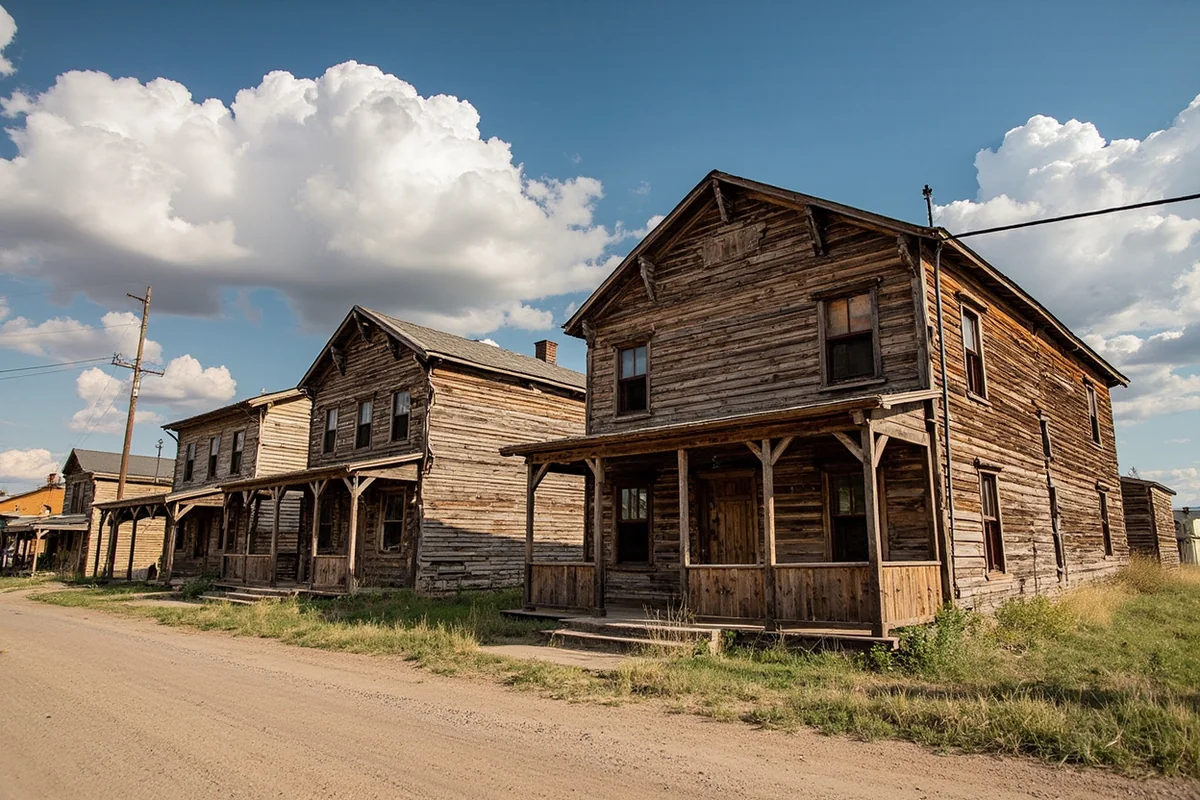
Montana’s mining boom created dozens of towns that now sit empty or nearly so. Bannack State Park—a remarkably preserved 1860s gold mining town—let me wander through 60 original structures during my visit.
Garnet Ghost Town near Missoula requires a dirt road drive but rewards with the state’s best-preserved ghost town. In winter, the only access is by cross-country skiing or snowshoeing, which I did two Februarys ago for an eerie, solitary experience.
For something different, explore the weird and unusual things in Montana, including underground mine tours and haunted historic buildings.
10. Big Sky Resort and World-Class Skiing
Big Sky Resort receives 400 inches of annual snowfall and has virtually no lift lines—a combination I didn’t believe until I experienced it. On a powder day last January, I lapped runs that would have hour-long waits at Colorado resorts.
The resort’s 5,800 acres of skiable terrain makes it the largest in North America by acreage. Lone Peak Tram accesses expert terrain that rivals anything in the Rockies.
Whitefish Mountain Resort near Glacier offers a more local, less corporate vibe. When comparing Montana vs Idaho skiing options, Montana’s resorts consistently offer better snow quality due to colder temperatures.
11. The Yellowstone TV Series Effect
The Paramount show transformed Montana tourism practically overnight. Chief Joseph Ranch near Darby—the real-life Dutton Ranch—now offers tours that book months in advance.
Many scenes from the show and other movies filmed in Montana showcase landscapes I’ve hiked and driven past. The state’s appeal to filmmakers makes perfect sense once you witness the dramatic backdrops firsthand.
Montana’s film industry has grown significantly, bringing both economic benefits and increased awareness of the state’s beauty.
12. Lewis and Clark Trail History
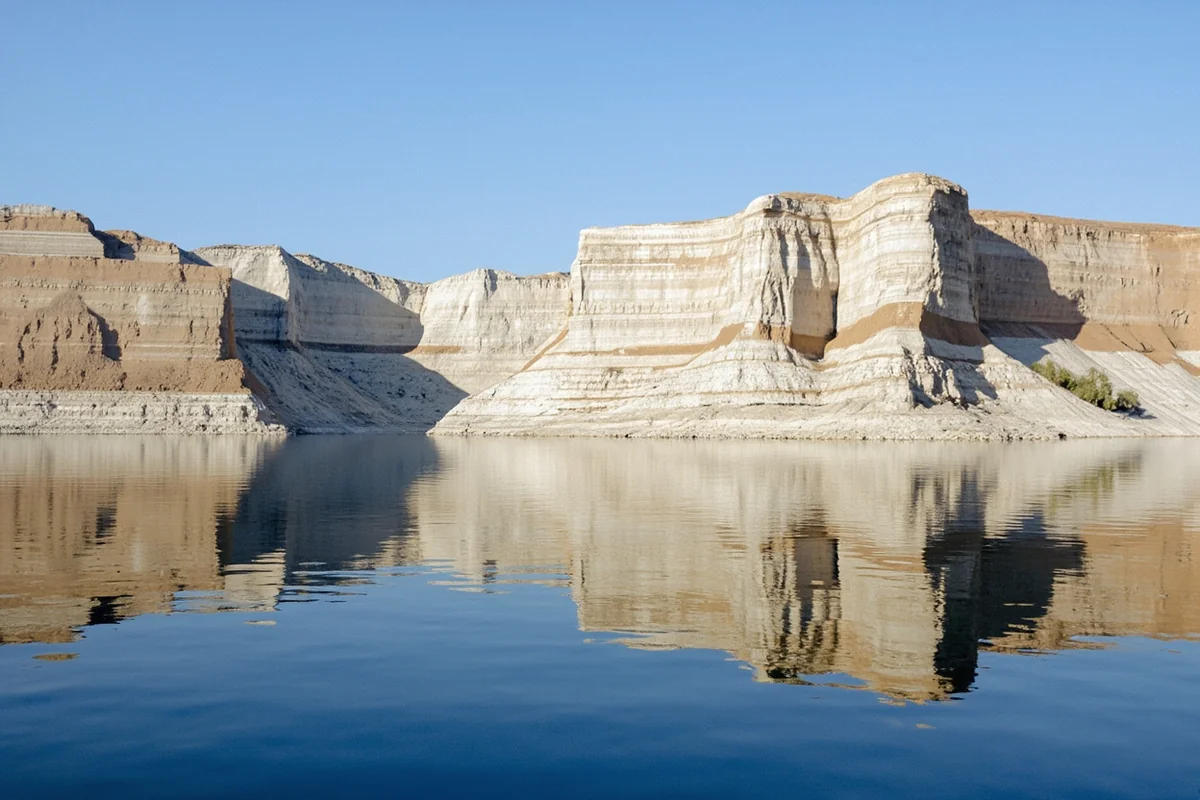
The Corps of Discovery spent more time in Montana than any other state, and following their route reveals the same landscapes they documented in 1805-1806. I paddled a section of the Missouri River’s White Cliffs area near Fort Benton, and the sandstone formations looked identical to the expedition’s journal descriptions.
The Lewis and Clark Interpretive Center in Great Falls provides the best historical context I’ve found, with actual journal excerpts and artifact displays that bring the expedition to life.
Pompeys Pillar near Billings features William Clark’s signature—the only physical evidence of the expedition along the entire trail.
13. Hot Springs and Geothermal Activity
Montana’s geothermal features extend beyond Yellowstone. I’ve soaked in several natural hot springs, each with distinct character and accessibility.
Chico Hot Springs in Paradise Valley combines historic charm with excellent dining—their prime rib is legendary. The outdoor pool sits at about 103°F, perfect after a day of hiking.
For something more rustic, Jerry Johnson Hot Springs near Lolo Pass requires a short hike but offers natural pools in a wilderness setting. I visited on a snowy November afternoon, and the contrast between steaming water and falling snow was unforgettable.
14. Craft Beer Scene
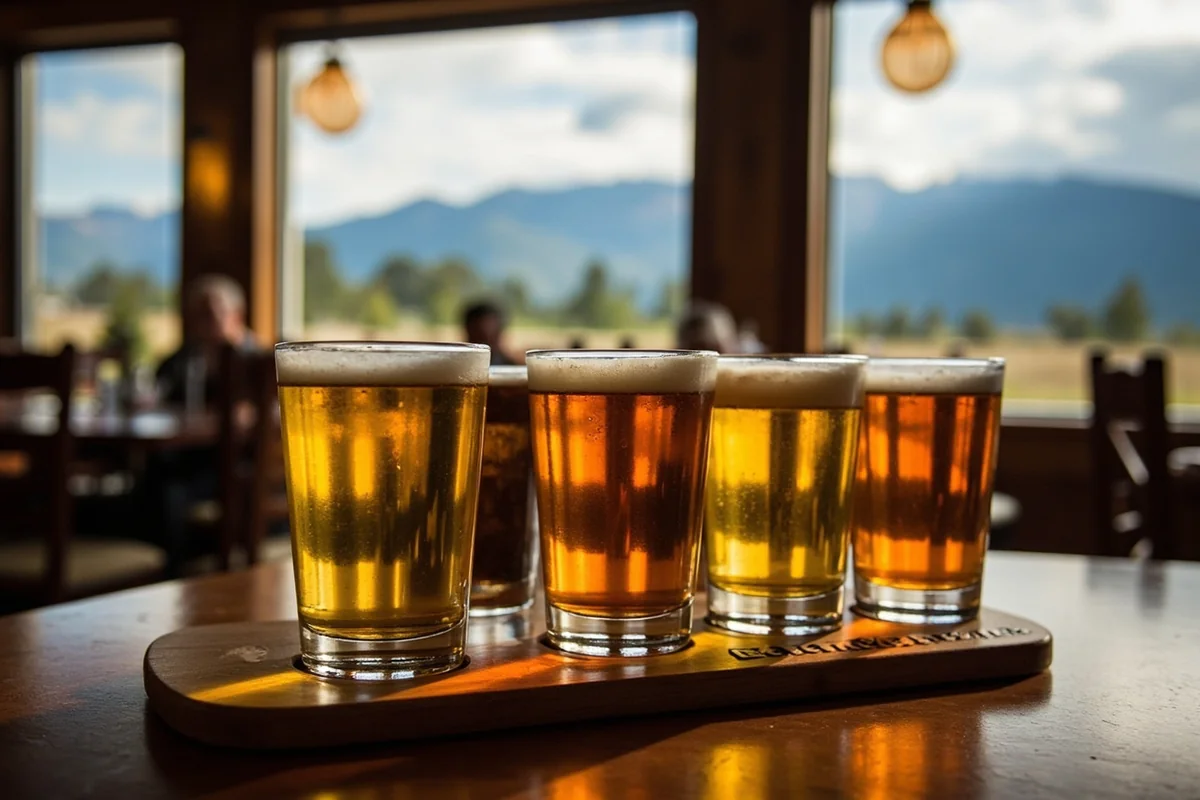
Montana has more breweries per capita than almost any state, and I’ve made it my mission to visit as many as possible. Missoula alone has 13 breweries within city limits—and the quality rivals anywhere in the country.
Great Northern Brewing in Whitefish produces my favorite Glacier-area beers. Bayern Brewing in Missoula focuses exclusively on German styles, using recipes the owner brought from Bavaria.
The brewery culture here feels unpretentious. Ranchers in dirty boots drink alongside tourists in hiking gear, and nobody cares about your Instagram-worthy pour.
15. Native American Culture and History
Seven tribal nations call Montana home, each with distinct histories and contemporary cultures. The Museum of the Plains Indian in Browning provided the most informative introduction I’ve experienced.
Attending a powwow—I went to the North American Indian Days celebration in Browning last summer—offers insight into living traditions, not just historical exhibits. The dance competitions and traditional regalia were spectacular.
The Little Bighorn Battlefield National Monument requires context to appreciate fully. I recommend spending time at the Indian Memorial, which tells the story from perspectives often overlooked in traditional Western history.
16. Charles M. Russell and Western Art
C.M. Russell captured Montana’s frontier era with remarkable detail, and his work remains the gold standard for Western art. The C.M. Russell Museum in Great Falls holds the largest collection, including his log cabin studio preserved intact.
His paintings documented cowboy life, wildlife, and Native American cultures with a realism that still resonates. During my visit, I spent two hours studying his brushwork—and I’m not even a particular art enthusiast.
Russell is among the most famous people from Montana, though many visitors don’t realize his deep connection to the state until arriving.
17. The Continental Divide
Montana straddles the spine of North America, and crossing the Continental Divide becomes routine when exploring the state. I’ve crossed it at Rogers Pass, Marias Pass, MacDonald Pass, and dozens of other spots.
The Continental Divide Trail passes through Montana for over 800 miles, and I’ve day-hiked several accessible sections. The terrain alternates between exposed alpine ridges and forested valleys.
Triple Divide Peak in Glacier National Park is the only place in North America where water flows to three different oceans. I haven’t summited it yet—the scramble is technical—but it’s on my list.
18. Small-Town Hospitality
Montana’s population density (about 7.5 people per square mile) creates communities where everyone knows everyone. In Ennis, the bartender at the Longbranch Saloon remembered my drink order from six months earlier.
This authenticity extends to visitor interactions. Locals in Big Timber gave me fishing recommendations that weren’t in any guidebook. A rancher near Lewistown let me photograph his property after a five-minute conversation.
If you’re considering living here, understanding these things to know before moving to Montana will help with the transition.
19. Dark Sky Preserves and Stargazing
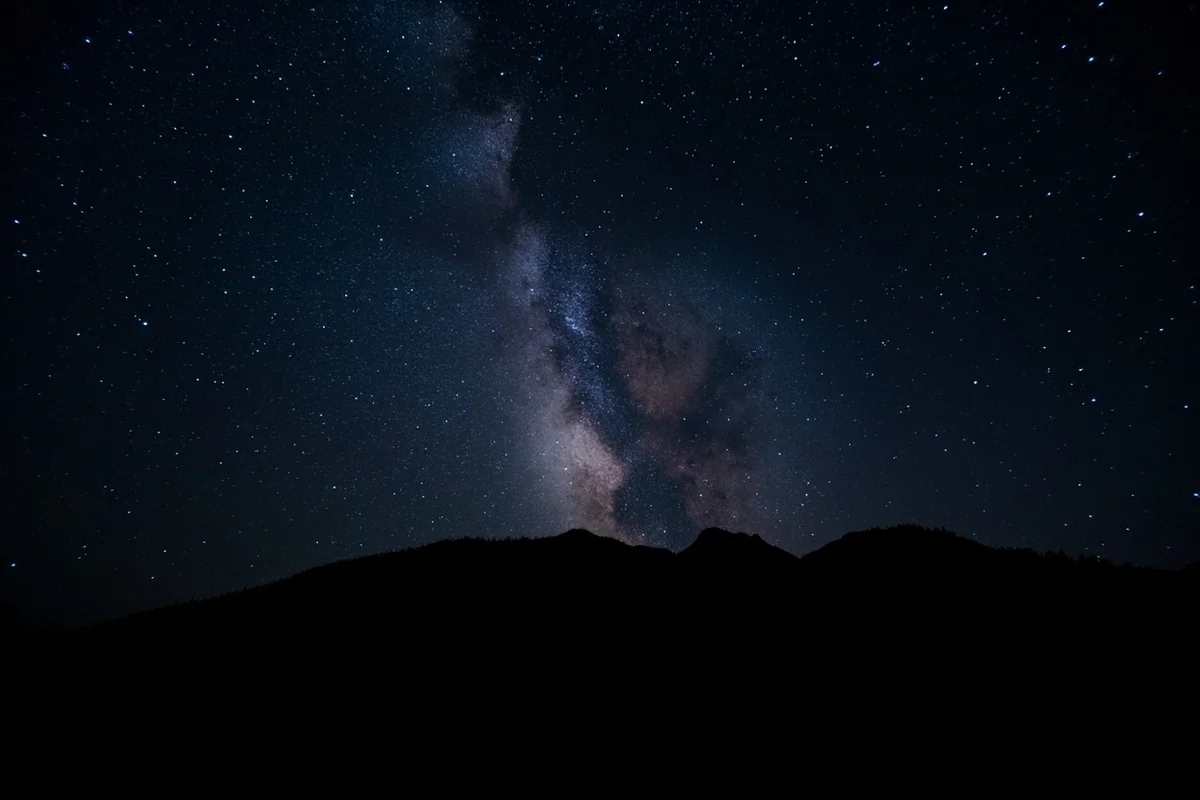
Montana’s minimal light pollution creates some of the darkest skies in America. Glacier National Park is designated an International Dark Sky Park, and I’ve witnessed the Milky Way there with such clarity that it cast shadows.
Medicine Rocks State Park in eastern Montana offers dark skies combined with bizarre sandstone formations. On a clear August night during my visit, I counted more shooting stars than I could tally.
The state’s remote areas make light pollution almost nonexistent. Even small towns like Choteau offer stunning night sky views from their main streets.
20. Wild Horses and Open Range
The Pryor Mountain Wild Horse Range south of Billings hosts roughly 120 wild horses descended from Spanish colonial stock. I spent a full day driving the rough roads of the range and spotted three different bands.
Montana’s open range laws mean livestock have the right of way on many roads. I’ve stopped for cattle, horses, and sheep multiple times—it’s part of the experience.
These horses represent one of the unique ways Montana stands out from other Western states.
21. Literature and Writing Traditions
Montana has produced and attracted remarkable writers, from Norman Maclean to Ivan Doig to James Welch. Reading “A River Runs Through It” after fly fishing the Blackfoot River added layers of meaning I wouldn’t have otherwise understood.
Several Montana authors continue this tradition today, writing about landscapes and communities I’ve personally explored.
For book recommendations before your trip, check out the best books on Big Sky Country.
22. Bison Herds and Prairie Ecosystems
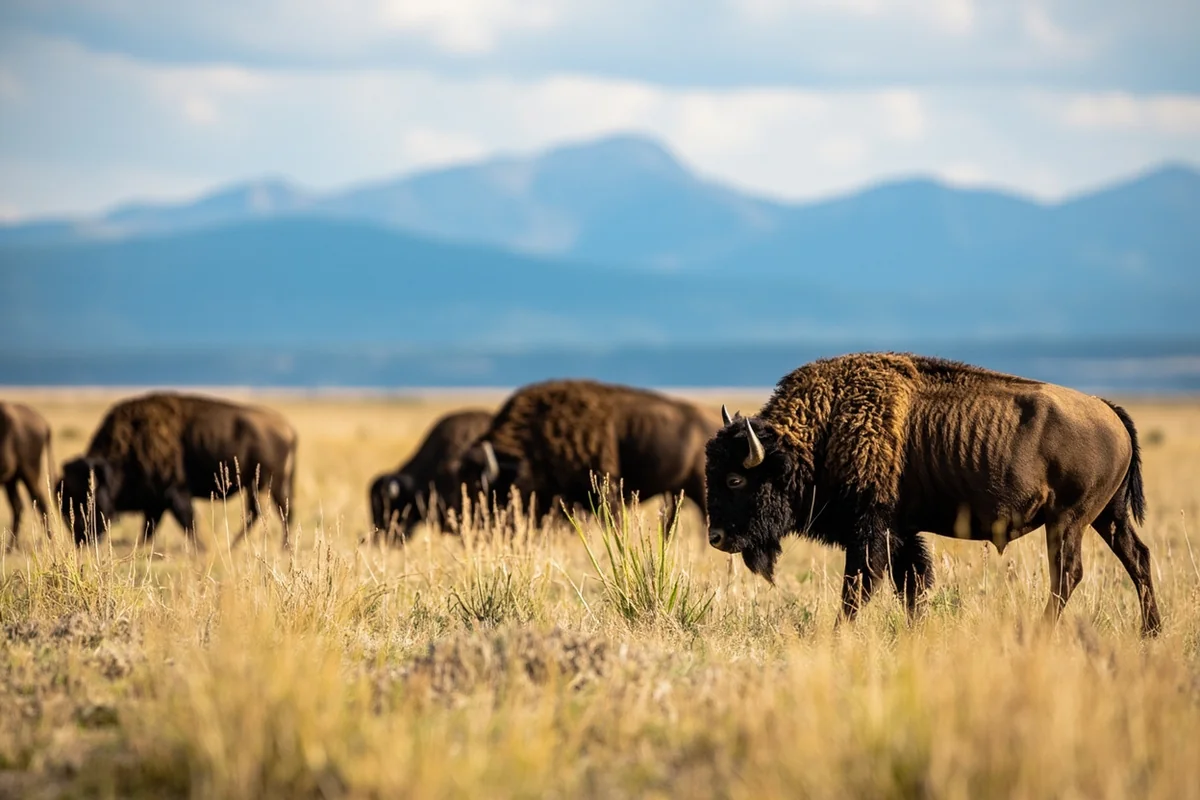
Beyond Yellowstone, Montana hosts several bison herds worth visiting. The National Bison Range near Moiese let me drive through a landscape where bison have roamed for millennia.
The American Prairie project near Lewistown is working to restore the largest prairie ecosystem in North America. I toured the area last fall and saw bison, pronghorn, and prairie dogs sharing habitat as they did centuries ago.
Understanding Montana’s prairie ecosystems adds dimension to any visit. The state is more than mountains—the eastern two-thirds feature grasslands that shaped American history.
23. Historic Forts and Military History
Fort Benton claims to be the birthplace of Montana, serving as the head of Missouri River steamboat navigation. Walking the town’s historic levee, I could imagine the bustle of 1860s river commerce.
Little Bighorn Battlefield—where Custer made his last stand—requires a full day to appreciate properly. The audio tour provides context that transforms the sparse landscape into vivid history.
The state’s military history extends from frontier conflicts to modern missile silos. The Malmstrom Air Force Base near Great Falls played a crucial Cold War role that’s worth understanding.
24. Sapphires and Gem Mining
Montana produces some of North America’s finest sapphires, and I’ve tried my hand at finding them. Gem Mountain near Philipsburg lets visitors wash concentrate and keep whatever they find.
The Yogo sapphire—found only in central Montana—displays a distinctive cornflower blue that’s prized by jewelers worldwide. The history of Yogo mining includes fascinating tales of boom and bust.
Even if gem hunting isn’t your priority, the historic mining towns of Philipsburg and nearby Nevada City offer excellent examples of preserved Western heritage.
25. The Missouri River Breaks
This 149-mile stretch of wild river between Fort Benton and the Fred Robinson Bridge remains one of America’s most overlooked wildernesses. My canoe trip through the Breaks felt like time travel—the same bluffs, cottonwoods, and wildlife Lewis and Clark documented.
The White Cliffs section features sandstone formations that rise 300 feet above the water. Camping on sandbars and watching moonrise over the cliffs ranked among my most memorable Montana experiences.
This landscape differs dramatically from Montana’s western mountains. Comparing Montana vs North Dakota becomes relevant here—eastern Montana shares more visual similarities with the Dakotas than with Glacier country.
26. Farmers Markets and Local Food
Summer farmers markets showcase Montana’s agricultural diversity. The Missoula Farmers Market runs Saturday mornings from May through October, and I’ve tasted everything from fresh lamb to organic vegetables to handmade cheeses.
Bozeman’s market offers similar quality with a slightly more touristy vibe. Either way, buying directly from producers who ranch and farm the surrounding valleys connects you to Montana’s food system.
The locavore movement thrives here partly by necessity—Montana’s isolation encourages self-sufficiency that benefits visitors through fresh, quality ingredients.
27. Political Independence and Frontier Spirit
Montana’s libertarian streak shapes everything from gun laws to attitudes toward government. This isn’t abstract politics—it manifests in conversations at diners and bars throughout the state.
The state’s current governor reflects this independent tradition, though Montana has historically swung between parties based on issues rather than ideology.
Understanding this frontier mentality helps visitors appreciate local perspectives. Montana residents value self-reliance, privacy, and hard work in ways that differ from coastal attitudes.
Practical Information for Visitors
| Category | Details |
|---|---|
| Best Time to Visit | June-September for hiking; January-March for skiing; September-October for fewer crowds and fall colors |
| Major Airports | Bozeman (BZN), Missoula (MSO), Billings (BIL), Kalispell/Glacier (GPI) |
| Driving Distances | Billings to Missoula: 4.5 hours; Glacier to Yellowstone: 6+ hours |
| Road Trip Essential | A car is mandatory—public transportation is essentially nonexistent outside cities |
| Cell Service | Spotty outside population centers; download offline maps before rural drives |
| Wildlife Safety | Carry bear spray in grizzly country; available at outdoor stores throughout western Montana |
Many visitors wonder how Montana compares to neighboring states for trip planning. I’ve written about Montana vs Alaska, Montana vs Oregon, and Montana vs South Dakota to help with those decisions.
For those seeking more inspiration, the most beautiful places in Montana guide covers specific destinations in greater detail. And if you want to understand the Montana mindset before arriving, reading quotes about Montana from writers and residents captures the state’s spirit eloquently.
Montana earns its reputation through substance, not marketing. Every famous element—from Glacier’s peaks to the huckleberry obsession to authentic cowboy culture—delivers on its promise. In an era of over-touristed destinations, Montana remains remarkably genuine, and that authenticity is perhaps what the state is most truly known for.
Frequently Asked Questions
What is the best time of year to visit Montana for sightseeing?
I recommend visiting Montana between June and September when most roads in Glacier National Park are fully open and wildlife is most active. July and August offer the warmest weather for hiking, while September brings fewer crowds, fall foliage, and excellent elk-watching opportunities.
How many days do you need to explore Montana’s top attractions?
To experience what Montana is known for, I suggest planning at least 7-10 days. This gives you enough time to explore Glacier National Park (3-4 days), visit Yellowstone’s Montana entrance, drive scenic byways, and experience charming towns like Bozeman and Missoula without feeling rushed.
What should I pack for a Montana road trip?
Pack layers regardless of season since Montana weather changes quickly, even in summer when temperatures can drop 30°F after sunset. I always bring a good pair of hiking boots, bear spray for backcountry trails, binoculars for wildlife viewing, and a quality rain jacket since afternoon storms are common in the mountains.
How much does a week-long trip to Montana typically cost?
Budget travelers can expect to spend around $150-200 per day including lodging, food, and activities, while mid-range travelers typically spend $250-350 daily. National park entrance fees are $35 per vehicle for a 7-day pass, and summer lodging in gateway towns like West Yellowstone or Whitefish often runs $150-300 per night.
Is Montana safe for first-time visitors and solo travelers?
Montana is very safe for tourists, though you should prepare for wildlife encounters with bears, moose, and mountain lions in wilderness areas. I recommend carrying bear spray on all hikes, maintaining distance from bison and elk, and letting someone know your hiking plans since cell service is unreliable in remote areas.
What famous foods and drinks is Montana known for?
Montana is famous for its huckleberry everything—from pies and jam to ice cream and cocktails—which you’ll find at nearly every restaurant and roadside stand. The state also boasts excellent craft breweries in cities like Missoula and Bozeman, grass-fed Montana beef, and authentic Rocky Mountain oysters for adventurous eaters.
How far apart are Montana’s major attractions and airports?
Montana is the fourth-largest state, so distances are significant—it’s about 340 miles (5.5 hours) from Glacier National Park to Yellowstone’s north entrance. The closest major airports are Bozeman Yellowstone International for Yellowstone access and Glacier Park International in Kalispell, which is just 30 miles from Glacier National Park’s west entrance.
Sources: