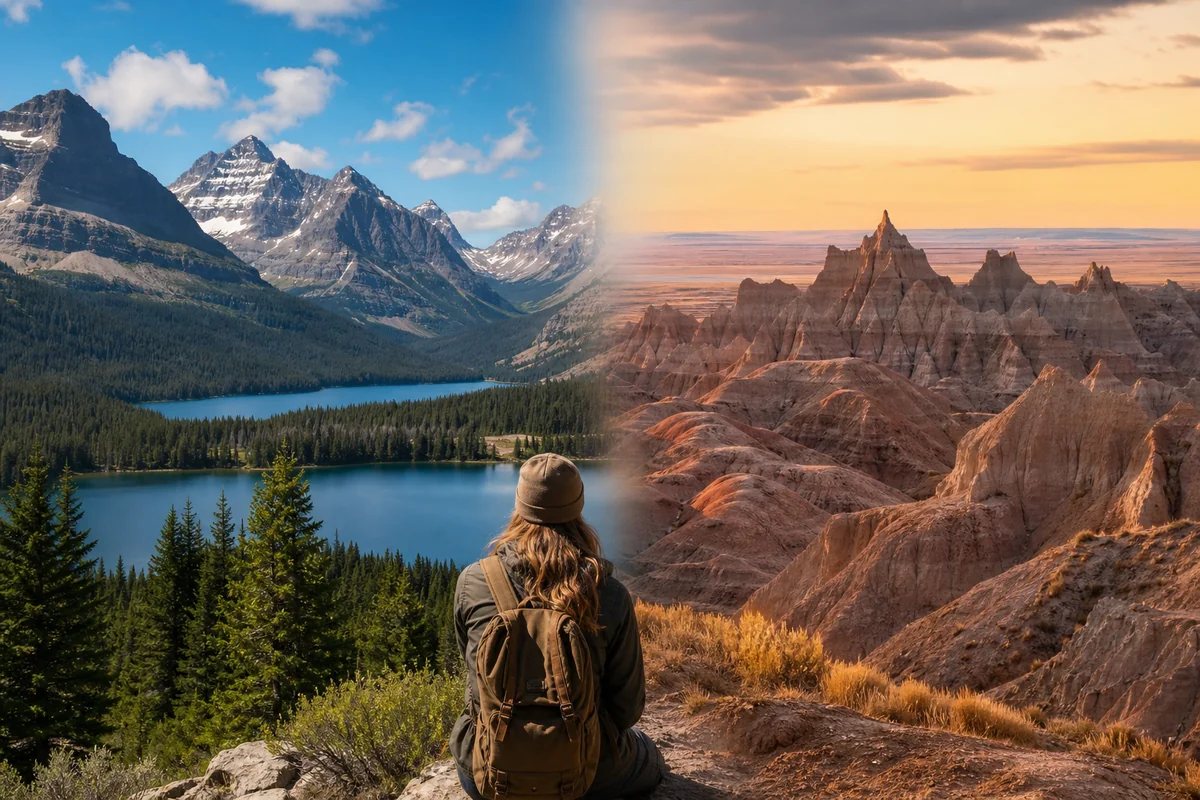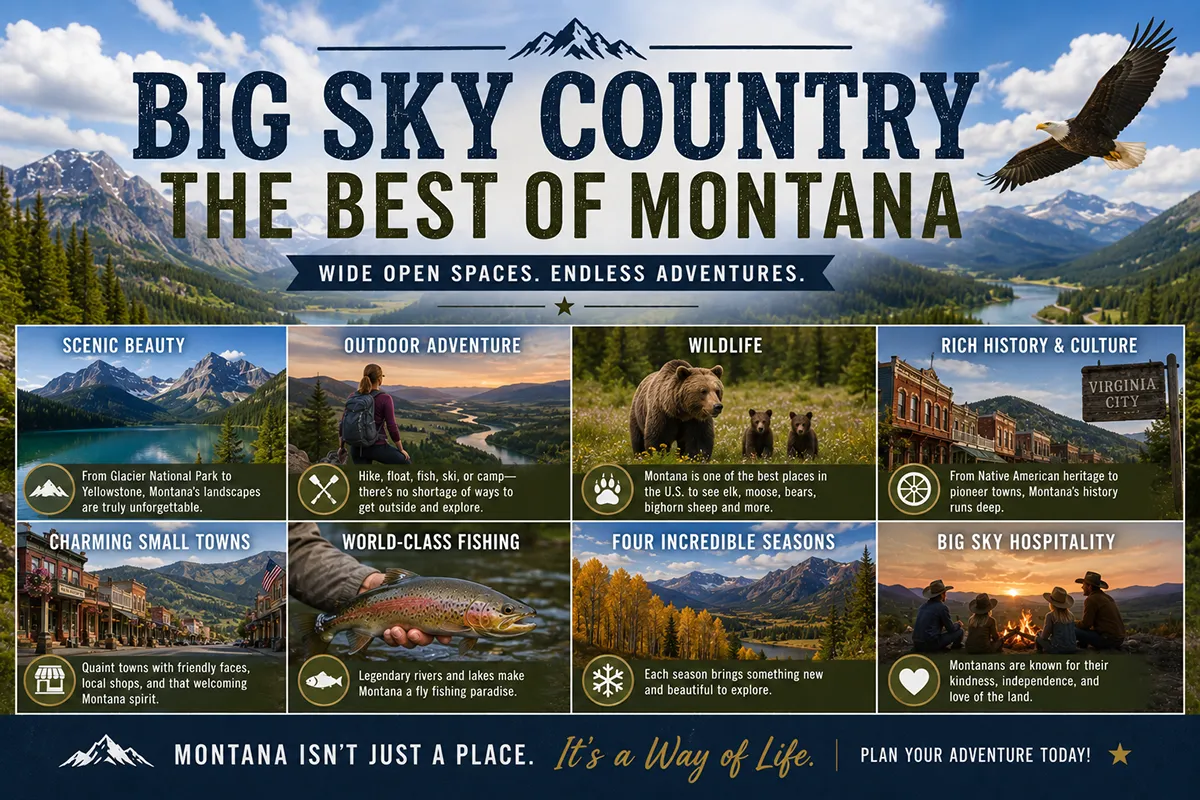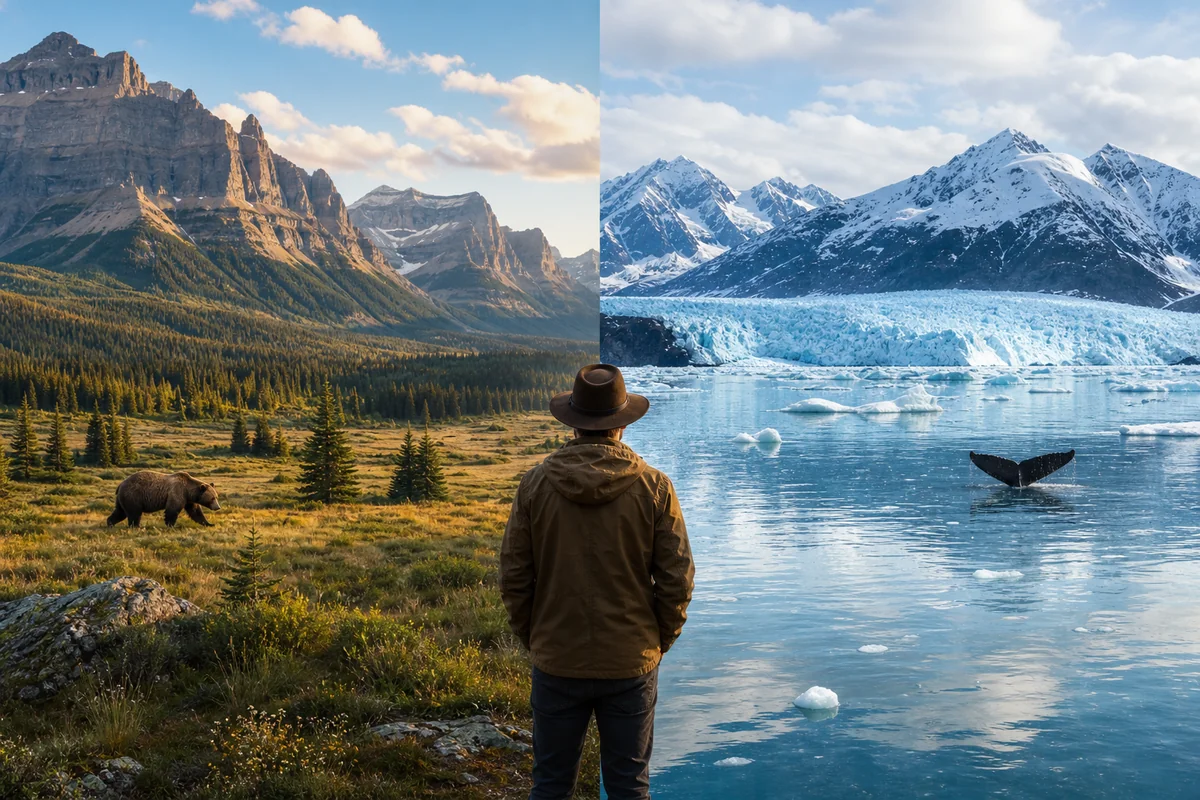
I was standing at the edge of Going-to-the-Sun Road last July, watching a grizzly bear amble across a distant meadow, when my phone buzzed with a text from my brother: “Just saw my third glacier of the day in Kenai Fjords.”
That moment crystallized something I’d been thinking about for years—Montana and Alaska are the last two genuine wilderness frontiers in America, and choosing between them is one of the most delicious dilemmas a traveler can face.
If you’re trying to understand what makes Montana special before comparing it to the Last Frontier, you’re asking the right questions. Both states promise raw, untamed landscapes that can make you feel genuinely small.
But having spent considerable time exploring both—including three separate summer trips to Alaska and countless adventures across Montana’s backcountry—I can tell you they offer profoundly different experiences.
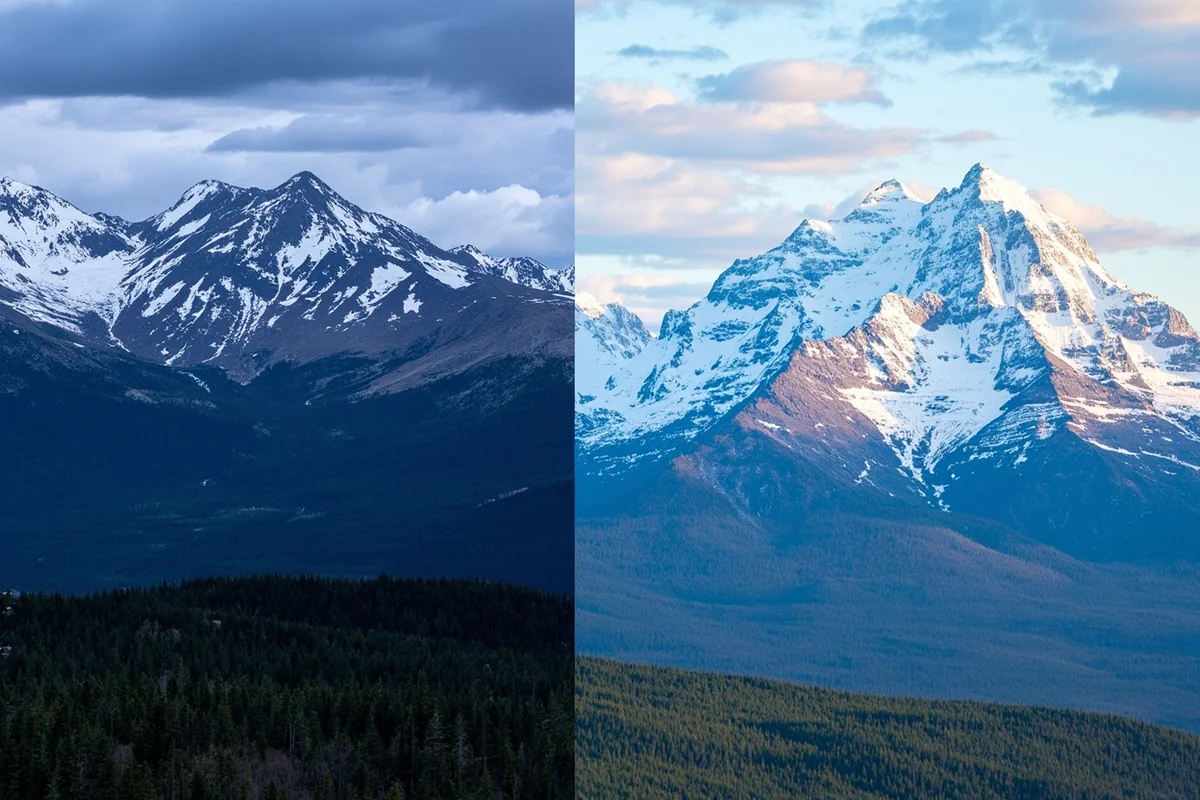
- Montana offers easier access, lower costs, and more manageable wilderness adventures—perfect for first-time Western explorers
- Alaska delivers unmatched scale and true remoteness but requires more planning, bigger budgets, and greater comfort with isolation
- Both states have incredible wildlife, but viewing conditions and accessibility differ dramatically
- Montana’s season runs May-October comfortably; Alaska’s practical window is narrower (June-August for most activities)
- For road trips and scenic drives, Montana wins on infrastructure; Alaska wins on sheer dramatic scale
- Budget travelers should seriously consider Montana; Alaska costs roughly 40-60% more for comparable experiences
Liked this article?
Add Roaming Montana as a preferred source so you see more of our articles and guides on Google.
The Scale Question: Big vs. REALLY Big
Let me put this in perspective immediately, because it’s the most fundamental difference between these states.
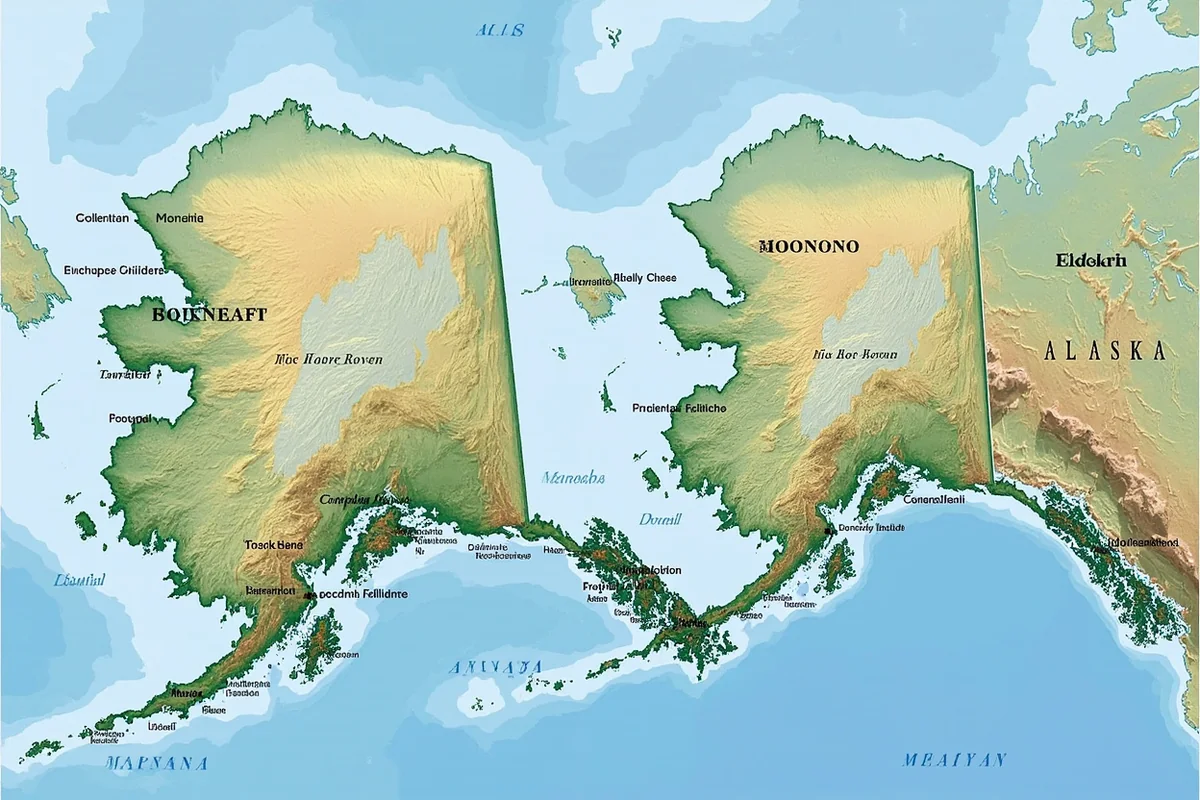
Montana is the fourth-largest state in the US, covering about 147,000 square miles. That’s massive by any normal standard—you could fit Maine, New Hampshire, Vermont, Massachusetts, Rhode Island, Connecticut, New Jersey, and Delaware inside Montana with room to spare.
Now here’s the thing: Alaska is more than four times larger than Montana.
During my first trip to Alaska, I made the classic mistake of thinking I could “see a lot” in two weeks. I barely scratched the surface of the Kenai Peninsula. Alaska’s 665,000 square miles fundamentally changes how you have to approach travel there.
What This Means for Your Trip
In Montana, I can realistically drive from Glacier National Park to Yellowstone in a single long day, stopping at charming towns like Whitefish and Bozeman along the way. Last summer, I did exactly this route and had dinner at a fantastic brewery in Missoula without feeling rushed.
In Alaska? Driving from Anchorage to Fairbanks alone takes about six hours on the Parks Highway, and that’s just getting from one major city to another. If you want to reach truly remote areas, you’re looking at small plane charters or multi-day boat trips.
This isn’t a criticism of Alaska—it’s actually part of the appeal for many travelers. But if you’re working with limited vacation time, Montana delivers more “wow” per hour of travel. There are so many beautiful places in Montana that you can experience without spending half your trip in transit.
Wildlife Encounters: Quality vs. Quantity
Both states are wildlife wonderlands, but the viewing experience differs significantly.
What I’ve Seen in Montana
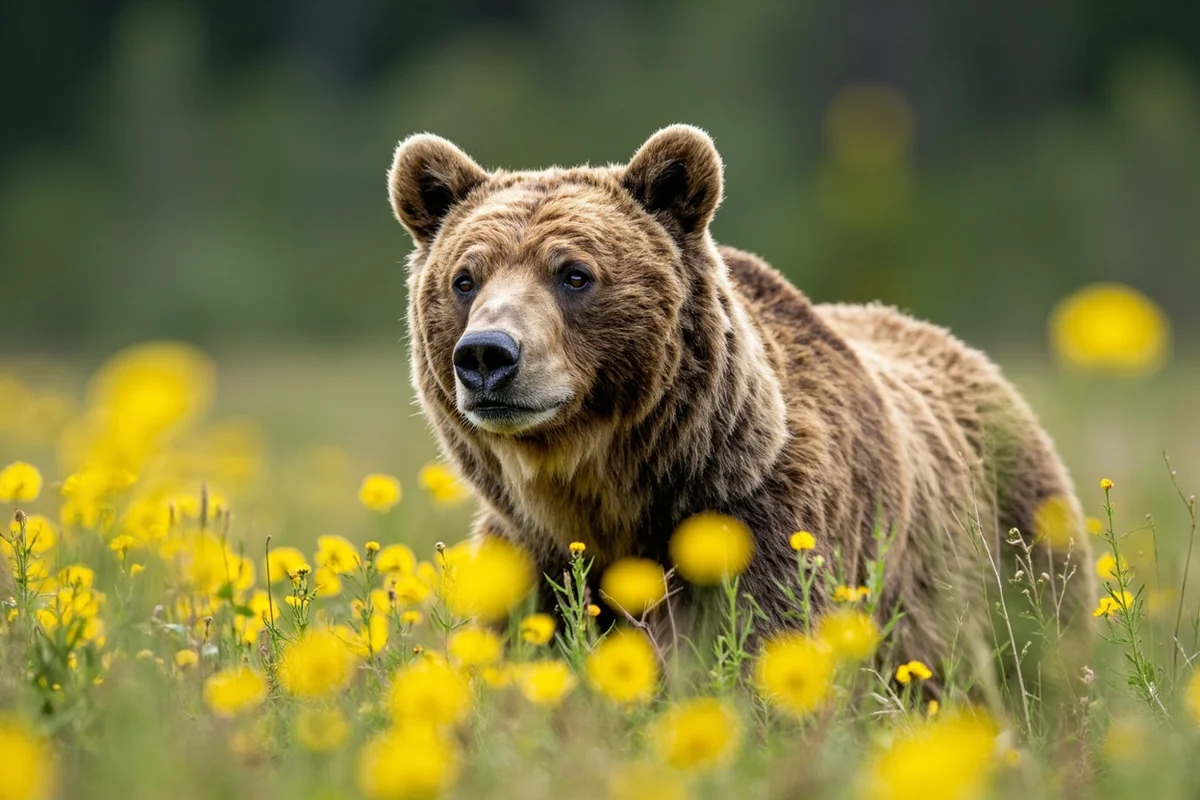
During my visits to Montana, I’ve encountered grizzly bears in Glacier, black bears seemingly everywhere, moose in the Flathead Valley, elk herds near Gardiner, bison in the Lamar Valley, mountain goats at Logan Pass, and wolves (heard more often than seen, honestly).
The beauty of Montana wildlife viewing is accessibility. In Yellowstone’s Lamar Valley—which technically crosses into Wyoming but is most easily accessed from Montana’s gateway towns—I’ve had mornings where I spotted wolves, bears, bison, and pronghorn before my first cup of coffee got cold.
What I’ve Seen in Alaska
Alaska takes wildlife to another level in certain categories. Brown bears fishing for salmon at Brooks Falls remains one of the most incredible wildlife spectacles I’ve ever witnessed. The concentration of bears during salmon runs is something Montana simply can’t match.
I also saw humpback whales bubble-net feeding in Juneau, orcas in the Inside Passage, puffins by the thousands in the Pribilof Islands, and caribou herds that stretched to the horizon in Denali.
The Honest Assessment
If you’re specifically seeking marine wildlife—whales, sea lions, otters, puffins—Alaska wins hands down. Montana is landlocked, so that’s not even a competition.
For terrestrial megafauna like bears, moose, and elk? Montana offers more consistent, accessible viewing. Alaska has the bigger brown bears (the coastal ones can be genuinely massive), but you often need to take expensive bush planes to reach prime viewing locations.
The 27 things Montana is known for definitely include world-class wildlife viewing that doesn’t require chartering aircraft to experience.
Cost Comparison: Where Your Dollar Goes Further
I’ll be blunt: Alaska is expensive. Like, really expensive.
| Expense Category | Montana (Typical) | Alaska (Typical) |
|---|---|---|
| Mid-range hotel per night | $120-180 | $200-350 |
| Dinner for two at nice restaurant | $60-100 | $100-180 |
| Rental car per day | $50-80 | $100-150 |
| Guided fishing trip (full day) | $500-700 | $600-1,200 |
| Flightseeing tour | $150-300 | $300-600 |
| Campsite (developed) | $20-35 | $25-45 |
Why Alaska Costs More
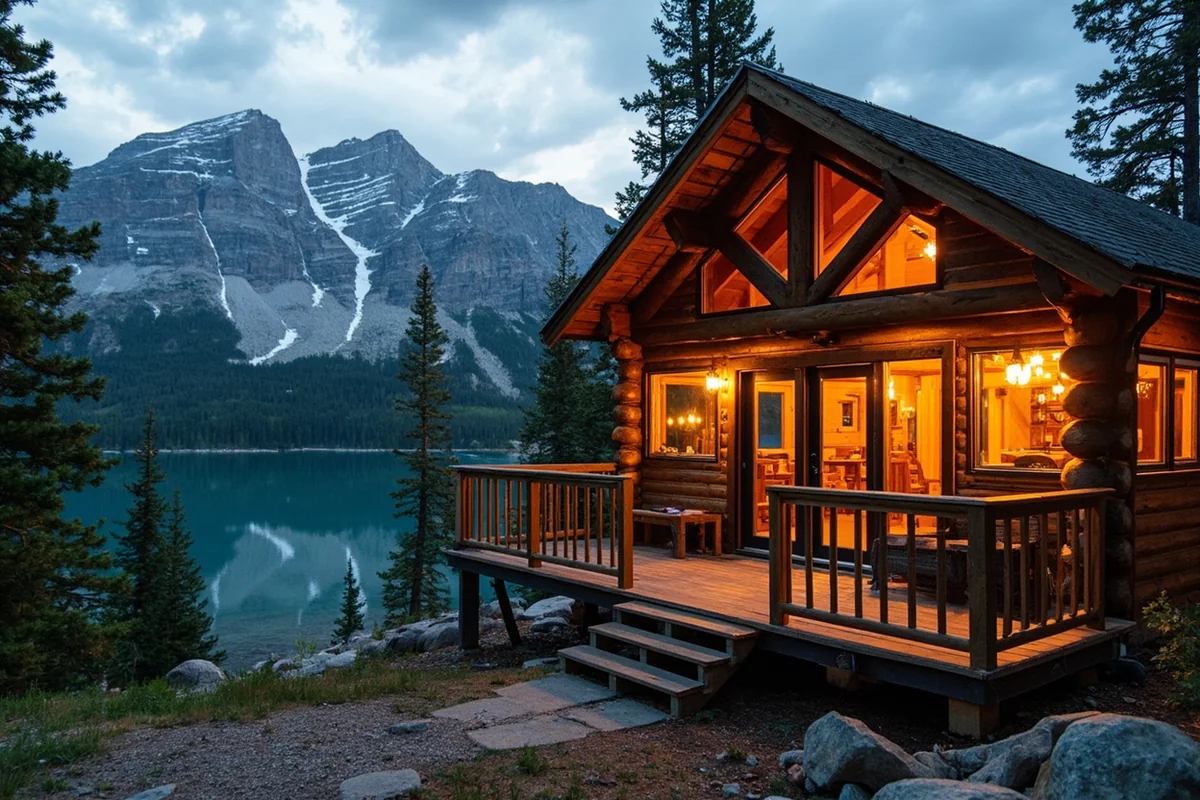
Everything in Alaska has to be shipped in, often by barge or plane. During my time in Juneau—which despite being the capital is only accessible by air or sea—I paid $7 for a gallon of milk and didn’t bat an eye because that’s just how it is there.
Flights to Alaska also tend to cost more than flights to Montana’s gateways. Bozeman, Missoula, and Kalispell all have decent flight connections with competitive pricing. Anchorage is manageable, but flying to smaller Alaskan destinations adds up fast.
Where to Stretch Your Budget
If you’re a budget-conscious traveler, Montana is significantly more forgiving. Camping is abundant and affordable, small-town diners serve huge portions at reasonable prices, and you can have an incredible trip without breaking the bank.
One of the many reasons Montana is one of the best states for road trips is that you can genuinely explore on a middle-class budget. Alaska often requires either significant savings or sacrificing experiences to cost concerns.
The Driving Experience: Road Trips Compared
I’m a dedicated road tripper, so this matters deeply to me.
Montana’s Road Trip Paradise
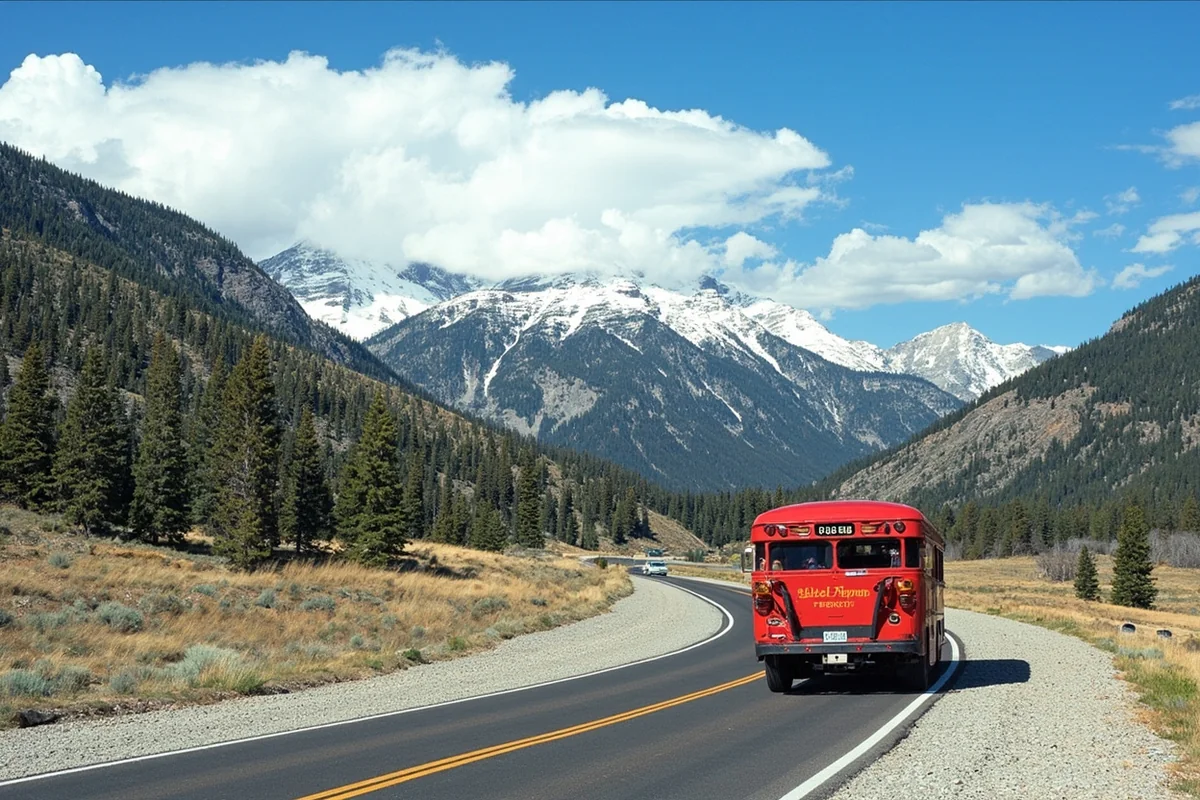
Montana has some of the most spectacular scenic drives in America, and they’re well-maintained and easily navigated. Going-to-the-Sun Road remains my favorite drive anywhere—the engineering marvel of it, the wildflower meadows, the sudden appearance of mountain goats on rocky outcrops.
The Beartooth Highway near Red Lodge climbs to nearly 11,000 feet with switchbacks that made my palms sweat (in the best way). Highway 2 across the Hi-Line offers that quintessential big-sky prairie experience that photographs never quite capture.
Montana’s roads connect. You can create logical loop routes that bring you back to your starting point without backtracking. During my recent trip, I made a satisfying loop from Bozeman to Big Sky to Ennis to Virginia City and back, hitting hot springs, wildlife, and historic sites along the way.
Alaska’s Road Reality
Alaska has dramatically fewer roads, and they don’t loop—they end. The road system basically consists of a few major highways, and whole regions of the state have no road access whatsoever.
The Seward Highway from Anchorage to the Kenai is genuinely stunning, with Turnagain Arm offering some of the most dramatic coastal mountain scenery I’ve encountered anywhere. The drive into Denali National Park builds anticipation beautifully.
But here’s the honest truth: I found Alaska driving somewhat frustrating after the initial excitement wore off. You often have to drive the same road twice (out and back), and reaching many iconic locations requires expensive tours or flights.
Seasons and Timing: When to Visit Each State
Montana’s Extended Season
Montana offers a longer comfortable visiting window than most people realize. I’ve had fantastic trips in May, June, July, August, September, and even early October.
Summer (June-August) brings peak conditions: Going-to-the-Sun Road is fully open, wildflowers explode across alpine meadows, and the days are gloriously long. Yes, it’s the busiest season, but Montana handles crowds better than national parks in more densely populated regions.
Fall (September-October) is becoming my favorite time. The larch trees turn golden, elk are rutting, crowds thin dramatically, and the air has that crisp quality that makes photography pop. Last September, I had entire viewpoints to myself in Glacier.
Spring (April-May) offers shoulder-season pricing and excellent wildlife viewing as animals emerge from winter. Some high-elevation roads remain closed, but valleys are accessible and gorgeous.
Alaska’s Narrow Window
Alaska really only works for most travelers from mid-June through mid-August. Yes, May and September are possible, but you’re gambling with weather and many operators aren’t running full schedules.
The midnight sun is magical—during my July trip to Fairbanks, I played disc golf at 11 PM in full daylight. But that novelty comes with tradeoffs: higher prices during the compressed peak season and heavier crowds at accessible attractions.
Winter in Alaska is… extreme. And I mean that literally. Unless you’re specifically chasing northern lights or have serious cold-weather experience, it’s not practical for casual visitors.
The things to know before visiting Montana include understanding that the state remains accessible year-round, with each season offering distinct appeals.
The Wilderness Factor: Solitude and Remoteness
This is where Alaska truly distinguishes itself, and I have to give credit where it’s due.
Alaska’s Unmatched Remoteness
When I took a float plane into a remote fishing lodge on the Kenai Peninsula, we flew for 45 minutes without seeing a single sign of human habitation. No roads. No buildings. No cell service. Just endless wilderness.
That level of isolation simply doesn’t exist in the Lower 48, including Montana. If you’re specifically seeking the experience of being truly remote—where rescue would take serious effort if something went wrong—Alaska delivers in ways Montana cannot.
The scale of Alaska’s wilderness is genuinely incomprehensible until you experience it. Denali National Park alone is larger than the state of New Hampshire.
Montana’s Accessible Wilderness
Montana offers wilderness, absolutely—but it’s wilderness with a safety net. Even in the Bob Marshall Wilderness Complex, one of the largest wilderness areas in the Lower 48, you’re never more than a few days’ hard hike from a trailhead.
Some people see this as a negative. I see it as a feature, especially for families, less experienced outdoors enthusiasts, or people who want wilderness immersion without genuine survival-level remoteness.
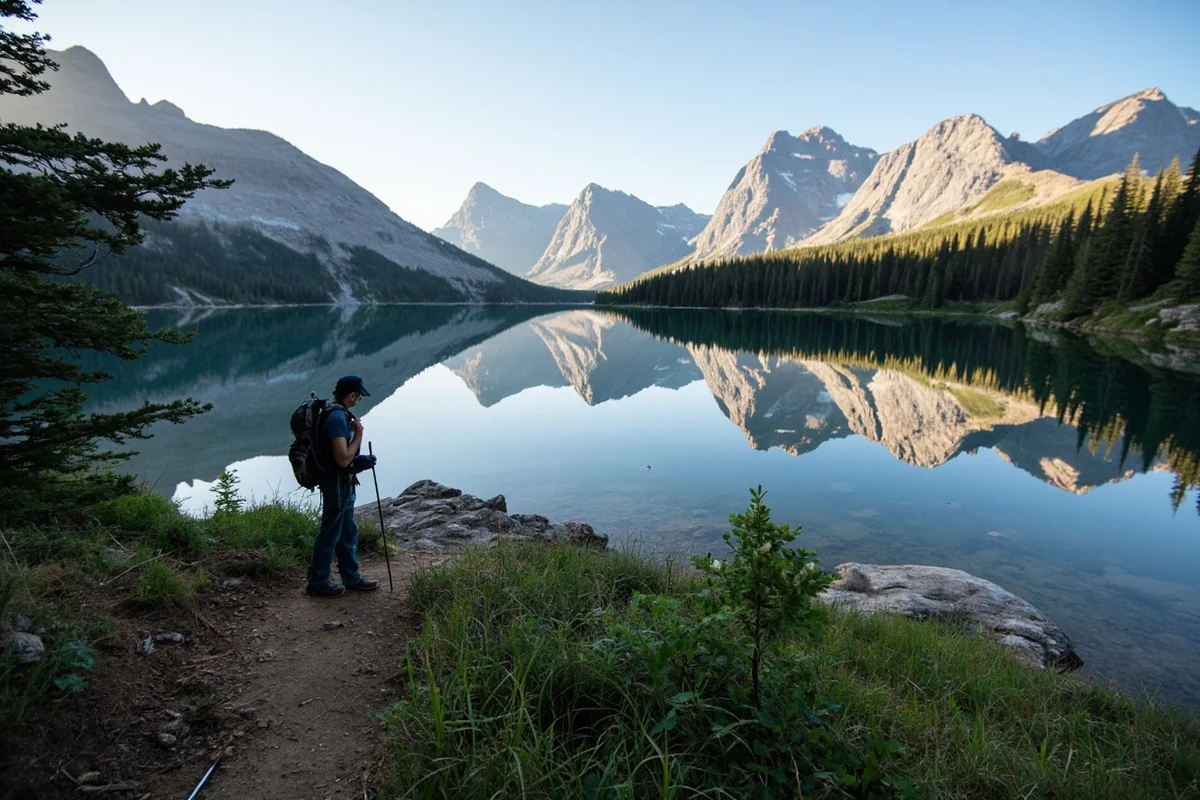
I’ve had deeply profound solitude experiences in Montana. Hiking above Bowman Lake in Glacier during early June, I didn’t see another person for six hours. That felt wild. That felt remote. The fact that there was a road 12 miles away didn’t diminish the experience.
Cultural Experiences: Towns and Communities
Montana’s Charming Towns
Montana’s towns have character that feels authentic rather than manufactured for tourists.
Whitefish has become my favorite mountain town in America—great restaurants, friendly locals, walkable downtown, and Glacier National Park thirty minutes away. Bozeman blends college-town energy with outdoor culture perfectly. Missoula’s combination of literary culture, craft beer, and river access is genuinely unique.
Several famous people from Montana have shaped American culture, and you can feel that creative energy in communities like Livingston and Helena.
Even tiny towns like Ennis, Choteau, and Polebridge offer authentic experiences. The mercantile in Polebridge has no electricity and bakes its huckleberry bear claws on wood-fired stoves—that’s not a gimmick, that’s just how they do it.
Alaska’s Different Vibe
Alaska’s communities feel different—more functional than charming, more practical than picturesque. Towns like Homer and Talkeetna have genuine character, but many Alaskan settlements feel purely utilitarian.
Juneau is interesting as a capital city you literally cannot drive to. Sitka has Russian heritage and totem poles. Ketchikan calls itself the “salmon capital of the world.”
But I’ll be honest: I don’t go to Alaska for the towns. I go despite them. The natural experiences are the draw, and communities are places to resupply and sleep between adventures.
Fishing: A Detailed Comparison
Since both states attract serious anglers, let’s address this directly.
Montana Fly Fishing
Montana is hallowed ground for fly fishing. The Madison, Gallatin, Yellowstone, Big Hole, and Missouri rivers offer world-class trout fishing in stunning settings.
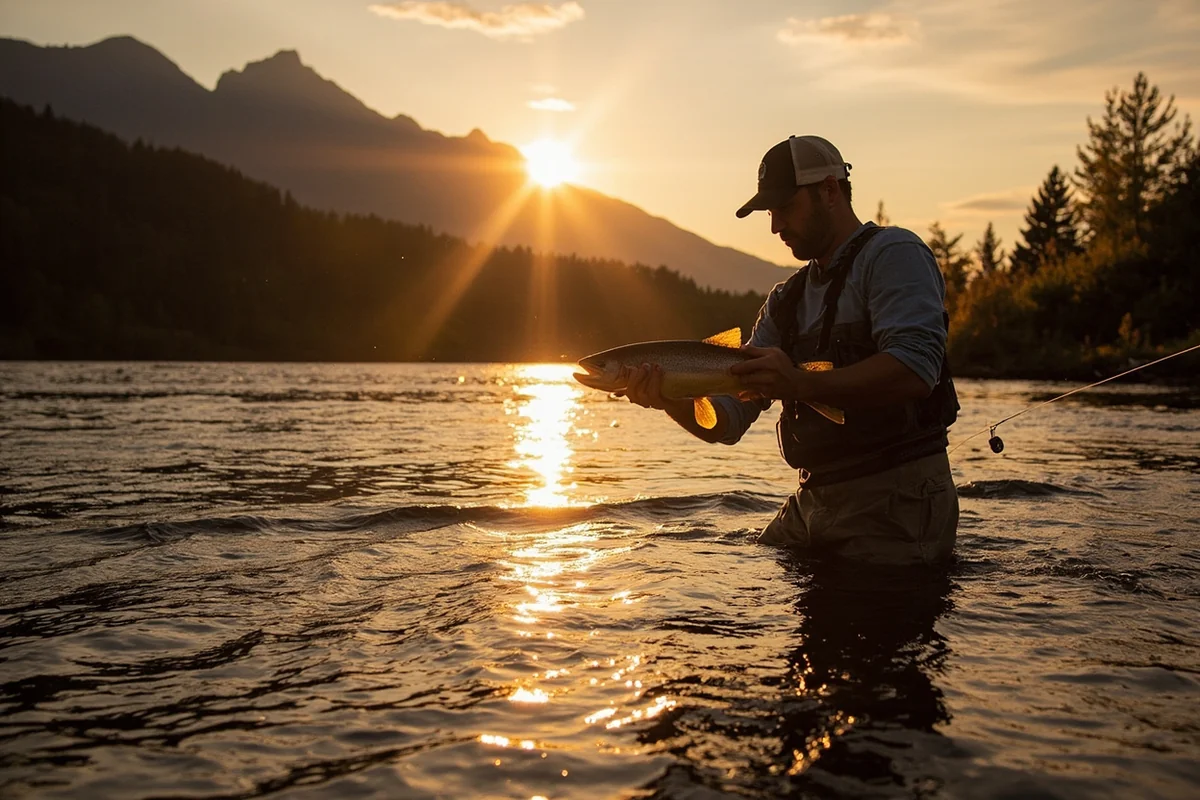
What makes Montana fishing special is the combination of quality fish and beautiful, accessible water. I can stay at a comfortable lodge in Ennis, walk to the Madison River, and have legitimate shots at 18-inch rainbow and brown trout on dry flies.
The guides in Montana are excellent—many are second or third generation on these waters. During my last trip, my guide pointed out the exact rifle where his grandfather taught his father to fish.
Many Montana authors have written eloquently about the state’s fly fishing culture, and there’s a reason—it’s genuinely special.
Alaska Fishing
Alaska fishing is about quantity and size in ways Montana can’t match. Salmon runs bring millions of fish, and when you hit it right, catching is almost too easy.
I’ve caught salmon in Alaska where my arms were genuinely tired by afternoon. King salmon, sockeye, silver, pink—the variety and abundance is overwhelming.
Halibut fishing in Alaska also offers something Montana obviously can’t: you might catch a fish heavier than you are. My largest halibut was 87 pounds, which required genuine physical effort to land.
The Verdict
If you want the zen-like experience of reading water, matching hatches, and presenting flies to selective trout—Montana. If you want coolers full of fish and the most exciting rod-bending action of your life—Alaska.
National Parks: Glacier vs. Denali
Both states have flagship national parks that deserve direct comparison.
Glacier National Park
I’ve visited Glacier more than any other national park, and it never fails to move me. The combination of dramatic peaks, glacial lakes, abundant wildlife, and human-scale accessibility creates something unique.
Going-to-the-Sun Road allows people with mobility limitations to experience alpine environments they couldn’t otherwise access. The historic lodges (Many Glacier, Lake McDonald) offer comfort without feeling out of place.
The hiking ranges from easy lakeside strolls to serious backcountry adventures. I can adjust difficulty based on how I’m feeling that day, which I appreciate as someone whose knees aren’t getting younger.
Glacier is crowded in peak summer, but arrival timing management helps. I’ve found that starting hikes before 7 AM dramatically improves the experience.
Denali National Park
Denali is about one thing: the mountain. When Denali (the peak, formerly known as McKinley) is visible—which happens maybe 30% of days—it’s the most impressive single mountain view in North America.
The wildlife viewing in Denali is excellent, with grizzlies, caribou, Dall sheep, and wolves all resident in viewable numbers. The park’s single road requires bus transportation beyond mile 15, which limits flexibility but reduces human impact.
I found Denali simultaneously impressive and frustrating. The scale is immense, but the restrictions on vehicle access meant I couldn’t explore freely. On cloudy days, when the mountain hid, the park lost much of its draw.
Honest Assessment
For a first-time visitor, I recommend Glacier over Denali. It’s more accessible, more consistently rewarding, and offers more diverse experiences. Denali is worth visiting, but go with realistic expectations about weather and access limitations.
Adventure Activities Beyond Hiking
Montana Adventures
Montana offers a comprehensive menu of mountain activities:
Whitewater rafting on the Gallatin, Clark Fork, and Flathead rivers ranges from gentle floats to Class IV rapids. I’ve done family-friendly trips and adrenaline-pumping rides on the same rivers, just different sections.
Mountain biking around Whitefish and Bozeman has exploded—trails like those at Whitefish Mountain Resort rival anything in Colorado.
Rock climbing at places like Kootenai Creek and Hyalite Canyon draws serious climbers without the crowds of more famous destinations.
Winter brings world-class skiing at Big Sky, Whitefish Mountain, and Bridger Bowl, plus extensive snowmobiling and cross-country skiing options.
The state’s natural resources support incredible outdoor recreation year-round.
Alaska Adventures
Alaska offers adventures that simply aren’t possible elsewhere in the US:
Glacier trekking on actual glaciers—not just viewing them—is accessible from several Alaska locations. Walking on the Matanuska Glacier remains a highlight of my time there.
Sea kayaking among icebergs in places like Kenai Fjords creates memories that feel almost unreal.
Heli-skiing and heli-hiking access terrain that would take days to reach otherwise.
Dog sledding with actual working sled dogs (not tourist operations using retired pets) is available even in summer at some locations.
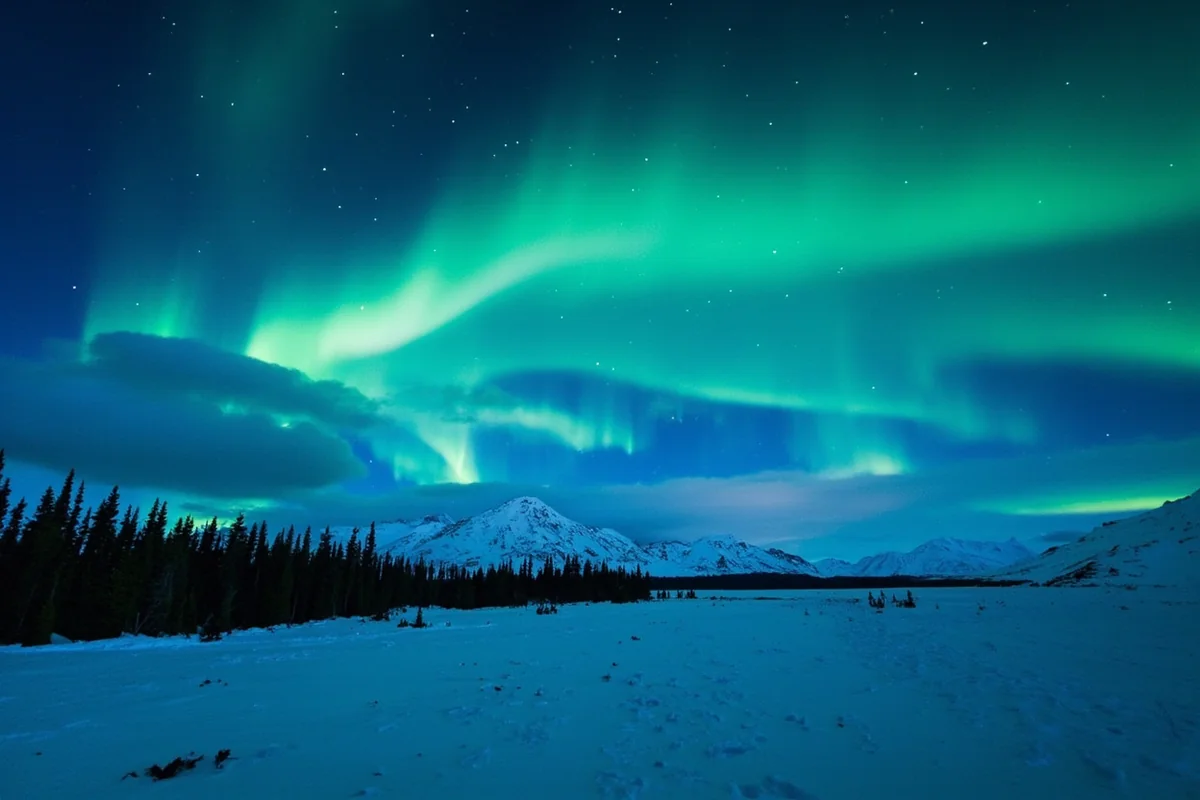
The aurora borealis viewing from Fairbanks rivals anywhere on Earth outside the Arctic Circle proper.
Photography Opportunities
As someone who takes photography seriously, both states offer extraordinary opportunities—but different ones.
Montana Photography
Montana’s photographic diversity within reasonable travel distances is remarkable. In a week, I can photograph:
– Alpine lakes with mirror reflections (Two Medicine, Swiftcurrent)
– Wildlife in open meadows (Lamar Valley, Many Glacier)
– Dramatic waterfalls (Glacier’s countless cascades)
– Historic architecture (ghost towns, homestead structures)
– Night skies (minimal light pollution across much of the state)
– Prairie landscapes with storm systems rolling through
The light in Montana is exceptional—something about the latitude and atmosphere creates that “big sky” quality that’s more than just marketing.
Several movies filmed in Montana chose the state specifically for its photogenic landscapes.
Alaska Photography
Alaska offers scale and drama that photographs powerfully:
– Massive tidewater glaciers calving into the sea
– Wildlife in densities and sizes beyond Montana’s
– Surreal midnight sun conditions
– Aurora borealis (seasonal)
– Sea stacks and coastal formations
The challenge with Alaska photography is access. Many of the most iconic shots require boats, planes, or multi-day expeditions to reach.
Which State Should You Choose?
After all this analysis, let me give you direct guidance based on different traveler profiles.
Choose Montana If:
You’re making your first serious trip to the American West. Montana offers the perfect introduction to big mountains, big wildlife, and big skies without overwhelming logistical challenges.
You have limited vacation time. A week in Montana can include diverse, meaningful experiences. A week in Alaska often feels like just getting started.
Budget matters to you. Montana delivers incredible value compared to Alaska’s premium pricing.
You want flexibility. Montana’s road network and accommodation options allow spontaneous changes in itinerary.
You’re traveling with kids or less experienced outdoors people. Montana offers easier on-ramps to wilderness experiences.
You value charming towns as part of your travel experience. Montana’s communities are genuinely delightful.
Comparing Montana to other states is useful context—see how it stacks up against Colorado, Wyoming, Idaho, or Oregon for perspective.
Choose Alaska If:
You specifically want marine wildlife experiences (whales, sea lions, puffins, otters).
You’ve already explored the mountain West thoroughly and want something genuinely different.
True remoteness and wilderness isolation are your primary goals.
You have a generous budget and extended time (minimum two weeks recommended).
You’re interested in glaciers as more than just distant views—you want to walk on them, kayak near them, experience their scale.
You want fishing experiences focused on quantity, variety, and size rather than technical challenge.
A Practical Planning Approach
Here’s what I actually recommend to friends who ask me this question:
If you haven’t done a serious Montana trip, do that first. It’s more forgiving, more accessible, and will help you understand whether you’re ready for Alaska’s intensity.
Montana is a fantastic “training ground” for Alaska. The wilderness skills, bear safety knowledge, and general outdoor competence you develop in Montana transfer directly to Alaska adventures.
After one or two Montana trips, you’ll know if Alaska is calling you. Some people find that Montana satisfies everything they’re seeking. Others develop an appetite for even more extreme wilderness that only Alaska can provide.
There are also unique ways Montana stands out that might surprise you—cultural elements, community character, and weird and unusual things that add dimensions beyond pure wilderness adventure.
Final Thoughts: Two Different Dreams
Montana and Alaska represent related but distinct visions of the American frontier.
Montana is the frontier that integrated—wild enough to feel adventurous, civilized enough to feel comfortable. It’s where you can have a genuine wilderness experience and then enjoy craft cocktails and farm-to-table dinner that same evening.
Alaska is the frontier that resisted integration—still genuinely wild in ways that require serious respect and preparation. It’s where you go to feel small, challenged, and humbled by nature’s indifferent enormity.
Both are extraordinary. Both deserve your time. But for most travelers, especially those earlier in their wilderness journey, Montana offers the better combination of accessibility and authenticity.
When you’re ready for your Montana adventure, consider exploring our best books on Big Sky Country to deepen your appreciation, and browse the many quotes about Montana from writers, artists, and adventurers who’ve fallen in love with this remarkable state.
Understanding who leads the state through our Montana governor overview, or comparing Montana to neighboring states like North Dakota and South Dakota, can provide additional context for your planning.
Whatever you choose, you’re choosing well. Both Montana and Alaska offer something increasingly rare in our crowded, connected world: genuine encounters with wild America.
Frequently Asked Questions
Is Montana or Alaska cheaper to visit for a vacation?
Montana is significantly more budget-friendly, with average daily costs running $150-250 compared to Alaska’s $300-400+ per day. Flights to Montana from most US cities are also considerably cheaper, and you won’t need expensive bush planes or ferries to reach destinations. I’ve found that even Montana’s premium lodges cost less than mid-range Alaska accommodations during peak season.
Which state has better wildlife viewing, Montana or Alaska?
Both offer incredible wildlife, but Alaska edges out Montana for sheer variety with marine mammals, coastal brown bears, and larger animal populations. However, Montana’s Yellowstone and Glacier regions provide more accessible wildlife viewing without charter flights or boat tours. If you’re hoping to see grizzlies, wolves, elk, and bison without the Alaska price tag, Montana delivers exceptional experiences within a standard road trip.
What is the best time to visit Montana versus Alaska?
Montana’s prime season runs June through September, with July and August offering the warmest weather and fully accessible mountain roads. Alaska’s sweet spot is narrower, typically mid-June to mid-August, when daylight is abundant and temperatures are tolerable. I prefer Montana for shoulder season travel in May or October when crowds thin out but attractions remain open.
Can you drive to Montana and Alaska from the lower 48 states?
Montana is easily accessible by car from anywhere in the continental US, with major highways connecting from all directions. Driving to Alaska requires the 1,400-mile Alaska Highway through Canada, taking 3-4 days minimum and requiring a passport. For most US travelers, Montana’s accessibility makes it a far more practical road trip destination without international border crossings.
Which has more dramatic mountain scenery, Montana or Alaska?
Alaska’s peaks are objectively taller and more glaciated, with Denali towering at 20,310 feet compared to Montana’s Granite Peak at 12,799 feet. That said, Montana’s Glacier National Park offers stunning alpine scenery that rivals Alaska’s accessible areas without the logistics headaches. I’ve found Montana’s mountains feel more intimate and explorable, while Alaska’s scale can be overwhelming and harder to experience up close.
What should I pack differently for Montana versus Alaska travel?
Both destinations require layered clothing and rain gear, but Alaska demands more serious waterproof equipment and warmer base layers even in summer. Montana travelers can pack lighter, though I always bring bear spray, sturdy hiking boots, and sun protection for high-altitude exposure. For Alaska, add rubber boots for coastal excursions and budget for gear rentals if you’re not prepared for true wilderness conditions.
Is Montana a good alternative to Alaska for first-time mountain west travelers?
Absolutely—Montana offers a perfect introduction to rugged American wilderness without Alaska’s logistical complexity and expense. You’ll experience world-class national parks, genuine western culture, and abundant outdoor recreation while staying on paved roads with reliable cell service. I recommend Montana as a proving ground before committing to an Alaska adventure, as it builds confidence for backcountry travel at a fraction of the cost.
Sources
- https://www.census.gov/quickfacts/A
- https://www.census.gov/quickfacts/MT
- https://live.laborstats.alaska.gov/pop/index.html//alaska.gov/kids/student.htm#
- https://www.usgs.gov/centers/national-minerals-information-center/mineral-industry-alaska
- https://www.nps.gov/subjects/aknatureandscience/akwildlife.htm
- https://memory.loc.gov/diglib/legacies/loc.afc.afc-legacies.200002657/