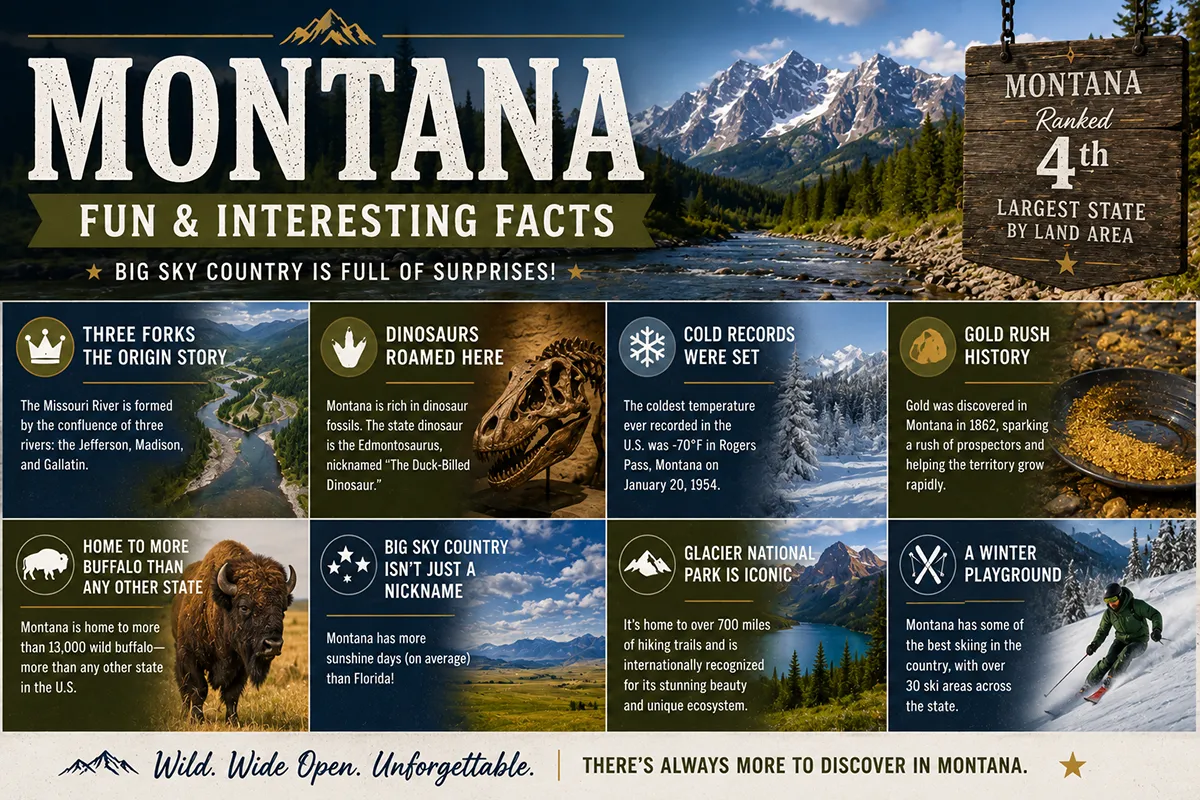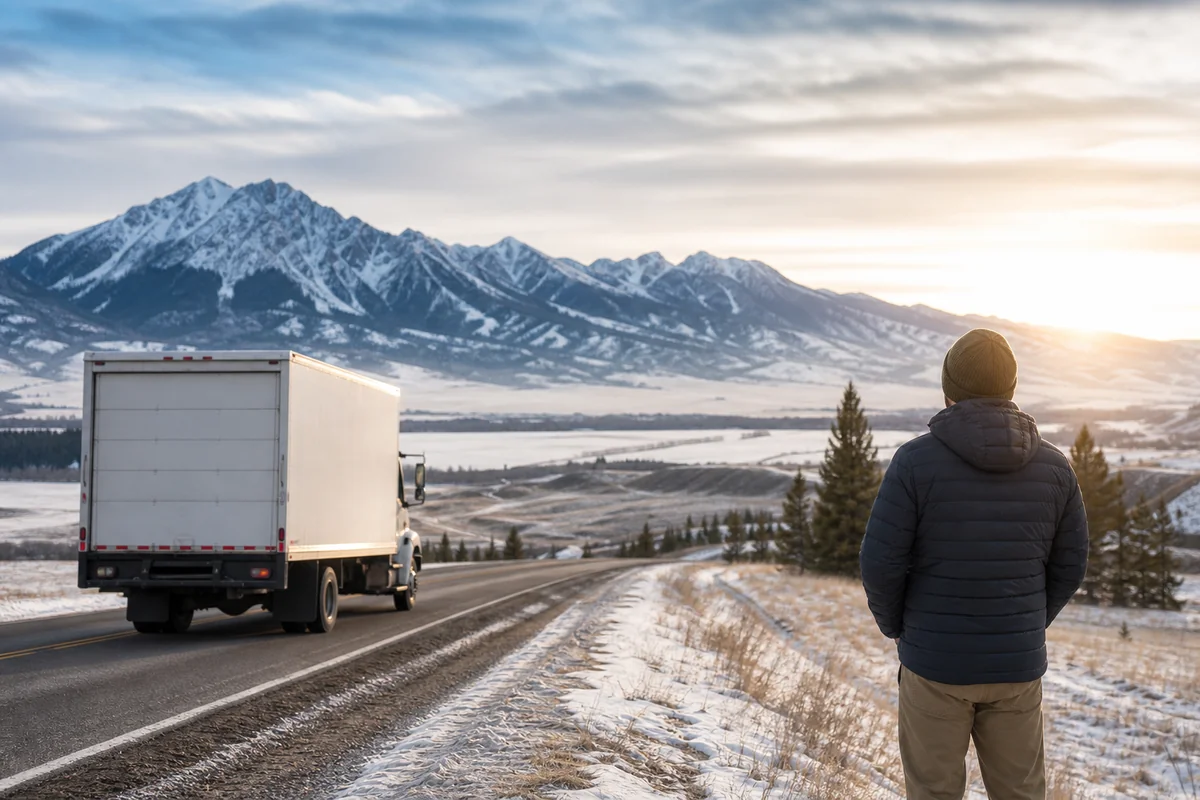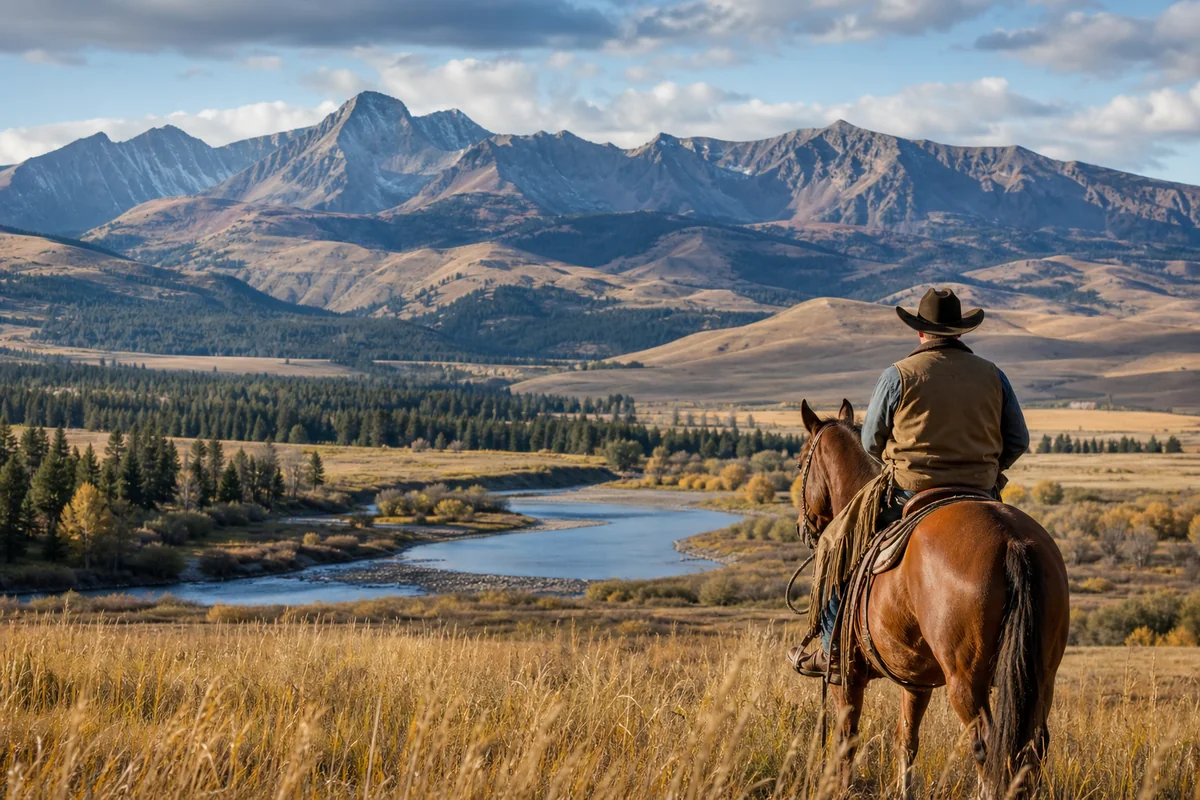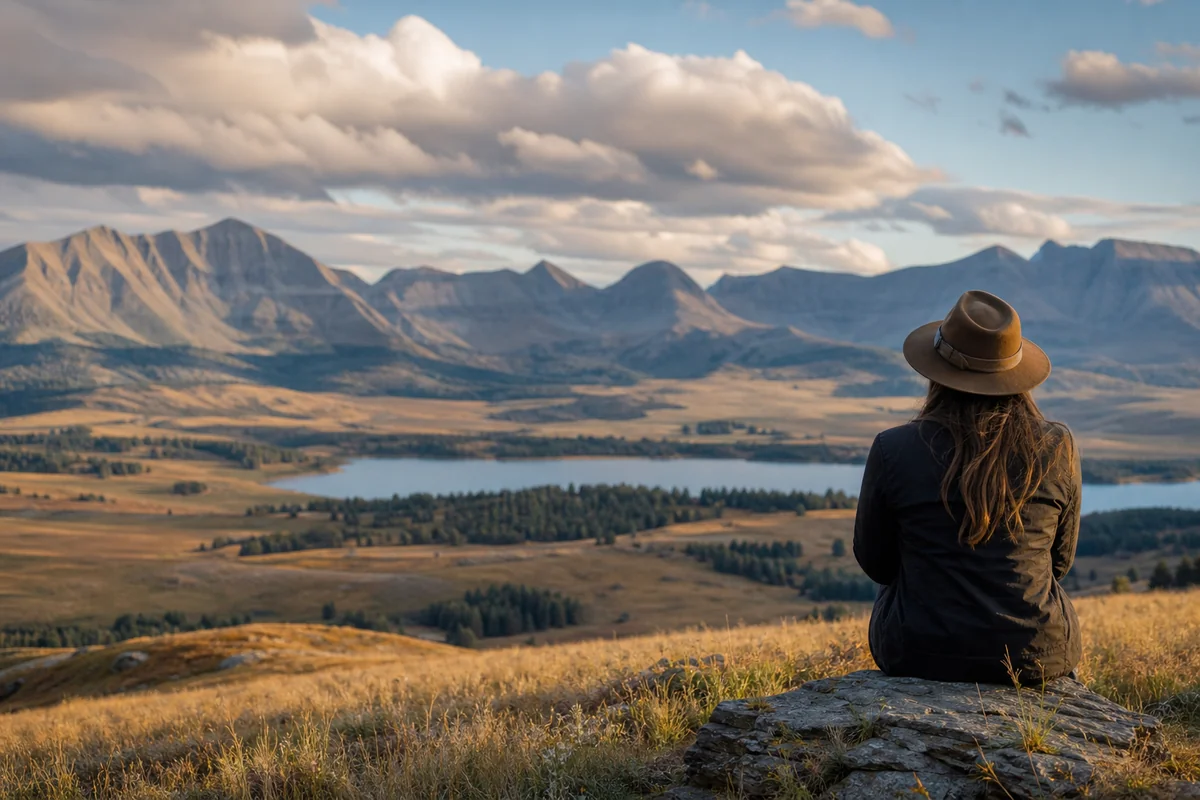
I was standing at the edge of Glacier National Park’s Hidden Lake Overlook last September when a stranger beside me said something I’ll never forget: “You know, words fail here—but people keep trying anyway.” She was right.
For over a century, writers, adventurers, presidents, and everyday travelers have attempted to bottle Montana’s magic into sentences, and those attempts have produced some of the most powerful quotes about place ever written.
If you’re curious about Montana and why it inspires such devotion, these quotes offer a window into the state’s soul.
They’re also surprisingly practical—helping you understand what kind of experience awaits and which corners of the state might speak to you most.
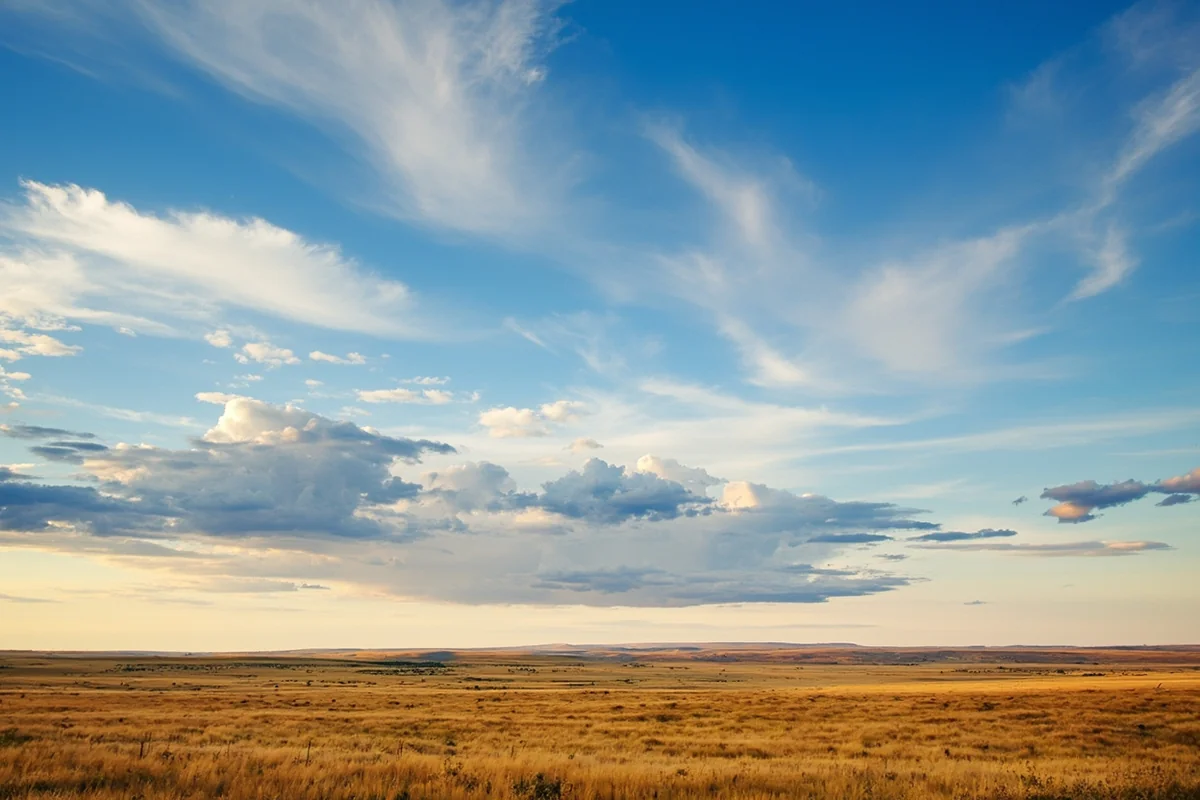
- Montana has inspired profound quotes from literary giants like John Steinbeck, A.B. Guthrie Jr., and Norman Maclean
- Quotes reveal Montana’s dual nature: rugged wilderness and transformative solitude
- Native American wisdom and rancher philosophies offer perspectives tourists rarely encounter
- I’ve organized 50+ quotes by theme to help you find ones that resonate with your travel style
- Many quotes reference specific locations you can actually visit
- Understanding what Montana means to others deepens your own experience there
Liked this article?
Add Roaming Montana as a preferred source so you see more of our articles and guides on Google.
Why Montana Quotes Matter for Your Trip
During my years exploring Montana, I’ve noticed something fascinating. The quotes people share about this state aren’t generic postcard sentiments—they’re attempts to process genuinely overwhelming experiences.
When John Steinbeck wrote about Montana in “Travels with Charley,” he wasn’t just being poetic. He was struggling to explain why crossing into Montana felt different from crossing into any other state. I’ve felt that same struggle standing on the Rocky Mountain Front near Choteau, watching the plains crash into mountains like a frozen wave.
These quotes serve as travel preparation in the best sense. They calibrate your expectations not toward specific attractions, but toward a state of mind. If you’ve been reading about beautiful places in Montana, quotes help explain why those places affect visitors so profoundly.
Literary Giants on Montana’s Landscape
Montana has attracted serious writers since the territorial days, and their observations remain remarkably relevant for today’s visitors.
John Steinbeck’s Famous Montana Passage
“I’m in love with Montana. For other states I have admiration, respect, recognition, even some affection. But with Montana it is love. And it’s difficult to analyze love when you’re in it.”
Steinbeck wrote this during his 1960 cross-country journey, and I’ve thought about it constantly since my first Montana trip in 2019. What strikes me now, having explored every region of the state, is how precisely he nailed the emotional response that catches visitors off guard.
“Montana seems to me to be what a small boy would think Texas is like from hearing Texans.”
This second Steinbeck quote makes me laugh every time, partly because it’s true. Montana delivers on the mythology of the American West in ways that feel almost theatrical—until you realize it’s all real.
A.B. Guthrie Jr.’s Deep Roots
“This was the way the world should be, free and clean with plenty of space.”
A.B. Guthrie Jr. won the Pulitzer Prize for “The Way West,” but his Montana novels capture the state even better. Many Montana authors have followed his tradition of writing landscapes as characters, but few matched his precision.
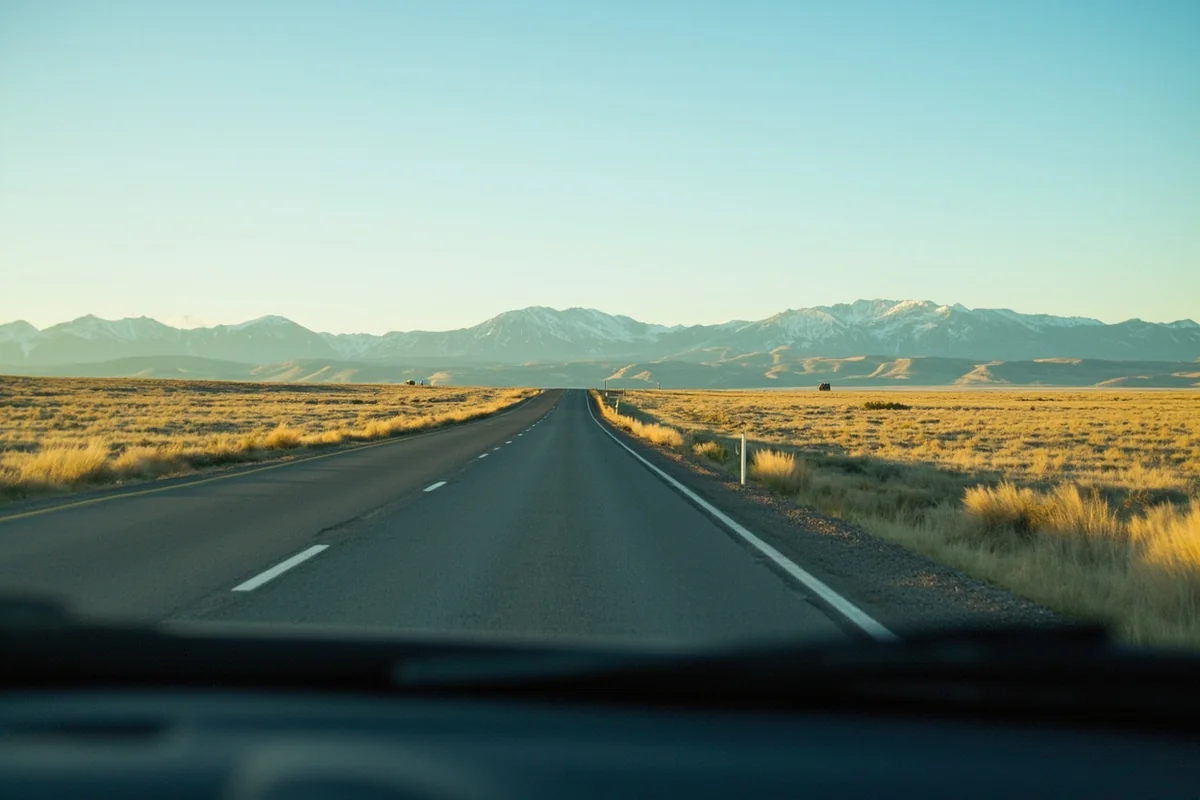
“The mountains rose ahead, not seeming to come closer, except that they showed more detail.”
I’ve experienced exactly this phenomenon driving Highway 89 toward Glacier. The mountains appear frozen in place for miles, then suddenly you’re among them.
Norman Maclean’s Spiritual Geography
“Eventually, all things merge into one, and a river runs through it.”
This might be Montana’s most famous literary line, and for good reason. When I fished the Blackfoot River near Missoula two summers ago—the same waters Maclean wrote about—I understood why he reached for spiritual language. The experience demands it.
“In my family, there was no clear line between religion and fly fishing.”
Maclean’s Montana isn’t about scenery alone. It’s about ritual, family, and finding meaning in repeated acts within a specific landscape. If you’re planning a fly-fishing trip, his quotes prepare you for something more profound than catching trout.
Quotes About Montana’s Scale and Space
Big Sky Country earned its nickname honestly. These quotes capture what it feels like to experience vastness firsthand.
The Big Sky Phenomenon
“In Montana, the sky is huge, and the mountains go on forever.”
I’ve never found a source for this anonymous quote, but I’ve heard variations of it from locals in every town I’ve visited. The repetition suggests something essential about Montanan self-understanding.
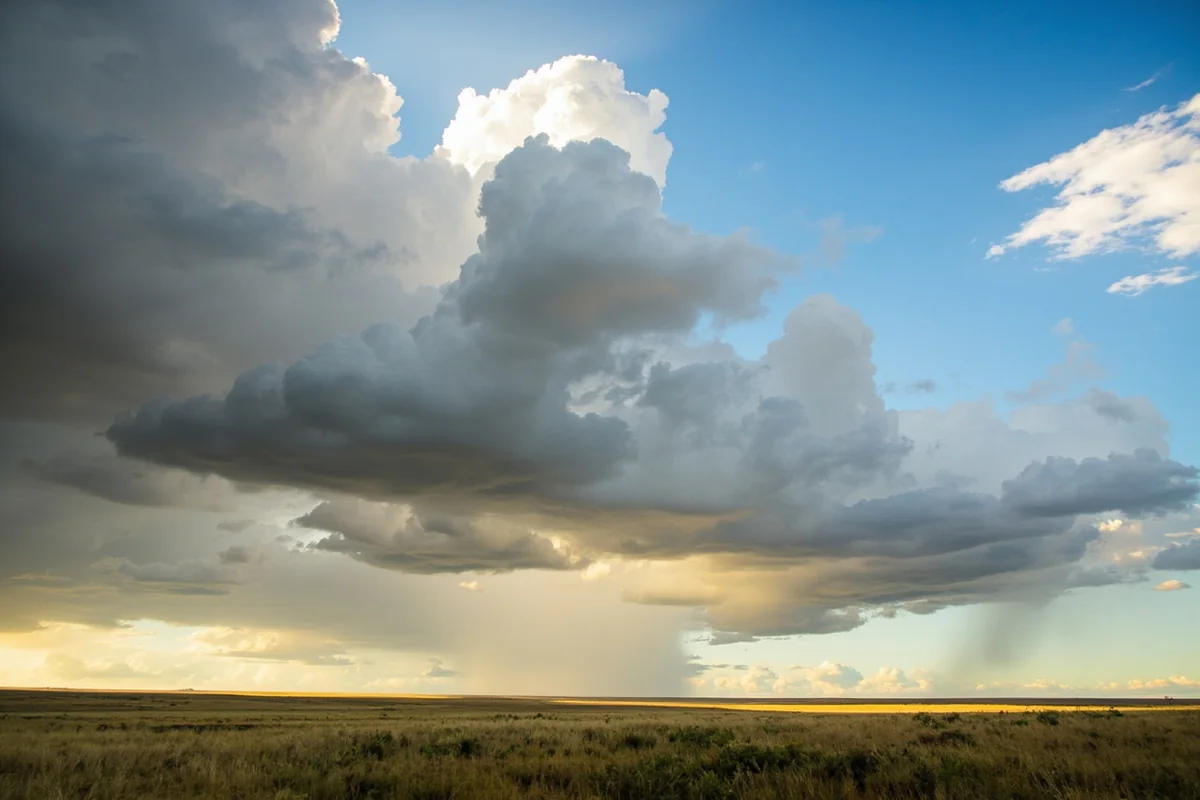
“The sky here isn’t just big—it’s aggressive. It demands you look up.”
A rancher near Miles City told me this during a conversation at a gas station last summer. He wasn’t trying to be poetic; he was explaining why he couldn’t live anywhere else.
The Psychology of Open Space
“Montana’s vastness teaches you that you’re small, but it doesn’t make you feel insignificant. It makes you feel lucky to witness something this large.”
This comes from a guest book at a cabin near Ennis where I stayed during fall 2022. Visitor quotes often express insights that published writers miss, perhaps because tourists arrive without preconceptions.
“There’s more space here than most people know what to do with. That’s the point.”
I found this scratched into a picnic table at a rest stop near the North Dakota border. It perfectly captures why Montana’s emptiness is a feature, not a bug.
Comparing Montana’s Scale
“I’ve seen big places, but Montana is big in a way that changes your internal calibration.”
This observation from a friend who’d traveled extensively finally made sense when I crossed into the state from Wyoming. Even coming from another massive western state, Montana felt more expansive. For detailed comparisons, I’ve written about how Montana differs from Wyoming in ways that surprised me.
Mountain Quotes for Glacier and Beyond
Montana’s mountain ranges—particularly the dramatic peaks in Glacier National Park—have generated countless attempts at description.
Glacier National Park Wisdom
“Give a month at least to this precious reserve. The time will not be taken from the sum of your life. Instead of shortening, it will indefinitely lengthen it and make you truly immortal.”
John Muir wrote this over a century ago, and park rangers still quote it to visitors rushing through on two-day itineraries. During my week-long backpacking trip on the Highline Trail, I finally understood what he meant. Time operates differently in Glacier.
“Glacier is the crown of the continent, and when you see it, you understand why.”
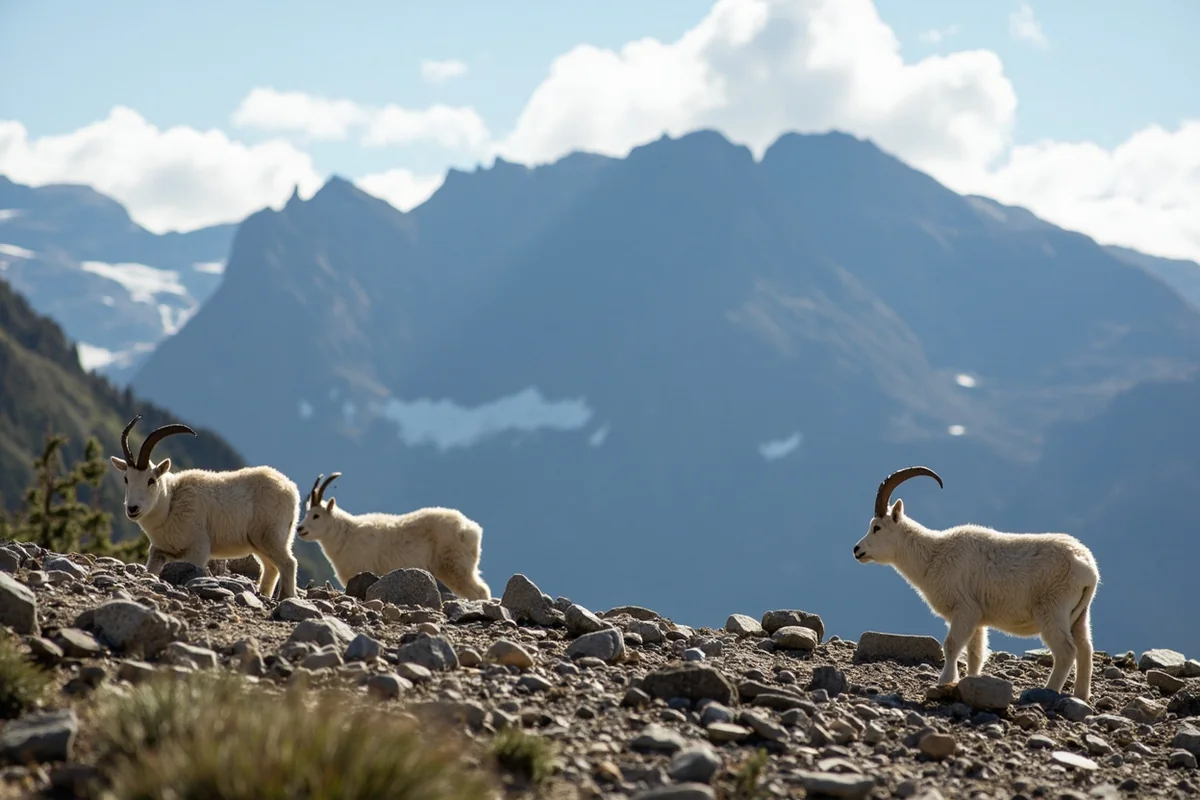
George Bird Grinnell, who championed Glacier’s creation as a national park, knew this landscape intimately. His quote appears on interpretive signs throughout the park, but it hits differently when you’re standing at Logan Pass watching mountain goats traverse impossible cliffs.
The Rocky Mountain Front
“Where the Rockies meet the prairie, you see the bones of the Earth.”
I heard this from a retired geologist at a café in Augusta, and I’ve never forgotten it. The Rocky Mountain Front—that dramatic wall of mountains rising from the plains—inspired this quote and continues inspiring visitors who discover this less-touristed landscape.
“The Front doesn’t transition. It slams.”
This observation from a hiking companion during a trip to the Pine Butte Swamp Preserve captures the geological drama perfectly. Unlike gradual mountain approaches elsewhere, Montana’s front range simply erupts from flatness.
Native American Perspectives on Montana
The famous people from Montana include many Indigenous leaders whose words about this land carry particular weight.
Tribal Wisdom
“The ground on which we stand is sacred ground. It is the dust and blood of our ancestors.”
Chief Plenty Coups of the Crow Nation spoke these words about Montana’s landscape. Visiting the Chief Plenty Coups State Park near Pryor offers context that enriches this quote considerably.
“We did not inherit the land from our ancestors; we borrow it from our children.”
This teaching, shared across many Indigenous cultures including Montana’s tribes, fundamentally shapes how I approach travel in the state. Walking through places like the Little Bighorn Battlefield, this philosophy feels urgently present.
“The land knows you, even if you do not know the land.”
A Blackfeet elder shared this with a tour group I joined at the Museum of the Plains Indian in Browning. It reframes the visitor experience entirely—suggesting that Montana isn’t passive scenery but an active participant in your journey.
Historical Indigenous Voices
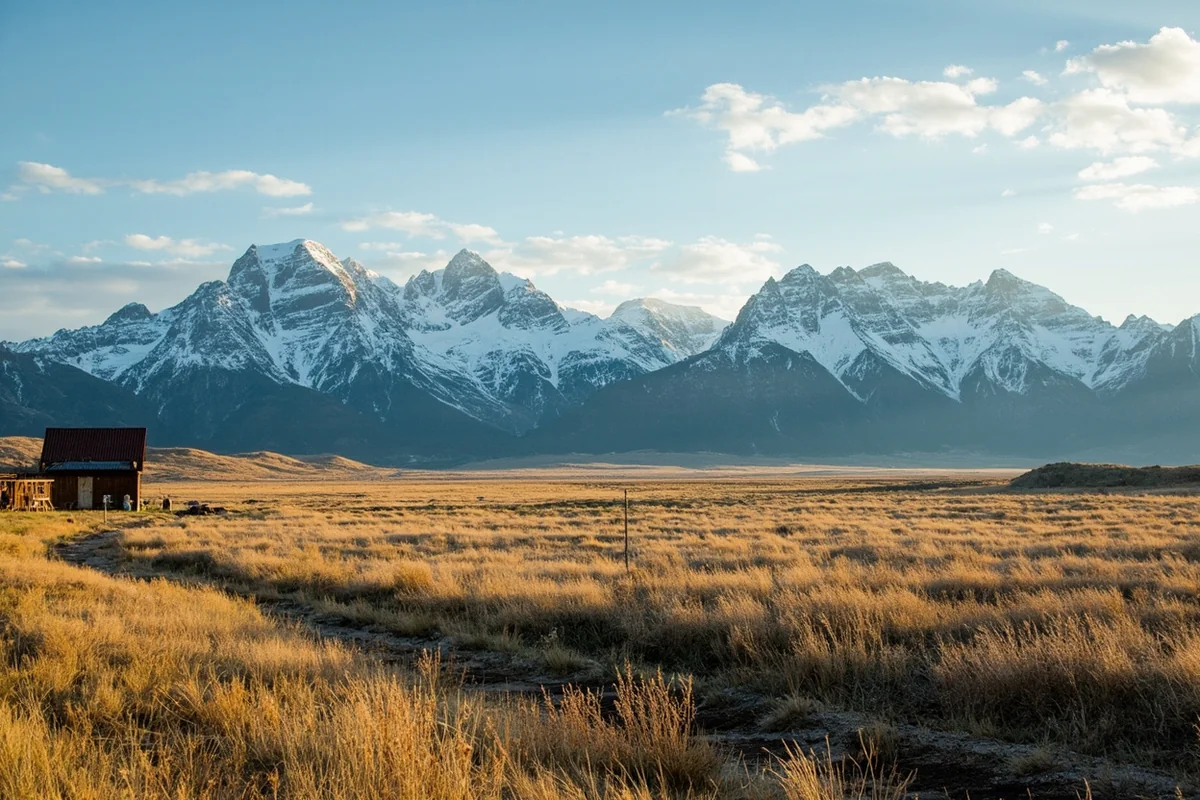
“Montana was our home before it had that name. It will be our home after names are forgotten.”
I encountered this sentiment paraphrased in several contexts, reflecting the deep connection between Montana’s land and its original inhabitants. The perspective adds layers to any Montana trip, especially visits to the seven reservations.
Rancher and Cowboy Philosophy
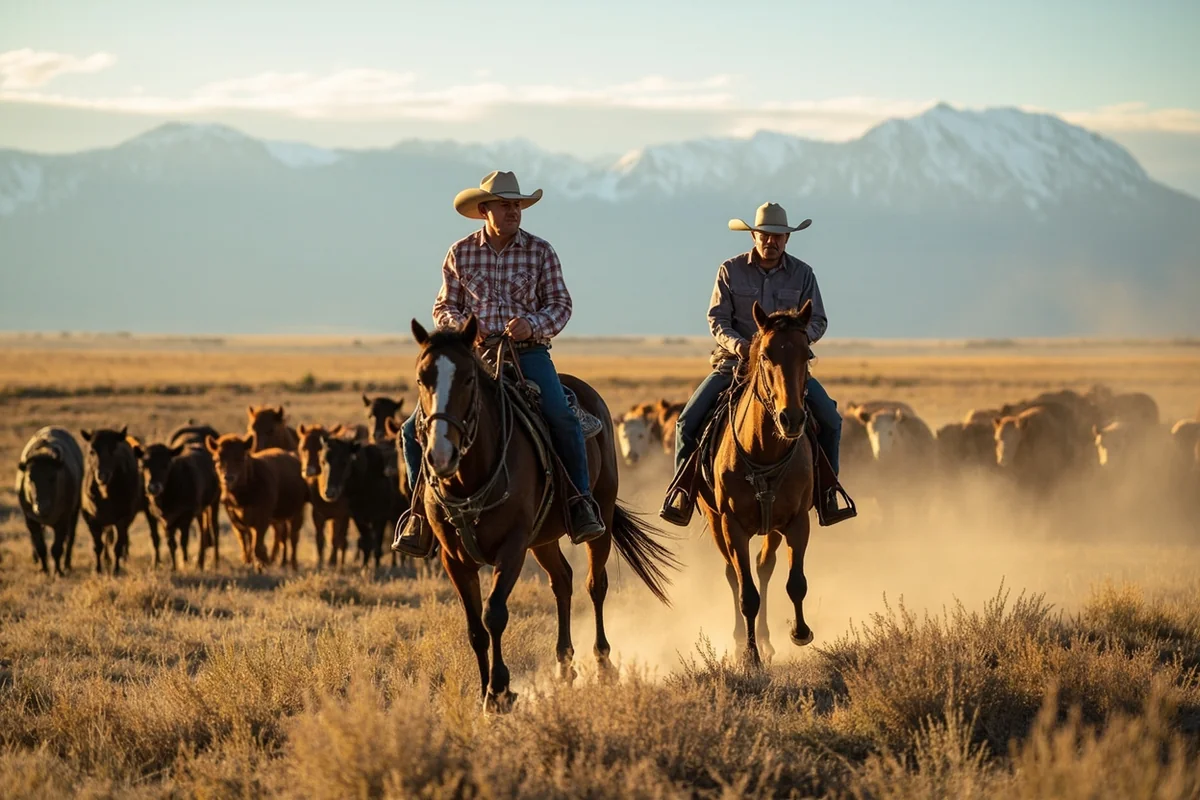
Montana’s ranching culture produces a distinct type of wisdom—practical, understated, and surprisingly profound.
Working Landscape Quotes
“Montana teaches you that you’re not in charge. The weather’s in charge, and you work around it.”
A cattle rancher near Roundup shared this during a conversation about why young people leave and sometimes return to rural Montana. It’s practical wisdom disguised as casual conversation.
“Out here, your word still means something because there’s no one else around to verify anything.”
This quote from a ranch hand near the Missouri Breaks explains Montana’s persistent code of honor. In a landscape this empty, reputation is everything.
“The land doesn’t care about your plans. It has its own.”
I heard variations of this quote from multiple sources across eastern Montana. It captures something essential about rural Montanan philosophy—and about why visiting this region requires flexibility.
The Ranching Life
“Ranching in Montana isn’t a job. It’s a argument with the weather that lasts your whole life.”
This quote from a multi-generational ranching family near Lewistown made me laugh, but there’s genuine wisdom underneath. Montana’s natural resources shaped a culture of resilience that visitors still encounter.
“City folks ask why we stay. We ask why they left places like this.”
This good-natured pushback from a bartender in Jordan reflects the genuine confusion many rural Montanans feel about urban life choices. It’s worth considering their perspective.
Quotes About Montana Solitude
If you’re considering moving to Montana, these solitude-focused quotes reveal what daily life feels like outside the tourist zones.
The Gift of Isolation
“Montana offers a kind of solitude that isn’t loneliness—it’s spaciousness for your thoughts.”
I jotted this down in my notebook after a solo camping trip in the Charles M. Russell National Wildlife Refuge. Three days without cell service clarified something about why silence can feel like a gift rather than a deprivation.
“In Montana, you can hear yourself think. Some people find that terrifying.”
This observation from a Bozeman-based therapist I met at a dinner party contains real insight. Montana’s quietness forces an internal reckoning that not everyone wants.
“The silence here has texture. It’s not empty—it’s full of things you stopped noticing in cities.”
A wildlife photographer camping next to me at Bannack Ghost Town shared this. We were listening to wind through grass, distant coyotes, and absolute nothing else. She was right about the texture.
Solitude and Self-Discovery
“I came to Montana to find myself. What I found was that I’d been looking in the wrong places.”
This quote from a sabbatical traveler I met on a trail near Whitefish stuck with me. Montana seems to attract seekers, and many find what they’re looking for.
“Solitude and beauty—Montana gives you both at once, which turns out to be transformative.”
A retreat center owner near Hot Springs explained why people travel from across the country for her programs. Montana’s combination of isolation and aesthetic power creates space for change.
Quotes About Specific Montana Regions
Different parts of Montana inspire distinctly different observations. Understanding these regional personalities helps with trip planning.
Western Montana: Mountain Country
“Missoula sits in a cradle of mountains that makes every arrival feel like coming home.”
I felt this immediately during my first visit to Missoula, even though I’d never been there before. The mountain-ringed geography creates psychological comfort alongside physical beauty.
“The Bitterroot Valley isn’t showing off. It’s just being what it is, and that happens to be spectacular.”
A local in Hamilton shared this when I commented on the scenery. His observation about authenticity—versus performed tourism—applies broadly to western Montana.
Eastern Montana: Big Sky’s Heartland
“Eastern Montana is where the sky lives. The mountains are just guests.”
This reversal of typical Montana imagery came from a wheat farmer near Glendive. It reframed how I see the eastern prairies—not as empty space but as sky territory.
“People who don’t understand eastern Montana haven’t learned to see yet. Give it time.”
A Billings artist who specializes in prairie landscapes offered this defense of Montana’s most overlooked region. She’s right that the subtle beauty requires adjustment.
When comparing Montana to neighboring states like South Dakota, eastern Montana’s character becomes clearer—similar prairie but with different cultural and geological signatures.
Central Montana: The Hidden Heart
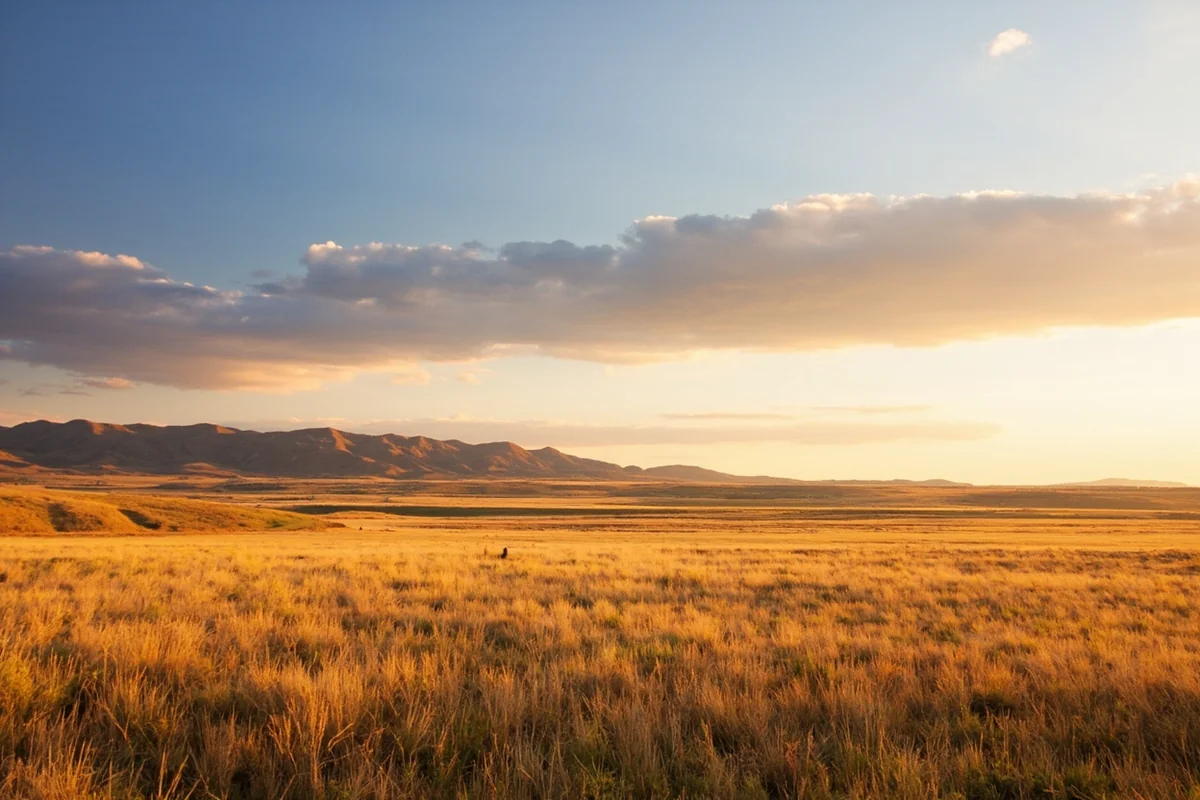
“Central Montana is what everyone imagines the West looks like, and hardly anyone goes there.”
A travel writer colleague made this observation over beers in Great Falls. It’s accurate—the Charlie Russell country between the mountains and the plains delivers classic Western scenery to relatively few visitors.
“The Missouri Breaks don’t want you to find them easily. That’s their protection.”
A Bureau of Land Management ranger explained why this rugged region remains genuinely remote despite its increasing fame from movies filmed in Montana.
Philosophical Reflections on Montana
Some quotes transcend description and enter philosophical territory—attempting to explain why Montana affects visitors so deeply.
Transformation and Change
“Montana doesn’t change you. It reveals who you already were, without the noise.”
A mindfulness teacher leading a retreat near Big Sky offered this perspective. It aligns with what many visitors report—not becoming different people, but becoming clearer versions of themselves.
“You can’t fake anything in Montana. The landscape is too honest, and it expects the same from you.”
This quote from a wilderness therapy program director captures something real about Montana’s effect on pretension. The state has a way of stripping away performance.
“I’ve never met anyone who visited Montana and came back exactly the same. The scale of the place recalibrates something.”
A friend who grew up in Billings and now lives in Brooklyn told me this. His observation matches my experience and that of countless visitors I’ve talked with.
Time and Perspective
“Montana operates on geological time. Human urgencies seem almost funny against rocks that old.”
A paleontologist working near Egg Mountain shared this perspective. Spending time in Montana’s ancient landscapes does shift temporal perception in lasting ways.
“The state is old enough that your problems feel young. That’s actually helpful.”
This reframing from a mental health counselor who uses wilderness therapy captures Montana’s therapeutic potential. Scale provides perspective.
Quotes About Montana Wildlife
Encountering wildlife shapes Montana experiences profoundly. These quotes capture that magic.
Grizzly Bear Wisdom
“The grizzly bear is Montana’s real governor. Everything else is administrative details.”
This joke from a state government employee contained real truth about Montana’s power dynamics. In grizzly country, humans genuinely aren’t in charge.
“Seeing a grizzly in the wild changes your relationship to fear forever. Not because you’re less scared—because you understand what fear is for.”
A wildlife biologist I interviewed for another project shared this. It articulates why Montana wildlife encounters become defining memories.
Elk, Bison, and Beyond
“Watching elk migrate through Paradise Valley, you understand what this continent looked like before we complicated everything.”
A photographer who spends each fall documenting the elk rut shared this perspective. Montana’s intact ecosystems allow glimpses of primordial America.
“When you see bison moving across Montana prairie, something genetic wakes up. Your ancestors knew these animals.”
This observation from a tribal wildlife manager at the National Bison Range connected wildlife viewing to deeper human heritage. It explains the emotional power of bison encounters.
Quotes About Montana Seasons
Montana’s dramatic seasonal shifts generate specific wisdom worth knowing before your trip.
Winter Truths
“Montana winter doesn’t ask if you’re ready. It just arrives and expects you to adapt.”
A rancher near Wolf Point offered this summary of winter reality. If you’re comparing Montana to Alaska, winter intensity is a valid discussion topic—both states demand winter respect.
“The cold here teaches you gratitude for warmth. You never take a sunny day for granted again.”
A Kalispell resident shared this after my first Montana February trip. She’s right that temperature extremes create appreciation.
Summer and Shoulder Seasons
“Montana summer is so perfect that you forgive the winter immediately. That’s how good it is.”
This observation from a seasonal worker who returns every May captures the emotional arc of Montana’s year. Summer genuinely compensates for winter challenges.
“Fall in Montana is a secret the locals try to keep. Two weeks of gold that feel like stolen time.”
A Bozeman artist who paints exclusively in autumn light explained why fall is her favorite season. The brief intensity creates urgency and appreciation.
Modern Voices on Montana
Contemporary writers, filmmakers, and visitors add fresh perspectives to Montana’s quote collection.
Film and Television Influence
“Yellowstone made Montana famous, but Montana made Yellowstone possible. The landscape is the real star.”
A tourism professional in Paradise Valley offered this observation about the television show’s impact. The show has increased visitation, but the underlying attraction remains the land itself.
“Hollywood discovered what Montana always knew—this place photographs like nowhere else on Earth.”
A cinematographer who’s worked on multiple Montana productions explained the state’s visual appeal. The light quality combined with landscape drama creates natural production value.
New Resident Perspectives
“I moved to Montana thinking I’d miss cities. Instead, I discovered what I’d been missing in cities.”
A recent transplant from Portland shared this common realization. Understanding why Montana ranks among the best states often requires direct experience.
“Montana isn’t for everyone. But the people it’s for know immediately.”
This observation from a real estate agent in Whitefish captures the polarizing nature of Montana living. Some visitors feel instant belonging; others feel equally instant discomfort.
How to Use These Quotes
After collecting quotes for years, I’ve found they serve several practical purposes for travelers.
Trip Planning Applications
| Best Montana Region | Ideal Experience | |
|---|---|---|
| Vast open space | Eastern Montana | Drive Highway 2, visit Fort Peck |
| Mountain majesty | Glacier National Park | Going-to-the-Sun Road, Highline Trail |
| Literary heritage | Missoula, Blackfoot River | Fly fishing, author home visits |
| Cowboy culture | Central Montana | Guest ranches, Charlie Russell Museum |
| Indigenous history | Blackfeet and Crow Reservations | Guided cultural tours |
| Solitude and reflection | Missouri Breaks | Backcountry camping, river floats |
Understanding what type of Montana experience you’re seeking—and reading quotes that capture that experience—helps you choose destinations and activities that align with your goals. If quotes about wilderness solitude resonate, eastern Montana might suit you better than crowded Glacier parking lots.
Sharing Your Own Montana Quotes
The best Montana quotes come from unexpected moments of clarity. During my travels, I keep a small notebook specifically for capturing these observations—my own and those I overhear.
Some of my most treasured Montana quotes came from gas station conversations, trail encounters, and late-night campfire talks. The formal literary quotes provide framework, but personal observations provide soul.
For deeper exploration of what makes Montana exceptional, browse the 27 things Montana is known for—many of these elements inspire the quotes people share.
Finding Your Own Montana Words
After collecting quotes for years, I’ve realized the best ones share common characteristics. They’re specific rather than general, honest rather than promotional, and they emerge from genuine experience rather than forced profundity.
Montana will give you your own quotes if you let it. The state has a way of prompting articulation—forcing you to find words for experiences that exceed ordinary language.
When you stand at the Chinese Wall watching sunset paint the Bob Marshall Wilderness, you’ll understand why people keep trying to describe Montana despite repeated failures. And you’ll probably try yourself.
That impulse—to capture something too vast for capture—is perhaps Montana’s greatest gift to visitors. It makes us reach for poetry we didn’t know we had.
For those curious about what sets Montana apart from neighboring states, I’ve explored comparisons with Colorado, Idaho, and Oregon—each comparison reveals different aspects of Montana’s character.
The unique qualities that make Montana stand out aren’t just talking points—they’re the source material for the quotes that keep emerging from this remarkable landscape.
And if you have time, exploring the weird and unusual things in Montana will give you stories to tell, even if they don’t quite achieve quotability. Sometimes Montana’s strange corners produce the most memorable moments.
Bring your notebook. Montana is waiting to give you words you didn’t know you needed.
For the best books that capture Montana’s essence, check out the best books on Big Sky Country—many contain quotes that will prepare you for your own Montana experience.
Frequently Asked Questions
What are the most famous quotes about Montana’s Big Sky Country?
Some of the most iconic quotes about Montana come from John Steinbeck, who wrote ‘Montana is a great splash of grandeur’ in Travels with Charley. A.B. Guthrie Jr. famously called it ‘the last best place,’ a phrase that’s become Montana’s unofficial motto and perfectly captures what travelers experience when visiting.
Why do writers and travelers call Montana ‘The Last Best Place’?
Author A.B. Guthrie Jr. coined this phrase because Montana remains one of America’s most unspoiled wilderness destinations with vast open spaces and minimal development. When I visited, I understood immediately—you can drive 50 miles without seeing another car, and the night skies are completely free of light pollution.
What is the best time of year to visit Montana and experience the scenery described in famous quotes?
The best time to visit Montana is June through September when Glacier National Park’s Going-to-the-Sun Road is fully open and temperatures range from 60-85°F. I recommend July and August for hiking, though late September offers stunning fall colors that inspired many of those poetic Montana quotes.
How much does a week-long Montana road trip cost to see Big Sky Country?
Budget approximately $1,500-$2,500 per person for a week in Montana, including lodging ($100-200/night), rental car ($50-80/day), park entrance fees ($35 for Glacier), and meals. Gas prices average around $3.50/gallon, and distances between attractions can be 100+ miles, so fuel costs add up quickly.
What should I pack for a Montana trip to fully appreciate the outdoor experiences writers rave about?
Pack layers regardless of season since Montana temperatures can swing 30-40 degrees in a single day. I always bring a quality camera for those quote-worthy vistas, bear spray for hiking ($40-50 at local outfitters), sturdy hiking boots, and sunscreen since the high elevation means stronger UV exposure.
Where can I see the inspiring Montana landscapes that famous authors wrote about?
Glacier National Park’s Going-to-the-Sun Road offers the dramatic mountain scenery Steinbeck described, while the Paradise Valley near Livingston showcases the rolling grasslands A.B. Guthrie loved. The Beartooth Highway, often called America’s most beautiful drive, delivers 68 miles of alpine views that live up to every Montana quote you’ve read.
How far is Montana from major US cities and how do most travelers get there?
Montana is roughly 550 miles from Seattle, 850 miles from Denver, and about 1,100 miles from Los Angeles. Most travelers fly into Bozeman Yellowstone International or Glacier Park International airports, then rent a car since public transportation is limited and the best experiences require driving through Big Sky Country yourself.