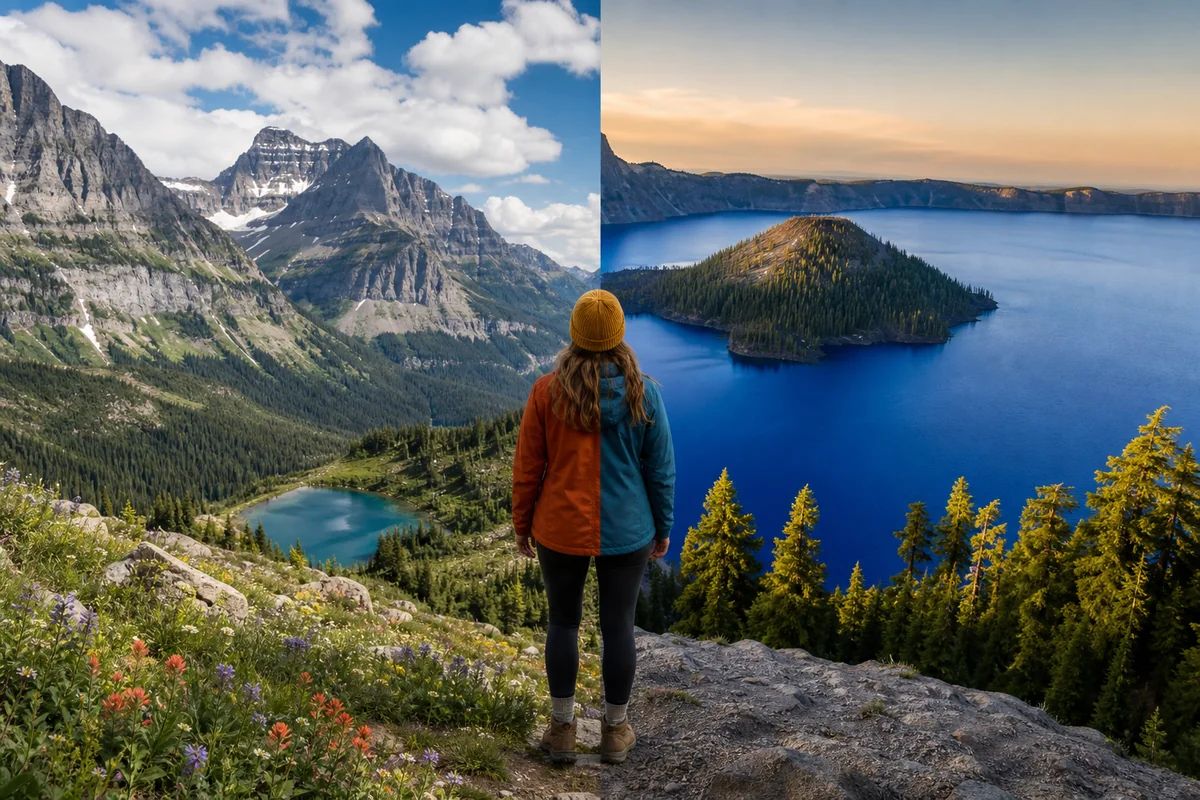
I was standing at the northern boundary of Yellowstone, one foot technically in Montana and the other in Wyoming, when a fellow hiker asked me which state I preferred. My answer surprised even me—it depends entirely on what kind of traveler you are.
After spending the better part of three years crisscrossing both states, camping in their backcountry, eating at their small-town diners, and watching grizzlies in both Glacier and Grand Teton, I’ve developed some strong opinions about how these neighboring giants of the American West stack up against each other.
If you’re planning a trip to the Northern Rockies and want to truly understand about Montana, comparing it to Wyoming is inevitable.
Both states share dramatic mountain ranges, legendary wildlife viewing, and that unmistakable Western character. But beneath the surface similarities, they offer remarkably different experiences for travelers.
- Montana offers more distributed attractions and less crowded alternatives; Wyoming concentrates visitors in Yellowstone and Grand Teton
- Wyoming is generally more affordable for lodging and dining, especially outside park areas
- Montana wins for fly fishing, small-town charm, and shoulder-season travel
- Wyoming edges ahead for geothermal features, iconic Western imagery, and winter activities
- Both states require significant driving—budget 6+ hours between major destinations
- Best strategy: combine both states for a 10-14 day Northern Rockies adventure

Liked this article?
Add Roaming Montana as a preferred source so you see more of our articles and guides on Google.
The Fundamental Differences I’ve Noticed
After my third trip to each state, a pattern emerged that I couldn’t ignore. Montana feels horizontal—vast open spaces stretching to every horizon, where the sky genuinely does seem bigger than anywhere else I’ve traveled. Wyoming feels vertical—dominated by the sudden, dramatic uplift of mountain ranges that seem to burst from the earth with almost aggressive grandeur.
This isn’t just poetic observation. It affects everything from how you plan your driving routes to the kind of outdoor activities that work best in each state.
Montana’s landscape invites you to meander. When I drove from Missoula to Glacier last August, I made seven unplanned stops—a roadside cherry stand, an antique shop in Polson, a swimming spot at a pullout near Flathead Lake. The state rewards wandering.
Wyoming’s geography almost demands efficiency. The distances between attractions are brutal, and the landscape between them—while beautiful in an austere way—doesn’t offer as many reasons to stop. When I drove from Cody to Jackson Hole, I was laser-focused on the destination.
National Parks: The Heart of the Comparison
Let’s address the obvious starting point. If you’re comparing these states as a traveler, you’re probably weighing Glacier National Park against Yellowstone and Grand Teton. This is where most visitors focus, and for good reason.
Glacier National Park vs. Yellowstone
I’ve visited Glacier four times and Yellowstone three times, and I’ve come to think of them as completely different types of parks. Glacier is a hiking park. Yellowstone is a driving park.
At Glacier, the magic happens when you lace up your boots and start climbing. The Highline Trail, which I hiked during a solo trip two Septembers ago, gave me the most profound wilderness experience of my life. For seven miles, I walked along the Continental Divide with views that stretched into Canada.
Yellowstone’s highlights, by contrast, are largely accessible from paved roads. Old Faithful, Grand Prismatic Spring, Mammoth Hot Springs—you can see the park’s greatest hits from a car. This isn’t a criticism; it’s a fundamentally different approach to park design.
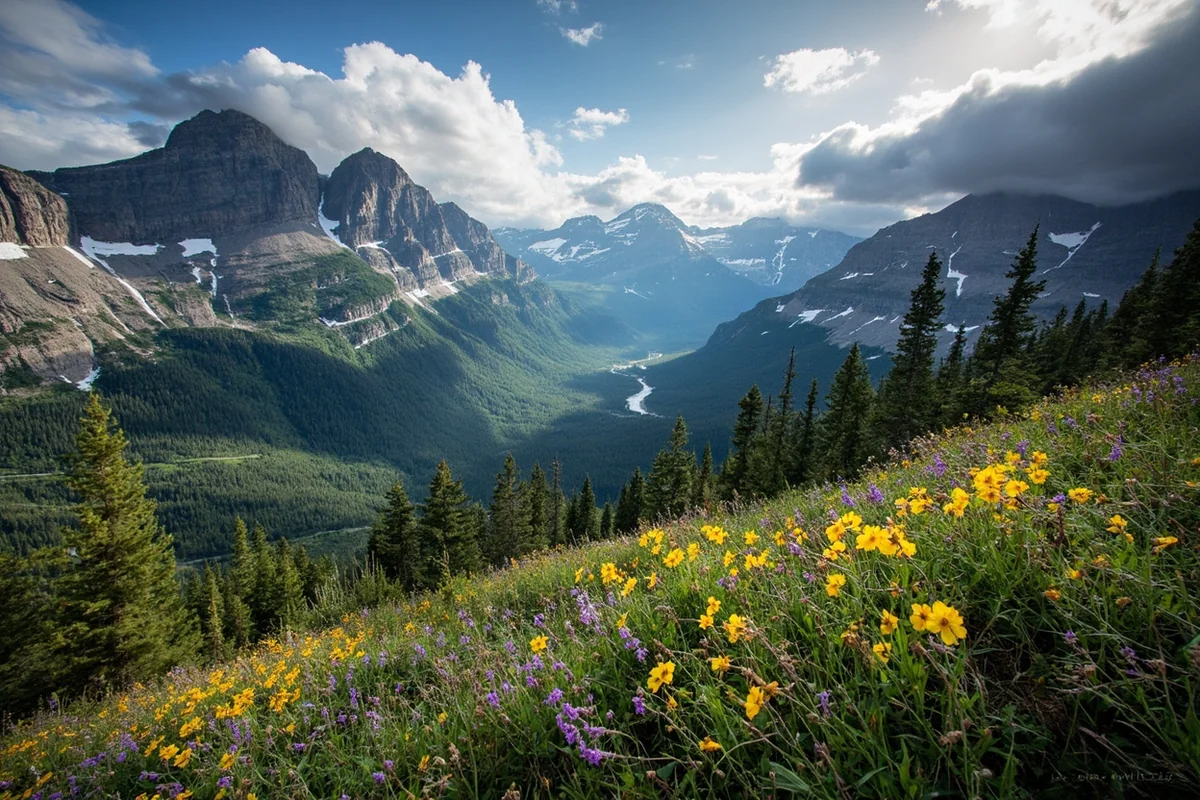
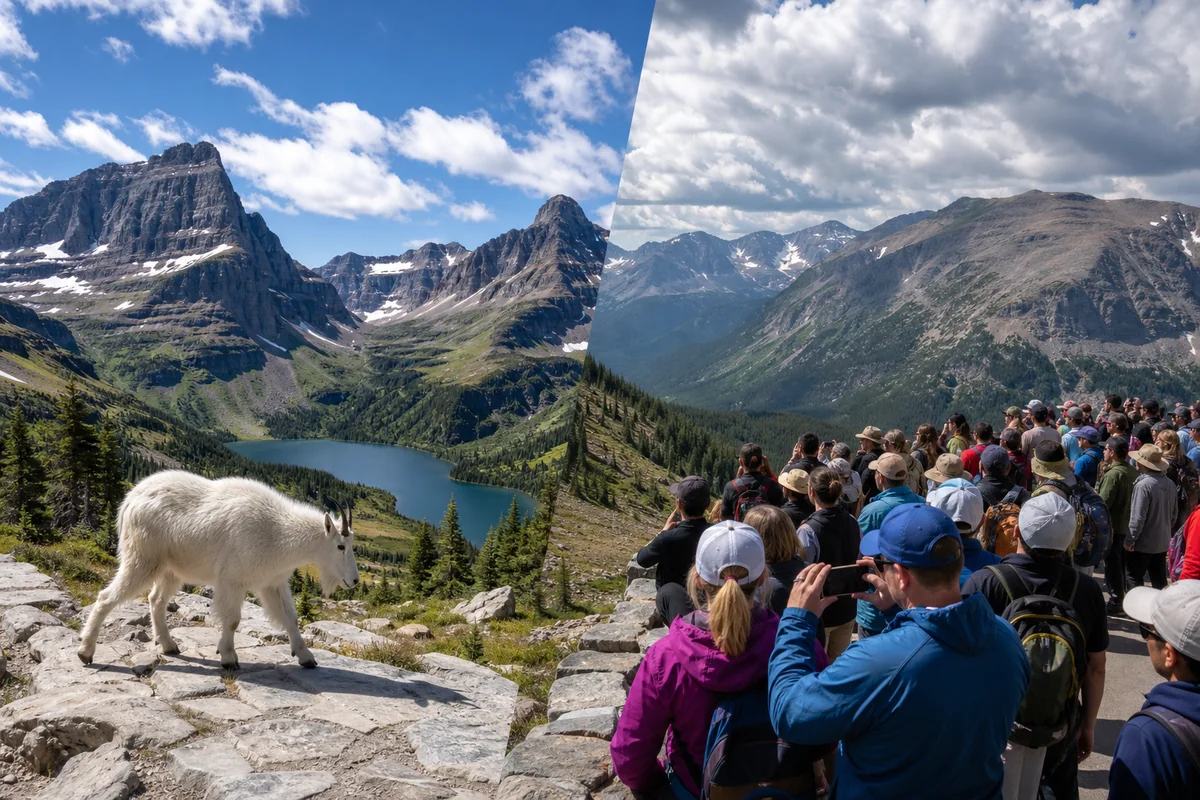
The crowd situation differs dramatically, too. During my July visit to Yellowstone, I waited 45 minutes for a parking spot at Grand Prismatic. The boardwalks were shoulder-to-shoulder. I overheard more languages than I could identify.
At Glacier that same summer, I arrived at the Avalanche Lake trailhead at 7:30 AM and had the first mile essentially to myself. By noon, yes, it was busy—but nothing compared to Yellowstone’s main attractions.
Grand Teton: Wyoming’s Secret Weapon
Here’s what Wyoming has that Montana doesn’t: Grand Teton National Park sitting just south of Yellowstone. This creates what I call the “Wyoming combo”—the ability to hit two legendary parks in a single trip.
Grand Teton is, honestly, more photogenic than either Glacier or Yellowstone. The Teton Range rising abruptly from the valley floor creates one of America’s most recognizable mountain scenes. If you’ve seen travel magazines, you’ve seen that shot.
During my most recent visit, I kayaked on Jenny Lake at sunrise. The Tetons reflecting in that impossibly clear water, with no one else around—that’s a moment I’ll never forget.
But here’s the tradeoff: Grand Teton is smaller and more concentrated. You can see its highlights in a full day. Glacier demands at least three days to even scratch the surface, and honestly, a week is better.
Beyond the Parks: What Most Visitors Miss
If you’re only visiting Montana or Wyoming for the national parks, you’re missing what I’d argue is the better half of each state. This is one of the reasons Montana is best—the depth of experiences outside park boundaries.
Montana’s Hidden Treasures
Last summer, I spent four days in southwest Montana and barely touched Glacier or Yellowstone. Instead, I explored the Big Hole Valley, soaked in natural hot springs near Butte, and fished the Ruby River.
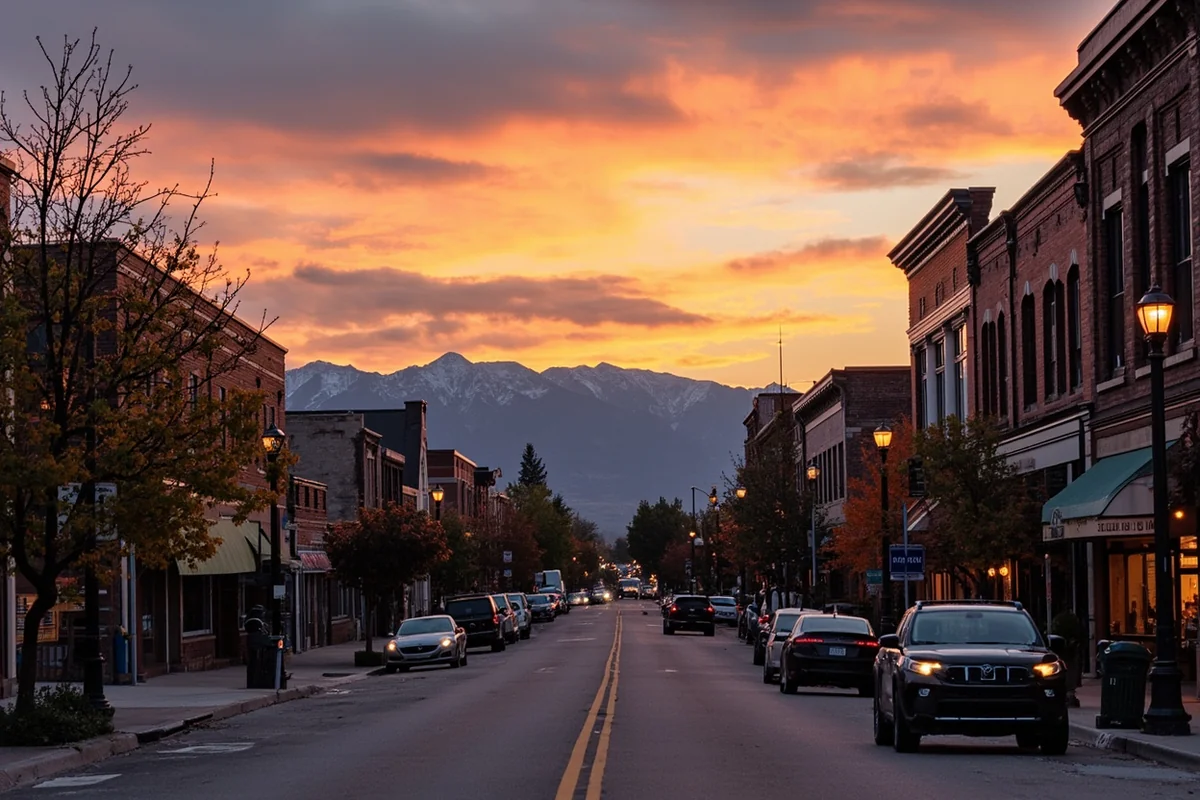
Montana’s small towns have actual character. Livingston has become a genuine arts hub, with galleries that would be at home in Santa Fe. Whitefish feels like a mini ski town with year-round appeal. Missoula has a university-town energy with excellent restaurants and a thriving brewery scene.
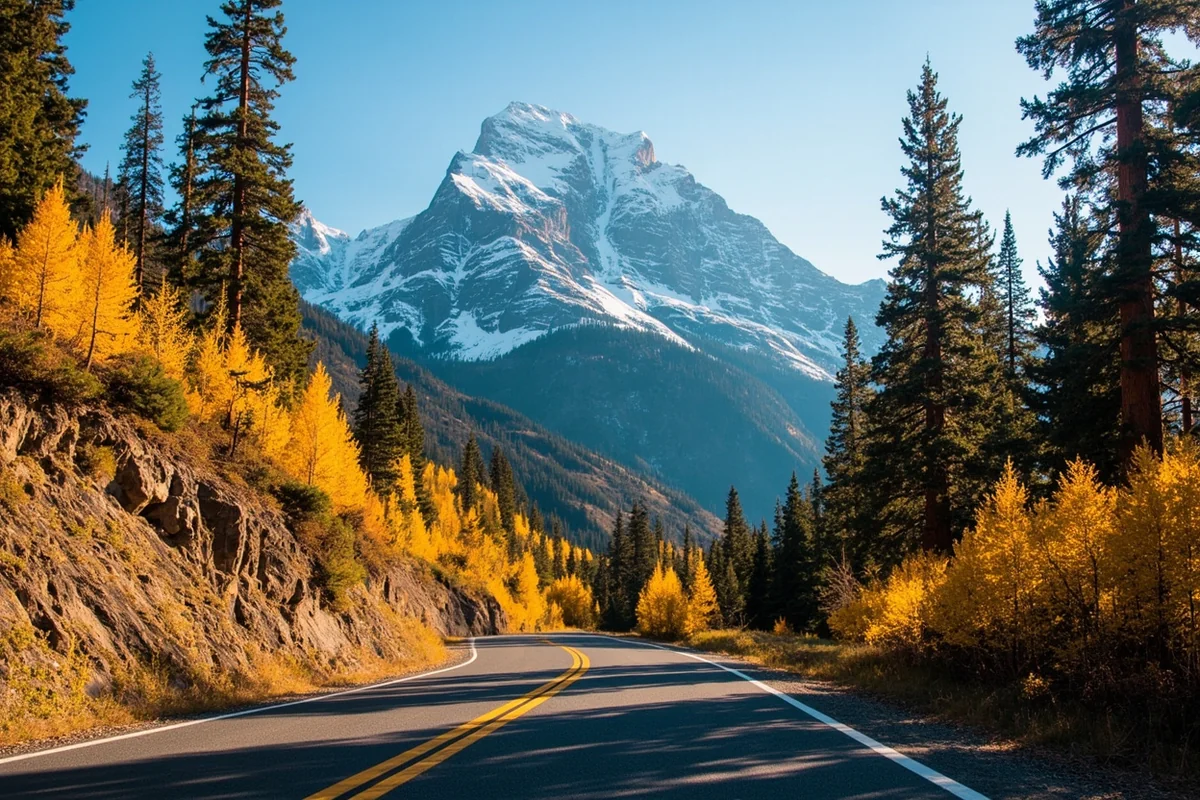
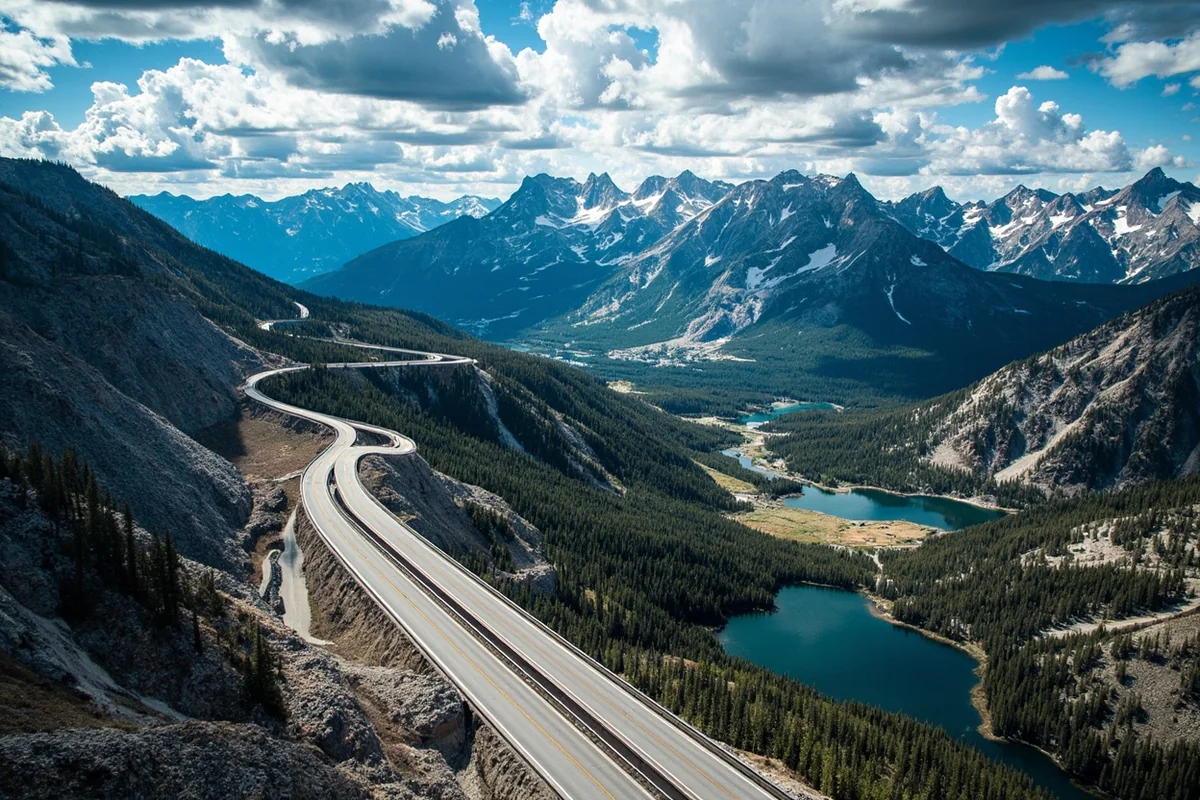
The beautiful places in Montana extend far beyond what makes it onto postcards. The Beartooth Highway, which I drove in late June when it had just opened for the season, rivals Going-to-the-Sun Road for dramatic alpine scenery—with a fraction of the traffic.
I’ve also discovered that Montana’s cultural depth surprised me. The state has produced remarkable Montana authors and famous people from Montana whose works capture something essential about the Western experience.
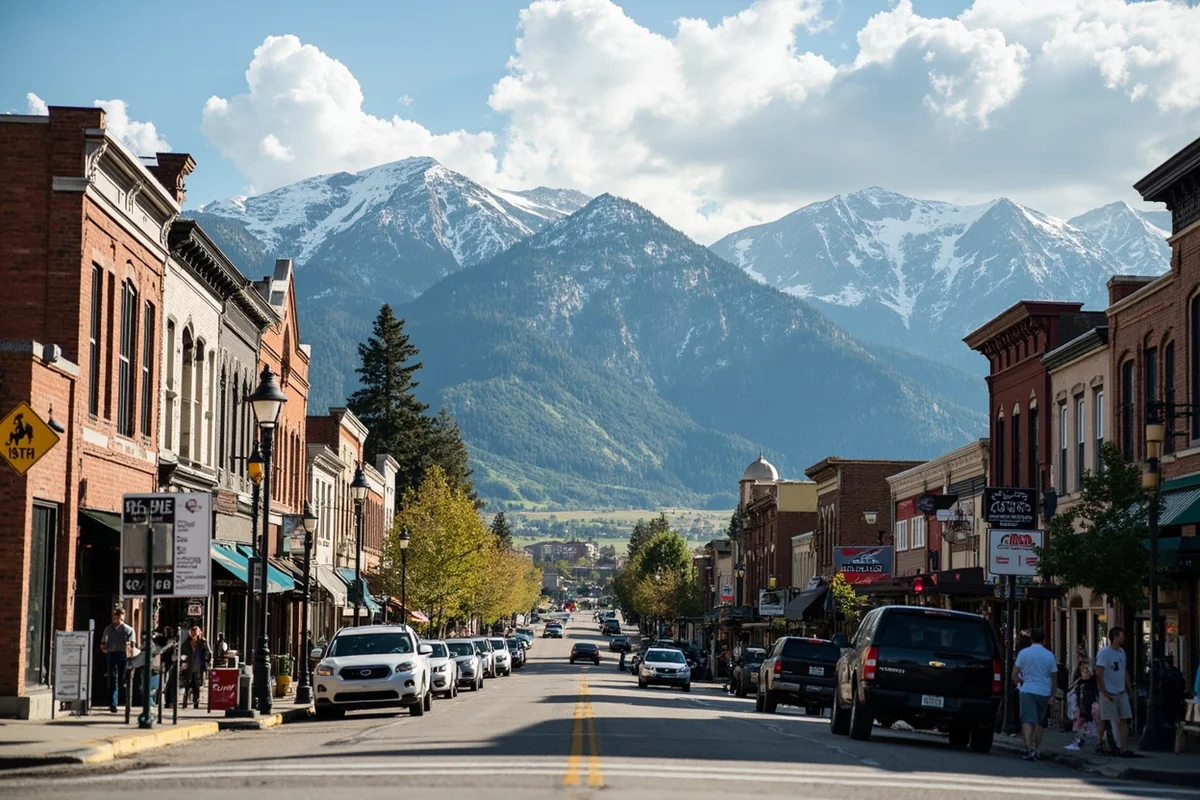
Wyoming Beyond Yellowstone
Wyoming’s highlights outside the parks are less obvious but equally compelling if you know where to look. Cody, which I visited after three days in Yellowstone, is the most authentically “Western” town I’ve encountered anywhere.
The Buffalo Bill Center of the West—which I initially dismissed as tourist bait—turned out to be one of the best museum complexes I’ve ever visited. Their firearms collection alone is worth half a day.
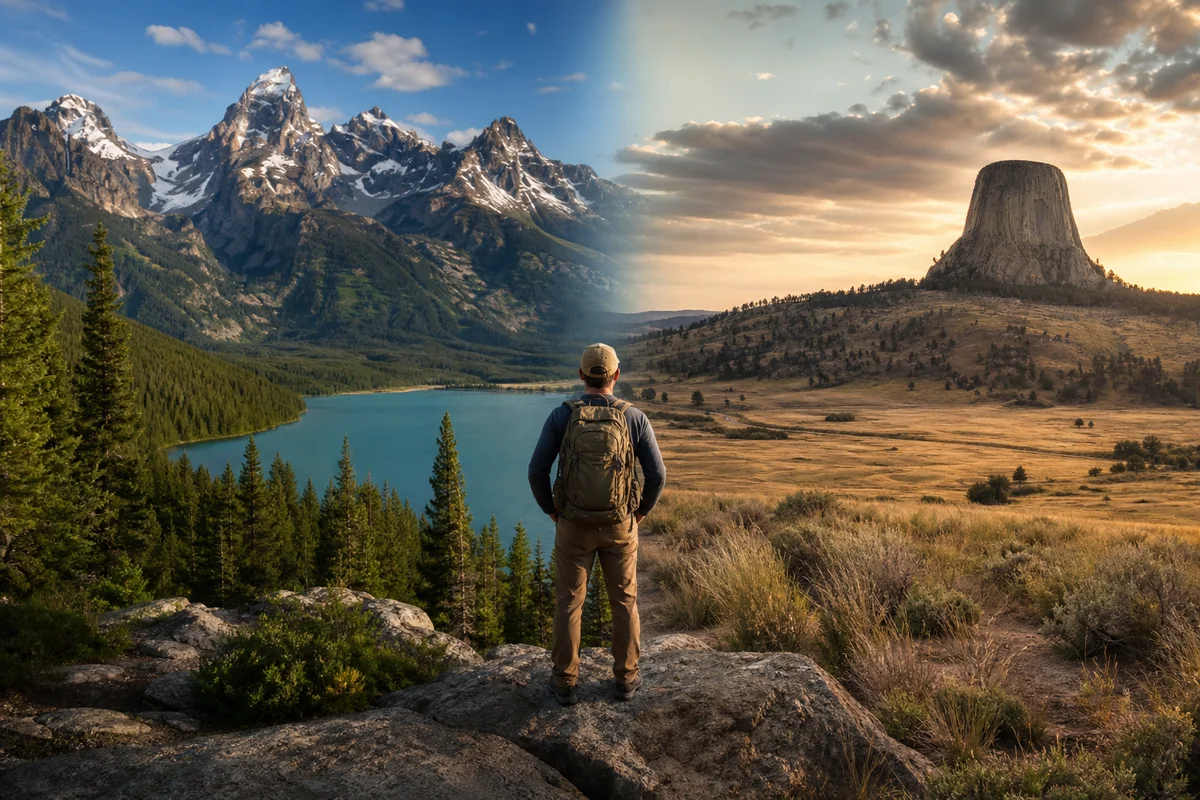
Devil’s Tower, in Wyoming’s northeast corner, is spectacular but brutally remote. I drove four hours from Cody to see it and honestly questioned whether it was worth the detour. (Verdict: yes, but barely.)
The Wind River Range, which I’ve only seen from a distance, apparently offers wilderness backpacking that rivals anything in either state. It’s on my list for next year.
Wildlife Viewing: An Honest Assessment
Both states offer world-class wildlife viewing, but they’re not equal in every category.
Where Montana Wins
For sheer density of accessible wildlife, the Lamar Valley in Yellowstone—technically straddling both states—is hard to beat. But outside the parks, Montana’s wildlife viewing is more consistently excellent.
Last October, I watched a grizzly bear fishing for spawning salmon at McDonald Creek in Glacier. I was alone at the viewing area, which felt almost wrong given how spectacular the scene was.
Montana’s elk populations seem more visible to me, though I can’t back this up with data. During a September drive through the Paradise Valley, I counted over 200 elk in a single meadow.
Where Wyoming Wins
Wyoming’s pronghorn viewing is unmatched. On the drive from Cheyenne to Casper, I saw hundreds of these uniquely American animals. Montana has pronghorn too, but Wyoming’s vast prairies seem to concentrate them near roads.
The National Elk Refuge near Jackson Hole offers winter viewing that I’ve never experienced elsewhere. When I visited in February, I took a sleigh ride through a herd of over 5,000 elk. It felt almost surreal.
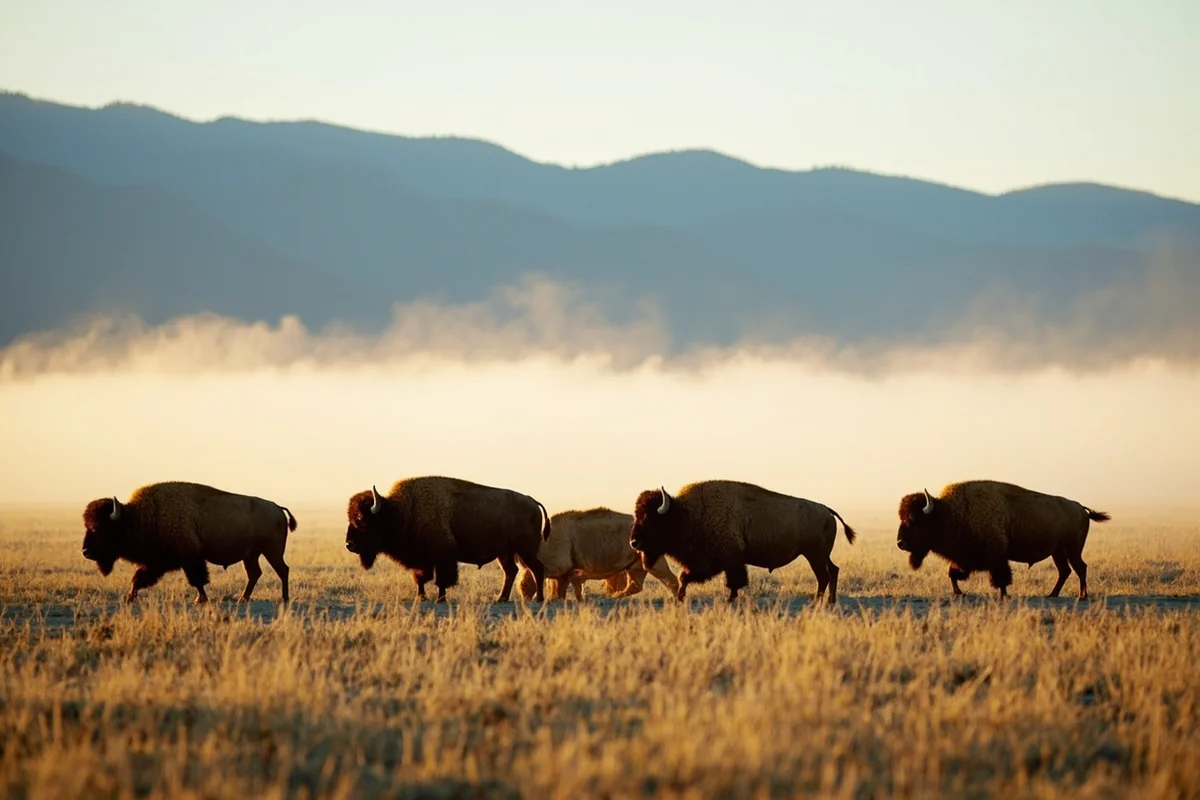
Wyoming also has more accessible bison herds. While Montana’s bison populations are mostly confined to specific areas like the National Bison Range, Wyoming’s roam more freely through Yellowstone and Grand Teton.
The Practical Comparison: Costs, Logistics, and Planning
Accommodation Costs
Here’s something that surprised me: Wyoming is generally cheaper for lodging than Montana, especially in recent years. Montana’s tourism boom, partly driven by movies filmed in Montana and the Yellowstone TV series, has pushed prices up significantly.
| Location | Average Summer Rate | Notes |
|---|---|---|
| Whitefish, MT | $275-400/night | Glacier gateway, high demand |
| Kalispell, MT | $180-280/night | Budget alternative to Whitefish |
| Bozeman, MT | $200-350/night | Yellowstone access, college town |
| Jackson, WY | $300-500/night | Most expensive in both states |
| Cody, WY | $150-220/night | East Yellowstone entrance, great value |
| West Yellowstone, MT | $180-280/night | Most convenient park access |
My budget tip: Cody, Wyoming offers the best value for Yellowstone access, though you’ll drive farther into the park. When I stayed there last May, I paid $140 for a clean, well-located hotel that would have cost $250+ in Bozeman or West Yellowstone.
Getting Around
Both states require significant driving. Neither has meaningful public transportation for tourists. You’ll need a car—period.
Montana’s major airports (Bozeman, Missoula, Kalispell) are more distributed, which can be convenient depending on your itinerary. Wyoming effectively has one tourist airport: Jackson Hole, which is expensive to fly into but drops you in the middle of the action.
One thing I’ve learned: don’t underestimate distances. Montana especially plays tricks on your perception. The map looks manageable until you realize that Missoula to Glacier is a three-hour drive, and that’s without the inevitable construction delays.
Seasonal Considerations
Montana offers better shoulder-season options. Glacier’s west side remains accessible into October most years, and spring fishing starts earlier than many visitors expect.
Wyoming’s high-altitude attractions—including much of Yellowstone—close earlier and open later. Some Yellowstone roads don’t open until late May. When I visited during the first week of June a few years back, Dunraven Pass was still closed.
For winter travel, both states offer excellent skiing. Big Sky in Montana has become a legitimate destination resort, though it’s pricey. Jackson Hole remains the more famous option, with steeper terrain and a more concentrated ski town experience.
The Food and Culture Question
I eat my way through every destination I visit, and Montana consistently outperforms Wyoming in the culinary department. This might be controversial, but it’s my honest assessment.
Montana’s Food Scene
Missoula has restaurants I’d be happy finding in any major city. Bozeman’s farm-to-table movement has produced several genuinely excellent dining options. Even smaller towns like Livingston and Helena have surprised me with their food quality.
During my most recent trip, I had a meal at Cafe Kandahar in Whitefish that rivaled anything I’ve eaten in Seattle or Denver. The locally-sourced ingredients and creative preparation felt utterly at odds with the small-town setting.
Montana’s brewery scene is also exceptional. Missoula alone has more than a dozen breweries, several of which produce genuinely world-class beer.
Wyoming’s Food Reality
Wyoming’s food scene is less developed, with the notable exception of Jackson Hole. In Jackson, you’ll find fine dining options that cater to the ski crowd and summer tourists. The prices reflect this—expect to pay Denver or San Francisco prices for dinner.
Outside Jackson, Wyoming’s restaurants trend toward reliable but unremarkable Western fare. This isn’t a criticism; a good steak and a local beer after a long day of driving is exactly what I want. But if food is important to your travel experience, Montana offers more variety.
The cultural experiences differ too. Montana has more developed arts scenes, book festivals, and the kind of creative communities that produce interesting books on Big Sky Country and memorable quotes about Montana that capture the state’s essence.
Adventure Activities: A Direct Comparison
Fly Fishing
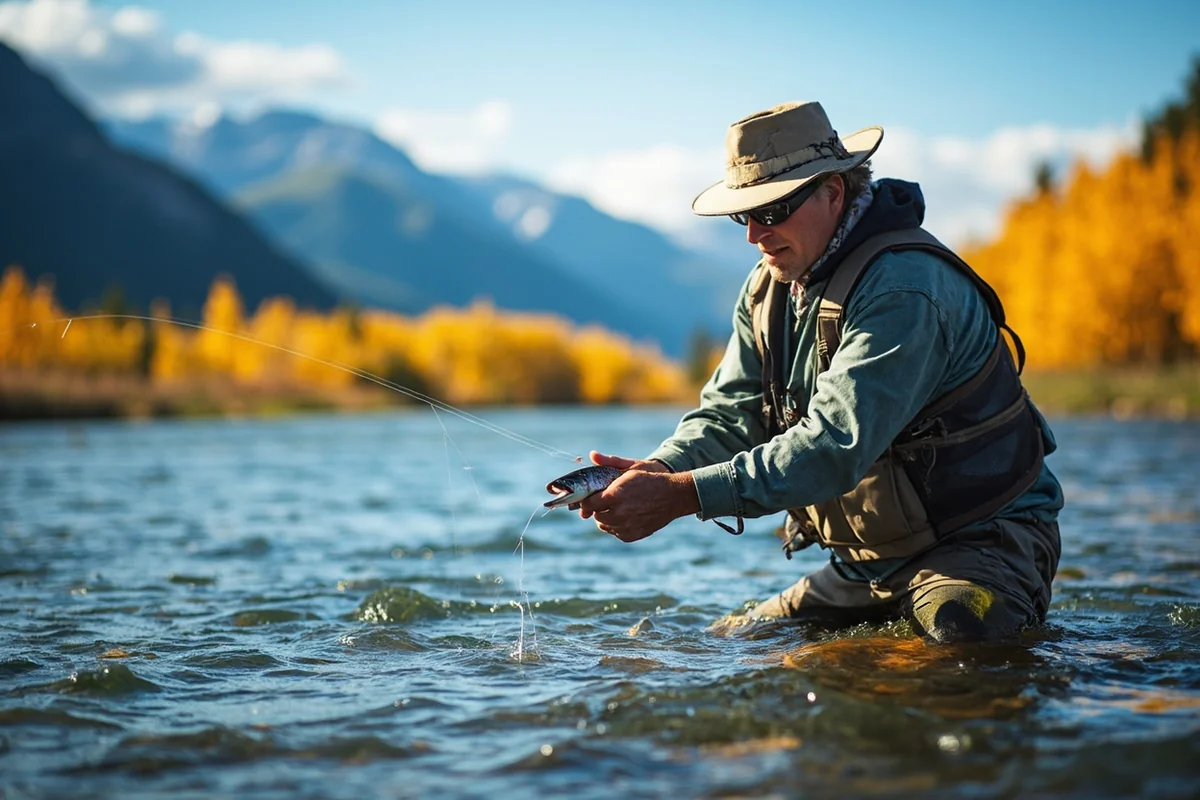
Montana wins this category decisively. While Wyoming has excellent fishing—the Snake River and various Yellowstone streams are legendary—Montana’s sheer abundance of fishable water is unmatched.
Last September, I floated the Missouri River near Craig with a guide and caught more trout in a single day than I’d caught in my previous five years of fishing. The Madison, Gallatin, and Yellowstone rivers offer world-class fishing within easy reach of Bozeman.
Wyoming’s fishing is concentrated in fewer areas, making it feel more competitive and less accessible to casual anglers.
Hiking
Both states offer exceptional hiking, but the experiences differ significantly.
Montana’s hikes tend to be longer but more gradually graded. The trails in Glacier, while challenging, are generally manageable for fit beginners. The scenery rewards you throughout the hike, not just at the destination.
Wyoming’s Grand Teton hikes are often steeper and more technical. The classic climbs here attract serious mountaineers. Casual hikers will find plenty of options, but the average trail feels more demanding than Montana’s equivalent.
Winter Sports
Jackson Hole has more expert terrain and a more developed ski town culture. The mountain is genuinely challenging—during my one visit, I spent most of my time on blue runs wondering if I was good enough for this place.
Big Sky offers more varied terrain for different skill levels, plus significantly shorter lift lines. Montana’s smaller ski areas—Whitefish, Bridger Bowl, Lost Trail—provide excellent skiing at more accessible prices.
For cross-country skiing and snowshoeing, I prefer Montana’s trail systems. The areas around Glacier and Seeley Lake offer groomed trails through some of the most beautiful winter landscapes I’ve experienced.
The Crowds Question
If you want to escape crowds, Montana is the better choice—with caveats.
Glacier’s most popular destinations are genuinely crowded during peak summer. Going-to-the-Sun Road requires timed entry reservations now, a system that didn’t exist a few years ago. But Montana’s distributed attractions mean you can always find solitude somewhere.
Wyoming’s crowds concentrate in Yellowstone and Grand Teton, where summer visitation has become genuinely problematic. The infrastructure wasn’t designed for current volumes, and it shows. Parking lots fill by mid-morning. Popular geysers attract standing-room-only crowds.
However, step outside these parks and Wyoming becomes strikingly empty. On my drive through the Big Horn Basin, I went hours without seeing another car.
The things Montana is known for extend far beyond Glacier, which means visitor pressure is distributed across more destinations. This makes the overall Montana experience feel less frantic, even during peak season.
How Different Are These States Really?
Sometimes I read comparison articles about neighboring states that emphasize differences to an absurd degree. So let me be honest: Montana and Wyoming share more similarities than differences.
Both states are dominated by ranching and outdoor recreation. Both have populations under 1.2 million spread across enormous land areas. Both attract visitors who want wilderness, wildlife, and Western authenticity.
The differences matter at the margins. If you’re choosing between them for a single week-long trip, those margins become meaningful. If you’re planning an extended Northern Rockies adventure, you should absolutely visit both.
Montana’s uniqueness emerges when you compare it to other neighboring states too. My comparisons of Montana vs Colorado, Montana vs Idaho, and Montana vs Oregon revealed patterns about what makes Big Sky Country distinctive.
Even comparisons with more distant states like Montana vs Alaska and more similar neighbors like Montana vs North Dakota or Montana vs South Dakota help clarify what sets Montana apart.
My Recommendations for Different Travelers
For First-Time Western Visitors
Choose Wyoming if: You want the iconic national park experience with Old Faithful, bison herds, and the most famous mountain scenery in America. The highlights here are concentrated and accessible.
Choose Montana if: You’re comfortable with longer drives and want a journey that feels more adventurous. The discoveries here require more effort but feel more personal.
For Experienced Western Travelers
If you’ve already visited Yellowstone and Grand Teton, Montana offers fresher territory. Glacier feels less discovered, and Montana’s secondary attractions—the ghost towns, hot springs, and small rivers—reward repeat visits.
For Families with Young Children
Wyoming’s drive-up accessibility makes it easier with small kids. Montana’s best experiences often require hiking, which limits options for families with strollers or toddlers.
For Solo Travelers
Montana’s small towns feel more welcoming to solo visitors. The brewery scenes in Missoula and Bozeman create easy opportunities for conversation. Wyoming’s gateway towns feel more couples-oriented.
There are also weird and unusual things in Montana that reward curious solo travelers—quirky museums, unexpected roadside attractions, and the kind of discoveries that work best when you’re free to follow your instincts.
Practical Planning Tips
Best Time to Visit Each State
For Montana, September is my favorite month. The crowds disappear after Labor Day, the weather remains excellent, and fall colors begin transforming the landscape. The Montana natural resources—forests, rivers, and wildlife—are at their most accessible.
For Wyoming, June offers the best combination of accessibility and moderate crowds. Everything is open, but families haven’t yet arrived in force. Late September also works, though some Yellowstone facilities begin closing.
How Long to Stay
For Montana only: Minimum 7 days to hit Glacier plus one other region. Ideal: 10-14 days to explore without rushing.
For Wyoming only: Minimum 5 days for Yellowstone and Grand Teton. Ideal: 8-10 days to include Cody or Jackson Hole experiences.
For both states: Plan at least 12-14 days. Rushing through either state guarantees you’ll miss what makes them special.
Booking Considerations
Book accommodation 3-6 months ahead for summer visits to either state. Campsite reservations in Glacier are notoriously difficult—set calendar reminders for when booking windows open.
If you’re considering a more permanent move to the region, the things to know before moving to Montana are quite different from vacation considerations. The Montana state governor and local policies affect daily life in ways that don’t impact short visits.
The Bottom Line
After all my trips to both states, I keep returning to Montana more often. This isn’t an objective judgment—it’s a personal preference shaped by my interests in fly fishing, small-town exploration, and shoulder-season travel.
Wyoming delivers more concentrated spectacle. If you have one week and want guaranteed wow moments, Yellowstone and Grand Teton deliver at a level that’s hard to match anywhere in the lower 48.
Montana delivers more distributed adventure. The highlights require more effort to reach, but the journey itself becomes part of the experience. The unique ways Montana stands out reveal themselves gradually, over multiple visits and unexpected detours.
Both states changed how I think about Western travel. Both deserve a place on every American traveler’s bucket list. And if you’re anything like me, you’ll end up visiting each one multiple times, discovering new favorites with every trip.
The best answer to “Montana or Wyoming?” isn’t choosing one over the other. It’s planning a trip that includes both, connected by the Beartooth Highway—arguably the most scenic drive in North America—and leaving enough time to properly absorb what each state offers.
Start planning. The Northern Rockies are waiting.
Frequently Asked Questions
Is Montana or Wyoming cheaper for a vacation?
Wyoming generally offers slightly lower accommodation costs, especially outside of Jackson Hole, with average hotel rates around $120-180 per night compared to Montana’s $150-220 near Glacier National Park. However, Montana has no sales tax, which can save you 4% on purchases compared to Wyoming. I’d budget around $150-200 per day for either state, including lodging, food, and activities.
Which state has better national parks: Montana or Wyoming?
Wyoming wins on sheer iconic status with Yellowstone and Grand Teton National Parks drawing millions annually, but Montana’s Glacier National Park offers equally stunning alpine scenery with fewer crowds. If you’re choosing between them, Yellowstone has more geothermal features and wildlife viewing, while Glacier delivers dramatic mountain passes and pristine wilderness. Many travelers combine both by driving the 340 miles from Glacier to Yellowstone in about 6 hours.
What is the best time to visit Montana vs Wyoming?
The sweet spot for both states is mid-June through September when mountain roads and trails are fully accessible. I recommend late June to early July for wildflowers in Montana’s Glacier National Park, while September offers golden aspens and fewer tourists in Wyoming. Winter attracts skiers to both states, with Big Sky, Montana and Jackson Hole, Wyoming offering world-class slopes from December through March.
Is Montana or Wyoming better for wildlife viewing?
Wyoming’s Yellowstone ecosystem edges out Montana for guaranteed wildlife sightings, with Lamar Valley offering reliable bison, wolves, and grizzly bear viewing year-round. Montana’s National Bison Range and Glacier National Park provide excellent opportunities for mountain goats, bighorn sheep, and moose in less crowded settings. For the best experience, bring binoculars and hit the parks at dawn or dusk when animals are most active.
How far apart are Montana and Wyoming’s major attractions?
From Glacier National Park in northern Montana to Yellowstone’s north entrance is approximately 340 miles, taking about 5.5-6 hours to drive. Bozeman, Montana to Jackson Hole, Wyoming is around 280 miles and makes a popular road trip route. I’d recommend at least 7-10 days if you want to explore both states without feeling rushed.
What should I pack for a Montana vs Wyoming road trip?
Pack layers regardless of season since mountain temperatures can swing 40 degrees in a single day, even in summer. Essential items include bear spray ($40-50 at local outfitters), sturdy hiking boots, a quality rain jacket, and sun protection for high-altitude exposure. I always bring a cooler for picnic lunches since restaurant options are limited in remote areas of both states.
Which state is better for first-time visitors to the Rocky Mountains?
For first-timers, I’d recommend Wyoming’s Yellowstone as your introduction since the park’s loop road system makes navigation easy and you’ll see geysers, hot springs, and wildlife in concentrated areas. Montana appeals more to experienced outdoor enthusiasts seeking backcountry adventures and less-developed wilderness. That said, Montana’s charming towns like Whitefish and Missoula offer more diverse dining and nightlife than Wyoming’s smaller gateway communities.
Sources
- http://www.wrds.uwyo.edu/sco/climateatlas/temperature.html
- https://wgfd.wyo.gov/wildlife-in-wyoming
- https://www.usgs.gov/centers/national-minerals-information-center/mineral-industry-wyoming
- https://www.census.gov/quickfacts/fact/table/MT/PST045222
- https://www.census.gov/quickfacts/fact/table/WY/PST045222
- https://commons.wikimedia.org/wiki/File:On_the_Lift_at_Big_Sky_Resort