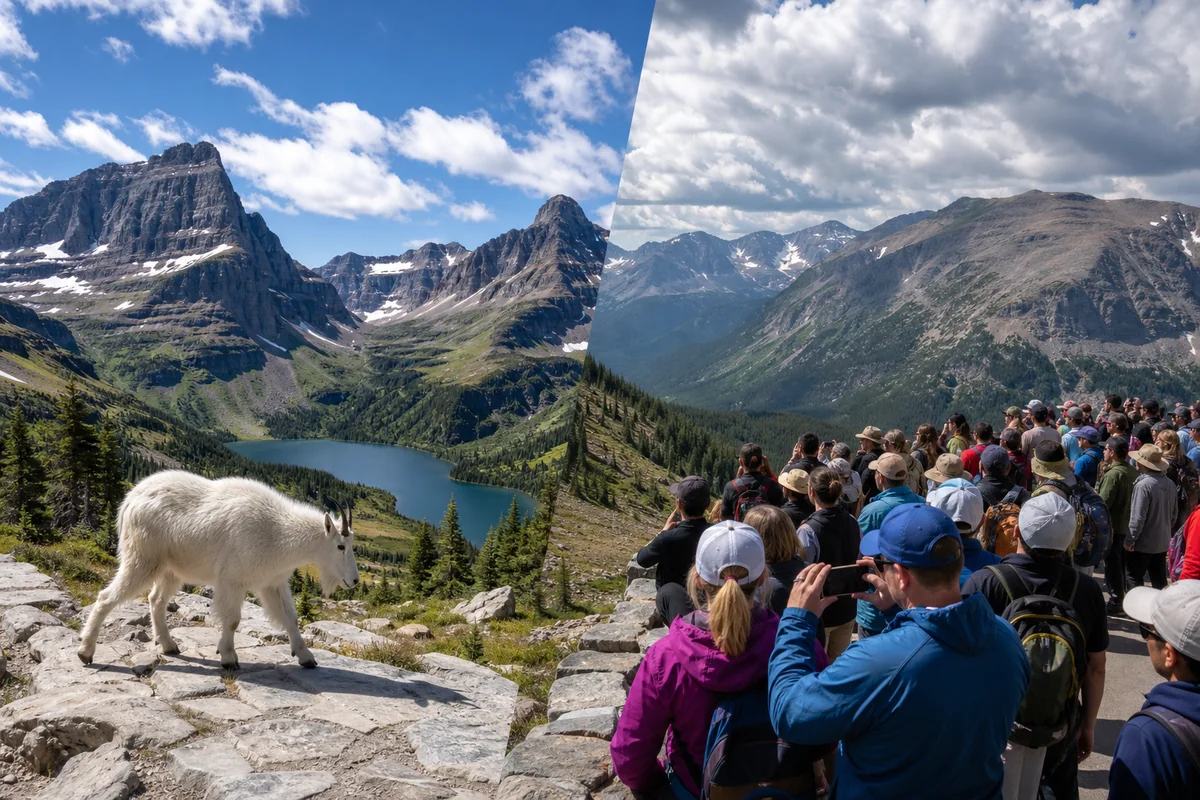
Standing at the edge of Glacier National Park’s Hidden Lake Overlook last August, I watched a mountain goat casually stroll past tourists while jagged peaks stretched endlessly behind it.
Three weeks earlier, I’d been at Colorado’s Rocky Mountain National Park doing the same thing—except there, I was shoulder-to-shoulder with hundreds of other visitors just trying to get a photo.
That contrast perfectly captures the Montana versus Colorado debate that so many travelers wrestle with when planning their mountain getaway.
Both states occupy prime real estate in the Rocky Mountains, both offer world-class skiing and hiking, and both attract millions of visitors annually.
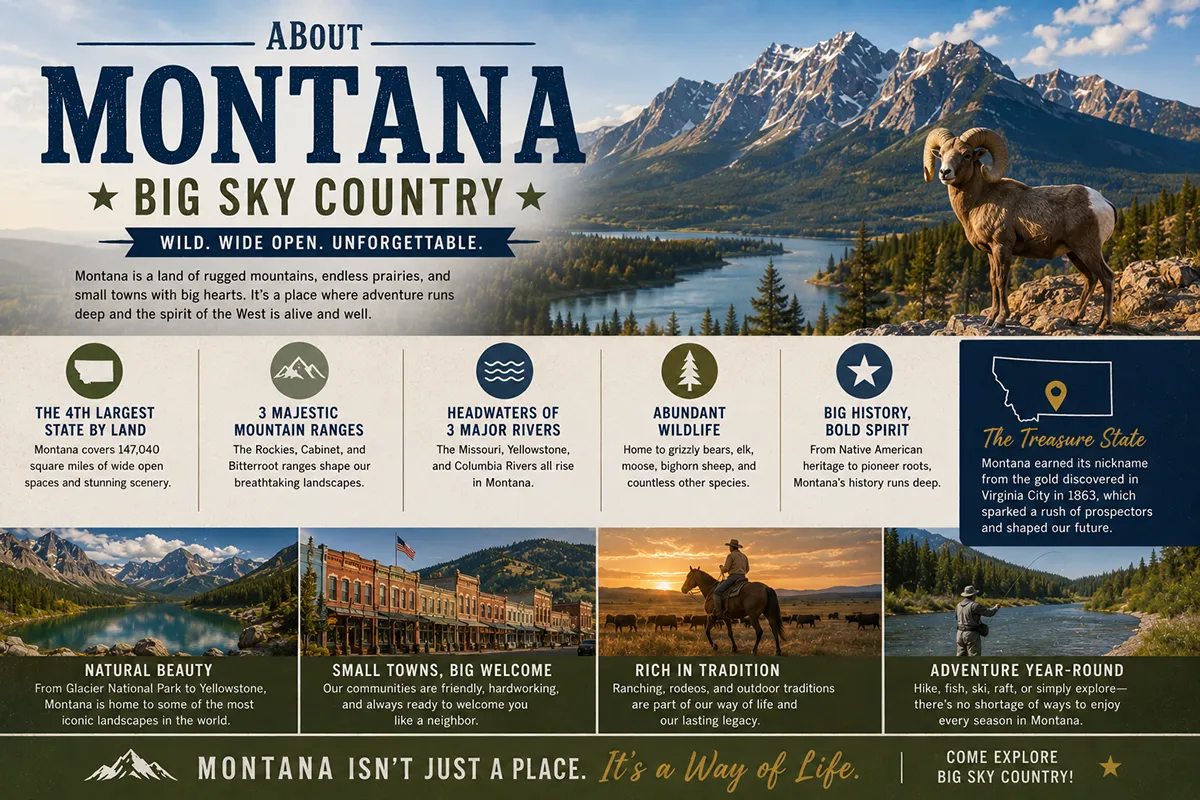
But after spending considerable time exploring About Montana and its southern neighbor over the past several years, I can tell you they deliver fundamentally different experiences.
If you’ve been comparing Montana vs Wyoming or even Montana vs Alaska, adding Colorado to that list deserves serious consideration—they’re all remarkable but serve different types of travelers.
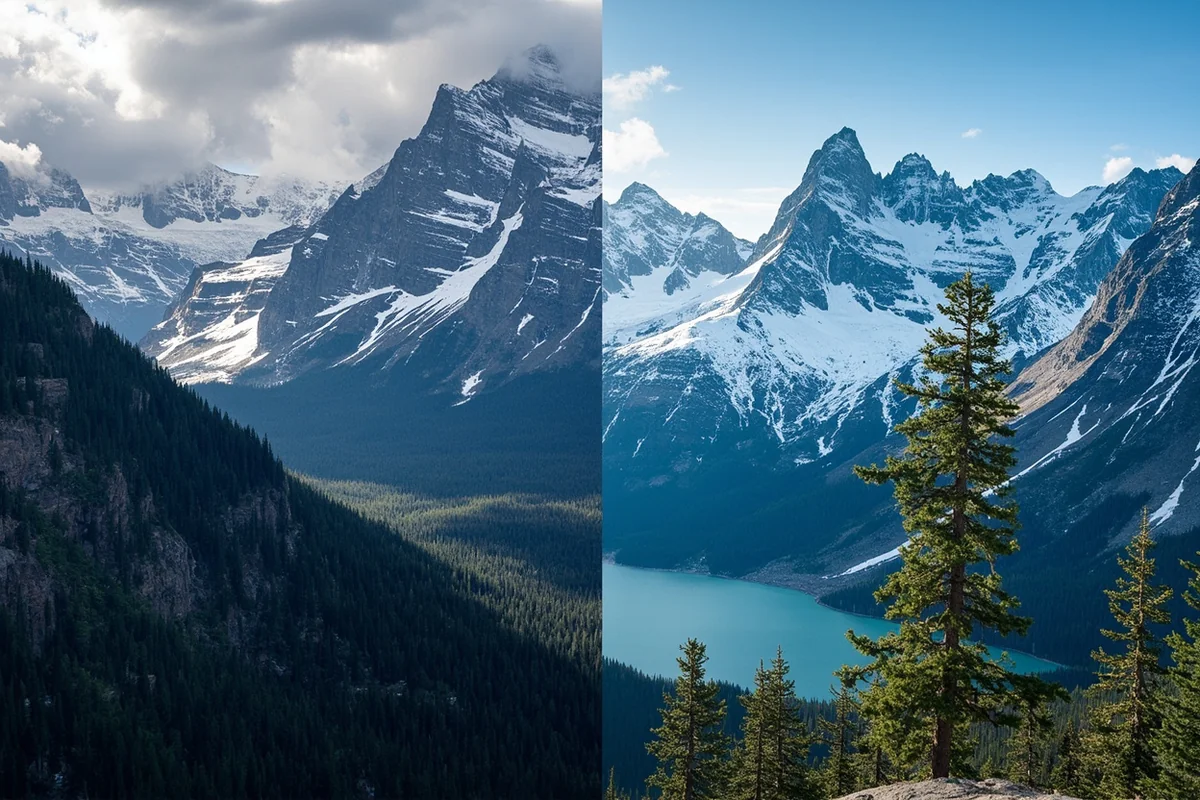
- Montana offers more solitude and untouched wilderness; Colorado has more developed infrastructure and accessibility
- Colorado’s ski resorts are larger and more luxurious; Montana’s are less crowded and more affordable
- Montana averages 40-60% fewer tourists at comparable attractions
- Colorado has better flight connectivity and shorter drives between destinations
- Montana wins for wildlife viewing; Colorado wins for craft beer scenes and nightlife
- Budget travelers save roughly $50-100/day choosing Montana over Colorado resort towns
Liked this article?
Add Roaming Montana as a preferred source so you see more of our articles and guides on Google.
The Honest Truth About Crowds and Solitude
Let me start with what I consider the single biggest differentiator between these two states: people density.
During my visit to Maroon Bells outside Aspen last fall, I had to take a mandatory shuttle because private vehicles aren’t even allowed during peak season. The viewing area felt like a theme park—organized, beautiful, but distinctly managed. Contrast that with my drive along Montana’s Beartooth Highway, where I pulled over at random turnouts and had entire mountain vistas completely to myself.
Colorado welcomed approximately 86 million visitors in 2023. Montana saw around 12.5 million. When you do the math on land area—Montana is actually slightly larger—the difference in crowd density becomes staggering.
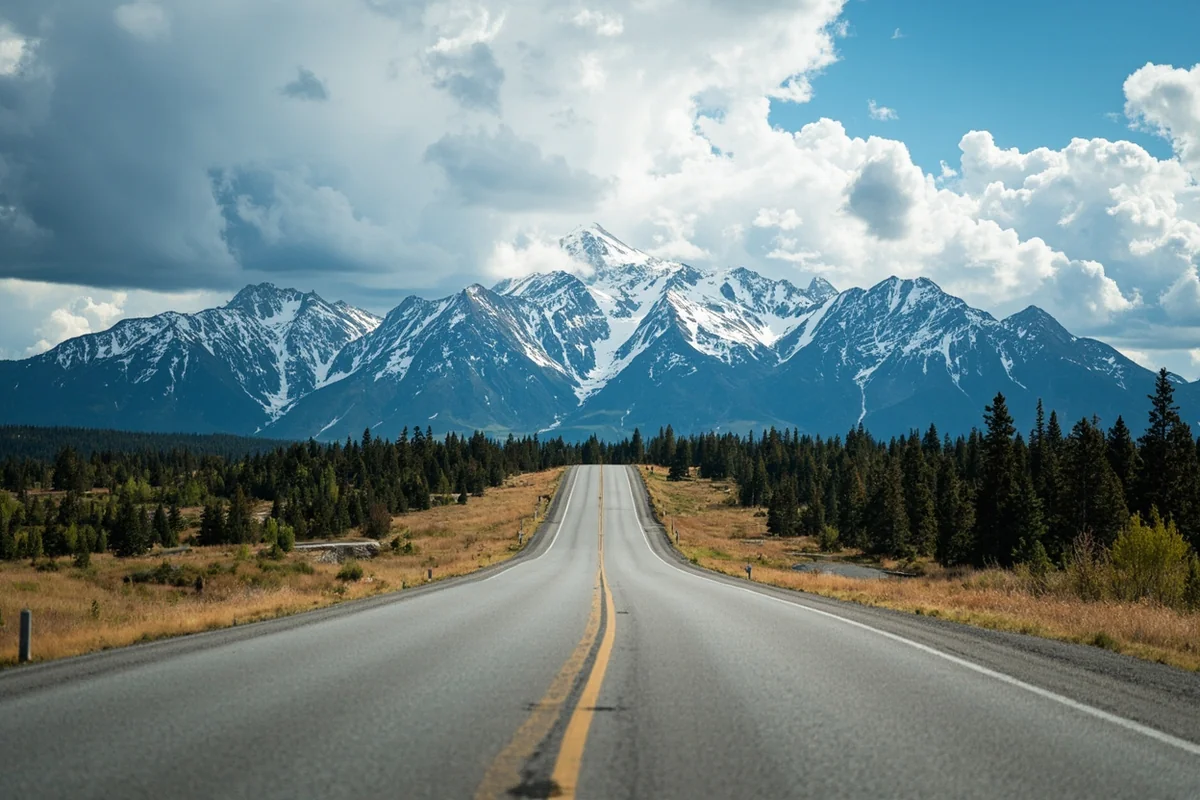
National Park Crowds: A Direct Comparison
I’ve visited both Glacier and Rocky Mountain National Parks multiple times, and the experience couldn’t be more different.
Rocky Mountain National Park sees about 4.5 million visitors annually packed into a relatively small area. During my July trip, I waited 45 minutes just to enter the park, and Trail Ridge Road felt like rush hour traffic.
Glacier National Park gets around 3 million visitors, but they’re spread across a much larger wilderness area. Yes, Going-to-the-Sun Road gets busy, but hike even a mile from any trailhead and the crowds vanish. On the Highline Trail last summer, I passed maybe 30 people over eight miles—a fraction of what you’d encounter on comparable Colorado trails.
Mountain Character: Same Range, Different Personality
Both states share the Rocky Mountains, but they present completely different faces of that range.
Colorado’s mountains feel more accessible and friendly. The tree line sits higher, the valleys are broader, and many peaks have maintained trails to their summits. I’ve summited multiple Colorado fourteeners wearing trail runners and carrying a daypack.
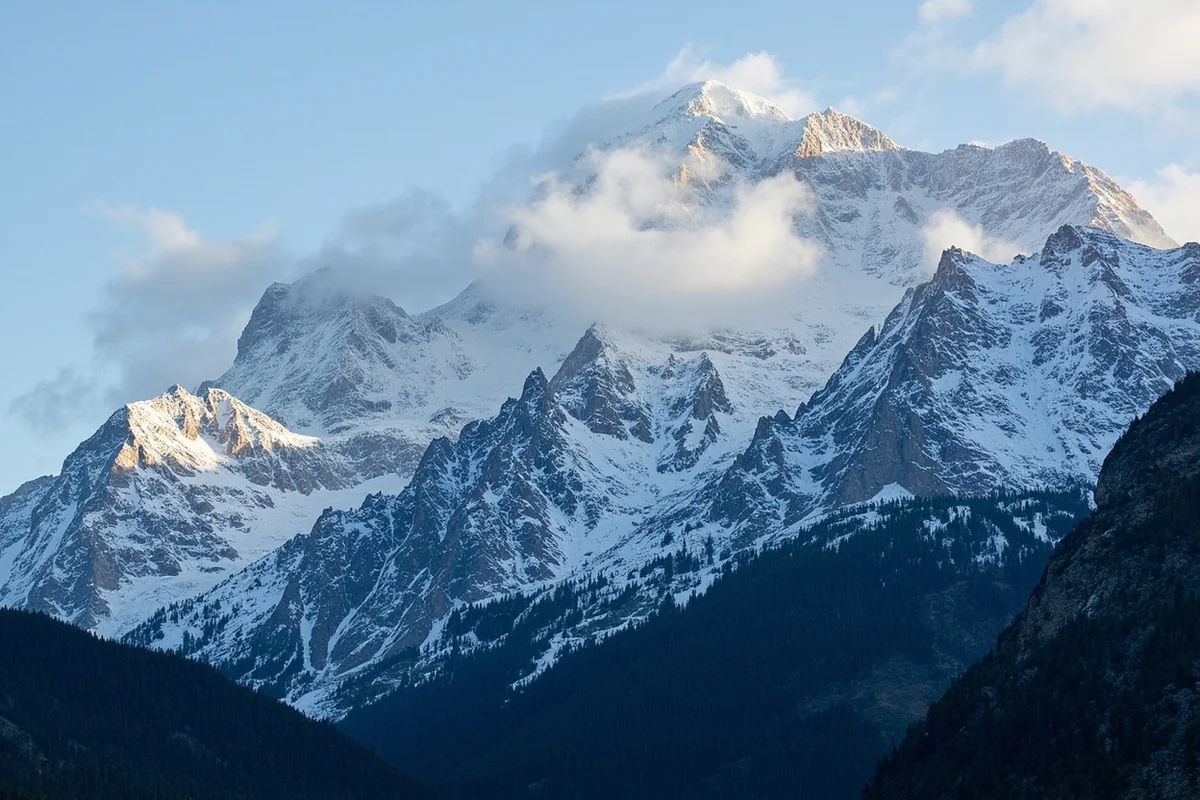
Montana’s mountains feel wilder, more remote, and honestly more intimidating. The peaks in the Mission Range and the Absaroka-Beartooth Wilderness have a raw, untamed quality that Colorado’s more popular ranges have somewhat lost.
Elevation Matters More Than You Think
Here’s something many travelers overlook: base elevation dramatically affects your experience.
Denver sits at 5,280 feet. Most Colorado mountain towns range from 8,000 to 10,000 feet. Ski resorts often have base areas above 9,000 feet.
Montana’s major destinations sit much lower. Whitefish is at 3,000 feet. Bozeman is around 4,800 feet. Even Glacier National Park’s highest road point only reaches 6,646 feet.
On a recent Colorado trip, my wife struggled with altitude sickness our first two days in Breckenridge. She’s never had that issue in Montana. If you’re coming from sea level or have altitude sensitivity, this matters.
Skiing and Snowboarding: Resort Culture Clash
I’ve skied extensively in both states, and they attract fundamentally different crowds.
Colorado has the mega-resorts—Vail, Aspen, Breckenridge, Telluride. These are full-service destinations with luxury accommodations, high-end dining, and lift tickets that now exceed $200 per day. The skiing is excellent, but you’re paying premium prices and sharing the mountain with thousands of others.
Montana offers what I call “real skiing for real people.” Big Sky has grown significantly but still feels manageable. Whitefish Mountain Resort remains my personal favorite—genuine local culture, affordable lift tickets around $100, and terrain that rivals anything in Colorado.
| Factor | Montana | Colorado |
|---|---|---|
| Average Lift Ticket | $85-130 | $150-250 |
| Lift Line Wait (Peak) | 5-15 minutes | 20-45 minutes |
| Snowfall (Annual Avg) | 300-400 inches | 250-350 inches |
| Resort Base Elevation | 4,500-7,500 ft | 8,000-10,500 ft |
| Terrain Variety | Excellent | Excellent |
| Après-Ski Scene | Casual, local | Upscale, trendy |
The Snow Quality Debate
Colorado gets all the marketing about “champagne powder,” but I’ll let you in on a secret: Montana’s snow is equally impressive, sometimes better.
The lower base elevations in Montana mean warmer temperatures at the lodge, but the summits still receive the same cold, dry powder. Plus, fewer skiers means that powder sticks around longer. I’ve skied untracked lines at Whitefish three days after a storm—that would never happen at Vail.
Wildlife: Montana’s Uncontested Victory
If wildlife watching matters to you, this comparison isn’t even close.
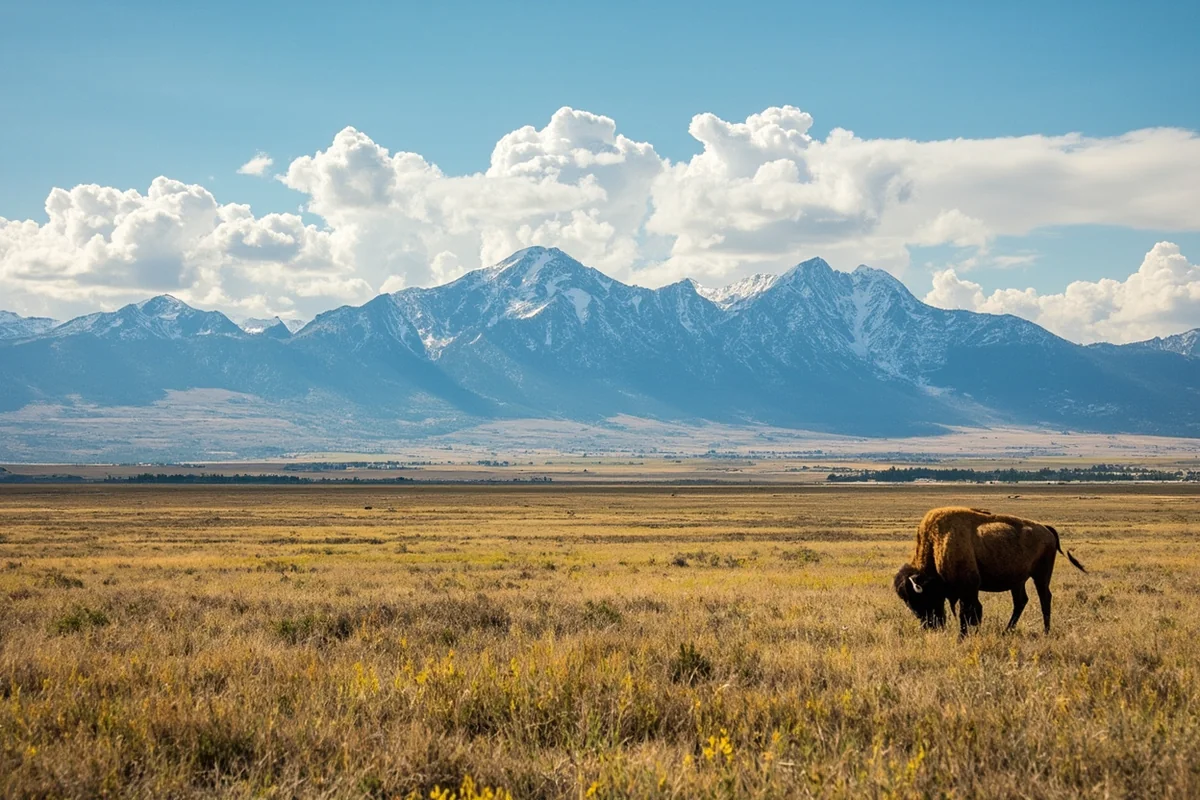
Montana is one of the reasons why Montana is one of the best states for wildlife in the entire country. Grizzly bears, wolves, moose, mountain lions, elk herds numbering in the thousands—it’s essentially the Serengeti of North America.
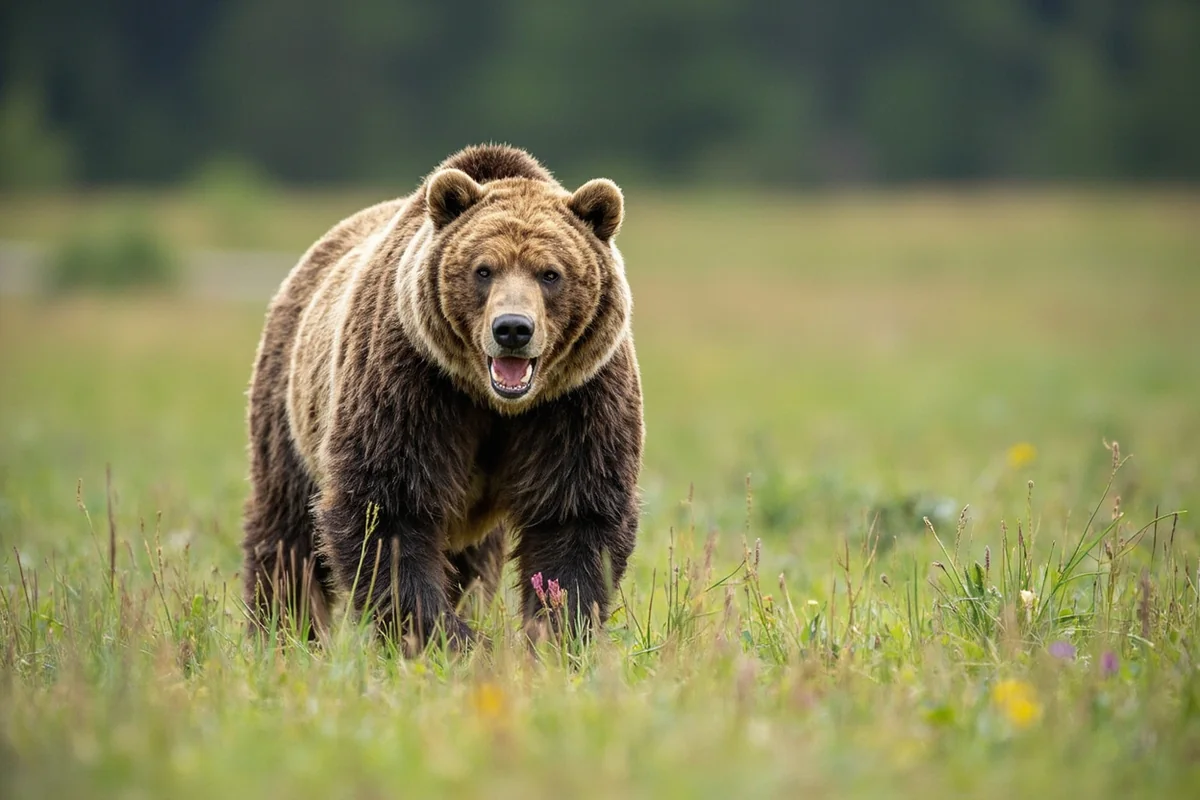
During a single week in Montana last October, I saw three grizzly bears, dozens of elk, a wolf pack at dawn, and more deer than I could count. The state’s smaller human population and vast protected wilderness areas allow wildlife to thrive in ways that more developed Colorado can’t match.
Where to See What
Colorado has wildlife, certainly. I’ve seen elk in Estes Park and bighorn sheep near Georgetown. But these animals feel habituated, almost suburban.
Montana wildlife remains genuinely wild. In Yellowstone’s Lamar Valley (technically straddling Montana), I watched wolves hunt at distance through my spotting scope. That experience exists nowhere else in the lower 48 with such accessibility.
For anyone interested in the intersection of landscape and wildlife, exploring beautiful places in Montana becomes a dual experience—you’re always scanning for movement, always anticipating encounters.
Practical Travel: Getting There and Getting Around
Colorado wins the accessibility battle handily, and pretending otherwise would be dishonest.
Denver International Airport is a major hub with direct flights from virtually everywhere. From there, mountain destinations like Vail, Breckenridge, or Aspen are 90 minutes to three hours away on well-maintained highways.
Montana has smaller regional airports in Bozeman, Missoula, Kalispell, and Billings. Flights typically connect through Denver, Seattle, Minneapolis, or Salt Lake City. Once on the ground, distances between destinations stretch significantly longer.
Driving Distances That Matter
Colorado packs its attractions relatively close together. You can easily visit Rocky Mountain National Park, ski Vail, and explore Denver in a single weeklong trip without exhausting driving.
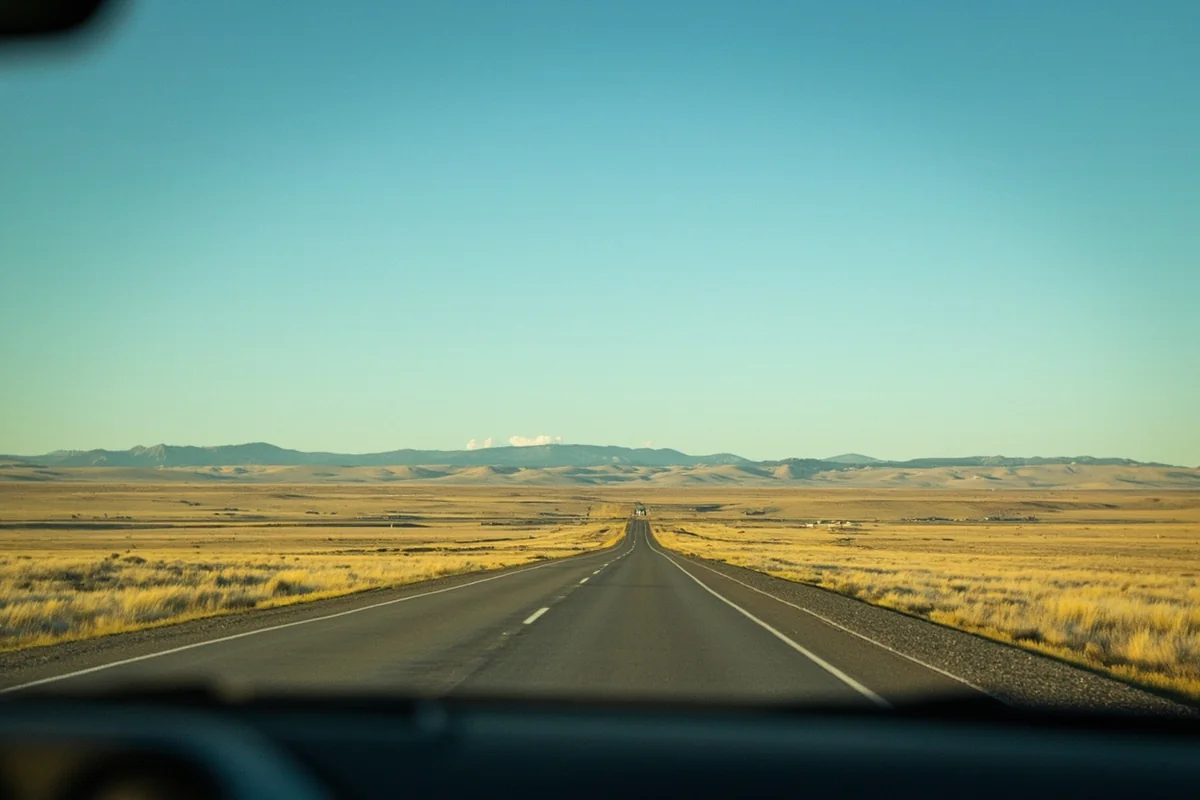
Montana spreads things out. From Glacier National Park to Yellowstone is a solid five-hour drive. Missoula to Billings takes over four hours. Planning a Montana itinerary requires accepting that you’ll spend significant time on the road—though those drives through big sky country are hardly punishment.
Budget Reality: What Things Actually Cost
I track my travel expenses meticulously, and the cost difference between these states surprised me.
A comparable mountain town experience—lodging, meals, activities—runs 30-50% cheaper in Montana than Colorado resort towns. Hotels in Whitefish average $150-200 per night in peak season; similar properties in Aspen or Telluride start at $350 and climb rapidly.
Dining follows similar patterns. A quality dinner in Bozeman might run $40-60 per person. The equivalent meal in Vail costs $75-100 easily.
Where Montana Gets Expensive
Montana isn’t universally cheaper. Big Sky has seen massive price inflation as wealthy buyers discover the area. Summer lodging near Glacier has also increased dramatically.
But Montana’s non-resort towns—Great Falls, Helena, Kalispell—remain genuinely affordable. Colorado’s equivalent secondary towns have been absorbed into the tourism economy and priced accordingly.
For travelers curious about things to know before moving to Montana, this cost differential extends to real estate and daily living expenses as well.
Cultural Vibe and Town Character
The personality of these states diverges significantly when you spend time in their communities.
Colorado’s mountain towns have become increasingly polished—curated main streets, boutique shopping, farm-to-table restaurants, and a noticeable California influence. Places like Boulder and Telluride are beautiful but can feel somewhat performative.
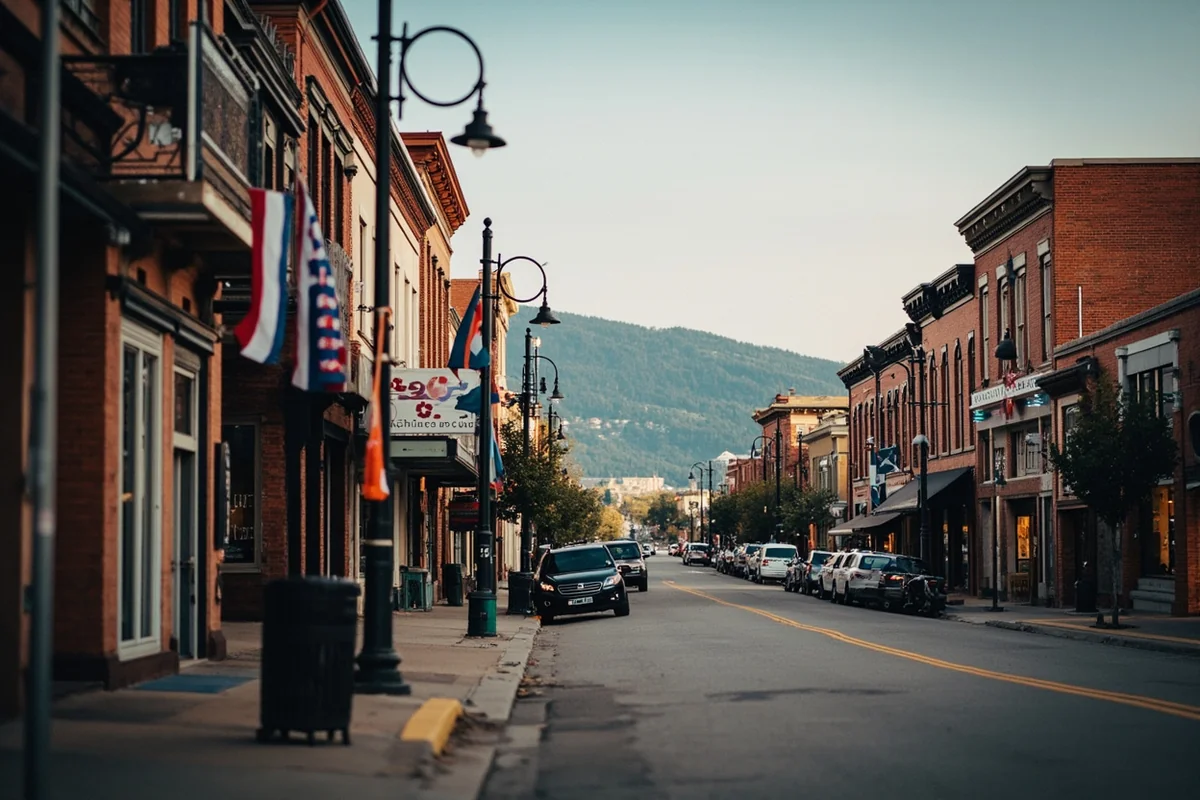
Montana towns retain rougher edges. Missoula has genuine grit alongside its university culture. Butte makes no apologies for its mining heritage. Even tourist-oriented Whitefish feels like an actual community rather than a themed experience.
The Literary and Artistic Soul
Montana has a creative tradition that runs deep. Montana authors like Norman Maclean and Ivan Doig captured something essential about this landscape, and their influence permeates local culture. The state produces writers, filmmakers, and artists drawn to its isolation and intensity.
Colorado has its creative community too, but it tends toward the commercial and outdoors-industry-focused. You’ll find more yoga studios and gear shops than independent bookstores.
If you want to explore this cultural depth before visiting, check out the best books on Big Sky Country or learn about famous people from Montana who’ve shaped its identity.
Summer Adventures: Hiking, Fishing, and Beyond
Summer presents distinct advantages for each state.
Colorado’s fourteener culture creates a specific type of adventure—peak bagging, summit selfies, clearly defined accomplishments. The trails are well-marked, the community is robust, and the challenge is real but manageable.
Montana doesn’t have fourteeners, but it has something arguably better: seemingly endless wilderness areas where you can hike for days without seeing another person. The Bob Marshall Wilderness alone covers over one million acres of roadless terrain.
Fly Fishing Comparison
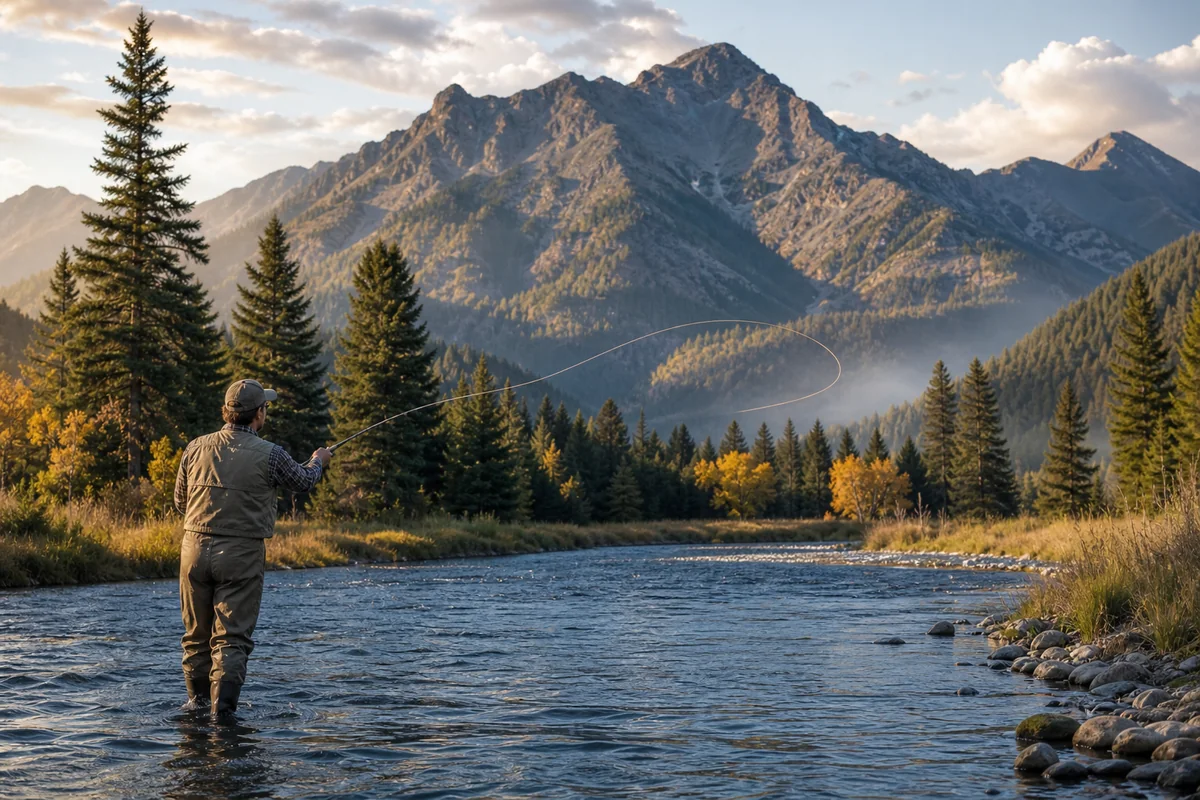
Both states claim world-class fly fishing, but Montana has the edge—and I say this as someone who’s fished extensively in both places.
Montana’s Madison, Gallatin, Yellowstone, and Missouri rivers produce consistently excellent trout fishing with less pressure than Colorado’s more accessible waters. The Bighorn River below Yellowtail Dam might be the most productive trout fishery in the country.
Colorado has the Arkansas, the Gunnison, and various tailwaters, all of which fish well. But they see heavier use, and public access can be more complicated due to private land issues.
Weather Patterns: What to Actually Expect
Montana weather has a reputation for extremes that isn’t entirely undeserved.
Winters are colder, longer, and less predictable than Colorado. January temperatures in northern Montana can plunge to -30°F without making local news. The saving grace is Montana’s famous Chinook winds—warm air currents that can raise temperatures 40 degrees in a matter of hours.
Colorado winters are milder at most elevations, with more consistent sunny days. The state averages 300 days of sunshine annually, which sounds like marketing but actually holds true in my experience.
Summer Weather Wins
Montana summers offer something genuinely special: long, temperate days with low humidity and evening temperatures that actually cool off. During my August trip last year, daytime highs reached the mid-80s while nights dropped into the 50s. Perfect sleeping weather.
Colorado summers get hot in the lower elevations and can feature aggressive afternoon thunderstorms in the mountains. More than once, I’ve been chased off a fourteener summit by lightning that appeared seemingly from nowhere.
Food and Drink Scene
Colorado wins the culinary battle overall, though Montana has made significant strides.
Denver has become a legitimate food city with nationally recognized restaurants. Boulder’s dining scene rivals cities twice its size. Even mountain towns like Aspen and Telluride offer genuinely sophisticated cuisine.
Montana’s food culture centers on different strengths—exceptional beef, wild game, and local ingredients prepared without pretension. Bozeman and Missoula both have surprisingly good dining scenes for their size.
Craft Beer Showdown
Colorado essentially invented American craft beer. The state has more breweries per capita than anywhere except Vermont, and the quality is consistently excellent.
Montana holds its own, though. Missoula’s Big Sky Brewing, Great Falls’ Bowser Brewing, and numerous smaller operations produce outstanding beer. The difference is scale and variety—Colorado simply has more options.
Unique Experiences You Can’t Get Elsewhere
Each state offers experiences the other genuinely cannot match.
Montana gives you things like 23 unique ways Montana stands out from anywhere else—the genuine frontier feeling, the Native American cultural presence, the quirky small-town character. There are even weird and unusual things in Montana that you simply won’t find in Colorado’s more polished environment.
Colorado offers easier access to extreme mountain sports, more developed resort infrastructure, and a broader range of cultural events from world-class music festivals to professional sports.
The Movie Connection
Both states have served as backdrops for major films, but Montana has a particular cinematic mystique. Movies filmed in Montana tend toward the epic and elemental—think “A River Runs Through It” or the Yellowstone TV series. The landscape becomes a character.
Environmental Considerations
Montana’s natural resources face different pressures than Colorado’s. Mining history, timber interests, and energy development create ongoing tensions in Big Sky Country.
Colorado confronts challenges of success—managing tourism pressure on public lands, water rights in a drying climate, and the environmental impact of its booming population.
Both states have passionate conservation communities and genuine wilderness protection, but the specific battles differ significantly.
Making Your Decision: Who Should Choose Which
After all this analysis, here’s my honest take on who should choose which state.
Choose Montana if you:
- Prioritize solitude and authentic wilderness experiences
- Want genuine wildlife encounters without the zoo-like atmosphere
- Prefer lower-key towns with real character over resort polish
- Are willing to spend more time driving between destinations
- Travel on a moderate budget
- Seek world-class fly fishing
Choose Colorado if you:
- Value accessibility and developed infrastructure
- Want larger ski resorts with more terrain variety
- Prefer a more vibrant après-ski and nightlife scene
- Have limited time and want concentrated attractions
- Enjoy fourteener climbing and peak-bagging culture
- Want more restaurant and craft beer options
The Comparison Continues
If you’re weighing Montana against other states, this isn’t the only comparison worth making. Check out Montana vs Idaho for a neighboring state contrast, or explore Montana vs Oregon if Pacific Northwest vibes interest you.
For those considering northern alternatives, Montana vs North Dakota and Montana vs South Dakota reveal how dramatically the northern plains differ from Big Sky Country.
There’s a reason quotes about Montana tend toward the reverent and slightly mystical. This state does something to people—it expands your sense of what’s possible while simultaneously making you feel small in the best way.
Final Thoughts From the Road
I’ve spent years exploring both states, and I don’t think there’s a wrong choice between them. They’re both exceptional destinations that reward different travel styles.
But if forced to choose—and I recognize my bias writing for a Montana-focused site—I’d pick Montana for its authenticity, its wildlife, and that indescribable feeling of standing somewhere truly wild. Colorado is spectacular and accessible. Montana is spectacular and real.
Understanding what the 27 things Montana is known for actually look and feel like in person is something no amount of comparison can replace. The same is true for Colorado’s charms.
Both states will exceed your expectations. Both will call you back. The question is simply which version of mountain magic speaks to your particular soul.
Frequently Asked Questions
Is Montana or Colorado cheaper for a vacation?
Montana is generally 15-20% cheaper than Colorado for accommodations, dining, and activities, especially during peak summer months. I’ve found hotel rooms in Bozeman average $150-200/night compared to $200-300 in similar Colorado mountain towns like Aspen or Vail. Gas prices and campground fees also tend to be lower throughout Montana.
Which state has better national parks, Montana or Colorado?
Montana offers Glacier National Park, which rivals any park in the country with over 700 miles of trails and stunning alpine scenery that feels more remote and less crowded than Colorado’s Rocky Mountain National Park. While Colorado has four national parks total, Glacier’s Going-to-the-Sun Road and backcountry experiences consistently rank among America’s best. For wildlife viewing including grizzly bears, wolves, and moose, Montana wins hands down.
What is the best time to visit Montana compared to Colorado?
The best time to visit Montana is mid-June through September when Glacier National Park’s roads are fully open and weather is ideal for hiking. Colorado’s season starts earlier in May since elevations are generally lower and snow melts faster. I recommend July for Montana wildflowers and August-September to avoid crowds at both destinations.
Is Montana or Colorado better for skiing and winter travel?
Colorado has more world-famous ski resorts like Vail, Breckenridge, and Aspen with extensive terrain and amenities, but Montana’s Big Sky and Whitefish Mountain offer comparable powder with significantly shorter lift lines and lower prices. Lift tickets in Montana average $100-150 compared to $200+ at major Colorado resorts. If you want authentic Western skiing without the crowds, Montana delivers a better overall winter experience.
How far is Montana from major US cities compared to Colorado?
Colorado is more accessible for most US travelers, with Denver just 600 miles from Dallas and 850 miles from Los Angeles. Montana’s closest major airports in Bozeman and Missoula require connections from most cities, and driving from Seattle takes about 8-9 hours versus 5-6 hours from Denver to most Colorado mountain towns. Factor in an extra travel day when planning a Montana trip from the East Coast or Southwest.
What should I pack for a Montana trip versus a Colorado trip?
Pack warmer layers for Montana even in summer, as temperatures drop significantly at night and can reach the 40s in mountain areas during July. Both states require sun protection at high altitude, but Montana’s terrain demands more serious bear spray and wildlife preparedness gear. I always bring rain gear and a sturdy pair of hiking boots for either destination, plus a cooler for the longer drives between Montana towns.
Is Montana more crowded than Colorado for outdoor recreation?
Montana sees roughly 12 million visitors annually compared to Colorado’s 80+ million, making trails, campgrounds, and scenic areas dramatically less crowded. Even during peak summer, I’ve hiked popular Glacier trails with a fraction of the people you’d encounter at Rocky Mountain National Park. If escaping crowds is a priority for your trip, Montana offers a more authentic wilderness experience with genuine solitude.
Sources:
- https://www.bls.gov/oes/2024/may/area_emp_chart/area_emp_chart.htm
- https://mchb.tvisdata.hrsa.gov/Narratives/Overview/9a5f96d0-a5bd-4671-859f-f15a6cb89294
- https://www.commonsenseinstituteus.org/colorado/research/jobs-and-our-economy/colorados-divergent-trends-among-public-and-private-employment
- https://wallethub.com/edu/best-states-for-jobs/35641
- https://www.durangohomesforsale.com/blog/colorado-vs-montana/
- https://www.reddit.com/r/SameGrassButGreener/comments/1bp1g0p/montana_or_colorado/
- https://wyoleg.gov/InterimCommittee/2024/03-20240528PropertyTaxcomparisonWyomingwithsurroundingstatesandNorthDakota052024.pdf
- https://www.rentastic.io/blog/colorado-vs-other-western-real-estate-markets
- https://z100missoula.com/homeownership-costs-montana/
- https://taxfoundation.org/data/all/state/2024-sales-taxes/
- https://www.avalara.com/taxrates/en/state-rates.html
- https://archive.legmt.gov/content/Committees/Interim/2023-2024/Revenue/Meetings/September-2023/Montana-Taxes-%20Comparisons-2022.pdf
- https://www.nerdwallet.com/taxes/learn/state-income-tax-rates
- https://taxfoundation.org/data/all/state/property-taxes-by-state-county-2024/
- https://www.coloradopolitics.com/2024/11/22/colorados-2024-vote-a-slight-red-shift-in-a-still-predominantly-blue-state-analysis/
- https://montanafreepress.org/2024/09/27/new-montanans-more-red-than-blue/
- https://www.reddit.com/r/Denver/comments/1hwyfv/thoughts_on_all_the_transplants_from_someone_that/
- https://www.highspeedinternet.com/resources/fastest-slowest-internet
- https://broadbandnow.com/research/best-states-with-internet-coverage-and-speed
- https://www.reddit.com/r/Montana/comments/txu40q/finally_good_news_montana_ranked_3rd_worst_to/
- https://www.outsideonline.com/adventure-travel/essays/i-70-traffic/
- https://www.reddit.com/r/roadtrip/comments/1h95gcg/which_route_would_you_take_which_route_is_riskier/
- https://www.reddit.com/r/roadtrip/comments/y4sqci/i70_through_colorado_in_early_january_should_i/
- https://www.moneygeek.com/resources/top-states-health-care/
- https://www.americashealthrankings.org/learn/news/americas-health-rankings-reveals-state-by-state-rural-health-insights
- https://www.forhers.com/news/worst-states-access-medical-care
- https://www.commonwealthfund.org/publications/scorecard/2025/jun/2025-scorecard-state-health-system-performance
- https://wallethub.com/edu/e/states-with-the-best-schools/5335
- https://www.shiksha.com/studyabroad/compare-cu-denver-vs-montana-state-university-160501-159991
- https://www.reddit.com/r/Homesteading/comments/ccb6ph/seeking_advice_pros_and_cons_montana_vs_colorado/
- https://iee.psu.edu/news/blog/colorado-river-crisis-water-shortages-climate-change-and-sustainable-management
- https://www.pbs.org/newshour/nation/how-states-dependent-on-the-colorado-river-are-struggling-to-strike-a-long-term-agreement
- https://ubiqueags.org/map-of-the-week-western-us-vs-eastern-us-wildfire-activity/
- https://hazards.fema.gov/nri/wildfire
- https://www.outsideonline.com/outdoor-adventure/hiking-and-backpacking/hiking-trails-are-more-crowded-than-ever/
- https://thebigoutside.com/big-wilderness-no-crowds-top-5-backpacking-trips-for-scenery-and-solitude/
- https://www.trcp.org/2019/09/06/landlocked-hotspots-big-access-wins-possible/
- https://en.wikipedia.org/wiki/List_of_U.S._states_and_territories_by_violent_crime_rate
- https://usafacts.org/articles/which-states-have-the-least-and-most-crime/