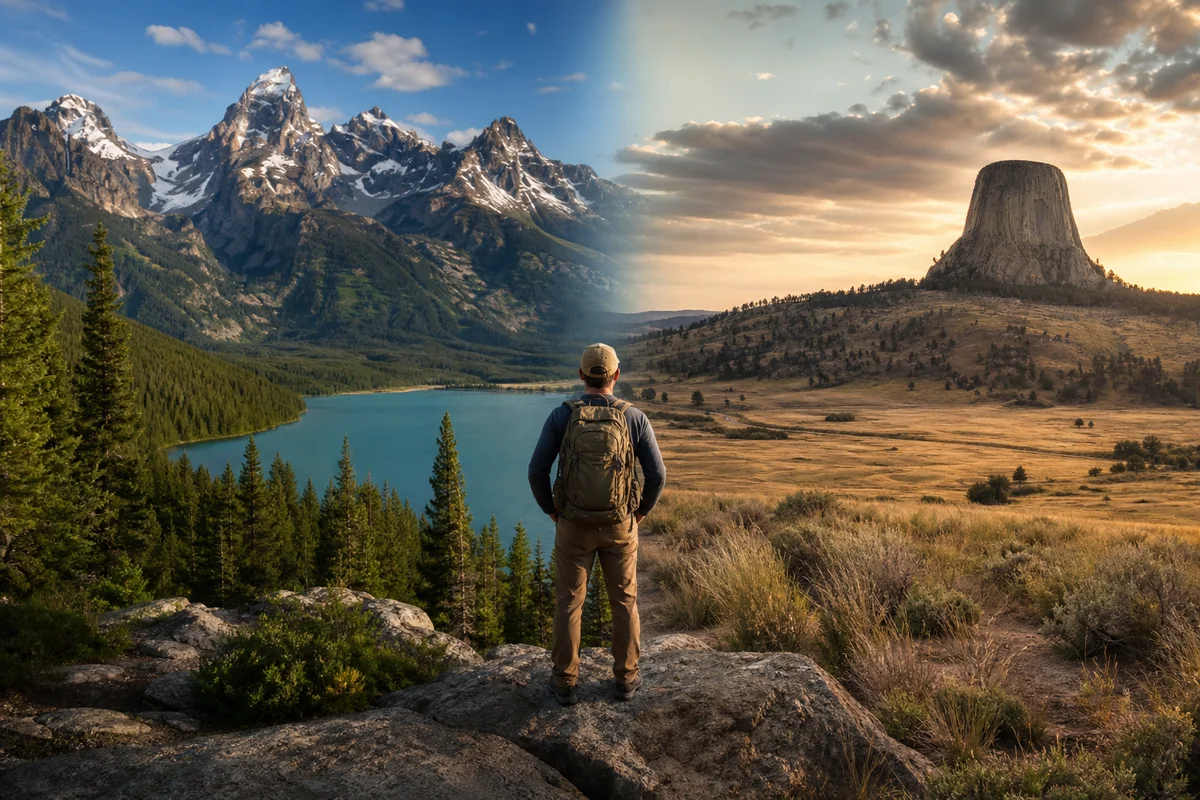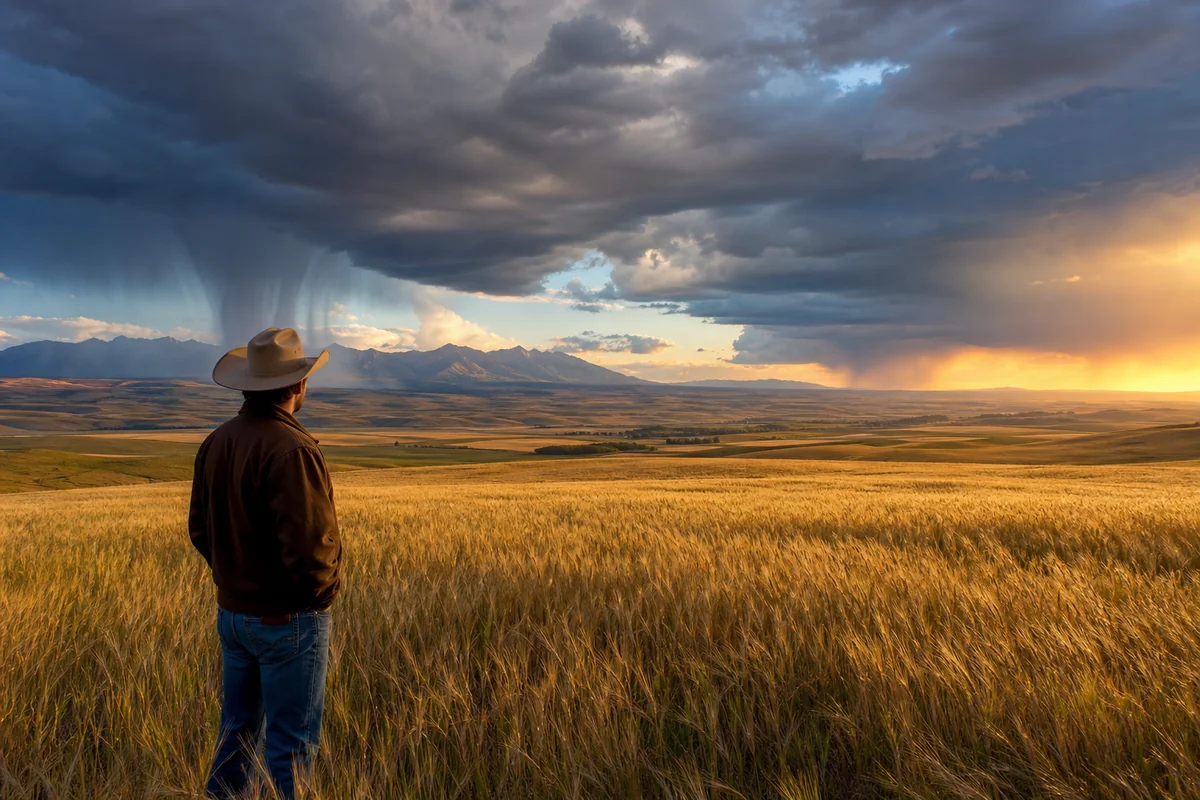
I was standing at the edge of a wheat field outside of Choteau last September when I finally understood why they call it Big Sky Country.
The horizon stretched so far in every direction that I could see three separate rainstorms—one dumping sheets on the distant Rockies, another brushing the prairie twenty miles north, and a third catching golden sunlight near the horizon.
That moment crystallized what makes Montana fundamentally different from anywhere else I’ve traveled in the United States.
If you’re planning to explore About Montana, you’ll quickly discover that this state defies easy categorization. It’s not just another Rocky Mountain destination, and it’s certainly not the stereotypical “Wild West” portrayed in old movies (though you can explore authentic movies filmed in Montana that capture its true essence).
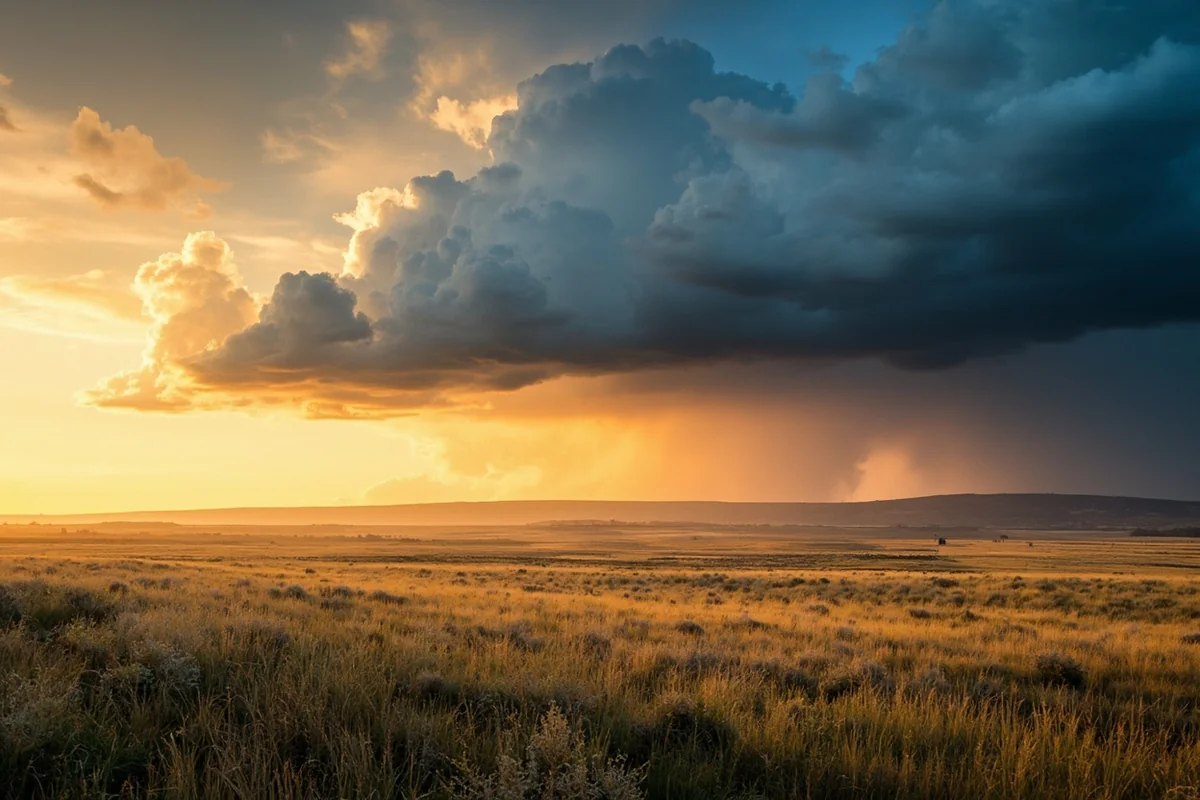
- Montana’s “Big Sky” isn’t marketing—the sky genuinely appears larger due to low population density, minimal light pollution, and vast open terrain
- The state contains two distinct geographic regions: mountainous western Montana and prairie-covered eastern Montana, each with unique experiences
- Montana maintains authentic Western culture that hasn’t been commercialized or diluted for tourism
- Wildlife encounters are virtually guaranteed—I saw grizzlies, wolves, moose, and elk on a single week-long trip
- The state offers genuine solitude impossible to find in most US destinations
- Timing matters enormously: summer crowds cluster at Glacier while fall offers magical uncrowded experiences
Liked this article?
Add Roaming Montana as a preferred source so you see more of our articles and guides on Google.
Why the Sky Actually Looks Bigger in Montana
Before my first Montana trip, I assumed “Big Sky Country” was just clever branding. I was wrong.
The phenomenon is real, and there’s actual science behind it. Montana has the lowest population density of any state in the continental US outside of Wyoming. With just over seven people per square mile, there’s simply less visual clutter between you and the horizon.
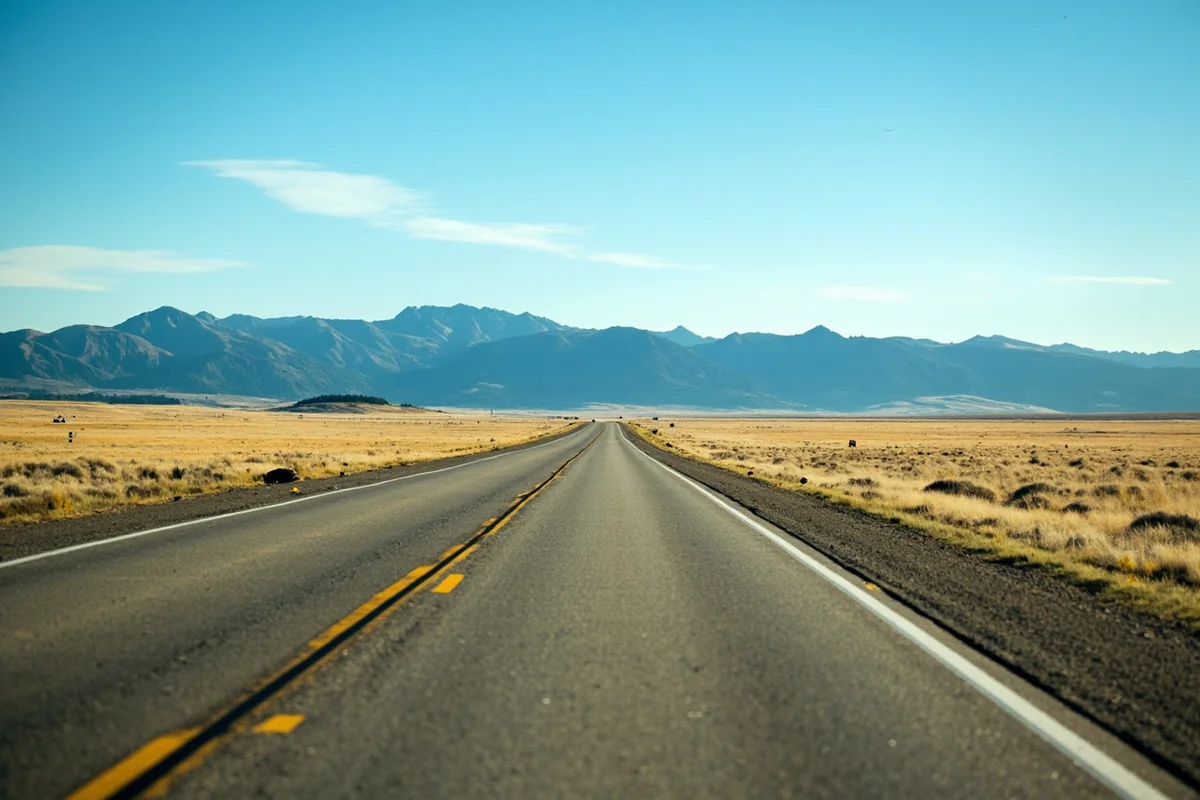
During my visit to the Hi-Line region along Highway 2 last fall, I drove for nearly two hours without seeing another vehicle. No billboards, no power lines cutting across my view, no buildings disrupting the landscape. Just rolling prairie meeting an impossibly vast dome of blue.
Light pollution—or the lack of it—plays a crucial role too. I stayed at a guest ranch near Augusta, and stepping outside after dinner revealed more stars than I’d seen since childhood. The Milky Way wasn’t a faint smudge; it was a brilliant river of light arcing overhead.
Montana contains seventeen Dark Sky communities and parks. Compare that to Colorado’s five or Wyoming’s three, and you’ll understand why serious stargazers make pilgrimages here.
The topography amplifies everything. When you’re standing on prairie that stretches flat for fifty miles before hitting mountain ranges, your eye naturally tracks upward. There’s nothing blocking the view, nothing competing for attention. The sky becomes the main event.
Two Montanas: Understanding the Geographic Divide
Here’s something most travel guides don’t adequately explain: Montana is essentially two completely different states sharing one border.
Western Montana—the region most visitors picture when they think of the state—features the Rocky Mountains, glacial lakes, dense evergreen forests, and resort towns like Whitefish and Bozeman. This is where you’ll find Glacier National Park and the postcard-perfect scenery.
Eastern Montana couldn’t be more different. It’s prairie, badlands, and agricultural land stretching toward the Dakotas. Most tourists skip it entirely, which is exactly why I’ve grown to love it.
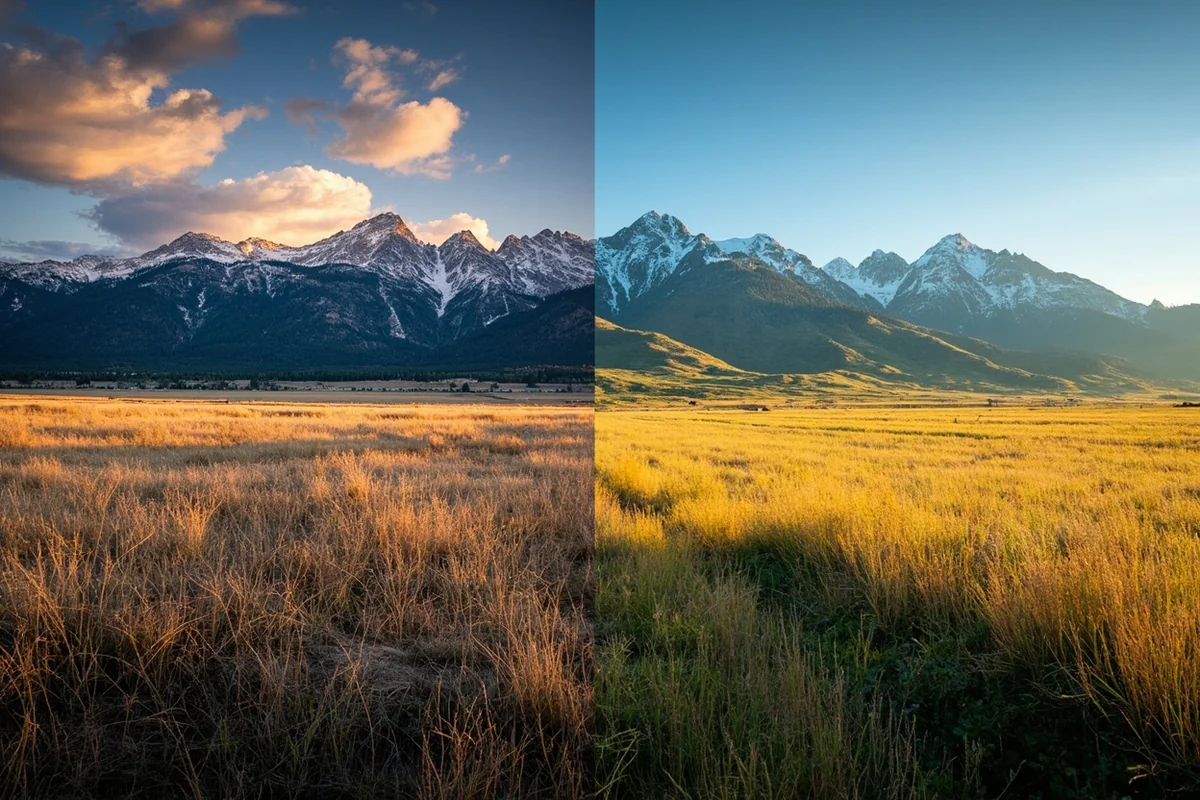
When I explored the area around Miles City during a recent trip, I found an authenticity that’s largely disappeared from the more popular western destinations. Cowboys weren’t performing for tourists—they were working cattle. The bars served ranchers and railroad workers, not tourists seeking Instagram content.
Understanding this divide is crucial for planning. Many visitors fly into Bozeman, spend three days in Yellowstone and Glacier, then leave thinking they’ve “done Montana.” They’ve missed perhaps the most fascinating part.
If you’re comparing destinations, our Montana vs North Dakota guide explores how Eastern Montana differs from its prairie neighbor, while Montana vs Wyoming helps clarify the mountain-region differences.
The Unfiltered Western Culture That Still Exists
I’ve traveled extensively through Colorado, Wyoming, and Idaho. In most of those states, Western culture feels increasingly curated—a polished version of cowboy life packaged for wealthy transplants and tourists.
Montana resists this sanitization, and I mean that as a profound compliment.
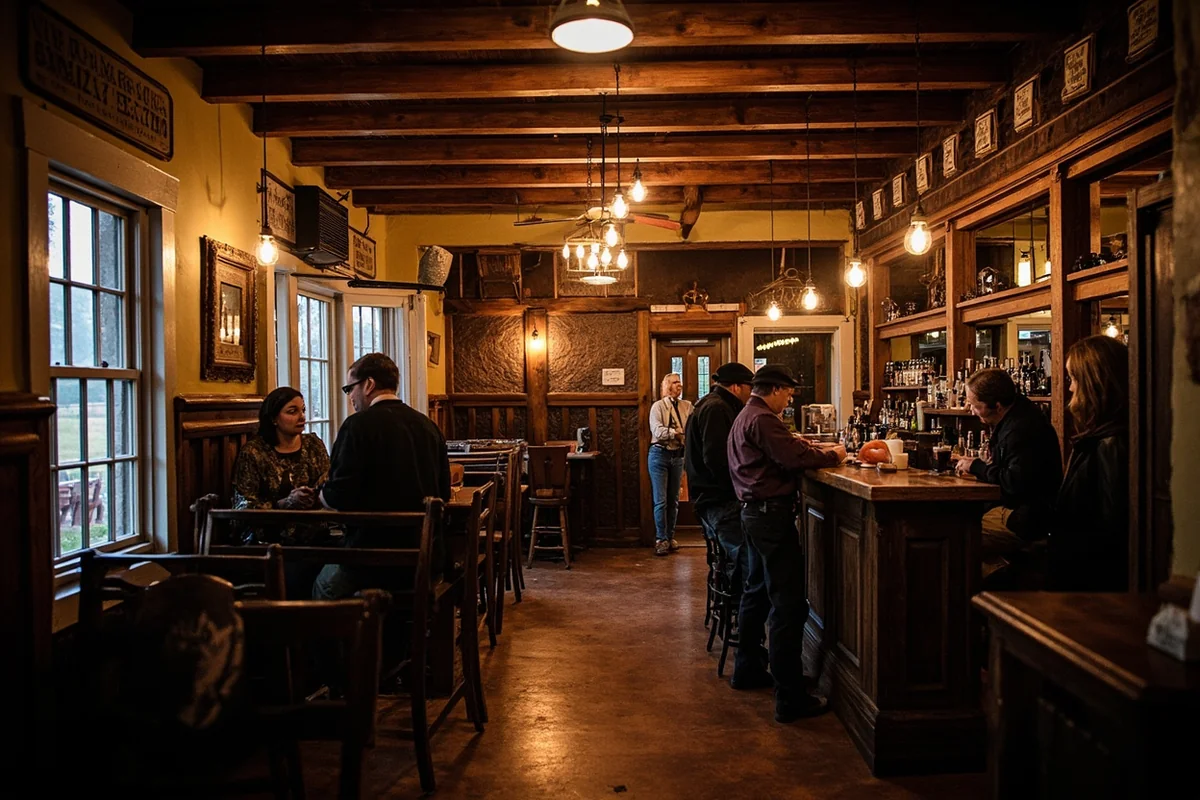
During a conversation at the Jersey Lilly Bar in Ingomar—population: literally zero official residents—the bartender explained that she drove thirty miles each way to serve drinks in a town that no longer technically exists. The bar operates inside a former bank building from 1914, and the beans are still cooked in the same pot they’ve used for decades.
This authenticity persists throughout Montana. The state has produced its share of famous people from Montana, including writers, actors, and politicians, but the culture hasn’t become self-conscious about its identity.
I attended a rodeo in White Sulphur Springs last summer. No announcers explaining events to confused tourists. No country music piped through speakers. Just working ranchers competing against each other in skills they actually use daily, while their neighbors sat on pickup tailgates drinking beer from coolers.
Firearms are normalized in ways that surprise visitors from coastal states. During my first trip, I walked into a coffee shop in Livingston and watched a man in full hunting camo order a latte with his rifle slung casually over his shoulder. Nobody looked twice.
Whether this culture appeals to you depends entirely on your perspective. I’m not advocating for any political position—I’m simply reporting what makes Montana different. The state hasn’t homogenized. It remains stubbornly itself.
Wildlife Encounters: Expectations vs Reality
Let me be direct about something: you will see wildlife in Montana. It’s not a question of luck or timing. If you spend more than a few days exploring diverse terrain, encounters are essentially guaranteed.
But the quality of those encounters differs dramatically from what most visitors expect.
During a week-long trip last September, my wildlife log included: seventeen elk, nine moose, three grizzly bears, two black bears, countless white-tailed and mule deer, one wolf, and more pronghorn antelope than I could count. None of these sightings occurred in Yellowstone.
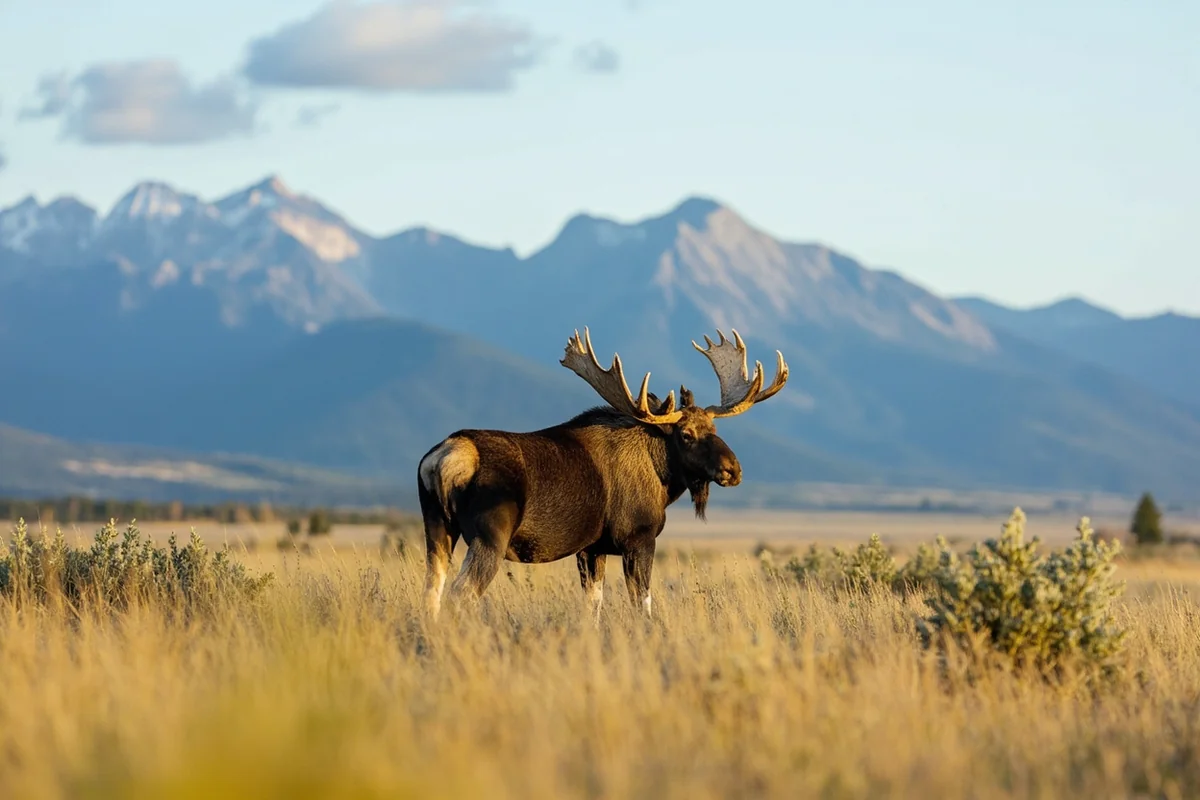
The key insight I’ve gained through multiple visits: avoid the national park parking lot mindset. When you spot cars clustered along a road in Glacier or Yellowstone, twenty tourists are already photographing whatever creature drew the crowd. The animal is habituated to humans, the experience feels like visiting a zoo, and you’re contributing to behavioral problems that harm the wildlife long-term.
Instead, I’ve learned to seek wildlife on back roads and less-traveled terrain. Highway 89 between Livingston and White Sulphur Springs has yielded more meaningful wildlife encounters than anything I’ve experienced in Yellowstone. The Madison Valley south of Ennis consistently produces elk sightings. The Rocky Mountain Front near Choteau is grizzly country in the truest sense.
Safety matters enormously here. I always carry bear spray (and know how to use it), maintain appropriate distances, and stay alert on trails. Montana wildlife includes apex predators that can and occasionally do harm humans. This isn’t Disneyland—it’s functioning wilderness.
If you’re curious about what else makes Montana special, our comprehensive 27 things Montana is known for covers wildlife and much more.
The Solitude Factor: Why This Matters
We live in an era where solitude has become genuinely rare. National parks from Zion to Acadia have implemented reservation systems because crowds made them nearly unmanageable. Popular trails in Colorado require waking at 4 AM to secure parking.
Montana offers something increasingly precious: real isolation.
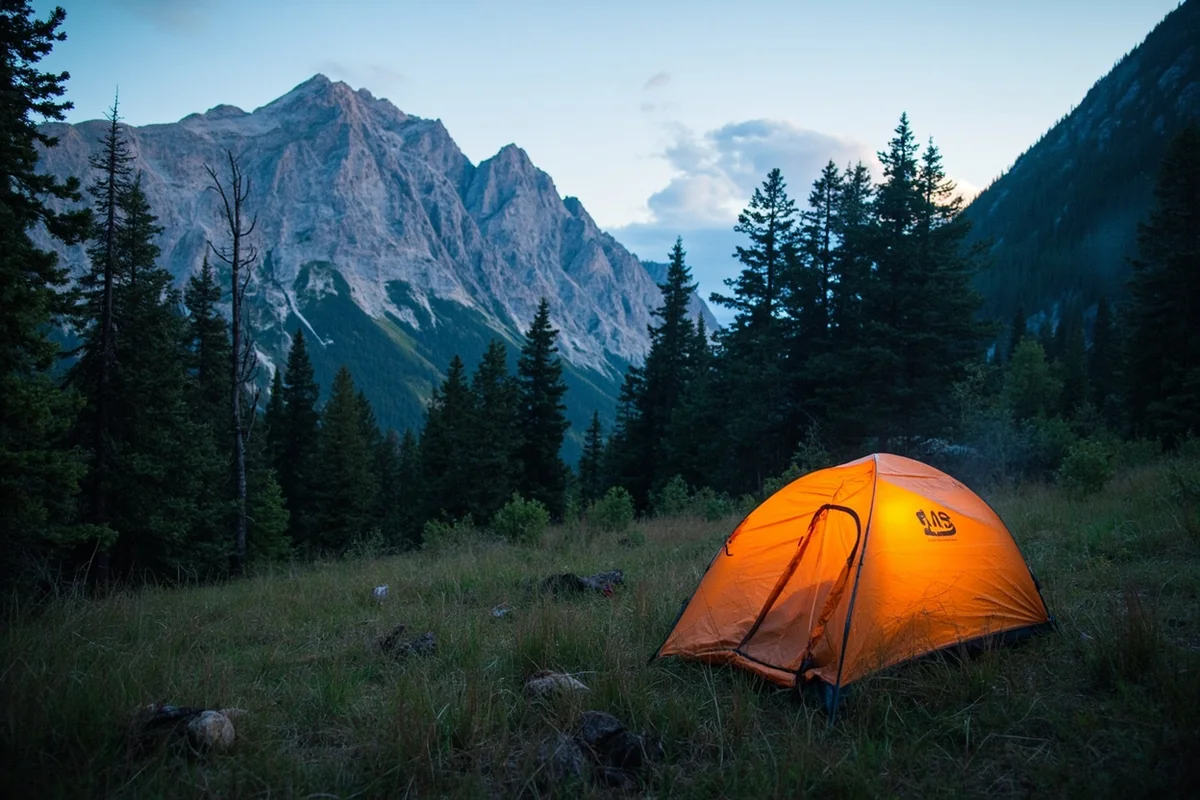
I spent three nights at a Forest Service cabin near the Chinese Wall in the Bob Marshall Wilderness. Over seventy-two hours of hiking, fishing, and exploring, I saw exactly four other people. All of them were headed out as I was headed in.
The Bob Marshall—locals call it “The Bob”—encompasses over 1.5 million acres of roadless wilderness. Add the adjacent Scapegoat and Great Bear wilderness areas, and you’re looking at nearly 2.5 million contiguous acres without motorized access.
This isn’t just impressive statistics. It translates to experiences unavailable almost anywhere else in the lower 48.
When I compare Montana to similar destinations, the difference becomes stark. Our guides on Montana vs Colorado and Montana vs Idaho explore these solitude differences in detail.
Even accessible areas of Montana feel uncrowded compared to comparable destinations. Glacier National Park gets roughly three million visitors annually. Yellowstone (which Montana shares with Wyoming) sees over four million. Both numbers sound enormous until you compare them to Great Smoky Mountains’ twelve million or Grand Canyon’s six million.
Montana’s roads simply don’t accommodate mass tourism the way those destinations can. This limitation, which frustrates some visitors, preserves the character that makes Montana unique.
Seasons and Timing: What No One Tells You
Here’s practical wisdom that took me multiple trips to fully understand: Montana’s seasons don’t align with what you’d expect based on calendar dates.
Summer technically runs June through August, but July and August bring most of the crowds to popular destinations. When I visited Glacier in mid-July, the Going-to-the-Sun Road was a parking lot at Logan Pass by 8:30 AM. The Many Glacier Hotel was booked solid. Every campsite required winning a reservation lottery months in advance.
My favorite Montana trip—the one I recommend to friends who genuinely want to experience what makes this place special—happened in late September.
The crowds had evaporated. Glacier still had some snow-free trails accessible. The larch trees along Lake McDonald were turning gold, creating scenery I’d previously associated only with professional photography. Temperatures hovered in the mid-fifties during the day, dropping into the thirties at night—perfect hiking weather if you’re prepared.
| Season | Best For | Challenges | Crowd Level |
|---|---|---|---|
| Early Summer (June) | Wildflowers, waterfalls at peak flow | High-country roads may still be closed, mosquitoes | Moderate |
| Peak Summer (July-Aug) | All roads/trails open, warm weather | Crowds at popular destinations, lodging prices peak | High |
| Fall (Sept-Oct) | Fall colors, wildlife activity, solitude | Some facilities close, unpredictable weather | Low to Moderate |
| Winter (Nov-April) | Skiing, snowshoeing, lower prices | Road closures, extreme cold, limited accessibility | Low (except ski resorts) |
| Spring (May) | Emerging wildlife, uncrowded | Mud season, variable conditions, many closures | Very Low |
Winter in Montana demands respect. Temperatures in eastern Montana regularly drop to minus twenty Fahrenheit or colder. I’ve experienced minus thirty-five near Glasgow—cold that freezes exposed skin in minutes and makes car trouble potentially life-threatening.
But if you’re prepared and choose your destination wisely, winter Montana offers experiences you literally cannot have anywhere else. Skiing at Big Sky means no lift lines compared to Colorado resorts. Yellowstone in winter (accessible from Gardiner, Montana) feels like another planet—steam rising from geysers against snow-covered landscape, bison with icicles hanging from their beards.
The Literary and Artistic Heritage
Montana has produced writers whose work captures the American West more authentically than almost any other state. This isn’t coincidence—the landscape and culture feed creative work in unique ways.
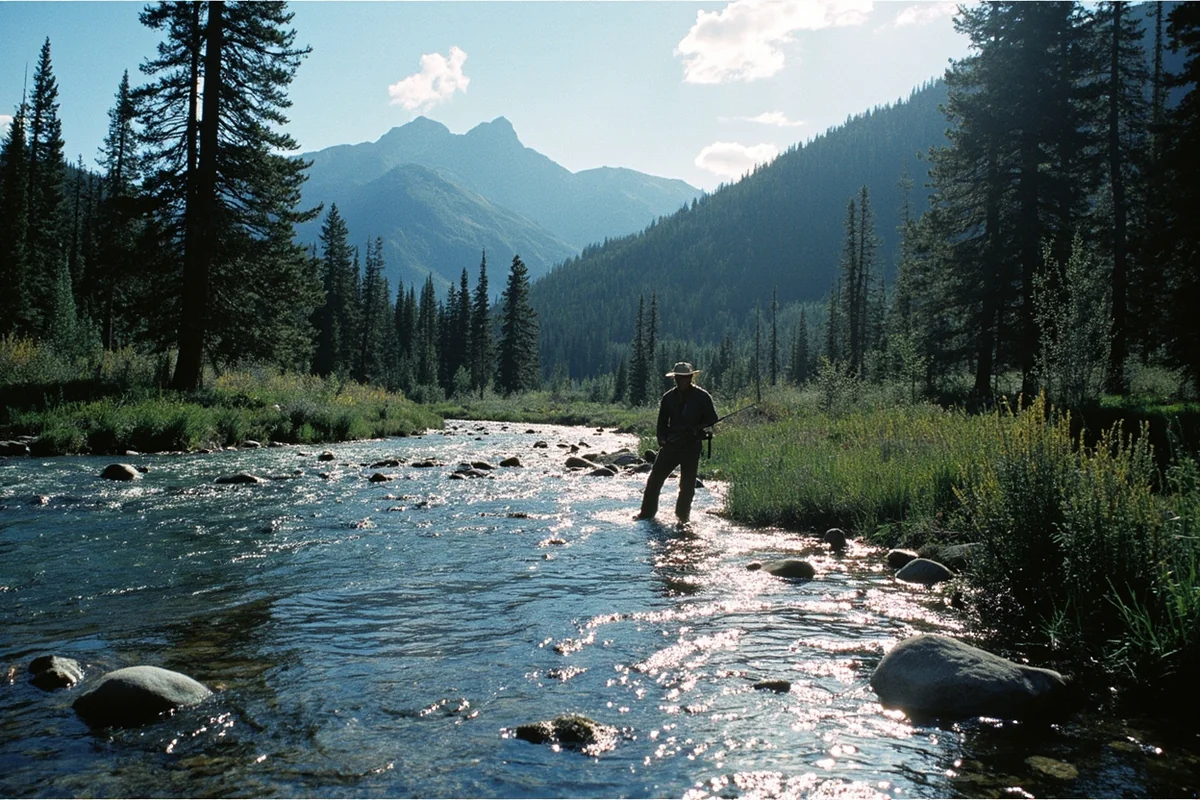
Norman Maclean wrote “A River Runs Through It” about his family’s experiences fly-fishing the Blackfoot River. When I floated that same river outside of Missoula, I understood why his prose achieves such specificity. The light hitting the water, the sound of current over rocks, the particular green of riverside cottonwoods—it all matched his descriptions from the 1920s.
Ivan Doig, Jim Harrison, and Thomas McGuane all wrote extensively about Montana. Contemporary authors continue this tradition. If you want to understand the state before visiting, our best books on Big Sky Country guide offers reading recommendations, and Montana authors explores the literary heritage more deeply.
Many visitors also recognize Montana from film and television. The Yellowstone series, whatever its narrative exaggerations, shoots on authentic Montana locations. Quotes about Montana from writers, filmmakers, and residents capture why creative people gravitate here.
The artistic community in places like Missoula, Bozeman, and even tiny towns like Virginia City surprises visitors expecting only cowboys and ranchers. Montana hosts writers’ workshops, film festivals, and gallery scenes that rival much larger cities.
Practical Realities: What First-Time Visitors Need to Know
Let me address the practical matters that most travel content glosses over.
Distance Kills Travel Plans
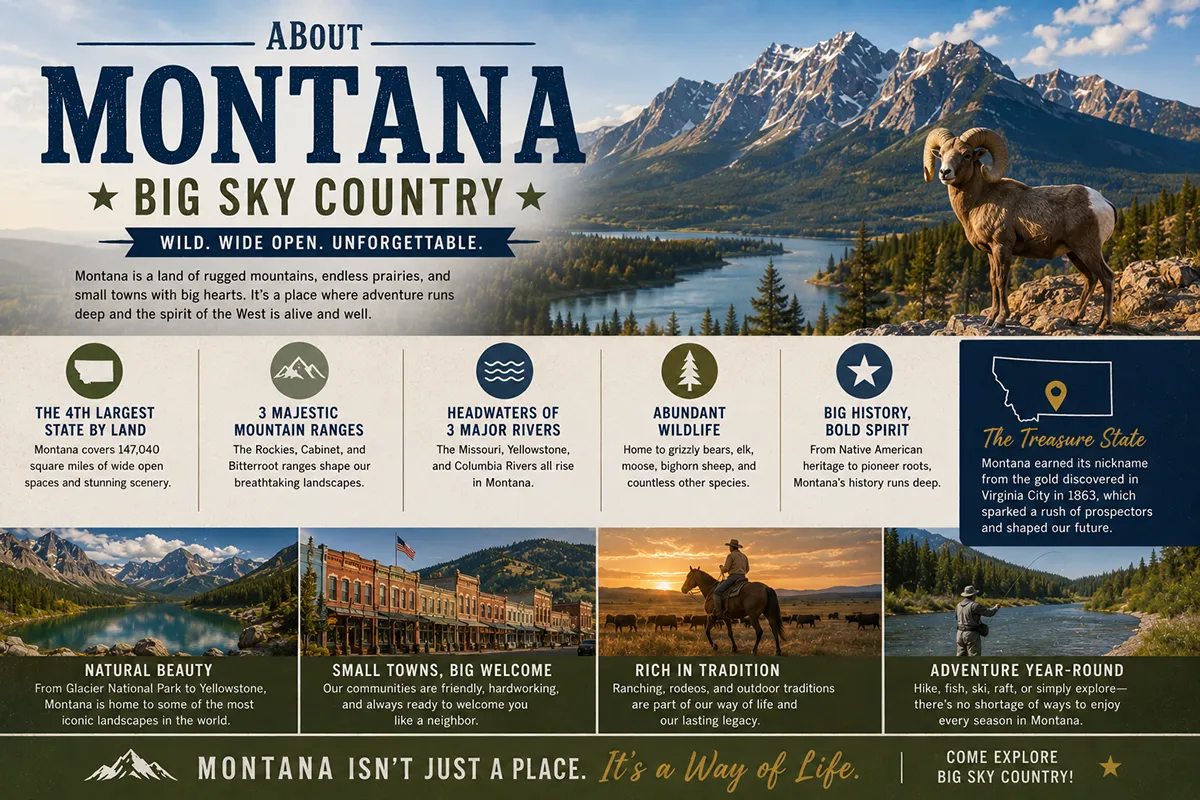
Montana is the fourth largest state by area. Driving from Glacier National Park to the Little Bighorn Battlefield takes over seven hours—and you’ll still be in Montana the entire time.
When I planned my first trip, I naively scheduled Glacier, Yellowstone, and the Missouri Breaks all in one week. The driving consumed so much time that I barely experienced any destination properly.
My revised rule: pick a region and explore it thoroughly rather than trying to see everything. Western Montana around Glacier and Flathead Lake. The Paradise Valley and Yellowstone gateway. Eastern Montana’s prairies and badlands. Each deserves at least three or four days.
Services Are Sparse
I learned this lesson the hard way when my rental car’s fuel light came on near Jordan—and the next gas station was fifty miles away. I made it, barely, and now I fill up whenever I hit half a tank in rural Montana.
Cell service remains unreliable outside populated corridors. I’ve spent entire days without signal. Download offline maps, tell someone your itinerary, and don’t rely on GPS for backcountry navigation.
Weather Changes Rapidly
Snow is possible any month of the year in Montana’s mountains. I’ve worn shorts in the morning and encountered hail by afternoon. The only sensible approach: layer everything and accept that conditions will change.
During one memorable August trip, I left Bozeman under clear skies, drove through a hailstorm near Livingston, emerged into sunshine at Emigrant, and hit rain near Gardiner—all within ninety minutes.
Lodging Fills Fast
Popular destinations book months in advance for summer. Glacier-area lodges often fill by February for July dates. Even campgrounds require reservations and luck.
My strategy: book traditional lodging if you have firm dates, but stay flexible enough to explore less popular areas when the crowds prove overwhelming.
The Towns Worth Knowing
Montana’s towns range from sophisticated to barely surviving. Understanding the differences helps tremendously with trip planning.
Bozeman
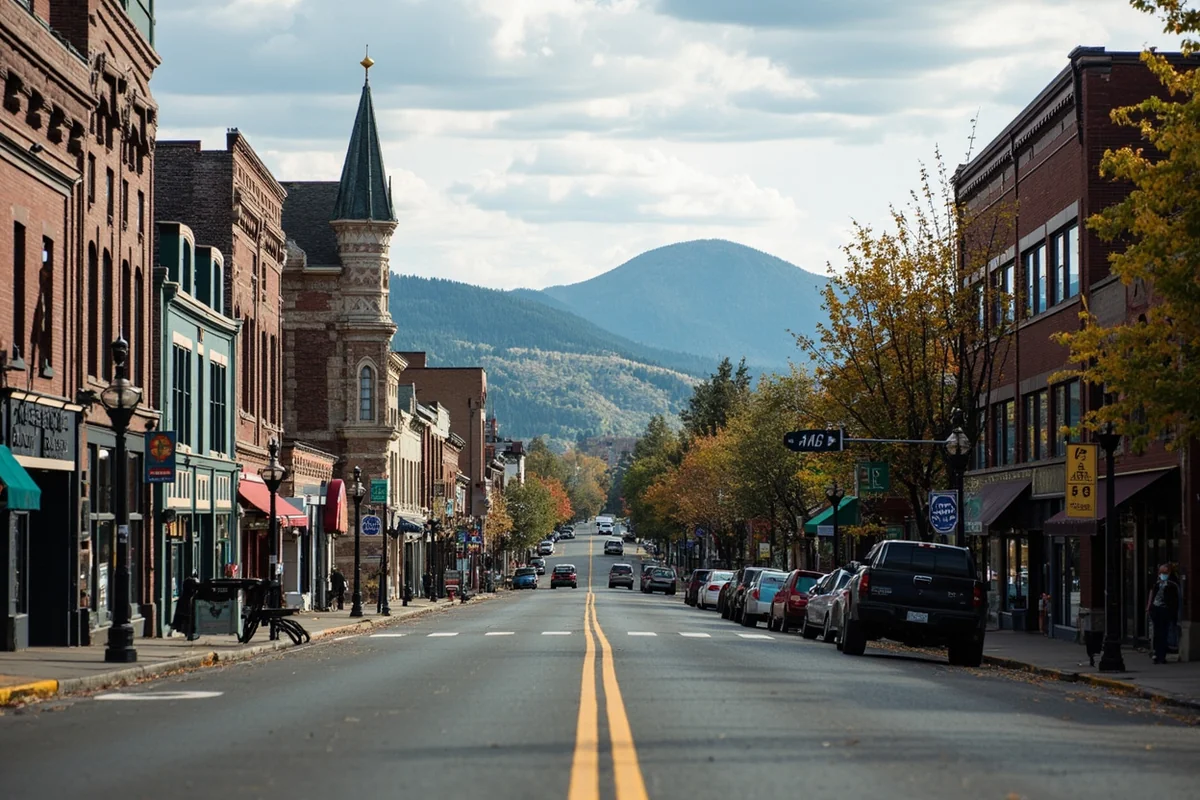
The most rapidly changing city in Montana, Bozeman has attracted tech workers, outdoor recreationists, and wealthy retirees who’ve transformed what was once a genuine Western town. Main Street now features boutiques and upscale restaurants alongside century-old buildings.
I have mixed feelings about Bozeman. The food scene has improved dramatically—I had legitimately excellent pho there last winter—but the character feels increasingly generic. Housing prices have displaced long-time residents and created a sanitized version of Montana culture.
Still, as a base for exploring the Paradise Valley, Yellowstone’s north entrance, and the Bridger Range, Bozeman works well. The airport receives direct flights from numerous cities, making it the most accessible gateway for many visitors.
Missoula
The cultural heart of Montana, Missoula hosts the University of Montana and maintains a distinctly progressive, arts-focused atmosphere. It’s the anti-Bozeman in many ways—less polished, more politically diverse, and cheaper (though that’s changing).
I prefer Missoula for extended stays. The food scene rivals Bozeman without the pretense. The Clark Fork River runs through downtown, offering urban fishing opportunities I’ve never encountered elsewhere. The surrounding national forest land provides endless exploration.
Whitefish
A genuine ski town that’s managed to retain character despite increasing popularity. Whitefish sits perfectly positioned for Glacier National Park access and operates one of the best ski areas in the northern Rockies.
Summer crowds have grown substantially, but the town maintains more authenticity than comparably positioned ski destinations in Colorado.
Small Towns
The true Montana character lives in towns most visitors never see: Choteau with its dinosaur museums, Lewistown at the geographic center of the state, Philipsburg with its sapphire mines and gem shops, Livingston with its railroad history and surprising art scene.
These places won’t appear on most travel lists. They don’t offer luxury accommodations or fine dining. But they provide something increasingly rare: genuine, uncommercialized Western American culture.
If you’re considering a more permanent connection to Montana, our guide on things to know before moving to Montana covers the realities of full-time living here.
What Makes Montana Different from Comparable States
Visitors often ask how Montana compares to neighboring states. Having spent considerable time throughout the region, I can offer perspective.
Colorado offers more developed ski infrastructure and easier accessibility. But Colorado’s most famous destinations—Aspen, Vail, Telluride—have become extensions of coastal urban culture. Montana’s version of a resort town (Big Sky or Whitefish) feels substantially more authentic.
Wyoming shares similar landscape but with even lower population. Yellowstone dominates Wyoming tourism. Montana offers more diverse experiences beyond its one flagship park.
Idaho provides comparable wilderness access at lower prices but lacks Montana’s cultural distinctiveness. There’s no equivalent to the Montana mystique—that ineffable quality captured by writers and filmmakers for generations.
Our detailed comparison guides break down specific differences: Montana vs Oregon for Pacific Northwest comparisons, Montana vs South Dakota for prairie-state context, and Montana vs Alaska for those considering the ultimate wilderness experience.
The Resources That Make It Special
Montana’s uniqueness extends beyond scenery to the actual resources underlying the land. The state sits atop some of the most significant mineral deposits, timber reserves, and agricultural land in America.
The Montana natural resources story intertwines with both the state’s history and its current challenges. Mining built Montana—copper from Butte powered electrification across America—but also left environmental scars that persist today.
Understanding this history enriches any visit. The Berkeley Pit in Butte, now a toxic lake that kills migrating birds, tells one version of Montana’s story. The restored Blackfoot River, nearly destroyed by mining but now recovered as a world-class fishery, tells another.
The Weird and Wonderful
Every state has quirks. Montana’s are particularly memorable.
The state contains ghost towns—actual ghost towns, not tourist reconstructions—where buildings still stand and you can explore largely unrestricted. Granite, Elkhorn, and dozens of others preserve 19th-century mining camps largely unchanged.
Montana law still technically allows individuals to engage in mutual combat. The state briefly had no daytime speed limit on highways during the 1990s. Current laws permit carrying firearms virtually anywhere.
Our weird and unusual things in Montana guide explores these quirks in detail. They’re part of what makes Montana irreducibly itself.
Why Big Sky Country Endures
The nickname originated with a state highway department employee in the 1960s. It’s survived because it captures something real—not just the physical phenomenon of the sky appearing larger, but the psychological effect of space and freedom that the state provides.
During my most recent trip, I spent an afternoon at the Museum of the Rockies in Bozeman, learning about the dinosaurs that roamed Montana millions of years before humans arrived. The state contains some of the world’s most important paleontological sites.
Then I drove north toward the Missouri River Breaks, where Lewis and Clark struggled upstream in 1805. The landscape hasn’t changed meaningfully since their passage.
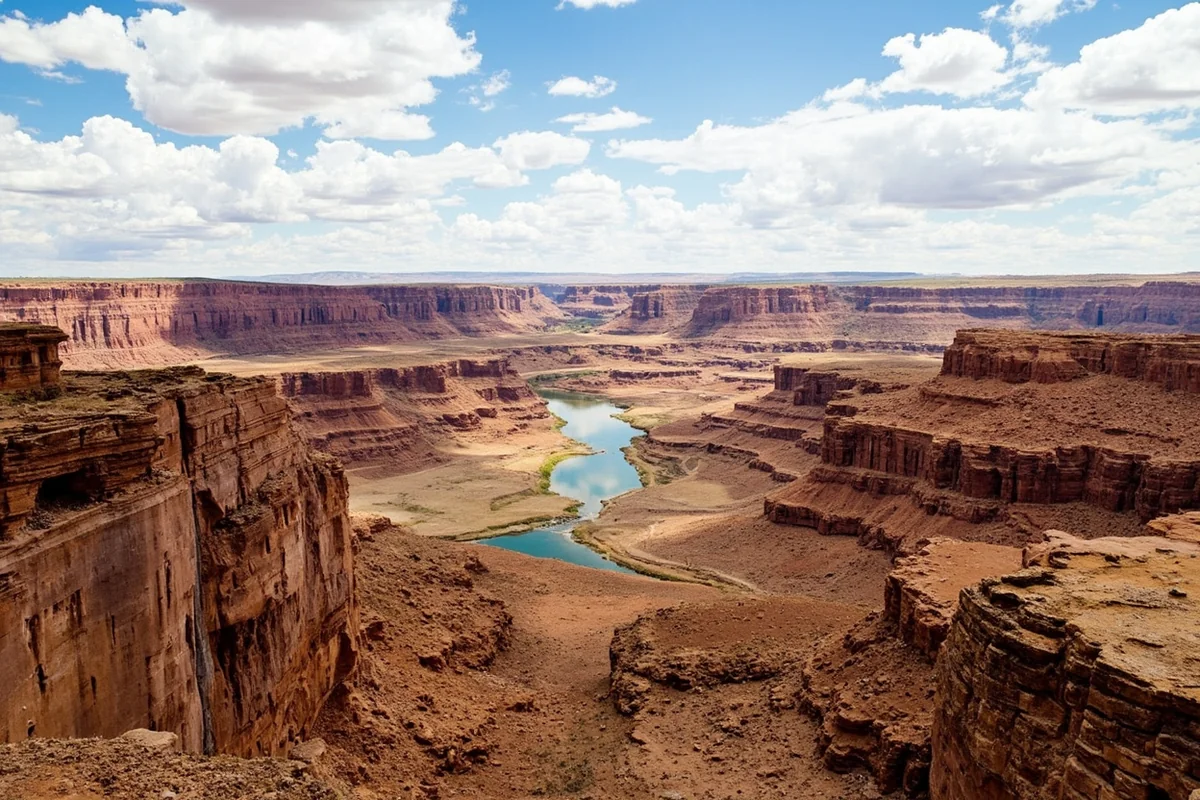
Montana exists outside normal time in ways that feel increasingly precious. The same mountains, rivers, and prairies that shaped human experience for twelve thousand years remain largely intact. The state hasn’t been “discovered” in the way that’s transformed Colorado or parts of Wyoming.
This will change eventually. Population growth, climate change, and shifting economic patterns will alter Montana like they’ve altered everywhere. But for now, for visitors who seek something genuine rather than something convenient, Montana delivers.
The reasons Montana is best differ for each visitor. Some seek world-class fishing. Others want wilderness backpacking without crowds. Some simply need space—physical and psychological—unavailable in more densely populated regions.
What unites all these motivations is a recognition that Montana offers something scarce in modern America. It remains wild, authentic, and stubbornly itself.
The Montana state governor and state officials have made deliberate choices to preserve this character, limiting development and maintaining public access to wilderness. Whether these policies continue depends on forces beyond any individual’s control.
But for now, Big Sky Country lives up to its name. The sky really is bigger here. And what lies beneath it—the mountains and prairies, the wildlife and culture, the small towns and endless solitude—remains genuinely unique.
Standing at that wheat field edge outside Choteau, watching three rainstorms march across sixty miles of visible horizon, I felt something rarely experienced in contemporary American life: genuine awe at landscape undiminished by human presence.
That feeling awaits anyone willing to make the journey. Montana won’t come to you. But if you go seeking something real, something beautiful about Montana that exists nowhere else, Big Sky Country delivers.
Frequently Asked Questions
Why is Montana called Big Sky Country and what makes it unique?
Montana earned the nickname Big Sky Country because of its vast, unobstructed horizons where the sky seems to stretch endlessly in every direction. What makes it truly unique is the combination of dramatic landscapes—from Glacier National Park’s rugged peaks to the rolling prairies of eastern Montana—all with remarkably low population density. I’ve driven for hours here seeing more wildlife than people, which is increasingly rare in the US.
What is the best time of year to visit Montana for outdoor activities?
The best time to visit Montana depends on your interests: June through September offers ideal conditions for hiking, fishing, and wildlife viewing with temperatures between 60-85°F. If you’re planning a ski trip to Big Sky Resort or Whitefish Mountain, December through March provides excellent powder conditions. I personally love late September when the crowds thin out and the larch trees turn golden across the mountains.
How much does a week-long trip to Montana cost for a couple?
A moderate week-long Montana trip for two typically costs between $2,500-$4,500, including lodging, meals, activities, and a rental car. Budget travelers can cut costs by camping ($20-45/night) and cooking their own meals, while luxury lodges near Yellowstone or Glacier can run $400-800+ per night. Gas costs add up quickly since attractions are often 100+ miles apart, so budget around $200-300 for fuel.
What should I pack for a summer road trip through Montana?
Pack layers even in summer because Montana mountain temperatures can drop 30-40 degrees after sunset, and afternoon thunderstorms are common. I always bring a quality rain jacket, broken-in hiking boots, sunscreen, bear spray for backcountry hikes, and binoculars for wildlife spotting. Don’t forget a cooler for keeping drinks cold on those long scenic drives between towns.
How far apart are Montana’s major attractions and national parks?
Montana’s top attractions are spread across a massive state—Glacier National Park to Yellowstone’s north entrance is roughly 340 miles (about 6 hours of driving). From Bozeman to Glacier is approximately 290 miles, while Missoula to Glacier is only 150 miles. I recommend planning no more than 3-4 hours of driving per day so you can actually stop and enjoy the incredible scenery along the way.
Is Montana safe for solo travelers and first-time visitors?
Montana is extremely safe for solo travelers and first-timers, with friendly small-town communities and low crime rates throughout the state. Your main safety concerns are wildlife encounters (always carry bear spray in grizzly country), unpredictable weather, and limited cell service in remote areas. I recommend downloading offline maps, telling someone your itinerary, and keeping your gas tank above half-full since stations can be 50+ miles apart.
What are the most underrated destinations in Montana that tourists often miss?
Most visitors rush to Glacier and Yellowstone, completely missing gems like the Beartooth Highway (one of America’s most scenic drives), the ghost towns around Bannack State Park, and the stunning Missouri River Breaks. The Bob Marshall Wilderness offers backcountry solitude you won’t find in crowded national parks, and Flathead Lake—the largest natural freshwater lake west of the Mississippi—has crystal-clear waters perfect for kayaking. These spots give you authentic Big Sky Country experiences without the summer traffic jams.
Sources:
- https://en.wikipedia.org/wiki/Montana
- https://www.nps.gov/places/triple-divide-exhibit-geology-tour.htm
- https://en.wikipedia.org/wiki/Triple_Divide_Peak_(Montana)
- https://mhs.mt.gov/education/Elementary/Chap1.pdf
- https://www.npca.org/articles/3806-one-mountain-three-oceans
- https://en.wikipedia.org/wiki/Roe_River
- http://www.worldrecordacademy.org/2025/8/worlds-shortest-river-world-record-near-great-falls-montana-425209
- https://z100missoula.com/worlds-shortest-rivers-montana/
- https://newsregister.com/article?articleTitle=offbeat-oregon-world-rsquo-s-shortest-river-is-still-long-on-drama-ndash-and-hilarity–1735925895–50805–commentary
- https://fwp.mt.gov/stateparks/flathead-lake
- https://en.wikipedia.org/wiki/Flathead_Lake
- https://www.flatheadlakers.org/exploring-our-lake-and-watershed
- https://visitmt.com/listing/flathead-lake-11891
- https://www.youtube.com/watch?v=XAfCzQDDUxg
- https://fwp.mt.gov/fish/regulations/paddlefish
- https://fwp.mt.gov/binaries/content/assets/fwp/fish/regulations/2025-paddlefish-final-for-print.pdf
- https://www.ndtourism.com/articles/paddlefish-season
- https://mhs.mt.gov/education/Textbook/Chapter1/chapter1.pdf
- https://www.gia.edu/doc/The-Yogo-Sapphire-Deposit.pdf
- https://visitmt.com/listing/ringing-rocks-point-of-interest-16408
- https://simplylocalbillings.com/steam-spotlight-ringing-rocks
- https://www.atlasobscura.com/places/ringing-rocks-of-montana
- https://science.howstuffworks.com/science-vs-myth/everyday-myths/moss-agate-meaning.htm
- https://www.montanaagatejewelry.com/montana-moss-agate/
- https://www.gemrockauctions.com/learn/additional-gemstone-information/montana-agate-gemstone
- https://www.dearbeads.com/montana-agate-healing-properties-and-meanings/
- https://mtdinotrail.org/montana-paleontology-top-ten/
- https://missouririvermt.com/article/the-montana-t-rex-fossil-who-really-found-it
- https://www.steptoe-johnson.com/news/montana-dinosaur-fossils-a-bone-to-pick-in-ownership/
- https://www.theguardian.com/science/2019/jul/17/montana-fossilized-dueling-dinosaurs-skeletons-dino-cowboy
- https://mooseradio.com/montana-coldest-temperatures-top-5/
- https://www.umt.edu/this-is-montana/columns/stories/montana-70below.php
- https://bioone.org/journalArticle/Download?fullDOI=10.1650%2F7724
- https://www.mtpr.org/arts-culture/2018-10-28/fall-migration-brings-golden-eagles-to-montana
- https://www.farmlandbirds.net/en/content/golden-eagle-numbers-dive-audubon-documents-decline-bridger-mountains-route
- https://mtaudubon.org/wp-content/uploads/2020/10/2019-Bridger-Report-FINAL-FINAL-5.10.20.pdf
- https://fwp.mt.gov/binaries/content/assets/fwp/montana-outdoors/2008/stateofthegrizzly.pdf
- https://defenders.org/blog/2024/08/four-imperiled-marvelous-montana-species
- https://www.idausa.org/campaign/wild-animals-and-habitats/latest-news/montana-wildlife-protection/
- https://worldanimalfoundation.org/advocate/how-many-cows-in-us/
- https://xlcountry.com/cow-population-montana/
- https://fwp.mt.gov/binaries/content/assets/fwp/conservation/wildlife-reports/elk/2024/elk2024_20241113.pdf
- https://www.montanaoutdoor.com/2024/08/elk-research-um-scientists-students-study-a-changing-population/
- https://archive.legmt.gov/content/Committees/Interim/2023-2024/Environmental-Quality-Council/EQC_Meetings/2023_July_26/elk-plan.pdf
- https://en.wikipedia.org/wiki/Jeannette_Rankin
- https://en.wikipedia.org/wiki/3-7-77
- https://svcalt.mt.gov/education/textbook/chapter6/3-7-77.asp
- https://www.montanatrooper.com/3-7-77/
- https://www.montanasbesttv.com/20-awesome-montana-facts/
- https://blog.batchgeo.com/us-state-mottos/
- https://www.xero.com/us/guides/5-states-with-no-sales-tax/
- https://www.avalara.com/blog/en/north-america/2022/09/states-with-no-sales-tax-what-you-need-to-know.html
- https://mttrials.com/blog/montana-laws-you-might-not-know-exist/
- https://the406life.com/montanas-weird-and-quirky-laws-still-on-the-books/
- https://www.classiccitynews.com/post/the-most-isolated-town-in-the-contiguous-united-states-of-america
- https://billingsmix.com/montana-has-the-most-remote-town-in-the-lower-48/
- https://www.nps.gov/articles/890108.htm
- https://www.nps.gov/glac/learn/news/upload/Going-to-the-Sun-Road-An-Engineering-Feat.pdf
- https://www.redlodge.com/beartooth-highway.asp
- https://billontheroad.com/this-is-the-most-beautiful-drive-in-america/
- https://whc.unesco.org/en/list/354/
- https://worldheritageusa.org/sites/waterton-glacier-international-peace-park/