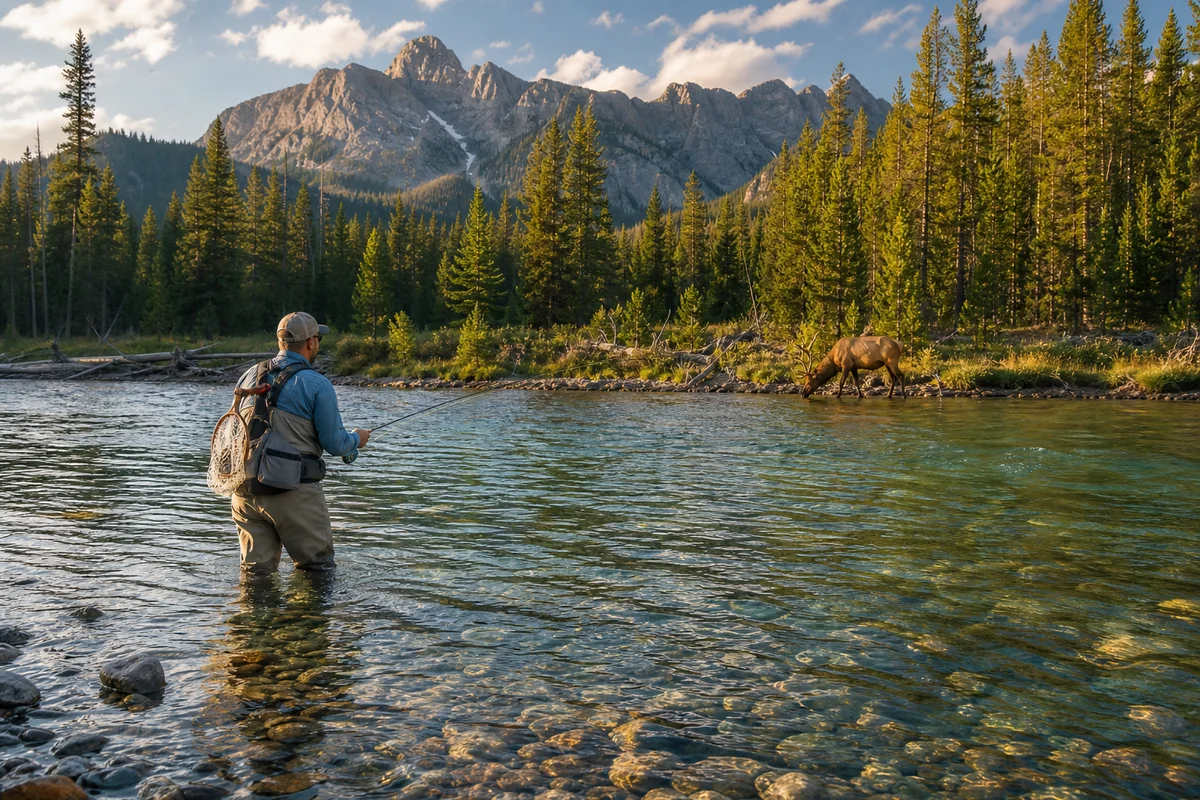
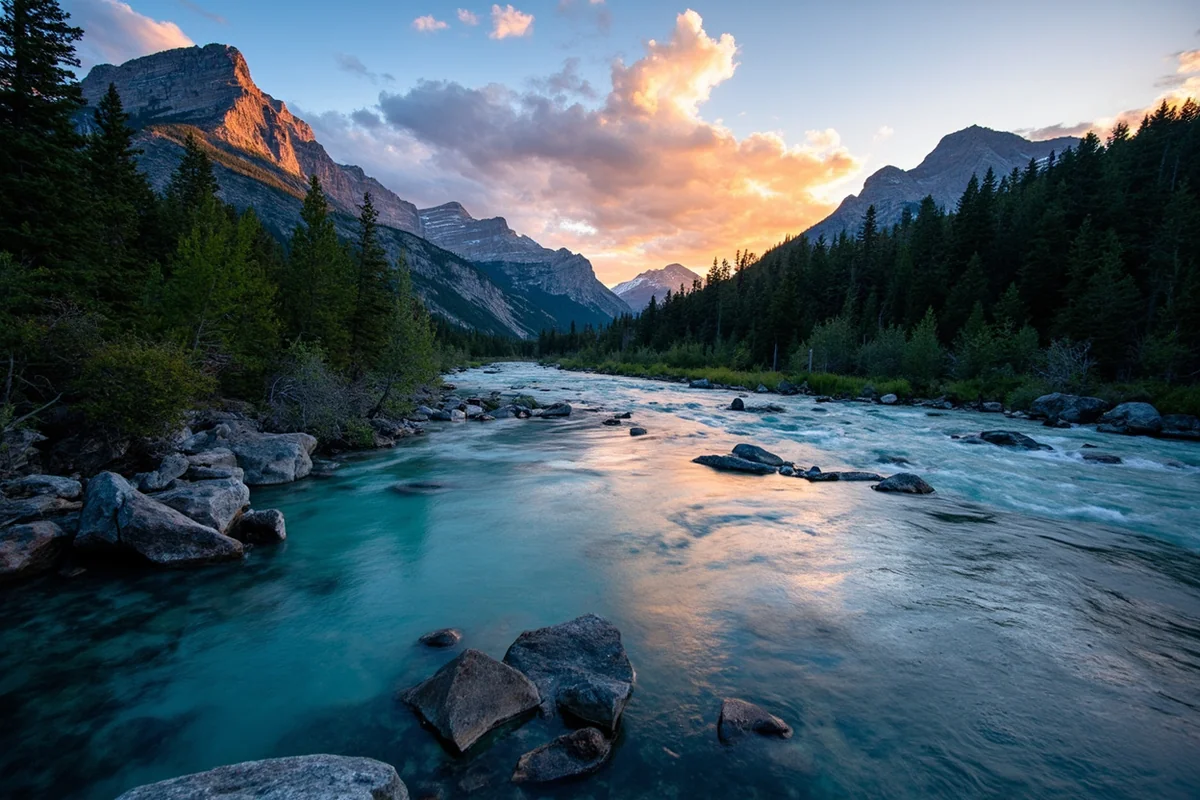
Standing knee-deep in the Gallatin River last August, watching a bull elk drink from the opposite bank while golden sunlight filtered through lodgepole pines, I understood why Montana’s natural resources aren’t just an economic talking point—they’re the entire reason people fall in love with this state.
The water rushing past my waders was so clear I could count individual pebbles on the riverbed, and that single moment crystallized everything that makes About Montana impossible to capture in statistics alone.
If you’re planning a trip to Big Sky Country, understanding its natural wealth transforms your visit from a simple vacation into something approaching a pilgrimage.
When people discuss the 27 things Montana is known for, natural resources anchor nearly every single one—from world-class trout streams to ancient forests, from mineral-rich mountains to some of the cleanest air in North America.
- Montana contains over 3,000 named rivers and streams, including legendary fly-fishing destinations like the Blackfoot, Madison, and Yellowstone Rivers
- The state holds approximately 25% of America’s coal reserves and significant deposits of gold, silver, copper, and rare earth minerals
- National forests cover nearly 17 million acres—roughly one-quarter of Montana’s total land area
- Travelers can experience natural resources firsthand through sapphire mining, river floating, forest exploration, and geothermal features
- Conservation efforts make Montana’s resources accessible while protecting them for future generations
- Best times to experience different resources vary: rivers peak June-September, forests are accessible May-October, and geothermal features remain year-round
Liked this article?
Add Roaming Montana as a preferred source so you see more of our articles and guides on Google.
Why Montana’s Natural Resources Matter to Travelers
Before I started exploring Montana seriously about six years ago, I thought natural resources meant industrial extraction—mining operations and logging sites that tourists actively avoid. I couldn’t have been more wrong.
Montana’s natural wealth creates the very landscapes that draw millions of visitors annually. The mineral-rich soils that once fueled Butte’s copper boom now support wildflower meadows that carpet mountain valleys in late June.
The same rivers that historically transported logs to sawmills now provide habitat for wild trout populations that anglers travel across continents to pursue.
During my travels comparing Montana vs Wyoming and Montana vs Colorado, I’ve noticed that Montana maintains a rawer, less developed relationship with its natural wealth.
Where other western states have heavily commercialized their outdoor attractions, Montana often lets the resources speak for themselves.
Water Resources: Montana’s Liquid Gold
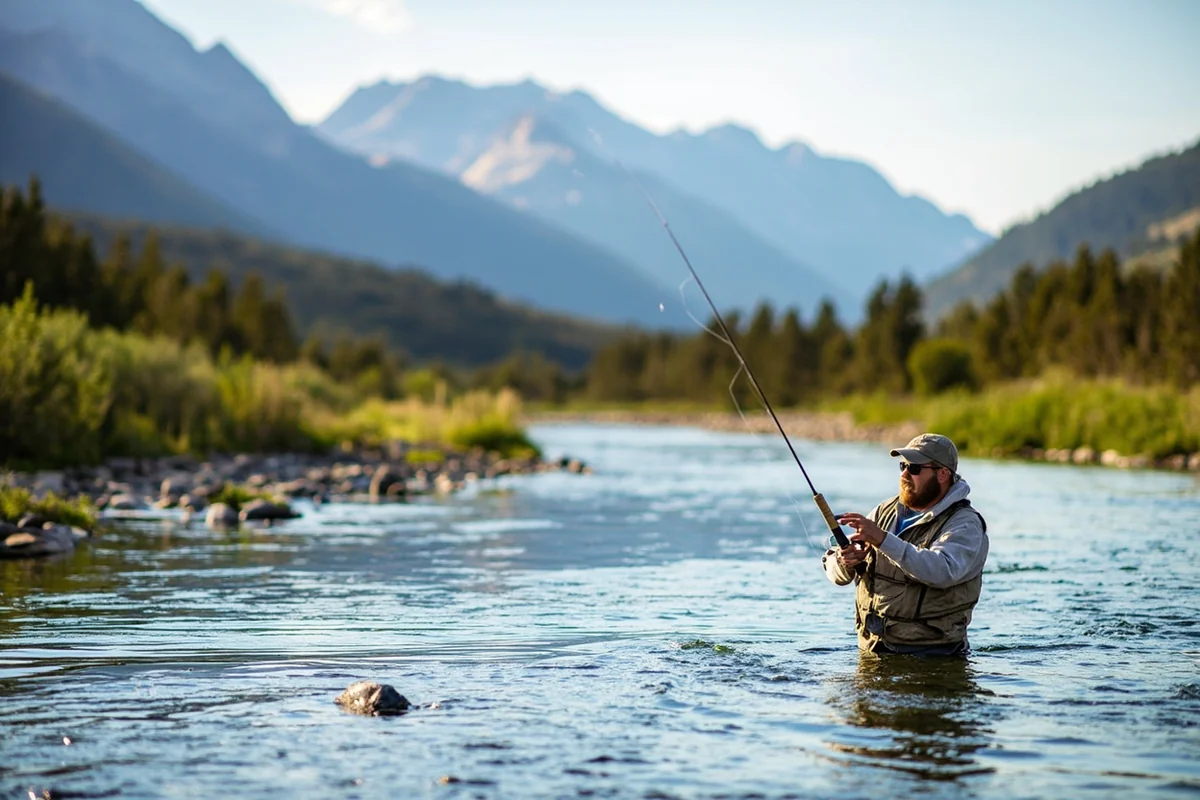
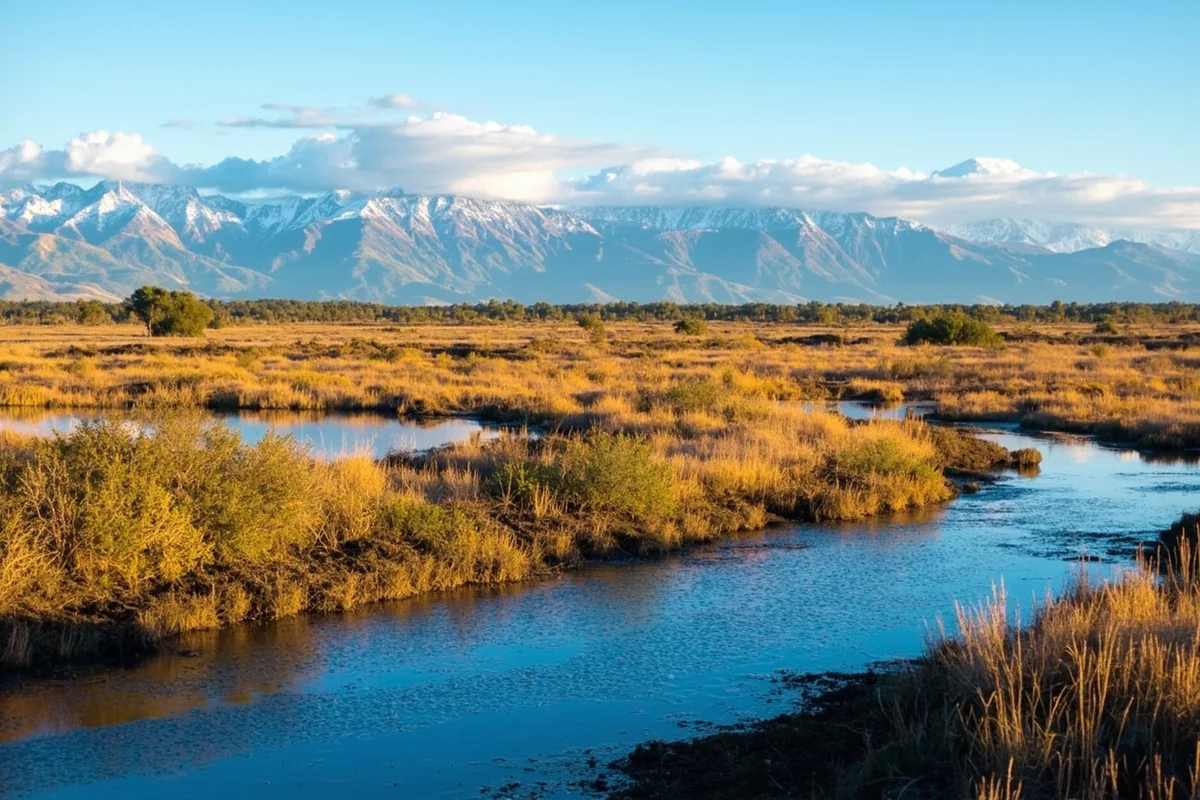
I’ve fished, floated, and photographed more Montana waterways than I can count, and I’m continually amazed by their diversity. This state serves as the hydrological crown of North America, with waters flowing to three different oceans from the Triple Divide Peak in Glacier National Park.
Major River Systems Travelers Should Know
The Missouri River begins near Three Forks at the confluence of the Jefferson, Madison, and Gallatin Rivers—a spot I visited on a recent trip that gave me chills.
Standing where Lewis and Clark stood in 1805, watching these three powerful streams merge into America’s longest river, makes history viscerally real.
The Yellowstone River holds the distinction of being the longest undammed river in the lower 48 states. Last summer, I floated a 12-mile stretch near Livingston with a local outfitter, and the absence of dam-controlled flows meant we experienced the river as it’s flowed for millennia—sometimes lazy, sometimes surprisingly swift.
The Flathead River system drains the Bob Marshall Wilderness, carrying snowmelt through some of the most pristine country in the continental United States.
When I kayaked the Middle Fork two summers ago, our guide pointed out that the water we were paddling through was clean enough to drink directly—and he proved it by filling his water bottle right from the river.
Practical Information for Water-Based Activities
| River | Best Activity | Peak Season | Access Points |
|---|---|---|---|
| Madison River | Fly Fishing | June-October | Ennis, West Yellowstone, Three Forks |
| Yellowstone River | Float Trips | July-September | Gardiner, Livingston, Big Timber |
| Blackfoot River | Scenic Floating | June-August | Missoula, Clearwater Junction |
| Flathead River | Whitewater Rafting | May-July | West Glacier, Columbia Falls |
| Smith River | Multi-Day Float | April-July | Fort Logan (permit required) |
The Smith River deserves special mention because access requires a permit obtained through lottery. I applied for three years before finally drawing a permit, and the five-day float through limestone canyons remains one of my most treasured Montana experiences. If you’re planning well in advance, the application opens each February for that year’s floating season.
Lakes That Define Montana’s Landscape
Flathead Lake near Kalispell is the largest natural freshwater lake west of the Mississippi, and its clarity still surprises me every time I visit.
On my last trip, I rented a boat from Bigfork and could see the bottom clearly at 30 feet deep. The lake’s unique population of lake trout and bull trout attracts anglers from worldwide.
Glacier National Park alone contains over 130 named lakes, each carved by ancient glaciers and fed by snowmelt. Iceberg Lake, which I hiked to during my visit last July, still had floating ice chunks in late summer—a surreal sight that reminded me how recently (geologically speaking) this landscape was sculpted.
Forest Resources: The Green Sea of Montana
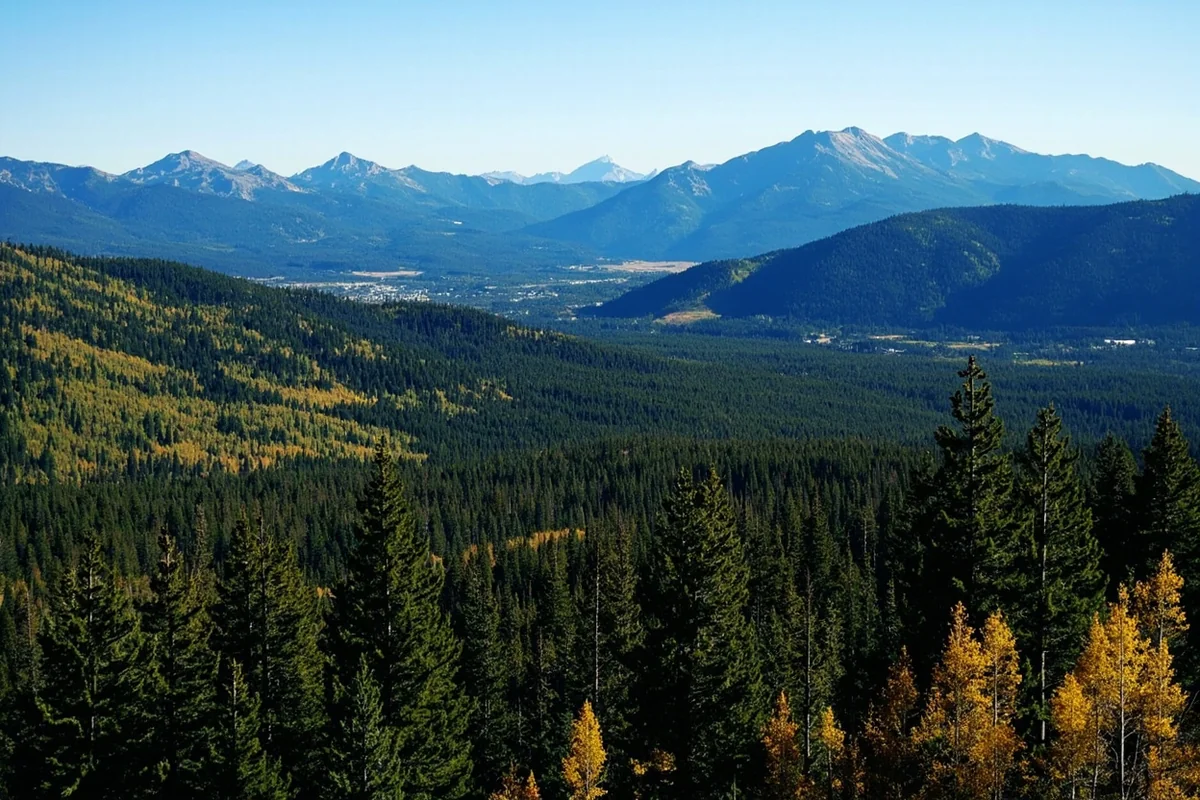
Flying into Missoula or Kalispell provides a perspective that driving can’t match—endless rolling forests stretching to every horizon like a green ocean frozen in waves. Approximately 23 million acres of Montana are forested, and these woods aren’t monolithic.
Forest Types You’ll Encounter
The western part of the state contains dense coniferous forests dominated by lodgepole pine, Douglas fir, western larch, and ponderosa pine.
During my hikes in the Bitterroot National Forest, I learned to identify western larch—the only deciduous conifer in the region—by its soft needles and the brilliant gold color it displays each October.
Eastern Montana transitions into mixed grassland and forest ecosystems, with ponderosa pine “islands” dotting the prairie landscape. The contrast is striking when you drive from Missoula to Great Falls: dense forest gradually thins until individual trees stand like sentinels among the grass.
One aspect many travelers overlook is the incredible diversity within these forests. On a recent backcountry trip in the Bob Marshall Wilderness, I counted over 40 wildflower species within a single meadow clearing—a biodiversity directly supported by the surrounding forest ecosystem.
Accessible Forest Experiences for Visitors
National Forests in Montana generally allow dispersed camping, meaning you can set up camp almost anywhere outside designated wilderness areas.
I’ve done this dozens of times, and the freedom to find your own spot—beside a creek, under a particular tree, on a ridgeline with views—transforms camping from accommodation into adventure.
The Flathead National Forest near Glacier offers some of my favorite day hikes. The Danny On Trail in Whitefish climbs through old-growth forest to a fire lookout with 360-degree mountain views.
When I was there last summer, the interpretive signs explained how the Forest Service has managed this area since the early 1900s.
For those interested in forest conservation history, visiting a working timber operation provides fascinating context. I toured a sustainable forestry site near Libby that showed how modern practices differ dramatically from the clear-cutting of previous generations. It shifted my understanding of how timber resources and recreation can coexist.
Mineral Resources: Gems, Gold, and Geological Wonders
Montana’s mineral wealth shaped the state’s history and continues creating unique travel experiences today. From the copper kings of Butte to the sapphire mines of Philipsburg, rocks tell Montana’s story.
Sapphire Mining: An Activity Visitors Can Actually Do
I’ve tried sapphire mining at three different locations, and Gem Mountain near Philipsburg remains my favorite. For a reasonable fee, you purchase a bucket of “gravel” from the mine and spend hours at sluice boxes washing and sorting stones.
The anticipation of finding a gem-quality sapphire kept me engaged far longer than I expected.
During my last visit, I found several small sapphires in classic Montana colors—pale blue, green, and a lovely pink stone the staff estimated at about half a carat.
These can be cut and set into jewelry, meaning you can literally take home a piece of Montana’s geological heritage that you found yourself.
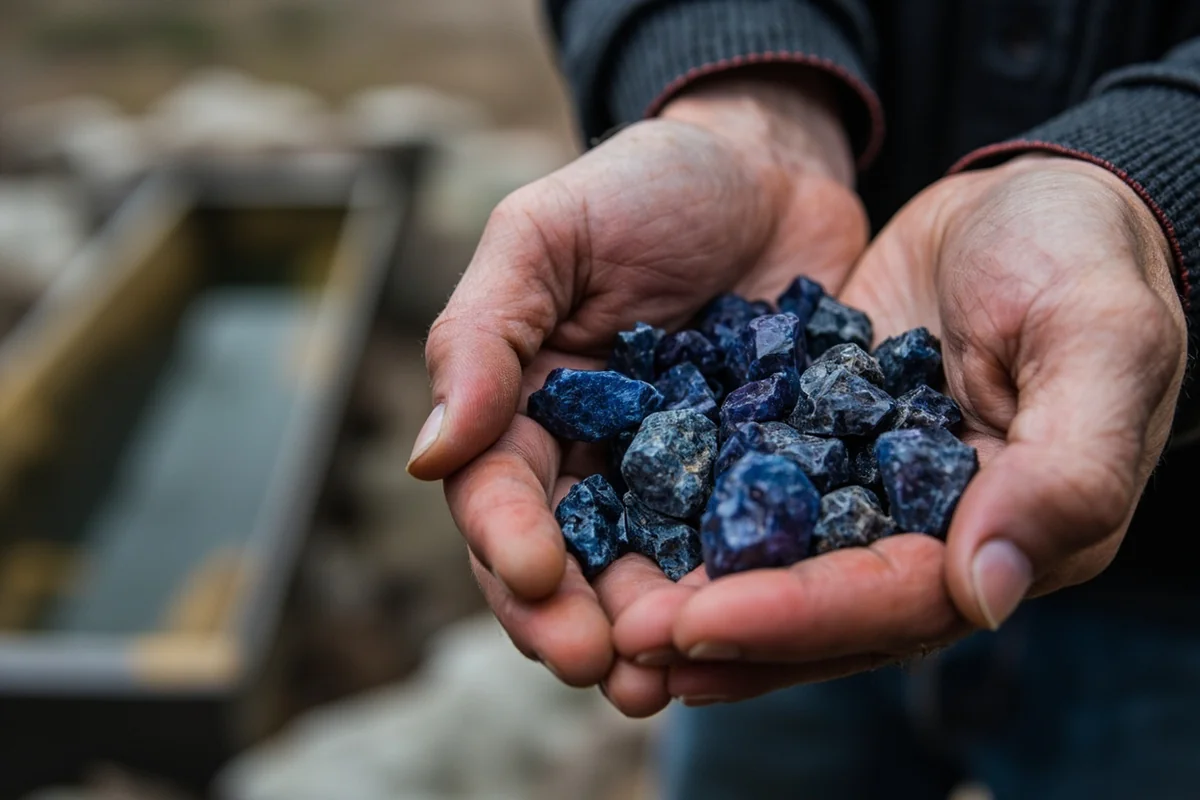
The Yogo Gulch deposit near Utica produces famous “Yogo sapphires”—cornflower blue stones that don’t require heat treatment, unlike most sapphires worldwide.
The area isn’t open for recreational mining, but visiting the Yogo Inn and learning about this unique deposit adds depth to understanding Montana’s mineral riches.
Gold Panning and Historic Mining Areas
Montana’s gold rush history created the ghost towns that now attract curious travelers. Nevada City and Virginia City, preserved as outdoor museums, show what life looked like when gold drove the territorial economy.
When I explored these towns on a recent trip, the reconstructed buildings and working historical machinery made the 1860s feel tangible.
For hands-on gold panning, several spots along Grasshopper Creek and Alder Gulch allow recreational prospecting. I spent an afternoon panning near Nevada City last summer and found tiny flakes of “color”—not enough to retire on, but enough to understand why prospectors endured incredible hardships chasing this metal.
Butte’s Berkeley Pit, now an EPA Superfund site, offers a different perspective on mineral extraction. The viewing platform overlooking this massive former copper mine—one mile long and 1,800 feet deep—prompts reflection on the true costs of resource extraction.
It’s not a cheerful stop, but it’s honest about Montana’s complicated relationship with its mineral wealth.
Geological Features Beyond Traditional Mining
The geothermal resources concentrated near Yellowstone create experiences found nowhere else in Montana. On my visits to Yellowstone’s Montana entrance near Gardiner, the travertine terraces at Mammoth Hot Springs demonstrate ongoing geological processes—literally new rock forming before your eyes.
Some of the weird and unusual things in Montana relate directly to its geological diversity. The Rimrocks of Billings, towering sandstone cliffs formed 80 million years ago, contain dinosaur fossils and provide a climbing playground for local enthusiasts.
Wildlife Resources: Living Natural Heritage
Montana’s wildlife populations represent a natural resource that visitors experience more directly than any other. The abundance of large mammals in particular creates wildlife viewing opportunities that rival African safaris.
Iconic Species and Where to Find Them
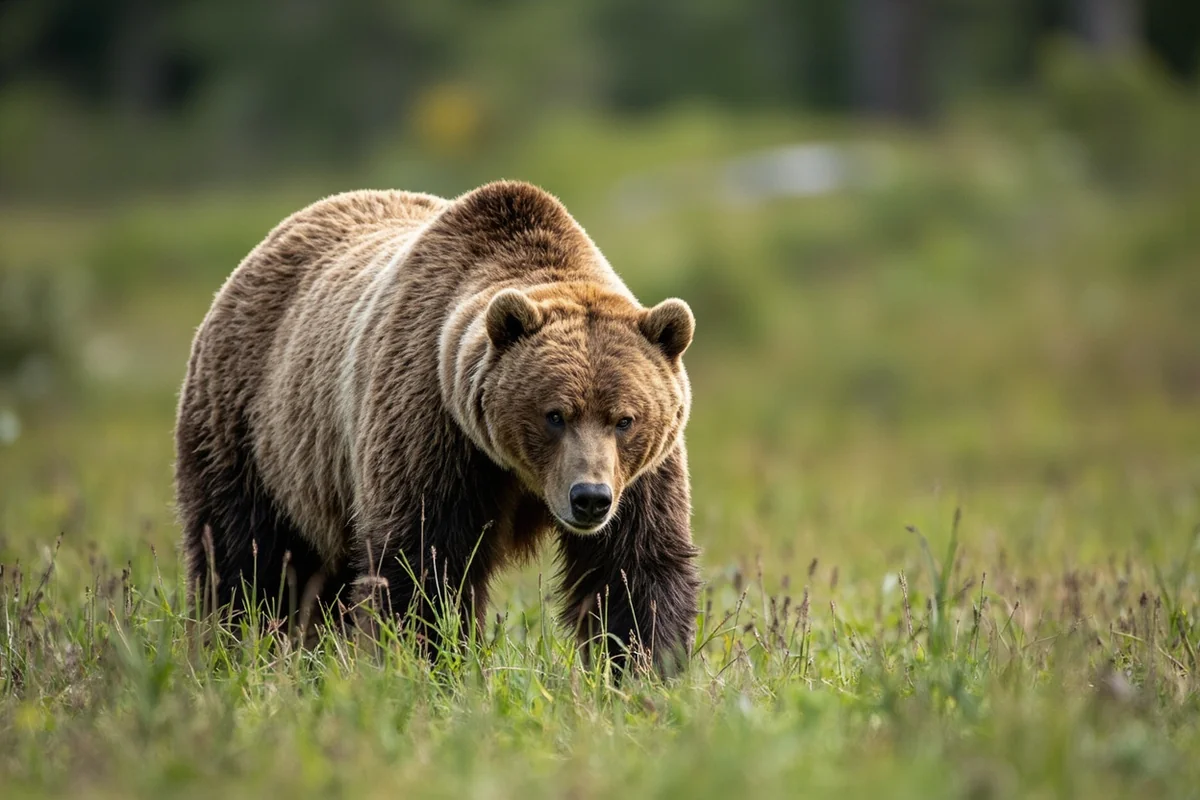
Grizzly bears remain my most sought-after wildlife sighting, and Montana delivers. The Northern Continental Divide Ecosystem—Glacier National Park and surrounding wilderness—supports approximately 1,000 grizzlies.
I’ve had several bear encounters over the years, always at safe distances, and each one leaves me trembling with adrenaline and gratitude.
For reliable grizzly viewing, I recommend the Many Glacier area of Glacier National Park in late summer. During my visit last August, I watched a sow with two cubs for over an hour as they grazed on berries across a meadow. A spotting scope makes these experiences safer and more rewarding.
Wolves reintroduced to Yellowstone have expanded into Montana, and the Lamar Valley—while technically in Wyoming—provides the best viewing near Montana’s border. However, I’ve heard wolves howling from my campsite in the Paradise Valley and spotted them near Gardiner on two separate occasions.
Elk, deer, moose, mountain goats, bighorn sheep, and pronghorn antelope round out the large mammal viewing possibilities. The National Bison Range near Moiese guarantees bison sightings—a species that once numbered 60 million and now survives in managed herds.
Responsible Wildlife Watching
During my years exploring Montana, I’ve learned that wildlife watching requires patience and ethics. The “wildlife jam” phenomenon—dozens of cars stopped on roadsides, tourists approaching animals for photos—endangers both wildlife and people.
I always carry binoculars and a telephoto lens, keeping at least 100 yards from bears and wolves, 25 yards from other wildlife. This isn’t just regulation—it’s respect for animals that don’t understand our fascination with them.
The reasons Montana is one of the best states often come down to these wildlife encounters. Where else can you see a moose at breakfast, wolves at midday, and elk at sunset—all in the same trip?
Agricultural Resources: The Working Landscape
Driving across Montana’s eastern plains reveals another natural resource: soil. Montana ranks second nationally in wheat production and third in barley, with agriculture covering over 60 million acres.
Farm and Ranch Tourism
Several working ranches now welcome visitors, offering authentic experiences far removed from dude ranch stereotypes. During my stay at a family ranch near Big Timber last fall, I helped move cattle, learned about rotational grazing, and gained appreciation for ranching’s physical demands.
The wheat harvest season (late July through August) transforms the Hi-Line region into a golden sea. I drove from Havre to Malta during harvest last summer, watching combines work late into twilight, and stopped at a local elevator to watch grain trucks unload. It’s not glamorous tourism, but it’s real Montana.
Farmers markets throughout the state showcase local agricultural diversity. The Missoula Farmers Market, which I try to visit whenever I’m in town, features Montana-grown produce, meats, honey, and grains alongside artisan products. It’s a delicious way to support agricultural resources while feeding yourself.
Energy Resources: Wind, Water, and Beyond
Montana’s energy resources increasingly interest visitors who care about sustainability and want to understand where power comes from.
Hydroelectric Power
Hungry Horse Dam near Columbia Falls offers tours that take you inside this massive concrete structure. When I toured it two years ago, the guide explained how the dam generates electricity while managing flood control and maintaining downstream flows for fish. Standing at the base, looking up at 564 feet of concrete, provides visceral understanding of hydroelectric scale.
The Kerr Dam on the Flathead River, managed by the Confederated Salish and Kootenai Tribes, represents a different model—tribal ownership of a major power facility. It’s worth learning about as an example of indigenous resource management.
Wind Energy on the Plains
Eastern Montana’s wind resources now support growing wind farm development. Driving near Judith Gap, I passed through one of Montana’s largest wind installations—turbines stretching across ridgelines like modern sculptures. Whether you find them beautiful or intrusive depends on perspective, but they represent Montana’s evolving energy landscape.
Conservation and Future of Montana’s Resources
One thing I’ve observed over years of Montana travel: conservation efforts here feel less politicized and more practical than in many states. Ranchers, hunters, conservationists, and recreationists often work together because they share interest in keeping Montana’s resources healthy.
How Travelers Can Contribute
Montana Fish, Wildlife & Parks funds much of the state’s conservation work through license fees. Even if you’re not hunting or fishing, purchasing a conservation license supports wildlife management. I buy one annually as my small contribution.
Following Leave No Trace principles matters enormously in a state where backcountry access is so generous. When I camp in dispersed sites, I pack out everything, use existing fire rings, and camp on durable surfaces. The freedom to explore off-grid comes with responsibility to preserve these places.
Supporting local businesses keeps economic benefits within communities, strengthening the connection between tourism and conservation. The fishing guides, outfitters, and small-town restaurants I patronize have direct stakes in maintaining the natural resources that attract visitors.
Threats and Challenges
Climate change visibly affects Montana’s resources. Glacier National Park’s namesake glaciers have shrunk dramatically—when I first visited 20 years ago, the predictions that glaciers would disappear by 2030 seemed distant. Now they feel imminent.
Wildfire seasons have intensified, burning more acres and creating more smoke-filled days than historical averages. During my visit last August, smoke from regional fires limited visibility in Glacier for three consecutive days. Accepting this reality means building flexibility into Montana travel plans.
Increased visitation strains popular areas. Glacier National Park now requires vehicle reservations for the Going-to-the-Sun Road during peak season—a management necessity that would have seemed absurd 15 years ago. Planning ahead and visiting shoulder seasons helps distribute impact.
Planning Your Natural Resources Experience
Whether you’re drawn to Montana for fishing, hiking, wildlife watching, or simply witnessing landscapes shaped by geological time, understanding natural resources deepens every experience.
Many visitors find that exploring the beautiful places in Montana becomes more meaningful when they understand the natural forces that created them. Similarly, reading the best books on Big Sky Country or works by Montana authors provides context that enhances on-the-ground experiences.
Seasonal Considerations
Summer (June-August) offers the widest range of accessible activities but also the largest crowds and highest prices. I prefer early June before school releases or September after Labor Day for a better balance.
Fall brings brilliant larch colors, elk bugling, fewer tourists, and unpredictable weather. My favorite Montana trips have been September visits when gold aspens and larches contrast against evergreen forests.
Winter transforms the state into a snow-sports paradise, with resources like geothermal features at Yellowstone providing year-round access. I’ve soaked in hot springs near Anaconda while snow fell around me—a quintessential Montana experience.
Spring (April-May) sees rivers running high with snowmelt, wildflowers emerging at lower elevations, and wildlife active after winter. It’s shoulder season with variable conditions but genuine rewards.
Comparing Montana’s Resources to Neighboring States
If you’re deciding between Montana and other Rocky Mountain destinations, understanding resource differences helps. My experiences comparing Montana vs Idaho and Montana vs Oregon have shown that Montana generally offers more undeveloped, less regulated access to similar resources.
The comparisons with northern neighbors are interesting too. When looking at Montana vs North Dakota and Montana vs South Dakota, Montana’s western mountainous regions provide dramatically different resources than the prairie-dominated neighbors, though eastern Montana shares more similarities.
Even comparing Montana vs Alaska reveals that Montana provides comparable wilderness experiences with significantly easier access and logistics.
The Cultural Connection to Natural Resources
Montana’s identity intertwines with its natural wealth in ways that permeate culture. Many famous people from Montana built careers connected to natural resources—from conservationists to artists inspired by landscape.
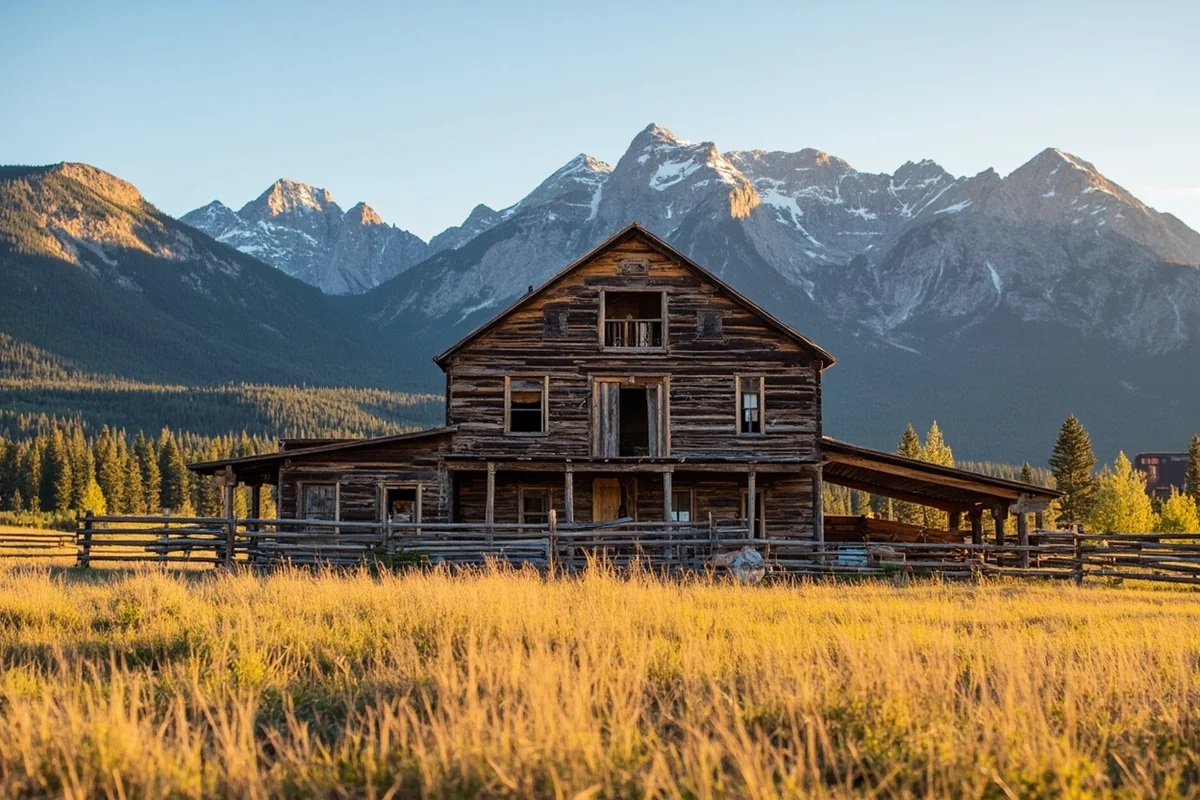
Movies filmed in Montana almost universally foreground natural resources, using landscape as a character. From “A River Runs Through It” to “Yellowstone,” the visual vocabulary of Montana storytelling relies on rivers, mountains, and vast spaces.
The quotes about Montana that resonate most deeply address this relationship between people and land. John Steinbeck called Montana “a love affair” and “a great splash of grandeur”—language that recognizes how natural resources create emotional bonds beyond utility.
Understanding Current Politics and Management
Resource management in Montana involves complex interactions between federal agencies, state government under the Montana state governor, tribal nations, and private landowners. As a visitor, you benefit from knowing this context without needing to take sides.
Public lands debates continue, with some advocating for expanded access and others for conservation restrictions. The unique ways Montana stands out often relate to how the state manages these tensions—generally with more pragmatism than ideology.
For anyone considering things to know before moving to Montana, understanding that natural resources drive local economies is essential. Tourism, agriculture, timber, and energy production all depend on these resources, shaping employment patterns and community character.
Making the Most of Your Visit
After years of Montana travel focused on natural resources, I’ve developed some core recommendations:
- Slow down. The scale of Montana’s resources can’t be appreciated at highway speed. Build in time to stop, look, and absorb.
- Get off pavement. Gravel roads access resources that most tourists never see. A modest vehicle can handle most Forest Service roads in summer.
- Talk to locals. Ranchers, guides, and longtime residents understand resources from perspectives no guidebook captures.
- Return seasonally. One visit shows you Montana’s resources in a single mood. Multiple visits reveal how seasons transform everything.
- Accept imperfection. Smoke, rain, mud, and wildlife that doesn’t appear are part of authentic experience. Flexibility beats rigid expectations.
Montana’s natural resources created the landscapes, ecosystems, and communities that make this state extraordinary. As a traveler, you’re not just passing through scenery—you’re witnessing the ongoing story of a place where natural wealth remains visible, accessible, and awe-inspiring in ways increasingly rare across North America.
The elkwater flowing past my waders that August morning in the Gallatin? It started as snow in the Yellowstone highlands, gathered minerals passing through ancient rock, supported insect life that fed trout that drew me there from across the country. That’s Montana’s natural resources—not abstract statistics, but living systems that create experiences worth traveling for.
Your Montana trip becomes richer when you see it through this lens: not just beautiful places, but a landscape where water, soil, minerals, forests, and wildlife weave together into something greater than any single element. Come ready to learn, stay humble before the scale of it, and you’ll leave understanding why Montana’s natural resources inspire such devotion.
Frequently Asked Questions
What natural resources make Montana a must-visit destination for outdoor enthusiasts?
Montana’s incredible natural resources include pristine wilderness areas, crystal-clear rivers like the Yellowstone and Missouri, vast national forests, and abundant wildlife including grizzly bears, elk, and bison. I’ve found that the state’s 30 million acres of public land offer unmatched opportunities for hiking, fishing, and wildlife viewing that you simply won’t find in more developed states.
When is the best time to visit Montana to experience its natural landscapes?
The best time to visit Montana for natural resource exploration is June through September when trails are snow-free and rivers are ideal for fishing and rafting. If you’re hoping to see wildlife, early morning visits during late spring offer the best chances to spot newborn elk calves and active bear populations before they retreat to higher elevations.
How much does it cost to access Montana’s national parks and public lands?
Glacier National Park charges $35 per vehicle for a 7-day pass, while most national forests and BLM lands are free to access. I recommend purchasing an America the Beautiful Pass for $80 if you’re planning to visit multiple federal lands, as it covers entrance fees at all national parks and recreation areas for a full year.
What should I pack for exploring Montana’s wilderness and natural areas?
Essential items include bear spray ($40-50, required in grizzly country), layered clothing since temperatures can drop 30 degrees between valleys and mountain peaks, and sturdy hiking boots with ankle support. I always bring a reliable water filter because even Montana’s cleanest-looking streams can harbor giardia, plus sun protection since the high altitude intensifies UV exposure.
Can I fish in Montana’s rivers without a guide, and what permits do I need?
Yes, you can absolutely fish Montana’s blue-ribbon trout streams independently with a non-resident fishing license costing $86 for the season or $15 for a two-day permit. The Missouri River below Holter Dam and the Gallatin River near Bozeman are excellent spots for DIY anglers, though I’d recommend picking up local fly recommendations at shops in nearby towns.
How far apart are Montana’s major natural attractions, and how should I plan my route?
Montana is massive—Glacier National Park to Yellowstone is about 340 miles (6+ hours), so I recommend focusing on one region rather than rushing between attractions. The western corridor from Missoula to Glacier offers concentrated wilderness access with Flathead Lake, the Bob Marshall Wilderness, and Glacier all within 150 miles of each other.
Are Montana’s natural hot springs worth visiting, and which ones are best for travelers?
Montana’s geothermal hot springs are absolutely worth the detour, with developed options like Chico Hot Springs near Yellowstone charging $10-15 for day access and offering stunning mountain views. For a more rugged experience, free primitive springs like Boiling River in Yellowstone or Jerry Johnson Hot Springs near the Idaho border provide unforgettable soaks, though they require short hikes and have no facilities.
Sources:
- usafacts.org – What is the gross domestic product (GDP) in Montana?
- fred.stlouisfed.org – Gross Domestic Product: Natural Resources and Mining (11, 21) in Montana
- lmi.mt.gov – Montana Labor Day Report
- lmi.mt.gov – Montana 2024 – Labor Market Information
- minneapolisfed.org – Montana Economic Update
- fred.stlouisfed.org – All Employees: Mining and Logging in Montana (SMU30000001000000001A) | FRED | St. Louis Fed
- archive.legmt.gov – The Economic Outlook for the U.S. and Montana
- montanaresources.com – Water Management Report
- minedocs.com – CONTINENTAL MINE OPERATIONS PLAN
- sibanyestillwater.com – US PGM operations – Sibanye-Stillwater
- reports.sibanyestillwater.com – Sibanye-Stillwater: Reporting Suite 2024
- businesswire.com – Hecla Mining Company Announces U.S. Forest Service Advancement of Libby Exploration Project in Montana
- mbmg.mtech.edu – Biennial Report of Activities and Programs
- archive.legmt.gov – Potential Sources of Critical Mineral Commodities in Montana
- en.wikipedia.orgYogo sapphire
- news.jewellerynet.com – Sapphires from Yogo Gulch make a comeback
- usgs.gov – The Mineral Industry of Montana | U.S. Geological Survey
- eia.gov – Montana – U.S. Energy Information Administration – EIA – Independent Statistics and Analysis
- mbmg.mtech.edu – Energy Resources- Coal
- eia.gov – Montana State Energy Profile
- eia.govMontana – U.S. Energy Information Administration
- britannica.com – Montana – Mining, Agriculture, Tourism
- ebsco.com – Montana’s energy production | Research Starters
- dnrc.mt.gov – Renewable Energy
- fs.usda.gov – Montana’s forest resources, 2006-2015
- bber.umt.edu – Montana’s Forest Products Industry and Timber Harvest, 2022 – Bureau of Business and Economic Research
- evergreenmagazine.com – FORESTS IN FOCUS 2.0: A CROSS-BOUNDARY COLLABORATIVE APPROACH
- fireadaptednetwork.org – Bridging Partnerships for a Thriving Multi-Use Forest
- fwp.mt.gov – 2023 FWP ANNUAL SUSTAINABLE YIELD CALCULATION UPDATE
- archive.legmt.gov – Adjudication Processes pre-1973 water claims, issues decrees Permitting/Change Issues permits for new claims to water, changes
- dnrc.mt.gov – Basin Status
- archive.legmt.gov – Montana State Water Plan
- usgs.gov – Water Use in Montana | U.S. Geological Survey
- dnrc.mt.gov – Yellowstone River Basin
- dnrc.mt.gov – Water Administration Basin Map
- dnrc.mt.gov – Understanding Water Rights
- nass.usda.gov – USDA/NASS 2024 State Agriculture Overview for Montana
- fwp.mt.gov – CONSERVATION :: Wildlife Management
- en.wikipedia.org – Montana Department of Natural Resources and Conservation
- deq.mt.gov – About | Montana DEQ
- jobs.fisheries.org – Montana Department of Fish, Wildlife & Parks