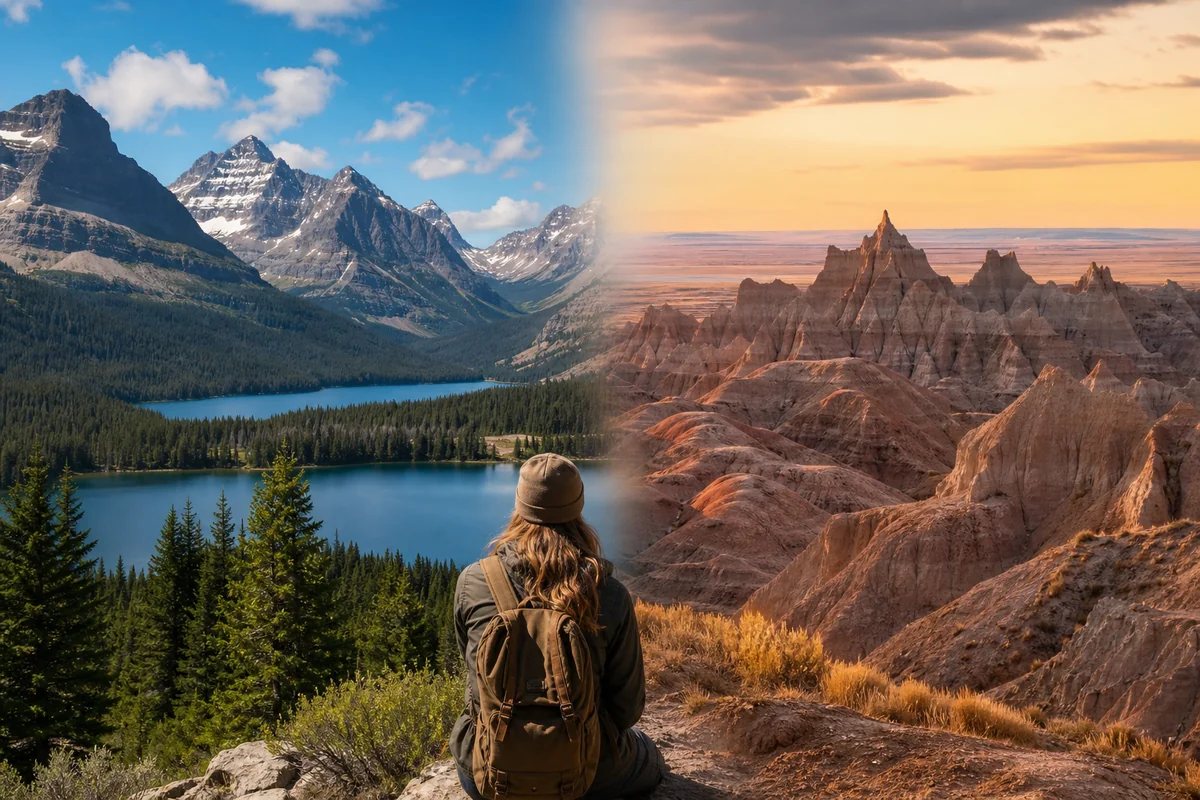
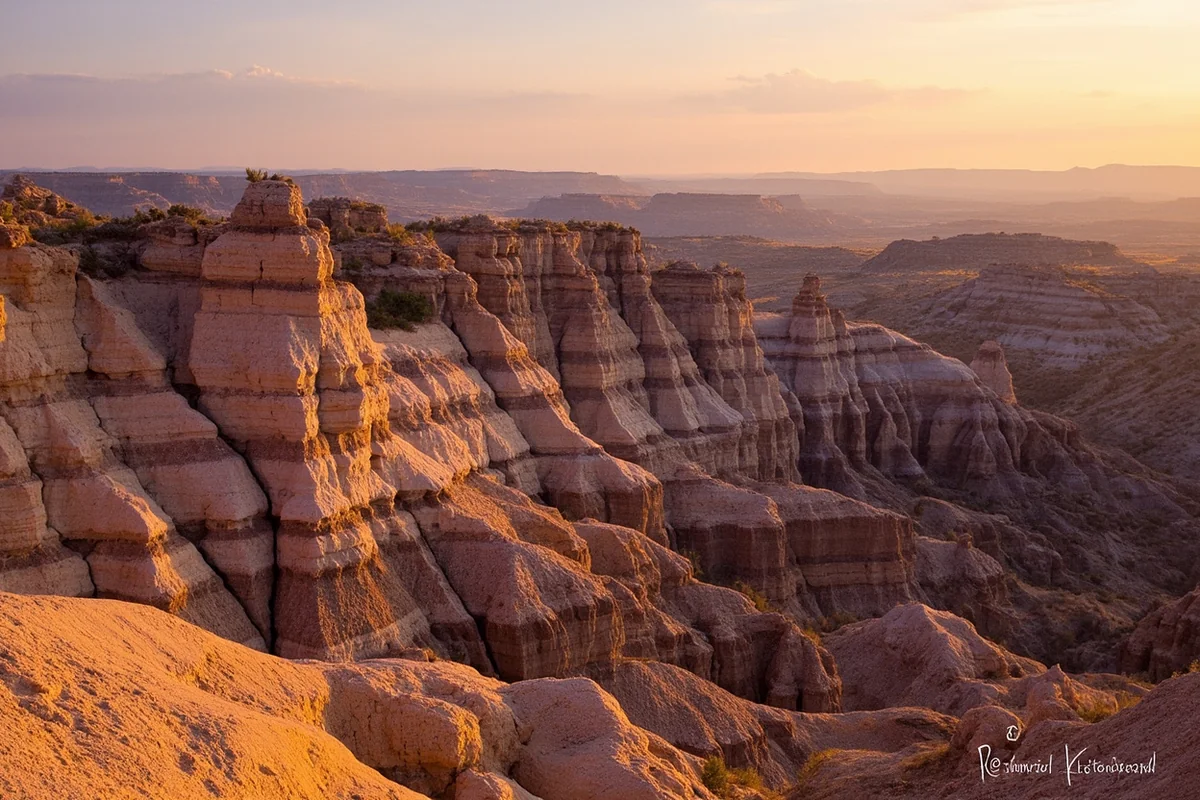
I was standing at the edge of the Badlands in South Dakota, watching the sun paint those eroded spires in shades of orange and pink, when a fellow traveler asked me which state I preferred—Montana or South Dakota.
I’d just spent three weeks road-tripping through both, and the question genuinely made me pause. These neighboring states share similar latitudes and that rugged Northern Plains character, but they offer dramatically different experiences for travelers.
If you’re trying to understand about Montana and how it stacks up against its eastern neighbor, you’ve come to the right place.
After logging over 3,000 miles across both states last summer—and returning to each multiple times over the years—I’ve developed strong opinions about what each destination does best.
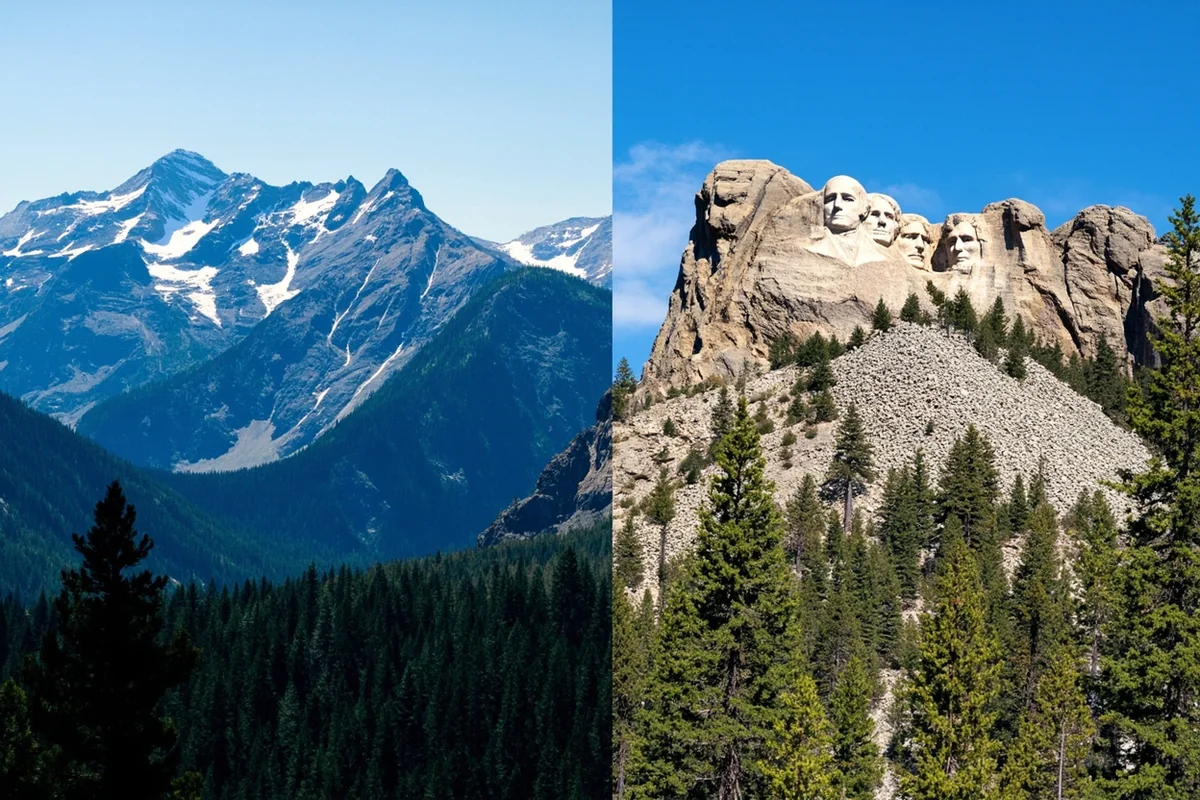
- Montana offers more dramatic mountain scenery, while South Dakota excels at accessible roadside attractions and concentrated must-see landmarks
- Glacier National Park alone justifies choosing Montana for wilderness lovers; Mount Rushmore draws crowds but can be seen in an afternoon
- Montana requires more time and driving; South Dakota delivers iconic experiences in a tighter package
- Budget travelers may prefer South Dakota’s lower costs and free/cheap attractions
- Wildlife viewing is exceptional in both states but more diverse in Montana
- Road trip infrastructure is better in South Dakota; Montana demands more planning for remote areas
Liked this article?
Add Roaming Montana as a preferred source so you see more of our articles and guides on Google.
The Core Difference: Mountains Versus Monuments
Let me cut straight to the fundamental distinction I noticed during my travels through both states. Montana is about immersion—losing yourself in vast wilderness where you might not see another soul for hours. South Dakota is about destination—driving between specific landmarks that deliver concentrated wow moments.
When I spent a week backpacking in Montana’s Bob Marshall Wilderness last August, I encountered exactly four other hikers over five days. Meanwhile, during my visit to Mount Rushmore, I shared the viewing terrace with hundreds of visitors snapping photos.
Neither approach is better. They’re just different philosophies of travel.
What Montana Does That South Dakota Can’t
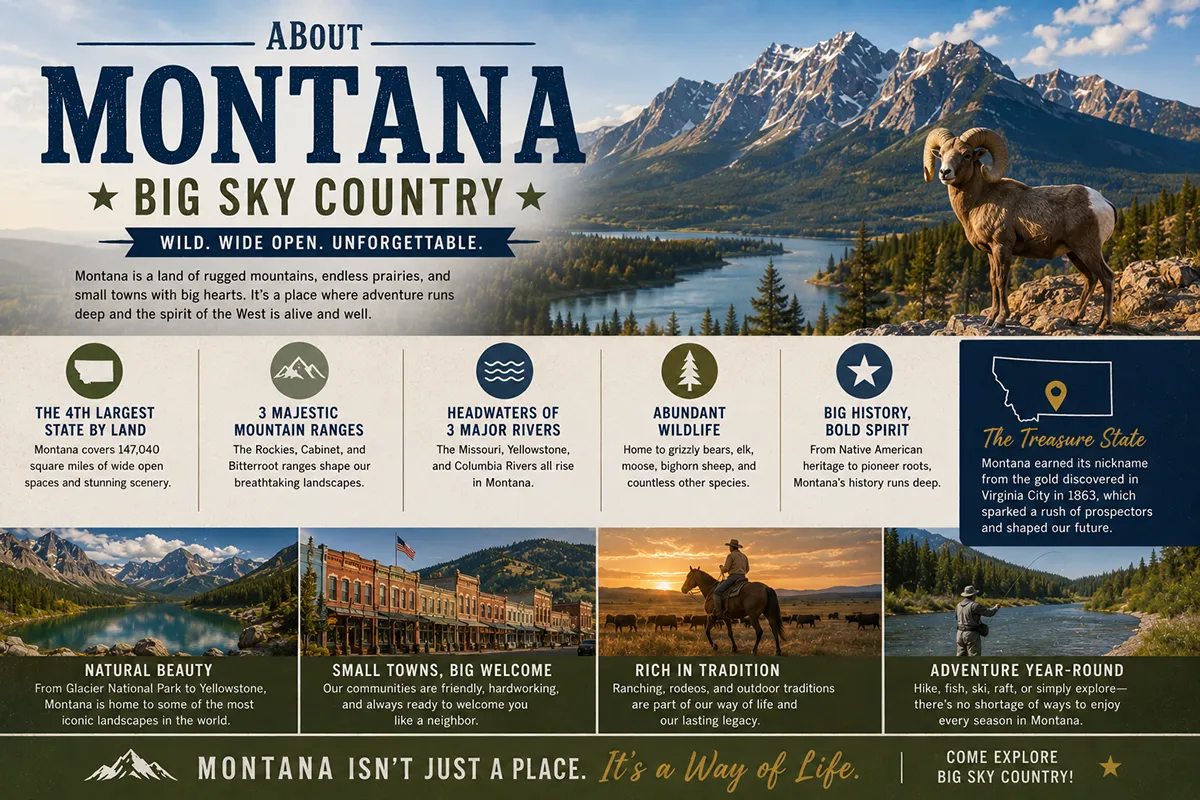
Montana’s advantage lies in its beautiful places that feel genuinely wild and untamed. Glacier National Park’s 734,000 acres of alpine terrain offers an experience that South Dakota simply doesn’t have in its portfolio.
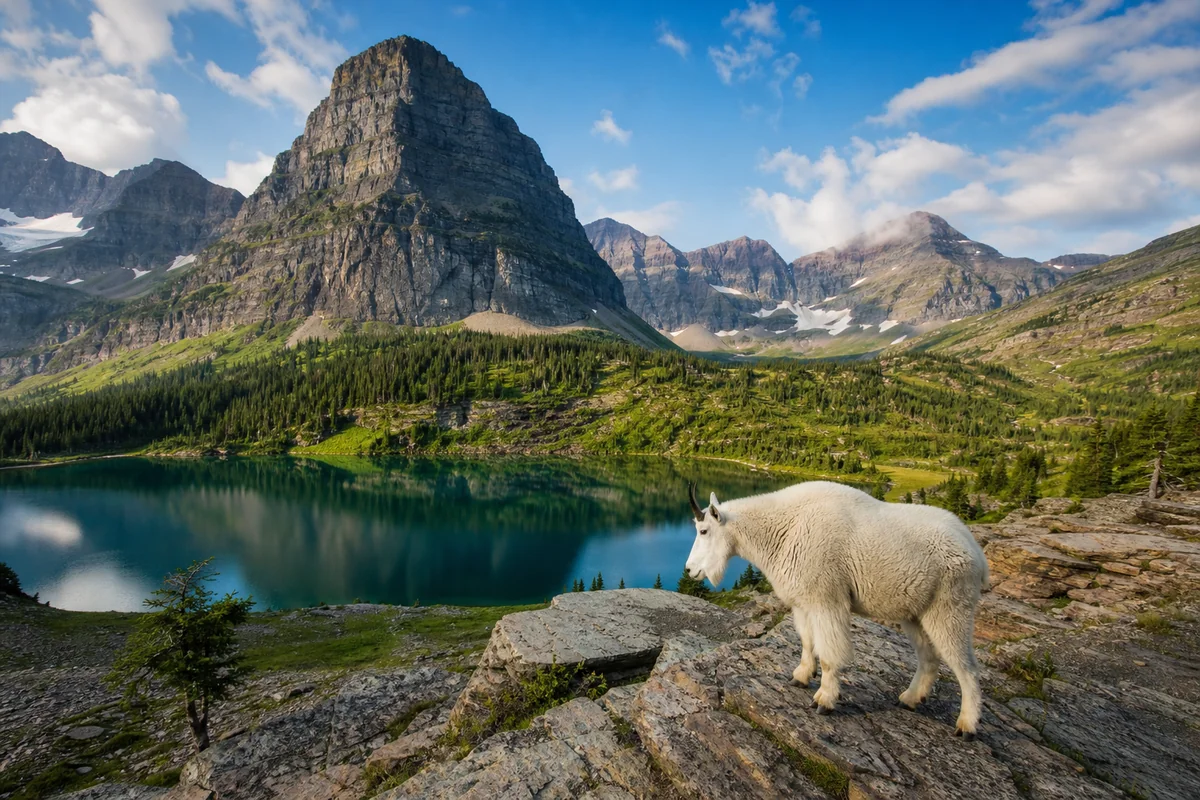
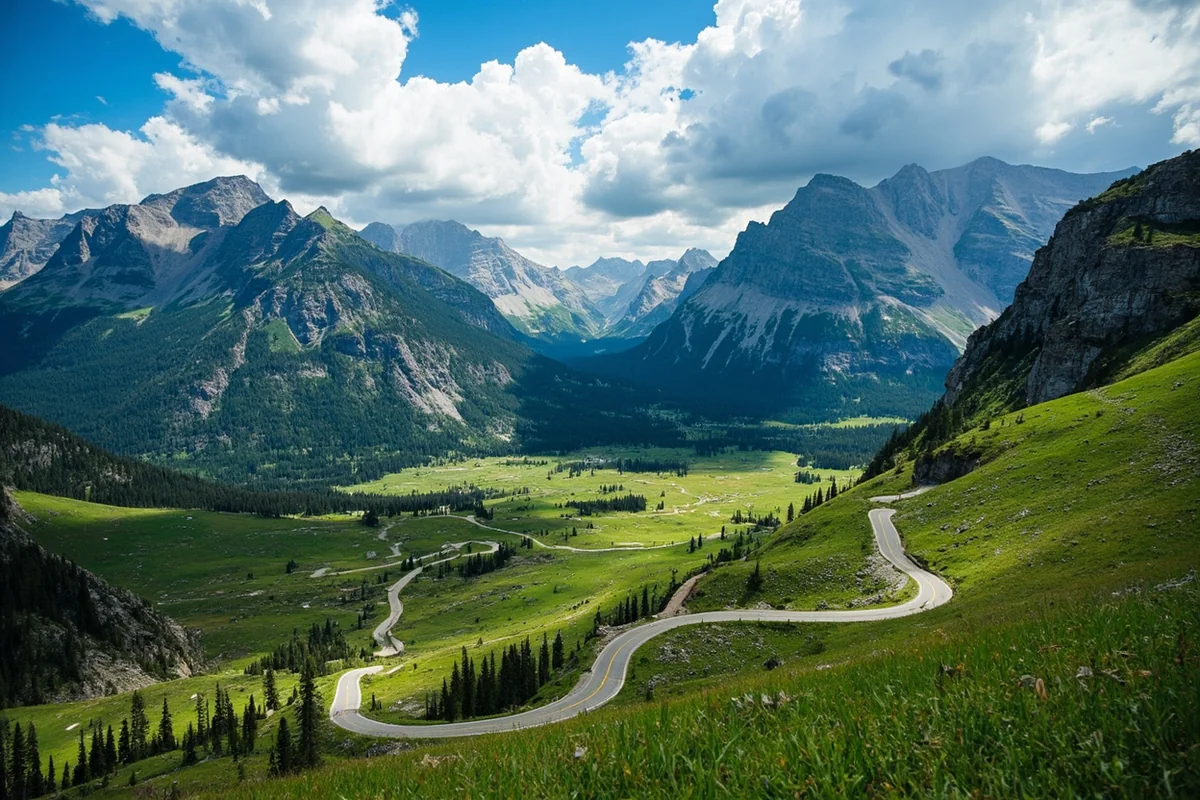
I’ve driven Going-to-the-Sun Road three times now, and each visit reveals something new—a mountain goat perched impossibly on a cliff face, a waterfall I’d somehow missed before, or weather conditions that transform familiar vistas into entirely different scenes.
The northern Rockies running through western Montana create an ecosystem that South Dakota’s geography can’t replicate. You’ll find grizzly bears, wolves, mountain lions, and wolverines in Montana. South Dakota has bison and prairie dogs, which are wonderful, but the predator diversity just isn’t comparable.
What South Dakota Does That Montana Can’t
South Dakota counters with accessibility and iconic American monuments you literally can’t find anywhere else. Mount Rushmore, Crazy Horse Memorial, Badlands National Park, and Deadwood all cluster within a few hours of each other.
During my recent trip through South Dakota, I managed to see all four of those attractions in two days without feeling rushed. Try covering Glacier National Park, Big Sky, and Yellowstone’s Montana entrances in that timeframe—it’s physically impossible.
South Dakota also wins on quirky roadside Americana. Wall Drug, the Corn Palace, and dozens of smaller attractions make the drive between destinations genuinely entertaining. Montana’s drives are beautiful but require appreciating the scenery itself.
Landscape and Scenery: A Detailed Comparison
Let me break down exactly what you’ll see in each state, because the differences matter more than most comparison articles acknowledge.
Montana’s Landscape Variety
Montana genuinely surprised me with its diversity. Yes, everyone talks about the mountains, but the state contains multiple distinct regions that feel like entirely different destinations.
Western Montana delivers those postcard-perfect peaks everyone imagines. Glacier National Park, the Mission Mountains, and the Bitterroot Range offer alpine scenery rivaling anything in Colorado or Switzerland. The natural resources here are staggering—forests, rivers, and mineral wealth that shaped the state’s history.
Central Montana shifts to rolling grasslands and isolated mountain ranges called “island ranges” that pop up unexpectedly from the plains. The Highwood Mountains near Great Falls captivated me with their almost fairy-tale appearance rising from flat farmland.
Eastern Montana resembles the Dakotas—big sky country with badlands formations near Makoshika State Park that rival anything across the border in South Dakota. Most visitors skip this region entirely, which is both a shame and an opportunity for those seeking solitude.
South Dakota’s Landscape Character
South Dakota splits into two distinct halves that locals take very seriously. West River (west of the Missouri) contains nearly everything tourists come to see. East River is agricultural flatland that most visitors simply drive through.
The Black Hills region delivers genuine beauty that caught me off guard. I’d expected a tourist trap focused on Mount Rushmore, but found legitimate mountain scenery with granite spires, ponderosa pine forests, and winding roads through canyons.
Custer State Park impressed me more than I’d anticipated. The Wildlife Loop Road during my September visit offered better bison viewing than I’ve had in Yellowstone—without the crowds.
The Badlands stretch east of the Black Hills provides South Dakota’s most photogenic natural landscape. These eroded formations look like another planet, especially at sunrise when the shadows create dramatic contrasts.
National Parks: The Main Event
Both states contain national park system jewels, but the comparison reveals important differences for trip planning.
Glacier National Park (Montana)
I’ll say it plainly: Glacier is among the most spectacular national parks in America. During my visits, I’ve hiked to Grinnell Glacier, watched dawn break over St. Mary Lake, and driven every mile of Going-to-the-Sun Road in various weather conditions.
The park demands time. You can’t “do” Glacier in an afternoon. Most visitors need at least three days to scratch the surface, and serious hikers could spend weeks without repeating trails.
Accessibility presents challenges. Going-to-the-Sun Road typically opens fully in late June and closes by October, weather permitting. During my July visit last year, snow still blocked the Highline Trail’s upper section.
Crowds have intensified dramatically. The park now requires vehicle reservations during peak season, and popular trailheads fill before 7 AM. I recommend either arriving very early or visiting in September when crowds thin but most facilities remain open.
Badlands National Park (South Dakota)
Badlands National Park offers a completely different experience—equally impressive in its own way but achievable in much less time.
During my recent visit, I drove the 31-mile Loop Road, stopped at all the overlooks, hiked the Notch Trail, and watched sunset from the Door Trail—all in a single day. That’s impossible at Glacier.
The landscape feels extraterrestrial. Those striped formations in pink, yellow, and gray don’t exist anywhere else I’ve visited in America. Night skies here rank among the darkest in the country.
Accessibility wins hands down. The park stays open year-round, requires no reservations, and maintains reasonable crowds even during summer peak season. Entrance fees are lower too.
| Feature | Glacier (Montana) | Badlands (South Dakota) |
|---|---|---|
| Minimum time needed | 3+ days | 1 day |
| Primary landscape | Alpine mountains, glaciers | Eroded prairie formations |
| Difficulty level | Moderate to strenuous hiking | Easy to moderate hiking |
| Peak season access | Reservations required | No reservations needed |
| Wildlife highlights | Mountain goats, bears, moose | Bison, bighorn sheep, prairie dogs |
| Year-round access | Limited (Going-to-the-Sun closes) | Yes |
Wildlife Viewing: Where to See What
Wildlife encounters ranked high on my priority list when exploring both states, and they deliver different experiences.
Montana’s Wildlife Diversity
Montana’s 27 things Montana is known for include world-class wildlife viewing. The state hosts the full complement of Rocky Mountain megafauna—grizzly bears, black bears, wolves, mountain lions, moose, elk, deer, bighorn sheep, mountain goats, and more.
My most memorable Montana wildlife moment came in the Lamar Valley (technically Yellowstone, but accessed through Montana) when I watched a wolf pack take down an elk at dawn. That’s not something South Dakota can offer.
Glacier National Park delivers reliable mountain goat sightings near Logan Pass. Bears appear frequently along the Going-to-the-Sun Road corridor. Last summer, I counted seven bear sightings in four days.
The National Bison Range near Missoula provides an underrated alternative to Yellowstone for bison viewing. During my spring visit, I had the place nearly to myself while watching hundreds of bison with the Mission Mountains as backdrop.
South Dakota’s Wildlife Character
South Dakota’s wildlife viewing centers on plains species, and Custer State Park delivers the premier experience.
The annual Buffalo Roundup in late September is the most dramatic wildlife event I’ve witnessed in either state. Cowboys on horseback drive 1,300 bison across the prairie while thousands of spectators watch from designated areas. If you time your visit right, it’s unforgettable.
Beyond the roundup, the Wildlife Loop Road offers casual bison encounters where herds sometimes surround your vehicle. Burros (descendants of pack animals from the mining era) approach cars looking for handouts—which you shouldn’t give them, but they’re charming nonetheless.
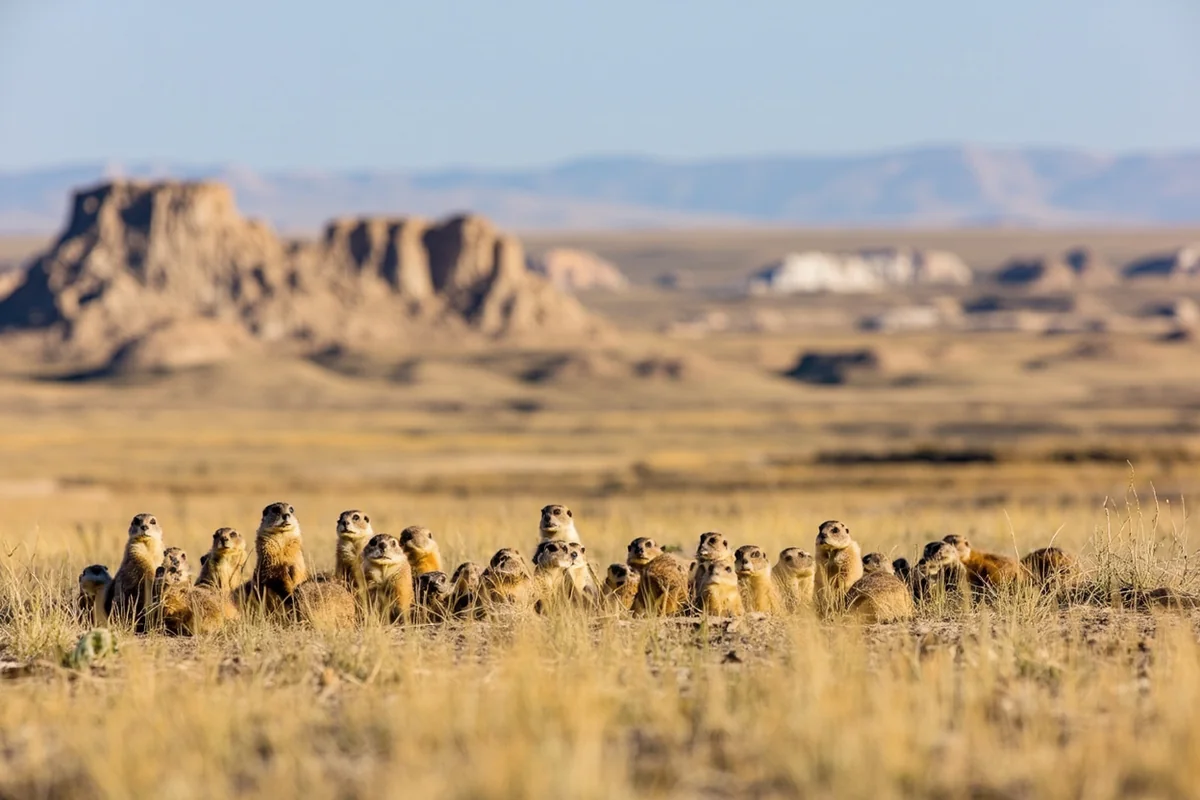
Prairie dog towns dot the Badlands, providing entertainment for visitors of all ages. The little creatures pop up, bark warnings, and dive into burrows in choreographed sequences.
Iconic Attractions Beyond Nature
Both states offer human-made landmarks, though South Dakota dominates this category in sheer icon density.
Montana’s Cultural Attractions
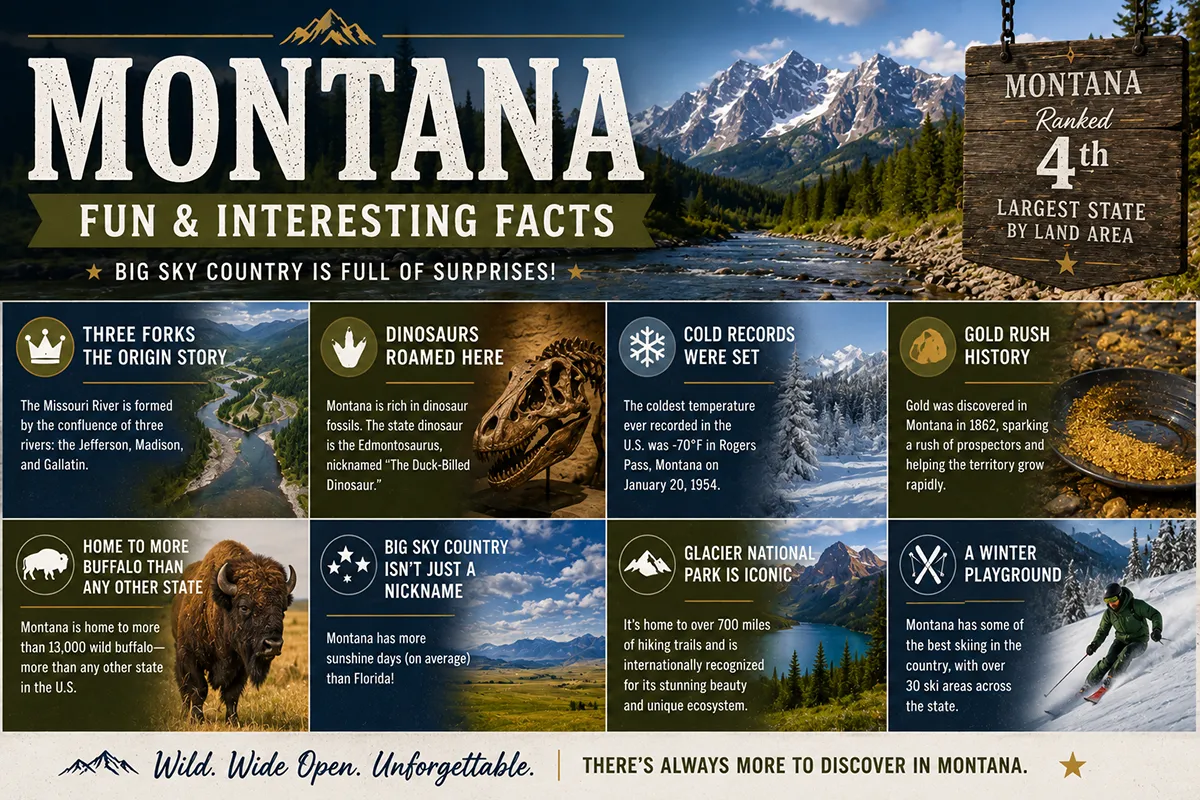
Montana’s cultural draws tend toward authentic history rather than purpose-built monuments. The state has inspired countless Montana authors and served as backdrop for movies filmed in Montana, giving it cultural significance that permeates the landscape.
Virginia City and Nevada City preserve genuine ghost town mining heritage. During my visit, I walked the original boardwalks past buildings that haven’t changed since the 1860s gold rush.
Little Bighorn Battlefield National Monument tells a complex, important story on the actual ground where Custer met his famous end. The site moved me more than any purpose-built memorial could.
Butte’s mining history reveals itself through the Berkeley Pit—a former copper mine turned toxic lake—and the Our Lady of the Rockies statue overlooking town. Neither are conventional tourist attractions, but both fascinate visitors interested in real stories.
South Dakota’s Monument Density
South Dakota stacked its deck with purpose-built icons that draw millions of visitors annually.
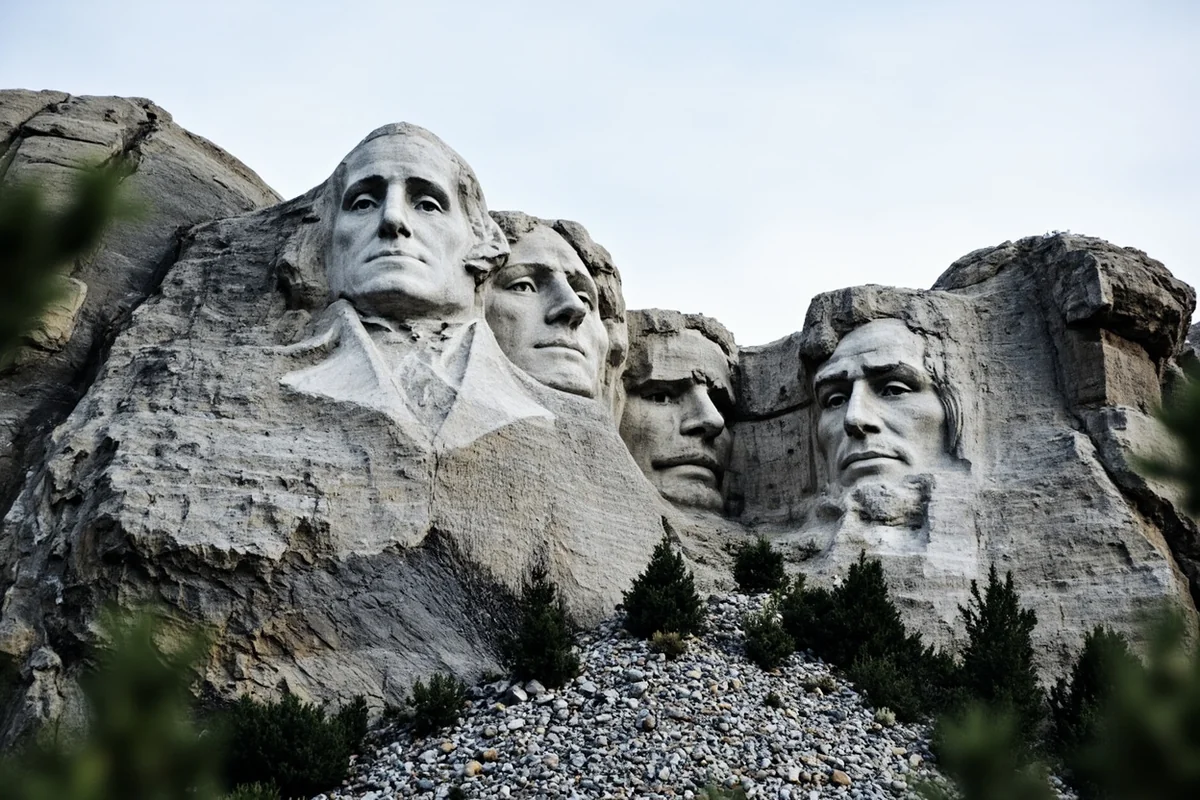
Mount Rushmore lives up to its reputation. Critics call it overrated, but standing before those massive carved faces still impressed me despite the crowds. The evening lighting ceremony adds emotional weight I hadn’t expected.
Crazy Horse Memorial remains unfinished after 75 years of carving, but its eventual scale will dwarf Mount Rushmore. The progress made on the face alone provides perspective on the ambition involved.
Deadwood maintains its Wild West character through casino gaming (legal here since 1989), preserved historic buildings, and daily reenactments. I recommend staying overnight to experience the town after day-trippers leave.
Wall Drug is ridiculous, touristy, and somehow wonderful. The billboards promising free ice water start hundreds of miles out, and the sprawling complex delivers on pure Americana kitsch.
Road Trip Logistics: Practical Considerations
Planning road trips through both states taught me important differences that affect your actual experience.
Driving Distances and Times
Montana’s size surprises first-time visitors. The state stretches 559 miles from east to west—roughly the distance from New York City to Raleigh, North Carolina. Driving across takes 8-10 hours without significant stops.
This matters because Montana’s attractions spread across that entire expanse. Glacier National Park sits in the northwest; Yellowstone’s entrances are in the south; the Hi-Line communities line the north. You can’t see everything in a week without exhausting yourself.
South Dakota condenses its highlights into a smaller area. From Rapid City, you can reach Mount Rushmore (25 minutes), Deadwood (40 minutes), Custer State Park (30 minutes), and the Badlands (1 hour) without any drive exceeding ninety minutes.
When I compare this to similar attractions in Montana—where driving from Glacier to Big Sky takes 6 hours—the logistics favor South Dakota for time-limited trips.
Gas and Services
South Dakota’s I-90 corridor ensures you’re never far from services. Gas stations, restaurants, and motels appear regularly.
Montana requires more planning for remote areas. During my drive across Highway 200 through central Montana, I went over 80 miles between gas stations. The Hi-Line towns are similarly sparse.
I now carry a spare gas can when exploring Montana’s backcountry. In South Dakota, I’ve never worried about fuel.
Cell Phone Coverage
Both states have significant dead zones, but Montana’s are more extensive and serious.
Inside Glacier National Park, coverage is essentially nonexistent except at major developed areas. Much of eastern Montana along the Hi-Line has spotty-to-no coverage.
South Dakota’s coverage gaps are smaller and more predictable. Most of the Black Hills has decent signal; the Badlands have partial coverage along main roads.
Download offline maps before exploring either state.
Best Time to Visit Each State
Timing your visit significantly impacts your experience in both destinations.
Montana Seasonal Guide
Summer (June-August): Peak season with best access but heaviest crowds. Going-to-the-Sun Road opens fully by early July. Glacier requires vehicle reservations. Temperatures comfortable in mountains, can exceed 100°F on plains.
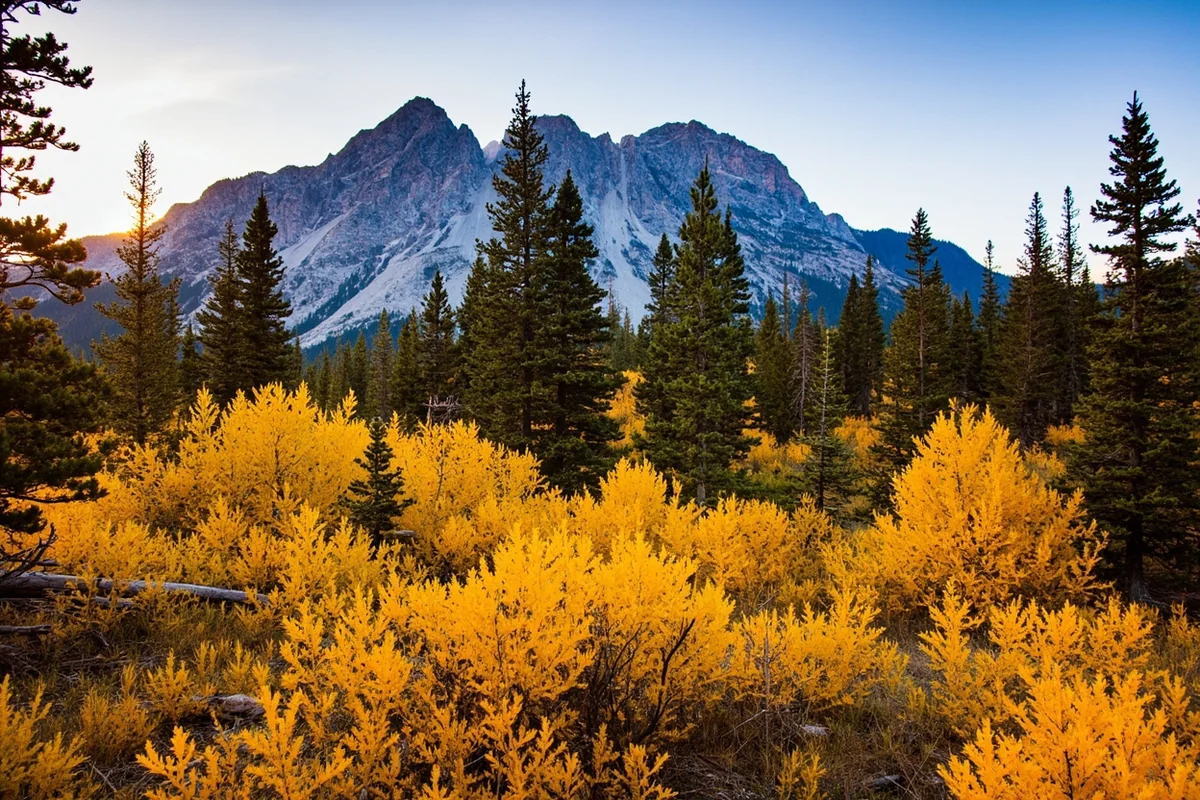
Fall (September-October): My favorite time. Crowds thin dramatically after Labor Day. Larch trees turn golden in late September. Going-to-the-Sun Road may close early if snow arrives. Wildlife active before winter.
Winter (November-March): Limited access but stunning beauty. Cross-country skiing and snowmobiling replace summer activities. Many facilities close. Yellowstone’s interior accessible only by snowcoach.
Spring (April-May): Unpredictable weather, some roads still closed, but wildlife active with newborn animals. Waterfalls peak from snowmelt.
South Dakota Seasonal Guide
Summer (June-August): Busiest season around Mount Rushmore, but manageable crowds compared to major national parks. Hot in Badlands (carry extra water). Sturgis Motorcycle Rally (early August) overwhelms western South Dakota—either embrace it or avoid that week.
Fall (September-October): Excellent shoulder season with pleasant temperatures and thinning crowds. Buffalo Roundup in late September is worth planning around.
Winter (November-March): Cold but accessible. Badlands remains open with surreal winter beauty. Mount Rushmore viewable year-round. Many Black Hills businesses close or reduce hours.
Spring (April-May): Similar unpredictability to Montana, but generally accessible. Wildflowers emerge in May.
Budget Comparison: What Things Actually Cost
Money matters for most travelers, and the states differ in cost structure.
Accommodation Costs
Montana’s popularity has driven prices up significantly, especially in gateway communities. During my last visit, basic hotel rooms in Whitefish and West Yellowstone exceeded $200/night in July.
South Dakota remains more affordable. Comparable rooms in Rapid City or Deadwood ran $120-150/night during the same summer season.
Camping provides budget relief in both states, though Montana’s national park campgrounds fill months in advance while South Dakota’s remain more available.
Food and Dining
Restaurant prices run similarly in both states’ tourist areas—expect $15-25 for lunch, $25-45 for dinner at sit-down restaurants.
Montana’s craft brewing scene (Missoula alone has numerous breweries) adds excellent value. Some of my best Montana meals came from brewery kitchens.
South Dakota’s Native American cultural experiences include opportunities to try traditional foods like bison dishes and fry bread at reasonable prices.
Attraction Costs
This category favors South Dakota. Many attractions are free or low-cost.
Mount Rushmore charges only for parking ($10). The Badlands entry fee ($30/vehicle) lasts seven days. Wall Drug is free to wander.
Montana’s costs add up faster. Glacier entrance is $35/vehicle. Combine that with Yellowstone access if you’re covering both parks, and you’re looking at significant fees. Consider an America the Beautiful annual pass ($80) if visiting multiple parks.
Combining Both States: A Smart Itinerary
Many travelers ask if they should combine Montana and South Dakota in one trip. I have thoughts.
The drive from Rapid City, South Dakota to Billings, Montana takes about 5 hours via I-90. From there, reaching Glacier adds another 5+ hours. The geography allows combination trips but requires realistic time budgets.
Recommended combination approach: Fly into Rapid City, spend 3-4 days covering South Dakota highlights, drive to Montana, spend 4-5 days in Glacier/Flathead region, fly out of Kalispell or Missoula.
This gives proper respect to both destinations without rushed drives.
For those interested in how Montana compares to other neighboring states, I’ve written about Montana vs Wyoming, Montana vs North Dakota, and Montana vs Idaho, which may help with broader regional trip planning.
Who Should Choose Montana
Choose Montana if you prioritize:
- Wilderness immersion – You want to hike for hours without seeing other people, or camp in genuine backcountry.
- Mountain scenery – Alpine peaks, glaciers, and rugged terrain call to you.
- Diverse wildlife – Seeing grizzly bears, wolves, or mountain goats ranks high on your list.
- Fishing and outdoor sports – World-class fly fishing, skiing, and hunting draw you.
- Time flexibility – You have a week or more to explore without rushing.
Montana delivers experiences that feel earned through effort. The reasons Montana is best relate to authenticity and wildness that can’t be manufactured.
If you’re considering relocation rather than just visiting, my guide on things to know before moving to Montana covers practical realities beyond the postcard images.
Who Should Choose South Dakota
Choose South Dakota if you prioritize:
- Iconic landmarks – Checking Mount Rushmore off your bucket list matters to you.
- Family-friendly variety – Kids in tow who need changing scenery and attractions to maintain interest.
- Limited time – A long weekend or short week is your window.
- Road trip culture – You appreciate quirky Americana and roadside attractions.
- Lower budget – Costs matter, and you want value for your travel dollars.
- Accessibility – Physical limitations make strenuous hiking impractical, but you still want dramatic scenery.
South Dakota delivers concentrated highlights with less logistical complexity.
My Personal Verdict
After extensive time in both states, I lean toward Montana for serious travelers willing to invest time and energy. The state offers unique ways Montana stands out that no other destination can replicate.
Glacier National Park alone justifies the choice. Add in access to Yellowstone, world-class fishing rivers, genuine wilderness, and those endless skies that inspired quotes about Montana from countless writers, and the state delivers unmatched value for outdoor enthusiasts.
But I genuinely enjoyed South Dakota and recommend it without reservation for the right traveler. The Badlands moved me more than I’d expected. The Black Hills offer real beauty beyond the monument crowds. And the efficiency of experiencing so much in limited time has real value.
For first-time visitors to either state, South Dakota makes a better introductory destination. Save Montana for when you can give it the time it deserves.
Both states have produced famous people and inspired creative works worth exploring before your trip. Reading books on Big Sky Country or learning about weird and unusual things in Montana can enhance your appreciation.
If you’re comparing Montana to other destinations beyond South Dakota, check out my comparisons with Montana vs Colorado, Montana vs Oregon, and Montana vs Alaska for additional perspective.
Whatever you choose, both states reward the effort of visiting. The Northern Plains and Rockies contain some of America’s most authentic landscapes, and either destination will remind you why road trips through the American West remain essential travel experiences.
Frequently Asked Questions
Is Montana or South Dakota better for a first-time national park trip?
I’d recommend South Dakota for first-timers since Mount Rushmore, Badlands, and Wind Cave are all within a 2-hour drive of each other, making logistics simple. Montana’s Glacier National Park is more spectacular but requires more planning, especially with the Going-to-the-Sun Road’s seasonal closures and vehicle reservations needed from late May through September.
How much more expensive is a Montana vacation compared to South Dakota?
Montana typically costs 20-30% more than South Dakota for accommodations and dining. Expect to pay $150-250/night for hotels near Glacier National Park versus $100-150 near the Badlands. Gas prices run about $0.20-0.40 higher per gallon in Montana, which adds up on those long scenic drives.
What’s the best time to visit Montana versus South Dakota for outdoor activities?
For Montana, late June through mid-September offers the best weather and full access to Glacier’s high-altitude roads and trails. South Dakota’s peak season is slightly longer, from May through October, with the Badlands actually being stunning in shoulder seasons when crowds thin out and temperatures aren’t scorching.
How far apart are the main attractions in Montana and South Dakota?
Montana’s highlights are spread across vast distances—Glacier to Yellowstone is about 350 miles and takes 6+ hours to drive. South Dakota is more compact, with Rapid City serving as a central hub where Mount Rushmore, Crazy Horse, and the Badlands are all within 45 miles of each other.
Can I combine Montana and South Dakota into one road trip?
Absolutely, though plan for serious driving time since it’s roughly 700 miles from Glacier National Park to the Black Hills. I’d suggest at least 10-14 days to do both states justice, traveling through the stunning but empty stretches of eastern Montana on Highway 2 or dropping south through Wyoming.
What should I pack differently for Montana versus South Dakota summer travel?
Montana requires more layers since Glacier’s high elevations can drop into the 40s even in July, plus bear spray is essential for hiking. South Dakota summers are hotter and more humid, so pack sun protection and extra water, but you won’t need the heavy cold-weather gear that Montana’s mountains demand.
Which state offers better wildlife viewing opportunities for families?
Montana edges out South Dakota for wildlife diversity—Glacier offers grizzly bears, mountain goats, and moose, while the National Bison Range provides guaranteed bison sightings. South Dakota’s Custer State Park has an impressive bison herd and the famous begging burros, which kids absolutely love and are much safer for close encounters.
Sources
- https://www.nps.gov/badl/index.htm
- https://www.nps.gov/wica/index.htm
- https://www.nrc.gov/docs/ML1224/ML12241A402.pdf
- https://www.usgs.gov/centers/national-minerals-information-center/mineral-industry-south-dakota
- https://www.usgs.gov/centers/national-minerals-information-center/mineral-industry-montana
- https://www.montana.edu/about/
- https://www.sdstate.edu/university-resources/maps-and-directions
- https://history.sd.gov/museum/docs/SDEnvironments.pdf
- https://dlr.sd.gov/lmic/overview.aspx