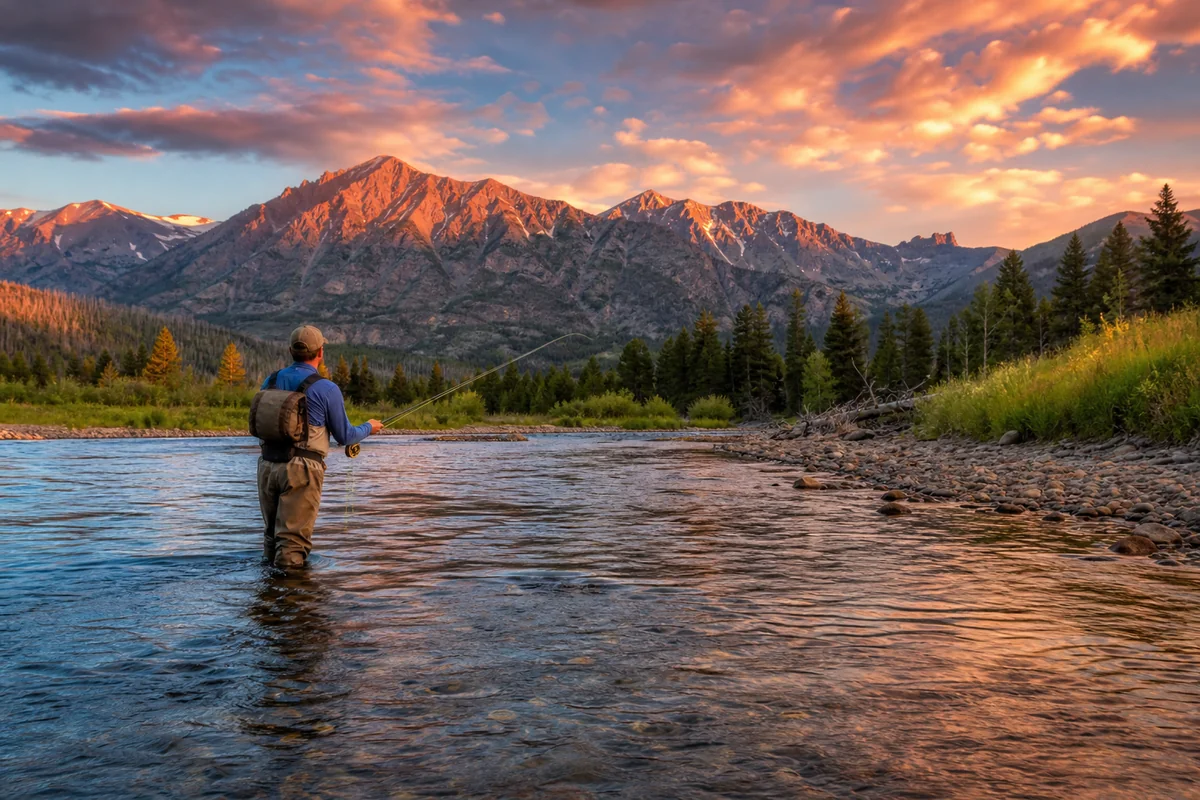
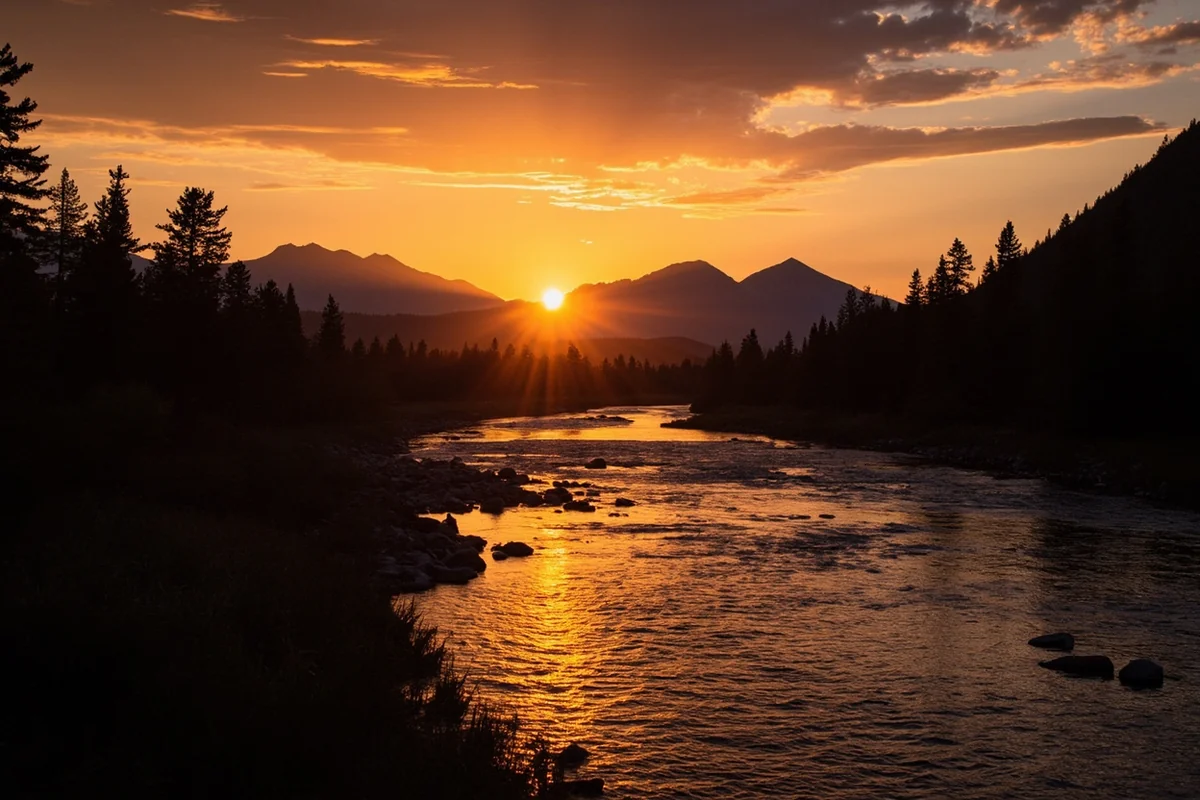
I was standing knee-deep in the Gallatin River last August, watching the sunset paint the Absaroka Range in impossible shades of pink and gold, when it hit me: I’ve traveled to 47 states, and nothing comes close to this. Montana isn’t just another pretty destination—it’s the antidote to everything exhausting about modern American travel.
If you’re researching About Montana for an upcoming trip, you’re about to discover why this state has completely ruined me for anywhere else.
After spending the better part of three years exploring every corner of Big Sky Country, I can tell you that the 27 things Montana is known for barely scratch the surface of what makes this place exceptional.
- Montana offers the most unspoiled wilderness remaining in the lower 48 states
- Crowds are dramatically smaller than comparable destinations like Colorado or Wyoming
- The state maintains authentic Western culture without feeling like a tourist performance
- Four distinct seasons create year-round adventure opportunities
- Cost of travel can be lower than other mountain states with strategic planning
- Wildlife viewing opportunities rival African safaris
- Local communities genuinely welcome visitors without the jaded tourism fatigue
Liked this article?
Add Roaming Montana as a preferred source so you see more of our articles and guides on Google.
The Wilderness Here Is Actually Wild
I’ve hiked in plenty of “wilderness” areas across America that felt more like crowded city parks with trees. Montana is different.
During my trek through the Bob Marshall Wilderness Complex last July, I went four full days without seeing another human being. Four days. In a country of 330 million people, that kind of solitude barely exists anymore.
The Bob, as locals call it, sprawls across 1.5 million acres of roadless terrain. No cell service. No designated campsites with fire rings. No helpful rangers checking permits every few miles. Just you, the mountains, and whatever you carried on your back.
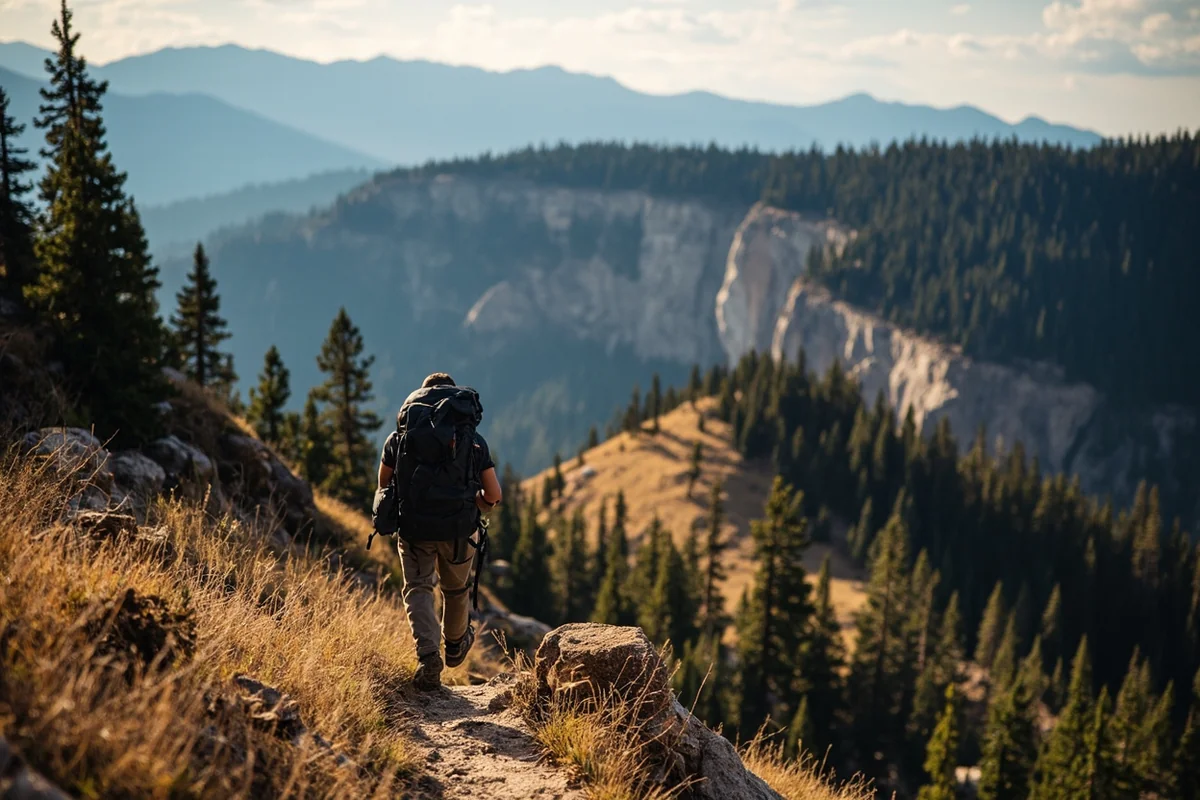
This isn’t isolated either. The Absaroka-Beartooth Wilderness, the Lee Metcalf Wilderness, the Scapegoat—Montana contains more designated wilderness than any other state in the lower 48 except California, and ours feels genuinely remote.
Why This Matters for Your Trip
If you’re choosing between Montana and other Western states, consider what kind of experience you’re actually seeking. I’ve written about the Montana vs Colorado comparison extensively, and the wilderness difference alone makes Montana the clear winner for anyone wanting authentic backcountry.
Colorado’s wilderness areas are spectacular, but they’re packed. You’ll need permits months in advance for popular trails, and even then, expect company. Montana? I’ve shown up to trailheads on holiday weekends and found empty parking lots.
Glacier National Park Is Worth the Hype (If You Know When to Go)
Yes, I know—Glacier has become increasingly crowded in recent years. The vehicle reservation system started in 2022, and summer weekends can feel chaotic.
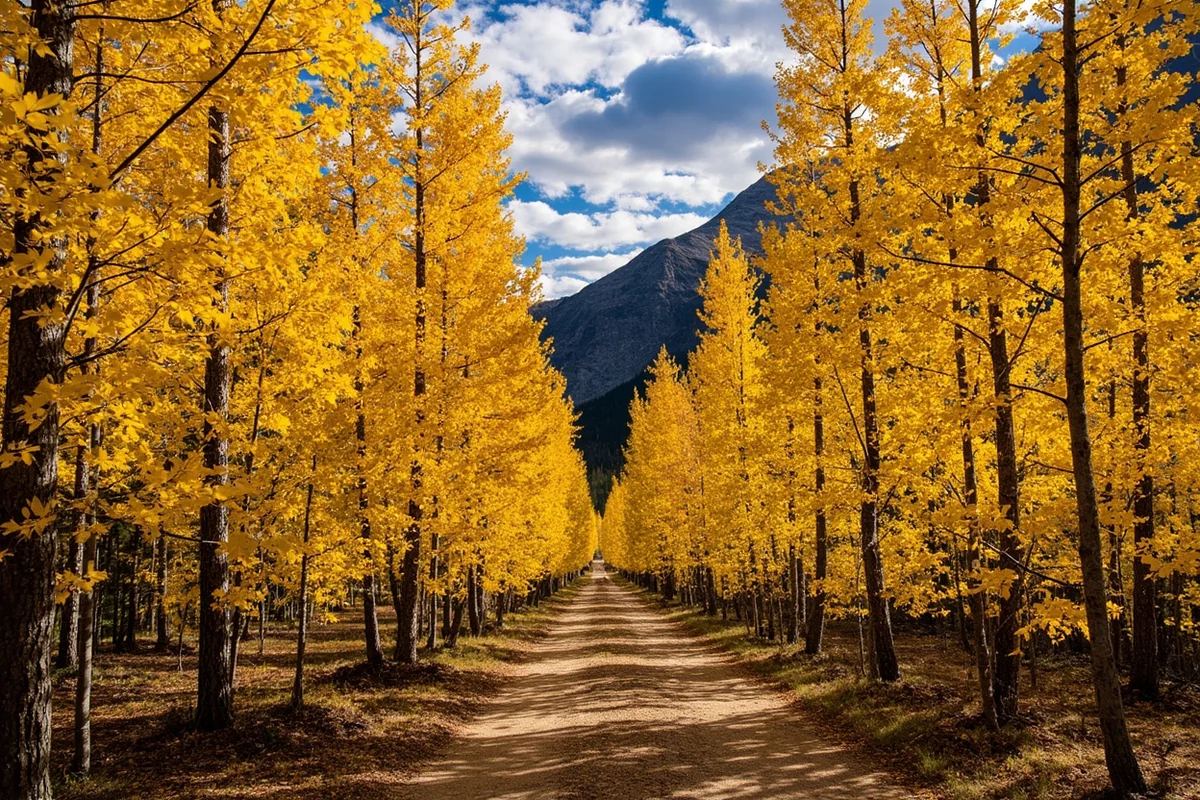
But here’s what most travel guides won’t tell you: Glacier in September is a completely different experience. When I visited the second week of September last year, the crowds had thinned by 70%, the larch trees were starting their golden transformation, and I had entire sections of the Highline Trail to myself.
The practical reality is that Glacier offers something no other national park in America can match: genuine accessibility to alpine terrain. You can drive the Going-to-the-Sun Road and see glacially-carved valleys without hiking a single step. Or you can park at Logan Pass and access world-class alpine trails within minutes.
My Honest Assessment
Glacier deserves its reputation, but I think Many Glacier on the east side outshines the more famous Going-to-the-Sun corridor. The Grinnell Glacier Trail from Many Glacier Hotel remains my favorite day hike in all of Montana—8.4 miles round trip to an active glacier with multiple waterfalls and the best chance of seeing grizzly bears anywhere in the park.
The drive from Bozeman to Many Glacier takes about five hours, so I recommend staying multiple nights in the area. The Swiftcurrent Motor Inn offers basic cabins at reasonable rates, and the Granite Park Chalet provides backcountry accommodations for those wanting to extend their adventure.
Wildlife That Actually Shows Up
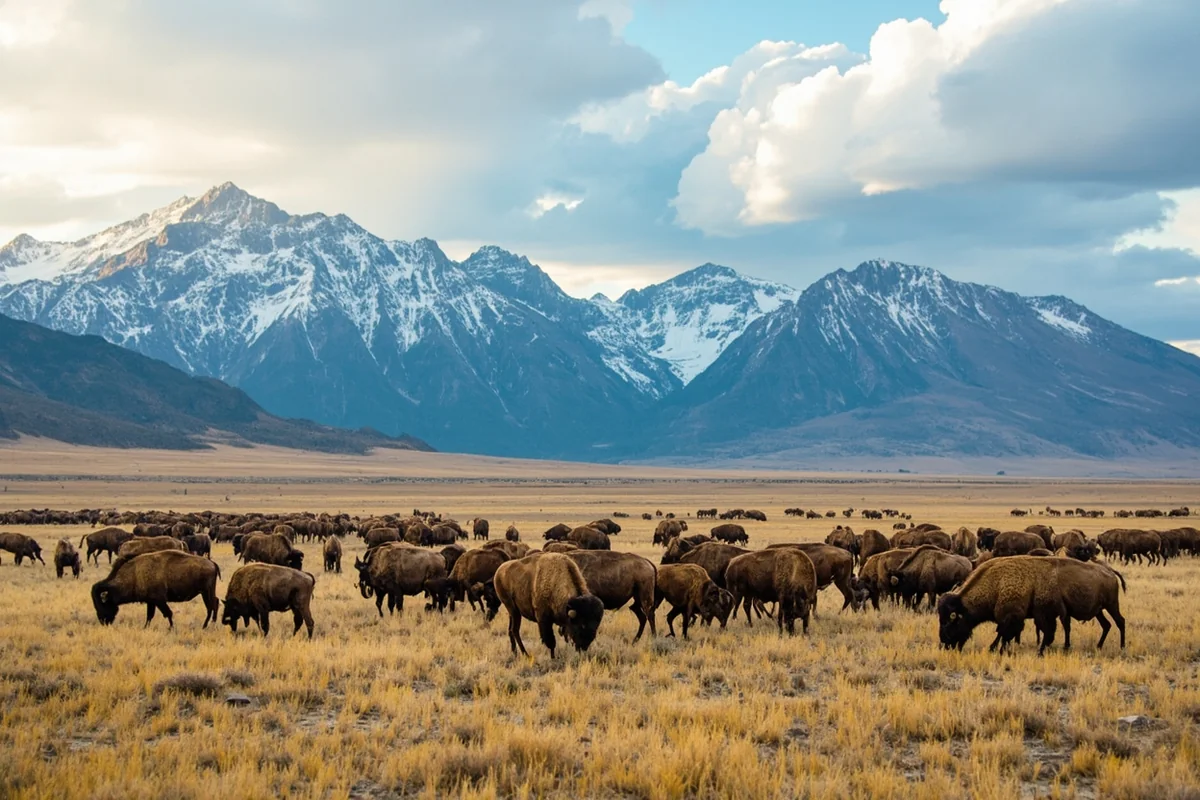
I spent a week at Yellowstone’s Lamar Valley in Wyoming and saw exactly two wolves in the distance through a spotting scope borrowed from another tourist. Three days later, driving through the Paradise Valley south of Livingston, I watched a wolf pack hunt elk from my truck, no scope needed.
Montana’s wildlife viewing isn’t concentrated in one famous location—it’s everywhere. That’s what makes it special.
Where I’ve Had the Best Sightings
| Animal | Best Location | Best Time | My Success Rate |
|---|---|---|---|
| Grizzly Bears | Many Glacier, Glacier NP | Early morning, July-August | Seen on 6 of 8 visits |
| Wolves | Paradise Valley/Tom Miner Basin | Dawn/dusk, year-round | Seen on 4 of 10 visits |
| Moose | Bighorn Mountains/Red Lodge area | Early morning, any season | Seen on 9 of 10 visits |
| Mountain Goats | Hidden Lake Trail, Glacier NP | Midday, July-September | Seen on every visit |
| Elk | National Bison Range | September (rut season) | Seen on every visit |
The Montana natural resources that support this wildlife are protected more fiercely here than almost anywhere else in America. Large predator populations remain stable because habitat connectivity still exists—animals can move between mountain ranges without crossing subdivisions and highways.
Small Towns With Actual Character
I’ve visited plenty of “charming Western towns” that turned out to be outdoor shopping malls wearing cowboy hats. Think Jackson Hole or Aspen—beautiful settings, but the soul got priced out decades ago.
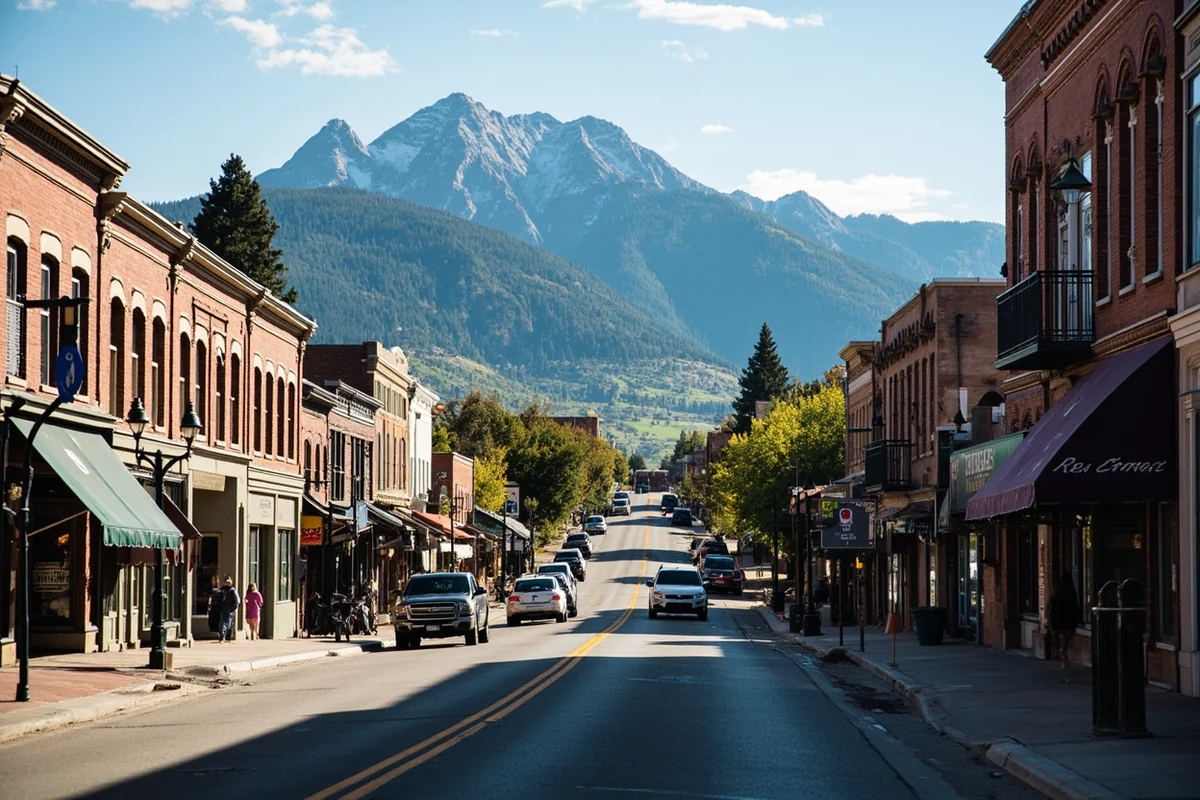
Montana’s small towns feel different. Livingston still has working cowboys eating breakfast at the same counter as artists and writers. Red Lodge maintains its mining-era character while welcoming visitors without pretense. Whitefish has grown significantly but hasn’t lost its identity.
My Favorite Small Town Experiences
Last spring, I wandered into the Murray Bar in Livingston around 4 PM on a Wednesday. Within an hour, I’d heard stories from a third-generation rancher, a Yellowstone guide who’d worked the park for 30 years, and a screenwriter who’d moved from LA seeking creative space. That mix doesn’t happen in manufactured tourist towns.
The famous people from Montana often credit this authentic small-town culture for their creativity. Writers like Thomas McGuane and musicians like Jeff Ament chose Montana specifically because it offers community without pretension.
For readers interested in the literary side, I’ve compiled a list of best books on Big Sky Country that capture this cultural uniqueness better than any travel guide.
The Big Sky Actually Delivers
I’ll admit I was skeptical about the “Big Sky” branding. Every flat state claims big skies. Kansas has big sky. Nebraska has big sky. What makes Montana different?
Then I stood on a ridge in the Crazy Mountains during a summer thunderstorm and understood. Montana’s sky isn’t just big—it’s theatrical. You can watch weather systems develop, collide, and dissipate across distances that seem geographically impossible.
The combination of high elevation, low humidity, and varied terrain creates visual depth I haven’t experienced anywhere else in America. On clear days, you can see mountains 100 miles away with crystal clarity. During storms, the light changes minute by minute in ways that make photographers weep with frustration and joy.
Best Places to Experience the Sky
- Freezeout Lake (Fairfield): Open prairie meets the Rocky Mountain Front—my favorite sunrise location in the state
- Highwood Mountains: The isolated mountain range in central Montana offers 360-degree views of seemingly endless plains
- Upper Red Rock Lake: Remote wetlands in the Centennial Valley with zero light pollution
- Bowman Lake, Glacier NP: Northern location means dark skies and occasional aurora borealis
The beautiful places in Montana aren’t just about geology—the sky itself becomes a destination.
Four Seasons That All Work
Most mountain states have one or two good seasons and hope you don’t notice the others. Montana genuinely delivers year-round.
I’ve visited during every month, and each season offers something distinct rather than just being an off-season version of peak time.
What Each Season Actually Offers
Winter (December-February): Big Sky and Whitefish Mountain Resort offer world-class skiing without the lift lines of Colorado resorts. Last February, I skied fresh powder at Big Sky on a Saturday and waited less than five minutes for any lift. Try that at Vail.
Spring (March-May): This is the overlooked season. Waterfalls peak as snowmelt floods the rivers. Grizzly bears emerge from hibernation and graze in visible meadows. Crowds are minimal, and lodging rates drop significantly.
Summer (June-August): The obvious choice for most visitors, and for good reason. Every hiking trail opens, rivers reach perfect floating temperature, and daylight extends past 10 PM.
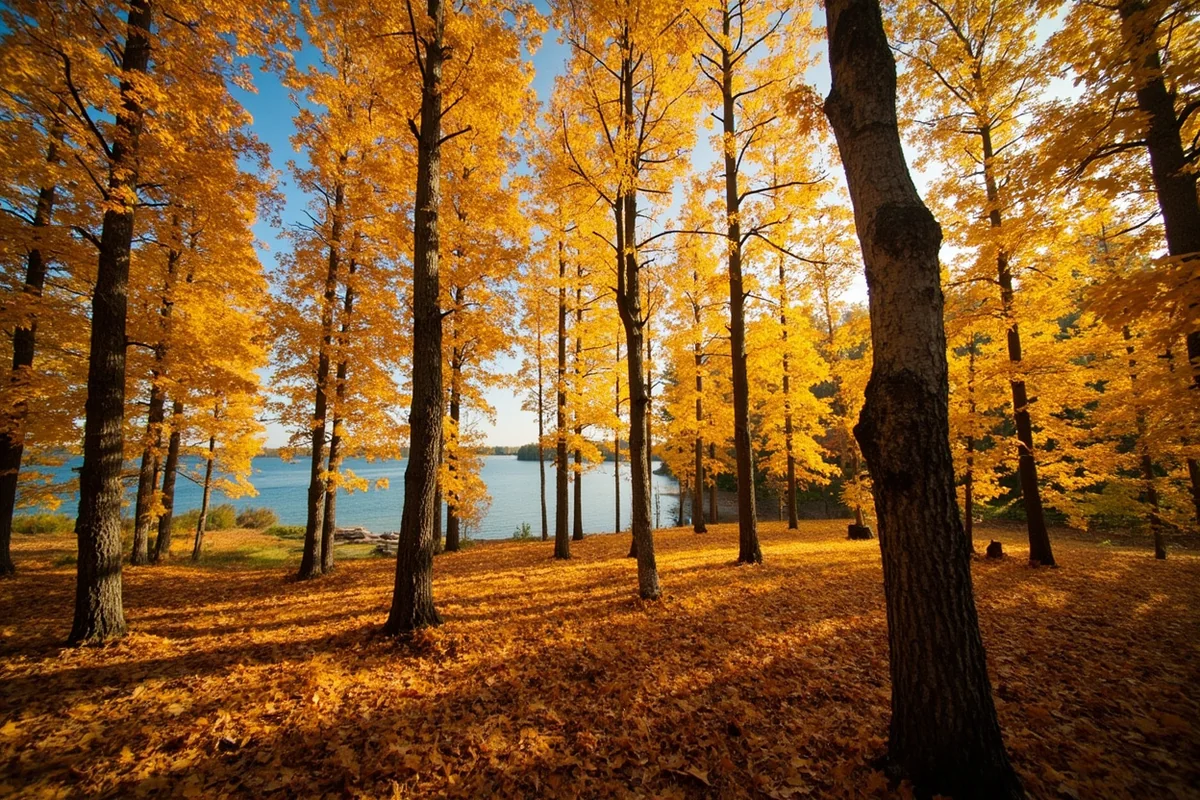
Fall (September-November): My personal favorite. Aspens and larches turn golden, elk bugle through the valleys during rut season, and you can often have popular destinations nearly to yourself.
Fishing That Spoils You Forever
I grew up fishing in the Midwest, thinking a good day meant catching a few 12-inch bass in a murky lake. Then I moved to Montana and realized I’d been playing a different sport entirely.
The Madison River alone would be the crown jewel of fishing in any other state. Here, it’s one of dozens of blue-ribbon trout streams. The Yellowstone, the Big Hole, the Missouri, Rock Creek, the Blackfoot—each offers distinct character and exceptional fishing.
Why Montana Fishing Is Different
Three factors combine to create exceptional fishing:
Public Access: Montana’s stream access law guarantees public access to all waters capable of recreational use. Unlike many states where rivers are privatized, you can legally fish almost anywhere the water flows.
Conservation Focus: Catch-and-release is standard practice, not a niche approach. Wild trout populations remain healthy because the culture prioritizes sustainability.
Variety: Within a two-hour drive of Bozeman, I can fish for rainbow trout in a freestone river, brown trout in a spring creek, and brook trout in a mountain lake. No other state offers that diversity in such proximity.
The Crowds Haven’t Found Most of It Yet
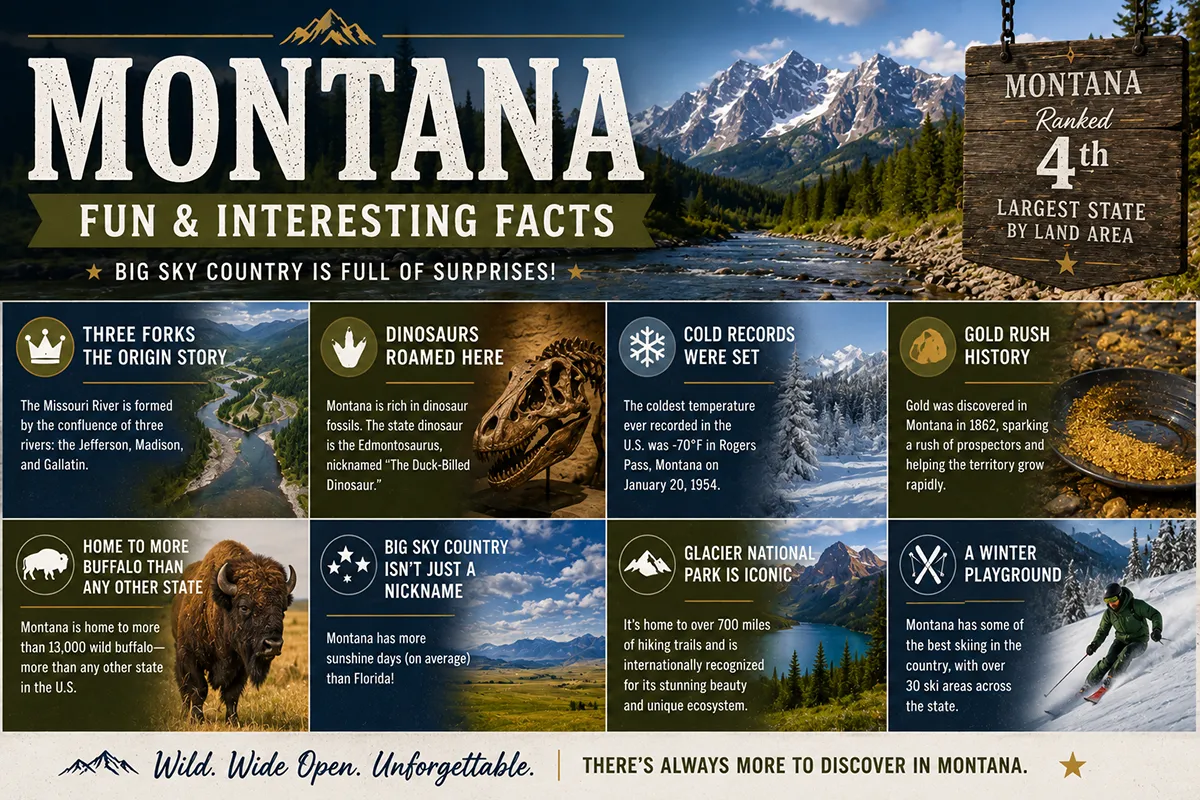
Yes, Glacier National Park gets crowded. Yes, Bozeman and Whitefish have grown significantly. But Montana is the fourth-largest state by area and the third-least populated.
Do the math. Over 147,000 square miles divided among just over one million residents means approximately seven people per square mile. Compare that to Colorado’s 56 people per square mile.
Where the Crowds Aren’t
I’ve explored corners of Montana that feel genuinely forgotten:
- The Hi-Line: The stretch of Highway 2 across northern Montana passes through prairie towns that time seems to have bypassed—in the best possible way
- Big Snowy Mountains: A mountain range in central Montana with excellent hiking and almost no visitors
- Upper Missouri River Breaks: Float the same wild river that Lewis and Clark navigated, seeing landscapes essentially unchanged since 1805
- Makoshika State Park: Montana’s largest state park features badlands terrain and dinosaur fossils without the crowds of similar landscapes in the Dakotas
If you’re comparing options, I’ve written detailed breakdowns of Montana vs Wyoming and Montana vs Idaho that address the crowd factor specifically. For even bigger picture comparisons, check out my Montana vs Alaska analysis—though I’d argue Montana offers Alaska’s wilderness with significantly better accessibility.
The Western Culture Is Real
I’ve been to plenty of “Western” destinations that felt like costume parties for wealthy visitors. Montana’s ranching and cowboy culture isn’t performed for tourists—it’s the actual economic and social backbone of most communities.
Experiencing Authentic Western Life
During a recent trip to the Judith Basin area in central Montana, I stopped at a small-town café where every other customer wore work clothes because they had actual work to do after breakfast. Nobody was dressed Western for Instagram; they were dressed that way because they’d be moving cattle in an hour.
The movies filmed in Montana often try to capture this authenticity—”A River Runs Through It,” “The Horse Whisperer,” and more recently the “Yellowstone” series all chose Montana specifically because the culture can’t be faked or recreated on a set.
This extends to events. The small-town rodeos throughout Montana aren’t tourist attractions—they’re community gatherings where local ranchers compete against neighbors they’ve known for decades. The Miles City Bucking Horse Sale, the Augusta Rodeo, the Wolf Point Wild Horse Stampede—these events predate tourism and would continue whether visitors showed up or not.
Affordable Adventure Still Exists
I won’t pretend Montana is cheap—real estate prices have surged, and destination towns like Whitefish have become genuinely expensive. But compared to equivalent destinations in other states, Montana still offers value.
Cost Comparison Reality
Last summer, I compared costs for a week-long mountain vacation between Montana and Colorado:
- Lodging: A cabin near Bozeman cost $180/night; comparable accommodations near Aspen started at $400/night
- Guided Fishing: Full-day guided float trips run $550-650 in Montana versus $700-850 in Colorado
- Dining: Quality restaurant meals in Livingston or Red Lodge average $25-40 per person; similar quality in Colorado ski towns starts at $50+
- Activities: Many Montana experiences (hiking, wildlife viewing, fishing without a guide) are essentially free
The key is strategic planning. Base yourself in secondary towns rather than destination hubs. Red Lodge instead of Big Sky. Choteau instead of Whitefish. You’ll save 40-50% on lodging while adding only 30-60 minutes of driving to reach the same attractions.
History That Isn’t Sanitized
Montana’s history includes some of America’s most dramatic chapters—and unlike many tourist destinations, it’s presented with complexity rather than simple narratives.
The Little Bighorn Battlefield tells the story of Custer’s defeat from multiple perspectives, including extensive Native American viewpoints that challenge traditional Western mythology. Virginia City preserves an 1860s mining town without Disney-fying the rougher edges.
Historical Sites Worth Visiting
- Grant-Kohrs Ranch National Historic Site: A working cattle ranch preserved since the 1860s—one of the best windows into actual frontier ranching life
- Butte Historic District: The “Richest Hill on Earth” mining history is told honestly, including labor struggles and environmental devastation alongside economic success
- First Peoples Buffalo Jump State Park: A 2,000-year-old buffalo jump site managed in partnership with tribal nations
- Fort Benton: The birthplace of Montana, where steamboats reached the upper Missouri and the American West truly began
Montana authors have chronicled this complex history extensively—reading their work before your visit adds layers of understanding that no visitor center can provide.
Genuinely Friendly Communities
Travel writers throw around “friendly locals” as a cliché, so let me be specific about what I mean.
During a recent breakdown on a remote road outside Lewistown, three different vehicles stopped to offer help within 20 minutes. One rancher drove 15 miles to his property to retrieve a tool that might help, then refused any payment when my car started.
That’s not universal—Bozeman can feel as impersonal as any growing city—but in the smaller communities that comprise most of Montana, the ethic of helping neighbors extends to strangers passing through.
Understanding Montana Culture
Some context helps. Things to know before moving to Montana often focus on practical considerations, but the social expectations matter too.
Montana culture values self-reliance, privacy, and direct communication. People won’t pry into your business, but they’ll help without being asked if you genuinely need it. The flip side: pretension and showing off are quickly identified and quietly rejected.
I’ve found that simply being honest, not pretending to be something you’re not, and showing genuine interest in place rather than just passing through earns significant goodwill.
Adventure Without the Adventure Industry
This might be my most controversial observation: Montana hasn’t developed the commercial adventure infrastructure that dominates other mountain states.
You won’t find a zip line canopy tour in every town. The whitewater rafting companies are smaller operations, not corporate chains. Guided backcountry trips often mean hiring an actual local who knows the mountains, not a seasonal employee reading from a script.
Why Less Infrastructure Is Better
The absence of packaged adventure tourism means you need to be slightly more self-sufficient. But it also means experiences feel genuine rather than manufactured.
When I booked a pack trip into the Bob Marshall Wilderness, my outfitter was a third-generation Montanan whose family had been packing into those mountains since the 1940s. His stories weren’t scripted entertainment—they were actual history of the place.
The unique ways Montana stands out include this resistance to over-commercialization. The state has consciously chosen to prioritize preservation over development in ways that Colorado and Utah abandoned decades ago.
Climate Change Resilience (For Now)
I hesitate to frame this as a “reason Montana is best,” but travelers increasingly ask about it: Montana’s northern latitude and extensive mountain terrain make it more resilient to climate change impacts than most Western destinations.
Glaciers are retreating, wildfire seasons have lengthened, and winter snow patterns are shifting. These changes are real and concerning. But relative to the Southwest’s water crisis or the Pacific Northwest’s extreme heat events, Montana remains more stable.
Practical Implications
What this means for travelers:
- Summer travel should account for potential wildfire smoke, especially late July through August
- Spring runoff can make rivers unfishable during peak melt—check conditions before planning fishing trips
- Glacier National Park’s namesake glaciers will likely disappear within 20-30 years—visiting sooner rather than later matters
- Shoulder seasons (early June, late September) increasingly offer the best weather conditions
Comparison to Similar Destinations
I’ve mentioned several state comparisons already, but let me address the most common questions directly.
Montana vs The Competition
Against Wyoming: Wyoming’s highlights (Yellowstone, Grand Teton, Devils Tower) are concentrated in specific areas. Montana’s attractions spread across a larger canvas. I’ve covered this fully in my Montana vs Wyoming analysis.
Against Oregon: Oregon offers coast and mountains but increasingly crowded conditions. Montana’s interior location means fewer visitors overall. See my Montana vs Oregon comparison.
Against the Dakotas: Both North Dakota and South Dakota offer their own appeals, but Montana provides the mountain terrain that neither can match.
The Intangibles That Make It Best
After three years of intensive Montana travel, some reasons for loving this place resist easy description.
There’s a quality of light here—particularly in morning and evening—that photographers call “Montana magic.” It’s not just golden hour; it’s the way clear mountain air allows color to saturate landscapes in ways I haven’t seen elsewhere.
There’s a pace of life in smaller communities that doesn’t feel artificially preserved for tourists. People actually live here, work here, raise families here—not just cater to visitors.
There’s space. Not just physical space (though there’s plenty of that) but psychological space. Room to think, to breathe, to be anonymous if you want anonymity or connected if you seek connection.
Planning Your First (or Next) Trip
If I’ve convinced you that Montana deserves your travel attention, here’s how I’d suggest approaching it:
For First-Time Visitors
Focus on the western portion of the state. Fly into Bozeman or Missoula. Build a loop that includes Glacier National Park, the Flathead Valley, and either the Paradise Valley (south of Livingston) or the Bitterroot Valley (south of Missoula).
Allow at least 10 days. Montana’s distances are significant, and rushing defeats the purpose. The weird and unusual things in Montana only reveal themselves when you slow down enough to notice.
For Returning Visitors
Go east. The Hi-Line, the Missouri Breaks, the Big Open—these regions receive almost no tourist attention but offer experiences as memorable as anything in the mountains.
Consider a focus trip: a week dedicated to fishing, or photography, or wildlife viewing. Montana rewards depth over breadth.
What to Read Before Going
Norman Maclean’s “A River Runs Through It” remains essential, but don’t stop there. Ivan Doig’s Montana novels capture the state’s social texture. Richard Manning’s “Last Stand” provides environmental and historical context that enriches every landscape you’ll see.
As quotes about Montana from writers, visitors, and residents often reflect, this place changes people. Not in dramatic, sudden ways, but in subtle shifts of priority and perspective that become clear only after you’ve left.
Final Honest Assessment
Montana isn’t perfect. The winters are brutal. The economy outside tourism and agriculture is limited. Some communities are less welcoming than others. Wildfire smoke can ruin summer weeks. Distances mean significant driving no matter what you want to do.
But for travelers seeking something beyond typical American vacation experiences—genuine wilderness, authentic communities, landscapes that humble rather than entertain—Montana delivers in ways no other state can match.
I’ve explored this state obsessively for years now, and I’m still finding new corners that surprise me. That’s perhaps the best reason of all: Montana reveals itself slowly, rewarding repeated visits with experiences no guidebook can predict.
The Montana state governor and legislature face ongoing pressure to open more land to development, to prioritize economic growth over preservation. For now, the state has maintained its character. But visiting sooner rather than later makes sense—some of what makes Montana best today won’t exist forever.
Come prepared for adventure, but also for stillness. Bring your hiking boots and your fishing rod, but also bring patience and curiosity. Montana gives you what you need, not necessarily what you expected, and what you need is almost always better.
Frequently Asked Questions
What makes Montana better than other Western states for a road trip?
Montana offers uncrowded alternatives to overrun parks like Yellowstone’s north entrances, plus 300+ miles of stunning scenic byways like the Going-to-the-Sun Road and Beartooth Highway. I’ve found Montana’s combination of dramatic mountain landscapes, authentic small-town culture, and lack of crowds makes it far more enjoyable than Colorado or Utah during peak season.
What is the best time of year to visit Montana for outdoor activities?
Late June through mid-September is ideal for hiking and wildlife viewing, with July and August offering the warmest weather and fully accessible mountain passes. If you’re planning to visit Glacier National Park, aim for mid-July to early September when Going-to-the-Sun Road is completely open and wildflowers are blooming.
How much does a week-long Montana vacation cost for two people?
Budget around $2,000-$3,500 for a week in Montana, including mid-range lodging ($150-250/night), rental car ($50-80/day), park entrance fees ($35 for Glacier), and meals. During peak summer months, booking accommodations 3-6 months ahead can save you 20-30% compared to last-minute rates.
What should I pack for a summer trip to Montana?
Pack layers including a warm fleece and rain jacket since mountain temperatures can drop 30°F between afternoon and evening, even in July. I always bring bear spray ($40-50, available locally), sturdy hiking boots, sunscreen, and binoculars for wildlife spotting along with a cooler for picnic lunches on long scenic drives.
Is Montana worth visiting if I’m not into hiking or camping?
Absolutely—Montana offers incredible scenic drives, charming towns like Whitefish and Bozeman with excellent dining and craft breweries, plus world-class fly fishing and horseback riding. You can experience stunning mountain views from your car along the 50-mile Going-to-the-Sun Road or relax at natural hot springs like Chico Hot Springs Resort.
How far apart are Montana’s major attractions and how long should I plan to drive?
Glacier National Park to Yellowstone’s north entrance is about 340 miles (5.5-6 hours), while Bozeman to Missoula is 200 miles (3 hours) along I-90. I recommend planning no more than 3-4 hours of driving per day to allow time for spontaneous stops at places like the Missouri River Headwaters or stunning viewpoints along Highway 89.
What wildlife can I realistically expect to see in Montana?
Deer, elk, and bison sightings are nearly guaranteed, especially in Yellowstone and along Highway 89 near Glacier. I’ve spotted grizzly bears, moose, and wolves during early morning drives through Lamar Valley and the Many Glacier area—bring binoculars and plan wildlife viewing for dawn or dusk when animals are most active.
Sources: