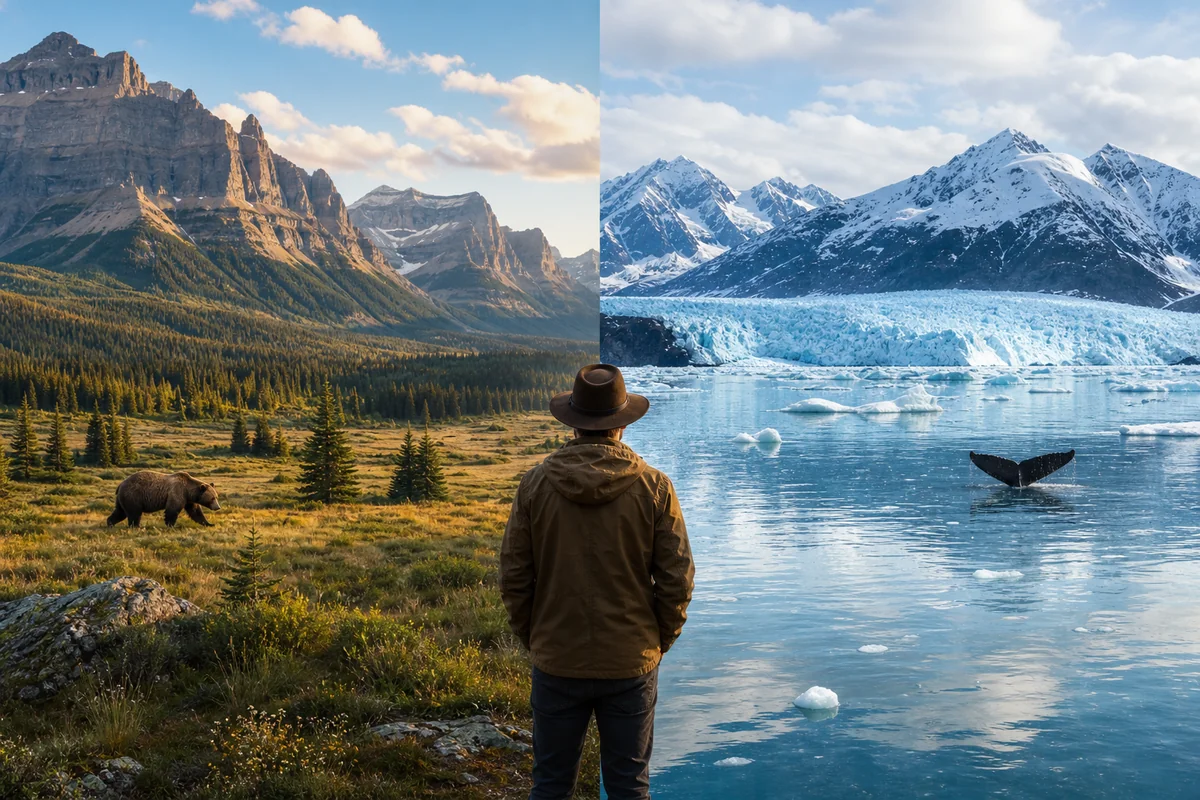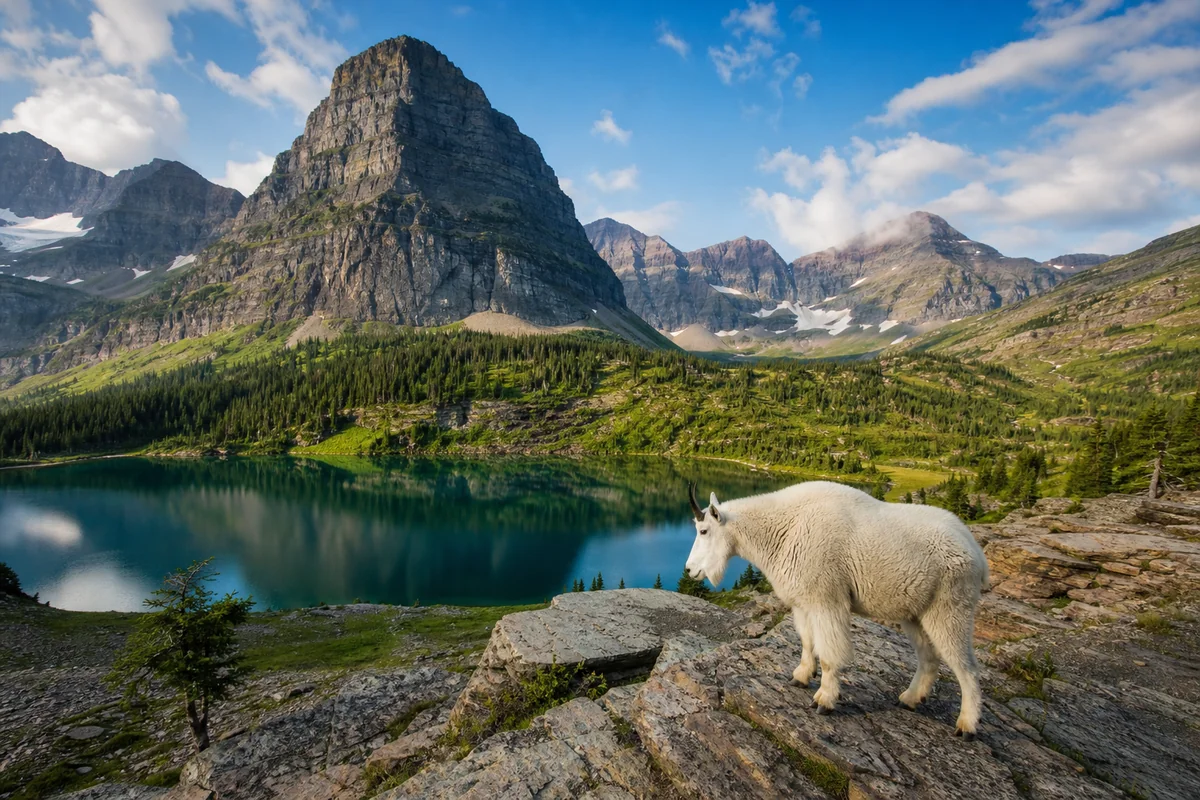
Standing at the edge of Hidden Lake in Glacier National Park last August, watching a mountain goat casually stroll past tourists snapping photos, I realized why Montana has completely ruined other states for me—nothing else compares to this raw, unfiltered beauty.
After spending the better part of five years exploring About Montana and its endless landscapes, I’ve accumulated a personal list of places that genuinely take my breath away, and I’m convinced you need to see them too.
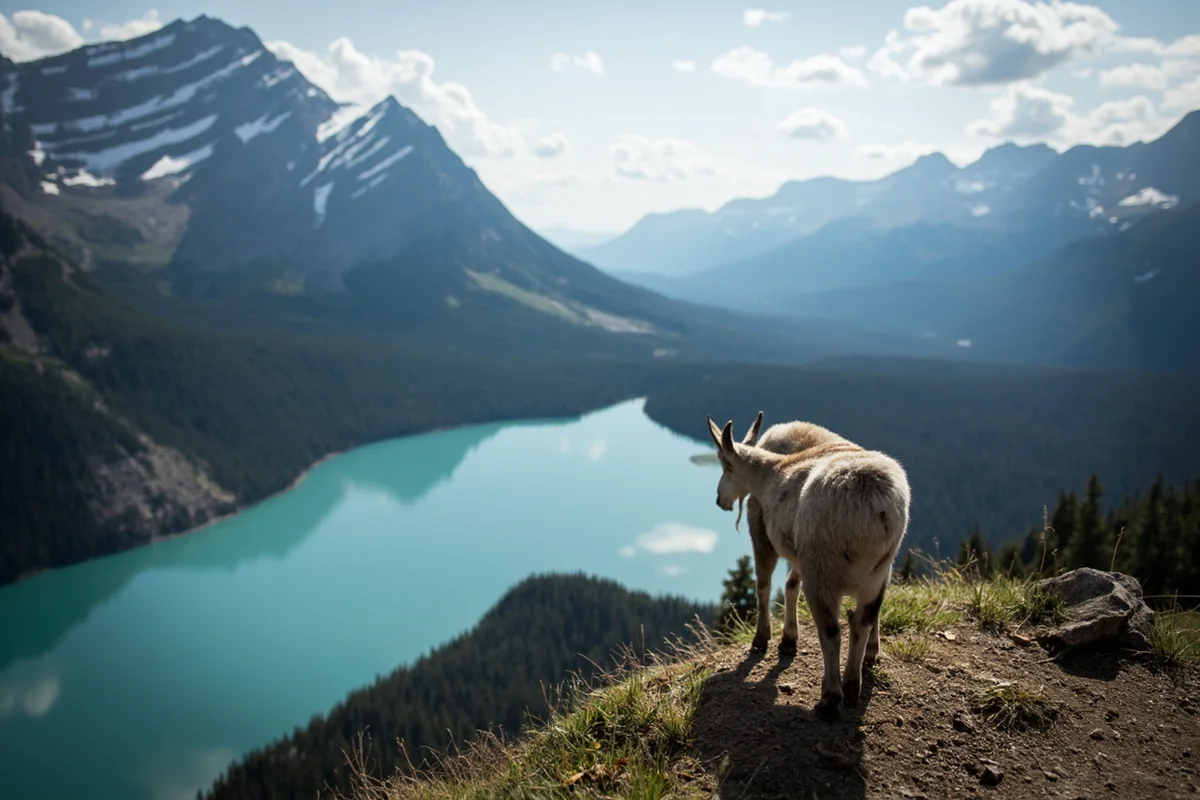
- Glacier National Park remains Montana’s crown jewel, but arrive before 6 AM in summer to beat crowds at Going-to-the-Sun Road
- Flathead Lake offers the clearest water you’ll find outside the Caribbean—Wild Horse Island is the must-do day trip
- The Beartooth Highway rivals any mountain drive in North America (open late May through mid-October)
- For solitude, head to the Missouri River Breaks or the Big Hole Valley—most tourists never discover these areas
- Best time to visit: Late September for fall colors and smaller crowds, or early June for wildflower season
- Budget at least 10 days to properly experience Montana’s diverse landscapes
Liked this article?
Add Roaming Montana as a preferred source so you see more of our articles and guides on Google.
Why Montana’s Beauty Hits Different
I’ve traveled to 43 states, and I keep coming back to Montana. It’s not just one type of beautiful—it’s everything at once.
You can stand in alpine meadows surrounded by jagged peaks in the morning and find yourself in rolling prairie grasslands by afternoon. The diversity is staggering, and it’s one of the key reasons Montana is one of the best states in the country.
What makes Montana special isn’t just the landscapes—it’s how accessible the wilderness feels. Unlike other mountain states, Montana hasn’t been overrun with development. You can still find genuine solitude here if you know where to look.
Glacier National Park: Montana’s Undisputed Crown Jewel
Let me be honest with you—Glacier National Park is absolutely worth the hype, but you need a strategy to enjoy it properly.
During my visit last summer, I made the mistake of arriving at the West Entrance at 9 AM on a Saturday. The line stretched back two miles, and I sat in traffic for nearly an hour.
The next morning, I was at the gate at 5:30 AM. The difference was night and day—empty roads, perfect light, and wildlife everywhere.
Going-to-the-Sun Road: The Drive of a Lifetime
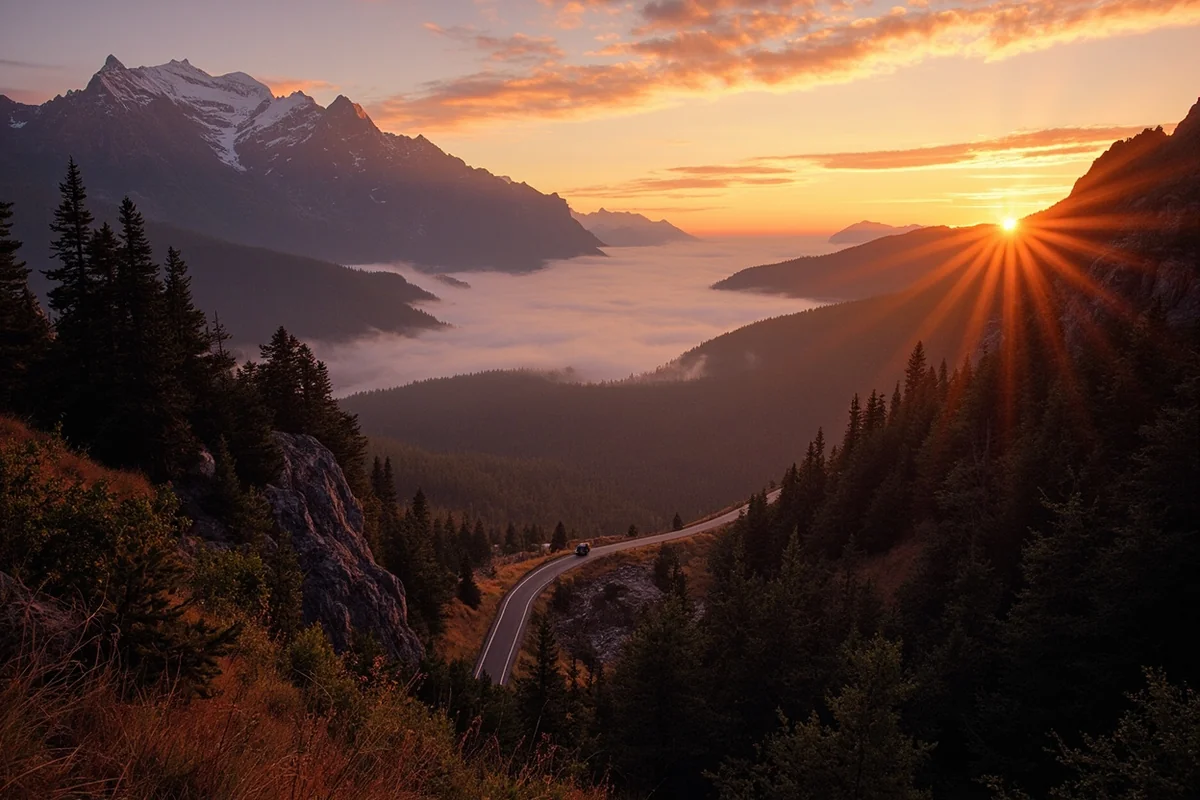
This 50-mile road is engineering marvel that cuts through the heart of Glacier. When I finally crested Logan Pass with golden morning light spilling over the Continental Divide, I understood why people call this the most scenic road in America.
The road typically opens in late June or early July, depending on snowpack. I recommend checking the official park website the week before your visit, as conditions change rapidly.
Pull over at The Loop for one of the best photo opportunities—the view down into the valley is spectacular, especially in the afternoon when shadows create dramatic contrast.
My Favorite Glacier Hikes
The Highline Trail remains my absolute favorite hike in Montana. Starting at Logan Pass, this 11.8-mile point-to-point trail hugs the Continental Divide with views that never quit.
I recommend arranging a shuttle or having someone drop you off at Logan Pass. The trail ends at The Loop parking area, and the constant downhill grade makes the mileage feel manageable.
For something shorter, the Avalanche Lake Trail is a 4.5-mile round trip that delivers maximum payoff for minimal effort. The lake itself sits in a natural amphitheater surrounded by waterfalls—I counted seven distinct falls cascading down during my early July visit.
Grinnell Glacier should be on every serious hiker’s list, though it’s not easy. The 10.6-mile round trip gains over 1,800 feet of elevation, but standing in front of one of the park’s remaining glaciers is a humbling experience.
Practical Tips for Glacier
| Factor | Recommendation |
|---|---|
| Best Time to Visit | Mid-September to early October (fewer crowds, fall colors, most facilities still open) |
| Vehicle Reservations | Required May-September for Going-to-the-Sun Road corridor; book 120 days in advance |
| Lodging Inside Park | Many Glacier Hotel or Lake McDonald Lodge (book 6-12 months ahead) |
| Budget Alternative | Stay in Whitefish or Columbia Falls (20-30 minutes from West Entrance) |
| Bear Spray | Essential—rent or buy at any outdoor shop in gateway towns |
Flathead Lake: The Caribbean of Montana
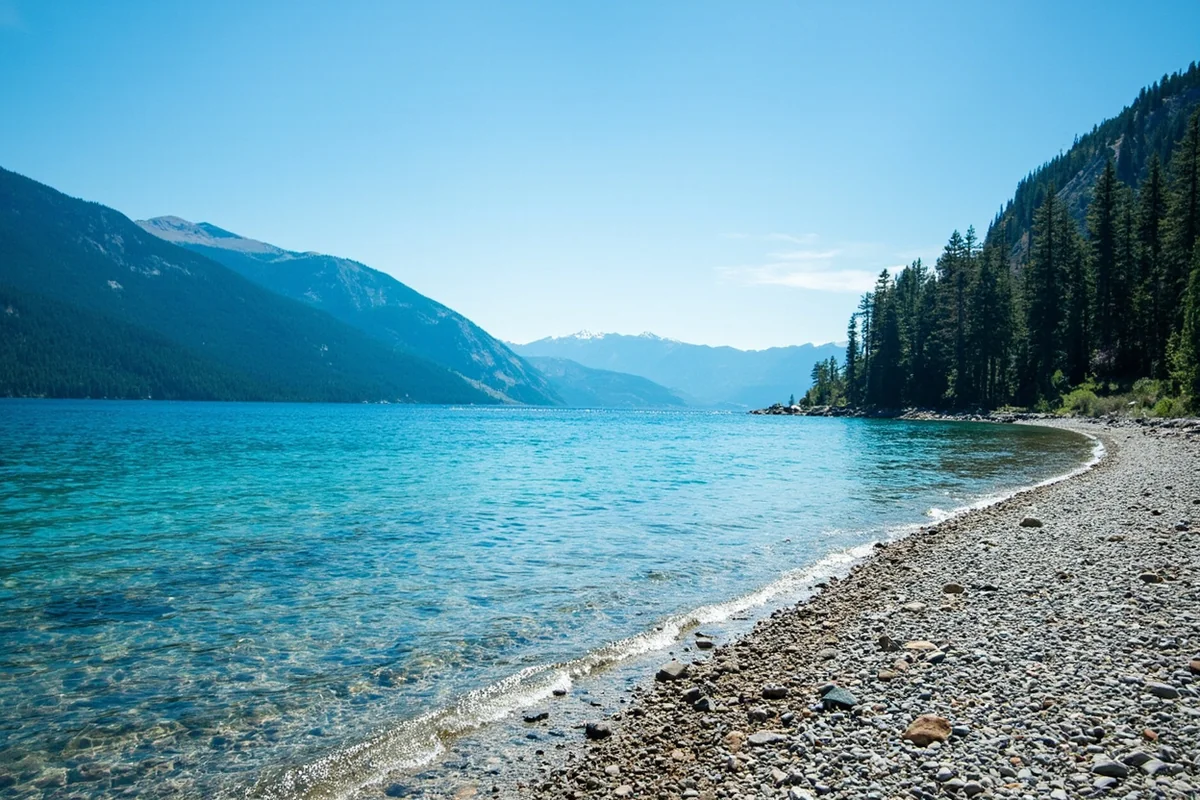
I still remember my first glimpse of Flathead Lake—I genuinely thought someone was playing a trick on me. Water that clear, that impossibly turquoise, shouldn’t exist in Montana.
At 28 miles long and up to 15 miles wide, Flathead Lake is the largest natural freshwater lake west of the Mississippi. The clarity comes from the relatively low nutrient content and the cold glacial origins.
Wild Horse Island State Park
This is my favorite day trip in the entire Flathead Valley. The island is home to bighorn sheep, mule deer, and yes—actual wild horses.
You’ll need a boat or kayak to reach the island, as there’s no ferry service. I rented a kayak from Bigfork and paddled across in about 45 minutes. The water was calm that morning in late August, but afternoon winds can make the return trip challenging.
Once on the island, trails loop through open grasslands and Ponderosa pine forests. I spent four hours exploring and didn’t see another soul until I returned to my kayak.
Cherry Orchards and Small Towns
The eastern shore of Flathead Lake is famous for its cherry orchards. If you’re visiting in July, stop at any roadside stand for some of the best cherries you’ll ever taste.
Bigfork is my preferred base for exploring the lake. This tiny arts community has excellent restaurants, a live theater, and a charming downtown that hasn’t been overtaken by chain stores.
Polson, on the southern shore, is larger and more practical for supplies. The Miracle of America Museum there is delightfully weird and unusual—think 100,000 artifacts ranging from antique motorcycles to vintage medical equipment.
The Beartooth Highway: America’s Most Scenic Drive
Charles Kuralt called the Beartooth Highway “the most beautiful drive in America,” and after traversing it three times, I completely agree.
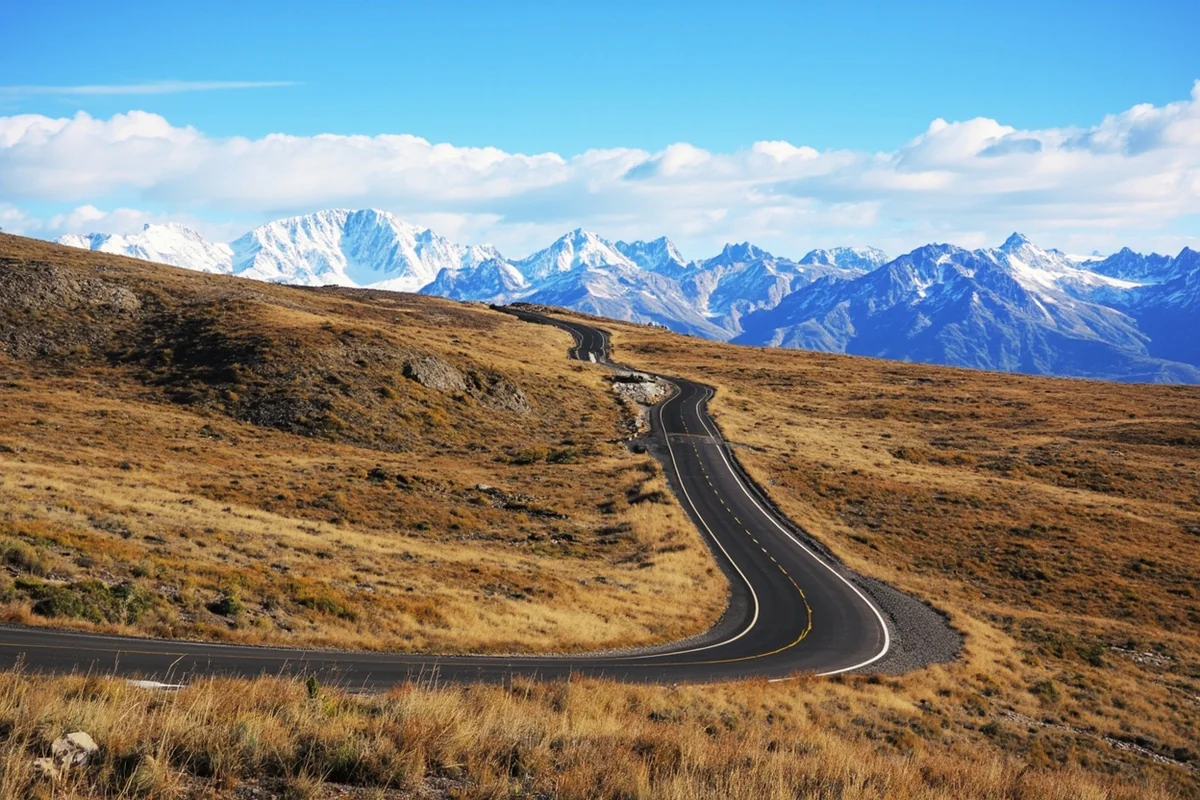
This 68-mile stretch of US-212 climbs to nearly 11,000 feet, weaving through alpine tundra that feels more like Tibet than Montana. During my drive last June, I stopped counting switchbacks after fifty.
The road connects Red Lodge, Montana to the northeast entrance of Yellowstone. Most people rush through to reach the park, but I encourage you to take your entire day here.
Essential Stops Along the Beartooth
Rock Creek Vista Point offers a stunning overlook of the canyon you’ve just climbed out of. The interpretive signs here helped me understand the geology better than any guidebook.
Twin Lakes sit just off the highway at about 9,400 feet elevation. In early July, I watched ice still floating on the water while wildflowers bloomed just yards away on exposed slopes.
The Beartooth Plateau itself deserves a proper hike. Bring layers—I experienced all four seasons in a single afternoon, starting in sunshine and ending in a sudden snow squall.
Timing Your Drive
The highway typically opens around Memorial Day and closes with the first heavy snow in October. Weather can be unpredictable even in August—I’ve seen frost every single month.
Start early from Red Lodge to catch morning light on the peaks. The drive takes about three hours without stops, but budget six hours to properly enjoy it.
The Missouri River Breaks: Montana’s Hidden Wilderness
If you want to experience Montana the way Lewis and Clark saw it, head to the Missouri River Breaks. This is one of the least-visited landscapes in the lower 48, and it’s remained largely unchanged for centuries.
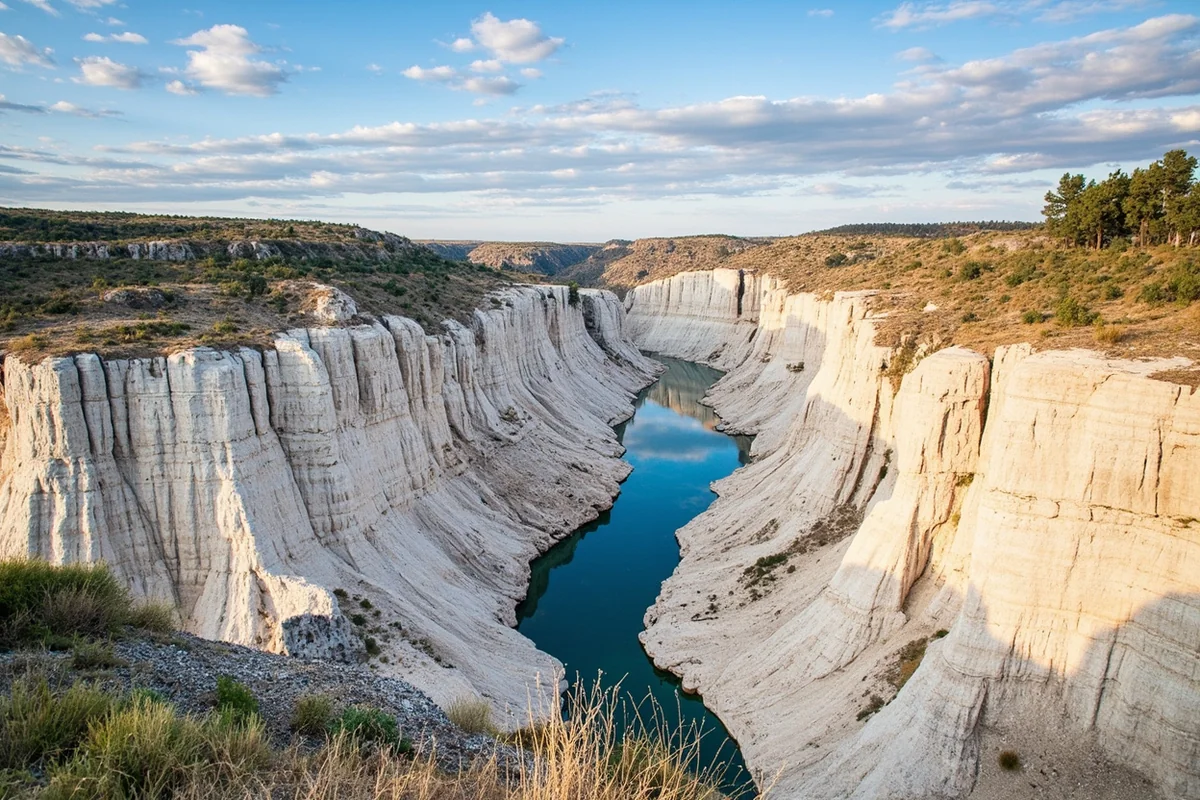
The breaks are a maze of eroded badlands, steep coulees, and dramatic white cliffs along the Missouri River. It’s not conventionally pretty like Glacier—it’s beautiful in a way that demands patience and attention.
I spent three days here last September, and I didn’t see another person until I returned to the tiny town of Fort Benton. The solitude was absolute.
Floating the Wild and Scenic Missouri
The 149-mile stretch from Fort Benton to the Fred Robinson Bridge is designated Wild and Scenic. A multi-day float trip through the White Cliffs section is the best way to experience this landscape.
Several outfitters in Fort Benton offer guided trips or canoe rentals. I recommend a minimum of three days to properly absorb the scenery—rushing through defeats the purpose.
Camping on the riverbanks with nothing but the sound of coyotes and the endless Montana sky above is an experience I think about constantly.
Upper Missouri River Breaks National Monument
This 378,000-acre monument protects much of the breaks country. The landscape is stark and dramatic—exactly what inspired Montana authors like A.B. Guthrie Jr. to write about the untamed West.
Bring everything you need—services are extremely limited once you leave the main highway. Cell coverage is essentially non-existent.
Big Hole Valley: A Step Back in Time
Locals call the Big Hole “the valley of ten thousand haystacks,” and driving through on a golden September afternoon, I understood why.
This isolated valley in southwestern Montana has changed little over the past century. Ranch life still dominates, and the traditional beaver slide haystacks dot the meadows like they have since the 1890s.
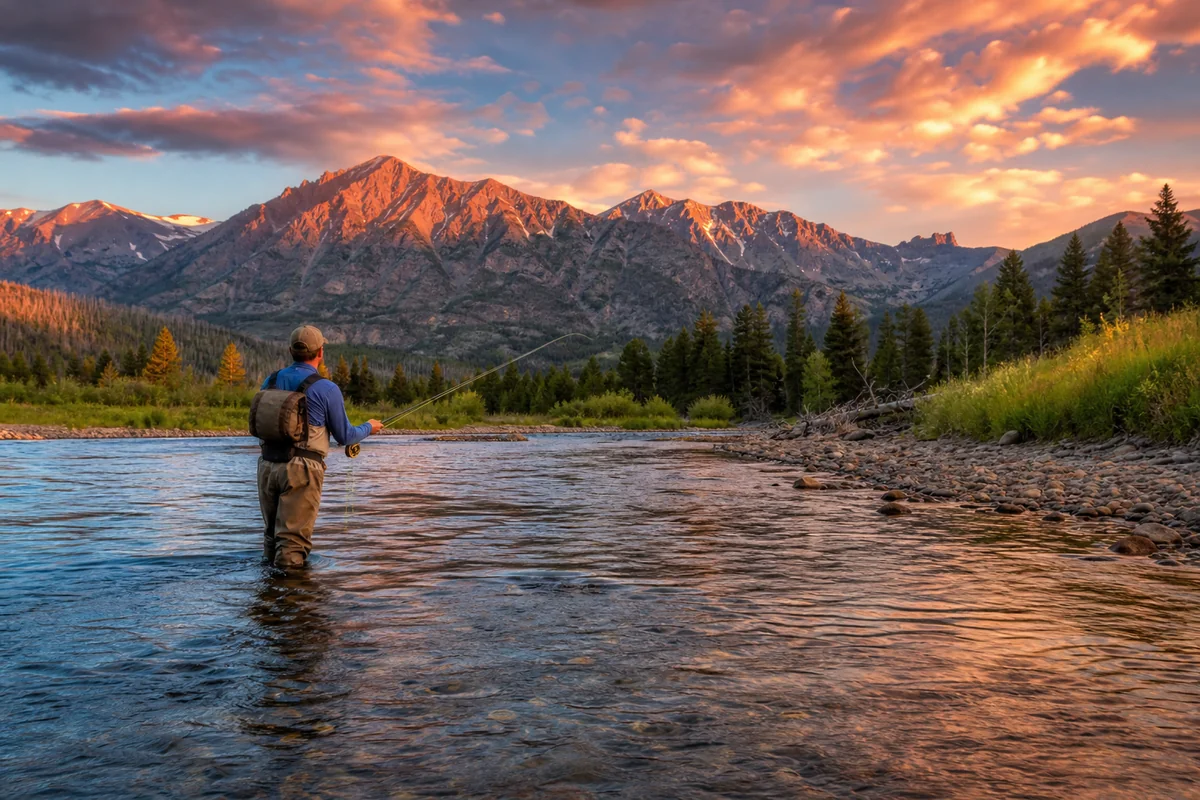
The Big Hole River itself is legendary among fly fishers—the native Arctic grayling population here is one of the last remaining in the lower 48.
Big Hole National Battlefield
This is one of the most moving national park sites I’ve ever visited. In 1877, the Nez Perce people fought against US Army forces here during their famous retreat toward Canada.
Walking the battlefield trail in the quiet morning hours, reading the interpretive signs, I gained a deeper understanding of Montana’s complex history. It’s a sobering counterpoint to the state’s natural beauty.
Hyalite Canyon: Bozeman’s Backyard Paradise
When I lived in Bozeman for a summer, I returned to Hyalite Canyon almost weekly. It’s just 20 minutes from downtown but feels a world away.
Hyalite Reservoir sits at 7,000 feet, surrounded by the Gallatin Range. The water is cold—painfully cold—but the setting is worth the shock.
The canyon has become one of Montana’s premier ice climbing destinations in winter, but summer visitors can hike to a dozen waterfalls scattered throughout the drainage.
Palisade Falls Trail
This half-mile wheelchair-accessible trail leads to an 80-foot waterfall cascading over columnar basalt formations. It’s the perfect introduction to Hyalite for families or those short on time.
I recommend continuing past Palisade Falls on the Grotto Falls Trail for a quieter waterfall experience. Most visitors turn around at Palisade, leaving Grotto Falls relatively peaceful.
The Absaroka-Beartooth Wilderness: Pure Mountain Immersion
Covering nearly a million acres along the Montana-Wyoming border, the Absaroka-Beartooth Wilderness offers some of the most pristine alpine country in the American West.
I’ve backpacked here several times, and every trip reveals something new. The landscape ranges from volcanic peaks in the Absarokas to the granite plateau country of the Beartooths.
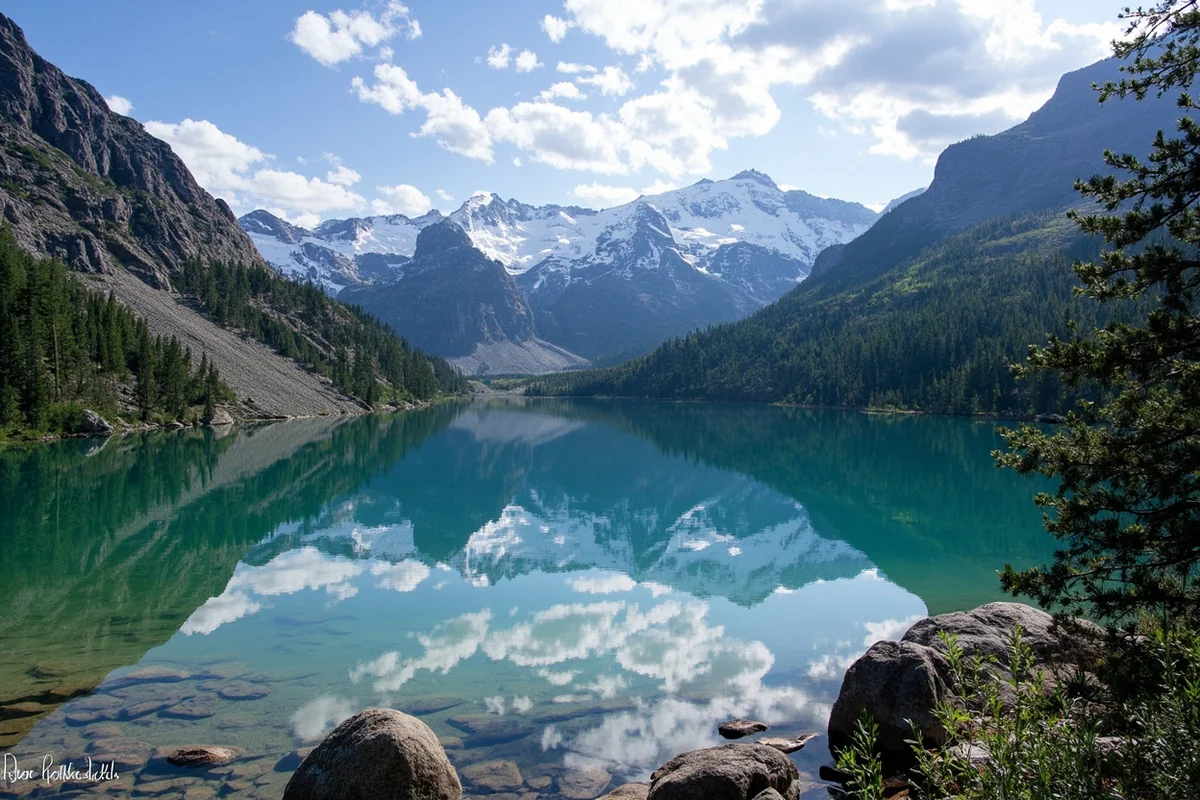
More than 900 alpine lakes dot this wilderness, many holding populations of cutthroat trout that have never seen a fly line. If you’re a backcountry angler, this is paradise.
Access Points and Route Suggestions
The Lake Plateau area, accessible from the Beartooth Highway, offers relatively easy cross-country travel between dozens of lakes. I spent five days exploring this zone and covered maybe ten percent of it.
For a challenging but rewarding out-and-back, the hike to Granite Peak—Montana’s highest point at 12,807 feet—starts from the Mystic Lake area. This is a serious mountaineering objective requiring technical skills and good judgment.
Makoshika State Park: Montana’s Badlands
Most visitors don’t expect desert badlands in Montana, but Makoshika State Park near Glendive delivers exactly that.
The park’s name comes from a Lakota phrase meaning “land of bad spirits,” though I found the eroded landscape more fascinating than ominous.
Dinosaur fossils are regularly discovered here—triceratops, tyrannosaurus rex, and many others once roamed this area. The visitor center displays some impressive specimens.
I drove the 4.5-mile scenic road through the park at sunset, and the orange and red hues on the formations were extraordinary.
Jewel Basin: Glacier Without the Crowds
If you love Glacier National Park but hate the summer crowds, Jewel Basin Hiking Area is your answer.
Located about 25 miles southeast of Glacier, this alpine wonderland features 35 miles of trails connecting more than 27 alpine lakes. The catch? It’s foot traffic only—no horses, no bikes, and best of all, no vehicle reservations required.
During my visit on a July weekend, I hiked the full 17-mile loop and saw maybe 20 other people total. Compare that to Glacier’s hundreds of thousands.
Planning a Jewel Basin Trip
The trailhead requires about eight miles of bumpy forest service road, which discourages casual visitors. A high-clearance vehicle helps but isn’t strictly necessary—I made it in a Honda Civic, carefully.
Snow can linger into late June at the higher lakes. I recommend early August for the best combination of accessibility and wildflower bloom.
Seeley-Swan Valley: The Drive Between Parks
The corridor between Glacier and Yellowstone is often overlooked, but the Seeley-Swan Valley deserves recognition in its own right.
Highway 83 threads between the Mission Mountains and the Swan Range, passing dozens of pristine lakes and endless forest. I’ve driven this road at least a dozen times, and it never gets old.
Seeley Lake itself is a classic Montana lake town—unpretentious, surrounded by trees, and refreshingly quiet compared to trendier destinations.
If you’re deciding between Montana and other Rocky Mountain states for your next trip, the Seeley-Swan corridor exemplifies why I’d choose Montana. For more comparison, see my breakdown of Montana vs Colorado or Montana vs Wyoming.
Best Lakes Along Highway 83
Holland Lake is my personal favorite—the waterfall hike from the campground rewards you with views of the Swan Range that rival anything in the state.
Lake Alva and Lake Inez offer quieter alternatives for swimming and kayaking. The water warms to tolerable temperatures by late July.
Whitefish and the Surrounding Mountains
Whitefish has become Montana’s trendiest mountain town, and honestly, it deserves the attention. The downtown is genuinely charming without feeling manufactured.
Whitefish Mountain Resort offers summer activities including alpine slides, mountain biking, and scenic chair lift rides. The views from the summit stretch into Canada on clear days.
The town serves as an excellent base for Glacier exploration while offering more dining and nightlife options than any other gateway community.
Bannack State Park: Ghost Town Perfection
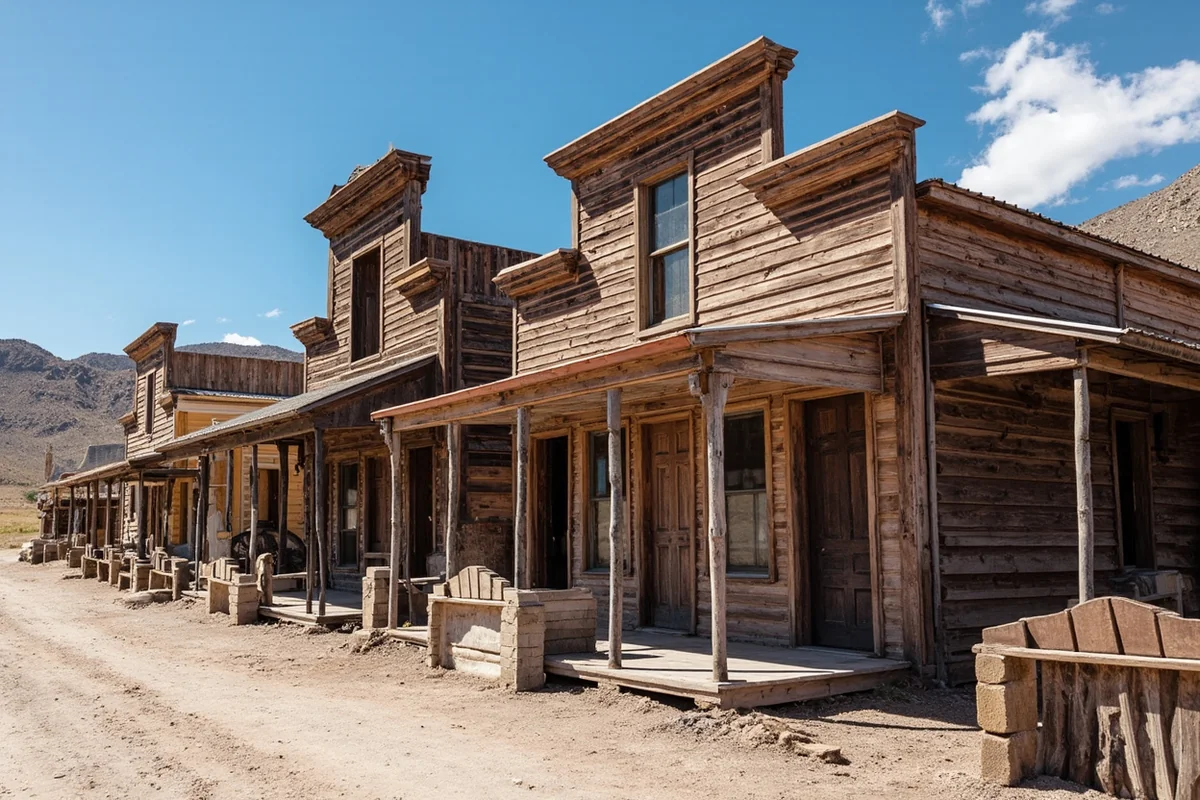
I have a weakness for ghost towns, and Bannack is the best-preserved example I’ve found in Montana.
This territorial capital from the 1860s gold rush sits frozen in time. Over 50 structures remain standing, and you’re free to wander through most of them.
The old hotel still has wallpaper peeling from the walls. The Masonic Lodge sits at the end of main street, its upper floors accessible via a creaky staircase.
I spent three hours exploring and photographing Bannack, and I could have easily stayed longer. It’s one of the unique ways Montana stands out from neighboring states.
The Bitterroot Valley: Where Artists and Ranchers Coexist
The Bitterroot Valley stretches south from Missoula, flanked by two mountain ranges—the Bitterroots to the west and the Sapphires to the east.
Small towns like Hamilton, Stevensville, and Darby each have their own character. The valley has attracted writers, artists, and musicians for decades—you might run into famous people from Montana at any local coffee shop.
The Bitterroot River offers excellent fishing and floating opportunities. I spent an afternoon floating from Hamilton to Florence and landed several brown trout while enjoying the mountain scenery.
Blodgett Canyon: A Hidden Hiking Gem
This canyon cuts deep into the Bitterroot Mountains, offering one of the most dramatic hikes in western Montana. The trail follows Blodgett Creek past towering granite walls that wouldn’t look out of place in Yosemite.
The first four miles are relatively flat before the trail begins its serious climb. Most day hikers turn around at the bridge, but continuing deeper reveals increasingly wild country.
Practical Planning for Your Montana Trip
After all these years of exploring Montana, I’ve learned a few things about trip planning that might help you.
How Many Days Do You Need?
The honest answer is more than you have. Montana is enormous—fourth largest state in the country—and distances between attractions can be substantial.
For a first visit focused on Glacier, plan five to seven days. Add another five to include the Beartooth Highway and Yellowstone’s Montana sections.
If you want to explore the eastern plains and Missouri River Breaks, budget separate trip time. Rushing through Montana is a mistake I’ve watched countless visitors make.
Best Time to Visit Montana’s Beautiful Places
I’ve been to Montana in every month, and each season has its merits.
Summer (June-August) offers the warmest weather and most accessible high country, but also the biggest crowds. If this is your only option, arrive early at popular trailheads and consider midweek visits.
September is my favorite month. The larches begin turning gold, crowds thin dramatically, and the light takes on a softer quality perfect for photography.
Winter visitors find world-class skiing at Big Sky, Whitefish, and smaller resorts. The snow-covered landscapes are stunning, but many scenic roads close completely.
Where to Stay
Gateway towns offer the best value for Glacier visits. Whitefish has the most amenities, Columbia Falls is closest to the park, and West Glacier puts you right at the entrance.
Bozeman serves as a practical hub for southwestern Montana exploration. It’s about an hour from Big Sky, two hours from Yellowstone’s north entrance, and three hours from the Beartooth Highway.
Missoula provides access to the Bitterroot Valley, Seeley-Swan corridor, and serves as a jumping-off point for western Montana adventures.
Getting Around
You absolutely need a car in Montana. Public transportation between attractions is essentially non-existent.
Renting a vehicle with good ground clearance opens more options, but isn’t strictly necessary unless you plan extensive forest service road exploration.
Gas stations can be sparse in remote areas—I follow the rule of filling up whenever I hit half a tank in eastern Montana.
What Makes Montana Different From Other Rocky Mountain States
I’ve explored Colorado extensively, spent time in Wyoming, and made multiple trips to Idaho. Montana offers something the others don’t—space.
Even at peak season in Glacier, you can find solitude if you’re willing to hike a few miles. Compare that to Rocky Mountain National Park, where trails feel like sidewalks.
Montana also hasn’t experienced the population explosion of Colorado or the resort development of Jackson Hole. It still feels like the real West.
For detailed comparisons, check out my articles on Montana vs Idaho, Montana vs North Dakota, Montana vs South Dakota, Montana vs Oregon, and Montana vs Alaska.
Preparing for Montana’s Wild Side
Montana’s beauty comes with genuine wilderness considerations. Bears—both grizzly and black—inhabit much of the state. Carry bear spray on every hike and know how to use it.
Weather changes rapidly, especially in the mountains. I’ve experienced thunderstorms, hail, and near-freezing temperatures on July afternoons in the high country.
Cell service disappears outside major corridors. Carry paper maps and let someone know your itinerary before venturing into remote areas.
The Montana natural resources that make the state so beautiful also demand respect. Leave no trace principles aren’t optional here—they’re essential to preserving what makes Montana special.
Final Thoughts on Montana’s Most Beautiful Places
Every trip to Montana reveals something new. Last summer I finally explored the Big Hole Valley after years of prioritizing more famous destinations. Next year I’m planning an extended Missouri River Breaks expedition.
The places I’ve shared here represent my personal favorites after years of exploration, but Montana’s beauty extends far beyond this list. Montana is known for its endless capacity to surprise and humble visitors.
What makes Montana special isn’t any single destination—it’s the cumulative effect of all this wild country, the big sky that actually lives up to its name, and the feeling that you’re experiencing something authentic and increasingly rare.
I’ve read countless quotes about Montana from writers and travelers over the years, but none quite capture what it feels like to stand on a mountain pass as storm clouds build over distant ranges, or to wade into a clear river with peaks reflected on its surface.
If you’re considering moving to Montana, experiencing these places firsthand will tell you more than any article could. And if you’re planning a visit, prepare to be ruined for other destinations.
Montana’s beauty doesn’t just impress—it transforms. I came as a visitor years ago and have never stopped returning.
For more reading on the state before your trip, explore some of the best books on Big Sky Country or discover movies filmed in Montana that showcase these landscapes. You might also be interested in learning about Montana’s state governor and current affairs if you’re planning an extended stay.
Pack your bags, book your trip, and get ready to understand why Montana holds such power over everyone who truly experiences it.
Frequently Asked Questions
What is the best time of year to visit Montana’s most beautiful places?
I recommend visiting Montana between late June and early September for the best weather and full access to scenic drives and hiking trails. If you’re chasing wildflower blooms in Glacier National Park, mid-July is ideal, while fall foliage peaks in late September. Winter visits are perfect for snow sports but expect road closures at higher elevations.
How many days do I need to see Montana’s top scenic destinations?
Plan for at least 7-10 days to explore Montana’s most beautiful places without feeling rushed. This gives you 3-4 days for Glacier National Park, 2 days around Flathead Lake and Whitefish, and time to explore lesser-known gems like the Beartooth Highway or Big Sky country. If you only have a long weekend, focus on one region rather than trying to cover too much ground.
What are the most underrated beautiful places in Montana that tourists miss?
The Seeley-Swan Valley between Missoula and Kalispell is absolutely stunning and far less crowded than Glacier. I also love the Bitterroot Valley south of Missoula and the remote Missouri River Breaks for dramatic landscapes. Holland Lake and the Bob Marshall Wilderness offer incredible beauty without the national park crowds.
How much does a Montana road trip cost for scenic sightseeing?
Budget around $150-250 per day for a comfortable Montana road trip covering gas, lodging, and meals. Glacier National Park charges $35 for a 7-day vehicle pass, and most scenic areas are free to access. Peak summer lodging near popular spots like Whitefish or West Yellowstone runs $180-350 per night, though camping drops costs to $20-50 per night.
What should I pack for visiting Montana’s beautiful outdoor destinations?
Layer up regardless of season since Montana weather changes fast, especially in the mountains where temperatures can drop 30 degrees by evening. I always bring bear spray ($40-50 at local outfitters), sturdy hiking boots, sunscreen, and a rain jacket even in summer. Don’t forget binoculars for wildlife spotting and a good camera for those jaw-dropping mountain views.
Can I see Montana’s most scenic places without hiking?
Absolutely, many of Montana’s most beautiful spots are accessible by car or short walks. Going-to-the-Sun Road in Glacier offers world-class scenery from your vehicle, and the Beartooth Highway is considered one of America’s most scenic drives. Flathead Lake, the National Bison Range, and viewpoints throughout Big Sky country require minimal walking to enjoy.
How far apart are Montana’s major scenic attractions from each other?
Montana is massive, so distances add up quickly between destinations. Glacier National Park to Yellowstone’s north entrance is roughly 340 miles (about 5.5 hours), while Missoula to Glacier is around 150 miles (2.5 hours). I suggest breaking up drives with stops at scenic byways and small towns rather than rushing between major parks.
Sources:
- Which is the Most Beautiful State in the US? Top 11 Most Scenic States in USA – Jagran Josh, accessed on December 10, 2025, https://www.jagranjosh.com/general-knowledge/most-beautiful-states-in-the-us-1748332190-1
- The 15 Most Beautiful States in the U.S. (You’ll Want to Visit All of Them), accessed on December 10, 2025, https://travelswiththecrew.com/the-15-most-beautiful-states-in-the-u-s-youll-want-to-visit-all-of-them/
- 15 JAW-DROPPING States in America You Must See to Believe – Embrace Someplace, accessed on December 10, 2025, https://embracesomeplace.com/usa-most-beautiful-states-america/
- All 50 US States ranked by how scenic they are : r/geography – Reddit, accessed on December 10, 2025, https://www.reddit.com/r/geography/comments/1b5vmbz/all_50_us_states_ranked_by_how_scenic_they_are/
- 18 Most Beautiful Places To Visit In Montana – GlobalGrasshopper, accessed on December 10, 2025, https://globalgrasshopper.com/destinations/north-america/top-16-of-the-most-beautiful-places-to-visit-in-montana/
- Montana | Parks, Scenic Drives & Culture – Visit The USA – America The Beautiful, accessed on December 10, 2025, https://americathebeautiful.com/destinations/montana/
- Best Time to Visit Glacier National Park | Intrepid Travel US, accessed on December 10, 2025, https://www.intrepidtravel.com/us/united-states/glacier-national-park/best-time-to-visit-glacier-national-park
- Operating Hours & Seasons – Glacier National Park (U.S. National Park Service), accessed on December 10, 2025, https://www.nps.gov/glac/planyourvisit/hours.htm
- Best Time To Visit Glacier National Park | Austin Adventures, accessed on December 10, 2025, https://austinadventures.com/blog/best-time-to-visit-glacier-national-park/
- When to Visit – Glacier Guides and Montana Raft, accessed on December 10, 2025, https://glacierguides.com/plan/when-to-visit/
- Best visiting time : r/GlacierNationalPark – Reddit, accessed on December 10, 2025, https://www.reddit.com/r/GlacierNationalPark/comments/qry2d6/best_visiting_time/
- Things to Do Near Yellowstone (Livingston, Gardiner, Paradise Valley), accessed on December 10, 2025, https://yellowstonetrips.com/things-to-do-near-yellowstone-livingston-gardiner-paradise-valley/
- Yellowstone Road Trip Via Paradise Valley – Trip Itinerary, accessed on December 10, 2025, https://www.yellowstonevacations.com/discover/itinerary-planner/paradise-found-road-trip/
- Mammoth Hot Springs and the North – Yellowstone National Park (U.S. National Park Service), accessed on December 10, 2025, https://www.nps.gov/yell/planyourvisit/explore-mammoth.htm
- PRAIRIE & WILDLIFE TIMELINE, accessed on December 10, 2025, https://americanprairie.org/wp-content/uploads/2024/07/American-Prairie-MapGuide-Brochure-073024.pdf
- Plan Your Trip | American Prairie, accessed on December 10, 2025, https://americanprairie.org/plan-your-trip/
- Montana Scenic Loop, accessed on December 10, 2025, https://centralmontana.com/specialinterest/scenicbyways/montanascenicloop/
- 12 of the BEST Things to Do in Montana – We’re in the Rockies, accessed on December 10, 2025, https://wereintherockies.com/12-of-the-best-things-to-do-in-montana/
- Explore Livingston Montana, accessed on December 10, 2025, https://www.explorelivingstonmt.com/
- West Yellowstone, Montana: Attractions & Activities | Visit The USA, accessed on December 10, 2025, https://www.visittheusa.com/destination/west-yellowstone
- 7 Sights in West Yellowstone, accessed on December 10, 2025, https://www.yellowstonepark.com/road-trips/gateway-towns/west-yellowstone-montana/
- Montana State Capitol, accessed on December 10, 2025, https://visitmt.com/listings/general/state-historic-site/montana-state-capitol
- Capitol Art – Montana Historical Society, accessed on December 10, 2025, https://mhs.mt.gov/education/capitol/Capitol-Art/
- CM Russell | The Art & Soul of the American West – Great Falls Montana Tourism, accessed on December 10, 2025, https://visitgreatfallsmontana.org/cm-russell-art-soul-american-west/
- Art in the House of Representatives – Montana Historical Society, accessed on December 10, 2025, https://mhs.mt.gov/education/Capitol/Capitol-Art/House-of-Representatives
- Route Guide: Beartooth Highway – Alaskan Campers, accessed on December 10, 2025, https://www.alaskancampers.com/resource/route-guide-beartooth-highway/
- Conrad Mansion Museum | National Trust for Historic Preservation, accessed on December 10, 2025, https://savingplaces.org/places/conrad-mansion-museum-2
- The Conrad Mansion – Kalispell, Montana, accessed on December 10, 2025, https://www.mtnmouse.com/montana/conrad_mansion.html
- Museum | Moss Mansion, accessed on December 10, 2025, https://mossmansion.com/museum/
- Visit the Mansion | The Conrad Mansion Museum, accessed on December 10, 2025, https://conradmansion.com/visit/
- Helena-Lewis and Clark National Forest | Forest Service, accessed on December 10, 2025, https://www.fs.usda.gov/r01/helena-lewisclark
- Gates of the Mountains – Boat Tours and Marina, accessed on December 10, 2025, https://gatesofthemountains.com/
- Gates of the Mountains Boat Tour (U.S. National Park Service), accessed on December 10, 2025, https://www.nps.gov/places/gates-of-the-mountains-boat-tour.htm
- Scenic Drives for your Fall Bucket List | Visit Helena, Montana, accessed on December 10, 2025, https://helenamt.com/2021/10/scenic-drives-for-your-fall-bucket-list/
- 5 Reasons Whitefish Mountain Resort Should Be on Your Winter Bucket List, accessed on December 10, 2025, https://haymoonresort.org/whitefish-mountain-resort-winter-bucket-list/
- Hiking – Whitefish Mountain Resort, accessed on December 10, 2025, https://skiwhitefish.com/hiking/
- Visit Lolo Trail and Pass – Nez Perce National Historical Park (U.S. National Park Service), accessed on December 10, 2025, https://www.nps.gov/nepe/planyourvisit/visit-lolo-trail-and-pass.htm
- Packer Meadow (U.S. National Park Service), accessed on December 10, 2025, https://www.nps.gov/places/packer-meadow.htm
- Packer Meadows – Discover Lewis & Clark, accessed on December 10, 2025, https://lewis-clark.org/the-trail/bitterroot-mountains/packer-meadows/
- Packer Meadows. Unfortunately photos just don’t do it justice. : r/Montana – Reddit, accessed on December 10, 2025, https://www.reddit.com/r/Montana/comments/hh3ygh/packer_meadows_unfortunately_photos_just_dont_do/
- Moss Mansion | Historic House Museum, accessed on December 10, 2025, https://mossmansion.com/
- Blodgett Canyon Overlook, Montana – GPS Trail Map, Conditions & Difficulty | onX Offroad, accessed on December 10, 2025, https://www.onxmaps.com/offroad/trails/us/montana/blodgett-canyon-overlook
- Blodgett Canyon Overlook – Pastures + Pine – WordPress.com, accessed on December 10, 2025, https://pasturesandpine.wordpress.com/2015/09/21/blodgett-canyon-overlook/
- Gates of the Mountains Wilderness (2025) – Airial Travel, accessed on December 10, 2025, https://www.airial.travel/attractions/united-states/helena/gates-of-the-mountains-wilderness-X8QbUkKc
- Gates of the Mountains Wilderness | University of Montana, accessed on December 10, 2025, https://www.umt.edu/this-is-montana/columns/stories/gatesofthemountains.php
- Wild Horse Island | Montana FWP, accessed on December 10, 2025, https://fwp.mt.gov/wild-horse-island
- Visiting Wild Horse Island | Things To Do On Flathead Lake, accessed on December 10, 2025, https://gosailmontana.com/post/wild-horse-island-faqs/
- Wild Horse Island – A Jewel In Montana’s Famed Flathead Lake, accessed on December 10, 2025, https://www.distinctlymontana.com/wild-horse-island-jewel-montanas-famed-flathead-lake
- Wild Horse Island State Park – Montana State Parks Foundation, accessed on December 10, 2025, https://montanastateparksfoundation.org/parks/wild-horse-island-state-park/
- Wild Horse Island State Park – The Adventure Collective, accessed on December 10, 2025, https://app.advcollective.com/protected-places/state-park%7D/wild-horse-island-state-park/Photography
- Kootenai Falls and Swinging Bridge Trail Route Guide – 10Adventures, accessed on December 10, 2025, https://www.10adventures.com/hikes/kootenai-national-forest/kootenai-falls-and-swinging-bridge-trail/
- Kootenai Falls – Wikipedia, accessed on December 10, 2025, https://en.wikipedia.org/wiki/Kootenai_Falls
- Kootenai Falls Swinging Bridge: Montana’s Best Hidden Gem – Uprooted Traveler, accessed on December 10, 2025, https://uprootedtraveler.com/kootenai-falls-swinging-bridge/
- Largest Montana Waterfall, Suspension Bridge and Filming Location KOOTENAI FALLS!!!, accessed on December 10, 2025, https://www.youtube.com/watch?v=T53ZGpFTj8A
- Capturing Unforgettable Family Moments: The Best Flathead Lake Montana Photographer, accessed on December 10, 2025, https://www.jennifervernarskyphotography.com/blog/capturing-unforgettable-family-moments-the-best-flathead-lake-montana-photographer/
- Visit Cherry Orchards Along Flathead Lake, accessed on December 10, 2025, https://www.flatheadlakeresort.com/blog/cherry-orchards
- accessed on December 10, 2025, https://gosailmontana.com/post/flathead-lake-vacation-plans/#:~:text=July%20is%20cherry%20harvest%20season,you%20will%20find%20in%20summer.
- Frequently Asked Questions – Flathead Lake Cherry Growers, Inc., accessed on December 10, 2025, https://montanacherries.com/frequently-asked-questions/
- Spring in Montana: Chasing Cherry Blossoms – Discover Kalispell, accessed on December 10, 2025, https://discoverkalispell.com/seasonal-adventures/spring/spring-in-montana-chasing-cherry-blossoms/
- Wayfarers – Montana FWP, accessed on December 10, 2025, https://fwp.mt.gov/wayfarers
- Wayfarers State Park – Montana State Parks Foundation, accessed on December 10, 2025, https://montanastateparksfoundation.org/parks/wayfarers-state-park/
- Mission Valley Scenic Drive | Visit Montana, accessed on December 10, 2025, https://visitmt.com/listing/mission-valley-scenic-drive-11905
- Visit the Bison Range | Flathead Reservation | Montana, accessed on December 10, 2025, https://www.bisonrange.org/
- Travel Montana: The Mission Mountains and Beyond Road Trip List, accessed on December 10, 2025, https://thetravelingwildflower.com/travel-montana-mission-mountains/
- National Bison Range – Mission Valley Montana Museums, accessed on December 10, 2025, http://www.missionvalleymuseums.org/day-trips/national-bison-range/
- Trail & Resort Maps | Winter & Summer – Big Sky Resort, accessed on December 10, 2025, https://www.bigskyresort.com/trail-maps
- Best Seasons to Visit Montana: Weather, Prices, Crowds – Travel + Leisure, accessed on December 10, 2025, https://www.travelandleisure.com/best-time-to-visit-montana-7553371
- The Most Beautiful States in the USA – Going Places, accessed on December 10, 2025, https://laneisgoingplaces.com/tips/the-most-beautiful-states-in-the-usa/