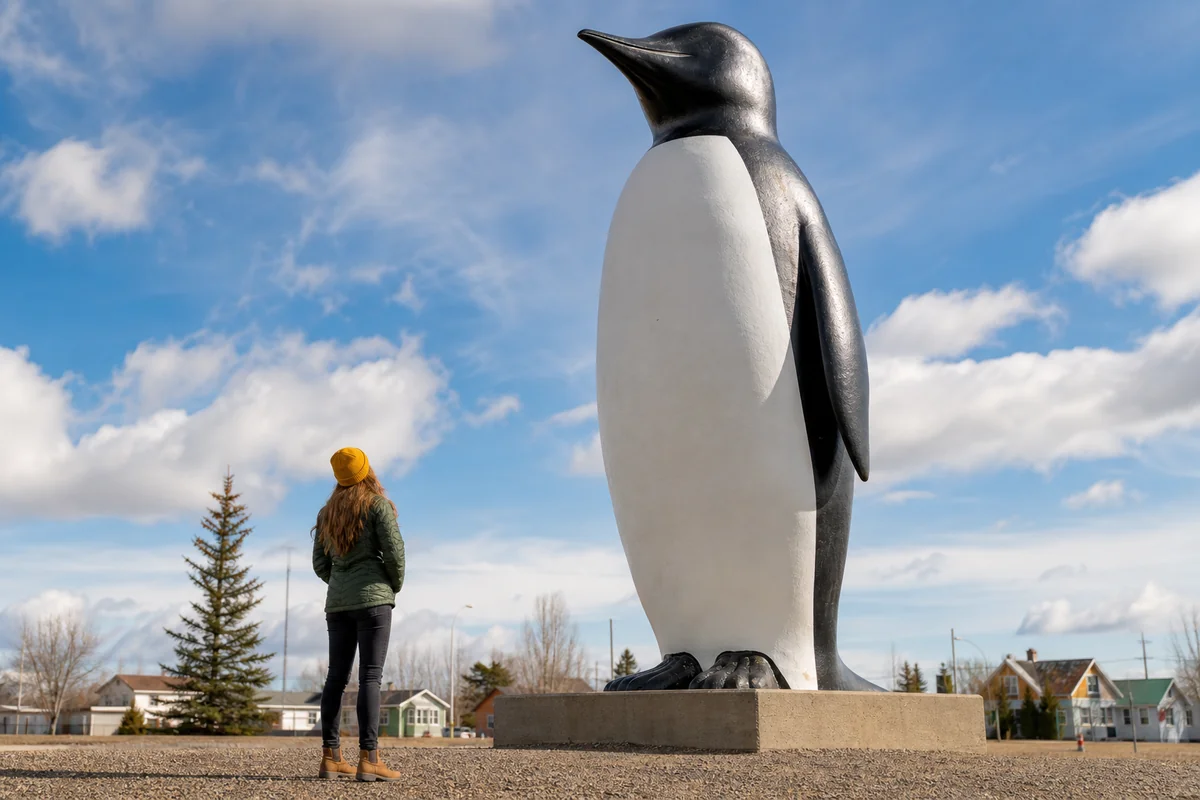
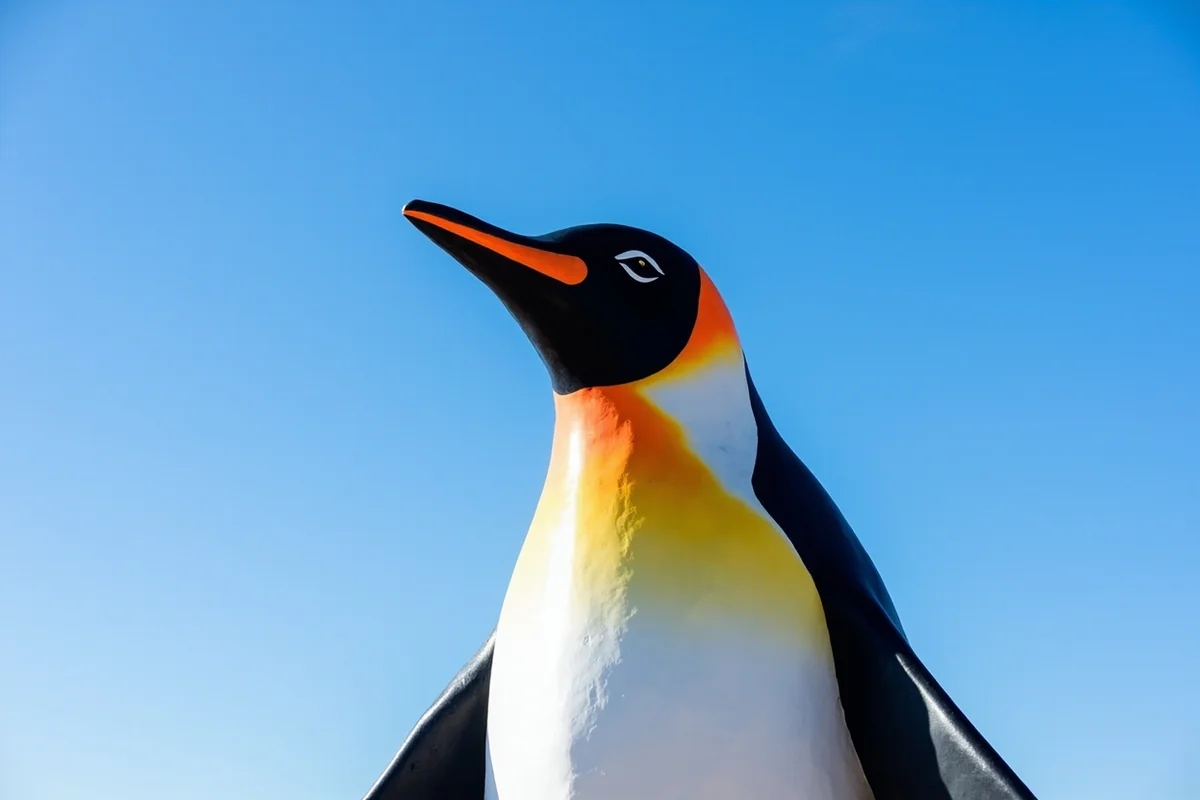
I was standing in front of a 27-foot-tall penguin statue in Cut Bank, Montana, genuinely questioning my life choices, when it hit me: this state is gloriously, unapologetically weird.
After eight years of exploring Montana and writing about everything from its jaw-dropping landscapes to its quirky small-town charm, I’ve discovered that Big Sky Country hides some of the strangest, most unexpectedly bizarre attractions you’ll find anywhere in America.
Montana doesn’t exactly market itself as a weird destination. You’ve probably seen the stunning mountain shots, maybe read about beautiful places in Montana, or learned about the 27 things Montana is known for. But the truly memorable experiences? They’re often the ones that make you scratch your head and laugh out loud.
- Montana is home to dozens of bizarre roadside attractions, unusual museums, and unexplained phenomena
- Highlights include a talking penguin statue, an underground prison tour, Berkeley Pit’s toxic lake, and the world’s largest steer skull
- Many weird attractions are free or under $15 to visit
- Best weird-attraction road trip: 3-4 days covering central and western Montana
- Peak season (June-August) means more crowds, but most oddities are open year-round
Liked this article?
Add Roaming Montana as a preferred source so you see more of our articles and guides on Google.
Why Montana’s Weirdness Runs Deep
There’s something about Montana’s isolation that breeds eccentricity. When your nearest neighbor lives five miles away and the closest Walmart is a two-hour drive, people get creative.
During my travels, I’ve noticed that many of Montana’s strangest attractions were born from genuine necessity, local pride, or someone simply asking “why not?” The results range from charming folk art installations to genuinely unsettling historical sites.
What makes Montana’s weird attractions different from, say, those in Oregon or South Dakota, is that they feel unpolished and authentic. Nobody’s trying to create Instagram moments here—these places just exist because Montanans wanted them to.
Giant Roadside Oddities You Can’t Miss
Penguin Pete and the Cold Facts (Cut Bank)
Let me start with Penguin Pete because this absurd 27-foot concrete bird is the reason I started seeking out Montana’s weird side in the first place. Cut Bank claims to be the “Coldest Spot in the Nation,” and sometime in the 1980s, someone decided the best way to commemorate this was with a massive talking penguin.
I visited during my first Montana road trip about seven years ago. The penguin actually speaks—you press a button and it recites temperature facts about Cut Bank in a slightly unsettling robotic voice.
The statue sits right off Highway 2, and there’s a thermometer nearby that supposedly tracks real-time temperatures. When I was there in January, it read -17°F, and I believed every frozen digit of it.
The World’s Largest Steer Skull (Baker)
Baker, Montana, population roughly 1,700, is home to a steer skull the size of a small building. This white concrete behemoth measures about 20 feet across and sits near the O’Fallon Historical Museum.
I stopped here on a solo drive across eastern Montana last summer. The skull is genuinely impressive in its absurdity—someone clearly put significant effort into creating this monument to cattle culture.
What I found more interesting was the reaction of locals. When I asked a woman at the nearby gas station about it, she just shrugged and said, “Oh yeah, the skull. Been there forever.” That’s Montana for you.
The Berkeley Pit Viewing Stand (Butte)
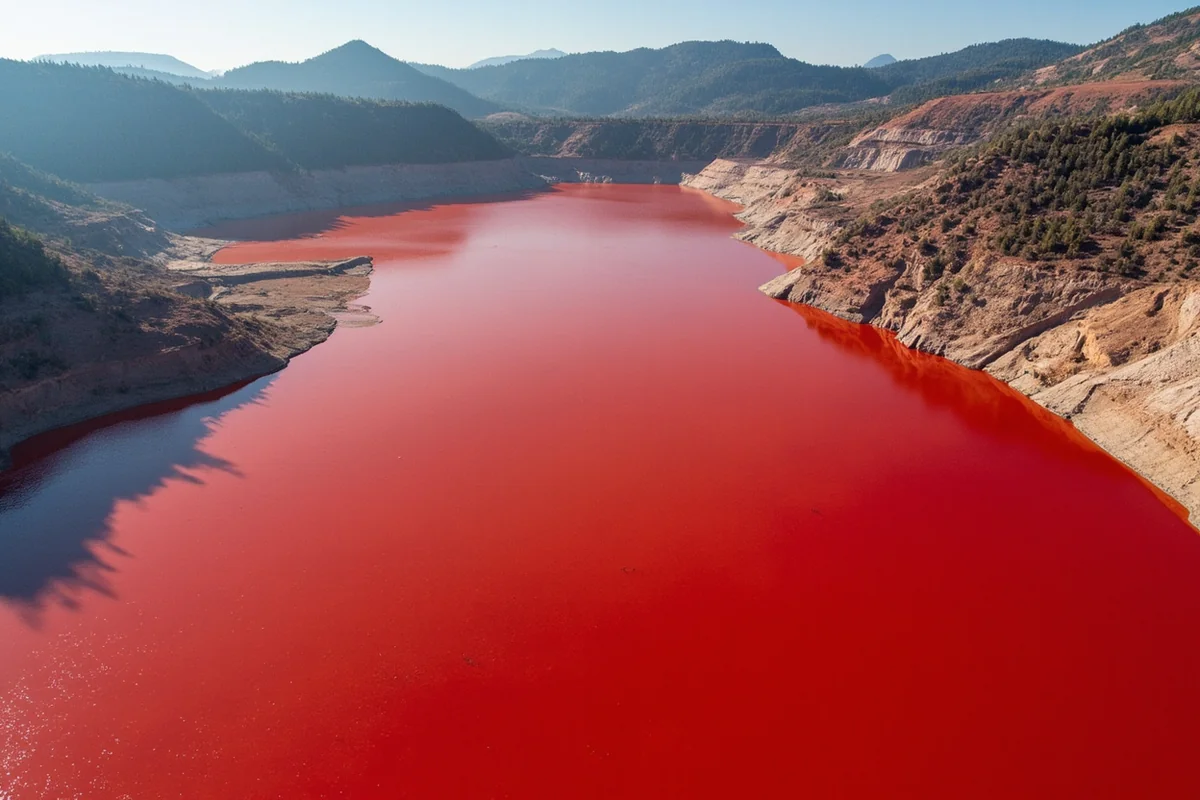
This isn’t technically a roadside oddity—it’s an EPA Superfund site and former copper mine. But Butte has turned it into a tourist attraction, complete with a gift shop and viewing platform where you can stare into one of the most toxic bodies of water in North America.
The Berkeley Pit is a mile-long, 1,780-foot-deep former open-pit copper mine that filled with acidic, metal-laden water after mining ceased in 1982. The water is so toxic that in 1995, a flock of 342 snow geese landed on it and died.
I paid the $2 admission fee (yes, really) during a trip to Butte two years ago. Looking down at that rust-red water while reading about its pH level of 2.5 (roughly equivalent to stomach acid) creates a cognitive dissonance I still can’t shake.
The viewing stand includes informational plaques about Butte’s mining history, and honestly, it’s one of the most genuinely unique ways Montana stands out from any other state.
Underground and Unusual: Montana’s Strangest Indoor Attractions
The Old Montana Prison Complex (Deer Lodge)
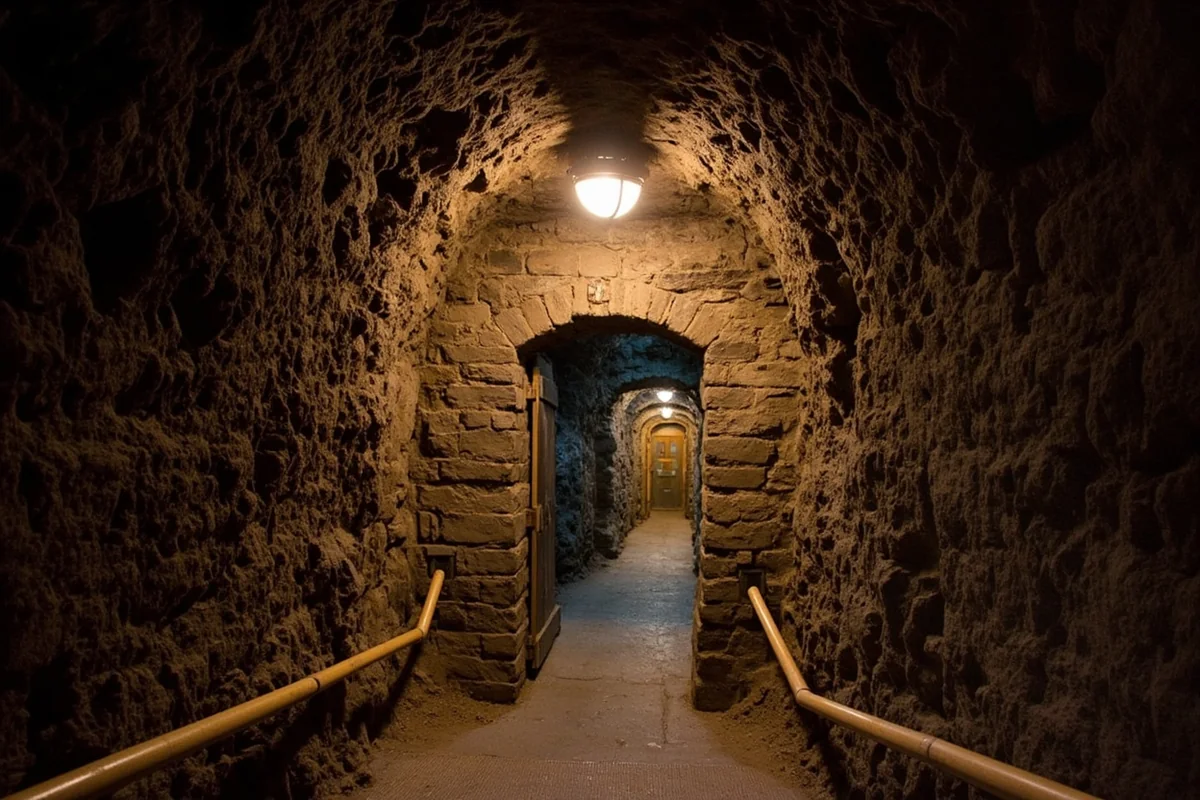
I’ve toured a lot of historic sites, but walking through the Old Montana Prison genuinely unsettled me in ways I wasn’t prepared for. This territorial prison operated from 1871 to 1979, and they’ve left much of it intact—including the execution chamber with its original gallows.
The prison is part of a larger complex that also houses the Montana Auto Museum, Powell County Museum, and Yesterday’s Playthings toy museum. It’s a bizarre combination that somehow works.
During my visit three years ago, I took the self-guided tour through the cell blocks. The solitary confinement cells are what stuck with me most—tiny, completely dark spaces where inmates were kept for days or weeks. You can step inside one, and I lasted about 30 seconds before needing fresh air.
| Old Montana Prison Details | Information |
|---|---|
| Location | 1106 Main Street, Deer Lodge |
| Hours | Daily 8 AM – 6 PM (summer), limited winter hours |
| Admission | $15 adults, $12 seniors, $8 children (includes all museums) |
| Time Needed | 2-3 hours minimum |
| Ghost Tours | Available seasonally, reservations required |
Towe Ford Museum (Deer Lodge)
While you’re in Deer Lodge for the prison, this museum houses over 100 vintage Ford automobiles in mint condition. It’s not weird in a creepy sense, but the obsessive devotion to a single car brand feels oddly specific.
I spent an hour here after the prison tour, mostly to decompress. There’s something soothing about looking at shiny old cars after contemplating human suffering.
World Museum of Mining (Butte)
Butte keeps appearing on this list because frankly, Butte is Montana’s weirdest city. The World Museum of Mining sits on the site of the Orphan Girl Mine and includes a recreated 1890s mining town called Hell Roarin’ Gulch.
The underground mine tour is where things get interesting. You descend into actual mine shafts and learn about the brutal conditions miners faced. When I took the tour, our guide—a former miner himself—shared stories that made the prison tour seem pleasant.
Paranormal Montana: Unexplained Phenomena and Haunted Sites
The Dumas Brothel (Butte)
Yes, another Butte entry. The Dumas Brothel operated from 1890 to 1982, making it America’s longest-running house of prostitution. It’s now a museum, though restoration efforts have been ongoing for years.
I visited during a Butte walking tour about four years ago. The building’s “cribs”—small rooms where workers entertained clients—are preserved, and the basement features tunnels that connected to other Butte businesses. Our tour guide mentioned numerous ghost sightings, though I experienced nothing paranormal myself.
The history here is genuinely fascinating and provides insight into Montana’s mining-era social dynamics. It’s also been featured in several movies filmed in Montana and various paranormal TV shows.
Little Bighorn Battlefield (Crow Agency)
I hesitated to include this on a “weird” list because it’s a significant historical site. But something about standing where Custer made his last stand is inherently strange—the landscape looks almost exactly as it did in 1876, and marble markers show where individual soldiers fell.
During my visit on a quiet October morning, I walked the entire battlefield alone. The wind was the only sound, and for a moment, I understood why so many people report feeling presences here.
The visitor center provides excellent context, and I’d recommend the ranger-led tours if available. This isn’t quirky weird—it’s profound weird, the kind that makes you contemplate mortality and hubris.
The Montana Vortex (Columbia Falls)
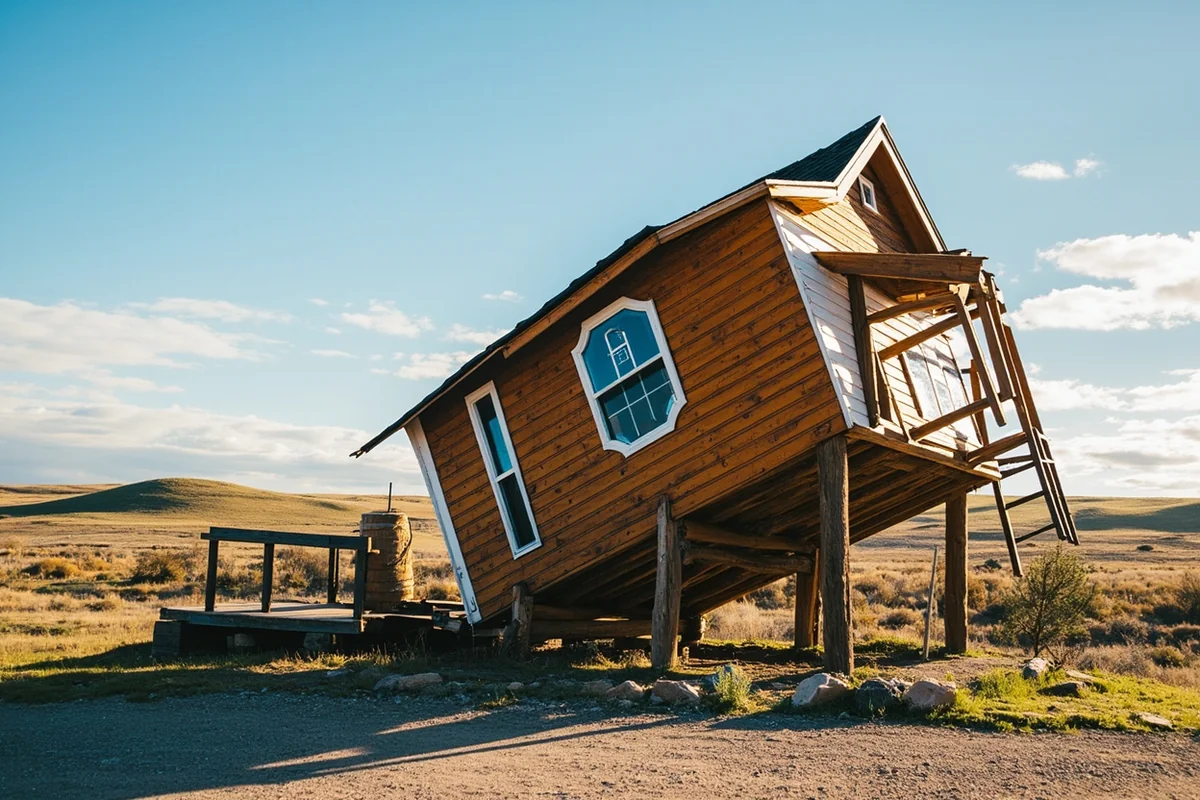
Now we’re back to quirky. The Montana Vortex is a tourist attraction near Glacier National Park that claims to be an area of “naturally occurring visual and perceptual phenomena.”
I visited on a particularly slow tourism day several years ago, and our guide gave an enthusiastic tour of the tilted house and grounds. You’ll see brooms standing on end, balls rolling uphill, and your friends appearing to change height.
Is it real? Almost certainly not—most scientists attribute these effects to clever construction and optical illusions. Is it fun? Absolutely. I left with a genuine headache, though whether that was from actual vortex energy or trying too hard to understand the physics is anyone’s guess.
Tickets run about $12 for adults, and I’d budget an hour there. It’s a great detour if you’re heading to Glacier anyway.
Quirky Small-Town Attractions
Miracle of America Museum (Polson)
This place defies description, which is exactly why I love it. Gil and Joanne Mangels spent decades collecting… well, everything. Military vehicles, antique motorcycles, dental equipment, musical instruments, taxidermy, vintage signs—it’s all here.
The museum sprawls across multiple buildings on 4.5 acres, and during my visit, I got gloriously lost for three hours. Every corner reveals something unexpected: a pioneer hearse here, a Vietnam-era helicopter there, a collection of vintage vacuum cleaners in between.
I spoke with one of the volunteers, a retired teacher from Missoula, who said people either love this museum or find it overwhelming. I’m firmly in the love camp. It’s chaotic, personal, and utterly Montanan in its refusal to follow conventional museum practices.
Conrad Mansion Museum (Kalispell)
This isn’t weird in the roadside attraction sense, but hear me out: touring a perfectly preserved 1895 mansion where almost nothing has changed is inherently strange. The Conrad family’s possessions—their books, furniture, even their children’s toys—remain exactly where they left them.
What made my tour memorable was our guide’s knowledge of the Conrad family’s personal drama. Charles Conrad was one of the wealthiest men in Montana, and hearing about his family’s scandals while standing in their parlor felt voyeuristic in the best way.
If you want to understand Montana’s early wealth, built largely on natural resources, this mansion tells that story in tangible detail.
Range Riders Museum (Miles City)
Miles City sits in eastern Montana, far from the tourist paths most visitors follow. The Range Riders Museum celebrates cowboy culture with an earnestness that borders on obsessive.
They’ve collected over 500 antique firearms, thousands of photographs, Native American artifacts, and a recreated frontier town. When I visited during the Bucking Horse Sale weekend, the museum was packed with actual ranchers who knew more about the exhibits than the staff.
The drive to Miles City is long from anywhere, but if you want to see Montana’s ranching heritage without Instagram filters, this is the place. Many famous people from Montana have ties to this ranching tradition, and the museum does an excellent job honoring that legacy.
Natural Weirdness: Montana’s Strange Geological Features
Egg Mountain (Choteau)
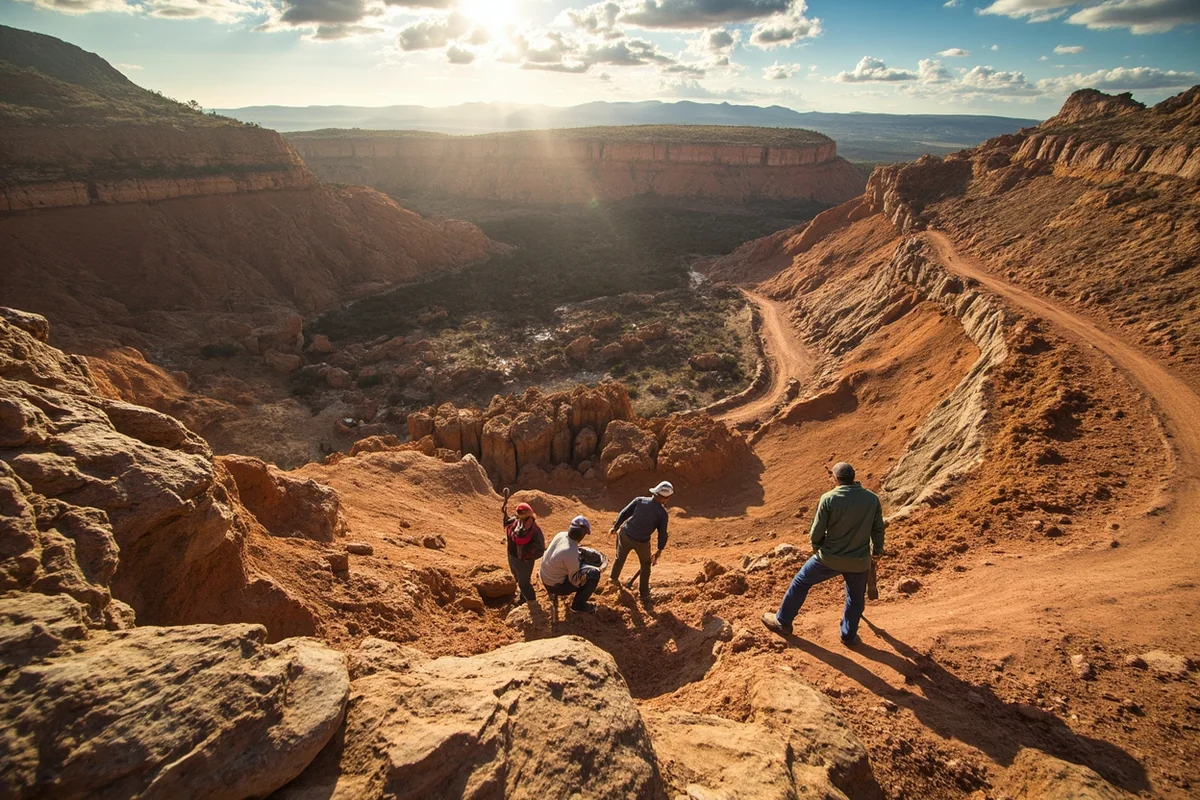
In 1978, a Princeton paleontologist discovered something revolutionary near Choteau: a dinosaur nesting site that completely changed our understanding of dinosaur behavior. They named it Egg Mountain, and the discoveries here proved that dinosaurs cared for their young.
You can visit the site through tours organized by the Two Medicine Dinosaur Center. I took one during a summer trip and watched scientists actively excavating fossils. Standing where dinosaurs raised their babies 75 million years ago creates a weird time-vertigo that I think about often.
The Two Medicine Dinosaur Center itself is worth visiting, with hands-on exhibits and real fossils from the area. It’s science-weird rather than quirky-weird, but it belongs on this list.
Giant Springs State Park (Great Falls)
The spring here discharges 156 million gallons of water daily at a constant 54°F, fed by snowmelt that fell during the last Ice Age and has been filtering through underground rock for thousands of years.
That’s weird. You’re looking at water that entered the ground when mammoths roamed Montana.
The park itself is beautiful, with walking trails along the Missouri River. But standing at the spring’s outlet and thinking about where that water has been—and how long it took to get here—creates a strange sensation.
The Granite Ghost Town (Philipsburg)
Montana has numerous ghost towns, but Granite holds a special place for its sheer dramatic decline. At its peak in 1890, it was the silver capital of Montana with 3,000 residents. By 1893, after the silver market crashed, it was virtually abandoned.
The ruins sit high above Philipsburg, and you can hike there in about two miles. During my visit last fall, I was completely alone among the crumbling buildings. Several structures still have partial walls and foundations, and the town’s superintendent’s home is remarkably intact.
What makes Granite extra weird is that the entire decline happened in months. People literally walked away from their homes when silver became worthless overnight.
Bizarre Food and Drink Experiences
Pork Chop John’s (Butte)
I promised myself I’d stop talking about Butte, but I can’t help it. Pork Chop John’s has been serving deep-fried pork chop sandwiches since 1924, and the experience of eating there is definitively strange.
The restaurant is tiny—maybe eight stools at a counter. The menu hasn’t changed in decades. When I ordered, the cook simply nodded and started frying. The sandwich arrived on wax paper, and it was delicious in an artery-clogging way.
This isn’t farm-to-table dining. It’s Montana history on a bun.
The Testicle Festival (Rock Creek Lodge)
I need to mention this, though I’ve never actually attended. The annual Testicle Festival near Clinton celebrates Rocky Mountain oysters (bull testicles, for the uninitiated) with food, music, and activities that push the boundaries of good taste.
The event has been featured in national media and draws thousands of visitors. From what friends who’ve attended tell me, it’s exactly as rowdy and strange as you’d imagine.
Mint Bar (Whitehall)
This bar serves the weirdest drink I’ve encountered in Montana: the Shirley Temple with beef broth. I’m not joking. Someone told me about it, I didn’t believe them, I drove to Whitehall, and I ordered one.
It was… an experience. The bartender didn’t even blink when I ordered it, suggesting this is a regular request. I took two sips, decided I’d verified the legend, and ordered a normal beer.
Unusual Museums Worth the Detour
Carbon County Museum (Red Lodge)
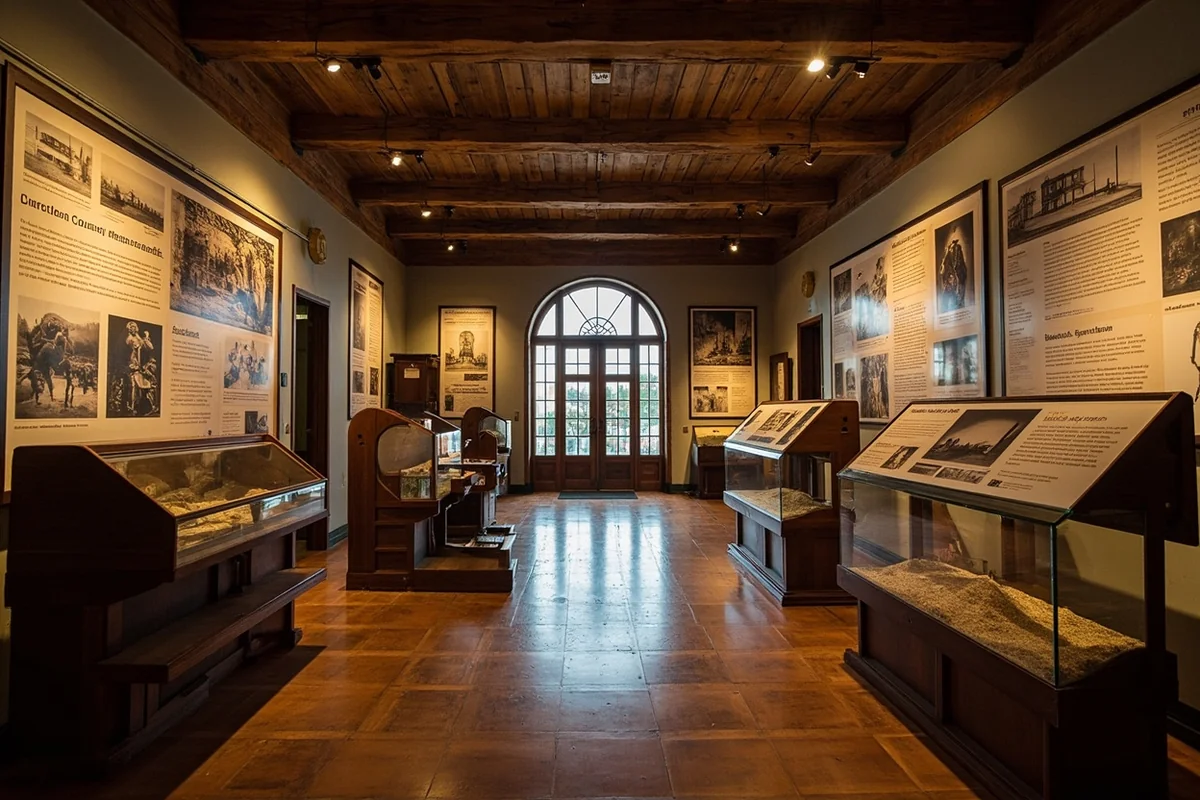
This museum houses the “Man Mummy”—a preserved human body discovered in the Beartooth Mountains in 1920. The mummified remains are displayed in a case, and the backstory remains mysterious.
The museum curators have done their best to research the mummy’s origins, but definitive answers remain elusive. Standing in front of the case, you’re looking at someone who died over a century ago under unknown circumstances. It’s macabre and fascinating.
Headwaters Heritage Museum (Three Forks)
Three Forks is where the Madison, Jefferson, and Gallatin Rivers converge to form the Missouri River. The museum covers regional history, but what caught my attention was their collection of items from the Old Hotel—including a room where a murder took place in 1909.
They’ve preserved the room with its original furnishings and bullet holes. The museum guide told the murder story with relish, clearly enjoying the shocked reactions of visitors.
If you’re interested in Montana authors, this area also has connections to Ivan Doig, whose writing captured Big Sky Country like few others.
House of a Thousand Dolls (Loma)
I haven’t visited this one, but multiple people have recommended it to me. A private collection of over 1,000 dolls displayed in a home setting—the owner gives tours by appointment. Everything I’ve heard suggests it’s either charming or deeply unsettling, depending on your relationship with dolls.
Planning Your Weird Montana Road Trip
If you’re convinced that Montana’s strange side is worth exploring, here’s how I’d structure a road trip:
Day One: Butte and Deer Lodge
Start in Butte for the Berkeley Pit, World Museum of Mining, and Dumas Brothel. Drive 40 minutes to Deer Lodge for the Old Montana Prison. Overnight in Deer Lodge or return to Butte.
Day Two: Philipsburg and Missoula
Hike to Granite Ghost Town in the morning, then drive to Polson for the Miracle of America Museum. Overnight in Polson or Missoula.
Day Three: Flathead Region
Visit the Montana Vortex near Columbia Falls, then the Conrad Mansion in Kalispell. This day combines nicely with Glacier National Park if you’re extending your trip.
Day Four: Central Montana
Drive to Choteau for the Two Medicine Dinosaur Center and Great Falls for Giant Springs. From here, you could continue to Cut Bank for Penguin Pete or head east toward Miles City.
The beauty of this itinerary is flexibility. Montana’s weird attractions don’t require advance planning—most are open daily during summer, and crowds are rarely an issue.
For those comparing destinations, I’d argue that Montana’s quirky side offers more authentic experiences than similar attractions in Wyoming or Idaho. The weirdness here feels organic rather than manufactured.
Practical Tips for Finding Montana’s Weird Side
- Ask locals. Some of the strangest things I’ve found came from casual bar conversations. Montanans love sharing their state’s oddities.
- Embrace detours. That hand-painted sign pointing down a gravel road? Usually worth following.
- Carry cash. Many small museums and attractions don’t accept cards.
- Check hours. Rural attractions often have irregular schedules, especially outside summer.
- Fill your gas tank. Between weird attractions, you may drive 100+ miles without services.
One thing I’ve learned about weird Montana: the best discoveries happen when you stop trying to find them. When I just drove and explored without an itinerary, I stumbled onto folk art installations, abandoned mining equipment, and conversations with people who had stories stranger than any museum exhibit.
Montana doesn’t market its weird side the way some states do. You won’t find glossy brochures about toxic mine pits or prison tours. But that authenticity is exactly what makes exploring here rewarding.
If you’re reading books about Big Sky Country or watching quotes about Montana that reference its beauty, know that beneath the stunning landscapes lies something stranger and more human. It’s a state built by eccentrics, miners, ranchers, and dreamers who saw fit to build giant penguins and preserve brothels and display mummies.
That’s the Montana I love. And whether you’re thinking about moving to Montana or just passing through, I hope you’ll seek out its weird side. You won’t regret it.
There are plenty of reasons Montana is considered one of the best states, and for me, its unfiltered strangeness ranks near the top.
Frequently Asked Questions
What are the weirdest roadside attractions in Montana worth stopping for?
I’d recommend hitting the Evel Knievel Museum in Butte, the eerie Berkeley Pit (a toxic but fascinating former copper mine), and the World Museum of Mining with its underground tours. The talking penguin statue at the Penguin Plunge in Polson is delightfully bizarre, and the 50-foot tall penguin sign alone makes the 2-hour detour from Missoula worthwhile.
Where can I find Montana’s strangest ghost towns and abandoned places?
Garnet Ghost Town, about 30 miles east of Missoula, is Montana’s best-preserved ghost town with over 30 structures still standing. Bannack State Park near Dillon offers a genuinely creepy experience with its abandoned buildings from the 1860s gold rush. Entry fees run $6-8 per vehicle, and I suggest visiting in late September when crowds thin out but roads are still accessible.
Is the Berkeley Pit in Butte safe to visit and what makes it so unusual?
The Berkeley Pit viewing platform is completely safe to visit, though the mile-wide pit itself contains water so acidic it killed 342 snow geese in 2016. Admission is $2 and the platform gives you a surreal view of this former copper mine turned toxic lake. I found it weirdly beautiful in a post-apocalyptic way, and the on-site displays explain the environmental disaster in fascinating detail.
What unusual museums should I add to my Montana road trip itinerary?
The Miracle of America Museum in Polson is a chaotic 4-acre wonderland with everything from vintage motorcycles to a helicopter to pioneer artifacts stuffed into multiple buildings. The Old Montana Prison Complex in Deer Lodge costs $15 and lets you walk through cells where violent inmates were held until 1979. Budget 2-3 hours for each museum since they’re genuinely packed with oddities.
When is the best time to visit Montana’s quirky attractions and odd landmarks?
Late May through September offers the best weather and ensures all seasonal attractions are open, though July and August bring peak crowds. I prefer early June or September when temperatures average 65-75°F and you’ll have bizarre roadside stops mostly to yourself. Many ghost towns and outdoor oddities become inaccessible once snow hits in late October.
How much should I budget for a weird Montana road trip covering unusual attractions?
Most quirky Montana attractions are surprisingly affordable, with entry fees ranging from free to $15 per person. Budget around $150-200 per day for two people covering gas (Montana is huge with 100+ mile stretches between towns), lodging at local motels ($80-120/night), and attraction fees. Pack snacks since strange roadside stops are often far from restaurants.
What should I pack when exploring Montana’s off-the-beaten-path weird sites?
Bring sturdy walking shoes since ghost towns and abandoned sites have uneven terrain, plus layers since Montana temperatures can swing 30 degrees in a single day. I always pack a portable phone charger because cell service is spotty near remote oddities like the Testicle Festival grounds or rural art installations. A paper map is essential backup since GPS fails in mountain valleys where many strange attractions hide.
Sources
- https://www.nps.gov/glac/index.htm
- https://www.nps.gov/yell/index.htm
- https://fieldguide.mt.gov/speciesDetail.aspx?elcode=PDERI180K0
- https://fwp.mt.gov/conservation/wildlife-management/bison
- https://www.umt.edu/this-is-montana/columns/stories/montana-winters.php
- https://www.montana.edu/bozeman/
- https://fwp.mt.gov/fish/regulations