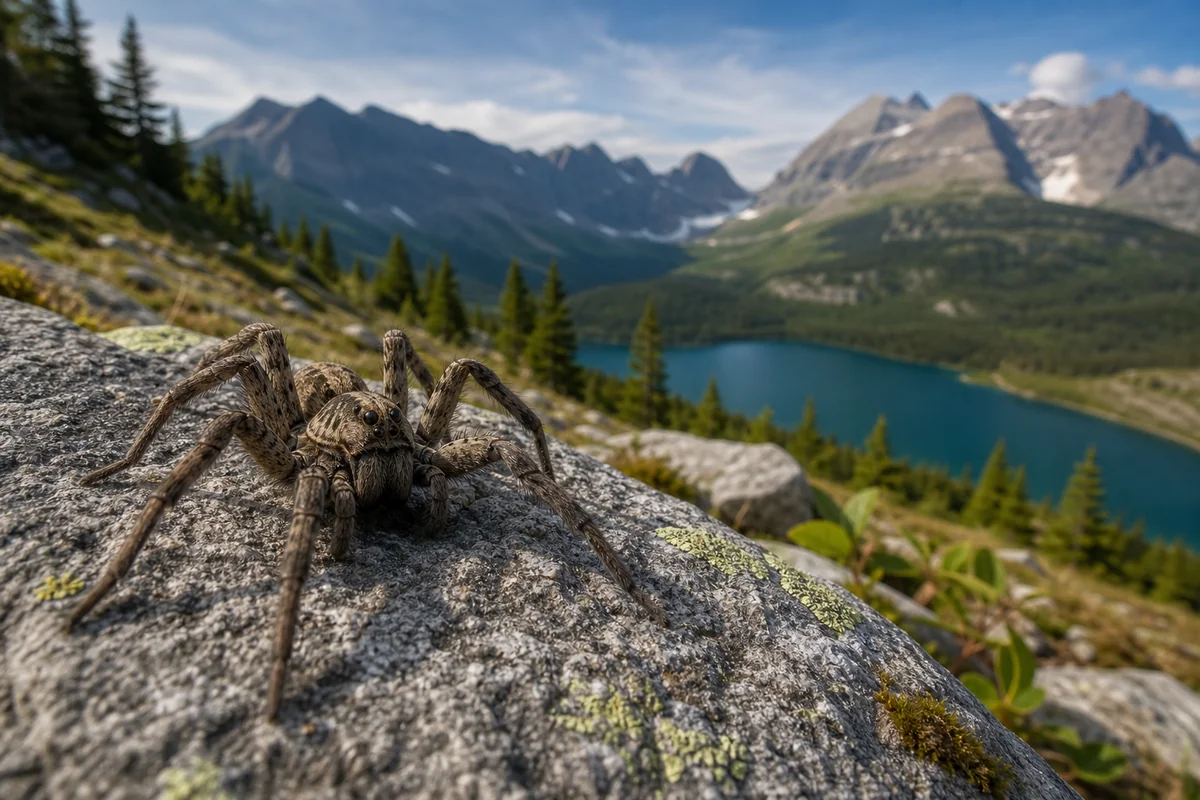
I was unpacking my tent near Glacier National Park last August when a wolf spider the size of a half-dollar scurried across my sleeping bag, and in that moment, I realized how little most travelers know about Montana wildlife beyond the charismatic megafauna.
Montana’s spider kingdom is vast, misunderstood, and genuinely fascinating once you get past the initial “nope” reflex that many of us share.
- Montana hosts 25+ common spider species, with only 2 (black widow and hobo spider) posing any real concern to humans
- Most spiders you’ll encounter in cabins, campgrounds, and trails are completely harmless and incredibly beneficial
- Peak spider activity occurs from June through September, coinciding with prime travel season
- Simple precautions like shaking out boots and checking bedding eliminate virtually all bite risks
- The wolf spider, cross orb weaver, and bold jumping spider are the species you’ll see most often
Liked this article?
Add Roaming Montana as a preferred source so you see more of our articles and guides on Google.
Why Montana’s Spiders Deserve Your Attention
Here’s the thing about spiders in Big Sky Country — they’re doing you a massive favor. During my summers exploring Montana’s backcountry, I’ve watched these eight-legged hunters decimate mosquito populations around my campsites better than any chemical repellent ever could.
Montana’s diverse ecosystems, from alpine meadows to prairie grasslands, support an incredible variety of spider species. The state’s dramatic temperature swings and distinct seasons have shaped spider behaviors you won’t find anywhere else in the country.
I’ve spent countless hours photographing and observing these creatures across all 56 Montana counties, and I can tell you that understanding them transforms your outdoor experience from nervous glancing to genuine appreciation.
The Most Common Spiders You’ll Actually Encounter
Let me walk you through the species that will likely cross your path during a Montana trip. I’m organizing these by how frequently I’ve encountered them, not by any fear factor.
Wolf Spiders: Montana’s Ground Patrol
Wolf spiders are hands-down the spider you’ll see most often in Montana. They don’t build webs — instead, they actively hunt their prey across the ground like tiny eight-legged wolves, which is how they got their name.
I encountered my first Montana wolf spider in a cabin near Whitefish. The thing was easily an inch and a half across, and my initial reaction was pure panic. But after some research and many more encounters, I’ve come to respect these efficient hunters.
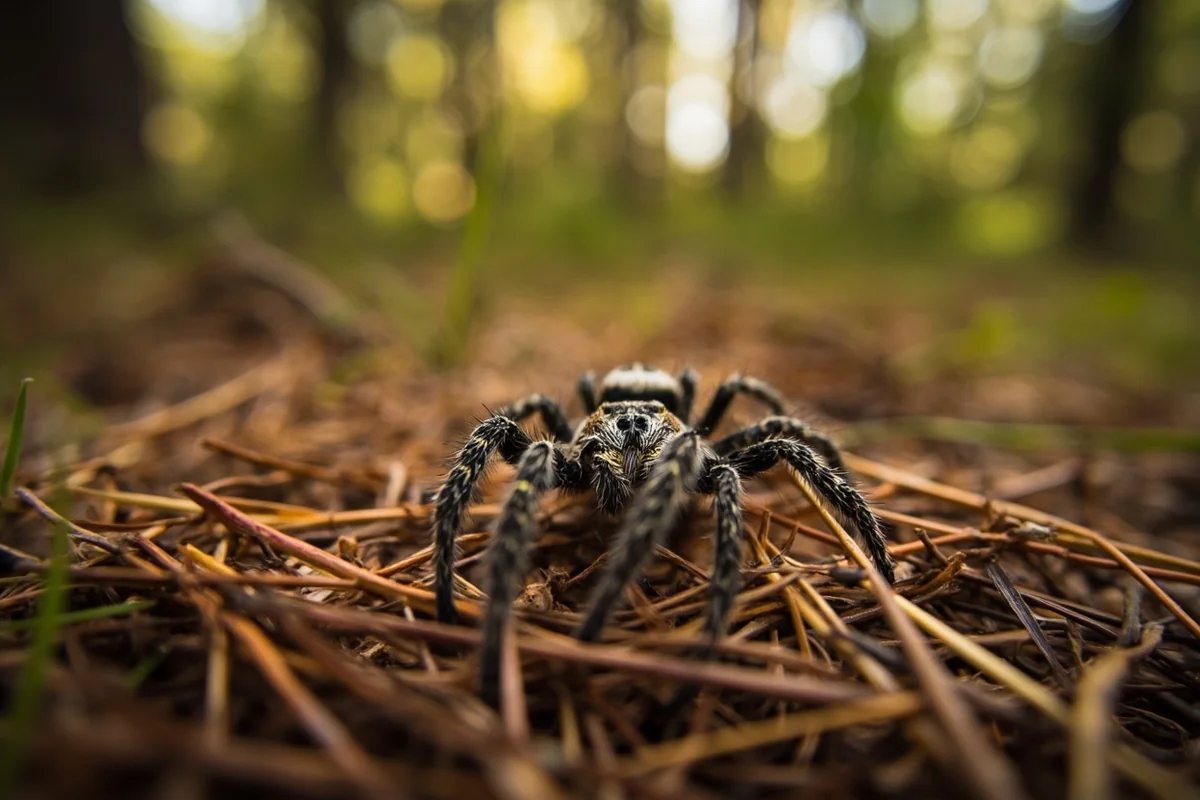
Wolf spiders are brown or gray with distinctive striping patterns on their backs. The females carry their egg sacs attached to their spinnerets, and later, they’ll carry dozens of baby spiders on their backs — a sight that’s either horrifying or endearing depending on your perspective.
You’ll find them in campgrounds, hiking trails, cabin floors, and basically anywhere insects congregate. They’re most active at night, which explains those startling encounters when you’re heading to the campground bathroom at 2 AM.
Despite their intimidating size and speed, wolf spiders are essentially harmless. Their bite, while possible if you accidentally trap one against your skin, causes only minor localized pain similar to a bee sting.
Cross Orb Weavers: The Web Architects
If you’ve walked face-first into a spider web on a Montana hiking trail (and if you hike here, you will), it was probably built by a cross orb weaver. These spiders are the Michelangelos of the arachnid world, constructing elaborate circular webs that can span several feet.
During my trip along the Going-to-the-Sun Road last September, I watched a cross orb weaver repair her web after a hummingbird accidentally flew through it. The precision and speed were mesmerizing.
Cross orb weavers have distinctive white cross-shaped markings on their orange or brown abdomens. They’re most active in late summer and early fall, which coincides perfectly with peak Montana travel season.
You’ll find their webs between trees, across cabin porches, and spanning gaps in fencing throughout the state. They’re completely harmless to humans and incredibly beneficial, trapping hundreds of flying insects nightly.
Bold Jumping Spiders: The Curious Ones
Bold jumping spiders are my personal favorites among Montana’s spider fauna. These compact, fuzzy spiders have oversized front-facing eyes that give them an almost cartoonish appearance.
What sets jumping spiders apart is their behavior. They’re curious, visually oriented, and will actually turn to watch you as you move. During a picnic near Flathead Lake, I had a bold jumping spider spend ten minutes exploring my hand — turning to face me whenever I shifted position.
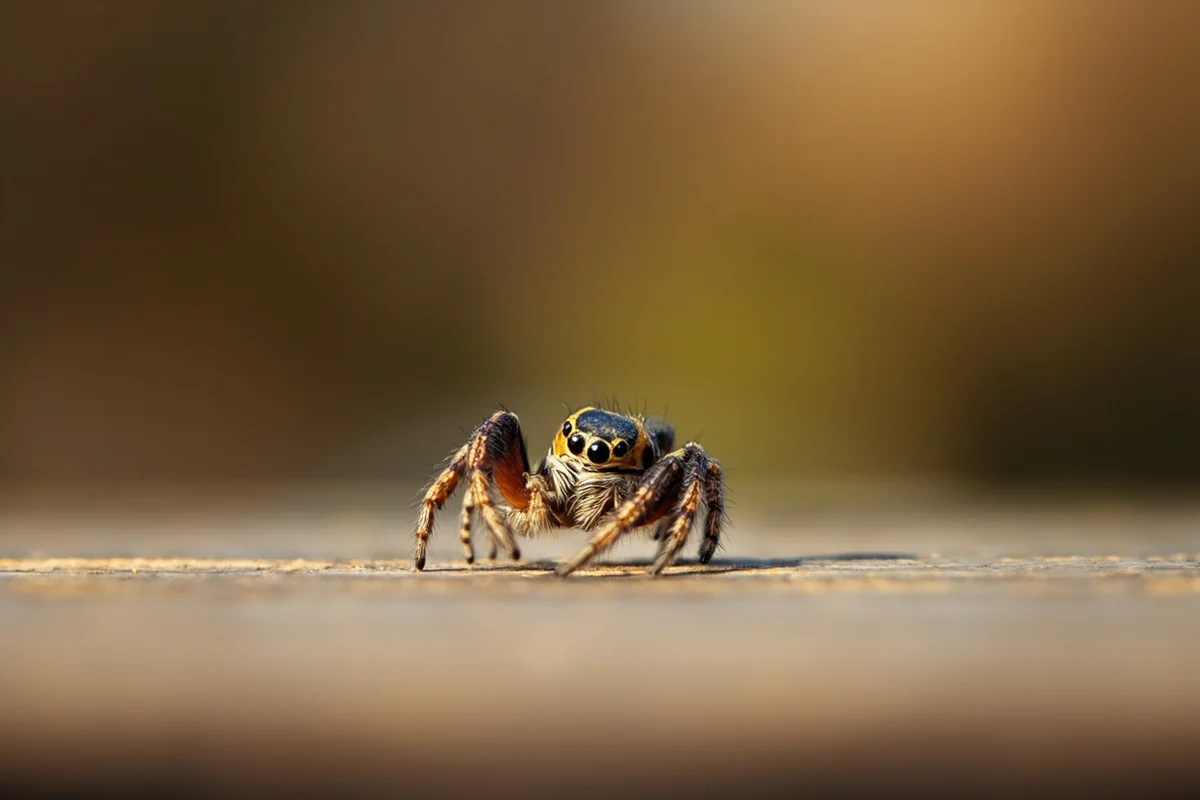
They’re small, usually under half an inch, with iridescent green mouthparts and a pattern of white spots on their black bodies. You’ll find them on sunny surfaces like rocks, fence posts, and cabin siding.
Jumping spiders pose zero threat to humans. Their tiny fangs can barely penetrate skin, and they’d much rather jump away than confront something as large as a person.
Hobo Spiders: The Misunderstood Wanderer
The hobo spider has a complicated reputation in Montana. For years, they were considered medically significant, but recent research has largely debunked the notion that their bites cause necrotic wounds.
I’ve encountered hobo spiders in basements and garages throughout western Montana, particularly around Missoula and Helena. They’re brown, unremarkable-looking spiders that build funnel-shaped webs in ground-level locations.
Hobo spiders are more common in urban and suburban areas than in wilderness settings. If you’re staying in a vacation rental or Airbnb, you might spot them in storage areas or along baseboards.
While I still recommend avoiding handling them, the fear surrounding hobo spiders is largely outdated. They’re not aggressive and will typically flee rather than bite.
Black Widow Spiders: Montana’s Only Real Concern
Let’s address the elephant — or spider — in the room. Yes, Montana has black widows, and yes, their venom is medically significant. But here’s the context that most articles leave out: encounters are rare, bites are rarer, and serious complications are extremely rare.
In all my time exploring Montana, I’ve seen exactly four black widows in the wild. All were in low, protected areas: under rocks near Billings, inside an unused equipment shed near Miles City, and twice in old woodpiles.
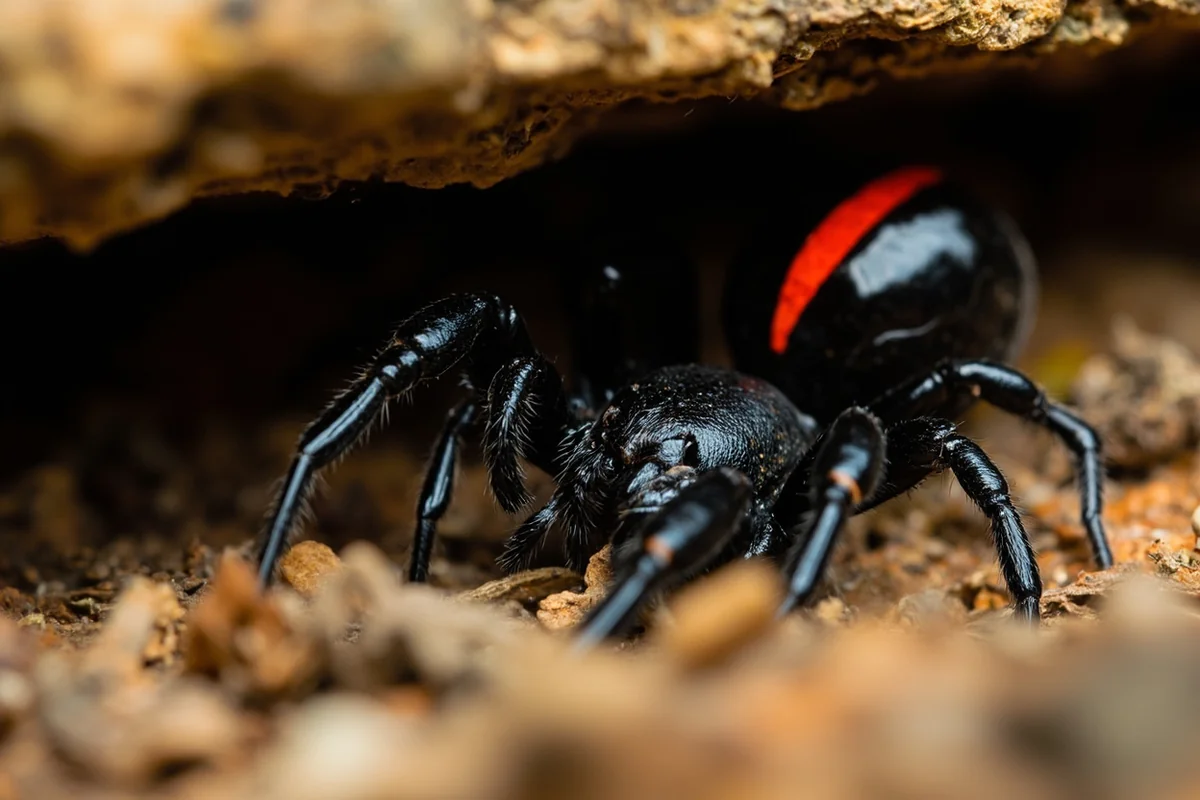
Black widows are shiny black with the famous red hourglass marking on their underside. They build messy, irregular webs close to the ground in undisturbed areas.
The key fact about black widows is that they’re incredibly shy. They don’t want to bite you — their venom is metabolically expensive to produce, and you’re way too big to eat. Bites typically only occur when a spider is accidentally pressed against skin.
If you’re camping or exploring in Montana, simple precautions eliminate virtually all risk: shake out boots and gloves before putting them on, check under any items that have been sitting on the ground, and use a flashlight when reaching into dark spaces.
Understanding Spider Habitats Across Montana
Montana’s dramatic geography creates distinct spider communities that vary significantly depending on where you’re traveling. Let me break down what to expect in different regions.
Western Montana: Forests and Moisture
The western third of Montana, with its dense conifer forests and higher precipitation, supports the state’s most diverse spider populations. This is where you’ll encounter the greatest variety of orb weavers, sheet web spiders, and funnel weavers.
Areas around Glacier National Park, the Bitterroot Valley, and the Flathead region are particularly spider-rich. The combination of abundant insects, moderate temperatures, and complex habitat structure makes these areas spider paradise.
During my camping trips in the Bob Marshall Wilderness, I’ve observed spider densities that would make an arachnophobe reconsider their vacation plans. But I’ve also appreciated how effectively they control mosquito and black fly populations.
This region also hosts healthy populations of other fascinating wildlife. If you’re interested in the broader ecosystem, our guide to Montana otters covers another species that thrives in western Montana’s waterways.
Central Montana: Prairie Transitions
Central Montana’s rolling prairies and isolated mountain ranges create different spider opportunities. Ground-dwelling species like wolf spiders and grass spiders dominate here.
The Missouri River breaks and surrounding badlands near Lewistown host impressive numbers of spiders adapted to hot, dry conditions. I’ve found some of my most interesting specimens in rocky outcroppings where the microclimate provides spider-friendly humidity.
Eastern Montana: Grasslands and Extremes
Eastern Montana’s high plains present challenging conditions for many spider species, but those that thrive here are fascinating. Black widows are more common in eastern Montana than in the west, likely due to the warmer, drier climate.
The Makoshika State Park area near Glendive has yielded some of my best spider observations. The eroded badlands create countless microclimates where spiders congregate.
Just as you need to watch your step for spiders in this region, you should also be aware of Montana rattlesnakes, which share similar habitat preferences in the eastern prairies.
Seasonal Spider Activity in Montana
Timing your visit can significantly impact your spider encounters, for better or worse depending on your perspective.
| Season | Activity Level | What to Expect |
|---|---|---|
| Late Spring (May-June) | Moderate | Young spiders dispersing, small individuals common |
| Summer (July-August) | High | Peak activity, mature spiders, elaborate webs everywhere |
| Fall (September-October) | Very High | Maximum web density, mating season, large individuals |
| Winter (November-April) | Low | Most species dormant, indoor encounters only |
If you want to minimize spider encounters, winter travel is your friend. Of course, you’ll trade spiders for other challenges — our guide to Montana winter animals covers the species that remain active during the cold months.
Practical Tips for Coexisting with Montana Spiders
After years of traveling through Montana, I’ve developed strategies that keep both myself and the spiders safe and unstressed.
At Campgrounds and Cabins
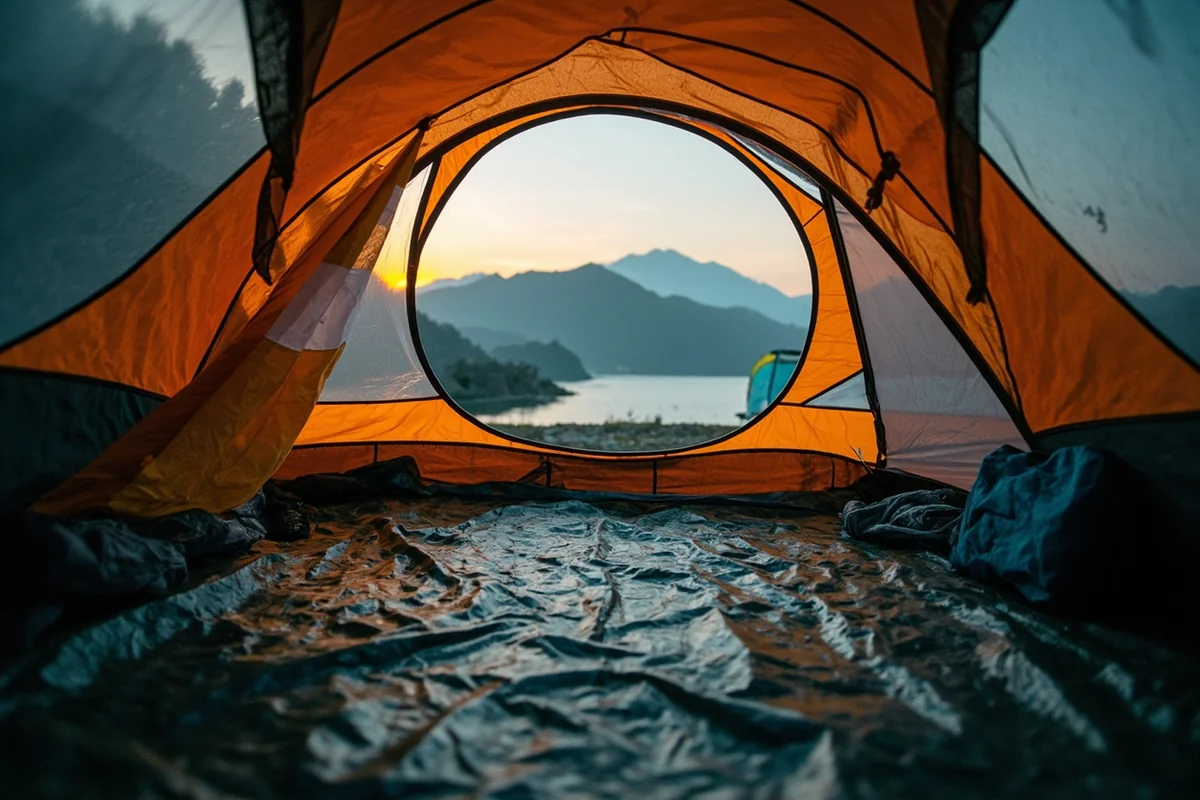
When I arrive at a Montana campground or cabin, my first action is always a quick spider survey. I check corners, under furniture, and in any dark, undisturbed areas. This isn’t fear-based — it’s just practical awareness.
Keep your tent zipped when you’re not entering or exiting. I learned this lesson the hard way during a trip near the Beartooth Mountains when I returned to find a wolf spider had set up shop in my sleeping bag.
Shake out any clothing, shoes, or gear that’s been sitting on the ground. This simple habit takes two seconds and prevents virtually all unpleasant spider surprises.
If you’re in a cabin or vacation rental, I recommend moving beds and furniture slightly away from walls. Spiders typically travel along edges and corners, so this creates a buffer zone.
On Hiking Trails
Morning hikers, particularly those who hit the trail at dawn, will encounter the most webs. Orb weavers typically build fresh webs overnight, and you might be the first thing to walk through them.
I carry a walking stick or trekking pole partly for this reason — waving it ahead of you clears webs before they hit your face. It’s also useful for the many other purposes trekking poles serve in Montana’s terrain.
Trail-side spider webs are often photogenic opportunities. I’ve captured some of my best nature photography by pausing to appreciate these structures rather than simply plowing through them.
Around Food and Cooking Areas
Spiders follow their prey, and their prey follows your food. Keeping a clean camp with properly stored food doesn’t just prevent bear encounters — it also reduces the insects that attract spiders.
That said, having a few spiders around your campsite is actually beneficial. I’ve watched orb weavers near my camp kitchen capture dozens of mosquitoes and flies in a single evening.
Identifying Spider Bites: What You Actually Need to Know
Most “spider bites” aren’t actually spider bites. Studies consistently show that the majority of suspected spider bites are actually caused by other insects, bacterial infections, or skin conditions.
That said, bites do occasionally occur, and knowing what to expect is valuable information.
Wolf spider bites cause localized pain and minor swelling, similar to a bee sting. They resolve without treatment in a day or two.
Black widow bites are more significant but rarely life-threatening. Symptoms include muscle cramps, nausea, and localized pain that can spread. If you suspect a black widow bite, seek medical attention — not because you’re in mortal danger, but because treatment can significantly reduce discomfort.
The vast majority of Montana’s spiders have fangs too small to penetrate human skin or venom too mild to cause any noticeable effect.
Spiders as Part of Montana’s Ecological Web
Understanding where spiders fit in Montana’s ecosystem has enhanced my appreciation for them immensely. These creatures aren’t just background noise — they’re crucial players in the food webs that support the wildlife most visitors come to see.
Spiders consume billions of insects annually across Montana. Without them, mosquito and fly populations would explode, making the outdoors significantly less pleasant.
In turn, spiders serve as food for countless other species. Montana’s 37+ bird species include many that depend heavily on spiders, particularly during nesting season when protein demands are highest.
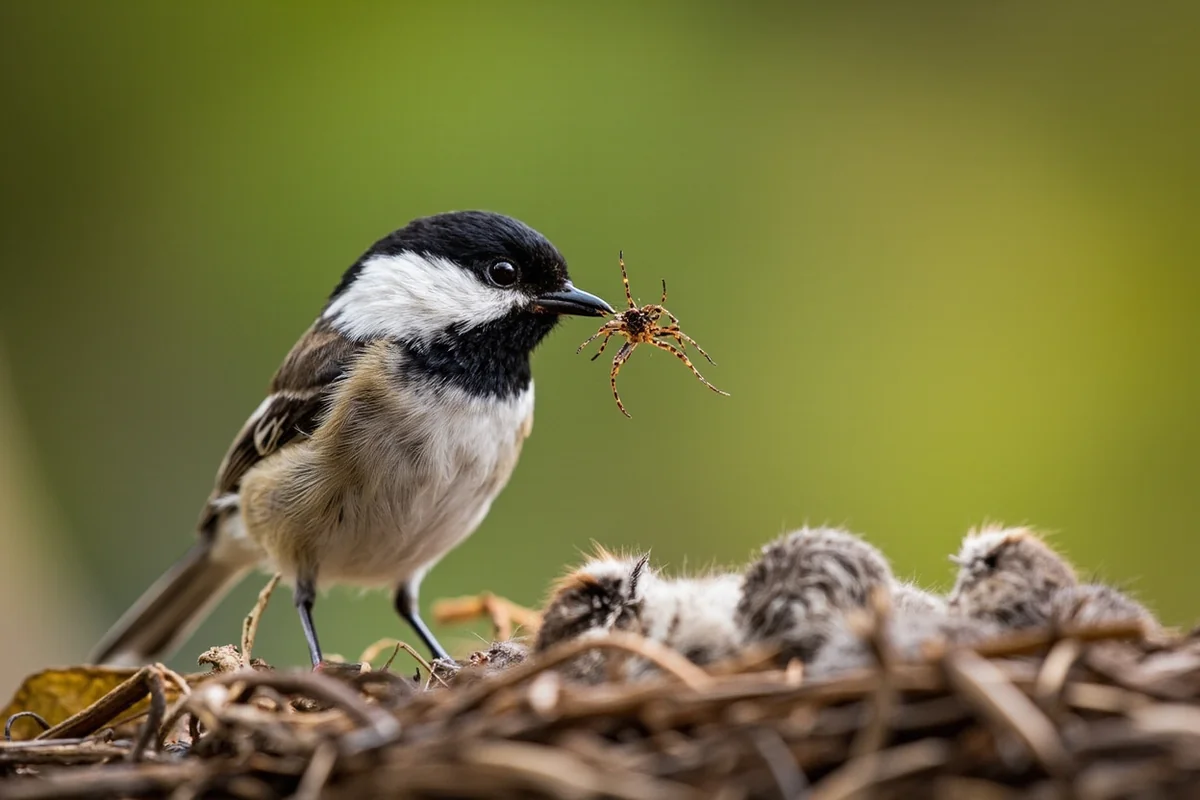
Montana owls consume spiders as part of their varied diet, as do many small mammals. Even larger predators benefit indirectly from healthy spider populations maintaining ecosystem balance.
The interconnectedness is remarkable. When I’m watching a Montana elk grazing in a meadow, I know that the insects that would otherwise plague that animal are being controlled partly by the spiders in the surrounding vegetation.
Photographing Montana’s Spiders
If you’re interested in spider photography, Montana offers incredible opportunities. Here’s what I’ve learned about capturing these creatures effectively.
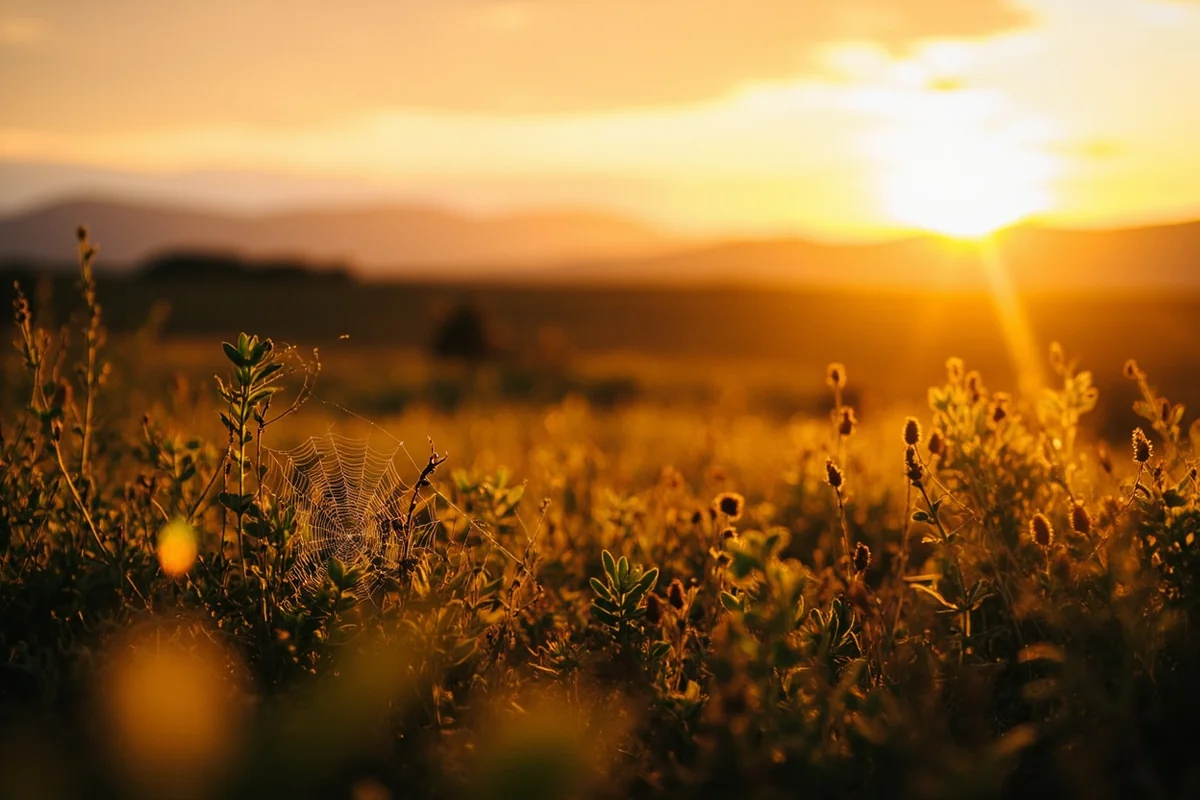
Morning is prime time for web photography. Dew-covered webs are stunning, and the soft light makes for beautiful images. I’ve had my best luck in the hour after sunrise.
For spider portraits, patience matters more than equipment. I use a basic macro lens, but the real skill is moving slowly and waiting for the spider to settle into an interesting position.
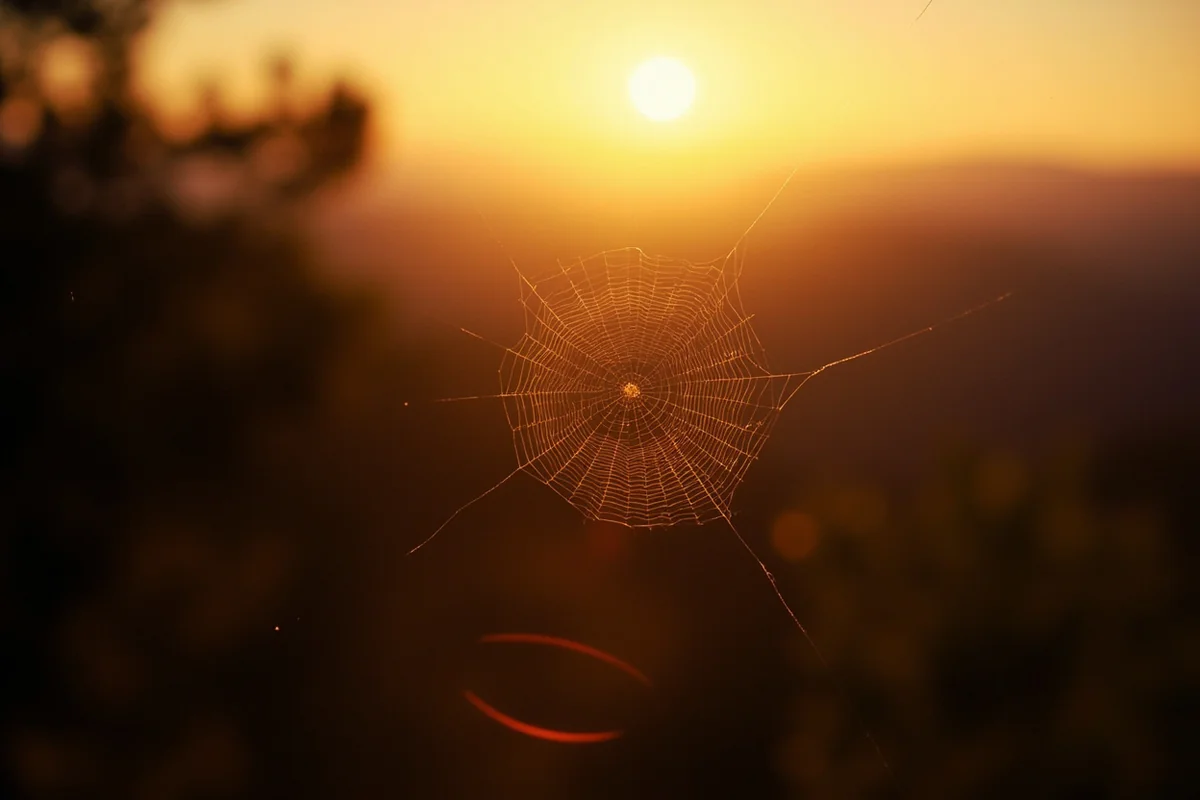
Orb weaver webs photograph best when backlit. Position yourself so the sun is behind the web, and the silk threads will glow magnificently.
Jumping spiders are the most rewarding portrait subjects due to their large eyes and curious behavior. If one jumps away, stay still — they often return to investigate the large creature that disturbed them.
Lesser-Known Montana Spider Species Worth Knowing
Beyond the common species, Montana hosts some fascinating spiders that deserve mention.
Cat-Faced Spiders
Cat-faced spiders are orb weavers with distinctive horn-like projections on their abdomens that vaguely resemble cat ears. They’re common around Montana buildings in late summer and completely harmless.
I encountered an impressive specimen under the eaves of a Bozeman coffee shop last fall. The owner told me she’d named it and considered it the shop’s unofficial mascot.
Yellow Sac Spiders
These small, pale yellow spiders build silk retreats in folded leaves or corners of buildings. They’re more common than most people realize because they’re nocturnal and secretive.
Yellow sac spiders do occasionally bite, and their bites can cause localized irritation that lasts several days. They’re not dangerous, but they’re worth being aware of.
Fishing Spiders
Montana’s lakes and streams support populations of fishing spiders — large, water-associated species that can walk on water and dive beneath the surface to catch prey.
I observed a fishing spider near the shore of Lake McDonald capture a small fish. It was one of the most remarkable wildlife observations of my Montana travels.
These spiders share habitat with Montana osprey, and watching both hunt the same waters highlighted how diverse Montana’s fishing predators actually are.
Spiders and Montana’s Conservation Story
Spider populations serve as indicators of ecosystem health. When I see abundant, diverse spider communities, I know the habitat is functioning well.
Montana’s relatively wild character means spider populations here are generally healthy compared to more developed regions. However, habitat fragmentation and pesticide use do impact local populations.
Some spider species face the same pressures affecting Montana’s endangered and threatened species. Preserving diverse habitats protects not just the charismatic wildlife but the entire web of life including these eight-legged hunters.
Invasive species can also impact spider communities by disrupting the prey base or competing for habitat. The ecological ripples spread further than most visitors realize.
Resources for Spider Enthusiasts
If your interest in Montana’s spiders extends beyond casual observation, several resources can deepen your knowledge.
The Montana Natural Heritage Program maintains records of spider species across the state. Their data is publicly accessible and fascinating for understanding distribution patterns.
Montana State University’s entomology department has conducted extensive spider research over the decades. Some of their publications are available online and provide detailed species accounts.
Local naturalist groups, particularly around Missoula and Bozeman, occasionally offer spider-focused field trips. I joined one through the Montana Natural History Center that dramatically improved my identification skills.
The Bigger Picture: Spiders in Your Montana Experience
Whether you’re visiting Montana to see bears, mountain goats, bighorn sheep, or deer, spiders will be part of your experience. Embracing rather than fearing them transforms potential annoyances into appreciation opportunities.
I’ve watched visitors recoil from wolf spiders at campgrounds where they happily photograph ground squirrels just feet away. The inconsistency reveals how much our spider reactions are cultural rather than rational.
The lynx and mountain lion pose far more objective danger than any spider, yet they’re universally celebrated while spiders are vilified. Something to think about during your travels.
Even Montana’s more unusual attractions connect to the spider story. Alpaca ranches and mountain horse operations maintain healthy pastures partly due to spiders controlling pest insects.
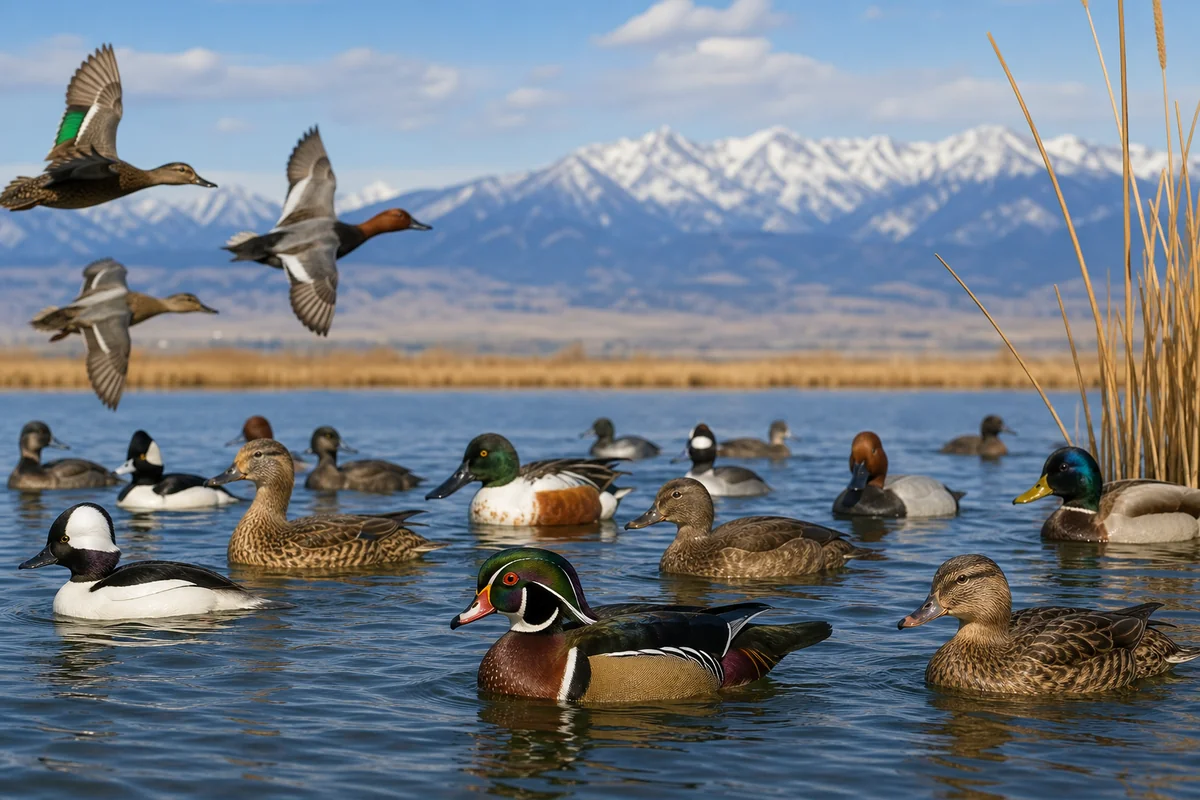
And when you’re watching Montana’s 27 duck species or scanning for winter birds, remember that many of those birds spent their nestling phase being fed protein-rich spiders by their parents.
Montana’s spider kingdom isn’t separate from the wildlife experiences most visitors seek — it’s foundational to them. The more I’ve traveled this state, the more I’ve come to see these eight-legged predators not as nuisances to avoid but as fascinating fellow travelers on the Montana landscape.
Understanding them has made me a better naturalist, a more observant photographer, and ultimately a more connected visitor to Big Sky Country. I hope this guide helps you reach the same appreciation during your Montana adventures.
Frequently Asked Questions
Are there dangerous or venomous spiders in Montana I should worry about while hiking?
Montana has only two medically significant spiders: the black widow and the hobo spider, but encounters are rare and bites are even rarer. I’ve hiked hundreds of miles in Montana and never had a serious spider incident. Just shake out your boots and check under rocks before sitting, and you’ll be perfectly safe exploring Big Sky Country.
What is the best time of year to observe spiders in Montana’s wilderness?
Late summer through early fall (August-October) is prime spider-watching season in Montana when orb weavers create spectacular webs and spider activity peaks before winter. Morning hours are ideal when dew highlights intricate webs in meadows and forests. I recommend visiting Glacier National Park or the Missouri River breaks during this window for the most diverse spider sightings.
Where can I find the most diverse spider species in Montana for wildlife photography?
The riparian areas along the Yellowstone River, Glacier National Park’s cedar-hemlock forests, and the grasslands of the National Bison Range host Montana’s richest spider diversity. I’ve captured amazing shots of wolf spiders and jumping spiders in the tall grass prairies near Great Falls. Pack a macro lens and expect to spend $0 on entry fees at many state wildlife areas, though Glacier costs $35 per vehicle.
What should I bring to safely explore spider habitats in Montana?
Pack long pants tucked into boots, work gloves for turning logs, a headlamp for spotting nocturnal species, and a macro lens or smartphone clip-on lens for photos. I always carry a field guide to Montana arachnids and a small container for temporary observation. Bug spray isn’t necessary for spiders but helps with mosquitoes in the wetland areas where many species thrive.
How do Montana spiders compare to spiders in other US states for wildlife enthusiasts?
Montana’s spider diversity is moderate compared to southern states, with approximately 300 documented species versus Arizona’s 800+, but the dramatic landscapes make spider-watching uniquely scenic here. What Montana lacks in quantity, it makes up for in accessibility—you can spot fishing spiders along pristine mountain streams just minutes from major highways. The lack of truly dangerous species also makes Montana one of the safest states for hands-on arachnid exploration.
Can I join guided spider or arachnid tours in Montana?
Dedicated spider tours are rare, but several Montana naturalist guides include arachnids in their wildlife programs, typically costing $75-150 for half-day excursions. The Montana Natural History Center in Missoula occasionally hosts spider walks, and Glacier National Park rangers sometimes feature spiders in their free interpretive programs. I’d recommend contacting local Audubon chapters or university extension offices about 2-3 months before your trip for scheduled events.
Are Montana’s spiders active during winter months when I’m skiing or snowshoeing?
Most Montana spiders enter dormancy from November through March, so winter visitors will see very little spider activity above the snowline. However, some species like the bold jumping spider can be found in heated cabins, lodges, and visitor centers year-round. If spiders are a priority for your trip, plan your Montana visit between May and October when species are actively hunting and web-building.