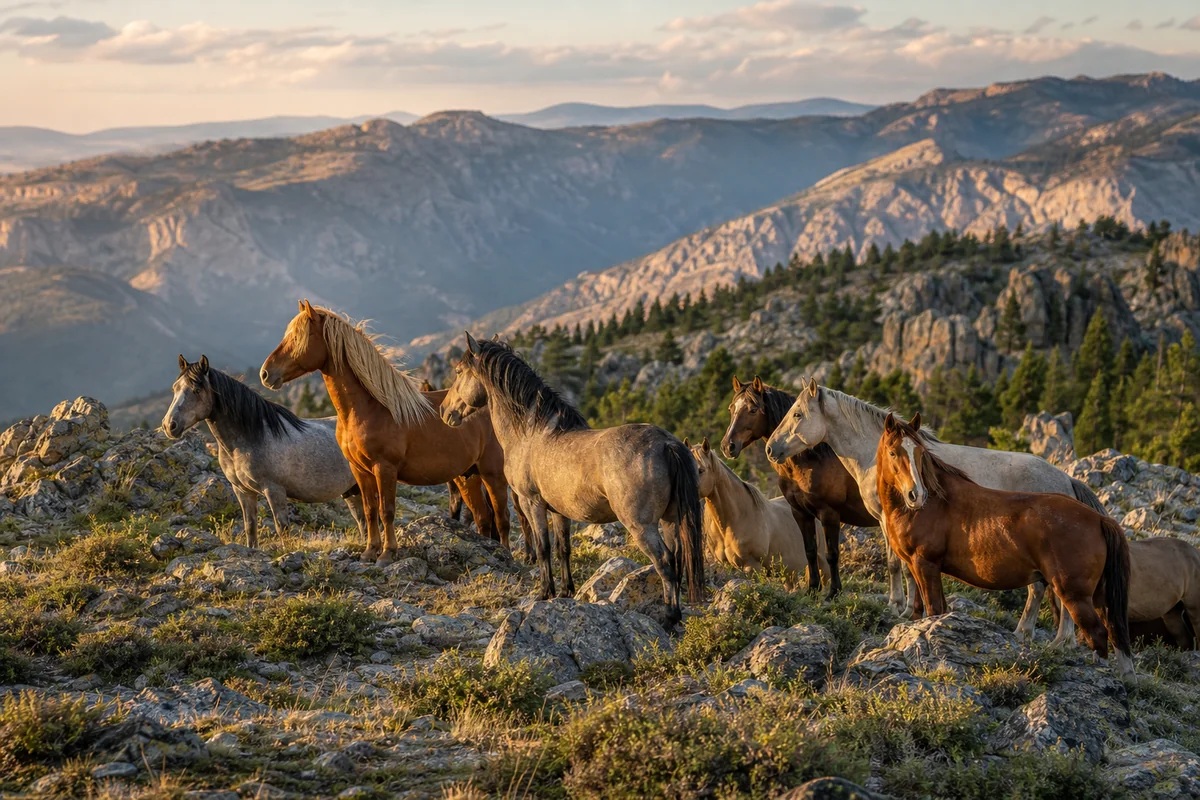
The first time I watched a band of wild horses crest a ridge in the Pryor Mountains, their manes catching the golden hour light, I understood why these animals have captivated human imagination for centuries.
Standing there last summer, binoculars pressed to my eyes, I counted seventeen horses moving as one fluid unit across terrain so rugged I could barely hike it myself.
If you’re exploring Montana wildlife, the state’s mountain horses offer an experience that rivals any encounter with the region’s more famous fauna.
- Montana’s wild mountain horses primarily roam the Pryor Mountain Wild Horse Range along the Montana-Wyoming border
- Best viewing months are May through October, with early morning and late evening offering peak activity
- The herd contains approximately 120-160 horses with unique Spanish Colonial genetics dating back 400+ years
- Visitors must maintain 100+ feet distance and never feed, touch, or approach the horses
- Tillett Ridge and Penn’s Cabin offer the most reliable viewing spots with vehicle access
- Bring binoculars, telephoto lenses, plenty of water, and be prepared for rapidly changing mountain weather
Liked this article?
Add Roaming Montana as a preferred source so you see more of our articles and guides on Google.
Understanding Montana’s Wild Mountain Horses
When most people think of Montana wildlife, their minds jump to grizzlies, elk, or wolves. But the wild horses of Montana’s mountains represent something equally remarkable—living links to a frontier past that shaped the American West.
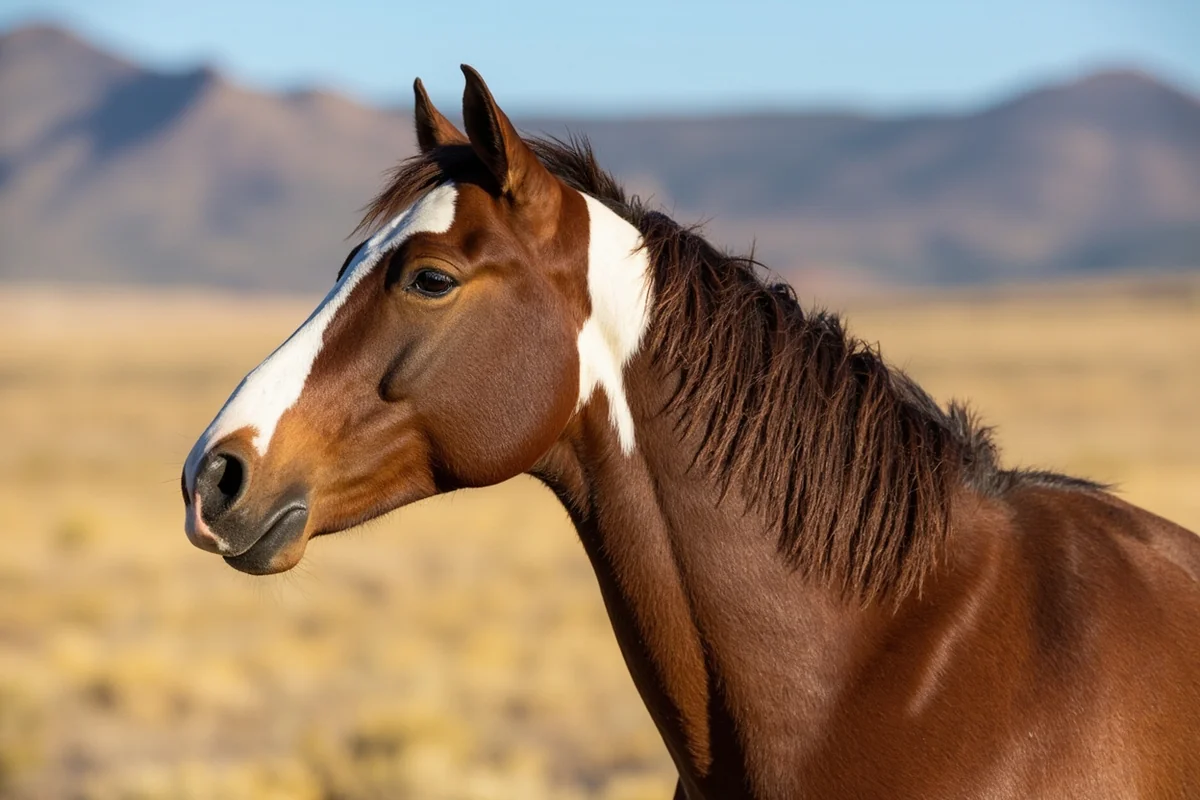
I’ve spent considerable time researching these herds and visiting their habitat, and what strikes me most is how misunderstood they often are. These aren’t feral horses in the typical sense. The Pryor Mountain horses carry genetic markers tracing directly to Spanish Colonial horses brought to North America in the 1500s.
This makes them among the oldest and most genetically pure wild horse populations on the continent. DNA studies have confirmed their connection to horses that once roamed with Crow, Shoshone, and other Indigenous peoples across this landscape.
A Brief History Worth Knowing
During my visit to the Pryor Mountain Wild Horse Range last August, I stopped at the small interpretive area near the Bighorn Canyon National Recreation Area headquarters. The displays there tell a story that changed how I view these animals.
Spanish conquistadors brought their horses north from Mexico beginning in the early 1500s. Through trade, theft, escape, and natural dispersal, these horses spread across the West. By the time Lewis and Clark passed through Montana in 1805-1806, Indigenous peoples had been riding and breeding horses for generations.
The Pryor Mountain herd specifically has occupied their current range for at least 200 years, possibly much longer. They survived because this remote, rugged terrain made them difficult to capture during the era when wild horses were routinely rounded up for slaughter or sale.
In 1968, local advocates successfully lobbied to create the Pryor Mountain Wild Horse Range—the first federally designated wild horse range in the United States. This happened three years before the Wild Free-Roaming Horses and Burros Act of 1971 extended protection nationwide.
Where to See Wild Horses in Montana
I’ll be honest with you: seeing Montana’s mountain horses requires effort. These aren’t roadside attractions. But that difficulty is part of what makes the experience so rewarding.
The Pryor Mountain Wild Horse Range
This 38,000-acre range straddles the Montana-Wyoming border, managed jointly by the Bureau of Land Management and U.S. Forest Service. It’s the only place in Montana where you’ll find a protected wild horse population.
The range sits within the larger Pryor Mountains, a dramatic uplift of limestone cliffs, alpine meadows, and desert canyons. When I drove in from Lovell, Wyoming (the most common approach), I passed through five distinct ecological zones in about 30 minutes.
The horses move seasonally between these zones. During my late-summer visit, most bands were concentrated between 6,000 and 8,000 feet elevation, taking advantage of green grass in the high meadows while lower elevations had browned out.
Primary Viewing Locations
Based on my experiences and conversations with range managers and longtime horse watchers, here are the most productive spots:
Tillett Ridge: This is hands-down the most accessible and reliable location. A gravel road (rough but passable in most vehicles during summer) leads to a ridge with sweeping views. I counted three separate bands from here during a single morning.
Penn’s Cabin Area: Located deeper in the range, this historic homestead site sits in prime horse habitat. The drive requires higher clearance, but I made it in my Subaru Outback by taking it slow. Allow extra time—it took me nearly an hour from Tillett Ridge.
Sykes Ridge: More remote and requiring 4WD, Sykes Ridge offers solitude and excellent chances of seeing horses that rarely encounter humans. I hiked in rather than driving, and the three-mile trek was absolutely worth it.
Mustang Flats: Despite the promising name, this lower-elevation area is hit-or-miss. Horses use it more in spring and fall. I struck out here in August but heard from other visitors that April had been productive.
Getting There: Routes and Logistics
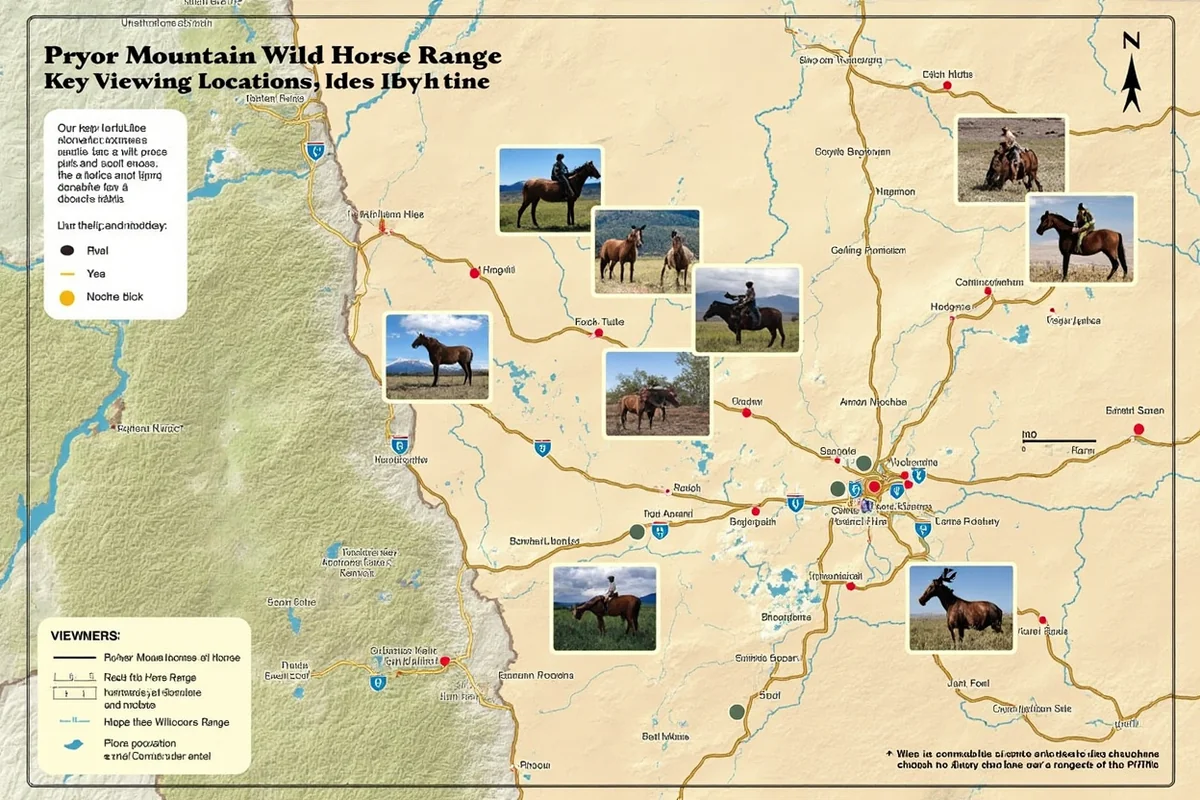
The range has two main access points, and I’ve used both. Here’s what you need to know:
From the North (Montana side): Take Highway 310 south from Bridger to Warren, then follow signs toward Crooked Creek. The road becomes gravel and eventually requires 4WD. This route can be impassable when wet.
From the South (Wyoming side): This is the easier approach. From Lovell, Wyoming, take Highway 37 north toward Bighorn Canyon. Turn onto the Pryor Mountain Road and follow it into the range. Portions are paved, and the gravel sections are well-maintained.
I recommend the southern approach for first-time visitors. The road climbs dramatically, offering incredible views even if you don’t spot horses immediately.
| Access Point | Road Conditions | Vehicle Needed | Drive Time to Viewing |
|---|---|---|---|
| Lovell, WY (South) | Paved then maintained gravel | SUV recommended | 45-60 minutes |
| Bridger, MT (North) | Rough gravel, seasonal | 4WD/high clearance | 60-90 minutes |
| Bighorn Canyon NRA | Paved to trailheads | Any vehicle | Varies by hiking distance |
Best Times to Visit for Horse Viewing
Timing matters enormously when searching for wild horses. I learned this lesson personally when an ill-timed midday visit in July yielded nothing but sweat and frustration.
Seasonal Considerations
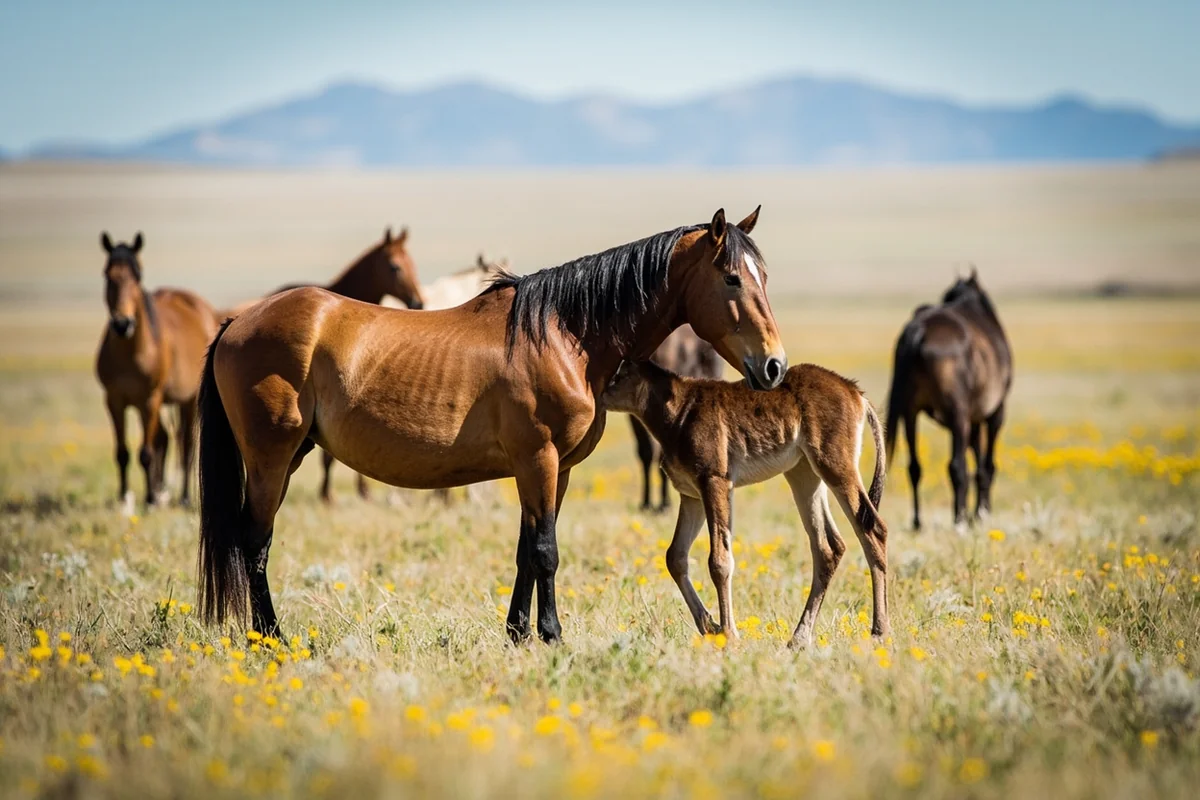
Spring (April-May): Horses descend to lower elevations where new grass emerges first. Foaling season typically runs April through June, meaning you might spot gangly-legged colts. Roads can be muddy or closed. I haven’t visited in spring, but photographers I’ve talked with rave about the light and baby horse activity.
Summer (June-August): My visits have primarily been during this window. Horses move higher as temperatures rise. The upside: roads are generally passable, days are long, and weather is predictable. The downside: midday heat sends horses into shade where they’re harder to spot.
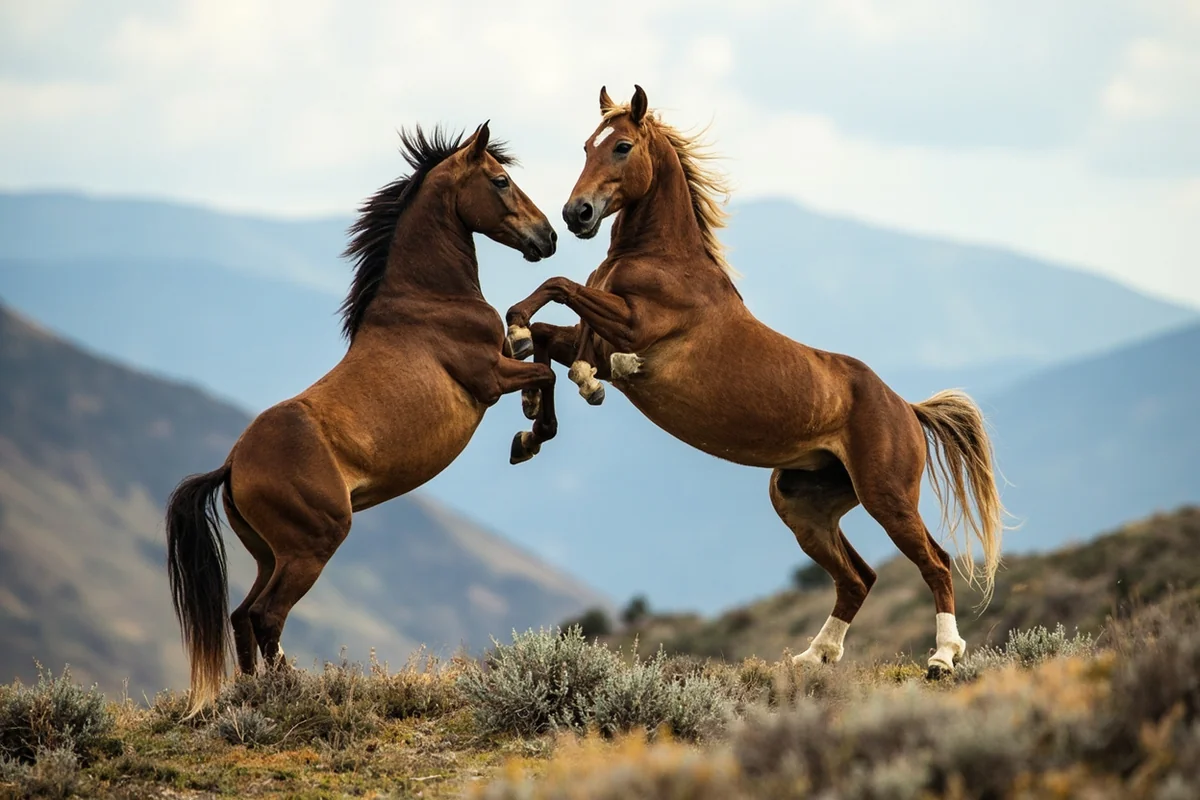
Fall (September-October): Many experienced horse watchers consider this the prime season. Breeding season (late summer into fall) means stallions are more active and visible. Aspens turn gold. During a September visit two years ago, I watched two stallions posturing at each other across a meadow—unforgettable.
Winter (November-March): Roads close. The horses are still there, but reaching them becomes extremely difficult. Some hardy souls ski or snowshoe in, but this is expert-level adventure territory.
Daily Timing Strategies
If you take away one piece of practical advice from this article, let it be this: arrive early or stay late.
During my most successful outing, I positioned myself on Tillett Ridge by 6:30 AM. The horses were actively grazing, moving across open areas, and completely visible. By 10:00 AM, most had drifted toward timber and broken terrain to escape the heat. They virtually disappeared until around 5:00 PM.
I recommend planning your drive to arrive at viewing areas at least 30 minutes before sunrise. Bring a headlamp, coffee, and patience. The golden hour light is extraordinary, and horse activity is at its peak.
What to Expect: Horse Behavior and Herd Dynamics
Understanding how wild horses live makes watching them far more interesting. I’ve spent hours observing these animals, and their social structure fascinates me.
Band Structure
Wild horses don’t form one big herd. Instead, they organize into bands (sometimes called harems) typically consisting of one stallion, several mares, and their offspring. Band size ranges from 3-4 horses up to a dozen or more.
On my August trip, I focused on a band of eleven horses—one palomino stallion, six mares of various colors, three yearlings, and a foal born earlier that spring. Watching them interact revealed clear hierarchies and relationships.
The stallion positioned himself on the band’s periphery, constantly scanning for threats or rival males. One older mare seemed to direct the group’s movement; when she walked toward water, everyone followed. The yearlings played together in mock battles that had obvious training value.
Bachelor Bands
Not all stallions have mares. Young males and defeated older males form bachelor bands—groups of males without breeding access. These bands fascinated me because their dynamics differ completely from family bands.
I watched a bachelor group of five horses sparring, grooming each other, and establishing their own pecking order. Range managers told me these bachelors will eventually challenge band stallions for mares, and some will succeed.
Common Behaviors You Might Observe
- Grazing: Horses spend 16-18 hours daily eating. You’ll see plenty of this.
- Mutual grooming: Horses standing head-to-tail, nibbling each other’s withers. This strengthens social bonds.
- Dust bathing: Horses drop and roll in dry dirt to control parasites and cool off.
- Stallion displays: Neck arching, prancing, and “snaking” (herding mares with lowered head).
- Flight response: If something startles the band, they’ll bolt as a unit. Mares and foals go first; stallion follows.
Responsible Viewing: Rules and Ethics
I feel strongly about this topic, and I hope you’ll take it seriously. These horses exist because generations of advocates fought for their protection. Our behavior as visitors determines whether that protection actually works.
Maintaining Distance
The BLM requires visitors to stay at least 100 feet from wild horses. I’d argue you should stay much farther when possible—300 feet or more.
Here’s why: these horses are wild, meaning they perceive humans as potential threats. When you approach too closely, you trigger stress responses. The horses may not flee (especially if habituated to human presence), but their heart rates increase, cortisol levels spike, and normal behaviors cease.
I’ve seen tourists approach within 20 feet of grazing horses to get phone photos. The horses tolerate it, but barely. One mare pinned her ears and stamped—clear warnings that went ignored. This kind of pressure, repeated daily during tourist season, degrades the horses’ quality of life.
Use binoculars. Use telephoto lenses. The photos and memories will be better because the horses will be behaving naturally rather than nervously tolerating your presence.
Never Feed Wild Horses
This should go without saying, but people do it constantly. Feeding wild horses:
- Teaches them to approach humans and vehicles, increasing injury risk
- Introduces foods their digestive systems can’t handle properly
- Creates aggressive behavior when horses learn to expect food
- Violates federal law and can result in significant fines
I watched a family throw apple slices at horses from their car window. A young horse approached, learned this was a food source, and will now expect the same from every vehicle. That horse is now more likely to be hit by a car.
Additional Guidelines
- Stay in your vehicle when horses are near the road
- Don’t make sudden movements or loud noises
- Never position yourself between a mare and her foal
- If a stallion displays aggressive behavior, back away slowly
- Keep dogs leashed (better yet, leave them home)
- Pack out all trash—horses will investigate and may ingest harmful materials
Practical Preparation for Your Visit
The Pryor Mountains are remote. I can’t emphasize this enough. When I visit, I prepare as if I’m heading into genuine backcountry, because I am.
Essential Gear
- Water: Bring at least one gallon per person per day. There’s no potable water in the range.
- Food: Pack more than you think you’ll need. Searching for horses can take all day.
- Sun protection: High elevation plus open terrain equals intense UV. I wear long sleeves, a wide-brimmed hat, and SPF 50.
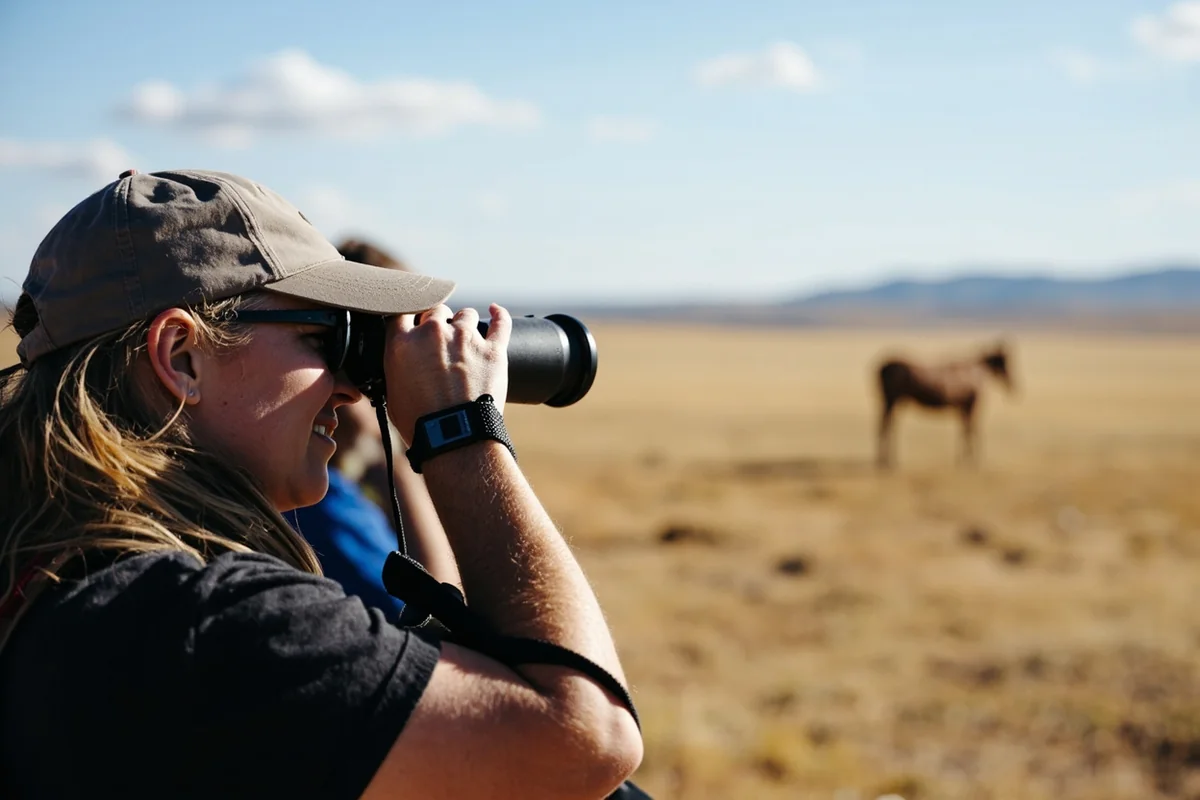
- Binoculars: 8×42 or 10×42 are ideal. Don’t cheap out here—quality optics transform the experience.
- Camera with telephoto lens: Minimum 200mm, preferably 400mm or longer if you’re serious about photos.
- Layers: Mountain weather changes rapidly. I’ve experienced 40-degree temperature swings in a single day.
- Emergency supplies: First aid kit, tire repair kit, jumper cables, flashlight.
- Full tank of gas: The nearest gas station is in Lovell, Wyoming—45+ minutes from the heart of the range.
Vehicle Considerations
Your vehicle choice limits where you can go. During my first visit, I drove a compact sedan. I made it to Tillett Ridge, but barely, and I scraped bottom twice. I turned back rather than risk Penn’s Cabin road.
For full access to the range, you want:
- High ground clearance (8+ inches)
- 4WD or AWD capability
- Good tires (not highway all-seasons)
- Confidence on rough roads
If you’re renting, consider spending extra for an SUV. The difference in accessible territory is substantial.
Cell Service and Navigation
There is essentially no cell service in the Pryor Mountains. I’ve tried every carrier with no luck. Download offline maps before you go—Google Maps and Gaia GPS both allow this.
Bring a paper map as backup. The BLM office in Billings can mail you one, or you can pick one up at the Bighorn Canyon visitor center.
Combining Horse Viewing with Other Activities
A trip to see wild horses can easily fill multiple days when combined with nearby attractions. I typically plan three to four days for a comprehensive visit.
Bighorn Canyon National Recreation Area
The recreation area borders the horse range and offers spectacular canyon scenery, hiking, and boating. Devil Canyon Overlook provides one of the most dramatic viewpoints I’ve encountered anywhere in Montana. The Bighorn River below creates a ribbon of blue-green water cutting through 1,000-foot red walls.
I spent an afternoon hiking the Hillsboro Loop, a moderate 4-mile trail that passes historic ranch sites and offers possible horse sightings along the canyon rim.
Wildlife Beyond Horses
The Pryor Mountains host remarkable biodiversity. While searching for horses, I’ve spotted mule deer, pronghorn, golden eagles, and numerous Montana bird species I couldn’t identify without a field guide.
The limestone terrain supports unique plants found nowhere else in Montana. Botanists come specifically to study the endemic species. I’m no expert, but the wildflower displays in June are reportedly spectacular.
Black bears inhabit these mountains as well, so it’s worth reviewing our Montana bear guide before your trip. I’ve never encountered one here personally, but range staff confirm regular sightings.
If you’re hoping to see Montana bighorn sheep, the Pryor Mountain herd often appears along the canyon walls. During my September visit, I watched a group of rams navigate cliffs that seemed impossible.
Cultural and Historical Sites
Chief Plenty Coups State Park lies about an hour north and provides essential context for understanding the relationship between horses and Indigenous peoples of this region. The Crow Reservation borders the horse range, and the Crow people’s connection to horses is central to their culture and history.
The Medicine Wheel, an ancient stone structure in Wyoming’s Bighorn Mountains, is within day-trip distance and offers profound insight into the spiritual significance of this landscape to Indigenous peoples for thousands of years.
Photography Tips from the Field
I’ve come home with both stunning photos and frustrating failures. Here’s what I’ve learned about photographing wild horses:
Equipment Recommendations
Reach matters more than almost anything else. My most useful lens is a 100-400mm zoom, which provides flexibility as horses move closer or farther. Prime telephotos (500mm, 600mm) produce sharper results but cost significantly more and weigh considerably more too.
A sturdy tripod helps enormously during the low-light hours when horses are most active. I use a carbon fiber model that’s light enough to carry but stable enough for long lenses.
Bring more memory cards and batteries than you think you’ll need. Cold morning temperatures drain batteries fast, and when a stallion starts displaying, you’ll burn through storage quickly.
Composition and Approach
The most compelling horse photos show behavior, not just portraits. I wait for moments—a foal nursing, horses running, bands interacting. These require patience, but they tell stories that static images can’t match.
Environmental portraits that show horses in their landscape context are equally powerful. The Pryor Mountains provide dramatic backdrops that make images immediately recognizable. I look for compositions with horses positioned against red rock formations or silhouetted on ridgelines.
Get low when possible. Shooting from a kneeling or prone position creates a more intimate perspective and separates horses from busy backgrounds.
When Things Don’t Go According to Plan
I need to set realistic expectations: you might not see horses. I’ve had visits where hours of searching yielded nothing. Weather, timing, and plain bad luck all play roles.
Backup Strategies
If the horses aren’t cooperating, here’s how I make the most of the trip:
Talk to other visitors: The horse-watching community is friendly and generous with information. On a slow day, another visitor told me about a band spotted near Sykes Ridge that morning. I wouldn’t have found them otherwise.
Stop at the BLM office: Range staff track horse locations and can often point you toward recent sightings. The office in Billings is most helpful.
Check social media: The Pryor Mountain Wild Mustang Center posts sighting reports. Download their posts before losing cell service.
Explore adjacent areas: Wild horse range borders excellent Montana elk habitat. During a horseless morning, I pivoted to watching a bull elk wallow in a creek—hardly a consolation prize.
Supporting Wild Horse Protection
If these animals move you the way they’ve moved me, consider supporting organizations working to protect them.
The Pryor Mountain Wild Mustang Center operates a facility in Lovell, Wyoming, that rehabilitates injured horses and educates visitors. I spent an afternoon there learning about individual horses and the challenges they face. Their guided tours into the range are excellent for first-time visitors.
The Cloud Foundation, named after a famous Pryor Mountain stallion documented in PBS films, advocates for wild horse protection nationally. They’ve been instrumental in preventing controversial management practices.
Return To Freedom and American Wild Horse Campaign work on broader policy issues affecting wild horses across the West.
Final Thoughts and Encouragement
Standing on Tillett Ridge as the sun dropped behind the Beartooth Mountains, watching horses I’d spent hours finding finally emerge onto the open meadow below me, I felt something I struggle to articulate. These animals have survived against remarkable odds. They represent a living piece of American history that exists nowhere else in this form.
The effort required to see them properly—the long drives, the early mornings, the uncertainty—filters out casual tourists. What remains are visitors willing to meet these horses on their terms, in their home, as wild animals rather than attractions.
That’s the experience I hope you’ll have. It won’t come easily, but nothing worthwhile ever does.
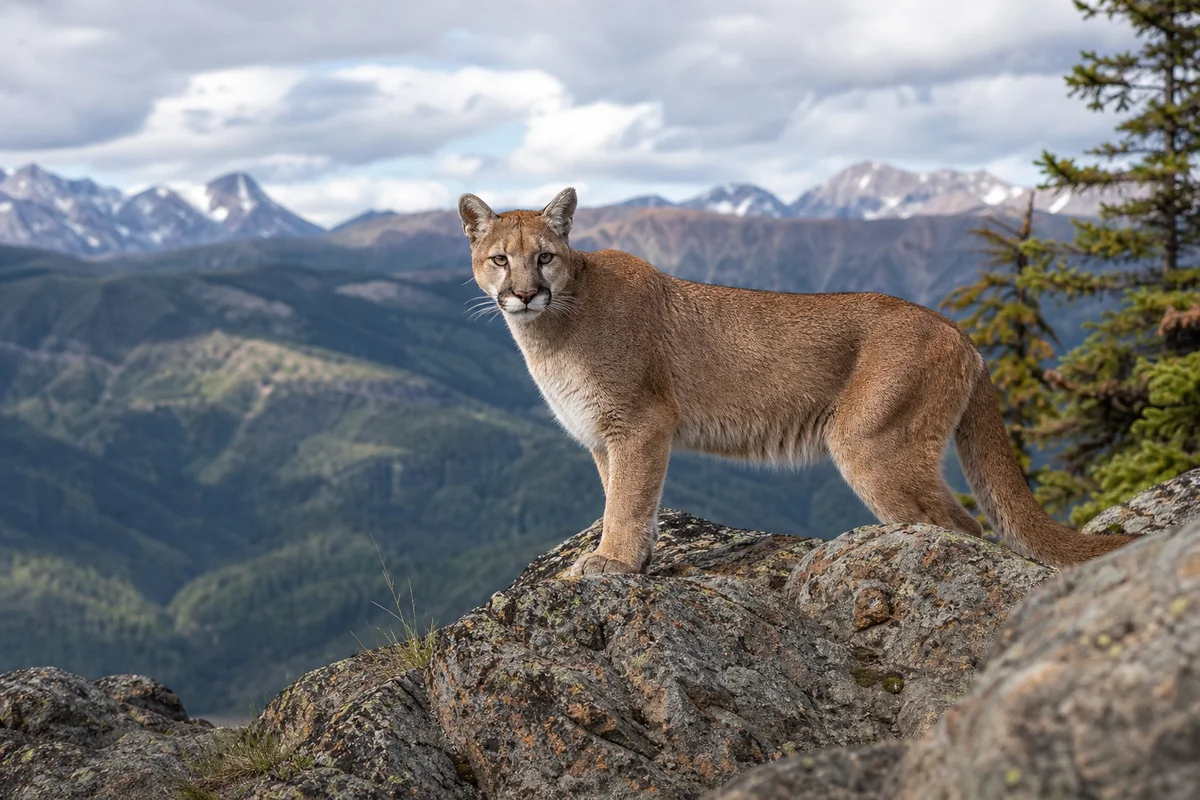
Before you plan your Pryor Mountain trip, you might also appreciate exploring other Montana wildlife encounters. The Montana mountain goat populations in Glacier National Park offer similarly dramatic viewing opportunities in alpine terrain. Montana mountain lion sightings remain rare but possible in wild horse country.
For winter travelers, our guide to Montana winter animals covers species active during colder months, while Montana winter birds provides identification help for cold-weather birding.
The Pryor Mountain ecosystem also hosts Montana deer populations and occasional Montana lynx at higher elevations—though I’ve never spotted a lynx there myself despite trying.
If you venture into the lower canyons, be aware that Montana rattlesnakes inhabit rocky areas, particularly during warm months. Watch where you step and place your hands.
The broader Montana wildlife experience includes everything from Montana osprey fishing the Bighorn River to Montana otters playing in mountain streams. Each species adds another layer to understanding this remarkable landscape.
Even less charismatic creatures deserve attention—our guide to Montana squirrels helps identify the cheeky rodents you’ll inevitably encounter, while Montana owls call through the night if you’re camping in the area.
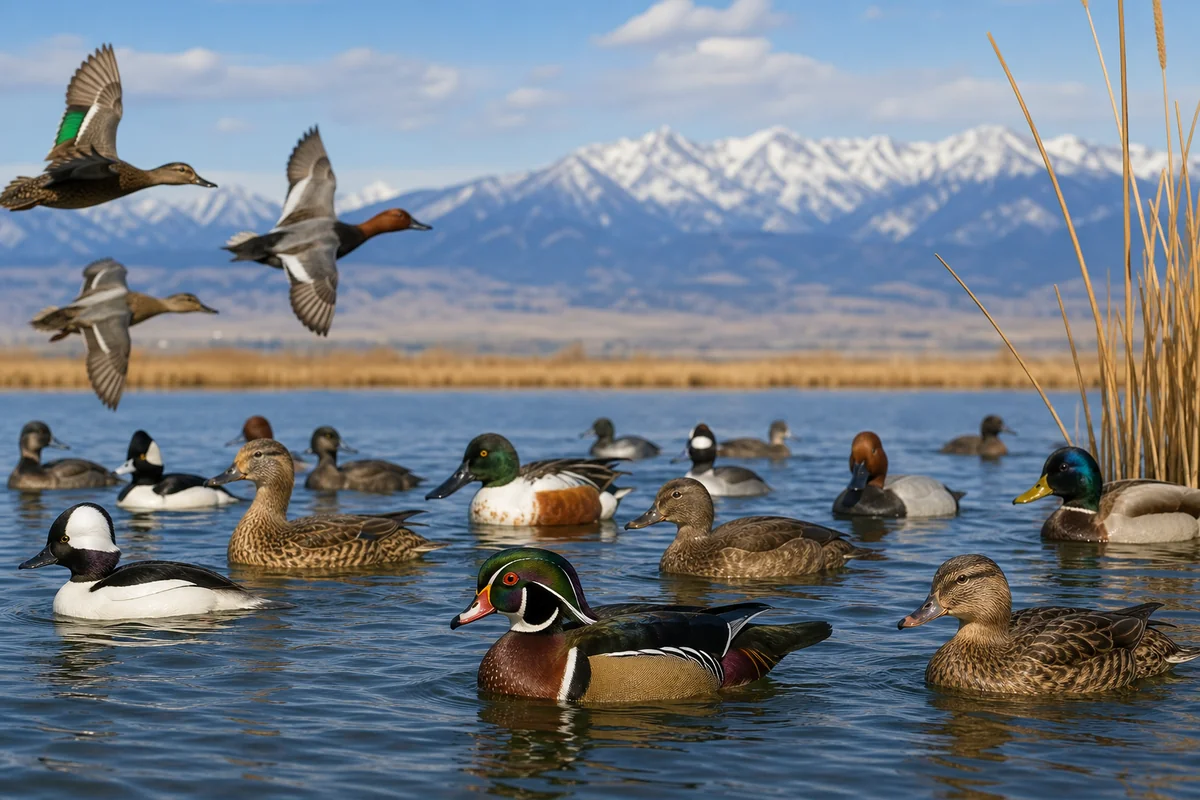
For the curious naturalist, Montana duck species populate wetlands throughout the region, and understanding Montana invasive species helps you appreciate conservation challenges these ecosystems face.
Some of Montana’s most vulnerable wildlife, including certain horse range neighbors, appear on the endangered and threatened species in Montana list—a sobering reminder of what we stand to lose without protection.
Even agricultural animals like Montana alpaca found on ranches throughout the state reflect the long relationship between humans and animals in this region.
And don’t forget to watch for Montana spiders in rocky crevices—they’re more fascinating than frightening once you learn to identify them.
The wild horses of Montana’s mountains await. Go find them.
Frequently Asked Questions
What is a Montana Mountain Horse and where can I see one in the wild?
The Montana Mountain Horse is a hardy, sure-footed breed developed specifically for navigating Montana’s rugged terrain, though you’re more likely to encounter them at working ranches than roaming wild. I recommend visiting guest ranches in the Bitterroot Valley or near Glacier National Park, where these horses are often used for trail rides. Unlike wild mustangs, Mountain Horses are domesticated but bred to thrive in Montana’s challenging backcountry conditions.
What’s the best time of year to go horseback riding on Montana Mountain Horses?
The ideal season for horseback riding in Montana runs from late May through early October, with July and August offering the most reliable weather and trail access. I’ve found that September provides stunning fall foliage with fewer crowds and cooler temperatures perfect for longer rides. Avoid spring months when mountain trails are often muddy and impassable due to snowmelt.
How much does a guided Montana Mountain Horse trail ride cost?
Guided trail rides on Montana Mountain Horses typically range from $50-$80 per hour for short rides, while half-day excursions run $150-$250 per person. Multi-day pack trips into the backcountry can cost $300-$500 per day, which usually includes meals and camping equipment. I suggest booking directly with outfitters near Bozeman, Missoula, or Whitefish for the best rates and authentic experiences.
Do I need horseback riding experience to ride a Montana Mountain Horse?
No prior experience is necessary for most guided trail rides, as Montana Mountain Horses are known for their calm temperament and steady gait on rugged terrain. Reputable outfitters match riders with appropriate horses and provide basic instruction before hitting the trail. I always recommend being honest about your skill level so guides can ensure you have a safe, enjoyable experience through Montana’s mountain wilderness.
What should I pack for a Montana Mountain Horse trail ride?
Bring sturdy closed-toe boots with a small heel, long pants like jeans, and layers since mountain temperatures can drop 20-30 degrees at higher elevations. I always pack sunscreen, a hat, sunglasses, and a lightweight rain jacket even on sunny days. Most outfitters provide helmets upon request, but call ahead if this is important to you.
Which Montana guest ranches offer the best Mountain Horse riding experiences?
Top-rated ranches include Triple Creek Ranch near Darby, The Ranch at Rock Creek in Philipsburg, and Paws Up Resort outside Missoula, all featuring well-trained Mountain Horses and scenic backcountry trails. For a more budget-friendly option, I recommend looking into working cattle ranches in the Madison Valley that offer authentic riding experiences from $200-$400 per night. Book at least 3-6 months ahead for peak summer season.
How far are Montana’s best horseback riding destinations from major airports?
Bozeman Yellowstone International Airport sits within 30-90 miles of numerous excellent riding outfitters in Paradise Valley and the Gallatin Range. Missoula International Airport provides access to Bitterroot Valley ranches about 45-60 miles south and Glacier-area outfitters roughly 150 miles north. I suggest renting a car since most guest ranches and trailheads aren’t accessible by public transportation.
Sources