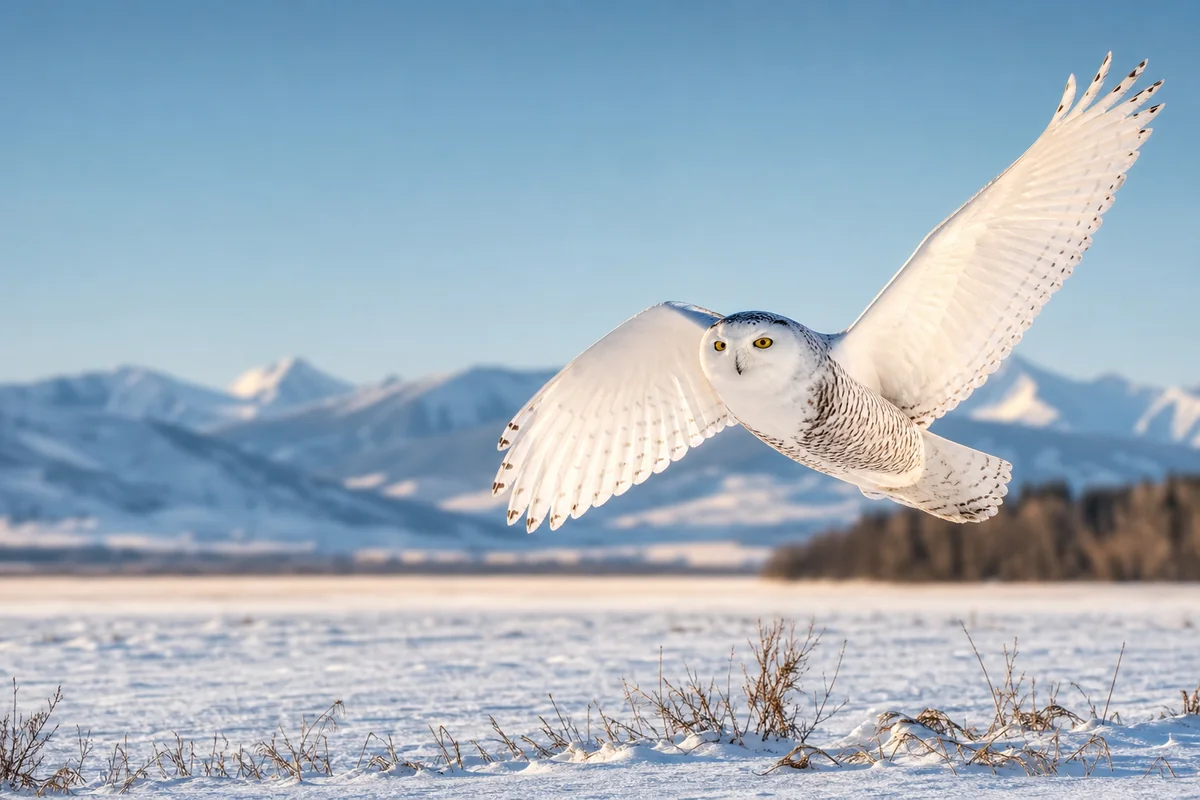
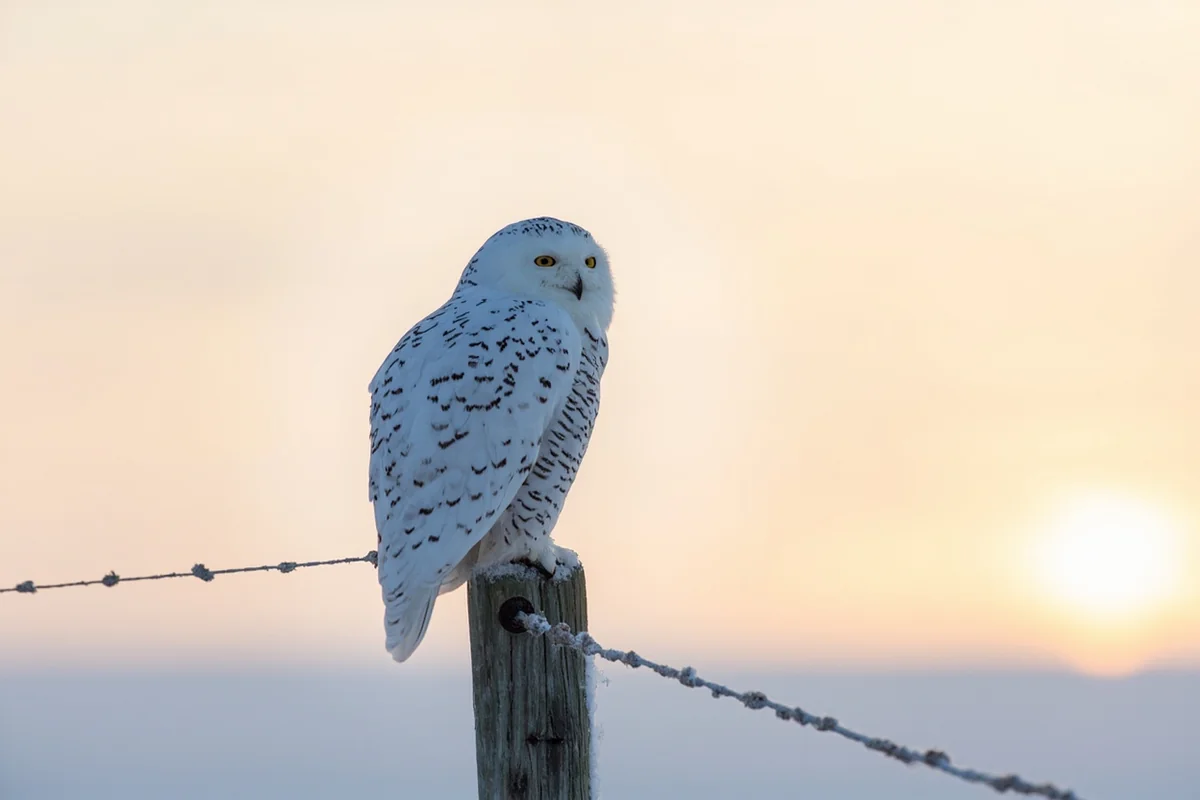
I’ll never forget standing in knee-deep snow outside Freezout Lake last January, my breath crystallizing in the negative-ten-degree air, when a massive snowy owl silently glided past me at eye level—so close I could see the individual barbs of its feathers catching the dawn light.
That single moment reminded me why Montana wildlife draws visitors from across the country, even in the harshest months of the year.
- Montana hosts over 100 bird species during winter, including rare visitors like snowy owls and northern hawk owls
- Best birding hotspots: Freezout Lake, Lee Metcalf NWR, Bowdoin NWR, and the Mission Valley
- Peak viewing runs December through February, with irruption years bringing exceptional species
- Essential gear: quality binoculars, layered clothing rated to -20°F, and a reliable field guide
- Many species concentrate near open water, feeders, and berry-producing trees during cold months
Liked this article?
Add Roaming Montana as a preferred source so you see more of our articles and guides on Google.
Why Montana Becomes a Winter Birding Destination
Most people assume Montana’s brutal winters drive wildlife away. The opposite is true for many bird species.
When I started winter birding in Montana about eight years ago, I was shocked to discover that the state actually gains certain species during the cold months. Birds from the Arctic, boreal forests of Canada, and mountain elevations descend into Montana’s valleys seeking food and slightly milder conditions.
This creates a unique situation where you can spot birds in Montana that you simply cannot see during summer. Species like Bohemian waxwings, snow buntings, and gray-crowned rosy-finches become regular visitors only when temperatures plummet.
The phenomenon is similar to how Montana winter animals adapt their behaviors and locations based on seasonal conditions. Just as elk move to lower elevations, northern bird species shift southward into Big Sky Country.
The Must-See Winter Bird Species
After countless winter expeditions across Montana, I’ve compiled my list of the species that genuinely make braving the cold worthwhile. These aren’t just common backyard birds—they’re the special finds that will have you posting excitedly to your birding group.
Snowy Owl
The snowy owl is Montana’s crown jewel of winter birding. During irruption years—when prey populations crash in the Arctic—these magnificent white birds move south in significant numbers.
I’ve observed snowy owls in Montana during three separate irruption events, and each sighting still gives me chills (beyond the obvious temperature-related ones). They favor wide-open agricultural areas that mimic the tundra, particularly around Freezout Lake, the Hi-Line region, and the Blackfeet Reservation.
Last winter, I spent four consecutive mornings searching near Chester before finally locating one perched on a round hay bale. The bird sat motionless for nearly two hours, scanning for prey in the early light.
Great Gray Owl
If you’ve explored our guide to Montana owls, you know the great gray owl is a bucket-list species. Winter actually improves your chances of spotting one.
These massive owls—the tallest in North America—hunt meadow edges during daylight hours when prey becomes scarce. The Mission Valley and areas around Seeley Lake consistently produce sightings during December and January.
I recommend driving slowly along forested roads at dawn and dusk, watching for their distinctive silhouette on dead snags. Last February, I watched one plunge headfirst through two feet of snow to grab a vole near Condon—an absolutely surreal experience.
Northern Hawk Owl
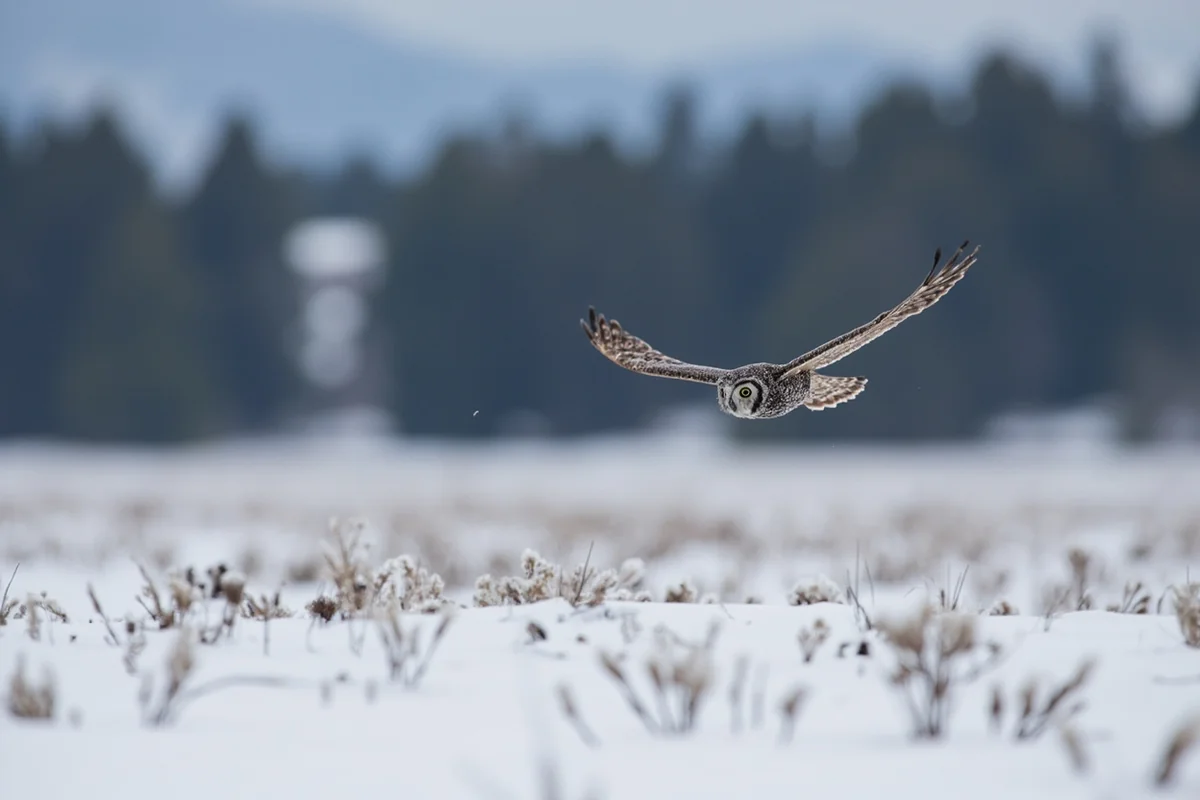
This diurnal owl is extremely rare in the lower 48, but Montana occasionally hosts visitors during winter. Unlike most owls, northern hawk owls hunt actively during daylight and perch conspicuously on treetops.
I’ve only seen this species twice in Montana—once near the Canadian border north of Eureka, and once in the Flathead Valley during the remarkable winter of 2021-2022. When reports surface of a northern hawk owl, serious birders drive hundreds of miles to see it.
Bohemian Waxwing
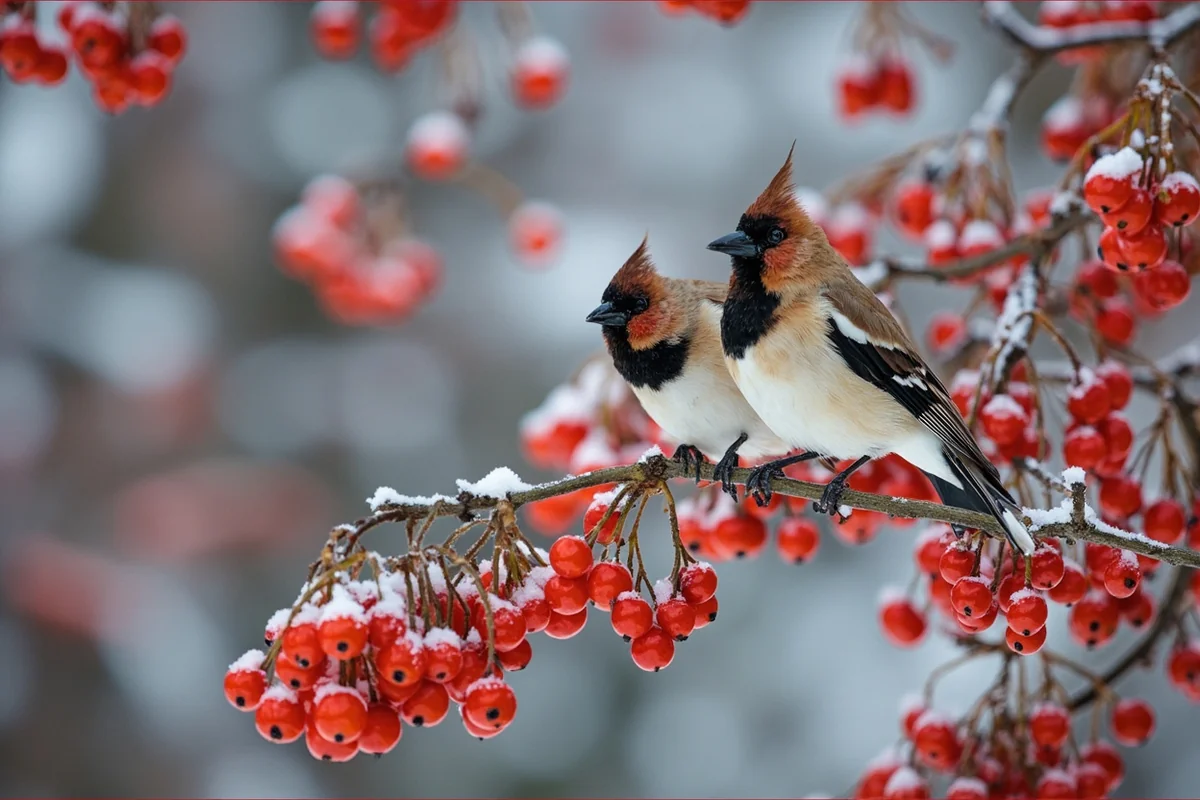
Bohemian waxwings are the species that introduced me to winter birding in Montana. These elegant, crested birds descend on Montana towns in massive flocks, sometimes numbering in the thousands.
Unlike their cedar waxwing cousins, Bohemian waxwings have rusty undertail coverts and white wing markings. I’ve watched them strip entire mountain ash trees of berries in less than an hour.
The best part? They’re reliable. Every winter, Bohemian waxwings appear in places like Missoula, Helena, Great Falls, and Bozeman. Check any neighborhood with ornamental crabapple or mountain ash trees between December and March.
Gray-Crowned Rosy-Finch
Few birds are as synonymous with Montana winter as the rosy-finch. These high-alpine specialists descend to lower elevations when snow buries their mountain habitat.
During a trip to Choteau last January, I found a flock of over 200 rosy-finches feeding on exposed seeds along a plowed road. The brown-capped and black subspecies mixed with the more common gray-crowned variety, creating a rosy-finch bonanza.
Reliable spots include feeders in mountain towns like West Yellowstone, Red Lodge, and areas near Glacier National Park. Some restaurants and lodges specifically maintain feeders to attract these sought-after birds.
Snow Bunting and Lapland Longspur
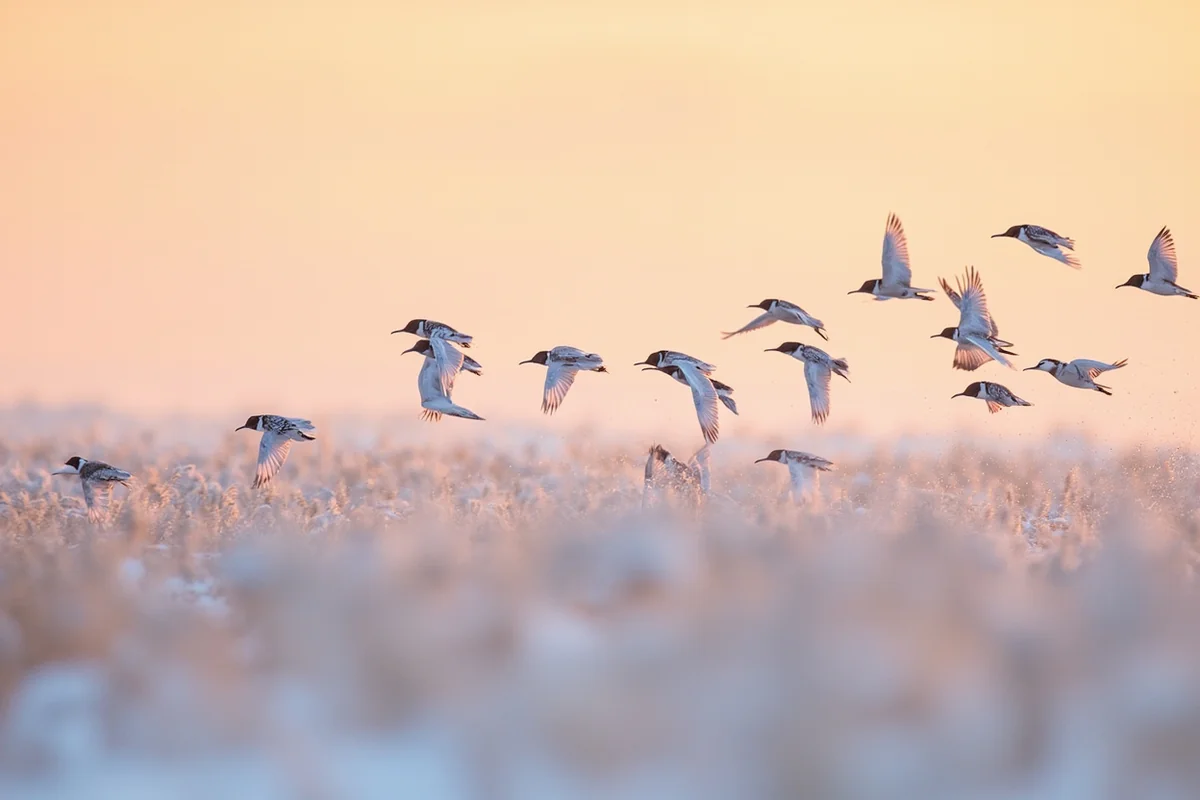
These Arctic breeders spend their winters in Montana’s open agricultural areas. Both species form large flocks that swirl across stubble fields like avian snowstorms.
Finding them requires patience and a willingness to explore remote gravel roads. I’ve had my best luck along the Hi-Line between Havre and Malta, where grain fields stretch endlessly under gray winter skies.
The trick is watching for movement—the flocks flush from roadsides as you approach, revealing white wing flashes (snow bunting) or rufous nape patches (Lapland longspur).
Best Locations for Winter Birding in Montana
Through years of exploration, I’ve identified the locations that consistently produce exceptional winter bird sightings. These aren’t generic suggestions—they’re places I return to every winter.
Freezout Lake Wildlife Management Area
Located between Choteau and Fairfield, Freezout Lake is legendary among Montana birders. While famous for spring waterfowl migration, the surrounding agricultural areas become prime raptor and winter sparrow habitat.
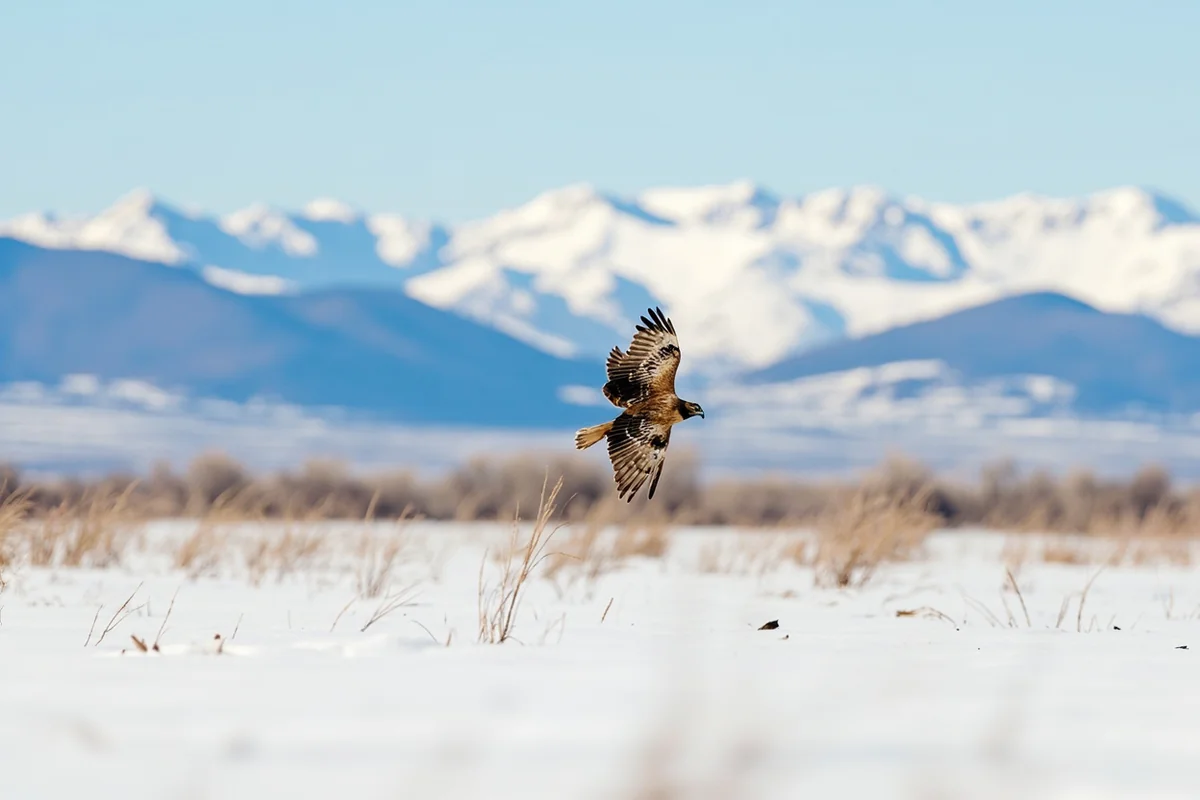
During my visits in January, I’ve recorded rough-legged hawks, northern harriers, prairie falcons, and short-eared owls all hunting the same fields. The open terrain also attracts snowy owls during irruption years.
Pro tip: The roads can become impassable after heavy snow. I once spent two hours digging my truck out near the wildlife management area headquarters. Check conditions before visiting.
Lee Metcalf National Wildlife Refuge
Just south of Stevensville in the Bitterroot Valley, Lee Metcalf offers protected wetland and riparian habitat that remains partially open through winter.
I visit this refuge multiple times each winter for waterfowl that overwinter on spring-fed ponds. Common goldeneye, Barrow’s goldeneye, and hooded mergansers are reliable, along with Montana ducks like mallards and common mergansers.
The walking trails provide easy access, and I’ve seen northern pygmy-owls here during daylight hours hunting the willows near the visitor center.
Bowdoin National Wildlife Refuge
Northeast Montana’s Bowdoin NWR near Malta might seem an unlikely winter destination, but the surrounding prairie hosts excellent populations of winter raptors and sparrows.
Last December, I counted eight rough-legged hawks in a single afternoon along the refuge’s auto tour route. The prairie also supports ferruginous hawks, which are increasingly rare in Montana but can overwinter here when conditions allow.
Mission Valley
The Mission Valley between Ronan and St. Ignatius combines agricultural land, wetlands, and mountain edges—creating diverse winter habitat.
I consider this area Montana’s most reliable location for great gray owls. The Ninepipe National Wildlife Refuge within the valley attracts wintering waterfowl and bald eagles, while the forest edges harbor northern saw-whet owls and northern pygmy-owls.
Glacier National Park
Most park roads close in winter, but the accessible areas around Apgar and along the Middle Fork of the Flathead River offer outstanding birding.
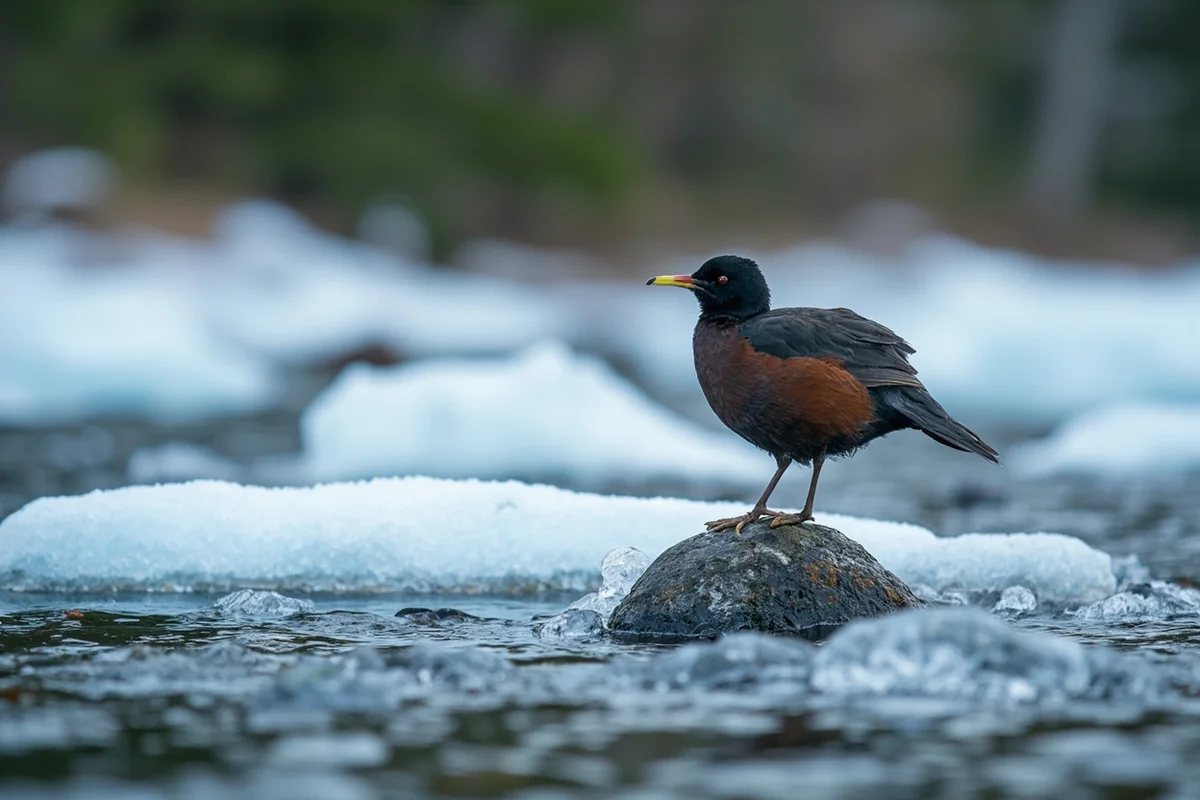
I’ve spotted American dippers along McDonald Creek in every month of the year—these remarkable birds actually dive into frigid water to feed on aquatic insects beneath the ice. Harlequin ducks occasionally overwinter here as well.
Practical Guide to Winter Birding in Montana
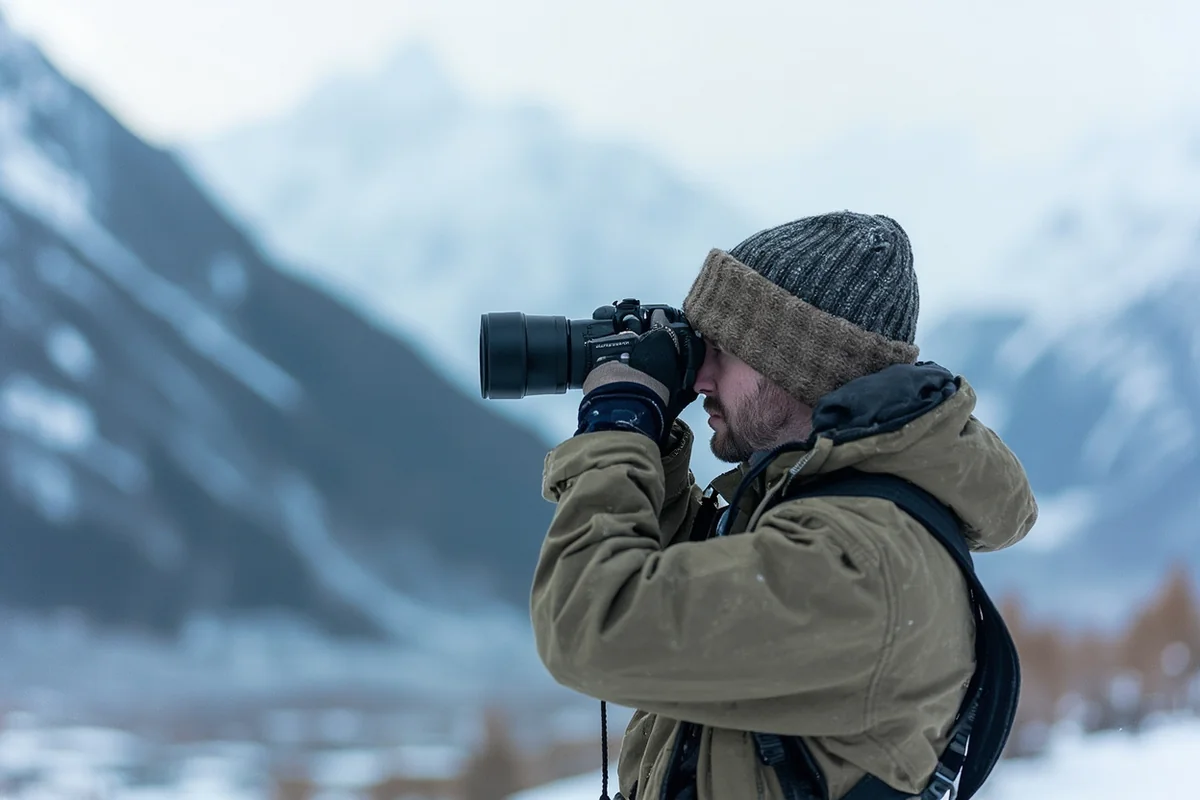
Winter birding in Montana requires more preparation than casual summer wildlife watching. Here’s what I’ve learned through many cold mornings (and a few hypothermia scares).
Essential Gear Checklist
| Item | My Recommendation | Why It Matters |
|---|---|---|
| Binoculars | 8×42 or 10×42 with rubber armor | Metal housings conduct cold; rubber prevents frostbite on hands |
| Base layers | Merino wool or synthetic | Cotton kills in Montana winter |
| Outer layer | Rated to -20°F minimum | Temperatures regularly drop below zero |
| Boots | Insulated pac boots | Standing in snow requires serious insulation |
| Hand warmers | Chemical or rechargeable | Keeps fingers functional for focusing |
| Field guide | Sibley’s or National Geographic | Phone batteries die rapidly in extreme cold |
Vehicle Considerations
I cannot stress this enough: winter birding in Montana requires a reliable vehicle with proper tires and emergency supplies.
Keep a winter survival kit in your car at all times—blankets, snacks, water, a shovel, and traction devices. Cell service is spotty to nonexistent in many prime birding areas.
Four-wheel drive isn’t strictly necessary on main highways, but it’s essential for accessing backroads where the best birds often hide. I’ve seen too many birders stuck in snowdrifts on remote roads.
Timing Your Visit
December through February represents peak winter birding season, but conditions vary significantly year to year.
Irruption years—when northern food supplies crash and birds move south in unusual numbers—are unpredictable but magical. Follow Montana birding listservs and Facebook groups for real-time reports of rare species.
Early morning provides the best activity for owls, while midday works well for hawks and open-country species. Waxwings and rosy-finches at feeders are most active from late morning through early afternoon.
Species You Might Not Expect
Beyond the headliner species, Montana’s winter offers surprising bird diversity. Here are some you might overlook.
Bald Eagles
Montana’s bald eagle population actually increases during winter as birds from Canada move south following salmon runs and open water.
The Missouri River below Canyon Ferry Dam near Helena hosts significant concentrations—I counted 47 bald eagles during a single morning last January. The Smith River below Fort Smith in southern Montana is another reliable spot.
Common Redpolls
These tiny finches from the boreal forest appear irregularly in Montana, sometimes in huge numbers during irruption years.
When they arrive, they mobbed backyard feeders with voracious appetites. I’ve seen flocks of 200+ redpolls descend on nyjer seed feeders in Missoula neighborhoods, creating a feeding frenzy that attracts attention from blocks away.
Northern Shrikes
This predatory songbird arrives from the Arctic each fall and hunts Montana’s open country through winter.
I find northern shrikes by scanning fence lines and treetops in agricultural areas. They often impale prey on barbed wire—a gruesome but fascinating behavior. The Townsend area and Missouri River valley are particularly productive.
Pine Grosbeaks
These large, robin-sized finches breed in high mountains but descend to valley towns during winter. Their gentle temperament allows close approach.
During a memorable January afternoon in West Yellowstone, I photographed pine grosbeaks feeding on crabapples at arm’s length. Their plump, rosy plumage and peaceful demeanor made them instant favorites.
Understanding Winter Bird Behavior
Successful winter birding requires understanding how birds adapt to Montana’s extreme conditions.
Concentrations at Open Water
When lakes and rivers freeze, any remaining open water becomes a magnet for waterfowl and their predators.
I’ve learned to check dam tailwaters, spring-fed ponds, and areas where warm water discharges from power plants. These spots often concentrate diverse waterfowl species alongside bald eagles and mergansers.
This concentration effect mirrors how Montana elk and Montana deer gather in valleys during winter—prey and predator congregate where resources remain available.
Feeder Dependency
Many winter birds become highly dependent on backyard feeders, creating opportunities for observation.
Towns with active feeding programs—like the rosy-finch feeders at various lodges near Glacier—become pilgrimage sites for winter birders. I make a point of visiting community feeders whenever I’m birding near mountain towns.
Black oil sunflower seeds attract the widest variety, while nyjer (thistle) targets finches specifically. Suet feeders draw woodpeckers, nuthatches, and sometimes northern shrikes.
Roost Behavior
Winter birds conserve energy through communal roosting, and finding roost sites can be incredibly productive.
I’ve located Bohemian waxwing roosts by following flocks at dusk—they often return to the same dense evergreen trees night after night. Similarly, owl roosts in conifer stands remain occupied for weeks once established.
Conservation Considerations
Winter birding comes with ethical responsibilities that serious birders take seriously.
Keeping Distance from Stressed Birds
Winter birds operate on tight energy budgets. Every flush or disturbance costs them precious calories that might mean the difference between surviving the night and freezing.
I always keep my distance from roosting owls—never approach closer than 100 feet, and if the bird shows any sign of alertness or agitation, back away immediately. That Instagram photo isn’t worth jeopardizing the bird’s survival.
Reporting Rare Sightings Responsibly
When I spot a rare bird like a snowy owl, I consider carefully whether to share the location publicly. Crowds of eager photographers can harass birds to the point of abandoning productive feeding areas.
For particularly sensitive species, I use general location descriptions rather than exact GPS coordinates. The Montana birding community generally self-polices well, but I’ve seen exceptions that resulted in stressed birds and damaged habitat.
The Bigger Picture
Climate change is already affecting Montana’s winter bird populations. Some species are arriving later, staying shorter periods, or appearing in different areas than historically recorded.
Organizations like Montana Audubon track these changes through citizen science programs. Contributing your observations to eBird helps scientists understand shifting patterns and identify conservation priorities.
This intersects with broader wildlife concerns—similar climate-related shifts are affecting endangered and threatened species in Montana across many taxonomic groups.
Multi-Day Birding Itinerary
Based on my experience, here’s a realistic five-day winter birding trip covering Montana’s best spots.
Day 1-2: Mission Valley and Northwest Montana
Start in Missoula and drive north to the Mission Valley. Spend the first morning at Ninepipe NWR searching for waterfowl and raptors on open water.
Afternoon, drive slowly along rural roads between Ronan and St. Ignatius looking for great gray owls at meadow edges. Stay overnight in Polson or Bigfork.
Day two, continue to Glacier National Park’s Apgar area for dippers, woodpeckers, and forest species. Check feeders in nearby Columbia Falls for rosy-finches before returning south.
Day 3: Freezout Lake and Hi-Line
Head east to the Freezout Lake area, arriving at dawn for optimal raptor activity. Spend the morning scanning agricultural fields for rough-legged hawks, northern harriers, and potential snowy owls.
Continue northeast along Highway 2 (the Hi-Line) watching for snow buntings and Lapland longspurs in roadside flocks. Overnight in Great Falls or Havre depending on your pace.
Day 4: Northeast Montana
This is committed birding—the drive to Bowdoin NWR is long but rewarding. The refuge and surrounding prairie host winter raptors and sometimes unusual visitors.
Return toward Great Falls in the afternoon, stopping at any interesting habitat along the way. The Missouri River corridor often produces bald eagle sightings.
Day 5: Helena Area and Return
Finish at Canyon Ferry Dam, where open water below the dam attracts wintering waterfowl and bald eagles. The viewing is excellent from the dam overlook.
If time allows, check the Helena Valley for wintering raptors before departing.
Wildlife Interactions to Watch For
Winter birding often produces unexpected wildlife sightings beyond birds.
I’ve spotted Montana lynx tracks in the snow while searching for owls near Seeley Lake. The Mission Valley hosts Montana bighorn sheep in winter, and Montana mountain goats sometimes descend to road-accessible areas.
The relationship between predators and prey becomes visible in winter. Watching a rough-legged hawk hunt voles over a snowy field reveals the same survival dynamics playing out across species—from Montana mountain lions to Montana squirrels.
Even seemingly unrelated wildlife observations connect to bird activity. Montana otters create openings in ice that waterfowl exploit. Montana bears may be dormant, but the carcasses from fall provide winter food for ravens and eagles.
Resources for Planning Your Trip
Several resources have proven invaluable during my Montana winter birding trips.
Montana Audubon maintains updated rare bird alerts and chapter contacts across the state. Their website lists upcoming Christmas Bird Counts—participating in these counts offers a fantastic introduction to local birding communities.
The eBird platform shows real-time reports of species and locations throughout Montana. I check it obsessively during irruption years to track snowy owl and other rare species movements.
For offline reference, I recommend “Birds of Montana” by Jeffrey Marks—it’s the definitive state guide and includes detailed status information for every species.
Local Audubon chapters often organize winter birding trips for visitors. The Missoula, Helena, and Billings chapters are particularly active and welcoming to out-of-state birders.
Final Thoughts on Montana’s Winter Birds
Winter birding in Montana isn’t for the casual wildlife observer. It demands preparation, patience, and a willingness to embrace discomfort.
But the rewards justify every frozen morning and snow-covered road. Watching a great gray owl hunt at dawn, discovering a flock of rosy-finches at a mountain feeder, or experiencing the electric excitement when someone reports a snowy owl nearby—these moments create memories that summer birding simply cannot match.
Montana’s winter birds also remind me that Big Sky Country offers year-round wildlife encounters. Just as the state’s diverse habitats support remarkable Montana bird species in every season and unique creatures like Montana osprey during warmer months, winter brings its own cast of characters perfectly adapted to the cold.
The key is getting out there—bundling up, driving those snowy backroads, and keeping your binoculars ready. Montana’s winter birds are waiting.
Frequently Asked Questions
What winter birds can I see in Montana during December and January?
During peak winter months, I’ve spotted snowy owls, rough-legged hawks, Bohemian waxwings, and common redpolls throughout Montana. The state also hosts impressive populations of bald eagles near open water sources, along with year-round residents like black-capped chickadees, Clark’s nutcrackers, and gray jays in mountain regions.
Where are the best places for winter birdwatching in Montana?
Freezout Lake Wildlife Management Area near Choteau is exceptional for raptors and waterfowl, while Lee Metcalf National Wildlife Refuge in the Bitterroot Valley offers accessible trails even in winter. I also recommend the Flathead Valley for Bohemian waxwings and the Mission Valley for snowy owl sightings, typically a 3-4 hour drive from Missoula.
What should I pack for a Montana winter birding trip?
Layer up with insulated waterproof boots, thermal base layers, and a windproof outer shell since temperatures often drop below 0°F. Bring hand warmers, fingerless gloves with mitten covers for operating binoculars, and don’t forget traction devices for icy trails. I always pack my spotting scope with a car window mount for roadside birding when it’s too cold to stand outside.
How much does a Montana winter birdwatching trip cost?
Budget around $80-150 per night for lodging in towns like Choteau, Polson, or Missoula during winter off-season rates. Wildlife refuge access is typically free, though a Montana State Parks pass costs $35 annually if you’re visiting multiple locations. I usually spend about $50-75 daily on meals and gas, with fuel being a significant expense since birding hotspots can be 50-100 miles apart.
When is the best time to see snowy owls in Montana?
Snowy owls typically arrive in Montana between late November and February, with peak sightings in December and January during irruption years when food is scarce in the Arctic. The Mission Valley and open agricultural areas near Bozeman and Great Falls are your best bets. I’ve had the most luck scanning fence posts and hay bales during early morning hours when they’re actively hunting.
Is winter birdwatching in Montana safe for beginners?
Winter birding in Montana is absolutely accessible for beginners if you prepare for harsh conditions and stick to well-traveled areas. I recommend starting at wildlife refuges with maintained roads and visitor centers, and always tell someone your plans since cell service is spotty in rural areas. Keep your gas tank at least half full, carry emergency supplies, and consider joining a local Audubon Society field trip for guided expertise.
Can I see eagles in Montana during winter months?
Montana offers outstanding bald eagle viewing from November through March, particularly along the Missouri River below Canyon Ferry Dam and near open water on the Flathead River. I counted over 30 eagles in a single day near Helena last January, congregating where fish remain accessible in unfrozen sections. The annual eagle migration near Glacier National Park peaks in late fall, but resident birds remain visible all winter near major rivers and reservoirs.