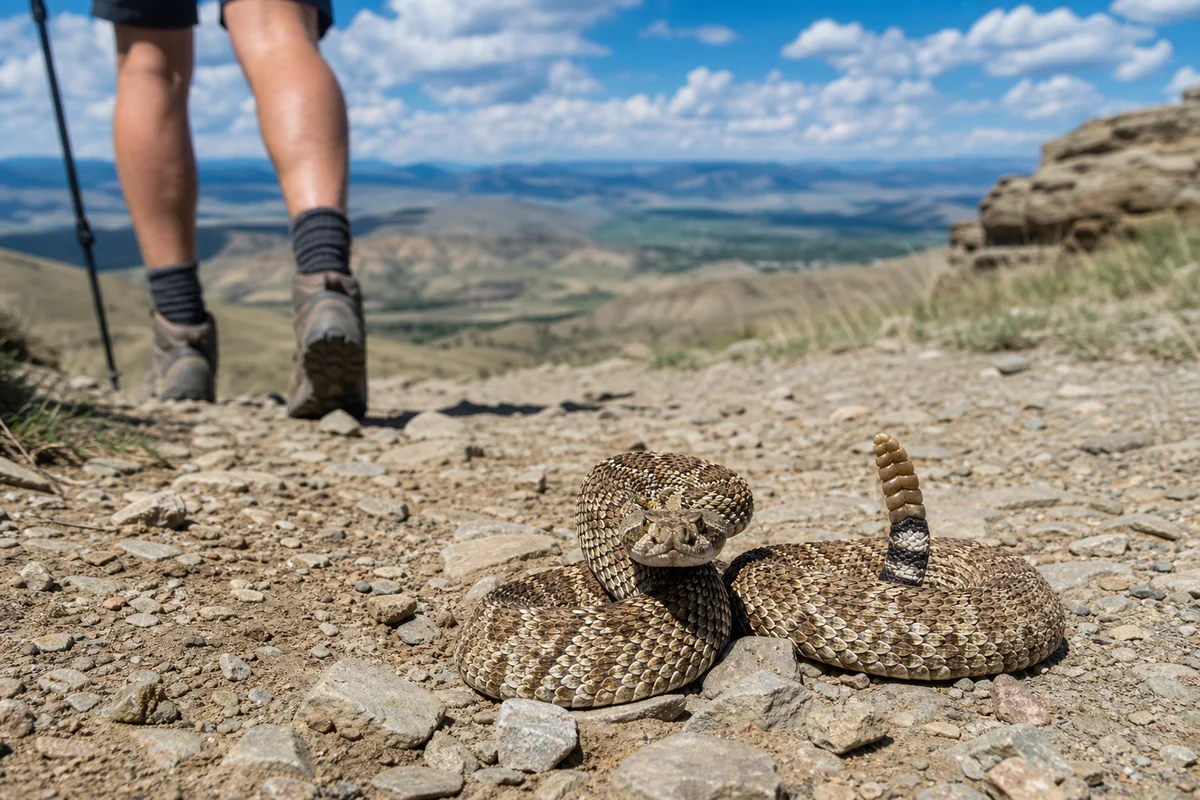
I’ll never forget the dry, buzzing rattle that stopped me mid-stride on a rocky trail near Billings last July—my heart pounding as I spotted the coiled prairie rattlesnake just three feet from my hiking boot.
That moment changed everything about how I approach Montana’s backcountry, and it’s exactly why I’m sharing this guide with you. Understanding rattlesnakes is an essential part of appreciating Montana wildlife, and knowing what to expect can transform fear into respect.
- Montana has only one venomous snake species: the prairie rattlesnake (Crotalus viridis)
- They’re found primarily in the eastern two-thirds of the state, below 6,500 feet elevation
- Peak activity occurs from April through October, especially during warm mornings and evenings
- Bites are rare—only 2-3 per year in Montana—and fatalities are extremely uncommon
- Prevention is simple: watch where you step, don’t reach into blind spots, and give snakes space
- If bitten, stay calm, immobilize the limb, and get to a hospital immediately
Liked this article?
Add Roaming Montana as a preferred source so you see more of our articles and guides on Google.
Meet Montana’s Only Venomous Snake
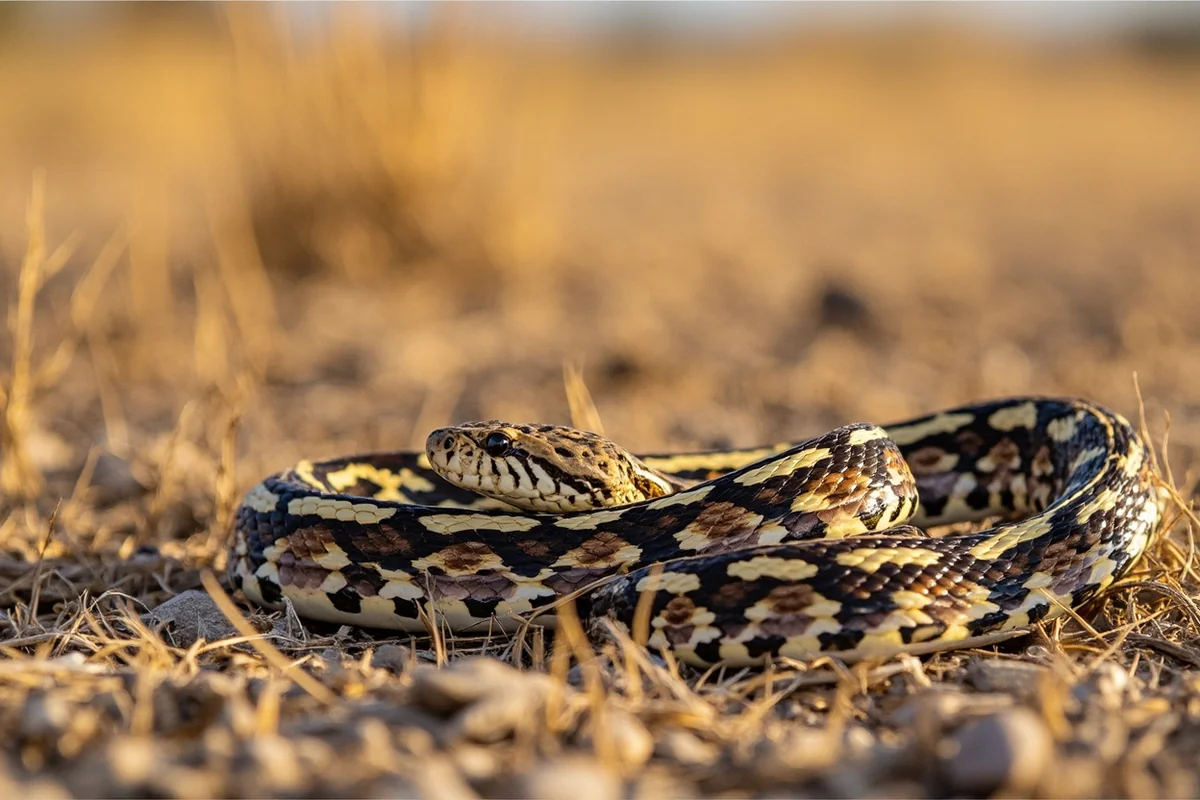
Here’s something that surprised me when I first moved to Montana: despite the state’s vast wilderness and diverse ecosystems, there’s only one venomous snake species to worry about. The prairie rattlesnake, sometimes called the western rattlesnake, is the sole venomous serpent calling Big Sky Country home.
I’ve encountered these snakes on multiple occasions during my travels across the state, and I can tell you they’re genuinely beautiful creatures once you get past the initial startle. Adults typically measure between 36 and 45 inches long, though I’ve seen specimens near the Yellowstone River that looked closer to four feet.
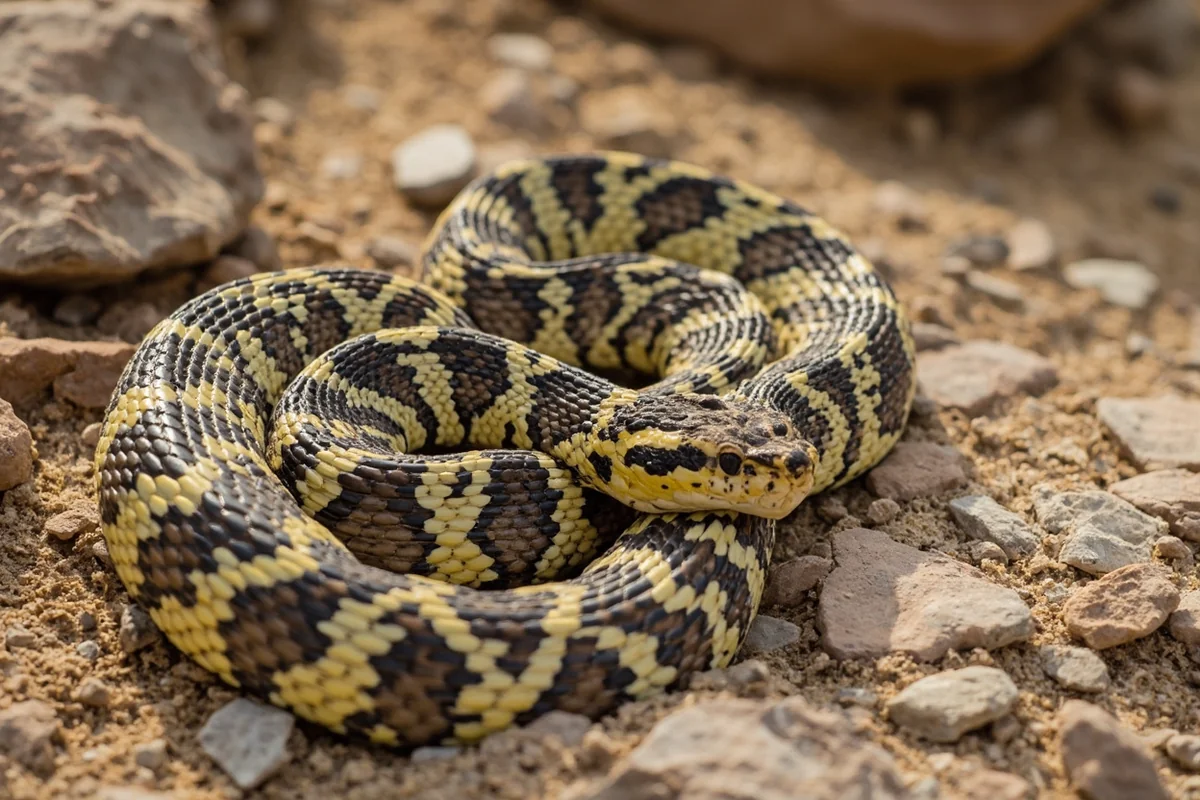
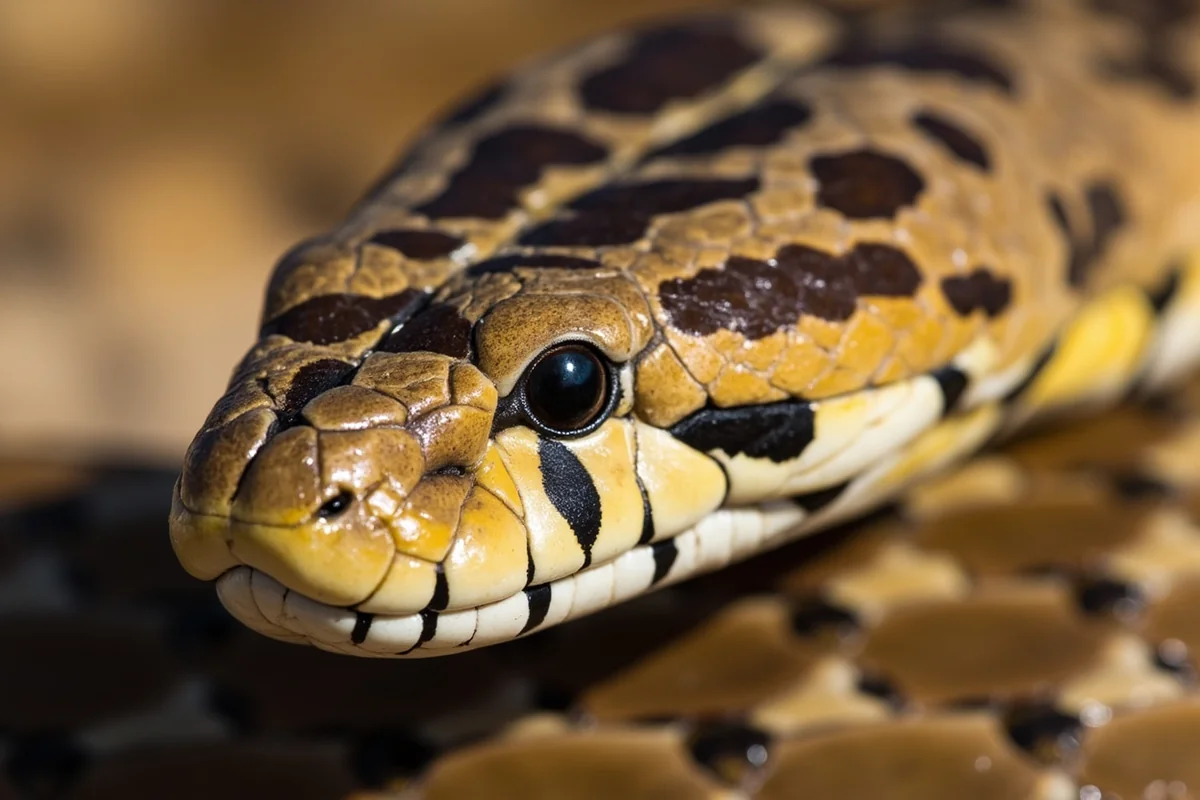
Their coloring is perfectly adapted to Montana’s landscape—a base of olive-green, brown, or grayish-tan with darker brown blotches running down their backs. The triangular head is noticeably wider than the neck, and those vertical pupils give them away as a pit viper.
How to Identify a Prairie Rattlesnake
During a guided hike with Montana Fish, Wildlife & Parks staff near Pompeys Pillar last summer, I learned to identify these snakes quickly. The rattle at the tail’s end is the most obvious feature, but young snakes might only have one or two segments that produce minimal sound.
Look for these key characteristics:
- Triangular, arrow-shaped head much wider than the neck
- Vertical, cat-like pupils (non-venomous snakes have round pupils)
- Heat-sensing pits between the eyes and nostrils
- Distinctive dark band running from each eye to the corner of the jaw
- Keeled (ridged) scales giving a rough texture
- Rattle segments at the tail tip
The coloring can vary significantly depending on the habitat. Snakes I’ve seen in the dry badlands near Makoshika State Park tend toward dusty tan and brown, while those near the Missouri River breaks often show more green tones.
Where Rattlesnakes Live in Montana
If you’re planning to explore Montana, understanding rattlesnake distribution will help you know when to be vigilant. I’ve spent considerable time mapping my encounters, and the pattern is clear.
Geographic Distribution
Prairie rattlesnakes inhabit roughly the eastern two-thirds of Montana. They’re most common in the following regions:
- The Missouri River corridor and its tributaries
- Yellowstone River valley
- Eastern Montana prairies and badlands
- Central Montana’s breaks and coulees
- Limited presence in western Montana’s lower valleys
During my visit to Glacier National Park last August, I spoke with rangers who confirmed that rattlesnakes are essentially absent from the park—it’s simply too high and too cold. The same goes for most of the Rocky Mountain Front above about 6,500 feet elevation.
However, when I drove east from Great Falls toward the Little Rocky Mountains that same trip, my awareness shifted completely. This is prime rattlesnake territory.
Preferred Habitats
Rattlesnakes aren’t everywhere, even within their range. On a recent trip through the badlands near Miles City, I noticed they consistently favor specific microhabitats:
- Rocky outcrops and talus slopes
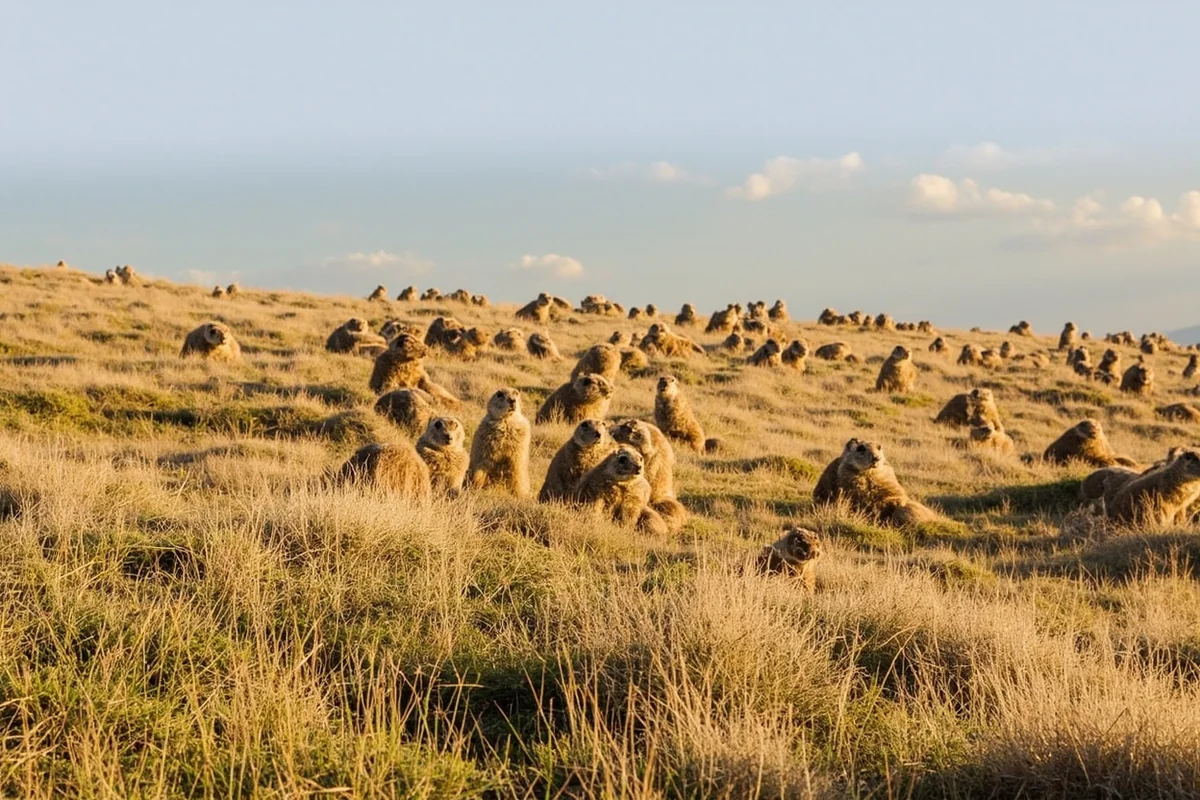
- Prairie dog towns (their main food source)
- Cottonwood river bottoms
- Sagebrush grasslands
- Abandoned homesteads and rock piles
- South-facing slopes with good sun exposure
I particularly recommend caution around prairie dog colonies. Last spring near Lewistown, I counted three rattlesnakes within a single morning while photographing prairie dogs—they know where their meals live.
Seasonal Activity Patterns Every Visitor Should Know
Timing matters enormously when it comes to rattlesnake encounters. I’ve tracked my sightings over several years, and the patterns are remarkably consistent.
When Rattlesnakes Are Most Active
| Season | Activity Level | What to Expect |
|---|---|---|
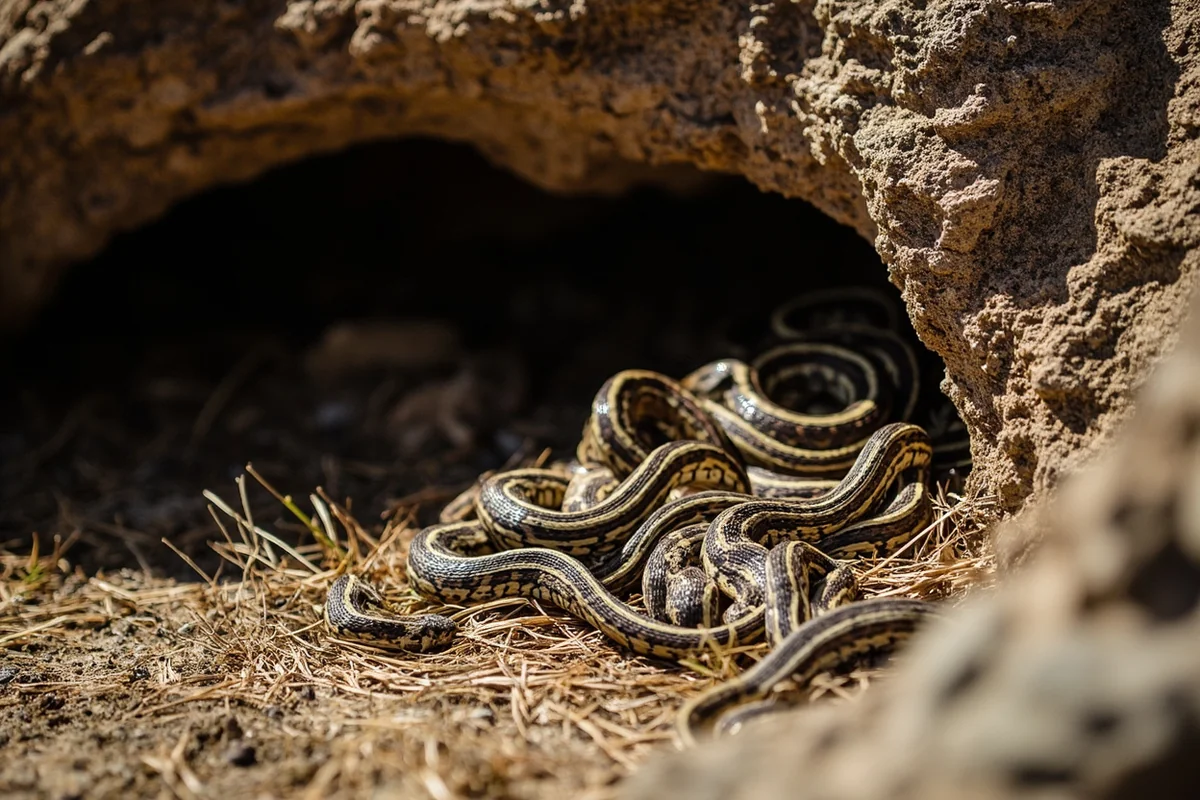
| November-March | Dormant | Snakes in communal dens (hibernacula), almost no surface activity |
| April-May | Emerging/High | Snakes leaving dens, congregating near den sites, basking frequently |
| June-August | Variable | Dispersed across range, active mornings/evenings, avoiding midday heat |
| September-October | High | Moving toward den sites, active during warm days, breeding season |
During my summer camping trips, I’ve learned to adjust my hiking schedule based on temperature. When it’s above 85°F, rattlesnakes seek shade and become primarily nocturnal. I’ve had my closest encounters on mild mornings in the 65-75°F range when snakes are basking openly.
The Spring Emergence Period
If you’re visiting Montana in late April or early May, be especially aware near rocky hillsides. I witnessed an incredible sight two springs ago near the Judith River—dozens of rattlesnakes emerging from a single den site, their bodies intertwined as they soaked up the first warm sun of the season.
This is actually a fantastic time to observe them safely from a distance, as they’re concentrated and relatively sluggish. Local naturalists sometimes lead guided viewing trips during this period.
Unlike watching Montana bears emerge from hibernation, which happens in more remote areas, rattlesnake dens are often surprisingly close to developed areas in eastern Montana.
Why Rattlesnakes Are Important to Montana’s Ecosystem
I’ll be honest—my initial reaction to that first rattlesnake encounter was purely fear-based. But after years of learning about these animals, my perspective has completely changed.
Natural Pest Control
Prairie rattlesnakes are exceptional rodent controllers. A single adult snake can consume 20-30 rodents per year, including mice, voles, ground squirrels, and young prairie dogs.
During a conversation with a rancher near Jordan last fall, he told me something that stuck with me: “I don’t like snakes, but I like hantavirus and crop damage even less.” He’d stopped killing rattlesnakes on his property years ago after noticing rodent populations explode following a snake decline.
This ecological role connects rattlesnakes to other Montana wildlife. They’re prey for Montana owls, hawks, and even roadrunners in the southern parts of their range. They’re part of a larger food web that includes everything from Montana squirrels to the predators that hunt them.
Indicator Species
Wildlife biologists I’ve spoken with consider rattlesnakes an indicator of ecosystem health. Healthy snake populations suggest robust prey populations, good habitat connectivity, and minimal pesticide contamination.
The decline of rattlesnakes in some areas correlates with broader biodiversity loss—a concerning trend that affects everything from Montana bird species to the small mammals that depend on the same habitats.
Practical Safety Tips from Years of Experience
Now let’s get to what most visitors really want to know: how to stay safe. I’ve logged hundreds of miles on Montana trails in rattlesnake country, and these strategies have served me well.
Trail Awareness Techniques
The most important thing I’ve learned is simply paying attention. I know that sounds obvious, but I’ve watched countless hikers walk within feet of basking snakes while staring at their phones or chatting with companions.
Here’s my personal protocol:
- Keep eyes on the trail, especially 6-10 feet ahead
- Step on top of logs and rocks, not over them (look before stepping down)
- Avoid tall grass when possible; stick to visible paths
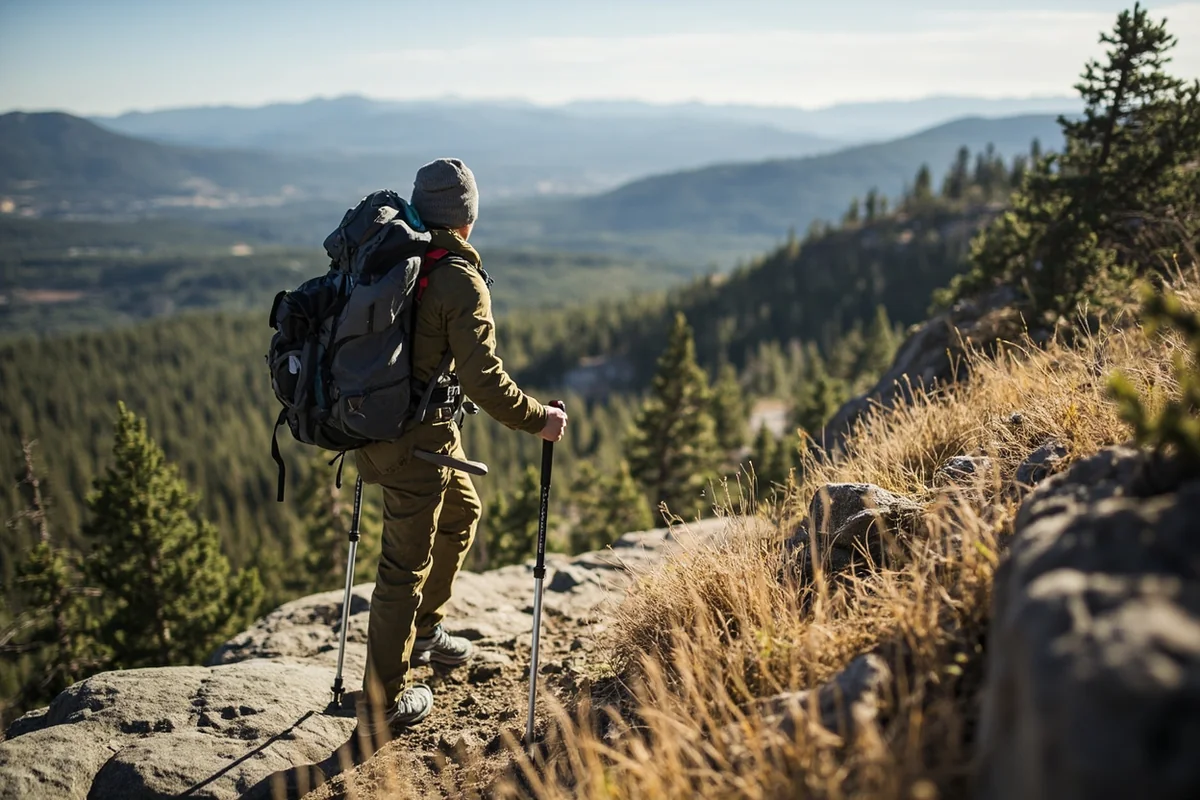
- Use trekking poles to probe ahead on obscured sections
- Hike during cooler parts of the day when snakes are less active
- Never reach into rock crevices, woodpiles, or other blind spots
During a recent trip through the Charles M. Russell National Wildlife Refuge, I made it a practice to tap rocks with my trekking pole before climbing over them. It’s a habit that’s prevented at least two potential close calls.
What to Wear
Footwear matters more than you might think. I always wear sturdy hiking boots that cover my ankles when exploring eastern Montana. Last summer, I invested in snake gaiters for a multi-day trip through particularly remote badlands terrain—probably overkill for most visitors, but the peace of mind was worth it.
Long pants made of thick material (denim or heavy hiking fabric) provide meaningful protection. About 80% of rattlesnake bites occur on the lower legs and hands.
Camping Considerations
When camping in rattlesnake territory, I follow a specific routine that’s become second nature:
- Choose campsites away from rocky outcrops and thick brush
- Keep tent doors zipped at all times
- Shake out boots and sleeping bags before use
- Use a flashlight when walking at night
- Don’t leave food scraps that attract rodents (which attract snakes)
- Store gear inside the tent or vehicle, not scattered on the ground
I once found a small gopher snake (non-venomous) coiled inside my hiking boot at a campsite near Fort Peck—a memorable reminder to always check before inserting feet or hands into anything.
Understanding Rattlesnake Behavior
One thing that helped me tremendously was learning to read rattlesnake body language. These aren’t aggressive animals trying to hurt you—they’re defensive creatures trying to avoid conflict.
The Warning System
That iconic rattle evolved specifically to warn large animals away. When I hear it—and trust me, you won’t mistake it for anything else—I immediately freeze and locate the snake before taking any action.
The typical defensive sequence goes like this:
- Freezing motionless, hoping to remain undetected
- Rattling as a warning if the threat persists
- Coiling into defensive posture
- Striking only as a last resort
I’ve been rattled at perhaps a dozen times over the years. In every case, the snake was giving me a clear message: “I’m here, please leave.” I’ve always obliged, and I’ve never had a problem.
What Not to Do
During my conversations with Montana Fish, Wildlife & Parks staff, one fact comes up repeatedly: most snakebites happen when people try to handle, kill, or harass rattlesnakes.
Never attempt to:
- Pick up a rattlesnake (even dead ones can reflexively bite)
- Kill or harm a snake (it’s unnecessary and increases bite risk)
- Get close for photos
- Throw objects at a snake
- Corner or trap a snake
Give rattlesnakes at least six feet of clearance—they can strike about half their body length, so a four-foot snake has a two-foot strike range.
What Happens If You’re Bitten
Despite all precautions, bites occasionally happen. Montana averages only 2-3 rattlesnake bites per year, with the last fatality occurring decades ago, but knowing proper response is essential.
Immediate Response
If you or someone in your group is bitten, here’s what I’ve learned from wilderness first aid training and conversations with emergency medical personnel:
- Stay calm—panic increases heart rate and venom spread
- Move away from the snake to prevent additional bites
- Remove jewelry and tight clothing near the bite site
- Keep the bitten limb immobilized and below heart level
- Note the time of the bite and any symptoms
- Get to a hospital as quickly as safely possible
What NOT to Do
Many traditional “treatments” are actually harmful. Do not:
- Cut the wound or try to suck out venom
- Apply a tourniquet
- Ice the bite
- Apply electrical shock
- Drink alcohol
- Take aspirin or ibuprofen (they increase bleeding)
Modern antivenom (CroFab) is highly effective when administered promptly. Major hospitals in Billings, Missoula, Great Falls, and other Montana cities stock it.
Dry Bites and Severity
Here’s something reassuring I learned from an ER physician in Billings: up to 25% of rattlesnake bites are “dry bites” that don’t inject venom. The snake is often trying to warn, not kill.
Even envenomated bites are rarely life-threatening with proper medical care. Symptoms typically include pain, swelling, bruising, nausea, and dizziness. Severe reactions can include difficulty breathing and significant tissue damage, but these outcomes are rare with prompt treatment.

Best Practices for Photographing Rattlesnakes
I understand the desire to photograph these striking animals—I’ve done it myself. But there’s a right way and a wrong way.
Safe Photography Techniques
When I photograph rattlesnakes, I use a telephoto lens of at least 200mm, maintaining a minimum distance of ten feet. Even better is a good zoom from 15-20 feet away.
Some tips from my experience:
- Never approach closer for a “better shot”
- Don’t use flash, which can startle the snake
- Watch your footing—don’t back into another snake while focused on one
- Accept that some photos won’t be magazine-quality, and that’s okay
- Respect that the snake’s safety and yours matter more than any image
The best photographs I’ve taken came from patient waiting, not close approaches. Snakes that aren’t feeling threatened will often relax from their coiled position and begin moving naturally.
Rattlesnake Myths vs. Reality
During my years exploring Montana, I’ve heard countless myths about rattlesnakes. Let me address some of the most common ones.
Common Misconceptions
Myth: Rattlesnakes always rattle before striking.
Reality: Not always. Cold snakes may be sluggish and fail to rattle. Sometimes the rattle is damaged or wet. I always assume snakes might not warn me.
Myth: Baby rattlesnakes are more dangerous because they can’t control their venom.
Reality: This is largely false. While young snakes might deliver a higher percentage of their venom, adults have significantly more venom to inject. Both deserve equal caution.
Myth: Rattlesnakes chase people.
Reality: In my experience, this has never happened. Snakes flee or hold their ground—they don’t pursue. What sometimes looks like chasing is actually the snake trying to escape toward its hiding spot, which might be behind you.
Myth: You can identify the age of a rattlesnake by counting its rattles.
Reality: Each rattle segment indicates a shed, not a year. Snakes shed multiple times per year, and segments frequently break off.
Coexisting with Rattlesnakes on Montana Properties
If you’re staying at a vacation rental or cabin in rattlesnake country, some additional considerations apply.
Making Properties Less Attractive to Snakes
At a ranch stay near Big Timber last year, I noticed the property owners had implemented several snake-deterrent strategies:
- Keeping grass mowed short around buildings
- Removing wood piles, debris, and rock stacks near the house
- Sealing gaps in foundations and outbuildings
- Controlling rodent populations
- Installing fine-mesh hardware cloth over vents
These methods don’t guarantee a snake-free property, but they significantly reduce the likelihood of close encounters.
What to Do If You Find a Snake on a Property
During my travels, I’ve encountered snakes at several lodgings. The response should be:
- Keep people and pets away
- Give the snake space to leave on its own
- Contact property management or local wildlife services if needed
- Never attempt to kill or relocate the snake yourself
Montana Fish, Wildlife & Parks can provide guidance, and some areas have licensed wildlife control operators who safely relocate snakes.
How Rattlesnakes Fit Into Montana’s Wildlife Tapestry
What I’ve come to appreciate most about rattlesnakes is how they connect to everything else in Montana’s wild places. They share habitat with Montana deer, which browse the same sagebrush grasslands. They compete with Montana mountain lions for rodent prey in some areas.
The prairies where rattlesnakes hunt are home to Montana elk in migration corridors and provide nesting habitat for many of Montana’s duck species near wetland edges.
I’ve even observed Montana osprey fishing in rivers that wind through rattlesnake territory, their paths crossing in the complex web of Montana ecosystems.
Understanding one species helps you appreciate them all—from the rare Montana lynx of the northwest to the Montana bighorn sheep that navigate cliffs rattlesnakes also enjoy.
Some of Montana’s wildlife faces significant challenges, as detailed in our piece on endangered and threatened species in Montana. Rattlesnakes, while not endangered, face pressure from habitat loss and human persecution.
Specific Locations and Risk Assessment
Let me share some specific insights about rattlesnake presence at popular Montana destinations.
Higher Risk Areas
Based on my travels and conversations with wildlife officials:
- Makoshika State Park: Prime rattlesnake habitat. I’ve seen multiple snakes on every visit.
- Missouri Breaks: Excellent snake country. Use extreme caution on any hike.
- Pompeys Pillar: Historical site with rattlesnakes on surrounding trails.
- Medicine Rocks State Park: Rocky terrain attracts snakes. Watch carefully when climbing.
- Charles M. Russell National Wildlife Refuge: Large rattlesnake population throughout.
Lower Risk Areas
These destinations have minimal to no rattlesnake presence:
- Glacier National Park: Too high and cold for rattlesnakes.
- Bob Marshall Wilderness: Mostly above rattlesnake elevation.
- Flathead Lake area: Western Montana with very few rattlesnakes.
- Bozeman/Big Sky: Higher elevation limits presence.
Even in “lower risk” areas, I maintain awareness. Montana’s diverse landscapes mean conditions can change quickly, and warming temperatures are shifting wildlife ranges.
Children, Pets, and Rattlesnake Safety
If you’re traveling with kids or dogs, some additional precautions apply.
Keeping Children Safe
I’ve hiked with friends’ children in rattlesnake country, and the key is education without terror. Kids should understand:
- Never touch any snake
- Always tell an adult if they see or hear a snake
- Stay on trails and near adults
- Don’t reach into holes, under rocks, or into brush
Making it an educational opportunity rather than a fear-based warning helps kids develop healthy respect for wildlife.
Protecting Pets
Dogs face higher risk than humans because they investigate with their noses and don’t understand the warning rattle. On a trip near Glendive, I met a rancher whose dog had survived two rattlesnake bites—expensive veterinary bills both times.
Consider:
- Keeping dogs leashed in rattlesnake habitat
- Rattlesnake aversion training (available in Montana)
- Staying on clear trails where snakes are visible
- Knowing the location of the nearest emergency veterinary clinic
Some vets offer a rattlesnake vaccine for dogs that may reduce the severity of envenomation, though it doesn’t replace proper response.
Non-Venomous Snakes You Might Encounter
Montana has nine other snake species, all non-venomous. Learning to identify them prevents unnecessary panic and helps you appreciate snake diversity.
Common harmless species include:
- Gopher Snake (Bullsnake): Often mistaken for rattlesnakes due to similar coloring and defensive behavior
- Western Terrestrial Garter Snake: Striped pattern, common near water
- Plains Garter Snake: Found in eastern Montana grasslands
- Racer: Solid-colored, fast-moving, non-aggressive
- Rubber Boa: Small, docile, found in western Montana
I recommend the Montana Field Guide for detailed identification resources. Knowing your snakes reduces anxiety and helps you react appropriately to encounters.
These snakes join other fascinating creatures in Montana’s diverse ecosystem, from Montana otters playing in rivers to the unusual Montana spiders that share similar habitats.
Climate Change and Rattlesnake Distribution
Something I’ve noticed over my years visiting Montana is subtle shifts in wildlife patterns. Wildlife biologists I’ve interviewed suggest rattlesnakes may be expanding their range slightly as temperatures warm.
Areas that were historically too cold for rattlesnakes might see occasional appearances. This connects to broader changes affecting Montana winter animals and Montana winter birds as well.
It’s one more reason to stay informed about local conditions wherever you travel in Montana.
Conservation and Legal Protections
Rattlesnakes aren’t protected by specific regulations in Montana, but killing them unnecessarily is both ethically questionable and ecologically harmful. The creatures I’ve encountered on Montana trails are part of what makes wild places wild.
Some areas have also seen impacts from Montana invasive species, which can disrupt the food webs rattlesnakes depend on.
I encourage every visitor to adopt a live-and-let-live approach. These animals have survived in Montana for thousands of years—they deserve our respect.
Final Thoughts from the Trail
After all my encounters with prairie rattlesnakes across Montana, I can tell you that fear transforms into appreciation with knowledge and experience. These snakes are remarkable survivors, beautiful in their own way, and an integral part of the landscapes we love to explore.
The risk they pose is manageable with simple precautions. Watch where you step, respect their space, and appreciate the privilege of sharing wild country with creatures that have called it home far longer than we have.
Montana’s wildlife includes everything from Montana alpacas at ranches to Montana mountain goats on high peaks to Montana mountain horses in rolling grasslands. Rattlesnakes are just one thread in this incredible tapestry—and understanding them makes every Montana adventure richer.
Get out there. Stay aware. And enjoy everything Big Sky Country has to offer.
Frequently Asked Questions
Are there rattlesnakes in Montana and which species should I watch for?
Yes, Montana is home to the Prairie Rattlesnake, the only venomous snake species in the state. I’ve encountered them primarily in the eastern plains and river valleys, though they can appear in rocky outcrops throughout central and western Montana below 6,500 feet elevation.
What time of year are rattlesnakes most active in Montana?
Rattlesnakes are most active in Montana from April through October, with peak activity during the warmer months of June through August. They’re typically out during early morning and evening hours in summer, so I recommend hiking during midday when snakes often seek shade to avoid the heat.
Where am I most likely to encounter rattlesnakes while hiking in Montana?
You’re most likely to spot rattlesnakes along the Missouri River Breaks, in Makoshika State Park near Glendive, and throughout the grasslands east of the Rocky Mountain Front. They favor rocky ledges, prairie dog towns, and sagebrush areas where they hunt rodents—I always stay extra alert on trails through these habitats.
What should I wear and bring to protect against rattlesnakes on Montana trails?
I always wear sturdy, over-the-ankle hiking boots and loose-fitting long pants when exploring rattlesnake country in Montana. Bring a hiking stick to probe ahead in tall grass, carry a fully charged phone for emergencies, and consider packing a basic first aid kit—though the best protection is simply watching where you step and place your hands.
What should I do if I encounter a rattlesnake while visiting Montana?
If you hear a rattle or spot a snake, freeze immediately and slowly back away to at least 6 feet distance—rattlesnakes can strike about half their body length. I’ve found that giving them space and a clear escape route means they’ll typically retreat on their own, as they’re not aggressive and only strike defensively.
How common are rattlesnake bites in Montana and where is the nearest hospital?
Rattlesnake bites in Montana are rare, averaging only a few reported cases per year, and fatalities are extremely uncommon with prompt medical treatment. Major hospitals in Billings, Missoula, and Great Falls stock antivenom, so before hiking remote areas I always note the nearest medical facility—driving distances can exceed 100 miles in eastern Montana.
Can I bring my dog hiking in Montana rattlesnake territory?
Dogs are particularly vulnerable to rattlesnake bites due to their curiosity, so I recommend keeping them leashed and on established trails in known snake habitat. Consider a rattlesnake aversion training course offered by several Montana trainers for around $75-150, and ask your vet about the rattlesnake vaccine before your trip—it can buy valuable time if a bite occurs.
Sources: