I was standing at the edge of Glacier National Park’s Hidden Lake Overlook last July when a fellow hiker from Texas turned to me and said, “I’ve traveled all 50 states, and nothing—absolutely nothing—compares to this.”
That moment crystallized everything I’ve felt about Montana since my first visit over a decade ago. Big Sky Country isn’t just a nickname; it’s a promise that this state delivers on every single day, in every corner, during every season.
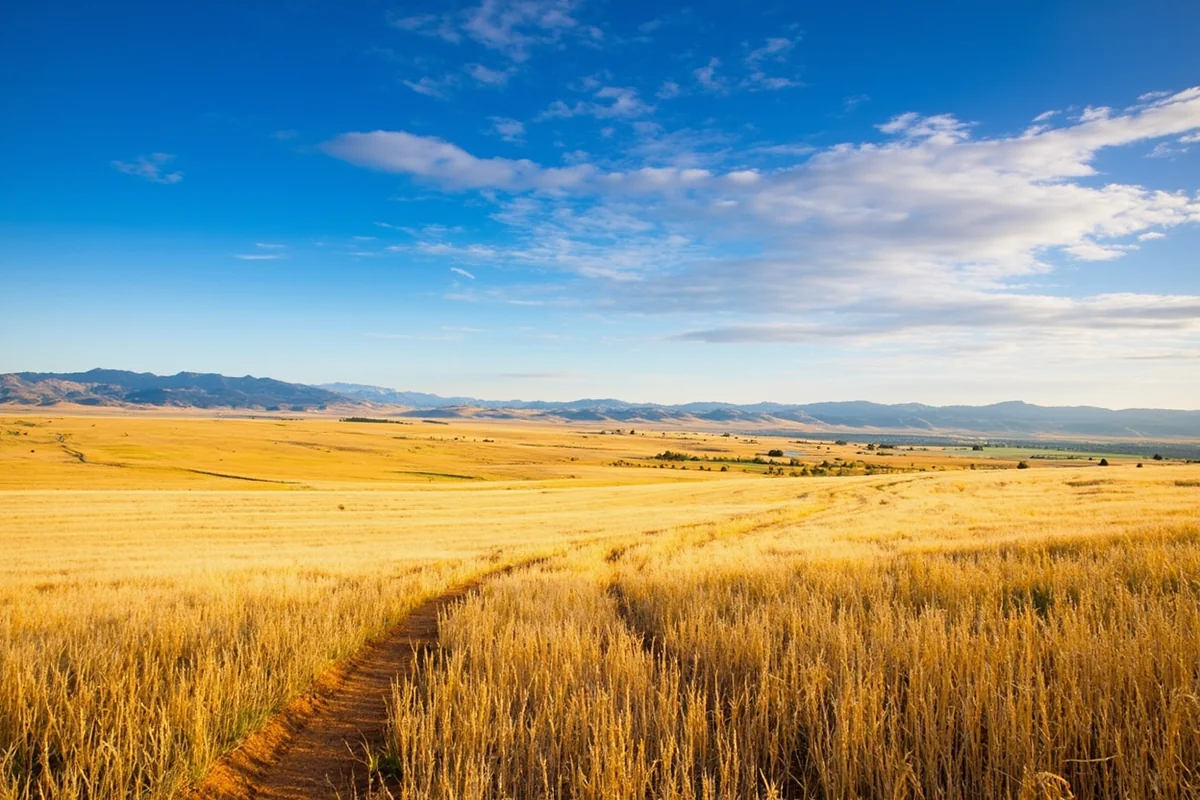
- Montana’s “Big Sky Country” nickname comes from the vast, unobstructed horizons created by its unique geography of open plains meeting dramatic mountain ranges
- The state offers the best combination of wildlife viewing, outdoor recreation, and authentic Western culture in the entire United States
- Glacier and Yellowstone National Parks anchor Montana’s natural attractions, but lesser-known gems like the Beartooth Highway and Missouri River Breaks offer equally stunning experiences
- Four distinct seasons mean Montana rewards visitors year-round—from winter skiing to summer hiking to fall fly fishing
- The low population density (under 8 people per square mile) creates uncrowded experiences impossible to find in other Western states
Liked this article?
Add Roaming Montana as a preferred source so you see more of our articles and guides on Google.
What Makes Montana the “Best” State for Travelers
I’ll admit the title sounds bold. How can any state be definitively “best”? But after years of exploring Montana’s backcountry, small towns, and everything in between, I’ve come to understand that “best” isn’t about perfection—it’s about experiencing something authentically American that’s increasingly rare elsewhere.
Montana delivers experiences you simply cannot replicate. The wildlife isn’t behind fences. The rivers aren’t stocked with farm-raised fish. The mountains aren’t covered in chairlifts and condos.
During my most recent trip last September, I counted more elk than people during a five-day backcountry hike in the Bob Marshall Wilderness. That ratio tells you everything about why this place is special.
If you’re comparing Western destinations, you might find our comparisons helpful: Montana vs Colorado breaks down the key differences, while Montana vs Wyoming explores how these neighboring states stack up against each other.
The Origin of “Big Sky Country”
The phrase “Big Sky Country” didn’t emerge from a tourism board brainstorming session. It came from A.B. Guthrie Jr.’s 1947 novel “The Big Sky,” which captured the overwhelming sense of openness that defines Montana’s landscape.
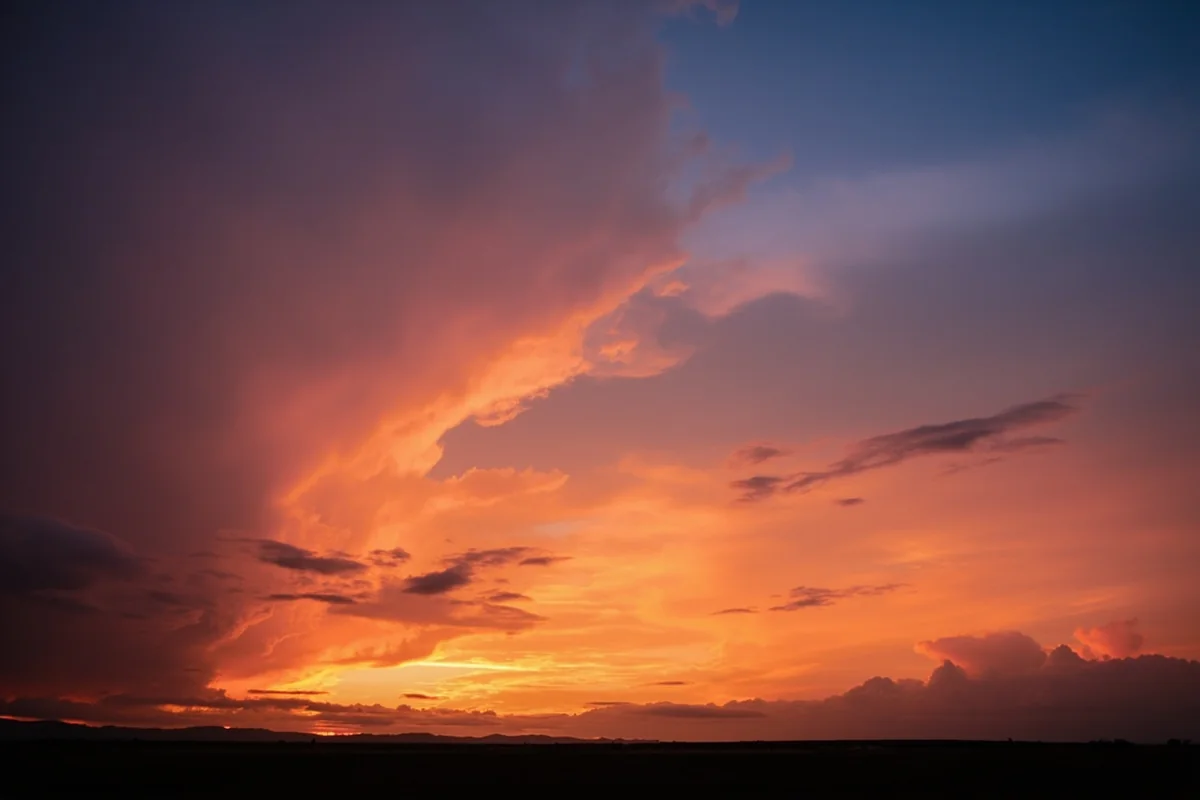
When I first drove across Montana from Billings to Missoula on I-90, I understood the name immediately. The sky doesn’t just sit above you here—it surrounds you, envelops you, becomes the dominant feature of every view.
Montana’s geography creates this effect through a unique combination of factors. The eastern two-thirds of the state consists of rolling plains and prairie that offer completely unobstructed sightlines to the horizon.
Then the Rocky Mountains rise dramatically in the western third, creating a stunning contrast that makes both features more impressive. You can see weather systems approaching from 50 miles away.
For readers interested in diving deeper into Montana’s cultural identity, Montana’s literary tradition has produced remarkable writers who captured this landscape in prose. And our collection of quotes about Montana features observations from everyone from Teddy Roosevelt to modern travelers.
Glacier National Park: Montana’s Crown Jewel
No discussion of Montana’s best attributes can skip Glacier National Park. I’ve visited at least a dozen national parks across the country, and Glacier remains my top recommendation for anyone seeking genuine wilderness within a national park setting.
The statistics speak for themselves: over 700 miles of trails, 130 named lakes, and 25 active glaciers (though that number continues to decline). But the statistics don’t capture the experience.
Going-to-the-Sun Road: America’s Most Scenic Drive
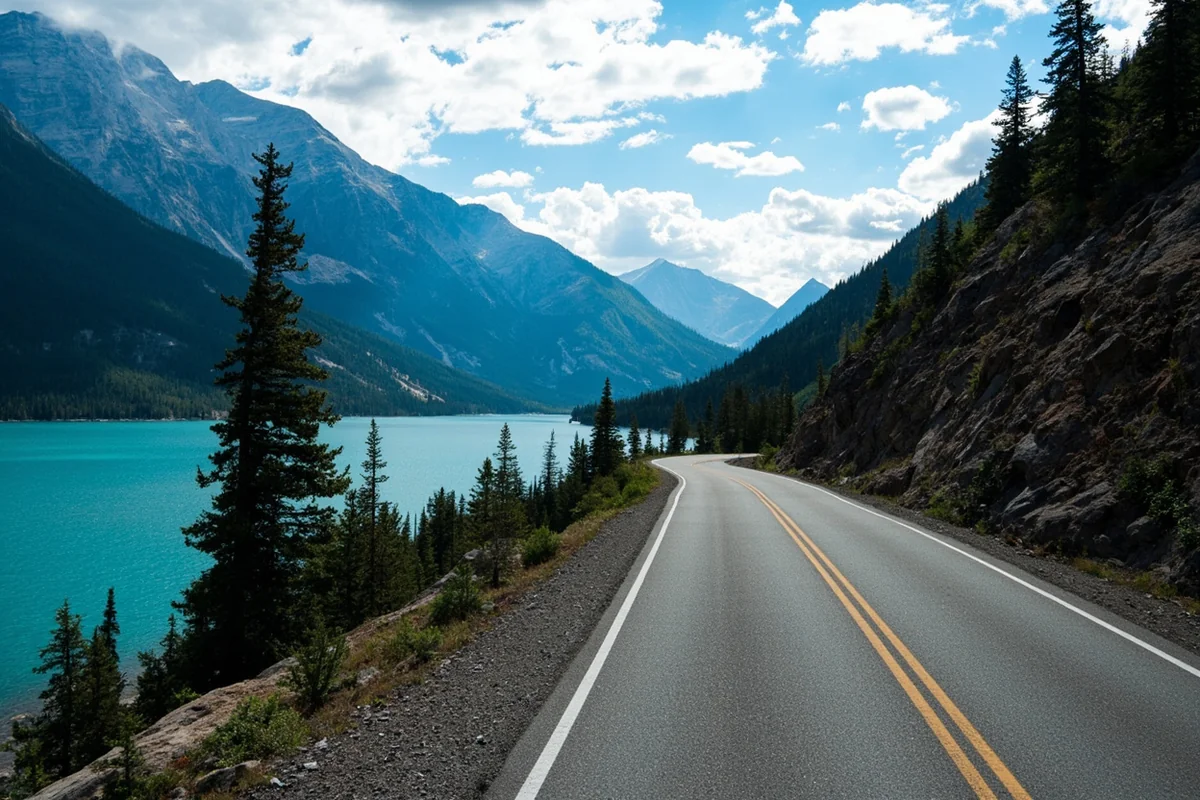
When I drove Going-to-the-Sun Road for the first time in 2018, I had to pull over six times just to process what I was seeing. This 50-mile engineering marvel crosses the Continental Divide at Logan Pass and offers views that feel computer-generated.
The road typically opens in mid-June (though climate conditions vary yearly) and closes in mid-October. I strongly recommend visiting in September when the crowds thin considerably.
My practical advice: start from the west entrance at Apgar before 7:00 AM if you’re visiting between July 4th and Labor Day. The parking lots at Logan Pass fill completely by 9:00 AM during peak season.
Hidden Lake Trail: The Quintessential Glacier Experience
If you only hike one trail in Glacier, make it Hidden Lake. The 2.7-mile trail from Logan Pass descends through alpine meadows to an overlook above Hidden Lake.
During my last hike in late July, I encountered mountain goats grazing within 20 feet of the trail. These animals are habituated to hikers but remain wild—maintain distance and never approach them.
The trail is boardwalked for the first mile, making it accessible to most fitness levels. But don’t be fooled by the short distance; the altitude at 6,646 feet affects many visitors.
Many Glacier Valley: Wildlife Central
The Many Glacier area on Glacier’s east side offers arguably the best wildlife viewing in any national park outside of Alaska. I’ve seen grizzly bears on every single visit to this valley—sometimes multiple bears in a single day.
The Swiftcurrent Motor Inn provides basic but adequate lodging steps from trailheads. Book at least six months in advance for summer dates; these 88 rooms sell out quickly.
From Many Glacier, the Grinnell Glacier Trail remains one of my favorite hikes in all of North America. The 10.6-mile roundtrip passes four lakes and ends at an active glacier—one of the few in the Lower 48 you can still touch.
Yellowstone’s Montana Side: The Road Less Traveled
Most Yellowstone visitors enter through Wyoming and focus on Old Faithful and the Grand Prismatic Spring. But the Montana entrances—particularly the North Entrance at Gardiner and the Northeast Entrance near Cooke City—access the park’s most spectacular wildlife areas.
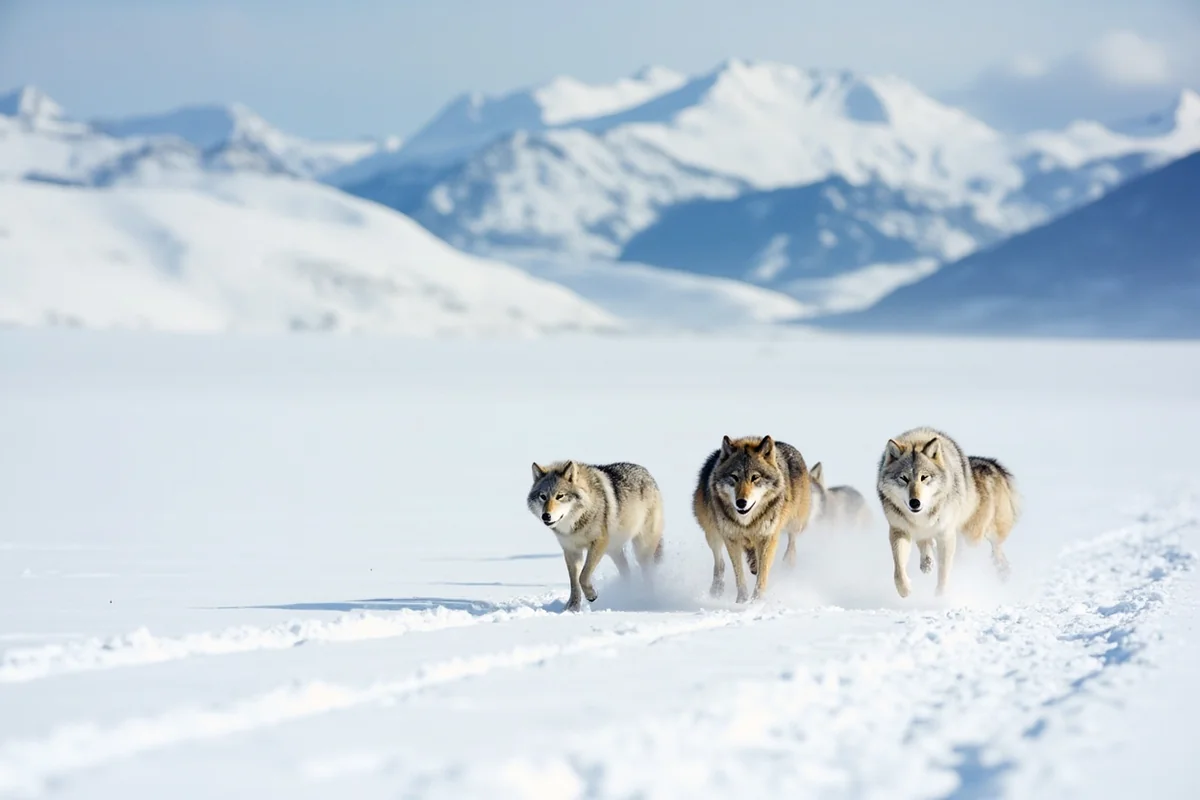
The Lamar Valley, accessible from the Northeast Entrance, is known as “America’s Serengeti” for good reason. Last winter, I spent three days in the Lamar Valley watching wolf packs hunt, bison herds navigate deep snow, and coyotes scavenge carcasses.
Gardiner: The Year-Round Gateway
Gardiner, Montana, sits at Yellowstone’s only entrance that remains open year-round. This small town of about 900 permanent residents serves as an ideal base camp for winter wildlife viewing.
I recommend the Yellowstone Super 8 for budget travelers or the Absaroka Lodge for something nicer—both offer solid value and easy park access.
The Roosevelt Arch at the North Entrance provides an iconic photo opportunity. Theodore Roosevelt dedicated it in 1903, and the inscription “For the Benefit and Enjoyment of the People” still resonates.
Cooke City: Montana’s Most Remote Town
Cooke City sits at 7,651 feet elevation on the edge of the Absaroka-Beartooth Wilderness. With a year-round population under 100, this former mining town offers the most authentic Montana experience near Yellowstone.
The Beartooth Highway (US-212) connecting Cooke City to Red Lodge is only open from late May to mid-October, but it’s worth planning your trip around. Charles Kuralt called it “the most beautiful drive in America,” and I completely agree.
The switchbacks climb to nearly 11,000 feet, passing alpine lakes, permanent snowfields, and wildflower meadows that peak in mid-July. Budget three hours for the 68-mile drive—you’ll want to stop constantly.
The Missouri River Breaks: Montana’s Hidden Wilderness
While Glacier and Yellowstone attract millions, the Missouri River Breaks National Monument sees only about 15,000 visitors annually. This 375,000-acre wilderness in central Montana remains virtually unchanged from when Lewis and Clark passed through in 1805.
I paddled a 47-mile section from Coal Banks Landing to Judith Landing last summer, and it was the most transportive experience of my Montana travels. The white cliffs, hoodoos, and cottonwood-lined banks look exactly as Meriwether Lewis described them in his journals.
No permits are required for river trips, but you’ll need to arrange a shuttle. Missouri River Outfitters in Fort Benton provides reliable shuttle service and canoe rentals. I paid $150 for a three-day canoe rental and shuttle in 2023.
Fort Benton itself deserves a day of your time. This town of 1,500 was once the innermost port in the world—steamboats from New Orleans reached this spot until the railroad arrived. The Museum of the Northern Great Plains and the Lewis and Clark National Historic Trail Interpretive Center both merit visits.
Montana’s Mountain Towns: Character and Craft
Montana’s towns reflect a different approach to development than you’ll find elsewhere in the West. Strict zoning laws, community resistance to sprawl, and geographic isolation have preserved their historic character.
Whitefish: Adventure Base Camp
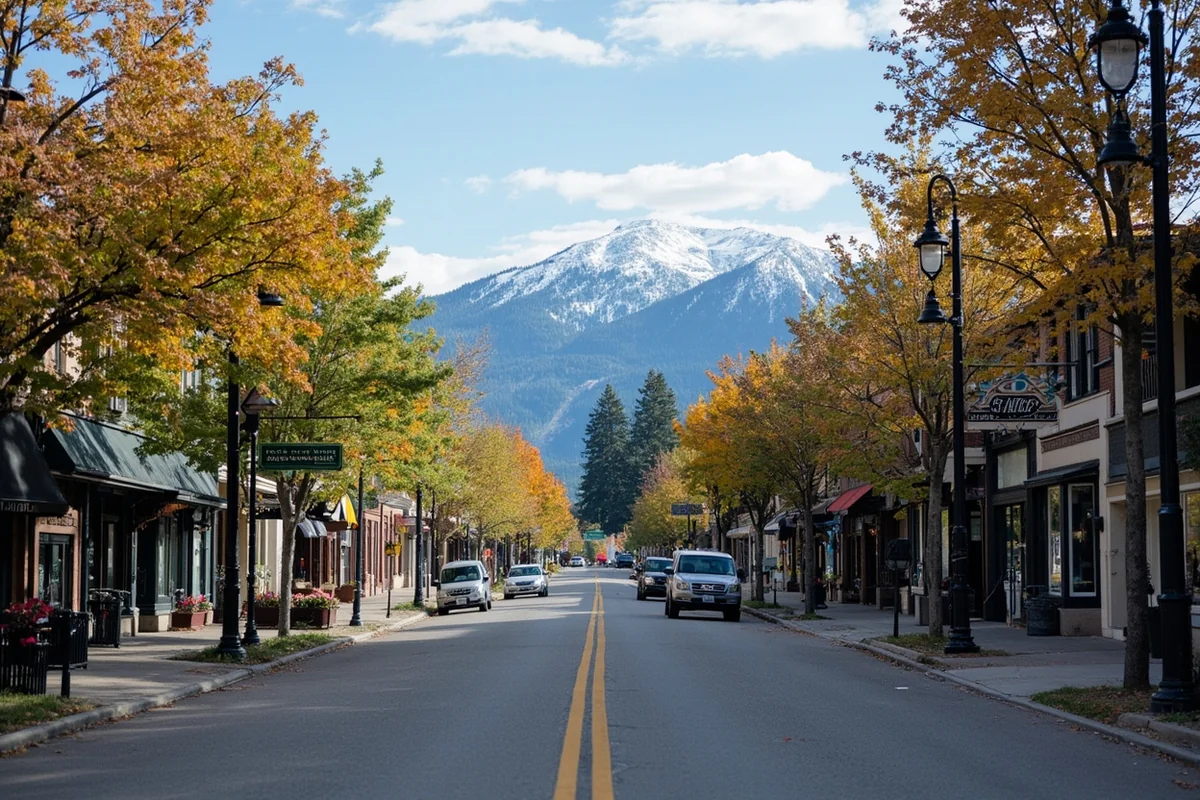
Whitefish sits at the gateway to Glacier National Park and offers the best selection of restaurants, shops, and lodging in northwestern Montana. The historic downtown—designated a National Historic District—remains walkable and locally owned.
The Buffalo Cafe serves breakfast worth a 100-mile drive. Their huckleberry pancakes have ruined me for breakfast anywhere else. Arrive by 7:30 AM on weekends to avoid the line.
Whitefish Mountain Resort provides skiing from early December through early April, with 3,000 acres of terrain and remarkably short lift lines compared to Colorado resorts.
Bozeman: Culture Meets Wilderness
Bozeman has grown significantly in recent years (a controversial topic among longtime residents), but it retains the best combination of cultural amenities and outdoor access in Montana.
Montana State University brings a young energy to the town, while the Museum of the Rockies houses one of the world’s best dinosaur fossil collections. I spent three hours there last fall and could have stayed longer.
The fly fishing within an hour of Bozeman—the Gallatin, Madison, and Yellowstone Rivers—represents some of the best trout water on Earth. If you’re new to fly fishing, Montana Troutfitters offers excellent half-day guided trips on the Gallatin for around $350.
Missoula: Montana’s Liberal Heart
Missoula defies stereotypes about Montana. This university town of 75,000 supports a thriving arts scene, farm-to-table dining, and progressive politics that surprises many visitors.
The hip strip (Higgins Avenue) offers independent bookstores, coffee roasters, and craft breweries within a few blocks. Shakespeare in the Parks performances draw locals to Caras Park during summer evenings.
The Clark Fork River runs through downtown, and I’ve spent pleasant afternoons floating the river on inner tubes—a Missoula summertime tradition.
For those considering a deeper connection to the state, our guide to moving to Montana covers everything from housing costs to cultural adjustment.
Wildlife Encounters: The Real Montana
Montana’s wildlife populations represent one of the state’s most compelling attractions. The combination of vast public lands, healthy ecosystems, and low human population supports animal populations that have disappeared from most of America.
Grizzly Bears
An estimated 1,000 grizzlies roam the Northern Continental Divide Ecosystem (Glacier and surrounding wilderness). Another 700-800 live in the Greater Yellowstone Ecosystem.
I carry bear spray on every Montana hike—no exceptions. Counter Assault is the brand recommended by park rangers, and it costs around $50. Never approach bears, and store food properly when camping.
The best viewing opportunities are in the Many Glacier Valley and the Lamar Valley, typically at dawn and dusk during spring (May-June) when bears are actively feeding after hibernation.
Wolves
Montana’s wolf population has recovered remarkably since reintroduction in 1995. The Lamar Valley in Yellowstone offers the most reliable viewing opportunities in the world.
Bring a spotting scope or high-powered binoculars—wolves typically stay several hundred yards from roads. The Yellowstone Forever Institute offers excellent wolf-watching programs with expert guides who track pack movements daily.
Elk, Bison, and More
Elk number approximately 150,000 in Montana—more than any other state. During September and October, the rut (mating season) brings bull elk into meadows where they bugle and compete for mates. Yellowstone’s Mammoth Hot Springs area and the National Bison Range near Missoula offer reliable viewing.
Yellowstone’s bison population of about 5,000 represents the only continuously wild herd in America. These animals deserve enormous respect—they’re responsible for more visitor injuries than bears. Maintain at least 25 yards of distance.
Seasonal Considerations: When to Visit
Montana offers distinctly different experiences in each season. The “best” time to visit depends entirely on your priorities.
| Season | Dates | Highlights | Considerations |
|---|---|---|---|
| Summer | June-August | All roads open, hiking, camping, wildflowers | Crowds at parks, book lodging months ahead |
| Fall | September-October | Elk rut, fall colors, fewer crowds, clear skies | Some high-altitude roads close mid-October |
| Winter | November-March | Skiing, wolf watching, uncrowded parks | Cold temperatures, limited road access |
| Spring | April-May | Bear emergence, waterfalls peak, wildflower beginnings | Unpredictable weather, muddy trails |
My personal favorite is late September. The crowds disappear after Labor Day, fall colors paint the mountainsides, and the weather typically remains stable with cool nights and warm days.
Practical Planning: Making Your Trip Happen
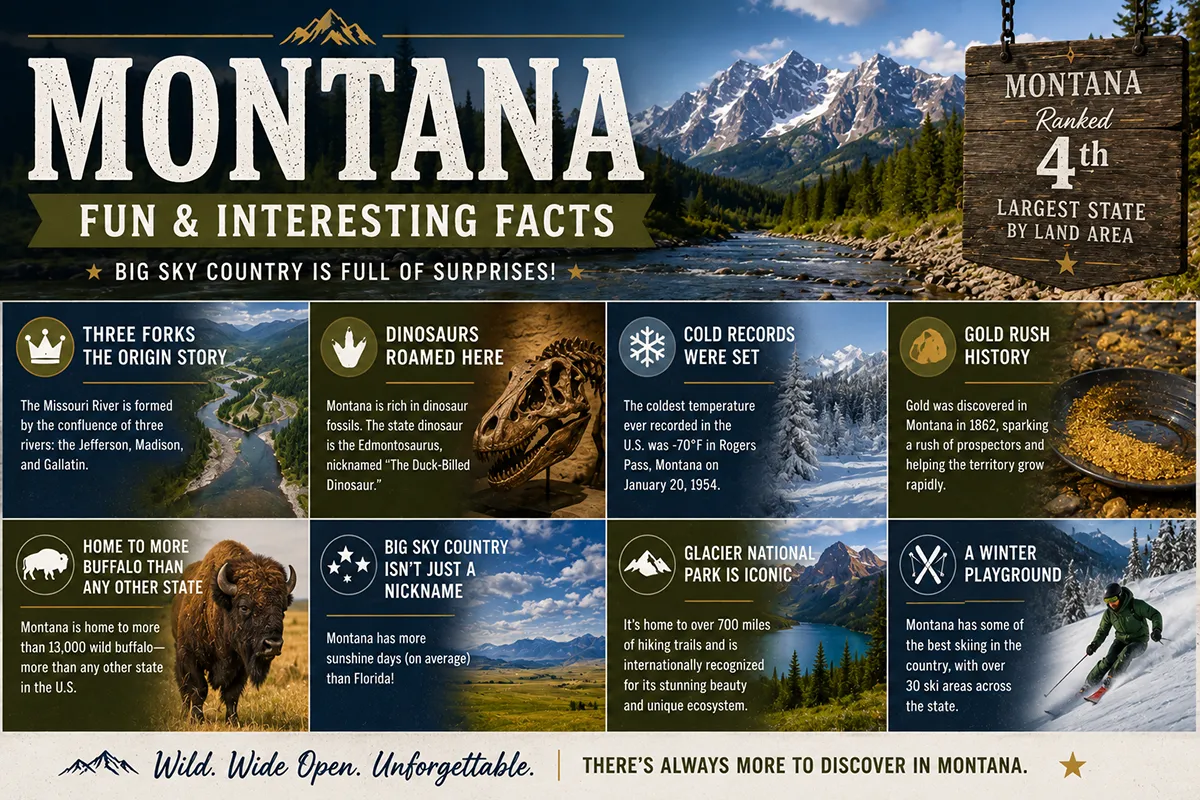
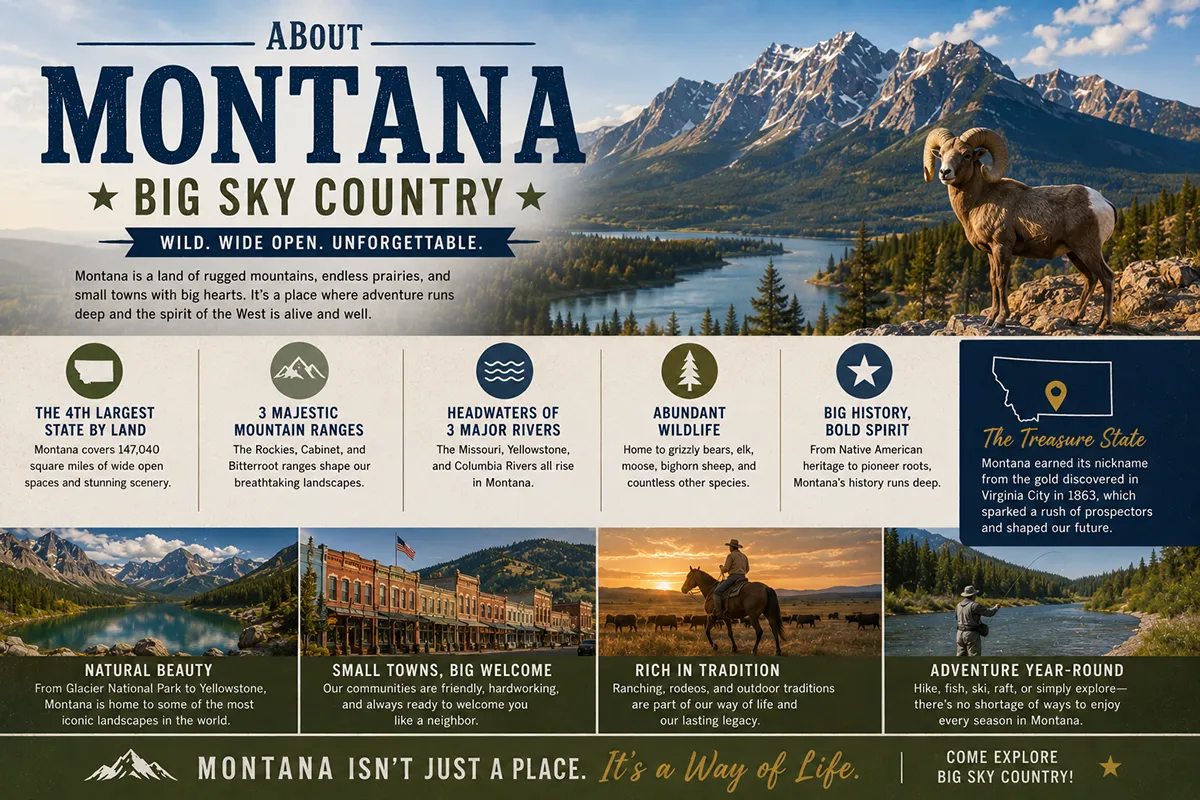
Montana’s vastness requires thoughtful planning. The state spans over 147,000 square miles—larger than Germany—and distances between attractions can be substantial.
Getting There
Bozeman Yellowstone International Airport (BZN) offers the most flight options, with direct service from major hubs including Denver, Seattle, Salt Lake City, Minneapolis, and seasonal service from many others.
Missoula International Airport (MSO) provides convenient access to Glacier National Park and western Montana. Glacier Park International Airport (FCA) in Kalispell sits just 30 miles from Glacier’s west entrance.
Rental cars are essential unless you’re joining organized tours. Reserve early for summer travel—vehicles sometimes sell out weeks in advance.
Where to Stay
Montana’s lodging ranges from rustic backcountry cabins to luxury resorts. I generally recommend a mix of experiences:
Historic lodges inside national parks (book 6-12 months ahead) offer unmatchable locations. Many Glacier Hotel, Lake McDonald Lodge, and Old Faithful Inn rank among America’s finest historic properties.
Gateway town hotels provide better value and easier access to dining options. Whitefish, Gardiner, and West Yellowstone all offer good selections.
Camping remains the most immersive option. Many Glacier Campground and Fish Creek Campground in Glacier are first-come, first-served and fill by mid-morning in summer. Arrive before 8:00 AM.
Money Matters
Montana isn’t cheap, but it offers better value than many Western destinations. Here’s my rough daily budget breakdown based on recent trips:
Budget travel: $80-120/day (camping, self-catering, limited dining out)
Mid-range: $200-300/day (hotel, restaurant meals, some guided activities)
Comfort: $400+/day (lodge accommodations, guided fishing/wildlife tours)
National park entry fees are $35 per vehicle for a seven-day pass. The $80 Annual America the Beautiful pass pays for itself quickly if you’re visiting multiple parks.
Why Montana Stands Apart
After all my travels, I’ve thought extensively about why Montana creates such strong emotional connections. Several factors combine to create experiences unavailable elsewhere.
The scale is part of it. Views extend for dozens of miles without a cell tower, power line, or building interrupting them. Something deeply satisfying happens in your brain when you experience truly unobstructed vistas.
The authenticity matters too. Montana hasn’t been manicured into a theme park version of the West. Ranches are working ranches. Fishing guides grew up on these rivers. The culture isn’t performed for tourists.
And there’s the wildness—real, sometimes dangerous wildness. Knowing that a grizzly bear could be around the next bend changes how you experience a hike. It demands presence and attention that everyday life rarely requires.
If you’re curious about what makes Montana unique beyond just natural beauty, 23 unique ways Montana stands out explores cultural quirks and characteristics. And 27 things Montana is known for provides a comprehensive overview of the state’s defining features.
Montana’s Cultural Heritage
Beyond landscapes, Montana offers rich cultural experiences rooted in both Native American history and Western frontier heritage.
Native American Heritage
Seven Indian reservations cover significant portions of Montana, representing 12 different tribes. The Blackfeet Nation borders Glacier National Park, and their cultural center in Browning provides essential context for understanding this landscape.
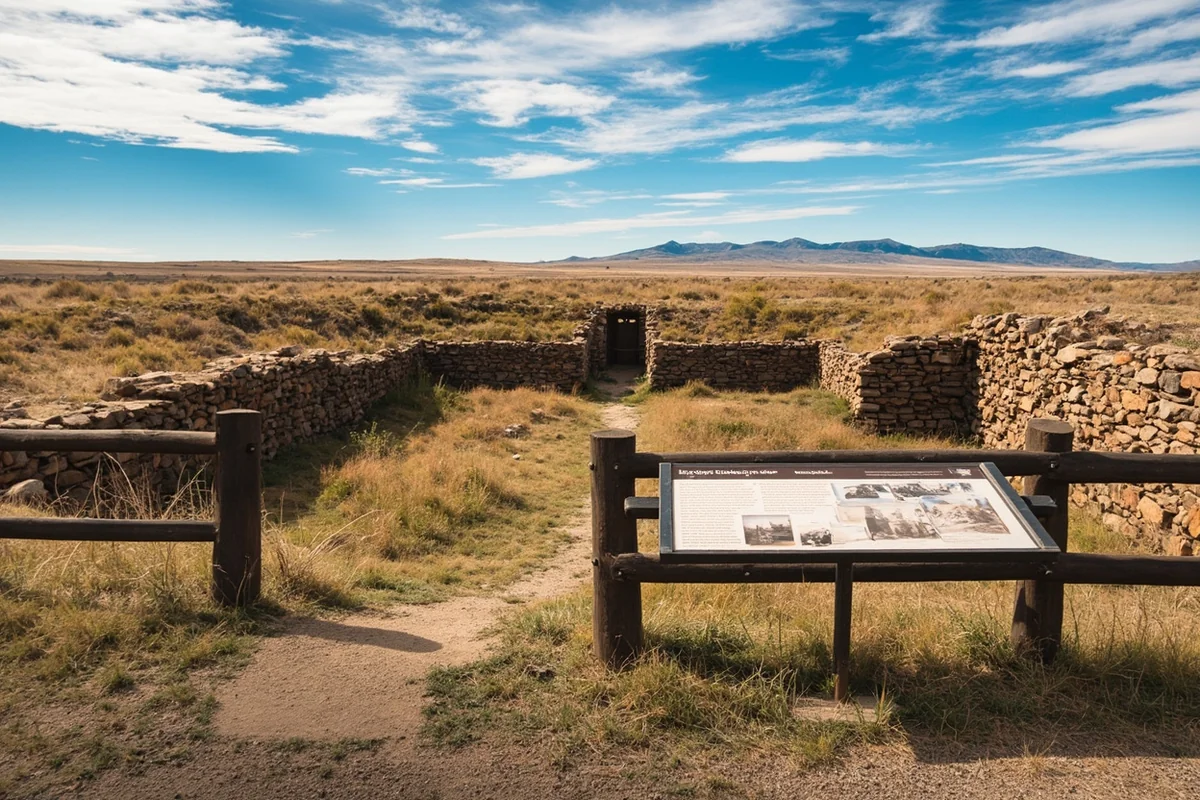
The Little Bighorn Battlefield National Monument memorializes the 1876 battle where Lakota and Cheyenne warriors defeated George Custer’s 7th Cavalry. The battlefield, located near Crow Agency, offers sobering perspective on American history.
I recommend visiting with a native guide when possible. Apsáalooke Tours, operated by members of the Crow Nation, provides excellent battlefield tours that include perspectives often absent from mainstream accounts.
Mining and Ranching History
Butte’s mining history shaped Montana’s development. The World Museum of Mining and the Berkeley Pit (a mile-wide, 1,780-foot-deep former copper mine now filled with toxic water) illustrate both the wealth extracted from Montana and its environmental costs.
Virginia City and Nevada City preserve authentic 1860s gold rush architecture. These aren’t recreations—they’re actual preserved towns where wooden boardwalks, period saloons, and historic theaters remain largely unchanged.
The state has attracted notable residents throughout its history. Famous people from Montana covers everyone from Evel Knievel to Gary Cooper. And the landscape has served as backdrop for numerous films—movies filmed in Montana spans from “A River Runs Through It” to “Yellowstone.”
Natural Resources and Conservation
Montana’s natural wealth extends beyond scenic beauty. The state’s natural resources include timber, minerals, agricultural land, and increasingly, renewable energy potential.
Understanding these resources helps visitors appreciate both Montana’s economic reality and ongoing conservation debates. You’ll notice active timber operations, working ranches, and mining activity alongside wilderness areas.
The balance between extraction and preservation remains contentious. Talking with locals reveals passionate opinions on all sides—and listening to these perspectives enriches any Montana visit.
Comparing Montana to Other States
Visitors often ask how Montana compares to other Western destinations. The short answer: it depends what you’re seeking.
If you’re debating between Montana and other Northern states, our comparisons provide detailed analysis: Montana vs Alaska, Montana vs North Dakota, Montana vs South Dakota.
For Pacific Northwest comparisons, check Montana vs Oregon and Montana vs Idaho.
My general take: Montana offers the best combination of accessibility and wildness. Alaska is wilder but far more expensive and difficult to reach. Colorado is more accessible but far more crowded. Wyoming shares many characteristics but lacks Montana’s diversity of ecosystems.
Planning Resources and Further Reading
Before your trip, consider deepening your understanding through the best books on Montana. Norman Maclean’s “A River Runs Through It” remains the essential Montana text, but many other works capture different aspects of the state.
For visual inspiration, beautiful places in Montana showcases locations across the state worth adding to your itinerary.
And if you encounter something strange during your travels, don’t be surprised. Weird and unusual things in Montana catalogs the state’s quirky attractions and oddities.
Why Montana Earns “Best” Status
I’ve wrestled with whether any place deserves superlatives. But after another summer of exploring Montana’s backcountry, floating its rivers, and watching wildlife in valleys unchanged for centuries, I’m comfortable with the claim.
Montana isn’t the best state for everyone. If you want nightlife, theme parks, or warm beaches, look elsewhere. If you prioritize convenience over authenticity, other destinations serve better.
But if you want to experience America as it once was—wild, vast, humbling—Montana delivers like nowhere else. The sky really is bigger here. The wilderness really is wilder. The experiences really are more real.
That’s worth the drive, the planning, and yes, the cold morning when you’re breaking camp and your fingers have gone numb. Because in thirty minutes, you’ll be watching a grizzly bear fish for cutthroat trout in a river that looks exactly as it did when only Native Americans knew this land.
And that, I’d argue, is the best experience America has left to offer.
The reasons Montana is one of the best states extend far beyond what any single article can capture. And understanding the state’s leadership and direction matters too—Montana’s state governor information helps contextualize current policies affecting public lands and tourism.
Whatever brings you to Big Sky Country, come with open schedules and open minds. Montana rewards patience and punishes rigid itineraries. Let the state reveal itself on its own timeline, and you’ll understand why those of us who know it keep coming back.
Frequently Asked Questions
Why is Montana called Big Sky Country and what makes it special for travelers?
Montana earned the nickname Big Sky Country because of its vast open landscapes and seemingly endless horizons that make the sky appear larger than anywhere else in the US. I’ve stood in places where you can see 50+ miles in every direction with nothing but rolling prairies, dramatic mountain ranges, and wildlife roaming freely. It’s genuinely unlike any other state for travelers seeking untouched wilderness and authentic Western experiences.
What is the best time of year to visit Big Sky Country Montana?
The best time to visit Montana depends on your interests, but June through September offers the most accessible conditions for hiking, wildlife viewing, and exploring Glacier and Yellowstone National Parks. If you’re after skiing at Big Sky Resort or a quieter winter experience, December through March delivers world-class powder. I personally love late September when the crowds thin out, fall colors peak, and elk bugling echoes through the valleys.
How much does a week-long trip to Montana cost for US travelers?
A moderate week-long Montana trip typically runs $1,500-$2,500 per person, including lodging, gas, food, and park entrance fees. Budget travelers can cut costs by camping ($20-$35/night) and cooking their own meals, while luxury ranch stays or guided fly-fishing trips can push daily costs above $500. Gas adds up quickly since you’ll likely drive 200-400 miles between major attractions, so budget around $150-$250 for fuel.
What should I pack for a trip to Big Sky Country Montana?
Pack layers regardless of season because Montana weather changes rapidly—I’ve experienced 40-degree temperature swings in a single day. Essential items include sturdy hiking boots, a rain jacket, sunscreen, bear spray if hiking in backcountry, and binoculars for wildlife spotting. Even in summer, bring a warm fleece or down jacket for chilly mountain evenings and early morning adventures.
How many days do you need to explore Big Sky Country Montana properly?
I recommend at least 7-10 days to experience Montana’s highlights without feeling rushed, especially if you’re visiting both Glacier National Park and the greater Yellowstone area. With only 4-5 days, focus on one region rather than trying to cover too much ground—distances are deceiving on the map, and a drive from Glacier to Big Sky takes over 5 hours. Two weeks allows time for scenic detours like the Beartooth Highway and charming towns like Whitefish or Bozeman.
Is Big Sky Montana worth visiting compared to other Rocky Mountain destinations?
Big Sky is absolutely worth visiting if you want fewer crowds than Colorado resorts while accessing some of the most dramatic mountain scenery in the Lower 48. The area offers direct access to Yellowstone’s northwest entrance (just 45 miles away), world-class skiing with the biggest terrain in America, and blue-ribbon trout fishing on the Gallatin River. I find it delivers a more authentic, less commercialized mountain experience than many overcrowded Western destinations.
What are the must-see attractions and hidden gems in Montana’s Big Sky Country?
Beyond the obvious draws of Glacier and Yellowstone, don’t miss the Museum of the Rockies in Bozeman for its world-renowned dinosaur collection, or the stunning Beartooth Highway often called America’s most beautiful drive. Hidden gems include the ghost town of Garnet, soaking in natural hot springs at Chico or Norris, and the Charlie Russell Museum in Great Falls. I always tell first-time visitors to leave room for spontaneous stops—the random roadside pullout with grazing bison or a local cafe serving huckleberry pie often becomes the trip highlight.