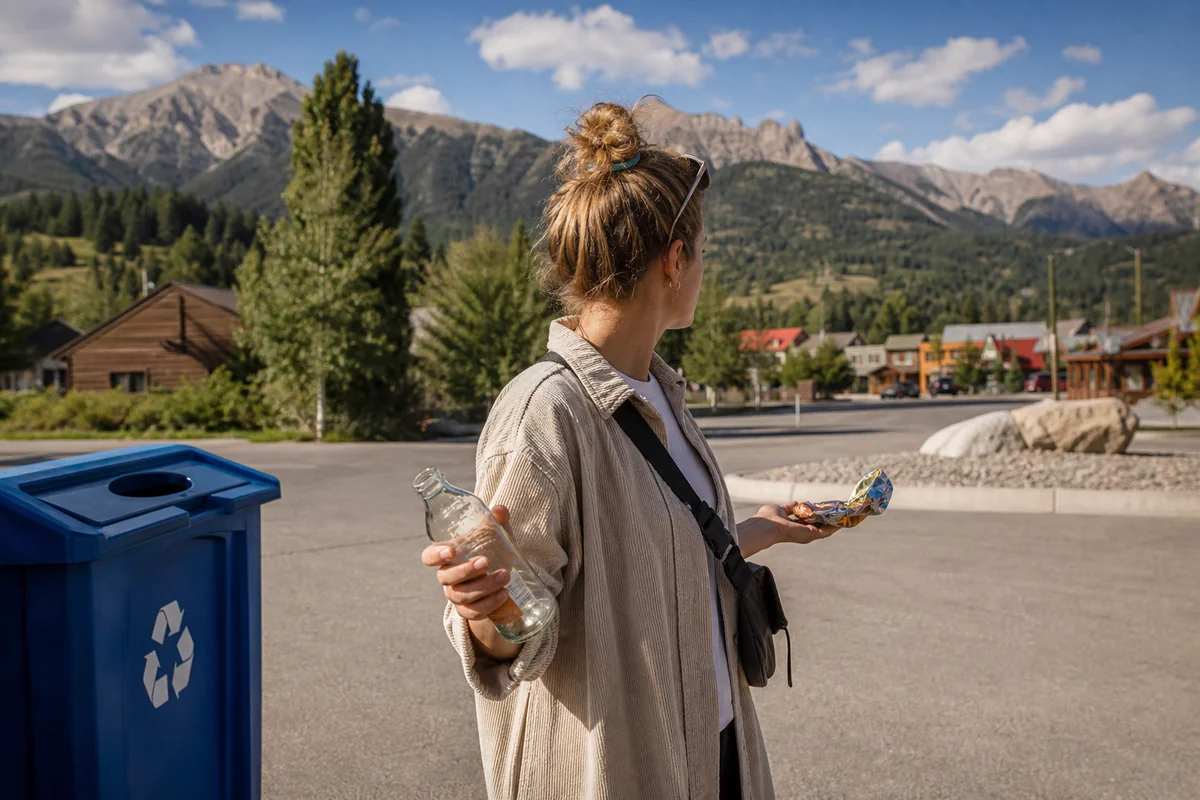
I was standing in a parking lot in Red Lodge last summer, holding an empty kombucha bottle and a granola bar wrapper, spinning in circles looking for a recycling bin that simply didn’t exist.
That moment perfectly encapsulated what many visitors discover about Montana Living: recycling in Big Sky Country operates by completely different rules than what most Americans are used to back home.
After spending years traveling through Montana and eventually calling it home part-time, I’ve learned that understanding the state’s unique recycling landscape isn’t just helpful—it’s essential for anyone who wants to explore this pristine wilderness responsibly.
- Montana has no statewide mandatory recycling program—services vary dramatically by community
- Major cities like Missoula, Bozeman, and Helena offer curbside recycling; rural areas typically don’t
- Bring a “travel recycling bag” and plan to transport recyclables to designated facilities
- Glass recycling is particularly challenging—many programs don’t accept it
- Beverage container deposits don’t exist in Montana, unlike neighboring states
- National parks and forests have their own recycling systems worth understanding
- The “Leave No Trace” ethic matters more here than recycling infrastructure
Liked this article?
Add Roaming Montana as a preferred source so you see more of our articles and guides on Google.
Why Montana’s Recycling Situation Surprised Me
Coming from a state with mandatory recycling programs and convenient blue bins on every corner, Montana’s approach initially confused me. During my first extended visit to explore the best places to live in Montana, I found myself hoarding empty water bottles in my rental car for days.
The reality is that Montana ranks among the lowest states in the nation for recycling rates, hovering around 17-20% compared to the national average of roughly 32%. But before you judge, understanding the “why” behind these numbers completely changed my perspective.
The Geographic Challenge Nobody Talks About
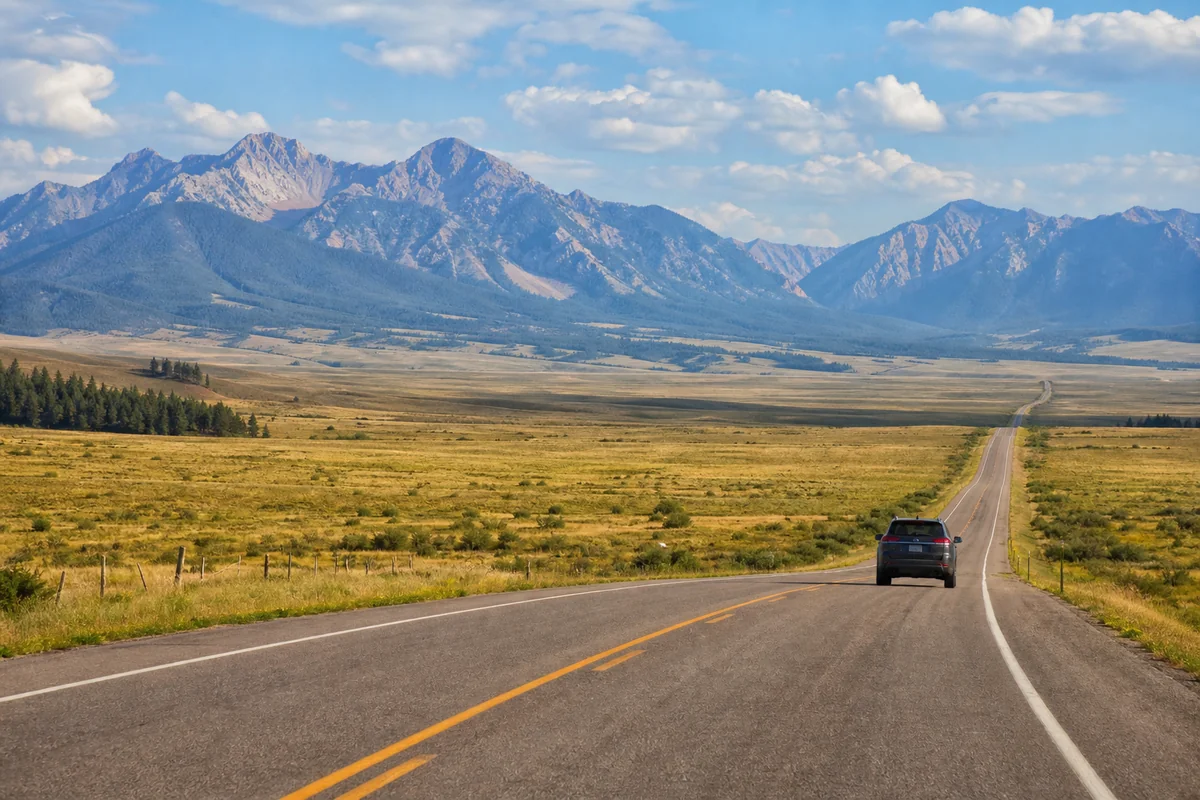
Montana is the fourth-largest state by land area but ranks 44th in population. When I drove from Billings to Missoula—a journey of nearly 350 miles—I passed through vast stretches where the nearest town might be 50 miles away.
This creates a logistics nightmare for recycling programs. Transporting recyclables to processing facilities costs money, and when communities are spread thin across 147,000 square miles, those costs become prohibitive for many municipalities.
I spoke with a waste management coordinator in Great Falls during a recent trip who put it bluntly: “We’d love to expand recycling services, but when the nearest glass processor is in Salt Lake City, the economics just don’t work for smaller communities.”
City-by-City Recycling Guide for Travelers
After extensive travel throughout the state, I’ve compiled the most practical recycling information for the places visitors actually go. This isn’t theoretical—it’s based on my actual experiences trying to recycle in each location.
Missoula: Montana’s Recycling Leader
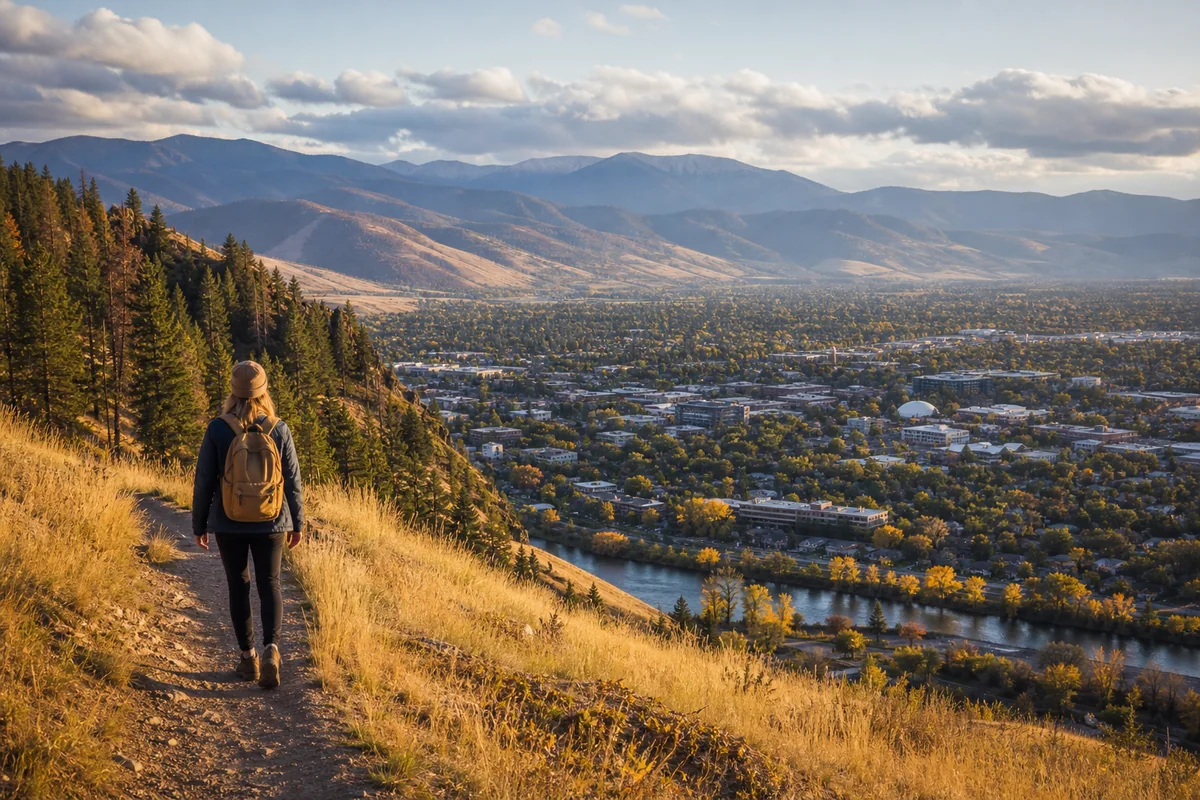
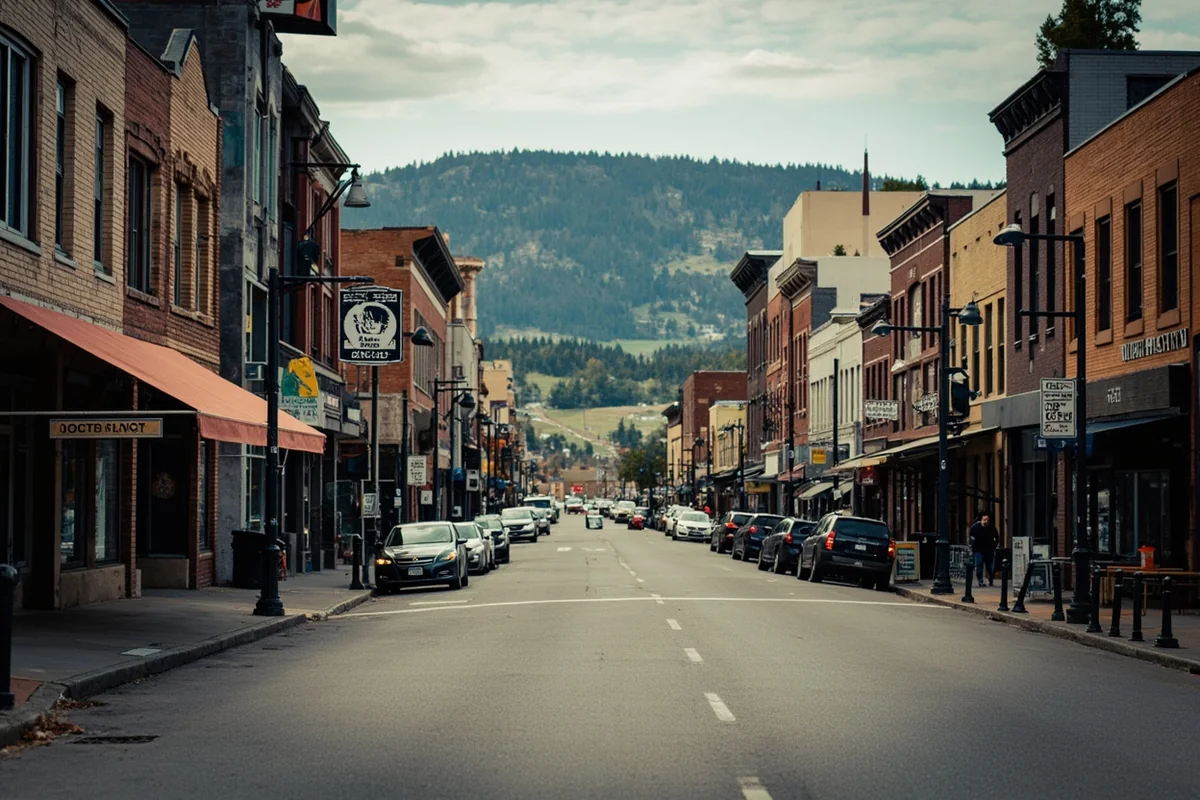
Missoula genuinely impressed me with its recycling infrastructure. The city offers curbside recycling for residents, but more importantly for travelers, there are accessible drop-off locations throughout town.
The Missoula Valley Recycling facility on Clark Fork Lane became my go-to spot during extended stays. They accept paper, cardboard, plastics #1 and #2, aluminum, and tin cans. What they don’t accept surprised me: glass, Styrofoam, and plastic bags.
I recommend visitors staying in Missoula keep a small bag in their vehicle for recyclables and make a trip to the facility before leaving town. The staff there were incredibly helpful when I showed up confused about what actually belonged in which bin.
The University of Montana campus also has recycling bins scattered throughout, which is convenient if you’re attending events or exploring the area near Montana’s best colleges.
Bozeman: Growing Services for a Growing City
Bozeman’s rapid growth (it’s one of Montana’s fastest-growing cities) has pushed the community to expand recycling services. The city operates a recycling center on East Oak Street that accepts a decent range of materials.
During my visits to Bozeman, I found the recycling situation more manageable than expected. Many businesses in the downtown corridor have recycling bins, and the local community seems genuinely invested in sustainability.
Republic Services handles most residential recycling here, but visitors can use the public drop-off center. Be prepared for limited hours—I once arrived on a Monday afternoon only to discover they were closed.
Pro tip from experience: if you’re staying at a vacation rental in Bozeman, ask your host specifically about recycling procedures. I’ve found that many hosts include this information, but some don’t bother because they know it’s complicated.
Helena: The Capital City’s Mixed Bag
Helena’s recycling situation reflects the broader Montana challenge. The city has recycling services, but they’re more limited than you might expect from a state capital.
I visited the Helena Recycling Center on Custer Avenue during a trip focused on exploring the safest cities and towns in Montana. The facility was functional but clearly operating on a tight budget.
What Helena does well: cardboard and paper recycling. What they struggle with: everything else. Glass is notably absent from their accepted materials list, and plastic acceptance is limited.
Billings: Eastern Montana’s Hub
As Montana’s largest city, Billings has developed reasonable recycling infrastructure, though it still lags behind what you’d find in comparably-sized cities elsewhere.
Republic Services operates curbside recycling for residents, and visitors can use the Billings MET Transit transfer station for recyclable drop-offs. I found the process straightforward but the facility itself quite industrial—not the friendly community recycling center vibe I expected.
The good news: Billings has more frequent recycling events and special collection days than most Montana communities. If you’re timing a longer visit, check local event calendars for electronics recycling or hazardous waste collection days.
Rural Montana: The Real Challenge
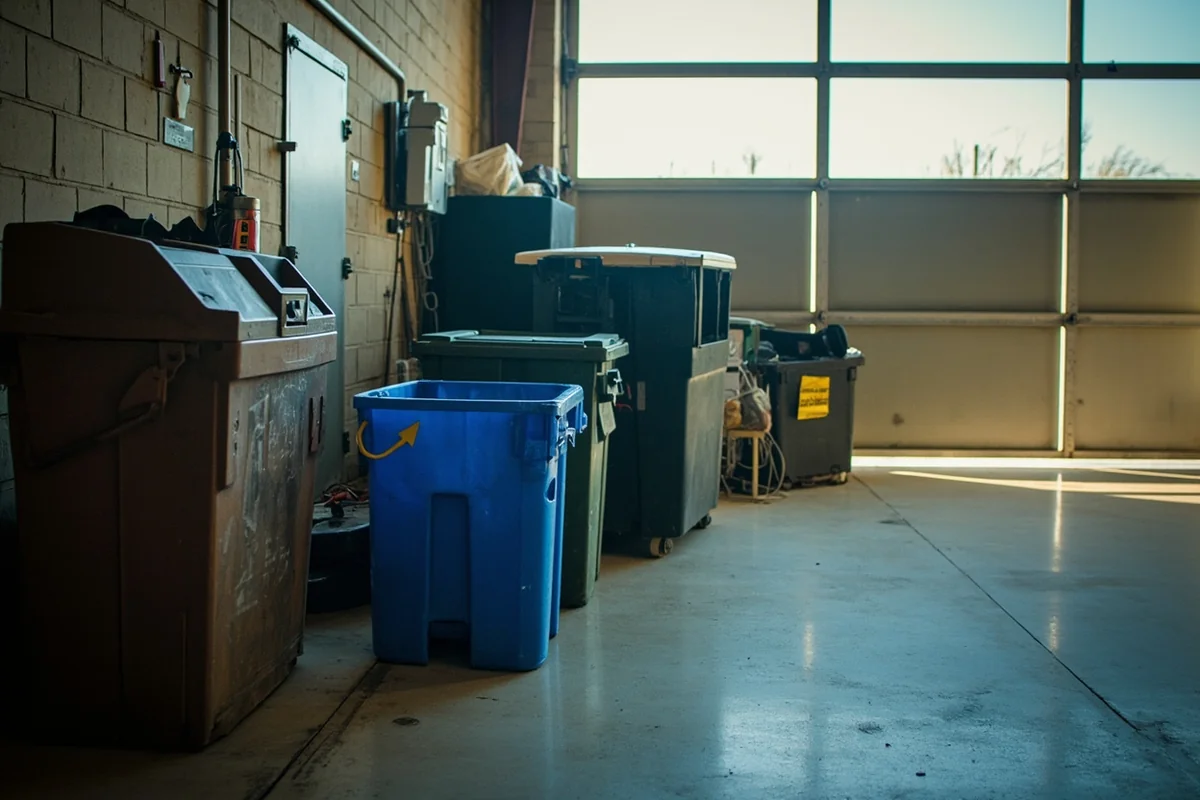
Here’s where things get genuinely difficult. On trips to smaller communities—think Red Lodge, Livingston, Whitefish, or the countless tiny towns dotting the landscape—I’ve found recycling options range from limited to nonexistent.
Whitefish surprised me positively. Despite being a small resort town, the community has invested in recycling infrastructure, likely driven by the environmentally-conscious tourism demographic. The transfer station on Monegan Road accepts standard recyclables.
Livingston, despite its proximity to Bozeman and its growing popularity (many celebrities who chose Montana living have settled nearby), has more limited options. I ended up driving my recyclables to Bozeman during a week-long stay.
Practical Recycling Tips for Montana Travelers
After years of navigating this system, I’ve developed strategies that actually work. These aren’t theoretical suggestions—they’re born from trial, error, and countless confused moments in parking lots.
The Travel Recycling Bag System
I never travel in Montana without a dedicated “recycling bag” in my vehicle. It’s simply a reusable grocery bag that holds rinsed containers, flattened cardboard, and clean paper until I can find proper disposal.
This might sound obvious, but the key insight is pre-planning your disposal location. Before arriving in any Montana town, I now research where recycling facilities exist. Google Maps has become my friend—search “recycling center near [destination]” before you leave.
What Actually Gets Recycled (And What Doesn’t)
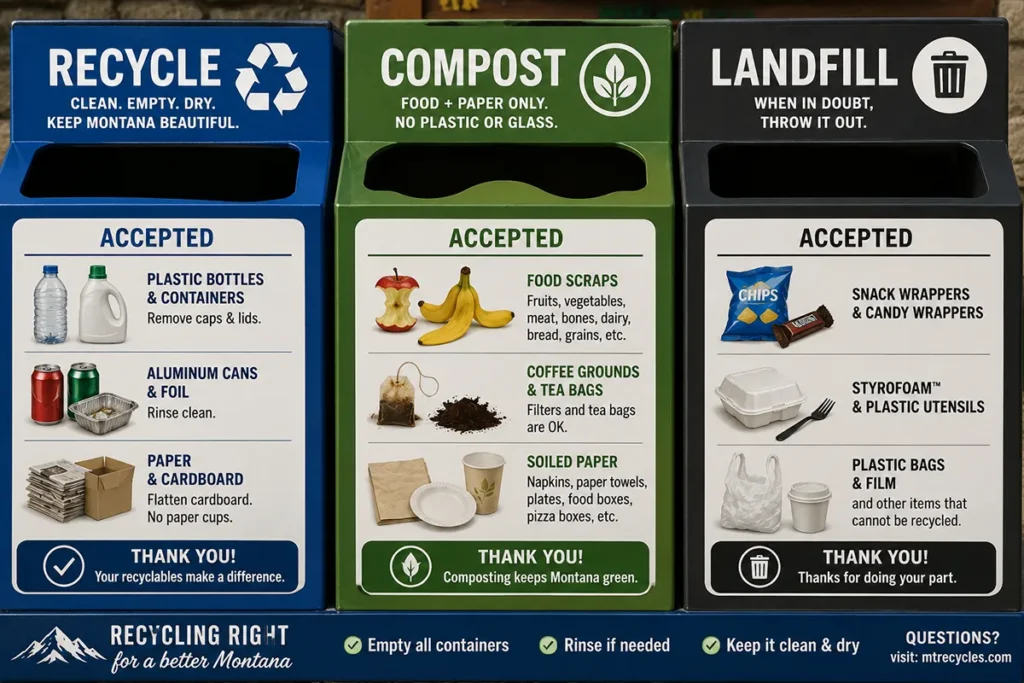
Montana’s recycling programs are more restrictive than many visitors expect. Based on my research and conversations with facility operators, here’s the realistic picture:
| Material | Typically Accepted | Notes for Travelers |
|---|---|---|
| Aluminum cans | Yes, widely | Rinse and crush to save space |
| Cardboard | Yes, widely | Flatten and keep dry |
| Plastic #1 and #2 | Yes, in most programs | Check bottoms for numbers |
| Glass | Rarely | Most programs don’t accept it |
| Plastic bags | No | Return to grocery stores instead |
| Styrofoam | No | Avoid purchasing if possible |
| Mixed paper | Usually yes | Keep clean and dry |
The Glass Problem in Montana
Glass recycling in Montana is frustratingly limited. I’ve carried empty wine bottles across three counties before finally accepting they were destined for the landfill.
The reason is economic: glass is heavy, breakable, and has low commodity value. Transporting it to distant processors often costs more than the material is worth. Some Montana communities have experimented with glass crushing programs that turn bottles into aggregate material for local construction projects, but these remain rare.
My advice: if you’re planning to purchase beverages during your Montana trip, choose aluminum cans over glass bottles whenever possible. It’s a small choice that actually makes recycling feasible.
Recycling in Montana’s National Parks and Forests
Most visitors to Montana spend significant time in national parks and forests, and these federal lands operate their own waste management systems—often better than surrounding communities.
Glacier National Park
Glacier has invested considerably in recycling infrastructure. During my visits, I found recycling bins at most developed areas, including visitor centers, campgrounds, and popular trailheads.
The park accepts aluminum, plastics #1 and #2, and paper products. What impressed me was the educational signage explaining exactly what goes where—something I wish existed in more Montana communities.
However, I noticed that recycling options diminish significantly in the park’s backcountry and less-developed areas. If you’re hiking remote trails, plan to pack everything out.
Yellowstone National Park
While technically mostly in Wyoming, Yellowstone’s northern entrances through Gardiner and Cooke City are major Montana travel routes. The park has a comprehensive recycling program covering standard materials.
I found recycling bins consistently available at Old Faithful, Canyon Village, Mammoth Hot Springs, and other major developed areas. The park’s commitment to waste reduction is genuine—they’ve significantly increased their recycling rates over the past decade.
National Forests
Montana’s numerous national forests present a different challenge. Unlike national parks with developed infrastructure, national forest campgrounds and recreation areas often have minimal facilities.
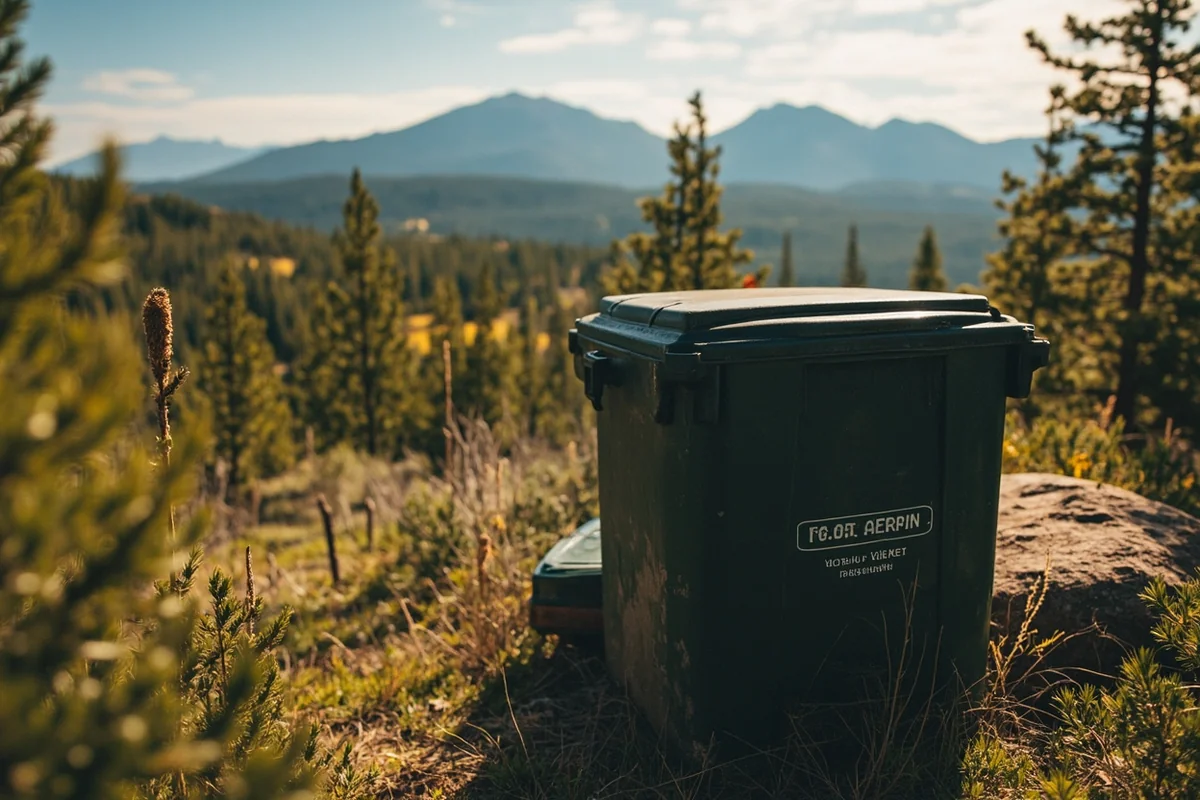
During camping trips in the Flathead, Lolo, and Gallatin National Forests, I’ve found recycling options to be hit-or-miss at best. Most forest service campgrounds have bear-proof trash containers but no dedicated recycling.
My strategy: treat national forest visits as “pack it in, pack it out” situations. Bring recyclables back to town with you.
Beyond Recycling: Waste Reduction Strategies for Montana Travel
After accepting that recycling in Montana has real limitations, I’ve shifted my approach toward waste reduction. This aligns with the state’s broader “Leave No Trace” ethic that serious outdoor recreationists practice.
Refillable Water Bottles Are Non-Negotiable
Montana tap water is generally excellent—some of the best I’ve tasted anywhere. Carrying a refillable bottle and using water fountains or spigots eliminates plastic bottle waste entirely.
I invested in a 32-ounce insulated bottle that keeps water cold even on scorching August hikes. It’s become as essential to my Montana packing list as sunscreen and bear spray.
Strategic Shopping Reduces Waste
When stocking up on groceries in Montana, I’ve learned to think about packaging. Choosing products with minimal or recyclable packaging—even if it costs slightly more—simplifies disposal later.
The cost of living in Montana means grocery prices can already be higher than you expect, so this requires budget awareness. But reducing waste often means buying less overall, which can offset the cost difference.
Interestingly, Montana’s approach to alcohol sales (you can read about whether Montana grocery stores sell liquor) affects packaging waste too—state liquor stores tend to have different container options than grocery store beer and wine sections.
Composting: The Overlooked Option
Food waste represents a significant portion of what travelers discard. While Montana doesn’t have widespread composting programs, the state’s rural character offers alternatives.
Some campgrounds allow composting of fruit and vegetable scraps. I’ve also found that many vacation rental hosts in agricultural areas maintain compost piles and welcome guest contributions.
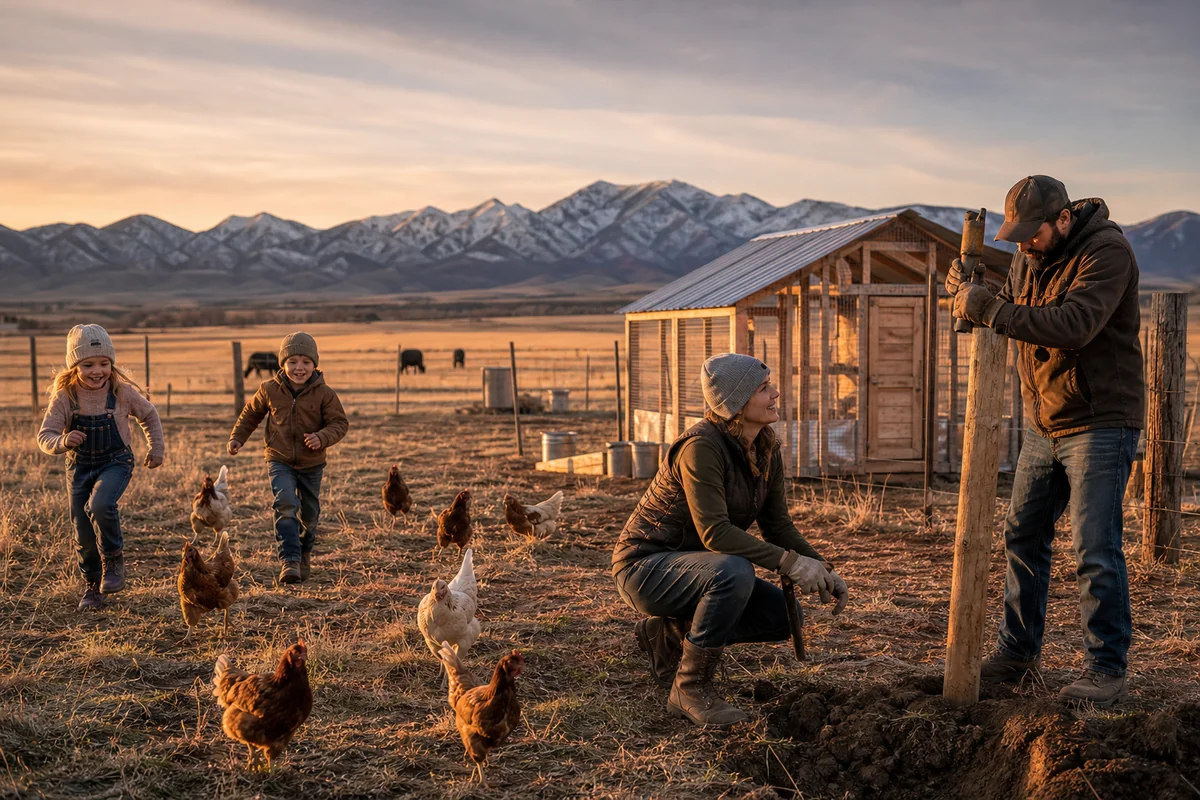
When I stayed at a homestead property near Bozeman (Montana has a growing homesteading community), the hosts were thrilled to receive our food scraps for their chickens and compost system.
The Environmental Context: Why It Matters in Montana
Understanding Montana’s recycling limitations becomes more meaningful when you grasp the state’s environmental context. This is a place where environmental stewardship is deeply personal for many residents—even when the infrastructure doesn’t reflect that.
Wildfire Concerns and Waste Management
Montana’s wildfire risk (detailed in our coverage of whether Montana gets wildfires) creates unique waste management challenges. Landfill fires can be catastrophic, and facilities must be carefully managed to prevent ignition.
This affects what materials are accepted and how they’re processed. During high fire danger seasons, I’ve seen recycling facilities implement additional restrictions on certain materials.
Water Quality and Pollution Prevention
Montana’s rivers and streams are legendary for their clarity and fishing opportunities. Improper waste disposal threatens this resource directly.
The state’s relatively minimal infrastructure also means that illegal dumping remains a concern in remote areas. I’ve unfortunately encountered trash piles on forest roads—a stark reminder that waste management isn’t just about recycling bins.
Climate Considerations
Montana’s severe winters, including areas with significant snowfall, affect recycling logistics. Frozen materials, snow-covered drop-off sites, and transportation challenges during winter months all complicate year-round recycling programs.
During a winter visit to Great Falls, I found the recycling center practically inaccessible due to ice accumulation. Summer travel definitely offers more recycling-friendly conditions.
Community Initiatives Worth Supporting
Despite systemic challenges, Montana has inspiring grassroots recycling and sustainability initiatives. Supporting these during your travels makes a tangible difference.
Thrift Stores and Reuse Programs
Montana’s thrift store scene is surprisingly robust. Organizations like Habitat for Humanity ReStores, Goodwill, and local charity shops provide alternatives to discarding usable items.
If you’re traveling for an extended period and find yourself with excess clothing or gear, donating to these organizations keeps items in circulation. I’ve both donated and purchased items at Montana thrift stores—the outdoor gear selection is often exceptional.
Farmers Markets and Zero-Waste Shopping
Summer farmers markets throughout Montana offer low-waste shopping opportunities. Bringing your own bags and containers to markets in Missoula, Bozeman, Helena, and smaller communities reduces packaging waste entirely.
The Saturday market in Missoula became a personal highlight of my summer visits—fresh local food with minimal packaging, plus a genuine sense of community connection.
Local Environmental Organizations
Several Montana organizations work on recycling advocacy and environmental education. While travelers can’t join long-term programs, supporting these groups through donations or purchases helps sustain their work.
Montana’s diverse communities, including the African American community and LGBTQ organizations, often incorporate environmental justice into their broader advocacy work.
Honest Reflections: What Montana Gets Right and Wrong
I’ve been critical of Montana’s recycling infrastructure throughout this piece, but honesty requires acknowledging the full picture.
What Montana Gets Wrong
The lack of statewide coordination frustrates me every time I travel here. Each community essentially operates independently, creating a confusing patchwork that visitors struggle to navigate.
The absence of bottle deposit legislation—which neighboring states like Oregon have used successfully to boost recycling rates—seems like an obvious missed opportunity.
And frankly, some communities seem to have given up entirely. I’ve visited towns where recycling simply doesn’t exist, even for the most basic materials.
What Montana Gets Right
Montana’s “Leave No Trace” culture runs deeper than formal recycling programs. The ethos of taking personal responsibility for your waste is instilled in Montanans (curious about what Montana residents are called?) from childhood.
The state’s low population density (explore whether Montana is the least populated state) means total waste generation is modest compared to urban states, even with lower recycling rates.
And Montana’s preservation of wild spaces—the ultimate environmental priority—remains strong. Sometimes I wonder if the energy spent criticizing recycling rates would be better directed toward protecting wilderness from development.
Planning Your Trip: Practical Takeaways
Let me distill everything into actionable guidance for your Montana travel planning.
Before You Go
Research recycling options at your specific destinations. Don’t assume services exist—verify them. Contact your accommodation directly to ask about recycling procedures.
Pack a dedicated bag or container for collecting recyclables during your trip. A simple canvas tote works perfectly.
Consider your purchases through a waste lens. Choose products with recyclable packaging, prefer cans over bottles, and bring reusable alternatives when possible.
During Your Trip
Embrace the “pack it out” mentality. Treat recyclables as your responsibility until you can properly dispose of them, even if that means carrying them for days.
Take advantage of recycling infrastructure when you find it. If your route passes through Missoula, Bozeman, or another city with decent facilities, make the stop.
Support local businesses that prioritize sustainability. Breweries with refillable growler programs, restaurants that minimize single-use plastics, and shops that encourage reusable bags all deserve your patronage.
When You Leave
If you still have recyclables when departing Montana, consider whether your home state’s facilities can accept them. Sometimes the most responsible choice is transporting materials to a location with better recycling infrastructure.
Share what you learned with fellow travelers. Montana’s recycling situation confuses many visitors—your experience can help others prepare.
The Bigger Picture: Responsible Tourism in Montana
Recycling is just one component of responsible Montana travel. The broader goal—protecting this extraordinary place for future generations—requires holistic thinking.
Montana’s appeal lies precisely in what hasn’t been developed, paved, or commercialized. The state’s wildness is both its greatest asset and its greatest vulnerability. People relocating here are often drawn by the quality of life (see our analysis of reasons to move to Montana), but that same appeal creates growth pressure.
When I contemplate the pros and cons of living in Montana, environmental stewardship always figures prominently. The state rewards those who approach it with respect and patience.
Final Thoughts from the Road
Montana recycling isn’t easy. It’s not convenient. It requires more effort than most American travelers are accustomed to providing.
But that difficulty taught me something valuable. When recycling requires conscious effort—when you can’t just toss something in a bin and forget about it—you become more aware of what you consume and discard. That awareness, more than any recycling program, drives meaningful environmental behavior change.
I’ve stopped thinking about Montana’s recycling challenges as a failure and started seeing them as an invitation. An invitation to consume less, choose more carefully, and take personal responsibility for my environmental footprint.
Whether you’re visiting Montana’s most expensive properties or exploring the cheapest places to live, whether you’re considering retiring in Montana or just passing through on vacation, this mindset serves you well.
Montana doesn’t make everything convenient. That’s precisely what many people love about it—and exactly why Montana captures hearts. The recycling situation is no exception.
Come prepared, stay flexible, and remember that protecting Montana’s wild beauty matters more than any single recycling bin ever could.
Frequently Asked Questions
Where can I recycle while traveling through Montana?
Most Montana cities like Missoula, Bozeman, and Helena have recycling drop-off centers that accept aluminum, glass, and cardboard from visitors. I recommend checking the Montana DEQ website or calling ahead since rural areas often lack curbside recycling and facilities can be 50+ miles apart in remote regions.
Does Montana have bottle deposit or redemption programs for travelers?
Montana does not have a bottle deposit program, so you won’t get money back for returning cans or bottles like you might in states like Oregon or California. Instead, look for clearly marked recycling bins at rest stops, gas stations, and campgrounds to dispose of your beverage containers responsibly.
How do I dispose of recyclables when camping in rural Montana?
When camping in Montana’s backcountry or national forests, you’ll likely need to pack out all recyclables since most remote campgrounds only offer bear-proof trash containers. I always bring a separate bag in my vehicle for cans and bottles, then drop them at a recycling center when I pass through towns like Kalispell or Billings.
Are there recycling bins at Glacier and Yellowstone National Parks in Montana?
Yes, both Glacier National Park and the Montana entrance areas of Yellowstone have recycling bins at visitor centers, campgrounds, and popular trailheads for bottles, cans, and sometimes cardboard. However, during peak summer season these bins fill quickly, so I recommend holding onto recyclables until you find an empty bin or reach a gateway town.
What items can and cannot be recycled in Montana?
Most Montana recycling centers accept clean cardboard, aluminum cans, glass bottles, and #1 and #2 plastics, but styrofoam, plastic bags, and food-contaminated items are typically rejected. Rules vary by county, so when in doubt, I check with local facilities or simply pack questionable items out to avoid contaminating recycling streams.
Why is recycling more limited in Montana compared to other US states?
Montana’s low population density and vast distances between towns make recycling economically challenging, with transportation costs often exceeding the value of materials. As a traveler, I’ve learned to reduce waste before my trip by choosing reusable containers and minimal packaging since recycling infrastructure here is less developed than coastal states.
Can I recycle at Montana rest stops along Interstate 90 and 15?
Some Montana rest stops along I-90 and I-15 have recycling bins, but availability is inconsistent and many only offer trash disposal. I always keep a small recycling bag in my car during road trips and plan stops in larger towns like Butte or Great Falls where I know drop-off centers are available within a mile of the highway.
Sources
- https://lbre.stanford.edu/pssistanford-recycling/frequently-asked-questions/frequently-asked-questions-benefits-recycling
- https://gsd.mt.gov/CFM/Recycling-Program
- https://gsd.mt.gov/CFM/CFM_PDFs/whatsrecyclableforbusiness.pdf
- https://dc.statelibrary.sc.gov/bitstream/handle/10827/39327/DHEC_FYI_Economic_Benefits_2009-09.pdf
- https://deq.mt.gov/files/Land/Recycle/Documents/docs/EEIRinMT.pdf
- https://deq.mt.gov/twr/Programs/recycling
- https://commons.wikimedia.org/wiki/File:2003-08-17