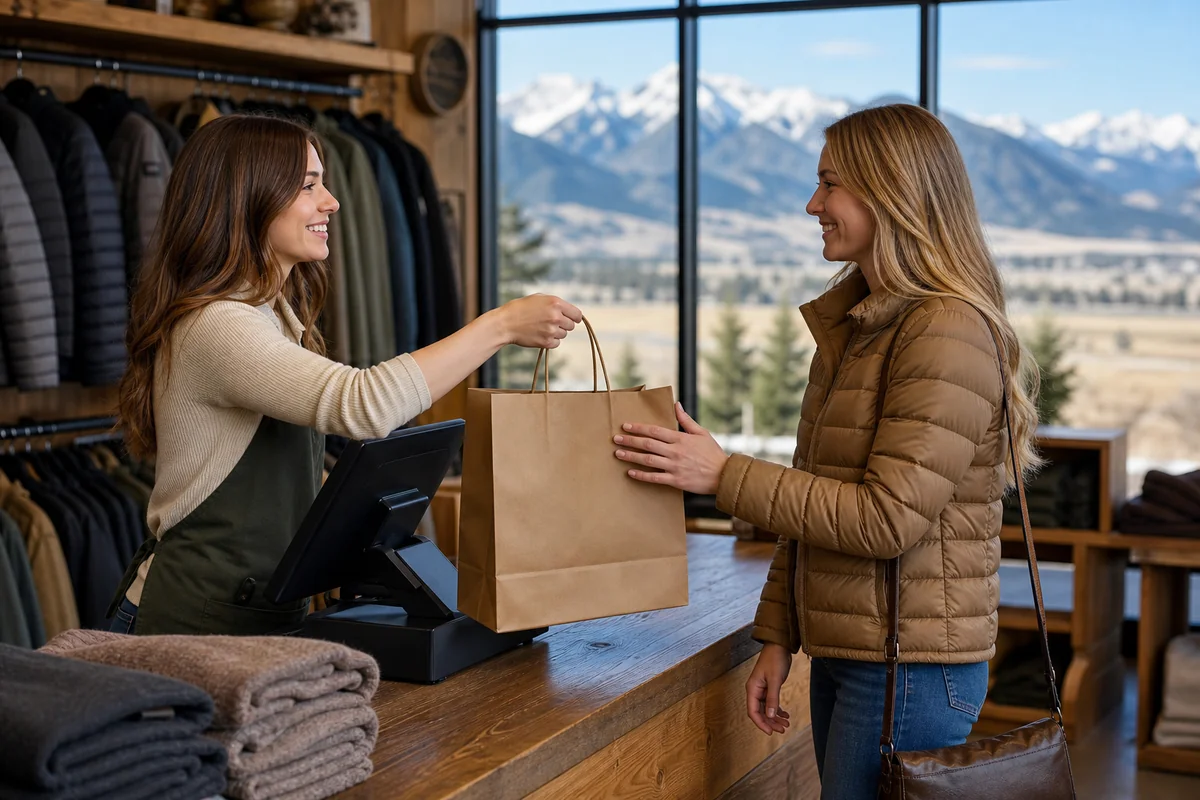
I’ll never forget the moment a cashier in Bozeman handed me my receipt for a $400 jacket, and the total read exactly $400.00—not a penny more.
Coming from California, where I’d grown accustomed to mentally adding 7-10% to every purchase, I actually asked her if something was wrong with the register. She laughed and said, “Welcome to Montana, honey. We don’t do sales tax here.”
That single shopping experience during my first Montana trip back in 2019 changed how I approach travel in Big Sky Country entirely. If you’re exploring Montana Living or simply planning a visit, understanding the state’s unique tax situation will genuinely impact your wallet—and possibly your itinerary.
- Montana has NO state sales tax—one of only five states in the US without one
- This applies to everything: clothing, electronics, outdoor gear, souvenirs, and groceries
- Visitors can save 5-10% compared to shopping in their home states
- Resort taxes (up to 4%) exist in some tourist towns like Whitefish and Big Sky
- Montana also has no vehicle document fee tax, making car purchases attractive
- The savings apply equally to online purchases shipped to Montana addresses
Liked this article?
Add Roaming Montana as a preferred source so you see more of our articles and guides on Google.
The Complete Truth About Montana’s Sales Tax Policy
Let me be absolutely clear: Montana does not have a sales tax. Period. No state sales tax, no county sales tax, no city sales tax in the traditional sense. When you buy something in Montana, the price tag is the price you pay.
This makes Montana one of only five states in the entire country without a general sales tax. The others are Alaska, Delaware, New Hampshire, and Oregon. But here’s what makes Montana special—it’s the only one of these states that also offers world-class outdoor recreation, stunning national parks, and authentic Western culture.
I’ve personally taken advantage of this policy dozens of times over the years. Last summer, I picked up a new pair of Danners hiking boots in Missoula for $180. Back home, those same boots would have cost me nearly $200 after tax. That $20 savings bought me a fantastic breakfast at the Catalyst Café the next morning.
Why Montana Never Adopted Sales Tax
When I sat down with a local historian at the Montana Historical Society in Helena during a rainy afternoon last October, she explained something fascinating. Montana’s anti-sales-tax stance isn’t accidental—it’s deeply rooted in the state’s independent, libertarian-leaning culture.
The state constitution doesn’t prohibit a sales tax, but Montanans have consistently voted against any attempts to implement one. The last serious effort was in 1993, when voters rejected a sales tax proposal by a margin of nearly 3 to 1.
“Montanans don’t like being told what to do with their money,” the historian told me. “They’d rather pay higher property taxes than have the government take a cut of every purchase.”
This explains a lot about the overall Montana cost of living structure. The state relies heavily on property taxes, income taxes, and resource extraction revenue instead.
How This Actually Affects Your Travel Budget
Let me break down the real-world impact of Montana’s no-sales-tax policy for different types of travelers.
The Outdoor Enthusiast
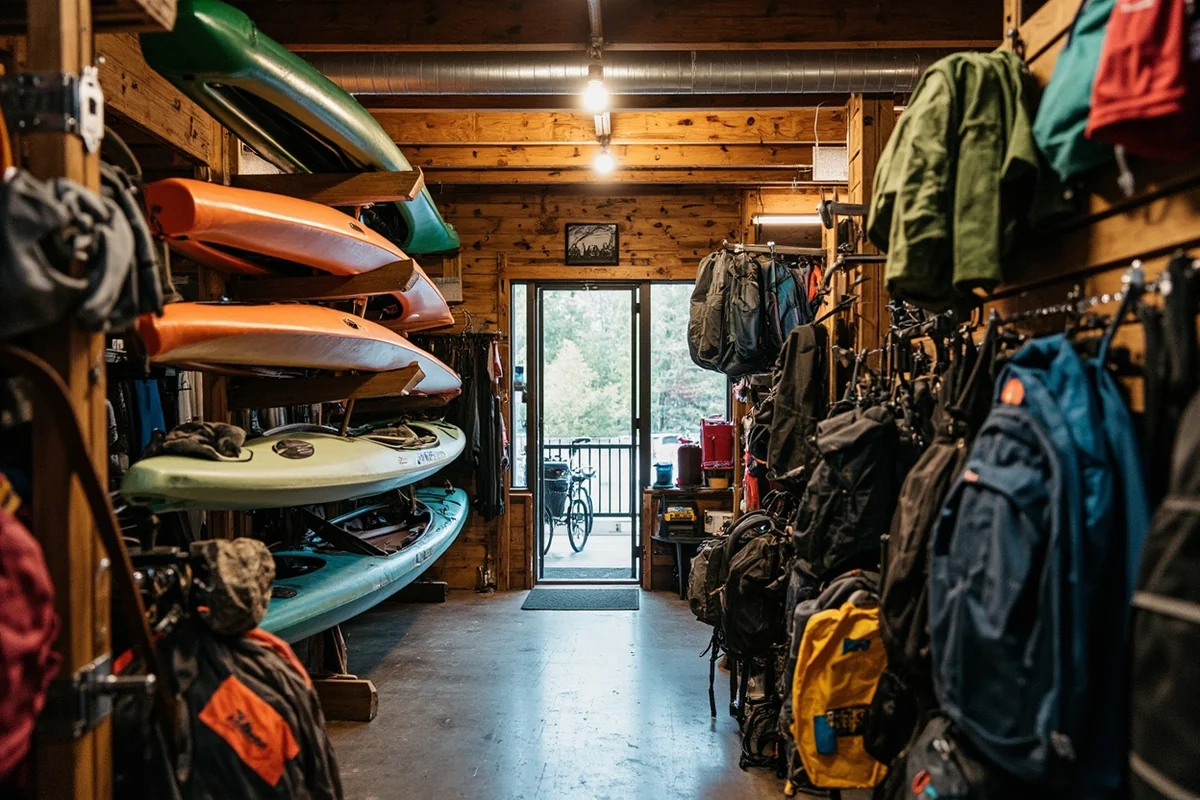
If you’re coming to Montana for hiking, fishing, skiing, or hunting, you’re probably going to buy gear. During my visit to Bozeman last July, I watched a family from Texas outfit their entire crew for a week of backpacking.
They purchased a tent ($450), three sleeping bags ($180 each), hiking boots for the kids ($120 each), and various smaller items. Their total was around $1,200. In Texas, they would have paid about $100 in sales tax. In Montana? Zero.
That’s a free night at a nice hotel or a guided fly-fishing trip on the Madison River.
The Luxury Shopper
Some travelers specifically time their high-end purchases for Montana trips. I met a couple from Seattle at a jewelry store in Whitefish who were buying an anniversary gift—a $5,000 sapphire necklace. In Washington state, they’d pay $450 in sales tax. In Montana, they paid exactly $5,000.
“We planned this purchase for six months,” the husband told me. “We figured we were essentially getting a free weekend at the ski resort.”
The Road Tripper
Even if you’re just passing through and grabbing essentials, the savings add up. Gas station snacks, camping supplies, replacement sunglasses—everything costs exactly what the tag says. I keep track of my receipts on road trips, and I consistently save $30-50 per day in Montana compared to neighboring states.
| Purchase Type | Example Cost | Typical State Sales Tax (8%) | Montana Tax | Your Savings |
|---|---|---|---|---|
| Ski Jacket | $350 | $28 | $0 | $28 |
| Electronics (Camera) | $800 | $64 | $0 | $64 |
| Fishing Gear | $500 | $40 | $0 | $40 |
| Weekly Groceries | $200 | $16* | $0 | $16 |
| Souvenirs & Gifts | $150 | $12 | $0 | $12 |
*Some states exempt groceries from sales tax; savings may vary
The Important Exception: Resort Taxes
Here’s where I have to add some nuance. While Montana has no state sales tax, certain resort communities have implemented local “resort taxes” that function similarly.
These aren’t technically sales taxes—they’re special taxes approved by local voters to fund tourism infrastructure. But they do add to your costs in specific areas.
Where Resort Taxes Apply
During my travels, I’ve encountered resort taxes in these communities:
- Big Sky: 4% resort tax on most purchases
- Whitefish: 3% resort tax
- Red Lodge: 3% resort tax
- West Yellowstone: 3% resort tax
- Virginia City: 3% resort tax
- Gardiner: 3% resort tax
On a ski trip to Big Sky last February, I noticed the 4% tax added to my restaurant bills and equipment rentals. It’s still far less than the 10%+ combined sales taxes in many other states, but it’s worth knowing about.
The resort tax typically applies to accommodations, restaurant meals, and retail purchases. It usually doesn’t apply to gasoline or prescription medications.
A Practical Work-Around
I’ve developed a simple strategy: if I’m staying in a resort town but need to make significant purchases, I drive to a non-resort community. Before my ski week in Whitefish, I stopped in Kalispell (about 15 minutes away) to pick up groceries and a new base layer. No resort tax applied.
Similarly, if you’re staying in West Yellowstone, Bozeman is about 90 miles away—far enough that it only makes sense for major purchases, but the option exists.
What About Alcohol in Montana?
One question I get constantly is about booze. If you’re wondering whether Montana grocery stores sell liquor, the answer is yes—and without sales tax added.
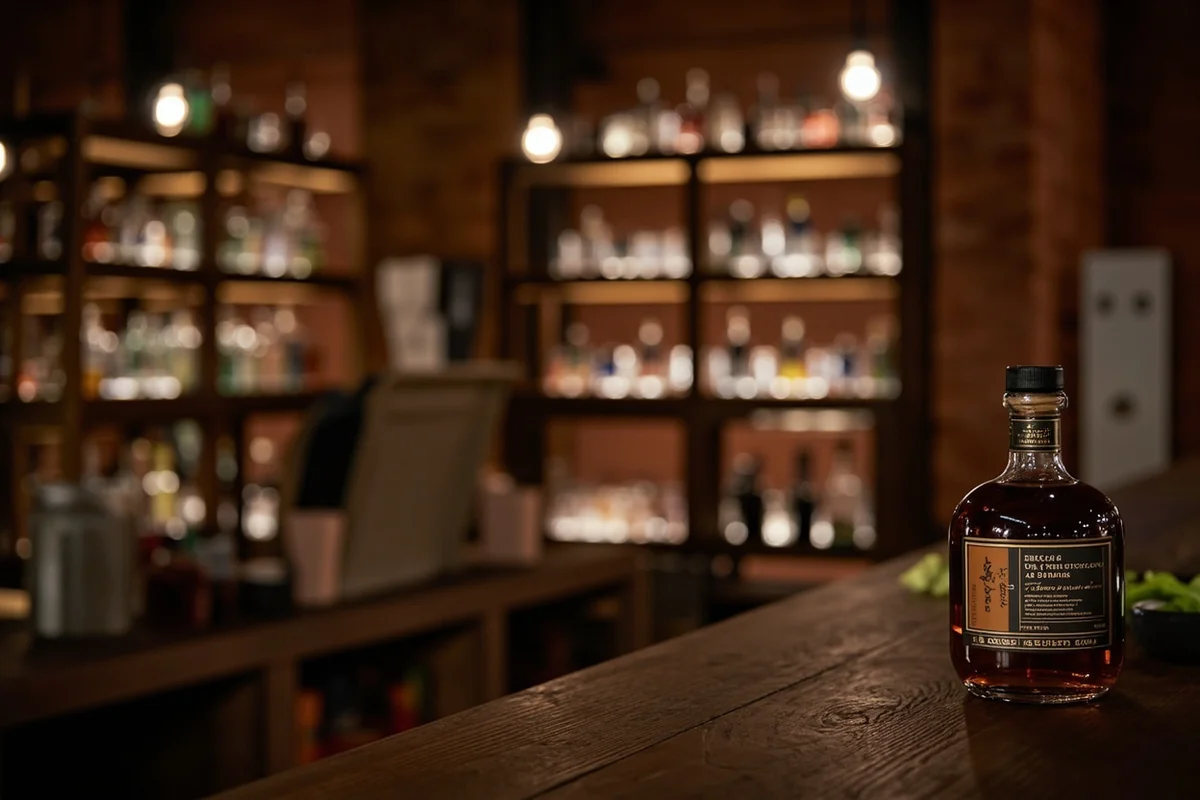
Montana operates a state liquor system where the state controls wholesale distribution, but retail sales happen through licensed private stores and some grocery outlets. There’s no sales tax on your bottle of Montana-distilled whiskey, though you will pay embedded state markups and federal excise taxes that are already factored into the shelf price.
I picked up a bottle of Wildrye Distilling’s bourbon in Bozeman last summer for $45. The same bottle in a state with sales tax would have cost me an extra $3-5.
How Montana’s Tax Policy Affects Major Purchases
This is where things get really interesting for people considering more than just a vacation purchase.
Vehicles
Montana has become famous (some say infamous) for its lack of sales tax on vehicle purchases. This has led to a cottage industry of LLC formations where out-of-state buyers register companies in Montana to purchase expensive vehicles tax-free.
I’m not recommending this strategy—it’s legally murky and states are cracking down. But if you’re actually moving to Montana or spending significant time there, buying a vehicle makes tremendous sense.
During my research on the best places to live in Montana, I met several recent transplants who specifically timed their car purchases for after their move. One family saved over $4,000 on a $50,000 SUV.
RVs and Recreational Vehicles
The same logic applies to RVs, boats, and ATVs. Montana is packed with RV dealerships for a reason—buyers from across the country come here to make their purchases.
Last fall, I visited an RV dealership outside Billings and chatted with the sales manager. He told me that roughly 60% of their customers are out-of-state buyers who will register their vehicles in Montana or transport them home.
“We’ve had customers from as far as Florida,” he said. “When you’re buying a $200,000 motorhome, even a 6% sales tax is $12,000. That’s a year’s worth of campground fees.”
The Shopping Scene: Where to Spend Your Tax-Free Dollars
Now let me share some of my favorite shopping destinations across Montana, where your tax-free dollars go furthest.
Bozeman
Downtown Bozeman is probably my favorite shopping area in the state. Main Street offers everything from high-end outdoor gear at Schnee’s to vintage finds at Antique Market Place.
On my most recent trip, I spent hours browsing Heyday and Revolvr Menswear, two locally-owned boutiques with curated selections you won’t find at chain stores. The prices are fair, the quality is excellent, and there’s no tax bump at checkout.
For outdoor gear, the Bozeman REI flagship store has one of the best selections in the region. I purchased a full camping setup there during my last visit—tent, sleeping pad, cookware—and saved about $75 compared to buying in Seattle.
Missoula
Missoula has a funkier, more eclectic shopping scene. The Hip Strip on South Higgins Avenue is lined with indie bookstores, vintage shops, and local craft stores.
I always stop at The Trail Head for outdoor gear—their staff actually uses everything they sell, which makes a huge difference when you’re trying to decide between products. Bird’s Nest Antique Mall is another favorite, with three floors of vintage Montana treasures.
The Missoula area also has surprisingly good outlet options if you’re willing to drive a bit. The savings compound when you combine outlet prices with no sales tax.
Kalispell
Gateway to Glacier National Park, Kalispell offers solid shopping without the resort tax premium of nearby Whitefish. The Gateway Community Mall has standard retailers, while downtown features more unique local shops.
Sportsman & Ski Haus is legendary among outdoor enthusiasts. During my last Glacier trip, I picked up a new fly rod and reel combo there—expert advice, quality equipment, zero tax.
Billings
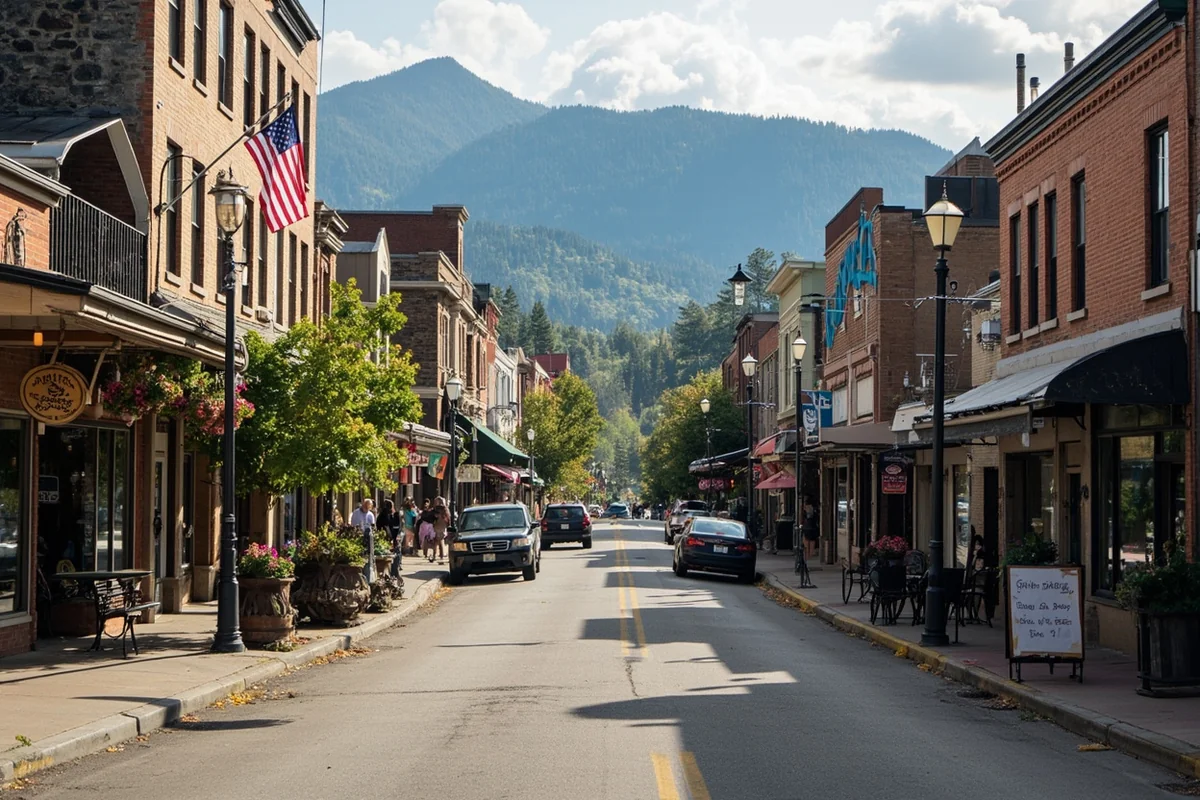
Montana’s largest city has the most extensive retail options. Rimrock Mall and Shiloh Crossing offer the big-box stores you might expect, while downtown Billings has been experiencing a revival with new locally-owned shops and restaurants.
If you’re considering Billings as a home base—it’s among Montana’s fastest-growing cities—the shopping options are a genuine advantage over smaller communities.
Understanding Montana’s Overall Tax Structure
To really appreciate the no-sales-tax policy, you need to understand how Montana funds its government instead.
Property Taxes
Montana has relatively high property taxes, particularly in popular areas like Bozeman and Whitefish. This is one reason Montana has become so expensive in recent years.
If you’re just visiting, this doesn’t affect you. But if you’re considering a move and researching the pros and cons of living in Montana, property taxes will hit your budget harder than you might expect.
Income Taxes
Montana does have a state income tax, with rates ranging from 1% to 6.75% depending on your income bracket. Recent reforms have simplified the structure, but it remains a meaningful consideration for residents.
This is another area where visitors benefit—you won’t pay Montana income tax on wages earned elsewhere. You simply enjoy the no-sales-tax advantage during your visit.
Tourism-Related Fees
Montana collects revenue from tourists through lodging taxes, car rental surcharges, and park entrance fees. These exist regardless of the sales tax policy.
The statewide lodging facility use tax is 4% on accommodation rentals. Combined with local resort taxes in tourist towns, your hotel bill can include 7-8% in taxes—still reasonable compared to many destinations, but worth knowing.
Practical Tips for Maximizing Your Savings
After dozens of Montana trips, I’ve developed some strategies for getting the most out of the no-sales-tax advantage.
Plan Big Purchases Around Your Trip
If you know you’ll be in Montana, delay major purchases. I’ve bought cameras, laptops, outdoor gear, and even jewelry in Montana that I would have needed to purchase anyway.
Before my last trip, I made a list of items I’d been putting off buying. A new tent ($280), a quality cooler ($200), and a nice watch ($350). Total savings versus buying in my home state: roughly $66.
Stock Up on Consumables
Sunscreen, bug spray, snacks, vitamins, toiletries—these items add up over time. I always leave Montana with a well-stocked supply of consumables that I’d pay tax on back home.
Ship Purchases Home
If you’re worried about luggage space, many Montana retailers will ship purchases. You’ll still benefit from the no-sales-tax purchase, though you may pay shipping costs.
I ordered a custom pair of boots from a Bozeman shop last year and had them shipped to my home. Still no sales tax charged.
Avoid Resort Towns for Big-Ticket Items
As I mentioned earlier, make your significant purchases in non-resort communities. The 3-4% resort tax might seem small, but on a $500 purchase, that’s $15-20 you could spend on a nice meal instead.
What About Online Shopping?
This is a question I get frequently from people planning Montana trips. The answer has some nuances.
If you’re a Montana resident, online retailers generally don’t charge you sales tax. The 2018 Supreme Court decision in South Dakota v. Wayfair allows states to require online sellers to collect sales tax—but only if that state has a sales tax to collect. Montana doesn’t, so there’s nothing to collect.
For visitors, the situation depends on where items are shipped. If you order something and have it shipped to your Montana hotel, no sales tax should be charged. But if you order while in Montana and have it shipped to your home state, you may owe use tax in your state.
In practice, I’ve found that ordering items to a Montana address works seamlessly. Just be aware of the technical legal obligations in your home state.
The Business Perspective
Montana’s no-sales-tax policy also affects how businesses operate, which indirectly benefits consumers.
Without sales tax compliance requirements, small businesses face lower administrative burdens. This allows more entrepreneurs to start retail businesses, creating the diverse, locally-owned shopping scene that makes Montana’s towns so charming.
I’ve talked to several small business owners across the state about this. A boutique owner in Livingston told me that not dealing with sales tax collection and remittance saves her about 40 hours per year—time she reinvests in her business and customers.
Comparing Montana to Neighboring States
To really appreciate what you’re saving, consider Montana’s neighbors.
Idaho
Idaho has a 6% state sales tax. Drive from Missoula to Coeur d’Alene and you’ll suddenly pay 6% more for everything.
Wyoming
Wyoming has a 4% state sales tax, plus local additions that can bring the total to 6%. Cross from Montana into Cody, and your purchases cost more.
North Dakota
North Dakota charges 5% state sales tax, with local additions possible. Even Teddy Roosevelt National Park doesn’t save you from sales tax.
South Dakota
South Dakota has a 4.5% state sales tax, plus local additions of up to 4.5% in some areas.
The contrast is stark. Montana truly is an island of tax-free shopping in a region where sales taxes are the norm.
Living in Montana: The Long-Term Tax Picture
If your Montana visit has you thinking about relocation, the tax situation becomes more complex.
Many people are attracted by reasons to move to Montana that include the no-sales-tax policy. But the complete tax picture requires understanding property and income taxes too.
Some retirees find Montana appealing for retirement partly due to the sales tax benefit. Social Security isn’t taxed, and while income tax exists, the no-sales-tax policy means your fixed income stretches further on daily purchases.
If you’re researching cheap places to live in Montana, the no-sales-tax advantage applies statewide—but property taxes vary significantly by location.
For families researching best school districts or looking at Montana’s colleges, the no-sales-tax policy means everyday family purchases cost less, which can offset higher property taxes in good school districts.
Beyond the Tax Savings: Why Montana is Worth Visiting
I’d be doing you a disservice if I reduced Montana to a shopping destination. The no-sales-tax policy is a nice bonus, but it’s not the reason you should visit.
You should visit for Glacier National Park’s jaw-dropping alpine scenery. For the trout streams that make fly fishers weep with joy. For the wide-open spaces that remind you how small your everyday problems really are.
You should visit for the genuinely friendly people—Montanans have a well-earned reputation for warmth and hospitality. For the night skies unpolluted by light, where the Milky Way actually looks like milk spilled across the sky.
Some visitors wonder if Montana is boring. I can tell you from extensive experience: it’s only boring if you lack curiosity. There’s always another hiking trail, another small-town diner, another local character with stories to tell.
And if you’re curious about Montana’s communities, explore what makes each one unique. Learn about Montana’s African American community and its history. Discover why celebrities have chosen Montana for its combination of beauty and privacy. Understand why Montana remains so unpopulated despite its many attractions.
Safety and Practical Considerations
While we’re talking practical matters, a few other considerations for visitors:
Montana is generally very safe. The safest cities and towns offer extremely low crime rates. Even areas with higher crime are relatively safe compared to national averages.
Weather varies dramatically by location and season. Some areas receive tremendous snowfall, while others remain relatively mild. Check conditions for your specific destination.
Wildfires can affect summer travel, particularly in western Montana. Check fire conditions before planning backcountry trips.
Final Thoughts: Making the Most of Tax-Free Montana
After years of traveling to Big Sky Country, I’ve come to see Montana’s no-sales-tax policy as more than just a way to save money. It’s a reflection of the state’s values—independence, limited government, and trust in individuals to make their own decisions.
Every time a cashier hands me a receipt that matches the posted price, I’m reminded that Montana does things differently. It’s a small thing, maybe, but it’s emblematic of what makes this state special.
So plan that trip. Make your list of purchases you’ve been delaying. Calculate the savings and put them toward an extra night in a cabin or a guided adventure.
But more importantly, come to Montana for what can’t be quantified on a receipt. Come for the mountains, the rivers, the wildlife, and the people. The tax savings are just a bonus—a very nice bonus that means more money in your pocket for experiencing everything this remarkable state has to offer.
Whether you’re exploring reasons Montana captures hearts, considering homesteading opportunities, or simply passing through on a road trip, the no-sales-tax policy makes every purchase a little sweeter.
And trust me—after your first tax-free receipt, you’ll understand why Montanans have voted against sales tax for generations. Some things are worth protecting.
Frequently Asked Questions
Does Montana have sales tax on purchases?
No, Montana is one of only five states in the US with no statewide sales tax. This means everything you buy in Montana—from souvenirs and outdoor gear to restaurant meals—costs exactly the listed price with no added tax at checkout.
How much money can I save shopping in Montana with no sales tax?
Depending on your home state’s sales tax rate (which averages 6-10%), you could save $60-$100 for every $1,000 spent in Montana. I always stock up on big-ticket items like hiking boots, camping gear, and electronics when visiting since the savings really add up.
Is Montana a good state to buy outdoor gear and equipment tax-free?
Absolutely—Montana is a fantastic place to purchase outdoor gear without paying sales tax. Towns like Bozeman, Missoula, and Whitefish have excellent outdoor retailers where you can buy everything from fly fishing equipment to ski gear and keep more money in your pocket.
Are there any hidden taxes or resort fees for tourists visiting Montana?
While Montana has no sales tax, you will encounter a lodging facility use tax of 4% on hotel and vacation rental stays. Some cities also add a local bed tax of 2-3%, so expect to pay roughly 6-7% in taxes on accommodations, but your shopping and dining remain tax-free.
What is the best time to visit Montana for tax-free shopping and good weather?
I recommend visiting between June and September when weather is ideal for exploring and shops in tourist towns are fully stocked. Late summer is perfect for combining tax-free shopping in gateway towns like West Yellowstone or Kalispell with hiking and national park visits.
Should I buy gifts and souvenirs in Montana or wait until I get home?
Definitely buy your souvenirs and gifts in Montana to take advantage of the zero sales tax policy. Whether you’re picking up huckleberry products, Montana-made jewelry, or Western wear, you’ll pay only the sticker price—something travelers from states like California or Washington especially appreciate.
Does Montana’s no sales tax policy apply to online purchases made while visiting?
Online purchases are taxed based on your shipping address, not where you place the order. However, if you buy items in-store or ship to a Montana address during your trip, you’ll enjoy the full tax-free benefit on those purchases.
Sources