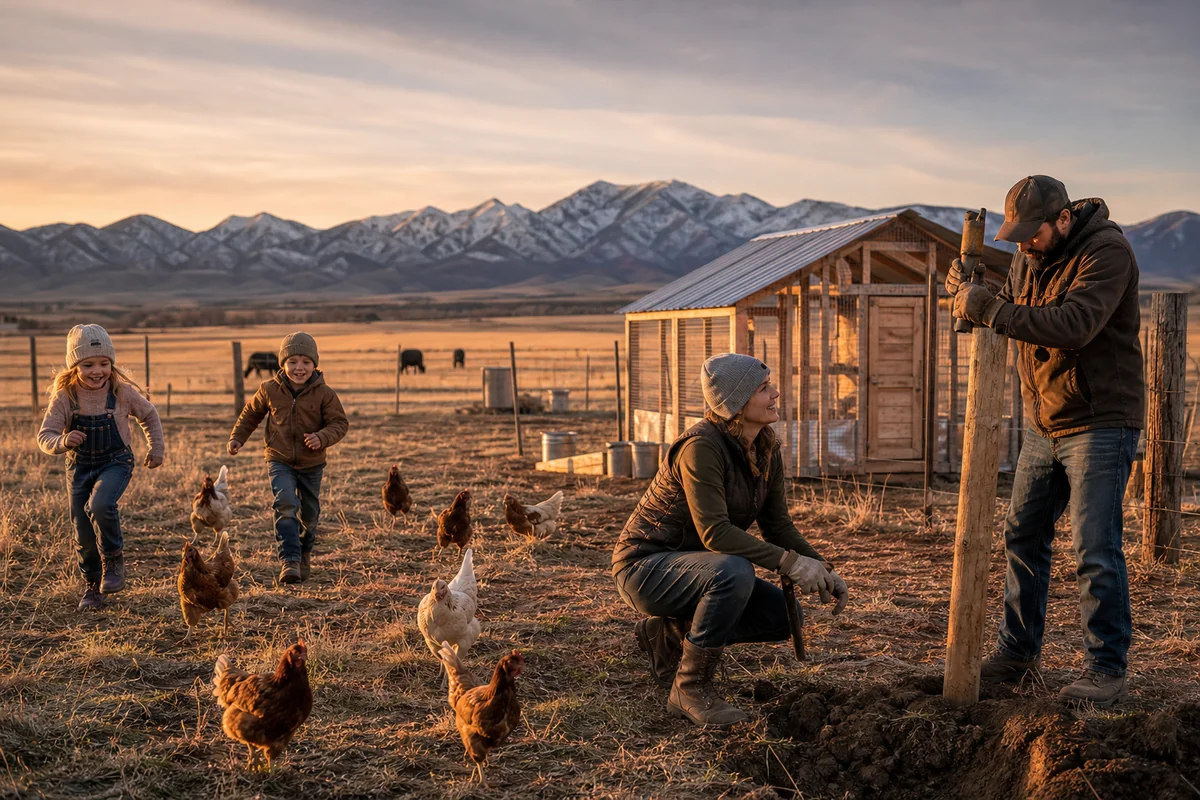
You are currently viewing How to Start Homesteading in Montana: Complete Guide

How to Start Homesteading in Montana: Complete Guide

  • Post author:
  • Post category:Montana
  • Reading time:46 mins read

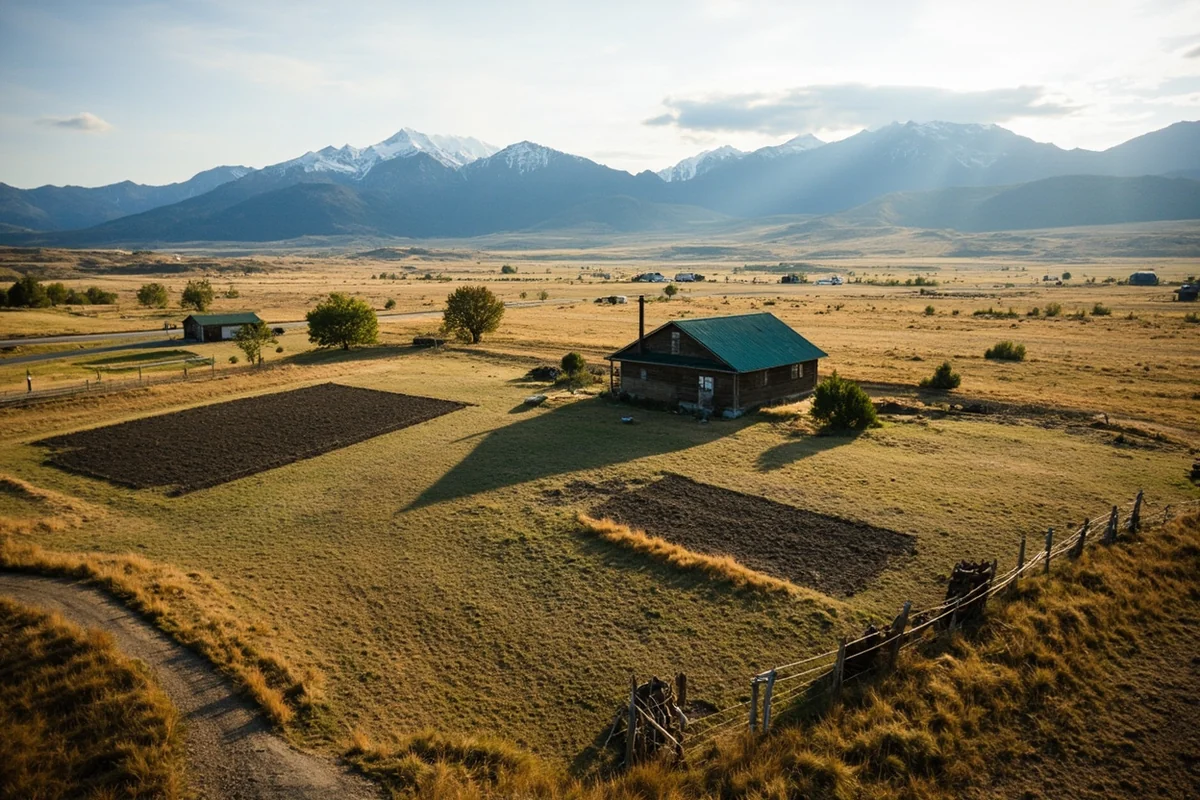
Have you ever dreamed of waking up to mountain vistas, harvesting vegetables from your own garden, and living a life of genuine self-sufficiency? Montana’s vast open spaces and affordable rural land make it one of America’s last frontiers for aspiring homesteaders—but the state’s harsh winters, short growing season, and unique legal landscape can quickly overwhelm the unprepared.

Whether you’re a city dweller fantasizing about escape or a rural enthusiast ready to take the plunge, starting a homestead in Big Sky Country requires far more than romantic notions of country living.

In this comprehensive guide, you’ll discover exactly how to navigate Montana’s water rights system, select cold-hardy livestock breeds that thrive at -40°F, extend your growing season beyond the typical 90-120 days, and build systems that withstand extreme weather while maintaining year-round self-sufficiency.

From finding affordable land in the right climate zone to mastering food preservation techniques that will sustain you through seven-month winters, we’ll walk you through every critical decision and practical skill you need to transform your Montana homesteading dream into a thriving reality.

Understanding Montana’s Climate and Geography

Montana’s vast landscape spans over 147,000 square miles, making it the fourth largest state in the US. This expansive territory encompasses diverse geographical features and climate zones that directly impact homesteading success.

Different Climate Zones in Montana

Montana is divided into distinct climate regions, each presenting unique challenges and opportunities for homesteaders:

  • Western Montana: Influenced by Pacific weather patterns, this mountainous region experiences milder winters and more precipitation than eastern areas. The climate resembles the Pacific Northwest with relatively humid conditions.
  • Central Montana: Transitional zone featuring rolling plains and isolated mountain ranges. Weather can change rapidly, with chinook winds occasionally bringing sudden warming periods during winter.
  • Eastern Montana: Characterized by semi-arid plains with continental climate patterns. Summers are hot and dry while winters bring bitter cold and less snowfall than western regions.

Average Growing Seasons

Growing seasons vary dramatically across Montana:

  • Western valleys: 120-150 days
  • Central regions: 90-120 days
  • Eastern plains: 110-130 days
  • Mountain elevations above 5,000 feet: As short as 70-90 days

These abbreviated growing seasons require strategic planning, cold-hardy crop selection, and season-extension techniques like hoop houses, cold frames, and greenhouses.

Elevation Considerations

Montana’s elevation ranges from about 1,800 feet to over 12,000 feet at its highest peaks. Each 1,000-foot increase in elevation typically reduces the growing season by 10-15 days. When selecting homestead property, consider that:

  • Lower elevations provide longer growing seasons but may have less access to natural water sources
  • Mid-elevation properties (3,000-5,000 feet) often balance reasonable growing seasons with better water availability
  • Higher elevations offer cooler summers and abundant precipitation but extremely limited growing seasons

Water Sources

Water access is paramount for successful homesteading. Montana offers several water source options:

  • Surface water: Rivers, streams, and lakes provide irrigation possibilities but require water rights
  • Groundwater: Wells are common but depth varies tremendously by region (from 20 feet to 500+ feet)
  • Precipitation collection: Legal in Montana but insufficient as a primary water source in most regions
  • Springs and seeps: Highly valuable natural features on potential homestead properties

Always verify water rights when purchasing land, as Montana follows the doctrine of prior appropriation (“first in time, first in right”).

Preparing for Extreme Weather Conditions

Montana’s weather extremes demand proper preparation:

  • Winter preparedness: Temperatures can plunge to -40°F in some regions. Insulated water systems, adequate heating sources, and proper livestock shelters are essential.
  • Drought resilience: Recent years have seen increasing drought conditions. Implementing water conservation strategies, drought-resistant plantings, and adequate storage systems is crucial.
  • Fire mitigation: Forest and grassland fires represent a growing threat. Creating defensible space around structures and having evacuation plans is necessary.
  • Flood preparation: Rapid snowmelt can cause spring flooding in certain areas. Building on higher ground and understanding local flood patterns helps mitigate this risk.

Understanding Montana’s diverse climate and geography is the foundation of homestead planning. By aligning your expectations and preparations with the realities of your specific region, you’ll build resilience into your homesteading journey from the beginning.

Before breaking ground on your Montana homestead, understanding the legal landscape is essential for avoiding costly mistakes and ensuring long-term success. Montana’s legal framework for homesteading combines state regulations with county-specific requirements that vary significantly across this vast state.

Land Zoning Regulations

Montana’s zoning regulations differ dramatically between counties and municipalities. Rural areas typically have fewer restrictions, but this doesn’t mean no rules exist. Before purchasing land, investigate:

  • Zoning classifications: Agricultural, residential, or mixed-use designations will determine what activities are permitted
  • Minimum acreage requirements: Some counties require minimum lot sizes for agricultural activities
  • Setback requirements: Structures may need to be placed specific distances from property lines, roads, or water sources
  • Subdivision regulations: If you plan to divide your property later, understand the limitations

Many of Montana’s more remote counties have minimal zoning restrictions, making them attractive for homesteaders seeking maximum freedom. However, areas closer to growing cities like Bozeman, Missoula, and Kalispell often have stricter regulations to manage development.

Water Rights

Water rights in Montana follow the doctrine of prior appropriation—”first in time, first in right”—making them one of your most critical considerations:

  • Surface water rights: Rights to use water from streams, rivers, and lakes are separate from land ownership
  • Well permits: Even drilling a well requires permits and potentially water rights
  • Exempt wells: Small domestic wells (under 35 gallons per minute) may be exempt from some requirements
  • Water rights transfers: When purchasing land, ensure water rights transfer with the property

The Montana Department of Natural Resources and Conservation (DNRC) administers water rights. Always verify water rights before purchasing land, as property without secured water rights can be drastically limited in its agricultural potential.

Building Permits

Construction on your homestead will likely require permits, especially for:

  • Main dwelling: Residential building permits are required in most counties
  • Outbuildings: Barns, workshops, and storage structures often need permits
  • Alternative building methods: Straw bale, cob, or earthship homes may face additional scrutiny
  • Septic systems: Most rural properties require approved septic designs

Some remote counties have minimal building code enforcement, but this doesn’t eliminate your responsibility to build safe structures. Additionally, non-permitted structures may create issues when selling your property or with insurance coverage.

Livestock Regulations

Montana’s livestock regulations balance supporting agricultural traditions with preventing disease and environmental impacts:

  • Livestock identification: Most livestock must be branded or otherwise identified
  • Fencing requirements: You’re generally responsible for fencing livestock in, not neighbors fencing them out
  • Animal health requirements: Certain vaccinations and health certificates are mandatory
  • Predator management: Understand regulations regarding protecting livestock from predators
  • Grazing permits: If you plan to use public lands for grazing, special permits are required

The Montana Department of Livestock oversees these regulations and can provide specific guidance for your situation.

Tax Implications for Agricultural Properties

Montana offers significant tax advantages for legitimate agricultural operations:

  • Agricultural classification: Properties actively used for agriculture may qualify for lower property tax rates
  • Minimum agricultural income: To maintain agricultural status, you typically must show some agricultural income
  • Farm equipment exemptions: Agricultural equipment may be exempt from certain taxes
  • Conservation easements: Tax benefits may be available for placing land in conservation easements

Working with an accountant familiar with Montana’s agricultural tax provisions can save you thousands of dollars annually. The property tax differences between residential and agricultural classifications are substantial enough to significantly impact your homestead’s financial viability.

Before finalizing any land purchase, consult with the county planning department, water rights specialists, and local agricultural extension offices to ensure your homesteading vision aligns with local regulations.

Finding and Purchasing the Right Land

Montana offers vast stretches of land perfect for homesteading, but finding the right property requires careful consideration. With 147,000 square miles of diverse terrain, your choice of location will significantly impact your homesteading success.

Affordable Regions in Montana for Homesteading

While Montana’s popularity has driven up land prices in many areas, several regions remain relatively affordable for aspiring homesteaders:

  • Eastern Montana counties (Roosevelt, Valley, Phillips, Garfield): These areas offer some of the most affordable land per acre, often ranging from $1,000-$3,000 per acre for raw land.
  • Central Montana (Fergus, Petroleum, Musselshell counties): Generally more affordable than western regions, with varied terrain and moderate winters.
  • Lincoln and Sanders counties: Though in western Montana, these areas still offer reasonable land prices compared to the more tourist-heavy regions.

Avoid the “amenity counties” like Gallatin (Bozeman), Flathead (Whitefish/Kalispell), and Missoula if budget is a primary concern, as these areas have seen dramatic price increases in recent years.

Evaluating Soil Quality for Homesteading Success

Montana’s soil varies dramatically across the state, making soil assessment crucial before purchase:

  1. Request soil tests: Many properties have had soil tests performed. If not, take samples and send them to Montana State University’s soil testing lab.
  2. Check soil depth: Rocky, shallow soils can limit gardening potential. Dig test holes during property visits.
  3. Assess drainage: Look for signs of standing water or erosion, which can indicate drainage issues.
  4. Consider pH levels: Montana soils tend to be alkaline (high pH), which affects what crops will thrive.
  5. Observe native vegetation: The types of plants growing naturally can indicate soil quality and moisture levels.

Considerations for Access to Utilities

Utility access varies widely across Montana’s rural landscape:

  • Water sources: Determine if the property has existing wells, springs, or water rights. Drilling a new well in Montana can cost $10,000-$30,000 depending on depth required.
  • Electricity: Some remote properties remain off-grid. Check distance to the nearest power lines—extension costs can exceed $20,000 for distant properties.
  • Internet connectivity: Essential for most modern homesteaders. Research available providers in the area, as options may be limited to satellite in remote locations.
  • Road access: Consider year-round accessibility, especially with Montana’s harsh winters. County-maintained roads are ideal; private roads require maintenance agreements.
  • Septic systems: Most rural properties require septic systems, which must meet county regulations.

Resources for Finding Land in Montana

Several resources can help you locate potential homestead properties:

  • Montana Land Source (online database specific to Montana properties)
  • Local real estate agents specializing in rural properties
  • USDA Farm Service Agency for information on farm transitions and beginning farmer programs
  • Montana Department of Natural Resources occasionally auctions state land parcels
  • Local farm and ranch publications often list properties before they reach larger platforms
  • County tax assessor offices for information on tax-delinquent properties

Negotiating Land Purchases in Montana

When you’ve found promising land, approach negotiations strategically:

  1. Research comparable sales in the specific county to establish fair market value
  2. Consider contingencies for water rights, access easements, and satisfactory soil tests
  3. Investigate any mineral rights issues, as these are often severed from surface rights in Montana
  4. Factor in development costs when making offers (well drilling, road improvement, utility extension)
  5. Connect with local resources like the Montana State University Extension office for property evaluation assistance

Remember that Montana’s real estate practices can differ from other states. Working with professionals familiar with agricultural and rural properties will help ensure you find land that supports your homesteading vision while avoiding costly surprises.

Essential Skills for Montana Homesteaders

Montana’s rugged landscape and variable climate demand a diverse skill set from those who choose to homestead here. While the learning curve may seem steep, developing these core competencies will set you up for long-term success and self-sufficiency.

Basic Carpentry

The ability to build and repair structures is invaluable in Montana. From constructing chicken coops that withstand heavy snow loads to repairing fences damaged by winter storms, basic carpentry skills will save you thousands of dollars. Start with simple projects like building raised garden beds, then progress to more complex structures. Keep a well-stocked tool shed with quality hammers, saws, drills, and measuring tools. Remember that in Montana’s climate, structures must be built to withstand extreme temperature fluctuations, heavy snow, and occasional high winds.

Animal Husbandry

Raising livestock requires specialized knowledge that varies by species. Before bringing animals to your homestead, research their specific needs in Montana’s climate. Chickens need extra protection during harsh winters, while larger livestock like cattle require substantial feed reserves for months when grazing isn’t possible. Learn basic veterinary skills including administering medications, recognizing common ailments, and handling emergency situations. The Montana State University Extension offers excellent resources for beginning livestock keepers, including workshops throughout the year.

Gardening in Harsh Climates

Montana’s short growing season (typically 90-120 days) requires strategic planning. Master season extension techniques like cold frames, row covers, and greenhouses. Learn to select cold-hardy varieties and practice succession planting to maximize yields. Understanding microclimates on your property can give you advantages—south-facing slopes with windbreaks might allow you to grow plants that wouldn’t survive elsewhere on your land. Develop soil building skills through composting and cover cropping to improve your land’s fertility year after year.

Food Preservation

The abundance of summer must sustain you through long winters. Become proficient in multiple preservation methods: canning (both water bath and pressure), dehydrating, fermenting, root cellaring, and freezing. Each method has specific applications—pressure canning for low-acid vegetables, water bath canning for fruits and pickles, dehydrating for herbs and jerky. A well-planned preservation system allows you to enjoy your harvest year-round and reduces dependence on grocery stores during winter months when travel might be difficult.

Resource Management

Successful Montana homesteaders excel at managing their resources efficiently. This includes water collection and conservation, firewood harvesting and storage, and waste reduction. Learn to evaluate your property’s resources and use them sustainably. For example, selective forest thinning provides firewood while improving forest health. Implementing rotational grazing systems maximizes pasture productivity while preventing overgrazing. Think in systems—how outputs from one area can become inputs for another.

Off-Grid Living Skills

While not all Montana homesteaders live completely off-grid, understanding alternative energy systems provides valuable resilience during power outages. Familiarize yourself with solar panel installation and maintenance, battery storage systems, and backup generators. Learn basic electrical work and plumbing to maintain these systems. Develop skills in alternative heating methods like efficient wood stove operation and passive solar design principles. The ability to troubleshoot and repair these systems yourself is particularly valuable in remote areas where professional help may be days away.

By developing this diverse skill set, you’ll be well-equipped to handle the challenges and rewards of Montana homesteading. Remember that no homesteader masters everything overnight—prioritize skills based on your immediate needs and continue learning through books, workshops, online resources, and perhaps most valuably, from experienced neighbors who understand the unique demands of homesteading in Montana.

Creating a Sustainable Water System

Water is the lifeblood of any homestead, and in Montana’s diverse climate, establishing a reliable water system requires careful planning and implementation. From harsh winters to dry summers, your water system must withstand Montana’s challenging conditions while providing consistent access to this essential resource.

Well Drilling Considerations

When planning a well for your Montana homestead, depth is a critical factor. Most functional wells in Montana range from 100 to 500 feet deep, depending on your location. Before drilling, research the water table in your specific area and consult with neighbors about their well depths and water quality.

Montana’s varied geology means you’ll need to consider:

  • Rocky terrain challenges: Much of Montana has rocky subsurface conditions that may require specialized drilling equipment
  • Water quality testing: Montana groundwater can contain minerals like iron, manganese, and sulfur that may require treatment systems
  • Permit requirements: Contact your local Montana Department of Natural Resources office to understand the specific permits needed for your county
  • Frost line depth: Wells and water lines must be installed below Montana’s frost line (typically 5-7 feet deep) to prevent freezing

Budget accordingly—well drilling typically costs $25-50 per foot in Montana, plus casing, pump installation, and potential water treatment systems.

Rainwater Harvesting Legality

Montana’s water rights laws have evolved to be more accommodating to rainwater harvesting. Currently, Montana allows rainwater collection without a permit for most residential uses. However, there are important considerations:

  • Collection is generally limited to rooftop systems
  • Water collected should be used for non-potable purposes unless properly treated
  • Large-scale collection systems may require permits
  • Water rights in Montana follow the “first in time, first in right” doctrine, so be aware of existing water rights in your area

A basic rainwater harvesting system with gutters, downspouts, first-flush diverters, and storage tanks can provide substantial supplemental water for gardens, livestock, and household non-potable uses.

Irrigation Techniques

Montana’s short growing season demands efficient irrigation strategies:

  1. Drip irrigation: Particularly effective in Montana’s drier regions, drip systems deliver water directly to plant roots, reducing evaporation by up to 70% compared to sprinklers.
  2. Keyline design: This technique uses the natural contours of your land to distribute water passively, particularly useful on Montana’s hilly properties.
  3. Swales and berms: These earthworks slow water runoff, allowing it to percolate into the soil and recharge groundwater.
  4. Mulching: Critical in Montana to retain soil moisture during hot summer days while suppressing weeds.
  5. Timing considerations: Water early morning or evening to minimize evaporation during Montana’s intense summer sun.

Water Conservation Methods

Implementing water conservation strategies is essential for Montana homesteaders:

  • Install low-flow fixtures throughout your homestead
  • Consider composting toilets to dramatically reduce water usage
  • Reuse greywater from sinks, showers, and washing machines for landscape irrigation
  • Group plants with similar water needs together (xeriscaping principles)
  • Use soil amendments like compost to improve water retention
  • Monitor soil moisture rather than watering on a fixed schedule

These practices can reduce your water consumption by 30-50%, making your homestead more resilient during dry periods.

Dealing with Winter Freezing

Montana’s frigid winters present unique challenges for water systems:

  • Insulate all exposed pipes: Use heat tape or pipe insulation rated for Montana’s extreme cold temperatures
  • Install frost-free hydrants for livestock watering areas
  • Create redundant systems: Have backup water sources available when primary systems freeze
  • Proper drainage: Ensure all outdoor plumbing can be fully drained before freezing temperatures arrive
  • Insulated pump houses: Protect well pumps and pressure tanks with insulated, possibly heated enclosures
  • Snow management: Plan your water system with snow removal and drifting patterns in mind

Many Montana homesteaders incorporate gravity-fed systems where possible, as these are less prone to freezing and don’t require electricity to function.

By carefully designing your water systems with Montana’s specific challenges in mind, you’ll create a resilient foundation for your homestead that can withstand both summer droughts and winter freezes while providing year-round access to this critical resource.

Establishing Your Montana Garden

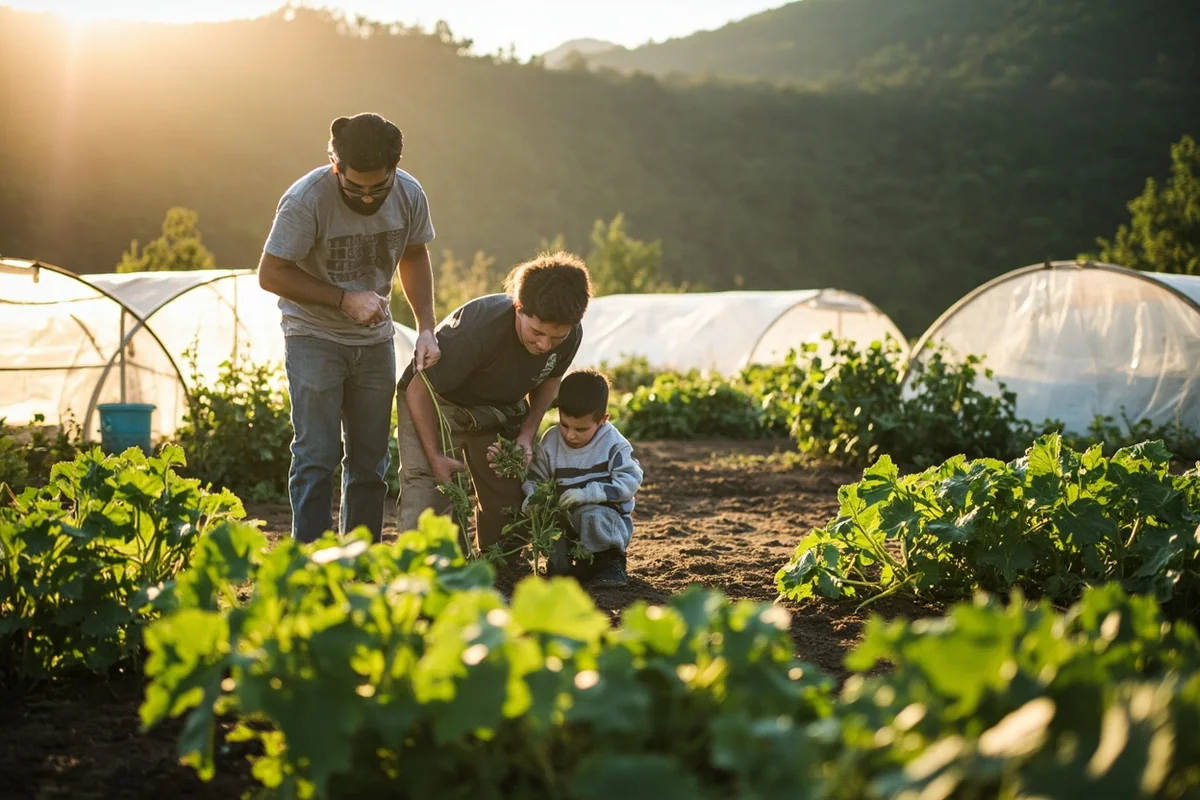
Montana’s challenging climate doesn’t mean you can’t create a thriving garden—it just requires strategic planning and knowledge of what works in this unique environment. With a growing season that ranges from 90-120 days depending on your location within the state, gardening requires thoughtful preparation and plant selection.

Cold-Hardy Crops for Montana

The key to gardening success in Montana is focusing on cold-hardy varieties that can withstand temperature fluctuations. Root vegetables thrive particularly well, including:

  • Potatoes: Yukon Gold and Russet varieties adapt well to Montana soils
  • Carrots: Napoli and Bolero varieties can handle cold snaps
  • Beets: Detroit Dark Red and Bull’s Blood are reliable producers
  • Turnips: Purple Top White Globe can be planted early and late season

Leafy greens like kale (especially Lacinato and Red Russian varieties), Swiss chard, and spinach can withstand frost and provide multiple harvests. For fruits, focus on hardy berries like raspberries, strawberries, and native huckleberries that can handle Montana winters.

Extending Growing Seasons

To maximize your productivity in Montana’s short growing season:

  1. Cold frames: Simple wooden boxes with glass or clear plastic tops trap heat while protecting plants from frost, allowing for earlier spring planting and extended fall harvests.
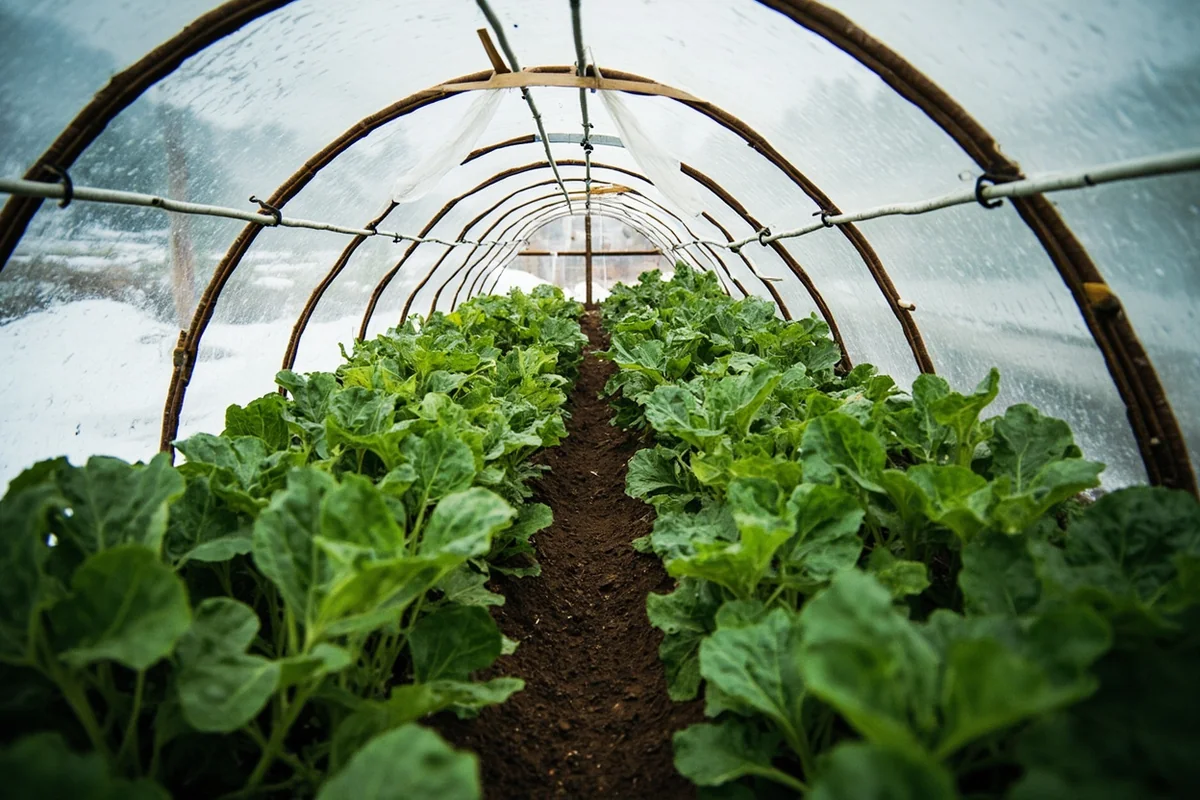
  2. Hoop houses: Affordable season extenders that can be built with PVC pipe and plastic sheeting, providing protection while allowing for temperature regulation.
  3. Row covers: Lightweight fabric placed directly over plants provides several degrees of frost protection and can be easily removed on warmer days.
  4. Strategic planting: Start cool-season crops as soon as soil can be worked, then transition to warm-season crops after danger of frost passes.
  5. Succession planting: Plant new crops every 2-3 weeks to ensure continuous harvests throughout the season.

Soil Amendments for Montana Soil Types

Montana soils vary widely across the state, from clay-heavy eastern soils to rocky mountain soils. Most share common challenges:

  • Alkalinity: Many Montana soils have high pH levels. Regular applications of compost, pine needles, or elemental sulfur can gradually lower pH.
  • Low organic matter: Incorporate plenty of compost, aged manure, and cover crops to build soil structure and fertility.
  • Heavy clay or sandy soils: Add organic matter consistently to improve drainage in clay soils or water retention in sandy soils.
  • Short decomposition cycle: Due to the short growing season, consider partially composted materials in fall to continue decomposition through winter.

A soil test from Montana State University Extension can provide specific guidance for your property’s needs.

Companion Planting

Strategic companion planting is especially valuable in Montana’s challenging conditions:

  • Plant nitrogen-fixing beans and peas alongside heavy feeders like corn and squash
  • Use aromatic herbs like oregano, thyme, and mint to repel pests naturally
  • Interplant marigolds throughout the garden to deter nematodes and attract beneficial insects
  • Create windbreaks with taller plants to protect more delicate varieties
  • Plant quick-maturing radishes alongside slower-growing carrots to mark rows and break soil

The “Three Sisters” method—planting corn, beans, and squash together—works particularly well in Montana, as it maximizes space and provides natural support structures.

Pest Management in Montana

Montana’s pest challenges require integrated management approaches:

  • Physical barriers: Row covers, fencing, and netting protect against deer, rabbits, and insects
  • Beneficial insects: Attract ladybugs, lacewings, and predatory wasps by planting diverse flowers like yarrow, dill, and cosmos
  • Crop rotation: Move plant families to different garden areas each year to prevent pest buildup
  • Cold weather advantages: Montana’s freezing winters naturally kill many pest eggs and larvae, reducing spring populations
  • Native plants: Incorporate Montana natives like echinacea, blanketflower, and bee balm to attract natural predators

For larger pests like deer and elk, tall fencing (8+ feet) may be necessary, while gophers and ground squirrels can be deterred with underground hardware cloth barriers around garden beds.

By working with Montana’s unique conditions rather than against them, you can establish a productive garden that provides abundant harvests despite the challenging climate. Focus on building soil health, selecting appropriate varieties, and extending your growing season to maximize your homestead’s food production potential.

Raising Livestock in Montana’s Environment

Montana’s rugged climate presents unique challenges and opportunities for livestock raisers. With harsh winters that can drop well below zero and relatively short summers, choosing the right animals and implementing proper management practices is crucial for success.

Cold-Hardy Livestock Breeds

When selecting livestock for your Montana homestead, cold-hardiness should be your top priority. Here are some breeds that thrive in Montana’s challenging climate:

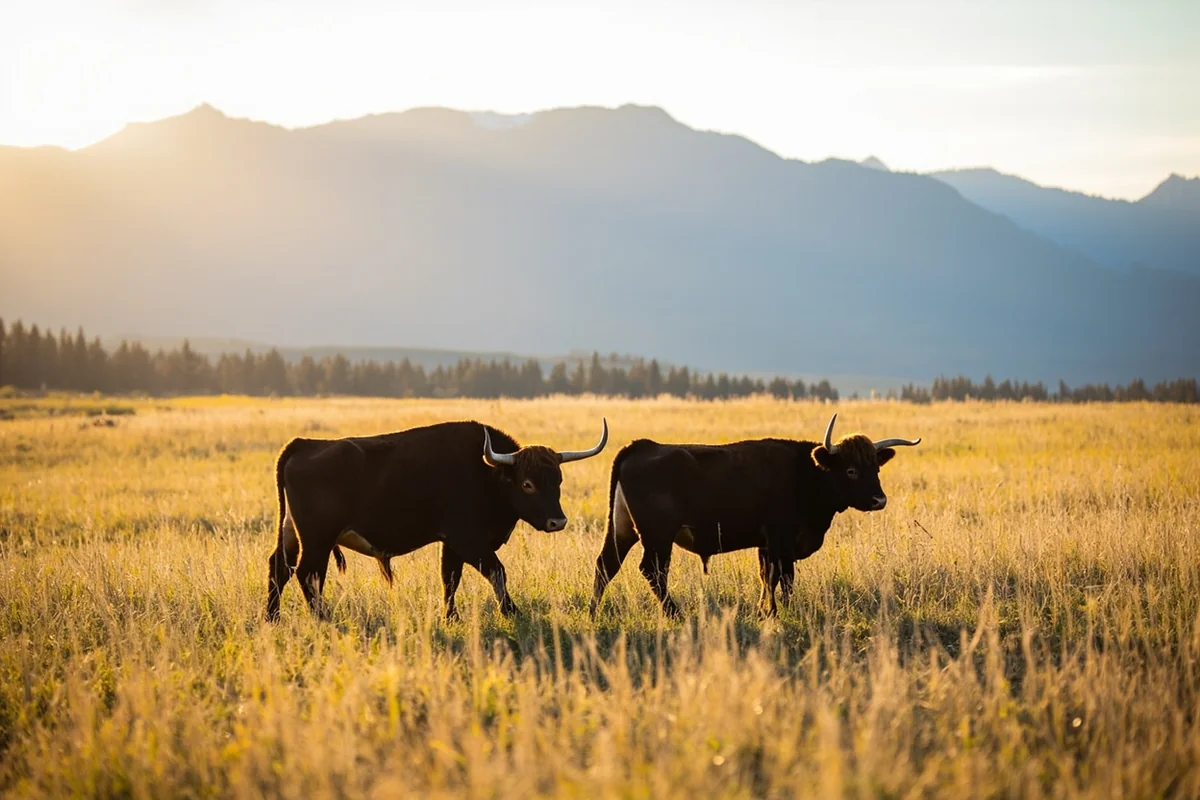
  • Cattle: Highland, Galloway, and Hereford cattle have thick coats and excellent foraging abilities that make them well-suited for Montana winters.
  • Sheep: Icelandic, Shetland, and Columbia sheep varieties maintain good health through cold winters and can often graze year-round.
  • Goats: Kiko, Boer, and Oberhasli goats have demonstrated resilience in colder climates.
  • Chickens: Cold-hardy breeds like Wyandottes, Orpingtons, Plymouth Rocks, and Brahmas continue laying through winter with proper housing.
  • Pigs: Tamworth, Large Black, and Berkshire pigs handle cold better than many other breeds.

Predator Protection Measures

Montana’s abundant wildlife includes predators that pose serious threats to livestock. Implementing multiple layers of protection is essential:

  • Install 6-foot perimeter fencing, preferably with electric wire at top and bottom
  • Use guardian animals such as Great Pyrenees dogs, llamas, or donkeys
  • Install motion-activated lights around barns and coops
  • Bring smaller livestock into secure structures at night
  • Consider trail cameras to monitor predator activity
  • Remove attractants like afterbirth promptly during birthing seasons

Winter Housing Requirements

Proper shelter becomes critical during Montana’s harsh winters:

  • Design barns and shelters to block prevailing winds
  • Ensure adequate ventilation to prevent respiratory issues while eliminating drafts
  • Provide deep bedding using the “deep litter method” for additional warmth
  • Consider insulating water lines and using heated waterers to prevent freezing
  • Create windbreaks using natural features or constructed barriers
  • Design shelters with south-facing openings to maximize solar gain

Pasture Management

Montana’s relatively short growing season requires strategic pasture planning:

  • Implement rotational grazing to maximize forage quality and prevent overgrazing
  • Seed drought-resistant, cold-hardy grass varieties like fescue, brome, and timothy
  • Allow pastures adequate recovery time between grazing periods
  • Consider stockpiling forage in certain pastures for extended fall grazing
  • Test soil annually and amend as needed to maintain optimal forage production
  • Manage water runoff to prevent erosion during spring thaw

Feed Storage Considerations

With long winters requiring 5-7 months of supplemental feeding, proper storage is essential:

  • Calculate feed needs carefully, then add 20% buffer for unexpected weather events
  • Store hay in covered areas to prevent moisture damage and nutrient leaching
  • Consider hay feeders that minimize waste (round bale feeders can reduce waste by 30%)
  • Store grain in rodent-proof containers to prevent contamination and loss
  • Position feed storage for convenient access even in heavy snow conditions
  • Consider building a root cellar for storing root vegetables for livestock

By selecting appropriate livestock breeds and implementing these management practices, your Montana homestead can successfully raise healthy, productive animals despite the challenging climate. The key is preparation and adaptation to the unique conditions of your specific location within the state.

Energy Solutions for Your Montana Homestead

Montana’s extreme weather conditions and remote locations make energy independence not just desirable but often necessary for homesteaders. With long, cold winters and sometimes unreliable grid connections in rural areas, developing robust and diverse energy systems is essential.

Solar Potential in Montana

Despite its northern latitude, Montana receives an impressive amount of sunlight—approximately 5 hours of peak sun daily in many regions. This makes solar power surprisingly viable, even during winter months when snow reflection can actually boost panel efficiency. The eastern plains of Montana are particularly suited for solar installations with their wide-open skies and minimal obstructions.

For homesteaders, a grid-tied system with battery backup offers the best balance, allowing you to sell excess power in summer while maintaining independence during outages. Montana’s Alternative Energy Systems Credit provides a tax incentive of up to $500 for individuals investing in solar installations, making the initial investment more manageable.

Wind Energy Options

Montana ranks fifth nationally for wind energy potential, making small-scale wind turbines an excellent complement to solar systems. The eastern plains and mountain passes experience consistent wind patterns that can generate substantial power, especially during winter months when solar production decreases.

For homesteaders, residential-scale turbines (1-10 kW) mounted on towers 80-120 feet tall can generate significant power. These systems work best on properties with at least one acre of open space and average wind speeds above 10 mph. When paired with solar, wind energy creates a more consistent year-round power supply that’s particularly valuable during Montana’s long winters.

Wood Heating Systems

Wood remains one of the most reliable and affordable heating solutions for Montana homesteaders. Modern wood stoves and furnaces have dramatically improved efficiency, with EPA-certified models achieving over 75% efficiency while producing minimal smoke.

For maximum efficiency and convenience, consider:

  • Masonry heaters that store and slowly release heat
  • Outdoor wood boilers that heat your home and water
  • Rocket mass heaters that can reduce wood consumption by up to 80%

When establishing your homestead, prioritize woodlot management. A well-managed 5-10 acre woodlot can sustainably provide heating fuel indefinitely when properly harvested and replanted.

Propane Backup Systems

Even with renewable energy systems in place, propane serves as an essential backup for Montana homesteaders. Unlike natural gas, propane can be stored on-site in tanks, providing crucial redundancy during extreme weather events.

Consider installing propane systems for:

  • Backup generators (whole-house or essential circuits only)
  • On-demand water heaters
  • Cooking ranges and ovens
  • Refrigeration when necessary

A 500-gallon propane tank can typically support a modest homestead through winter emergencies. Many Montana homesteaders schedule fall deliveries to secure lower pre-winter rates and ensure adequate supply before potential road closures.

Energy Conservation Techniques for Extreme Winters

The most cost-effective energy strategy begins with conservation. Montana’s harsh winters demand thoughtful design and preparation:

  • Super-insulate walls (R-40+) and ceilings (R-60+)
  • Install triple-pane windows with insulated frames
  • Use thermal curtains and window quilts during nighttime
  • Implement airlock entries to minimize heat loss
  • Consider earth-berming or partially underground construction on south-facing slopes

Passive solar design principles are particularly effective in Montana, where low winter sun angles can provide significant heat gain through properly oriented south-facing windows. Thermal mass elements like concrete floors or interior stone walls can capture this solar energy during the day and release it throughout the night.

By combining multiple energy systems with robust conservation measures, Montana homesteaders can achieve true energy resilience—essential for thriving in this beautiful but demanding landscape. Your energy systems should evolve as your homestead develops, gradually increasing independence while maintaining necessary redundancy for Montana’s challenging conditions.

Building or Renovating Your Montana Homestead

Montana’s extreme climate demands thoughtful construction approaches that balance durability, efficiency, and comfort. Whether you’re building from scratch or renovating an existing structure, your homestead’s success depends largely on how well your dwelling withstands Montana’s challenging conditions.

Cold-Climate Building Considerations

Montana winters can be brutally cold, with temperatures plunging well below zero for extended periods. This reality should inform every aspect of your building design:

  • Foundation Design: Frost-protected shallow foundations or full basements that extend below the frost line (typically 4-6 feet in Montana) prevent structural damage from freeze-thaw cycles.
  • Roof Pitch: Steeper roof pitches (6:12 or greater) help shed heavy snow loads and prevent ice dams.
  • Window Placement: Maximize southern exposure for passive solar gain while minimizing northern windows where heat loss occurs.
  • Thermal Mass: Incorporate materials like concrete floors, stone walls, or masonry that absorb heat during the day and release it slowly at night.
  • Wind Protection: Position your home to minimize exposure to prevailing winds, or create windbreaks with strategic landscaping.

Insulation Requirements for Montana’s Climate

Proper insulation is non-negotiable for Montana homesteads. Aim for these minimum R-values:

  • Ceilings/Roof: R-49 to R-60
  • Walls: R-21 to R-28
  • Floors: R-30
  • Foundation/Basement Walls: R-15 to R-19

Consider upgrading to higher values for even better performance. Modern insulation options include:

  • Spray Foam: Excellent air-sealing properties but more expensive
  • Rigid Foam Boards: Great for foundations and rim joists
  • Cellulose: Environmentally friendly option made from recycled paper
  • Wool Insulation: Natural alternative that performs well in varying humidity

Don’t forget to address thermal bridging through studs and other framing elements, which can significantly reduce your insulation’s effectiveness.

Cost-Effective Building Methods

Building in rural Montana presents unique challenges, but several approaches can help manage costs:

  • Phased Construction: Build your core living space first, then expand as finances allow.
  • Alternative Building Methods: Consider straw bale, cordwood, or earthbag construction, which utilize local materials and provide excellent insulation.
  • Salvaged Materials: Montana’s rural areas often have barns, outbuildings, or homes being demolished with valuable materials available at low cost.
  • Simple Designs: Rectangular buildings with simple roof lines cost significantly less than complex designs.
  • Sweat Equity: Doing site work, framing, finishing, and landscaping yourself dramatically reduces labor costs.

A modest, well-built 800-1000 square foot home often serves homesteaders better than an elaborate structure that drains resources.

Montana building regulations vary significantly by county and location:

  • Some rural areas have minimal building restrictions
  • Areas within city limits or designated growth areas have stricter requirements
  • Many counties require permits for septic systems regardless of other building code enforcement

Before purchasing land or beginning construction, visit your county’s planning department to understand:

  • Required permits and inspections
  • Septic system requirements
  • Well permits and water rights
  • Setbacks from property lines
  • Fire safety requirements (especially important in wildfire-prone areas)

Even in areas with minimal code enforcement, following basic building standards ensures safety and future resale value.

DIY vs. Contractor Decisions

Most successful Montana homesteaders blend DIY work with strategic hiring of professionals:

Consider DIY for:

  • Site clearing and basic landscaping
  • Demolition work during renovations
  • Interior finishing (drywall, painting, flooring)
  • Basic carpentry and cabinet installation
  • Fencing and outbuilding construction

Worth hiring professionals for:

  • Foundation work and structural framing (especially in seismic zones)
  • Electrical systems (improper wiring is a fire hazard)
  • Plumbing (particularly for main supply lines and waste systems)
  • HVAC installation (critical for Montana’s climate extremes)
  • Roof installation (water infiltration can destroy a home)

Remember that Montana’s rural nature means contractors may be booked months in advance, especially during the short building season. Plan accordingly and develop relationships with reliable local tradespeople early in your homesteading journey.

Food Preservation Techniques for Montana’s Short Seasons

Montana’s short growing season means homesteaders must master food preservation to enjoy their harvest year-round. With harsh winters lasting 5-7 months in many parts of the state, proper food storage isn’t just convenient—it’s essential for self-sufficiency.

Root Cellaring: Nature’s Refrigerator

Root cellaring remains one of the most energy-efficient preservation methods, particularly well-suited to Montana’s climate. A properly constructed root cellar maintains temperatures between 32-40°F and 85-95% humidity, ideal for storing root vegetables, apples, cabbage, and more.

Montana homesteaders often build root cellars into hillsides or below frost lines (typically 4-6 feet deep in most parts of the state). The earth’s natural insulation keeps temperatures stable despite extreme outdoor fluctuations. For optimal storage:

  • Store root vegetables like potatoes, carrots, and beets unwashed in boxes with damp sand
  • Hang cabbage and similar crops from rafters
  • Keep apples separate from other produce (they release ethylene gas that speeds ripening)
  • Monitor temperature with a simple thermometer, especially during temperature swings

Canning: Preserving Montana’s Bounty

Water bath and pressure canning are critical skills for Montana homesteaders. Water bath canning works for high-acid foods like tomatoes, jams, and pickles, while pressure canning safely preserves low-acid foods like beans, corn, and meats.

Montana’s elevation affects canning times and pressures. At elevations above 3,000 feet (common throughout much of the state), you’ll need to:

Dehydrating: Lightweight, Long-lasting Preservation

Dehydrating excels at preserving herbs, fruits, vegetables, and even meats. Montana’s naturally dry climate makes it possible to sun-dry certain foods during summer months, though electric dehydrators offer more consistent results.

For successful dehydrating:

  • Slice foods uniformly for even drying
  • Consider pre-treatments like ascorbic acid dips for fruits to prevent browning
  • Store dried foods in airtight containers in cool, dark places
  • Rotate stored foods and use within 6-12 months for best quality

Fermentation: Traditional Preservation with Health Benefits

Fermentation transforms garden vegetables into nutritional powerhouses while extending shelf life. Sauerkraut, kimchi, and fermented pickles require no electricity and actually improve with time.

Montana’s cool temperatures are ideal for slower fermentation that develops complex flavors. Keep ferments in a cool location between 55-65°F during the active fermentation period, then move to colder storage (like a root cellar) for long-term preservation.

Freezing: Modern Convenience for Montana Homesteaders

While freezing requires electricity, it remains one of the simplest preservation methods that maintains nutritional value and flavor. Many Montana homesteaders invest in energy-efficient chest freezers powered by solar systems.

To maximize freezer efficiency:

  • Blanch vegetables before freezing to preserve color, texture, and nutrients
  • Package foods in meal-sized portions to minimize freezer opening time
  • Label everything with contents and date
  • Keep freezers at 0°F or below for food safety

Planning for Winter Food Security

Successful winter food security in Montana requires advance planning:

  1. Calculate your needs: Estimate how much food your household requires for the winter months
  2. Diversify preservation methods: Don’t rely solely on one preservation technique
  3. Create a rotation system: Organize stored food by preservation date and use oldest items first
  4. Monitor storage conditions: Check temperatures and humidity levels regularly
  5. Develop a backup plan: Consider what you’ll do if power outages or other emergencies affect stored food

By mastering these preservation techniques, Montana homesteaders can enjoy the fruits of their labor year-round despite the state’s challenging growing conditions and long winters.

Building Community and Finding Support

Homesteading in Montana isn’t a solo journey—it thrives through community connections. While the state’s rugged individualism is part of its charm, successful homesteaders understand the value of building strong networks.

Montana offers a rich tapestry of homesteading communities eager to welcome newcomers. The Montana Homesteaders Alliance hosts monthly gatherings in regions across the state, providing opportunities to connect with experienced homesteaders who understand local challenges. These in-person meetings often feature skill-sharing workshops on everything from seed saving to small engine repair.

Online resources have transformed how Montana homesteaders connect. Facebook groups like “Montana Homesteading & Self-Sufficiency” and “Big Sky Homesteaders” provide platforms to ask questions, share successes, and learn from others’ mistakes. The Montana State University Extension offers comprehensive online resources specifically tailored to Montana’s unique growing conditions and homesteading challenges.

Bartering systems flourish throughout Montana’s homesteading communities. The Gallatin Valley Barter Network organizes seasonal swap meets where homesteaders exchange homegrown produce, handcrafted items, and services without cash changing hands. These systems not only provide economic benefits but strengthen community bonds through mutual support.

Skill-sharing opportunities abound across the state. The Montana Folk School in Whitehall offers workshops on traditional skills like blacksmithing, cheese making, and timber framing. Community centers in towns like Hamilton, Missoula, and Bozeman regularly host skill-sharing events where homesteaders can learn everything from beekeeping to solar panel installation.

Developing mentor relationships can dramatically accelerate your homesteading journey. Programs like Montana Homestead Mentors pair newcomers with established homesteaders for personalized guidance. These relationships often begin formally but evolve into lasting friendships built on shared values and mutual respect.

County extension offices serve as vital hubs for homesteading knowledge. These offices provide soil testing, plant disease identification, and connections to local experts. The agents working there often have deep roots in the community and can point you toward local resources you might otherwise miss.

Remember that building community takes time and reciprocity. Offer your own skills and assistance even as you seek help. Montana’s homesteading communities value self-reliance, but they also understand that sharing knowledge and resources creates resilience for everyone involved.

Financial Considerations for Your Montana Homestead

Starting a homestead in Montana requires careful financial planning to ensure long-term sustainability. While the dream of self-sufficiency is appealing, the reality involves significant investment and ongoing expenses. Understanding the financial landscape will help you create a viable homesteading operation.

Startup Costs

The initial investment for a Montana homestead can vary widely depending on your goals and existing resources:

  • Land acquisition: $1,500-$10,000+ per acre depending on location, water rights, and accessibility
  • Housing: $150,000+ for an existing home or $100-$200 per square foot for new construction
  • Well drilling: $5,000-$15,000 depending on depth and water table
  • Septic system: $5,000-$10,000 for installation
  • Power setup: $5,000-$30,000 for grid connection or off-grid systems
  • Equipment: $10,000-$50,000 for basic farming equipment, tools, and infrastructure
  • Livestock: $500-$5,000 for initial breeding stock
  • Fencing: $1-$7 per linear foot depending on materials and terrain
  • Garden establishment: $1,000-$3,000 for soil amendments, irrigation, and initial plantings

Budget for unexpected expenses by adding a 15-20% contingency fund to your initial estimates.

Income Opportunities

Montana homesteaders have several options for generating income:

  1. Value-added products: Transform raw materials into higher-value items like handcrafted soaps, jams, or furniture
  2. Farmers markets: Sell excess produce, eggs, meat, and handcrafted goods at local markets
  3. CSA programs: Create community-supported agriculture subscriptions for regular income
  4. Agritourism: Offer farm stays, workshops, or educational experiences
  5. Remote work: Leverage internet connectivity for telecommuting or online businesses
  6. Specialized crops: Grow high-value crops like medicinal herbs, heirloom vegetables, or specialty grains
  7. Livestock breeding: Develop quality breeding stock for sale to other homesteaders

Many successful Montana homesteaders combine multiple income streams for financial stability throughout the year.

Government Assistance Programs

Several programs can provide financial support for your Montana homestead:

  • USDA Rural Development loans: Low-interest financing for land purchase and improvements
  • Natural Resources Conservation Service (NRCS): Cost-sharing for conservation practices
  • Montana Department of Agriculture grants: Support for specialty crops and value-added products
  • Farm Service Agency (FSA) programs: Loans and disaster assistance for qualifying operations
  • Rural Energy for America Program (REAP): Grants for renewable energy systems
  • Beginning Farmer and Rancher Development Program: Training and assistance for new farmers

Research eligibility requirements carefully, as many programs have specific criteria regarding income, land use, and production scale.

Tax Benefits

Homesteading in Montana offers several tax advantages:

  • Agricultural classification: Significantly reduced property taxes when land is used primarily for agriculture
  • Home business deductions: Tax benefits for farm-related expenses and home office use
  • Depreciation: Write-offs for equipment, buildings, and infrastructure
  • Conservation easements: Potential tax benefits for preserving natural resources
  • Solar and renewable energy credits: Federal tax incentives for sustainable energy systems

Consult with a tax professional familiar with agricultural operations to maximize your legitimate deductions while maintaining proper compliance.

Creating a Sustainable Financial Plan

For long-term homesteading success in Montana:

  1. Start small: Begin with manageable projects and expand gradually
  2. Prioritize infrastructure: Invest first in systems that provide basic needs and prevent losses
  3. Build emergency funds: Montana’s weather extremes can create unexpected expenses
  4. Diversify income sources: Don’t rely on a single crop, product, or market
  5. Track expenses meticulously: Understand your true costs of production
  6. Invest in efficiency: Choose equipment and systems that save time and resources
  7. Plan for seasonal cash flow: Montana’s short growing season creates uneven income distribution
  8. Reduce dependency on purchased inputs: Work toward closed-loop systems that minimize external costs

Remember that homesteading is both a lifestyle and a business. Finding the right balance between self-sufficiency goals and income-generating activities will help ensure your Montana homestead remains financially viable for years to come.

Seasonal Planning for Montana Homesteaders

Montana’s dramatic seasonal changes require homesteaders to plan meticulously throughout the year. The state’s short growing season and harsh winters mean every month counts when it comes to maintaining a productive homestead. Creating a seasonal rhythm for your homesteading activities will help you maximize productivity while working with Montana’s unique climate patterns.

Month-by-Month Homesteading Calendar

January-February: These deep winter months are perfect for indoor planning and preparation. Use this time to:

  • Order seeds and plan your garden layout
  • Repair tools and equipment
  • Complete indoor projects and maintenance
  • Care for winter livestock with extra attention to water and shelter
  • Study and learn new homesteading skills

March-April: As spring begins to emerge:

  • Start seedlings indoors (cold-hardy varieties first)
  • Prepare garden beds as soon as soil can be worked
  • Begin pruning fruit trees before bud break
  • Clean and prepare animal housing for spring births
  • Tap maple trees if you have them

May-June: The busy planting season:

  • Direct sow cold-hardy crops once soil temperature reaches 40°F
  • Plant warm-season crops after last frost (typically late May/early June)
  • Begin irrigation systems
  • Move livestock to summer pastures
  • Install beehives

July-August: Summer maintenance and early harvests:

  • Maintain regular watering schedules
  • Begin harvesting early crops
  • Monitor for pests and diseases
  • Make hay while conditions are right
  • Collect herbs for drying

September-October: Harvest and preservation time:

  • Harvest main garden crops before first frost
  • Process and preserve the harvest
  • Collect seeds for next year
  • Plant fall cover crops
  • Prepare livestock housing for winter

November-December: Winterizing and reflection:

  • Final winterizing of all systems
  • Move livestock to winter quarters
  • Process any remaining harvests
  • Review the year’s successes and failures
  • Begin planning for next season

Winter Preparation

Montana’s winters demand serious preparation. By late September, you should begin:

  • Insulating water systems to prevent freezing
  • Stockpiling firewood (at least 5-7 cords for an average Montana winter)
  • Adding extra insulation to livestock housing
  • Installing wind breaks around vulnerable areas
  • Ensuring adequate feed storage for animals
  • Testing generators and backup power systems
  • Preparing snow removal equipment
  • Creating emergency kits for power outages

Winter in Montana isn’t just about survival—it’s also the perfect time for butchering livestock, indoor projects like leather working or wool processing, and planning next year’s homestead improvements.

Spring Planting Timeline

The key to successful spring planting in Montana is understanding your specific microclimate. Generally:

  • Early April: Begin soil preparation as soon as ground thaws
  • Mid-April: Plant cold-hardy crops like peas, spinach, and radishes
  • Late April: Plant potatoes, onions, and cold-weather greens
  • Early May: Set out transplants of cabbage family crops
  • Late May: Plant cool-season crops like lettuce and beets
  • Early June: Wait until after last frost to plant tomatoes, peppers, and other warm-season crops

Consider using season extenders like cold frames, hoop houses, or row covers to get a jump on Montana’s short growing season. Many successful Montana homesteaders start seeds indoors 6-8 weeks before their last frost date.

Summer Maintenance

Summer brings intense activity to Montana homesteads:

  • Implement efficient irrigation systems to conserve water during dry periods
  • Mulch heavily to retain soil moisture and reduce watering needs
  • Monitor for Montana-specific pests like grasshoppers and deer
  • Maintain regular harvesting schedules to encourage continued production
  • Process harvests quickly to prevent waste
  • Balance time between garden maintenance, livestock care, and wildfire preparedness
  • Begin food preservation as harvests come in rather than waiting until fall

Montana’s summer days are long, often providing light until 10 PM in June and July. Use these extended daylight hours to maximize productivity while maintaining a sustainable pace.

Fall Harvest Planning

Fall arrives quickly in Montana, often with early frosts by mid-September. Successful homesteaders:

  • Track average first frost dates for their specific location
  • Harvest frost-sensitive crops before cold temperatures arrive
  • Process and preserve the harvest in stages to prevent overwhelm
  • Collect and properly store seeds from heirloom varieties
  • Plant garlic and other overwintering crops in September
  • Schedule livestock processing before deep winter
  • Prepare root cellars and cold storage for winter food supplies

Many Montana homesteaders host “harvest parties,” inviting neighbors to help with large harvesting tasks in exchange for a portion of the bounty. This community approach not only lightens the workload but builds crucial relationships that sustain the homesteading lifestyle through Montana’s challenging seasons.

By developing a comprehensive seasonal rhythm that aligns with Montana’s unique climate patterns, homesteaders can work with nature rather than against it, creating a more sustainable and enjoyable homesteading experience.

Conclusion: Your Successful Montana Homesteading Journey

Embarking on a homesteading journey in Montana represents one of life’s most rewarding challenges. As we’ve explored throughout this guide, Montana offers a unique blend of opportunities and challenges for those seeking self-sufficiency and connection with the land. From understanding the state’s diverse climate zones to navigating water rights and building sustainable systems, your path to homesteading success requires careful planning, adaptability, and perseverance.

Remember that successful homesteading in Montana doesn’t happen overnight. Start small with manageable projects like a modest garden or a few chickens, then gradually expand as you gain confidence and experience. The skills you’ll develop—from food preservation and animal husbandry to renewable energy management and construction—build upon each other to create a foundation for a sustainable lifestyle.

The homesteading journey is as much about the process as the destination. Each season brings new lessons, and even setbacks provide valuable learning experiences. Embrace the cyclical nature of homesteading life, where winter planning leads to spring planting, summer tending yields fall harvesting, and the cycle begins anew with greater wisdom each year.

Montana’s homesteading community continues to grow, with numerous resources available to support your journey. Consider joining organizations like the Montana Organic Association, attending workshops at Montana State University Extension offices, or participating in seed exchanges and farmers markets. Online forums specific to Montana homesteading can provide region-specific advice that general homesteading resources might miss.

Finally, don’t underestimate the importance of community in your homesteading success. Reach out to neighbors, join local agricultural cooperatives, and participate in community events. The collective knowledge of Montana’s homesteading community represents generations of hard-won wisdom about living in harmony with this beautiful but demanding landscape. By connecting with others on similar paths, you’ll find not just practical support but also the deep sense of belonging that makes Montana homesteading truly fulfilling.

Your Montana homestead awaits—whether it’s a few acres or hundreds, whether you’re starting from scratch or revitalizing an existing property. With determination, knowledge, and community support, you can create a sustainable, fulfilling life connected to Montana’s remarkable land.

FAQs About Homesteading in Montana

How much land do I need to start homesteading in Montana?

The amount of land you need depends on your homesteading goals. For a basic self-sufficient homestead with a large garden, some chickens, and perhaps a few goats, 1-5 acres can be sufficient. If you plan to raise cattle or have extensive pasture needs, you’ll want 20-40 acres or more. Many successful Montana homesteaders start with 5-10 acres, which provides enough space for gardens, small livestock, orchards, and some pasture while remaining manageable for beginners. Remember that Montana’s property taxes favor agricultural land use, so having enough acreage to qualify for agricultural classification can provide significant tax benefits.

Can I really homestead in Montana with the short growing season?

Yes, thousands of homesteaders successfully grow abundant food in Montana despite the 90-120 day growing season. The key is selecting cold-hardy crop varieties, using season extension techniques like hoop houses and cold frames, and focusing on crops that thrive in cooler climates such as root vegetables, leafy greens, and berries. Many Montana homesteaders start seeds indoors 6-8 weeks before the last frost and use succession planting to maximize harvests. The state’s long summer days with extended daylight hours actually benefit plant growth, and proper food preservation techniques allow you to enjoy your harvest year-round.

What are the biggest challenges of homesteading in Montana?

Montana’s biggest homesteading challenges include the harsh winter climate with temperatures dropping well below zero, the short growing season, water availability and rights issues, and isolation from services in rural areas. Wildlife predators pose constant threats to livestock, and the distance to supplies and markets can be substantial. Winter preparation is crucial, as you may be snowed in for extended periods. However, these challenges are manageable with proper planning, appropriate infrastructure, and connection to the local homesteading community. Many homesteaders find that Montana’s low population density, affordable land prices, and stunning natural beauty more than compensate for these difficulties.

How much does it cost to start homesteading in Montana?

Initial homesteading costs in Montana vary widely based on your starting point and goals. Land prices range from $1,500 to $10,000+ per acre depending on location and amenities. If you need to build housing, budget $150,000+ for a modest home or $100-$200 per square foot for new construction. Essential infrastructure like well drilling ($5,000-$15,000), septic systems ($5,000-$10,000), and basic equipment ($10,000-$50,000) add to startup costs. Many homesteaders begin with $100,000-$300,000 total investment, though some start with less by purchasing land with existing structures or building gradually over time. Creating a detailed budget with a 15-20% contingency fund helps ensure financial sustainability.

Do I need special permits or licenses to homestead in Montana?

Montana’s permitting requirements vary significantly by county, with remote rural areas having fewer restrictions than areas near cities. You’ll typically need building permits for your main dwelling and potentially for larger outbuildings, septic system permits regardless of location, and well permits even for domestic use. Water rights are separate from land ownership and must be verified before purchase. Livestock operations require proper identification systems and compliance with health regulations. Some counties have minimal building code enforcement, but following basic standards protects your investment. Always check with your specific county’s planning department before purchasing land or beginning construction to understand local requirements.

What livestock are best for beginning Montana homesteaders?

Chickens are ideal for beginning Montana homesteaders because they’re relatively inexpensive, require minimal space, provide both eggs and meat, and help you develop basic animal husbandry skills. Choose cold-hardy breeds like Wyandottes, Orpingtons, or Brahmas that continue laying through winter with proper housing. After gaining confidence with chickens, many homesteaders add goats (Kiko or Oberhasli breeds handle cold well) for milk and meat, or sheep (Icelandic or Shetland varieties) for wool and meat. Wait to add cattle until you have adequate pasture, fencing, and experience, as they require significant resources and knowledge. Starting small allows you to learn animal care while avoiding overwhelming commitments.

Can I make money from my Montana homestead?

Yes, many Montana homesteaders generate income through various channels while maintaining self-sufficiency. Successful income strategies include selling excess produce, eggs, and meat at farmers markets, creating value-added products like jams or handcrafted soaps, offering agritourism experiences such as farm stays or workshops, developing CSA (Community Supported Agriculture) subscriptions, and growing specialty high-value crops like medicinal herbs or heirloom vegetables. Many homesteaders also maintain remote work or online businesses to supplement farm income. The key is diversifying income streams to account for Montana’s seasonal nature and building gradually as you develop production capacity. Most successful homesteaders combine multiple modest income sources rather than relying on a single large revenue stream.

How do I find water on potential homestead property in Montana?

Water availability is crucial for homesteading success in Montana. When evaluating property, look for existing wells and verify their depth, flow rate, and water quality. Check for natural springs, streams, or ponds, but remember that surface water rights are separate from land ownership in Montana. Review well logs from neighboring properties to estimate drilling depth and costs in the area. Hire a hydrogeologist for professional assessment of promising properties. Always verify that water rights transfer with the property purchase, as Montana follows the “first in time, first in right” doctrine. Properties without secured water access can be severely limited in agricultural potential, so thorough water investigation before purchase is essential.

What should I do first when starting my Montana homestead?

Begin by thoroughly researching Montana’s regions to identify areas that match your climate preferences, budget, and homesteading goals. Visit potential areas during different seasons to experience the climate firsthand. Once you’ve selected a region, focus on finding suitable land with verified water rights, reasonable access, and appropriate zoning. Before purchasing, have the property assessed for soil quality, water availability, and any restrictions. After securing land, prioritize establishing basic infrastructure including water systems, power, and shelter before expanding into food production or livestock. Start with a small, manageable garden and perhaps a few chickens to develop skills before scaling up. Connect with local homesteaders and extension offices early to build community support and local knowledge.

Is it realistic to be completely self-sufficient on a Montana homestead?

Complete self-sufficiency is extremely challenging and rarely achieved, even by experienced Montana homesteaders. Most successful homesteaders aim for a high degree of self-reliance in food production, energy generation, and basic needs while maintaining connections to broader economic systems for items they can’t practically produce themselves. A realistic goal is producing 50-80% of your food, generating much of your energy through renewable sources with grid or generator backup, and developing skills to handle most maintenance and repairs. Montana’s harsh climate and short growing season make some external inputs necessary for most homesteaders. Rather than absolute self-sufficiency, focus on building resilience through diverse skills, multiple systems, strong community connections, and the ability to meet your needs through various means.

Sources

Sarah Bennett

My writing is rooted in long-term experience living in Montana, covering its cities through the lens of everyday life and local highlights. I aim to provide a balanced perspective that is supported by research and facts, helping readers understand the true character of these communities without hype or exaggeration

Leave a Reply