The summer I drove into Missoula, the sky looked like someone had draped an orange-brown filter over the entire valley—my lungs burned before I even stepped out of my rental car.
That was August 2021, and Montana was experiencing one of its worst wildfire seasons in recent memory, with over a million acres scorched across the state.
If you’re planning a trip to Montana, understanding wildfire season isn’t just helpful—it’s essential for your safety, health, and overall experience.
As someone who has explored this state extensively across multiple seasons, I’ve learned firsthand how dramatically wildfires can transform a dream vacation into a challenging ordeal.
This reality is part of Montana Living that both residents and visitors must navigate. And yes, wildfires are just one of several Montana natural disasters you should be aware of before your trip.
- Montana experiences significant wildfire activity from June through October, with peak season in July-August
- Western Montana (Missoula, Kalispell, Helena regions) sees more fire activity than eastern plains
- Air quality can become hazardous even in areas not directly threatened by flames
- Check InciWeb, AirNow.gov, and local ranger stations before and during your trip
- Have backup plans—trail closures and evacuations can happen with little warning
- Most fires don’t require tourists to cancel trips, but flexibility is key
Liked this article?
Add Roaming Montana as a preferred source so you see more of our articles and guides on Google.
Yes, Montana Gets Wildfires—And Here’s Why
Montana absolutely gets wildfires, and they’re not just occasional occurrences. The state typically experiences hundreds of fires each year, ranging from small brush fires quickly contained to massive infernos that burn for weeks or even months.
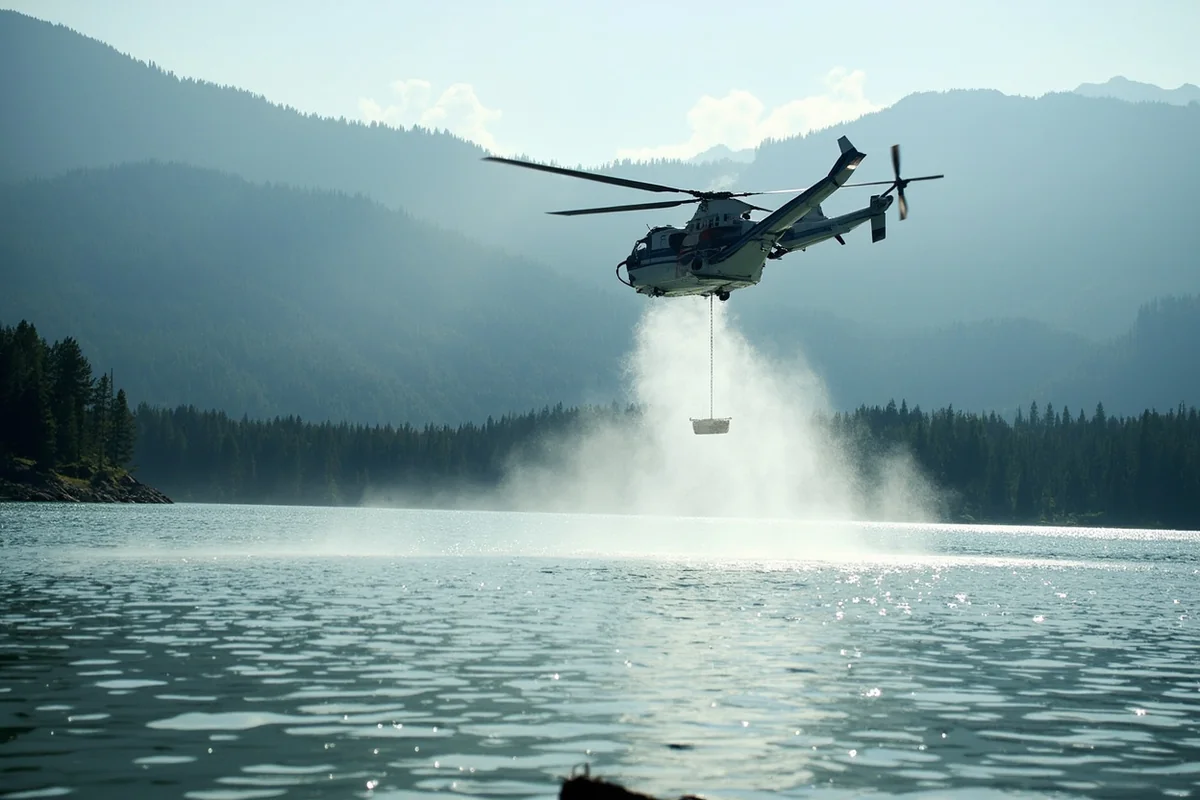
I’ve watched firefighting helicopters dipping into Flathead Lake to gather water, their rhythmic flights becoming a strange backdrop to what should have been a peaceful lakeside afternoon. It’s a reminder that fire is woven into Montana’s ecological fabric—and increasingly, into the visitor experience.
The Perfect Storm for Fire
Montana’s landscape creates ideal conditions for wildfires. The state contains over 23 million acres of forested land, primarily consisting of lodgepole pine, Douglas fir, and ponderosa pine—all species that can burn intensely under the right conditions.
The combination of hot, dry summers, low humidity, and frequent afternoon thunderstorms (which bring lightning but often little rain) creates what fire managers call “critical fire weather.”
During my time in the Bob Marshall Wilderness last July, I counted seven dry lightning strikes in a single evening. Three of them sparked small fires that crews monitored for days.
Montana’s terrain also complicates fire behavior. Steep mountain slopes, narrow canyons, and unpredictable winds can cause fires to spread rapidly and change direction without warning. When people ask why Montana is so unpopulated, wildfire risk is one factor that keeps development limited in many areas.
Climate Change Is Making It Worse
I’ve been visiting Montana for over fifteen years, and the change is undeniable. Fire seasons now start earlier, end later, and burn more intensely than they did when I first explored Glacier National Park in the early 2000s.
Warmer temperatures mean earlier snowmelt, which extends the dry season. Drought conditions have become more frequent and severe. The beetle-kill epidemic that swept through Montana’s forests over the past two decades left millions of dead, dry trees standing—perfect fuel for fast-moving fires.
During a conversation with a Forest Service ranger near Seeley Lake a few summers ago, she told me they now prepare for “fire year” rather than “fire season.” That shift in terminology says everything.
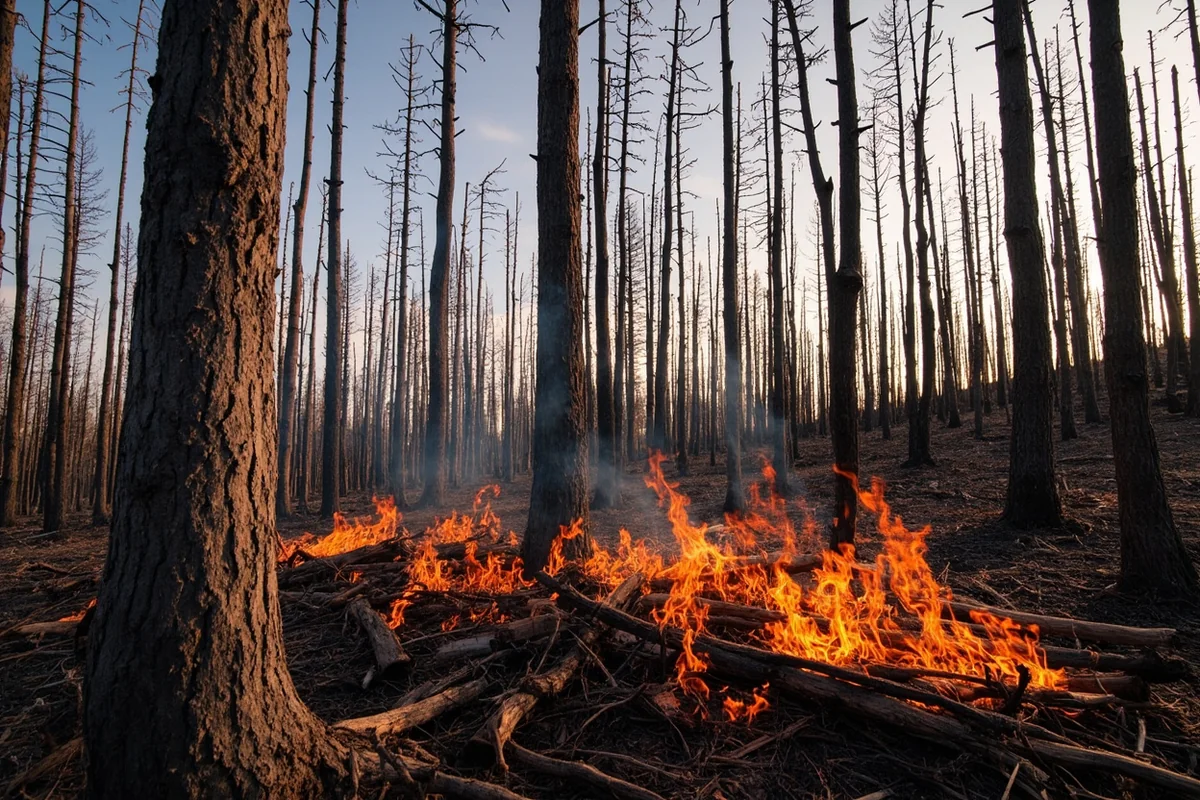
Montana’s Wildfire Season: A Month-by-Month Breakdown
Understanding when fires are most likely helps you plan smarter. Here’s what I’ve observed over years of Montana travel:
| Month | Fire Risk Level | What to Expect |
|---|---|---|
| May | Low | Snowmelt in high country; fires rare but increasing in lower elevations |
| June | Low to Moderate | Grasses cure and dry; early season fires possible, especially in eastern Montana |
| July | High | Lightning season begins; fire activity increases significantly |
| August | Extreme | Peak fire season; largest fires typically occur; smoke impacts widespread |
| September | High to Moderate | Active fires continue; cooler nights help crews gain control |
| October | Low to Moderate | Season winds down; first significant moisture usually ends fire season |
My Experience During Peak Season
Last August, I attempted a backpacking trip in the Mission Mountains Wilderness. I’d been planning it for months and had permits secured. Three days before my scheduled departure, the entire area closed due to fire danger.
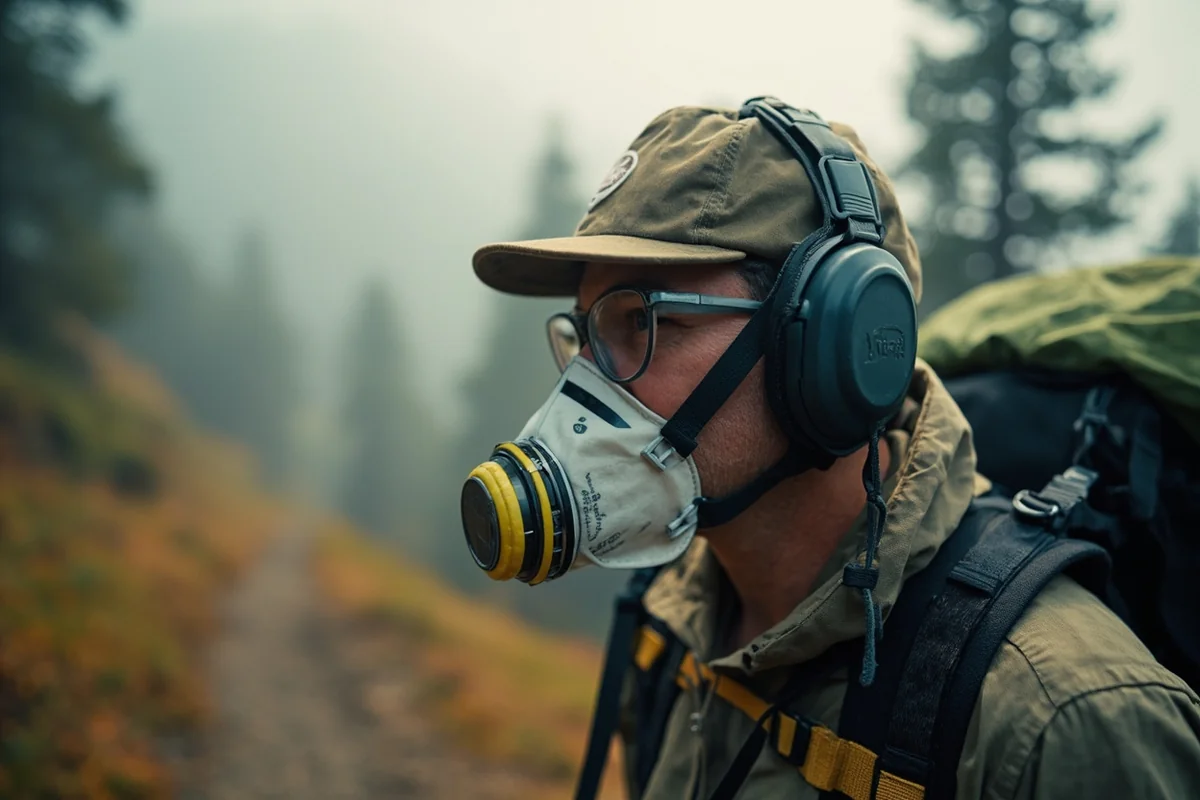
I pivoted to hiking in the Beartooth Mountains instead—a four-hour drive from my original destination—only to find that smoke from fires in Yellowstone had filled the valleys there too. My “wilderness experience” included wearing an N95 mask on the trail and cutting my trip short when air quality hit hazardous levels.
This is the reality of summer travel in Montana. It’s not to scare you away, but to prepare you. Flexibility isn’t just nice to have—it’s necessary.
Which Parts of Montana Are Most Affected?
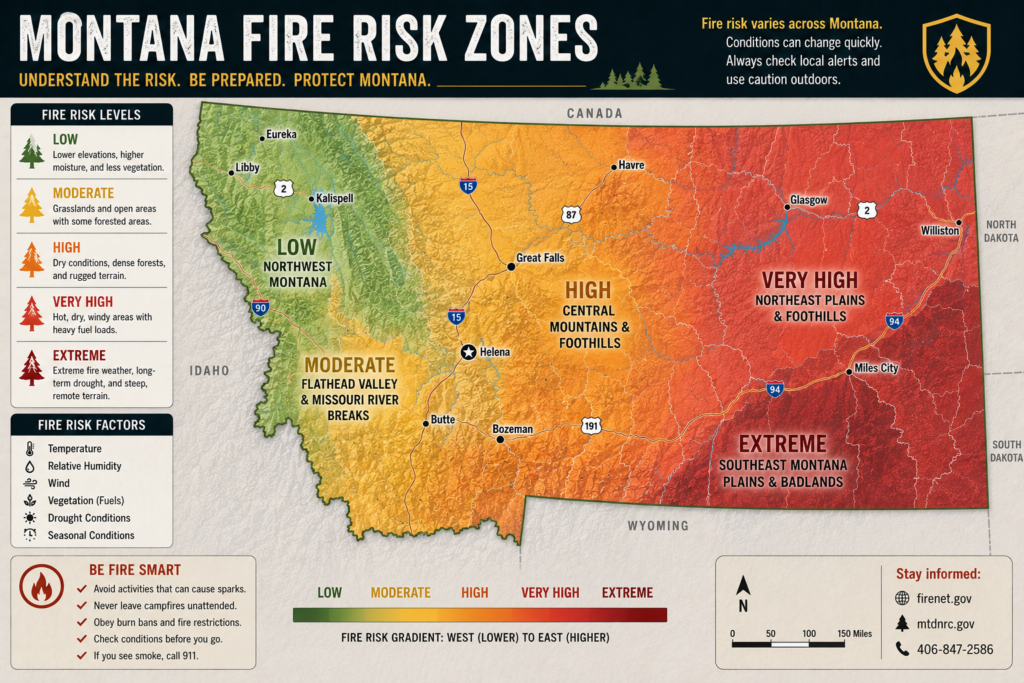
Not all of Montana faces equal fire risk. Geographic differences matter significantly when planning your trip.
Western Montana: The Fire Zone
The mountainous western third of the state sees the most dramatic fire activity. This region includes some of Montana’s most popular destinations:
- Glacier National Park – Fire has shaped this landscape for millennia. The 2003 Trapper Fire and 2018 Howe Ridge Fire burned thousands of acres within park boundaries. When I visited last summer, several trails remained closed from previous years’ burns.
- Flathead Valley (Kalispell, Whitefish, Bigfork) – This popular tourist corridor often experiences smoke impacts even when fires burn far away. Valley geography traps smoke, sometimes for weeks.
- Missoula – Sitting in multiple valley convergences, Missoula can become a smoke bowl. I’ve experienced AQI readings over 500 there—literally off the standard measurement scale.
- Helena and Surrounding National Forest – The Helena-Lewis and Clark National Forest has seen significant fire activity, including the 2020 fires that threatened several communities.
Some travelers considering the best places to live in Montana weigh wildfire risk heavily in their decisions. Communities like Whitefish and Missoula regularly discuss evacuation preparedness.
Central Montana: Moderate Risk
The transition zone between mountains and plains sees occasional fires, typically grass fires that move fast but don’t produce the same prolonged smoke events. Great Falls and the surrounding area experience fire impacts but less frequently than western communities.
Eastern Montana: Grass Fire Country
The prairie and badlands of eastern Montana face different fire dynamics. Grass fires can spread incredibly fast—I’ve seen them race across rangeland at terrifying speeds—but they typically burn out quickly and don’t produce the persistent smoke that forest fires generate.
If you’re visiting Makoshika State Park or the Charles M. Russell National Wildlife Refuge during dry summers, be aware that grass fires can close roads temporarily. However, the overall impact on travel plans is usually minimal compared to western Montana.
How Wildfires Impact Your Montana Trip
Let me be direct about what wildfires can mean for your vacation, based on my years of navigating these situations.
Trail and Road Closures
During active fire seasons, trail closures happen frequently and sometimes with only hours of notice. I’ve shown up at trailheads to find gates locked and ranger notices posted that morning. Entire sections of popular areas like the Bob Marshall Wilderness can close for months.
Road closures are less common but do occur. Going-to-the-Sun Road in Glacier rarely closes for fire (snow is the bigger issue there), but surrounding forest roads often do. Highway 200 between Missoula and Great Falls has been closed or restricted during major fire events.
Always check current conditions the morning of any outdoor adventure. Don’t assume that because something was open yesterday, it’s open today.
Air Quality Concerns
This is the sleeper issue that catches many visitors off guard. You might be nowhere near an actual fire but still experience hazardous air quality.
Smoke travels. During bad years, smoke from fires in Idaho, Washington, Oregon, and even Canada combines with Montana’s local smoke to create thick, persistent haze. I’ve experienced smoke so dense that I couldn’t see the mountains just a few miles away—in an area with no fires within 100 miles.
Sensitive groups (children, elderly, those with respiratory conditions) should take air quality seriously. Even healthy adults can experience irritation, headaches, and fatigue from prolonged smoke exposure. On my worst smoke day in Montana, I developed a persistent cough that lasted a week after leaving the state.
Visibility and Photography
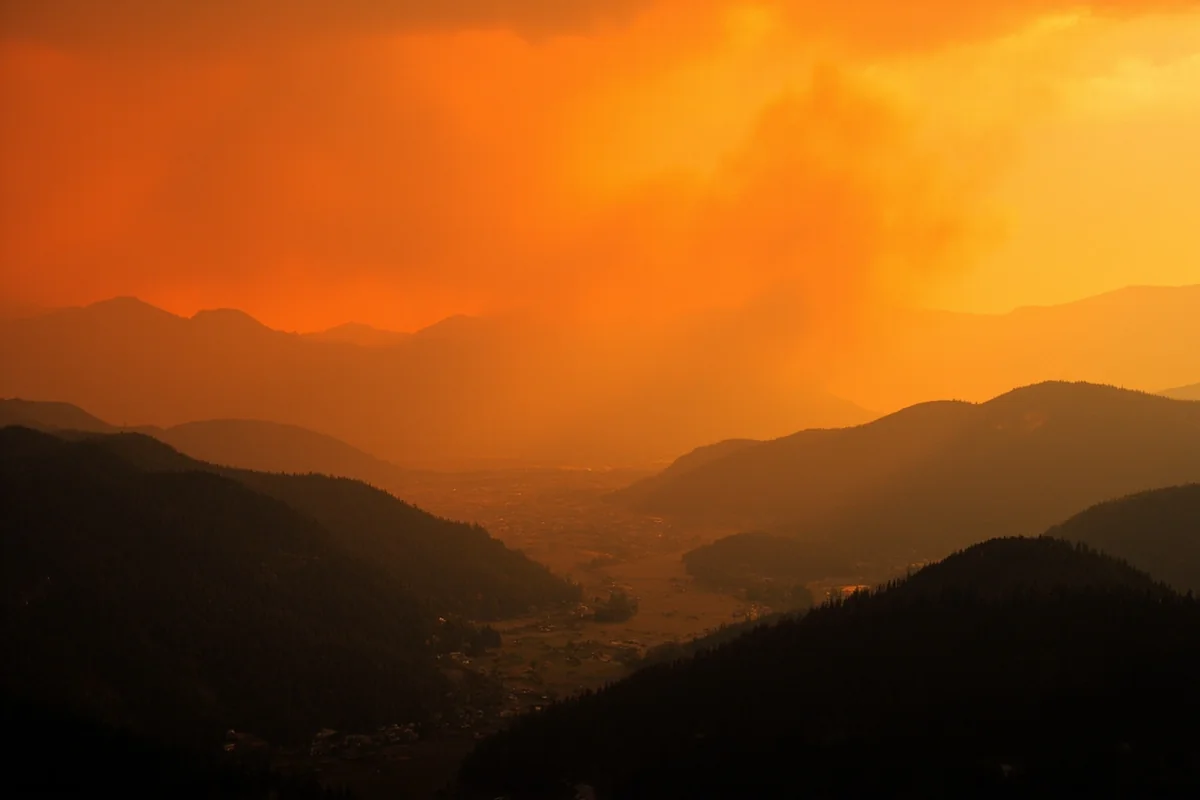
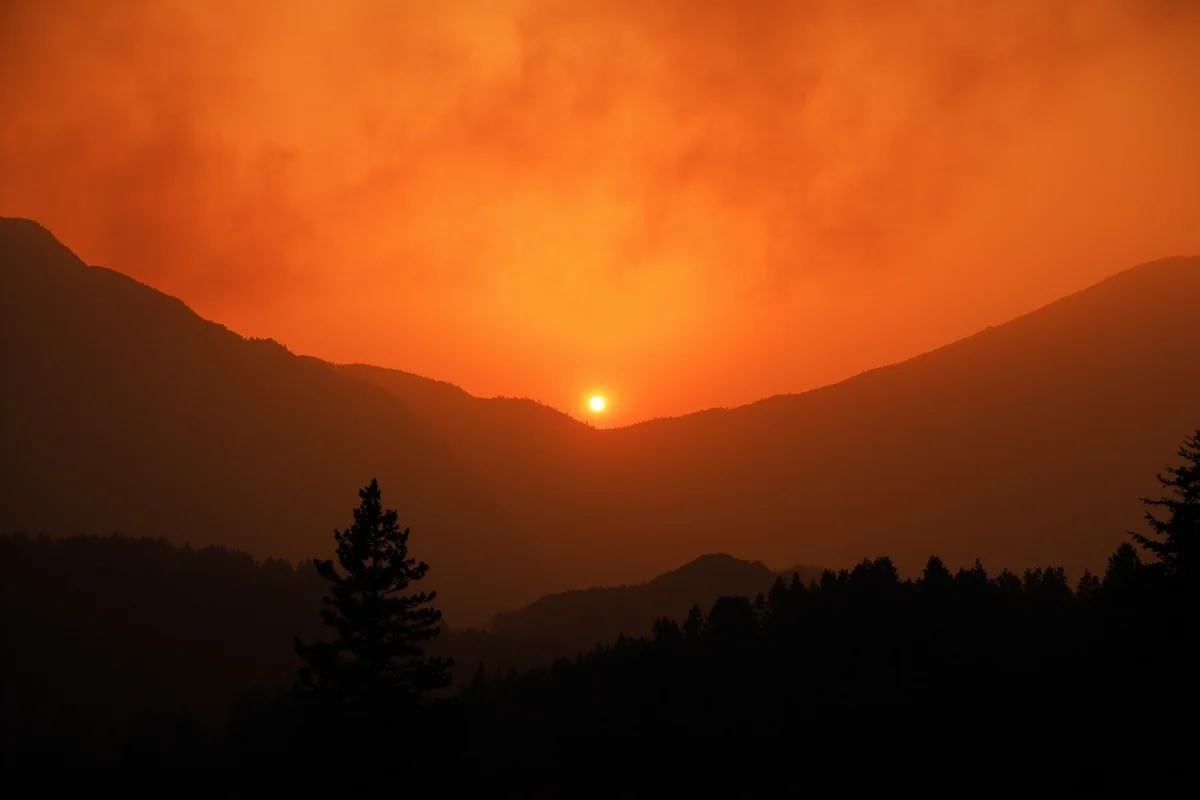
If dramatic landscape photography is part of your Montana dream, wildfire smoke will challenge that vision. Blue-hour skies turn orange. Distant mountains disappear entirely. The crystal-clear air that makes Montana special becomes thick and hazy.
I’ve had photo shoots where I couldn’t capture a single usable image of peaks I’d driven hours to photograph. It’s frustrating, but it’s reality.
That said, some photographers embrace smoke conditions. Sunrise and sunset can produce surreal, apocalyptic colors. Wildlife often becomes more active as they’re displaced by fire. I’ve captured some of my most dramatic Montana images during smoky conditions—they’re just very different from what I’d planned.
Accommodation and Activity Cancellations
Evacuation orders can force hotels and lodges to close. Outfitters may cancel guided trips. Campgrounds in fire-affected areas shut down.
I always recommend booking refundable accommodations during fire season, even if they cost a bit more. On a trip two summers ago, I had to cancel two nights at a cabin near Seeley Lake when fire threatened the area. The flexible booking policy saved me nearly $400.
Practical Tips for Traveling During Fire Season
After navigating numerous fire seasons in Montana, I’ve developed a system that keeps my trips successful even when smoke fills the air.
Before You Go
- Monitor conditions starting two weeks before departure. Fire situations can develop or improve quickly, but patterns often persist for days or weeks.
- Bookmark these resources: InciWeb (inciweb.nwcg.gov) for active fire maps, AirNow.gov for real-time air quality, and the Montana DNRC fire information page.
- Build flexibility into your itinerary. Have backup destinations in different parts of the state. If your heart is set on Glacier and it’s smoky, maybe the Beartooth Highway or Big Hole Valley will be clear.
- Pack N95 masks. Not cloth masks—actual N95 respirators. They make a genuine difference in smoke.
- Bring eye drops and throat lozenges. Smoke irritates everything.
During Your Trip
- Check air quality every morning. AirNow.gov provides hourly updates. I consider AQI under 50 great, 50-100 acceptable for outdoor activities, 100-150 concerning, and anything above 150 grounds for changing plans.
- Plan strenuous activities for morning hours. Smoke often settles into valleys overnight and lifts somewhat as the day warms—though afternoon thunderstorms can also increase fire activity.
- Have indoor alternatives ready. Montana has excellent museums, hot springs, brewery tours, and other covered activities. When I couldn’t hike in Glacier last summer, I spent a wonderful day at the Museum of the Rockies in Bozeman instead.
- Keep your gas tank full. If evacuation orders come, you don’t want to be searching for a gas station.
- Don’t ignore official warnings. When authorities say to leave, leave. Fires can overrun areas in minutes.
What Most Visitors Don’t Know
Here’s an insider tip: higher elevations often have better air quality than valleys. During smoky periods, I’ve driven up to locations like Logan Pass in Glacier, Big Sky’s mountain village, or the Beartooth Plateau and found significantly clearer air. Cold, dense smoke sinks, so getting above it can salvage your day.
Another trick: watch wind patterns. A weather system moving through can clear smoke in hours. I’ve gone from unable-to-see-across-the-street smoke to crystal-clear skies within a single afternoon when winds shifted. Weather forecasts that show incoming cold fronts often bring relief.
Fire’s Role in Montana’s Ecosystem
Understanding why fires happen—and why land managers sometimes let them burn—helps make sense of the smoke you might experience.
Fire is natural here. Many Montana plant species evolved with fire and depend on it. Lodgepole pine cones only release seeds after being heated by flames.
Fire clears dense undergrowth, allowing meadows to flourish. Many wildlife species thrive in burned areas, where new growth provides abundant food.
When I hiked through an area near McDonald Creek that burned in the 2003 Robert Fire, I was amazed by the regeneration. Young trees carpeted the hillsides. Wildflowers exploded in colors I’d never seen in the dense, old-growth forests. A moose browsed in what had become prime habitat.
This doesn’t make smoke any more pleasant to breathe, but it provides perspective. Fire isn’t destroying Montana—it’s renewing it, the way it has for thousands of years.
The challenge is that a century of fire suppression allowed forests to become overly dense, creating conditions for larger, more intense fires than would naturally occur.
Land managers now face the difficult task of reintroducing fire while protecting communities and infrastructure built in fire-prone areas.
Should You Cancel Your Trip?
This is the question I hear most often, and my honest answer is: probably not, but it depends.
I’ve never fully canceled a Montana trip due to wildfires, though I’ve significantly modified several. The key factors to consider:
When You Might Consider Canceling or Postponing
- You or a travel companion has serious respiratory issues that could be worsened by smoke exposure
- Your trip is specifically dependent on one location that’s closed or directly threatened
- Air quality has been consistently hazardous (AQI 300+) for multiple weeks with no relief forecast
- Major evacuation orders affect your planned accommodation area
When You Should Probably Still Go
- You have flexibility to visit different parts of the state
- You’re comfortable with indoor alternatives for a day or two
- Fire activity is present but not in your immediate destination area
- You’ve packed appropriate protective equipment
One thing I’ve learned: even during the worst fire seasons, some parts of Montana remain relatively clear. The state is enormous—fourth largest in the nation. When western Montana chokes with smoke, the eastern prairies might be pristine. When the Yellowstone area burns, Glacier might be clear.
This is why I always recommend visitors consider exploring regions they might otherwise overlook. The fastest growing cities in Montana aren’t all in the fire-prone western region, and they offer their own unique experiences.
What About the Rest of the Year?
If wildfire concerns are making you nervous about summer travel, consider shifting your trip to a different season. Montana offers incredible experiences year-round.
Spring (April-May)
Wildfire risk is minimal, though some high-country roads and trails remain snow-covered. This is excellent wildlife viewing season as animals emerge from winter. The places with the most snow are still melting out, but lower elevations are accessible and beautiful.
Fall (September-October)
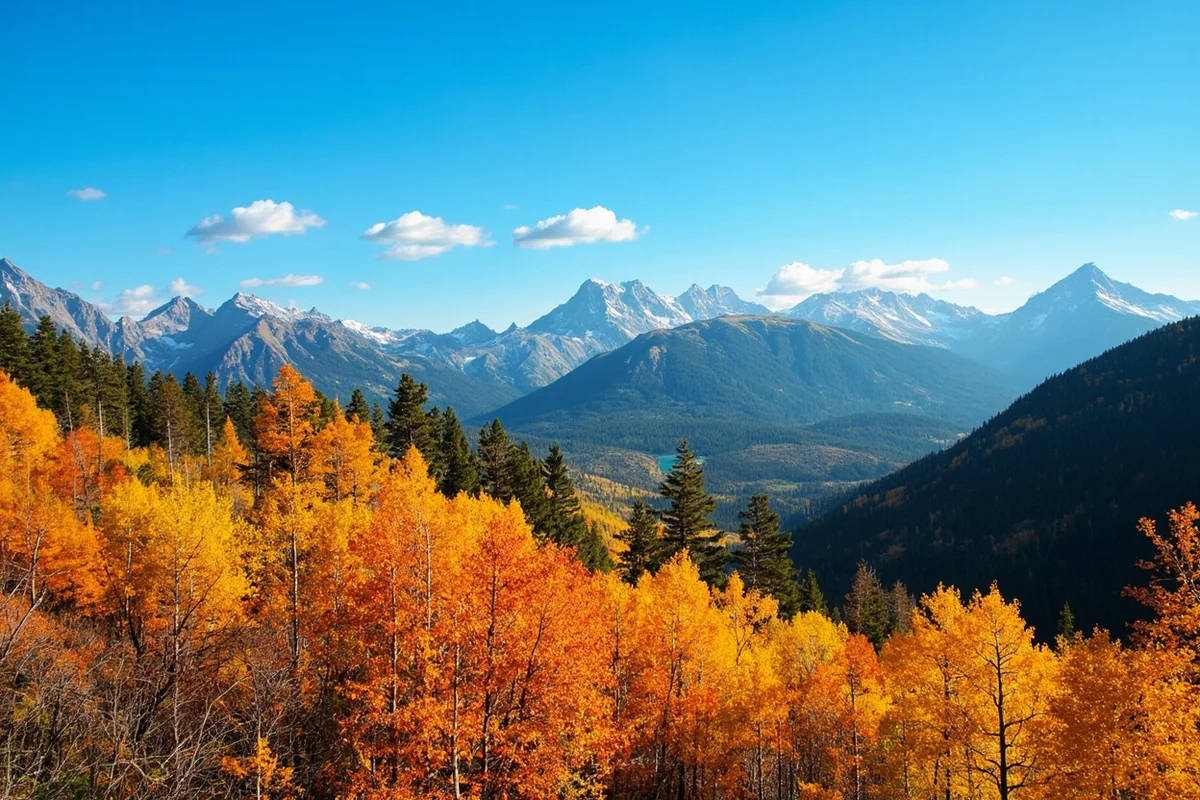
Fire activity typically winds down through September. October brings golden larches, bugling elk, and generally excellent conditions. This has become my favorite time to visit Montana—the landscapes are dramatic, crowds thin, and smoke is usually minimal by mid-month.
Winter (November-March)
Zero wildfire concerns. If you’re interested in skiing, snowshoeing, or simply experiencing Montana’s quiet season, winter removes fire from the equation entirely. Yes, it’s cold—really cold in some areas—but the trade-off is crystal-clear air and uncrowded wilderness.
Many retirees choosing Montana actually prefer winter months for their clarity and quiet, despite the cold.
Resources for Monitoring Fire Conditions
I keep these bookmarked on my phone whenever I’m traveling in Montana:
- InciWeb (inciweb.nwcg.gov) – The definitive source for current fire information, including maps, containment percentages, and closure areas.
- AirNow.gov – Real-time air quality readings with forecasts.
- Montana DNRC Fire Information – State-specific updates and fire restriction status.
- National Park Service websites – Glacier, Yellowstone, and other parks maintain their own fire information pages with specific closures.
- Local ranger stations – I always stop at the nearest ranger station when entering a national forest. Rangers have the most current information and can suggest alternatives.
- Road condition apps – Montana 511 shows road closures in real-time.
A Personal Perspective on Fire and Montana
I want to end with something that might seem counterintuitive: some of my most memorable Montana experiences have happened during fire seasons.
The morning I woke in my tent near the Chinese Wall in the Bob Marshall Wilderness to find a thin layer of ash on everything—and then watched the sunrise paint the peaks in colors I’d never imagined possible.
The afternoon I sat on a deck in Whitefish, sharing beers with strangers united by our shared experience of evacuation warnings. The unexpected detour to explore the Missouri River Breaks when smoke chased me from my planned Glacier itinerary—a region I never would have visited otherwise and now consider a hidden treasure.
Fire is part of Montana’s story. It shapes the landscape, influences the communities, and yes, affects travelers’ plans. But Montana remains extraordinary, even—perhaps especially—when smoke reminds us that we’re visitors in a wild place operating on its own terms.
The locals don’t let fire stop their lives. Many have been through dozens of fire seasons. They’ve developed routines, found their ways to cope, and continue loving this place with all its challenges. Montanans are resilient people, and that resilience is part of what makes the state’s communities special.
Understanding the pros and cons of living in Montana includes accepting fire as a reality. For visitors, accepting fire season as part of the Montana experience—preparing for it, remaining flexible, and finding beauty even in smoky skies—transforms what could be a frustrating situation into a deeper connection with this remarkable state.
If you’re weighing reasons to move to Montana, fire season is definitely something to factor into your decision. But for travelers, don’t let fire fears keep you from visiting. Come prepared, stay informed, remain flexible, and let Montana surprise you.
The mountains will still be there. The rivers will still run clear (clearer than ever, actually, since burned areas often see reduced spring runoff for a few years). The wildlife will still roam. And you’ll have stories to tell about your adventure in Big Sky Country—smoke and all.
Some people wonder if Montana is boring—trust me, navigating fire season is anything but. It’s challenging, it requires engagement, and it connects you to the state’s natural rhythms in ways that calm, uneventful trips never could.
Be smart. Be prepared. And come experience Montana, fire season and all.
Frequently Asked Questions
Does Montana have a wildfire season and when does it typically occur?
Yes, Montana experiences a significant wildfire season that typically runs from mid-June through late September, with peak fire activity usually occurring in July and August. I always recommend checking current fire conditions before planning summer trips, as smoke and road closures can impact travel plans, especially in mountainous areas near Glacier and Yellowstone National Parks.
How do Montana wildfires affect air quality for visitors with asthma or respiratory issues?
Wildfire smoke can severely impact air quality across Montana, sometimes pushing AQI levels into the unhealthy range for days or weeks during peak fire season. If you have respiratory concerns, I’d suggest packing N95 masks, checking AirNow.gov daily, and having flexible backup plans for indoor activities in towns like Missoula, Bozeman, or Kalispell.
What is the best time to visit Montana to avoid wildfire smoke?
The safest windows to avoid wildfire smoke are late May through mid-June or late September through early October when fire risk is typically lower. These shoulder seasons also offer fewer crowds, lower lodging costs (often 20-30% cheaper), and beautiful scenery with spring wildflowers or fall foliage.
Can wildfires close roads and trails in Glacier National Park?
Absolutely—wildfires frequently cause temporary closures of iconic routes like Going-to-the-Sun Road and popular hiking trails throughout Glacier National Park. Before driving the 30+ miles across the park, I always check the NPS fire information page and call ranger stations, as conditions can change within hours during active fire seasons.
What should I pack for a Montana trip during wildfire season?
I recommend packing N95 or KN95 masks, eye drops for smoke irritation, a portable air purifier for your hotel room, and checking that your travel insurance covers trip interruptions. Bringing layers is essential since smoky days can be cooler, and having downloaded offline maps helps when cell service drops in evacuation zones.
Are Montana hotels and campgrounds refundable if wildfires force evacuation?
Refund policies vary widely—most chain hotels offer flexibility during declared emergencies, but private campgrounds and vacation rentals may not. I’ve learned to book accommodations with free cancellation policies during July and August, and always purchasing travel insurance that specifically covers wildfire-related disruptions has saved me hundreds of dollars.
How can I check real-time Montana wildfire conditions before and during my trip?
The best resources are InciWeb for active fire maps, Montana DEQ’s Today’s Air website for smoke forecasts, and the MT511 app for road closures. I check these daily during summer trips and sign up for emergency alerts through local county sheriff offices, especially when camping in remote areas 50+ miles from major towns.
Sources
- https://www.ucdavis.edu/climate/definitions/wildfire
- https://dnrc.mt.gov/Forestry/Wildfire/current-fire-information
- https://brand.mt.gov/Programs/Office-Of-Tourism/Fire-Information-for-Travelers
- https://landresources.montana.edu/archives/capstone/2008_Capstone.pdf
- https://cnr.ncsu.edu/news/2021/12/explainer-how-wildfires-start-and-spread/
- https://dnrc.mt.gov/News/dnrc-news/Drought-Conditions-Improve-Following-Two-Years-of-Extreme-Drought-Much-of-Montana-Still-Abnormally-Dry-news-article
- https://dnrc.mt.gov/Forestry/Wildfire/fire-prevention-and-preparedness
- https://des.mt.gov/Grant-Programs/HMGP-Post-Fire
- https://pubmed.ncbi.nlm.nih.gov/29272827/
- https://www.epa.gov/air-research/wildland-fire-research-health-effects-research
- https://www.fs.usda.gov/features/be-fire-wise-preparing-your-home-wildfire-season
- https://nara.getarchive.net/media/fire-wildfire-chino-calif-november-20-2008