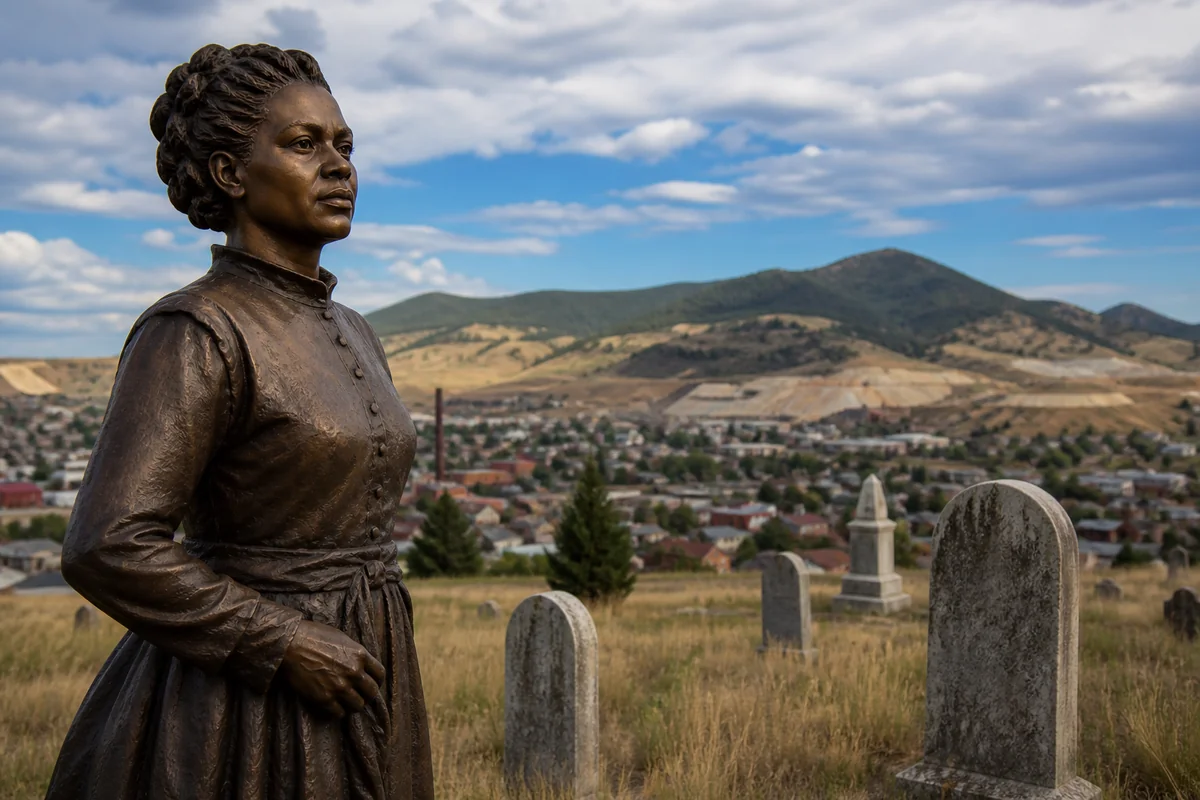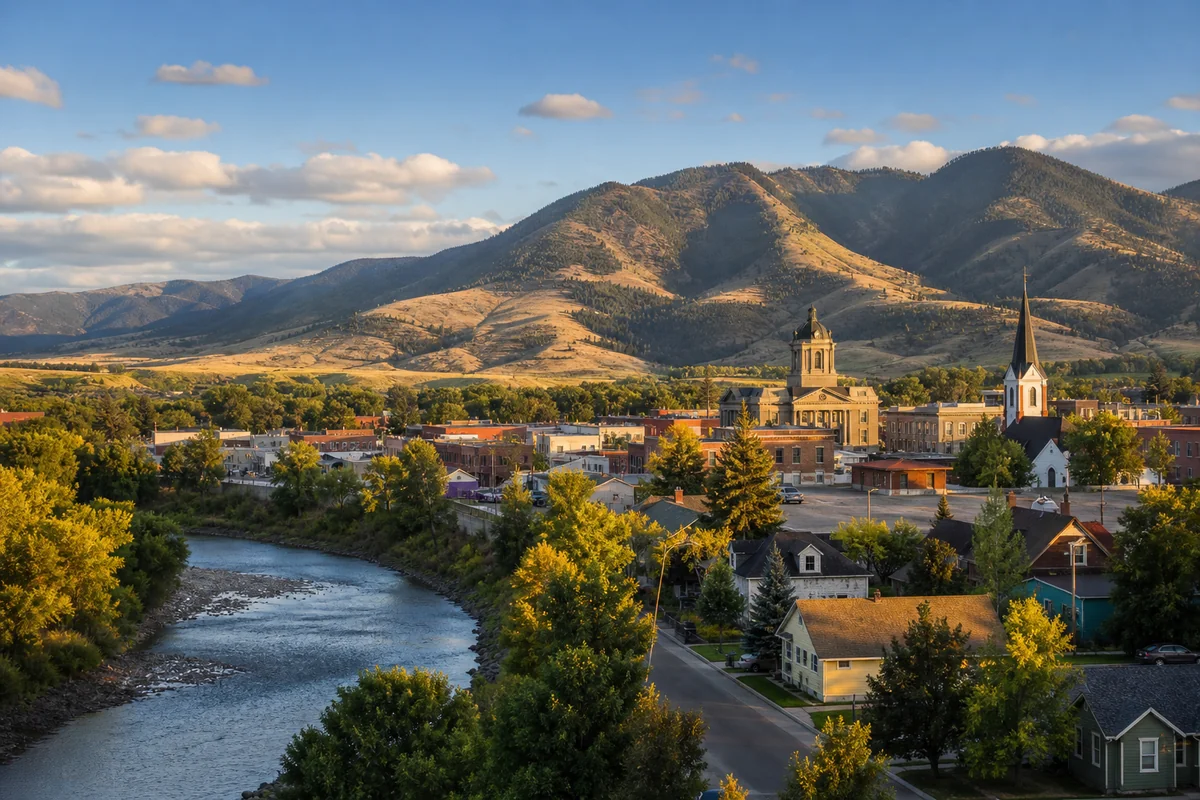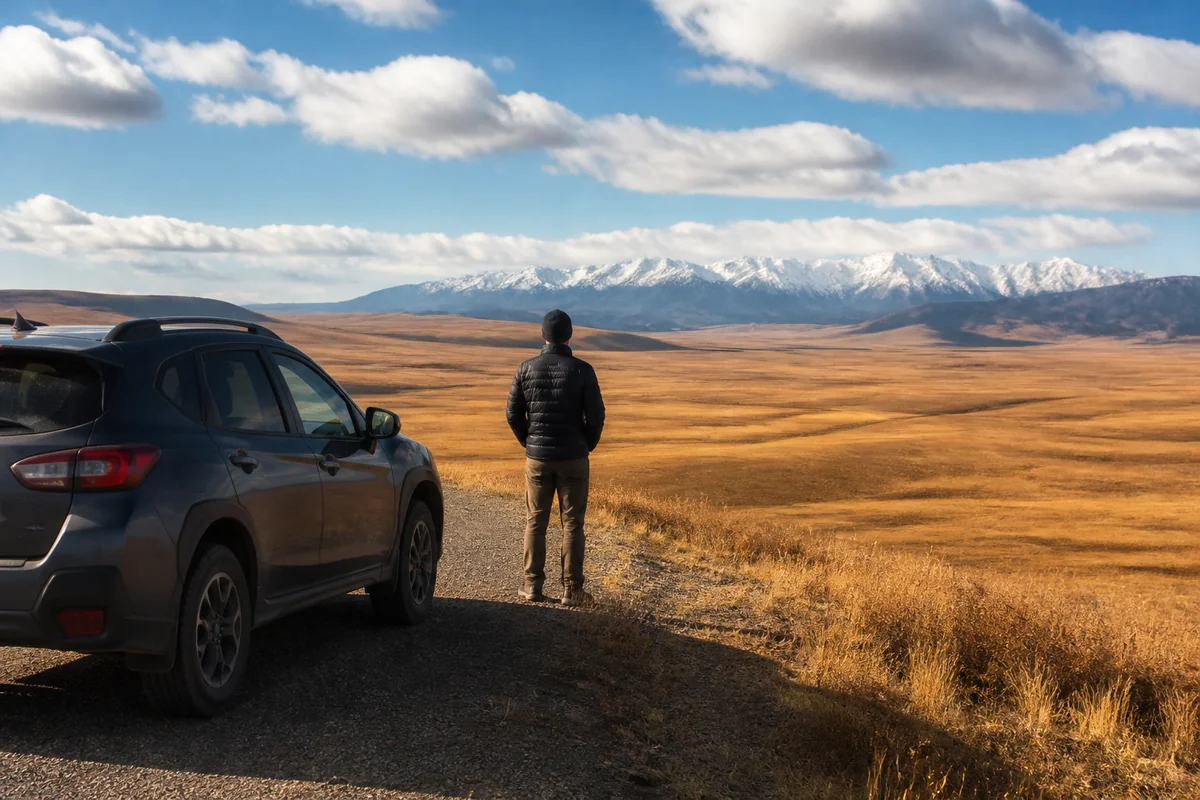
Have you ever wondered what it’s like to live in a state where your neighbors might be miles away, where wildlife outnumbers people, and where the horizon stretches endlessly without a single building in sight? Montana, the legendary “Big Sky Country,” embodies this frontier mystique—but is it truly America’s most sparsely populated state?
For many Americans grappling with urban overcrowding, traffic congestion, and skyrocketing housing costs, Montana represents an alluring alternative: wide-open spaces, pristine wilderness, and communities where everyone still knows their neighbors.
Yet the reality of Montana’s population story is more nuanced and surprising than most people realize. While the state certainly ranks among America’s least inhabited regions, it’s not actually the emptiest—and recent demographic shifts are rapidly reshaping its traditional character.
In this comprehensive exploration of Montana’s population dynamics, you’ll discover the fascinating demographic realities behind the Big Sky mystique. We’ll examine Montana’s actual ranking among the least populated states (the answer might surprise you), explore how its dramatic geography influences where people choose to live, and analyze the remarkable population surge that’s transforming once-sleepy mountain towns into booming hubs.
- Related article: Montana Living Guide
You’ll gain insights into the state’s racial composition, age distribution, income patterns, and educational attainment—all while understanding what these numbers mean for Montana’s future. Whether you’re considering a move to Montana, conducting demographic research, or simply curious about America’s most sparsely inhabited regions, this deep dive into Montana’s population will provide the comprehensive answers you’re seeking.
Let’s begin by addressing the central question: Is Montana really the least-inhabited state in America?
Table of Contents
Population Figures: Their Importance
Population data serves as the backbone of effective governance and planning in any state, including Montana. Understanding how many people live in a region and their demographic characteristics provides crucial insights that impact virtually every aspect of public and private decision-making.
Government funding allocations rely heavily on accurate population counts. Federal programs distribute billions of dollars annually based on population figures gathered through the census and ongoing surveys. For a state like Montana with a smaller population, ensuring accurate counts is particularly critical, as even small discrepancies can result in significant funding disparities for essential services like healthcare, education, and transportation.
Political representation at both state and federal levels depends directly on population distribution. Congressional districts are redrawn following each decennial census to ensure equal representation. Montana’s population growth between 2010 and 2020 led to the state regaining a second congressional seat in the U.S. House of Representatives—a tangible example of how population changes directly affect political representation.
Infrastructure planning becomes more efficient and cost-effective when based on reliable population data. State officials must determine where to build or expand roads, bridges, utilities, and public facilities based on current population centers and projected growth areas. Without accurate data, resources might be misallocated, leading to underserved communities or wasteful spending.
Economic development strategies rely on demographic insights to identify market opportunities and workforce availability. Businesses considering expansion or relocation analyze population trends, educational attainment, age distribution, and income levels to make informed decisions. Communities use this same data to attract investment and create targeted economic development plans that align with their population’s strengths and needs.
For Montana specifically, population data helps address unique challenges related to its vast geography and dispersed communities. Understanding population density variations across the state enables more effective delivery of services to remote areas and helps identify communities that may need additional support to thrive.
Montana’s Geographical Characteristics and Their Influence on the State’s Population
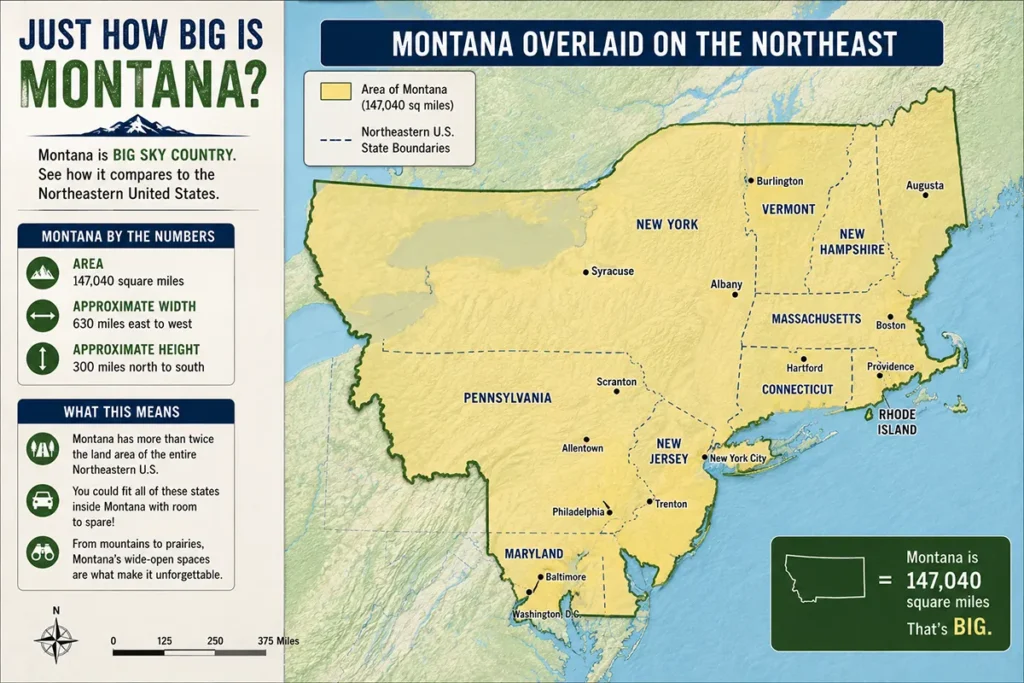
Montana, often referred to as “Big Sky Country,” is the fourth largest state in the United States by land area, covering an impressive 147,040 square miles. This vast expanse of territory plays a significant role in shaping the state’s population distribution and density patterns.
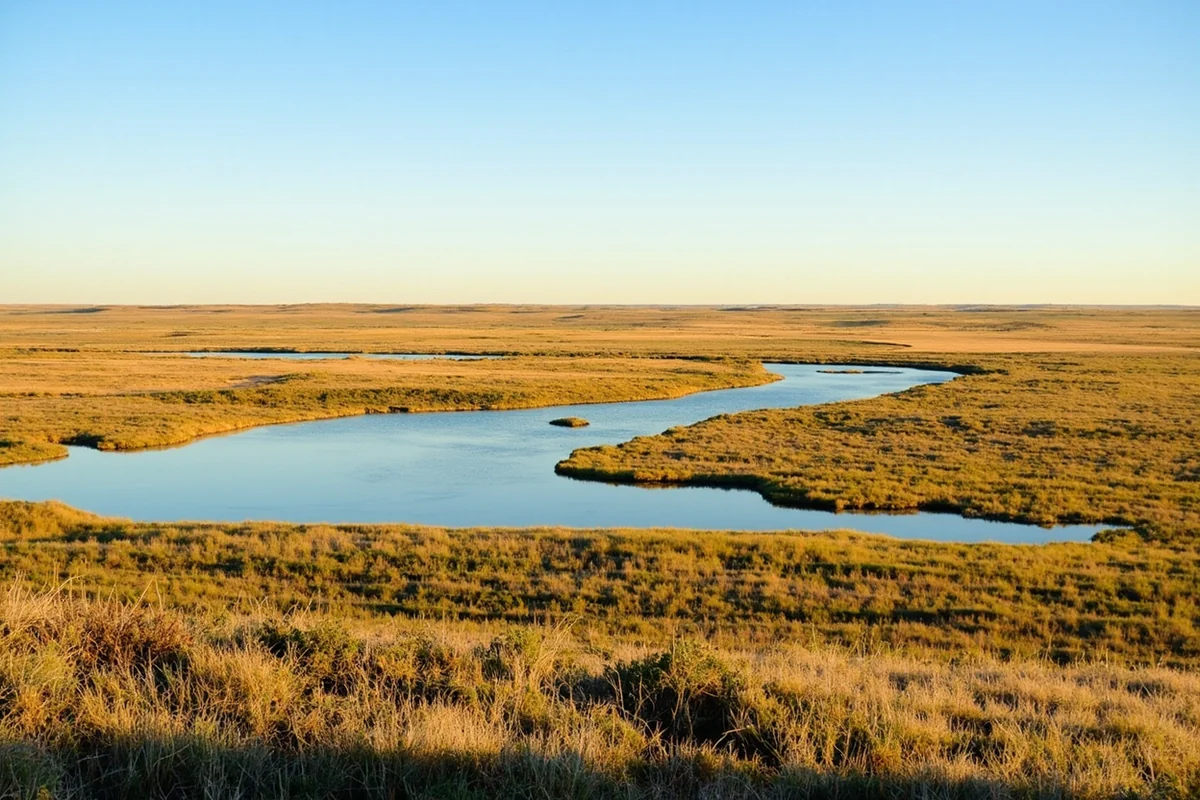
The state’s geography is characterized by dramatic contrasts. In the west, the Rocky Mountains dominate the landscape with their towering peaks, dense forests, and narrow valleys. Moving eastward, the terrain gradually transitions into the Great Plains, featuring rolling grasslands, badlands, and prairie ecosystems. This diverse topography creates natural barriers and distinct regions that influence where people choose to settle.
Montana’s climate presents considerable challenges for human habitation. Winters can be exceptionally harsh, with temperatures plunging well below zero degrees Fahrenheit and heavy snowfall in many regions. The eastern plains experience extreme temperature fluctuations, while western mountainous areas contend with significant snowpack. These severe weather conditions have historically limited population growth and concentrated residents in areas with more moderate climates.
The state’s vast rural character cannot be overstated. Outside of a handful of small cities, Montana consists primarily of sparsely populated countryside, ranches, farms, and wilderness areas. This rurality means many residents live far from urban amenities, healthcare facilities, and employment opportunities, contributing to the state’s low population density of just 7.4 people per square mile—compared to the national average of 87.4.
Montana’s population distribution follows distinct geographical patterns. The western mountainous regions, particularly around Missoula, Kalispell, and the Bitterroot Valley, tend to have higher population concentrations. These areas offer more temperate climates, recreational opportunities, and scenic beauty. Meanwhile, the eastern plains, despite their agricultural importance, remain much less densely populated due to harsher climate conditions and fewer economic opportunities.
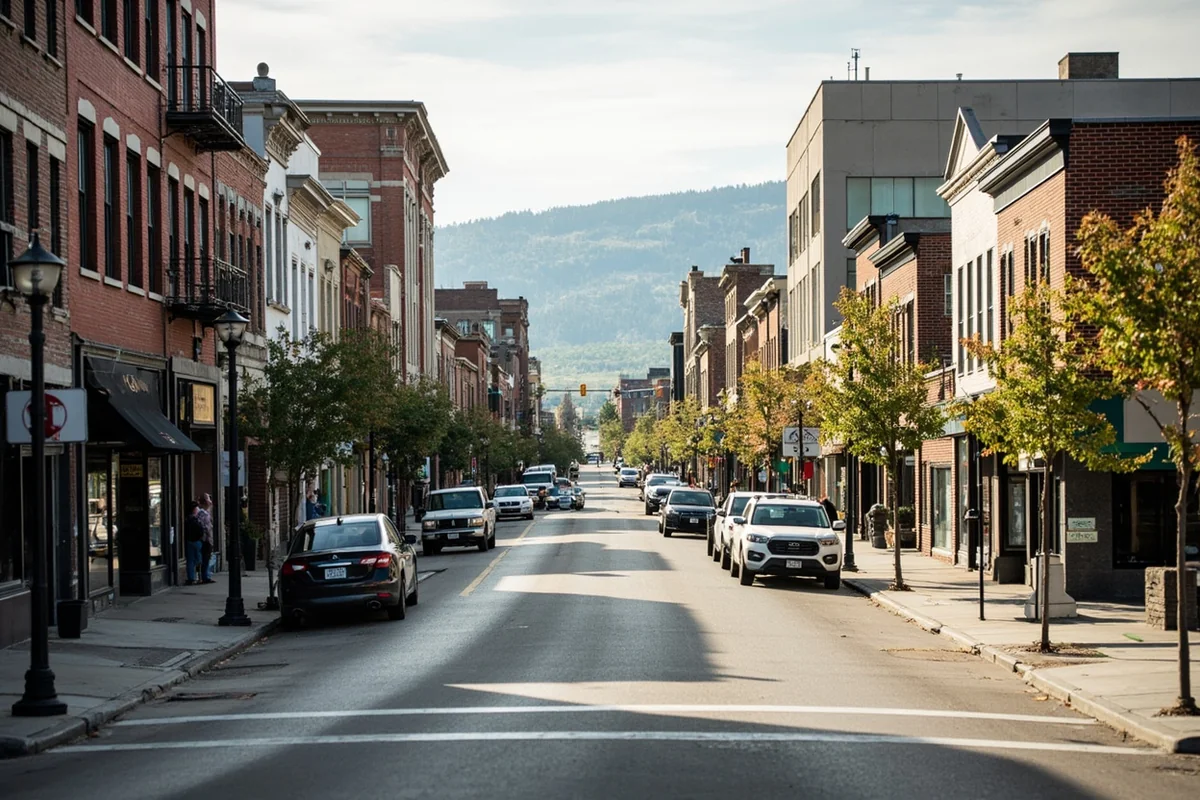
The urban-rural divide in Montana is pronounced and growing. The state’s seven largest cities—Billings, Missoula, Great Falls, Bozeman, Butte, Helena, and Kalispell—continue to attract residents while many rural counties experience population decline. This urbanization trend reflects broader national patterns but is particularly impactful in a state with so much rural territory.
Water availability also shapes settlement patterns in this semi-arid state. Communities cluster along major river systems like the Missouri, Yellowstone, Clark Fork, and Flathead, where water resources support agriculture and provide recreational opportunities. Areas distant from reliable water sources remain sparsely inhabited.
The presence of seven Native American reservations across Montana creates another important geographical dimension to the state’s population. These sovereign territories, including the Blackfeet, Crow, and Fort Peck reservations, represent significant cultural and demographic regions with their own population characteristics and challenges.
Montana’s geographical characteristics have created a state of contrasts—areas of relative population concentration amid vast spaces of minimal human presence. This distinctive pattern of human settlement continues to evolve as economic opportunities, climate conditions, and lifestyle preferences interact with the state’s remarkable and challenging landscape.
US States With the Lowest Population
Montana consistently ranks among America’s least populated states, but it’s not alone in this distinction. When examining the nation’s most sparsely inhabited regions, a fascinating pattern emerges of states sharing similar geographical and demographic characteristics.
As of the latest population estimates, the 10 least populated states in the United States are:
- Wyoming – Approximately 581,000 residents, making it America’s least populated state despite being the 10th largest by area. The state’s rugged terrain and harsh winters contribute to its low population density of just 6 people per square mile.
- Vermont – With roughly 645,000 residents, Vermont ranks second-lowest in population. Despite its small size, the Green Mountain State maintains a rural character with only one city exceeding 40,000 residents (Burlington).
- Alaska – Though massive in size (the largest state by area), Alaska houses only about 733,000 people. Its extreme climate, remote location, and vast wilderness areas naturally limit dense settlement.
- North Dakota – Home to approximately 779,000 residents, North Dakota has experienced population fluctuations tied to energy booms and agricultural cycles.
- South Dakota – With roughly 895,000 residents, South Dakota shares many characteristics with its northern neighbor, including vast prairies and a largely rural population distribution.
- Delaware – Despite being one of the smallest states geographically, Delaware has about 990,000 residents, making it the sixth least populated state.
- Rhode Island – The smallest state by area has approximately 1.1 million residents, though its small size means it maintains a relatively high population density.
- Montana – With approximately 1.1 million residents spread across its vast territory, Montana ranks eighth among the least populated states. Despite having more total residents than states like Wyoming and Vermont, Montana’s enormous size (fourth-largest by area) results in one of the nation’s lowest population densities at just 7.4 people per square mile.
- Maine – Home to about 1.4 million people, Maine’s population is concentrated in its southern regions, while vast northern forests remain sparsely settled.
- New Hampshire – With approximately 1.4 million residents, New Hampshire rounds out the ten least populated states despite being relatively close to major metropolitan areas of the Northeast.
Several common characteristics unite these sparsely populated states:
- Geographic isolation: Many feature rugged terrain, extreme climates, or remote locations relative to major population centers.
- Resource-based economies: Agriculture, mining, forestry, and tourism often dominate these states’ economic landscapes.
- Limited urban development: These states typically have fewer large cities and metropolitan areas compared to more populous states.
- Higher rural percentages: A significantly larger portion of residents live in rural areas compared to the national average.
- Land ownership patterns: Many of these states contain substantial federal land holdings (national parks, forests, etc.) that limit settlement.
Montana exemplifies many of these patterns, with its combination of mountainous western regions and eastern plains creating varied but consistently low population densities across the state. While Montana has slightly more residents than states like Wyoming and Vermont, its vast size means large portions of the state remain among America’s most sparsely populated regions.
Montana Population Figures
Montana, with its vast landscapes and breathtaking wilderness, has long been known for its sparse population distribution across its expansive territory. As of 2023, Montana’s total population stands at approximately 1.13 million residents, making it one of the least populated states in the United States.
When examining population density, Montana averages just 7.4 people per square mile, significantly below the national average of 93.8 people per square mile. This extremely low density ranks Montana 48th among all states, with only Alaska and Wyoming having fewer people per square mile. This sparse distribution reflects Montana’s geographical reality: a massive land area of 147,040 square miles (the fourth-largest state) combined with a small population.
Historically, Montana’s population growth has followed a unique pattern. The state experienced several population booms, particularly during mining rushes in the late 19th century and again during homesteading periods in the early 20th century. However, growth has been modest compared to many western states. Between 2010 and 2020, Montana’s population grew by about 9.6%, slightly above the national average of 7.4% during that decade.
The state’s population centers are relatively small compared to major metropolitan areas across the country. Billings, Montana’s largest city, has approximately 117,000 residents, while the capital city of Helena has just over 33,000 inhabitants. Other significant population centers include Missoula (approximately 75,000), Great Falls (58,000), and Bozeman (53,000). Together, these five cities account for nearly 30% of the state’s population, with the remainder spread across smaller communities and rural areas.
Despite being one of America’s least populated states, Montana is not actually the least inhabited. Wyoming holds that distinction with approximately 580,000 residents, followed by Vermont with around 645,000. Montana ranks 44th in total population among all states, placing it firmly among the least populated, but not quite at the bottom of the list.
1. Montana Population by Race
Montana’s racial composition reflects its unique history and geographic position in the American West. While less diverse than many other states, Montana’s demographic makeup has been gradually changing over the past few decades.
The vast majority of Montana’s population identifies as White, accounting for approximately 85% of residents. This percentage is significantly higher than the national average of about 60%, making Montana one of the less racially diverse states in the country. However, this figure has been slowly decreasing as other racial groups grow in representation.
Native Americans constitute the second-largest racial group in Montana, making up about 6.5% of the state’s population. This percentage is notably higher than the national average of less than 1%, highlighting Montana’s significant indigenous presence. The state is home to seven federally recognized tribal nations: the Blackfeet, Crow, Flathead, Fort Belknap, Fort Peck, Northern Cheyenne, and Rocky Boy’s. These tribes maintain their sovereign status and cultural heritage across seven reservations that collectively cover over 8 million acres of Montana’s landscape.
The Hispanic or Latino population represents approximately 4% of Montana residents, well below the national average of around 18%. However, this demographic has been growing steadily in recent years, particularly in urban centers and areas with agricultural employment opportunities.
Black or African American residents make up roughly 0.6% of Montana’s population, while Asian Americans account for about 0.9%. Both percentages fall significantly below national averages but have shown slight increases over the past decade.
People identifying as two or more races comprise about 2.8% of Montana’s population, a figure that has been rising as multiracial identities become more commonly reported across the United States.
The racial composition varies considerably across different regions of the state. Urban areas like Billings, Missoula, and Bozeman tend to have slightly more diverse populations, while rural areas generally have higher percentages of White residents. Counties adjacent to or containing tribal reservations naturally have much higher percentages of Native American residents.
Over time, Montana has been gradually becoming more racially diverse, though at a slower pace than many other states. Between 2010 and 2020, the percentage of residents identifying as White alone decreased by several percentage points, while other racial groups saw modest increases. This trend is expected to continue, albeit gradually, in the coming decades.
Despite its relatively homogeneous racial composition compared to national averages, Montana’s indigenous populations contribute significantly to the state’s cultural identity and heritage, representing one of the highest concentrations of Native American residents in the United States.
2. Montana Population by Age
Montana’s age demographics reveal a state with a slightly older population compared to the national average. The median age in Montana is 40.1 years, about 2 years higher than the U.S. median of 38.1 years. This statistic alone provides insight into the state’s unique demographic composition.
When examining Montana’s population by age groups, several interesting patterns emerge:
Youth Population (Under 18): Montana’s youth make up approximately 21.7% of the state’s population. While this is slightly lower than the national average of 22.3%, certain counties in Montana have significantly higher youth populations, particularly in areas with larger Native American communities. For instance, Big Horn County’s youth population exceeds 31%, reflecting different family structures and cultural values within these communities.
Young Adults (18-24): This demographic represents about 9.2% of Montana’s population, concentrated primarily around college towns like Missoula (University of Montana) and Bozeman (Montana State University). These educational hubs create demographic islands of younger residents amid the state’s otherwise aging population.
Working Age Adults (25-64): The core working-age population constitutes roughly 51.6% of Montana’s residents. This group drives the state’s economy, particularly in sectors like agriculture, tourism, healthcare, and natural resources.
Senior Population (65+): Montana’s senior population has been growing steadily and now represents approximately 19.5% of the state’s residents—significantly higher than the national average of 16.5%. Counties like Ravalli, Lincoln, and Jefferson have some of the highest concentrations of seniors, with percentages approaching or exceeding 25% in some areas.
Aging Population Trends: Montana is experiencing a notable aging trend. Between 2010 and 2020, the median age increased by 1.8 years, indicating that the state’s population is growing older faster than the national average. This trend is particularly pronounced in rural counties, where younger residents often migrate to urban areas or out of state for education and employment opportunities.
Generational Breakdown:
- Baby Boomers (born 1946-1964) make up approximately 23% of Montana’s population
- Generation X (born 1965-1980) represents about 20%
- Millennials (born 1981-1996) constitute roughly 21%
- Generation Z (born 1997-2012) accounts for approximately 19%
- The Silent Generation and Greatest Generation (born before 1946) make up about 7%
- Alpha Generation (born after 2012) represents the remaining 10%
The aging demographic profile presents both challenges and opportunities for Montana. The state must address increased healthcare needs and services for older residents while simultaneously creating economic opportunities to retain and attract younger individuals and families. Rural communities face particular challenges, as their aging populations often coincide with limited healthcare access and economic opportunities.
Meanwhile, areas with higher youth populations, particularly tribal communities, require focused investment in education and economic development to support future generations. This demographic diversity across Montana’s regions necessitates tailored policy approaches rather than one-size-fits-all solutions for the state’s population needs.
3. Montana Population by Gender
Montana’s gender distribution presents an interesting demographic picture that has evolved over time. As of the most recent data, Montana’s population is nearly evenly split between males and females, but with a slight male majority—unusual compared to national averages.
Current Gender Distribution
Montana’s population consists of approximately 50.4% males and 49.6% females. This slight male majority contrasts with the national average, where females typically outnumber males by a small margin. In raw numbers, this translates to roughly 545,000 males and 535,000 females residing in the state.
Regional Variations Within Montana
The gender distribution across Montana varies significantly by region. Urban areas like Billings, Missoula, and Bozeman tend to have a more balanced gender ratio, often approaching 50-50. However, rural counties, particularly those dominated by industries such as agriculture, mining, and forestry, show a more pronounced male majority. Some remote counties report male populations exceeding 52-53% of residents.
Eastern Montana’s counties, with economies centered around ranching and resource extraction, typically have higher percentages of male residents. Conversely, counties with larger university populations, such as Missoula County (home to the University of Montana) and Gallatin County (Montana State University), often show a more balanced gender distribution or even slight female majorities among younger age brackets.
Historical Trends in Gender Distribution
Montana’s gender demographics have undergone significant shifts throughout its history. During the territorial and early statehood periods in the late 19th century, Montana had one of the most skewed gender ratios in the nation, with males outnumbering females by as much as 3 to 1 in some mining communities.
This historical imbalance gradually normalized throughout the 20th century as the state’s economy diversified beyond resource extraction and more families established permanent residences. The post-World War II era saw a significant balancing effect as the state’s population stabilized and grew more diverse in its economic opportunities.
In recent decades, the gender gap has continued to narrow, though Montana still maintains its slight male majority. Since 2000, the proportion of females has increased by approximately 0.3 percentage points, reflecting broader demographic shifts, including longer female life expectancy and changing migration patterns.
Life Expectancy and Age-Related Gender Patterns
As in most states, Montana’s gender distribution varies significantly by age group. While males slightly outnumber females overall, this pattern reverses in older age brackets. Among residents aged 65 and older, females constitute approximately 53% of the population, reflecting the nationwide trend of longer female life expectancy.
The median age for females in Montana is 42.6 years, slightly higher than the male median age of 40.9 years, further illustrating this demographic pattern.
Recent Migration Influences on Gender Distribution
Montana’s recent population growth, particularly the influx of new residents during and after the COVID-19 pandemic, has influenced gender demographics. Early analysis suggests that recent migration has included a higher proportion of male-led or single male households, potentially reinforcing the state’s existing gender imbalance.
The technology sector growth in areas like Bozeman has attracted predominantly male workers, while the expansion of healthcare facilities in larger urban centers has brought in more female professionals, creating complex and sometimes countervailing effects on the state’s overall gender distribution.
Understanding Montana’s gender demographics remains essential for policymakers, businesses, and community organizations as they plan for future development, healthcare needs, and social services across this geographically diverse state.
4. Montana Population by Education
Montana’s educational landscape offers a unique perspective on the state’s demographic makeup. Despite its rural nature, Montana demonstrates a commitment to education that is reflected in its population statistics.
Educational attainment in Montana generally aligns with national averages, though with some distinctive characteristics. Approximately 93% of Montana residents age 25 and older hold a high school diploma or equivalent, which exceeds the national average of 88%. This high rate of basic educational completion speaks to the state’s historical emphasis on ensuring access to primary and secondary education, even in remote areas.
When it comes to higher education, about 31% of Montana adults have earned a bachelor’s degree or higher, which is slightly below the national average of 33%. This small gap reflects the practical realities of Montana’s economy, which has traditionally been anchored in industries like agriculture, mining, and forestry that don’t always require advanced degrees.
College graduation rates in Montana show interesting patterns. The flagship universities—University of Montana in Missoula and Montana State University in Bozeman—report six-year graduation rates of approximately 50%, which is somewhat lower than elite public universities but reflects the diverse student body these institutions serve. Many students in Montana balance their studies with work responsibilities, particularly those from rural communities.
Regional variations in educational attainment across Montana tell an important story about the state’s development. Urban centers like Missoula, Bozeman, and Helena demonstrate higher rates of advanced degree holders, with some areas reporting that over 40% of residents hold bachelor’s degrees. These cities, home to major universities and state government, attract and retain a highly educated workforce.
In contrast, many rural counties and tribal areas face educational challenges, with some reporting bachelor’s degree attainment rates below 20%. This disparity highlights the ongoing need for educational investment in rural communities and underscores the importance of distance learning initiatives that have gained prominence in recent years.
Technical and vocational education plays a significant role in Montana’s educational landscape. About 27% of Montana adults hold some college credit or an associate’s degree without completing a bachelor’s program. This reflects the value placed on practical skills training in a state where trades and technical professions offer solid career paths.
Educational attainment among Montana’s Native American population deserves special attention. While graduation rates have improved over recent decades, significant gaps persist. Tribal colleges serve as vital educational hubs, providing culturally responsive education while addressing historical barriers to educational access.
Montana’s education system continues to evolve to meet the changing needs of its population, with growing emphasis on retention, accessibility, and preparing students for both traditional and emerging career paths in the state’s diversifying economy.
5. Montana Population by Income
Montana’s income landscape reveals a complex economic picture with notable regional variations across the Big Sky Country. The state’s median household income falls below the national average, highlighting some of the economic challenges faced by residents in this sparsely populated state.
The median household income in Montana hovers around $57,000, approximately 10% lower than the national median. This figure, however, doesn’t tell the complete story of Montana’s economic reality, as income distribution varies significantly across the state’s diverse regions.
Urban areas like Bozeman, Missoula, and parts of Billings showcase higher median incomes, driven by growing technology sectors, healthcare facilities, and higher education institutions. Bozeman, in particular, has experienced substantial income growth due to its emerging tech hub status and proximity to outdoor recreational opportunities that attract high-earning professionals.
In stark contrast, many rural counties and Native American reservations face significant economic challenges. On reservations such as the Blackfeet, Crow, and Northern Cheyenne, poverty rates can exceed 30%, nearly triple the state average. These disparities highlight the uneven economic development across Montana’s vast landscape.
The income distribution in Montana shows approximately:
- 18% of households earning less than $25,000 annually
- 22% earning between $25,000 and $50,000
- 40% earning between $50,000 and $100,000
- 20% earning over $100,000
Montana’s poverty rate stands at approximately 13%, slightly above the national average. However, this figure masks significant regional variations, with some rural counties experiencing poverty rates above 20%. Child poverty remains a particular concern in certain regions, affecting educational outcomes and future economic prospects.
Economic disparities between eastern and western Montana have become increasingly pronounced in recent decades. Western Montana, with its scenic landscapes, tourism opportunities, and growing urban centers, has generally experienced stronger economic growth than the eastern plains, which rely heavily on agriculture and natural resource extraction.
The cost of living in Montana presents another dimension to understanding income adequacy. While housing costs in rural areas remain relatively affordable, rapidly growing cities like Bozeman have seen housing prices increase dramatically, creating affordability challenges even for middle-income residents.
Despite these challenges, Montana has shown resilience in certain economic sectors. The state’s entrepreneurship rate exceeds the national average, with small businesses forming a crucial backbone of local economies throughout the state.
Montana Population Growth and Projections
Montana’s population growth tells a fascinating story of gradual expansion punctuated by periods of rapid development and occasional decline. Understanding these patterns helps paint a picture of the state’s demographic future.
Historical Growth Patterns
Montana’s population journey began with modest numbers in the territorial days, experiencing its first major boom during the late 19th century mining rushes. Between 1880 and 1920, the population more than quadrupled as mining, railroad construction, and homesteading opportunities drew settlers from across America and Europe.
The Great Depression and Dust Bowl era saw growth stagnate, with some counties actually losing population. This pattern of boom and bust continued throughout the 20th century, with Montana experiencing slower growth than many western states. While states like Arizona, Nevada, and Colorado saw explosive expansion, Montana maintained a more measured pace.
From 1950 to 2000, Montana’s growth rate averaged about 0.8% annually, significantly below the national average. The 1980s were particularly challenging, with economic difficulties in agriculture and natural resource industries leading to minimal population gains.
Current Growth Rate
In recent years, Montana has experienced a demographic renaissance. Between 2010 and 2020, the state’s population grew by approximately 10%, outpacing many Midwestern and Northeastern states. This trend accelerated dramatically during the COVID-19 pandemic, with Montana becoming one of the fastest-growing states in the nation from 2020 to 2022.
The current annual growth rate hovers around 1.7%, significantly above the national average. This represents a major shift from historical patterns and places Montana among the top tier of states for population expansion.
Factors Influencing Growth
Several key factors are driving Montana’s recent population surge:
- Remote Work Revolution: The pandemic-driven shift toward remote work has allowed many professionals to relocate to Montana while maintaining their existing jobs.
- Quality of Life: Montana’s outdoor recreational opportunities, lower population density, and natural beauty have become increasingly attractive as people seek alternatives to urban living.
- Economic Diversification: While traditional industries like agriculture and resource extraction remain important, Montana has seen growth in technology, healthcare, and tourism sectors, creating more employment opportunities.
- Relative Affordability: Despite rising housing costs, many areas of Montana remain more affordable than coastal metropolitan areas.
- Climate Considerations: Some migration to Montana may be influenced by people seeking to escape extreme weather events or conditions in other regions.
Immigration vs. Natural Increase
Montana’s population growth is primarily driven by domestic migration rather than international immigration or natural increase (births minus deaths). In fact, some counties in Montana have experienced natural decrease, with deaths outnumbering births, a common pattern in rural areas with aging populations.
Domestic migration accounts for approximately 80% of Montana’s recent population growth. Most new residents are coming from California, Washington, Colorado, and other western states. International immigration, while increasing, remains a relatively small contributor to Montana’s overall population growth.
Future Projections
Demographic projections suggest Montana will continue growing at an above-average rate for the next several decades. By 2030, the state’s population is expected to reach approximately 1.2 million, and potentially 1.4 million by 2050.
However, this growth will not be evenly distributed. Urban areas and amenity-rich counties like Gallatin (Bozeman), Missoula, and Flathead (Kalispell) are projected to capture the majority of new residents. Meanwhile, many rural eastern counties may continue to experience population decline or stagnation.
The aging of Montana’s population will also be a significant factor, with the 65+ demographic expected to grow substantially faster than other age groups. This will create both challenges and opportunities for healthcare, housing, and other services.
If current trends continue, Montana may eventually surpass states like Wyoming, Vermont, and Alaska in total population, though it will likely remain among the least densely populated states for the foreseeable future.
Montana Population Growth and Projections
Montana’s population growth has followed interesting patterns in recent years, with the COVID-19 pandemic serving as a particularly significant inflection point. The state experienced moderate growth for many years, but recent trends show a notable acceleration that may reshape Montana’s demographic landscape.
Migration Patterns During the Pandemic
The COVID-19 pandemic triggered unprecedented migration patterns across the United States, and Montana was a clear beneficiary of this movement. As urban centers experienced lockdowns and restrictions, many Americans reconsidered their living situations, with Montana emerging as an attractive destination. The state saw a significant influx of new residents seeking more space, natural surroundings, and escape from densely populated areas.
During 2020-2021, Montana experienced one of its largest single-year population increases in decades. This influx wasn’t evenly distributed across the state but concentrated in areas with natural amenities and existing infrastructure, particularly Bozeman, Missoula, and the Flathead Valley. Counties with access to outdoor recreation, mountain views, and established communities saw the most dramatic growth.
Remote Work Influence on Population Shifts
The widespread adoption of remote work has been a game-changer for Montana’s population dynamics. With many professionals suddenly untethered from physical offices, Montana’s natural beauty and outdoor lifestyle became accessible to workers who previously needed to live near urban employment centers.
This “Zoom boom” brought an influx of higher-income professionals who maintained their salaries while relocating to Montana’s scenic areas. Towns like Bozeman and Whitefish have seen particular growth from this demographic, creating both economic opportunities and challenges. The remote work trend appears to have staying power, with many companies adopting permanent flexible work policies that will continue to make Montana viable for professionals who might otherwise have remained in coastal tech hubs.
Urban Exodus Effects on Montana Communities
The urban exodus during and after the pandemic has transformed many Montana communities in ways both positive and challenging. On the positive side, new residents have brought increased economic activity, tax revenue, and diversity of skills and perspectives. Many small businesses have thrived with the increased customer base, and some communities have seen revitalization of downtown areas and commercial districts.
However, this rapid influx has also created significant growing pains. Housing affordability has become a crisis in many Montana communities, with locals often priced out of markets they could previously afford. Infrastructure in small towns wasn’t designed for such rapid growth, creating strains on roads, water systems, and public services. School systems in some areas are struggling to accommodate new students, and the character of tight-knit communities has been challenged by the rapid demographic changes.
Long-term Population Projections and Implications
Looking ahead, population projections suggest Montana will continue growing at an above-average rate compared to historical patterns, though perhaps not at the peak levels seen during the pandemic. By 2030, the state could add another 100,000-150,000 residents if current trends continue, potentially pushing the total population toward 1.3 million.
This growth will have profound implications for Montana’s future. Economically, the state may see continued diversification beyond traditional industries like agriculture, mining, and tourism, with more technology and service-based businesses. Politically, population shifts may gradually alter the state’s political landscape, especially as urban and suburban areas grow faster than rural regions.
Environmental challenges will also intensify with population growth, including increased development pressure on wildlife habitat, water usage concerns, and growing wildfire risks in the wildland-urban interface. Montana’s communities will need thoughtful planning to maintain the qualities that make the state special while accommodating new residents and evolving economies.
The pandemic-accelerated migration to Montana appears to be more than a temporary blip, suggesting the state’s population trajectory has fundamentally changed. How Montana manages this growth will determine whether it enhances or detracts from the qualities that have made it such an attractive destination.
Montana Population Final Thoughts
Montana’s population landscape presents a fascinating study in contrasts and uniqueness within the American demographic tapestry. With approximately 1.1 million residents spread across its vast territory, Montana maintains its position as one of America’s least populated states while simultaneously experiencing notable growth in recent years.
The state’s population distribution reflects its geographic character – clustered around urban centers like Billings, Missoula, and Bozeman, with vast stretches of sparsely inhabited rural and wilderness areas. This pattern has created a distinctive demographic profile where Montana ranks 48th in total population but 4th in land area, resulting in one of the nation’s lowest population densities at just 7.4 people per square mile.
Montana’s racial composition remains predominantly white at around 85%, though growing diversity is evident, particularly in its Native American communities which comprise approximately 6.5% of the population – one of the highest percentages among all states. The age distribution reveals an older median age than the national average, with a growing senior population that presents both challenges and opportunities for the state’s future planning.
Gender distribution remains relatively balanced, though slightly favoring males in rural areas. Educational attainment shows promising trends, with higher-than-average high school graduation rates, though challenges persist in college degree attainment, particularly in remote communities.
Income patterns reflect Montana’s economic realities, with median household incomes below the national average but significant variations between affluent areas like Bozeman and struggling rural communities. This economic diversity underscores the importance of targeted development strategies.
Looking ahead, Montana’s population is projected to continue growing, potentially reaching 1.4 million by 2040, with much of this growth concentrated in western counties and around existing urban centers. This growth trajectory will likely intensify current challenges related to affordable housing, infrastructure development, and preservation of Montana’s natural heritage.
As Montana navigates its future, the state faces the delicate balance of accommodating growth while maintaining its distinctive character and addressing the needs of both urban and rural communities. The state’s relatively small population continues to shape its political representation, economic development, and cultural identity in significant ways.
Montana’s population story is ultimately one of resilience, adaptation, and the enduring appeal of its spectacular landscapes and quality of life – factors that will continue to influence its demographic evolution in the decades to come.
FAQs About Montana’s Population
Is Montana the least populated state in America?
No, Montana is not the least populated state. While it has a very low population density and ranks among the bottom tier of states by population, Montana actually ranks 44th in total population with approximately 1.1 million residents. Wyoming holds the distinction of being America’s least populated state with around 580,000 residents, followed by Vermont, Alaska, North Dakota, and South Dakota. Despite having more total residents than these states, Montana’s enormous size (fourth-largest by area) results in one of the nation’s lowest population densities at just 7.4 people per square mile.
Why does Montana have such a low population despite its large size?
Montana’s sparse population stems from several interconnected factors. The state’s geography features challenging terrain, including rugged Rocky Mountains in the west and vast, harsh plains in the east. Extreme weather conditions with brutally cold winters and significant temperature fluctuations have historically discouraged dense settlement. Additionally, much of Montana’s economy has traditionally centered on resource extraction, agriculture, and ranching—industries that require large land areas but relatively few workers. The state’s remote location, far from major metropolitan centers, and limited urban development have also contributed to maintaining its low population density throughout its history.
What are the fastest-growing areas in Montana?
The fastest-growing areas in Montana are concentrated in the western part of the state, particularly around Bozeman, Missoula, and the Flathead Valley (including Kalispell and Whitefish). Bozeman has experienced especially dramatic growth, driven by an emerging technology sector, outdoor recreation opportunities, and an influx of remote workers during and after the COVID-19 pandemic. Gallatin County, where Bozeman is located, along with Missoula County and Flathead County, have captured the majority of Montana’s recent population growth. These areas offer a combination of natural beauty, recreational amenities, established infrastructure, and economic opportunities that attract new residents, while many rural eastern counties continue to experience population decline.
How has the COVID-19 pandemic affected Montana’s population?
The COVID-19 pandemic significantly accelerated Montana’s population growth, transforming the state into one of the fastest-growing in the nation during 2020-2022. The widespread adoption of remote work allowed professionals to relocate to Montana while maintaining their jobs and salaries, creating a “Zoom boom” in scenic communities. People seeking to escape dense urban areas, lockdown restrictions, and the stress of pandemic life found Montana’s open spaces, natural beauty, and outdoor lifestyle particularly appealing. This influx brought both benefits, including increased economic activity and tax revenue, and challenges, such as rapidly rising housing costs, infrastructure strain, and growing pains for small communities unprepared for such rapid demographic change.
What percentage of Montana’s population is Native American?
Native Americans constitute approximately 6.5% of Montana’s total population, which is significantly higher than the national average of less than 1%. This makes Montana one of the states with the highest concentrations of Native American residents in the United States. The state is home to seven federally recognized tribal nations—the Blackfeet, Crow, Flathead, Fort Belknap, Fort Peck, Northern Cheyenne, and Rocky Boy’s tribes—who maintain sovereignty over seven reservations covering more than 8 million acres. These tribal communities represent vital cultural and demographic regions with their own unique characteristics, though they often face significant economic challenges, with some reservations experiencing poverty rates exceeding 30%.
Is Montana’s population getting older or younger?
Montana’s population is definitively aging, with the median age of 40.1 years exceeding the national average by about two years. The senior population (65 and older) now represents approximately 19.5% of Montana’s residents, significantly higher than the national average of 16.5%. Between 2010 and 2020, Montana’s median age increased by 1.8 years, indicating the state is aging faster than the nation as a whole. This trend is particularly pronounced in rural counties, where younger residents often migrate to urban areas or leave the state for education and employment opportunities. Some counties have senior populations approaching or exceeding 25% of their total residents. This aging demographic presents challenges for healthcare delivery, workforce development, and economic vitality, particularly in remote areas.
How affordable is Montana compared to other states?
Montana’s affordability varies dramatically by region, creating a complex economic picture. Historically, Montana has been relatively affordable, with a cost of living below many coastal and metropolitan states. However, recent population growth has significantly impacted housing costs, particularly in desirable areas like Bozeman, Missoula, and the Flathead Valley, where home prices have skyrocketed and now rival or exceed many urban markets. The median household income in Montana is approximately $57,000, about 10% below the national median, which makes the rising housing costs particularly challenging for locals. Rural areas generally remain more affordable, but they often offer fewer employment opportunities. The state’s poverty rate of approximately 13% sits slightly above the national average, with significant regional disparities and some rural counties and reservations experiencing poverty rates above 20-30%.
Will Montana continue to grow in population?
Demographic projections strongly suggest Montana will continue experiencing above-average population growth for the next several decades, though perhaps not at the peak rates seen during the pandemic. By 2030, Montana’s population is expected to reach approximately 1.2 million, potentially growing to 1.4 million by 2050. This growth will be driven primarily by domestic migration rather than natural increase or international immigration, with most new residents coming from California, Washington, Colorado, and other western states. However, this growth will not be evenly distributed—urban areas and amenity-rich counties will capture the majority of new residents, while many rural eastern counties may continue experiencing population decline. The sustainability of remote work arrangements and Montana’s ability to manage growth while preserving its natural character will significantly influence these projections.
Sources
- https://dphhs.mt.gov/sltc/aging
- https://commerce.mt.gov/Research-Publications
- https://www.umt.edu/this-is-montana/columns/stories/montana_regions_2of3.php
- https://www.acf.hhs.gov/ana/fact-sheet/american-indians-and-alaska-natives-numbers
- https://www.cdc.gov/nchs/pressroom/states/montana/mt.htm
- https://mt.gov/discover/brief_history.aspx
- https://mhs.mt.gov/education/IEFA/1stPeoples.pdf
- https://leg.mt.gov/content/Publications/fiscal/2021-Interim/Jan-2020/Demographic-Report-FINAL.pdf
- https://opi.mt.gov/
- https://mtcf.org/womens-foundation/
- https://www.census.gov/quickfacts/fact/table/custercountymontana,MT/PST045222
- https://acl.gov/sites/default/files/programs/2016-11/Montana.pdf