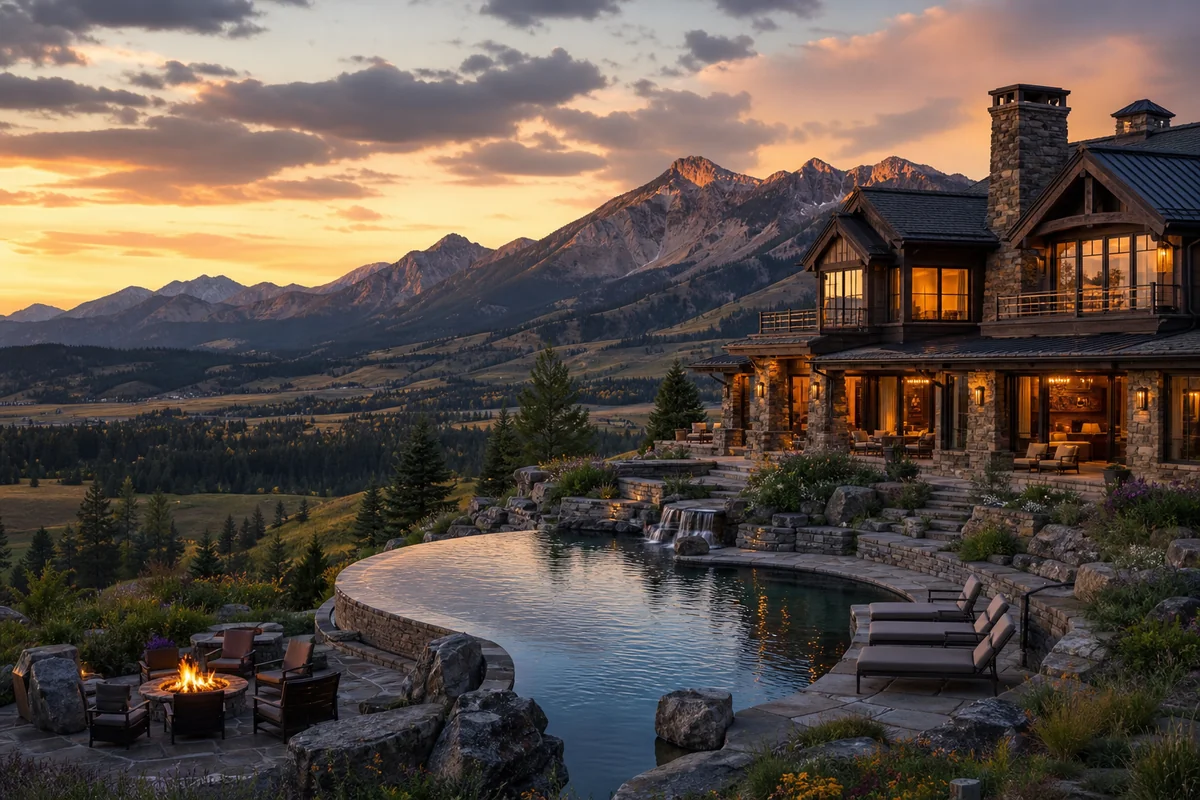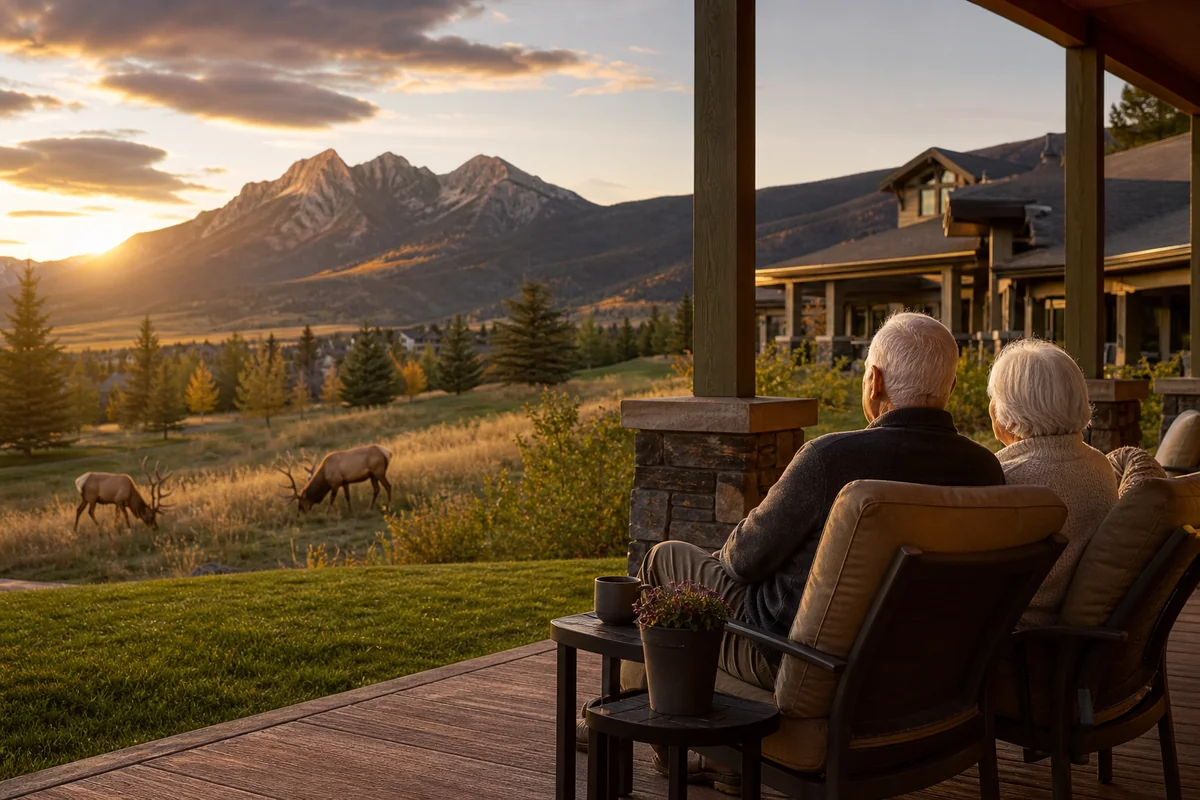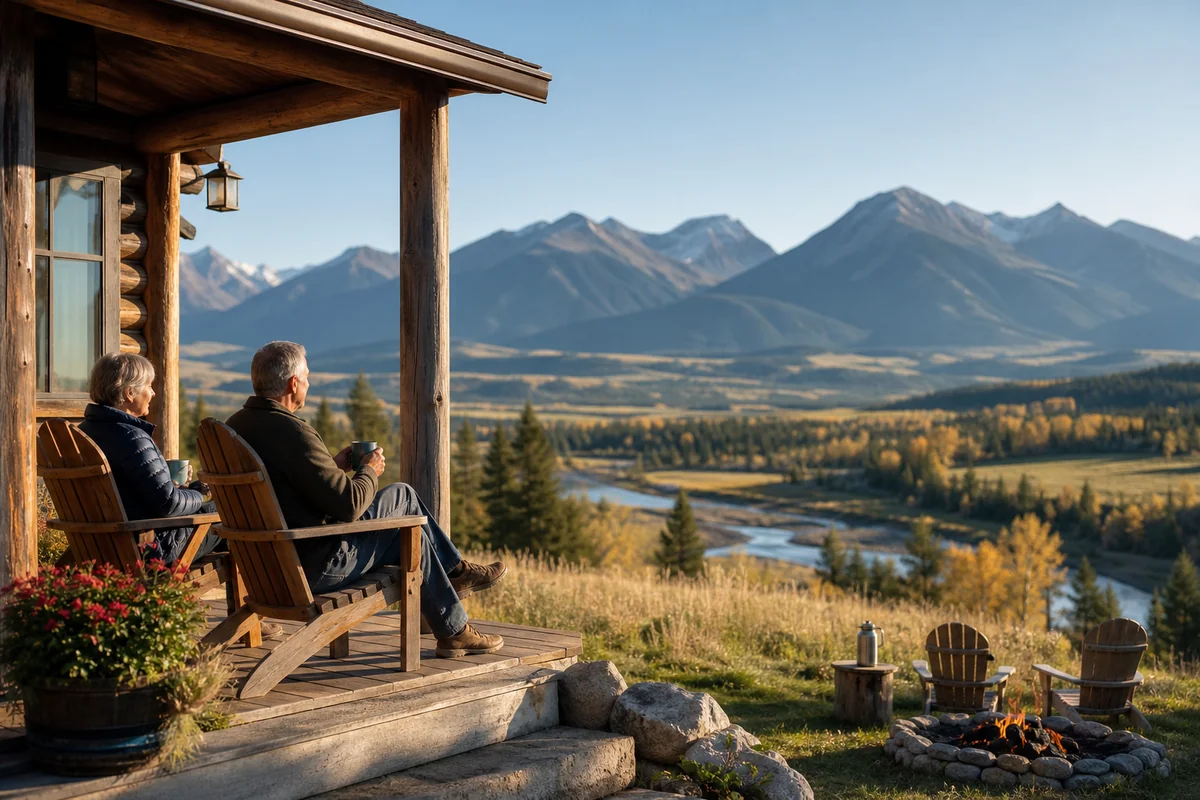
I was sitting on the porch of a small cabin outside Bozeman last fall, sharing coffee with a retired aerospace engineer from California, when he said something that stuck with me: “I spent forty years chasing promotions, and now I wake up every day to a view that costs nothing and means everything.”
That conversation crystallized what I’ve observed during my years exploring every corner of Montana Living—this state has become a magnetic destination for retirees seeking something beyond golf courses and shuffleboard.
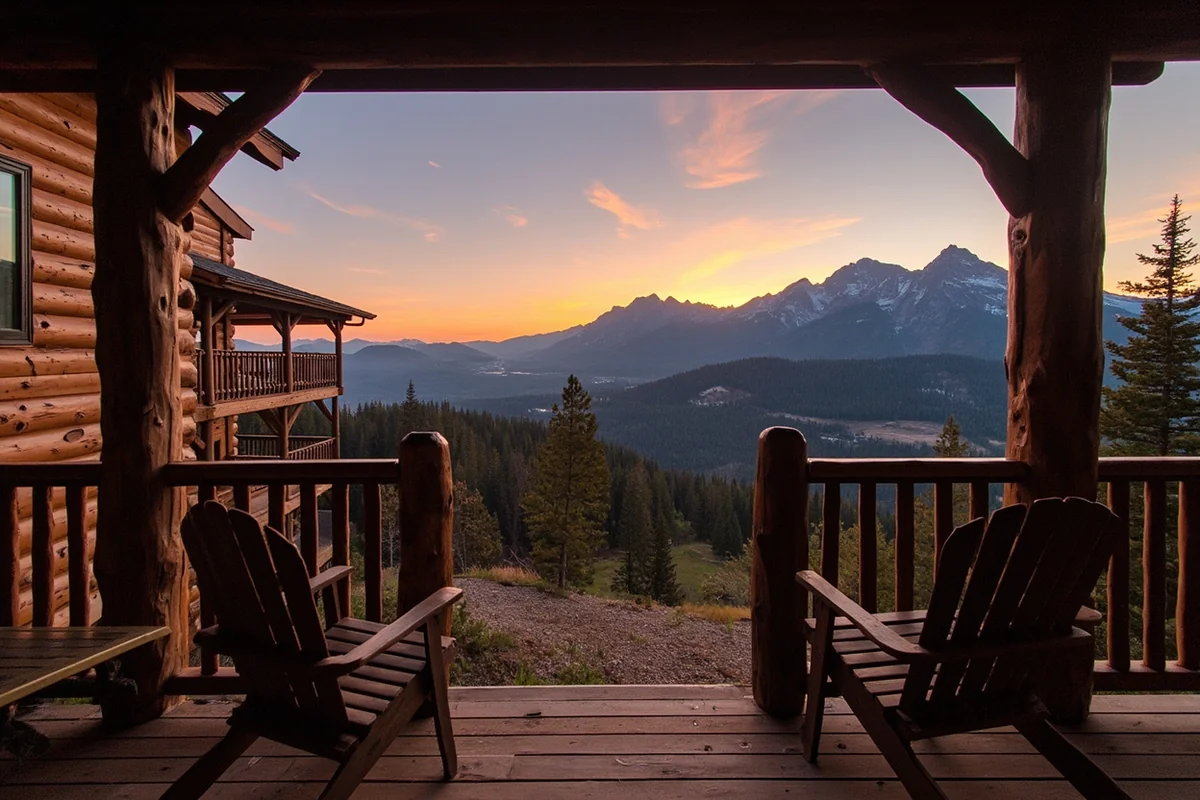
The reality is more nuanced than the tourism brochures suggest, and I want to share the genuine reasons why so many Americans are choosing Montana for their retirement years—alongside the honest considerations you need to know before making such a significant life decision.
- Montana has no state sales tax, saving retirees thousands annually on purchases
- Property taxes remain relatively low compared to coastal states
- Healthcare access varies significantly—research your specific location carefully
- Cost of living outside major towns can be surprisingly affordable
- Four distinct seasons provide year-round outdoor activities
- The “last best place” reputation attracts like-minded, active retirees
- Winter severity is real—prepare for at least 5 months of cold
- Small-town communities genuinely welcome newcomers who engage authentically
Liked this article?
Add Roaming Montana as a preferred source so you see more of our articles and guides on Google.
The Financial Advantages That Actually Matter
No Sales Tax—A Real Dollars-and-Cents Benefit
When I first started spending extended time in Montana, the Montana sales tax situation seemed like a minor perk. But after watching retirees calculate their savings over coffee at the Daily Coffee Bar in Whitefish, I understood the cumulative impact.
Montana is one of only five states with zero sales tax. For retirees on fixed incomes, this means keeping an extra 6-10% on every purchase compared to states like California or Washington.
Consider this: if you spend $25,000 annually on taxable goods (a conservative estimate including vehicles, household items, and everyday purchases), you’re keeping $1,500-$2,500 in your pocket each year. Over a 20-year retirement, that’s $30,000-$50,000 in savings.
Property Tax Reality Check
Montana’s property taxes deserve honest examination. While not the lowest in the nation, they’re structured in a way that benefits retirees.
The state uses a system that assesses residential property at a percentage of market value, then applies the local mill levy. During my research in Ravalli County last spring, I met couples paying between $1,200-$3,500 annually on modest homes—significantly less than comparable properties in Colorado or Arizona retirement communities.
However, understanding why Montana prices have increased is essential. Property values in popular areas like Bozeman, Whitefish, and Missoula have skyrocketed, meaning tax bills have risen accordingly.
Income Tax Considerations
Montana does have a state income tax, which some retirees find disappointing. However, Social Security benefits are partially exempt from state taxation depending on your income level.
When I sat down with a retired financial planner in Helena last winter, she explained that for most middle-income retirees, Montana’s overall tax burden ranks favorably compared to the national average. The key is running your specific numbers before relocating.
The Lifestyle That Draws People In
Outdoor Recreation Without the Crowds
Here’s something I’ve noticed consistently: Montana attracts a specific type of retiree—active, curious, and allergic to the sedentary retirement lifestyle. If you’re wondering whether Montana is boring, I can tell you that nobody I’ve met here uses that word.
During a recent trip to the Flathead Valley, I encountered a 72-year-old former marketing executive who had taken up fly fishing three years prior. She was teaching me proper casting technique on the Flathead River, and mentioned she’d fished over 100 days that year.
This is normal here. Retirees hike, ski, fish, hunt, kayak, and mountain bike well into their 70s and beyond. The landscape practically demands engagement.
Glacier National Park alone offers 700+ miles of trails. I’ve seen retired couples tackling the Highline Trail in their late 60s, and there’s something deeply inspiring about that culture of active aging.
The Space Factor
Montana’s population density is among the lowest in the nation, and understanding why Montana remains unpopulated helps explain its appeal.
When I drive Highway 200 through central Montana, I sometimes travel 45 minutes without seeing another vehicle. For retirees escaping crowded cities, this space feels like oxygen after years of holding their breath.
The Montana population statistics tell the story: approximately 1.1 million people spread across 147,000 square miles. That’s fewer than seven people per square mile.
Wildlife as Neighbors
Last summer, I was staying at a friend’s place outside Red Lodge when a black bear wandered through the yard around 6 AM. My friend barely looked up from his coffee.
“That’s Martha,” he said. “She comes through every few weeks.”
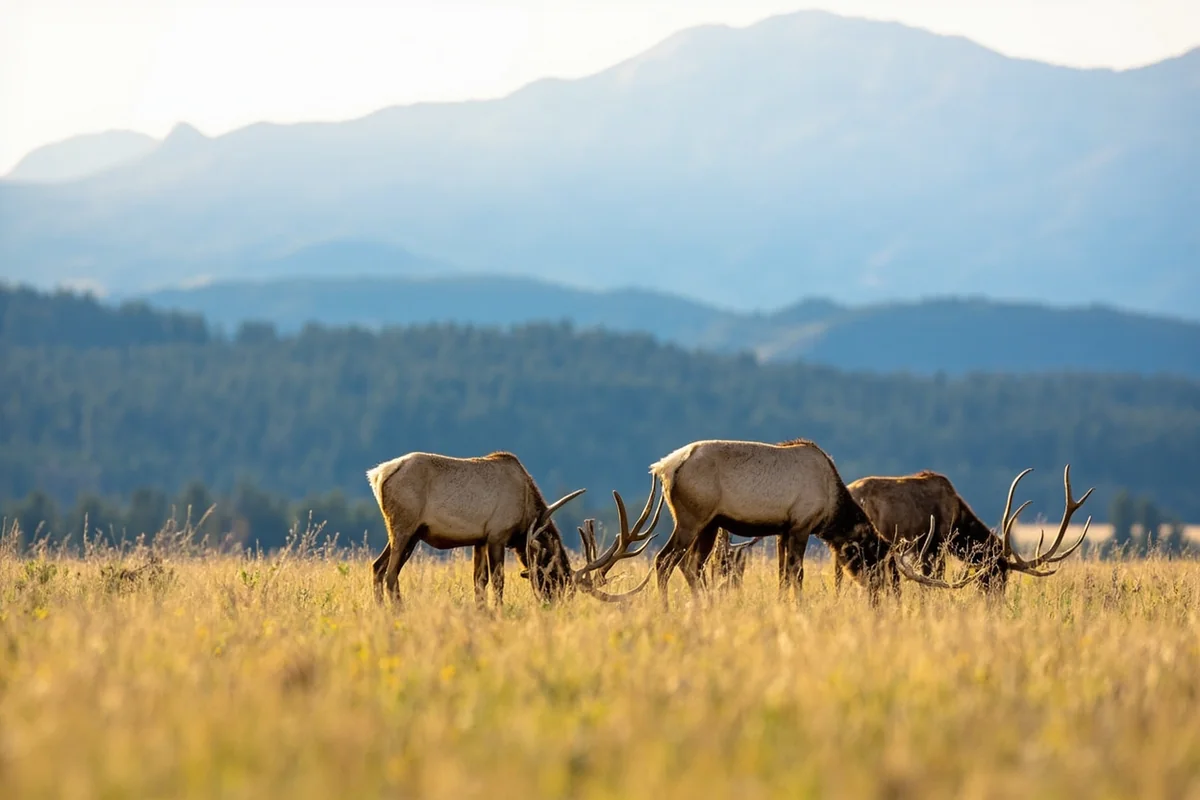
This casual relationship with wildlife isn’t for everyone, but for retirees who dreamed of living closer to nature, it’s profoundly meaningful. Elk, deer, moose, eagles, and yes, the occasional bear become part of your daily reality.
Community and Social Connections
Small-Town Authenticity
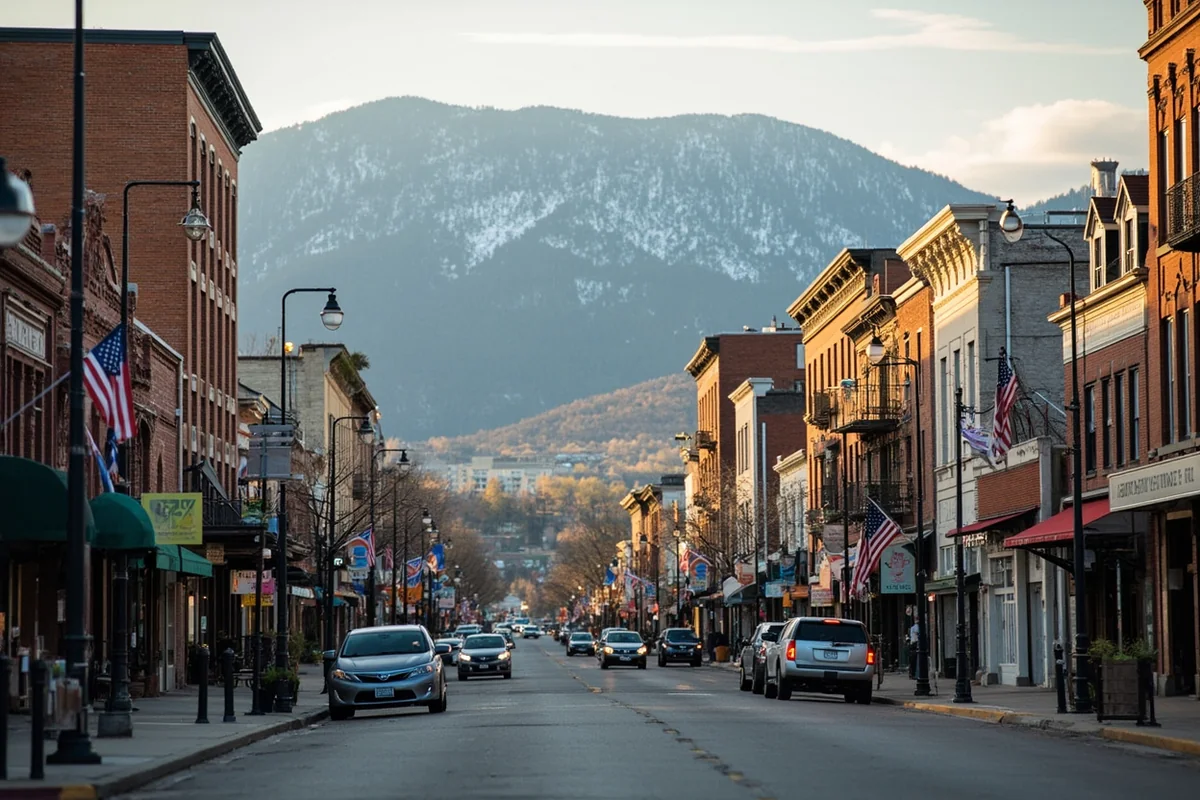
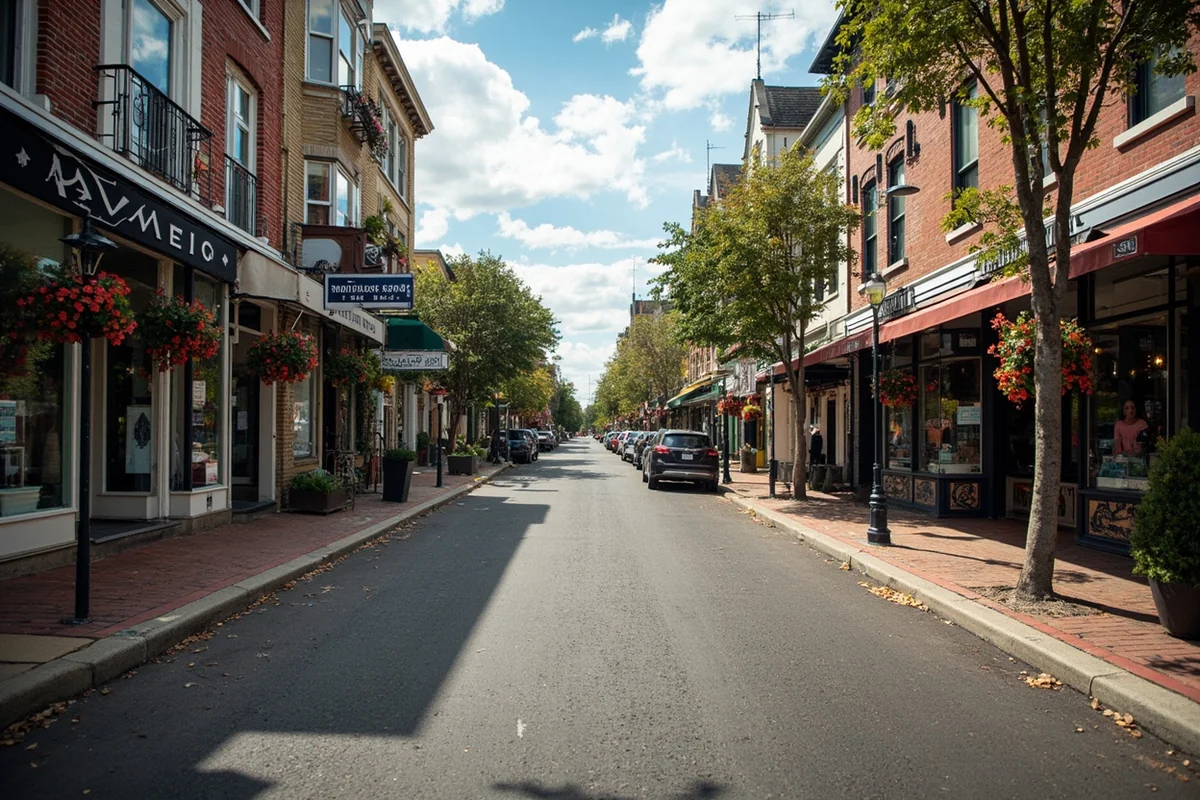
The communities I’ve come to know in Montana—places like Livingston, Hamilton, and Polson—operate differently than suburban America. Neighbors actually know each other. The barista at your local coffee shop remembers your order. The librarian asks about your grandkids.
When exploring the best places to live in Montana, I’ve found that retirees who thrive here embrace this small-town dynamic. They volunteer at the food bank, join the fly fishing club, attend city council meetings, and become genuinely invested in their communities.
Montana’s safest cities and towns consistently rank well in national studies, which matters deeply to retirees concerned about security.
The Growing Diversity Conversation
I want to address something honestly: Montana has historically been a predominantly white state. However, I’ve witnessed genuine evolution, particularly in larger communities.
Montana’s African American community has deep roots dating back to the Buffalo Soldiers and early mining towns. And LGBTQ+ retirees wondering about Montana’s friendliness should know that cities like Missoula, Bozeman, and Helena have increasingly welcoming atmospheres, supported by Montana’s LGBTQ organizations.
Rural areas can still feel insular, and some retirees have shared candid observations with me about feeling like outsiders for the first year or two. Patience and genuine community engagement make the difference.
Healthcare: The Honest Assessment
What’s Available
Healthcare access is probably the most critical factor for retirees, and I’ve done extensive research on this topic because it comes up in every conversation I have with potential Montana retirees.
Major medical centers exist in Billings (the largest), Missoula, Great Falls, and Kalispell. These facilities offer comprehensive services including cancer treatment, cardiac care, and orthopedic surgery.
During a visit to Billings Clinic last year, I spoke with administrators who noted that they’ve expanded services specifically to meet growing retiree demand. The facility handles complex cases that previously required travel to Salt Lake City or Seattle.
The Rural Healthcare Reality
Here’s what nobody tells you: if you choose to live in rural Montana (and many retirees do), you may drive 90+ minutes for specialist appointments. Some areas have limited ambulance coverage, and winter road conditions can complicate emergency response.
I met a retired nurse in Choteau who chose to live there specifically because she could manage minor health issues independently. Her advice: “Be honest about your health needs before picking a remote location.”
| Location Type | Hospital Access | Specialist Availability | Best For |
|---|---|---|---|
| Major Cities (Billings, Missoula) | Full-service hospitals | Most specialties available | Retirees with ongoing health needs |
| Mid-size Towns (Kalispell, Helena, Great Falls) | Regional hospitals | Common specialties; some travel for rare conditions | Generally healthy retirees wanting amenities |
| Small Towns (Livingston, Hamilton, Polson) | Critical access hospitals/clinics | Limited; travel required | Active retirees with minimal health concerns |
| Rural Areas | May be 1+ hours away | Very limited | Self-reliant retirees in excellent health |
The Cost of Living Reality
Where Affordability Still Exists
The Montana cost of living varies dramatically by location. While Bozeman and Whitefish have become expensive—understanding why Montana prices are booming explains this phenomenon—affordable options remain.
Montana’s cheapest places to live include communities like Miles City, Glendive, Havre, and Lewistown. These eastern Montana towns offer housing at a fraction of western Montana prices.
I spent time in Lewistown last autumn and was struck by its livability. A well-maintained three-bedroom home might cost $180,000-$250,000—versus $600,000+ in Bozeman. The trade-off is fewer amenities and longer drives to major cities.
The Housing Market Shift
Montana’s fastest-growing cities have experienced significant housing pressure. During the pandemic, remote workers from high-cost states flooded in, bidding up prices.
Montana’s most expensive properties now rival anything in Colorado or Jackson Hole. However, the market has begun stabilizing, and I’ve spoken with realtors who say inventory is returning to pre-pandemic levels in some areas.
For retirees with flexibility, the sweet spot often lies in communities adjacent to popular areas—think Belgrade instead of Bozeman, or Columbia Falls instead of Whitefish.
Weather: The Great Equalizer
Winter Is Not Optional
I need to be blunt: Montana winters filter out retirees who haven’t thought this through. When I’ve returned to visit friends in February, I’ve experienced -20°F mornings, roads that become skating rinks, and darkness that settles in by 5 PM.
Montana places with the most snow can receive 200+ inches annually in mountainous areas. Even valley communities regularly see 40-80 inches.
The retirees who love winter here have adapted their lifestyles: they cross-country ski, snowshoe, read extensively, and embrace the slower pace. Those who expected to simply “tough it out” often leave within two years.
The Four-Season Advantage
Conversely, Montana’s four distinct seasons create variety that Florida or Arizona can’t offer. Summer days stretch past 10 PM, wildflowers blanket alpine meadows, and temperatures rarely exceed 90°F.
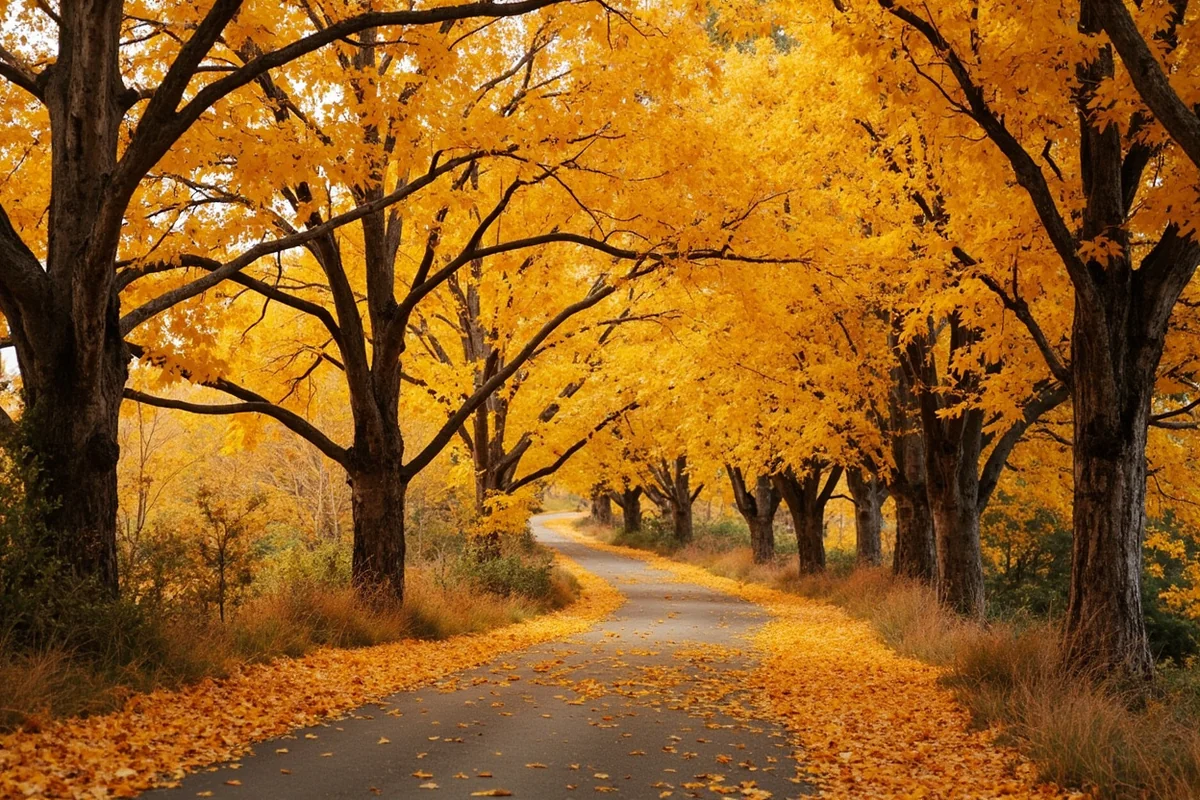
Fall in Montana is genuinely magical—I experienced golden larch season in the Swan Valley last October and understood why people rearrange their lives to witness it annually.
Retirement Community Options
Structured vs. Independent Living
Montana retirement communities range from independent living developments to full-service assisted living facilities.
What I’ve noticed is that Montana attracts retirees who want to avoid traditional retirement communities. They’re seeking independence, often purchasing small homes or acreages where they can maintain some self-sufficiency.
That said, options exist for those wanting community amenities. Developments near Bigfork, Whitefish, and Helena cater specifically to active retirees, offering maintenance-free living with clubhouse facilities and organized activities.
The Homesteading Dream
A subset of retirees arrives with dreams of homesteading in Montana. I’ve met retired couples raising chickens, growing gardens, and tending small orchards.
This lifestyle is absolutely achievable, but requires honest physical assessment. The 65-year-old who starts homesteading will face different challenges at 75. Smart homesteaders build in scalability—starting with manageable projects that can be reduced as needed.
Safety and Practical Considerations
Crime and Security
While Montana’s most dangerous cities exist—primarily larger population centers—overall crime rates remain low compared to national averages.
In small-town Montana, many residents still don’t lock their doors. This might seem naive, but it reflects a genuine community trust that I’ve observed repeatedly.
Natural Disaster Awareness
Montana natural disasters are real considerations. Wildfire season runs June through September, and understanding Montana’s wildfire risk is essential for anyone considering rural property.
I’ve watched smoke-filled valleys during August visits and heard evacuation stories from longtime residents. Smart retirees choose properties with defensible space, maintain emergency supplies, and stay informed about fire conditions.
The Social and Cultural Landscape
Educational and Cultural Opportunities
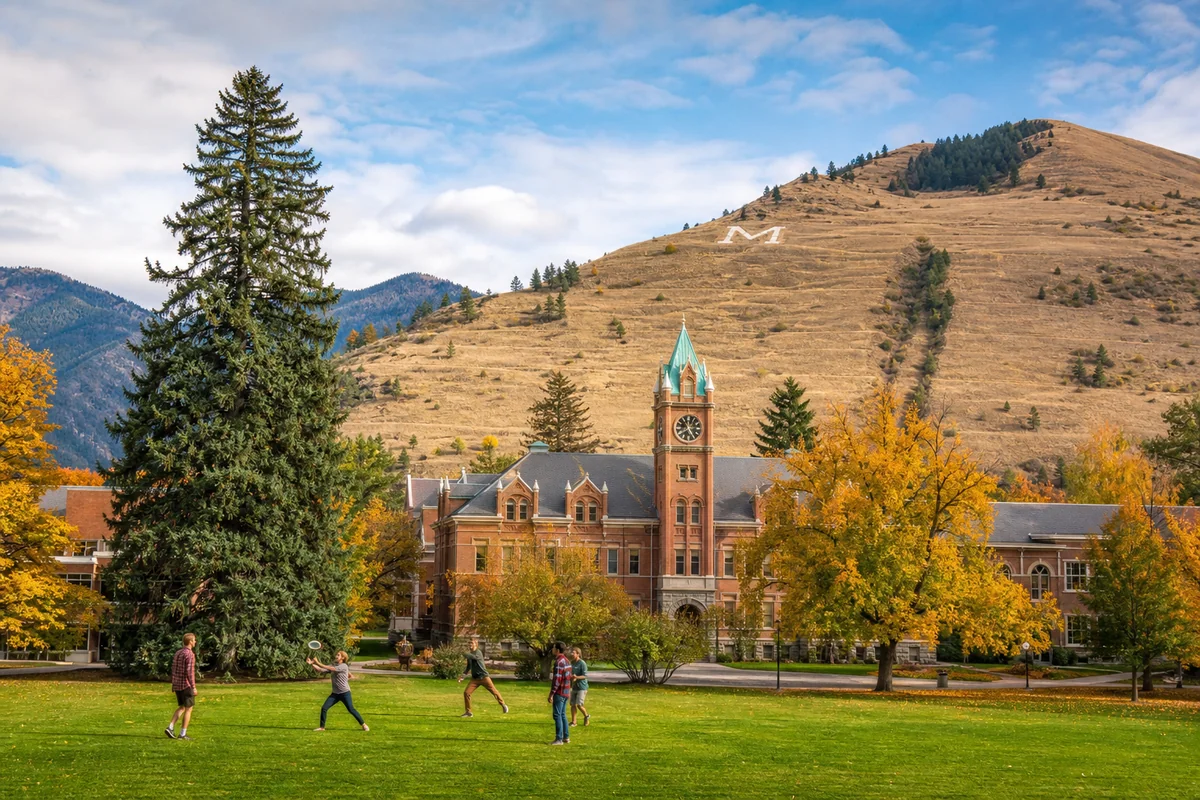
Retirees often underestimate Montana’s cultural offerings. Universities in Missoula, Bozeman, and elsewhere—Montana’s best colleges—offer continuing education programs, lectures, performances, and athletic events.
I attended a surprisingly excellent chamber music concert at Montana State University last winter, surrounded by retirees who subscribe to the season series. These opportunities exist; you just have to seek them out.
The Celebrity Factor
It’s worth noting that celebrities who chose Montana living have drawn attention to the state’s appeal. While you probably won’t be neighbors with Jeff Bridges or David Letterman, their presence indicates that Montana offers something valuable to people who could literally live anywhere.
Everyday Conveniences
Practical questions matter. Yes, Montana grocery stores sell liquor—the state has relatively relaxed alcohol laws. Major retail chains exist in larger communities, though true rural areas require planning for shopping trips.
Making the Decision: An Honest Framework
Try Before You Buy
The smartest advice I can offer: spend a winter here before committing. Rent a place from November through March. Experience the short days, the icy roads, the cabin fever that can set in.
I’ve seen too many couples buy their dream retirement home after visiting in July, only to list it for sale after their first February.
Questions to Ask Yourself
Based on conversations with dozens of Montana retirees, here are the honest questions that predict success:
- Do I genuinely enjoy outdoor activities in all weather conditions?
- Can I handle long drives for shopping, healthcare, and entertainment?
- Am I comfortable with limited restaurant and cultural options?
- Do I make friends easily, even in close-knit communities?
- Is my health stable enough for locations with limited medical access?
- Can I afford properties in areas that meet my amenity needs?
The Exit Strategy
Nobody wants to think about this, but realistic planning matters. At some point, most retirees need to transition to locations with more services. Smart Montana retirees plan ahead—maintaining relationships in other states, keeping finances flexible, and avoiding the mistake of over-investing in remote property that becomes difficult to sell.
17 Reasons Worth Summarizing
After years of exploring Montana and talking with retirees who’ve made it work, here are the genuine reasons to consider:
- No sales tax saves thousands annually on everyday purchases
- Relatively low property taxes compared to coastal alternatives
- Unparalleled access to outdoor recreation
- Space and solitude unavailable in most of America
- Genuine small-town communities that welcome engaged newcomers
- Low crime rates and high safety in most areas
- Wildlife viewing as part of daily life
- Four distinct seasons providing variety
- Active retirement culture that encourages lifelong fitness
- Affordable options still exist in eastern Montana communities
- University towns offer cultural and educational opportunities
- Clean air, clean water, and minimal pollution
- Slower pace of life that reduces stress
- Improving healthcare infrastructure in major centers
- Growing diversity and inclusivity in larger communities
- Real estate that holds value in desirable locations
- The intangible quality of living in “the last best place”
Weighing the Pros and Cons of Living in Montana
No location is perfect for everyone. Some retirees should look elsewhere—those requiring extensive medical care, those who despise winter, those who need urban amenities within walking distance.
I’ve also spoken with people who wondered if Montana is really the worst state based on certain metrics—and there are valid criticisms around isolation, limited diversity, and winter severity.
But for the right person—active, adaptable, nature-loving, and financially prepared—Montana offers a retirement experience that simply doesn’t exist elsewhere. The reasons Montana captures hearts are real and enduring.
Understanding what Montana residents are called (Montanans, and they’re proud of it) is the first step toward becoming one yourself.

Taking the Next Step
If Montana is calling to you, start with research. Read about reasons to move to Montana beyond retirement specifically. Consider the areas to potentially avoid alongside the best options.
Look into school districts if grandchildren might visit—excellent schools indicate strong community investment. Research Montana sports teams if you want entertainment options. Even understand Montana’s recycling programs and population dynamics to fully grasp the lifestyle.
Then visit. Multiple times. In different seasons. Talk to retirees who’ve been here five years or more. Ask hard questions. And when you’re ready—truly ready—you’ll know.
The retired aerospace engineer I mentioned at the beginning? He’s been in Montana seven years now. When I saw him again last month, he was heading out for an early morning fly fishing session, thermos of coffee in hand.
“Still the best decision I ever made,” he said. “But only because I knew what I was getting into.”
That’s the key to retiring successfully in Montana: going in with open eyes, realistic expectations, and genuine enthusiasm for what makes this place special.
Frequently Asked Questions
What is the cost of living for retirees in Montana compared to other states?
Montana’s cost of living runs about 5-10% above the national average, though it’s significantly cheaper than retiring in California, Colorado, or the Pacific Northwest. I’ve found that housing costs vary dramatically—you’ll pay $400,000+ in Bozeman or Whitefish, but can find comfortable homes under $250,000 in smaller towns like Lewistown or Miles City. Property taxes remain relatively low, and Montana has no sales tax, which helps stretch retirement income.
Does Montana tax retirement income and Social Security benefits?
Montana does tax retirement income, including pensions and 401(k) withdrawals, but Social Security benefits are partially exempt depending on your income level. As of recent tax changes, retirees with lower adjusted gross incomes can exclude a significant portion of their Social Security from state taxes. I’d recommend consulting a Montana tax professional before relocating, as the state has been actively reforming its retirement tax policies.
What are the best Montana towns for retirees to live in?
Helena, Missoula, and Kalispell consistently rank among the best Montana retirement destinations due to their healthcare access, cultural amenities, and outdoor recreation. For budget-conscious retirees, smaller communities like Billings, Great Falls, and Hamilton offer lower housing costs while still providing essential services. I personally love that even smaller Montana towns maintain that tight-knit community feel retirees often seek.
How harsh are Montana winters for retirees and what should I expect?
Montana winters are genuinely cold, with temperatures regularly dropping below 0°F in January and February, plus significant snowfall in mountain communities. However, western Montana towns like Missoula experience milder winters compared to the eastern plains, and many retirees adapt quickly with proper gear and heated garages. If you’re visiting to scout retirement locations, I’d strongly suggest planning a trip between December and February to experience winter conditions firsthand.
What healthcare options are available for retirees in rural Montana?
Healthcare access varies significantly across Montana—larger cities like Billings, Missoula, and Great Falls have full-service hospitals and specialists, while rural areas rely on critical access hospitals and telemedicine. I’ve noticed many retirees choose locations within 50-75 miles of a major medical center for peace of mind. Medicare coverage works statewide, but you’ll want to verify that your preferred specialists and Medicare Advantage plans have adequate networks in your chosen town.
When is the best time to visit Montana to explore potential retirement communities?
The best time to visit Montana for retirement scouting is late May through September when you can fully experience the outdoor lifestyle, farmers markets, and community events that define daily life here. I’d also recommend a separate winter visit between December and February to honestly assess whether you can handle the cold and shorter daylight hours. Plan to spend at least a week in each town you’re considering—renting an Airbnb gives you a more realistic feel than hotel stays.
What outdoor activities make Montana appealing for active retirees?
Montana offers world-class fly fishing on rivers like the Madison and Yellowstone, plus over 30 million acres of public land for hiking, hunting, and wildlife watching. I’ve met countless retirees here who ski at Whitefish Mountain Resort, golf from April through October, and spend summers kayaking on Flathead Lake. The combination of Glacier and Yellowstone National Parks within driving distance means you’ll never run out of new adventures—many retirees I know still haven’t explored half of what’s available.
Sources
- https://www.census.gov/quickfacts/fact/table/MT/PST045222
- https://www.nps.gov/glac/index.htm
- https://fwp.mt.gov/whitefish-lake
- https://leg.mt.gov/civic-education/visiting-capitol/
- https://fieldguide.mt.gov/speciesDetail.aspx?elcode=PDERI180K0
- https://leg.mt.gov/bills/2023/FNPDF/HB0526_1.pdf
- https://data.census.gov/profile/Deer_Lodge_city,_Montana?g=160XX00US3019825