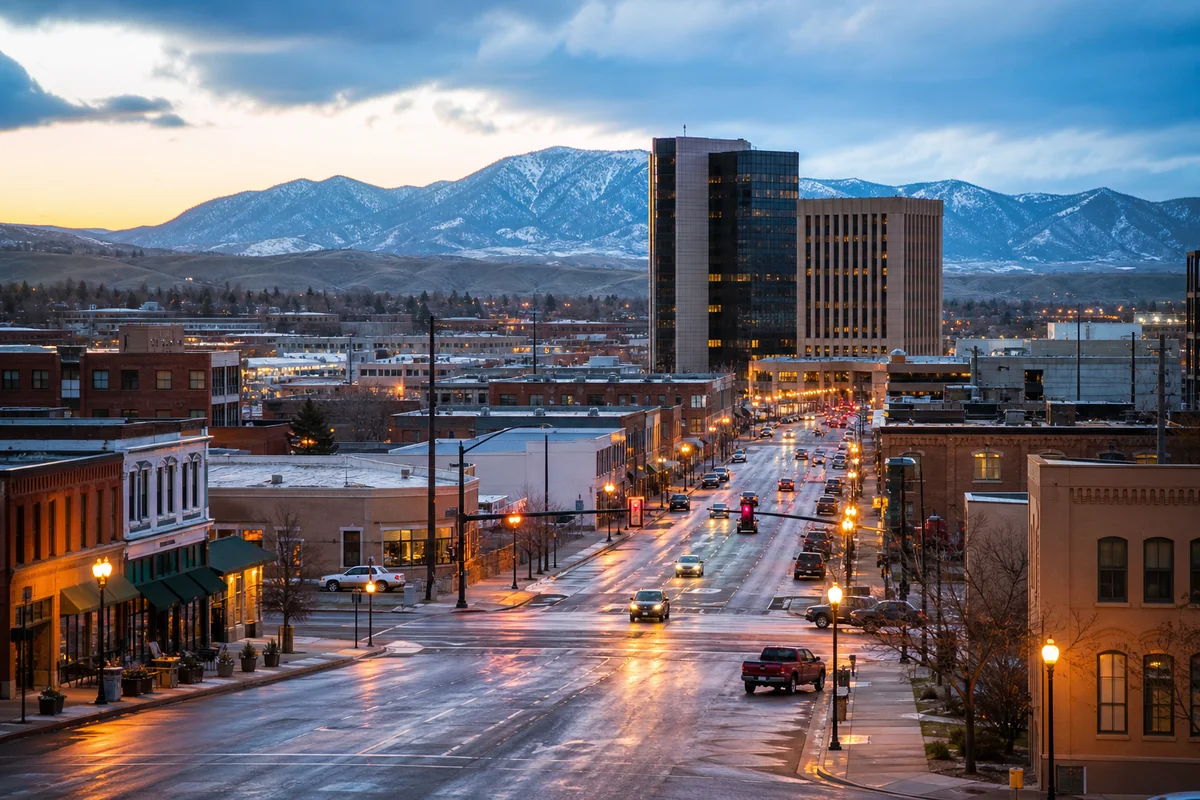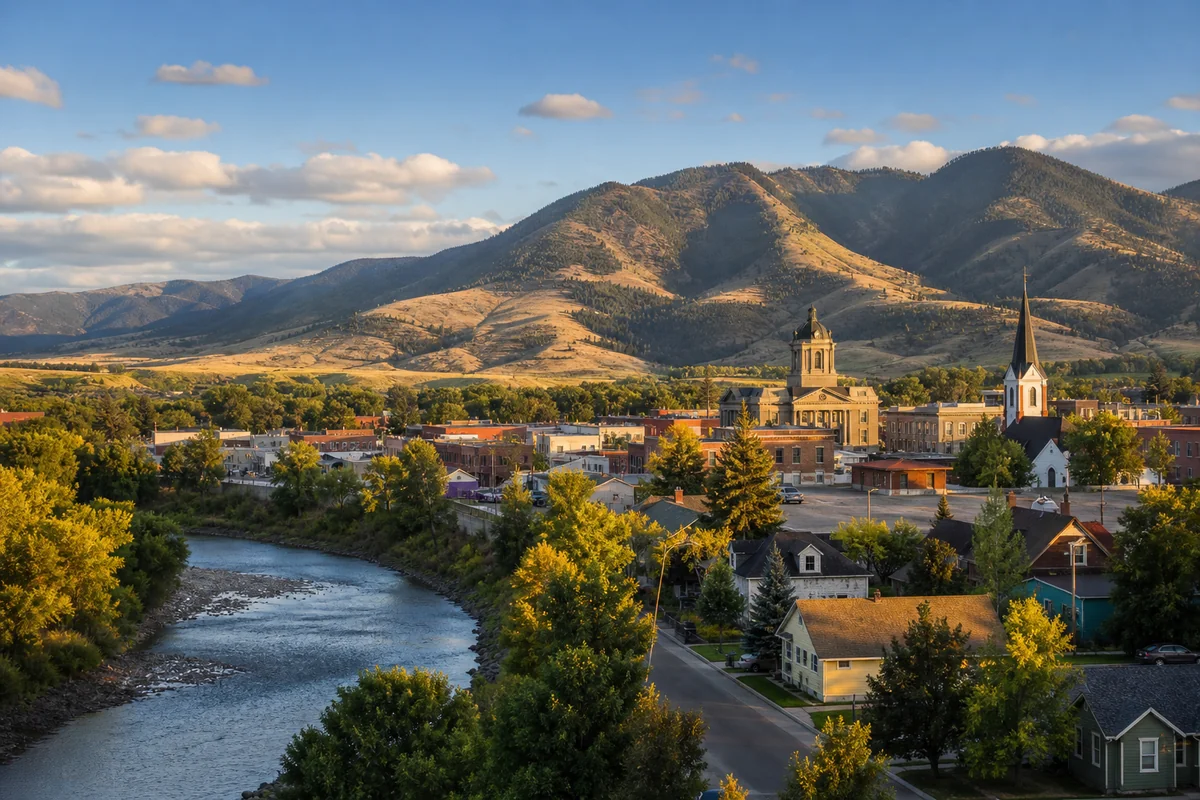
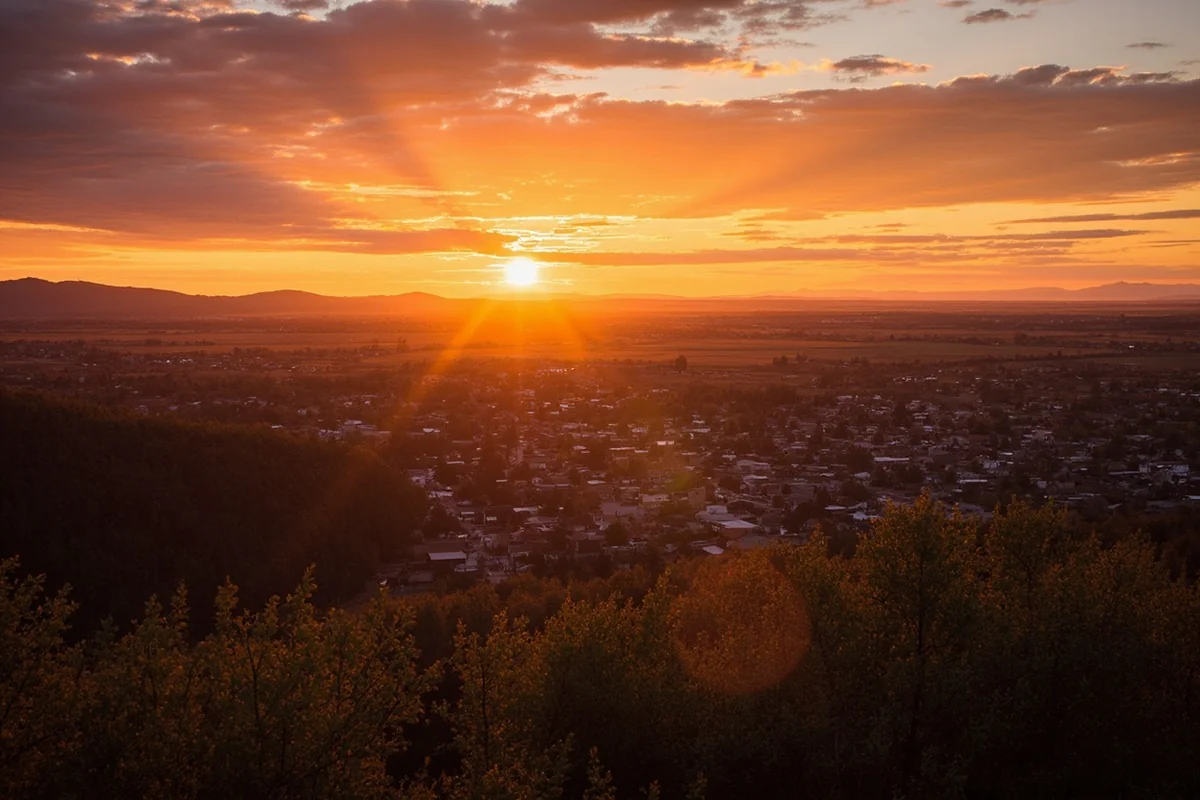
I’ll never forget pulling into Glendive at sunset last October, my truck loaded with everything I owned, wondering if I’d made the right choice leaving Denver behind.
A woman at the gas station noticed my out-of-state plates and struck up a conversation—within five minutes, she’d invited me to her church’s potluck dinner that weekend.
That moment crystallized something I’d been researching for months: safety in Montana isn’t just about crime statistics, it’s woven into the fabric of how people actually live here.
If you’re exploring Montana Living options or simply curious about what makes Big Sky Country tick, understanding which communities offer genuine peace of mind matters.
While some travelers worry about Montana’s most dangerous cities, the reality is that most of this state feels remarkably secure compared to national averages.
- Montana’s safest towns have violent crime rates 60-80% below national averages
- Small communities like Glendive, Sidney, and Laurel consistently rank among the safest
- Larger cities like Bozeman and Helena balance growth with strong safety records
- Rural isolation contributes to low crime but requires self-reliance
- Community involvement and tight-knit culture are the real security systems here
- Property crime exists—don’t leave valuables in vehicles, especially near tourist areas
Liked this article?
Add Roaming Montana as a preferred source so you see more of our articles and guides on Google.
How I Evaluated Montana’s Safest Communities
Before diving into the list, let me explain my methodology. I didn’t just pull FBI crime statistics and call it a day—though those numbers matter.
During my two years living in Montana and visiting over 40 communities for this blog, I’ve developed a more nuanced approach. I look at violent crime rates per 1,000 residents, property crime trends, community feedback, emergency response capabilities, and something harder to quantify: the general vibe when walking around after dark.
I also factor in the Montana cost of living in each area, because financial stress often correlates with crime rates. A town might look safe on paper, but if everyone’s struggling economically, that can shift quickly.
1. Glendive: The Badlands Haven
Why Glendive Tops My List
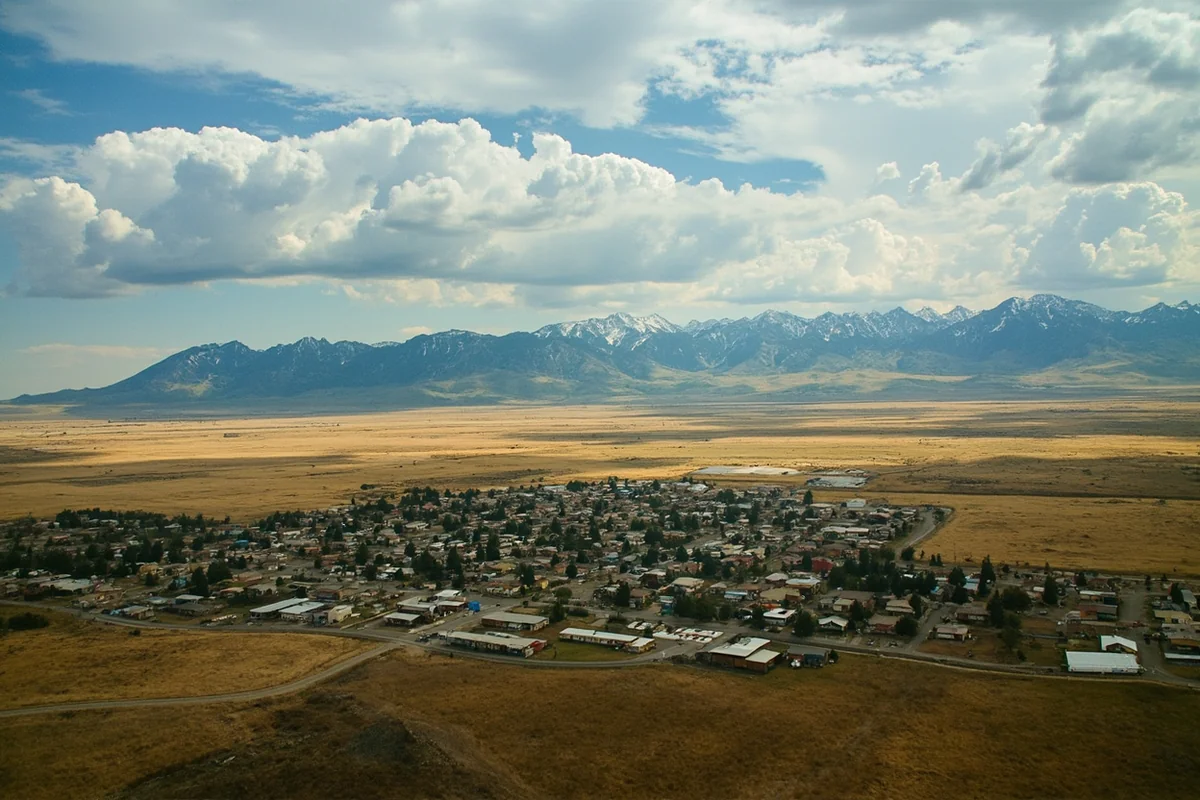
Glendive, population around 4,900, sits in Dawson County along the Yellowstone River, and it’s become my personal benchmark for Montana safety. When I spent two weeks there last fall researching Eastern Montana, I was struck by how many doors stayed unlocked.
The violent crime rate hovers around 0.8 per 1,000 residents—dramatically below Montana’s state average of 4.3 and the national average of 3.7. Property crime exists but remains minimal, largely consisting of occasional vehicle break-ins near the interstate.
What makes Glendive special is its geographic buffer. You’re not on the way to anywhere particularly—the Badlands stretch endlessly, and the nearest significant city is Billings, nearly two hours west. This isolation creates a community where everyone genuinely knows everyone.
Living the Glendive Reality
I chatted with a sheriff’s deputy at the local coffee shop (Bell Street Bridge Coffee, by the way, makes a surprisingly excellent latte). He told me their biggest issues are occasional DUIs and domestic disputes—”big city crime just doesn’t find its way here.”
The downside? Limited amenities and healthcare options. If you’re considering the best places to live in Montana, Glendive works best for those who value security over convenience.
2. Sidney: Oil Country’s Surprising Safety
You might expect an oil boom town to be rough around the edges. During the Bakken oil surge, Sidney did experience growing pains—but that’s largely stabilized.
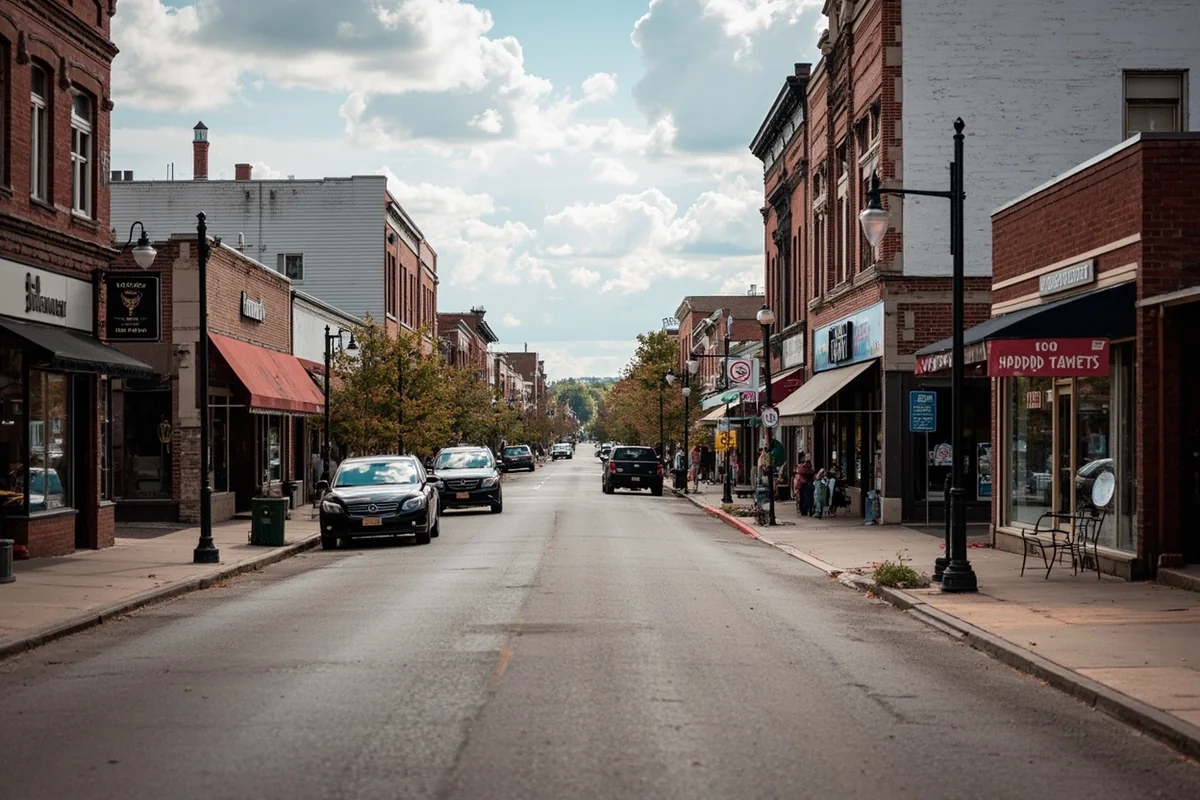
When I visited last summer, Sidney (population approximately 6,500) impressed me with its orderly streets and visible police presence. The crime rate has dropped significantly since the oil boom’s peak, settling around 1.2 violent crimes per 1,000 residents.
The community invested heavily in infrastructure during the boom years, and it shows. Well-lit streets, maintained parks, and a robust volunteer fire department contribute to overall safety.
The Sidney Difference
What struck me most was the family-centric atmosphere. Families walked freely downtown during the MonDak Stampede rodeo weekend, kids running ahead without parents looking worried. That’s not something you see in many places anymore.
Sidney also benefits from being far enough from major population centers that transient crime rarely appears. If you’re researching whether Montana is heavily populated, Eastern Montana towns like Sidney prove that vast spaces between communities create natural security barriers.
3. Laurel: Billings’ Safer Neighbor
Laurel sits just 15 miles from Billings but operates in a completely different safety category. With about 7,000 residents, it offers small-town security with big-city proximity.
I spent a weekend in Laurel this past spring, staying at a local Airbnb while covering the nearby Yellowstone River. The homeowner mentioned she hadn’t locked her doors in 15 years—a claim I found almost shocking coming from Colorado.
Laurel’s Numbers Tell the Story
Violent crime rates run around 1.5 per 1,000, and property crime stays below state averages. The town has invested in community policing, with officers who actually walk Main Street and know residents by name.
The Laurel Police Department runs an excellent community outreach program I observed firsthand. Officers attend school events, host neighborhood barbecues, and maintain a presence that feels protective rather than authoritarian.
4. Bozeman: Safe Despite the Growth
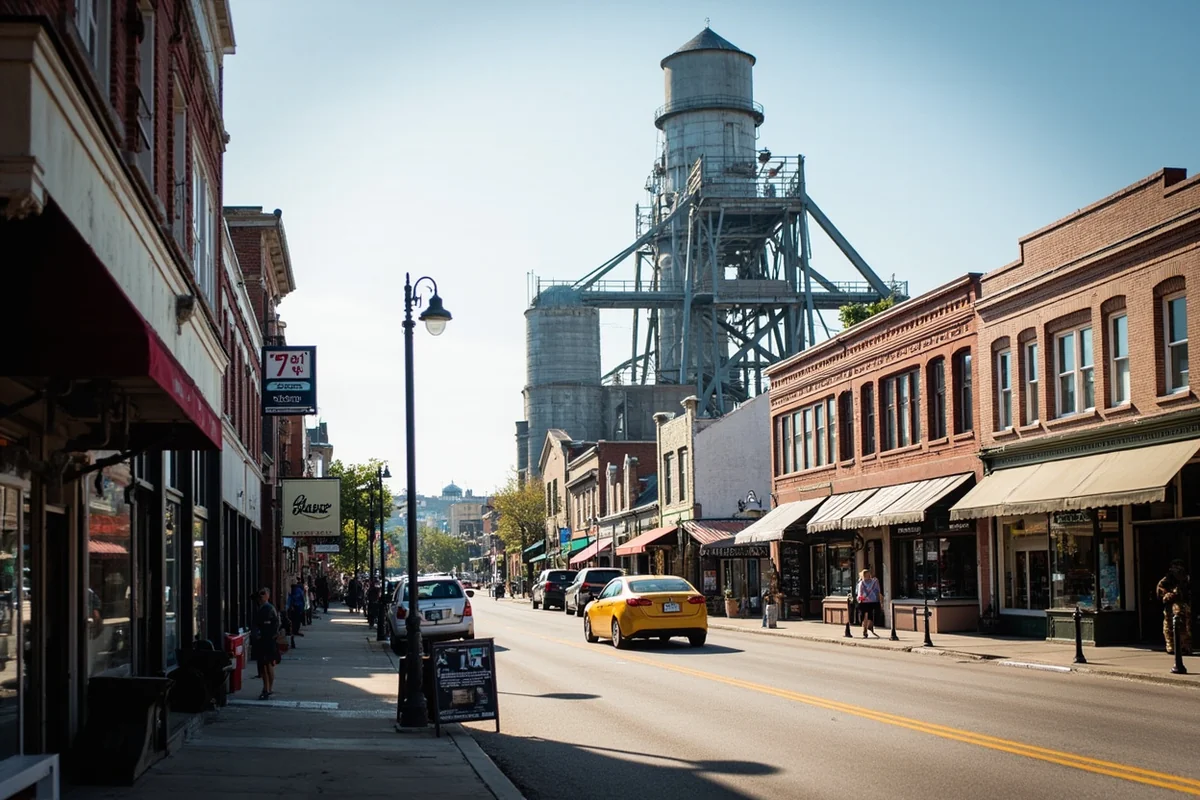
Now here’s where things get interesting. Bozeman is one of Montana’s fastest growing cities, and conventional wisdom says rapid growth equals rising crime. But Bozeman defies that narrative—mostly.
With nearly 60,000 residents now, Bozeman maintains a violent crime rate around 2.1 per 1,000. That’s higher than smaller towns on this list but remarkably low for a city experiencing 30% population growth over the past decade.
My Bozeman Safety Experience
I’ve visited Bozeman at least a dozen times and lived there briefly in 2022. Walking downtown at midnight after concerts at the Rialto, I never felt unsafe. The university presence (Montana State) brings a younger demographic but also resources and community engagement.
However, I’ll be honest: property crime is Bozeman’s weak spot. Vehicle break-ins near trailheads happen regularly, especially during ski season. Never leave anything visible in your car—this is where transplants from bigger cities get burned.
Interestingly, celebrities who’ve chosen Montana living often gravitate toward the Bozeman area, which speaks to its perceived safety and quality of life.
5. Helena: Capital City Security
Montana’s capital city (population around 34,000) combines government stability with genuine community feel. During my multiple visits researching state resources, I’ve always found Helena approachable and secure.
The violent crime rate sits around 2.3 per 1,000—higher than rural communities but well below national urban averages. State government employment provides economic stability that ripples through the community.
What Makes Helena Different
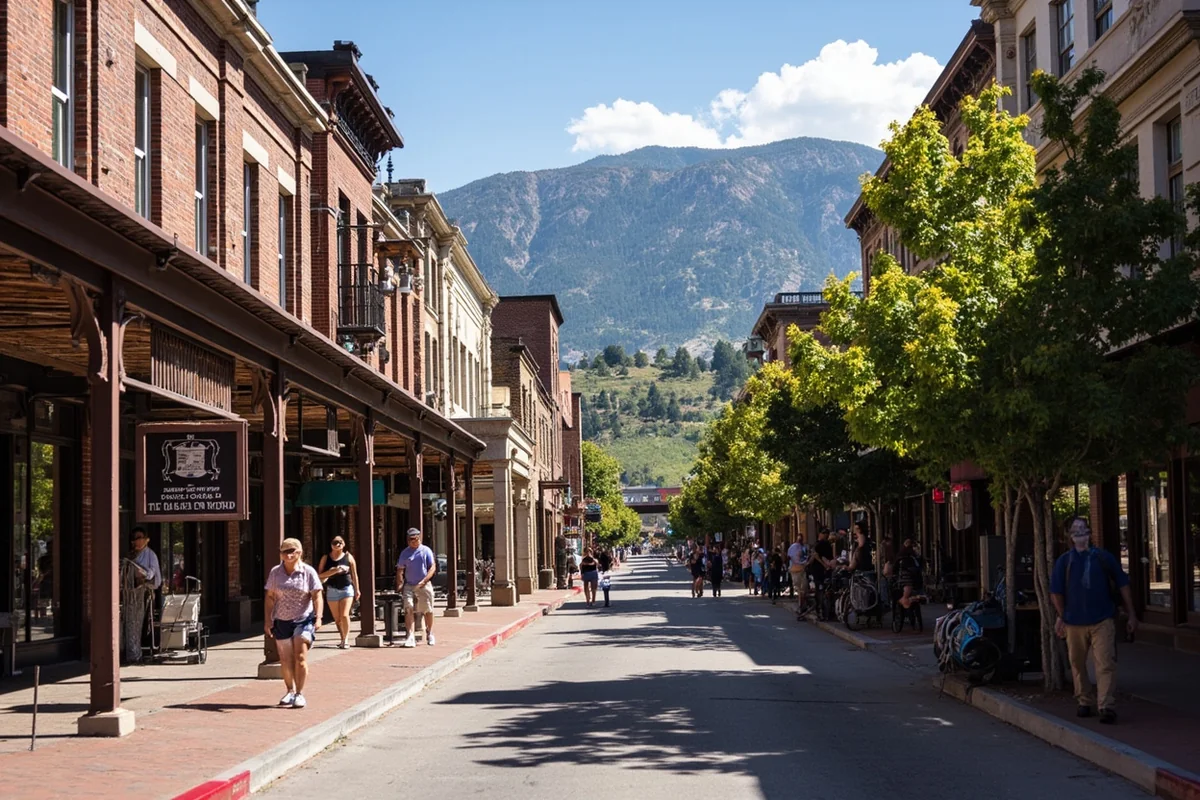
Helena’s layout contributes to safety. The walkable downtown, centered around Last Chance Gulch, maintains excellent visibility and regular foot traffic. I’ve walked those historic streets at all hours without concern.
The Helena Police Department runs a sophisticated community policing model, and the presence of state government means funding rarely becomes an issue. If you’re exploring the best colleges in Montana, Carroll College’s Helena campus benefits from this secure environment.
6. Livingston: Paradise Valley’s Gateway
Livingston (population 8,000) guards the entrance to Paradise Valley and Yellowstone National Park. Tourism drives the economy, but residents maintain fierce independence and community cohesion.
When I stayed in Livingston last August, researching the Yellowstone River corridor, I noticed something unusual: despite thousands of tourists passing through daily, the town retained its authentic character and low crime profile.
The Numbers Behind Livingston’s Safety
Violent crime runs about 1.4 per 1,000—impressive for a tourist gateway. Property crime does tick up during peak season (June-August), primarily vehicle break-ins at trailheads and the occasional petty theft downtown.
What protects Livingston is community vigilance. Locals told me they actively watch for suspicious activity, and the small-town network means strangers stand out. It’s not unfriendly—just aware.
7. Lewistown: Geographic Center, Safety Center
Lewistown sits almost exactly at Montana’s geographic center, population roughly 6,000. This isolation, combined with strong agricultural traditions, creates one of the state’s safest communities.
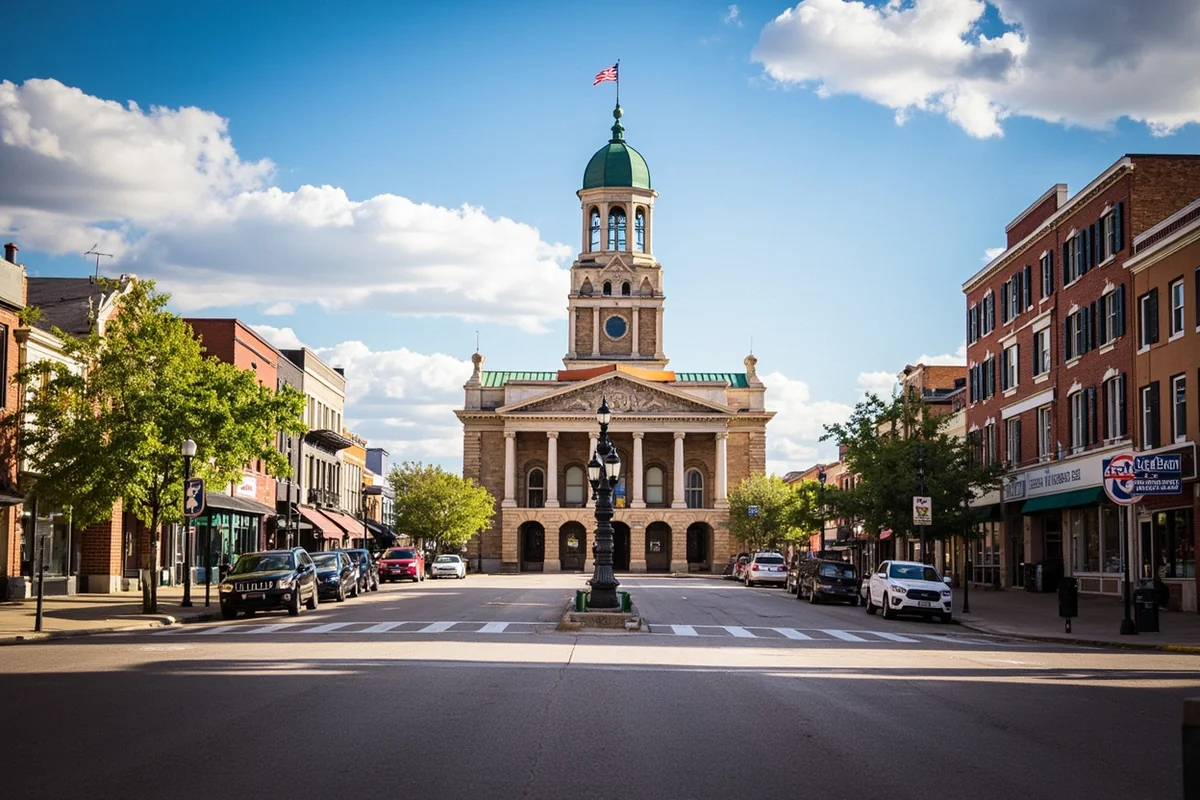
I drove through Lewistown during a cross-state road trip and ended up staying three days because the vibe was so welcoming. The courthouse square, surrounded by local businesses and the beautiful Fergus County Courthouse, felt like stepping into a Norman Rockwell painting.
Why Lewistown Works
The violent crime rate barely registers—around 0.7 per 1,000. Property crime remains minimal because, frankly, everyone knows everyone. You can’t steal something in Lewistown without someone recognizing you.
For those considering reasons for retiring in Montana, Lewistown offers security, affordability, and genuine community at a pace that suits later life.
8. Dillon: University Town Tranquility
Dillon (population 4,500) hosts the University of Montana Western and maintains surprisingly low crime rates for a college town. When I visited during homecoming weekend last fall, I expected chaos—instead, I found orderly celebration.
The violent crime rate sits around 1.1 per 1,000. The university’s small size (about 1,500 students) means it integrates with the community rather than overwhelming it.
Dillon’s Unique Character
What struck me about Dillon was the cowboy culture’s influence on social order. There’s an unspoken code here—people look out for each other, and troublemakers get noticed quickly. Several ranchers told me they trust neighbors more than locks.
The town also benefits from relative isolation. You’re not driving through Dillon on your way to anywhere major, which limits transient crime.
9. Whitefish: Resort Town Done Right
Whitefish challenges the assumption that tourist destinations can’t be safe. With about 8,500 full-time residents and millions of annual visitors, Whitefish maintains remarkably low crime rates.
I’ve spent considerable time in Whitefish across multiple seasons—skiing in winter, hiking in summer, attending the huckleberry festival in August. Each visit reinforced my impression of thoughtful safety infrastructure.
Behind Whitefish’s Safety Success
The violent crime rate hovers around 1.6 per 1,000—exceptional for a resort community. The secret? Whitefish invested heavily in community policing, tourism management, and infrastructure that disperses crowds rather than concentrating them.
Property crime does increase during peak ski season, primarily vehicle break-ins at Whitefish Mountain Resort parking lots. Local law enforcement runs regular patrols, but the parking areas are massive and difficult to secure completely.
One note: housing costs in Whitefish rank among the highest in Montana. If you’re researching why Montana is so expensive, Whitefish epitomizes the premium market.
10. Hamilton: Bitterroot Valley Safety
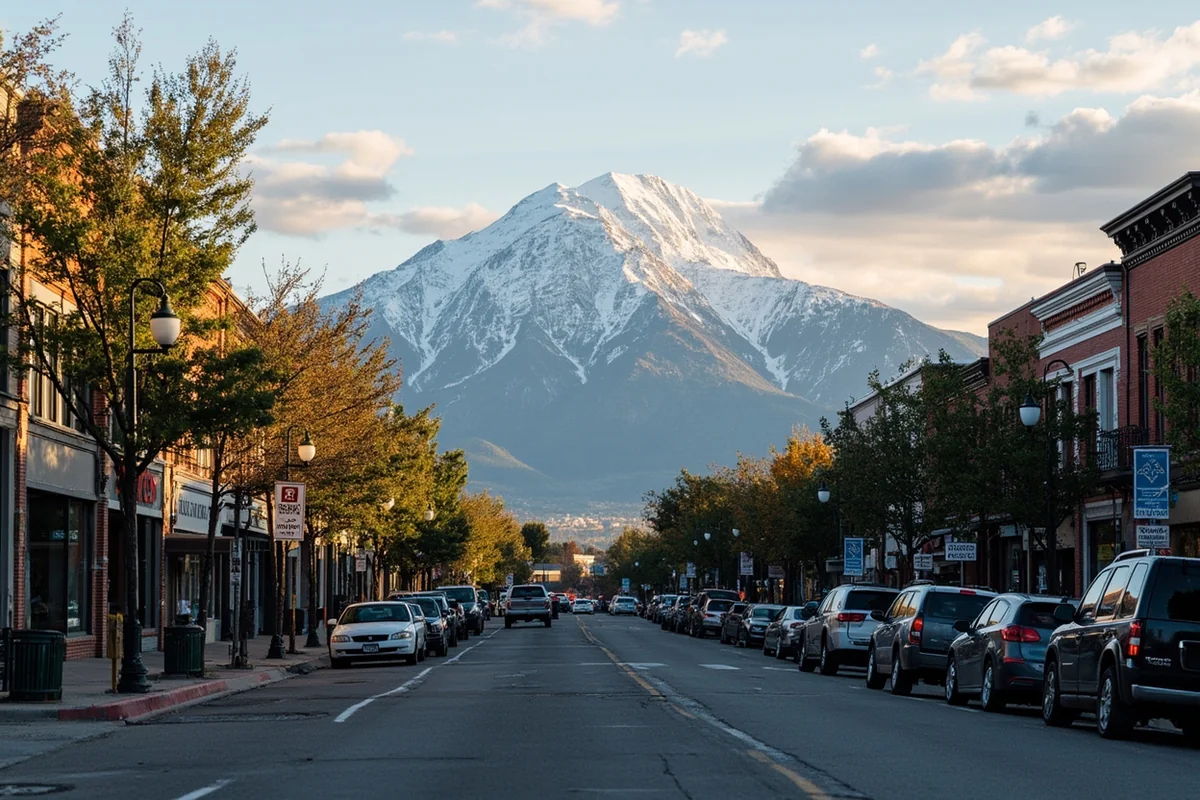
Hamilton, the Bitterroot Valley’s largest town (population 5,000), offers a compelling blend of natural beauty and community safety. I spent a week there last spring, hiking the surrounding wilderness and getting to know the town.
The violent crime rate runs about 1.3 per 1,000, and residents expressed genuine surprise when I asked about safety concerns. “We worry more about mountain lions than criminals,” one local shopkeeper told me.
Hamilton’s Community Fabric
What makes Hamilton work is engaged citizenship. The town maintains active neighborhood watch programs, a strong Chamber of Commerce, and community events that bring people together regularly. Isolation breeds connection here.
The Ravalli County Sheriff’s Office and Hamilton Police Department coordinate effectively, providing coverage that exceeds what you’d expect for a town this size.
11. Miles City: Eastern Montana’s Anchor
Miles City (population 8,400) serves as the commercial hub for Eastern Montana ranching country. When I attended the famous Bucking Horse Sale last May, I witnessed thousands of visitors flooding a town with almost no visible security concerns.
The violent crime rate sits around 1.8 per 1,000—higher than some smaller towns but impressive for a regional center. Property crime exists but focuses primarily on agricultural equipment theft in surrounding areas, not residential break-ins.
The Cowboy Code in Action
Miles City operates on trust. During my visit, I watched ranchers leave trucks running while shopping, saw unlocked livestock trailers worth thousands parked downtown, and noticed kids walking everywhere unaccompanied. This cultural norm persists because consequences for violating trust are severe—not legally, but socially.
For anyone wondering if Montana is boring, Miles City proves that excitement and safety can coexist. The Bucking Horse Sale alone draws over 10,000 visitors annually.
12. Columbia Falls: Gateway Community Done Right
Columbia Falls (population 6,000) sits at the western entrance to Glacier National Park. Like Livingston for Yellowstone, it manages tourist traffic while maintaining small-town safety.
During my Glacier visits, I’ve stayed in Columbia Falls multiple times. The town has grown significantly but retained its working-class character and community cohesion.
Columbia Falls Safety Profile
Violent crime runs about 1.5 per 1,000. The aluminum plant that once dominated employment has reduced operations, but the community adapted without the crime increases that often accompany economic transition.
What protects Columbia Falls is authentic local culture. This isn’t a manufactured resort town—it’s a real community that happens to be near a national park. That authenticity creates accountability.
13. Big Timber: Sweet Grass County Gem
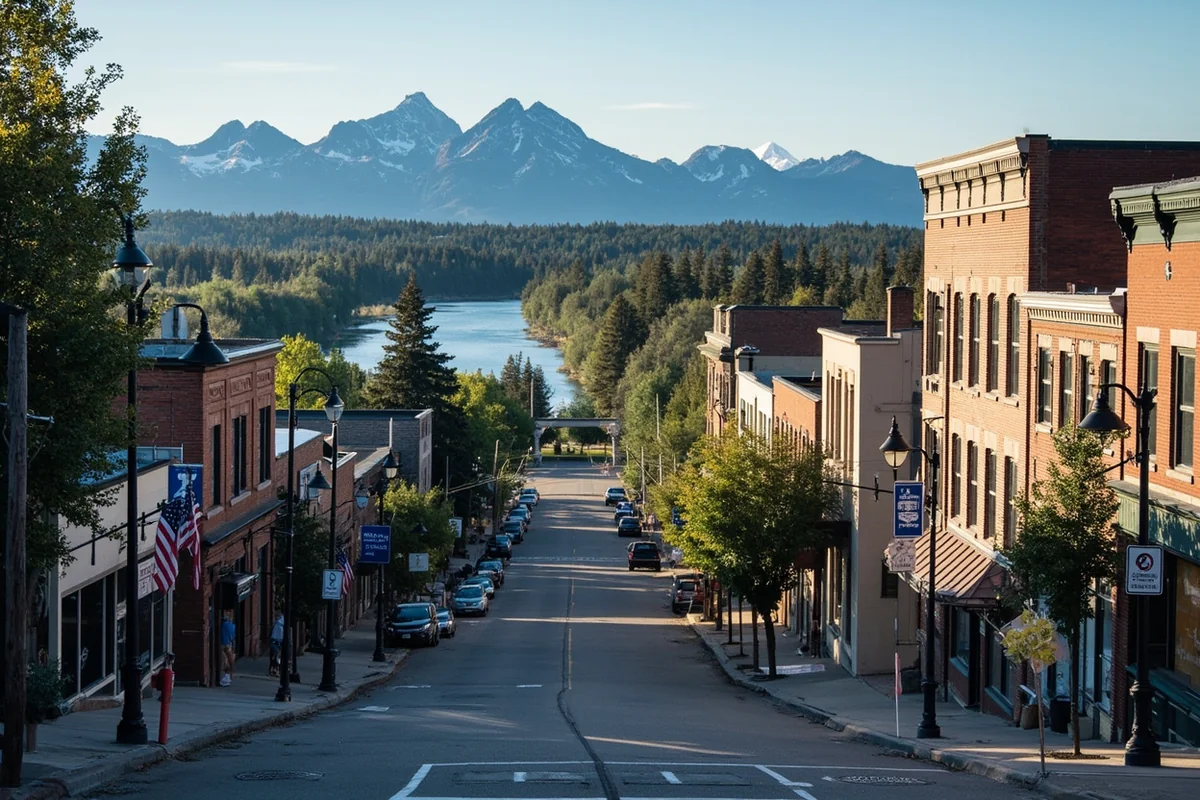
Big Timber (population 1,700) rounds out my list as perhaps the purest example of small-town Montana safety. This Sweet Grass County seat sits where the Boulder and Yellowstone Rivers meet, surrounded by stunning mountain scenery.
I stopped in Big Timber during a drive from Bozeman to Billings and ended up staying overnight because the town charmed me completely. The Grand Hotel, a historic property downtown, offered rooms for under $100—and the bartender left the cash register unattended while helping another guest.
Big Timber’s Remarkable Statistics
The violent crime rate is essentially zero—some years record none at all. Property crime occurs occasionally but almost always involves known individuals, making resolution straightforward.
What makes Big Timber special is scale. At 1,700 residents, anonymity doesn’t exist. Everyone knows your vehicle, your routine, your family. For some, this feels intrusive; for others, it’s the ultimate security system.
Understanding Montana Safety Beyond Statistics
The Role of Geography
One factor consistently emerges when analyzing Montana’s safest communities: isolation matters. Towns far from interstate highways and major population centers simply experience less crime. Montana’s low population density creates natural barriers to criminal activity.
However, isolation cuts both ways. Emergency response times can be significant in rural areas. During my travels, I’ve met residents who live 45 minutes from the nearest hospital. Self-reliance isn’t optional here—it’s required.
Economic Stability and Crime
Montana’s safest communities share economic stability, whether from agriculture, tourism, government employment, or energy production. Towns experiencing economic stress—particularly those that boomed and busted with resource extraction—often show higher crime rates.
This connects to the cheapest places to live in Montana: affordability sometimes correlates with lower economic opportunity, which can impact safety. Finding the balance between affordable and safe requires careful research.
Community Culture and Social Cohesion
Every safe community I’ve visited in Montana shares one characteristic: strong social bonds. People know their neighbors, participate in community events, and maintain informal watchfulness without being suspicious or unwelcoming.
This culture extends to how communities treat newcomers. I’ve been welcomed warmly across Montana, but acceptance requires engagement. Moving to a small Montana town and keeping to yourself won’t work—community participation is expected and appreciated.
Practical Safety Tips for Montana Communities
| Safety Concern | Reality Check | Practical Tip |
|---|---|---|
| Vehicle Break-ins | Common at trailheads and tourist areas | Never leave valuables visible; use trunk |
| Wildlife Encounters | More dangerous than crime in most areas | Carry bear spray; know animal behavior |
| Winter Driving | Major safety risk October-April | Proper tires; emergency kit always |
| Rural Emergencies | Response times can exceed 30 minutes | Basic first aid knowledge essential |
| Natural Disasters | Wildfires and flooding occur seasonally | Monitor conditions; have evacuation plan |
Understanding Montana’s natural disasters is crucial because environmental hazards often pose greater risks than crime. Similarly, knowing about Montana’s wildfire situation helps you prepare for real dangers.
Special Considerations for Different Groups
Families with Children
Montana’s safest communities offer exceptional environments for raising kids. The best school districts in Montana often overlap with the safest towns, not coincidentally. Communities that prioritize education typically prioritize safety too.
Many families I’ve spoken with cite the freedom their children enjoy as a primary benefit. Kids walk to school, ride bikes around town, and play outside unsupervised in ways that seem almost nostalgic to visitors from larger cities.
Retirees
For those exploring Montana retirement communities, safety often ranks as a top priority. The towns on this list all offer environments where seniors can live independently with reasonable confidence.
Healthcare access varies significantly, however. Before relocating, verify proximity to medical facilities appropriate for your needs.
LGBTQ+ Residents and Visitors
Safety encompasses more than just crime statistics. For LGBTQ+ individuals, understanding whether Montana is LGBTQ-friendly matters tremendously. Larger communities like Bozeman and Missoula offer more visible acceptance and LGBTQ+ organizations, while smaller towns vary considerably.
My honest assessment: most Montana communities are live-and-let-live, but visible LGBTQ+ culture concentrates in university towns and larger cities.
Diverse Communities
Montana remains one of America’s least diverse states demographically. For those interested in Montana’s African American community and other minority populations, larger cities offer more established communities and support networks.
The Honest Downsides of Montana Safety
I’d be doing you a disservice if I only presented the positive aspects. Here’s what the safety statistics don’t tell you:
Isolation Can Be Dangerous
The same remoteness that reduces crime creates real risks. Winter storms can strand you for days. Medical emergencies become life-threatening when hospitals are distant. Areas with the most snow require serious preparation and self-sufficiency.
Substance Abuse Issues
Montana struggles with alcohol and methamphetamine abuse, particularly in rural areas. While this doesn’t always translate to violent crime affecting strangers, it shapes community dynamics and can impact property crime rates.
Domestic Violence
Montana’s domestic violence rates run higher than national averages—a troubling counterpoint to low stranger-violence rates. The isolation that protects communities from outside threats can also trap vulnerable individuals.
Making Your Decision
If you’re weighing the pros and cons of living in Montana, safety should be a positive factor for most communities. The reasons to move to Montana are numerous, and personal safety ranks high among them.
Remember that no place is perfectly safe. What Montana offers is a different risk profile than urban America—fewer crimes against persons, more environmental hazards, greater self-reliance requirements.
Whether you’re visiting or considering becoming one of the people Montanans call their neighbors, these 13 communities represent the best of what Big Sky Country offers for security and peace of mind.
The reasons Montana captures hearts go beyond safety, of course. But knowing you can walk downtown at midnight, leave your doors unlocked, and trust your neighbors to watch out for you? That’s increasingly rare in America—and Montana delivers it consistently.
If you’re curious about Montana’s tax situation while researching potential moves, you’ll be pleased to learn about the Montana sales tax situation—it’s one less thing to worry about. And for those interested in daily life details, the answer to whether Montana grocery stores sell liquor might surprise you.
For the adventurous, homesteading in Montana remains viable, and the safest communities on this list often have surrounding land available for those seeking true rural independence.
Montana isn’t for everyone. Some find it too isolated, others can’t handle the booming prices in popular areas. A few newcomers even consider it among the worst places to live after struggling with the adjustment.
But if safety, community, and natural beauty matter to you, these 13 towns represent Montana at its finest. I’ve visited each one, talked with residents, walked the streets, and studied the data. They’re genuinely safe places in an increasingly uncertain world.
And that, ultimately, is worth quite a lot in today’s America.
Frequently Asked Questions
What is the safest city to visit in Montana for solo travelers?
Whitefish consistently ranks as one of Montana’s safest cities for solo travelers, with low crime rates and a welcoming small-town atmosphere. I found the downtown area extremely walkable, and locals are genuinely friendly and helpful to visitors exploring on their own.
Are Montana’s small towns safe to visit at night?
Most of Montana’s safest small towns like Bozeman, Helena, and Livingston are very safe to walk around after dark, with violent crime rates well below national averages. That said, I always recommend staying aware of your surroundings and sticking to well-lit main streets, especially if you’re unfamiliar with the area.
What is the best time of year to visit Montana’s safest cities?
The best time to visit Montana’s safe cities is June through September when weather is mild, roads are clear, and most attractions are open. If you’re visiting mountain towns like Whitefish or Big Sky, winter (December-March) is ideal for skiing, though you’ll need to budget for snow gear and potentially higher lodging costs around $150-300 per night.
How far apart are Montana’s safest towns and cities?
Montana is massive, so distances between safe towns can be significant—for example, Bozeman to Whitefish is about 280 miles (roughly 4.5 hours driving). I recommend planning no more than 2-3 destinations per week to avoid spending your entire trip in the car and to truly experience each community.
What should I pack when visiting small towns in Montana?
Pack layers regardless of season, as Montana weather can shift dramatically within hours—I’ve experienced 40-degree temperature swings in a single day. Bring sturdy walking shoes, sunscreen, a reusable water bottle, and bear spray if you plan to hike near any of these towns, which typically costs around $35-50 at local outdoor shops.
How much does it cost to visit Montana’s safest cities for a week?
A week-long trip to Montana’s safest cities typically costs $1,500-2,500 per person including mid-range lodging, meals, gas, and activities. Towns like Hamilton and Dillon tend to be more affordable than popular destinations like Bozeman or Whitefish, where hotel rates can exceed $200 per night during peak season.
Are Montana’s safe small towns welcoming to out-of-state visitors?
Montana’s safest small towns are generally very welcoming to visitors, though locals appreciate when travelers respect the laid-back pace and natural surroundings. I’ve found that showing genuine interest in local history, shopping at small businesses, and following outdoor ethics goes a long way in making positive connections with residents.
Sources