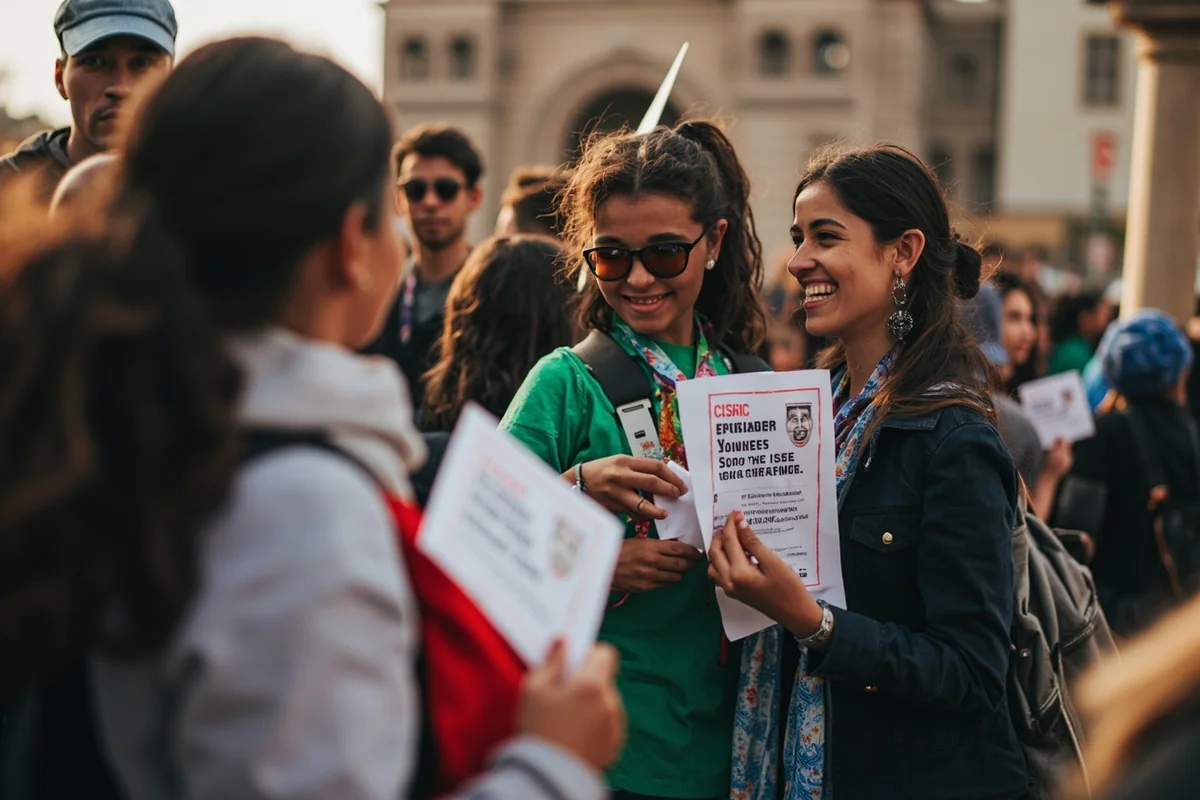
I was standing in a coffee shop in Missoula last October when a stranger noticed my rainbow pin and struck up a conversation that changed my entire perspective on queer life in Montana.
“People think we don’t exist out here,” she laughed, sliding a flyer across the table for a local Pride event. That moment crystallized something I’d been discovering throughout my years exploring Montana Living—this state has a vibrant, resilient LGBTQ community that’s often overlooked by outsiders passing through.
Whether you’re planning to visit, relocate, or simply want to understand the landscape better, knowing where to find community can transform your Montana experience.
If you’re wondering is Montana LGBTQ friendly, the answer is nuanced—and these organizations are a big part of what makes certain pockets of Big Sky Country genuinely welcoming.
- Montana has active LGBTQ organizations in Missoula, Bozeman, Helena, Billings, and statewide
- Western Montana (especially Missoula) tends to have the most established community infrastructure
- Pride celebrations happen across the state from May through September
- University towns offer the most visible support systems and gathering spaces
- Statewide advocacy groups work on policy while local orgs focus on direct community support
- Many organizations welcome travelers and can help connect visitors with community events
Liked this article?
Add Roaming Montana as a preferred source so you see more of our articles and guides on Google.
Understanding Montana’s LGBTQ Landscape
Before diving into specific organizations, I think it’s important to share some context I’ve gathered over multiple trips and countless conversations with locals. Montana isn’t a monolith when it comes to LGBTQ acceptance—there’s significant variation between communities.
During my travels across the state, I’ve found that best places to live in Montana for LGBTQ individuals tend to cluster around university towns and larger population centers. The Montana population is spread thin across a massive geographic area, which presents both challenges and opportunities for community building.
Western Montana, particularly Missoula, has developed the most robust LGBTQ infrastructure over decades. But I’ve been pleasantly surprised by growing visibility in places like Billings and even some smaller communities where dedicated individuals have carved out welcoming spaces.
The organizations I’m profiling represent years of grassroots work, often sustained by volunteers with day jobs who simply refused to let their communities remain invisible. Many have survived and thrived despite operating in a state where legislative protections remain limited.
1. Western Montana LGBTQ+ Community Center (Missoula)
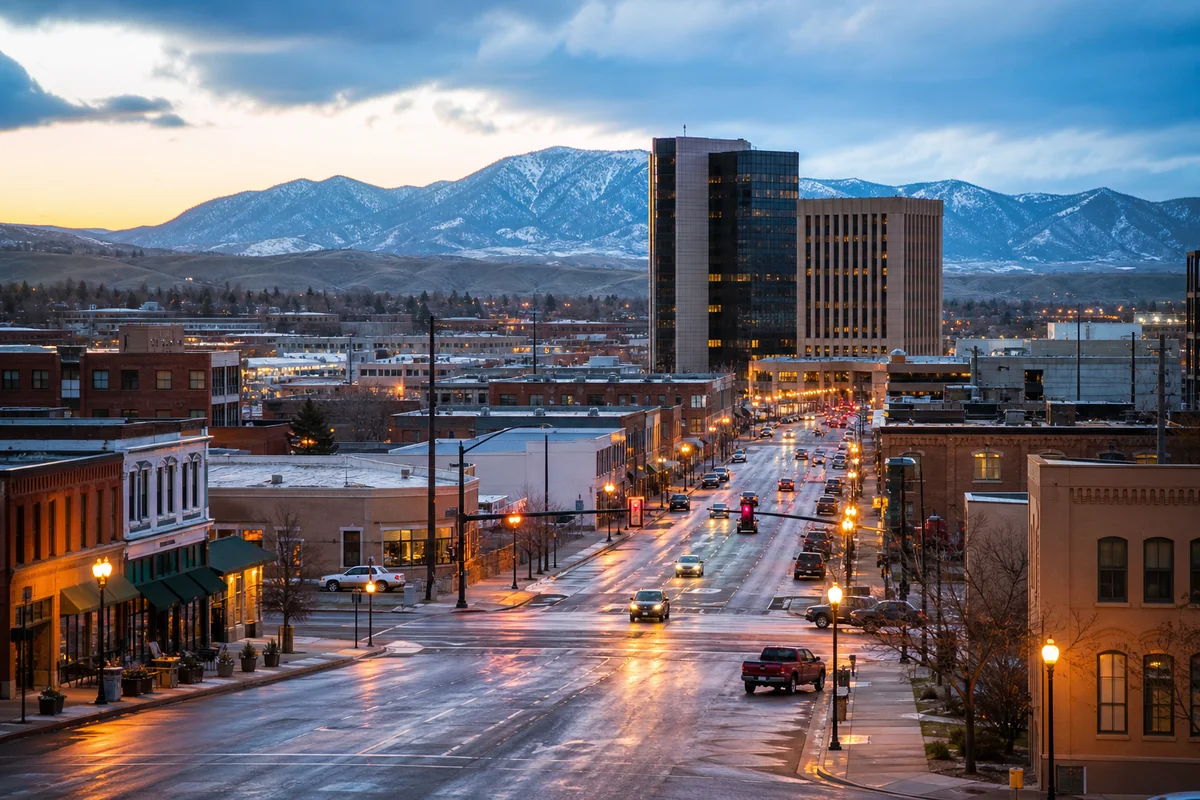
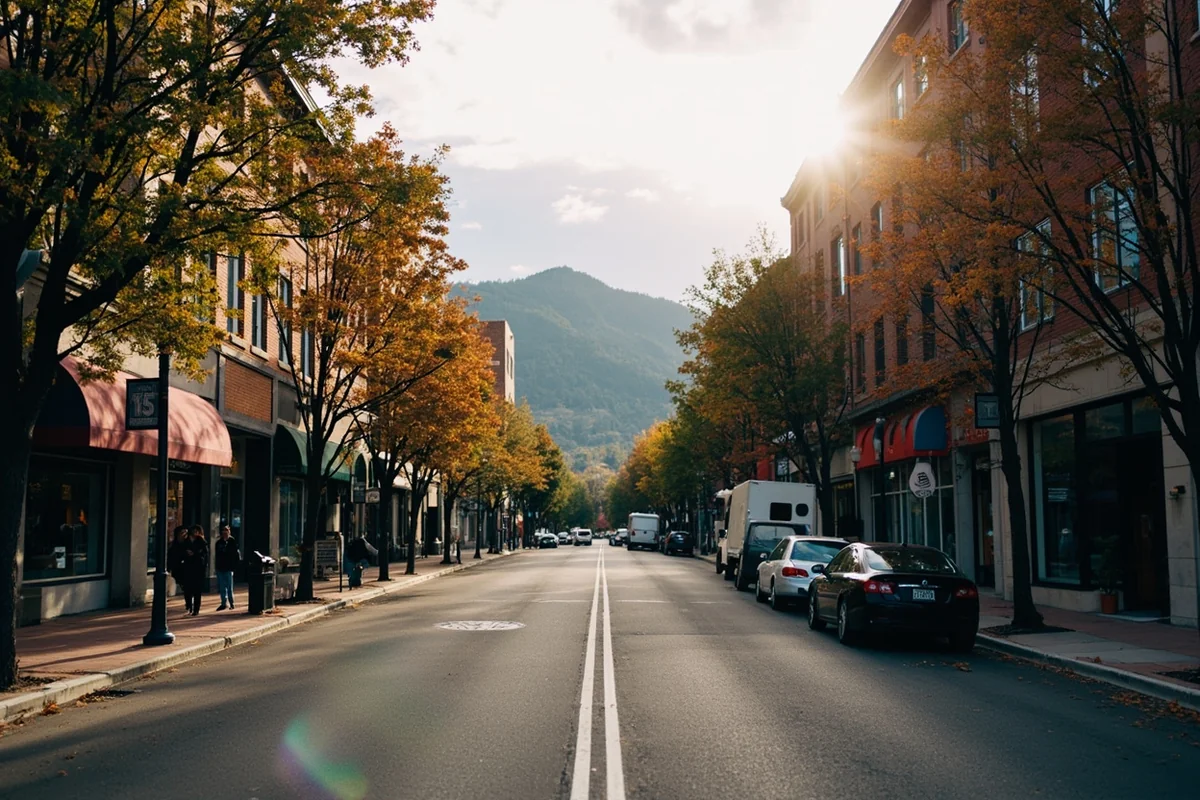
Walking into the Western Montana LGBTQ+ Community Center for the first time during my visit last spring felt like finding an oasis. Located in downtown Missoula, this organization has become the beating heart of queer community life in western Montana.
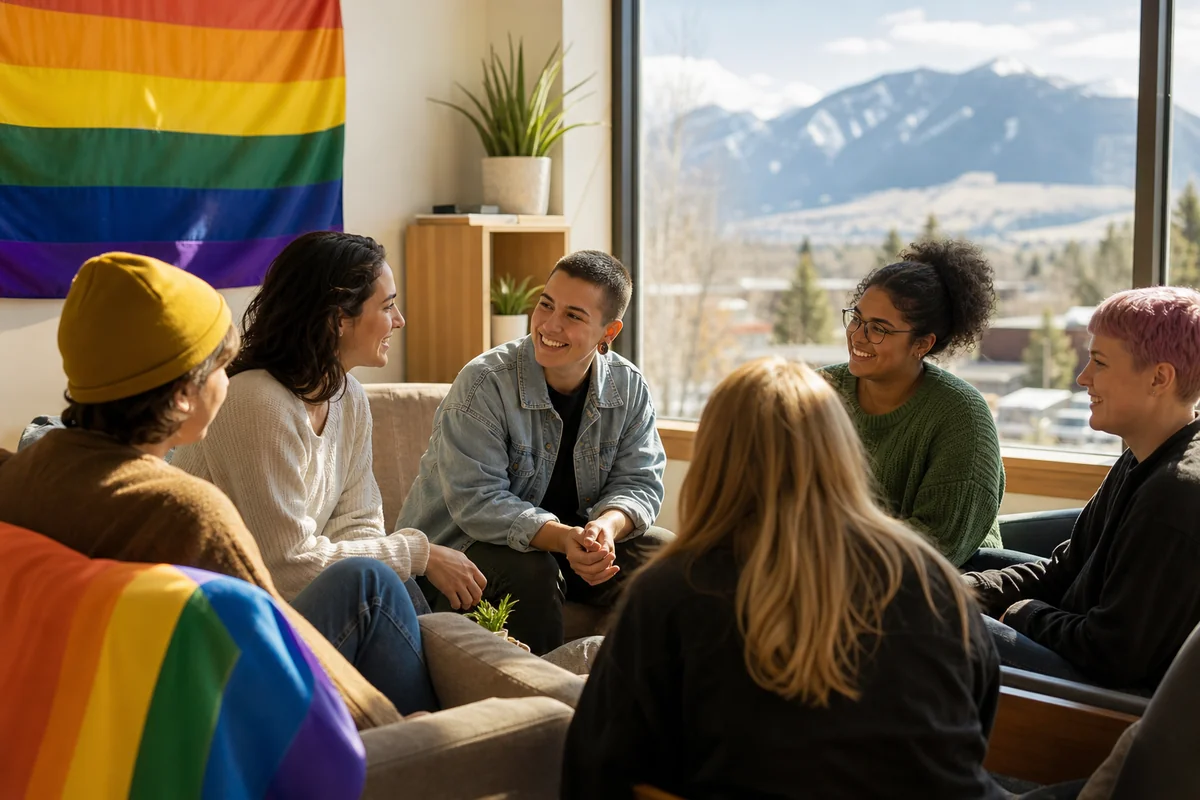
The center operates out of a welcoming physical space that hosts everything from support groups to movie nights. When I stopped by on a Thursday evening, there was a trans support group meeting in one room while a book club discussed queer literature in another.
What They Offer
The programming here impressed me with its breadth. They run regular support groups for different demographics—youth groups, groups for parents of LGBTQ kids, trans-specific meetups, and general community gatherings.
Their resource library includes books, films, and educational materials that anyone can access. Staff can also connect people with LGBTQ-friendly healthcare providers, therapists, and other services—information that’s invaluable if you’re new to the area.
During Pride season, this center becomes command central for Missoula’s celebrations. I attended their Pride kickoff event last June and was genuinely moved by the multigenerational crowd that showed up—from teenagers to folks who’d been fighting for queer rights in Montana since the 1970s.
Practical Information
| Detail | Information |
|---|---|
| Location | Downtown Missoula |
| Best For | Community connection, support groups, resources |
| Visitor Friendly | Yes—drop-ins welcome during open hours |
| Events | Weekly programming, monthly social events |
If you’re visiting Missoula and want to connect with the community, this is your first stop. The staff I met were genuinely warm and seemed practiced at welcoming newcomers, whether they were tourists or potential transplants exploring the pros and cons of living in Montana.
2. Pride Foundation (Regional with Montana Focus)
While Pride Foundation operates across the Pacific Northwest and Mountain West, their Montana work has been transformative. I first learned about them through a scholarship recipient I met at a community event in Helena.
This organization distributes grants to LGBTQ individuals and organizations throughout Montana, funding everything from Pride events in small towns to educational opportunities for queer students.
When I researched the best colleges in Montana, several LGBTQ students mentioned Pride Foundation scholarships as crucial support.
Their Approach
What strikes me about Pride Foundation is their investment in Montana despite the challenges. They’ve funded grassroots organizers in communities where being openly queer still carries real social risk.
During my conversation with a former grant recipient in Bozeman, she explained how a small Pride Foundation grant helped launch her town’s first-ever LGBTQ social group. “They believe in Montana when a lot of national organizations write us off,” she told me.
They also maintain a robust scholarship program for LGBTQ students attending Montana schools. Given the Montana cost of living challenges and limited in-state financial aid options, these scholarships can be life-changing.
How Travelers Can Engage
If you’re visiting Montana and want to support the LGBTQ community, Pride Foundation accepts donations specifically designated for Montana work. You can also attend their occasional Montana-based events, which offer great networking opportunities.
3. Montana Gender Alliance
The Montana Gender Alliance holds a special place in my heart after attending one of their support group sessions during a Billings trip two years ago. This organization focuses specifically on supporting transgender, nonbinary, and gender-diverse Montanans—a community that faces particular challenges in rural America.
The Work They Do
What impressed me most was their practical focus. Yes, they provide emotional support and community connection. But they also help with concrete needs: navigating name changes, finding gender-affirming healthcare providers, accessing safe spaces.
Their peer support model connects trans individuals with others who’ve navigated similar journeys in Montana specifically. This Montana-specific knowledge matters—understanding which courts are friendliest for legal name changes, which doctors provide competent care, which towns have more accepting atmospheres.
I spoke with a trans man from rural Montana who drove three hours each way to attend their meetings. “It’s worth the drive,” he said. “These people understand what it’s like here specifically.”
Resources for Visitors
If you’re a trans traveler planning a Montana trip, the Montana Gender Alliance can be a valuable resource for identifying safe spaces, trans-friendly businesses, and healthcare access if needed. Their online presence provides information even if you can’t attend in-person events.
4. PFLAG Chapters Across Montana
PFLAG (Parents, Families, and Friends of Lesbians and Gays) operates chapters throughout Montana, providing crucial support not just for LGBTQ individuals but for their families.
I’ve attended PFLAG meetings in both Missoula and Bozeman, and each had its own character while maintaining that quintessential PFLAG warmth.
Missoula PFLAG
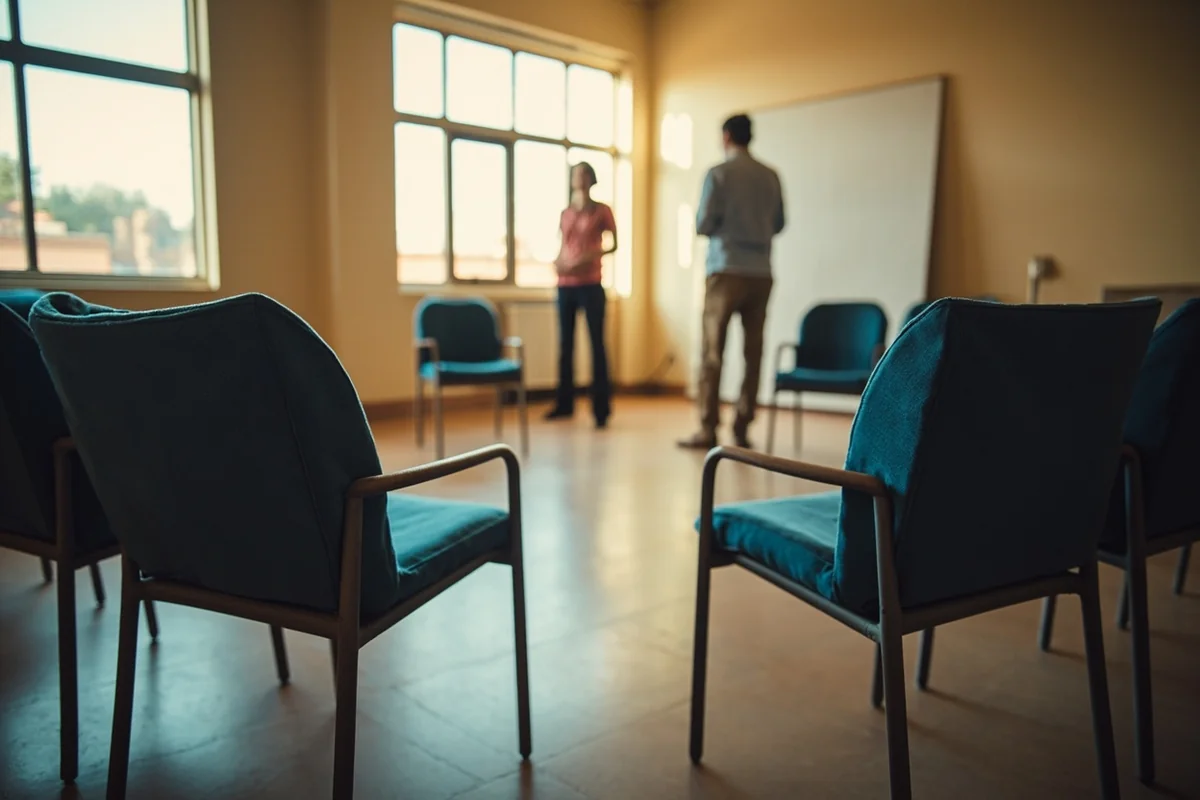
The Missoula chapter is one of Montana’s most active. They meet monthly and welcome anyone—parents struggling to understand their child’s identity, LGBTQ individuals seeking support, allies wanting to learn.
When I attended a meeting last fall, I watched a father from a conservative background ask sincere questions about his daughter’s recent coming out. The grace with which longtime members shared their own journeys was genuinely moving.
Bozeman PFLAG
Bozeman’s chapter reflects the town’s growing, younger demographic. Given that Bozeman is among Montana’s fastest growing cities, their PFLAG chapter has expanded accordingly.
They’ve developed strong connections with Montana State University, providing resources for students whose families might not be supportive. During my visit, a volunteer mentioned that several students attend meetings specifically because their own parents won’t engage with their identities.
Helena and Billings Chapters
Smaller but persistent chapters operate in Helena and Billings. These groups sometimes meet less frequently but provide vital connection points in communities with fewer LGBTQ resources.
The Billings chapter has been particularly resilient, maintaining operations in Montana’s largest city despite conservative local politics. Their presence matters—it signals that support exists even in challenging environments.
5. Forward Montana Foundation
Forward Montana Foundation isn’t exclusively an LGBTQ organization, but their LGBTQ advocacy work has been significant enough that I’d be remiss not to include them. This progressive civic engagement organization has consistently prioritized queer rights within their broader mission.
Their LGBTQ Work
What I appreciate about Forward Montana is their focus on young people. They train LGBTQ youth in advocacy and leadership skills, helping them engage with local and state politics.
During a Missoula event I attended, Forward Montana staff were actively recruiting LGBTQ individuals for their fellowship programs. “Montana’s future leaders should reflect Montana’s diversity,” one organizer explained to me.
They also do voter education work specifically targeting LGBTQ voters, helping community members understand which candidates and ballot measures affect their lives.
Why This Matters for Visitors
If you’re considering relocating to Montana—and many visitors exploring the reasons to move to Montana eventually do—understanding the political advocacy landscape helps you know what you’re getting into. Forward Montana represents the organized progressive infrastructure working to make the state more welcoming.
6. Montana Human Rights Network
The Montana Human Rights Network has been doing civil rights work in this state since 1990, and their LGBTQ advocacy has been a consistent thread throughout. I first encountered their work through a report they published on anti-LGBTQ hate groups operating in Montana—sobering but essential reading.
What Sets Them Apart
This organization takes a research-and-education approach that complements the direct-service work of other groups. They monitor extremist activity, track legislation affecting LGBTQ Montanans, and produce detailed analyses that inform advocacy statewide.
When I interviewed a staff member in Helena, she emphasized their focus on connecting dots. “We help people understand that attacks on LGBTQ rights don’t happen in isolation—they’re connected to broader patterns of intolerance.”
Their reports have been cited by national media and have helped Montana’s LGBTQ community anticipate and respond to legislative threats. In a state where a small legislature can move fast, this early warning function proves invaluable.
Getting Involved
Montana Human Rights Network welcomes supporters from anywhere. Their email updates keep interested parties informed about Montana-specific issues, and they occasionally host public events that visitors can attend.
7. LGBTQ Student Organizations at Montana Universities
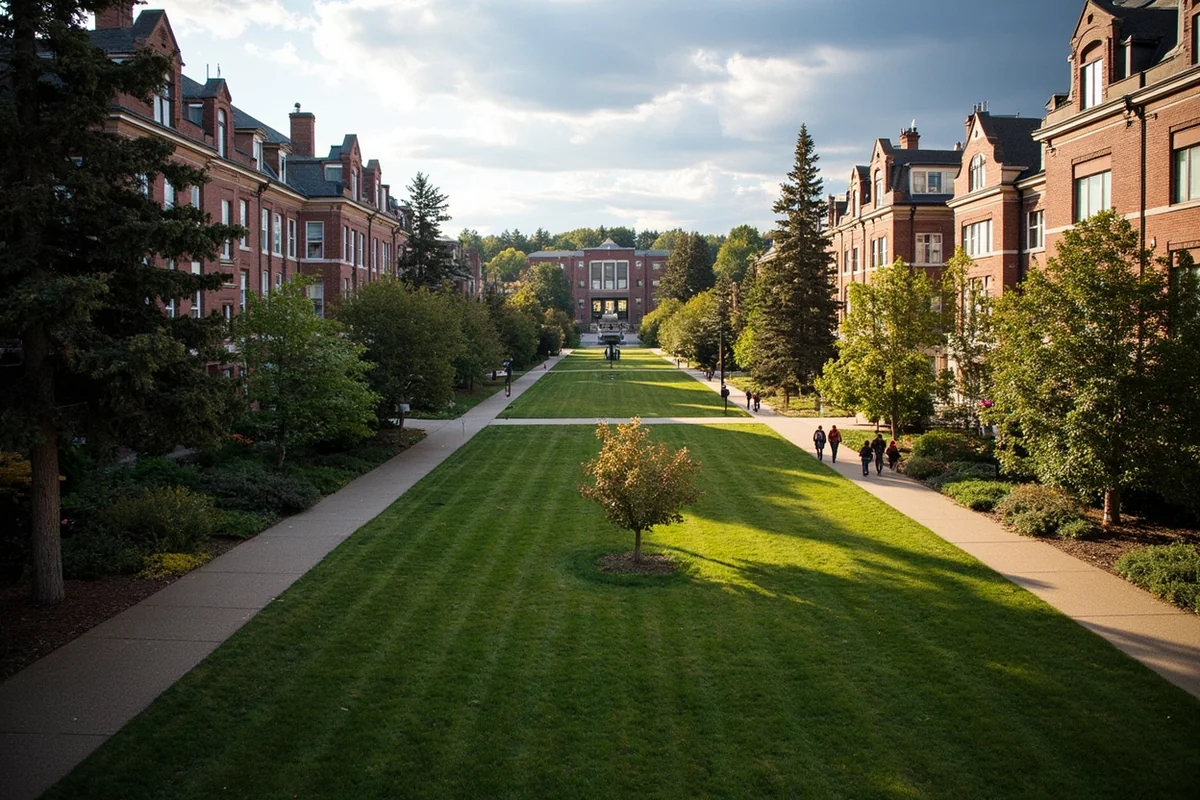
Montana’s university campuses host some of the state’s most active LGBTQ communities. I’ve visited student organizations at University of Montana and Montana State University, and both impressed me with their energy and resilience.
University of Montana (Missoula)
UM’s LGBTQ community benefits from Missoula’s generally progressive atmosphere. The Lambda Alliance has operated for decades, providing social events, support resources, and advocacy training.
The university also maintains a Diversity Council that includes LGBTQ representation and has implemented some protective policies for queer students. When I spoke with students there, most reported feeling relatively safe—though several mentioned being more cautious when leaving Missoula for other parts of the state.
Montana State University (Bozeman)
MSU’s LGBTQ community has grown significantly alongside Bozeman’s broader expansion. The campus hosts regular events, maintains support resources through student services, and connects students with off-campus organizations.
Interestingly, several students I met at MSU had chosen Bozeman specifically because it offered a more accepting atmosphere than their home communities elsewhere in Montana. The university serves as a gateway to community for many young LGBTQ Montanans.
Both universities connect students with best school districts graduate programs in education that increasingly incorporate LGBTQ-inclusive training—a sign of shifting norms in Montana education.
8. Billings Pride and LGBTQ Organizations
Billings occupies an interesting position in Montana’s LGBTQ landscape. As the state’s largest city but also a more conservative community than Missoula or Bozeman, it presents both challenges and opportunities for community building.
Billings Pride
Billings Pride has grown steadily over the past decade, and attending their event two summers ago was eye-opening. The celebration drew several hundred participants—smaller than Missoula’s Pride but remarkable for this community.
What struck me was the mix of people present. Yes, there were young activists and out-and-proud community members. But there were also people attending their first Pride ever, some who’d driven from small towns across eastern Montana, and families supporting LGBTQ loved ones.
“Pride in Billings means something different than Pride in San Francisco,” a longtime organizer told me. “For some people, just showing up here is an act of courage.”
Billings LGBTQ Resources
Beyond Pride, Billings has several LGBTQ-friendly establishments and informal community networks. The Yellowstone AIDS Project provides HIV/AIDS services and has historically served as a gathering point for the broader LGBTQ community.
Billings is also home to healthcare providers who offer affirming care, which matters given that many LGBTQ Montanans in rural eastern regions must travel to Billings for specialized services. The community functions as a regional hub for folks who can’t easily access resources in western Montana.
9. Montana Two-Spirit Society
The Montana Two-Spirit Society represents an important intersection of LGBTQ identity and Indigenous heritage. I learned about their work through conversations with community members in Montana’s tribal communities and later attended a public event they hosted.
Understanding Their Mission
Two-Spirit is a pan-Indian term referring to Indigenous people who embody both masculine and feminine qualities—a concept that predates European colonization and the Western gender binary. Montana, home to multiple tribal nations, has always had Two-Spirit individuals, though colonization suppressed traditional acceptance.
The Montana Two-Spirit Society works to reclaim and celebrate these identities. They provide support for Two-Spirit individuals navigating both LGBTQ and Indigenous communities, host cultural events, and educate broader audiences about Two-Spirit histories and traditions.
What moved me about their work was the healing aspect. A society member explained how reconnecting with traditional Two-Spirit roles helped them reconcile their queer identity with their Indigenous heritage—a reconciliation that colonialism had made difficult.
Connecting with Two-Spirit Community
The Montana Two-Spirit Society welcomes respectful engagement from non-Indigenous allies and visitors. Their public events often include educational components that help attendees understand Two-Spirit identity within its proper cultural context.
This organization also collaborates with Montana’s tribal colleges and reservation communities, extending their reach beyond the state’s urban centers.
Practical Advice for LGBTQ Travelers in Montana
Drawing on my experiences and conversations, I want to share some practical guidance for LGBTQ visitors navigating Montana.
Best Regions for Visibility
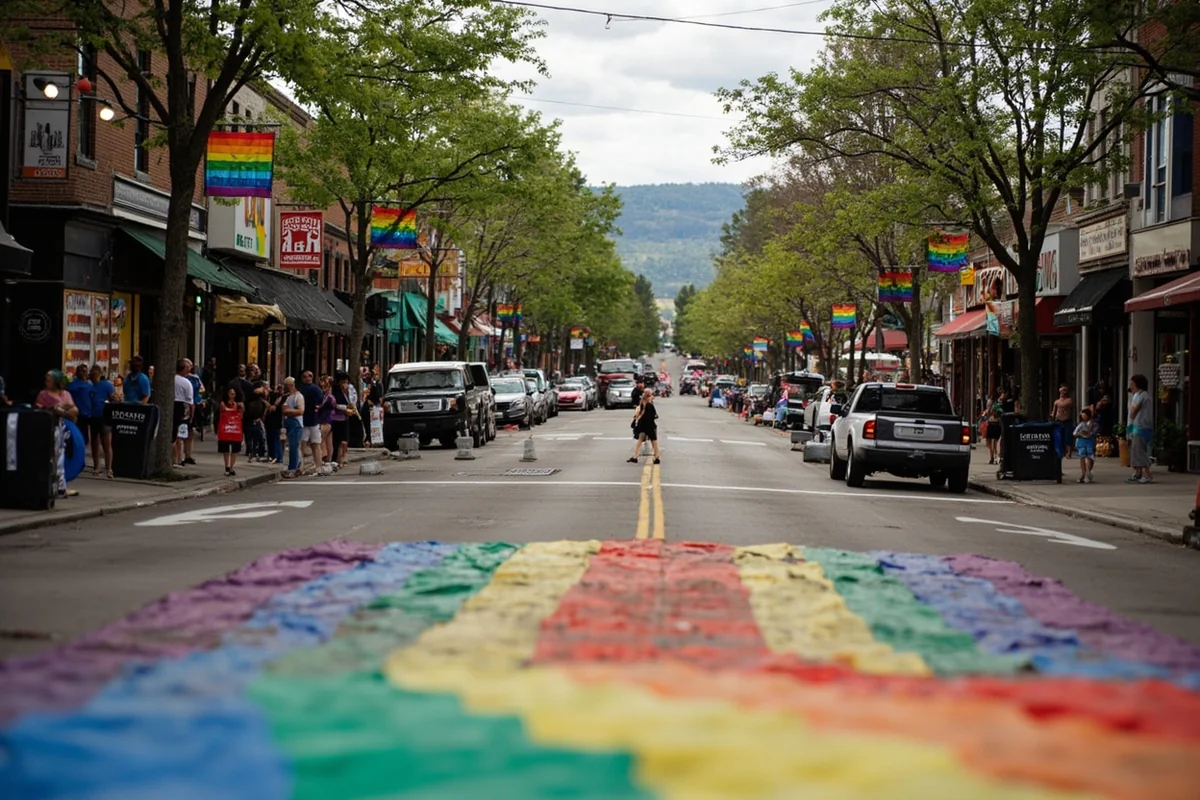
Missoula remains Montana’s most openly LGBTQ-friendly community. You’ll see rainbow flags in shop windows, queer-owned businesses operating openly, and a general atmosphere of acceptance.
Bozeman comes close, particularly in its downtown core and university area. The influx of new residents has generally increased progressive attitudes, though longtime queer Bozemanites note that growth has also brought some less tolerant newcomers.
Helena, as the state capital, has a modest but present LGBTQ community. Great Falls, Butte, and Kalispell have smaller scenes but still offer pockets of acceptance.
Rural Montana varies dramatically. Some small towns have surprisingly welcoming atmospheres—often tied to specific businesses or individuals who’ve created safe spaces. Others remain challenging environments for openly LGBTQ travelers.
Connecting with Community as a Visitor
Most organizations I’ve profiled welcome visitors at their events. If you’re traveling through and want to connect, here’s my advice:
Check social media and event calendars before your trip. Many organizations post upcoming public events that tourists can attend.
Don’t hesitate to reach out directly. I’ve found Montana’s LGBTQ organizations remarkably responsive to emails from visitors asking about community events or safe spaces.
Consider timing your visit around Pride celebrations. Missoula’s Big Sky Pride in June draws the largest crowds, but smaller Prides happen in Bozeman, Billings, Helena, and other communities throughout summer.
Safety Considerations
I want to be honest about safety without being alarmist. Montana is generally safe for LGBTQ travelers, but awareness matters.
In urban areas and tourist destinations, you’re unlikely to face problems. Most Montanans subscribe to a “mind your own business” ethos that extends to visitors’ personal lives.
In rural areas, discretion might be wise depending on circumstances. I’m not suggesting hiding who you are—just reading situations thoughtfully, as you likely already do in unfamiliar environments.
Montana doesn’t have statewide non-discrimination protections for LGBTQ individuals, which affects things like lodging refusals (rare but legally possible in some contexts). Major hotels and chain establishments aren’t likely to be problematic.
The Bigger Picture: Community Building in Big Sky Country
Spending time with these organizations has taught me something fundamental about LGBTQ life in Montana. Community here isn’t accidental—it’s deliberately created and fiercely maintained by people who refuse to be invisible.
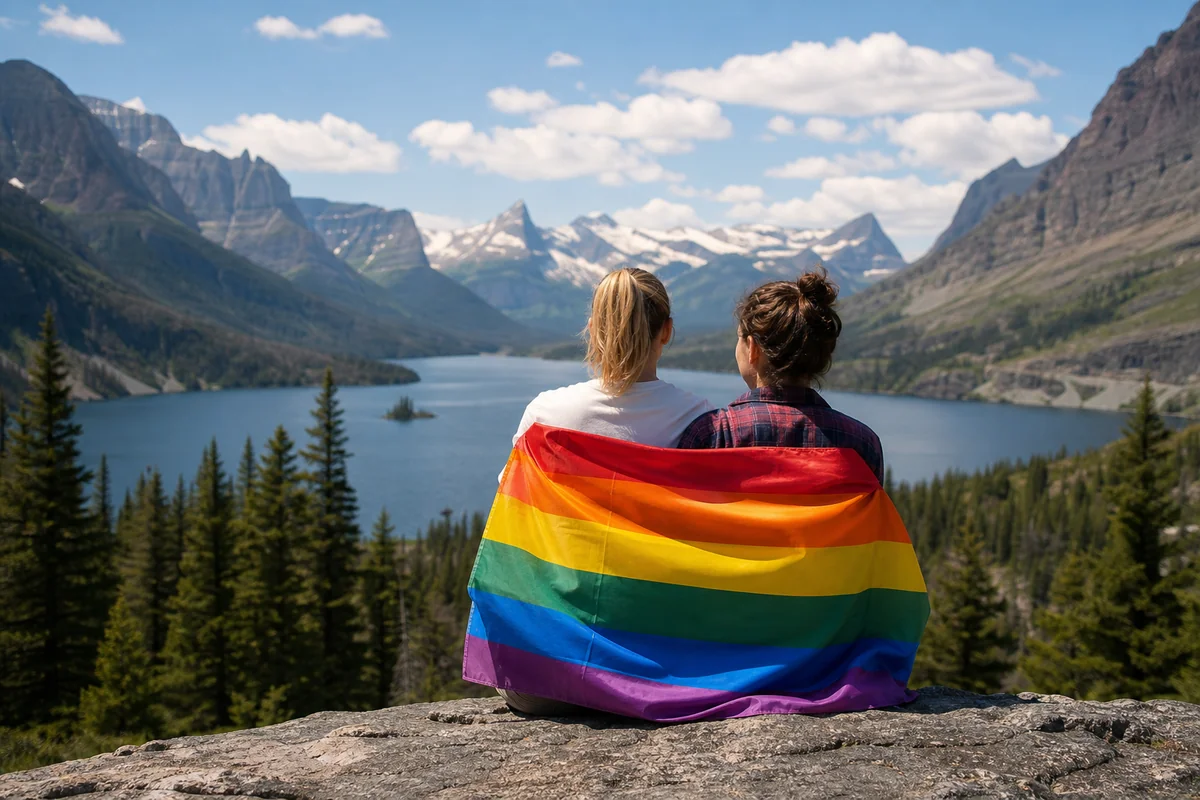
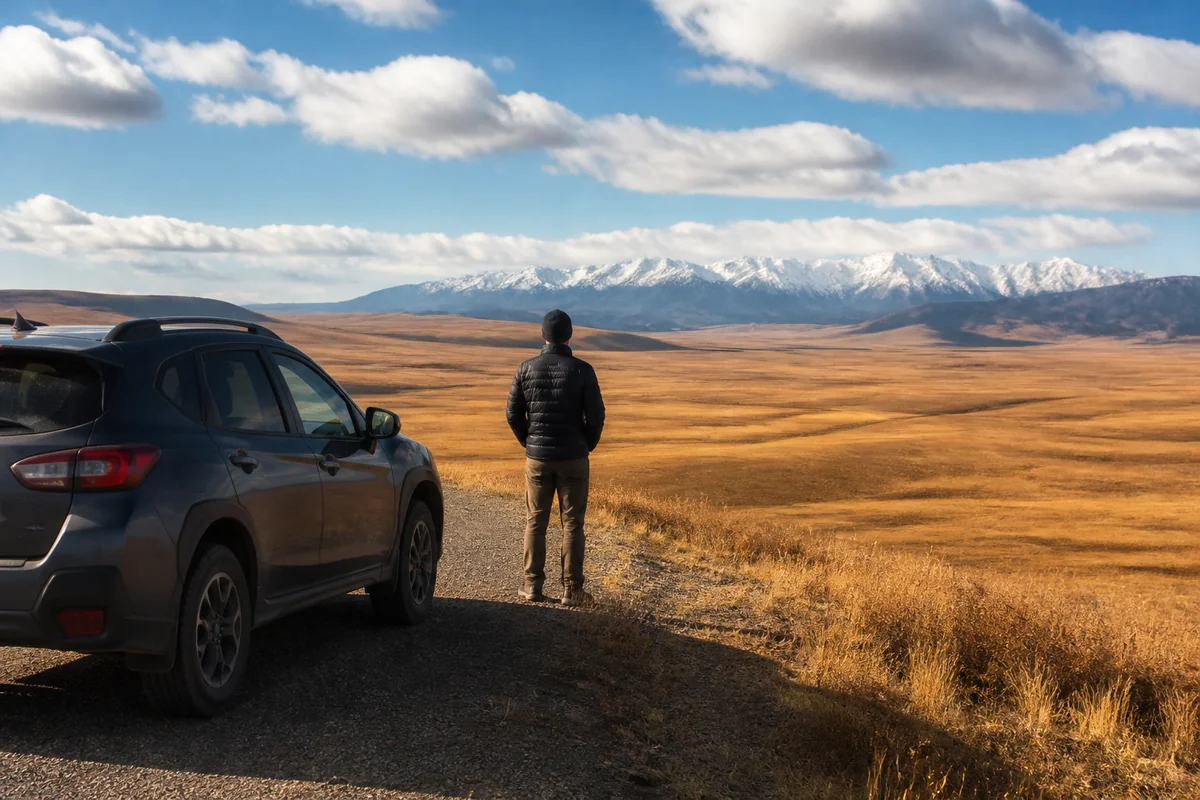
Many LGBTQ Montanans could live elsewhere. When I ask why they stay, answers often involve profound love for this landscape—the same reasons Montana will capture your heart regardless of identity. The mountains, the rivers, the endless sky—these belong to queer Montanans as much as anyone.
I’ve also noticed that LGBTQ organizations in Montana often connect with other marginalized communities. The Montana African American community, for example, shares organizing strategies and sometimes collaborates on events with LGBTQ groups. Solidarity matters in a state where minority communities of all kinds face challenges.
Looking Forward
Montana’s LGBTQ landscape continues evolving. Growing communities like Bozeman and Whitefish bring new residents—some of whom are LGBTQ—potentially shifting local cultures over time.
Younger generations of Montanans show more acceptance than their predecessors, a trend that local organizers cite as cause for cautious optimism.
The organizations profiled here represent both history and future. Some have operated for decades; others are just finding their footing. Together, they create a network that makes LGBTQ life in Montana not just possible but, in many ways, rich and meaningful.
Resources and Final Thoughts
If you’re considering not just visiting but potentially relocating, understanding LGBTQ infrastructure is crucial. Research the cheapest places to live in Montana alongside LGBTQ resources—sometimes the most affordable communities have fewer support systems.
Some people wonder is Montana boring or not—for LGBTQ travelers, community events and Pride celebrations add vibrant social opportunities you might not expect in a rural state.
For those curious about broader Montana questions, you might explore why Montana is so unpopulated or why Montana is so expensive in certain markets. These factors affect everyone, but LGBTQ individuals might weigh them differently depending on community proximity.
Montana’s LGBTQ organizations don’t just provide services—they create belonging. In a state this vast and this sparsely populated, that creation is both challenging and essential.
When I think back to that coffee shop conversation in Missoula—the stranger with the Pride flyer who saw my rainbow pin—I’m reminded that community exists wherever people choose to build it. Montana’s LGBTQ organizations are the architects of that choice, constructing welcome in a landscape that doesn’t always offer it freely.
Whether you’re visiting for a week or considering a permanent move, these organizations want to connect with you. Reach out. Show up. Add your voice to communities that thrive precisely because people like you decided they were worth finding.
Frequently Asked Questions
Is Montana a safe and welcoming destination for LGBTQ travelers?
Montana has become increasingly welcoming, especially in cities like Missoula, Bozeman, and Helena where active LGBTQ organizations have built strong community networks. I’d recommend connecting with local groups like the Western Montana LGBTQ+ Community Center before your trip to get insider tips on the most inclusive restaurants, bars, and accommodations. Rural areas can be more conservative, so researching LGBTQ-friendly businesses along your route is worthwhile.
What LGBTQ events and Pride celebrations happen in Montana throughout the year?
Montana hosts several Pride events, with Missoula Pride typically held in June and Big Sky Pride in Bozeman drawing visitors from across the state. Organizations like Pride Foundation Montana and the Montana Two Spirit Society host cultural events, film screenings, and community gatherings year-round. I suggest checking event calendars from local LGBTQ organizations about 2-3 months before your trip to plan around these celebrations.
How can LGBTQ travelers connect with local community resources while visiting Montana?
The Western Montana LGBTQ+ Community Center in Missoula is an excellent first stop, offering visitor information and connections to local events. Organizations like the Montana Gender Alliance and PFLAG chapters in Helena, Billings, and Missoula welcome travelers and can recommend LGBTQ-owned businesses. Many groups maintain active Facebook pages and websites where you can reach out before arriving.
What are the most LGBTQ-friendly cities to visit in Montana?
Missoula consistently ranks as Montana’s most LGBTQ-friendly city, with a thriving queer community, inclusive nightlife, and multiple active organizations. Bozeman follows closely with its growing LGBTQ scene near Big Sky ski resort, while Helena offers a welcoming state capital experience. These three cities are all within about 100-200 miles of each other, making a combined road trip very doable.
Are there LGBTQ-specific outdoor recreation groups or guided tours in Montana?
Several Montana LGBTQ organizations host outdoor meetups including hiking, camping, and skiing trips that welcome visitors who want to explore with like-minded travelers. Groups like Out Bozeman and Missoula’s LGBTQ community center organize seasonal outdoor activities you can join. I’d recommend reaching out 3-4 weeks before your trip to ask about upcoming group excursions to Glacier or Yellowstone.
What should LGBTQ travelers know about finding inclusive accommodations in Montana?
Many hotels in Missoula, Bozeman, and Helena openly display LGBTQ-friendly policies, and local organizations maintain lists of recommended welcoming businesses. Expect to pay $120-250 per night for inclusive hotels in major cities, with vacation rentals from LGBTQ hosts available through community networks. I always check reviews mentioning LGBTQ experiences and contact properties directly if I have concerns about their policies.
How do Montana LGBTQ organizations support transgender and non-binary visitors?
The Montana Gender Alliance specifically provides resources for transgender travelers, including information on inclusive healthcare facilities and safe spaces throughout the state. The Montana Human Rights Network tracks current legislation affecting trans visitors, which I recommend reviewing before travel. Most LGBTQ community centers in Montana have gender-neutral restrooms and staff trained in inclusive practices.
Sources
- https://www.umt.edu/asum/agencies/legal/lgbtq2s.php
- https://www2.ed.gov/about/offices/list/ocr/lgbt.html
- https://williamsinstitute.law.ucla.edu/wp-content/uploads/LGBT-Adult-US-Pop-Jul-2020.pdf
- https://www.montana.edu/communitydevelopment/lgbtq/
- https://www.umt.edu/ccfwd/resource_library/physical-health/lgbt.php
- https://youth.gov/youth-topics/lgbt