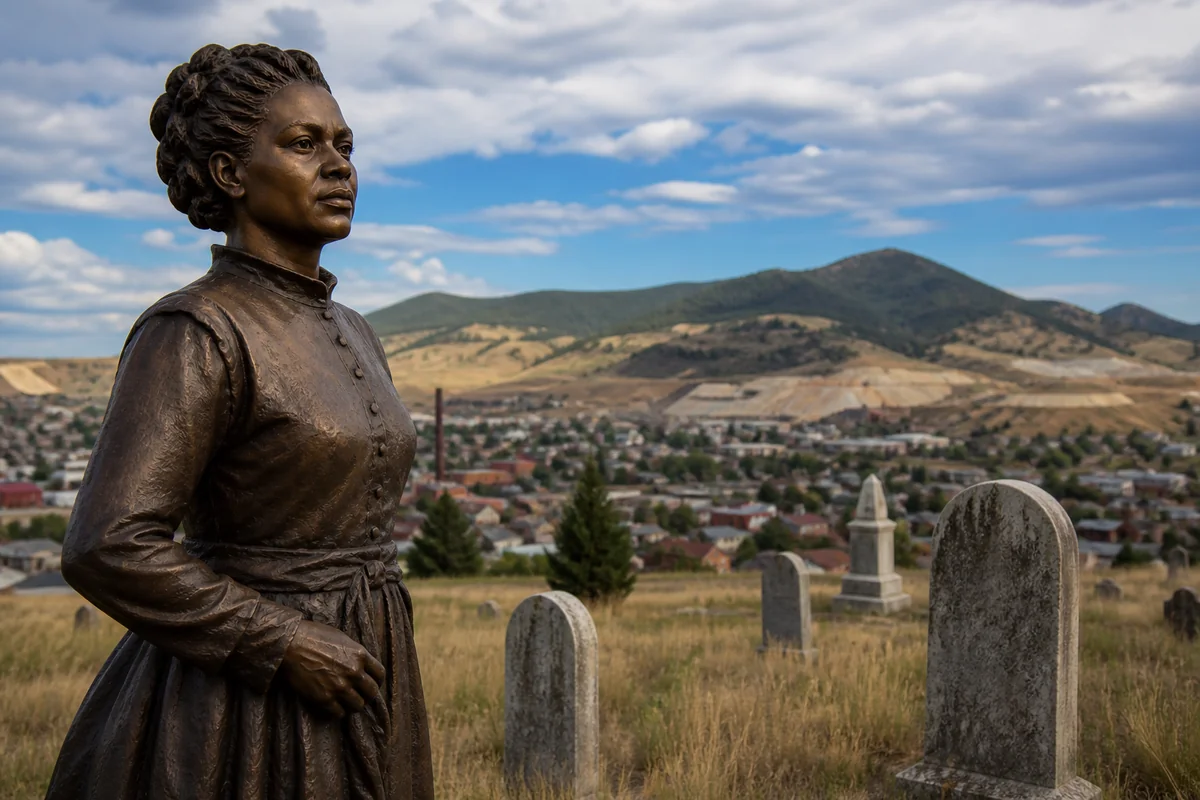
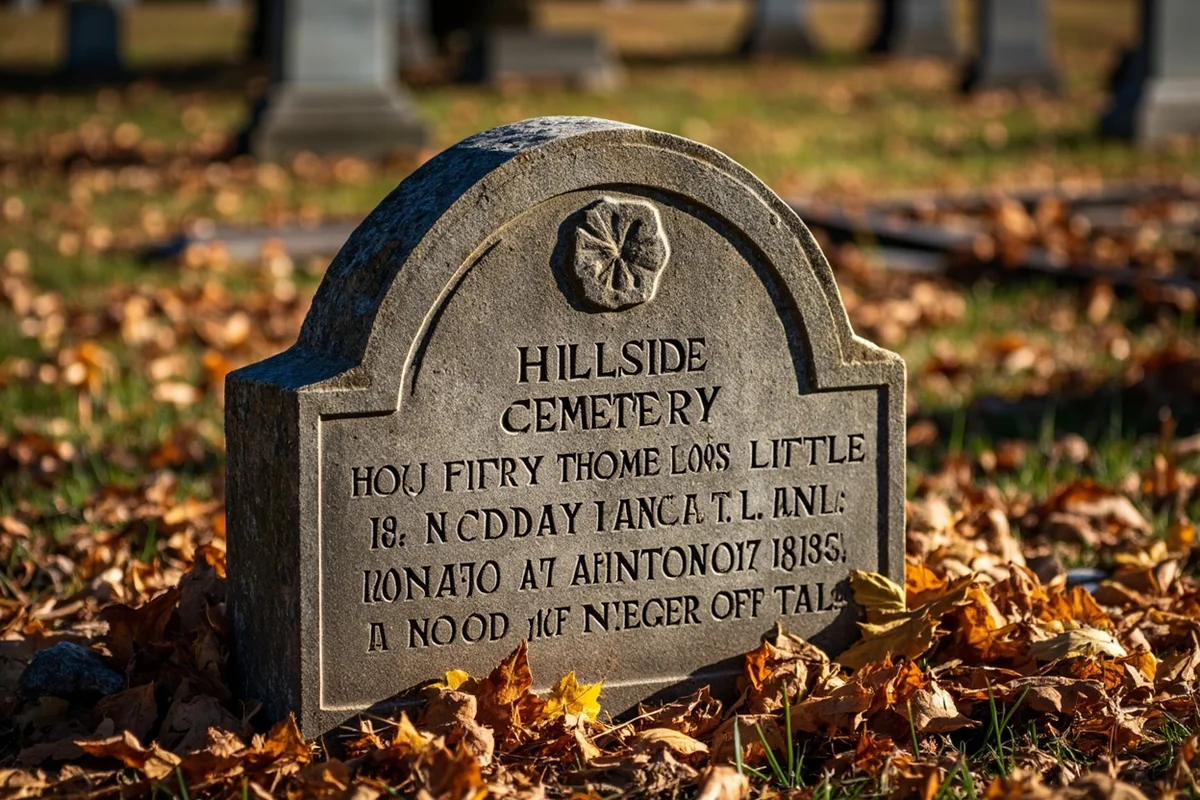
Standing in front of the weathered headstones at Hillside Cemetery in Butte last September, I traced the name “Sarah Bickford” with my fingertip and felt a chill that had nothing to do with Montana’s autumn air.
Here lies one of the state’s most remarkable pioneers—a formerly enslaved woman who became Montana’s first Black female business owner and the second woman in the entire state to own a utility company.
Her story, largely untold in mainstream travel guides, represents just one thread in the rich tapestry of Montana Living that extends far beyond the cowboy mythology most visitors expect.
- Montana’s African American community dates back to the 1860s, with deep roots in mining, ranching, and military service
- Key sites include Helena’s historic Black neighborhood, Fort Missoula’s Buffalo Soldiers interpretive center, and Butte’s preserved landmarks
- Annual events like Montana’s Black Heritage Celebration offer authentic cultural experiences
- The state’s Black population remains small (under 1%) but has a documented history spanning over 160 years
- Visitors can explore this heritage through self-guided tours, museums, and community organizations
When most people think about Montana’s population, they rarely consider its Black heritage. That’s a significant oversight—and one I’ve spent the past three years trying to correct through my travels across Big Sky Country. What I’ve discovered has fundamentally changed how I understand this state and its complex identity.
Liked this article?
Add Roaming Montana as a preferred source so you see more of our articles and guides on Google.
Why Montana’s African American History Matters to Travelers
I’ll be honest—when I first started exploring Montana extensively about five years ago, I had no idea about the depth of African American history here. Like many visitors, I came for the mountains, the rivers, and the wide-open spaces.
But during a conversation with a local historian in Helena, I learned something that stopped me in my tracks: Black pioneers were part of Montana’s story from the very beginning.
This isn’t just interesting trivia. Understanding this history transforms how you experience the state. When you know that African Americans built some of the railroads you’ll cross, mined the copper that built Butte’s grand buildings, and served as Buffalo Soldiers protecting settlers, every corner of Montana takes on new meaning.
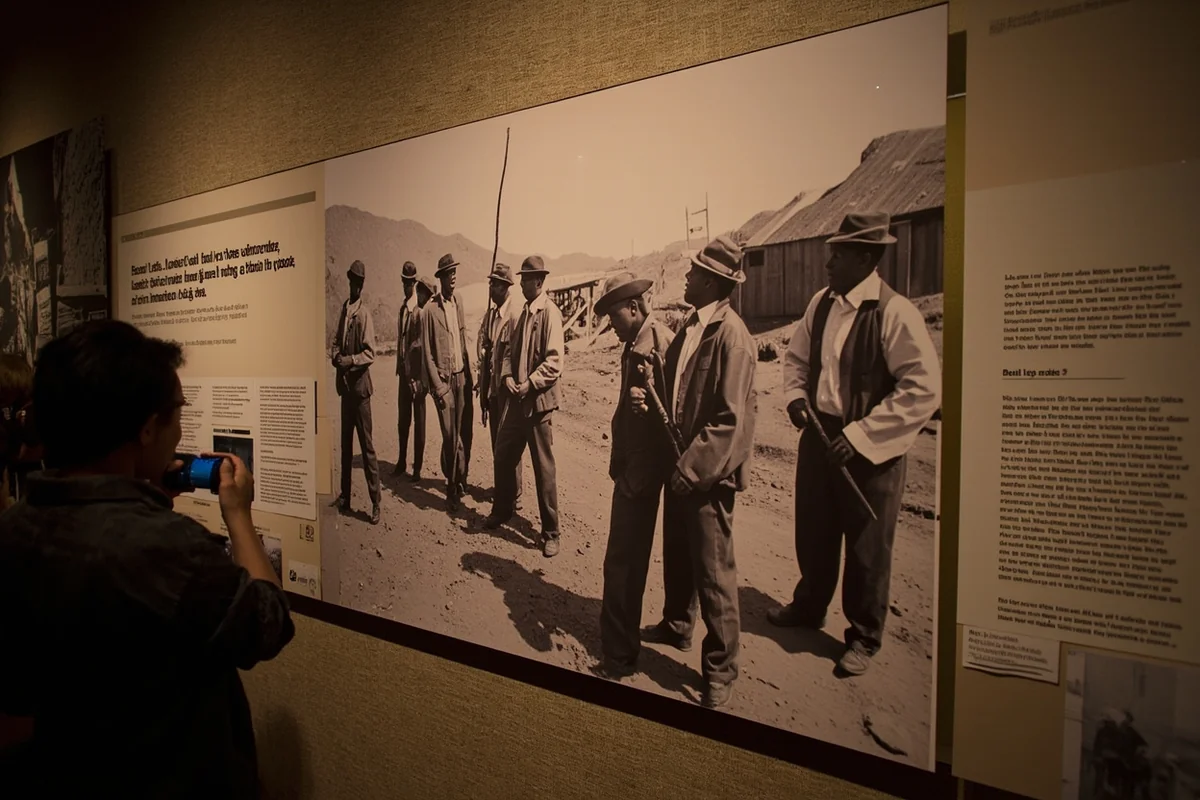
For travelers genuinely curious about American history—the whole story, not just the sanitized version—Montana offers something unexpected and valuable.
The state’s remoteness actually preserved many stories and sites that were lost elsewhere. Records survived. Buildings stood. And communities, though small, maintained their connections to their heritage.
If you’re researching the best places to live in Montana or simply planning a trip, understanding this cultural dimension adds richness to your experience that you simply won’t get from a standard travel guide focused only on hiking trails and ski resorts.
The Historical Roots: 1860s Through Early 1900s
Montana’s African American history begins with the gold rush. Yes, gold—the same force that drew thousands of fortune seekers also brought Black prospectors, entrepreneurs, and workers to the territory.
During my research at the Montana Historical Society in Helena last spring, I spent hours poring through census records and newspaper clippings that paint a vivid picture of this early community.
The Mining Era and Early Settlers
The 1860s gold strikes in places like Bannack, Virginia City, and Helena attracted people from everywhere, including African Americans escaping the oppression of the post-Civil War South.
Some came as free people seeking opportunity. Others arrived through more complicated circumstances during the final years of slavery.
What struck me most during my visits to these historic mining towns was imagining the sheer courage required. These weren’t people following an established path—they were carving one out in one of the most remote places in America.
By 1870, Montana Territory’s census recorded approximately 183 Black residents. That number may seem small, but consider the context: the entire territory’s population was under 21,000, and travel here required weeks of dangerous overland journey.
Sarah Bickford: A Pioneer’s Pioneer
I mentioned Sarah Bickford at the start of this piece, and she deserves more than a passing reference. Born into slavery in North Carolina around 1855, she made her way to Virginia City, Montana, in the 1880s. There, she did something extraordinary.
After her white husband died, Sarah inherited and successfully operated the Virginia City Water Company, making her the first African American woman business owner in Montana and only the second woman in the entire state to own a utility company.
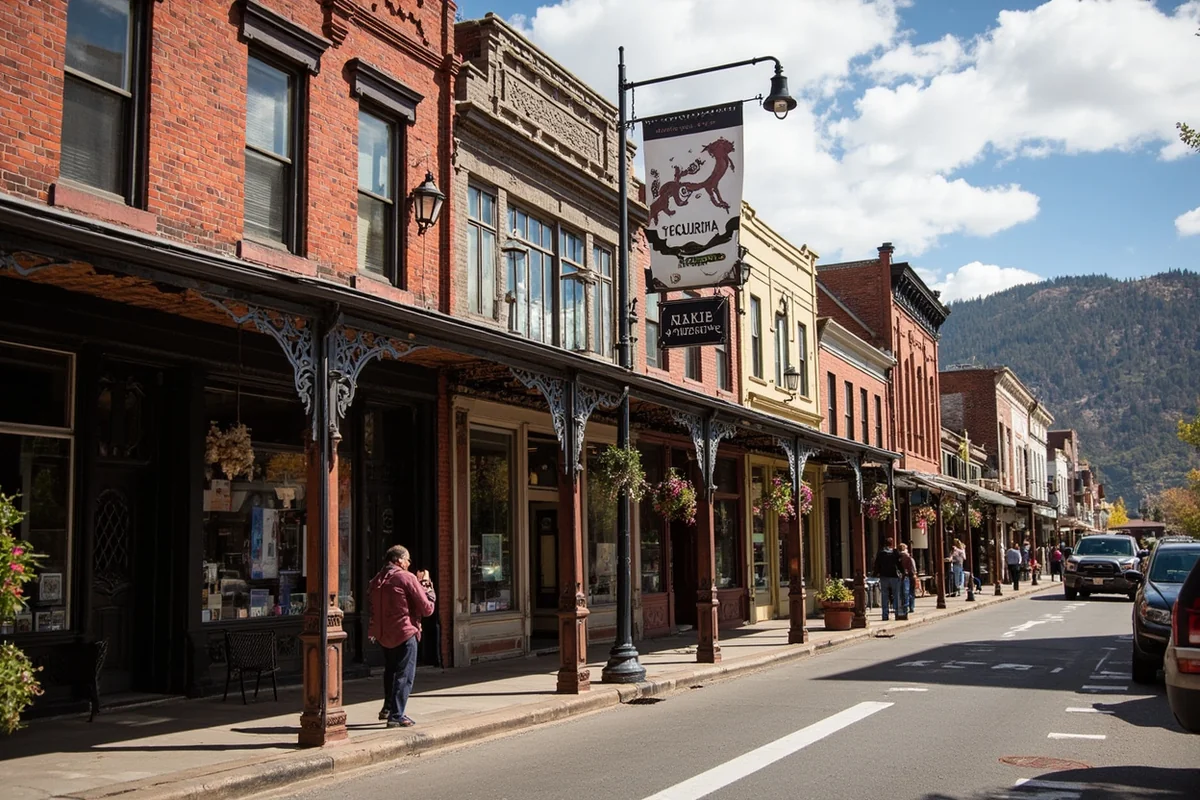
When I walked through Virginia City last summer—now preserved as a living ghost town—I tried to imagine her daily life. Managing pipes and water rights in a male-dominated frontier town.
Collecting bills from customers who may or may not have respected her. Navigating the complex racial politics of territorial Montana.
Her grave in Butte’s Hillside Cemetery is marked, but easy to miss if you don’t know where to look. I recommend visiting on a weekday when you can spend time without crowds, really absorbing the weight of what she accomplished.
The Black Neighborhoods of Helena
Helena, the state capital, developed one of Montana’s most established Black communities during the late 1800s. A concentrated neighborhood formed along Clore Street (sometimes spelled “Clare” in historical documents), which I’ve walked multiple times during my visits.
The area no longer exists as it once did—urban renewal in the mid-20th century razed much of it—but the Montana Historical Society preserves photographs, personal accounts, and artifacts from this community.
During my last visit in February, a staff historian showed me original photographs of Black-owned businesses, churches, and social clubs that thrived here.
What’s remarkable is how integrated some aspects of early Montana life were. Black barbers served white customers. Black restaurant owners fed the community regardless of color.
This wasn’t utopia—discrimination existed—but the fluid nature of frontier life sometimes created opportunities impossible in more established areas.
Buffalo Soldiers: Fort Missoula’s Vital History
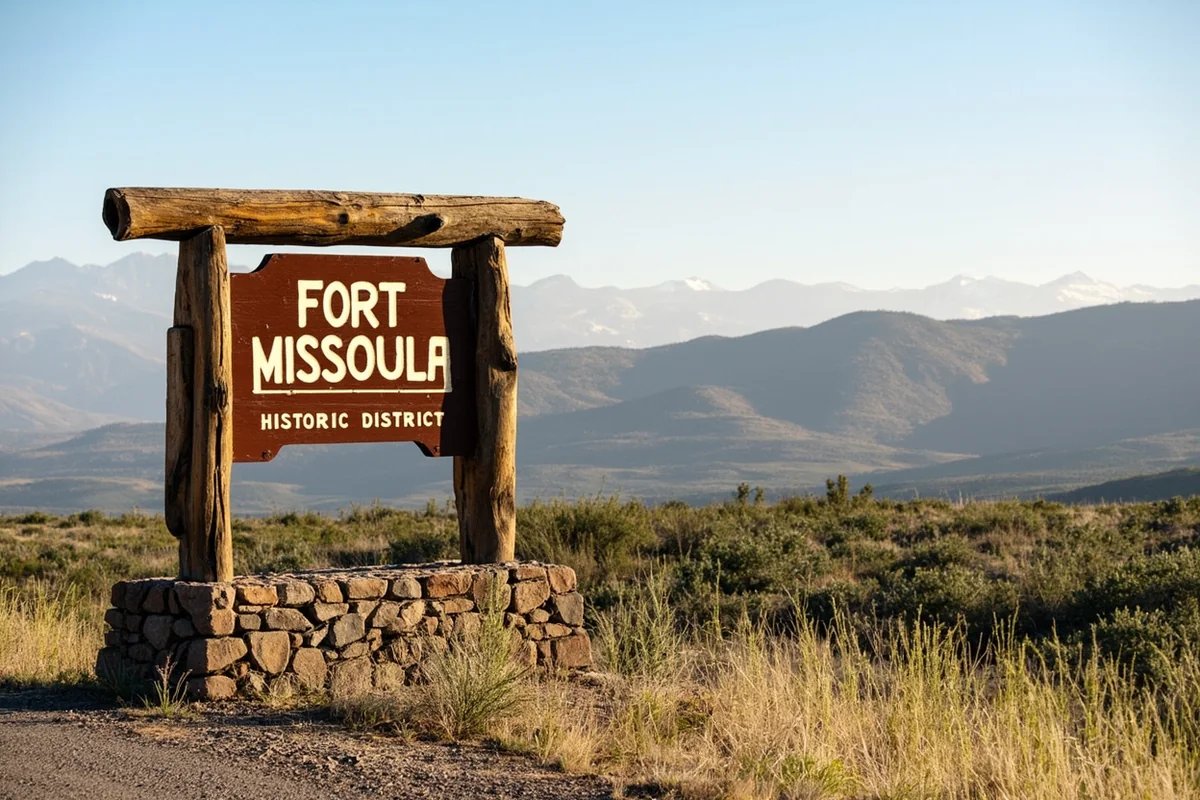
No discussion of Montana’s African American heritage is complete without addressing the Buffalo Soldiers, and nowhere tells their story better than Fort Missoula. This was one of the most impactful historical sites I’ve visited anywhere in Montana.
The 25th Infantry’s Incredible Journey
In 1888, the 25th Infantry Regiment—an all-Black unit with mostly white officers—was stationed at Fort Missoula. These soldiers undertook missions that tested human endurance to its limits, including an experimental 1,900-mile bicycle expedition from Fort Missoula to St. Louis in 1897.
Let that sink in. On heavy military bicycles, without modern roads, through mountains and plains, these men pedaled nearly 2,000 miles to test whether bicycles could serve as military transport. I’ve driven portions of their route and struggle to imagine doing it on a modern touring bike, let alone the 50-pound steel frames they used.
When I visited the Fort Missoula Museum during a trip last October, I spent nearly three hours in their exhibits. The interpretive materials don’t sugarcoat the racism these soldiers faced, even as they served their country with distinction. A display showing letters written by soldiers themselves—expressing pride in their service alongside frustration at their treatment—hit me particularly hard.
Visiting Fort Missoula Today
The Fort Missoula complex is easily accessible on Missoula’s south side. The Historical Museum at Fort Missoula (located at 3400 Captain Rawn Way) maintains exhibits about the Buffalo Soldiers and other aspects of the fort’s history.
During my October visit, I spoke with a museum docent who shared that many visitors are genuinely surprised to learn about the Black military presence in Montana. “People assume the West was exclusively white,” she told me. “Our job is to show them a more complete picture.”
| Practical Information | Details |
|---|---|
| Location | 3400 Captain Rawn Way, Missoula, MT 59804 |
| Hours | Tuesday-Sunday, 12 PM – 5 PM (seasonal variations apply) |
| Admission | $5 adults, $3 seniors/students, free for children under 6 |
| Time Needed | 1.5-3 hours for thorough exploration |
| Best Season | Year-round, though summer offers pleasant outdoor exploration of grounds |
Missoula itself is one of Montana’s fastest-growing cities, combining university-town energy with genuine historical depth. Plan at least a half-day here if African American history is important to your trip.
Black Cowboys and Ranchers: Beyond the Mythology
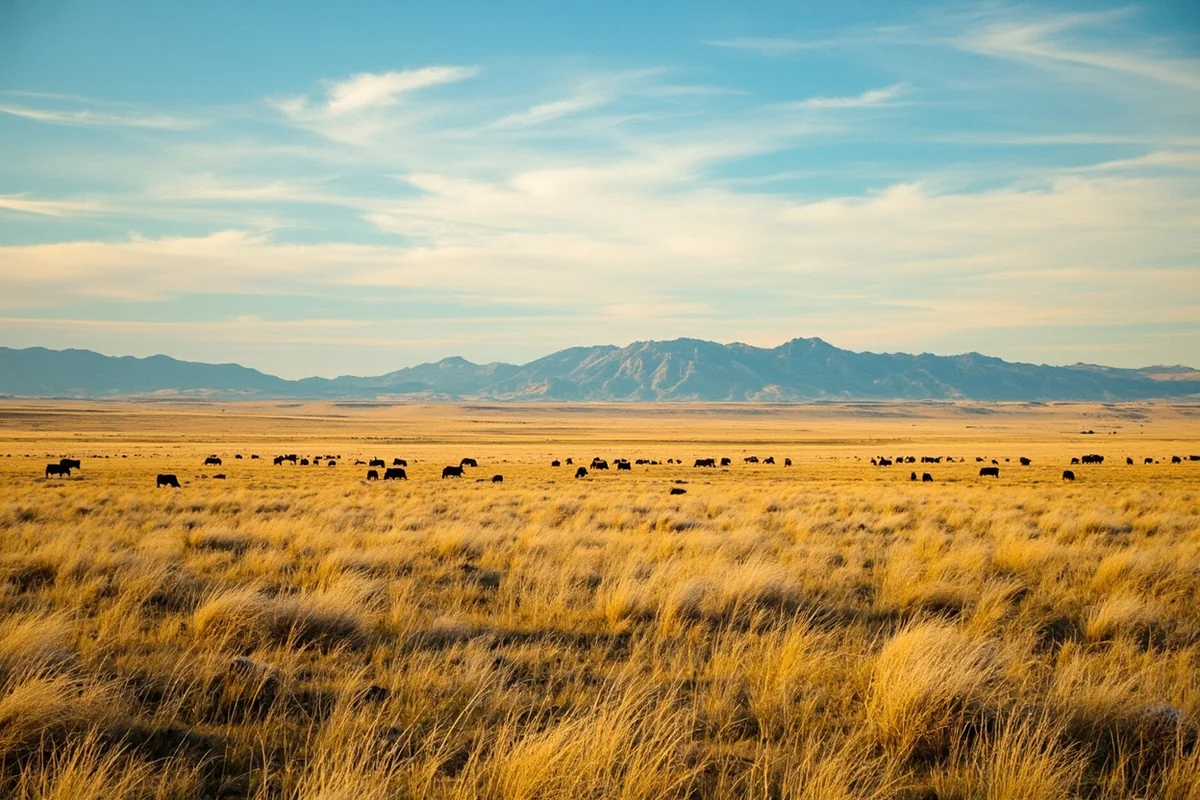
Montana’s ranching heritage has deep African American roots that are often invisible in popular culture. During a ranch visit near Great Falls last summer, I learned about Black cowboys who helped drive cattle across Montana’s open ranges during the late 1800s.
The Reality of Black Cowboy Life
Historical estimates suggest that one in four cowboys in the American West was Black. Montana was no exception. These men did the same dangerous, backbreaking work as their white counterparts—breaking horses, driving cattle, working roundups—but their contributions were systematically erased from the mythology that Hollywood and dime novels created.
I spent a morning at the Montana Historical Society’s archive (by appointment) reviewing photographs and records from ranches across the state.
What I found challenged everything I thought I knew about the “Old West.” Black ranch hands appear in photographs labeled simply “ranch crew” or “cattle drive” with no acknowledgment of their race in the original captions. They’re there, visible, but unnamed and unrecognized.
Modern Black Ranchers
The tradition continues, though in small numbers. During my travels, I’ve met Black Montanans who maintain family ranching traditions or who chose rural Montana living as a conscious lifestyle decision. These conversations revealed that while Montana isn’t particularly diverse in terms of raw demographics—you can check our analysis of why Montana is so unpopulated—the Black residents who are here often feel a deep connection to the land and its history.
One rancher near Lewistown told me: “People are surprised to see me here. But my family has been in Montana since the 1920s. This is home.”
20th Century Communities and Challenges
Montana’s African American population experienced significant fluctuations during the 20th century. Understanding this context helps explain the small but resilient communities that exist today.
The Great Migration’s Impact
While the Great Migration drew millions of Black Americans from the South to northern industrial cities, Montana saw limited inflow. The state lacked the manufacturing centers that attracted workers to Detroit, Chicago, or Cleveland. In fact, Montana’s Black population actually declined proportionally during much of the 20th century.
However, certain Montana communities maintained Black populations through specific economic connections. Great Falls, with its Malmstrom Air Force Base, has long had a more diverse population than many Montana towns. Military service brought Black families to Montana who then chose to stay.
Sundown Town History
I need to address something uncomfortable. Some Montana communities had reputations as “sundown towns”—places where Black travelers were unwelcome after dark. This history is well-documented by researchers like James Loewen, and pretending it doesn’t exist would be dishonest.
During my research, I found evidence that certain Montana towns actively discouraged Black settlement through the mid-20th century. This historical reality makes the resilience of Montana’s Black community even more remarkable.
Today, travelers of all backgrounds will find Montana welcoming, but acknowledging this history respects the experiences of those who came before and helps us understand the state’s current demographic makeup.
Contemporary African American Life in Montana
Modern Montana has a small but vibrant African American community. The 2020 census recorded approximately 4,900 Black residents statewide—less than 0.5% of the population. Yet this small community maintains cultural organizations, celebrates heritage events, and contributes to Montana’s diversity in meaningful ways.
Where Communities Concentrate Today
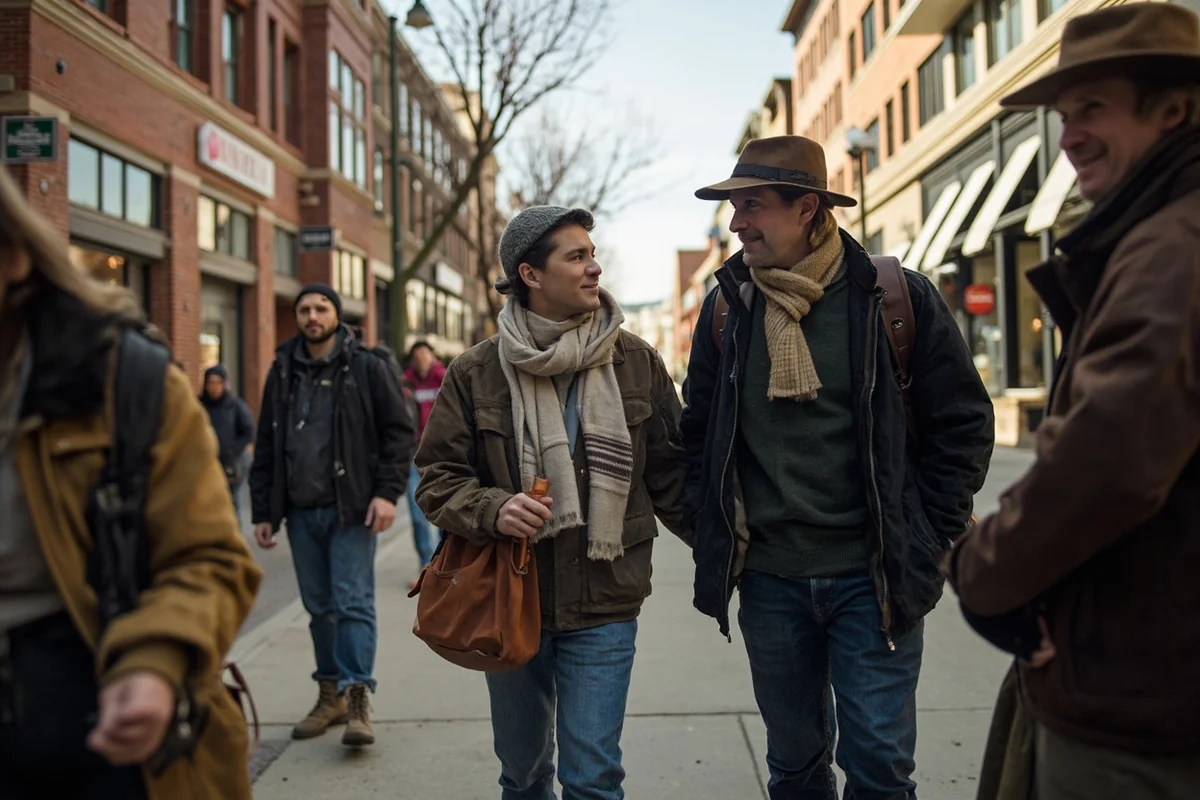
Missoula and Bozeman, home to Montana’s two largest universities, have the highest concentrations of Black residents proportionally. Both Montana’s best colleges attract diverse student bodies, faculty, and staff who contribute to local communities.
Great Falls and Billings, Montana’s largest cities by population, also have established Black communities with longer historical roots. These cities offer more amenities that support diverse populations, including specialty grocery stores, cultural events, and community organizations.
Helena, as the state capital, draws a diverse workforce to government positions. During legislative sessions, the city temporarily becomes more diverse as representatives from across the state—and the country—gather.
Montana Black Collective and Community Organizations
The Montana Black Collective, based in Missoula, represents one of the most active organizations supporting Black residents and promoting cultural awareness. Founded to create community connections and provide support, they organize events, facilitate discussions, and maintain a visible presence.
During my last visit to Missoula, I attended a community gathering organized through this network. The conversations were honest about Montana’s challenges—isolation, lack of diverse communities, occasional ignorant comments from people who’ve never interacted with Black Americans—but also celebrated Montana’s qualities.
Several attendees had specifically chosen Montana for its outdoor access, quality of life, and tight-knit community feel.
For travelers, connecting with organizations like this can provide insights no guidebook offers. Their social media presence and occasional public events welcome participation from visitors genuinely interested in learning.
Cultural Events and Experiences
Montana hosts several events throughout the year that celebrate African American heritage and culture. Planning your visit around these events creates opportunities for authentic cultural engagement.
Juneteenth Celebrations
Juneteenth, commemorating the end of slavery in the United States, is celebrated in several Montana communities. Missoula typically hosts the largest event, with music, food, speakers, and community gatherings at Caras Park or similar venues.
I attended Missoula’s Juneteenth celebration two years ago and found it deeply moving. The crowd was diverse—Black families alongside white and multiracial neighbors—and the atmosphere combined celebration with education.
Speakers shared local history, musicians performed, and food vendors offered soul food dishes rarely found in Montana restaurants.
Bozeman and Helena also typically host smaller Juneteenth events. Check local event listings as you plan your visit—dates and locations can shift annually.
Black History Month Programming
February brings Black History Month programming to Montana’s universities, museums, and cultural institutions. The University of Montana in Missoula and Montana State University in Bozeman both organize lecture series, performances, and exhibitions.
During a February visit to Bozeman, I attended a lecture at MSU about Black homesteaders in Montana. The presenter, a historian specializing in Western African American history, shared stories I’d never encountered anywhere else. The audience included students, locals, and a few travelers like myself who stumbled upon the event.
Montana’s museums also feature special programming during February. The Montana Historical Society in Helena typically develops themed exhibits or programs, and smaller museums in places like Butte often contribute as well.
Practical Information for Travelers
If exploring African American heritage is part of your Montana trip, here’s practical guidance based on my experiences.
Best Time to Visit
Summer offers the easiest travel conditions and the most accessible historical sites. Many museums have extended summer hours, and outdoor historical locations are pleasant to explore. June is particularly good if you can time your visit around Juneteenth celebrations.
February, despite winter conditions, offers rich Black History Month programming if you’re willing to brave Montana’s snowy conditions.
Creating a Heritage Itinerary
I suggest building a focused itinerary rather than trying to see everything. Here’s a sample three-day heritage-focused trip I’ve refined over multiple visits:
Day 1: Helena
Start at the Montana Historical Society (225 N. Roberts Street). Spend the morning in their archives and exhibits—call ahead to arrange research access if you want to dive deep. Walk the downtown area imagining the historic Clore Street neighborhood. Visit local bookstores for Montana history titles.
Day 2: Butte and Virginia City
Drive to Butte (about 65 miles) and explore the World Museum of Mining for context on the mining industry that employed Black workers. Visit Hillside Cemetery to find Sarah Bickford’s grave. Continue to Virginia City (about 70 miles) to walk the town where Bickford made history.
Day 3: Missoula
Visit Fort Missoula’s museum for the Buffalo Soldier exhibits. Explore the University of Montana campus. Connect with local organizations if timing allows. Consider staying an extra day if cultural events align with your visit.
Respectful Engagement
If you’re a non-Black traveler interested in this heritage, approach with genuine curiosity and respect. Don’t treat communities or individuals as educational exhibits. If you attend community events, participate rather than observe from the sidelines.
Purchase items from Black-owned businesses when possible. Buy books by Black Montana historians. Support organizations financially if you’re able.
For Black travelers visiting Montana, know that the community, though small, exists and welcomes connection. Reaching out through social media before your trip can help you find gatherings, recommendations, and community.
The Broader Context: Diversity in Montana Living
Montana’s African American community exists within a broader context of diversity that’s more nuanced than stereotypes suggest. While the state is predominantly white, various communities add texture and richness to Montana life.
LGBTQ+ communities have established presences in Montana’s urban areas. Indigenous nations maintain sovereign lands and vibrant cultures across the state. Immigrant communities, particularly in agricultural areas, contribute to Montana’s diversity in ways that aren’t always visible to tourists.
Understanding Montana as a complex place with multiple cultural threads—not a monolithic “cowboy state”—prepares travelers for a richer experience. The people asking whether Montana is boring haven’t scratched beneath the surface.
Why This History Matters for Montana’s Future
As Montana experiences rapid growth and change—booming prices and rising costs of living are transforming communities—preserving and sharing this complete history becomes increasingly important.
New residents researching reasons to move to Montana deserve to know the full story of who built this state. Those exploring affordable places to live or retirement communities should understand the diverse heritage of their potential new home.
Preservation Efforts
Several initiatives work to preserve and share Montana’s African American heritage. The Montana Historical Society’s ongoing digitization efforts make historical records accessible to researchers worldwide. University programs at both UM and MSU support scholarship on Western African American history.
Local preservation groups work to protect physical sites. While many historical buildings have been lost, efforts to document and commemorate these locations continue.
Educational Opportunities
For families traveling with children, or educators planning curriculum, Montana offers teachable moments at every turn. Explaining that cowboys came in all colors, that Black pioneers built frontier businesses, that soldiers of every race served in remote Western forts—these lessons stick because they’re rooted in real places you can visit.
The quality of Montana’s school districts varies, but supplementing any education with direct historical exploration creates lasting impact.
Final Thoughts: A More Complete Montana
After five years of exploring Montana through this lens, I see the state differently than I did initially. The mountains remain spectacular. The rivers still call me back. The vast open spaces still take my breath away.
But now I also see the people who came before—all of them. I see Sarah Bickford managing her water company. I see Buffalo Soldiers pedaling military bicycles across impossible terrain.
I see Black families building lives in Helena’s neighborhoods. I see contemporary community members choosing Montana despite its challenges.
This enriched understanding doesn’t diminish Montana’s natural beauty or outdoor appeal. It adds depth to the experience. It transforms a scenic vacation into a genuine encounter with American history in all its complexity.
For travelers willing to look beyond the surface, Montana offers something rare: a chance to explore an American story that most people don’t know exists. The African American community’s heritage here isn’t a footnote—it’s a thread woven throughout the state’s entire history, waiting for those curious enough to follow it.
Whether you’re planning a dedicated heritage trip or simply want to add historical depth to a broader Montana adventure, take time to engage with this history. Visit the museums. Walk the historic sites. Read the stories of those who came before.
You’ll leave with a more complete understanding of Montana—and of America itself.
Montana continues to evolve, welcoming new residents who contribute to its changing character. Some come as celebrities seeking privacy, others as families seeking safe communities, and still others drawn by the same frontier spirit that attracted pioneers of all backgrounds over 150 years ago.
The African American community’s story is Montana’s story. And it’s a story worth knowing.
Frequently Asked Questions
What is the history of the African American community in Montana?
Montana’s African American history dates back to the 1800s when Black pioneers, soldiers from the Buffalo Soldier regiments at Fort Missoula, and miners settled across the state. Towns like Helena and Butte had thriving Black communities, with Helena’s African American population reaching around 400 by 1910. I recommend visiting the Montana Historical Society in Helena to explore exhibits documenting this rich but often overlooked heritage.
Where can I find African American heritage sites to visit in Montana?
Key sites include the historic Black community neighborhoods in Helena’s downtown area, Fort Missoula where the 25th Infantry Buffalo Soldiers were stationed, and the Butte Archives which holds records of early Black residents. The African American Heritage Trail in Helena is a self-guided walking tour covering about 1.5 miles through significant historical locations. Most sites are free to visit and accessible year-round.
Are there any Black-owned businesses and restaurants to support while traveling in Montana?
While Montana has a small African American population (around 0.6%), you’ll find Black-owned businesses concentrated in cities like Billings, Missoula, and Great Falls. I suggest checking local directories and the Montana Black Business Collective before your trip for updated listings of restaurants, shops, and services. Supporting these businesses is a meaningful way to connect with the contemporary African American community.
What cultural events celebrate Black history and culture in Montana?
Juneteenth celebrations have grown across Montana, with events in Missoula, Bozeman, and Helena featuring live music, food, and educational programs each June. February’s Black History Month brings special exhibits to museums statewide and programming at Montana State University and University of Montana. Planning your visit around these events typically costs nothing extra and provides authentic cultural experiences.
How diverse is Montana and what should Black travelers expect when visiting?
Montana remains one of the least diverse states with about 89% white population, so Black travelers may encounter curiosity or occasionally feel like the only person of color in rural areas. That said, most Montanans are welcoming, and college towns like Missoula and Bozeman tend to be more diverse and progressive. I’d recommend connecting with local NAACP chapters in Helena or Great Falls if you want community connections during an extended stay.
What’s the best time to visit Montana to experience African American heritage sites and events?
June is ideal since you can attend Juneteenth celebrations while enjoying Montana’s pleasant summer weather with temperatures around 70-80°F. February works well for Black History Month programming, though expect cold temperatures (20-35°F) and snowy conditions. Summer visits between June and August give you the best access to outdoor historical sites and walking tours without weather concerns.
How much does it cost to explore African American history sites in Montana?
Most African American heritage sites in Montana are free or low-cost, with museum admission typically ranging from $5-12 per adult. Budget around $100-150 daily for a comfortable trip including lodging ($80-150/night), meals ($30-50), and gas for driving between sites. The Montana Historical Society in Helena charges just $5 admission and offers extensive archives on Black Montana history worth several hours of exploration.
Sources