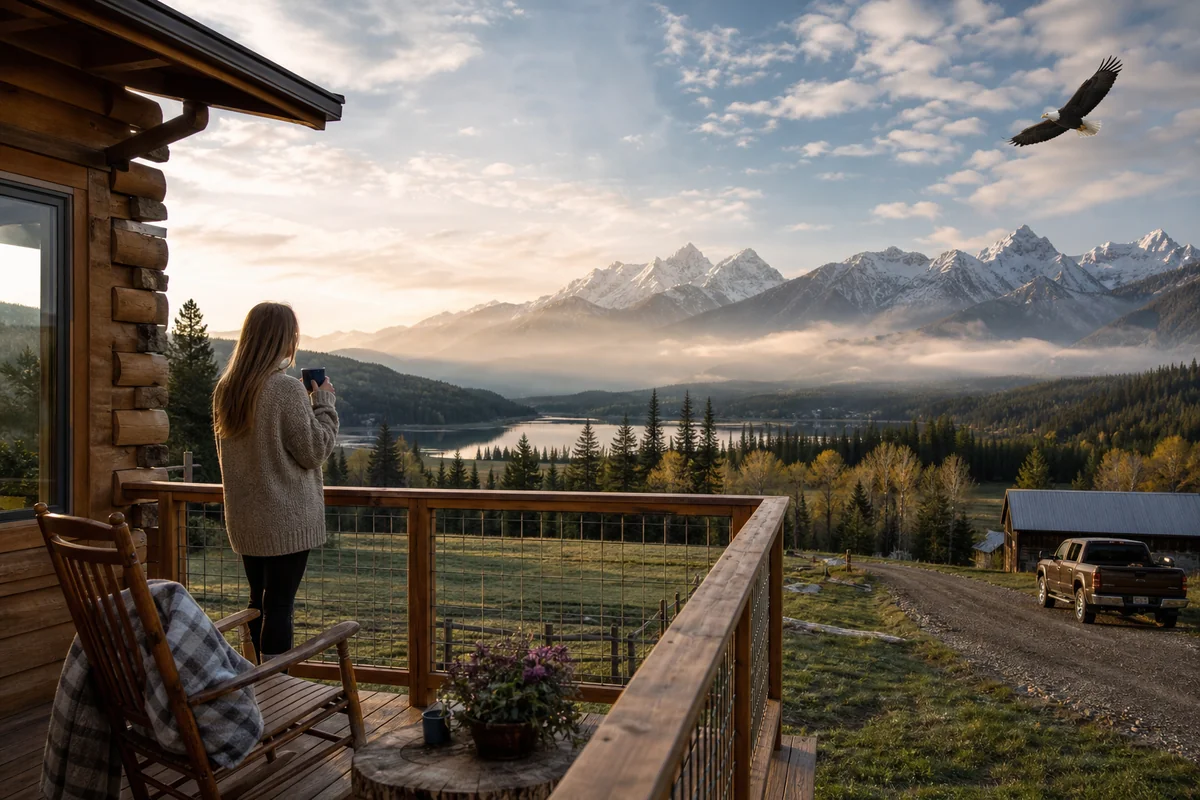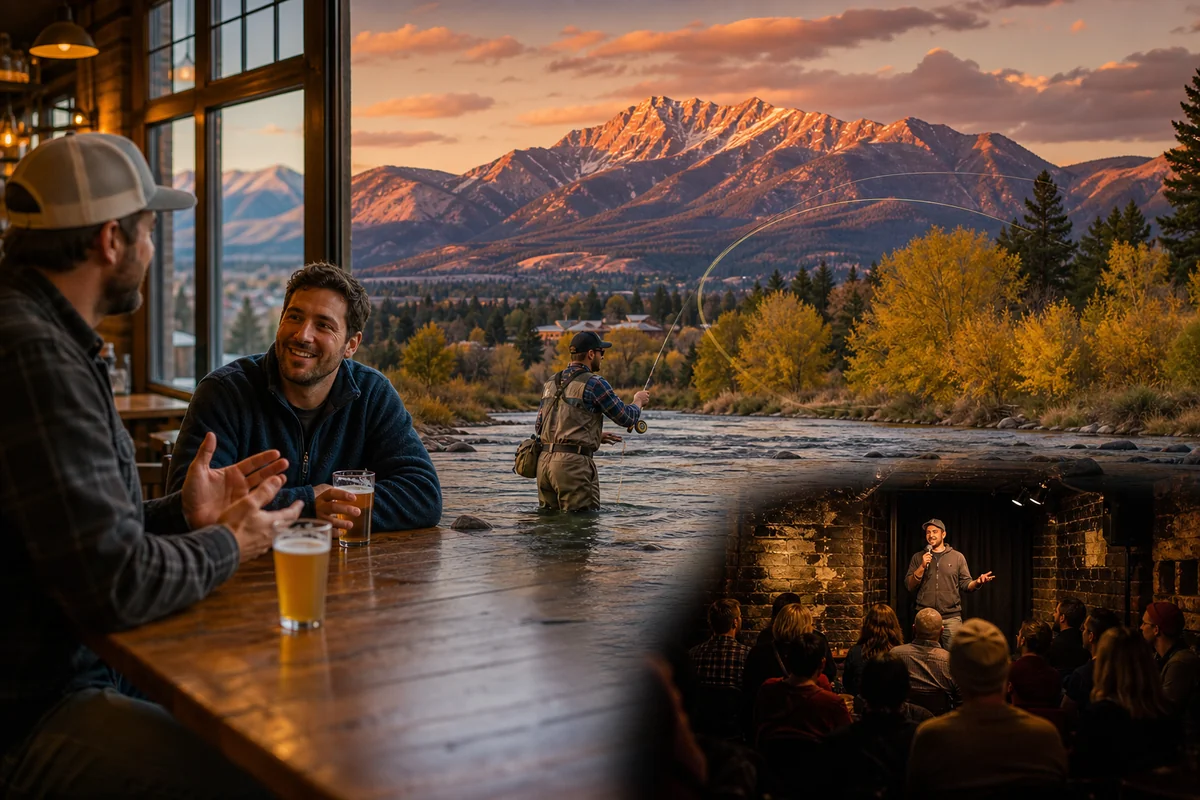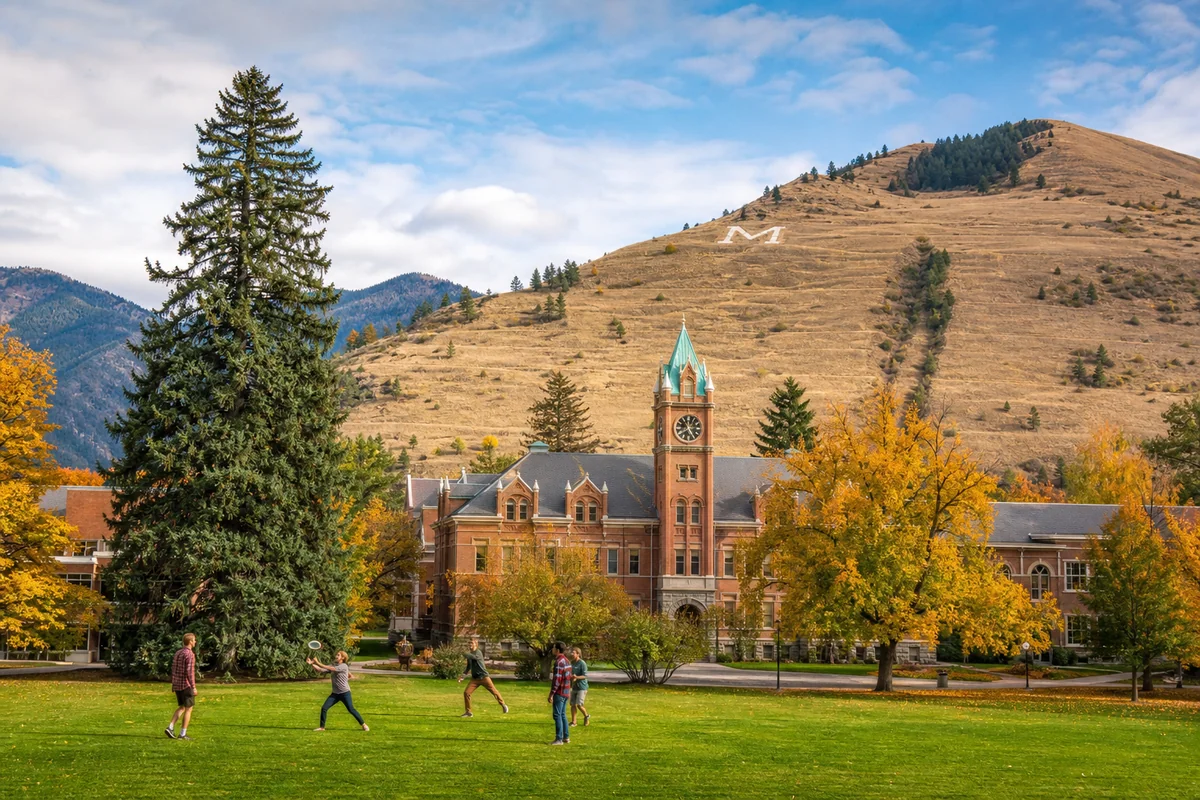
Standing on the University of Montana campus last October, watching students toss a frisbee beneath the towering “M” on Mount Sentinel while golden larches blazed on the surrounding hillsides, I realized something profound: choosing a college in Montana isn’t just about academics—it’s about choosing a lifestyle that most students can only dream about.
After spending the past three years visiting every major campus in the state for this Montana Living series, I’ve developed strong opinions about what makes each institution special, and I’m ready to share the unfiltered truth about higher education in Big Sky Country.
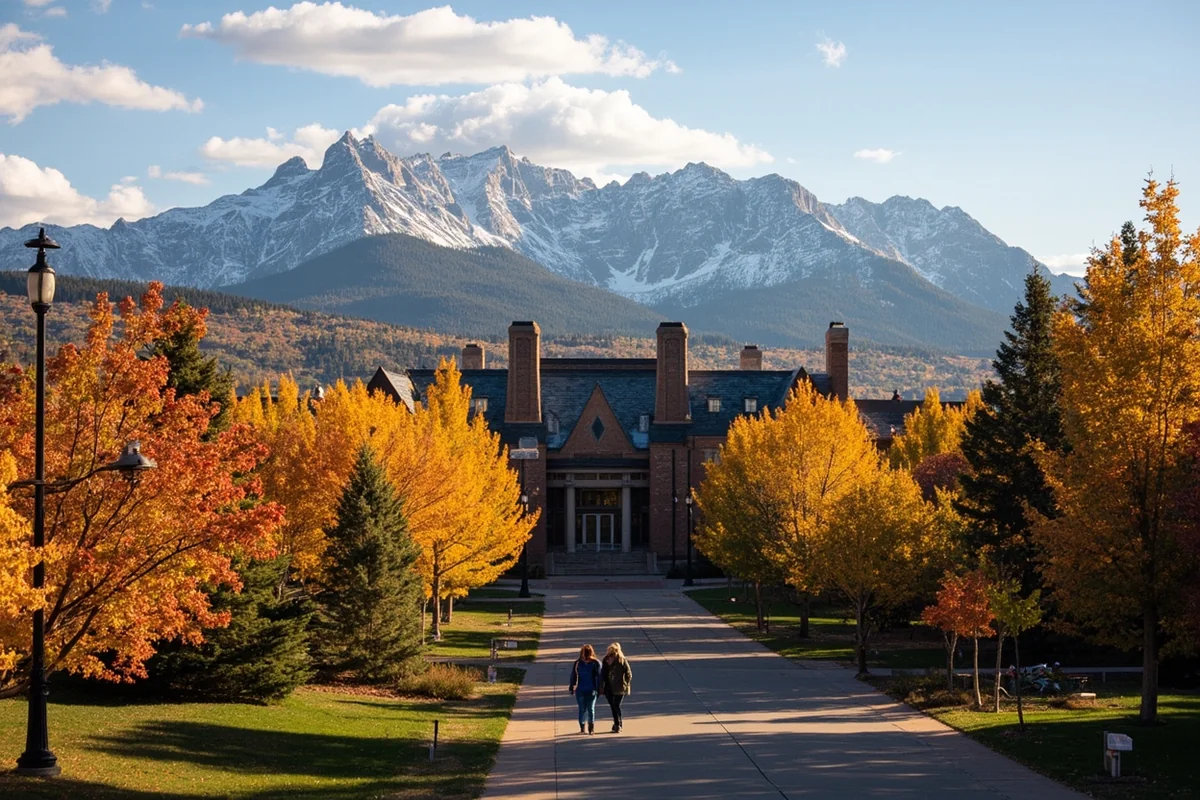
- Montana has 16 public colleges and several private institutions, with flagship schools in Missoula and Bozeman
- University of Montana excels in creative writing, journalism, and wildlife biology
- Montana State University dominates in engineering, agriculture, and film production
- Tribal colleges offer unique cultural education opportunities found nowhere else
- Tuition is surprisingly affordable compared to other states—around $7,500/year for in-state students
- Campus outdoor recreation access is unmatched nationally
- Smaller community colleges provide excellent transfer pathways and technical training
When people ask me about reasons to move to Montana, education doesn’t always top their list—they’re thinking about mountains, wildlife, and wide-open spaces. But after my extensive campus tours, I’ve discovered that Montana’s colleges offer something increasingly rare: intimate academic environments where professors know your name, set against a backdrop that transforms outdoor enthusiasts into scholars and scholars into outdoor enthusiasts.
Before diving into specific schools, it’s worth understanding what you’re getting into. The Montana population hovers around 1.1 million, meaning the entire state has fewer residents than many individual American cities. This translates to small class sizes and tight-knit campus communities that larger state schools simply can’t replicate. Let me walk you through every institution worth considering.
Liked this article?
Add Roaming Montana as a preferred source so you see more of our articles and guides on Google.
University of Montana (Missoula) – The Liberal Arts Powerhouse
I’ll admit my bias upfront: I fell hard for UM during my first visit in 2021, and subsequent trips have only deepened that appreciation. The campus occupies a stunning position at the base of Mount Sentinel, with the Clark Fork River flowing just blocks away.
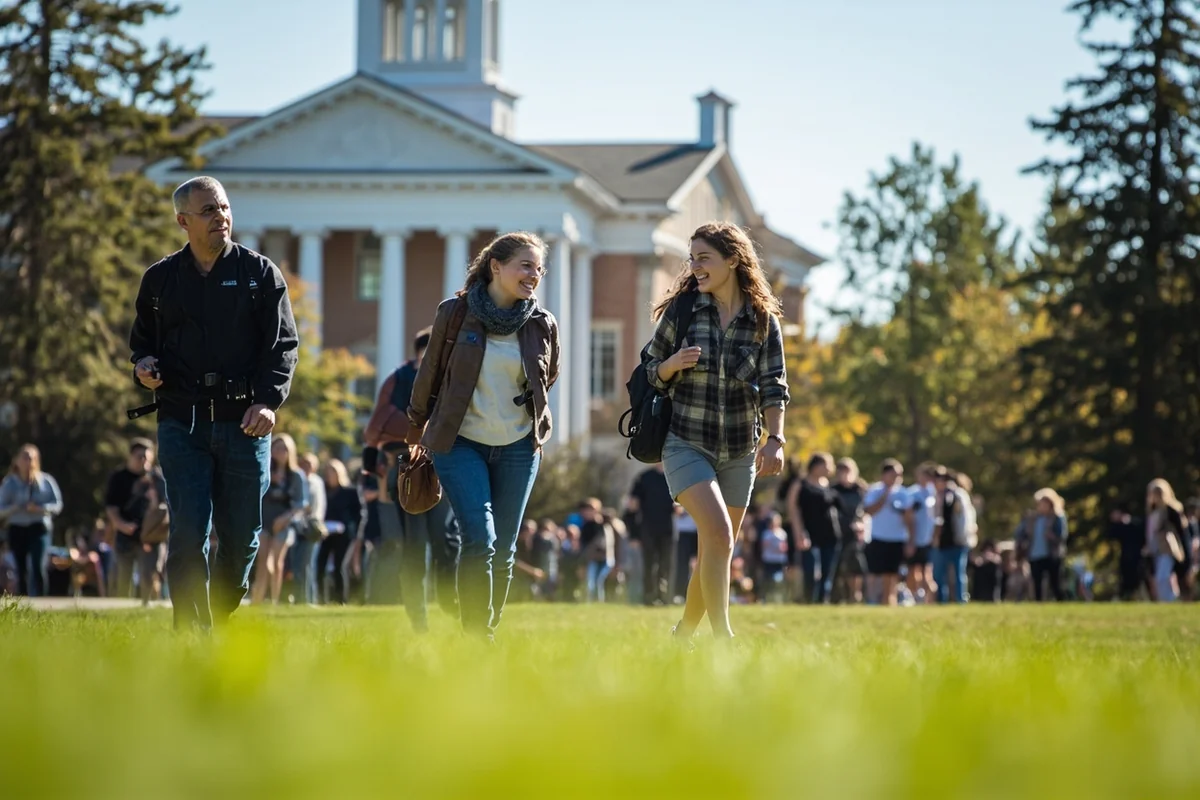
What struck me most during my last summer visit was the palpable creative energy. The university’s Creative Writing Program consistently ranks among the top three in the nation, and I sat in on a workshop where students workshopped pieces that genuinely moved me. Professor Robert Stubblefield, who I chatted with afterward over coffee at Break Espresso downtown, explained that the program’s success comes from treating students as serious writers from day one.
The journalism school, housed in Don Anderson Hall, produces graduates who’ve won Pulitzers and now work at major publications worldwide. I toured the student newsroom where the Montana Kaimin—one of the oldest continuously published student newspapers west of the Mississippi—gets produced. The equipment and facilities rivaled what I’ve seen at schools three times the size.
Wildlife Biology and Environmental Sciences
UM’s Wildlife Biology program is where the university truly shines. During my campus visit, I tagged along with a field research group heading to the Lubrecht Experimental Forest, a 28,000-acre outdoor laboratory the university owns about 30 miles northeast of campus. Students were conducting elk population studies, and the hands-on experience was remarkable.
The proximity to five wilderness areas within an hour’s drive means students can access research environments that other schools require expensive trips to reach. One graduate student told me she’d studied grizzly bears, gray wolves, and mountain lions—all within a semester.
Campus Life and Student Culture
Missoula itself enhances the UM experience enormously. When researching the best places to live in Montana, Missoula consistently ranks at the top for young professionals and students. The downtown sits within easy walking distance of campus, offering excellent restaurants, live music venues, and coffee shops where students actually study.
The university’s recreation center provides free equipment rentals—skis, kayaks, camping gear, you name it. I watched students loading up for weekend adventures like it was the most normal thing in the world. Because in Missoula, it is.
Student enrollment hovers around 10,000, large enough to offer diverse programs but small enough that you won’t feel lost. The football team plays in the FCS division, and Griz games are absolute religion around here—I attended a homecoming game where the entire town seemed to turn out in maroon and silver.
Montana State University (Bozeman) – The STEM and Agriculture Leader
If UM represents the creative soul of Montana higher education, MSU embodies its scientific and practical heart. My visits to the Bozeman campus revealed a different energy—more focused, more technical, but equally passionate about outdoor life.
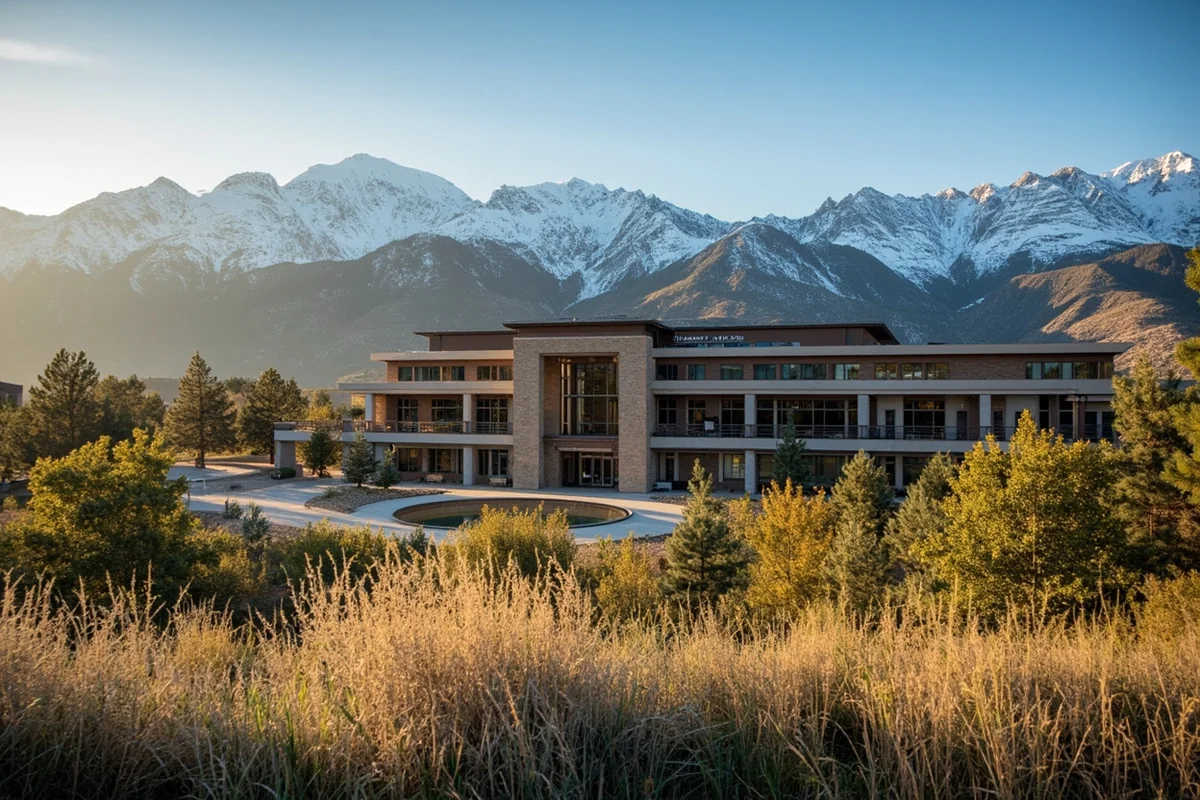
Bozeman has exploded in popularity over the past decade, and the university has grown with it. When exploring Montana’s fastest growing cities, Bozeman leads the pack, and MSU benefits directly from this influx of talent and investment.
The engineering programs here are nationally recognized, particularly in civil and mechanical engineering. During my tour of the engineering complex, I watched students working on actual NASA projects—yes, NASA contracts research to MSU. The Optical Technology Center develops equipment used in space telescopes.
Agriculture and Land Resources
Montana State’s agricultural programs reflect the state’s ranching heritage while embracing modern sustainability practices. The university operates a 1,522-acre research farm where students learn everything from crop science to livestock management.
I spent an afternoon at the MSU Extension office learning about their outreach programs that serve ranchers and farmers across the state. The connection between academic research and practical application was seamless—professors who literally have dirt under their fingernails teaching students who will manage the state’s agricultural future.
The Film Program You Didn’t Know Existed
Here’s something that surprised me: MSU has developed one of the more interesting film programs in the Rocky Mountain region. The School of Film & Photography takes advantage of Montana’s increasing popularity as a filming location—shows like “Yellowstone” have brought attention to the state’s potential.
Students learn on professional equipment and have opportunities to work on actual productions filming in the area. I met a recent graduate who’d already worked as a crew member on a major streaming service project.
The Bozeman Lifestyle Factor
Bozeman offers a different vibe than Missoula—slightly more affluent, slightly more outdoorsy-professional. When considering why Montana is so expensive, Bozeman exemplifies the trend. Housing costs have risen dramatically, which affects students seeking off-campus living.
But the trade-off is immediate access to world-class skiing at Bridger Bowl (with insanely cheap student passes), hiking in the Bridger Mountains, and fly fishing on the Gallatin River. The outdoor recreation club at MSU might be the most active student organization on campus.
Montana Tech (Butte) – The Mining and Engineering Specialist
Don’t sleep on Montana Tech. This small campus in Butte offers specialized programs that punch far above their weight class.
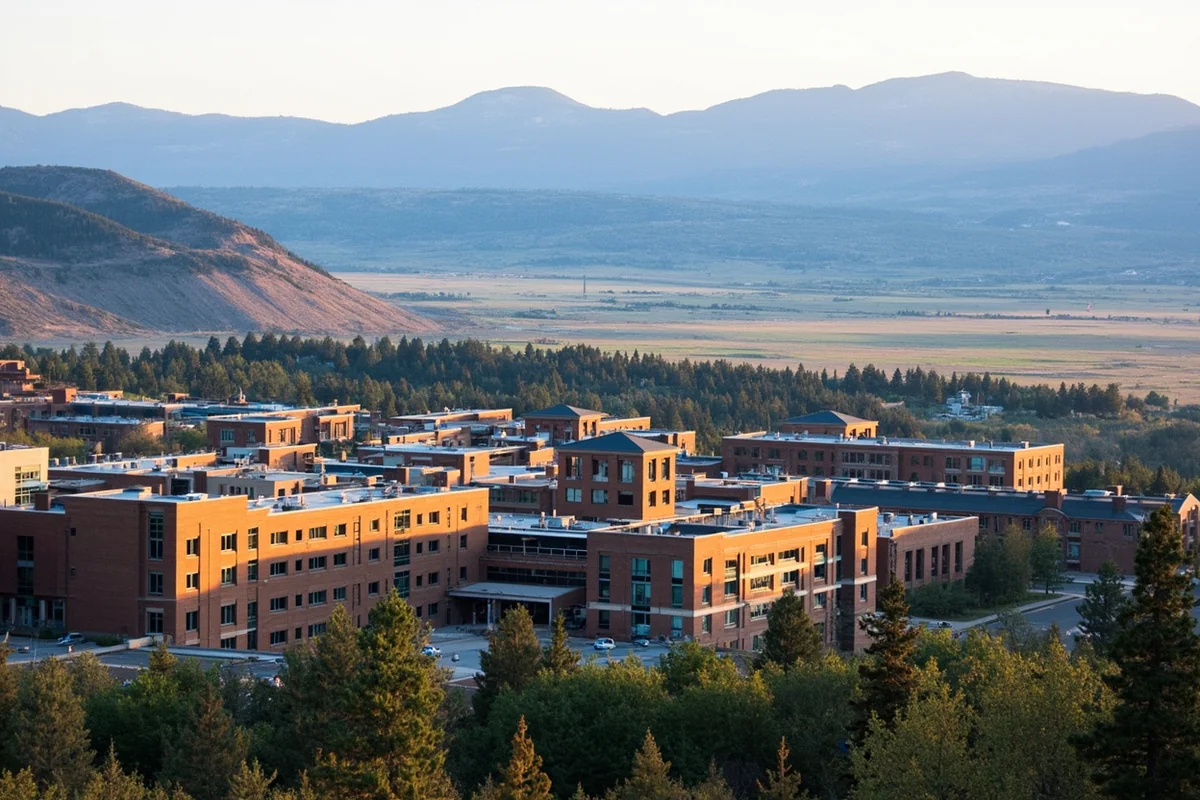
Butte itself is fascinating—a former copper mining boomtown that’s reinventing itself while preserving its gritty history. Some visitors might be put off by the visible mining heritage (including the infamous Berkeley Pit), but I found it gave students a tangible connection to the subjects they study.
Montana Tech’s Petroleum Engineering program consistently ranks among the nation’s best, and graduates command starting salaries that exceed most MBA holders. The mining engineering program is equally strong, with companies recruiting directly from campus.
During my visit, I toured the underground mine education facility—an actual mine beneath campus where students learn extraction techniques. You can’t get that experience from a textbook.
The campus feels intimate, with under 3,000 students total. Professors conduct research alongside students rather than farming out grunt work to teaching assistants. One professor invited me to observe a metallurgy lab where undergraduates were genuinely contributing to publishable research.
Butte also offers something important for budget-conscious students: affordability. When researching the cheapest places to live in Montana, Butte consistently ranks as one of the most affordable communities. Students can find apartments for a fraction of what Bozeman or Missoula charge.
Carroll College (Helena) – Private School Excellence
Carroll College in Helena offers Montana’s premier private college experience. This Catholic liberal arts institution accepts students of all faiths and emphasizes small classes and strong faculty relationships.
The nursing program here is exceptional—I interviewed several healthcare administrators who specifically praised Carroll graduates. The pre-med track boasts impressive medical school acceptance rates that compete with far more expensive institutions.
Helena itself deserves attention as Montana’s capital city. It’s smaller than Missoula or Bozeman but offers surprising cultural amenities. The Montana sales tax situation—meaning there is none—makes student purchases a bit easier on tight budgets.
Walking through Carroll’s campus last spring, I noticed genuine community. Students knew each other by name. Professors held office hours in the student center, not holed up in offices. The culture felt supportive rather than competitive.
Rocky Mountain College (Billings) – Eastern Montana’s Gem
Billings represents Montana’s largest city, and Rocky Mountain College serves as its private liberal arts anchor. When I visited the campus, nestled against the Rimrocks that define Billings’ geography, I was struck by the aviation program—seriously impressive facilities and direct pathways to regional airline employment.
The equestrian studies program is another standout. Rocky Mountain has its own stable and arena, offering degrees that combine business acumen with horsemanship. I watched a training session where students were working with horses as part of their curriculum, not just as an extracurricular activity.
Billings itself offers more urban amenities than other Montana cities while maintaining quick access to outdoor recreation. The Montana cost of living in Billings sits below the state average, making it an affordable option for students.
Community Colleges Worth Considering
Montana’s community college system provides excellent starting points for students unsure about committing to a four-year institution immediately, or those seeking technical training.
Flathead Valley Community College (Kalispell)
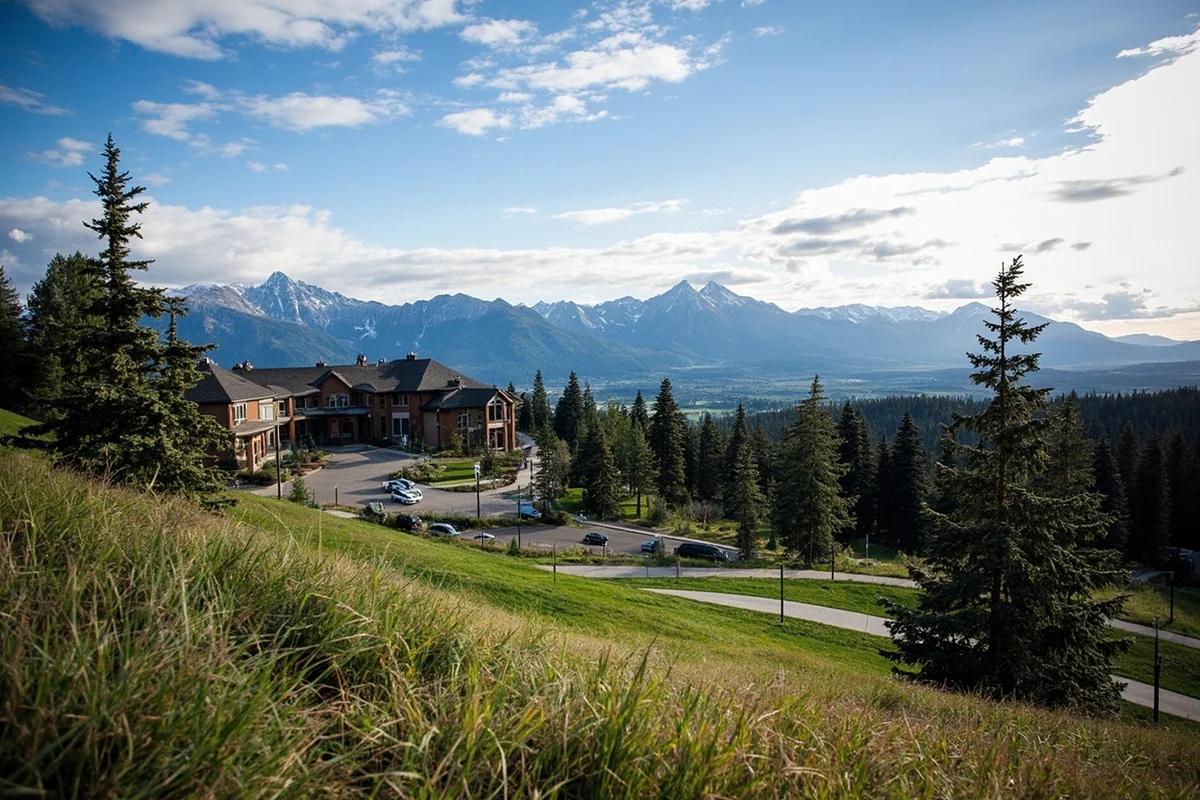
FVCC sits at the gateway to Glacier National Park, and I’ve never seen a more beautiful community college setting. The culinary program produces graduates who staff restaurants throughout the region, and the nursing program addresses critical healthcare shortages.
During my visit, I took a continuing education class on Montana wildlife just to experience the teaching quality. The instructor, a retired Fish, Wildlife & Parks biologist, brought decades of field experience into a community classroom.
Kalispell is growing rapidly, and students can explore reasons Montana captures hearts while completing affordable general education credits.
Great Falls College MSU
This MSU affiliate in Great Falls emphasizes healthcare training, including one of the state’s strongest dental hygiene programs. Great Falls offers a more affordable cost of living while providing easy access to the wild Missouri River corridor.
Helena College
Helena College provides technical training in trades like welding, automotive technology, and construction—skills in high demand across Montana. The apprenticeship connections are genuinely useful for students seeking immediate employment.
Tribal Colleges – Unique Educational Opportunities
Montana’s tribal colleges represent something found almost nowhere else: institutions combining rigorous academics with deep cultural education rooted in indigenous traditions.
Salish Kootenai College (Pablo)
SKC on the Flathead Reservation offers programs in everything from nursing to forestry, with special emphasis on natural resource management that incorporates traditional ecological knowledge. Non-Native students are welcome and can gain perspectives unavailable at mainstream institutions.
I attended a guest lecture on traditional plant medicine that wove together scientific research and tribal wisdom. It was one of the most intellectually stimulating academic experiences I’ve had in Montana.
Blackfeet Community College (Browning)
Located at the eastern entrance to Glacier National Park, BCC provides opportunities for students interested in both Native American studies and spectacular natural environments. The college emphasizes Blackfeet language preservation alongside standard academic offerings.
Understanding Montana’s diverse communities, including its tribal populations, enriches any educational experience in the state.
Other Tribal Colleges
Fort Peck Community College, Stone Child College, Little Big Horn College, Aaniiih Nakoda College, and Chief Dull Knife College each serve specific tribal communities while welcoming all students. These institutions often offer the most affordable tuition in the state and create unique cross-cultural learning environments.
Practical Information for Prospective Students
Let me share the nuts and bolts that prospective students and parents actually need to know.
| Institution | In-State Tuition | Out-of-State Tuition | Enrollment |
|---|---|---|---|
| University of Montana | ~$7,600/year | ~$28,000/year | ~10,000 |
| Montana State University | ~$7,900/year | ~$27,500/year | ~16,000 |
| Montana Tech | ~$8,000/year | ~$25,000/year | ~2,800 |
| Carroll College | ~$38,000/year | Same | ~1,300 |
| Rocky Mountain College | ~$32,000/year | Same | ~1,000 |
| Tribal Colleges | ~$2,500-4,000/year | Same | Varies |
The WUE Discount
Here’s crucial information for out-of-state students: Montana participates in the Western Undergraduate Exchange (WUE) program. Students from participating western states can attend Montana public universities at 150% of in-state tuition rather than full out-of-state rates. This saves thousands annually and makes Montana schools surprisingly competitive.
Housing Realities
On-campus housing fills quickly at UM and MSU. Apply early—like, the moment you’re admitted early. Off-campus housing in Bozeman has become genuinely challenging due to the city’s growth. Missoula offers more options but competition remains stiff.
For students considering pros and cons of living in Montana, housing costs should factor heavily into your decision. Smaller cities like Butte, Great Falls, and Helena offer much more affordable options.
Winter Preparation
Montana winters are real. When examining Montana places with the most snow, you’ll notice that college towns vary significantly. Missoula is relatively mild; Bozeman gets substantial snow; Butte experiences serious cold.
Students from warmer climates need proper gear. Don’t cheap out on a winter coat thinking you’ll adjust. You won’t. Buy quality cold-weather clothing before arriving.
Transportation Considerations
A car isn’t strictly necessary in Missoula or Bozeman—both have decent public transit and bikeable layouts. But for exploring Montana’s incredible natural areas, vehicle access becomes nearly essential. Many students survive first year without a car, then acquire one later.
Academic Programs That Stand Out
Beyond the flagship programs I’ve mentioned, several specialized offerings deserve attention.
UM’s Environmental Studies Program
This interdisciplinary program combines science, policy, and philosophy in ways I haven’t seen elsewhere. Students emerge with practical skills for addressing climate change and environmental challenges.
MSU’s Architecture Program
The only accredited architecture program in Montana, MSU’s school produces graduates who understand how to design for extreme climates and rural contexts.
Montana Tech’s Health Informatics
This emerging field combines healthcare and technology, and Tech’s program prepares students for a job market that didn’t exist a decade ago.
Campus Safety and Community
When researching Montana’s safest cities, most college towns rank well. Missoula and Bozeman have some urban crime but remain remarkably safe by national standards.
Campus safety offices at all major institutions provide late-night escort services, emergency call stations, and robust reporting systems. I’ve felt comfortable walking across campuses at all hours during my various visits.
That said, students should understand that Montana natural disasters—particularly wildfires—present different risks than typical campus safety concerns. During recent summers, smoke has affected air quality in Missoula and other areas. When wondering whether Montana gets wildfires, the answer is absolutely yes, and they increasingly affect daily life during fire season.
Student Life Beyond Academics
Greek Life
Both UM and MSU have active Greek systems, though neither dominates campus culture like at some larger state schools. Joining a fraternity or sorority is an option, not an expectation.
Outdoor Recreation
This is where Montana colleges truly differentiate themselves. Every major campus offers outdoor programs that would be standalone attractions elsewhere. Free ski bus shuttles, equipment rental programs, guided trips, and academic credit for wilderness experiences are standard.
Arts and Culture
Don’t assume Montana lacks cultural offerings. UM’s drama and music programs produce excellent performances. Missoula’s independent film festival brings international cinema to town. Bozeman’s downtown hosts galleries, theaters, and live music venues.
Questioning whether Montana is boring? College towns definitively answer: not even close.
Athletics
Neither UM nor MSU compete at the highest NCAA division, but that doesn’t diminish fan enthusiasm. Griz football games at Washington-Grizzly Stadium pack in 25,000 passionate supporters. The Cat-Griz rivalry game is a genuine statewide event.
Exploring Montana sports teams reveals a passionate culture despite the lack of professional franchises.
Post-Graduation Employment
Here’s an honest assessment: Montana’s job market is limited compared to larger states. Many graduates leave for better opportunities elsewhere, at least initially.
However, certain fields offer strong in-state employment. Healthcare consistently needs qualified professionals. Engineering graduates from MSU and Tech find work in energy and technology sectors. Education positions exist throughout the state’s rural communities.
Some graduates prioritize lifestyle over maximum salary, choosing lower-paying Montana positions that allow them to ski 50 days a year or fly fish after work. It’s a legitimate trade-off that many make happily.
For those curious about celebrities who chose Montana living, you’ll notice many arrived after establishing careers elsewhere. This pattern holds for many non-celebrities too.
Making Your Decision
After years of visiting these campuses, talking with students, sitting in on classes, and exploring the communities, here’s my honest guidance:
Choose UM if: You’re drawn to writing, journalism, environmental sciences, or liberal arts. You want a creative, politically engaged campus in a town with excellent food and music scenes.
Choose MSU if: Engineering, agriculture, sciences, or film production interest you. You want slightly larger school energy with incredible ski access.
Choose Montana Tech if: Mining, petroleum, or technical engineering appeal to you. You want small classes, immediate research opportunities, and affordable living.
Choose Carroll if: You want private school attention with strong pre-professional preparation, particularly in healthcare fields.
Choose a community college if: You’re uncertain about your path, want affordable credits that transfer, or seek specific technical training.
Choose a tribal college if: You want affordable education with unique cultural perspectives and tight-knit communities.
Final Thoughts
Montana colleges won’t be right for everyone. If you need urban nightlife, diverse metropolitan culture, or proximity to major airports, these schools will frustrate you.
But if you’re drawn to places where your morning commute might include a moose sighting, where professors become genuine mentors, and where weekends mean mountain adventures rather than mall trips—Montana higher education offers something increasingly rare in American academia.
When understanding what Montana residents are called (Montanans, by the way), you’ll discover that college years in Montana often forge a lifelong identity. Many graduates, even those who leave, maintain deep connections to the state that shaped their formative years.
If you’re considering homesteading in Montana or retiring here later in life, a college education in the state provides invaluable foundation knowledge about its communities, landscapes, and culture.
Some might question whether Montana is the worst state—but after spending extensive time on its college campuses, I can confidently say it offers educational experiences found nowhere else. The combination of academic quality, natural beauty, and genuine community creates something special that statistics alone can’t capture.
Understanding why Montana is so unpopulated helps explain why its colleges feel different. Fewer people means more individual attention, more open space, and more opportunity to develop genuine relationships with faculty and peers.
For families concerned about younger children, the best school districts in Montana align closely with college town locations. Missoula, Bozeman, and Helena all offer quality K-12 education alongside higher education opportunities.
Yes, you’ll deal with harsh winters. Yes, you might struggle finding certain amenities. Yes, the job market has limitations. But the students I’ve met who chose Montana describe something approaching transformation—academic growth intertwined with personal development in ways that simply don’t happen in generic suburban campuses.
Investigating why Montana prices are booming reveals that more people are discovering what makes this place special. Acting sooner rather than later might mean better housing options and less competition for limited resources.
My recommendation? Visit before deciding. Campus visits matter everywhere, but they matter more in Montana because you’re not just choosing an institution—you’re choosing a landscape, a climate, a way of life. What looks beautiful in photos might feel isolating in person, or what seems intimidatingly rural might feel liberating.
If you’re exploring whether Montana is LGBTQ friendly, campus communities generally prove more welcoming than rural areas, with LGBTQ organizations active at major universities. College towns represent the state’s most progressive communities.
For those wondering about whether Montana is heavily populated or the least populated state, the answer is neither—but it’s definitely on the emptier end of the spectrum, which profoundly shapes the college experience.
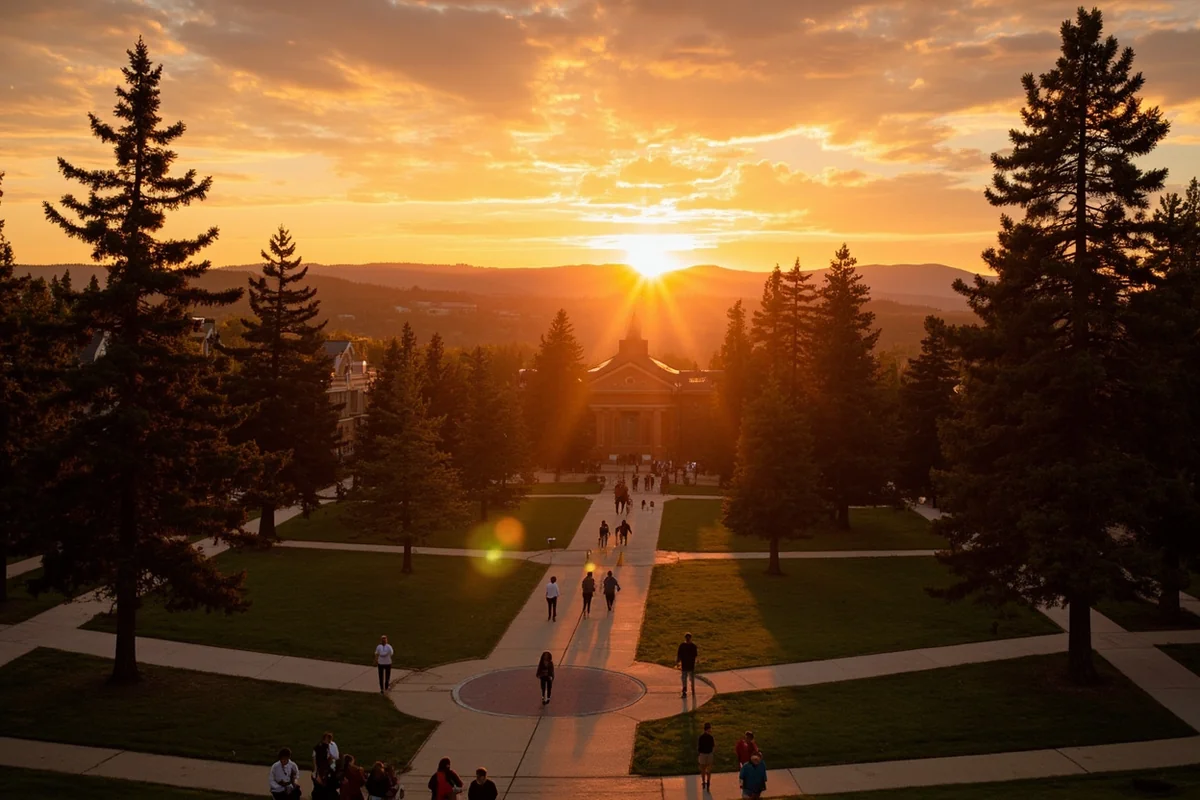
Come see for yourself. Walk the paths beneath Mount Sentinel or across the MSU campus with the Bridgers rising behind. Sit in a coffee shop with students debating ideas. Watch the sunset paint Montana’s famous big sky while contemplating your future.
Then decide if Montana’s colleges are right for you. For many students, the answer becomes obvious the moment they arrive.
And if you need a place to stay while visiting, consider that Montana grocery stores do sell liquor—useful information for stressed parents touring colleges with their teenagers. Just saying.
Whatever you choose, I hope this guide helps you understand what Montana’s colleges truly offer. It’s not just an education—it’s an invitation to a place that changes people, often for the better, in ways they never expected.
Now get out there and start planning those campus visits. You won’t regret it.
Frequently Asked Questions
What are the best colleges to visit on a Montana campus tour?
The top colleges worth visiting in Montana include the University of Montana in Missoula, Montana State University in Bozeman, and Montana Tech in Butte. I recommend planning at least 2-3 hours per campus to explore the grounds, catch a campus tour, and soak in the stunning mountain backdrops that make these schools unique.
What is the best time of year to visit Montana college campuses?
Late April through early June and September through mid-October offer the best weather for campus visits, with mild temperatures between 50-75°F and minimal snow. I’d avoid winter visits unless you want to experience the full Montana lifestyle, as temperatures can drop well below freezing and some campus areas become harder to navigate.
How far apart are Montana’s major universities from each other?
The University of Montana in Missoula and Montana State University in Bozeman are about 200 miles apart, roughly a 3-hour drive on I-90. Montana Tech in Butte sits conveniently between them, about 80 miles from Missoula and 85 miles from Bozeman, making it easy to visit all three on a single road trip.
How much does it cost to visit colleges in Montana including travel expenses?
Budget around $150-250 per day for a Montana college visit, covering mid-range hotels ($100-150/night), meals ($40-60/day), and gas for driving between campuses. Campus tours are typically free, but I suggest budgeting extra for nearby attractions like Yellowstone or Glacier National Park if you’re extending your trip.
What should I pack for a Montana college campus visit?
Pack layers regardless of season, as Montana weather changes quickly—a light jacket, comfortable walking shoes, and sunscreen are essentials. I always bring a reusable water bottle since the dry mountain air can be dehydrating, and don’t forget a camera because these campuses have some of the most scenic backdrops in the country.
Can I combine a Montana college tour with outdoor activities nearby?
Absolutely—Montana colleges are surrounded by incredible outdoor recreation that makes for an unforgettable trip. Near UM in Missoula, you can hike the M Trail, while MSU in Bozeman offers easy access to Big Sky Resort and Yellowstone National Park just 90 miles south. I always tell visitors to add at least 2-3 extra days for exploring.
Are Montana college towns safe and welcoming for out-of-state visitors?
Missoula, Bozeman, and Butte are all incredibly welcoming college towns with low crime rates and friendly locals who are used to tourists. These communities embrace visitors year-round, and you’ll find excellent local restaurants, breweries, and shops within walking distance of each campus that showcase authentic Montana hospitality.
Sources
- https://www.montana.edu/about/
- https://www.rocky.edu/about-rmc/history-traditions
- https://www.umt.edu/college-tour/
- https://www.mtech.edu/news/2022/09/montana-tech-ranked-highest-in-state-on-forbes-2022-americas-top-colleges-list.html
- https://www.umwestern.edu/article/best-college-rankings-announced-for-montana-western/
- https://www.uprovidence.edu/about/
- https://www.skc.edu/housing/
- https://www.msubillings.edu/campus/index.htm
- https://www.msun.edu/future/virtualvisits.aspx
- https://www.carroll.edu/about/carroll-campus
- https://www.stonechild.edu/
- https://bfcc.edu/about-us/
- https://www.dawson.edu/news-events/newsroom.html/article/2022/04/12/winter-storm-campus-closure-update