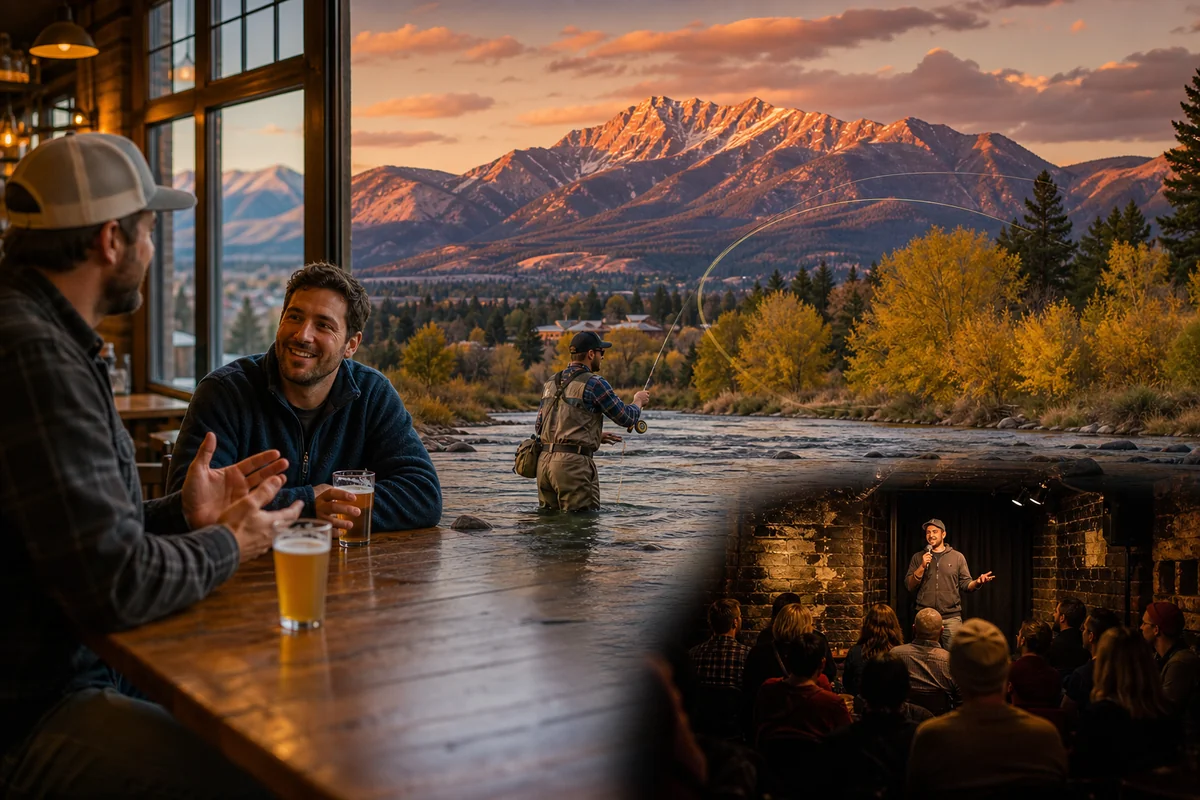
I was standing at a roadside bar in Polebridge last summer, nursing a huckleberry lemonade, when a fellow traveler asked the bartender, “So what do you call yourselves here—Montanaians? Montanites?” The weathered rancher next to me nearly spit out his beer laughing before offering, “We’re Montanans, friend. Always have been, always will be.”
That single word—Montanan—carries more weight, pride, and cultural identity than I ever expected, and understanding it transformed how I experienced this remarkable state.
If you’re exploring Montana Living or planning your first trip to Big Sky Country, knowing what to call the people you’ll meet isn’t just trivia—it’s your entry point into understanding a distinct American culture that values authenticity, self-reliance, and a deep connection to the land.
- Montana residents are officially called Montanans (pronounced mon-TAN-ans)
- The term has been in use since Montana became a territory in 1864
- Montanans take their identity seriously—avoid incorrect terms like “Montanaian” or “Montanite”
- The identity encompasses values of independence, neighborliness, and environmental stewardship
- Native tribes have their own distinct identities within the state
- Understanding this term helps visitors connect more authentically with locals
Liked this article?
Add Roaming Montana as a preferred source so you see more of our articles and guides on Google.
The Official Answer: Residents of Montana Are Called Montanans
Let me cut right to the chase: people who live in Montana are called Montanans. It’s pronounced “mon-TAN-ans,” with the emphasis on the second syllable. This isn’t just colloquial usage—it’s the official demonym recognized by the U.S. Government Publishing Office Style Manual and used in all formal documentation.
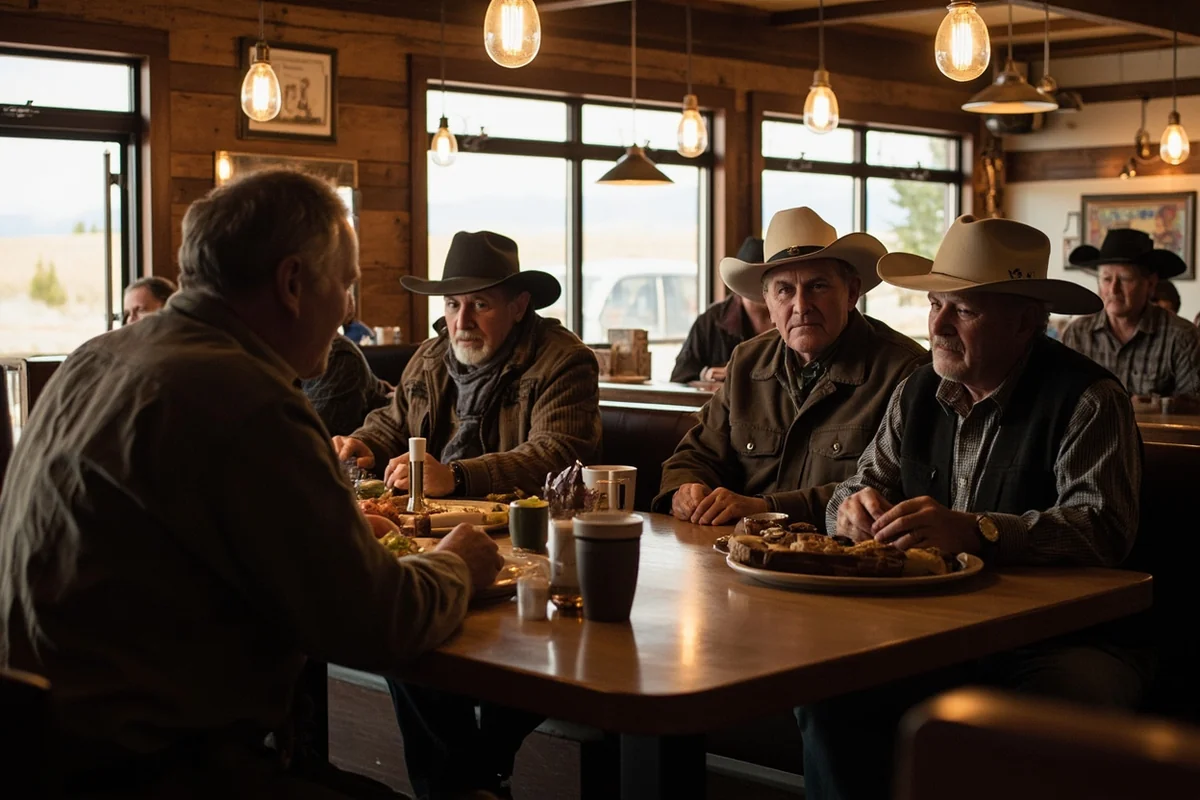
During my travels across the state, I’ve never once heard a local refer to themselves as anything else. Whether I was chatting with a fly-fishing guide on the Madison River or grabbing breakfast at a diner in Lewistown, “Montanan” was the universal identifier.
What surprised me was how much this simple word means to the people who claim it. When someone calls themselves a Montanan, they’re not just stating geography—they’re declaring membership in a particular way of life.
The Etymology: Where Does “Montanan” Come From?
The word “Montanan” derives naturally from “Montana,” which itself comes from the Spanish word “montaña,” meaning mountain. When gold prospectors and settlers flooded into the region in the 1860s, they needed a name for both the territory and themselves.
Montana became an official U.S. territory in 1864, and almost immediately, newspapers of the era began referring to residents as “Montanans.” The Montana Post, the state’s first newspaper established in Virginia City, used the term regularly by 1865.
I spent an afternoon at the Montana Historical Society in Helena during my visit two winters ago, poring through archived newspapers. The consistency amazed me—from the very beginning, “Montanan” was the clear choice, unlike some states where multiple demonyms competed for decades.
The “-an” suffix follows a common English pattern for creating demonyms (think Texan, Californian, Arizonan). It’s grammatically elegant and rolls off the tongue easily, which likely contributed to its immediate adoption.
Why “Montanan” Matters: More Than Just a Label
Here’s something I’ve learned through dozens of conversations with locals: calling yourself a Montanan isn’t taken lightly. There’s an unspoken understanding that this identity must be earned.
The Newcomer Question
When I asked residents in Bozeman and Missoula how long someone needs to live in Montana before they can call themselves a Montanan, the answers varied wildly—from “a few winters” to “never, if you weren’t born here.”
One lifelong rancher near Choteau told me, “You become a Montanan when you stop comparing everything to where you came from.” Another perspective came from a transplant in Whitefish who’d lived there fifteen years: “I finally felt like a Montanan the first time I helped pull a stranger’s truck out of a snowbank without being asked.”
This tension between longtime residents and newcomers is real, especially as Montana’s fastest-growing cities attract more transplants. The Montana population has shifted significantly in recent years, leading to ongoing conversations about what it means to truly belong.
The Values Behind the Name
When someone identifies as a Montanan, they’re typically signaling alignment with certain values:
- Self-reliance: The ability to handle harsh conditions, fix what’s broken, and solve problems independently
- Neighborliness: Paradoxically paired with self-reliance, there’s a strong ethic of helping others when needed
- Environmental connection: A deep relationship with the land, whether through ranching, hunting, fishing, or simply spending time outdoors
- Authenticity: A rejection of pretension and a preference for straight talk
- Privacy: Respect for others’ space and business
Understanding these values has helped me connect with locals far more effectively than any guidebook advice ever could.
What NOT to Call Montana Residents
During my research, I encountered several incorrect terms floating around the internet. Let me save you potential embarrassment by listing what NOT to use:
| Incorrect Term | Why It’s Wrong |
|---|---|
| Montanaian | Grammatically awkward; never used historically |
| Montanite | Sounds like a mineral; not in use |
| Montanese | Follows wrong suffix pattern; never adopted |
| Montanan’t | A joke term I’ve heard for difficult tourists |
Stick with “Montanan,” and you’ll never go wrong.
Native American Identities Within Montana
Any discussion of what Montana residents call themselves must acknowledge the Indigenous peoples who have lived here for thousands of years. Montana is home to seven federally recognized tribal nations, each with distinct identities that predate and transcend the “Montanan” label.
The Eight Reservations
During my visits to different parts of the state, I’ve had the privilege of learning about these distinct communities:
- Blackfeet Nation: The Blackfeet (or Niitsitapi) have their own national identity centered on the Blackfeet Reservation near Browning
- Confederated Salish and Kootenai Tribes: Located on the Flathead Reservation, comprising Bitterroot Salish, Pend d’Oreilles, and Kootenai peoples
- Crow Nation: The Apsáalooke people on the Crow Reservation near Billings
- Fort Belknap Indian Community: Home to the Aaniiih (Gros Ventre) and Nakoda (Assiniboine) peoples
- Fort Peck Assiniboine and Sioux Tribes: Comprising Nakoda and Dakota/Lakota peoples
- Chippewa Cree Tribe: Located on Rocky Boy’s Reservation
- Little Shell Tribe of Chippewa Indians: Recently federally recognized (2019), based in Great Falls
- Northern Cheyenne Tribe: The Tsėhéstáno on their reservation in southeastern Montana
Members of these nations may or may not also identify as Montanans—it’s a personal choice that varies by individual. When I attended a powwow near Lame Deer a few summers back, I asked a young Cheyenne woman how she identified. “I’m Northern Cheyenne first,” she said. “But I’m also a Montanan. They’re not mutually exclusive.”
This multi-layered identity reflects the complex history of the state and deserves respect from visitors. If you’re genuinely curious about this history, I recommend exploring how Montana’s African American community also adds to the state’s rich cultural tapestry.
Regional Variations: Sub-Identities Within Montana
Here’s something guidebooks rarely mention: Montanans also identify strongly with their specific regions. The state is so vast (147,040 square miles—fourth largest in the nation) that regional distinctions matter significantly.
Eastern Montana vs. Western Montana
The difference between these two regions is dramatic. During a road trip from Billings to Missoula, I experienced what felt like two different states.
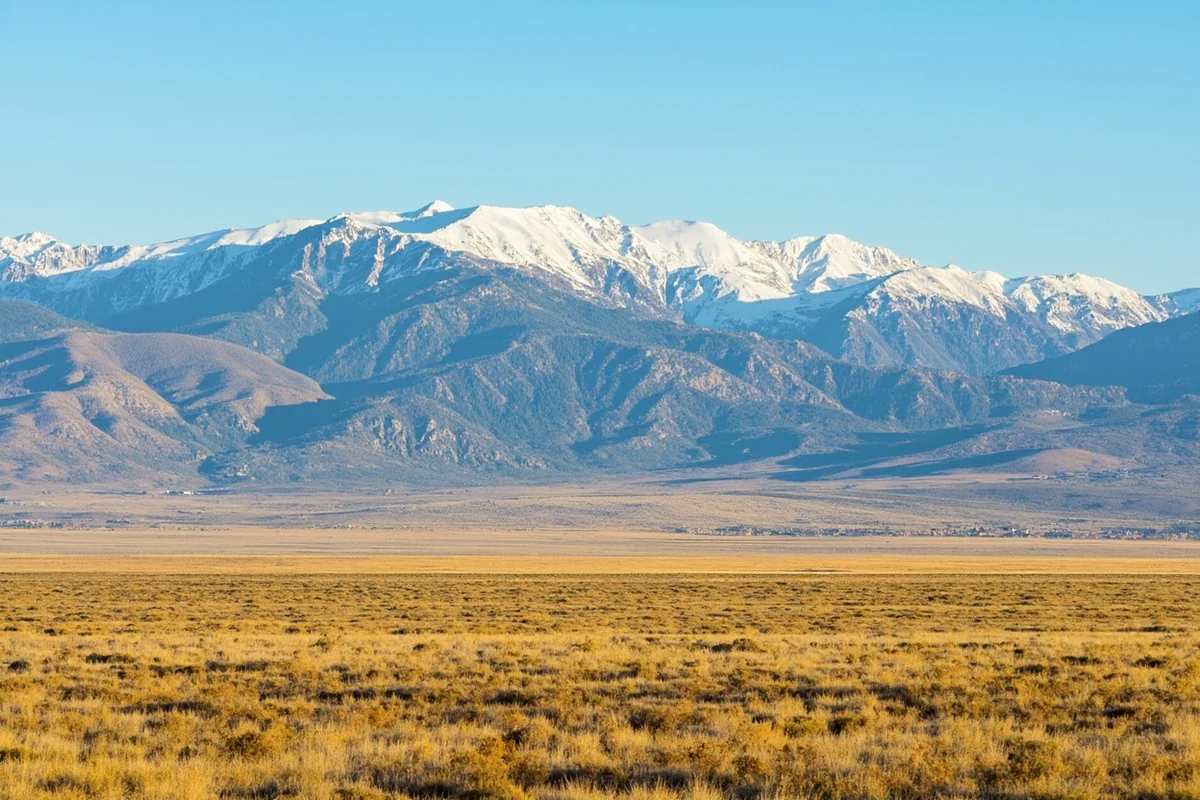
Eastern Montana is characterized by:
- Rolling prairies and big sky (this is where the nickname really makes sense)
- Agricultural economy based on wheat, cattle, and increasingly, oil
- Smaller populations and more isolated communities
- A culture that skews more traditionally Western/cowboy
Folks here sometimes call themselves “Eastern Montanans” or “Hi-Liners” (referring to the Hi-Line, the string of towns along Highway 2). The question why Montana is so unpopulated becomes self-evident driving through this region—miles and miles of beautiful emptiness stretch before you.
Western Montana features:
- The dramatic Rocky Mountain landscapes most tourists envision
- More tourism-dependent economies
- Larger university towns (Missoula, Bozeman)
- A more politically mixed population
I’ve heard Western Montanans occasionally joke about “Westernization” of the state, particularly as Montana prices continue booming.
The Bozeman Question
Bozeman deserves special mention because it’s become ground zero for debates about Montana identity. The city has exploded in population, and longtime Montanans have mixed feelings about the changes.
During my last visit, I overheard more than one local distinguish between “Bozemanites” and “real Montanans”—though plenty of Bozeman residents would (rightfully) bristle at that distinction. If you’re wondering whether Montana is boring, Bozeman’s thriving food, arts, and outdoor scene would quickly change your mind.
The city’s transformation also relates to questions about why Montana is so expensive these days and which areas remain among the cheapest places to live in Montana.
Historical Context: Montana Identity Through the Centuries
Understanding what it has meant to be a Montanan at different points in history helped me appreciate why the identity carries such weight today.
The Mining Era (1860s-1920s)
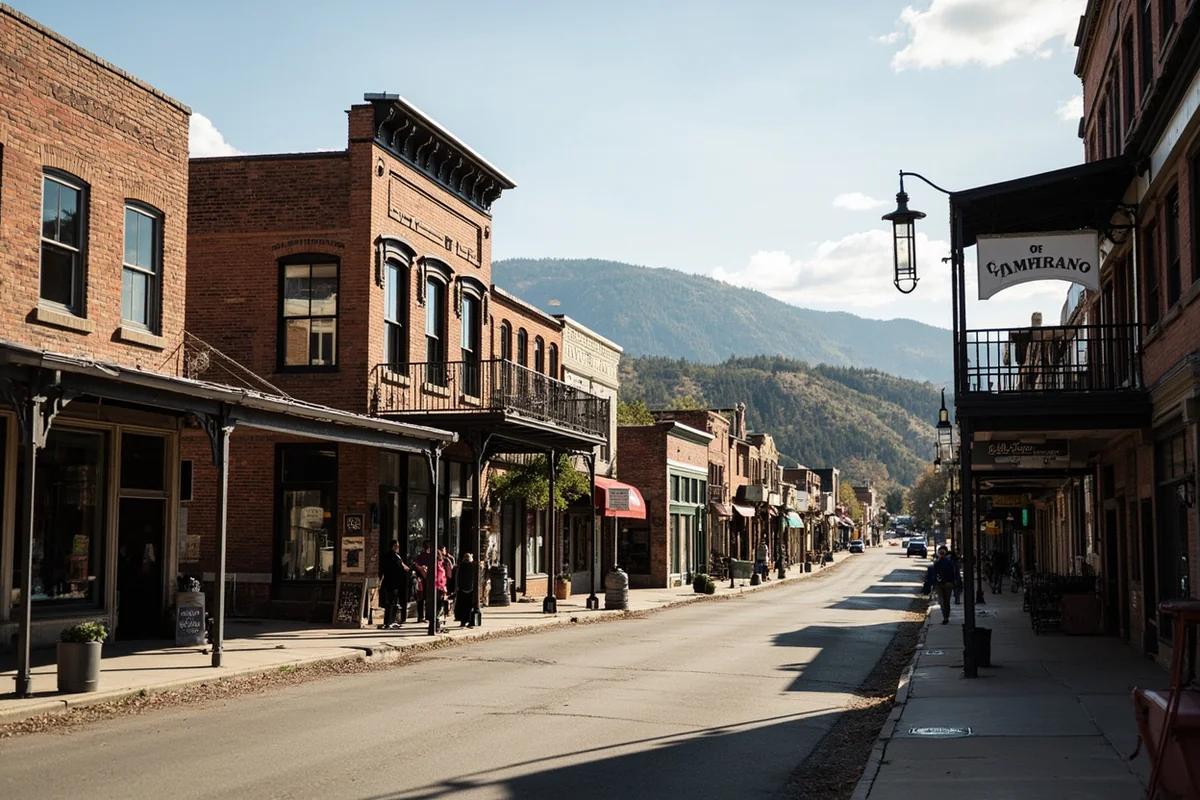
Early Montanans were predominantly miners, many of them immigrants from Ireland, Cornwall, China, and Scandinavia. The identity was forged in tough conditions—harsh winters, dangerous work, and isolated communities.
Butte, once called “the richest hill on earth,” exemplified this era. When I toured the Berkeley Pit and walked the historic uptown district, I felt the echoes of those hardscrabble Montanans who built communities from nothing.
The Homesteading Period (1900s-1920s)
The Homestead Acts brought waves of settlers to Montana’s prairies, and the Montanan identity expanded to include farmers and ranchers. Many failed during the droughts of the 1910s and the Great Depression, but those who remained developed the resilient character still associated with Montanans today.
If this history intrigues you, explore our guide on homesteading in Montana—the tradition continues in modern forms.
The Modern Era
Today’s Montanan identity blends these historical layers with new influences: outdoor recreation enthusiasts, remote workers, retirees seeking peace, and yes, the occasional celebrity. You might be surprised by how many celebrities have chosen Montana living.
This evolution has created some tension, which relates to broader conversations about the pros and cons of living in Montana.
How Understanding This Term Helps Visitors
You might be wondering why any of this matters if you’re just visiting. Here’s what I’ve learned: understanding the Montanan identity makes you a better traveler.
Conversation Starters
When you demonstrate awareness of local identity, conversations open up naturally. I’ve found that asking longtime residents about their Montana roots leads to incredible stories and recommendations no guidebook could provide.
Try questions like:
- “How long has your family been in Montana?”
- “What does being a Montanan mean to you?”
- “What should I see that most tourists miss?”
Avoiding Faux Pas
Understanding Montanan values helps you avoid common tourist mistakes:
- Don’t litter—ever. Environmental stewardship is core to the identity.
- Don’t be flashy. Montanans tend to be understated and distrust showiness.
- Don’t complain about small-town pace. Patience is valued.
- Don’t assume everyone rides horses or lives on a ranch—stereotypes annoy locals.
- Don’t be surprised by the cold. Montanans take pride in surviving harsh winters, and the places with the most snow are often the proudest.
Finding Authentic Experiences
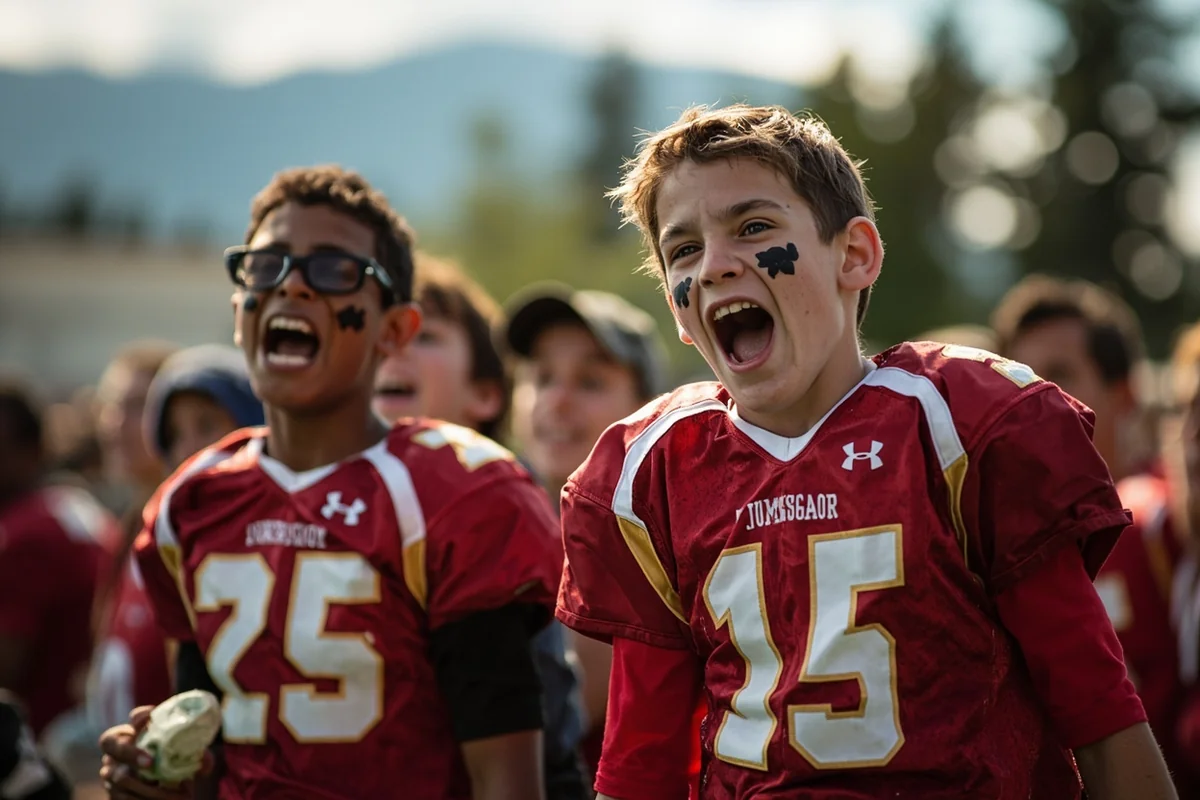
The more you understand Montanan identity, the easier it becomes to find authentic experiences beyond the tourist trail. Local tip: attend a high school football or basketball game—Montana sports showcase community bonds at their finest.
Practical Information for Visitors
Let me share some practical insights that connect to the Montanan identity:
Where to Meet Montanans
- Small-town diners: The best conversations happen over breakfast
- Hardware stores: These function as community hubs in rural areas
- Local bars: But not touristy ones—look for places without neon signs
- Farmers’ markets: Particularly good in Missoula, Bozeman, and Helena
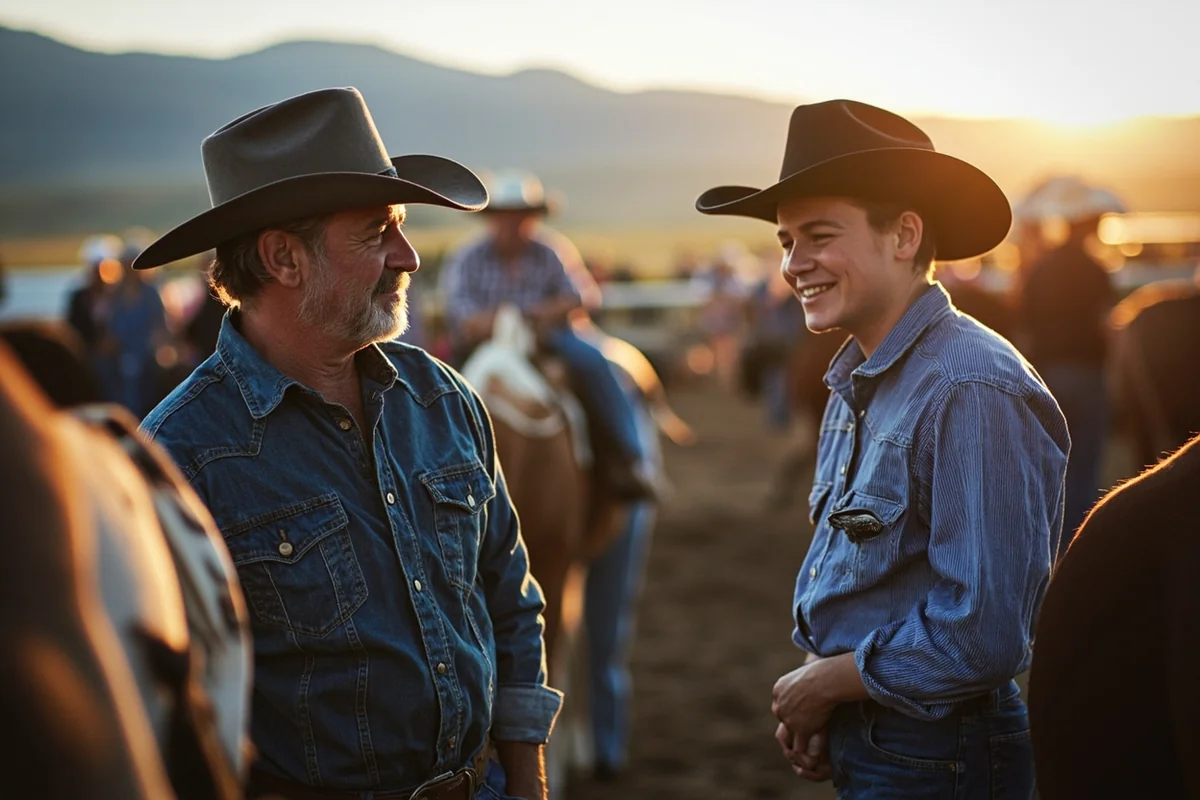
- Rodeos: Authentic Montana culture on full display
- Public lands: Fishing access sites and trailheads where locals recreate
Understanding Local Quirks
A few things about Montana that confuse visitors but make sense once you understand the culture:
The liquor situation: Many visitors ask, do Montana grocery stores sell liquor? The answer reflects Montana’s independent streak—the state has a unique liquor distribution system.
No sales tax: Yes, Montana has no sales tax. Montanans are fiercely protective of this, and it reflects the broader anti-tax sentiment that characterizes the state’s politics.
The “Montana minute”: Things move slower here, and that’s intentional. Don’t expect rushed service—it’s not rudeness, it’s a different pace of life.
Living Like a Montanan: What Visitors Should Know
If you’re considering more than just a visit, you should know what you’re getting into. The Montanan identity comes with certain realities:
The Cost Factor
While historically affordable, the Montana cost of living has risen dramatically in recent years. Understanding this helps explain some of the tensions around newcomers versus longtime residents.
Many are curious about the best places to live in Montana, but decisions should be made carefully. If you’re considering retirement, check out the Montana retirement communities and reasons for retiring in Montana.
Education and Family Considerations
For families, the best school districts in Montana matter enormously. And if higher education is relevant, our guide to the best colleges in Montana covers the options.
Safety and Community
Montana is generally safe, though like anywhere, some areas have challenges. Our guides to Montana’s safest cities and towns and Montana’s most dangerous cities provide honest assessments.
Natural Challenges
Being a Montanan means respecting nature’s power. Montana natural disasters include blizzards, floods, and fires. You should know that Montana does get wildfires—summer smoke season is real.
Inclusivity Considerations
Questions about community and belonging are important. Resources on whether Montana is LGBTQ-friendly and information about Montana’s LGBTQ organizations provide helpful perspectives.
Why People Become Montanans: The Draw of Big Sky Country
After all my travels in Montana, I understand why people fall in love with the state and want to claim the Montanan identity. There are compelling reasons to move to Montana and countless reasons Montana will capture your heart.
Is it for everyone? No. Some wonder if Montana is the worst state when facing isolation, brutal winters, or limited amenities. There are legitimate places to avoid and real challenges like population density questions that affect everything from healthcare access to social opportunities.
But for those who embrace it, becoming a Montanan represents something meaningful—a connection to vast landscapes, tight-knit communities, and a simpler (though not easier) way of life.
Bringing It All Together
So what are Montana residents called? Montanans. Just that. Two syllables that carry the weight of 160 years of history, a set of values forged in harsh conditions, and an identity that newcomers must earn rather than simply claim.
When you visit Montana, use the term correctly. More importantly, try to understand what lies beneath it. Ask questions. Listen to stories. Respect the land and the people.
Whether you’re passing through for a week or considering joining their ranks, understanding what it means to be a Montanan will enrich your experience immeasurably. The state’s nickname is Big Sky Country, but it might as well be Big Heart Country—those who earn the Montanan identity become fiercely protective of both.
On my most recent trip last fall, I finally understood something a old-timer in Augusta told me years ago: “Being a Montanan isn’t about where you were born. It’s about how you live.”
That’s the kind of wisdom you can only find by asking the right questions and really listening to the answers.
Even issues like Montana recycling and environmental stewardship reflect deeper values about what it means to belong to this place. And for those interested in the real estate side, exploring Montana’s most expensive properties versus the state’s sparse population reveals interesting paradoxes about modern Montana.
Whatever brings you to Big Sky Country, now you know how to address the people you’ll meet—and more importantly, why that simple word means so much to them.
Frequently Asked Questions
What are Montana residents called?
Montana residents are called Montanans. You’ll find Montanans are known for their friendly, laid-back Western hospitality, so don’t be surprised when locals strike up conversations about fishing spots or hiking trails during your visit.
What is the nickname for people who live in Montana?
People who live in Montana are officially called Montanans, though you might hear locals playfully refer to themselves as ‘Big Sky’ residents after the state’s famous nickname. Long-time Montanans sometimes distinguish between native-born residents and transplants, but visitors are welcomed warmly regardless.
What do Montanans call themselves and what should I know before visiting?
Montanans call themselves Montanans and take pride in their rugged, independent lifestyle. Before visiting, know that the state covers over 147,000 square miles with towns often 50-100 miles apart, so plan your gas stops carefully and don’t expect cell service in remote areas.
What is the best time to visit Montana and experience local Montanan culture?
The best time to visit Montana is June through September when Montanans host rodeos, county fairs, and farmers markets throughout the state. I recommend July and August for the warmest weather and most community events, though expect to pay $150-300 per night for popular destinations near Glacier and Yellowstone.
Are Montanans friendly to tourists and what tips should visitors know?
Montanans are genuinely friendly to tourists, especially those who respect the land and local customs. Tips for visitors include waving to oncoming drivers on rural roads (it’s expected), leaving gates as you found them, and never asking a rancher how many acres they own—it’s considered rude.
What should I pack when visiting Montana based on how Montanans dress?
Montanans dress in practical layers year-round, so pack a warm jacket even in summer since temperatures can drop 30-40 degrees after sunset. Bring sturdy boots, sunscreen, and a hat—locals joke that Montana has four seasons in one day, and they’re not exaggerating.
How expensive is it to travel through Montana like a local Montanan?
Traveling through Montana costs $100-200 per day for budget-conscious visitors, including gas, food, and mid-range lodging. Montanans save money by camping ($15-35 per night at state parks), eating at local diners instead of tourist restaurants, and filling up on gas in larger towns where prices are typically $0.20-0.40 cheaper per gallon.
Sources
- https://mt.gov/discover/brief_history.aspx
- https://www.bia.gov/as-ia/opa/online-press-release/origin-names-us-states
- https://www.census.gov/quickfacts/MT
- https://mhs.mt.gov/Shpo/AfricanAmericans/History/Timeline
- https://www.journals.uchicago.edu/doi/abs/10.1086/JAAHv91n1p23?journalCode=jaah
- https://www.archives.gov/milestone-documents/chinese-exclusion-act