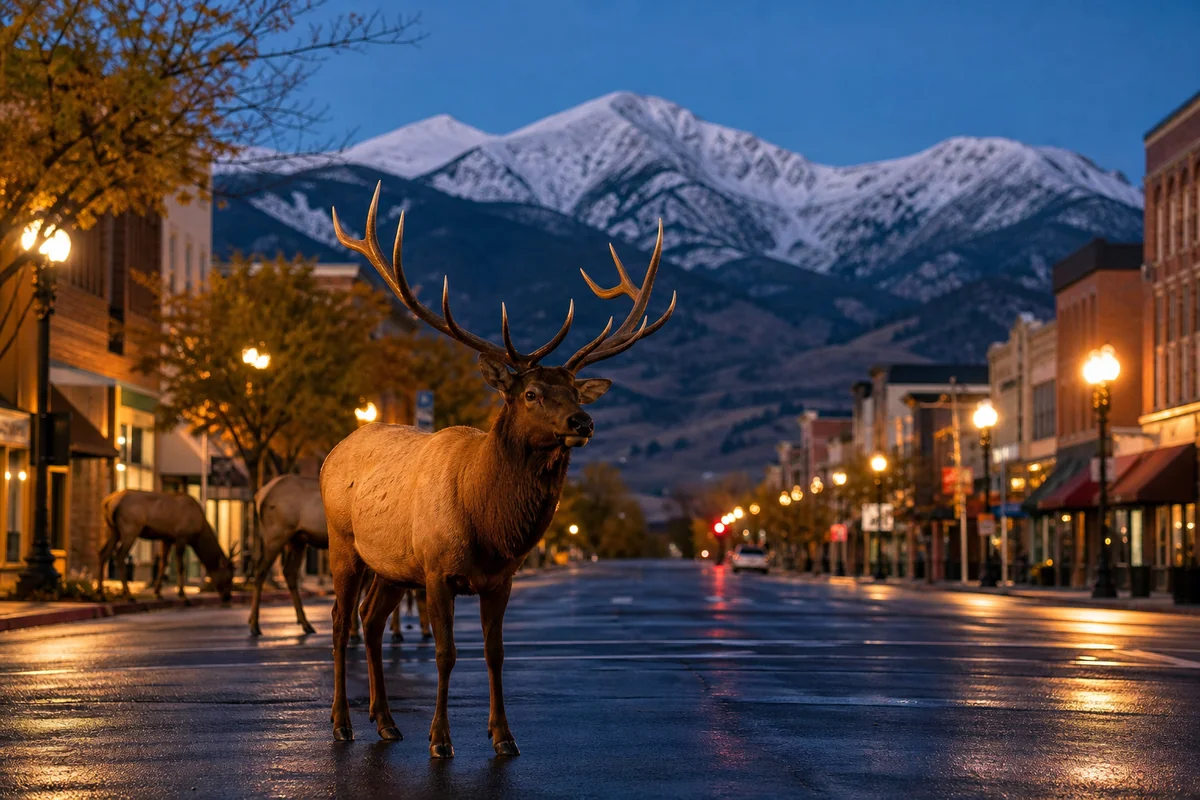
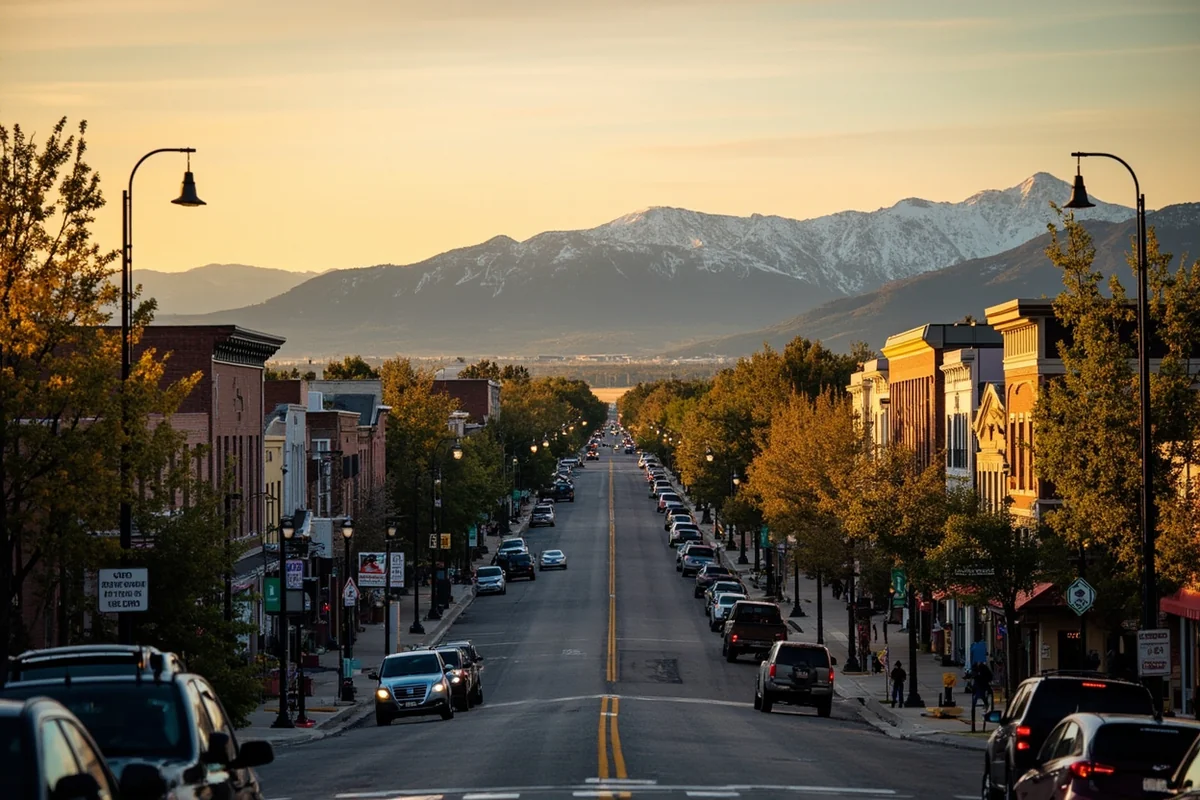
I was standing in the middle of Main Street at 2 AM on a Tuesday when I realized something bizarre: there were more elk than people visible from where I stood.
That moment perfectly encapsulates Bozeman, Montana—a place where the unexpected is the norm and where “normal” takes on an entirely different meaning than anywhere else in America.
- Bozeman has more PhD holders per capita than almost any US city its size
- The town sits in a valley with over 300 days of sunshine annually
- Yellowstone’s north entrance is just 90 miles away—closer than most realize
- World-class skiing, fly fishing, and dinosaur fossils exist within 30 minutes of downtown
- The population has nearly doubled since 2000, creating a fascinating culture clash
- Local laws once banned dancing in bars (yes, really, until 2005)
Liked this article?
Add Roaming Montana as a preferred source so you see more of our articles and guides on Google.
Bozeman’s Geography Creates Its Own Weather Patterns
I’ve lived through what locals call “the Bozeman vortex” more times than I can count. This unique geographical phenomenon occurs because the city sits in the Gallatin Valley at 4,820 feet elevation, surrounded by five distinct mountain ranges.
The Bridger Mountains to the north, the Gallatin Range to the south, the Tobacco Root Mountains to the west, the Big Belt Mountains to the east, and the Madison Range to the southwest create a bowl effect. This positioning means weather can change from sunny and 70 degrees to a full blizzard in under an hour—I’ve personally witnessed this happen in late May.
What most visitors don’t realize is that these mountains also create a rain shadow effect. Bozeman actually receives less annual precipitation than Los Angeles, averaging only about 19 inches per year.
The 300 Days of Sunshine Claim
You’ll hear locals brag about 300 days of sunshine annually, and during my years visiting and eventually spending extended time here, I can confirm it’s roughly accurate. However, there’s a catch nobody mentions in the tourism brochures.
“Sunshine” in Bozeman often means the sun appears at some point during the day, not that it’s a warm beach day. Last January, I experienced a technically “sunny” day where the high temperature was -15°F with a wind chill of -35°F.
The practical takeaway: pack layers no matter when you visit, and never trust a sunny morning to predict the afternoon.
The Dinosaur Capital Nobody Talks About
Here’s a fact that genuinely surprised me during my first deep dive into Bozeman’s history: this small Montana city has been the epicenter of some of the most important dinosaur discoveries in paleontological history.
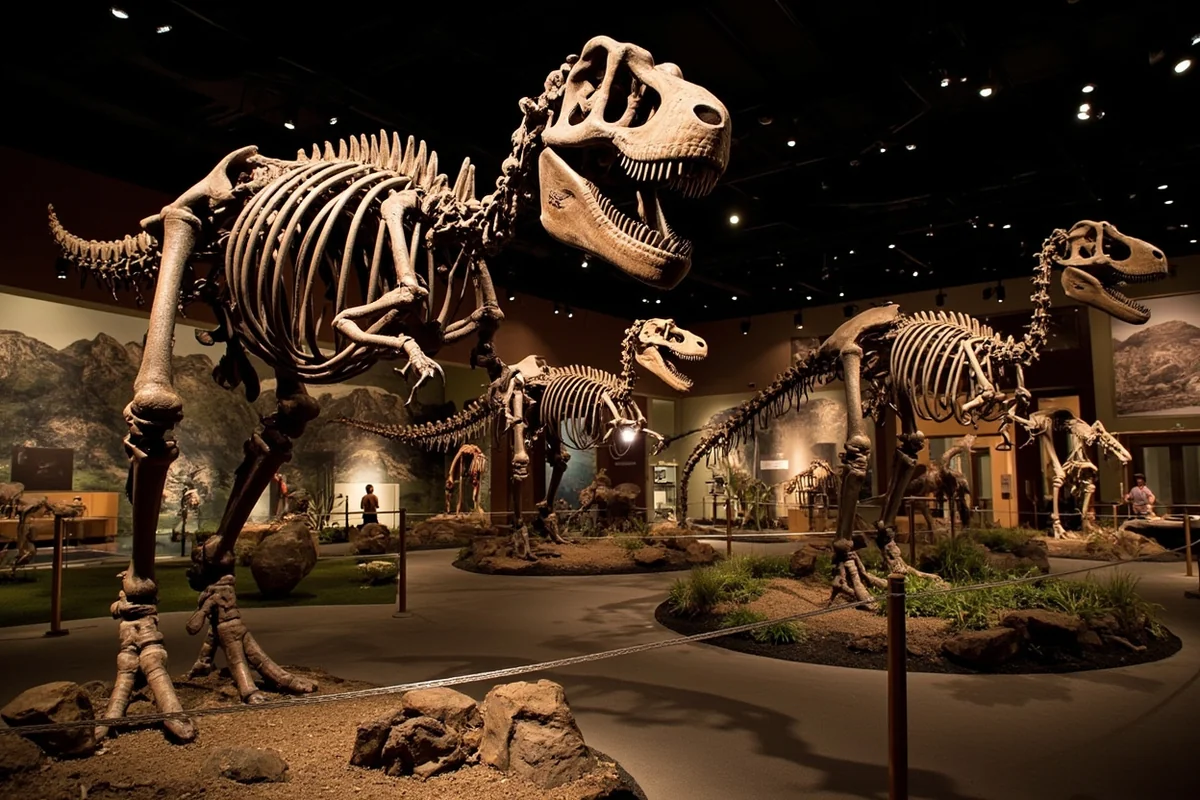
The Museum of the Rockies houses one of the largest collections of dinosaur fossils in the world. I spent an entire afternoon there last summer, and I was stunned to learn that legendary paleontologist Jack Horner—the advisor for all the Jurassic Park films—conducted his research here for decades.
The T. Rex That Changed Everything
During a guided tour, a museum docent told me something that stopped me in my tracks. The first T. rex fossil ever found with soft tissue still preserved came from Montana, and that research was conducted right here in Bozeman.
In 2005, paleontologist Mary Schweitzer discovered preserved blood vessels and cells in a 68-million-year-old T. rex femur. This single discovery revolutionized our understanding of dinosaur biology and opened entirely new fields of research.
The museum displays multiple T. rex specimens, including one of only about 50 reasonably complete specimens ever found. Walking past these massive skulls, I couldn’t help but imagine these creatures roaming the very valley where downtown Bozeman now sits.
The College Town That Defies Expectations
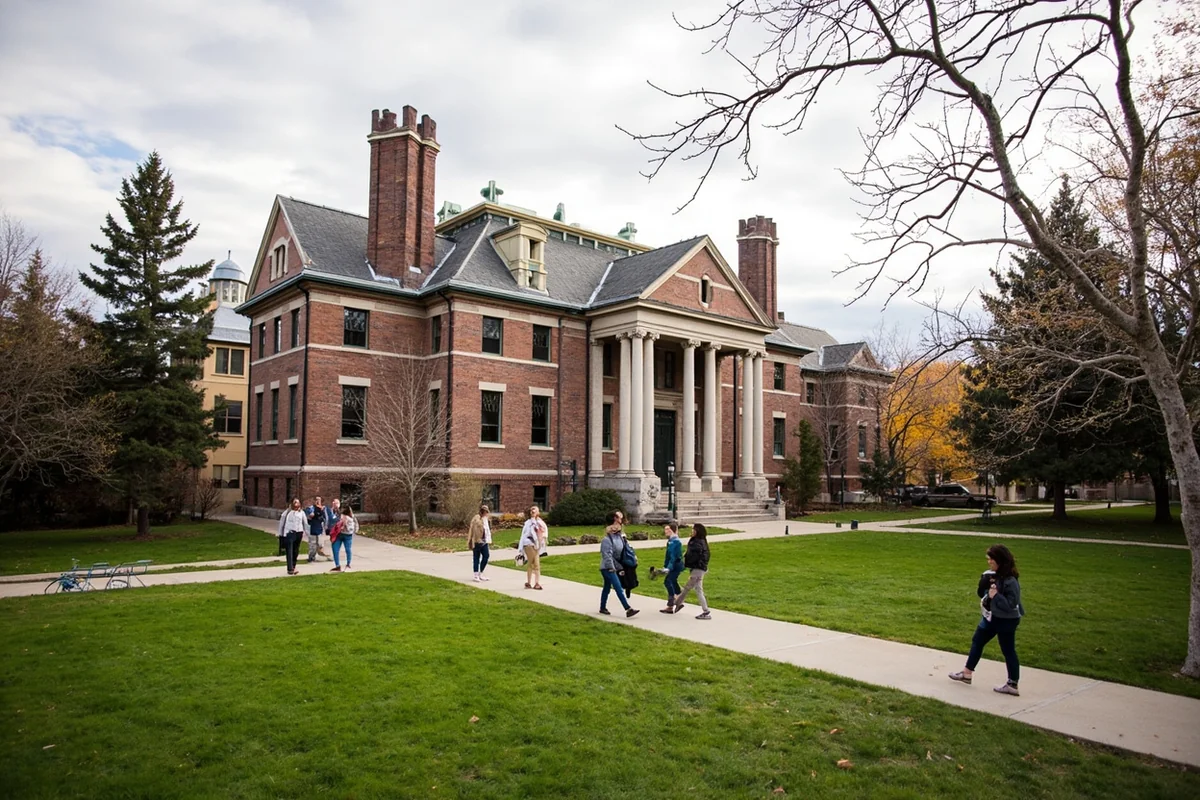
Montana State University dominates Bozeman’s identity, but not in the way most college towns work. With roughly 17,000 students, MSU’s presence has created one of the most highly educated small cities in America.
I was chatting with a barista at Cold Smoke Coffeehouse on a random Wednesday morning when she casually mentioned she had a master’s degree in environmental engineering. This wasn’t unusual—it’s actually the norm here.
PhD Per Capita Rankings
Bozeman consistently ranks among the top US cities for PhD holders per capita. When I looked into why, the answer became obvious: MSU’s research programs in fields like engineering, ecology, and agriculture attract brilliant minds who simply never leave.
| Education Metric | Bozeman | National Average |
|---|---|---|
| Bachelor’s Degree or Higher | 58% | 33% |
| Graduate or Professional Degree | 24% | 13% |
| STEM Workforce Percentage | Above 15% | 6% |
The practical impact for visitors? Expect thoughtful conversations at local breweries, surprisingly sophisticated restaurant menus, and coffee shop discussions that might accidentally teach you about quantum physics.
A Brief History That Explains Modern Bozeman
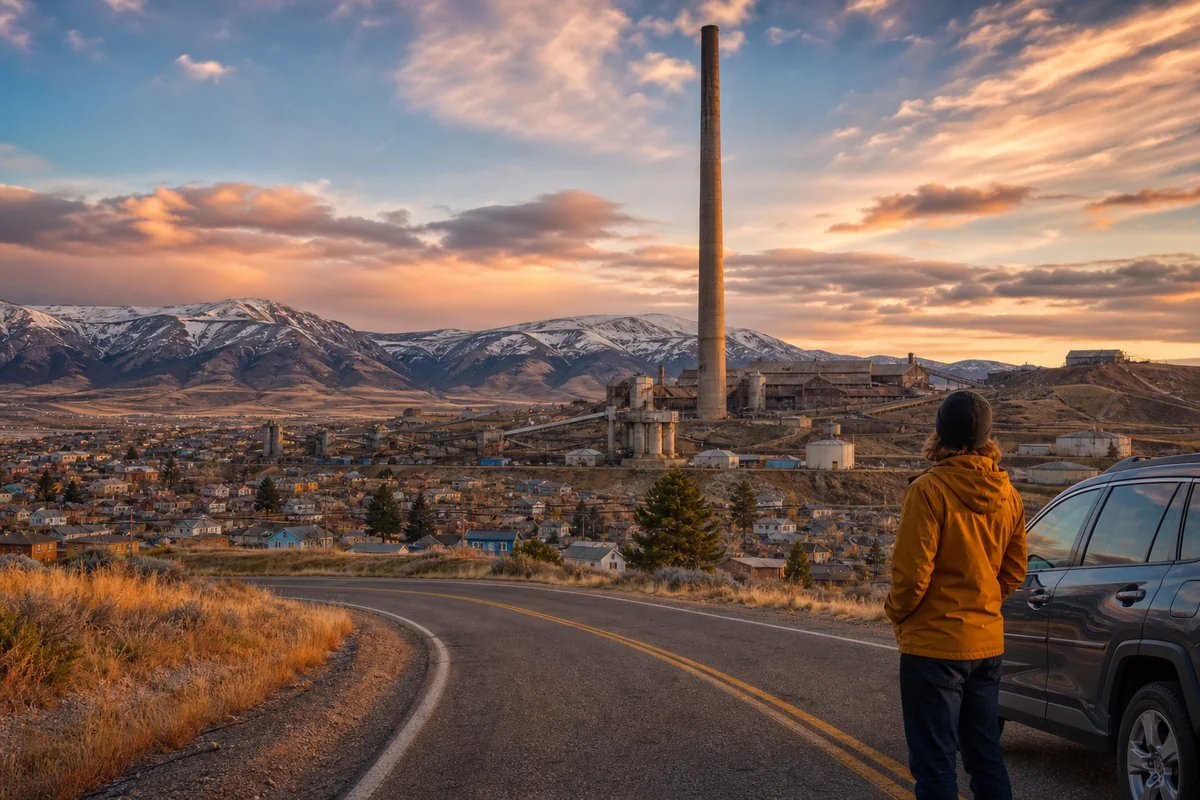
I used to think Bozeman was just another western frontier town, but researching its founding revealed a much stranger origin story. The city was established in 1864 by John Bozeman, who created the Bozeman Trail as a shortcut to Montana’s gold fields.
Here’s the dark irony: John Bozeman was killed just three years after founding the city, and historians still argue about whether it was a Blackfeet raid or a dispute with a companion. The man never got to see what his namesake became.
From Railroad Town to Ski Town to Tech Hub
The Northern Pacific Railway arrived in 1883, and that single event transformed Bozeman from a frontier outpost into a permanent settlement. I found old photographs at the Gallatin History Museum showing Main Street in the 1890s—the brick buildings you see today are largely the same structures.
What fascinates me is the town’s three distinct identity shifts. First came the agricultural era, when Bozeman served as a supply center for ranches and farms across the Gallatin Valley. Then the outdoor recreation boom of the 1970s and 80s brought skiers, anglers, and climbers.
The current era began around 2010, when tech companies discovered you could run a business from anywhere with good internet and world-class skiing 20 minutes away. Companies like Oracle, Workiva, and numerous startups now have significant Bozeman presences.
The Dancing Ban and Other Weird Laws
This is my favorite fun fact to share with visitors because nobody believes me until they look it up. Until 2005, Bozeman had an active law prohibiting dancing in establishments that served alcohol.
I interviewed a longtime bar owner during my research, and he explained the absurd workarounds. Technically, you could have a “dance performance” but not “social dancing.” Some bars designated tiny areas as “stages” where individuals could perform choreographed moves that just happened to look like dancing.
The law finally changed after a group of young professionals organized a dance protest outside City Hall. Modern Bozeman now has a thriving live music scene with plenty of legal dancing.
Other Quirky Regulations Still on the Books
While researching at the local library, I discovered several other odd laws that technically remain enforceable:
- It’s technically illegal to have a sheep in your truck cab without a chaperone
- Missile silos require a permit (yes, there are decommissioned ones in the area)
- You cannot fish from a horse’s back on Main Street on Sundays
None of these are enforced, obviously, but they paint a picture of Bozeman’s transition from frontier town to modern city.
The Yellowstone Connection Most Visitors Miss
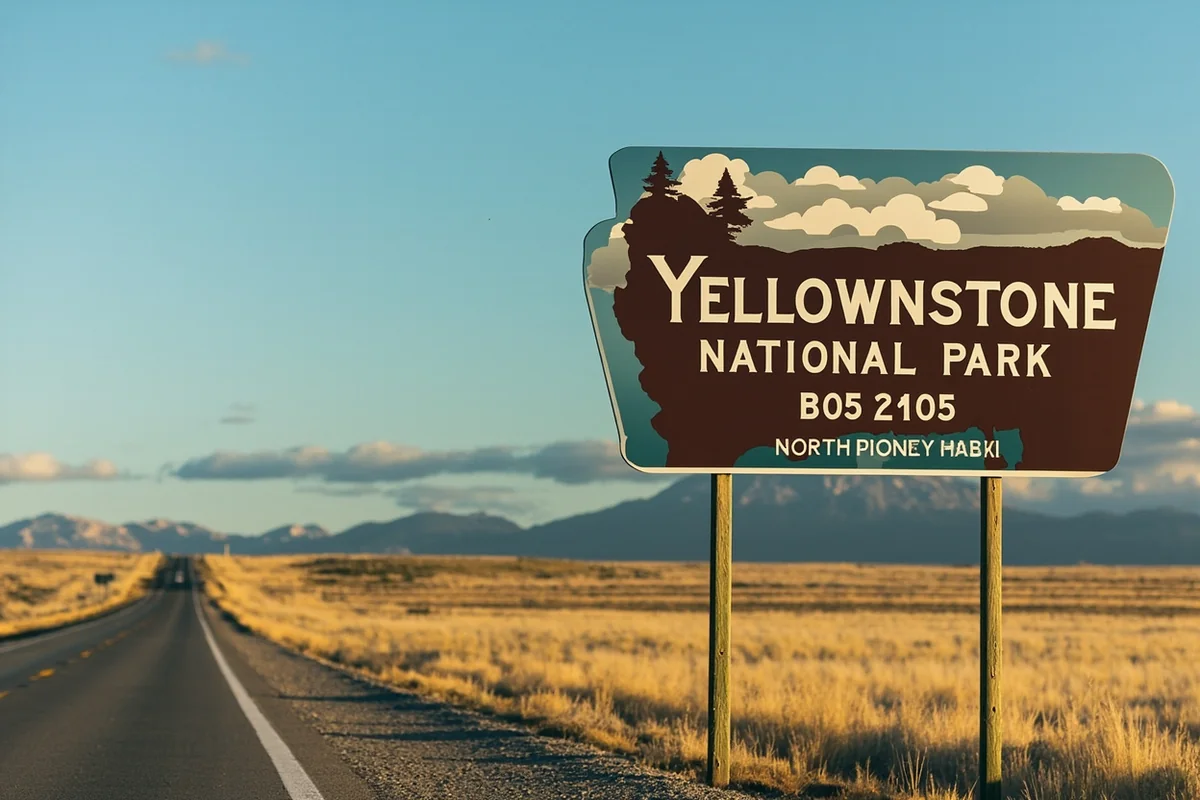
Everyone knows Yellowstone is nearby, but few visitors understand just how strategically located Bozeman really is. During my countless trips between Bozeman and the park, I’ve timed the drive extensively.
The north entrance at Gardiner sits exactly 89 miles south of downtown Bozeman—about 1 hour and 45 minutes in good conditions. The west entrance near West Yellowstone is 91 miles away via Highway 191, one of the most scenic drives in America.
Why Bozeman Beats the Gateway Towns
I’ve stayed in West Yellowstone, Gardiner, and various other gateway communities, and I keep returning to Bozeman as my base. Here’s my honest assessment of why.
The gateway towns are expensive, limited, and completely packed during peak season. Last July, I watched someone pay $400 for a roadside motel room in West Yellowstone that I wouldn’t rate above a 2-star property.
Bozeman offers real restaurants, breweries, and entertainment options when you return exhausted from a day of hiking. The extra 45 minutes of driving is worth it for the quality of life after dark.
The Fly Fishing That Rivals Anywhere on Earth
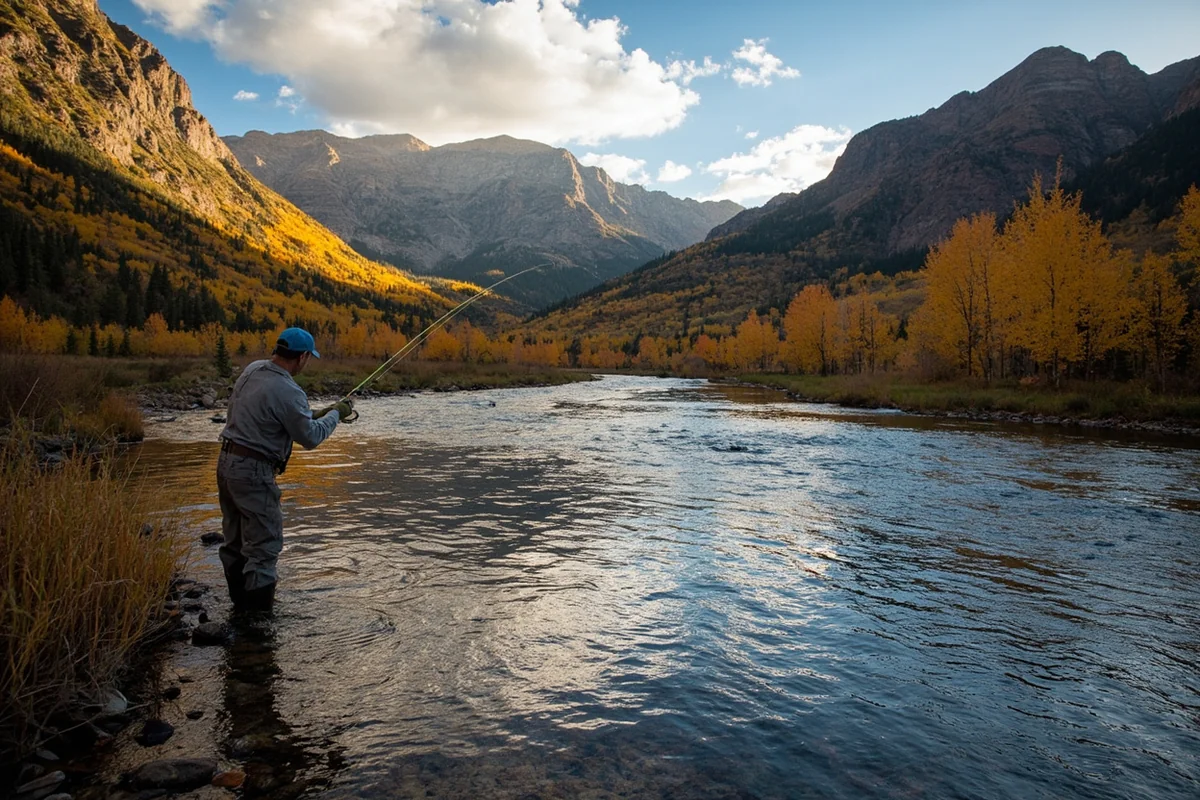
I’ll be direct: Bozeman sits at the center of the finest trout fishing in the continental United States. This isn’t Chamber of Commerce hype—it’s a fact I’ve verified over dozens of trips.
Within 30 minutes of downtown, you can access the Gallatin River, the East Gallatin River, the Madison River, and the Yellowstone River. Each offers distinct experiences, from technical spring creek fishing to wade-fishing pocket water.
The “Hundred Dollar Day” Reality
A local guide shared something with me that I think about often. He called it the “hundred dollar day”—the idea that any competent angler can catch at least 20 fish worth $5 each in good conditions.
During a late September trip, I tested this theory on the upper Madison. By 2 PM, I had landed 23 rainbow and brown trout, including several over 18 inches. I’m not a professional angler by any measure.
For visitors wanting to fish, I recommend hiring a guide for your first day regardless of experience level. The local knowledge about hatches, water conditions, and access points transforms a good trip into an exceptional one.
Bridger Bowl: The Anti-Corporate Ski Mountain
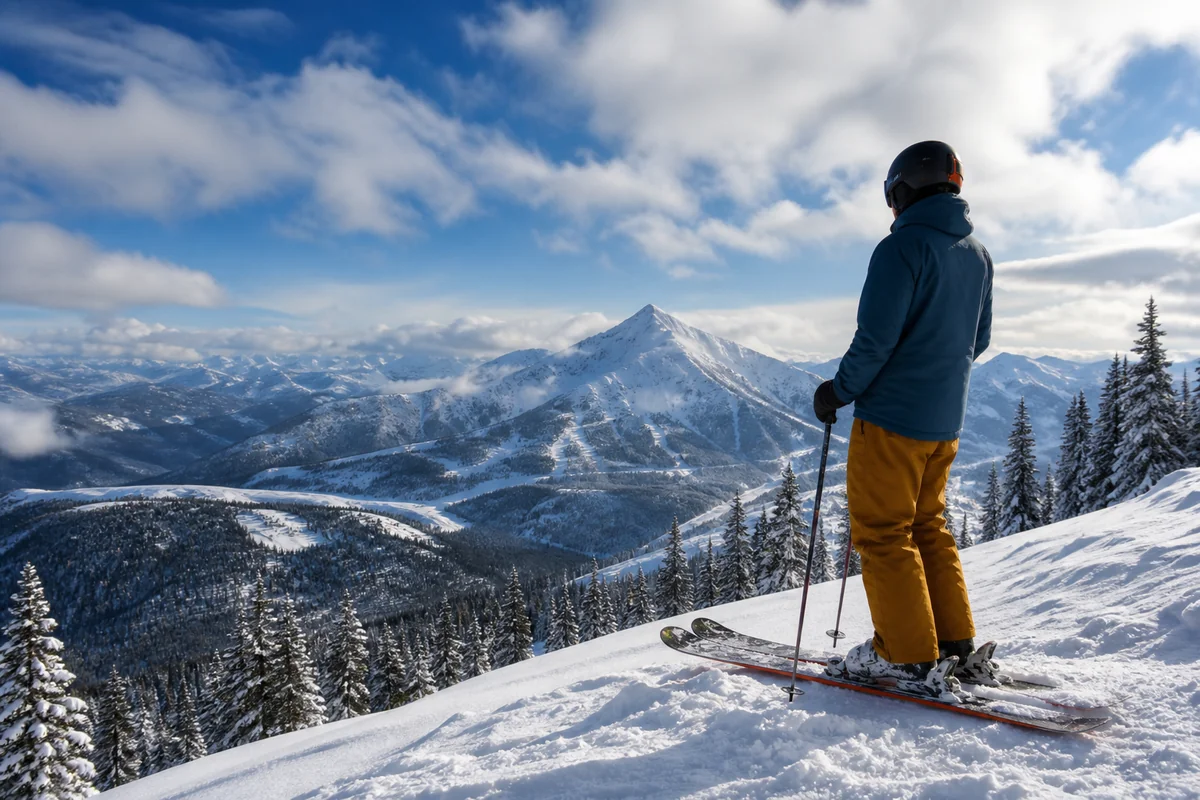
Every serious skier I’ve met has Bridger Bowl on their bucket list, and after skiing there repeatedly, I understand why. This nonprofit ski area operates unlike any resort I’ve experienced.
Bridger is owned by a nonprofit organization, which means lift ticket prices remain remarkably reasonable. During my last visit, a full-day adult ticket cost under $100—roughly half what you’d pay at comparable terrain elsewhere.
The Ridge Terrain That Attracts Experts
The Ridge at Bridger Bowl represents some of the most challenging inbounds terrain in North America. I’ll be honest: I’ve only skied it twice, and both times my heart was pounding.
To access The Ridge, you hike a steep bootpack above the already-high elevation. The runs drop through rocky chutes and sustained steep pitches. On powder days, you’ll share The Ridge with Olympic-caliber skiers who live here specifically for this terrain.
For intermediate skiers, don’t let The Ridge intimidate you. The lower mountain offers fantastic groomed runs and manageable tree skiing. I spent most of my early visits exploring terrain I could actually handle.
Big Sky Resort: The Statistics Don’t Lie
Just 45 minutes from downtown Bozeman, Big Sky Resort claims the title of “Biggest Skiing in America.” After numerous visits, I can confirm the statistics are legitimate.
With 5,850 acres of skiable terrain and a 4,350-foot vertical drop, Big Sky dwarfs most American ski resorts. For perspective, Vail has about 5,300 acres, and most “major” resorts hover around 3,000.
The Lone Peak Tram Experience
The Lone Peak Tram takes skiers to 11,166 feet elevation, and the view from the top genuinely changed my perspective on mountain geography. On clear days, you can see three states and Yellowstone’s steam plumes.
I’ll share my honest opinion: Big Sky’s immense size means you can ski for a full week without repeating runs. However, the mountain’s development has created some soulless base village areas. I prefer Bridger’s character but acknowledge Big Sky’s superior snow reliability.
The Population Explosion Creating Cultural Tension
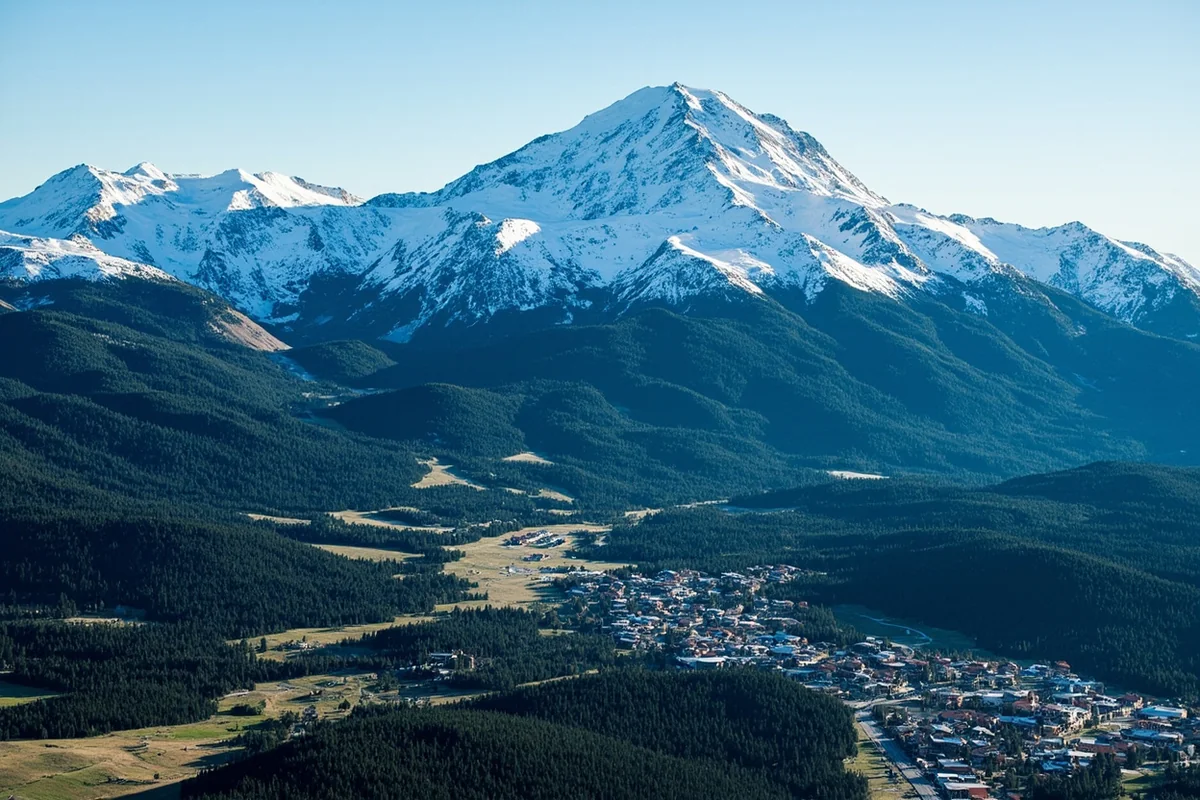
Here’s something tourism websites won’t tell you: Bozeman is experiencing growing pains that affect visitor experiences. The population has grown from about 27,000 in 2000 to over 56,000 today, and the infrastructure is struggling to keep pace.
I’ve watched traffic on Main Street go from manageable to genuinely frustrating over the past decade. During tourist season, finding downtown parking can take 20+ minutes.
The “Locals vs. Transplants” Dynamic
In conversations with longtime residents, I’ve sensed genuine frustration about the changes. Housing prices have tripled in some neighborhoods, pushing out service workers and young families.
A bartender at the Crystal Bar, an institution since 1951, put it bluntly: “Used to be we all knew each other. Now half the town arrived last Tuesday from California.” There’s tension beneath Bozeman’s friendly surface.
For visitors, this means being respectful about the community you’re entering. Support local businesses rather than chains, tip generously (service workers commute from as far as 45 miles away due to housing costs), and don’t complain about how things aren’t like “back home.”
The Food Scene That Surprised Me
I expected basic Western fare when I first started exploring Bozeman’s restaurants. I was completely wrong. The food scene here competes with cities five times its size.
On my most recent trip, I had a meal at Blackbird Kitchen that could have been served in any major metropolitan area. The locally-sourced ingredients, sophisticated techniques, and thoughtful wine pairings rivaled experiences I’ve had in Portland and Denver.
Must-Visit Restaurants From Personal Experience
I keep a running list of Bozeman restaurants I return to repeatedly:
- Plonk Wine Bar – Outstanding charcuterie and an intimidating wine list in the best way
- The Roost Fried Chicken – The crispiest, most flavorful fried chicken I’ve had anywhere
- Sidewinders American Grill – Perfect burgers and a genuine locals’ atmosphere
- Dave’s Sushi – Yes, quality sushi in Montana, and it’s exceptional
- La Tinga – Upscale Mexican with homemade tortillas that ruin other tortillas forever
The Brewery Density Defies Logic
Bozeman has more breweries per capita than almost any city in America. Last count, I identified over 10 breweries within city limits serving a population of 56,000 people.
During one ambitious afternoon, I attempted a “brewery walk” hitting five establishments. I made it to three before wisely calling an Uber. The quality across the board impressed me—these aren’t novelty operations but serious craft producers.
My Honest Brewery Rankings
After extensive research (someone has to do it), here are my personal recommendations:
- Bozeman Brewing Company – The original, still excellent, especially the Bozone Select Amber
- Mountains Walking Brewery – Innovative styles and the best outdoor patio
- MAP Brewing – Spectacular views of the Bridger Mountains with solid beers
- Outlaw Brewing – Great for families with a spacious setup and lawn games
The Hot Springs Nobody Mentions
Here’s an insider tip that dramatically improves any Bozeman visit: there are multiple hot springs within an hour’s drive, and most visitors never discover them.
Bozeman Hot Springs, just 8 miles west of town, features 12 different pools ranging from 59°F to 106°F. I’ve spent many post-skiing evenings soaking there, watching the sun set over the mountains.
The Secret Soaking Spots
I hesitate to share this, but responsible visitors deserve to know: natural hot springs exist in undeveloped areas throughout the region. The Yellowstone ecosystem creates geothermal activity far beyond the park boundaries.
Potosi Hot Springs, about 30 miles from Bozeman, offers a semi-developed experience in a stunning mountain setting. The drive involves significant dirt road navigation, so high clearance vehicles are recommended.
For any natural hot spring visit, practice strict Leave No Trace principles. These areas face closure when visitors trash them.
Practical Information You Actually Need
After all the fun facts, here’s the practical information that will make your visit smoother. I’ve learned most of this through trial and error.
| Category | Details |
|---|---|
| Best Time to Visit | September-October (fewer crowds, perfect weather) or January-March (skiing) |
| Airport | Bozeman Yellowstone International (BZN) – 8 miles from downtown |
| Altitude Awareness | 4,820 feet – drink extra water, expect reduced alcohol tolerance |
| Cell Coverage | Excellent in town, spotty to nonexistent in surrounding mountains |
| Rental Car | Essential unless you’re only staying downtown |
The Altitude Factor Nobody Warns You About
At nearly 5,000 feet, Bozeman’s elevation affects visitors more than most expect. I’ve watched friends from sea-level cities struggle with basic hikes during their first few days.
My advice: take it easy on day one, hydrate obsessively, and limit alcohol consumption initially. The thin air amplifies everything, from hangovers to exercise intensity.
Wildlife Encounters Are Routine
I saved one of the most important facts for last: wildlife in and around Bozeman isn’t a novelty—it’s a constant presence that demands respect.
During one memorable evening run along Sourdough Creek, I rounded a corner and found myself 30 feet from a black bear. We stared at each other for what felt like an hour (probably three seconds), and then it ambled away.
Moose regularly wander through neighborhoods, especially in winter. Mountain lions live in the foothills immediately surrounding town. Grizzly bears have been spotted within city limits.
Wildlife Safety Isn’t Optional
Carry bear spray on any hike outside city limits—this isn’t paranoia but basic preparedness. I keep a canister in my car at all times.
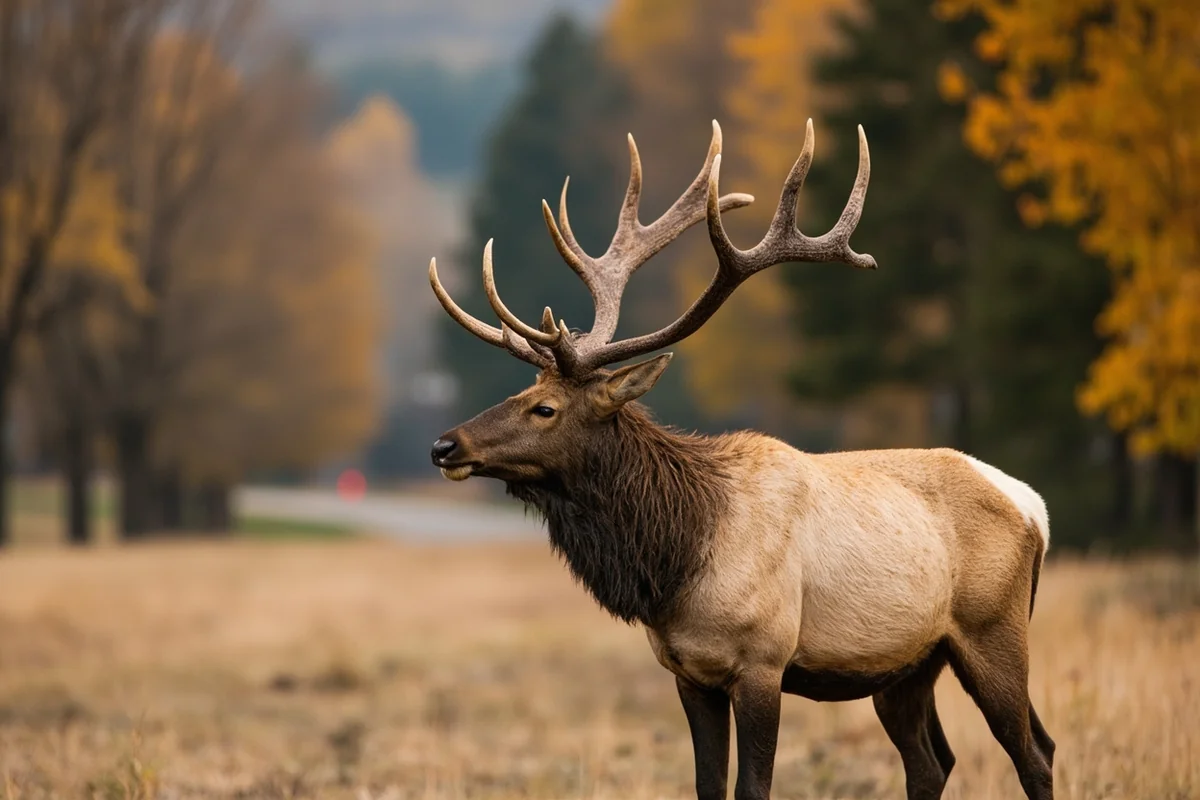
Never approach any wildlife, regardless of how docile it appears. The bison in Yellowstone that gore tourists every year look peaceful until they’re not. The same applies to elk, moose, and especially bears.
The reality of living alongside dangerous wildlife adds something to Bozeman’s character. There’s a wildness here that most American cities paved over decades ago, and experiencing it requires both respect and caution.
The Real Reason People Never Leave
I’ve asked dozens of transplants why they stayed in Bozeman despite the brutal winters, rising costs, and isolation from major cities. The answers consistently circle back to one theme: access.
Within 90 minutes of downtown Bozeman, you can ski world-class terrain, fish blue-ribbon trout streams, soak in natural hot springs, explore Yellowstone National Park, hike hundreds of trail miles, and still make it home for dinner at a restaurant that would impress friends from any major city.
That combination doesn’t exist anywhere else in America. I’ve looked. The people who discover Bozeman and stay aren’t escaping something—they’re choosing a life where the extraordinary is routine.
Whether you visit for a weekend or a month, you’ll understand. Just don’t blame me when you start browsing real estate listings before your flight home.
Frequently Asked Questions
What is Bozeman Montana famous for?
Bozeman is famous for being the gateway to Yellowstone National Park, home to Montana State University, and surrounded by world-class skiing at resorts like Big Sky and Bridger Bowl. I was surprised to learn it’s also known as one of the fastest-growing small cities in America and has a thriving craft brewery scene with over a dozen local breweries.
What is the best time of year to visit Bozeman Montana?
The best time to visit Bozeman depends on your interests—summer (June through August) offers warm weather perfect for hiking and exploring Yellowstone, while winter (December through March) is ideal for skiing. I personally love September when the crowds thin out, fall colors emerge, and temperatures are still comfortable in the 50s-60s°F.
How far is Bozeman from Yellowstone National Park?
Bozeman is approximately 90 miles north of Yellowstone’s North Entrance at Gardiner, which takes about 1.5 to 2 hours to drive depending on traffic and weather conditions. This makes Bozeman one of the most popular base camps for Yellowstone visitors who want access to restaurants, hotels, and amenities before or after their park adventure.
Is Bozeman Montana expensive to visit?
Bozeman has become pricier in recent years due to its popularity—expect to pay $150-$300 per night for decent hotels during peak season and $15-$25 for casual dining. However, you can save money by visiting during shoulder seasons, booking accommodations in nearby Belgrade, and taking advantage of free activities like hiking the M Trail or exploring downtown’s galleries.
What should I pack for a trip to Bozeman Montana?
Pack layers no matter what season you visit because Bozeman’s mountain weather can change dramatically within hours—I’ve experienced 40-degree temperature swings in a single day. Essentials include sturdy hiking boots, sunscreen, a warm jacket even in summer, and bear spray if you’re planning backcountry adventures near Yellowstone or in the surrounding wilderness areas.
How many days do you need in Bozeman Montana?
I recommend at least 3-4 days to experience Bozeman properly—one day exploring the charming downtown and Museum of the Rockies, one or two days for Yellowstone day trips, and another for outdoor activities like hiking Hyalite Canyon or fly fishing the Gallatin River. If you’re adding skiing at Big Sky or want a more relaxed pace, plan for 5-7 days.
Does Bozeman Montana have an airport and is it easy to fly into?
Yes, Bozeman Yellowstone International Airport (BZN) is the busiest airport in Montana and offers direct flights from major hubs like Denver, Seattle, Minneapolis, Salt Lake City, and Dallas. The airport is conveniently located just 8 miles northwest of downtown Bozeman, making it an easy 15-minute drive to reach your hotel or start your Montana adventure.